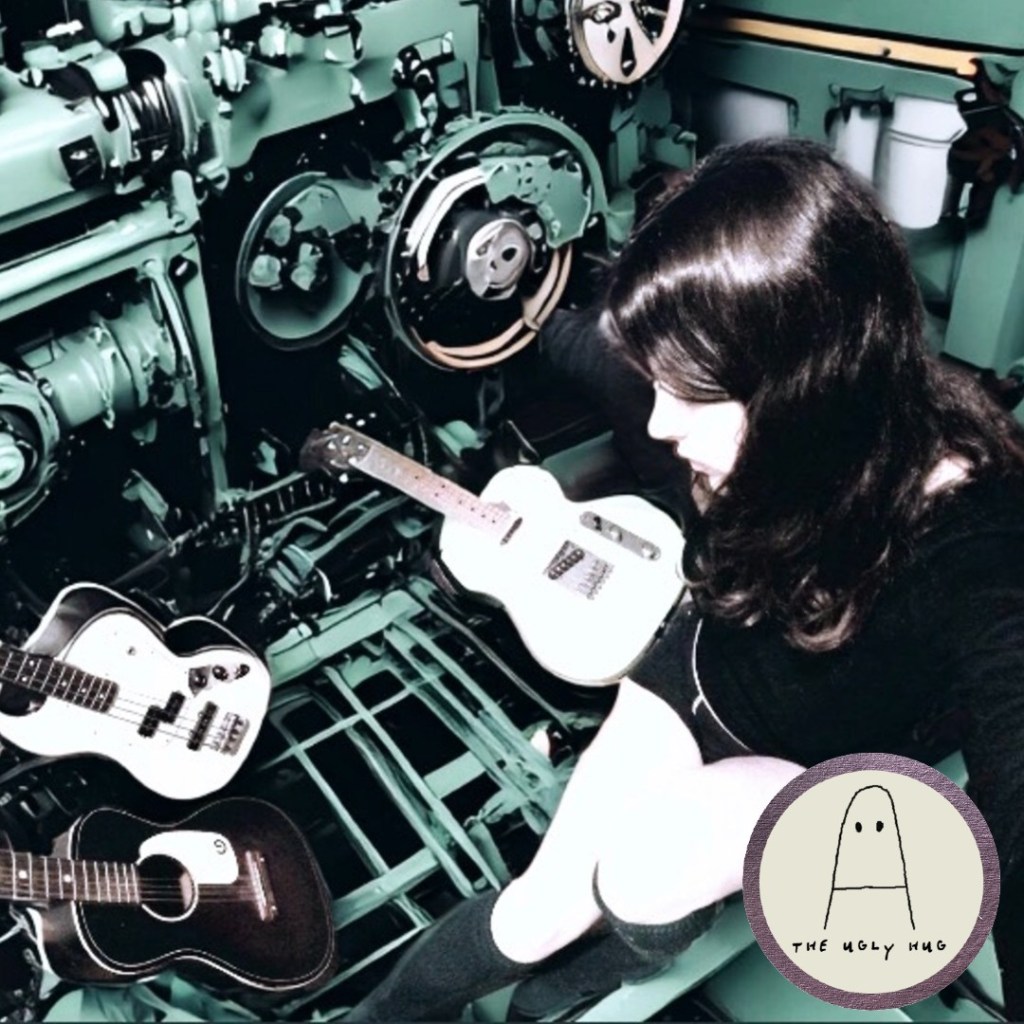
“This is not a logical world we are living in! So maybe we should stop expecting it to be and just accept the absurdity. Fall straight into the magic bro,” reads a subsection hidden within the fixings of the machinery complex, titled “gave birth to a harddrive”. Earlier last year, Lily Piette shared her debut LP, titled Her Computerized Machinery Complex. Following the album’s release was a specially designed website – a placeholder to any physicality within this music – as a way to visualize and interact with the machinery complex in our measly three-dimensional human form. But in this computerized world, one fixated on intrinsic quarrels, generated visuals and lessons on quantum computing, there is a sentiment that runs through the album, a meeting point of the implausible and the actual that join, not with any profound coincidence, but rather more out of habit. Where big questions are asked and simultaneously answered with another question; the possibilities are endless and that’s okay.
Her Computerized Machinery Complex is both immediate and unsuspecting. Garnishing deep influences of nostalgic patterns and sharp instrumentation from the beloved Touch and Go era, these songs cut deep with both sincerity and cynicism, a heavily involved flavor that coats the palate unburdened by intentionality and experimentation. Taking on the duties of writing, producing and mixing, skills that Lily has been developing with two EPs prior, her artistic intuition bridges the gaps between preconceived notions and primal connections, as Her Computerized Machinery Complex navigates what we deem to understand as natural in the world around us.
Now several months out from its release, we recently sat down with Lily Piette to discuss the Machinery Complex, as well as blending visual art and music and redefining the world through vulnerability.
This interview has been edited for length and clarity
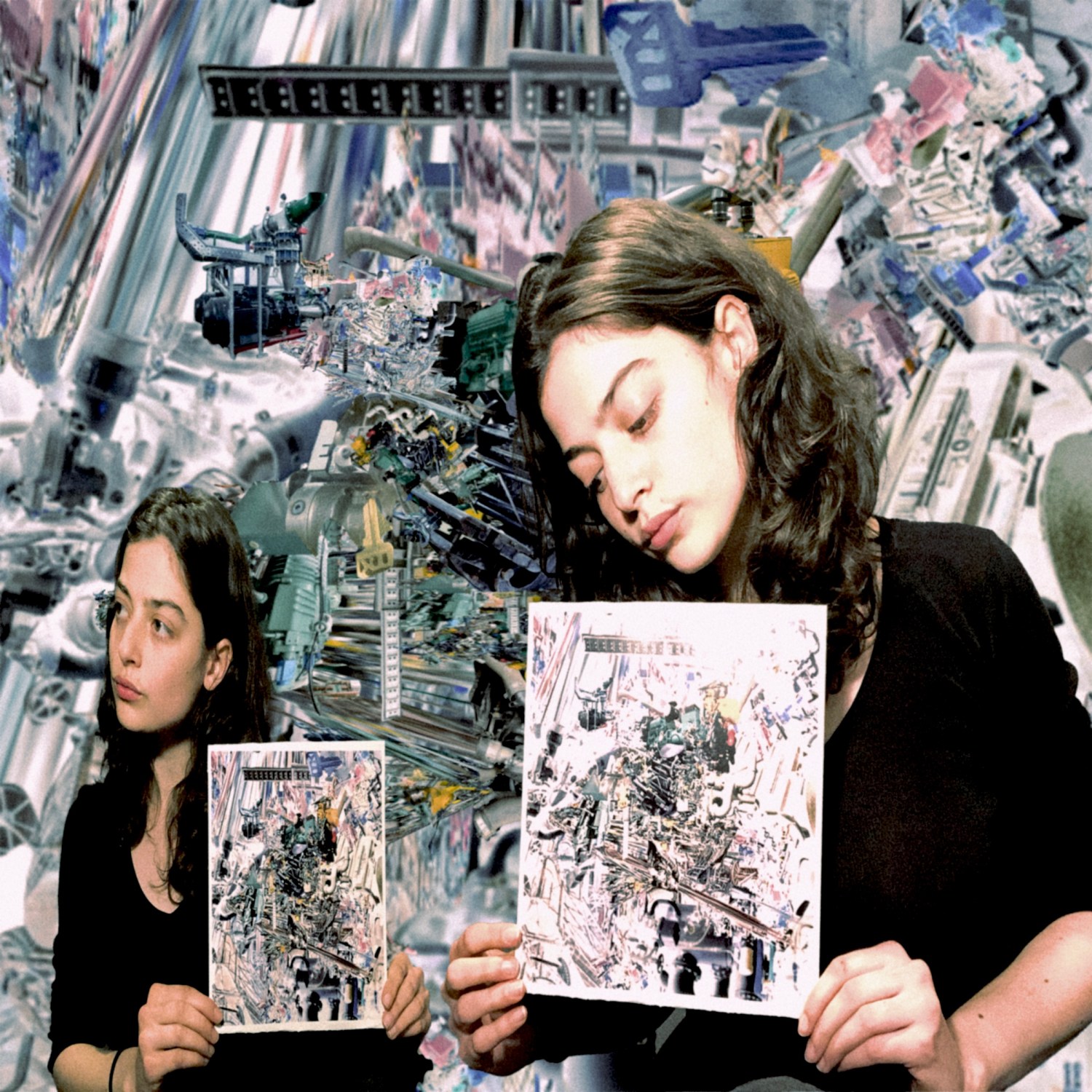
Shea Roney: Now having some time to sit with it, how has it all been prior to releasing your debut LP?
Lily Piette: Yeah, it was great. It was the first full length thing I had mixed, produced and recorded everything myself, so I definitely think I had kind of gone a little crazy about it, and was really glad to have it out. But then, you know, I was just happy that people liked it, and because I think at that point, I had gone too deep, I was like, ‘I don’t even know what this sounds like anymore. Throw it out [laughs]’. But it was a relief.
SR: Of course, that makes sense. You take on these incredibly large world building-esque moments which I can imagine can be fairly easy to get lost in. What was your initial goal when you decided to make this record, and did it shift at all throughout the process?
LP: When I first started making these songs, I didn’t know it was going to be an album. At the same time, I started getting really into this kind of computer world. I was using Blender to make these videos about these machines, and I was really into quantum computing and all that. That was kind of separate in a way, but then it merged when I started to get to an album length and decided to just put everything together. I usually like to separate art and music, but it all just kind of happened naturally when I had the idea to make the website and just converge it all.
SR: Yes, you are also a visual artist. When you say that you try to keep them separate, are there any ways that you find this means of creation influencing the kind of music you make and your relationship with it?
LP: I’ve always felt blessed to have both because if I’m getting frustrated musically, I can just go paint and vice versa. I’ve always kind of separated them in my mind, though I think thematically I’m working kind of in the same worlds, like my paintings kind of speak to some of these same worlds I’m trying to create in music. But I felt like more so with the videos, and the things that I’m doing on the same computer that I’m making the music with, I feel like are more intertwined. That’s why I bridged more 3D modeling or video editing or whatever into this album because it’s on the same device, rather than going to paint in a studio.
SR: I want to talk about the website you made to accompany Her Computerized Machinery Complex, because you put so much effort and thought into building this visual place for the album to exist. What was the initial idea for this project?
LP: I just had all these videos I’d made from the last year that I needed to put somewhere, and this also aligned with the time I was working on the record. When I had titled it Her Computerized Machinery Complex, at some point I just wanted to create the complex – the machinery complex. It feels like a structure, probably more so like a building, but I can’t do that [laughs], so I made a website where you can go into these different rooms and spaces. I didn’t end up making the website till the album was getting mastered, which was a fun getaway from listening to the songs too much.
SR: There were a few parts that stood out as very interesting that I wanted to ask about. In a section in which you are describing the website you say “this website is an entity that has a soul and it yearns for you to understand. The website is sensitive and vulnerable and also kind of slow sometimes…” What does that mean?
LP: When I started to get into quantum computers and how they worked (the way they work is they can take every single possibility of any choice instead of 0 and 1. So it’s like 0, 1, and maybe. It’s basically the multiverse where you can think of any possibility) and it made me think, ‘isn’t that God level?’ I was looking at these pictures of quantum computers, and I’m like, ‘it looks like an angel. It’s so beautiful.’ In a lot of religious texts, it talks about the complexity of God. It’s so intense that you can’t even look at it because your brain is going to explode. I don’t know, I was just finding correlations between something divine and these machines. I’m not trying to make a statement about AI or anything like that, it’s more just that I think that they’re natural, too, just like houses are natural, and cars are natural, and we’re natural. These computers are natural, and they’re really stunning, too. I just wanted to bring back that idea that everything is nature, and everything is connected to the divine, including a quantum computer that we think is so sterile and inhuman.
SR: Another part that was really interesting was when you give birth to a hard drive, further explaining that “this is not a logical world,” building upon the absurdity in our lives. Can you tell me more about that concept?
LP: I wanted to explore these ideas of like, ‘maybe this computer feels embarrassed? Who knows?’ It feels like we’re living in a cartoon world where nothing makes sense and everything’s upside down and we all feel so upset about everything all the time, which is, you know, rightfully so, but there’s freedom in being like, ‘this is absurd. None of it makes sense.’ So why wouldn’t the computer feel embarrassed?
SR: You once brought up the similarities between the digital realm and the subconscious realm that we have as humans. In what ways do these metaphysical places connect?
LP: If we think about algorithms, or even AI self-learning algorithms, it’s taking in this unimaginable amount of information, and then it will come out in sometimes really strange and unexpected ways, which is the same way that our brains work. We live our whole lives, and we can’t access any of [the subconscious], and then it comes out in the choice of words we use, or dreams we have, or these repressed ideas about things. I mean, even when you use the AI image generator for an apple or something, it’s kind of distorted and strange. That’s due to all these complicated reasons and images and billions of pieces of information. So just like in the same way a Freudian slip would occur, it’s connected and linked to a billion different things, so it makes sense that it would replicate in that way. I just think it’s interesting that it’s hard to trace back where these things come from, in both realms, because it’s just unimaginable amounts of information.
SR: Did you make an effort to try and tap the subconscious at all when writing this record?
LP: Well, I would say the lyrics are the thing I struggle with the most, and it’s the thing I always put off till last. I struggle with being like, ‘okay, this is what I’m going to say, and I’m going to make it work phonetically as well. I always write a melody, and then I’ll sing gibberish or random words, and then I’ll try to make lyrics at the end, and oftentimes I’ll end up using whatever random thing I said because it sounded good. But I didn’t write it intentionally. Sometimes looking back at songs a while later, I’m like, ‘oh, I know exactly what I was talking about’, but I had no idea then.
SR: There are a lot of thematic parts of this record that come from this feeling of grappling with connection in varying dimensions and relationships. Are there any ways in which referencing this digital landscape enhanced these themes?
LP: Even though I have this theme of the machines, most of the songs didn’t end up being anything about that, and are definitely about, you know, my own relationship struggles with people – betrayal, intimacy seeking connection. So, yeah, I feel like there’s this set out theme, but in reality, a lot of the songs are just about my regular life and regular emotional yearnings and everything.
SR: What we were talking about earlier, with this machinery complex being almost human-like with a soul, because technology is seen as so sterile, you’ve created this world that’s just so personable and warm, but through the lens of what we perceive as so distant and cold.
LP: Yeah, I feel like that’s what vulnerability is really. At the end of the day, that’s what I want to be as an artist. Being able to bring the idea that anything could be vulnerable, not even just to computers, but anything – a brick, a rock, or shoes, or whatever – and whether or not it’s true, it changes your relationship with the world and how you interact with everything. And I think it can only change it in a good way, approaching every single thing with compassion and love. I think that’s tied to that idea.
You can listen to Her Computerized Machinery Complex on all platforms now.
Written by Shea Roney | Featured Photo Courtesy of Lily Piette

 the ugly hug
One response to “Lily Piette Finds Vulnerability in Her Computerized Machinery Complex | Interview”
[…] Piette loves quantum computing. But, Piette’s debut album Her Computerized Machinery Complex is not overly digitized or […]
LikeLike