Written by Milkomee Addisu | Photo by Eleanor Trask
The coastal respite for city dwellers welcomed me and an unprecedented number of Bushwick residents at Benner’s Farm. A couple of hours into the drive, we were surrounded by beaches with sailboats containing wailing children who drowned out the chatter of the sparse aquatic life underneath them. Long Island’s charm was completely lost on us. That is, until Kelan Loux realized a micro festival featuring seven New York bands on the Farm’s main stage. Ranging in genre, the seven bands set the sound for a day of unmitigated play.
Docked at the foot of Benner’s sign were two coach buses composed of a few Fieldtrip alums and new attendees. The open field that extends beyond the barn, chicken coop, rabbitry, main stage, and one hefty pig, housed grueling soccer matches and frisbee tricks. Next to this field sat a wooden fence short enough to interact with the land’s honorable bull and passive sheep. Their gaze was fixed on the camping grounds just a few feet ahead where a few band members and showgoers stayed for the night. As the sound of strings surrendered to the soft lullabies of nature, a massive game of Manhunt ensued in the woods; an activity that grew from the adrenaline of scary stories told around our insular tent village.
The bill was filled with a wide array of performances from Oeste, Myth Makers, Love Liese, Semi Hollow, Ditto, Lady Di Mega Diva, Port Ross, and the rowdy Claynation. When orchestrating the day, Loux was in the pursuit of reenacting the bewilderment city kids would get when visiting a farm for the first time. The amusement Loux had from those interactions struck a chord of wonder for him. What would you get once you add music, games, sponsors, and a concession stand of BBQ classics? Fieldtrip!
Loux isn’t the only family member who cares to endow the farm with the arts. While speaking with Loux, he mentioned the family has a long history in “incorporating the culture of folk music, festivals, and farm harvest festivals.” He went on to say, “My family has long supported folk bands and always had summer/autumn festivals on the farm that featured artisan goods and hand-made objects always accompanied by music.”
A couple of weeks have passed since Fieldtrip ‘26, and jammed toes and bug bites remain. I, along with many showgoers, agreed that, aside from the pesky injuries and awesome bands, the swing—held by the highest branch we’d come across, which swayed like a pendulum and promised retribution for those in its path—was the most memorable part of the day. Curious to hear Loux’s favorite memory of the grounds, he regaled me with core childhood memories: “My favorite memory is hard, but it’s definitely something to do with my family’s parties. It was always like my family quadrupled in size for two days straight. Always laughing and listening to music and singing. I was always the only kid—a really lucky childhood and I’ll never take it for granted. That’s why this is so important to me; I want everyone to feel that same feeling I had of being surrounded by love and art and mischief.”
“What’s really interesting, too, is listening to new music that makes you feel nostalgic or sentimental, even though it’s your first time listening to it.” By this point in our conversation, us being the only occupants in Lizard’s Liquid Lounge on that Friday afternoon, I had turned my recorder on and off three or four times as I sat with Sabreen – misleading myself to believe that I was comfortable with an endpoint in our interview. “I’ve been coming across so many songs lately that have been making me feel like, ‘wow, I know this—I feel like this has been a part of my life before’, even though I know it’s my first time listening to it. I hope somebody will come across a song of mine and feel that way towards it.”
Over the past few years, Sabreen Alfadel has been writing and performing under the moniker Girly Pants, a project that has become a known facet within the diy show circuit in Chicago. Growing up in Amman, Jordan, Sabreen began a YouTube channel to post videos of cover songs, either ones she loved or as gifts for people she cared for, that she would mostly learn by ear in her bedroom. Once enduring a complete cultural shift when she moved to Chicago after high school, Alfadel began to double down when it came to writing her own songs, as well as pushing herself to perform more frequently throughout the city. After the release of her debut EP Nurture in 2024, Girly Pants now has a steady band, consisting of Carter Ward (guitar), Drew Emerson (bass) and newest addition of Luigi De Col (drums).
As Alfadel continues to write, discussing new avenues she would like to take her process, there is a clear understanding of how far she has come. Girly Pants isn’t a project that sifts through the fragments for bits of nostalgia because it’s comforting or expected, but rather embraces a documentation that is interchangeable with Alfadel’s growth as a musician and as an individual. Rearing the old videos she posted from high school, covering emo songs and rocking a Teegan and Sara inspired haircut, it has become something to be cherished in her eyes. And as we closed out our tabs at Lizard’s, it was clear that Sabreen knows that there was no rush to put an emphasis on any ending, because there is always going to be something to look back on.
We recently got to sit down with Alfadel to discuss Girly Pants, embracing the past, developing a creative language amongst her band and a horrifying experience in the ocean.
This interview has been edited for length and clarity
Shea Roney: So I want to start our conversation ten years back to when you began your YouTube channel of cover videos when you were about 17. When did you begin playing music and what were your initial intentions behind these videos? What were the initial reactions to these videos?
Sabreen Alfadel: I was a big sports girl growing up — big track and field person — but I always loved music. My older sister would show me so much cool music. “Doll Parts” by Hole was one of the first songs she taught me how to play and it was such a rush — being able to play a song that you love is a high that I have chased since. I can’t even explain it. It’s one thing to really love a song, but it’s another when you can actually play it. So I quit track and broke my parents’ heart.
I didn’t really have any intentions with my YouTube channel. When I moved to Chicago from Jordan after high school, I was super lonely and homesick, so I was trying to spend the time doing something that mattered to me and that made me happy. I have these memories of being in my apartment learning all these songs and posting them on YouTube. Not because I thought they would blow up, but, one song I posted, I woke up one day and it had all these comments and views, I was shocked — it felt cool that people cared, or were at least interested. I was able to formulate an online community that eventually transitioned to an in-person community. I went to so many shows, met more people and got involved in the music scene. I really love learning songs and I’m really grateful to be playing lead guitar for Carter’s [Ward] band, for example. I love his music. It’s cool, let’s learn more songs, you know?
It’s as simple as that.
It’s as simple as that.
Asyou talk about building this online community, when did it start to become a part of your life in Chicago? When did it feel like Girly Pants was a manageable thing that you created and could utilize?
Honestly, my birthday shows were a huge part of it. The first birthday show I did was a Weezer cover show, and it’s been a tradition ever since. We’ve done a Coldplay cover show, and then it was a Pixies cover show, and this year it’s going to be something else. At first it used to be a private show for people in my life, and we’d pack my friend’s garage with all these friends. And then it transitioned to a more public event. I want to see how long I can keep this tradition going, just giving homage to playing covers.
As much as I do love covering songs, I feel like sometimes my identity gets lost in that. People care a little bit more about the fact that I can cover songs well versus write my own music. So sometimes it’s easy to get muddled with that, but I don’t want anyone to dictate whether I still cover songs or not. I’m not doing it for anyone but myself. I enjoy it and it’s a growing experience for me.
You do have the receipts to show for it. When did you begin to pivot towards writing your own music?
I think when I was meeting a lot of musicians that I admired – we would jam and they’d ask, ‘do you have your own music?’ And I’d have to say, ‘not yet, no.’ I found myself constantly saying ‘I’m working on it’. I genuinely was, but imposter syndrome is such a disease. Especially playing with people you look up to. I’ve always had voice memos on voice memos on voice memos, a Mount Everest piling up, so I slowly started picking at them. As I was meeting more musicians, I was feeling more like, ‘I want to show you that I don’t only cover songs. I have my own ideas too’.
So, as you’re stockpiling ideas, was there anything that you found you were embracing more when it came to your own writing?
Something I really, really love is jamming to a song. I love to sing, but I really love to step back and jam with the band. Sometimes a chord progression is too good, and I don’t want it to die super fast. I want it to linger, I want people to sit with it. I’m working on new music, and I’m hoping to incorporate that a little more. It’s fun to see a band on stage feeling connected with an instrumental part of a song. Sometimes when I sing, I’m focused on the lyrics too much, and it takes me out of it because I’m multitasking. That’s kind of why I find myself closing my eyes most of the time when I’m singing. Genuinely, if you go on my YouTube page and look at all my thumbnails, it’s all me with my eyes closed. Photos that any photographer takes of me are never interesting because it’s just me with my eyes closed [laughs]. I can’t help it. But it’s nice to have those moments with a crowd where we’re all sitting on a feeling together. It’s a special experience.
Taking that experience of, I guess we can call it being in the zone, jamming with a band — do you bring songs just in ideas and then jam them out to see which way you could take them, or are they more fully flesh out?
This recent song that I wrote, it was really authentic how that one came about. I was in the practice space with my drummer, and we were talking while I was noodling. I played a progression and then I kept playing it while we were talking. He jumped in with drums and then we did that progression for a few minutes. I recorded it on my phone, took that progression home and expanded on it. So, it’s a mixture of feeling a progression together and seeing what we can add to it, or me bringing my song ideas. For my EP, it was definitely like, ‘here are the songs, learn them’. But I’m excited to do more and jam authentically and see if we can expand on an idea. I think this new song is my first five- or six-minute song, so it’s kind of nice to be a Phish band now [laughs].
I can imagine that you guys have kind of developed a language between each other, which has got to be a lot of trust within the group.
It is a lot of trust, and it’s such a different experience than my EP, which was a collaborative endeavor in a different way. I didn’t have a band at that point, so I recorded all the guitars and sent the demos out to friends who live in different cities. They sent drum and bass stems back and forth and we made it happen. I love collaborating, but sometimes I get nervous about committing to a specific way of doing things. There’s a multitude of ways to do something, and it’s exciting to keep things fresh. So I guess my new exciting thing is finally having a band together. I don’t want to compare any of the new songs that we come up with to the EP and that process — even though that was a special process in itself, and I’m really proud that I was able to achieve that — but it shows that there are so many ways to do it. Why limit yourself?
When you released the EP, how was the reception in the community? Was Girly Pants defined yet, or were people like, ‘oh, shit, that’s the girl from YouTube’ or ‘she’s the one who throws those epic birthday parties?’
I was playing as girly pants for solo shows, which is still very special to me. As much as I love playing with the band, initially I started playing guitar by myself in my room in front of a camera. And even to this day, when I come up with ideas, the first thing I reach for is my acoustic guitar. It’s been fun jamming with my electric guitar, but my instinctual reach is for my acoustic. Playing those solo shows still has a special place in my heart. There’s something really vulnerable about sharing a space with people who are just watching you and your guitar, and there’s no distraction. It’s nerve-wracking, but it’s really fun, and I find it really exciting still. So yes, Girly Pants was defined to some extent, but not officially until the debut EP. That was something that I could refer people to, so it’s not like they’re watching me play solo shows and then I disappear into the abyss, you know? I feel like YouTube people were really surprised, especially when I released that music video for my song “Ocean.” That made me feel like I can definitely keep doing this and I never want to stop.
I guess, in the context of where you began performing by yourself in your room to video, there was a built-in audience in a sense. When it came to actually performing live, were there any connections within these separate places for you as a performer? Was it a challenge to shift?
It’s different for sure. When I play in front of my camera, if I mess up, I can restart it. Live, you notice when you mess up more than anybody else will. Nobody really can tell, but it’s such a learning experience in itself, being in a situation where this is the experience I’m going to give you, whether I give you a perfect first take or not. Having eyes on you is… different. I feel like I can’t bring myself to look at anybody when I perform, which also is why I close my eyes sometimes. But I’ve gotten to the point now where I’m more comfortable, and sometimes it’s nice to peer out into the crowd and see people smiling.
After your debut EP, you filmed a music video for your song “Ocean” while visiting California, as well as going back home to Amman. Can you tell me about that experience and what that meant to you at that point in your life, now as a certified songwriter.
Put in that I rolled my eyes just there [laughs].
Oh, I definitely will.
“Ocean” came so naturally, honestly. And that was a newer song on my EP. It actually was a result of me almost drowning in California – it didn’t finish the job [laughs]. My best friend, whom I went to high school with in Jordan, lives in California, and I visit her often. On one of my recent visits, we were swimming, and I thought I knew the ocean pretty well – I never think twice before going in, but I really got my ass served to me. I got pulled under by a wave and was finding trouble reaching the surface. Every time I kind of reached the surface, I got pushed back down by another wave, and it felt like wave after wave. I couldn’t find my footing, I was choking, and it was really horrifying. I felt betrayed by the ocean.
Because you were friends.
We were friends. I thought we were. [laughs] Just a backstabber. But I remember getting out of the ocean completely rattled. I went up to my friend, and I was like, ‘so I almost drowned.’ And she laughed. Her first reaction was that she thought I was joking…
Because you’re such a jokester?
Put in there, another eye roll [laughs].
Jesus Christ [laughs]!
It was a learning experience for me. So, I traveled back to Chicago and the song came really easily. And then I went back to California again and we planned a whole music video. We filmed all the scenes of me by the ocean in an hour and a half or something, and my friend asked, ‘okay, you want to do the drowning shots?’ I was like, ‘you realize that the song is about me drowning, right? I’m not going to do that’ [laughs]. Then we wanted to add some more footage to it, and we happened to be in Jordan around the same time, so we walked around Jordan taking shots to see what we could add to it. It was just friends hanging out. I was really, really happy with how that video turned out, and I’m so grateful to my friends for lending their talents in editing and shooting it. It was such a gift. A gift of friendship and betrayal. The full circle.
It’s almost biblical.
Yeah, it kind of covers all grounds of life, if you think about it. It’s not about the ocean. It’s about life [laughs].
I guess in the grand scheme of it all, now having your own music out in the world, are you able to watch your old videos and see growth both musically and personally?
It is cool to see the progression. I’m such a sentimental person, sometimes maybe a little too sentimental. I tend to live in the past a little more than I do in the future. I’m a very emotional person, let’s put it that way – it’s nice to have another source for nostalgia, and to have video evidence of different chapters in my life. It’s almost like a tattoo, except I don’t have to see it on my body ever.
I’m excited to continue growing musically, and it’s mind blowing to actually see my guitar playing improve. I have like nine songs that I’m hoping to put into an album eventually. It’s both exciting but daunting because remember what I said about commitment? It’s a sick, sick circle. I’m so ready to release an album though. I feel like this EP has been such a nice, simple introduction for people, and I’m pumped to dive into a new process for my next release.
Scroll for more photos of Girly Pants
You can listen to the debut EP Nurture by Girly Pants out everywhere now. You can also catch Sabreen playing lead guitar for Carter Ward.
As a small music journal, we rely heavily on the work of independent tape labels to discover and share the incredible artists that we have dedicated this site to. Whether through press lists, recommendations, artist connections, social media support or supplying physicals, these homemade labels are the often-unsung heroes of the industry. Today, the ugly hug is highlighting the work of our friends over at Pleasure Tapes.
Since 2021, Pleasure Tapes has been paving a queer focused space within the sphere of heavier indie music. Run entirely by founder Kayla Gold, the Portland based nonprofit label is both a staple in the local DIY scene it inhabits and a blooming community in and of itself. In the four years of its existence, Pleasure Tapes has put out over one hundred releases, permeating Gold’s ethos and knack for music curation far beyond the Pacific Northwest. There is an organic emphasis on the Portland scene within the roster, though the web of artists spans all over, housing recent releases from Dosser, Trauma Glow, Slow Degrade, Glimmer, Flowers from Dead and Creek. Fueled by a prioritization of good art rather than financial gain, Pleasure Tapes is a beacon within the niche it occupies, re-envisioning DIY spaces with each release they take on.
We recently got to speak to Gold about the history of the label, recent Pleasure Tapes showcases and the importance of DIY.
This interview has been edited for length and clarity
Manon: I know you started Pleasure Tapes in 2021.What inspired you to start a label and what was your initial purpose for it?
Kayla: One part of it was I wanted to put out my own music and my friend’s music on tape at the time, and I didn’t know that there were a bunch of indie labels already, so I just started another one. At the start I had a few friends who helped me, they went separate ways, but they kind of helped me set the ethos of trying to make a label that’s more open to queer people, and just make a space where artists that maybe wouldn’t get physical media otherwise can get it through me.
Manon: That’s awesome, and I mean there can never be too many of those spaces or too many indie labels doing that. When you’re looking for artists, does that ethos play a role in how you find them now and what you choose to put out?
Kayla: Nowadays it’s so different from even a year ago. Now it’s mostly word of mouth to other bands, so sort of doing less hunting for musicians and it’s more that people are coming to me, and they might be friends with a band I have already worked with so I’m more inclined to take them on. But initially I was just listening to stuff I liked and then pestering the band til they let me make tapes for them.
Manon: So you do a lot of reaching out?
Kayla: Yeah, and I still reach out to bands if I really like their stuff, I’ll just kind of put a feeler out. I still take submissions, but I’m just super busy these days.
Manon: Yeah you mentioned you had some people helping in the beginning but now it’s just you?
Kayla: Yeah in the beginning my friend Enya, she’s a dj, so she was making stuff on tape as well. But she ended up moving back to the East Coast so ever since then it’s just been me. Sometimes my partner and band mates will help me with assembling the tapes, but other than that, it’s just me. But that’s how I like it because I like to have control over everything.
Manon: So you do all the tape assembly on your own?
Kayla: Yeah. Over there behind me are the decks that I use to dub all the tapes. There’s one onthe floor that you can’t really see.
Manon: I trust it’s there.
Kayla: I have six, so I can churn them out pretty fast.
Manon: And you’ve also done some releases in collaboration with other labels. How is it to work with other indie labels?
Kayla: I’ve done a lot of stuff with Candlepin, I feel like we get a lot of the same submissions. In the indie label world, people will usually reach out to multiple labels at a time, so that can naturally lead to collaborations. I would say people are generally hesitant to collaborate, label to label, because of issues with things taking too long. So I always tell people that I’ll do the manufacturing, so we don’t have to wait on a timeline from a factory or whatever, I can just get it done right away. Now I’m working with Julia’s War and that’s really fun, Doug is a really nice guy. A lot of those collaboration projects are driven by artists that are really into both labels, but yeah I really like collaborating.
Manon: That’s awesome. So along with doing the manufacturing I know you also do a lot of the graphics for the releases. Can you tell me about that?
Kayla: Yeah! Typically the bands send me just the covert art, and I do the rest. Sometimes I’ll send them the template if they want to do their own design, but for most of the stuff I end up doing the final layout.
Manon: All the graphics on the label are consistently awesome, that’s very impressive. Do you have any releases you have worked on recently that you really enjoyed doing?
Kayla: My favorite band is probably Knifeplay, so doing their tapes was like a really big deal for me on a personal level because yeah, they’re in my top three bands. So it was really cool to work with the songwriter from Knifeplay and kind of get to know their aesthetic. It’s always so crazy to me, like getting calls from people that I have idolized and now I’m just talking to a normal person, that all blows my mind. So yeah, Knifeplay was really cool.
Manon: That’s awesome. Was that a band you were pestering?
Kayla: Oh yeah. I was bugging them for a while. I think sometimes you kind of have to tell it the right way, so offering to do a re-release made sense for the band at the time, in terms of building up to their next release.
Manon: And then Pleasure Tapes also host shows sometimes, can you tell me about your experience with that?
Kayla: Yeah, lately a lot of shows in Portland. Sometimes I’m just the booker, sort of promoter, because I don’t actually live in Portland, I live in a small town outside of Portland. I have my band play a lot of the shows as well. so then I end up going. But yeah, there’s a really cool music scene in Portland right now, I’ve been very impressed. There’s just been a big boom in the number of bands in the last couple of years. So there’s a lot more demand to play there, and I will get hit up by bands that are touring and want to come through and play a set in Portland, so that’s awesome. I used to hate Portland, but now I kind of love it again.
Manon: Do you have a favorite show you’ve done?
Kayla: Yeah, there was a show at the start of the year at this place called Star Theater. It’s an old fancy auditorium style theater, and we had I think six or seven bands on the bill, so that was really cool. We made a lot of friends there, and it was also the first show that my new drummer played, and so he was like, whoa, this is so cool. We were like, get used to this, because not all of our shows are this well attended.
Manon: Was it a mix of local Portland bands and ones from elsewhere, or was it all bands from Portland?
Kayla: Yeah, it was all Portland bands, and most of them are on the label. I feel like in the last year, just a bunch of the bands in Portland have been hitting me up for tapes and CDs, so my focus has kind of shifted there. Before, I was living in LA so I was mostly going to those shows and making friends down there. I also like to do these showcases where we just have Pleasure Tapes band play.
Manon: So I know you put out music from bands from all over, but would you say that where you are and the local scenes and communities are also a big factor in what you choose to release?
Kayla: Yeah definitely. I feel like it’s pretty organic that once I have done one band then their friends will hit me up. Also a lot of the bands are from Texas and the Southeast, also Louisiana, a lot of Florida bands, I mean I’ve done like 100, almost 110 releases now, and most of those are not from the same band. So there’s just a shit ton of people I’ve worked with all over now, and I feel like that is helpful for when bands are trying to tour. It makes a kind of a patchwork of cities where people might already know each other through the label, as opposed to just cold calling bands to try to set up shows.
Manon: That’s really cool. And you said most of those are not the same band, are there times where you have worked with a band for multiple releases, and how is that?
Kayla: I definitely have an open door policy for people. If they want to move on to another label I’m always fine with that. A lot of people have gone from Pleasure Tapes to Julia’s War and then blow up. I’m always open to whatever is best for people’s careers, but I also do like to do multiple releases with the same artist if they are interested.
Manon: Okay so you said you’ve done about 100 releases, is there anything you wish you knew 100 releases ago?
Kayla: Oh my god. Yeah… haha shit. Well I spent a lot of money on tape decks that ended up breaking in ways I couldn’t fix. So I would say, don’t try to buy vintage decks unless they’re fucking nice, or learn how to fix tape decks cause they always break. Also being an indie label, even within that space there’s obviously a lot of different options. So if you’re just starting out, you kind of need a niche within the niche. I think being a queer label puts off bands that do not want to be associated with something gay, but it also is an open door for people who are like “okay yeah, this label is for me, so I am going to seek them out.”
Manon: What would you say is your favorite thing about running Pleasure Tapes, and being so involved in DIY music in general?
Kayla: I love doing the design stuff, I find it really satisfying. I also like the idea of queering the space and making a transitional area where maybe we are doing things a bit differently than other labels in terms of how I take on artists, at risk to my budget. Because we are a nonprofit, so my goal isn’t ever to make money from artists. I like being able to support people that are small and just getting started, bringing visibility to that and then also hearing all of the best new music in the scene, it is pretty special. I feel like it’s a real treat to get music submitted, even if I am not going to take on the project, I do listen to everything. In the Trump four years that we’re in, as everybody’s dying from microplastics and there’s a lot of fascism in the world and things are just very dark, and it’s so important to have things that are still special and not ruined by capitalism.
Along with this series, our friends over at Pleasure Tapes are offering some merch in a giveaway bundle, which includes any tape or CD of your choice from their extensive catalog as well as a Pleasure Tapes tote bag.
To enter the giveaway, follow these easy steps below!
As a small music journal, we rely heavily on the work of independent tape labels to discover and share the incredible artists that we have dedicated this site to. Whether through press lists, recommendations, artist connections, social media support or supplying physicals, these homemade labels are the often-unsung heroes of the industry. Today, the ugly hug is highlighting the work of our friends over at Trash Tape Records.
Originally formed in the Chappell Hill and Durham area when they were in high school, Trash Tape Records was founded by Nathan McMurray and Evren and Eilee Centeno. The vision was simple; to put out their friend’s music that they loved so much. Building off of that youthful excitement with a sheer DIY ethos, Trash Tape became a home to many artists with similar mindsets, by making their art accessible, exciting and incredibly endearing. Consisting of US-based acts covering the South and Midwest, such as Memory Card, Gabbit, Tombstone Poetry, Hill View #73, Hippie Love Party and Deerest Friends, the connective tissue of the label even expands to acts like Quite Commotion and Rain Recordings from Sweden and Gluepot from Australia, proving that a community doesn’t have boundaries.
We recently sat down with our friends at Trash Tape Records to discuss starting a label with trial and error, going on tour, high school jobs and their favorite label memories.
Nathan, Evren and Eilee at Kobabi in Chicago 2025 | Photo by Shea Roney
This interview has been edited for length and purposes.
Shea Roney: So, Evren and Nathan, you two started this label at a pretty young age with a basis of just wanting to make music together. How did Trash Tape initially form and what were your intentions in the beginning?
Evren Centeno: We were buds already, and we had been playing music at that point for half a year. We would go to my place or Nathan’s sometimes, because Nathan had a really bad sort of, like, what was that recorder that you had?
Nathan McMurray: I found in the attic my mom’s old multi-medium stereo, like CD player, cassette player, record player. There was this function on it to make mixtapes, but if you input a microphone and tricked the machine into thinking that it was the other cassette tape you were copying, then you could record on it. But it was one track and awful, awful quality.
Evren: But we were messing with that because we were interested in tapes. We liked, you know, indie music, Elephant 6 and all that stuff, and we thought, ‘wouldn’t it be cool if we had something like that in our community?’ And then COVID hit, but we knew a bunch of people online through just talking about music, and friends of ours were putting out music, so we were like, let’s just put this music on streaming, and then we can hand-make some tapes. I had a tape-dubbing machine, my dad had one, just like a stereo, and you could dub tapes on it. And we also had a four-track, so we made a first run of tapes using that, and then we went from there. It was kind of loose. We just wanted to put our friends’ music out on it.
Shea: So it primarily started with friends’ music? Did you ever want to put out your own music?
Evren: Yeah, it kind of started with friends’ music. We didn’t put any of our own stuff out on the label until years after.
Nathan: Yeah, I think it was two, three years after. I remember the first, and I apologize if this isn’t something you want to print [to Evren], but Evren texted me and a few other people, something like, ‘we’re starting elephant 69’ [laughs].
Evren: Yeah, I did say that. I was 15. It’s okay to be 15 and cringy.
Nathan: We were all quite young, and it came from a good place. And then, that tape label started when we had put out a record and figured out how to dub it. We were doing it with an aux cable coming from a phone or, like, a computer straight into the Tascam onto the tape. Initially, when I first tried to do it using that shitty one track, it sounded bad, so then we took it to Evren’s dad’s tape deck and dubbed using an aux cable from my phone into that, and we just dubbed them all in real time while we watched TV or something.
Evren: And that was during quarantine, so we had no class. So Nathan would just come over to my house, and that’s what we would do. We would just write and record and dub and fold and cut paper. And it was all bad. We were all still very much 15.
Awsaf, Nathan, Evren Eilee at Local 506 Chappell Hill 2022
Shea: So, it was a lot of learning as you went for the tape production. Did you know how you wanted to record music when it came to that?
Nathan: The way I started recording music, at least me personally, was that my mom had this bad Dell laptop that was on the way out. I started doing freelance work in Photoshop when I was 12 because my dad’s friend came and pirated all the Adobe programs, so I had Adobe Audition on this laptop. And there’s this place in Durham called Hunky Dory that’s a record store slash vape shop, and in the dollar record section, they had this whole wall of used stereo equipment and everything was $5 untested. I would buy, like, RadioShack mixers and weird RCA cable adapters, and eventually, I had accumulated enough stuff that I could get a signal to pass through a microphone through this RadioShack mixer into Adobe Audition. It sounded awful. It sounded worse than if I would have just used the laptop mic. But I felt special doing it.
Shea: So, you get the initial first few releases out, did that solidify the thought that this could be an actual label for you?
Evren: I mean, I think we believed in it really heavily as it started, but we were just young and excited about something. And all our friends online would just shitpost about it, which I think was what made us think that it was interesting, or something cool at least.
Shea: Wait, what? Why?
Evren: I don’t know, actually. It was like this really insulated, but intense community. Even though it was literally only a few people who were even aware of Trash Tape Records, because all of our friends were just lurking online all day during quarantine making and spreading Trash Tape related shitposts, we felt a semblance of momentum. But really it was just a bunch of kids online making insidious jokes with one another, but then those jokes became part of the labels public image.
Nathan: It would get posted on music meme pages that, like, just shitpost about general online music. And I think that’s probably how it started to spread. It was so bizarre. But it really is such an echo chamber because you feel so much more significant when you’re in a group of 20 people and there’s pockets of three or four people in each city and you just play Minecraft and talk about music all day.
Evren: But no one was really buying the tapes still. I mean, some people were, but it was a very small scale. There weren’t repeat sellers or anything like that. We were doing small runs. But I think we just believed in it. We would pick up followers and we would see people talking about it, maybe posting about the music, listening to it. Nathan was just excited about making tapes and getting into printing and things like that. And then came the idea of wanting to tour and we wanted to play with our bands.
Tape Dubbing in North Carolina 2021
Shea: You know, that youthful excitement is so prominent when you’re 15, 16. And it’s really transferred into the way you run this label. It’s very visible and really exciting to watch. Eilee, when did you start to get involved?
Eilee Centeno: I actually don’t know.
Evren: Well, Eilee really initially started because Eilee was in college and she was past 18 and Nathan and I weren’t, so she could sign up for things that we couldn’t, like PayPal and DistroKid. We needed Eilee, but then it was also, like, Eilee was also just into what we were doing.
Nathan: I remember because I had made the email and I was trying to set up a bandcamp and a DistroKid, and at that point, we were dividing up the tasks, and I was like ‘oh, god’. So, I texted everyone, like, ‘I tried to make the PayPal, but I’m not old enough’. And then Eilee entered.
Evren: Yeah, it was all kind of very freeform. I mean, the way the name came about was just the first name someone said, and everyone was just like, ‘oh, yeah, that’s cool’. And then somebody made the logo and just drew it, and it just stuck. Put it up on Instagram, that’s our thing now.
Vending at Psychic Hotline Noth Carolina 2022
Shea: So did you guys find your generalized roles by circumstance?
Evren: Yeah, Nathan, you were into the physical stuff and took the ropes on that.
Nathan: Yeah, and I’m not very good at Instagram and large-scale communication with the public, so other people picked up on that.
Evren: I like looking for music and stuff online, so I try to find people to put out their music. We would find all sorts of stuff online at that time. I’m not as keen anymore as far as to what’s going on online, but there were all sorts of young people doing stuff that we would put out.
Shea: I mean, you guys have a pretty expansive curation of artists covering a lot of ground that goes outside of your North Carolina origins. How did you first start searching for these artists? And what drew you into the people that you decided to work with?
Evren: Some of them are really haphazard. We always had open demo, well we did for a while, not anymore. Sorry to be a bad guy. We got so much crazy shit sent to our email that was kind of really obnoxious to deal with sometimes.
Eilee: But we did get lucky. Like, Awsaf sent us demos. The stuff that they sent, they didn’t even put out until later, but it was some of their best stuff. Like, ‘all the time’ was the first song they ever sent. And then Memory Card was just a friend of Awsaf’s.
Nathan: I have a very funny story about the Memory Card beginning. Henry had released his first album as a Google Drive exclusive. Do you remember that? He emailed us like, ‘I just released my album as a Google Drive exclusive’. And that’s the type of thing that we were like, ‘oh, I gotta see what this is’.
Evren: I used to use Rate Your Music a lot, and that’s how I found a bunch of stuff, like this guy Josef who we ended up making music as Rain Recordings together. He was from Sweden, and his stuff was awesome. And then Quiet Promotion, another young Swedish artist I found through Bandcamp and Rate Your Music. But then other people were just friends of friends. There is a tape label called 9733 and they also had a forum online. That’s where we would hear of S. Rabbit, who we ended up working with. And then they ended up doing Gabbit with Gavin Fretless who was on our label, basically finding each other’s music through our label.
Nathan: It feels like the culmination and dream of everything that we had hoped to possibly create.
Evren: That was our initial hope that people would just collab on each other’s records and stuff. That there would be a network of people that can record certain things and play certain instruments and whatnot.
Hill View #73, Welcome to Berlin, Memory Card and Old Star in Atlanta 2022
Shea: You do have this expansive online community. How has that defined the way that you approach what community can be for you guys?
Nathan: It feels like a modern idea of the more classic DIY indie thing. Where it’s kind of updated for a global age, because when the whole world goes global, I think music and art communities have to go global with it. Otherwise, you just kind of get trampled. And the internet happens to be the way that that goes now. I think there’s other ways that it could be done, maybe better. But that’s where we’re at.
Evren: But when you’re planning a tour, or when someone’s planning a tour, they reach out to you, and they’re either staying at your house, or you’re staying at their house, you’re seeing each other, you’re playing a show. Even though we have bands where we’re from in North Carolina, then we’re playing a show in Virginia Beach with bands like Hippie Love Party and whatnot. And then we would go to Atlanta and play with Hillview and do tours with these bands. So, it almost became like a touring circuit in a way.
Eilee: I think because a lot of our artists have toured so much too and toured together. We’ve made a lot of connections all over the east and the south mainly. Where like, Knoxville feels like a second home to us just because of the community there that we wouldn’t have found otherwise. We’ve never even spent more than a day there, but everybody we know there is really special. And it’s nice because we can help our friends book shows there too. The community just keeps growing and growing.
Nathan: Yeah, because now touring feels like a big road trip where you see all your friends and you also don’t lose money. And you’re still just constantly creating anywhere. It’s really nice being inspired by different people and places. Touring in that circuit and in that manner feels so much more sustainable than just touring in places where you’ve never met anybody. It’s nice to have that kind of stability in what is a very unstable lifestyle.
Hippie Love Party with Handmade Trash Tape Merch on the “Minions Tour”
Shea: Yeah, I guess with that sustainability, as you guys get older and have different responsibilities, how do you maintain that stability with all the aspects of running a label?
Evren: It’s hard. We’re a pretty unstable label. But we’re working on it. You know, now that we’re all in Chicago, we’re trying to do more stuff locally. We did that festival, Eilee honestly did a really great job of putting that all together and really had the vision for doing more stuff locally. And I think that went really well. It seemed like something people were into.
Eilee: When I first moved here, I immediately had Evren and Nathan over and we had a day where we would just make tapes and buttons and all that stuff together. Now we do that together a lot more where it used to be super separated and it was just like, ‘oh wow, Nathan did the tapes, how awesome’. And I made Tombstone koozies, and now, somehow, they have to get to each other, so they can get to the people who bought them. And now it’s just really easy. It’s just hard too to talk about releases and stuff online or over the phone. We don’t even get to really hear each other’s honest and true opinions on music that’s sent to us or ideas we have for promotion. We’re all just like, ‘yeah, sure, let’s do it’. But then when we’re in person, we actually get to flesh it out more and really talk about our ideas because things can get jumbled.
Evren: It’s definitely a lot sometimes. We’re all also trying to make music and make other things. Eilee does a really good job of doing zine interviews and posting that on the account, just so we have stuff to put out there, stuff for people to read and get to know our artists. We’re going to try to also get more consistent with getting together and planning things out and whatnot. It’s just been a busy time. Nathan and I are doing school, Eilee’s been working, and then we’re going down to North Carolina soon for this big Pop Fest thing, and then Nathan’s going to Atlanta to help record Hill View #73 and play shows. Honestly, a lot of the way in which we support the label is just by playing for the bands on our label. I played for Hill View, Memory Card, and then did other stuff for bands that were on the label.
Nathan: It’s almost become a thing where me and Evren are the house rhythm section for the label. It almost feels like, okay, we’re helping the bands out by getting them out on the road and by backing them.
Scroll through for some Trash Tape show posters through the years
Shea: I mean, you guys do create such an engaging way to explore and appreciate new artists. Going from your zine interviews to touring and supporting your artists, what’s so important about crafting these stories, these little relatable nuggets about your artists?
Eilee: I think it’s just that our artists are small, so, people don’t know a lot about them, but all of them have really special stories that have meant a lot to us. Especially somebody like Gabbit or Tombstone Poetry, who mean a lot to us being based in North Carolina and introducing us to an amazing community. And I want their story to be shared. Even if a lot of people aren’t reading it, it’s just nice to take the time to actually really get to talk to them, for me, personally, and then to share that and hope people feel some sort of attachment or relate to something and then want to check it out.
Evren: And the thing about those digital zine stuff is it takes time with its presentation. We try to do fun stuff with it, like a little mini review or we ask them fun questions, and then we try to diversify the pages and whatnot. A lot of times when I’m trying to find new music, reading features and things like that, that’s a big way for me to get into a record because I can see where an artist’s headspace is at. I’m like, ‘oh, wow, their process sounds really interesting. Let me give it a spin.’
Nathan: I think that that’s a thing that’s died a lot in the current realm of music production. Whereas if you go back even 20 years and look at small magazines, I was just looking at an old issue of Roller Derby, and all the interviews in this issue were compelling and funny and very interesting and they motivate you to listen to the artist. And I think taking that sentiment and still giving it digitally and free and everywhere kind of gives you the benefits of genuine engagement while not being limited by buying a zine or knowing who to mail order.
Memory Card Practice at Nathan’s Apartment Winter 2025
Shea: And Eilee, you made a tour documentary too.
Eilee: Yeah, a long time ago. I have wanted to make a more updated one because I feel like we’re all just different now and it’s a different time. I was supposed to film a lot this summer on our tour. That didn’t happen and it was just… oh, my God. We might have gotten an actual TV show probably.
Nathan: There would have been a scene of me and Awsaf, just like, wordlessly using a toothbrush to scrape throw-up out of the inside of the window of their parents’ car for like an hour and a half in Homewood, Illinois, while all these guys would pull up into the gas station, look at us weird, and then drive away. It would have been one hell of a documentary.
Eilee: I was thinking of filming the Pop Fest. That would be cool.
Shea: Can you tell me a bit about Pop Fest?
Nathan: It’s like a bunch of bands who are all playing at Duke Coffeehouse in Durham, North Carolina on March 22nd and 23rd. I think it’s Saturday and Sunday.
Evren: Yeah, but a lot of trash tape artists are playing. Memory card is playing, Eilee and I are doing a set, a lot of friends are going to be there. I’m really excited. A lot of Chicago bands and North Carolina bands.
Eilee: Nathan also had a big hand in putting it together.
Nathan: It’s been a long process of planning and it’s crazy that it’s actually working out. It’s all done with university funding, so there’s a lot of proposal writing and mission statements. You gotta seem like an intelligent person with a vision to some degree. It’s going to be scary though, because it’s going to be all of the people any of us have ever known.
Eilee: Like every single world of ours is combining.
Nathan: Like my parents will be there. There might be deadbeats from when I went to high school.
Evren: Eilee’s 50-year-old co-worker is going to be there, because he’s playing a set at the festival, and we’re playing like sets back-to-back. It’s so beautiful. It’s crazy.
Nathan: Do you think we can get Mike from the cafe to come? Was it Mike or Mark, the crazy guy who ran the co-worker cafe? Oh my God. We were working as line cooks in a public park, in the cafe, but it was like a winter wonderland public park event, so we would just be there all night, and Eilee would make hot dogs and french fries and I made pizzas and sandwiches.
Evren: Yeah and then Nathan and I worked at Party City for like half a year together.
Nathan: I worked at Party City for damn near a year. You were there for like 10 months, right?
Shea: Are you guys sad to see it go?
Nathan: We went together like a week before it closed. We stole Mario figures. It was really surreal.
Evren: I was kind of like, ‘let me see what I can get here, what’s on clearance’, and there’s nothing worth buying there. There’s nothing you would ever fucking want there.
Nathan: That was the cool thing about working there, there was no incentive to steal things from work to get in trouble. The only thing would be I would go to the snack aisle, and I would steal combos if I hadn’t had dinner, and I’d eat cheese pizza combos. And that was the extent of my workplace theft. But you would get a lot of balloons. You get 12 free balloons a day. So, if I felt down, I would make a balloon.
Evren: Nathan figured out what the biggest balloon in the entire store was, and it was a life-size Stormtrooper. And we really wanted to see it, because like, that’s crazy [laughs]. So he just convinced our manager to let us blow it up.
Nathan: For promotion! But then within a week of that, we weren’t allowed within 10 feet of each other, because we would talk to each other too much.
Evren: Because it was so understaffed, we were all working like three jobs at the same time. You were the cashier, and then had to go blow up everybody’s balloons.
Nathan: I remember when we got in trouble, because there was like a huge order, like 50 or 100 balloons, something obscene. We were making them together because there was no one in the store. We’re not going to finish this if it’s just one of us, and we’re talking while we do it, because the store is empty, and that’s so sad to just blow up 100 balloons in silence. And then our manager comes over, and she’s like, ‘why are you guys talking?’ And then she made me go stand at the cashier in silence while there was nobody in the store, and Evren just had to blow up all the balloons by themselves.
Evren: At that time, we got to see each other all the time, because it was like, we would go to work, and we’d do trash tape stuff, and it was that time, like we were doing Welcome to Berlin, and then we did our first tour that summer, which was all trash tape bands. It was Hill View #73, Koudi, and then Welcome to Berlin. I drummed for all three bands and we had no fucking clue what we were doing.
Nathan taping the front bumper of his parents car – Tour 2022
Shea: What was it like figuring out how to book shows and tour?
Nathan: The thing is, it’s hard if you’re from a place, and you’ve got no music, no clout, it’s impossible to book. But if you’re from a place, no music, no clout, and you want to book a show four hours from you, it’s easy. You’re just like, ‘hey, I’m from out of town’.
Evren: The first show we booked was in Chesapeake, Virginia. I was with this band Hippie Love Party, who are on the label, at a venue called The Riff House, like a trailer in a gravel lot. It was a great show, but we went like three hours to play it, and it was great. It was worth it. And we were like, ‘oh, we can do this’. But that first tour, we were playing with three unknown bands, only two of them had music out. Koudi was releasing a record, but no one knew who they were. Hill View had just released their first EP. We played like eight shows, so what we would do was we would play where everyone was from. We went to Atlanta where Hillview is from, and then we went up north from there. But then in Asheville, no one showed up.
Eilee: We were supposed to be playing with Melaina Kol, but he had to drop the day of.
Evren: But no one showed up to that show because it was like, three bands no one’s ever heard of, ever, that have never played live, ever [laughs].
Eilee: Which is so awesome and funny too, because now we know so many people in Asheville, and it’s just like, we made such a beautiful community there three years later. It just takes time.
Evren and Nathan with shirts made by Eilee for Tombstone Poetry Promo Video
Shea: Trash Tapes recently celebrated 5 years of being a label. Looking back on your catalog now, broadly speaking, what are some releases that have stuck with you? Whether that be from just the sheer joy it brought, something you learned about the process of running a label or putting out music, etc.?
Eilee: For me, I think the last Rain Recordings album Turns in Idle, that was a really special release. Josef is from Sweden, so he came to stay with us for like three weeks. Evren and him worked out the album and then we all went to Drop of Sun in Asheville for the recording, and they were there for like a week. Nathan and I came up halfway through and we got to do some stuff on the record, but also just watching that whole process was really beautiful, and we all just got super close during that time. I mean, it took a long time for the album to come out, but when it was getting ready, I had asked Evren if I could help with the release and they kind of just let me do whatever I wanted. That was really nice because I wanted to get into video editing and making little promo videos with animation and stuff. Josef is a good artist and makes his own drawings, I got to work with him too, and being part of that process and then making all their shirts and merch for tour and stuff, was just really special to me. It did cause a lot of tension between Evren and I, but I feel like our relationship got stronger throughout it. My relationship with everybody just got stronger through that release and I learned a lot about the creative process and myself.
Evren: I think when the first Hill View EP came out, Songs I wrote Skipping Classes, was a big thing, because I was just graduating high school and it was like the first time Hill View released something. I’d known Awsaf for a while, I mean it still shows how good of a songwriter they are, and how good they were at that age and whatnot, but when that came out it felt like things were going places. That was a really exciting feeling, being a part of that and then playing their first shows live with them and making the tapes and selling them. There was something that felt really special about that.
Hippie Love Party x Welcome to Berlin Pool Party Show Summer 2022
Nathan: I have two answers. The first is the Memory Card album As the Deer. I flew out to Alabama, and I spent a couple weeks in Demopolis, Alabama with Henry where I thought we were going to just practice for tour, but then I got to his house and he was like, ‘okay are you ready to finish the album?’ He had more songs he had to record, and then we touched up mixing and did all of the album art in between Alabama and North Carolina. At points, his mom would stop by where we were staying and just kind of not question what was going on. And then when we were in Durham, we would stay up for days making scary music that was supposed to allegedly be a live show on the radio, and working on the album cover, and my mom would walk into the kitchen at five in the morning when she’s leaving for work and just side eye and not say anything [laughs]. Just the whole process of that album was very special, but also just because Henry is one of the people that was really, really influential in my life. It was also just a point in my life where I was kind of losing my mind and felt trapped, and then I ran away to Alabama for a month. Listening back to it, I love that album and I love every song. I think it’s my personal favorite thing that we put out, and it means so much to me to have been able to play a small part in bringing it through the finish line.
Then the other one is the second thing we put out, Take Me to the Moon and Back by Pig Democracy. That album was the first time I ever really got adventurous with my end of the production side of things. It was a box set, so I had made a print template for how to print out everything on cardstock that could then be cut and folded into a box that you could put all the tapes in. And then it also came with a zine. My dad works in this light factory, setting up lights for design, and I went up to his work and printed them all on the printers there, and he helped me lay it out using the computers there. At the end, it was a very personally important process to learn how to do all of that, and to do it for an album that means a lot to me, for a person who means a lot to me. It felt like both of those things, I think in the scheme of our label and for all of us, felt like big steps.
Along with this series, our friends over at Trash Tape Records are offering a merch bundle giveaway, which includes tapes of Terns in Idle (2023) by Rain Recordings and Field Recordings (2022) by A Patchwork, a Trash Tape pennant and buttons, as well as stickers and a tote bag from the ugly hug.
To enter the giveaway, follow these easy steps below!
“Is there anything that came into this shop that you had to turn away because it was too fucked up?”, Chaepter asked the employee behind the desk of Chicago’s Woolly Mammoth Antiques and Oddities, the location we chose to photograph in – and one that left us grotesquely curious as to the collectables for sale. The taxidermied cow named “Meatball the Freak”, John Wayne Gacey original paintings, an old, preserved chicken nugget or a gun holster made from a squirrel, there was humor in both the disbelief and surrealism of it all that just barley cut the tension of how dark some of this stuff really was. “Hmmm,” she says, taking the time to give us an answer that would leave us satisfied in our inquiry. “I mean, people will bring in murder memorabilia all the time, stuff used in murders and crimes. But it feels weird putting monetary value to those kinds of things, so we often just trade for it.”
Chaepter Negro is a Chicago-based artist who performs under his first name, marking ground in his own unique and challenging ways with engaging and tactful sounds. Chaepter grew up in Central Illinois, rearing a large Irish-Catholic Midwest upbringing to show for it, where he was first exposed to music through classical training in cello and piano. But with the release of 2024’s Naked Era, a bold, brutalist post-punk album riddled with acute punctuation, searing guitar tones and strict melodic orders that carved out a new vision for the project and a trajectory that Chaepter and co. have fully launched into. Accompanying him are players John Golden on drums, Ayethaw Tun on bass, who have played with Chaepter for years, as well as the newest addition of Shane Morris on lead guitar.
Today, Chaepter shares a new EP called Empire Anthems, a brief and poignant collection of songs that areunwilling to mince words directed towards the fearful, and rather stupid, timeline that we are currently residing. Although gripping tightly to our being, blending punk antiquity and rage against the system with the absolute fear of what is unfolding in front of our own eyes, Empire Anthems plays out with urgency and condemnation, of course, but the purpose of its creation is a remnant of preservation. The kind of preservation you get from making art with the people you care about. The kind of preservation you get from engaging with and looking out for the community that you are a part of. The kind of self-preservation you get when you choose what has monetary value in your life, no matter how fucked up it is. Chaepter isn’t searching for fix-all answers here, but rather ways in which we can all push back when the things that matter the most are exploited.
We recently spent the day with Chaepter, first taking photos in the Woolly Mammoth before we got to discuss Empire Anthems, having creative freedom in community and suffering from choice-poison.
This interview as been edited for length and clarity.
Shea Roney: So, you have an EP coming out soon called Empire Anthems.
Chaepter: Yes, we’re doing this EP with Pleasure Tapes. Honestly, it was kind of weird, the past year we’ve been touring the Naked Era record, and then I’ve been writing this other album and we just spent the last four months rehearsing and recording it – different from the EP. I just had a bunch of songs that didn’t really fit that, so we just spent a couple days in our practice space pushing through these songs. It’s like what would be the B-sides of an album or something, but we’re going to release it first while we search for a home for the bigger record.
SR: This EP is a continuation of that raw and bold sound that Naked Era fully embraced. As you venture more into this genre, exploring the techniques and sounds, what did you gravitate towards when fleshing out these songs?
C: I think for me it was just writing on guitar, and in this way, electric guitar. At the end of the day, I used to always write songs on piano, so I was always writing songs like that. It wasn’t until a couple years ago that I started structuring songs on guitar, and then also experimenting with pedals and stuff. I’ve always been doing quieter stuff, a lot of folk songs and stuff like that, but for whatever reason, it just kind of felt right to be part of a band. I’ve been in other bands, but I think what kind of led to that shift is I really like playing like this, where we can get loud and get aggressive, but also have those soft moments and have the dynamics, which we really try to do.
SR: Wanting to play louder, did you feel like you knew how to go into it, or was there trial and error?
C: Oh, definitely trial and error. I don’t actually even know guitar chords. I’ve just been doing my own tunings and my own chords, and just writing songs that way. I don’t know a C chord. I don’t know any of that shit. Everything’s been self-taught with guitar, and I think that’s been kind of nice because it’s forced me to do things a little differently. We were joking about that, because me and the band were at a show last night, and we were looking back at old videos of us playing and were like, ‘what the hell were we doing? What the fuck was that?’ [laughs] When I first started playing frontman and then playing guitar at the same time, I had just never done that, so it was a lot of trial and error, but we’re starting to kind of get to know each other a bit.
SR: When you bring a song to the group, how do you translate it to them? If you’re not referring to old music theory and stuff like that?
C: It really depends. We’re more collaborative now than when we first started. The Chaepter project was just kind of a solo project, and then I had friends that were playing with me, and we’ve gone through some iterations. But now we’re pretty much locked in as a band, and there’s a lot more collaboration. So I’ll bring in a song idea, and sometimes I’ll have a bass part written, sometimes not, sometimes I’ll have half of it. It’s just things like that. Oftentimes we’ll just do it as a three-piece. We’ll start fleshing it out, and my drummer, John, writes all his drum parts and helps with structuring. Unless we’re collaborating with someone who’s doing lead, we keep it pretty open. Sometimes I’ll come in with a song and it’s pretty much all done. Sometimes I’ll just have a riff, and we’ll see where that goes. It’s just been really good for my brain, and just us as a unit to push and pull.
SR: Do you feel like this freedom in your abilities, and lack of quote-unquote musical structure, has helped you explore and start writing in different ways?
C: Yeah, for guitar music at least. I was raised playing classically on cello and piano since I was six. I have that experience in theory and stuff, but in terms of guitar, just not knowing what I’m doing has been honestly really cool. Anytime I kind of figure something out, it feels very fresh to me, or naive in a way that I feel comfortable in. I would naturally play this way for whatever reason as opposed to feeling like I have to do something because someone taught me since I was a little kid to do it like that.
SR: So now as you gear up to release Empire Anthems, referring to these songs as almost B-sides to an album, was there a connective tissue or theme that runs throughout them all?
C: They were kind of just existing in their own kind of space. I’m also working on another record, too, so I’ve kind of had three or four records, or at least collections of songs, working off in different places. These songs were just in their own sort of world – its own darker kind of space. I was in a weird spot post-album. Whenever I’m done making a record, I get a little depressed, so I was just kind of thinking a lot about the relevance and utility of making art in a fading empire that we are currently residing in, and how that intersects with our cultural identity, and this idea of ‘Empire Anthems’ being these cultural signifiers that kind of lulls us into complacency and reaffirms the dominant American culture and rationalizes irrational American terror. You know, you turn on the radio and some pop song that’s making you not really think about something, but allowing you to continue to sleepwalk through life. How does art exist in that kind of way? These anthems just keep pulling you back into the Matrix or wherever the fuck we’re in [laughs].
SR: Yeah, I was very intrigued by the word ‘anthem’ in the title, because there is such a notable heaviness to the word. But also repeating the word ‘signifier’, can you talk about these songs as signifiers and this plane that you created?
C: The idea of art as a cultural signifier in general, being something that in music’s case, if you’re living in a certain culture, you’re going to produce certain cultural products that reaffirm what it means to live in American culture, which is this blood-sucking empire that’s on its last legs. How dominant art might be shifting, just to keep the dream alive even though it’s not there anymore, that’s just what I was thinking about. Art is obviously what I’m doing, it’s my life, and sometimes it’s the most important thing in the world to me. And other times, I gotta focus on my family. It’s this sort of oscillation back and forth of being a ‘god-like’ thing in my life pulling me towards something, but also something I’m just doing. It can feel kind of silly just writing songs in the state it is right now, but it is deeply important at the same time. I guess that’s all things.
SR: I would argue it’s always important, especially with all that comes with it, especially community, which is something that you are very vocal on. This was huge for you with Naked Era and that press, you’re very keen on giving your surroundings voice and appreciation. Thank you. What bits of this relation and respect for your surroundings sticks with you when making art?
C: I feel like in my brain, what comes out is pretty much a debris, just kind of an after. So if making art is a fabric, it’s that community that comes with it that I think matters the most. It’s kind of reflexive – it’s a mirror. So if you’re involved in a really active art scene, you’re inherently going to be injecting that into what you’re making. Whether you’re doing it explicitly or tacitly, it’s always going to be part of it. That’s something my band and I try to focus on, that process and journey mattering more than the song that comes out of it. Because at the end of the day, as artists and creatives, that’s what you have. Once you let that song go, it’s out there, but you have that journey with you forever. So inserting yourself in something and allowing yourself to be part of a scene or some sort of artistic collective fabric is the best part of doing all this shit. I spent so many years of my life making songs alone in a bedroom. It was fine, but you get out what you put in. There’s nothing wrong with writing in an isolated manner at all, but nowadays, I’ve been feeling so good about being around other people that are making stuff, and part of this greater thing.
SR: Even to the stories you tell in your songs, there is this level of presence and characterization regardless of if it’s told from your eyes or not. There is always this presence. So when it comes to dealing with conflicting imagery, you know, with this failing empire, what kind of emotions went in and came out of these songs in the process?
C: Yeah, I mean, post-album with these songs, I felt like I was just steering a ship in the dark, into the fog. It’s getting foggier and it’s very confusing – I get overstimulated. I was kind of in that space where I was just like, ‘what the fuck am I doing?’ Not in any way that’s rooted in that much reality, but I was getting very existential. I think that’s where these leftover songs and how they kind of form into this EP. It’s a weird thing, once you’ve given life to a new project. For me, it’s kind of an obsession. I’m obsessed with something for a long time, and then you finally put it to tape, and then, ‘dang, here it is’. That’s kind of the headspace I was in putting this record together. And then, you know, watching all the systems around us degrade at an even more accelerated rate than they have been doing so previously – there’s a lot going on to say the least. And again, it can seem so silly to be writing a little song, but it’s serious. And I think being able to balance both is important.
SR: Sorry, are you blinded? This window is brutal.
C: I am cooking. Part 2 on the bench out there?
*change of scenery
SR: I can’t remember what we were talking about
C: I was saying anything I needed to. I was in survival mode [laughs].
SR: [laughs] How long have you lived in the city for?
C: Since October of 2019. I moved here after I was in Madison for a little bit after college working and then moved here. Then COVID happened.
SR: Hell yeah. You have described your project in the terms of Midwest Gothic, which I really appreciate having lived here all my life. I feel like in a way that really helps make this Empire Anthems a little bit more credible, growing up in the heart of America with a big classic big family. Looking at the world you grew up in and then the world you are in now, does that live in these songs at all?
C: I feel like everyone who grows up in the Midwest has this sense of space because we are just in this plane. When I’m writing songs, I do try to channel that a lot. I grew up in Central Illinois in the country. It was really lovely being able to grow up around nature and be exposed to animals and having that big family, but there is sort of a Midwest existentialism, I guess I will call it, that feeling of living sort of nowhere all the time. Illinois in particular, and what happened to this state and what it looks like now with industrial agriculture and losing the prairie, is something I’m always thinking about and trying to channel into the music. There’s a big history of lost connection to our land here in Illinois and the Midwest in general because of industrial agriculture and what that’s done to farming communities. There’s a lot of ruins around here. You can go over to Michigan, or go to Gary, Indiana you know, an hour from here, and see with your own eyes what that looks like when people just get left behind. I was thinking about that a lot with these songs, just that expansiveness that we’re looking across. We can see everything in front of us in the Midwest.
SR: Did you find any hope buried within these songs? Or are we.. are we pre-hope?
C: [laughs] I feel like these were probably my least hopeful in a minute. These songs were kind of like a shot, you know, these five songs, just like an injection. I don’t know what’s going to happen after the injection. Whereas with a full record, I feel like I tend to be able to have emotional arcs with them and I’ve never been a huge fan of writing EPs. I’ve always felt I’ve struggled with encapsulating a full concept in them that I can do in a record. But that’s why I kind of view it as a shot, it’s just one big injection. There’s maybe not the catharsis that a full record has.
SR: I mean, to call back to before we were recording, we were talking about exposure therapy, and it’s kind of ripping off the bandaid in all aspects. Do you find yourself taking too much on at times?
C: These songs, and just a lot of the music I have been kind of consuming as of late, fall into that sort of ‘rattle ya a little bit’ category. Not in one particular sort of ideology, but just like this idea of like, things are not right per se, and if you’re feeling like something’s off, that’s not probably innate to just you, you know, it’s a fully human thing. It’s like, if you’re ill, you’re mentally ill because of this or, you know, the sort of individualized blame that it’s really easy for us to go into and to sink into that shame, you’ve got to give yourself a little bit of grace, you know? Recognize that to some degree we’re doing what we can, don’t be so hard on yourself. Maybe it’s growing up with Catholic guilt, I find myself doing so much, and I’m trying to be better about it. I don’t think we should have to be able to keep up with everything that’s going on, especially, in terms of new technology and productivism and feeling like we have to be this well-oiled, perfect little production machine as a human. It’s like, ‘nah, man, this shit is so confusing’. It’s hard to keep up and it’s not normal for the human brain to have all this fucking stupidness all the time
SR: What constitutes a break for you?
C: Oh, I’m so bad at trying to just chill out. I have a lot of family stuff that’s always going on. Eight siblings, very dysfunctional, and trying to balance that with making money and doing music, booking tours and doing this music thing, it’s just so much work. I love it, it’s an obsession, but it’s a lot of unpaid work, so it’s hard to do and balance a job. I’m reading more, which has been good. I deleted Instagram from my phone last week, I was like, ‘this shouldn’t be that big of a deal’, but it was. It’s really difficult because I use it to book tours, so I’ll message a band, and then like an hour later, I’m like watching fucking videos of AI squids being cleaned off. That’s why I deleted my Instagram. I saw this AI video of someone washing off a giant squid in a boat and I couldn’t tell if it was real or not. I was like, ‘this is fucked up. I got to get rid of this’. I was sleeping better and when I wake up, I felt just a little bit better about how much time I’m spending consuming things that don’t affect me. Obviously, we’re veering towards absurdism, but at some point, I just need to disconnect and be like, ‘okay, I’ve got friends in front of me, family, people I love that I talk to and talk back to me’. I also got rid of streaming, which has been fine, but I don’t have a lot of money to buy records so I’ve been doing YouTube and bandcamp and buying friends stuff that I really, really love.
SR: How has that been? Did it bring out anything with your relationship to listening or something?
C: I’m trying to find a balance with music because we’ve kind of been conditioned to view it all as free. Even as someone who makes stuff, I grew up with CDs – I first fell in love with music with CDs; buying CDs, getting CDs from the library, burning them, getting them from friends – it was a little more precious back then at least. I got streaming in 2018, and whether you think about it explicitly or not, it does reshape how we interact with and appreciate art, you know? I’ve just been trying to make some small changes where it’ll force me to go a little slower with stuff. Because otherwise I can be kind of overstimulating myself. Something I always think about is choice. I think historically, humans aren’t actually that good with choice, which is why I think the capitalist idea of choice in terms of products and things you consume is like a mirage. We’re good at looking back and rationalizing stuff, but when I have all these choices in front of me, I just get choice-poison – I just don’t know what to do. So I feel like limiting myself a little bit and being like, ‘okay, I can listen to this today’. I remember one summer driving my mom’s car, she had a Feist CD, and you know, I was like, ‘I don’t know what this is’, but I fell in love with it. For that whole summer, that’s the only CD I had in the car, and every song I got to love.
Scroll for more photos with Chaepter
You can listen to Empire Anthems out everywhere now via Pleasure Tapes. Chaepter will be playing an EP release show this Thursday 3/20 at Empty Bliss in Chicago and then will embark on a short tour working their way out east. Look for dates and cities here.
“This is not a logical world we are living in! So maybe we should stop expecting it to be and just accept the absurdity. Fall straight into the magic bro,” reads a subsection hidden within the fixings of the machinery complex, titled “gave birth to a harddrive”. Earlier last year, Lily Piette shared her debut LP, titled Her Computerized Machinery Complex. Following the album’s release was a specially designed website – a placeholder to any physicality within this music – as a way to visualize and interact with the machinery complex in our measly three-dimensional human form. But in this computerized world, one fixated on intrinsic quarrels, generated visuals and lessons on quantum computing, there is a sentiment that runs through the album, a meeting point of the implausible and the actual that join, not with any profound coincidence, but rather more out of habit. Where big questions are asked and simultaneously answered with another question; the possibilities are endless and that’s okay.
Her Computerized Machinery Complex is both immediate and unsuspecting. Garnishing deep influences of nostalgic patterns and sharp instrumentation from the beloved Touch and Go era, these songs cut deep with both sincerity and cynicism, a heavily involved flavor that coats the palate unburdened by intentionality and experimentation. Taking on the duties of writing, producing and mixing, skills that Lily has been developing with two EPs prior, her artistic intuition bridges the gaps between preconceived notions and primal connections, as Her Computerized Machinery Complex navigates what we deem to understand as natural in the world around us.
Now several months out from its release, we recently sat down with Lily Piette to discuss the Machinery Complex, as well as blending visual art and music and redefining the world through vulnerability.
This interview has been edited for length and clarity
Courtesy of Lily Piette
Shea Roney: Now having some time to sit with it, how has it all been prior to releasing your debut LP?
Lily Piette: Yeah, it was great. It was the first full length thing I had mixed, produced and recorded everything myself, so I definitely think I had kind of gone a little crazy about it, and was really glad to have it out. But then, you know, I was just happy that people liked it, and because I think at that point, I had gone too deep, I was like, ‘I don’t even know what this sounds like anymore. Throw it out [laughs]’. But it was a relief.
SR: Of course, that makes sense. You take on these incredibly large world building-esque moments which I can imagine can be fairly easy to get lost in. What was your initial goal when you decided to make this record, and did it shift at all throughout the process?
LP: When I first started making these songs, I didn’t know it was going to be an album. At the same time, I started getting really into this kind of computer world. I was using Blender to make these videos about these machines, and I was really into quantum computing and all that. That was kind of separate in a way, but then it merged when I started to get to an album length and decided to just put everything together. I usually like to separate art and music, but it all just kind of happened naturally when I had the idea to make the website and just converge it all.
SR: Yes, you are also a visual artist. When you say that you try to keep them separate, are there any ways that you find this means of creation influencing the kind of music you make and your relationship with it?
LP: I’ve always felt blessed to have both because if I’m getting frustrated musically, I can just go paint and vice versa. I’ve always kind of separated them in my mind, though I think thematically I’m working kind of in the same worlds, like my paintings kind of speak to some of these same worlds I’m trying to create in music. But I felt like more so with the videos, and the things that I’m doing on the same computer that I’m making the music with, I feel like are more intertwined. That’s why I bridged more 3D modeling or video editing or whatever into this album because it’s on the same device, rather than going to paint in a studio.
SR: I want to talk about the website you made to accompany Her Computerized Machinery Complex, because you put so much effort and thought into building this visual place for the album to exist. What was the initial idea for this project?
LP: I just had all these videos I’d made from the last year that I needed to put somewhere, and this also aligned with the time I was working on the record. When I had titled it Her Computerized Machinery Complex, at some point I just wanted to create the complex – the machinery complex. It feels like a structure, probably more so like a building, but I can’t do that [laughs], so I made a website where you can go into these different rooms and spaces. I didn’t end up making the website till the album was getting mastered, which was a fun getaway from listening to the songs too much.
SR: There were a few parts that stood out as very interesting that I wanted to ask about. In a section in which you are describing the website you say “this website is an entity that has a soul and it yearns for you to understand. The website is sensitive and vulnerable and also kind of slow sometimes…” What does that mean?
LP: When I started to get into quantum computers and how they worked (the way they work is they can take every single possibility of any choice instead of 0 and 1. So it’s like 0, 1, and maybe. It’s basically the multiverse where you can think of any possibility) and it made me think, ‘isn’t that God level?’ I was looking at these pictures of quantum computers, and I’m like, ‘it looks like an angel. It’s so beautiful.’ In a lot of religious texts, it talks about the complexity of God. It’s so intense that you can’t even look at it because your brain is going to explode. I don’t know, I was just finding correlations between something divine and these machines. I’m not trying to make a statement about AI or anything like that, it’s more just that I think that they’re natural, too, just like houses are natural, and cars are natural, and we’re natural. These computers are natural, and they’re really stunning, too. I just wanted to bring back that idea that everything is nature, and everything is connected to the divine, including a quantum computer that we think is so sterile and inhuman.
SR: Another part that was really interesting was when you give birth to a hard drive, further explaining that “this is not a logical world,” building upon the absurdity in our lives. Can you tell me more about that concept?
LP: I wanted to explore these ideas of like, ‘maybe this computer feels embarrassed? Who knows?’ It feels like we’re living in a cartoon world where nothing makes sense and everything’s upside down and we all feel so upset about everything all the time, which is, you know, rightfully so, but there’s freedom in being like, ‘this is absurd. None of it makes sense.’ So why wouldn’t the computer feel embarrassed?
SR: You once brought up the similarities between the digital realm and the subconscious realm that we have as humans. In what ways do these metaphysical places connect?
LP: If we think about algorithms, or even AI self-learning algorithms, it’s taking in this unimaginable amount of information, and then it will come out in sometimes really strange and unexpected ways, which is the same way that our brains work. We live our whole lives, and we can’t access any of [the subconscious], and then it comes out in the choice of words we use, or dreams we have, or these repressed ideas about things. I mean, even when you use the AI image generator for an apple or something, it’s kind of distorted and strange. That’s due to all these complicated reasons and images and billions of pieces of information. So just like in the same way a Freudian slip would occur, it’s connected and linked to a billion different things, so it makes sense that it would replicate in that way. I just think it’s interesting that it’s hard to trace back where these things come from, in both realms, because it’s just unimaginable amounts of information.
SR: Did you make an effort to try and tap the subconscious at all when writing this record?
LP: Well, I would say the lyrics are the thing I struggle with the most, and it’s the thing I always put off till last. I struggle with being like, ‘okay, this is what I’m going to say, and I’m going to make it work phonetically as well. I always write a melody, and then I’ll sing gibberish or random words, and then I’ll try to make lyrics at the end, and oftentimes I’ll end up using whatever random thing I said because it sounded good. But I didn’t write it intentionally. Sometimes looking back at songs a while later, I’m like, ‘oh, I know exactly what I was talking about’, but I had no idea then.
Courtesy of Lily Piette
SR: There are a lot of thematic parts of this record that come from this feeling of grappling with connection in varying dimensions and relationships. Are there any ways in which referencing this digital landscape enhanced these themes?
LP: Even though I have this theme of the machines, most of the songs didn’t end up being anything about that, and are definitely about, you know, my own relationship struggles with people – betrayal, intimacy seeking connection. So, yeah, I feel like there’s this set out theme, but in reality, a lot of the songs are just about my regular life and regular emotional yearnings and everything.
SR: What we were talking about earlier, with this machinery complex being almost human-like with a soul, because technology is seen as so sterile, you’ve created this world that’s just so personable and warm, but through the lens of what we perceive as so distant and cold.
LP: Yeah, I feel like that’s what vulnerability is really. At the end of the day, that’s what I want to be as an artist. Being able to bring the idea that anything could be vulnerable, not even just to computers, but anything – a brick, a rock, or shoes, or whatever – and whether or not it’s true, it changes your relationship with the world and how you interact with everything. And I think it can only change it in a good way, approaching every single thing with compassion and love. I think that’s tied to that idea.
You can listen to Her Computerized Machinery Complex on all platforms now.
Written by Shea Roney | Featured Photo Courtesy of Lily Piette
Billy Woodhouse and Elliot Dryden finished their latest lots of hands record in a “very messy fucked up student room”. They hurled this description early on in our conversation, my context on the duo limited to that their evening itinerary consisted of rounds of Fortnite and pints of beer. For a moment I found it ironic that they titled the album into a pretty room, although, as they wedged memories of celebratory dance parties in between fond reflections of writing and recording in Woodhouse’s living room, the allegedly “fucked up” nature of the apartment held less and less of a contradictory effect. into a pretty room pursues a sort of haven that cannot be furnished with antique Danish chairs and wallpaper swatches pulled from Architectural Digest. With self-described “squealy chipmunk” vocals, delightfully weird patches of electronic production and lyrics that strip notions of grief right down to the bone, lots of hands’ forthcoming album is a stunning tale of growing up, and a testimony to the extents of beauty found in the unrefined.
In the last four years, Dryden and Woodhouse have continued their journey of stylistic experimentation whilst honing the project’s identity. A chronological listen of the lots of hands catalog corroborates their growth towards a gentler, ambient-folk sound, a progression that hits an exhilarating peak in their latest work. While past lots of hands’ endeavors have been the fruit of remote labor, relying on the modern technological miracles of online demo exchanges, into a pretty room marks their first truly collaborative work, a product of Dryden and Woodhouse thoughtfully collaging old work and writing new songs together in Leeds, UK. into a pretty room fosters an obvious ‘touching grass’ vibe, with lyrics like “breathing the country air” and “talking with the dogs and birdies” offering a glaring manifestation of their experience in the north England countryside. However, the most moving effects of the album’s collaborative nature are far less axiomatic, as their shared vulnerabilities intertwine into one deeply human and emotionally complex coming of age narrative.
Over the course of the 14 track album, twinkling instrumentals coat the achy revelations of growing up. It’s a story of defending ‘laziness’ to your mom before the word depression enters your vocabulary, of experiencing heartbreak and grief not knowing if you will ever feel okay again, of waking up and wishing you could have been born as someone else. While it sounds devastating, the longer you sit with into a pretty room, the more it presents like running your hand over a scar rather than the all-consuming sensation of a fresh wound. “Before we made this album, we were both in transformation phases, different parts of our lives” Woodhouse explains, “[into a pretty room] is reference to doing well for the first in a while, with work and mental health and identity and trying to find out what style of music you want to make and what kind of person you want to be”.
into a pretty room is set to be released as their Fire Talk Records debut on January 17th. I recently met with Woodhouse and Dryden via Zoom, where they spoke about what they’re listening to, the history of lots of hands and what a pretty room looks like to them.
This interview has been edited for length and clarity
courtesy of lots of hands
Manon Bushong: You are about to release your fourth album under lots of hands, but I would love to start by hearing about the project’s roots. How did you two meet, and how did lots of hands come to be?
Billy Woodhouse: I’d been doing it as a solo project until about 2020, when I got Elliot involved, we just met at a really terrible music course in Newcastle and just bounced ideas off each other. It kind of took Elliot a while to get into the scene that I was in. I was probably on the different side of the spectrum, so we kind of met in the middle in terms of style and taste and just started making music as a duo. But before that, it was just an acoustic, ambient project.
Manon Bushong: So you met in the middle… I’m curious about what these ‘opposite ends of the spectrum’ looked like. Can you describe your tastes when you first started?
BW: Elliot was very…
Elliot Dryden: I was very…[laughs] bear in mind we were like, 16. Very Britpop-y
BW: Oasis
Elliot: Those guys… We always had some middle ground, we liked the Beatles, Elliot Smith, Radiohead.
BW: I was listening to a lot of hardcore, and a lot of very heavy math rock that I probably wouldn’t be as interested in now. Eventually we found this sweet spot of folk and ambient that we just really enjoy making together.
MB: How about now, what were your favorite music releases from last year?
BW: Tapir!
ED: Yeah
BW: our good friends in Tapir! dropped an absolute banger of a record this year. It’s like folk music with a little TR 808, electronic drum in the background. I can’t stop pushing that album on every single person I speak to. It’s amazing, it’s kind of a concept album about a pilgrimage that they’re all taking. And, the new Horse Jumper of Love album was amazing, that came out this year.
ED: Mk.Gee, we went to see Mk.Gee
BW: Oh yeah, like a month ago. That shit was awesome. That shit was so awesome.
MB: You mentioned finding a sweet spot of folk and ambient. That is definitely present in your recent work, it has a very cozy, almost outdoorsy feel to it. Where did you write and record the album, and how did that influence the project as a whole?
BW: We recorded it in my living room when I was living in Leeds. I was studying illustration, and Elliot had just got this new job, so he was coming down and splashing his cash every weekend in Leeds. We’d kind of just have a day when we’d sit and write and record. I think just doing it in my house has always been good, but I feel like because it was away from both of our homes, it felt like a new chapter for both of us, and I feel like that translates to the music really well.
MB: It definitely translates well, there is a certain coming of age feel to the album and how you reflect on adolescence, grief and depression. Are the songs and the stories you are telling ones that have accumulated over time?
ED: There’s quite a few that have been around for a couple years, a few of mine that have been around for two, maybe three years, and then some that Bill wrote like two years ago. So half of it is kind of old music that would fit with what we were trying to talk about, and the other half was stuff we came up with recently – reflecting on where we were at the time as well.
MB: You mentioned this idea of ‘what you were trying to talk about’. I would love to hear about the title for this album, and how these tracks fit into your idea of a ‘pretty room’.
BW: With a lot of the songs being from three years ago and a lot of them being new, we tried to encapsulate that sense of moving forward with identity and grief, and just stuff we had been through. It felt like the only time we were able to sit down and work on it was in the living room. With the album, I think we were trying to get a coming of age feel, and a sense of a safe space that we both are in now.
MB: into a pretty room also has more words than your previous albums, though it also includes a few ambient tracks without lyrics. How do you approach creating songs with lyrics versus ones without, and what is the process for tying them all together in one album?
BW: There is, maybe not for the people listening, but in my head, a need for some breathing room because it felt like we were getting quite a lot off our chests in actually making songs with lyrics. I definitely had a lot more ambient tracks on the album on a first draft we created, and then Elliot said “it’s just a bit too much breathing room”. I think in a way, we are just dividing the album into three parts, not because it really changes, but just so you have a chance to breathe. I would really like to do another ambient project that’s just instrumental because that is the sort of music I enjoy making the most.
MB: Would you ever consider creating ambient music for another type of project, perhaps scoring a film?
BW: One of my bucket list goals is to score a film. Maybe when I get old, or whenever the offer comes to me, I’ll take it. For now, and I don’t know about Elliot, but I make music with scenes in my head
ED: I don’t
BW: He doesn’t.
MB: If you could create the music for any existing film, which would you pick?
BW: I would do where the wild things are. I love that Karen O record so much, but I just feel like my music looks like that film. I remember going to see that with my dad when it first came out, and it was actually life changing. All the puppets that they made for the film, it was just everything I needed to be creative in my head, it had all the inspiration. So probably that film, no diss on Karen O’s record though. It’s amazing.
MB: You have used a lovely series of paintings as the cover art for the single releases and the album. Who was responsible for those, and why did you pick them?
BW: I had the idea of barn animals for the cover, because we have the song “barnyard” that was initially going to be the main single. We got kind of caught in that country folk thing, we were listening to a lot of Hank Williams and a lot of country. Our friend Beef, and Harry Principle painted it and so I shot her a quick message and was like ‘please can I steal that for an album?’. It’s actually just one massive painting that she did that she got scanned, but I cut it into pieces because there’s so much going on. They did it by drawing over each other’s artwork, it’s a collaborative piece and then they started dating after, so it also has a cute little story behind it. Shout-out Beef and Shoutout Harry for making that cover, I think it just looks how the album sounds.
MB: Do either of you have a favorite song off of into a pretty room?
ED: There’s one that Bill wrote called “in between”, it’s really good. I like the lyrics, and it’s quite short and sweet and all acoustic, which I like. That one is my favorite
BW: My favourite is “barnyard” because it has everything I like in lots of hands’ songs in it, droning reversed guitars in the background, my squeally chipmunk vocals as well as Elliot’s very baritone, almost grainy vocals. We just kind of wrote it in about ten minutes, just like brainstorming together in my fucked up student room in Leeds. That was a good moment for us when making the record, because we made it, and then we just kind of had a little boogie to it for about half an hour, just being like “we just made this shit, we’re making a record right now”.
MB: What are you most excited for now in the coming months? Aside from album rollout, is there anything else exciting on the lots of hands radar?
BW: I’m really excited to play these shows. We’ve got some really good musicians on board for it, and it’s always good to see the other side of the country. We’re in a very weird place in the UK, it’s beautiful and it has a lot of history, but there’s just not much of a music scene here, so it’s always good to travel about and meet other musicians.
ED: Yeah, same with me. I’m kind of excited that we might be able to travel somewhere else one day, maybe America or just anywhere else. It’ll be quite fun, I’m excited and staying hopeful we’re gonna hit the US.
BW: Elliot, plug, plug, uh, our solo stuff.
ED: No, I’m not.
BW: Elliot’s got some solo stuff coming out at some point. Under Elliot Dryden
ED: So does Bill.
BW: Mine is under Uncle Red. We’re gonna be doing some side projects, mine is more ambient, his is more kind of singer songwriter-y. We’re trying to get the lots of hands universe going.
Today, lots of hands shares “barnyard”, the fifth and final single before the release of into a pretty room. Listen below!
into a pretty room is set to be released this Friday January 17th via Fire Talk Records. You can preorder the album, as well as vinyl, CDs and cassettes.
Written by Manon Bushing | Photo courtesy of lots of hands
Every Wednesday, the ugly hug shares a playlist personally curated by an artist/band that we have been enjoying. This week we have a collection of songs put together by Brooklyn-based artist Dan Poppa of the project People I Love.
People I love exudes an undeniable nostalgic warmth while Dan achieves a level of intensity with the most gentle vocals, crafts profound narratives in very few words, and constructs memorable melodies through minimal and haunting instrumental arrangements. In part because of Dan’s status as a bedroom pop veteran with other projects like waveform* and Lola Star, there is a certain lived-in quality to his voice and a familiar honesty to the way he makes music. Packaging aching lyrics of “hit me like a brick” and “waiting to bleed by you” into melancholic lullabies, the 2024 self titled People I Love album is a tender diary of yearning met with eerie lo-fi chords, balancing raw beauty with a lingering cloud of darkness, and distilling Dan’s thoughts into some of his most vulnerable work yet.
Listen to Dan’s playlist here:
Following the release of the self titled album earlier this year, Dan recently shared a new single called “Trader’s Log”. Check out those releases as well as the rest of the extensive People I Love catalog below.
Written by Manon Bushong | Photo given with permission from Dan Poppa
Holding the headphones to his ears so as not to not hear his bandmates talking to each other behind him, Deerest Friends member Nathan McMurray quickly turns around, “This is it! This is the sound, it’s perfect.” Frances Brazas and Ruben Steiner anxiously wait to take the headphones off of each other’s head to hear their recording come together. Huddled around the laptop they all share the same giddy expression, excited to keep recording.
Sitting on an old rocking chair in Brazas’ family’s home in the suburbs of Chicago, observing them minutes and even hours earlier I was unsure of how they were a functioning band. Lost microphones and mic cables left them using their iPhone to record the kick drum and one mic to record both lead and backing vocals live.
McMurray had the idea to balance an orange tube amp at the top of the staircase and put glass and beads on top to get a rattling effect from the synth as it echoed down the staircase and into the basement. Scared the whole time that the amp would fall down, I tried to look away and focus my attention on the living room where tangled and crossed wires ran through the air and headphone cables pulled at each end. The synth kept randomly turning off, a problem that occurred because the original cable was lost and a knock off was used as the replacement.
“It was completely unnecessary, it probably would’ve made zero difference to record it in a less circuitous way, but that’s what I like about this approach. Recording is very different from playing live. I think in the recording scenario you have theoretically infinite possibilities, and I couldn’t imagine it being enjoyable if you’re not exploring or actively engaging in some level of spontaneity” said Brazas.
Deerest Friends is a Chicago-based band centered around the songs of Nathan McMurray and Frances Brazas, but you’ll find dozens of names of friends from all over credited on Deerest Friends projects. Their songs come alive through the help of their friends, bandmates and rotating members.
On their recorded music, you can hear the voices of Desi Kaercher’s haunting piano and synth lines wavering over the tracks, their drums holding everyone together, Charlotte Johnston and Xochi Cortez’s emotive strings weaving tensely in and out of parts, and Will Huffman’s iconic twee vocals echoing a catchy melody round out the record.
If you’ve seen or get the chance to see Deerest Friends live you’ll probably notice that each time you see them they may be performing with a different lineup. Ruben Steiner of Lund Surk often performs with the band, playing guitar or keyboards, Will Lovell joins in on drums or Trumpet, and Erin Boyle drops in on Cello. Most of the time audience members will find themselves getting swept up in the magic of seeing Deerest Friends live and become an honorary member, singing their favorite parts on stage or jingling their apartment keys when conducted by the band.
“You can engage in the same level of spontaneity live, it’s just completely different because the spontaneity live comes from having these limited things to work with and a limited amount of time. You get a different kind of recorded spontaneity when you have infinite options and time” McMurray said. “When you record, you have the ability to do things with instruments and vocal layering that’s just not possible to do live. If you create this kind of intense or manic energy by doing a lot of layering and getting sounds that wouldn’t typically be allowed, you can get that same idea across live if you just sell it the performance. The manner in which you perform something live is a really big part of the arrangement, and you can capture a lot of what is presented by a recorded arrangement just in how you deliver a live performance.”
Instead of trying to take their recorded music and recreate it perfectly or as close to the recording as they can every time, the band allows their songs to take a completely different form live, using the performance as a way to see all the opportunities of where else the songs can go.
“Even if a song is released, every time we play it live, we’re sort of adding onto it,” Kaercher said. “For some of the new songs, the live versions and recorded versions are very different, and I really like that. Most of the new stuff we played on [our summer] tour didn’t sound anything like the album because we were using entirely different resources.”
The band has become such a tight unit that they don’t even discuss somethings about their live performances, instead they already have an inkling of what each member likes to do or experiment on, and what parts should stay the same, and everything magically syncs up on stage.
Over the course of the 12 hour day I spent with Deerest Friends, the band went from recording Lund Surk songs, to recording Deerest Friends songs, to practicing Deerest Friends songs for their upcoming tour. Before and in between all of that we made lunch, loaded the car with gear, drove an hour out of the city and to the suburbs, ate dinner at a local fast food place, said goodbye to a member as they had to head back into the city, stood on top of Nathan’s car to try and see the Juice Wrld mural on the second story of a local brewery, picked up another member from the train station, and packed the gear back into the car and drove home.
“I find being a part of Deerest Friends to be really fulfilling because I don’t feel that I can write stuff on my own anymore. It just feels way too unenjoyable. I kind of hit a wall at a certain point, and for most of the last year, I felt like I needed to be around other people, to write with other people, and to make music with other people to really enjoy it” Kaercher said. “I’m a lot less like Nathan and Frances, I’m not really self guided. I can do it alone, but I just don’t have the heart for it. Writing with Nathan during the period Deerest Friends had separated was genuinely really fulfilling, it feels really good which is rare.”
Their days together feel almost as chaotic as their recordings, sounds stitched together by outlandish ideas and the desire to let out lyrics and chord progressions that have been rattling around in their brains for months. Their love for each other, and every person who drops in to help them complete the project keeps them motivated to spend hours upon hours together actualizing their visions for their songs.
“A lot of the way we record has to do with the immediacy of it, too. If we’re practicing or recording, and we decide we need to record a specific percussion part right now, because we’ll never have another opportunity to do it, sometimes the only thing we have is like a box of screws and toy bongos, we make it work, even if it takes hours to get the sound right.”
On December 1st, the band released two singles “Dearest Friend” and “Camaraderie,” bookends to their debut album Lamb Leaves Pasture, and recorded almost exactly one year apart.
“Camaraderie” was the last song they ever recorded in the old studio that Kai Slater had, where most of their first record was recorded. McMurray noted the emptiness he felt in the room on the last day of recording in the studio with Desi as everything but the drum kit, a room mic, and a mixer was all packed away in boxes. This truly solidified “an end of an era” and the end of the Lamb Leaves Pasture era for them.
“‘Camaraderie’ was sort of a post Deerest Friends song. It was written in a period when the band had sort of separated. After the late summer, early fall 2023. It was the first song I had written after Lamb Leaves Pasture and I wrote it in my head and arranged it on my computer in a program initially. I was staying with my uncle and I didn’t have a guitar. I was using this app, but I didn’t really know how to read or write music at that point so I would just drag the notes around until it got sounding right. It’s like a digital score and I sent Desi the sheet music for it. When I had moved back to Chicago after the summer, I was living in my old place, and I drove this little car up from North Carolina so I couldn’t take all too much, and I recorded it in my empty living room, which was just the two acoustic guitar tracks. I had taken it to Desi because I had this whole arrangement written, but I wasn’t able to transcribe the drum part, so I beatboxed it to them.”
“Dearest Friend” was mostly recorded in a practice room in the Reva and David Logan Center for the Arts in Hyde Park. It was before the project or group even existed, “it wasn’t even a prefiguration of Deerest Friends existing” Brazas said. “I would record stuff on my own and be like, ‘I guess I need to be in a band now.’”
“The actual recording process leans into a sort of maximalism, which I like. For better or for worse, that’s what my work process is like. I’m extremely obsessive about recording things. I’ll record 25 tracks of percussion. For one of our newer songs I recorded a percussion track for three hours, hitting a piece of metal in slightly different ways and some of it made it on the song” Brazas added about their recording process.
No matter how much or little time you spend with Deerest Friends, you will leave feeling their shared sense of immediacy and passion for art. You’ll start looking at all of the objects in your room differently, ripping the sheets off of your bed and cutting them up to make funky curtains, you’ll start dancing around your room and write a song only with a tambourine, which seamlessly leads to you slicing up old magazines and books to create your single cover, and reluctantly passing out when you realize you have no more sheets on your bed. Tossing and turning in your bed you might try and figure out what is missing, and you’ll come to the conclusion that you’re missing collaboration and the close community that makes art and creating so beautiful. A strong sense of friendship radiates through Deerest Friends’ music, making it feel so familiar and comfortable right away.
The band asked me to end the interview with some fun questions. We went on a few tangents about our favorite pies, catching allergies from people, our fiber intake, liver health, how we eat apples, and the sexiest era of Leonard Cohen. If you feel like you didn’t get to know Deerest Friends well enough, Desi and Frances agreed on 2010s and Nathan said “he never looked sexier than Paul Simon when he looked like a medieval entertainer.” Feel free to debate them on this topic the next time you see Deerest Friends or ask them about their favorite dubstep songs.
Scroll through for more photos of Deerest Friends.
Deerest Friends released two singles “Camaraderie” and “Dearest Friend” earlier this month. Listen to them now on all platforms.
Everyday for the last three-ish years my daily routine has been pretty simple. I wake up, make a fried egg, deliberate between sourdough bread and multigrain bread while my egg cooks, scroll through mind-numbing Instagram reels hoping to see some content that depresses me enough to put my phone down and spark a change in my daily routine, listen to music and mope around town until I have to go to work or school. And now that I’ve just graduated I thought I’d have more time in my post college life to create, or write, or at least listen to some new albums but playing drunksketball with friends and waiting for the pool table to open up at the local dive bar takes up a lot of my time.
Really the only thing that keeps me going sometimes is knowing I’m going to make a good breakfast in the morning that lasts me all of five minutes while I listen to Kitchen as the sun shines through my windows and I take my first sips of hot black coffee. Wearing the tape thin on my Breath Too Long cassette is maybe all the structure I need. Kitchen’s music is such a constant in my life that it almost feels impossible to take a step back and reassess why I love his music so much. It’s hard to break down the barriers surrounding his music and him because I hold him on such a pedestal, one that my friends kind of make fun of, and have thought that he was Phoebe Bridgers-level famous based on the way I talk about his music.
For those who aren’t my friend, and haven’t got the “who is Kitchen” spiel in my bedroom as I pick out a record to throw on to alleviate the stress of an awkward silence, Kitchen is the recording project of Rochester based artist, James Keegan. Before Kitchen, Keegan released dreamy bedroom-pop music under the moniker Loner(s) while he was in high school, and the first Kitchen release, the eclectic set of lo-fi pop tunes, Town came out his senior year. He went to SUNY Purchase where he studied Audio and Music engineering and has released a slew of full albums, EPs, and instrumentals consistently since 2017. I often describe him as the songwriter of our generation, adding a tired “he just gets it” at the end when it becomes too vulnerable for me to try and describe how magical his music is. Much like his music, Kitchen feels like a distant memory, and if you’re not there to hold on to the moment, you’ll miss it all.
I started re-reading some features on artists I love to determine how other writers painted them. I’ve read numerous MJ Lenderman articles recently that described whatever basketball jersey or 90s alt-country band-T he was repping to show how “he’s just some dude.” So I tried to describe James Keegan the same way. I pictured him in front of The Burlington Bar in Logan Square, where the rest of his bandmates and touring partners in the Conor Lynch band were grabbing post-show beers, as he stood outside with my brother and I in an oversized Attic Abasement-shirt answering our jumbled questions in a hushed murmur with his hands constantly moving between his pockets and the side of his face. “Intergalactic” by the Beastie Boys played from speakers inside the bar and flooded into the street where we all shared a distracted laugh and a sigh of relief breaking down the awkwardness that separated us a second earlier. I wondered if we were all thinking of that Diary of a Wimpy Kid scene or if we all just needed a minute to acknowledge our surroundings again. I can’t think of James as just some dude, I couldn’t paint him in that light even if I forced myself to. As the three of us shared a “see ya later and get home safe” yell to our friend Nathan as he ran to catch his bus home a few minutes into our interview, I realized that Keegan was so ingrained in my daily routine and life that, standing there, he didn’t even feel real. Minutes before I was thinking about how strange it was to be talking to somebody whose voice follows me everyday in a trail through my earbuds, my tape deck, my car, and then next I was thinking about how oddly in sync we all were.
There’s so much trust, comfort, and nostalgia embedded in his music. Sometimes it almost feels too vulnerable to me, sharing his latest album, Breath Too Long with somebody might be the most intimate thing one could do, and to write that is even more daring. The title track, a song for when you’re lovesick, or sick in bed with COVID as Keegan was when he wrote it, watching the world pass you by from your back flat on your bed staring up at the ceiling, unable to do anything but toss and turn and replay pathetic conversations and moments where you wish you had more to say. It’s in those restless nights where you finally have the time to confront your feelings and actions and recognize that you’re not as poignant or forward as you want to be. Keegan sings on the track, “you always take the leap of faith, I stay where I know it’s safe, a dream, a distant dream.”
Kitchen’s music is simultaneously so bare yet so cloaked in fuzziness that it gives this feeling of a distant daydream. His music quite literally feels like “snow on the dead brown leaves” as he sings on one of his earliest songs “November Prayer.” It’s the moment you hear wind gushing outside your window as you grab your comforter tighter and curl it around your toes. It’s the four step distance you walk behind your friends when you think you sense sparks between them and don’t want to be overbearing. It’s hesitant and it’s bold. It’s pathetic and abashed, yet confident and unashamed. Everytime I felt like I didn’t have the words, I wished I could send somebody a Kitchen song that matched my emotions. Keegan expresses your feelings and takes away the fear of sounding pathetic so you hold it in until the moment has passed and there’s nothing you can do about it now.
In our digital age, we share everything online; even our dumbest thoughts that consist of a new iteration of hawk tuah recalling a Silver Jews or Sparklehorse lyric find a home on Twitter and our most revealing selfies that also show off a new band poster freshly picked out from the local record store to make sure the person you like knows how indie you are can live on Instagram for 24 hours. It almost feels like nobody has a sense of shame anymore, yet we all do. We’re just looking for somebody who will relate to us and make us feel like our words and feelings hold some weight. Everything moves so quickly that we start to lose a sense of ourselves. We live in an age where a like on an Instagram story means more than a wave at a show or a nod at the bar, so we’re always thinking about our next tweet, or what song to post on our story and the most relatable Letterboxd review. I have less and less of an actual person to hold onto and more of a figure of a person, shapeless and malleable, nothing on the inside but a projection of what I think I want to be.
Kitchen’s music is so magical to me because it reminds me of moments and pieces of myself that I forgot existed. While losing yourself in the world he creates within his albums, you somehow become more aware of yourself and your environment. I fear sometimes that if I don’t listen to his music I’ll forget the streets I’ve walked down 100 times because I was always listening to his music while doing so. I’ll forget how the dying streetlight blinks in time with “I Want You” and I’ll miss the people having a fight outside of the bar while Keegan sings “when I was a kid so obsessed with love, a word with permanence, you fall and don’t get up.” Rain doesn’t fall as peacefully when it’s not being soundtracked by “World is Big” and smiles from strangers as I pass the gas station don’t seem as genuine when I don’t have the reassurance of “Already Going Home” in my headphones.
Photo by Eilee Centeno at The Attic in Chicago
During his performance at The Attic, a house venue in Logan Square, Chicago just a few hours before the interview, I felt myself slipping in and out of consciousness. Huddled around the five-piece ensemble framed by beautiful wooden ceilings and stained glass windows overlooking the neighborhood park, dripping sweat from the back of my neck, I wrapped my arm around my brother as tears swelled in my eyes, feeling a sense of belonging and comfort I had thought I’d lost. One moment I was zeroed in on every movement on stage, the next I was completely blacked out singing along to “Domino” and imagining every step I’ve taken mumbling along to that song in my hometown in North Carolina, being reminded of every time I looked up at a stop light and felt my heart sink and long to slip into one of the strangers passing me on the street.
I started thinking about how Hanif Abdurraqib profiled artists, usually making them seem larger than life. It feels like an innate human reaction to obsess over people and hold them up to standards that are above themselves. Maybe it was because I had just read a chapter in his book, They Can’t Kill Us Until They Kill Us, about the Weekend and his superhero-like ability to turn a crowd of thousands of people into sex-crazed animals, and it made me think about the humor in how most people obsess over huge pop stars, people like Taylor Swift or Drake who have big personalities and heaps of charm and charisma, but the person I obsess over is an artist with the posture of Bart Simpson who works at a fast food restaurant, and maybe everyone should make that pivot, too.
Maybe looking up to figures that are larger than life is what’s stopping us from making the changes in our daily routine that will push us towards a realization that we can take small actions to get us out of this mind numbing repetition. If our inspirations are more grounded in everyday life and our peers, then the disconnect between our motivations and our willingness to delve into our passions will disappear.
Even Keegan’s recording process when making a Kitchen album is reflective and representative of how it seems our generation is feeling. There’s tons of kids who are getting into analog recording with the hunger to connect to a creative process that grows with you and naturally takes the shape of your environment. It’s harder to delete or record over a mistake on a tape recording, but it becomes easier to accept and work with it, forming the rest of your recording process around that moment.
“I was really inspired by Spirit of the Beehive for a while and I moved away from tape recordings, but then I stopped doing the computer stuff so much because it’s all MIDI and you can get any sound you want. You can make an instrument play any sound you want. Most of what I like about a lot of the music I listen to is that it feels very natural and feels like things happen almost by accident,” Keegan said when talking about the evolution of his recording process.
There’s a sense of satisfaction that you get when committing to things, whether it’s finally finishing that Cormac McCarthy book that’s been sitting on your shelf for a year, or completing a week of journal entries, or following through on plans to hangout with your friends, sticking to your word is one of the hardest things to do especially when we are constantly distracted by the endless cycle of Instagram reels from friends we have to watch or new Pitchfork articles we have to read and argue about on Twitter. We’ve become so scared to share any imperfection of ourselves or our work that we often lose all strength to do anything at all, but Keegan has learned to embrace imperfections during his recording and writing process and even finds stability in them.
“When I was recording ‘Pike’ years ago I accidentally recorded one second over every track so there was a gap in the song that I couldn’t fix and I ended up having to re-record the whole thing. This was one of the worst mistakes I ever made while recording and the track was shaping up to be exactly how I wanted it, but it ended up being even better when I re-recorded it.”
After years of recording, Keegan has found a method that works well for him, bridging all of his influences into a succinct and memorable writing and recording style. In a short period of time Keegan has been able to create a distinct sound for himself that goes past his abilities to write catchy and relatable pop tunes. From the minute you hear the tape hiss, to the first down stroke of his guitar, to his shaky voice breaking over the track, you immediately settle into the comfortability of his work, allowing yourself to let your walls down as he does in the same breath. The combination of digital and analog recording styles is a reflection of the world he wants to create, full of imperfections, insecurities, and timidness, as well as patience, desire, and care.
Keegan described how his most recent record was made through this process, “You can hear when it’s tape stuff. ‘Fall’ is all digital, but ‘Halloween in August’ is a blend. The first half was recorded on a boombox and the second half was recorded into logic. The vocals were all recorded into the boom box, and then I cut them up and put them on top of the track.”
There’s so much care that goes into Kitchen’s recordings. His music builds upon intense swells, yet they’re never emphasized by crashing symbols or heightened vocals. They’re intensified by the realization of seeing yourself in Keegan’s music more and more. The lyrics become more weighted and backed by the world he creates throughout his albums. While his records may not be conceptually planned, there’s lots of nuance that leads you from song to song. “I Want You” wouldn’t make you cry as hard if it didn’t follow “Halloween in August,” continuing in Keegan’s story pining over someone. He has such a unique way of making you see the beauty in the mundane, and genuinely walk away feeling it. Weaving instrumental interludes between songs carries the feelings over from one place to another, transporting emotional spells from one song to another.
The other night I watched the movie The Lunchbox by Ritesh Batra, and in it the main character passed a street artist who painted the same place every day, but in each painting there were small differences. A kid riding a bike, a guy walking a dog, a couple holding hands would appear somewhere in the painting. The main character thought he saw himself in one of the paintings so he bought it and held the painting to his chest the whole train ride home. Keegan’s music feels like bits and pieces of a larger feeling. Each time I listen to a Kitchen song I see myself in a different world. His music is instantly so familiar that you sink into his world so instantaneously, holding on to your own memories and creating more within his albums. In a time where feelings are so quickly passed through, especially in the way that we’ve become accustomed to consuming and processing feelings, Kitchen’s music is so permanent and tender. His music instills a sort of stillness that feels very important and impactful right now. “Everything I do is cautious, can’t make my arms do what I want.”
“I think I process stuff very slowly. It takes me a really long time to figure out how I feel about something a lot of the time. By the time I figure it out, it’s a little bit too late to do anything about it but write a song. Maybe that sounds fucked up.”
Unknowingly, Kitchen connects rooms full of kids acting like adults based around a sense of hope that while we outwardly try and project how unique we are, we all feel the same sense of desperation, hopelessness, and passion. At his show he closed with one of my favorite songs, “Demon (Yellow)” and it only feels right to me to end this piece by quoting my favorite lines from it because Keegan always has the words for when I don’t, “crossing oceans, desperate phrasing I can’t talk cause I’m too lazy.”
Keegan just announced that you can now pre-order the first Kitchen album, town, on both vinyl and cassette. You can purchase a copy here. Kitchen will also be playing a few upcoming shows with Hello Shark in Troy, NY on November 15th and in Buffalo, NY on the 16th, then in Rochester on the 17th with Spencer Radcliffe, Hello Shark, Attic Abasement and A Wonderful.
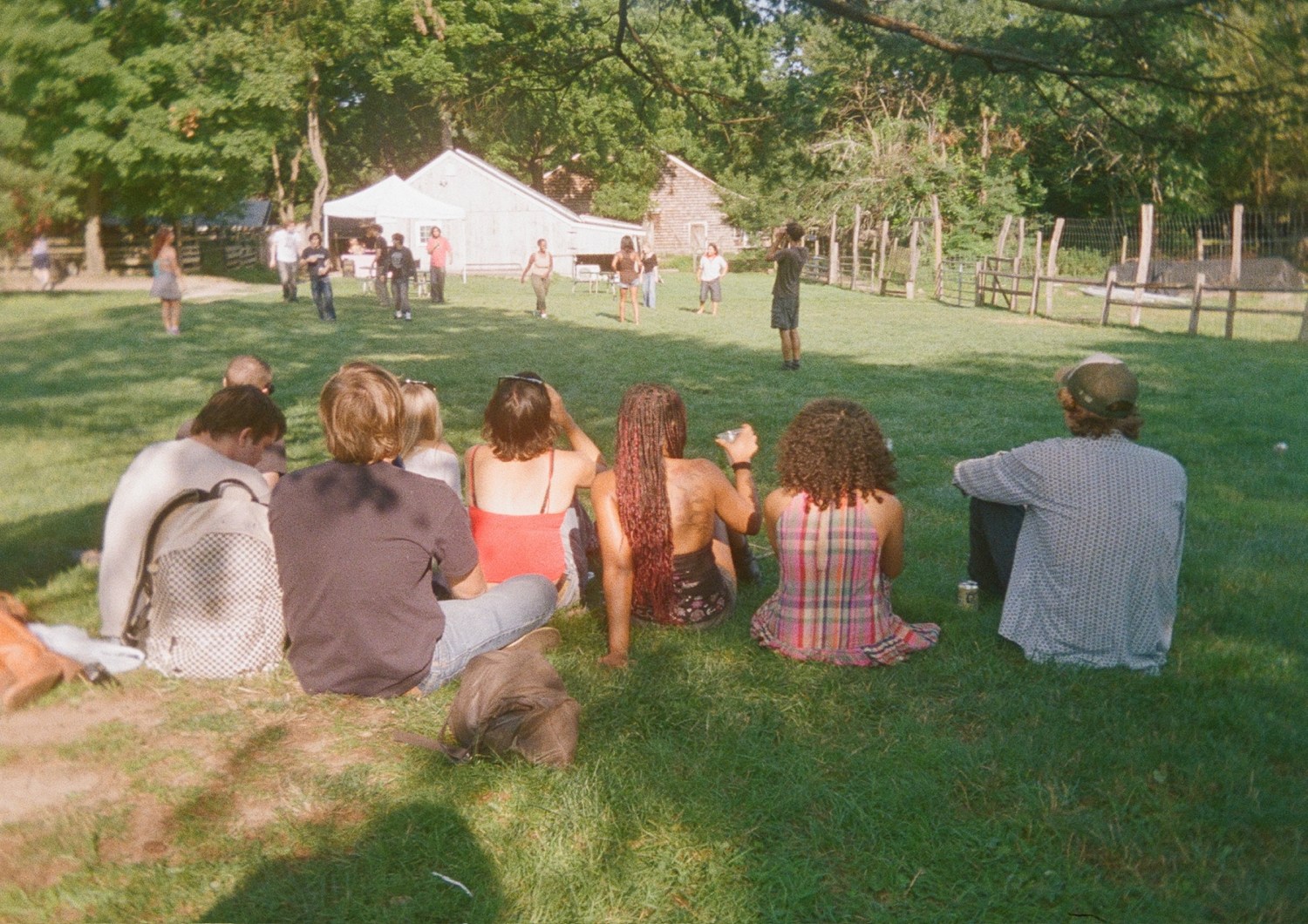
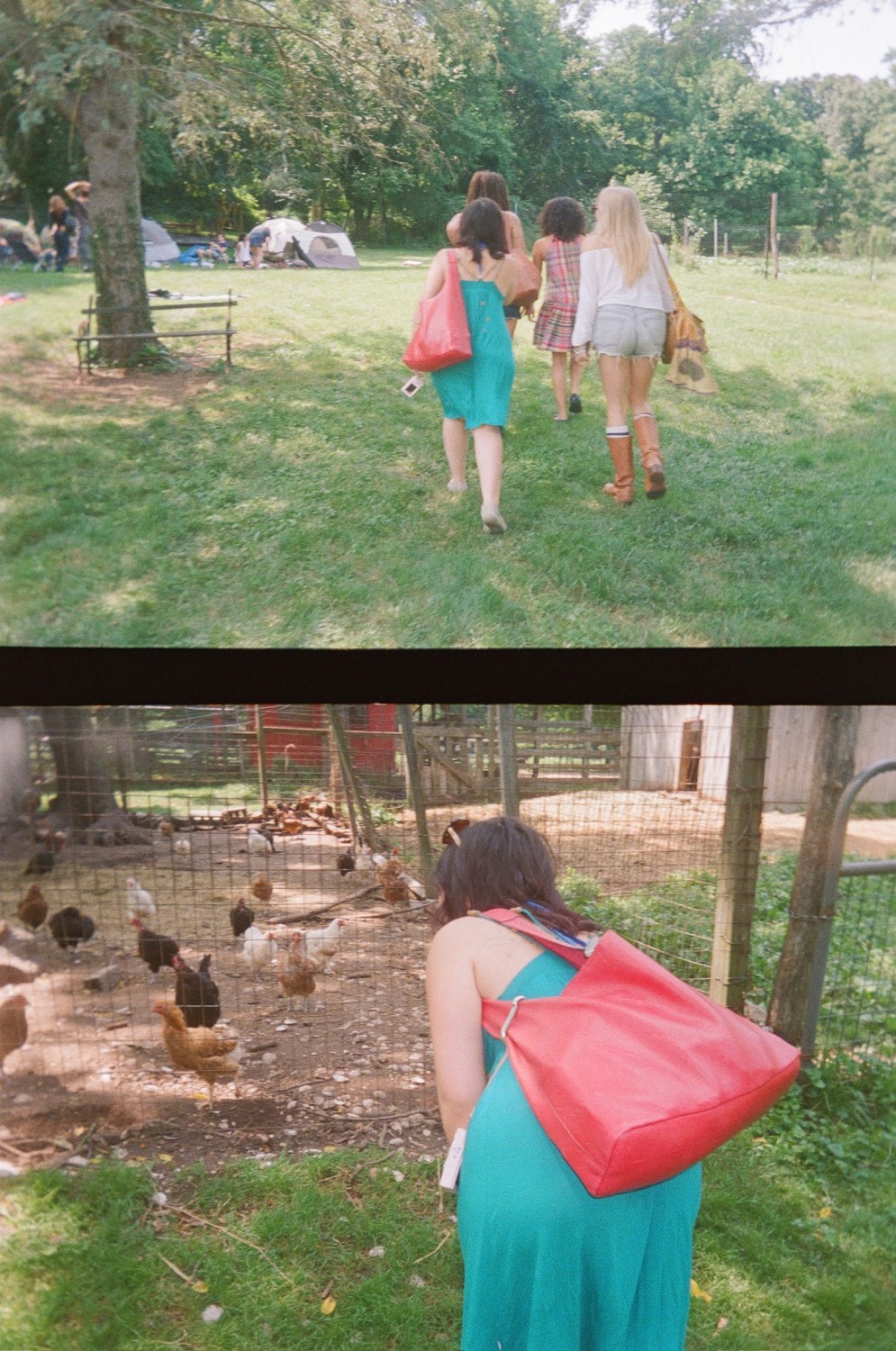
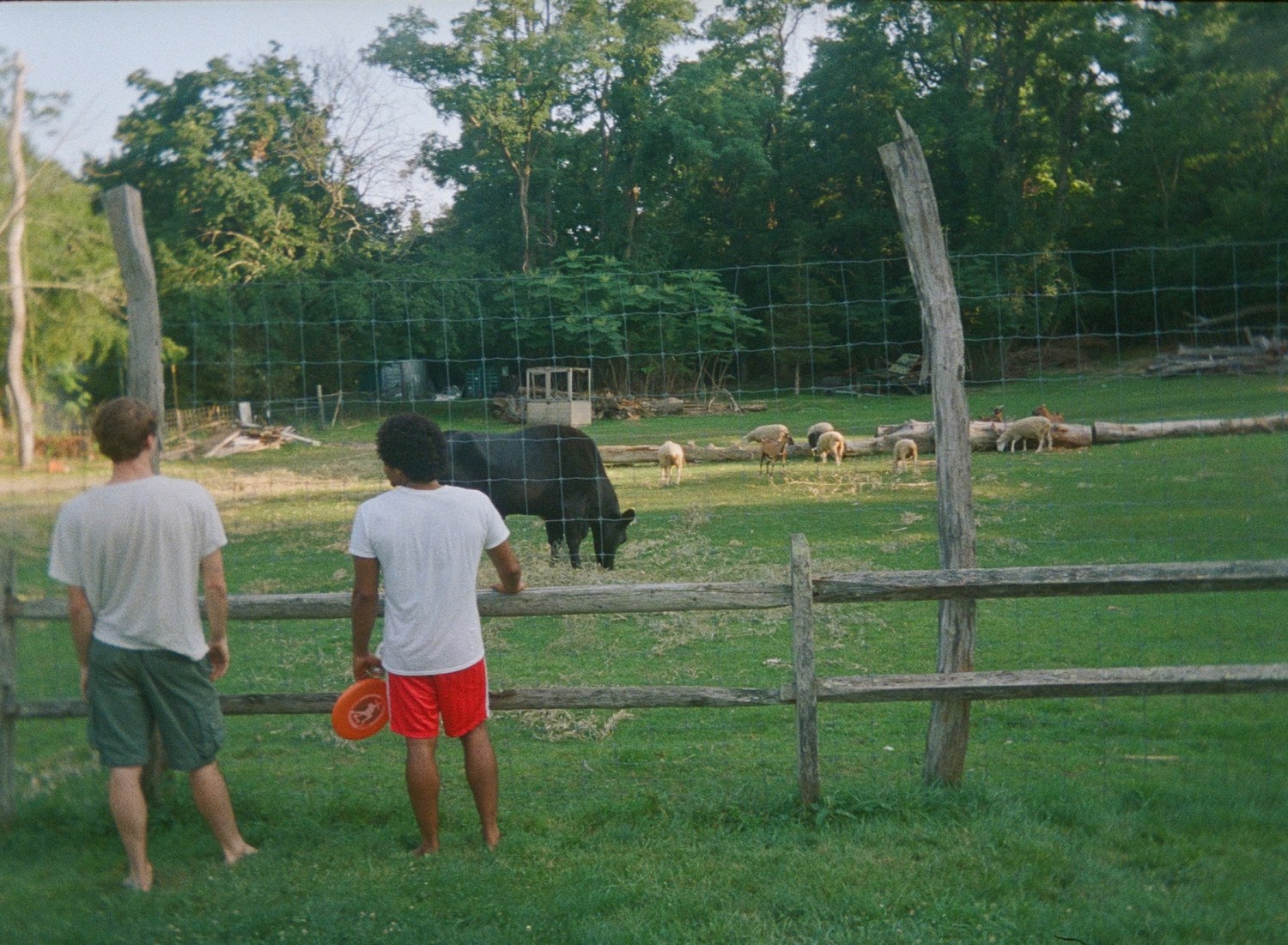
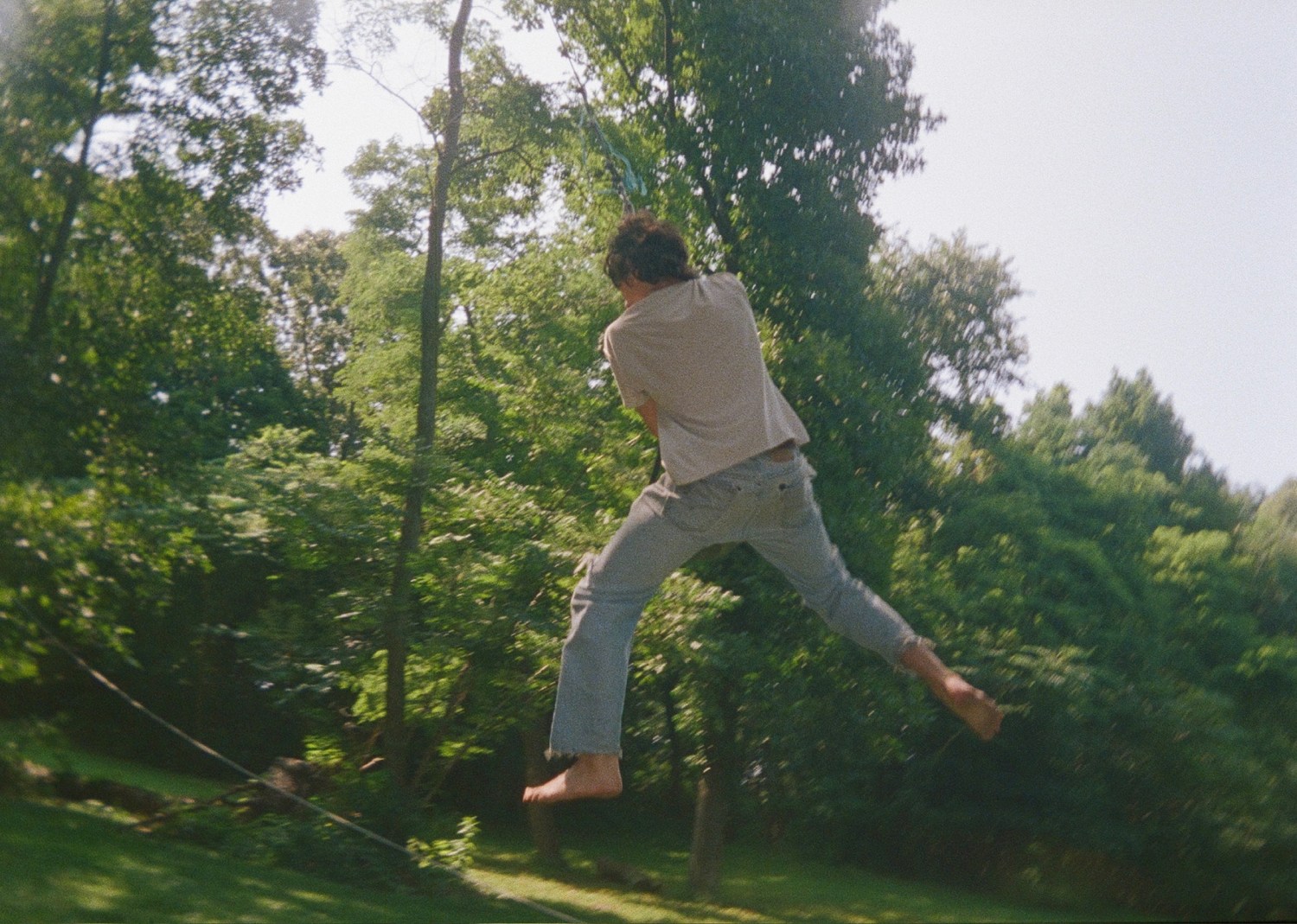
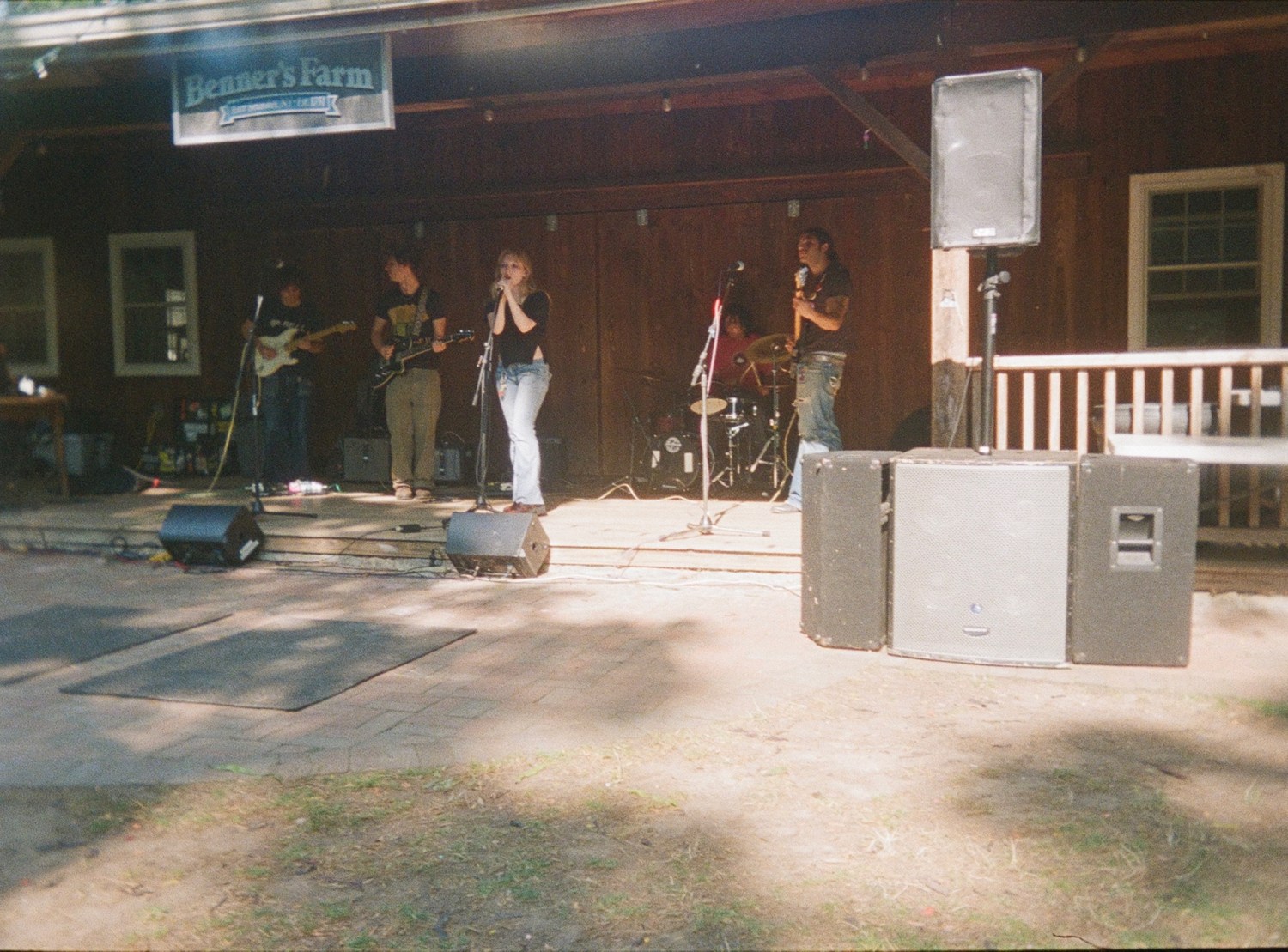
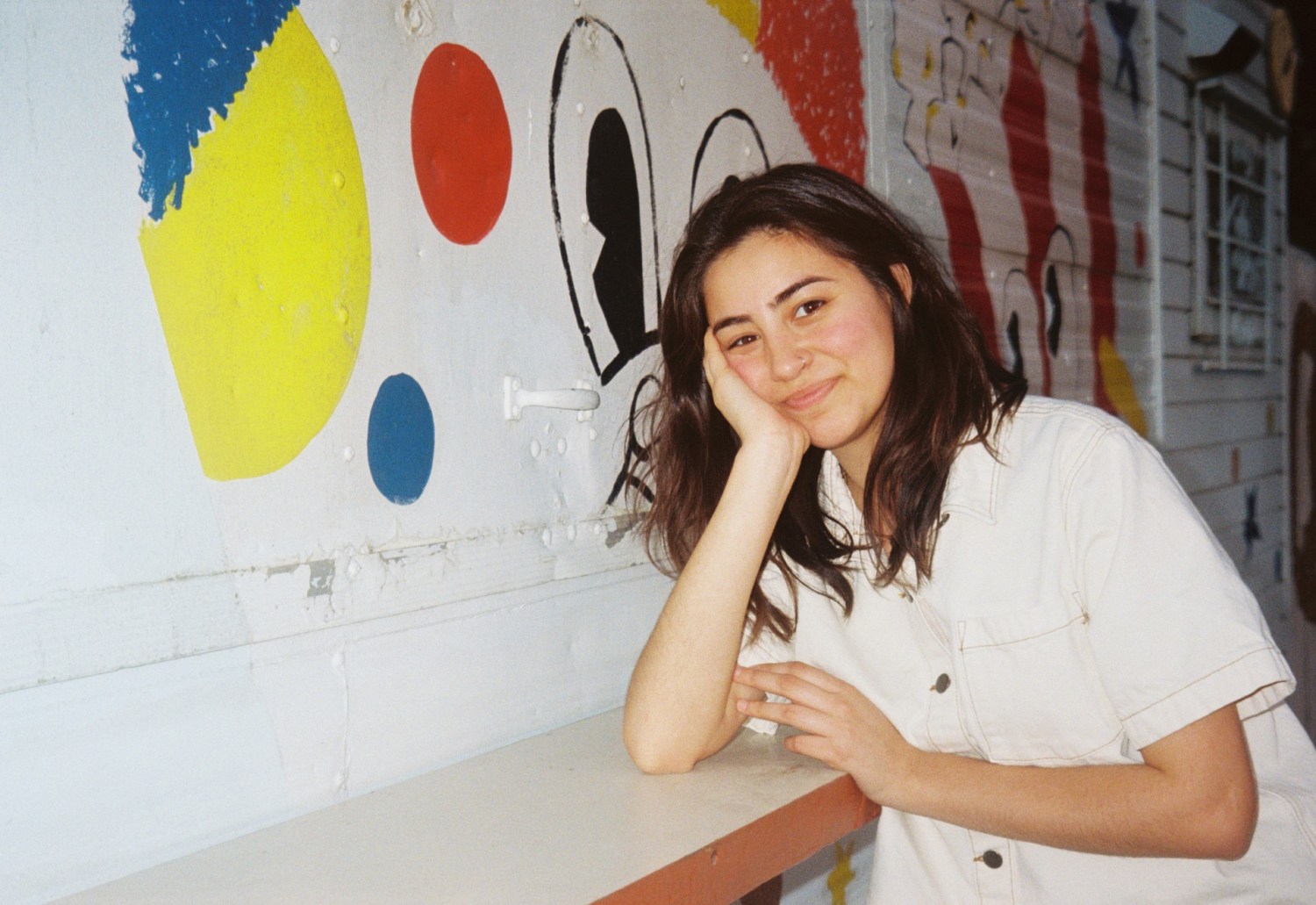
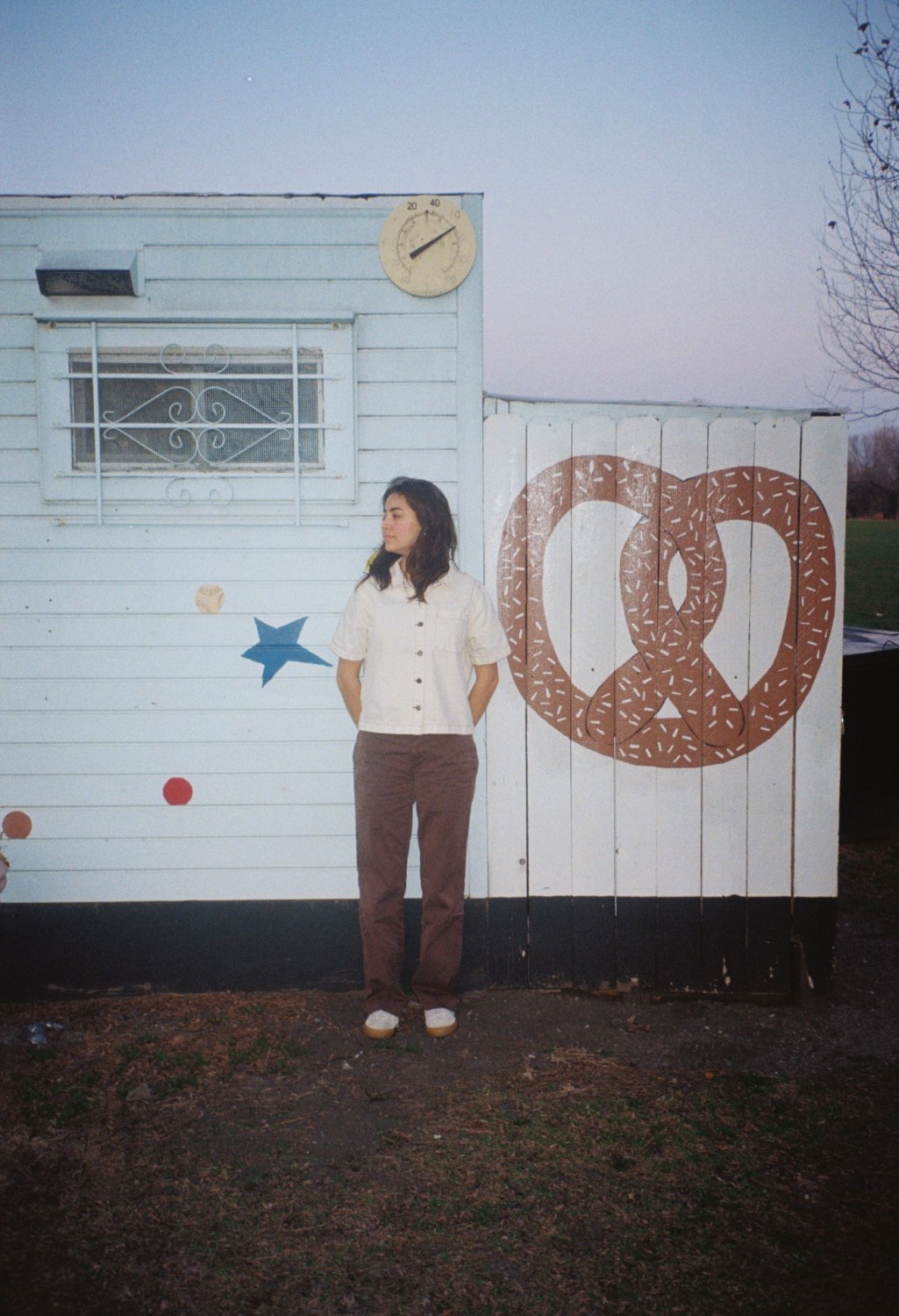
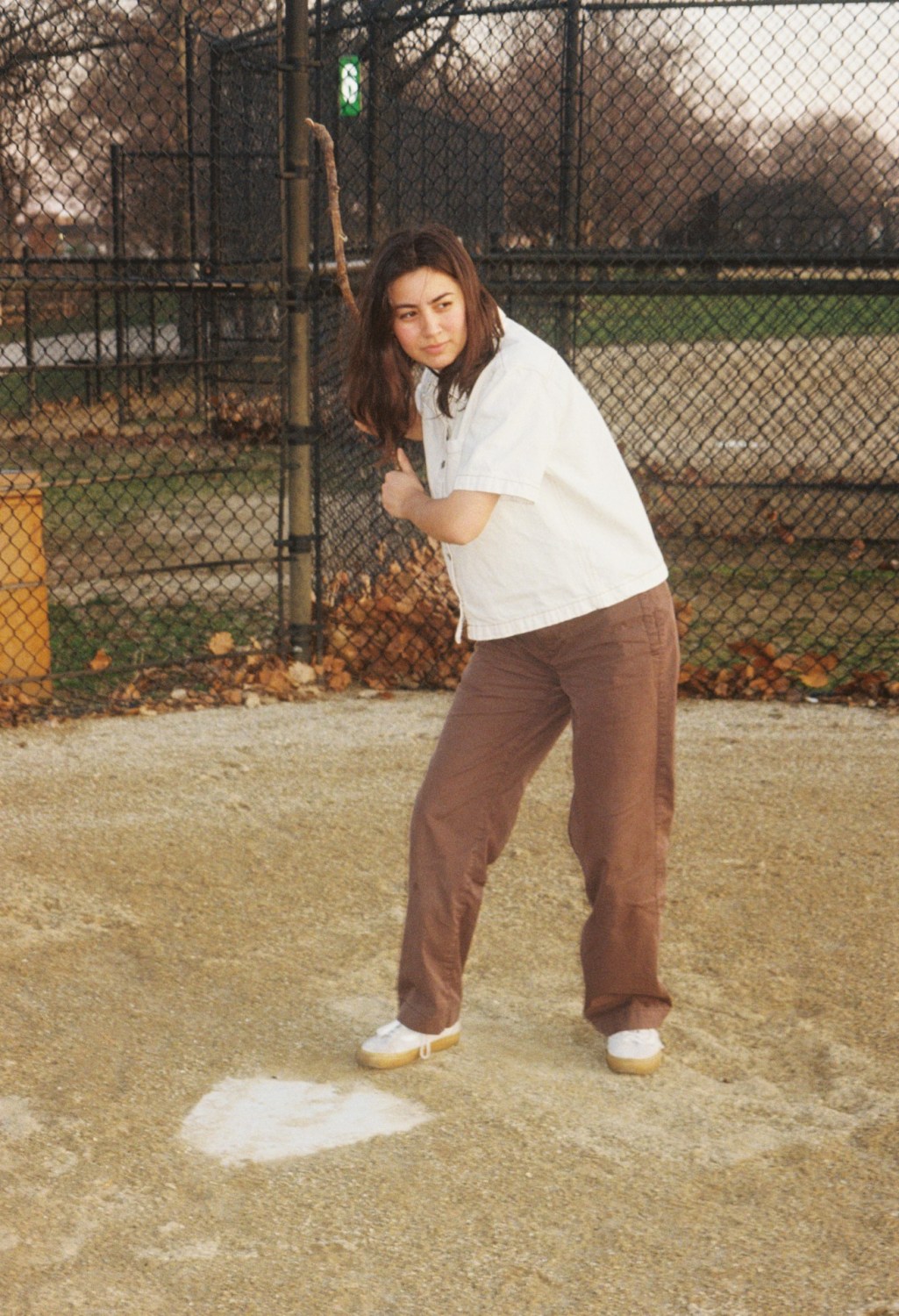
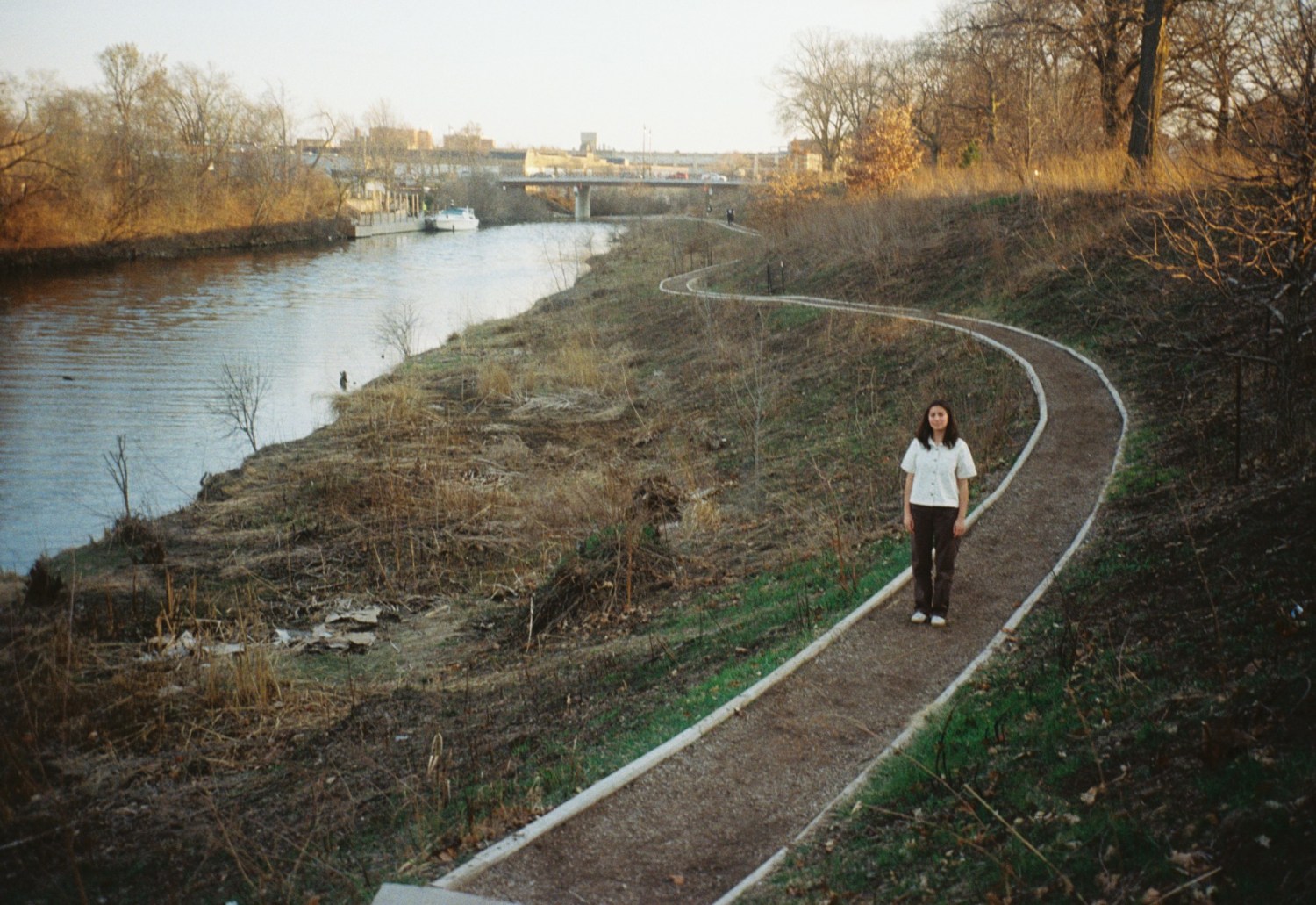
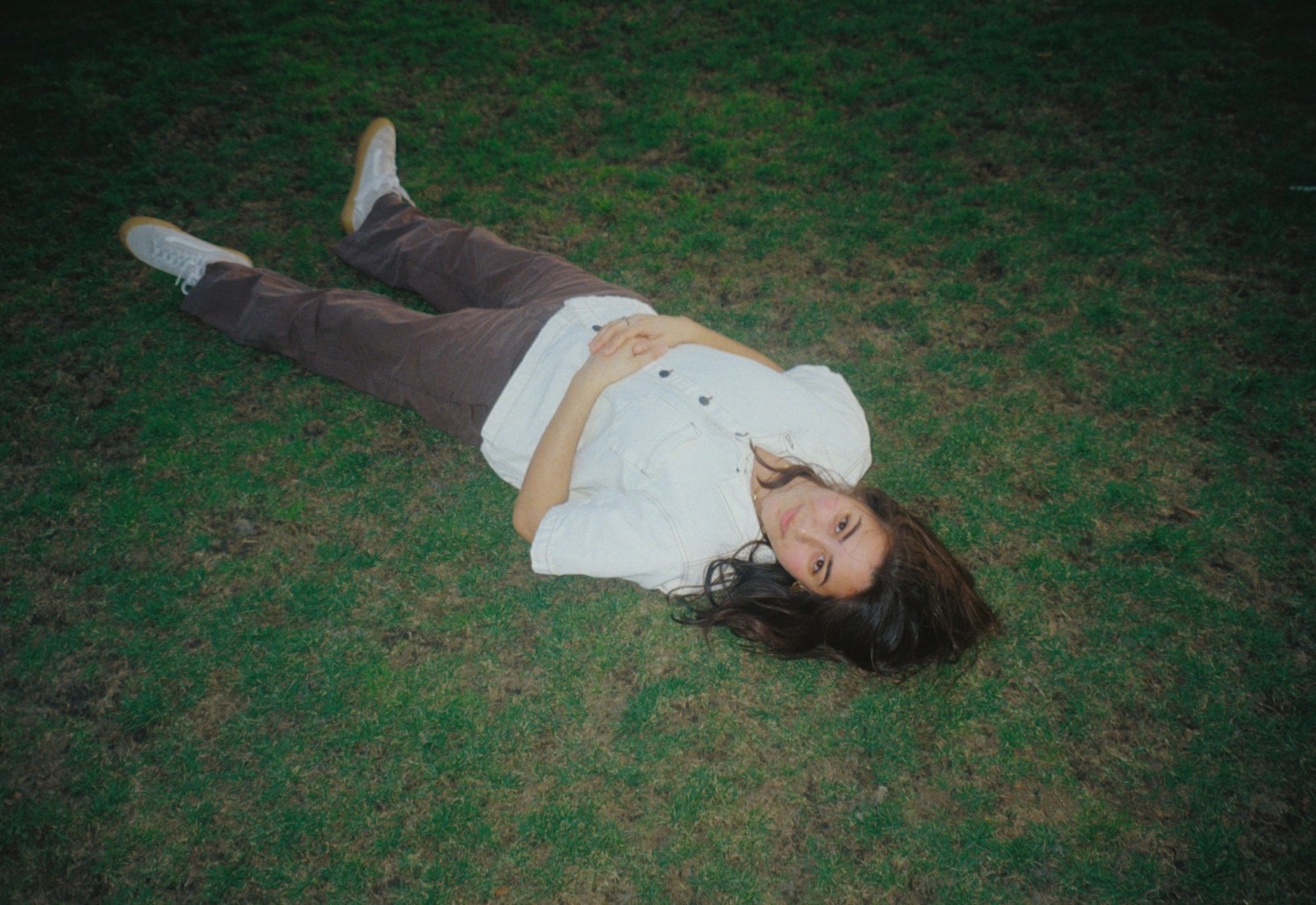
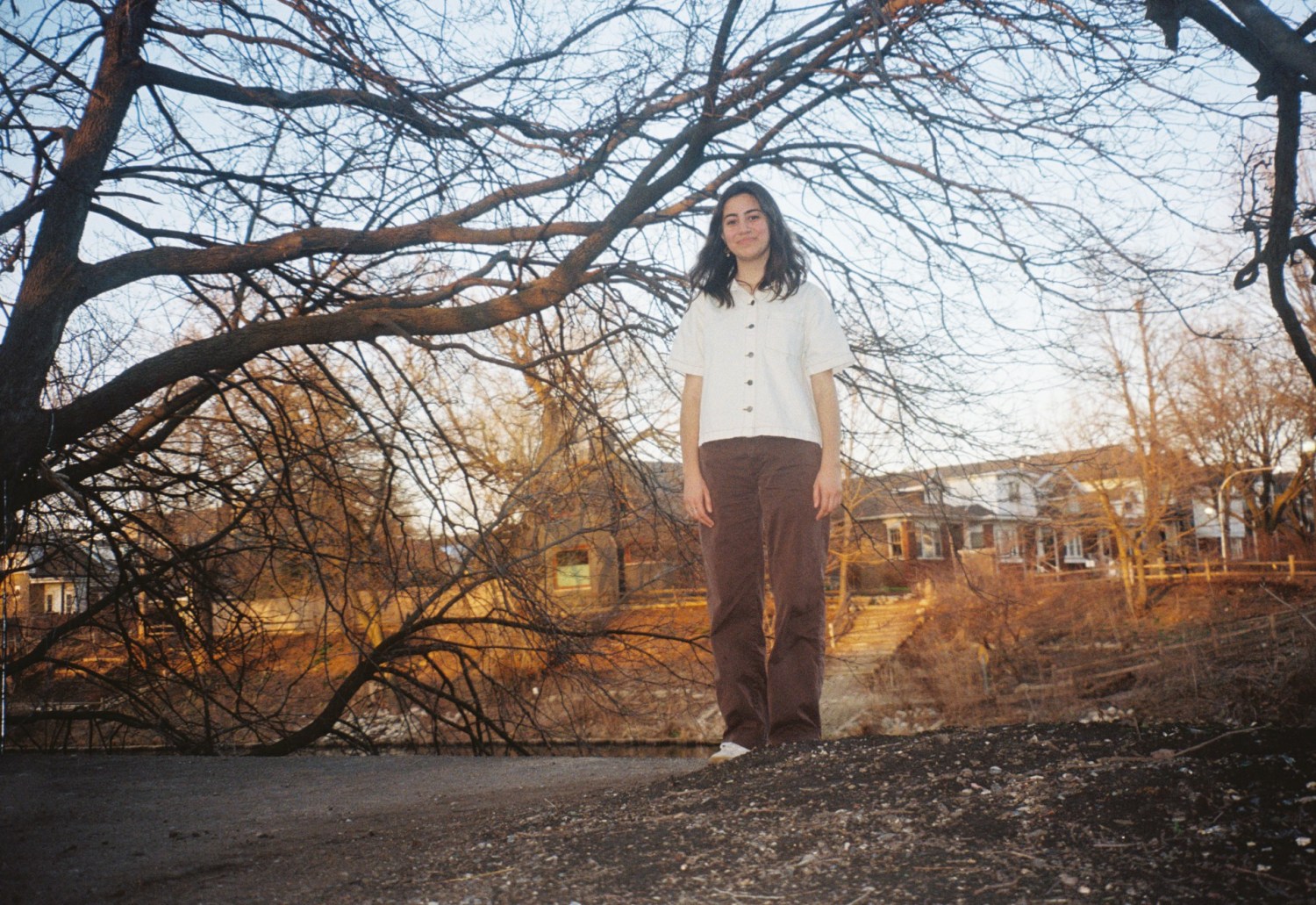
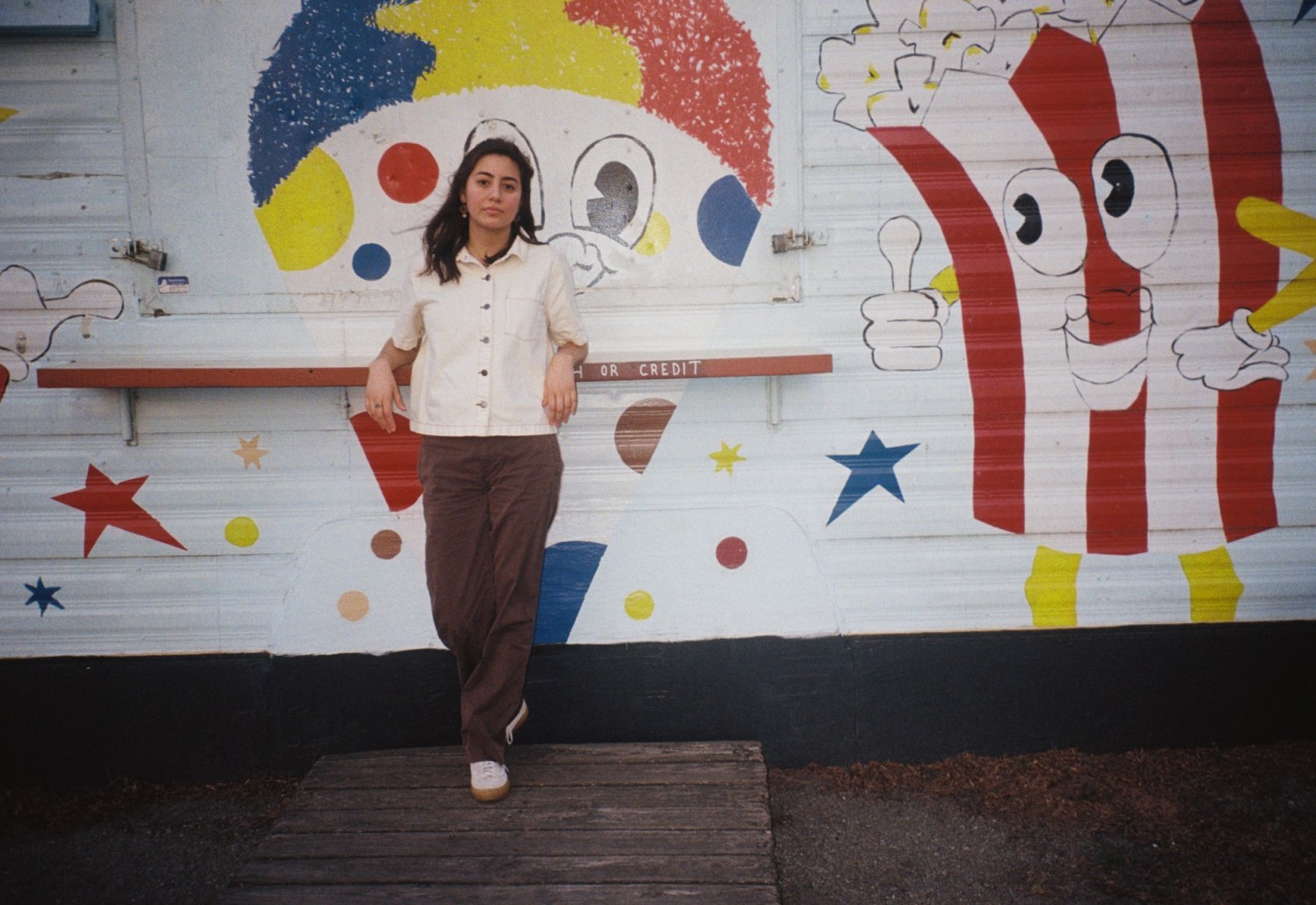
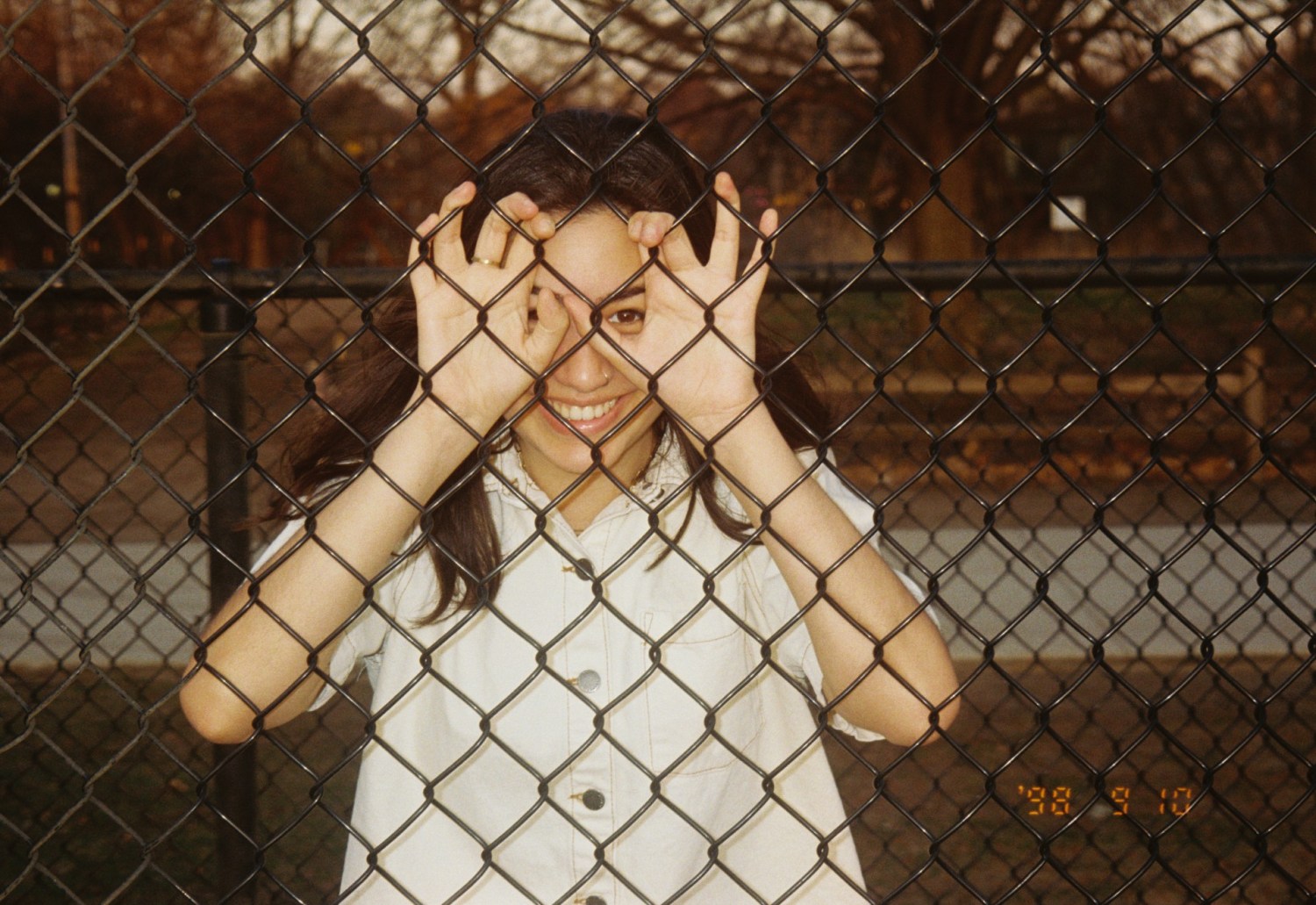
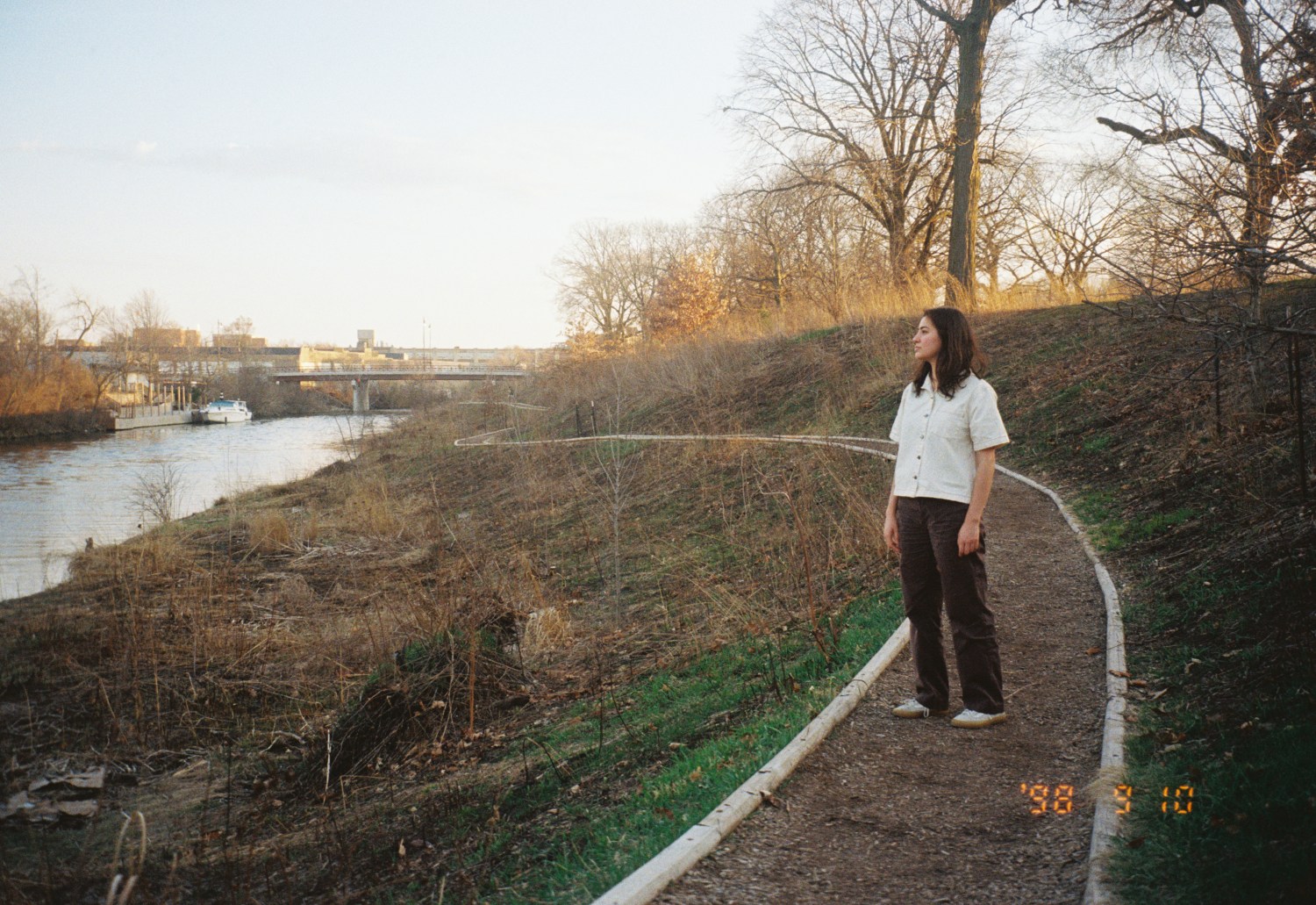
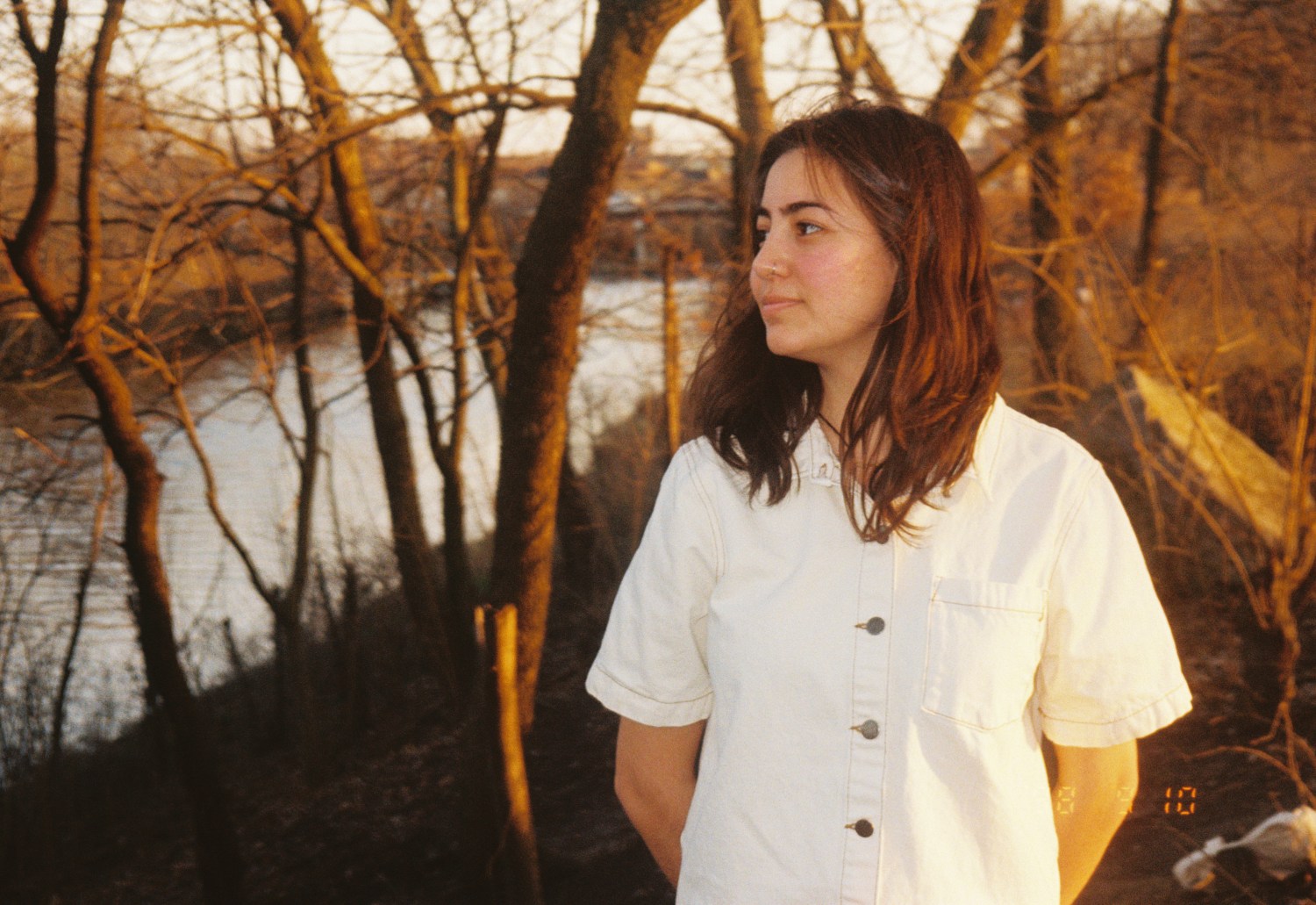

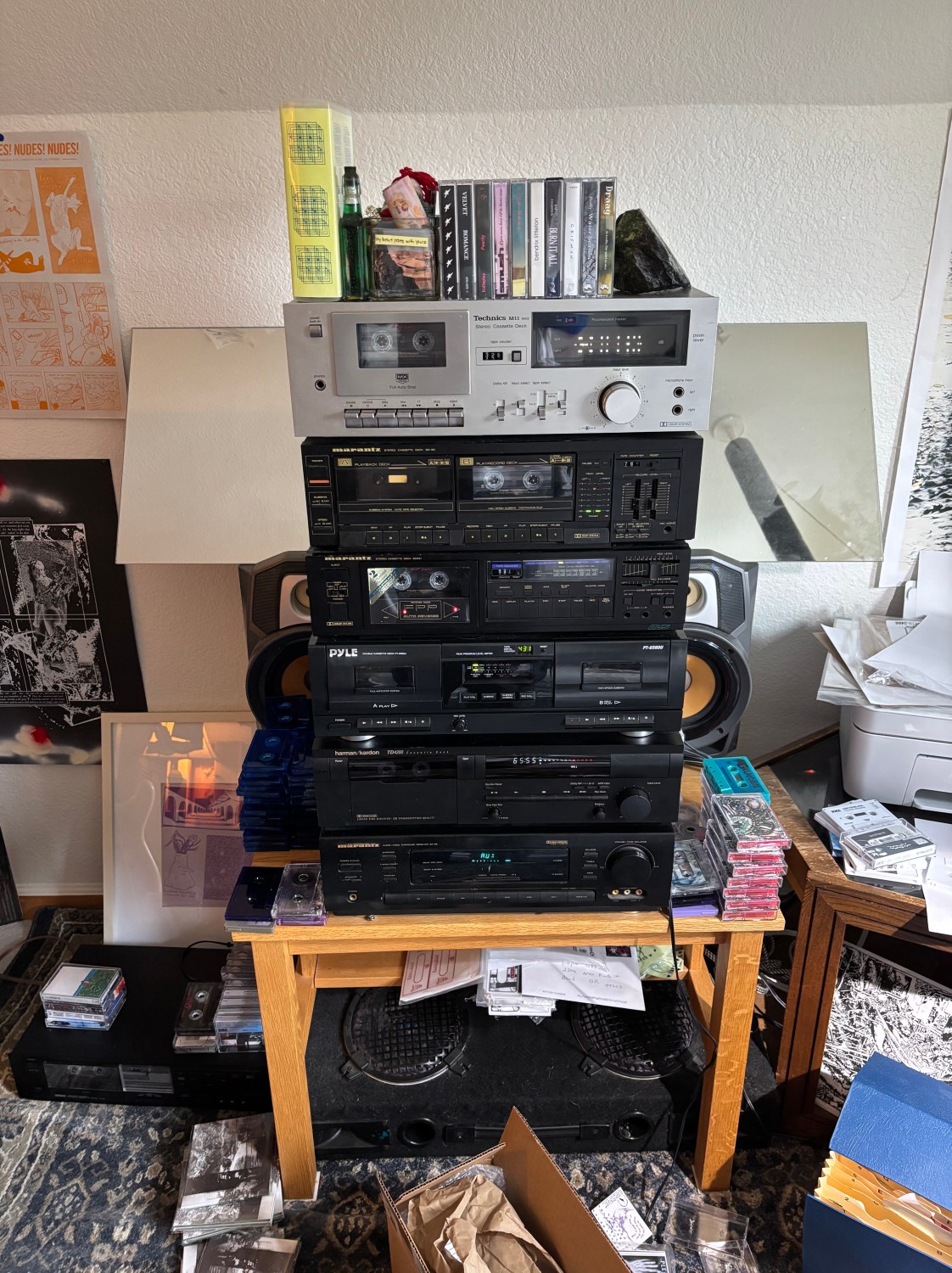

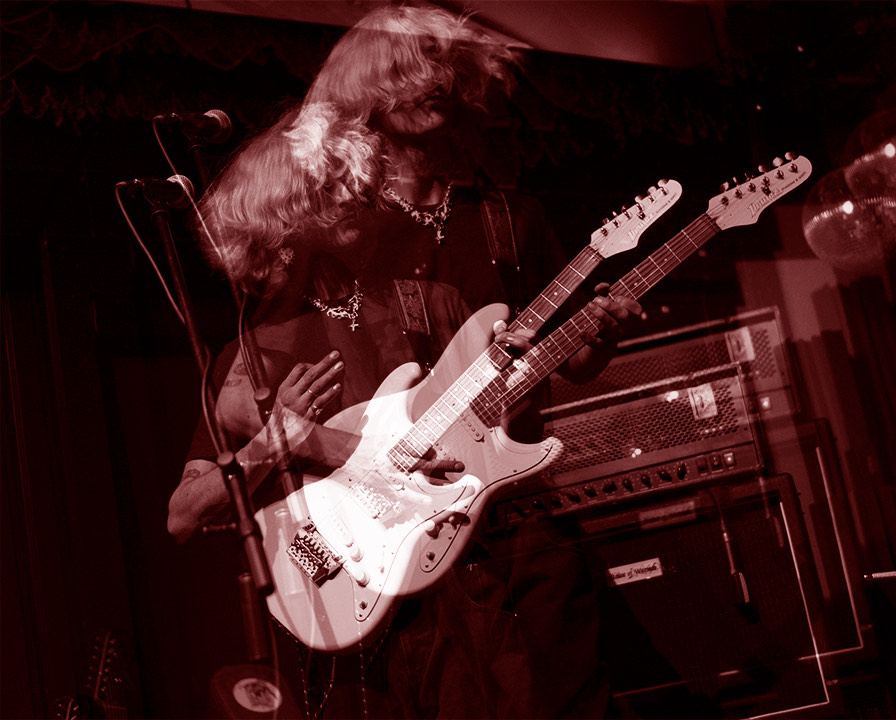



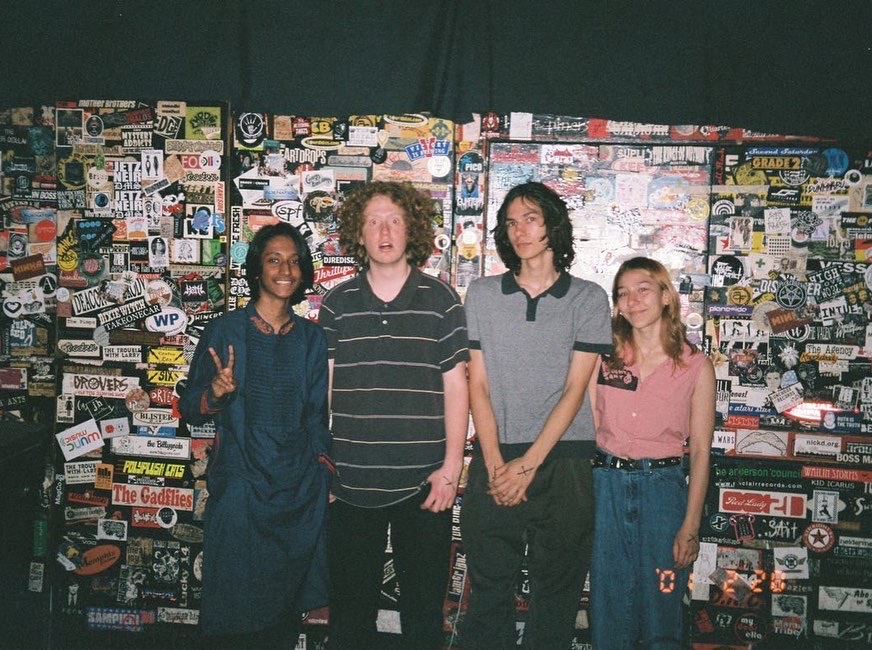
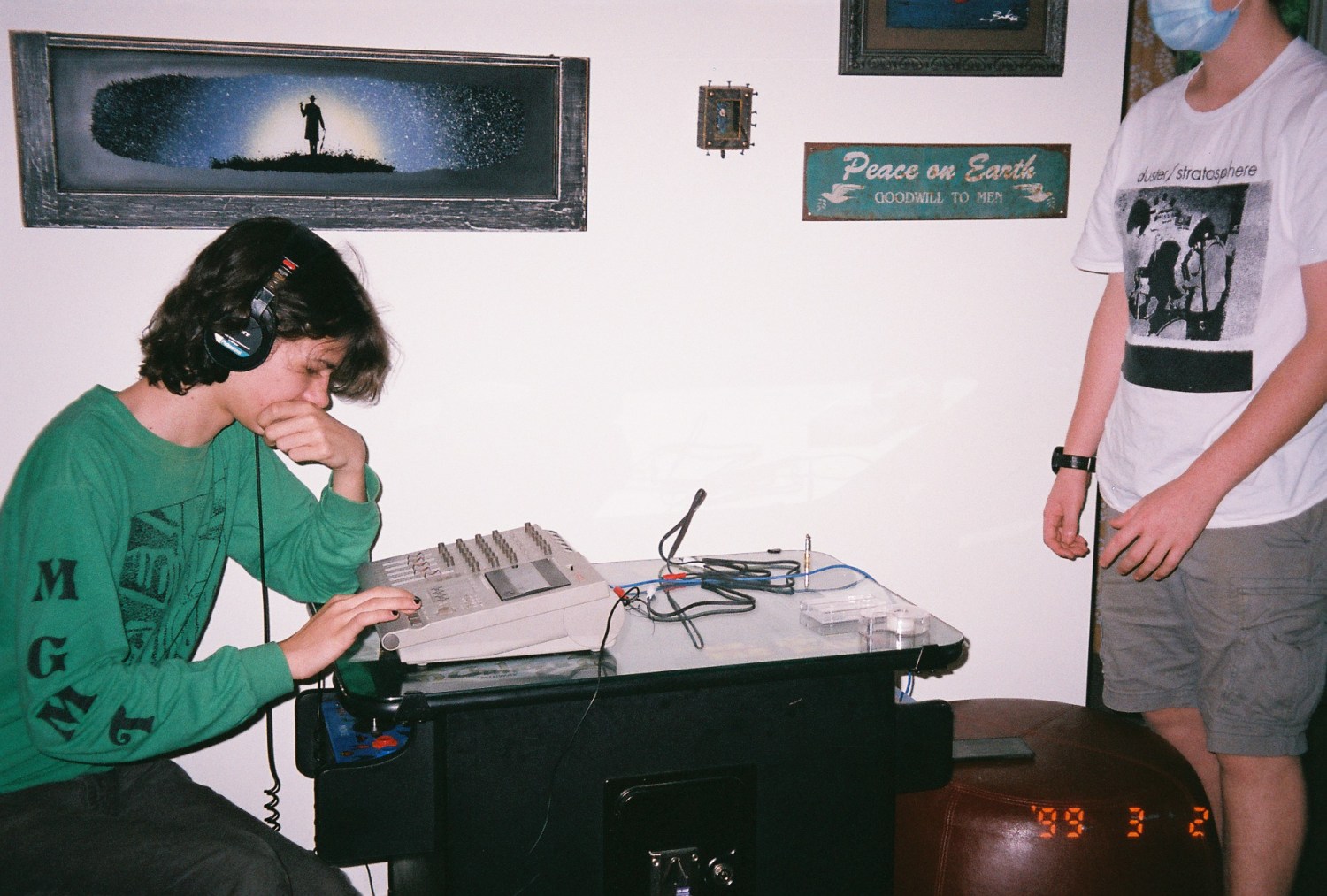
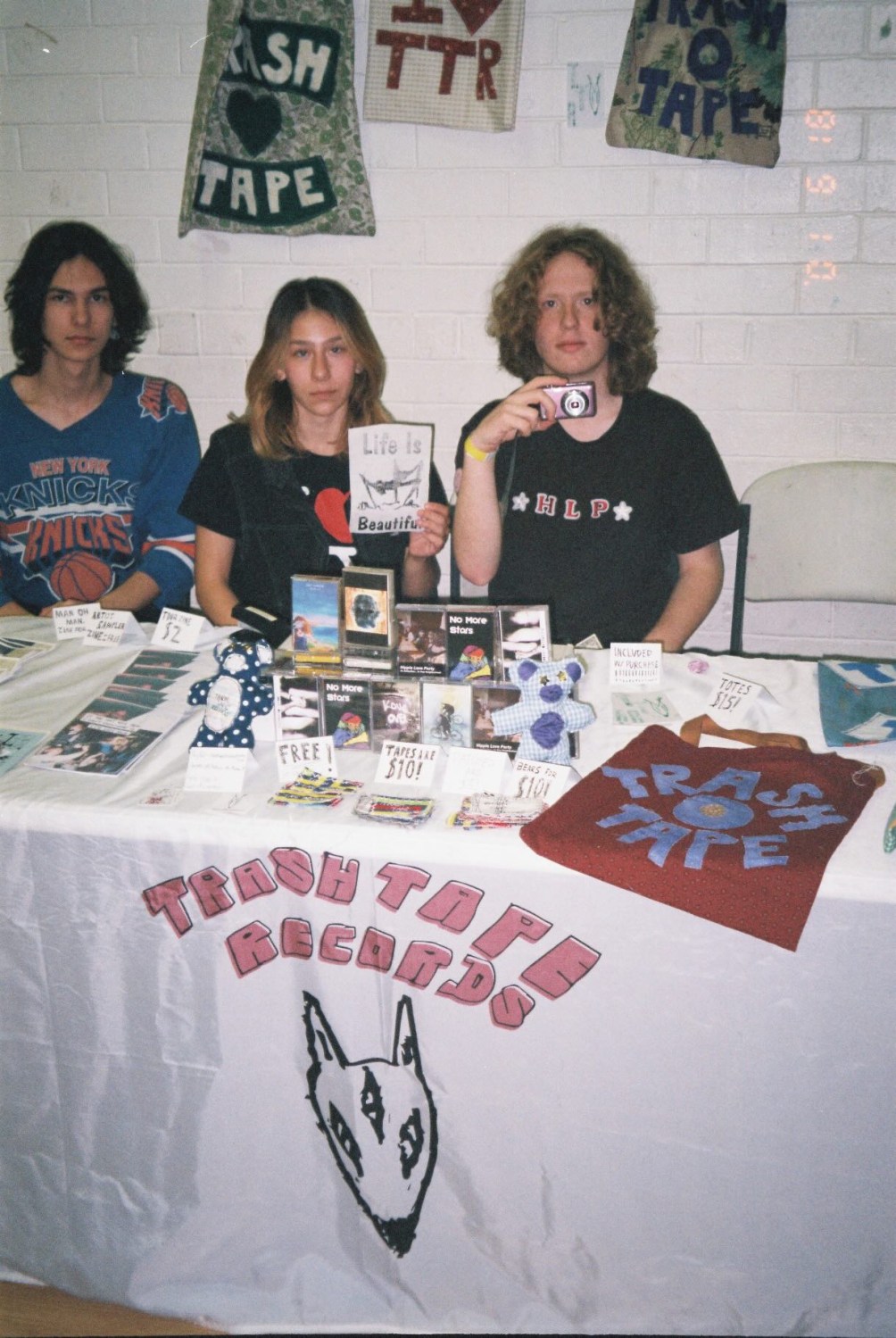
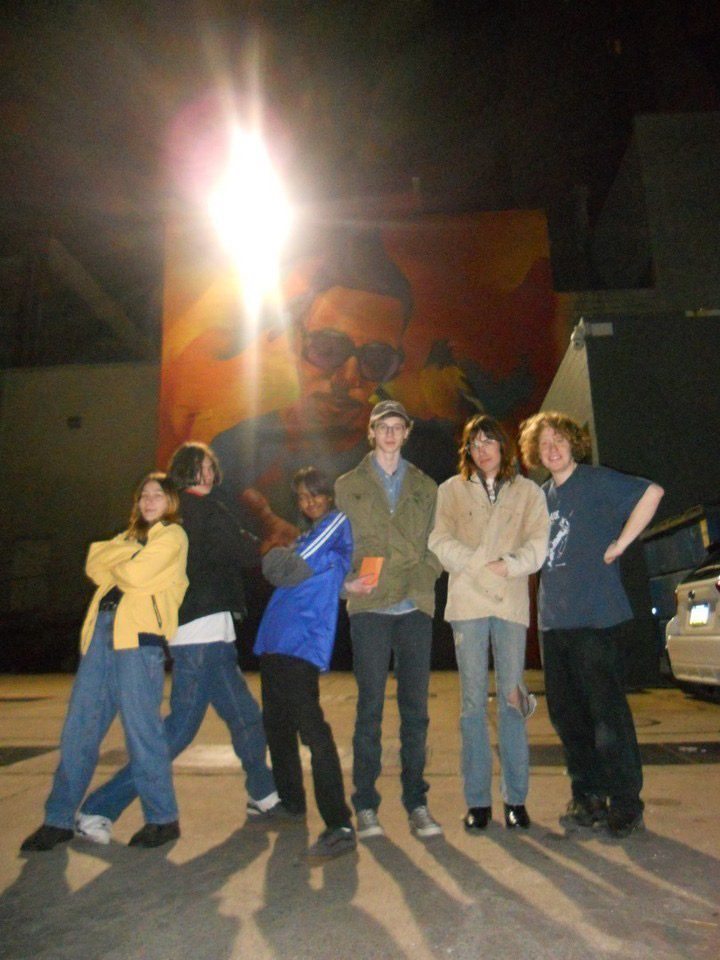


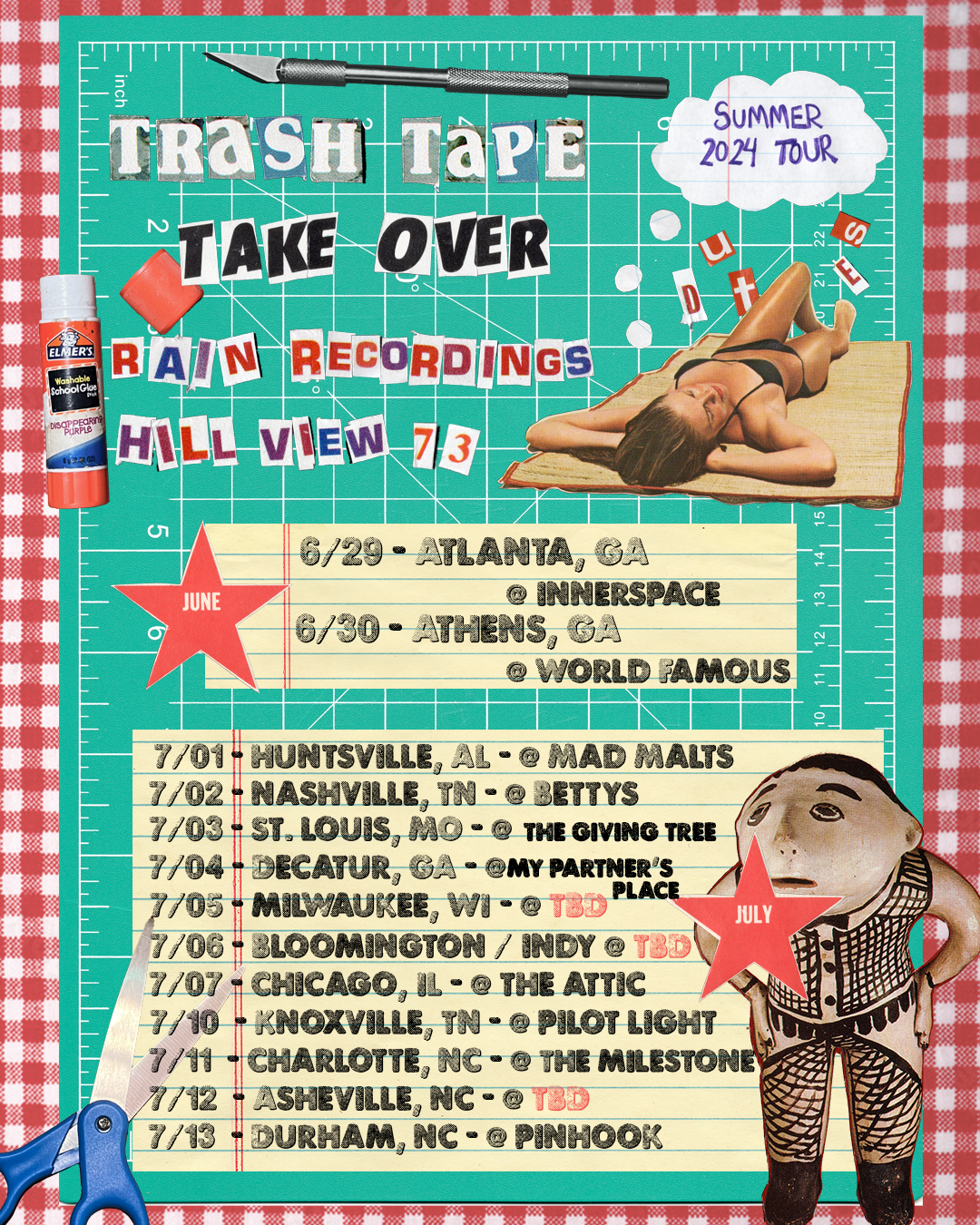

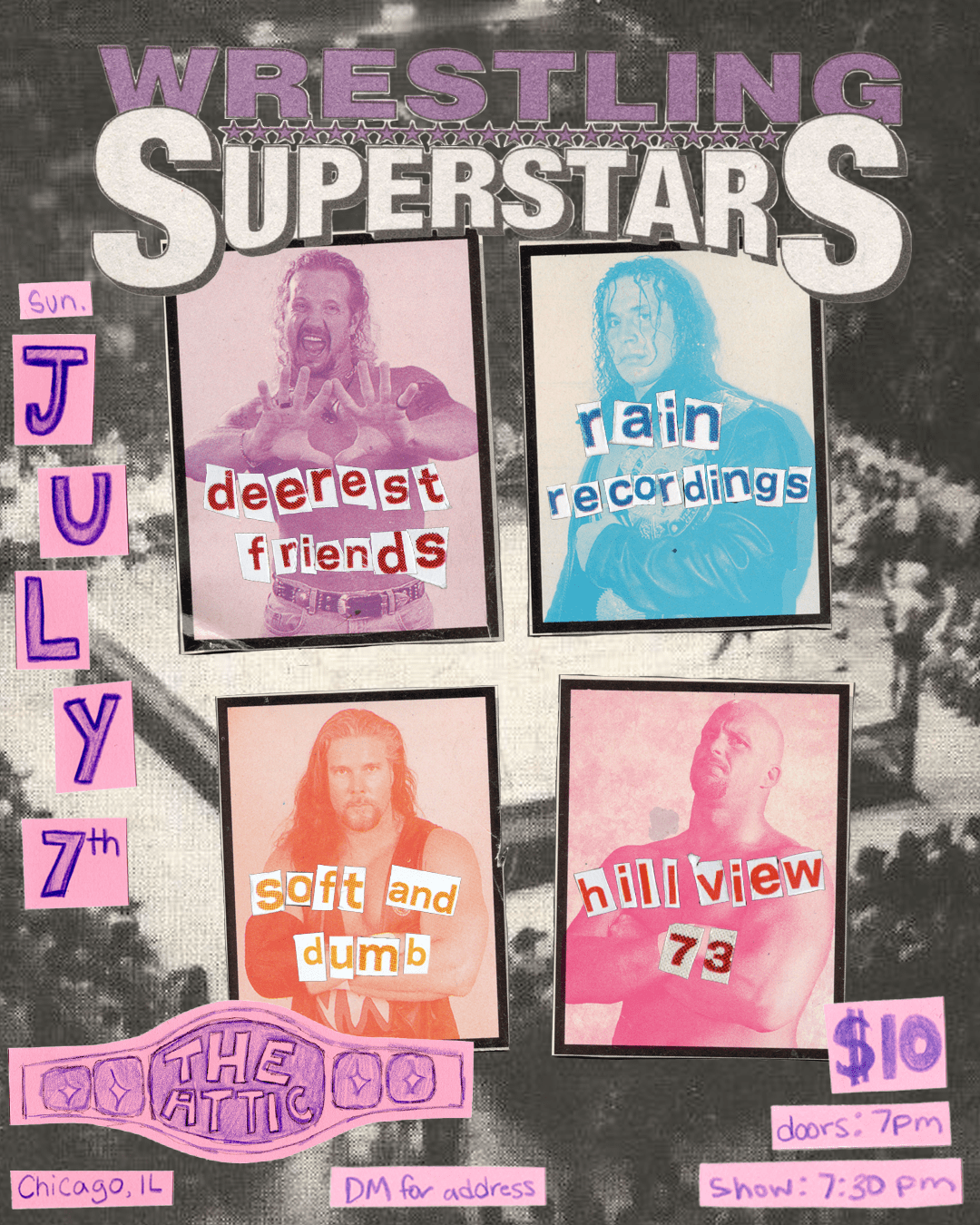
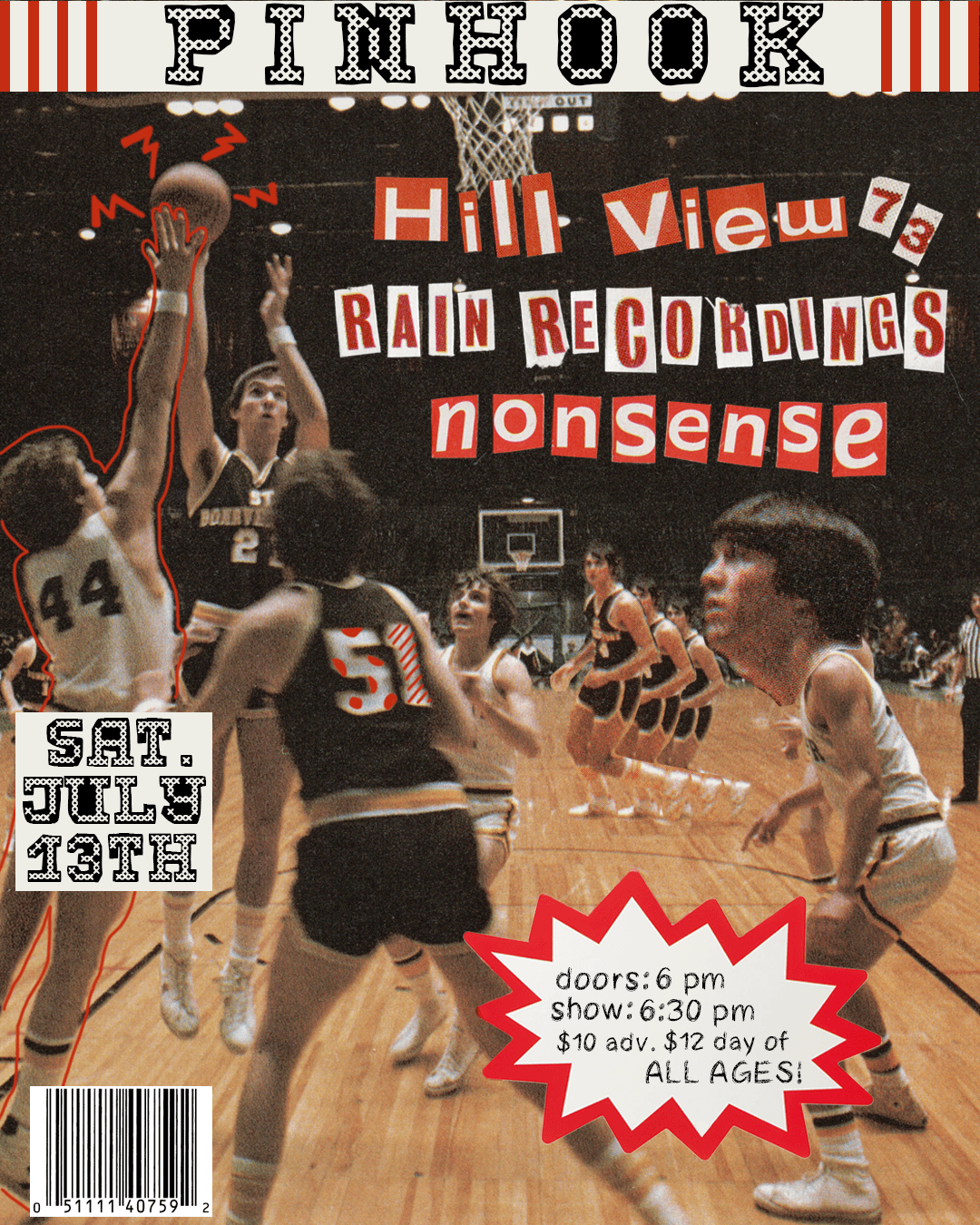


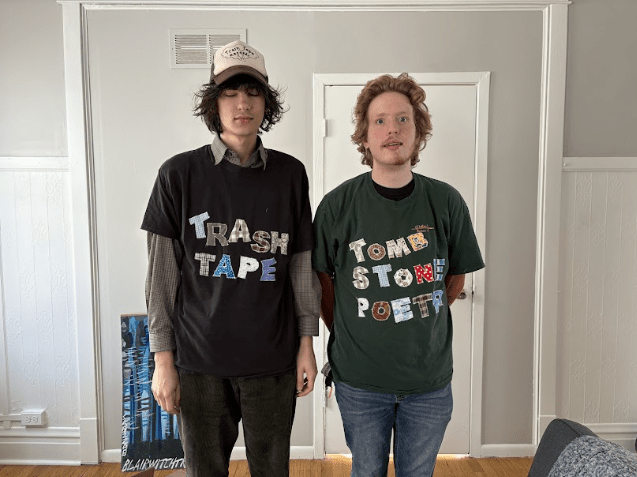
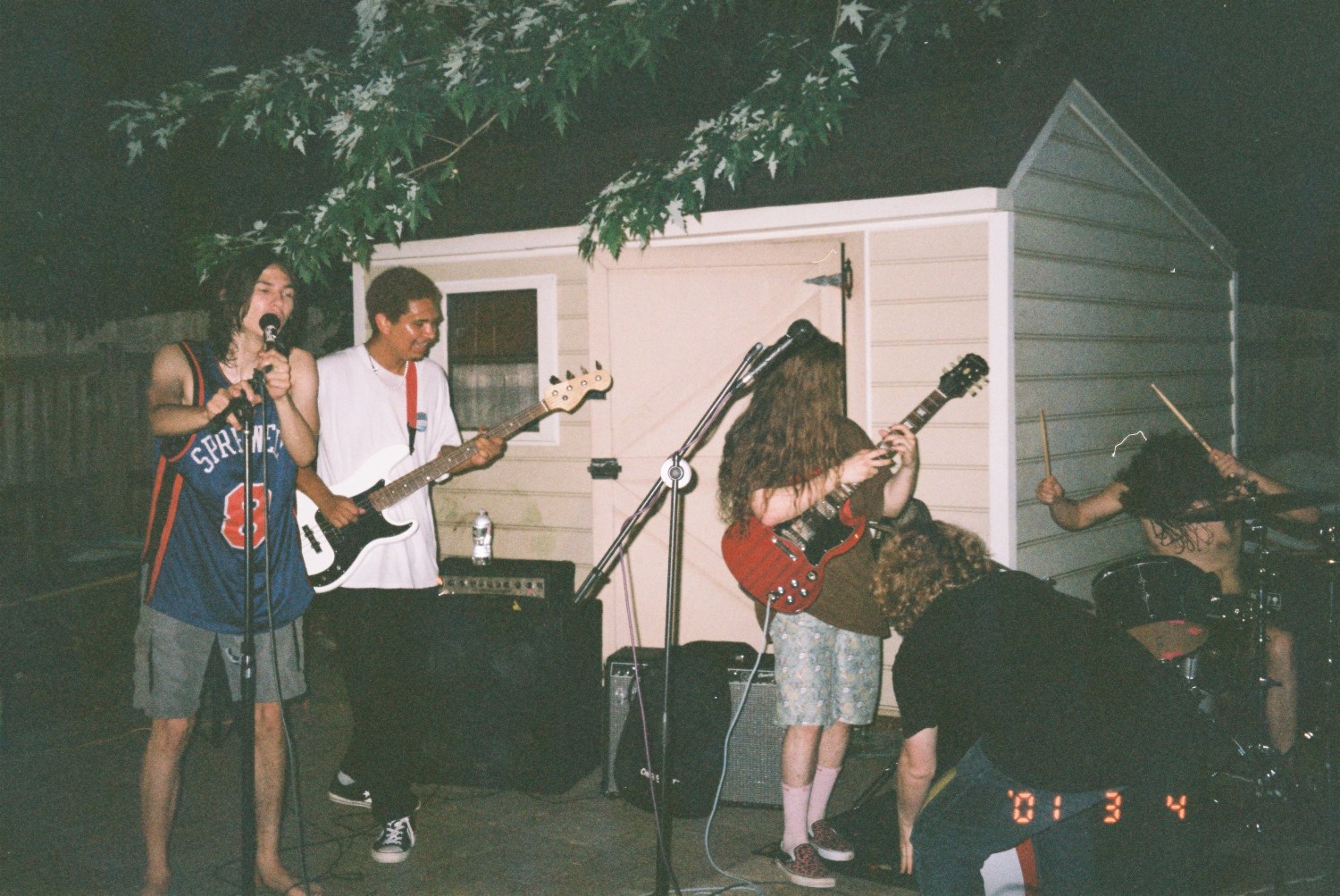

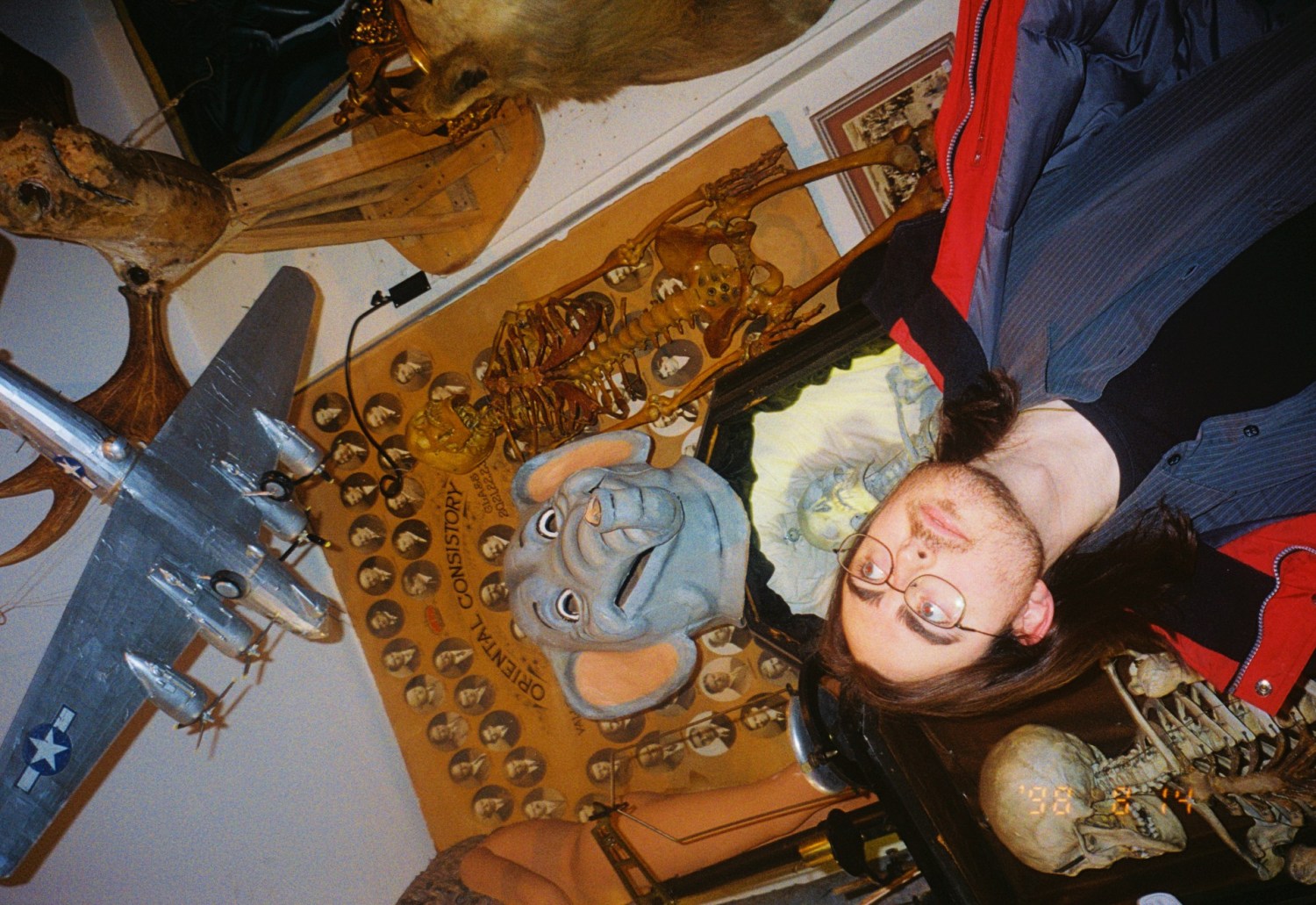
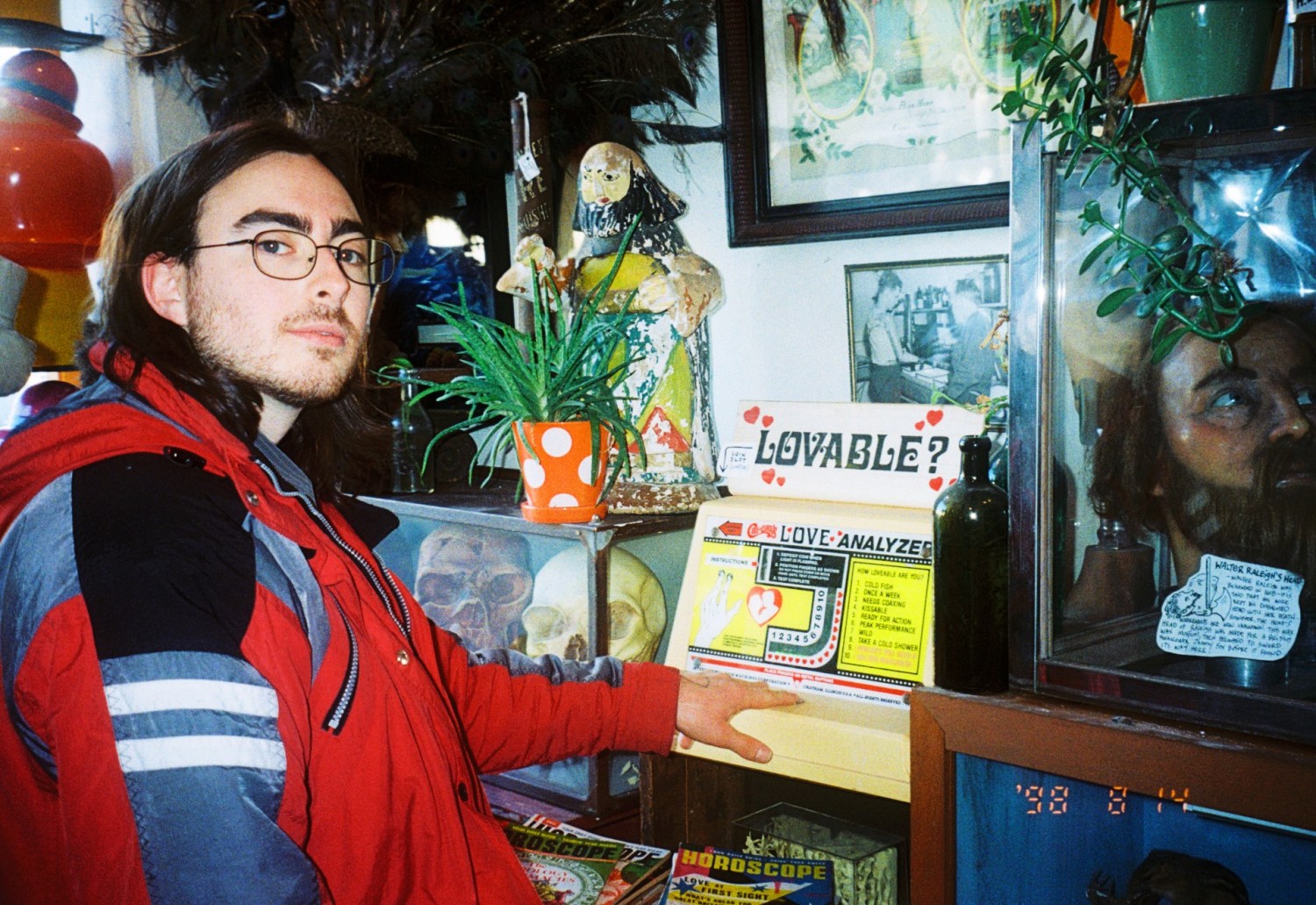
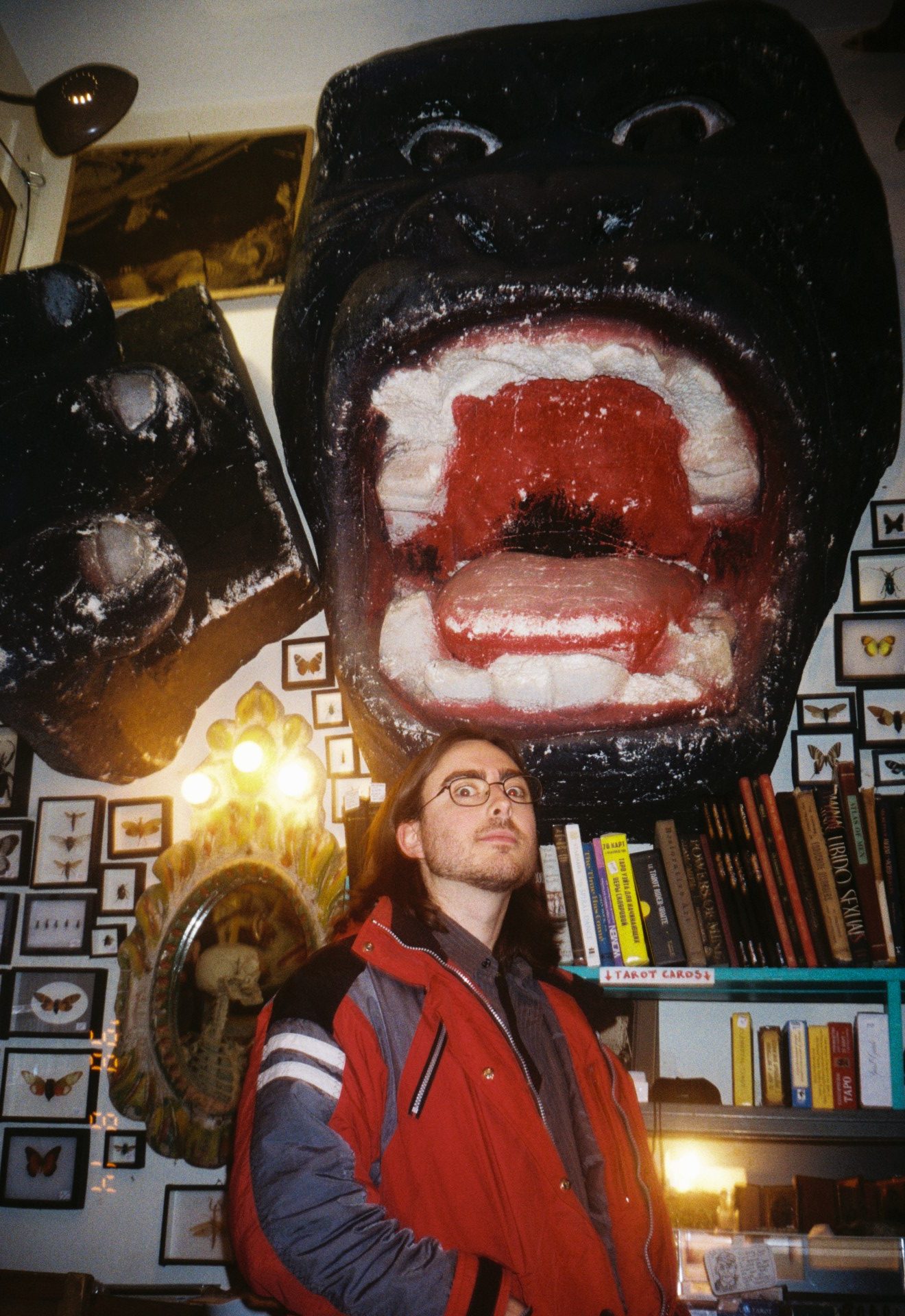
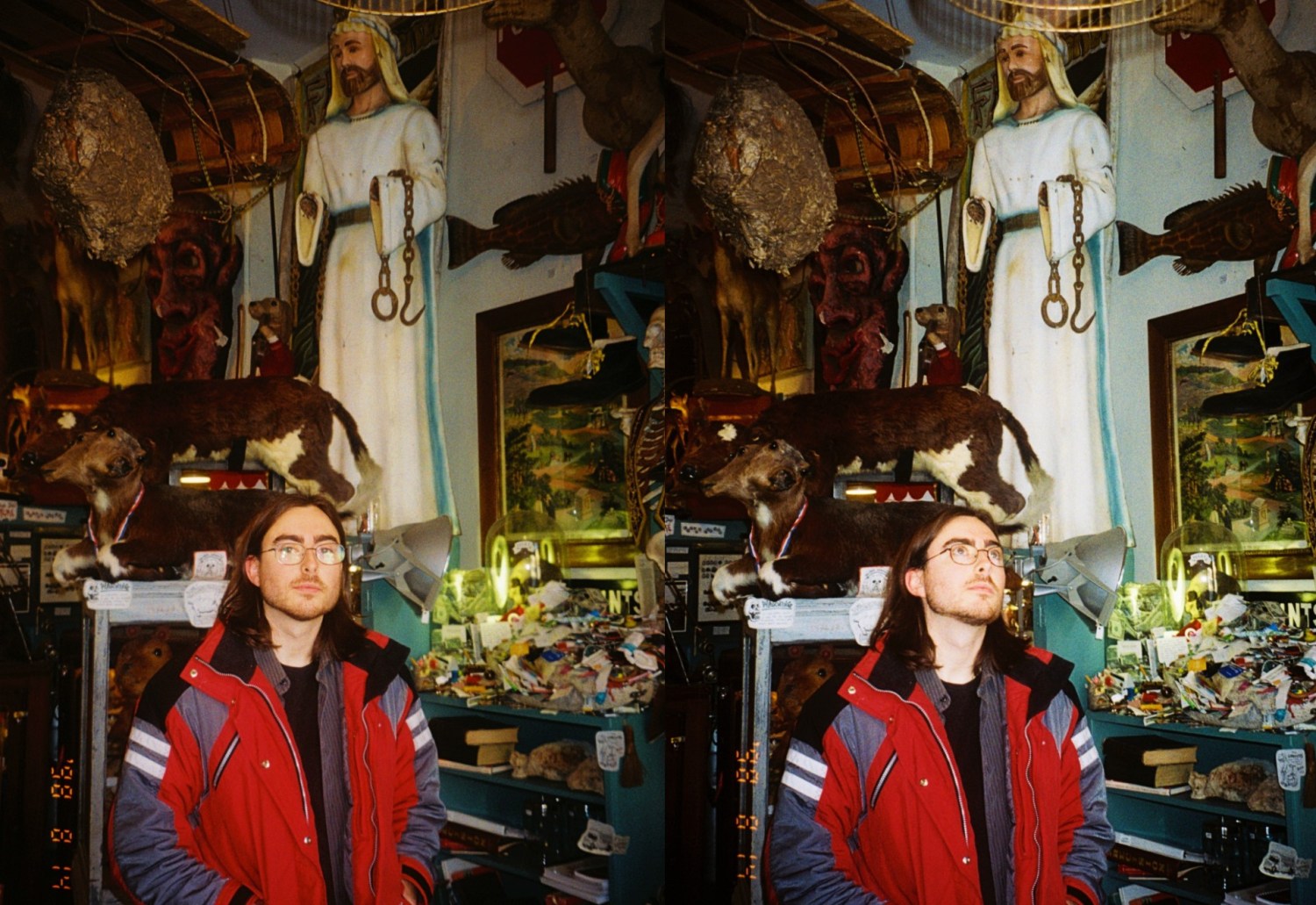
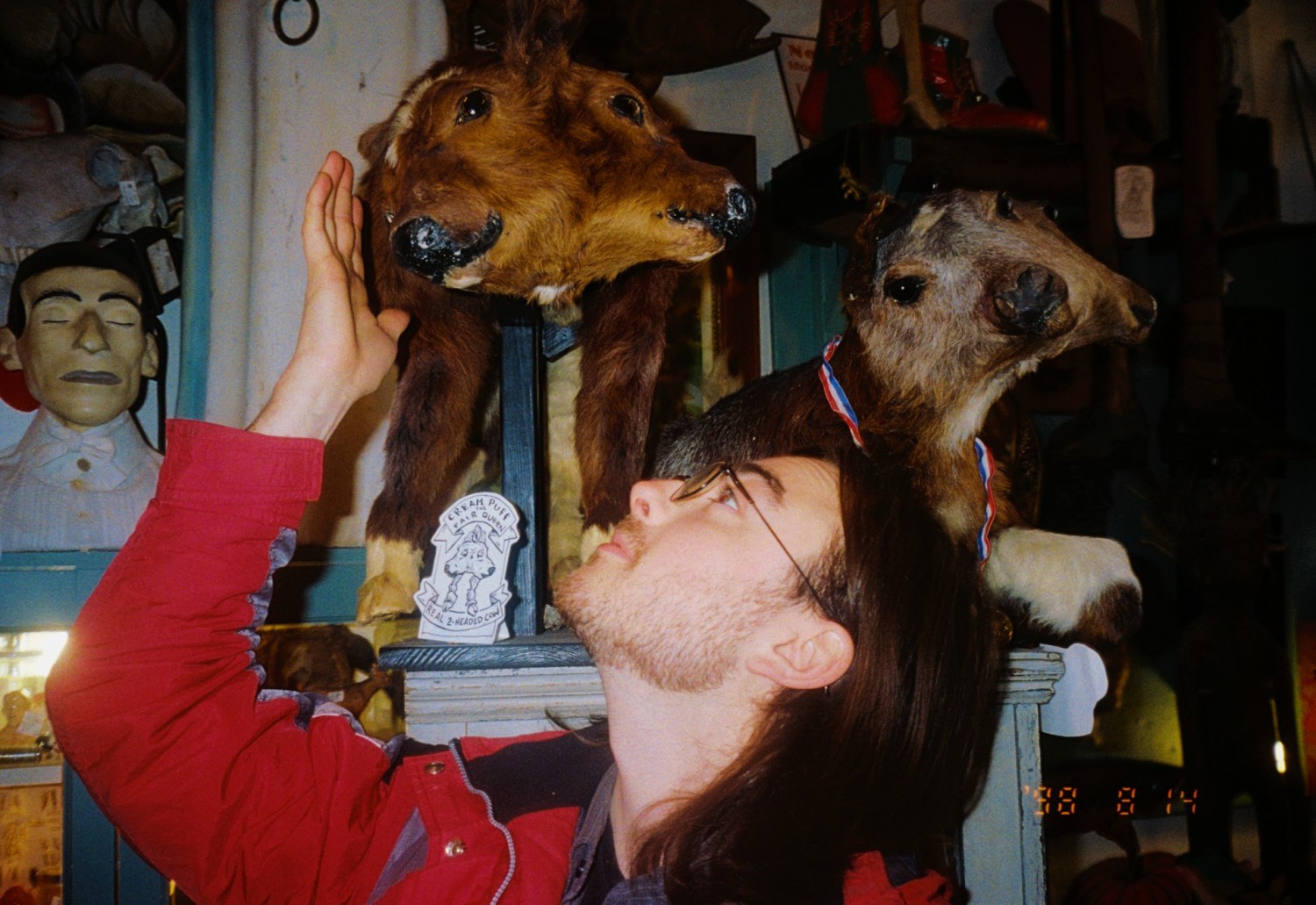
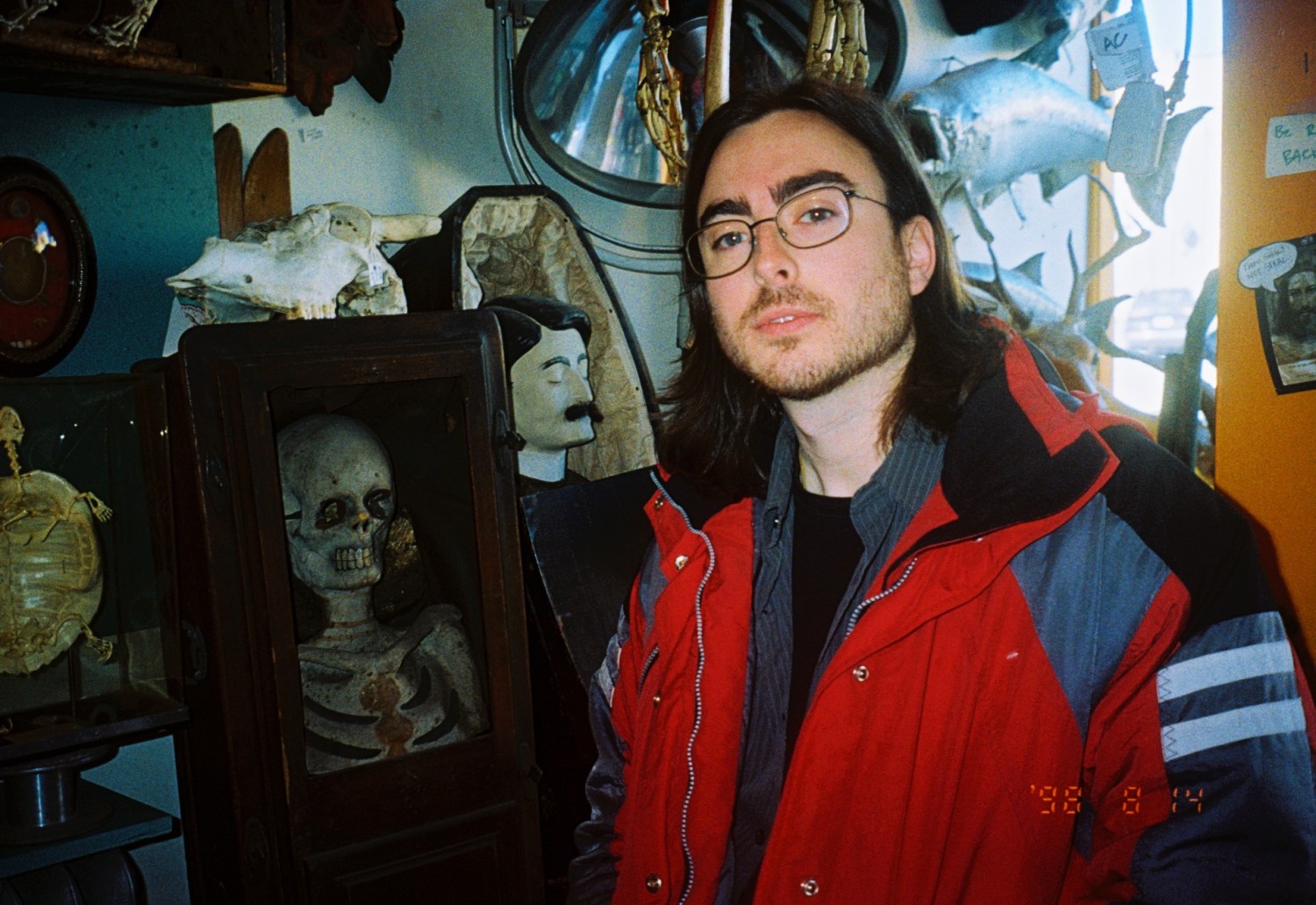
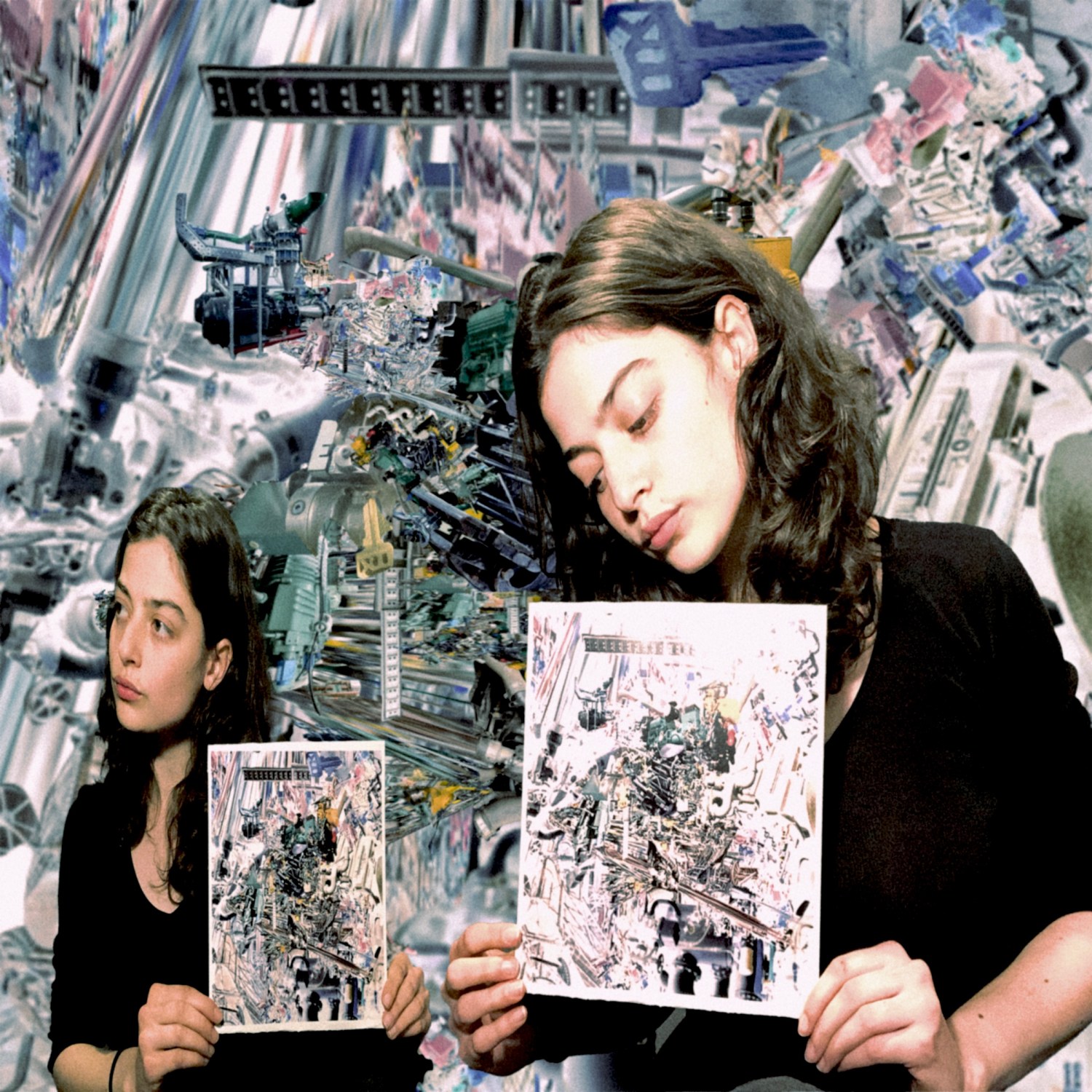


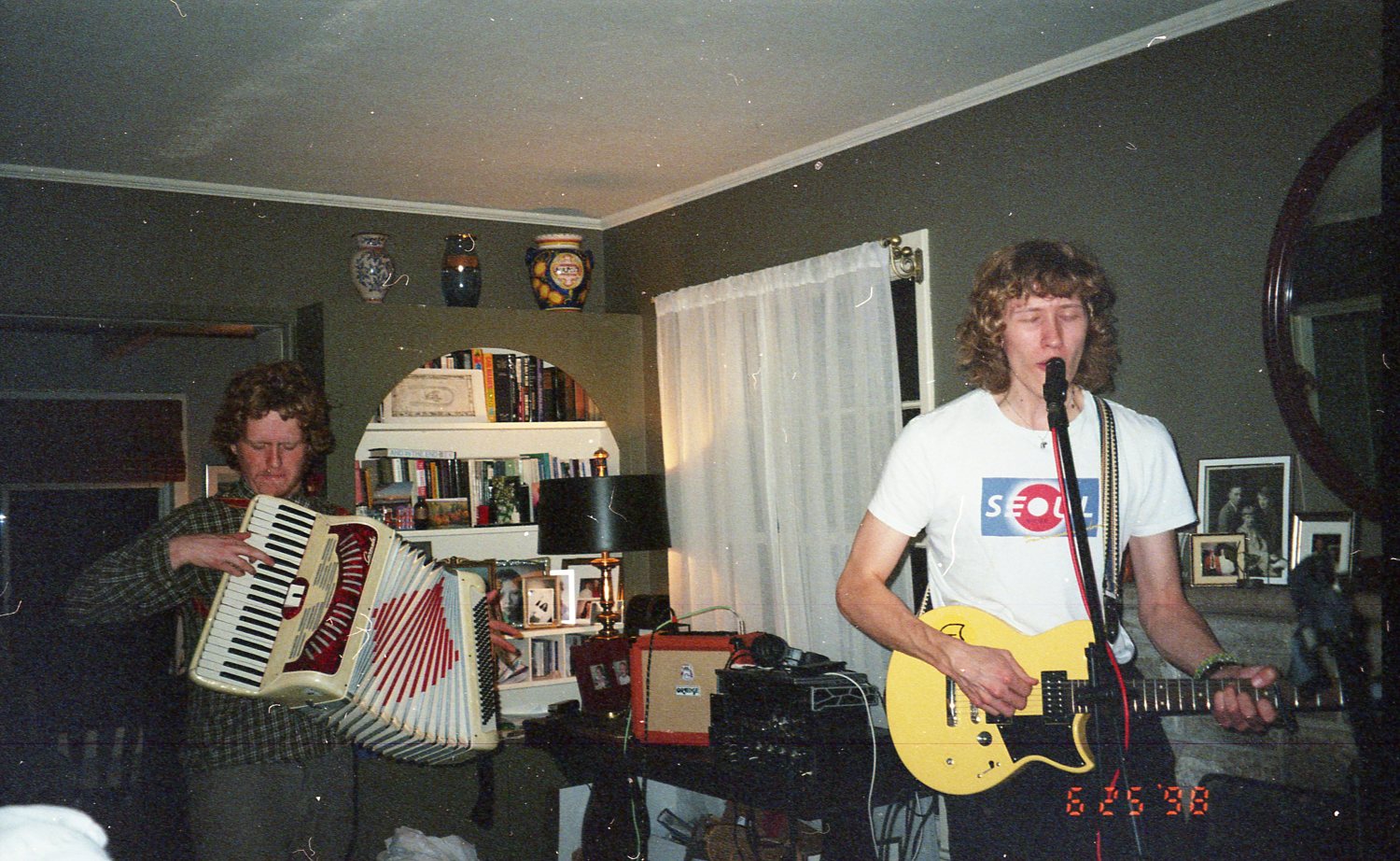
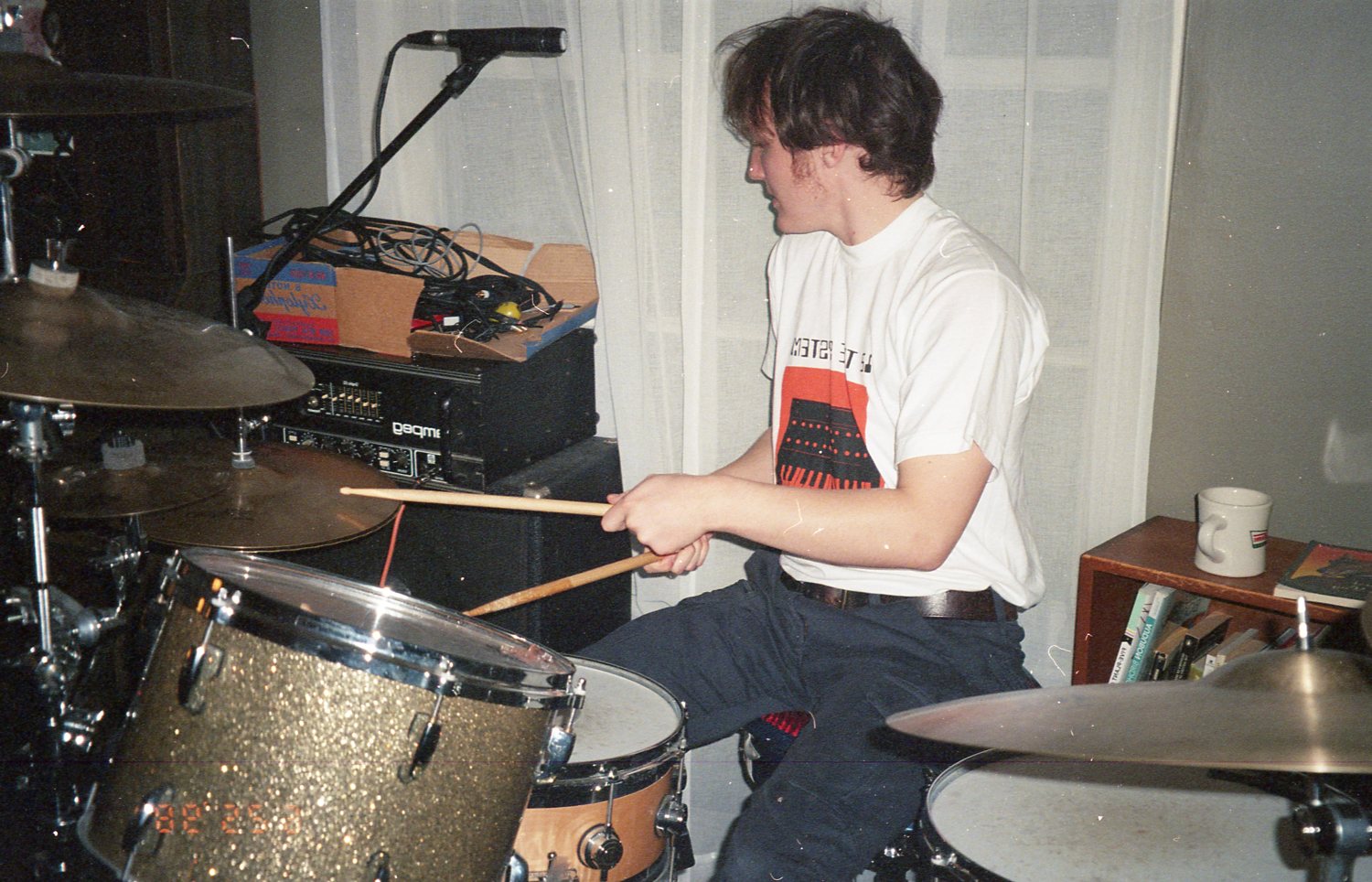
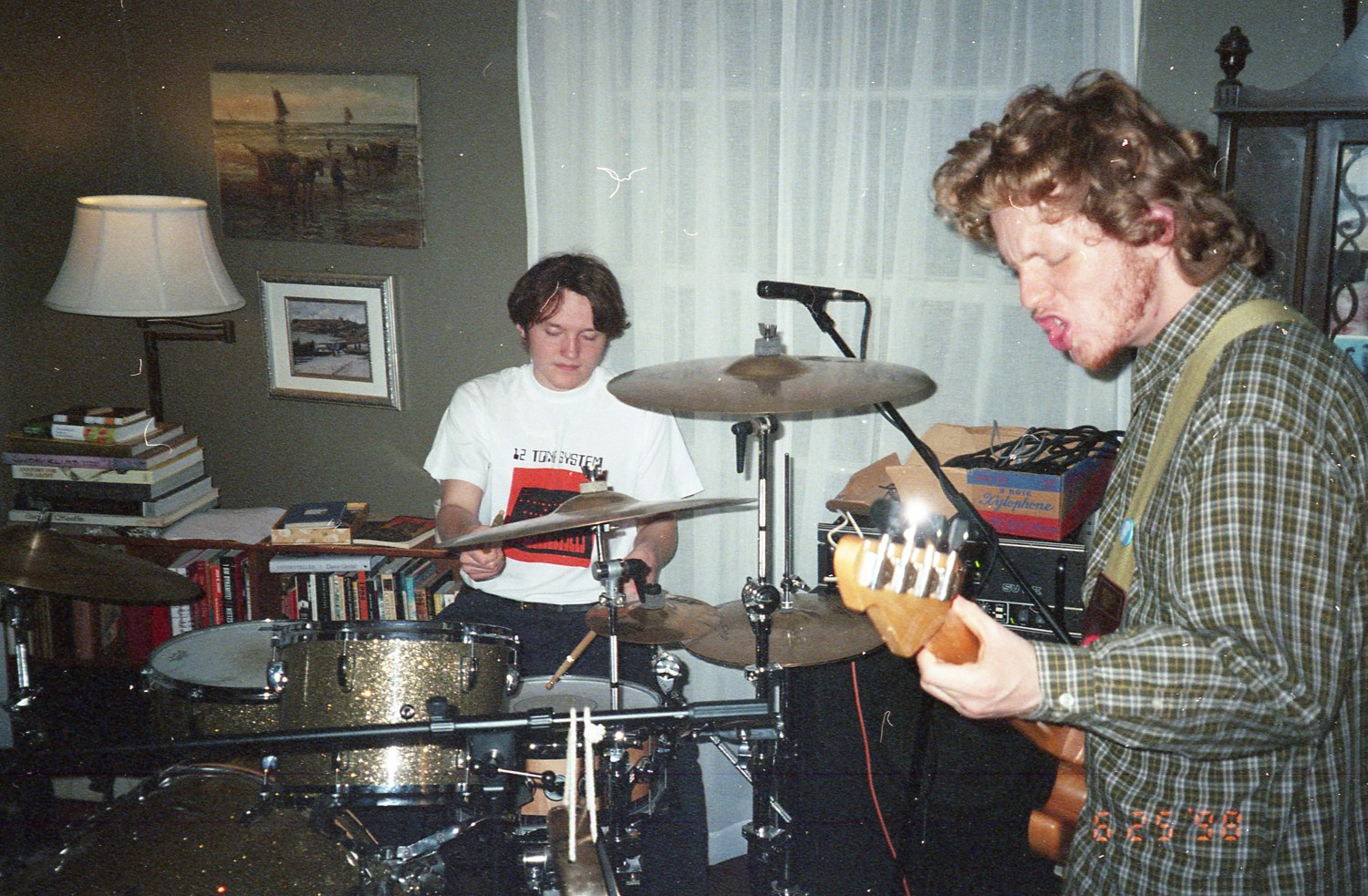
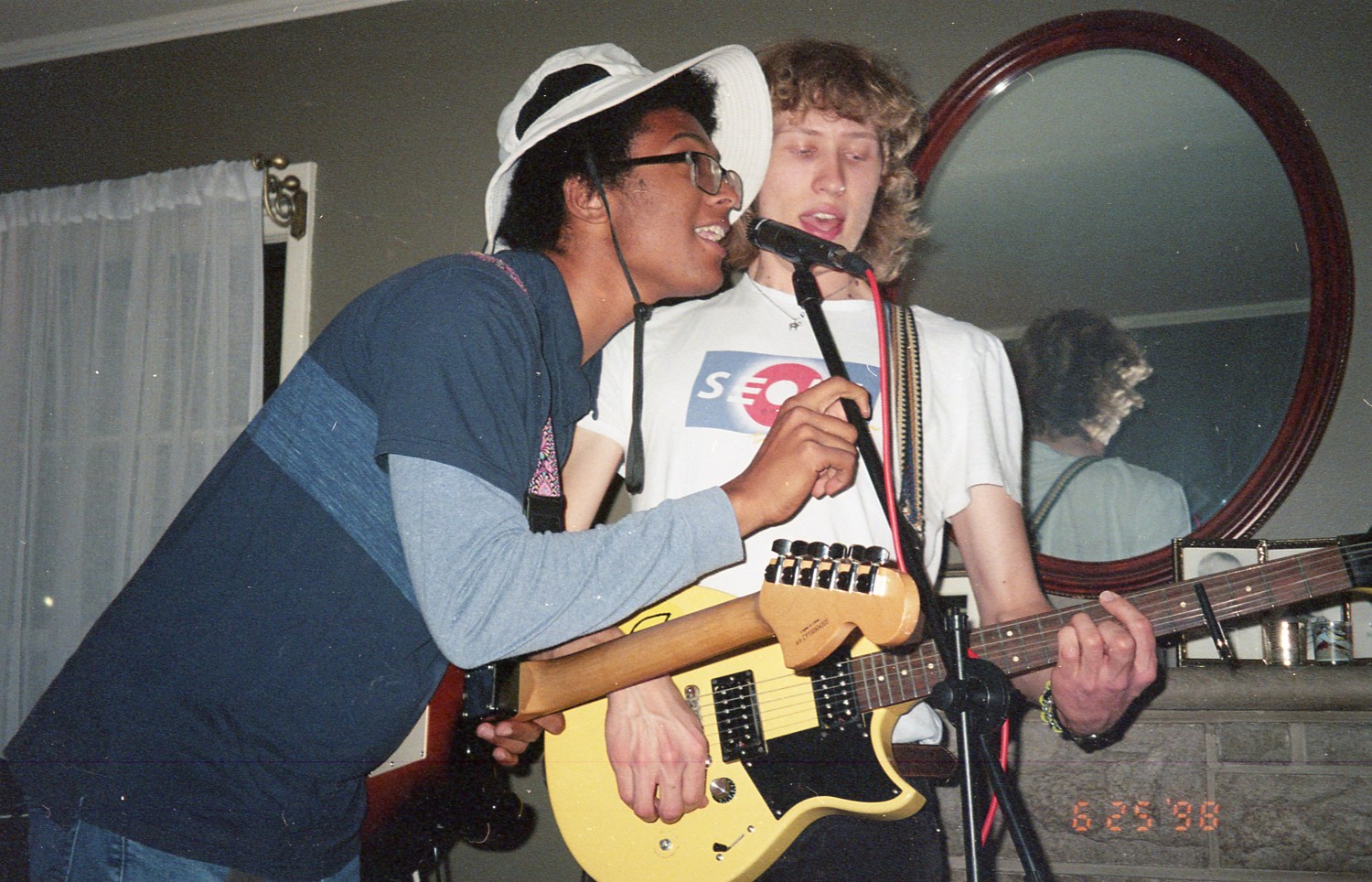
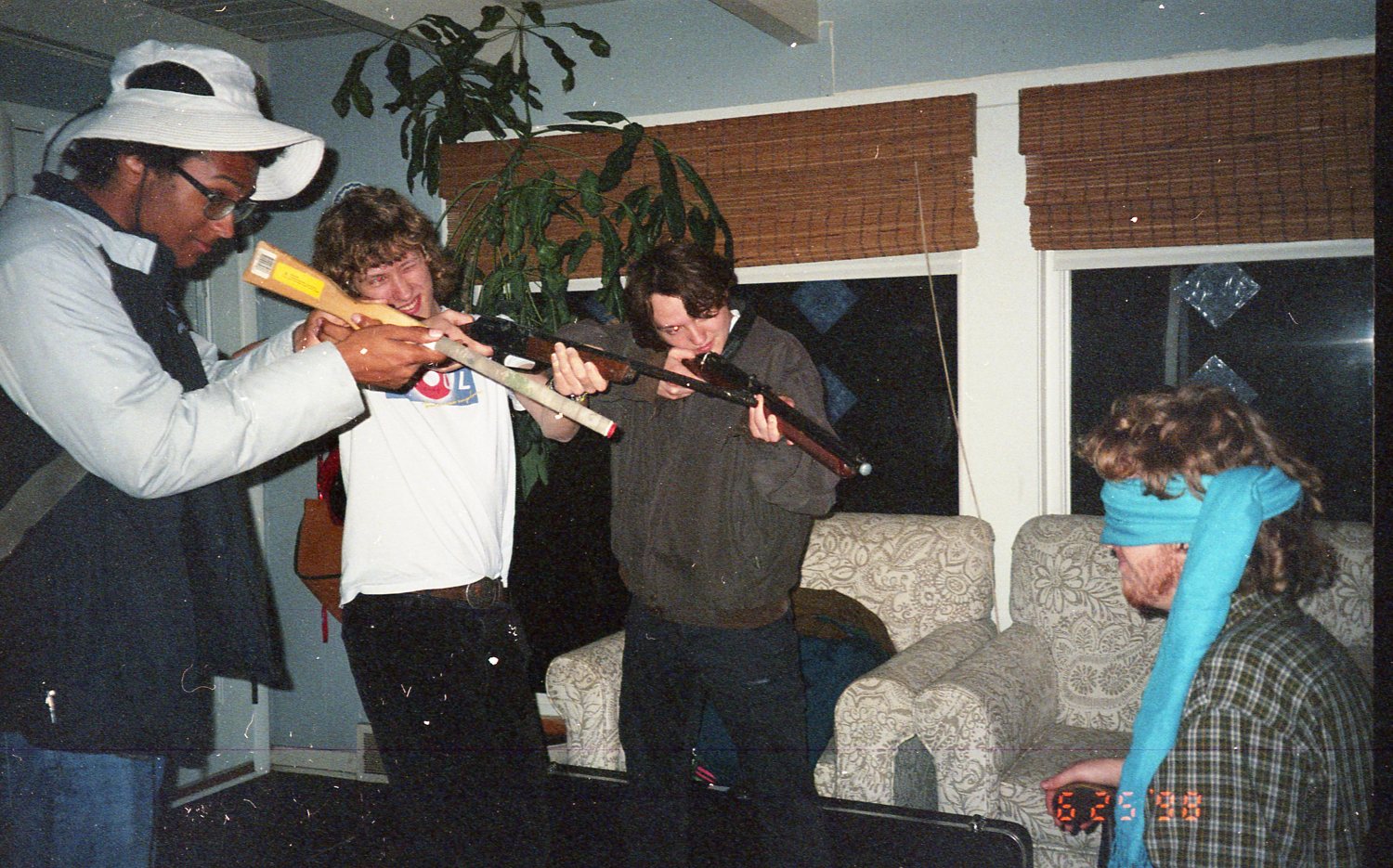
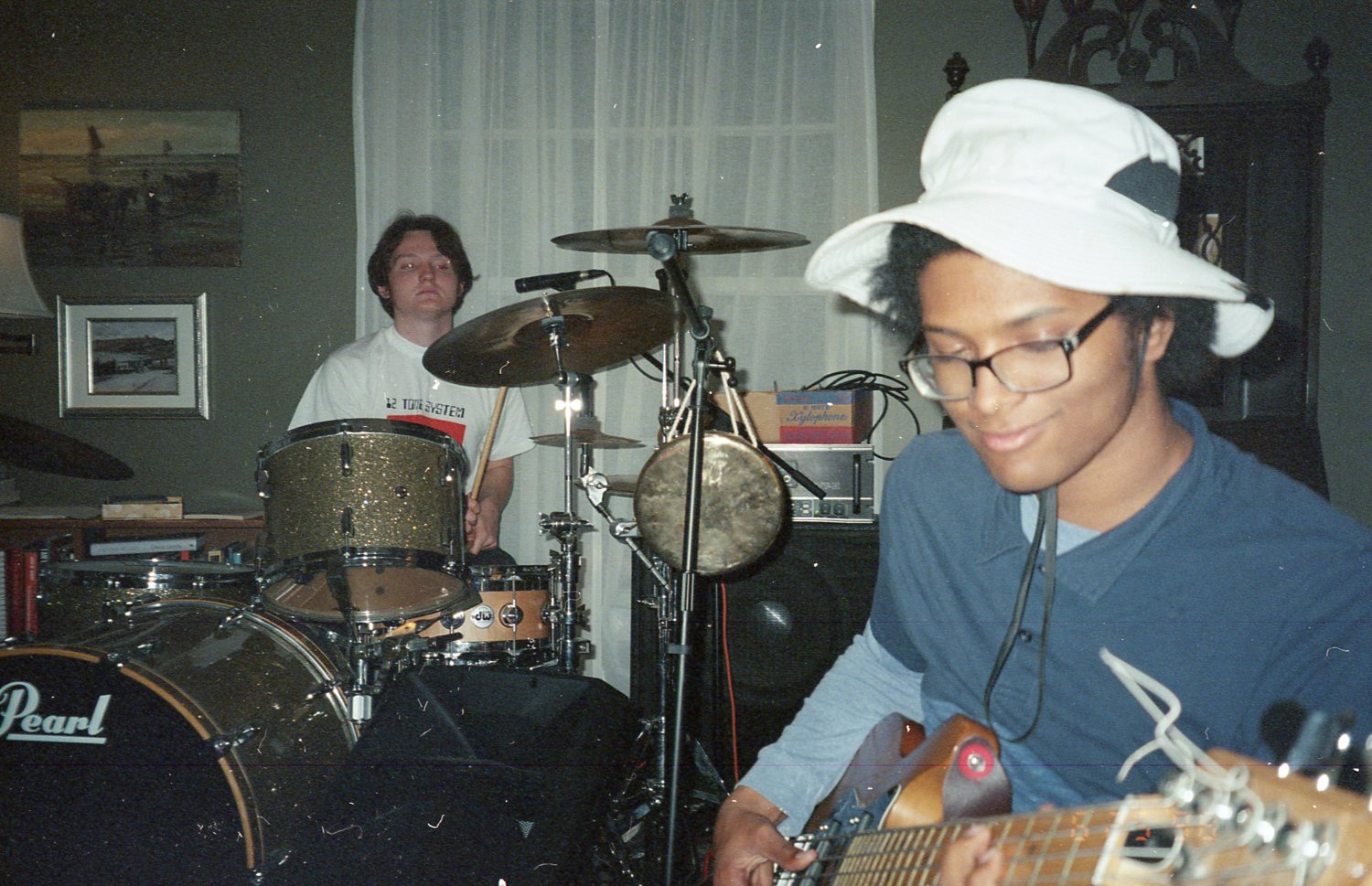
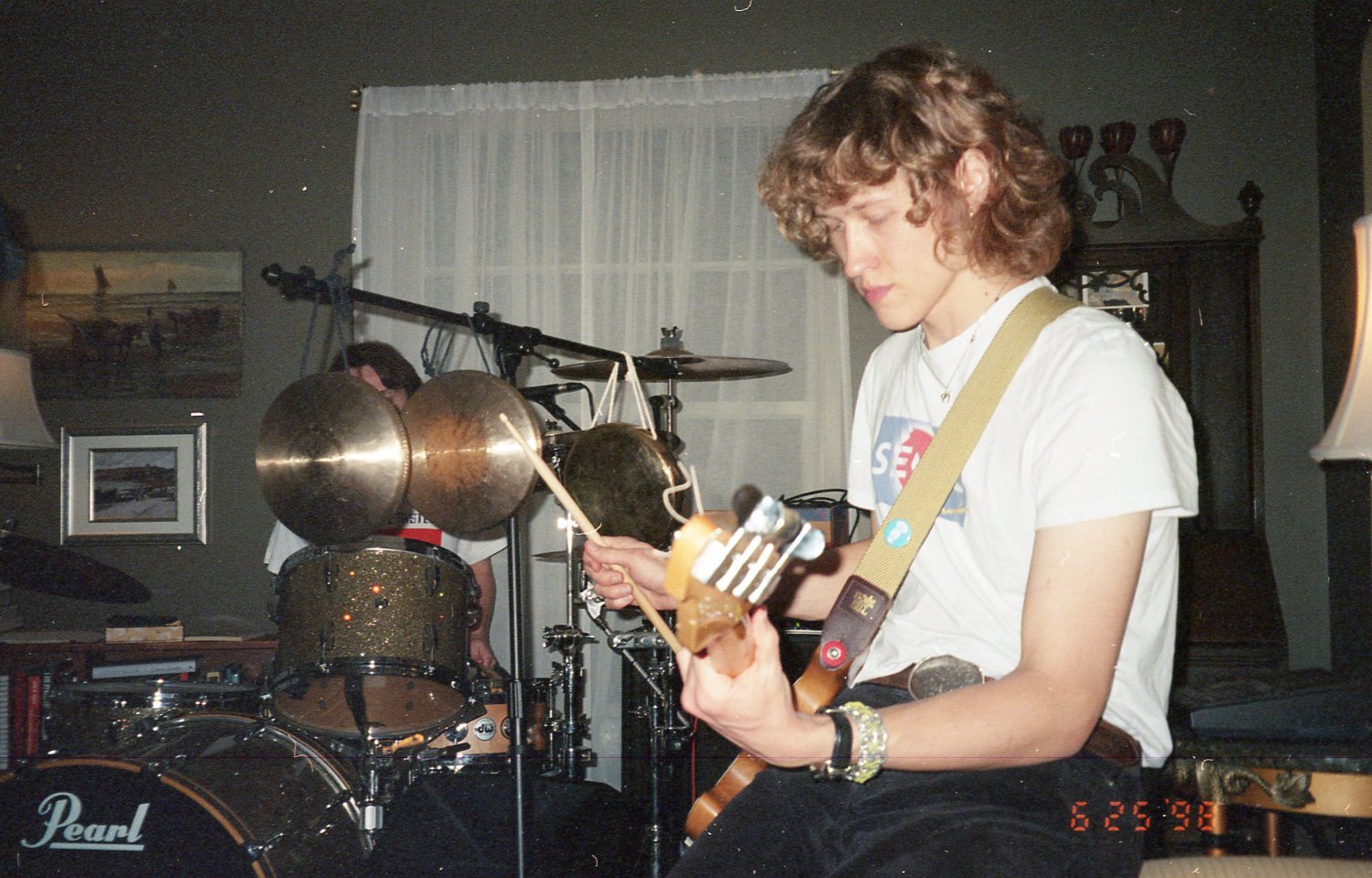
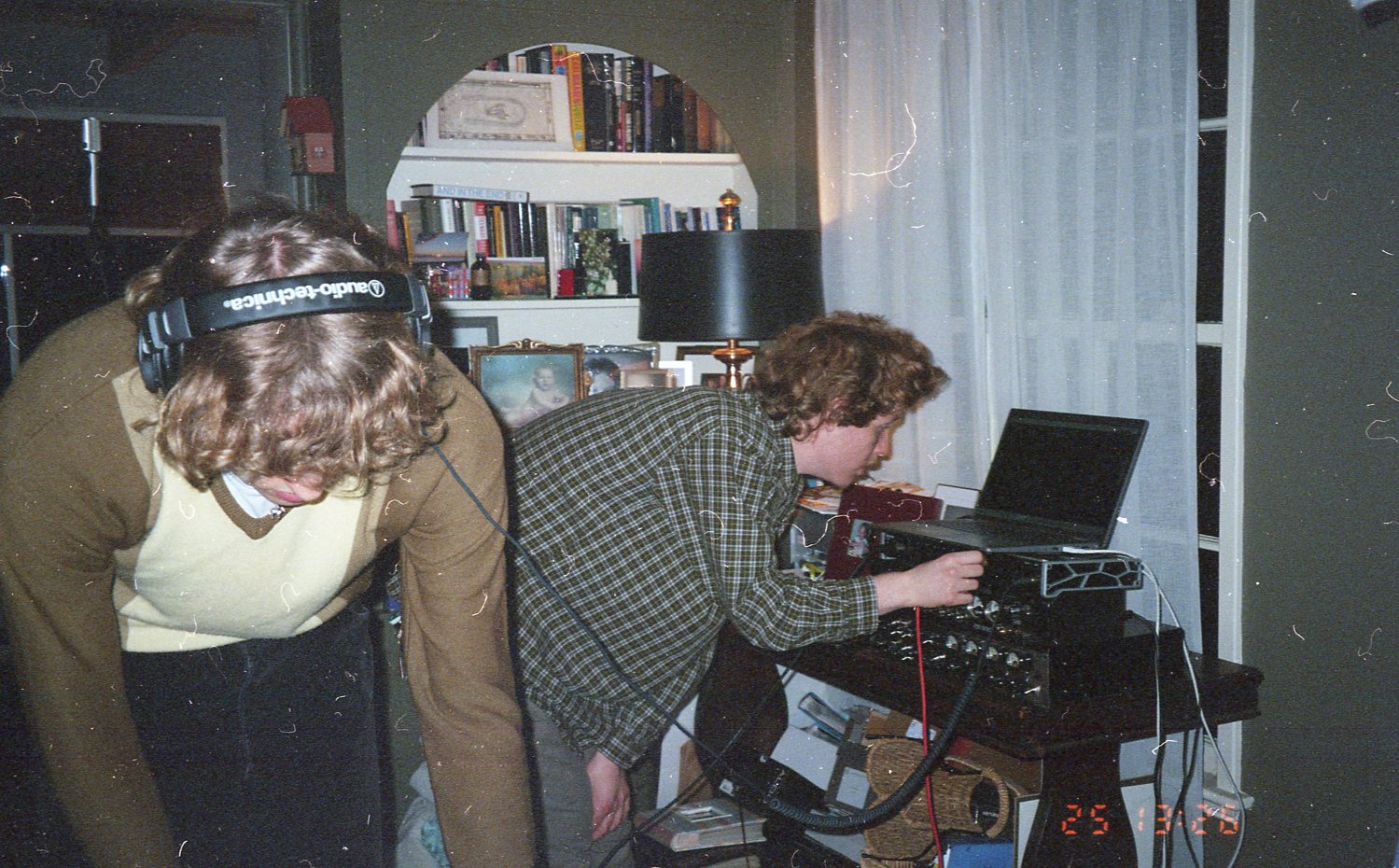
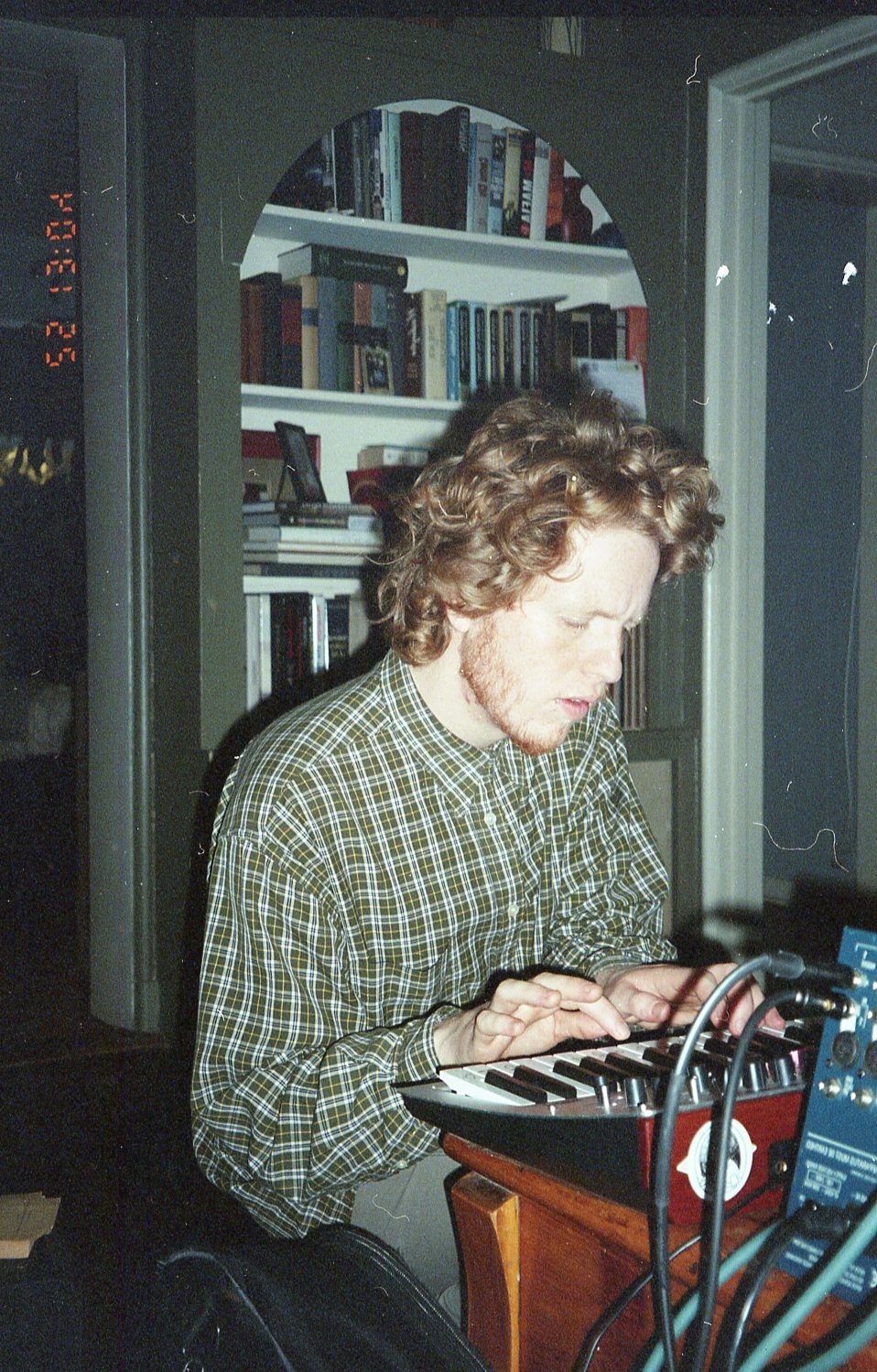
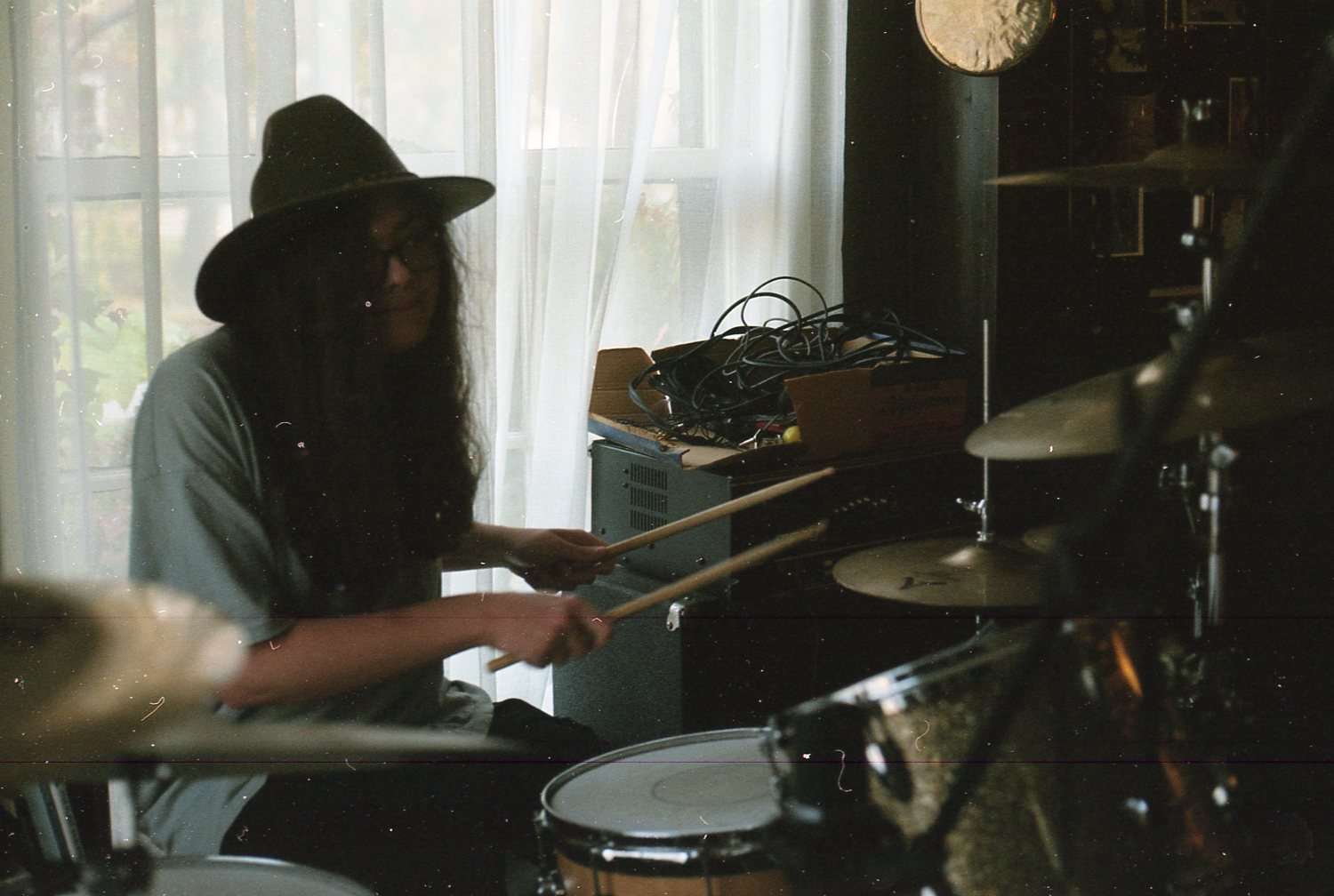
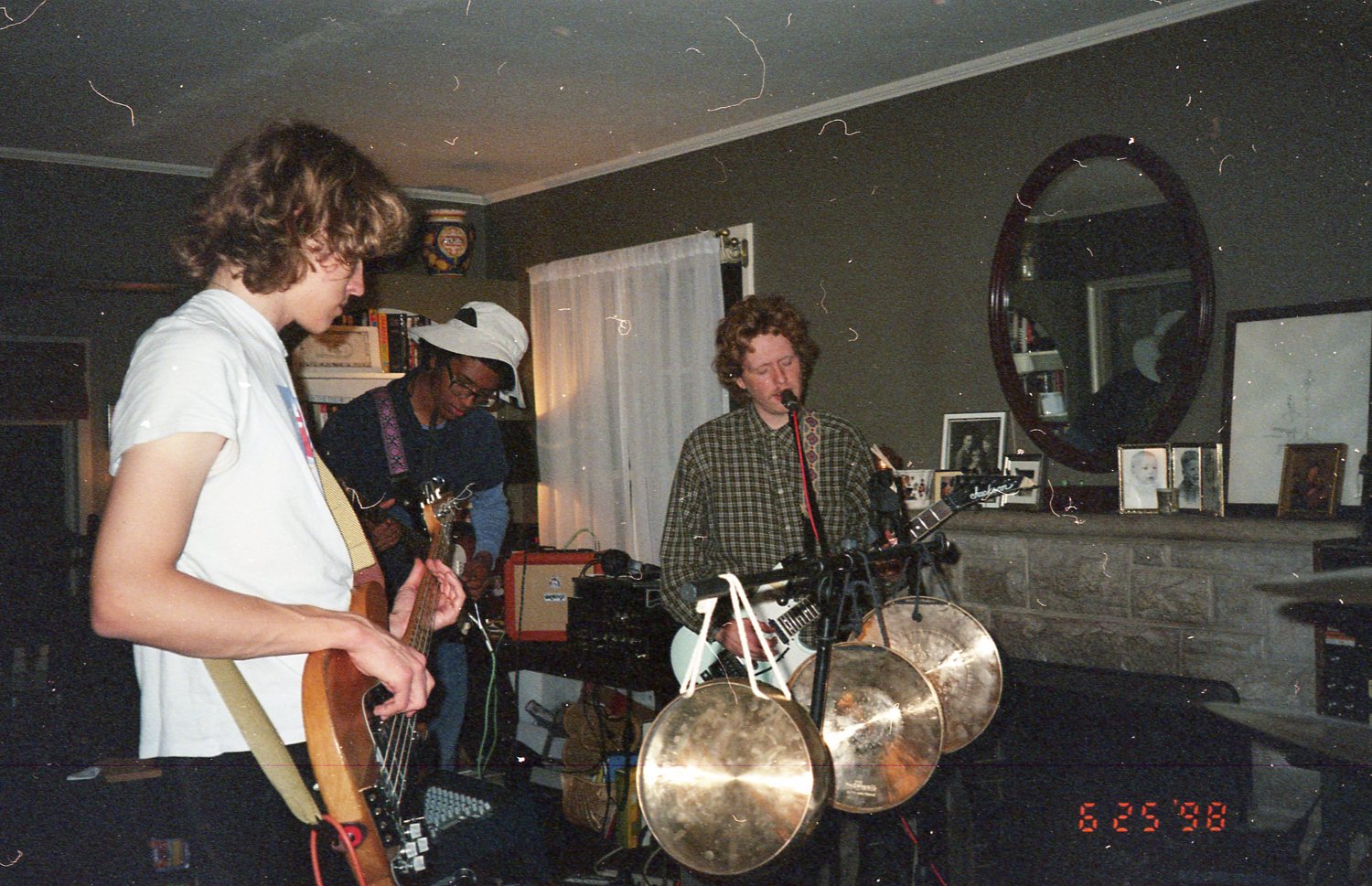
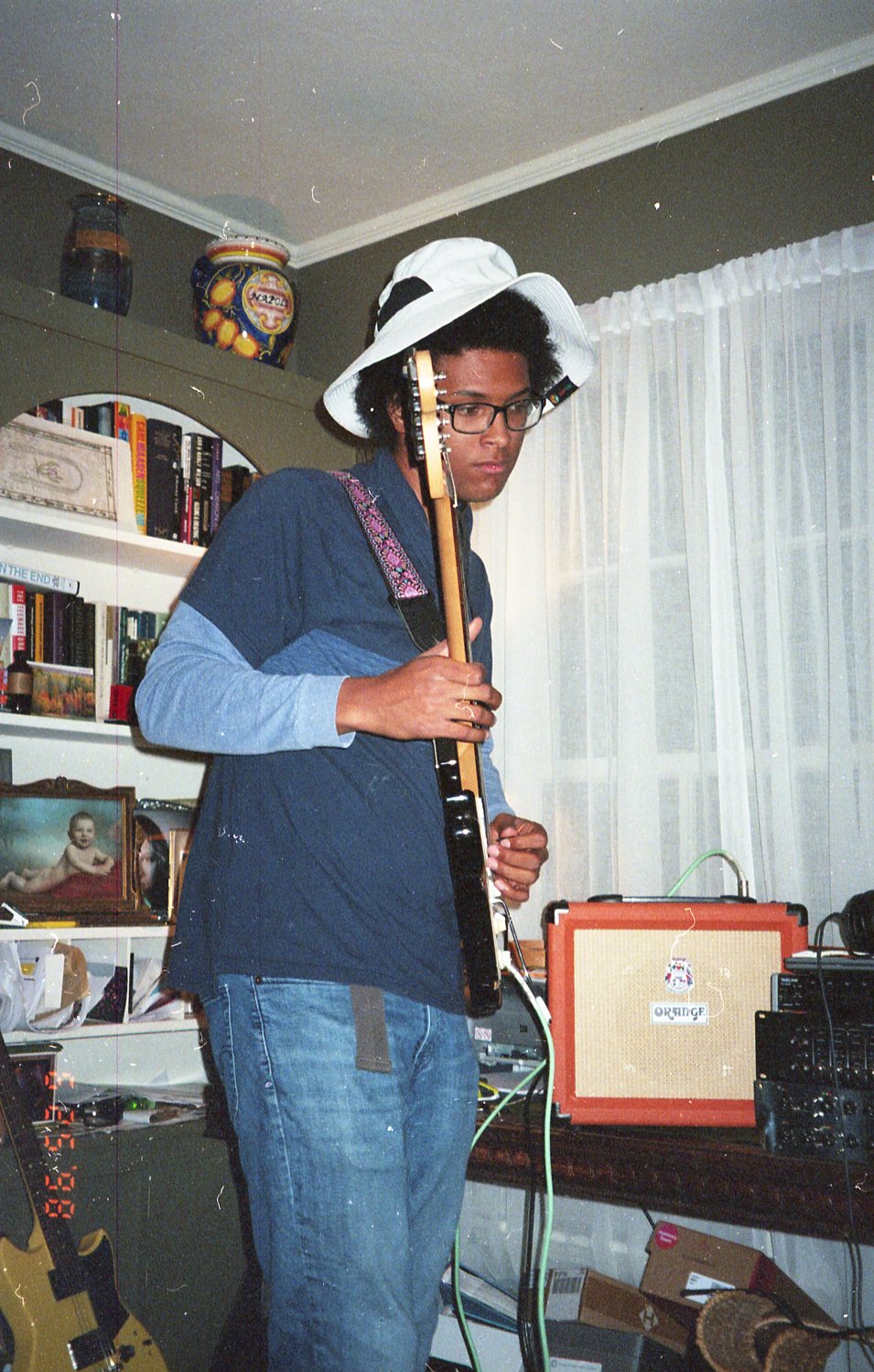
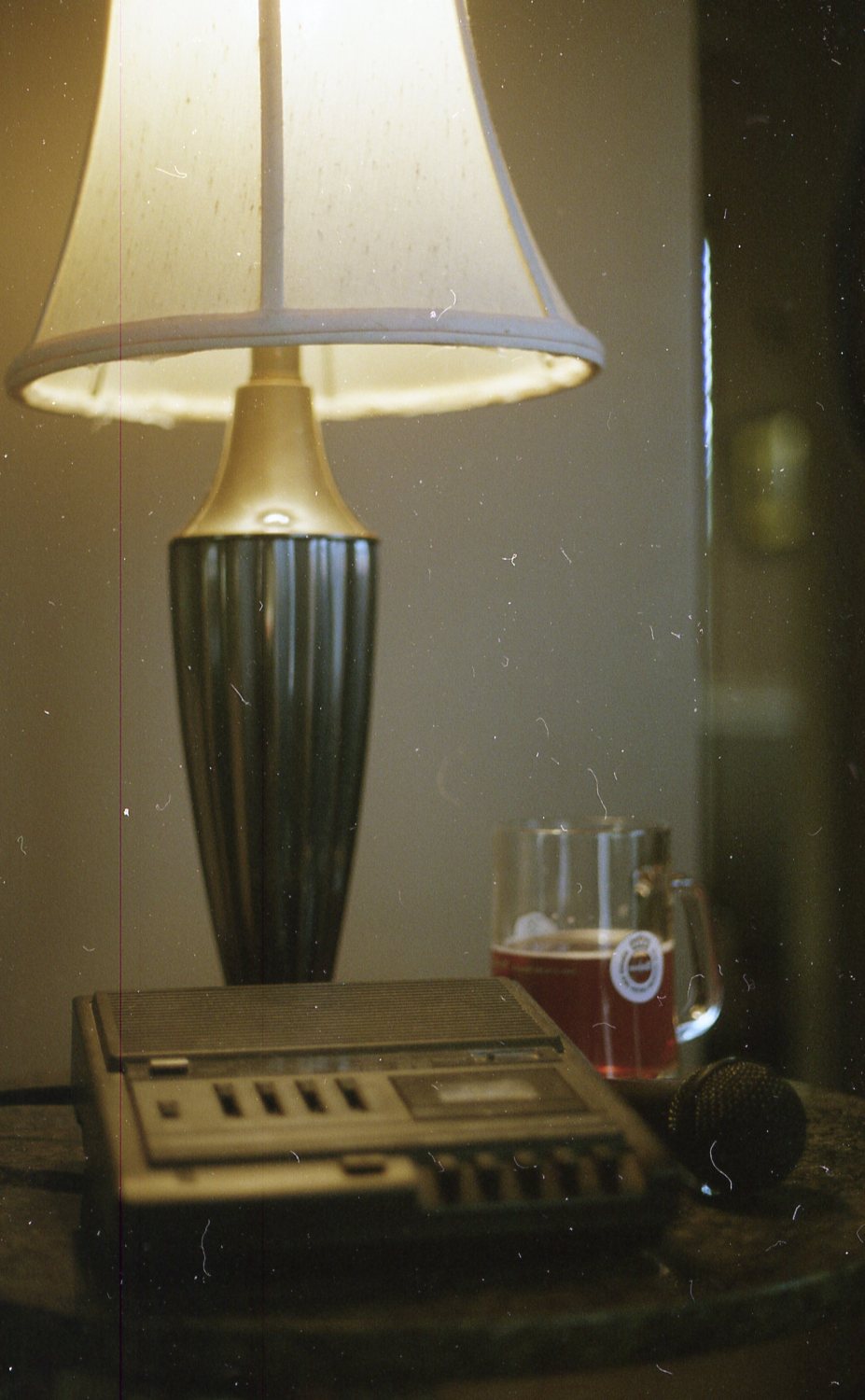
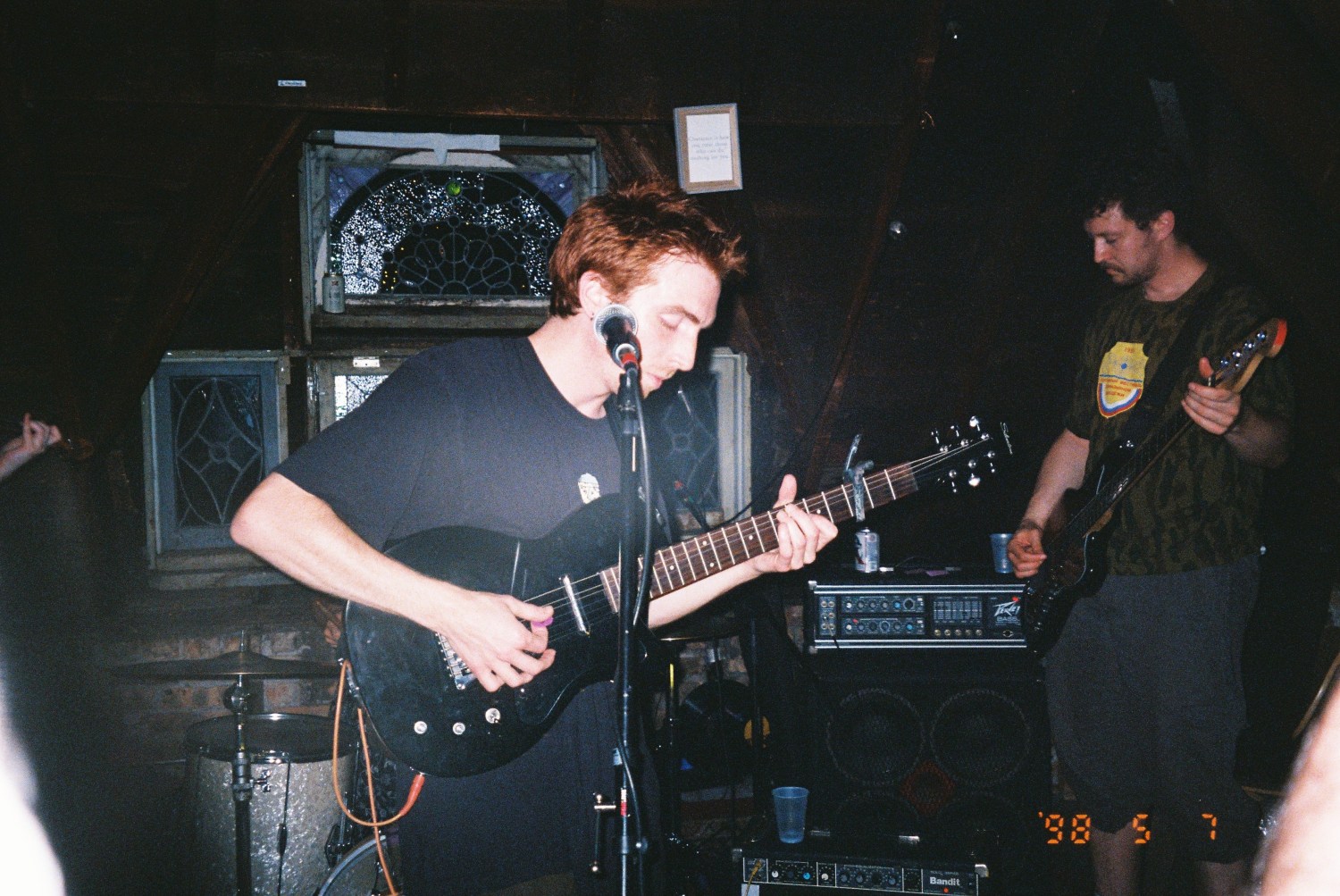
 the ugly hug