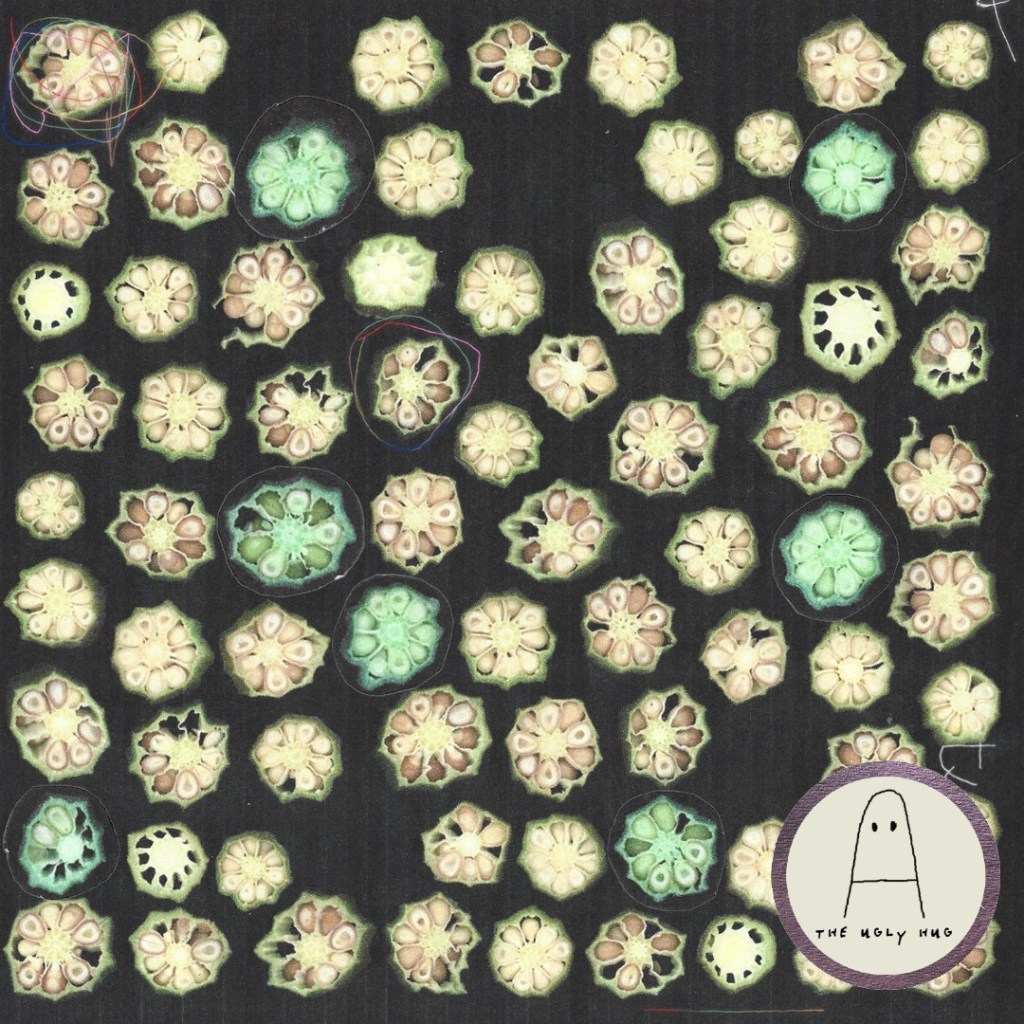
Twye is the solo project of Nashville-based multi-instrumentalist and songwriter, Jacob Grissom, who has made a career as a session and touring musician for acts like Kate Bollinger, Brennan Wedl, Heaven Honey and others through the years. Twye feels like a rather hidden project, and to Grissom’s own control, Big Sky marks his first leap into songwriting. In search of his own personal relationship with this new creative freedom came a collection of songs that represent not only his individual work, but a chance to rediscover his entire journey with music and collaboration to this point.
With unhurried pacing, charming melodies and an undeniable impression of nostalgia, Big Sky becomes a place to sit – breathing in and out of lush and thoughtful instrumentals that have you take in your surroundings wherever you may be. Written and recorded months apart from each other, these four songs don’t represent moments that just pass by, but were released already having been lived in. The textured layers of acoustic grooves, delicate harmonies and distinguished spouts of distortion colorfully animate the minute and tricky moments of comfort, love, anxiety and loss that becomes so familiar with each listen.
I recently got to catch up with Grissom, as we discussed what songwriting means to him, balancing distant memories in his writing and redefining his creative practice and trust through Big Sky.
This interview has been edited for length and clarity
Shea Roney: How has the album rollout been? It has felt very exciting watching all the shout outs and people sharing it.
Jacob Grissom: It was pretty low key which I sort of did on purpose. I didn’t tell anyone it was coming out, but a lot of people reached out and a lot of people listened which surprised me. I haven’t even put it in my bio or anything yet, which I probably should do, but it was just kind of a test run to see how I felt about releasing music in the first place, but it has been super encouraging.
SR: So you described Big Sky as your first rock n roll release. What made you want to take on this project?
JG: I’ve been making music for a long time, mostly just involved in other people’s projects as a drummer. I’ve put out electronic music all throughout high school, which is mostly scrubbed from the Internet, although I did put out an ambient project three years ago under the same name. I wanted to continue doing it, but I sort of lost interest in the long form instrumental medium. I’ve wanted to make rock songs for a long time and I’ve had a sound in my head for years now that I was hoping I could just find. I feel like I still haven’t found exactly what I’m looking for, but some of the music I’m working on now is a lot closer to that vision that I had and it’s been really exciting to get closer and closer each time and build a vocabulary musically that I can work with. I’m still a novice, so that process of exploring the instrument and my voice is really exciting because I think everyone is capable of so much more than they think they are. I just spent so many years trying to stay in my lane as a drummer, but I decided to let go of that and I became so enamored by so many artists who made these wonderful records when they’re teenagers and don’t know anything about guitar or singing or music theory. I realized that that is exactly where I fall, so I figured I might as well give it a shot.
SR: As you talk about this sound you have in your head, are there boxes that you check off as you feel like you’re getting closer to what you envision, but can’t quite articulate?
JG: I think a lot of it has to do with being able to write songs that I’m physically capable of performing. I have never done a live show and I don’t even have plans to yet, but so much of the music that I love, I’ll try to cover it, and I have a very limited vocal range so sometimes it’s just not even physically comfortable for me to perform them. When I do find a song that I’ve written that feels comfortable for me to sing and it has a pace that I’m comfortable with, that’s kind of where that feeling comes from. Everybody has a sort of built in natural tempo that feels comfortable to them, and as a drummer, I’ve always understood that. I really love songs that sort of meander and find their way to these different climaxes in incremental ways. But every week I hear a new record or rediscover something that I love and I want to attach myself to that musically somehow and so I have a list of like twenty different sounds and attitudes that I want to somehow combine one day. I’m still at the very bottom of this longer journey that I see for myself.
SR: Can you tell me about the musical relationships you have made that helped with this record? Is collaboration something you are drawn to? Are there things about your own process within a solo environment that you learned when working with others?
JG: Because this is the first time I’ve really been in the studio and been the boss, I think I kind of took advantage of that a little bit and tried to stick with my vision as much as I could. But I made it a point to surround myself with people that I really trust and have worked with for a long time. A lot of the songs that were released were pretty close to the demos, except instrumentally, because the voices that my friends have on their instruments definitely take the song to a different place. I think when I started this project I wanted it to become more collaborative, and then, as I started to write songs, I found that it was fulfilling to not ignore these really specific ideas that I had that usually get left behind when you go into the studio. So a lot of them I did work on after I would record them. I’d come home and add stuff there, and there were several instances where I took little artifacts from my demos and superimposed them onto the other recording, because that version of the song is what made me want to go in the studio and record it in the first place.
But the people that worked on these songs are irreplaceable, and I couldn’t have made any of it without them. There were times where I just handed it off to the musicians and said, ‘do your thing’, and then there were times where I had to do a little bit of revision. It’s been a slow education trying to figure out how to manage a recording session. I read this interview with music producer, Andrew Sarlo, and he was stressing how important it is to bring other people into your creative process if you want things to be complete and to feel complete. There were times where I thought about just trying to record it all myself, which I think I could physically do, but having other people involved who are excited about it really kept me pushing forward.
SR: I guess I’ll ask you this following Sarlo, now that it’s out and you’ve had a few weeks to sit with it, does this EP feel complete to you?
JG: It feels a lot more complete than I thought it would. One of my biggest insecurities about it before I released it was how different the songs sounded to me sonically because they were all recorded in different ways, with different people in different studios and different times of the year, even different points in this journey of trying to learn how to write songs. So I was worried that it wouldn’t feel cohesive and I also thought that four songs was a weird length for an EP. There are parts that it does feel a little bit incomplete because I know that I’ve left behind some songs that I was once excited about, but it definitely feels like each song on there is sort of my own little success in some kind of way. I wanted to incorporate songs that were meaningful to me, and I wanted to write songs about my family, and where I’m from and I think they all represent different ambitions towards songwriting to me. But I think moving forward, I want to try to create more cohesive bodies of work. My goal is to be more prolific and just release a bunch of songs and continue writing, to where the distance between the releases is much shorter. That way I can represent different stages of my life.
SR: As you travel, recording portions of these songs at different times and in different places, and even including a lot of samples that you recorded in your bedroom, what was your intention for piecing together this college of recording techniques and sounds?
JG: I think I originally viewed it as something that I would try to disguise as much as I could. When I was in the studio none of the vocals were done at the same time as the instrumental tracks. I’m not a trained singer, I’ve never sang on stage, so coming up with melodies is hard enough, and recording the vocals is an excruciating process for me. I found that the best performances for me were when I’m up here in my room and no one can hear me and I can explore different melodic things and sound silly. I wanted there to be a lightness when I’m recording, and anytime I start to feel this sort of pressure to produce something that people are gonna appreciate, I lose my inspiration. So I think anytime that I’ve flown the recordings out to add stuff elsewhere, it’s come out of this need for the recording process to be a fun and innocent experience. As much as I wanted everything to be done at the same time in the same headspace, sometimes I would lose that headspace and have to get it back later when I was in a different setting.
SR: I do find some lightness in the stories that you tell lyrically, even though you’re touching upon moments of lost memory or friendships ending, you create your presence in these songs, making them extremely approachable. Being primarily a drummer, was writing lyrics a new task for you to learn?
JG: Definitely a new task for me. I have always been a secret writer, nothing that I ever felt like publishing, but writing songs and melodies was new to me. Writing lyrics wasn’t necessarily an afterthought, but I figured I might as well just pile it on to the list of things that I’m trying to learn how to do. I eventually did start to find a lyrical pace that I felt was genuine, even though some of those lyrics were heavily revised. I found when I started writing, I was trying to write love songs, you know, and I really just could not figure out how to express that in song. I think the oldest song on there is “Hollow” and I made a point to just write a song about my buddies and people I grew up with at the skatepark. It was more freeing to write about these people in my life because when you write a love song, you kind of expect the person you love to listen to it and I think that held me back a lot when I was trying to do that. So I figured, if I’m just writing about people I grew up with, it was easier to find this sort of nostalgia that goes back further into this larger pool of inspiration and memories.
SR: One thing that I was drawn to in your lyrics is that in a handful of these tunes you animate this feeling of distance, whether on “Hallow” about a shifting relationship or “Annie” illustrating a gap in memories. Were you hoping to find answers, or at least bring something close to an answer more in reach when characterizing this complex feeling within the minute details?
JG: None of the songs were written as an immediate response. I mean, “Annie” I wrote maybe a few months after my grandmother passed, but all the memories that I’m recalling are from childhood basically — it’s just funny how some things will stick in your mind and you can’t really anticipate which memories are gonna resonate with you in the long term. I think a lot of the stuff that I found easy to write about was a result of this mysterious perspective that I end up with and I find it easier to write when I sort of distance myself from these memories. It’s more about what was there and what I saw, and not exactly what my relationship was or how I felt at the time. There’s certainly exceptions, but I think the way that certain memories will stick around is kind of inspiring, and I think it always means something when you have this really random memory from childhood that is totally inconsequential to your life or any other event that happens, so it’s always worth writing down at least to try to see what kind of meaning you can gather from it.
SR: Do you have anything coming up that you are looking forward to?
JG: I’ve recorded a handful of songs with my dream team of buddies, most of whom were involved with what I have recorded already or have released. I think I’m just excited to keep trying to get better at writing and to try to have my voice come through more clearly. Like I said, I have a couple of songs that I’m working on that I feel are closer to the vision that I have, and that’s such a good feeling. I feel like I’m just sort of chipping away at this enormous boulder, and it doesn’t matter if it ever goes away, it’ll just keep getting smaller. I don’t really see songwriting as a lifelong adventure for me that I really have any plans for other than just improving on it. Since I’ve been a working musician for many years now, touring, recording and presenting myself as this professional musician, it’s really fun to have this relationship with music again that feels childlike. I love feeling like an amateur at what I’m doing, and still get away with it somehow. I want to maintain that kind of innocence as long as I can because I think that is what makes music worthwhile to make and to listen to.
You can listen to Big Sky out on all platforms now.
Written by Shea Roney | Album cover by Claire Adams
 the ugly hug