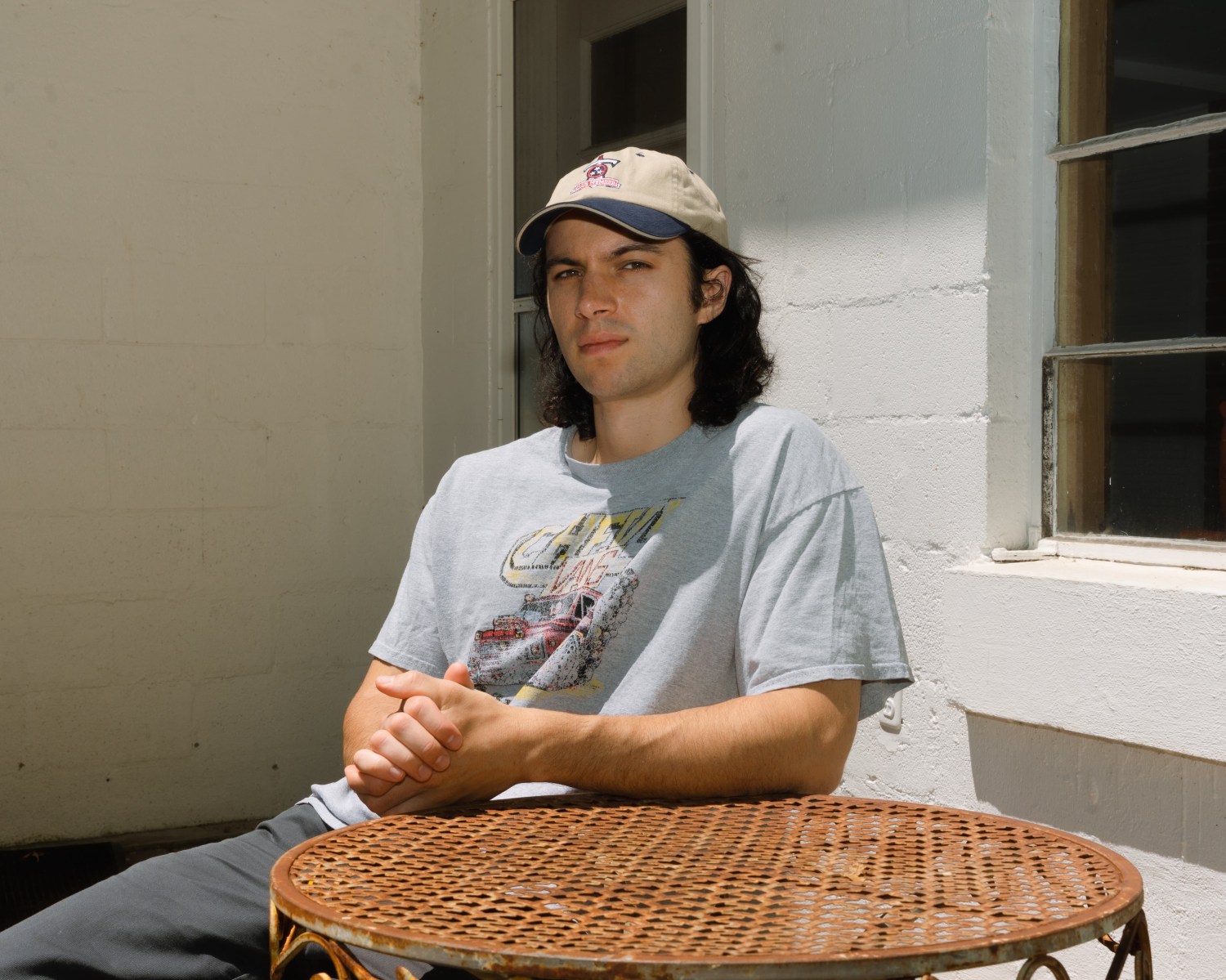
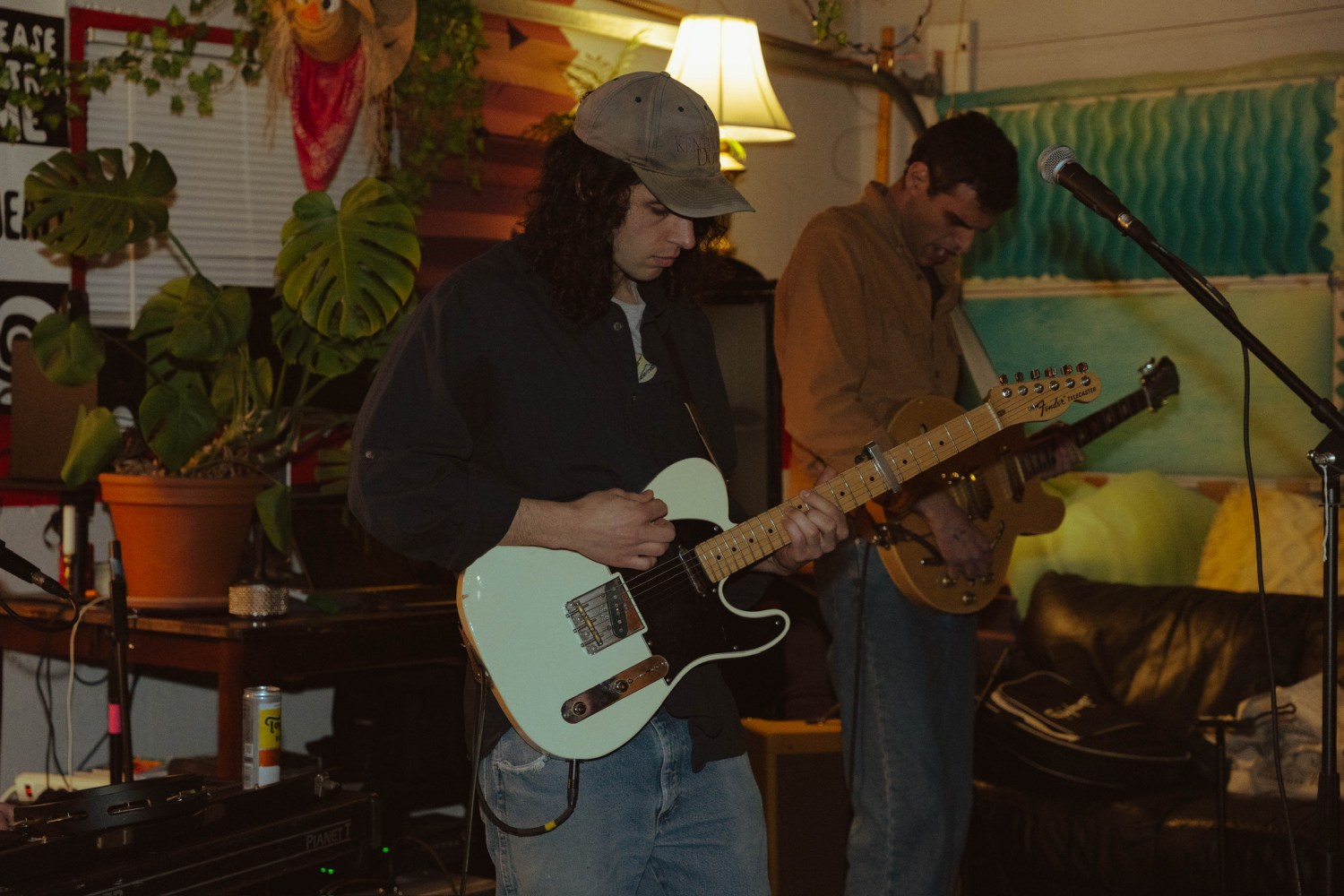
Written by Shea Roney | Photo by Olivia West at O’Brien’s Pub in Boston
Every Wednesday, the ugly hug shares a playlist personally curated by an artist/band that we have been enjoying. This week we have a collection of songs put together by Max Bottner, Henry Moskal, Will Carr, and Jason Shapiro of the Chicago-based band National Photo Committee.
National Photo Committee has operated on the whim of hidden pieces and lucrative secrets for some time now, sharing a sparse catalog of demos and live recordings for public consumption. But if you are lucky enough to come into the crosshairs of one of their releases, a National Photo Committee song comes and goes like smoke through the nose and a mouth full of blood, pouring out with thick, scabbing melodies and burning dispositions of alt-country heat. Plastered with loose movements and sweaty arrangements, at the center are the bruised vocals of Max Bottner, whose stories hash both the sincerity and falter of folkloric aspirations and rock n’ roll holy prayers. As a project embedded with a type of veracity and charm, National Photo Committee are not ones to weigh the experience with the product, or even the means for that matter, but have been on the front lines of their own home-grown revolution from the beginning.
Listen to National Photo Committee’s Playlist HERE
About the playlist, the crew shared;
MAX’s PICKS:
1. “I Wanted To Be A Rock N Roll Star” – Willie Hutch: Epic track. I learned about this song from perusing Theo Parrish setlists from the early 2000s on Setlist.fm, something everyone should do if they’re interested in expanding their dance music knowledge. 2. “Feel The Strain Of Sorrow Never Ceasing” – Beck: Love his funky ass. This song is incredible, feels like it could have been written by a 600 year old man. 3. “When Things Go Wrong” – Kevin Godley & Lol Creme: There has never been a song with a more dichotomously Jewish/British vibe than this, as far as I know. Beyond that, it happens to be a perfect song from the most underrated concept album ever made, Consequences. 4. “Don’t Ask Me / Sheep” – Toy Love: It was hard to pick a Toy Love single to include on here, one of my all time favorite bands. 5. “Punk Rock Secret” – Thomas Jefferson Slave Apartments: Ohio is the Fertile Crescent of amazing punk bands. Will showed me this band I think. Just bought this single at Reckless Records the other day for 2 bucks.
WILL’s PICKS:
1. “Lutzko Lives” – Puffy Areolas: My 2010s Columbus discount scum rock goats. Imagine if Destruction Unit did drugs. 2. “Today’s Gun Permits” – Eugene Chadbourne: I remember bumping this one on repeat last Election Day. Feel good Americana. 3. “Welfare Music” – the Bottle Rockets: More of the above. We love welfare. Also, this was my first concert, but I don’t remember it. 4. “Journey” – Burning Spear: His first record is probably my favorite reggae album. There’s a YouTube comment on this song that’s like “Great mystical song I feel the whole sacred spell of the earth” and I have nothing to add to that. 5. “Oranges in the oaks” – Maxine Funke: Probably my favorite living songwriter. I’m sure adjectives like idyllic and pastoral are thrown around a lot. Great mystical song though. I feel the whole sacred spell of the earth.
HENRY’S PICKS: Being a member of National Photo Committee has brought some great people and great music into my life. In no particular order, here are some songs I like.
1. “Sick of Myself” – Matthew Sweet: Jason and his music have reminded me how much I love power pop. You haven’t really heard this song until you’ve heard Jason’s rendition. Matthew Sweet’s version is also awesome, and features Richard Lloyd on guitar. NPC played with Mr. Lloyd in January. So that’s crazy. Thanks Jason. 2. “Pick My Brain” – Bardo Pond: Leroy introduced me to Bardo Pond. Heavy stuff, and very awesome. Interesting rock at its finest? Thanks Leroy. 3. “Love’s Gonna Make It Alright” – George Strait: I love country music and I love NRBQ. Max blew my mind when he showed me this 2011 George Strait song, written by Al Anderson. It’s so good. It sounds so much like an NRBQ song, it’s insane. It changed the way I think about songwriting. Thanks Max. 4. “Mystifies Me” – Son Volt: I became obsessed with Ronnie Wood’s first solo album “I’ve Got My Own Album To Do.” Yeah man. Will reminded me that the first Son Volt record ends with a cover of Mystifies Me. I’m very glad he did, because it’s super good. Thanks Will. 5. “94 The Long Way” – Jim O’Rourke: When I listen to this song, I can feel every emotion. And also, Ken Champion’s pedal steel playing is amazing. Is this as good as it gets?
JASON’S PICKS: Here are my favorite 5 Motion City Soundtrack songs; “Hold Me Down” is a goated breakup song.
1. “Hold Me Down” 2. “Her Words Destroyed My Planet” 3. “When You’re Around” 4. “My Favorite Accident” 5. “The Future Freaks Me Out”
National Photo Committee is looking to release more music in the very near future. In the meantime, check out their EP Songs About Stick and Rocks as well as their epic live compilation Live Nude Photo Committee.
Highlighting the necessary need for community and advocacy in music, this is how we know music is a new, tender EP byhemlock (Carolina Chauffe) and Tenci (Jess Shoman), released October 3, 2025.
With this project, Chauffe and Shoman emphasize the message that art is not solely about the creation made but the intention and care behind it. Not only do they achieve this with their lyricism, but through creative collaboration and community care. All proceeds of the album are being donated to Palestinian mutual aid funds. In addition, the artists chose to leave Spotify due to their ICE recruitment ads and AI investments, and shared an open letter that invites other Chicago musicians to do the same. The first track about this choice, “bye bye spotify,” is co-written by hemlock and Tenci. They sing in unison all the way through, with impactful lines about community such as “we won’t forget what we’re gathering for,” and imagery of experiencing music in a healing way, through house shows and supporting local bands.
The following songs “Blue Spring” and “autumn” are a song swap between the artists. Both are reminiscent of nature and the seasons, and fade out with mantras such as “I’m good, I’m here” and “don’t let the cat slip out.” They reflect finding peaceful day to day moments in a challenging world.
this is how we know music is a reminder of the ways music is meant to create community rather than destroy it, and how small DIY projects between friends are essential in a world that prioritizes profit at the expense of people.
All songwriting and recording credits go to Shoman and Chauffe. The cover art was designed by Henry Smith, who recorded and mastered the album. this is how we know music is only available on Bandcamp.
Written by Shea Roney | Photo Courtesy of One Wheel Fireworks Show
“My theory on my favorite music is that 50% of it is maybe the music itself, but 50% of it is because you don’t know how it was made,” says Will Cole, calling after a long day of work from his Nashville apartment. “So, you can never like your own stuff in that manner because it just doesn’t have the mystery to it.”
One Wheel Fireworks Show has been a throughline of Cole’s creative and personal understandings since his debut album Cold Cuts and Ramen was released back in 2024. Where songwriting became a reflection point of not just how to express himself, but why he should do it in the first place. Last month, Cole shared Jason, eternal, his newest collection of self-exploration and storytelling, out via I’m Into Life Records. These songs don’t represent moments that pass by, and they also haven’t been fully lived in yet. But to his credit, that’s what Cole envisions the journey of creating to be about. Jason, eternal bears its cracks as pieces break off from erosion and heavy use. Finding bits of conflict and resolution in the textured layers and folk-leaning explorations, Cole’s deliverance remains upfront, blending wit with conviction and irony with what has been assumed in his life thus far.
We recently got to chat with Cole before the release of Jason, eternal about the new album, restructuring creativity, leaving mystery and always writing with hope in mind.
This interview has been edited for length and clarity.
How are you feeling at this time as you approach the official release of Jason, eternal?
I’m feeling pretty good. We made it a long time ago, and it was one of those things where I wanted it hot off of the press. But I think time has been kind to my relationship with it. I recorded it in a really different way than I did the first one. And at first, I loved it, and then I hated it, and then I’ve kind of come back around to thinking it’s cool again. We’ve got a good band now, and Colin Miller (MJ Lenderman and the Wind) and Xandy Chelmis (Wednesday) hopped on it a little bit, too. I’ve got a band here in Nashville now that feels like we can actually play the record in a good way.
It does feel like a very expansive record, like you’re trying new things and taking risks. Did you have any goals or expectations as you took these songs to Haw Creek and Colin [Miller] that you wanted to see through?
The first One Wheel record I kind of made on accident. I was in another band in college that was this electronica, indie rock kind of thing, and I’d always collaborate with other people. But I had a collaboration fall apart, and then, moved to Nashville with my sister – I literally hopped in her car day of. I didn’t have anyone to work with, and it was COVID, so I started recording songs in my room, and suddenly had a record. I didn’t think I could do that, so I thought I’ll try to do it again. I spent the next year making demos that I just hated. Colin and I are both from Asheville, so I took these demos I hated to him and asked, ‘can we just make these songs, but in a way that I can stand to listen to?’ I thought the songs were good, I just thought I was using the wrong instruments, the wrong tempos and it became this very labored process.
Making this record, Colin calls it Hog Dash style, where we plug in two instruments at a time and hit the songs over and over and over again. And once you get bored on an instrument, you’d plug in a different one. There was no rehearsing any parts, it was really like zooming in on parts over and over and over and over, creating this massive stack that you would then whittle down. We did that for 4 days, and then we did it for 3 more days a couple months later, and that was the whole record. So, there wasn’t a vision other than that really messy and imperfect textures.
I want to get into the significance of imperfection in this record. Going from wanting to release it hot off the press to just not liking it at all to liking it again, what happened in between there?
In the mixing stage, we were whittling down so much, and I wanted Colin to just do his thing to it. I think it’s cool to have your art refracted through someone else. My favorite records, or at least my theory on my favorite music, is 50% of it is maybe the music itself, but 50% of it is because you don’t know how it was made, you know? So, you can never like your own stuff in that manner because it just doesn’t have the mystery to it. Colin was working on it, but then our progress was accidentally torpedoed by the meteoric rise of MJ Linderman [laughs]. Jake was there when we were working on the record, and then that whole thing popped off, and Colin got deployed to play drums on tour. But it actually allowed me to write 80 more songs.
Did the break in the middle of this album add to its mystery?
That distance is kind of the best thing ever when you’re trying to make a record. You spend so much time thinking about every word, every decision. And then come back to it, especially after someone else has sifted through it, and you sometimes think, ‘oh cool, who wrote that song?’ [laughs].
The significance of imperfection is in the title itself as well, playing homage to the artist Jason Polan. What about Polan inspired the way you view this record as both a concept and a project?
During my first two years out of college, I became completely unengaged with music – I was barely touching an instrument. I was really feeling distant from music when I came across [Polan’s] obituary. He was a newspaper cartoonist, and his whole thing was he would do these slice-of-life drawings that would take him anywhere from 20 seconds to 3 minutes. But he would walk around New York City and just pick out little details you wouldn’t normally notice. But he had this project called “Every Person in New York”, where he was attempting to draw every single person that lives in New York, which is like 8 million people. But he drew over 30,000 of these little sketches before he died in his mid-30s.
I’m trying to understand the idea of getting up in the morning and just making something. Treating music as that little 2-minute unobserved sketch. Obviously, his goal to draw every person to New York, A, impossible, and B, he failed. He didn’t get anywhere close. But it doesn’t matter, because there’s no standard by which he failed, you know? Every drawing was a testament to making stuff and letting go of perfection and comparison – just being like, well, that’s my drawing of that dog. It may not look like the dog. And it may be kind of goofy, and it may be all I can do, but that’s how I would draw it. I’ve been wanting to let that guide the creation ritual, rather than try to make something I think I should make.
It’s such an interesting goal, because depending on how you look at, it’s either, being excited that you still have 8 billion people left to draw, or it’s daunting, like ‘shit, I still have 8 billion people to draw.’ Taking that realignment of the way you approach creativity and perfection, how did it change the way you approached writing a song?
I feel like I’m now learning about how it ebbs and flows. Like, you can go out every day and pick up a notebook and start drawing everything, but sometimes I don’t feel like it. I’m learning now, after all this, to not be forcing myself to do it if it doesn’t feel right. I would throw stuff at the wall with the first record. I was very much working on coming up with something very specific to play and then perfecting each part. But working with Colin, now that idea of throwing stuff at the wall and hitting record, but moving on, that was the full circle moment. I figured out that I can get up, create, and truly just move on. That was the beauty of the break and waiting for this record. And as soon as I got home from Haw Creek that second time, I went from writing one song every month and a half to four songs a week.
Photo Curtesy of One Wheel Fireworks Show
A lot of this record you spend grappling with time and feeling stuck. But there are a lot of instances where it feels like you’re trying to balance the past, like faded experiences, or shifting around mistakes, projections, maturing, etc. Was there a need for you to bring a focus to the past, rather than writing for the future in a present that felt so motionless?
The whole time I was writing the record, there were some family health issues, and my grandfather died during the course of making it. I started to hyper-obsess about mortality and death. I remember being a little kid in elementary school and thinking, ‘my kindergarten teacher’s kind of old, right?’ And then I’d be in 5th grade, and I’d be like, ‘well, shouldn’t she be dead by now?’ She’s probably gone from the ages of 52 to 56, but I kind of thought about everybody dying when I was really little. The record was originally called B.I.B.L.E., which was an acronym that I saw on a church sign here that meant ‘basic instructions before leaving Earth’. So, between Jason [Polan], here’s this guy who did a lot with a little time, here’s me wasting all this time, clinging on to things around me that I feel are going away. But that title didn’t feel quite right. It felt a little too heady. This is a really dark record, but I’ve wanted to put a little more hope into it. I was sitting with a lot of fear and shame and regret when I was making it, but on the other side of it, it kinda feels hopeful in the darkest way.
Were you writing with hope in mind? Or does it only feel like that now that you are removed from making it?
I think “Jason” is a hopeful song. I think “Woody” is a hopeful song. I think there are glimmers of hope. The end of “Dollywood”, that song is contemplating this thought of, ‘am I evil?’ I’ve talked to a lot of friends about those kinds of thoughts, where I’m out here, trying to do my best, but is there something inherent to being that’s dark and bad and selfish, and cowardly? But that song is not resolved to that, and I feel like it pulls the other way, finding the good parts behind the bad emotion. Like, you’re angry, why are you angry? Because you care. But, why do you care? That kind of thing.
Did that lend itself to finding that hope? It’s such a dark place, when those thoughts come up, and it’s such a natural response to negative feelings. I like how you once said it’s like you’re trying to outsmart your own feelings.
I mean, it’s always the hungry check, right? Is everyone leaving, and am I doomed to wallow where I’m at forever? Or am I just hungry? Because everything feels so tangible when you’re in it, and I guess it is. But honestly, I think this was the first time I thought that making a record was about expressing emotions. Which is funny, because I made a decent amount of music before this, but I always thought I’m just making a song, you know? I have feelings, and I guess the feelings are in there, but I’m not expressing myself.
What do you think that separation was? Between actually allowing the feelings to come through and just writing a song?
I don’t know, I think I’m just stupid [laughs]. I think I was just not taking in the process of what I was doing. There’s a James Baldwin quote about how truth-telling is your only duty. Maybe before, I would just think this bad song was catchy, and now I’m almost making a logic tree of why I feel this way.
You actually use the perspective of various characters, spending time to explore their purpose in these songs and the larger stories that you’re telling. What made incorporating characters an impactful vehicle for you to tell these stories?
It’s funny, after writing the record, a lot of what I’ve written since feels very from my perspective. Characters allowed me to delve into some stuff that I was grappling with, but maybe not actually experiencing totally. “Jarrett’s House” is a combination of this old country boy that my dad was really close with in Marshall, North Carolina. He was this classic old Southern guy, who would give you the shirt off his back, but he was probably rigging local elections. He’s a lot of different things, and I feel like my dad kind of worshipped him. I mean, he’s always been nice to me, I don’t know if he’s a good guy, though. There’s a line in that song that goes, “he was a mediocre businessman, a pretty good friend, and a terrible father. Kinda wished he had a daughter, because sometimes something more foreign is somehow easier to understand.” I mean, I love my dad, but being a son… that dynamics just hard. I’m trying to make some sense of that, while trying to love people for sides of them that you don’t necessarily get to see often.
Written by Kaela McVicker | Photos by Olivia Gloffke
On a cold winter night Isabella Komodromos, otherwise known as Bella Litsa, and I hop on a call together and discuss her hyperawareness for life, love and spirituality. Komodromos releases her explorations of drastic love and the tests of limited time with limitless execution on her debut album Drasticism.
Komodromos grew up in the small town of Hopkinton Massachusetts, dreaming to play music since the first time she saw someone’s hands play the piano. She began singing lessons at age 13 but her vocals “didn’t come naturally at first”, she will admit. As she progressed over the years within the realms of dance, theater, and voice, Komodromos landed herself a spot at Berklee College of the Arts in Boston, MA. “Studying music is complicated emotionally, and after studying classical and jazz and all these different styles, I had to refind my love for music again,” Litsa says.
Taking early inspiration from artists like Lana Del Ray, Daft Punk, Roy Orbison, and natural inspirations from her day to day life living in a bustling city, Komodromos aspired to always have purity in her voice. Post college she became enthralled in all types of music, noting her love for truly embracing and living the constant of change. A strength that most strive to have, but for Komodromos, she embraces it most in her musical accolades.
“I will never sound the same all the time,” says Komodromos. “My voice is always evolving and being re-inspired by new artists I hear.” When asked about her early experiences with songwriting, she explained, “I came to college never having written a song before. Becoming so inspired by my peers in Boston making music like rock, punk, noise, and then coming to New York, I became enthralled in the sounds of the city itself.”
When producing Drasticism, Komodromos explored the radical measures of what she was able to express that she could never have in plain words. She digs deep and creates angelic visuals with her melody and choices of phrasing, describing pieces of her heart she grew to love or lose as she wades through the different shades of romance. Where some tracks are bouncy and playful, others slow and brooding, but all take you on a journey with no shortage of harmonic conversations. As it came together, Komodromos spent all her time in her room creating these songs, completely depriving herself of her basic needs, but maintaining the devotion to compose. “I sat, sometimes for 12 hours, without stopping. I didn’t eat, or get up from my seat. I kept cancelling plans,” Litsa admits. “That’s really how I like to create – with total tunnel vision.”
She pushes the songs to longer lengths than anticipated, breaking boundaries of popular writing structures, denying predictability while dreaming of unusual endings – much like her experiences in love. Every single song on this album shows her relentless attempts to reach farther than the song before. “How many vocal tracks can I add,” she would ask herself. “How much can these songs be pushed? I would not stop until songs were complete.
When listening to the album in full, it’s one that truly embraces the soft and harsh parts of love in the face of longing. From the first track “Saint Mishima” she begins to express how “hung up” she is on this love, and how she “feels it all the time”, expressed with a certain type of chill shoegaze twang that grows in its intensity. On “1117”, Komodromos swirls us into a lullaby, fluttering ever so gracefully from her chest to head voice, wrapping one in a dreamlike state along with the piano romantically dancing around the lyrics. She brings up the tempo with “Passion Plug”, thumping the keys with a song about a love that could’ve been, but now experiencing the anguish of that identifiable thrill being gone. The excitement builds with whispers of “I’ll beat the feeling to the ground” as she reminisces, her voice getting higher and higher with longing.
“Inside a Seashell” really bends the music in ways you wouldn’t expect, and ends with experimental murmurs and electronic vocal tuning. She continues putting a very hypnotizing vocal effect on her voice on “My Blue Eyes” with some laid back, almost reminiscent of Beach House, drum kit and a super catchy melody. Then over halfway through the song explodes into a bridge that breaks the listener away from the calm and into a grungy nightclub where she lures you in with her lyrics. As a whole, Litsa takes you through her deepest heartfelt moments, and each person she’s with makes her feel a different type of energy, a new melody, a darker or brighter tone, and she fully embraces it.
The process all began in Logic Pro, where Komodromos used demo midi tracks to work out all the possibilities of instruments that she heard in her head. Not to mention it being a great way to teach her band the parts, having them already laid out the way she envisioned them. Litsa has been consistently playing with a trio made up of herself, Sarah McCauley (flute) and Kelt Leray (guitar), but has since grown it into a five piece band with the addition of Henry Vaughn (drums), Huxley Kuhlmann (guitar, bass, piano) and Abe Nouri (bass, piano, synth).
Prior to the release of Drasticism, Komodromos made it a priority to create and share music videos alongside each single, sizzling these songs with experimental storytelling that let you in on her visual style.
Songs like “Neverending Movie” bring you to a land of colorful projections and memories where Litsa flows through streams of light, portrayed as an angel adorned with pure white wings in the comfort of her bedroom (this song a love letter to one of her favorite composer, Sergei Rachmaninoff). “Passion Plug” transports you through a vaudevillian theater piece with a mime-like aesthetic and expressive style of dance that adds a comedic edge the dancers feed off of each other’s movements. “1117” pulls you into a black hole where she disguises herself as a vision in blonde; a goddess spinning around endlessly into eternity. “Angelica” takes you through a snowy super 8 dreamland where she twirls through the trees flowing dreamily around the snow. All of them singing to the kind of love the tune mimics, with nearly no hesitation to talk directly to the camera as if addressing the lover themselves.
And through it all, Litsa admits that it is truly about lovers in her life, past and present. Lovers turned friends, some feeling autobiographical in reference as Komodromos emphasizes the importance of each song being a different kind of love. When questioned more about who these songs were about and the tie into the extremities of relationships, she explains that, as well as the ways she created Drasticism, the love she felt was equally part of the meaning. “The lengths willing to go for or against love is a big theme as well; the drastic measures we take. The people these songs are about know it’s about them,” Litsa makes clear.
When asking about her songwriting, there is an explanation for where it comes from. In her words, they come to her from beyond, and the spirituality she’s built within her practice of letting God speak through her.
“I have a love for God. But when writing these songs, I felt so confused,” she admits. “I would write a song and it didn’t feel like it was mine, but like it’s a predestined thing. I feel as if God sends me a melody or lyric, and it’s heaven sent. And then some songs it’s more technical. But I know how it needs to be. Now, how do I do this?”
In her music, it’s so clear that she really does have the sense of letting go within her voice and the ways she lets it explore. “When making this album, I stopped listening to music entirely. I really did this for a need of silence,” Litsa admits “Living in New York it’s never truly silent, but within the natural silence, the delivery of a song arrives.”
The cover of the album holds a lot of symbolism as well, taking some inspiration from the cover of Lana Del Ray’s “Tropico”. Aiming to mirror a look of Mother Mary in her white dress, with her sense of purity in her head garment – a wounded bridal vision. When your eyes naturally wander around the frame, the hands are a striking message of where we would normally see punctures of the skin, but find two orbs of beaming light that are practically lit with small mirrors in the center of the palms. Instead of her execution, there is an opposing message of light and hope.
“This portrays that the lights are upon you and in your grasp,” says Komodromos. “So much of this album is tortured but not hopeless; something pure, holy and surrendered.”
View more photos of Bella Lista taken by Olivia Gloffke
Musician Bella Litsa posing for The Ugly Hug Publication.
Musician Bella Litsa posing for The Ugly Hug Publication.
Musician Bella Litsa posing for The Ugly Hug Publication.
Musician Bella Litsa posing for The Ugly Hug Publication.
Musician Bella Litsa posing for The Ugly Hug Publication.
Musician Bella Litsa posing for The Ugly Hug Publication.
Musician Bella Litsa posing for The Ugly Hug Publication.
Drasticism is out everywhere now as well as on a limited-edition vinyl pressing.
On February 14th, New York’s Toadstool Records shared their latest 18-track compilation, 666 Love Songs. This marks the label’s fifth charity compilation, as 666 Love Songs will raise funds for a friend in need. Featuring contributions from artists like Sick Day, One Wheel Fireworks Show, Ghost Crab, Whirlybird and Youth Large, Toadstool asks you to embrace all the love, yearning, and heartache Valentine’s Day has to offer.
Toadstool Records is an artist-run independent label and creative hub based in NYC. Started by Caroline Gay as a space for her ethereal instrumental project Ghost Crab, Toadstool Records has become a home to a world of other creatives, offering a supportive and inspiring place to expand on their own and create art with those with similar mindsets. The label is helped run by friends Michelle Borreggine [Dreamspoiler, orbiting] and Jonathan Hom [Mystery Choir].
666 Love Songs Track List and Contributors
Almira Ara – “paint the moon”
Amoor – “So Good”
Caylan Hays – “Devoted”
Charn – “Aslan”
christina – “trouble”
Color Temperature – “present (demo)”
Diet Maia – “Love’s All We Got”
Familiar Looks – “Heart of the Sea (demo)”
Gavin Serafini – “Mirror Girl (It Can’t Get Worse)”
Written by Shea Roney | Photo Courtesy of gobbinjr
Every Wednesday, the ugly hug shares a playlist personally curated by an artist/band that we have been enjoying. This week we have a collection of songs put together by Emma Witmer of the New York-based project gobbinjr.
Over the years, gobbinjr has been able to accentuate the meaning of bedroom music to the furthest extent of the term. Along with the warming synths, fixated drum machines and loose, heartfelt melodies, Witmer’s writing feels to be embedded in the specific joys, routines, secrets, heartbreaks, embarrassments and reflections that our own rooms have held alongside us. Tchotchkes and trash, posters held up by bubblegum and CD collections towering over your bed with a dangerous lean, Witmer’s stylistic elements are intuitive of that prime real estate a bedroom offers for the most epic personalization. gobbinjr is gearing up to release her much anticipated new album, crystal rabbit moon, out April 10th. Exploring more colorful dynamics amongst her soft tones, Witmer continues to creatively stumble along the line of aching maturity and youthful reclamations that take time to explore, but are inherently worth it in the end.
About the playlist, Witmer shares;
“I chose these songs because, to me, they are all exceptionally crafted in a way that demands attention. Not all of these songs are “professionally” mixed, but the textures, structures, and/or performances are so perfectly interesting and satisfying. I was listening to a lot of these songs as I was mixing my upcoming album crystal rabbit moon, aspiring to make something that similarly compels you to take a closer listen.”
Written by Shea Roney | Photos by Averi Love Little and Breaden Long |Video by Amaya Peña
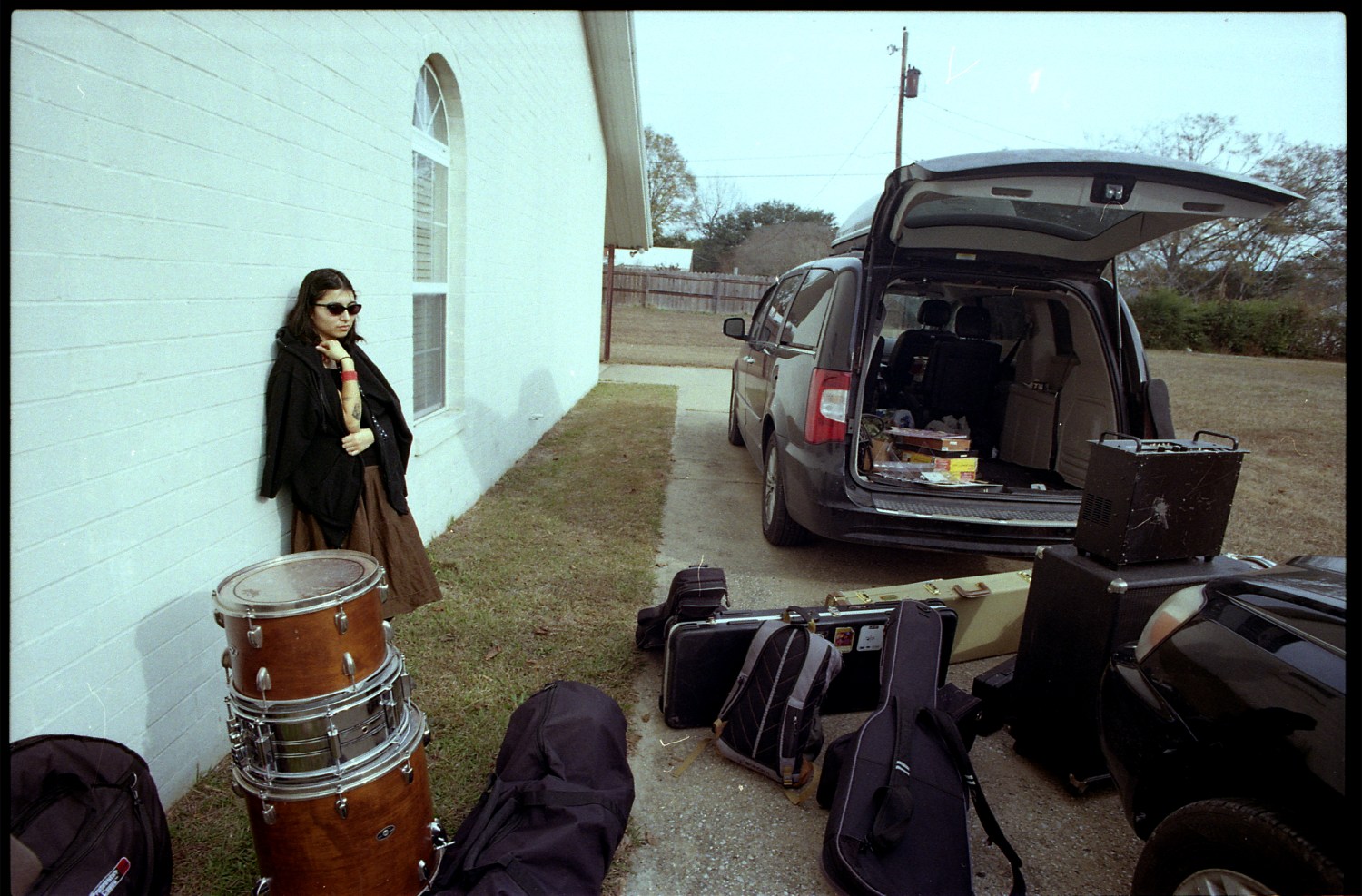
“Two cars and two bands, with long drives and a new party each night. Watching a songbook change form each night and get tired by morning. Memory Card and Kitship’s big road trip.”
At the beginning of December 2025, Chicago’s own Kitship and Memory Card went on a two-week Midwest and Southern tour. The two bands consisted of 8 friends and longtime collaborators; Amaya Peña, Seamus Moore, Averi Love Little, Braeden Long and Nate Wolf as the Kitship band, and Henry Tart, Nathan McMurray, David Tierney and Seamus Moore (once again) as Memory Card.
Kitship is the project of Amaya Peña, whose songwriting thrives in open spaces; rearing with both the endless possibilities that it offers, as well as the reflective solitude of being left out to shiver for too long. Earlier this month Peña released the lights are out, a collection of songs originally demoed in Alaska back in 2025, now being shared again with hopes of more music on its way. Upon layered guitars and Peña’s voice as a reflection point, emphasizing both presence and perspective, these songs are just as lasting as the bits of yourself you can look back on with both a laugh and a sigh.
Memory Card is Henry Tart’s place to be fully enveloped in his own little world; pencil etches and eraser streaks sketch a growing catalog of enduring sentiments and melodically enriched lo-fi swooners. Upon the release of his latest full-length album, 2023’s As the Deer, Tart embraced more broken structures; where tension and intuition link arms and sincerity break the hold, beautifully capturing that triumphant feeling of making it through another rough day while still looking forward to whatever is next. Keep an eye out for new music from Memory Card very very soon.
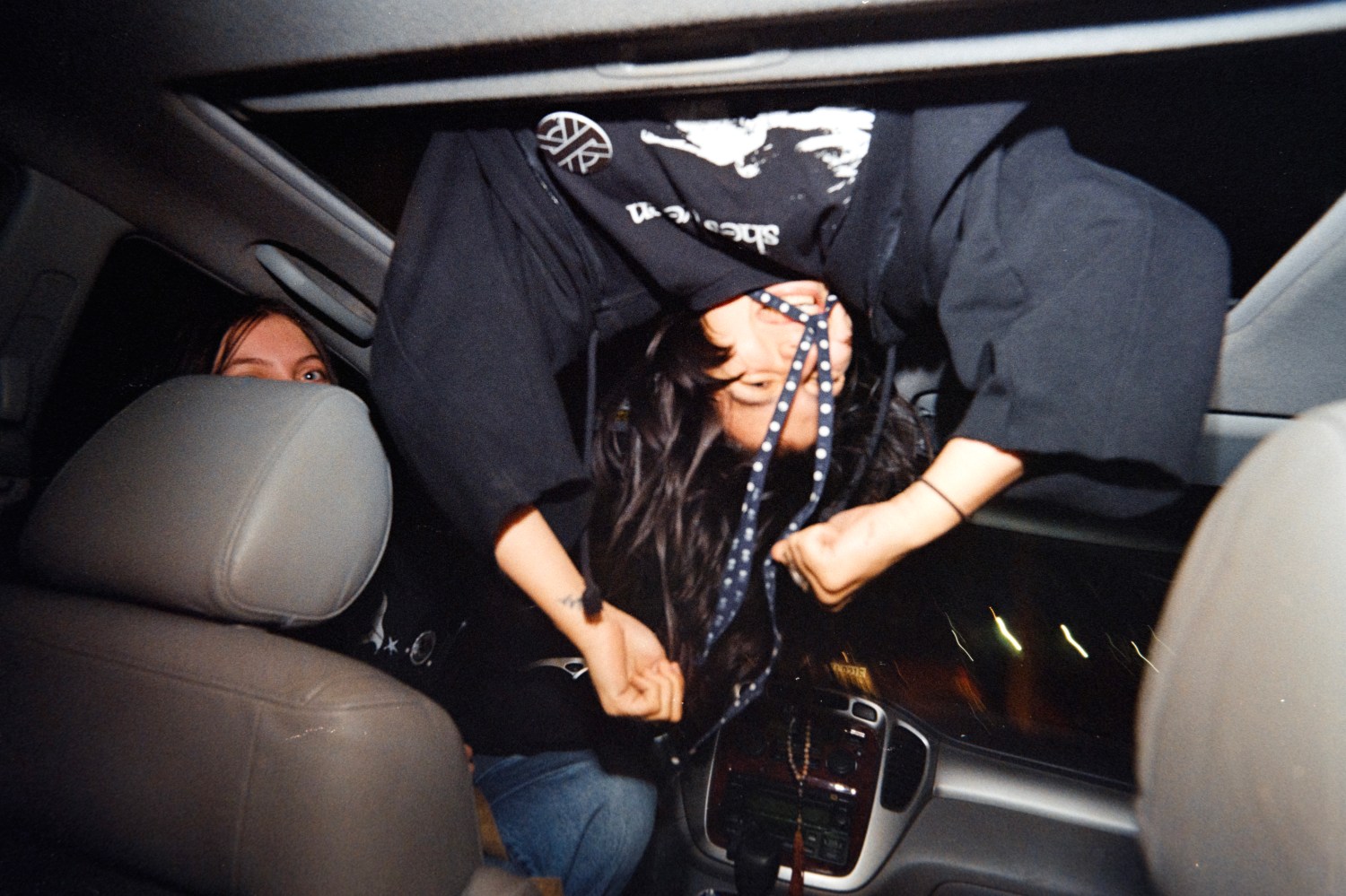
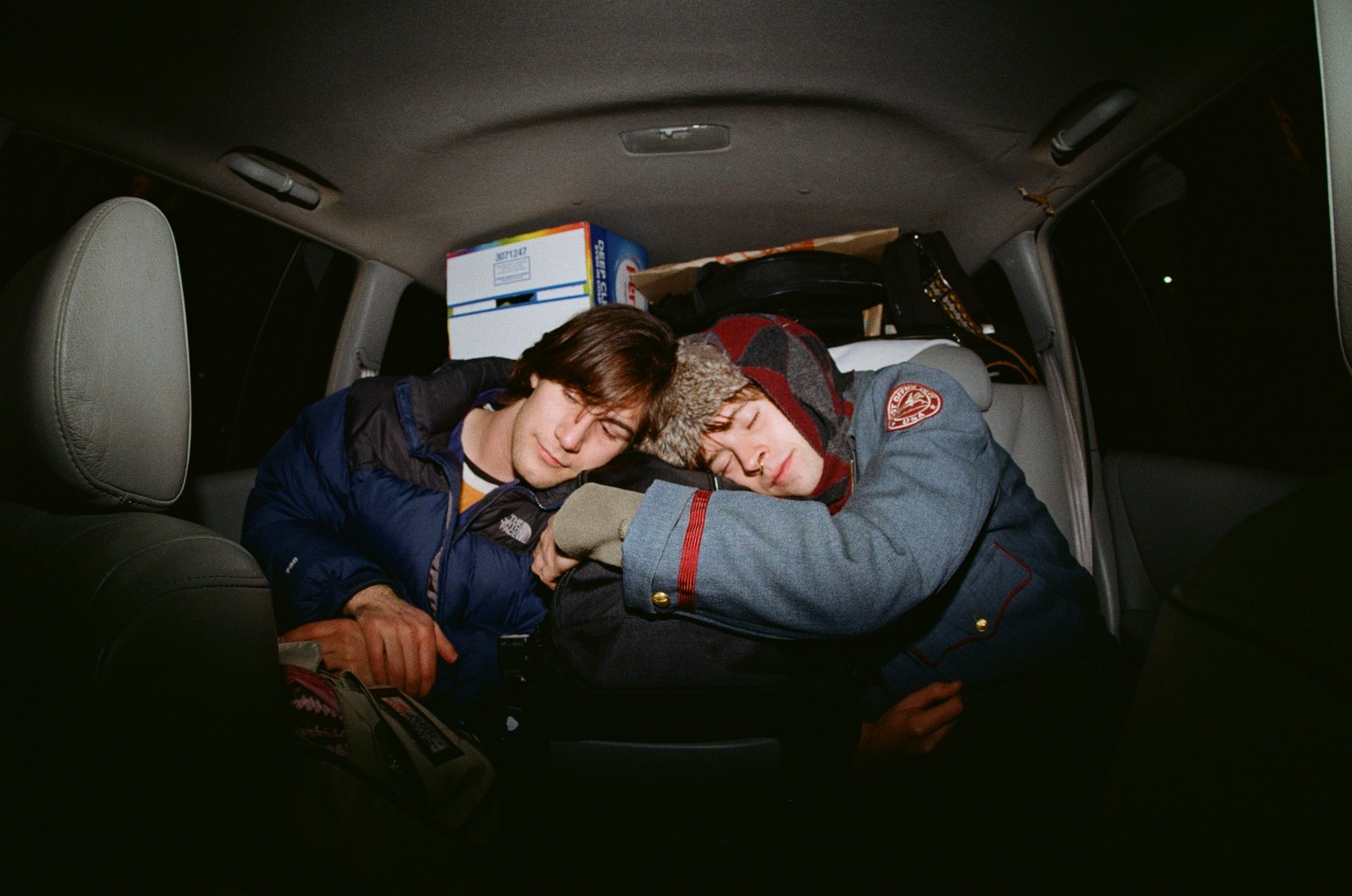
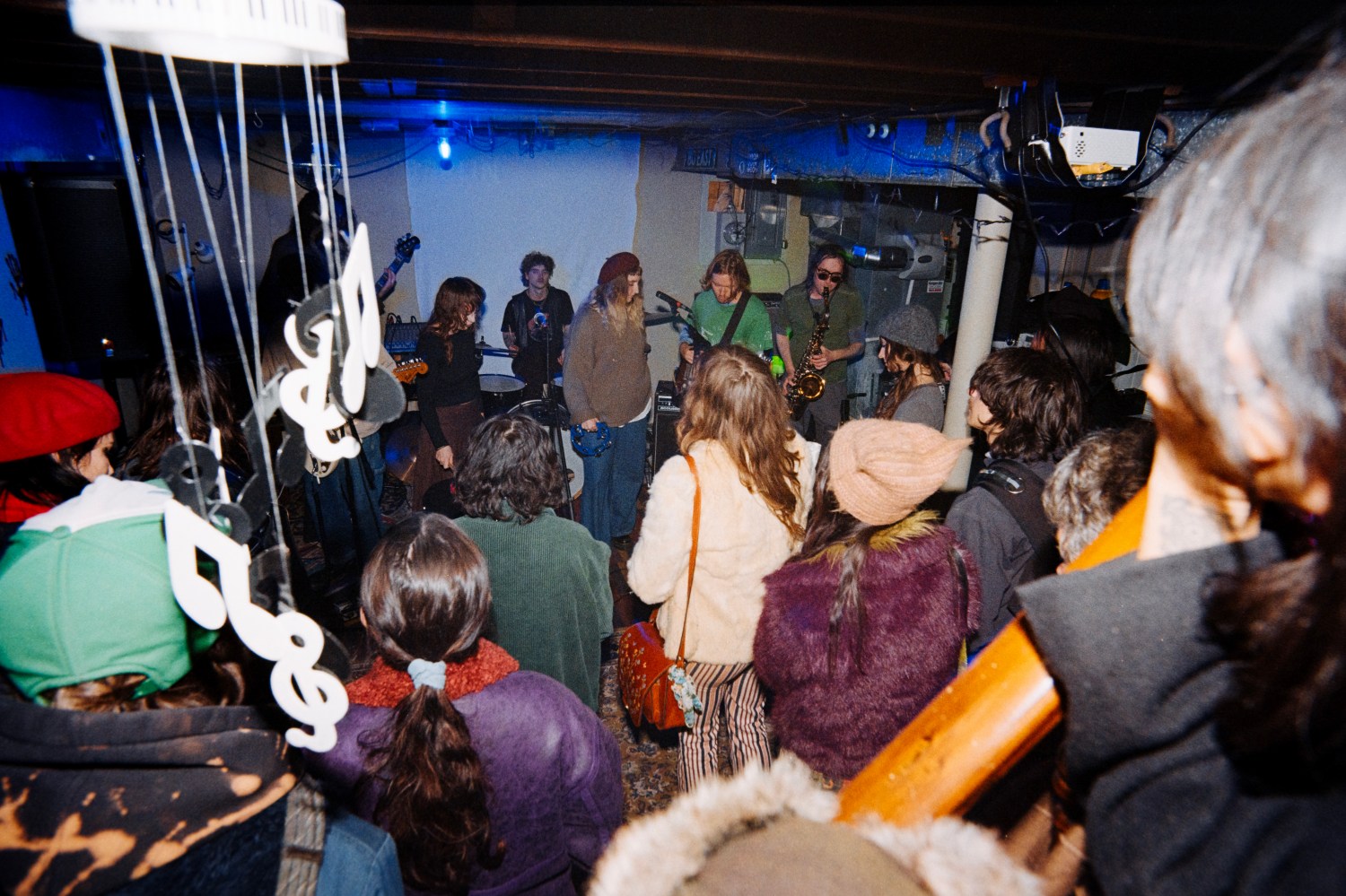
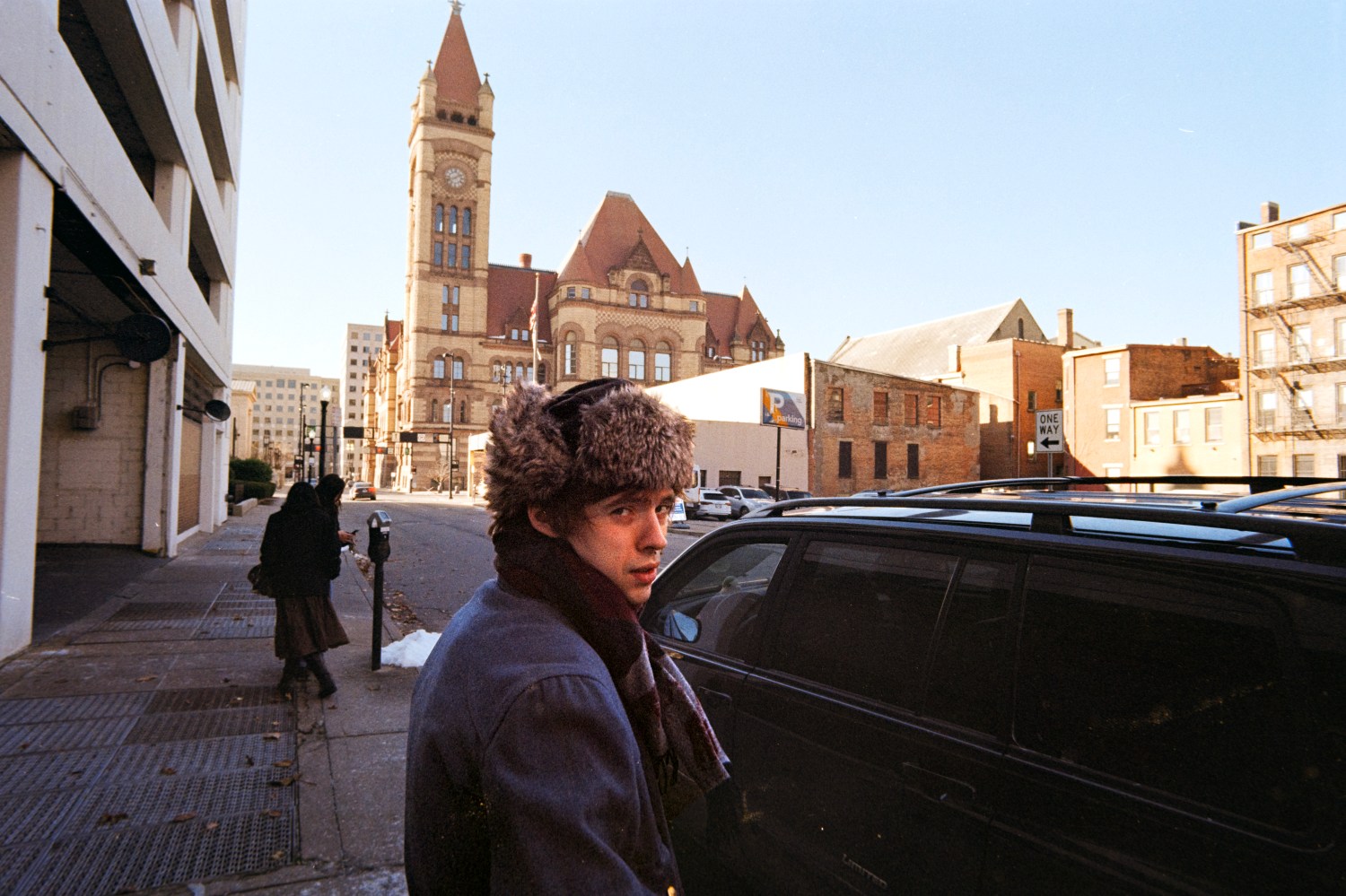
Look through our latest tour diary with Kitship and Memory Card, documented with photos and videos by Averi Love Little and Braeden Long, as well as a mix tape made with love from each band.
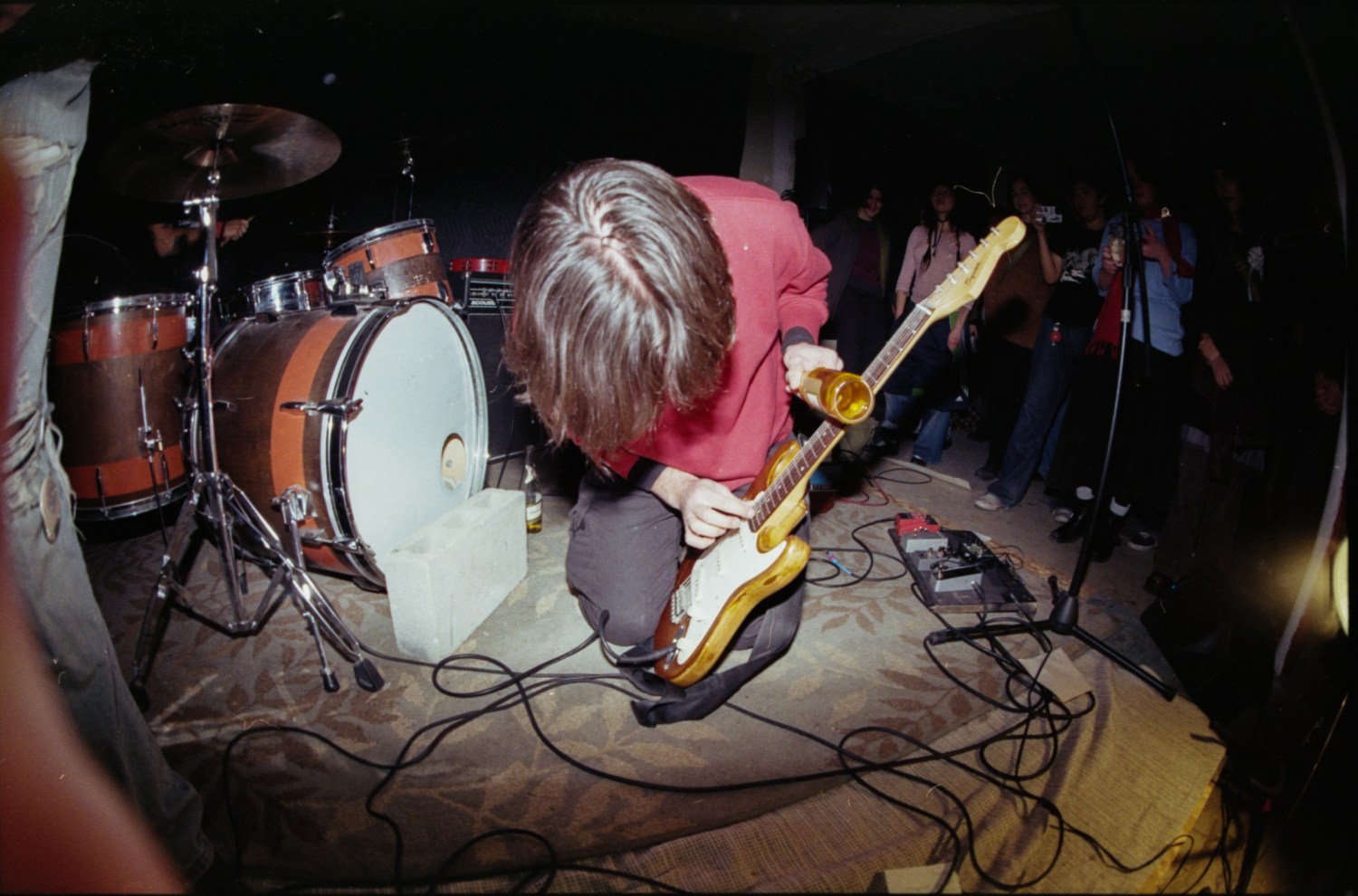
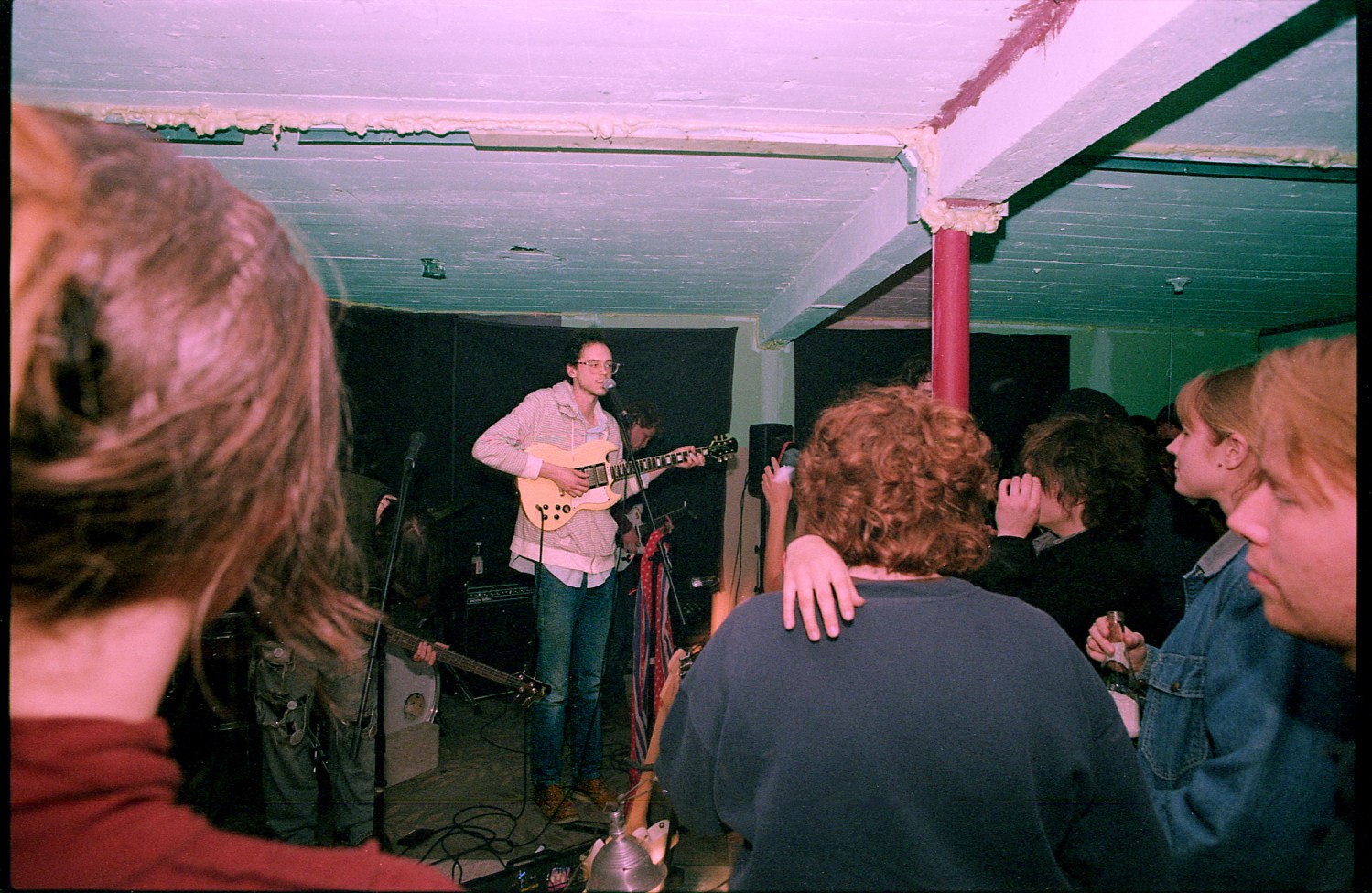
Memory Card, State Street Pub, Indianapolis, IN / Braeden LongNate, Indianapolis, IN / Braeden LongIn Kellen’s Basement, Indianapolis, IN / Braeden Long Amaya, Cincinnati, OH / Braeden LongBraeden Long + Nate Wolf, Cincinnati, OH / Averi Love LittleWorld’s Greatest, Cincinnati, OH / Braeden LongNate, Cincinnati, OH / Braeden LongFeel It Records, Cincinnati, OH / Braeden LongHenry Tart + Nathan McMurray, Cincinnati, OH / Averi Love LittleSeamus Moore at Bluejay Diner, Cincinnati, OH / Averi Love LittleMemory Card at Pilot Light, Knoxville, TN / Averi Love LittleAmaya Peña, Nate Wolf + Galli at Pilot Light, Knoxville, TN / Averi Love LittleCarrboro, NC / Braeden LongMemory Card, Carrboro, NC / Braeden LongShrudd, Carrboro, NC / Braeden LongSHURDD in Carborro, NC / Averi Love LittleBraeden Long + Henry Tart, Durham, NC / Averi Love LittleMemory Card, Asheville, NC / Braeden LongBackyard show, Charlotte, NC / Braeden LongMerch table, Charlotte, NC / Braeden LongMemory Card, Birmingham, AL / Braeden LongLivingston, AL / Braeden LongLouisville, KY / Braeden LongLouisville, KY / Braeden LongAmaya Peña + Nate Wolf, Louisville, KY / Averi Love LittleMemory Card in Louisville, KY / Averi Love LittlePARKiNG, Louisville, KY / Averi Love LittleBraden Long at Lowdown, Chicago, IL / Averi Love LittleMemory Card, Chicago, IL / Braeden Long
Video Documentation by Amaya Peña
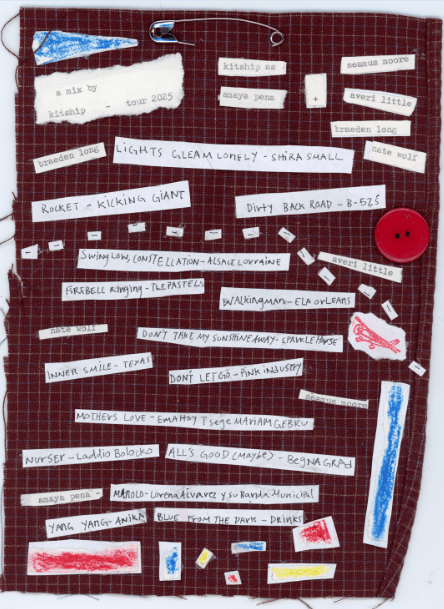
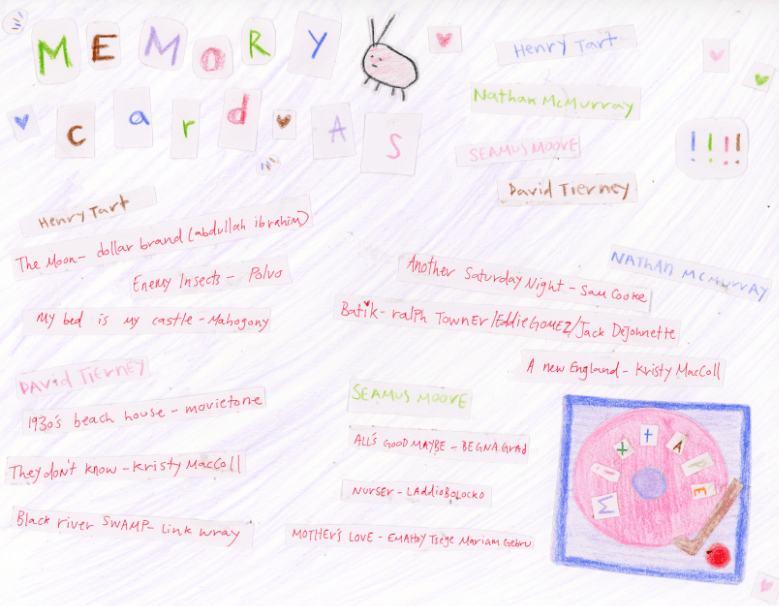
Memory Card – Hurricane Live in Cincinnati, OH filmed by Averi Love LittleMixtape by Kitship / Graphic by Averi Love Little| LISTEN HEREMixtape by Memory Card / Graphic by Averi Love Little| LISTEN HERE
Kitship is about to hit the road with Chaepter on another tour starting on February 24th in St. Louis. Listen to the lights are out now.
Catch Memory Card playing around town, as well as read Henry’s blog, summerfunmusic. Listen to Memory Card’s whole catalog now.
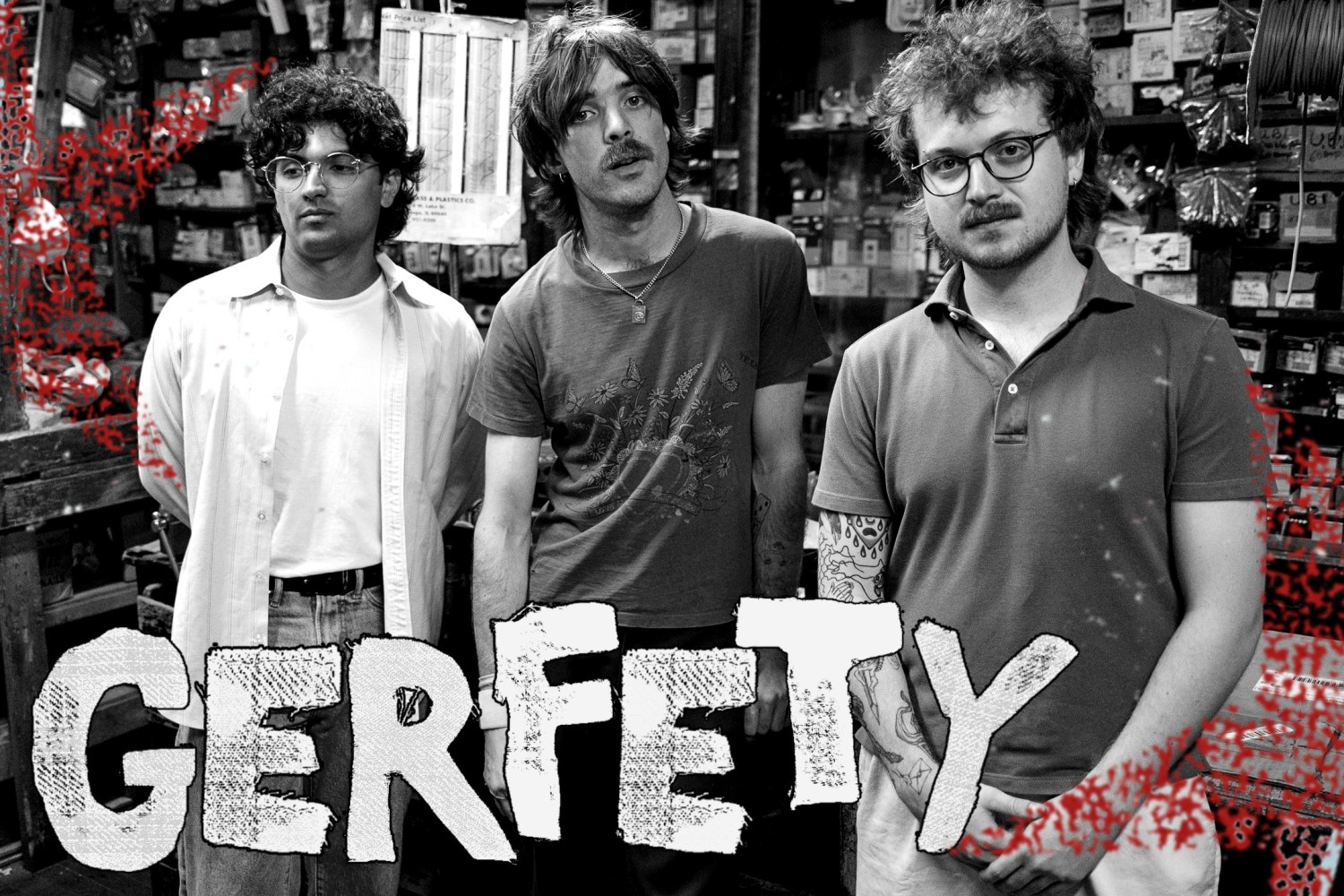
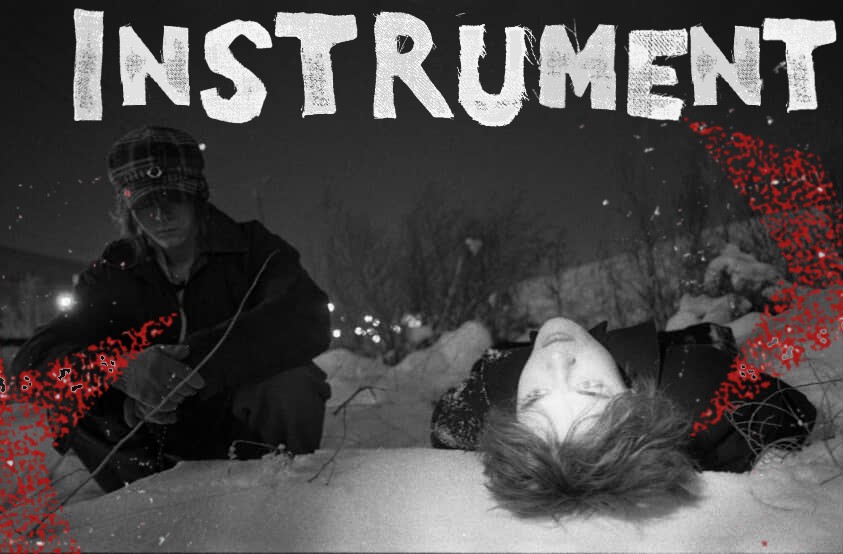
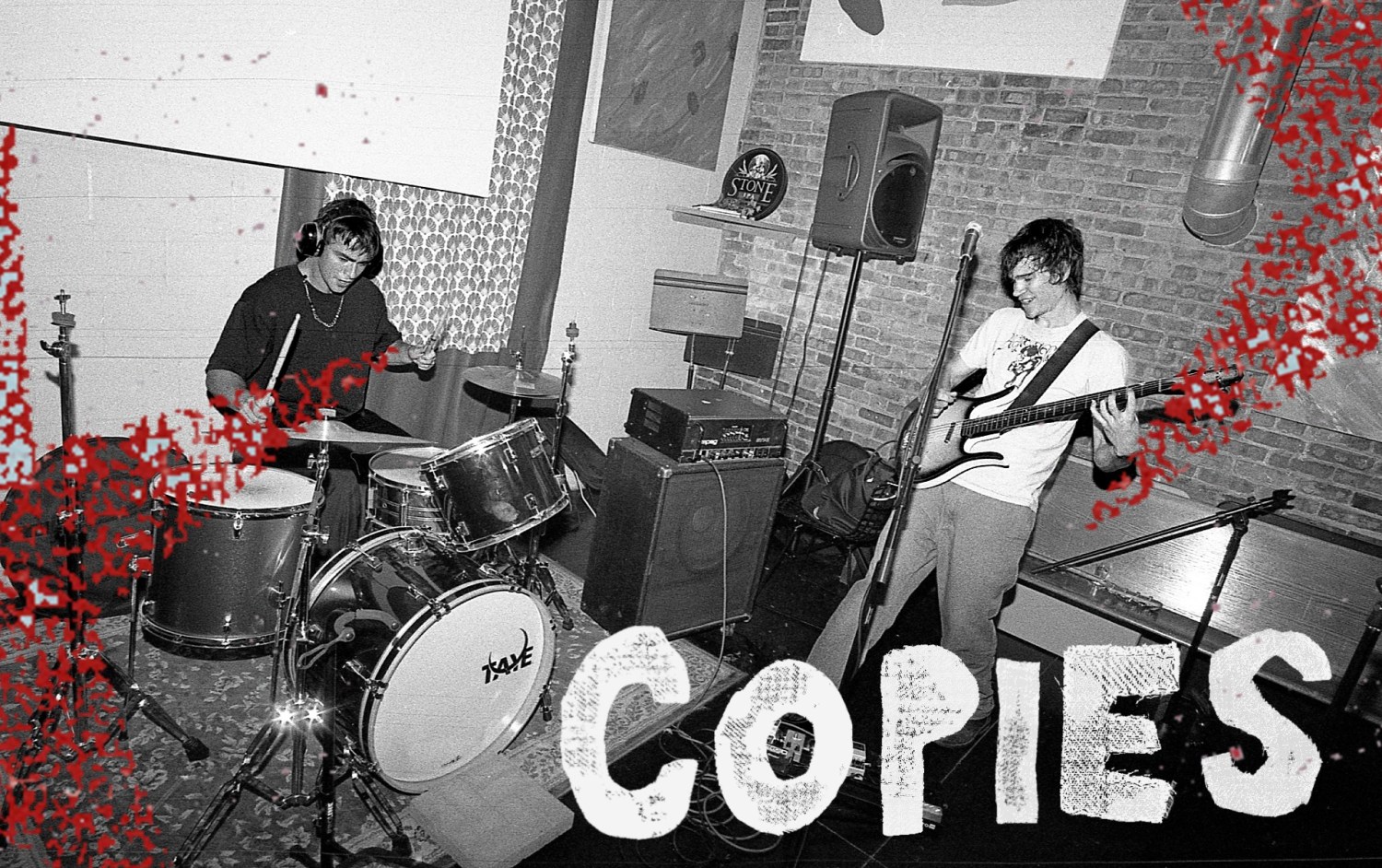
On Tuesday, February 24th, the ugly hug will be hosting our next showcase at the Burlington in Chicago with Instrument, Gerfety and Copies. This showcase is a part of the Burlington’s “bring a buddy” series; 2 entries for 1 $10 ticket. Doors are at 8PM with music starting at 9PM. All proceeds made from ugly hug merch will be donated to OCAD, who provide mutual aid funding for those effected by ICE and deportation.
Ahead of this showcase, we are highlighting the work of each of our featured artists. Check out their work and read more about them below.
Photo courtesy of Gerfety
Gerfety rock. But like it hasn’t been said before. Made up of Dominic Folino, Grant Goode and Tommy Russell, Gerfety released their first full-length album titled Fight Songs late last year. Their greatest strength as songwriters is crafting something that feels timeless and familiar. Something that has been a part of your life for some time — like that old, fraying rug that has made every move with you; one that both ties the room together nicely, but also has been collecting your weight in crumbs and nail clippings for years now. Fight Songs is as much an impressive collection as it is an inherited practice, something Gerfety has shown through the way these songs breathe and combust amongst found sounds, oddly timed jokes and sugar-rotted melodies that’ll last you all day.
You released your debut LP Fight Song at the end of last year. What has it been like for you three since its rollout? Looking back at the release, how do you approach these songs?
It’s been mostly the same. The songs are out. It was something that needed to finally get out there since we’ve been playing these songs for the greater half of two years. In that regard it’s allowed for us to find different ways of playing them I guess. Whatever it takes to translate the feeling.
As you guys developed as the band from your early bandcamp release days to a full album, what did you find yourselves leaning on? Whether that be your sound, the songwriting, the process? What did you bring out of each other in that time?
Just practicing as much as possible. Being in that room the three of us and seeing everything through completely. Sometimes it never ends, sometimes we lose the plot completely, which is where we tend to thrive. We all believe in each-other.
Tommy, you said that Grant and Dominic help bring your songs to be rock songs. Do you initially approach your songs as something that can be jammed out on stage? Or do you have faith in the other two to help you bring it there?
I think oftentimes, when i’m writing a song, i have them in mind. I can hear them in my head. Sometimes it’s not the case, I mean sometimes I’m writing a song just for the sake of the ritual. But as we continue to develop as a band I think there’s certain things that I know they’ll like or won’t like. Those two birds are any songwriters dream. I’m lucky.
Can you explain the f@%k track? Did it influence the way you played in and interacted with the studio space?
That was just a fun idea our friend Korgan came up with. We wanted to preserve the sound of the room being lived in. We wanted all the positive and negative space to have something to anchor onto and the solution to that was the F@%k track. I think it was certainly fun but certainly the most mindless thing about the record. So, no it didn’t really influence much. We tried to just let things be natural and fun.
What’s in the future for Gerfety?
Nothing good (smiling purple devil emoji)
Photo by Averi Love Little
Instrument, formally known as Peace Monsters, is the expansive project of AJ and Lu Bond, who, just as a duo, are able to craft avenues to reach our most inflicted and inherited dialogues. As their time as Peace Monsters, their guitars bruised, and the drums kept the heart pounding with uncontrollable pressure, as the two greeted the ghosts of both this world and beyond as one; our true selves and those we fear to become. But since moving to Chicago from Oklahoma, Instrument still happen to be embedded in this world, but relinquish their control over what’s expected, and rather head towards what really matters. Instrument is a new start for the duo as they look to embrace their changing environments.
This project was formally known as Peace Monsters up to your last release, The Heater, back in 2024. What brought out the need to change the project’s name? Do you feel that the new change will come with new territory to explore in the music?
A.j.- I think both of us view it more as the beginning of a new project rather than a name change per se. Since moving to Chicago my playing style has transformed, the dynamic between us has transformed, we play different instruments and approach songwriting in an entirely new way than before. So Peace Monsters just started to feel sort of limiting because of that.
Lu- Yeah when we would play shows or practice, it didn’t really feel like a Peace Monsters show or Peace Monsters practice. It felt like something new was happening, so we ended up shifting into ‘Instrument’ and the name change was sort of the final piece.
You two have created a space in your sound that you describe as “the feeling of total separation from one’s environment”. What around you do you find yourselves reacting to?
A.j. – haha, yeah I wrote that description years ago when we were still living in Oklahoma and were rolling out the Heater EP. I was feeling pretty cynical at that time and connected to a lot of harsh worldviews because of that. I’m not so inclined towards that statement anymore but I do think that space still exists in our music somewhere.
Lu – I would say our environment has changed so drastically that the sentiment isn’t as present as it used to be. It’s sort of a good example for the name change, because of how much we’ve changed individually since moving to Chicago, playing music together felt different. It felt like we were playing in a different band.
What sort of things do you gravitate towards while crafting your sound? Do you try to appeal to emotions that you feel or certain practices that have led to success in the past? How do you harness that into this ever evolving project?
A.j. – To me art and music is just a big effort towards articulating myself. I find it really important that the songs we write reflect the way I’m feeling as accurately as possible – I want it to be like a mirror. So when we’re playing or writing or whatever it feels like Lu and I are just shining lights against each other and finding interesting reflections to portray to others.
Lu – When we play music I always have an image, and when I’m crafting or writing what we end up playing, I usually build a scene surrounding the song. It’s not really something like a plot or anything. I don’t know. I’m mostly trying to put together the music that I love in a way that supports what A.j. is doing. It’s not really something I think about a lot. I just like playing drums and using it as a way to express that scene or idea that I have surrounding the song.
You recently wrapped up a midwest-to-eastcoast tour last month. How was your time on the road?
A.j. – It was like a dream. It was our first time on the road together and it got me really excited about the songs again. I got really sick the first day though so the shows during that period felt feverish.
Lu – It was truly awesome. Um, we did get into a car accident but everything kinda worked out. I’m actually surprised how well it went considering it was a glorified albeit very well planned road trip. I’m scared of driving. Bodegas in New York are really cool, they should be everywhere.
Anything coming up in the future for Instrument?
Lu – Yes
A.j. – Yeah, we’re wrapping up our debut EP pretty soon. That’ll come out in a couple months probably. And our friend Eli is putting us on a tape comp for the Pop Show in Durham so you can hear us there if you can get your hands on one. We’ve got lots of gigs coming up in Chicago too!
Photo by Braeden Long
Quietly released amidst the disheartening end of summer days, the debut EP from Copies, titled plays the game, felt like a huge statement in its own little world . As a duo, David and Austin have been playing together in various other projects over the years, such as the NC blood-boiler, Tractor Beam. But from the gun, David’s teeth grinding guitar riffs only feel at home amongst Austin’s ferocious drumming, a collaboration that brands the skin as chaotic melodies clot the bleeding of each track. For how brief it may be, plays the game is loud, thrashing, and emotionally blending, as Copies stand their ground, in a rather dying world as a defiant and exciting voice to be reckoned with.
Not Today… is over in under ten minutes, like an amusement park ride.
Saskia Lethin, Jack Abott, Opal and Adelaide Jones from Chicago-based Bungee Jumpers offer a lean, breakneck roller coaster ride of jangly, riot grrrl–y guitar pop that sounds like, in the best way, what would happen if your coffee grinder joined a band. Bungee Jumpers wouldn’t sound out of place among Bratmobile or Heavens to Betsy, blasted out of the worst speaker in a garage or found on a cassette tape on the childhood home of Gone Home.
It’s intentionally straightforward music that rarely lingers on an idea for too long. The opening track “Wall” has one of the album’s only moments where Bungee Jumpers allow themselves to risk staying at the party too long, as Saskia repeats “I couldn’t find a wall to hit my head”, the guitars drop out to leave it in the spotlight, then come back in to joyously ride out the album’s most striking lyrics.
Analogue elements are as much a part of the band as the instruments. Tracks are bookended with amp feedback and whirling noises that sound like tape caught in the spool, and in between there’s the inescapable lo-fi grit. These could be clean guitars, it’s impossible to know if the guitars are distorted because of amps or pedals or because the needle on the recording console was almost certainly living in the red. Not Today… sounds like it was recorded at the lowest acceptable quality – a quality that seems to be higher than Bungee Jumpers’ 2024 Demo. Two songs from Demo – “Bolt” and “Wrench” – reappear here. It feels silly to say they’re re-recorded, given how lo-fi the new versions are, but it does feel right to say that that’s the joke. “I know what I’m doing/You can trust me,” Saskia and Jack chant together on “Wrench,” letting you in on the bit.
The band’s tightness reveals this has all been intentional. They probably could have written longer songs and recorded them with greater clarity (cell phone–recorded videos of the band playing live uploaded to YouTube arguably sound “better”), but the songs don’t really need it. They thrive in this environment. As we go through this moment where we end our Spotify subscriptions and grapple with our ability to have everything, Not Today… offers an intentionally fleeting, blink-and-you-miss-it experience. If you caught a single song on shuffle, it would strike you as amateur, but you’d only be able to experience it like that if you went old(ish) school and bought and added the MP3s to your personal library. Not Today… isn’t on the streaming platforms, it’s only available on Bandcamp or via – appropriately – a handmade cassette tape from GIANT–BEAT in Brooklyn, NY. You’re either hearing these songs in their greater-than-the-sum-of-its-parts whole or, if they are on shuffle in a playlist in your personal collection, you’ve already engaged with them that way.
“The Beach” might be the mission statement for why this is all like this. An unassuming song that doesn’t even clock in at a full minute (like most of Bungee Jumpers’ songs), with a chorus that doesn’t get much deeper than singing “You want to go to the beach” and “I like the beach” and “We’re having fun at the beach.” The lo-fi isn’t a gimmick or nostalgia-bait. It’s an invitation to a mosh pit captured on an old consumer-grade Sony video camcorder that probably topped out at 720p. You want to go to the beach.
Not Today… is out now and is available to be purchased on cassette.
Written by Shea Roney | Photo Courtesy of The Laughing Chimes
Every Wednesday, the ugly hug shares a playlist personally curated by an artist/band that we have been enjoying. This week we have a collection of songs put together by the Athens, Ohio-based project The Laughing Chimes.
The Laughing Chimes began as the sibling project of Evan (guitar, vox) and Quinn (drums) Seurkamp, releasing their first album back in 2020 titled In This Town, a collection which was embedded in the jangly jurisdiction of Midwest prophets and pop-rock love-birds who did their time and got their hands dirty. Now with the addition of Avery Bookman on bass, The Laughing Chimes followed through with the release of Whispers in the Speech Machine, bringing the band’s collective sounds into a deeper, much more haunting pool of reverberated grifters, ecstatic townies and irresistible melodies. The beating heart of this record meets at an intriguing point in time – those few moments where the warmth of life meets the inevitability of decay; the in-between where things are strange, indiscernible and eerily still. Writing songs to the superstitions in our day-to-days, teetering between this world and the beyond, The Laughing Chimes’ pop-licked melodies and cavity-filled guitars help to open the door and see what ghosts are waiting on the other side – a real who’s-who of the localized ghostly scene.
About the playlist, the band says;
The theme is songs that make me hyper nostalgic for a specific moment.

 the ugly hug