Skip to content
  • About
  • Interviews and Features
  • Singles
  • Guest List Playlists
  • Album Reviews
  • The Gallery
  • Tape Labels
  • Home

the ugly hug

  • Another Side of Pictoria Vark | Interview

    March 12th, 2025

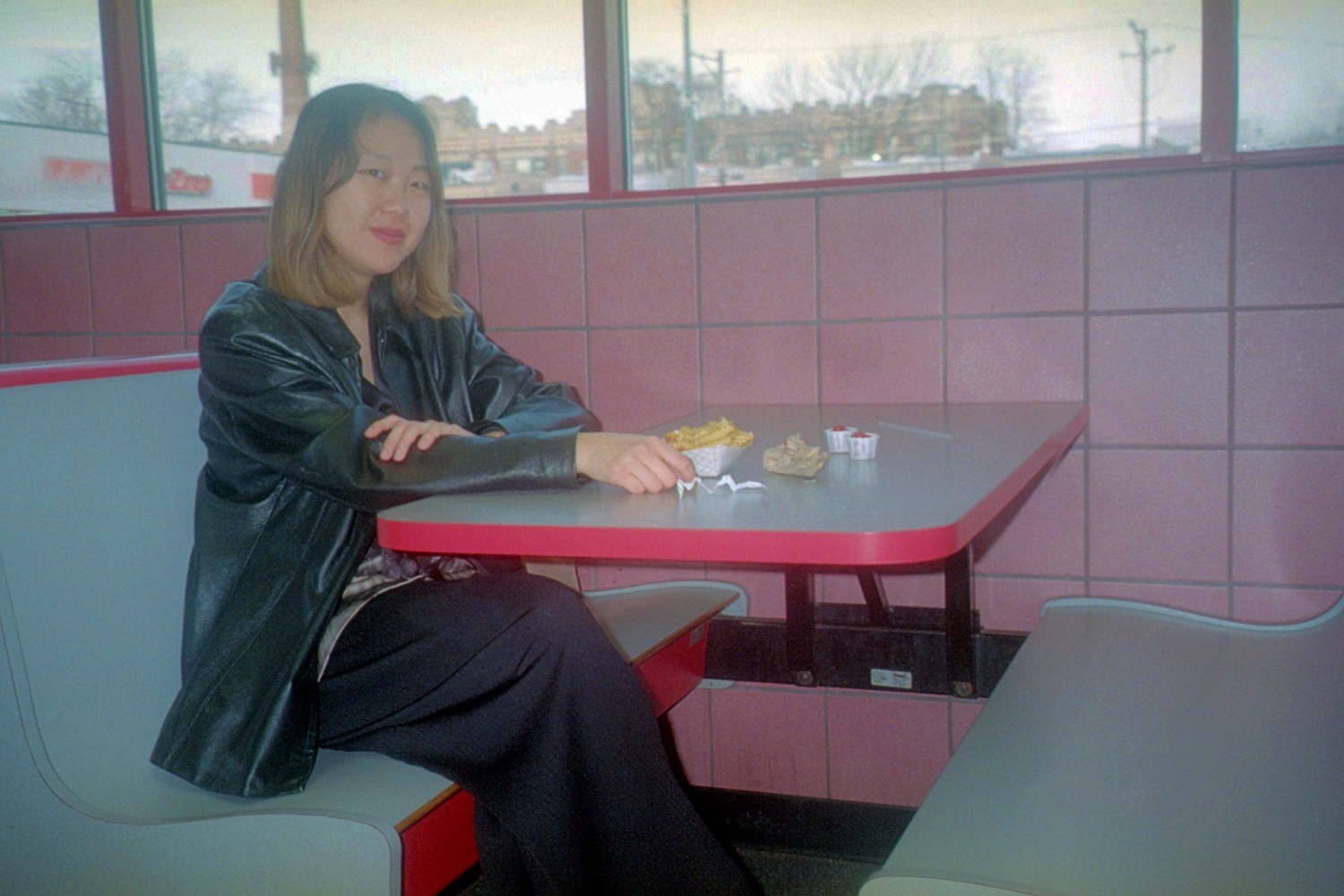
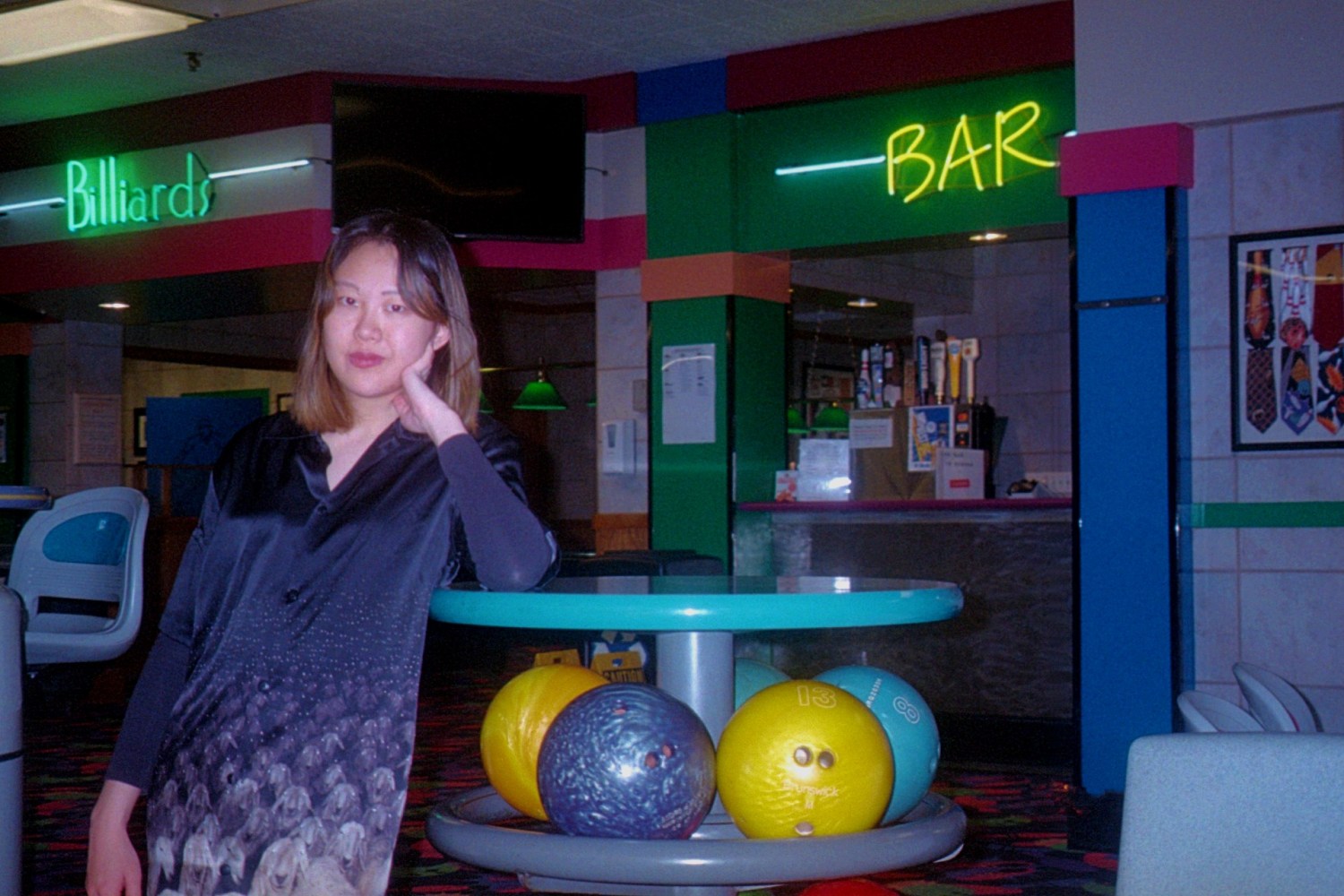
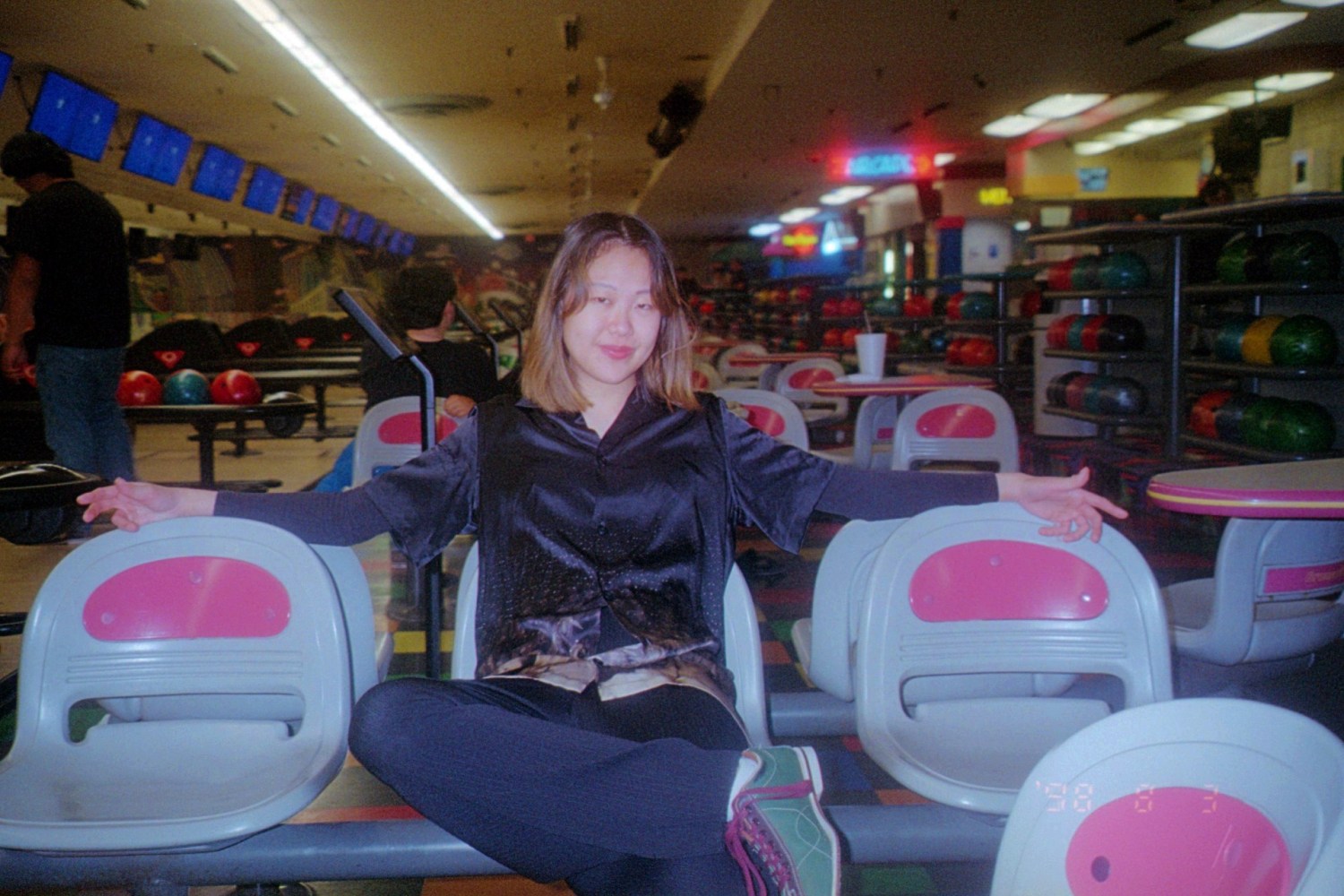
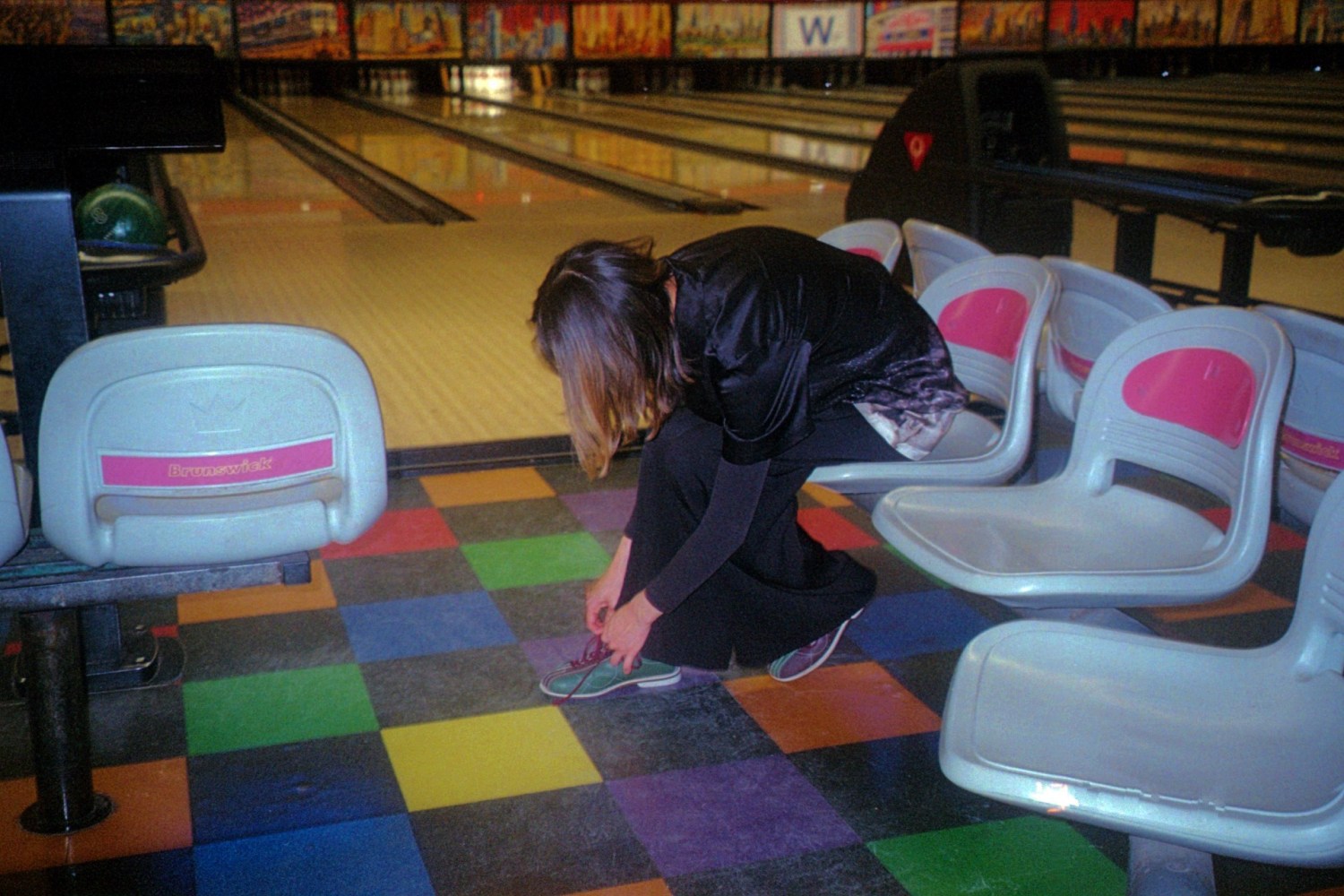
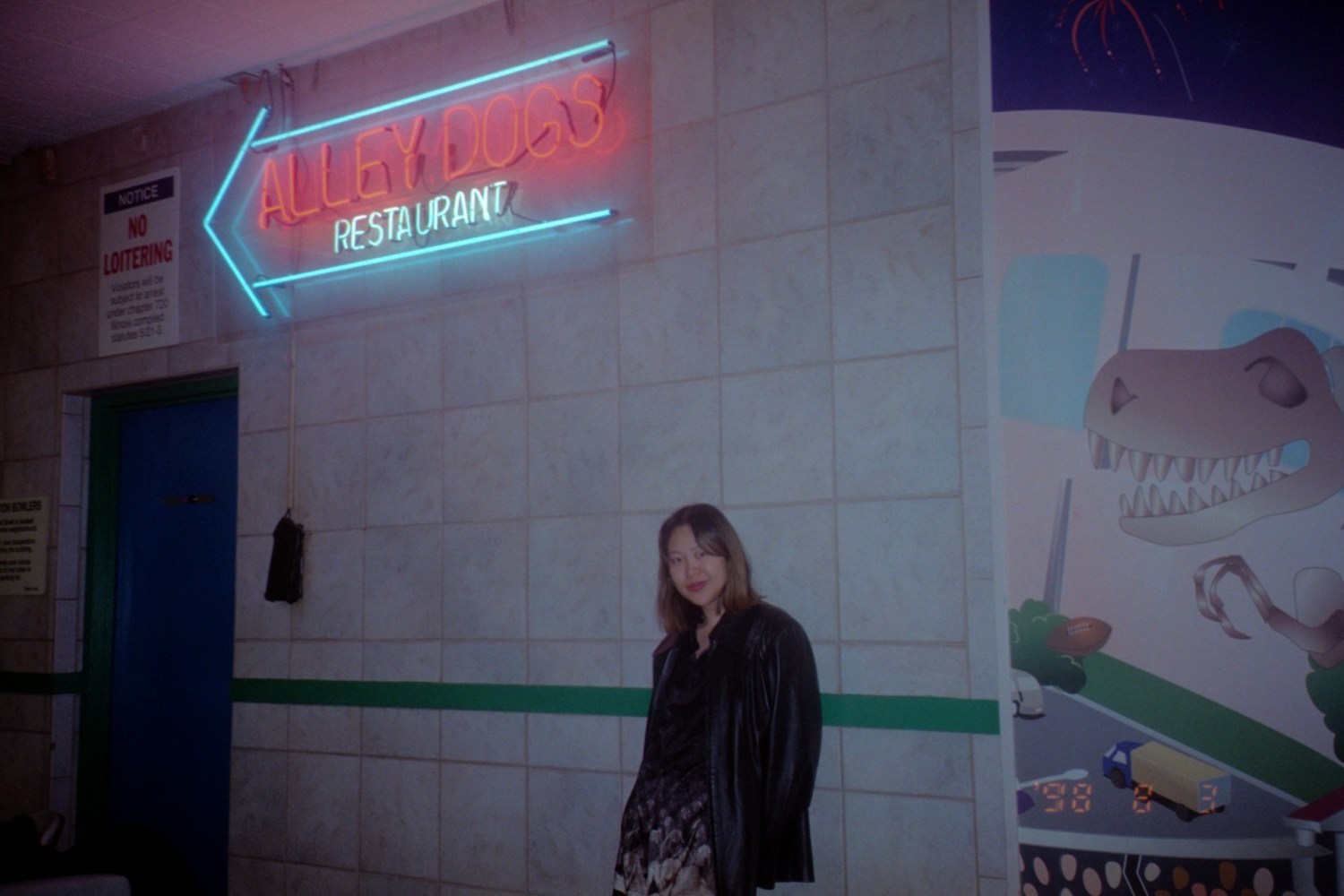
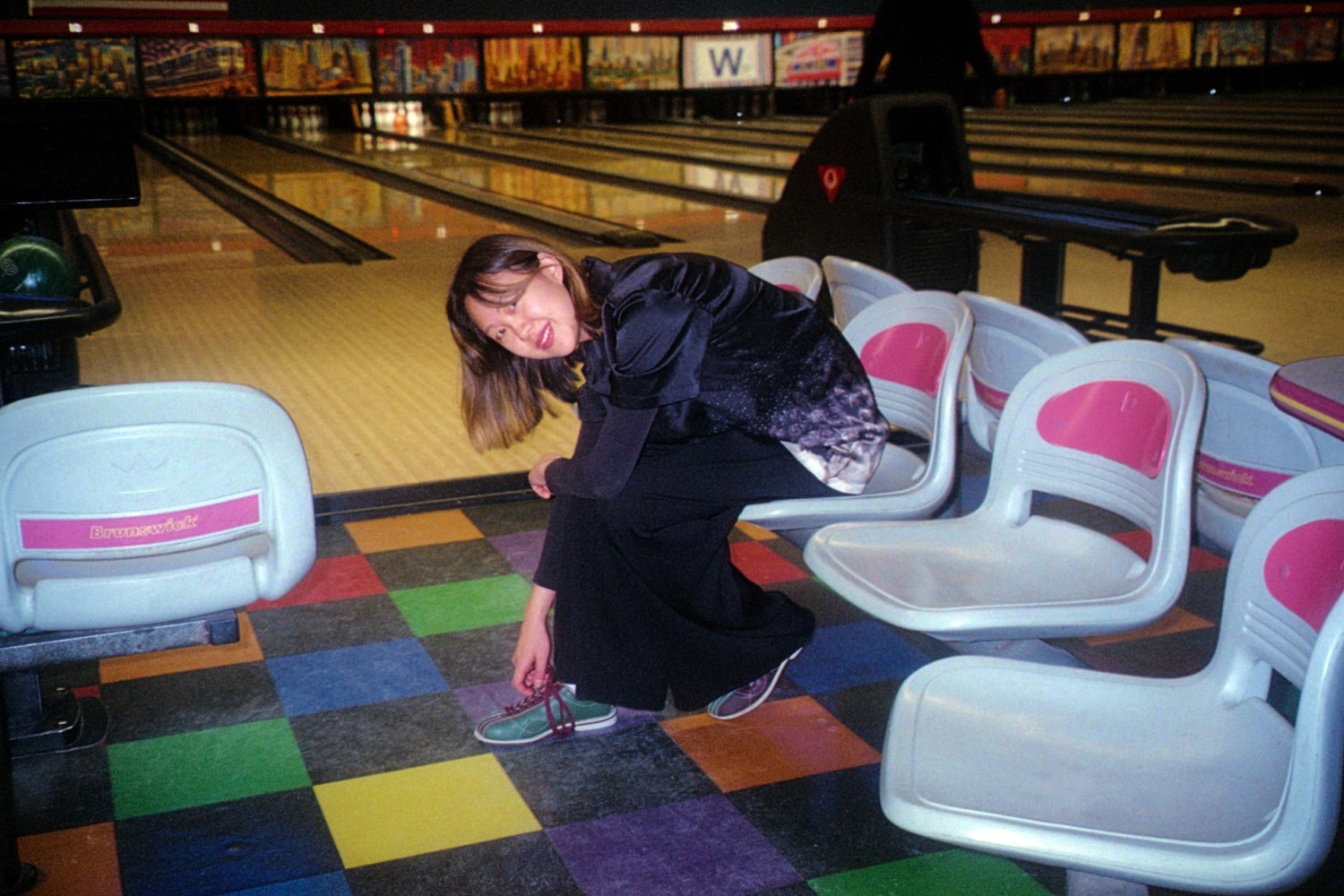
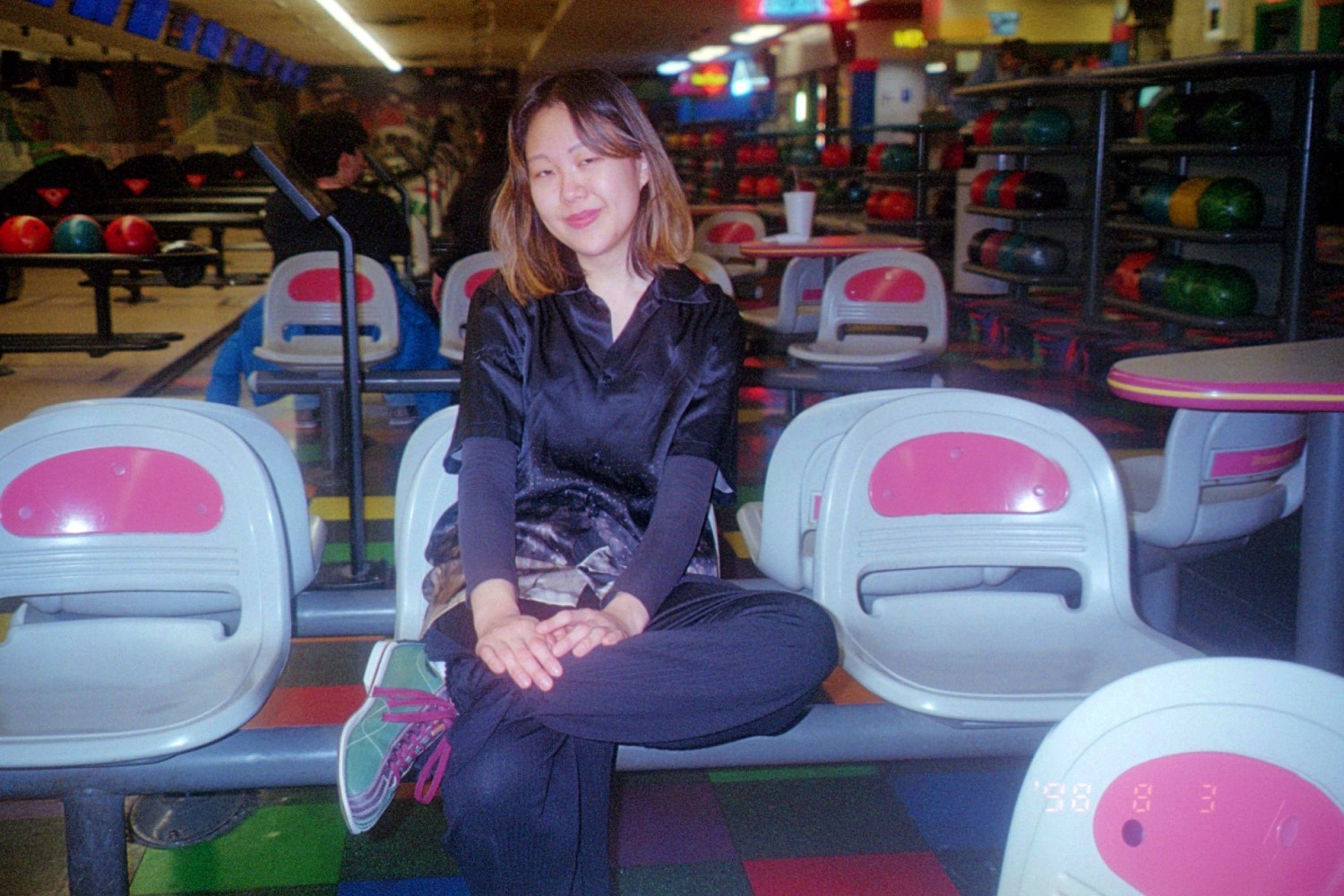
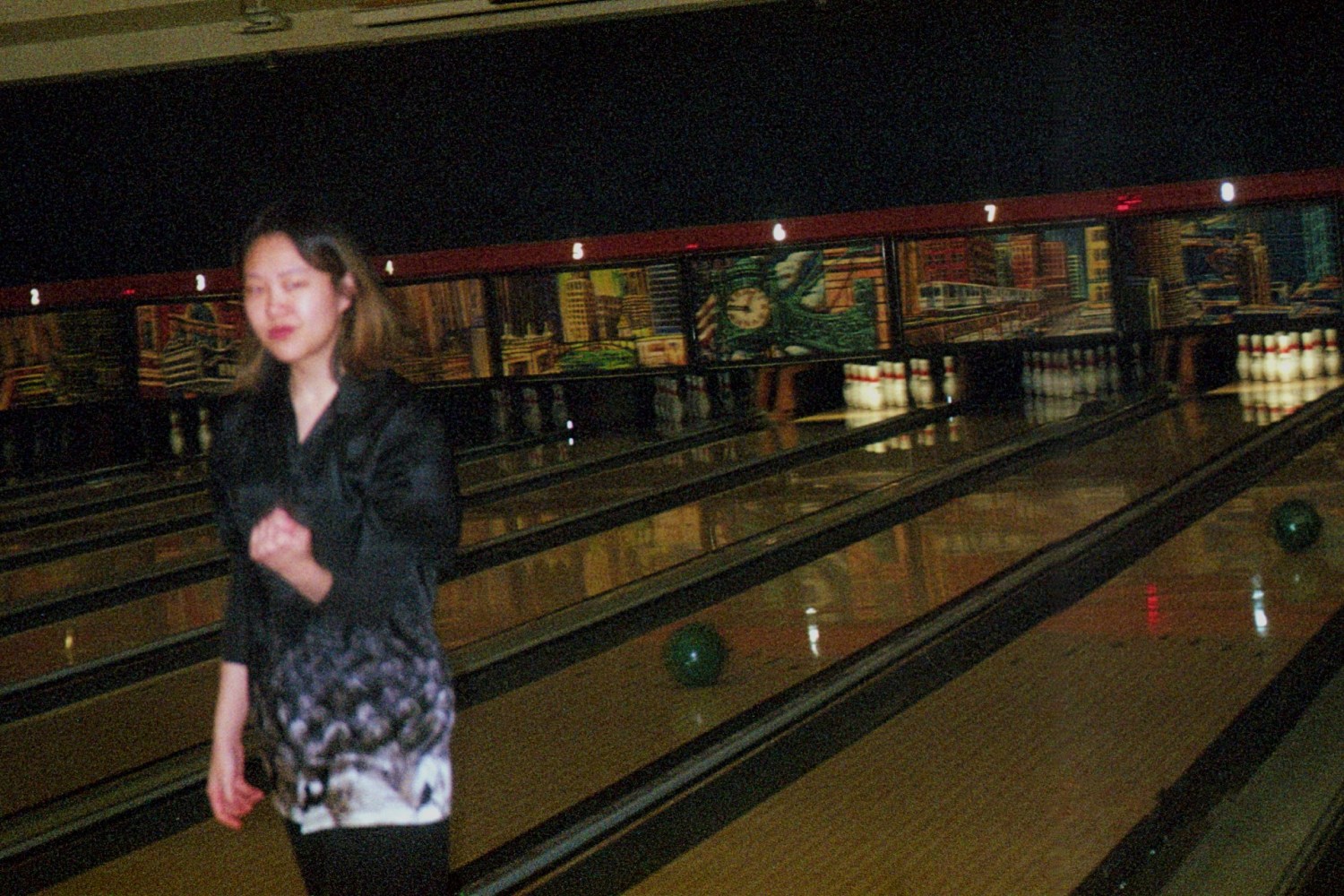
    “The thing is, part of the reason why I picked bowling as an activity that I was going to get into is because you look like an absolute fool if you are having a bad day and start crying out on the fucking bowling alley that looks like it is 1994,” Park says, wavering between the need for a joke and a contempt for understanding. “It’s just too goofy to be visibly upset here. Especially alone. You cannot do that. So, it does kind of force a cheeriness into you.” 

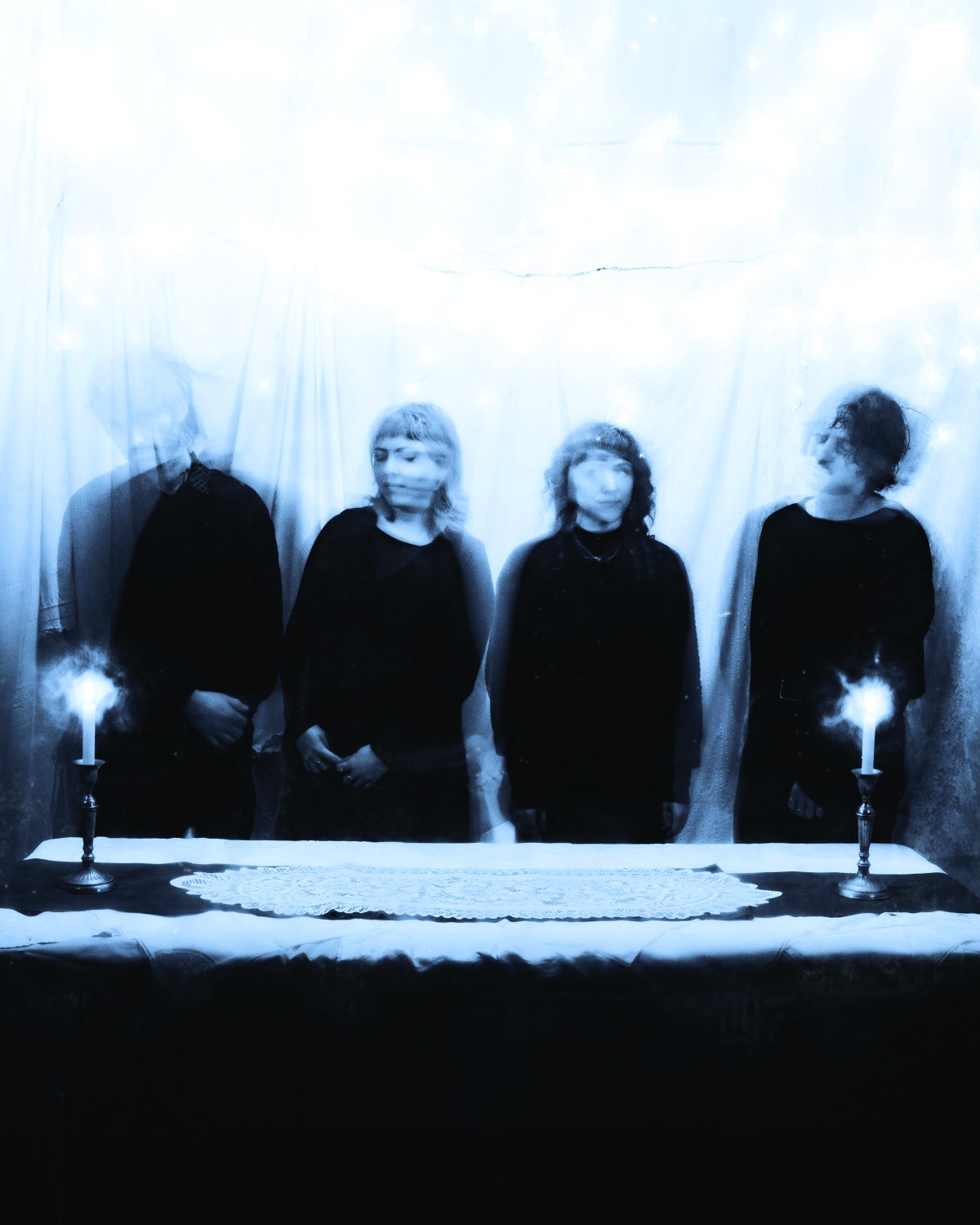
    Victoria Park is a Chicago-based songwriter, who for the past few years has been performing under the moniker Pictoria Vark. With just a slight shift in the nomenclature, there is a differentiation there that even Park herself has set out to understand since the project’s initial founding. Now gearing up for her sophomore record Nothing Sticks via Get Better Records out on March 21st, this album has been a part of a longtime-coming-esque journey. After going through life changes and embarking on a tour that lasted 150 days, Park’s demeanor became ill fitted, relying on the ability to be present when she knew she couldn’t be.  

    Nothing Sticks is as vivid as it needs to be, rearing an earnest delivery that dares to challenge the fronts that become habit to us all. But where Nothing Sticks becomes most poignant is in Park’s focus in her own sense of self through her experience within the music industry, navigating the relentless expectations and learning how easy it is to lose yourself along the way. But in the end, Park has proven herself to be emboldened by it, embracing a rigorous, empathetic and more in-depth approach to writing these songs. And as they trickle out with each single, rearing with sincere melodies and indie rock bliss that PV and co. have brought to life, there is a sentiment built around momentary lapses of reflection that Park makes so vulnerable and engaging throughout. 

    We recently took to the Waveland Bowling Lanes on a below freezing day in Chicago to talk with Park about balancing expectations, breaking habits and the making of Nothing Sticks.  
    This interview has been edited for length and clarity purposes.

    Shea Roney: I am very intrigued about  this 150 days of touring, and this is kind of where the generalized theme of the record came from. What was that experience like and what sticks with you now as you have taken time off?

    Pictoria Vark: I was enjoying being on tour for that long, but it was also because I was running away from myself and my life. I didn’t want to confront the lack I felt at my home because I didn’t have the time to put energy into making it feel like home, to building friends and making it a real place I wanted to be. And so, instead, I would be like, ‘okay, when am I going back on tour?’ I just kept running away, being like, ‘I want to be here as little as possible.’ I haven’t really toured that much where it felt like I was running towards something. And I think the toughest part of walking away from that, or what the album is about, is when you spend time developing experiences when you spend time and money, the experience comes and goes. It just becomes a memory. So, it was just me kind of building memories and not anything material with it. I’m kind of just taking away the memories, and sometimes I call looking back on that time as “remembering the horrors” [laughs]. Which is partially me being dramatic about it and partially kind of real. Other people have different horrors they remember in their life, just like, ‘oh, that was a fucked up time’, and when you’re looking back on it, that’s remembering the horrors. So, because I have “the horrors” to remember, I’ve been trying to help my friends who are just starting to tour for the first time or want to know more about that to impart that wisdom so that they don’t crash and burn in the same way I did. I also didn’t have a lot of people at that time that I could talk to about these experiences because I didn’t have a lot of peers that were doing that much or were touring to that degree at all. So, it’s nice to be able to be that for other people, or try to be.

    SR: You have mentioned in the past that there is a Victoria Park and there is a Pictoria Vark. Where do you draw the line between these two and has one taught the other anything? 

    PV: I think with the second record, something that I was thinking about is that I have these opportunities to be on stage, to share my music and some people will listen to it. Rather than think about the songs that I’m writing as like, I need this diary, I need to put my demons somewhere on a page and then I share that, but more like, if you were on a microphone in front of an audience of people, what would you want to say? What is the thing that I actually want to share with other people? What is something that I think is a useful message or something? So, it was made kind of intentionally and I think that’s something anybody can do or think about. All those crazy YouTube interviews of just like, ‘we’re just talking to ordinary people’ – that’s kind of like the same thing as that. If you were stopped on the street, what would you say?

    With Victoria and Pictoria, I’m trying to do a better job at drawing a line between the two. Online, it’s honestly been really tough because I feel like I am only really using my social media to promote my music. And then it becomes a skewed image of like, ‘wow, you’re really busy’ or like, ‘how’s the music stuff?’  People don’t really know what’s going on in my personal life. One thing I am trying to do for the new record is have a stage costume so that it’s like when I’m on stage, I am in my persona, and then when I take that off, that’s like a different person – to create more of that delineation in a physical realm.

    SR: Wow, that’s a great idea! What do you have in mind for the stage costume?

    PV: Okay, early drafts, I wore these angel wings at Outset and I kind of want to keep sticking with them for the new record. It’s both a play on the like the halo effect, which is kind of a type of bias that I think happens to a lot of musicians. It’s like you literally put them on a pedestal. So I think that’s funny, angel wings, halo effect, yeah. And also because I love Wings of Desire by Wim Wenders. What if I was just like an angel on earth? That sounds so fun and it’s also, you know, kind of about forever.
    SR: You say that these are just better songs in many aspects from writing and recording than your previous release. What did you find yourself focusing on more this time around? Anything out of your comfort zone?

    PV: Yeah, I really wanted to push myself as a songwriter to make my craft better, to make stronger choruses or make stuff with more than three chords. When we got to the studio, the biggest challenge was working on a lot of the vocals, because we didn’t do a ton of vocal takes and there was like a whole eight hour day where it’s like Brad and I were just running through vocals and just being like, ‘oh, did we like how I said this word better?’ So by the end of that day, we were so fried. But overall, the studio time went really smoothly I think because we had so much preparation going into it. We were making really complex demos. I felt so bad, I was asking so much of Gavin and Tori because in my head I was like, ‘we don’t have time to like mess up.’ But I think it was like that initial thought and working out that way allowed us to have a smoother experience in the studio. It set a precedent, if I work with these same people for the next record, we can keep things a little bit more relaxed. I don’t really know how much we expected to go wrong, you know, but it was really exciting. It was just so many more people and so fun to watch it happen. There were some times where it’s like Brad and Gavin and Tori were just kind of like cooking and I was like, ‘I’m here’ [laughs]. It was really cool to just let them take the reins a little bit. My main job is assembling the task force.

    SR: Do you think next time you will be more comfortable? 

    PV: Yeah, next time I want to leave it just more open, you know? Like maybe we don’t have to make the demos quite as intense, we can play or leave a little more room in the studio to figure things out. Finding a good balance of preparation and being open to improvising.

    SR: And because everything was so tense with time and the demos, do you feel like there’s some parts of the recording process that you really wish you could have focused more on?

    PV: Honestly, no, I think the time crunch felt really good, because it made us not overthink things. And we didn’t. We didn’t have time to redo things, we just had to let it live as is. And even if there’s a vocal performance or two that I would like to have done another take, it’s almost nice to think that that’s just room for improvement for next time.

    SR: So at the point of this conversation, you only have two singles out. But you just wrote a really nice piece in your substack about balancing expectations, especially about the singles. You crowdsourced friends about which songs should be singles and there were some different ideas. When it comes to songs that are so personal to you, what does that balance of expectations look like as you go forward?

    PV: It’s not easy [laughs]. I don’t think I do a great job at it. In all honesty, if you talk to some of my closest friends, I’ve driven them nuts over the last year just by going through the same kind of thought circles I can’t get out of. I think what I struggle with is the uncertainty rather than if something were to perform badly. I just don’t really handle not knowing in a lot of areas of my life, for various different reasons. It’s like more than being in this gray space where anything could happen and only like one thing will. It makes me crazy, makes me unwell – just in terms of like, I don’t know what my life will look like in three months, six months. I think the singles, weirdly, when I polled people on what song should be singles, I was not expecting “I Pushed It Down” to be the number two one that people would pick after “Make Me A Sword”. But to have that reflected by the Spotify algorithm is super weird. This reflects a taste of people, whatever it is. I thought that was really weird and interesting.

    SR: One of the major themes of this album is understanding that nothing lasts forever. What did it mean to you, when talking about the fleeting implications of life, to come to this conclusion? Although bleak, did it offer any clarification or justification to you? 

    PV: I think it was the result of causing myself so much suffering by trying to keep things together in my life. Before this 150 days was started, I was dumped for going on tour for too long. And then four days later, I was on the road for three months. I had centered so much of my life around him unknowingly – it was part of the reason I decided to stay in Iowa an extra year, which became two years and didn’t move to Chicago sooner. And then with different bands or friendships, when there’s those falling outs, it left a really big emotional mark. I think in writing this record, it’s helped me be like, ‘okay, if this person doesn’t want to be friends with me or doesn’t want to repair things, that’s kind of not my problem. That’s not mine to hold.’ I can see that as an opportunity for more space for something else to come in, and I think that reframe has been really, really helpful because of the amount of like, almost a scarcity mindset of, if I want this thing and this thing feels good, it has to stay. I have to be the one to force it to stick in my life.

    SR: Has this changed the choices you make when it comes to both your career or personal life? 

    PV: You know the meme of like, ‘I did X,Y, and Z and all I got was this t-shirt?’ That is kind of what going on tour felt like – I don’t know what happened. It’s like that thing happened, it was a blip in my life, and you know, now I wake up and I go to work and I still make music. I have a hard time not being able to make a clear and straightforward narrative from it. And so I think the ‘nothing sticks’ ethos is to try to enjoy the present as much as possible. Have the memories, but to not expect life to follow in a logical way like X,Y, and Z and be ok with things slowing down or ending because they eventually will. I don’t know if that’s a good answer for that question, but that’s what I got. I think with music, it’s made me change my approach, like, if this thing is going to cost time and money and energy to do, what are the things that I actually want to do in it? Because playing to 20 people, 100 miles away from home is like, I’ve done that, you know, I’ve done that enough now where I don’t feel like that’s an additive experience. So everything that I want to do moving forward, I want to feel really purposeful and really meaningful during the process of doing it, so that the end result doesn’t quite matter.

    SR: So the last song, We’re Musicians, reminds me of a theory you were workshopping last time we talked, about good outcomes and bad outcomes. Being a musician, stuck in this almost stuck on this thin line, can you find yourself reflected in that theory? 

    PV: Oh my god [laughs]. Okay, well, if we’re gonna get super real with this, the big tour that I got asked to do a few years ago, that is like getting what you want and it wasn’t a bad outcome. It’s getting exactly what you want, but it’s like, not what you think it is. It is in some ways the monkey’s paw. Like, you get everything you ask for, but then it’s not what you thought it was gonna be at all.
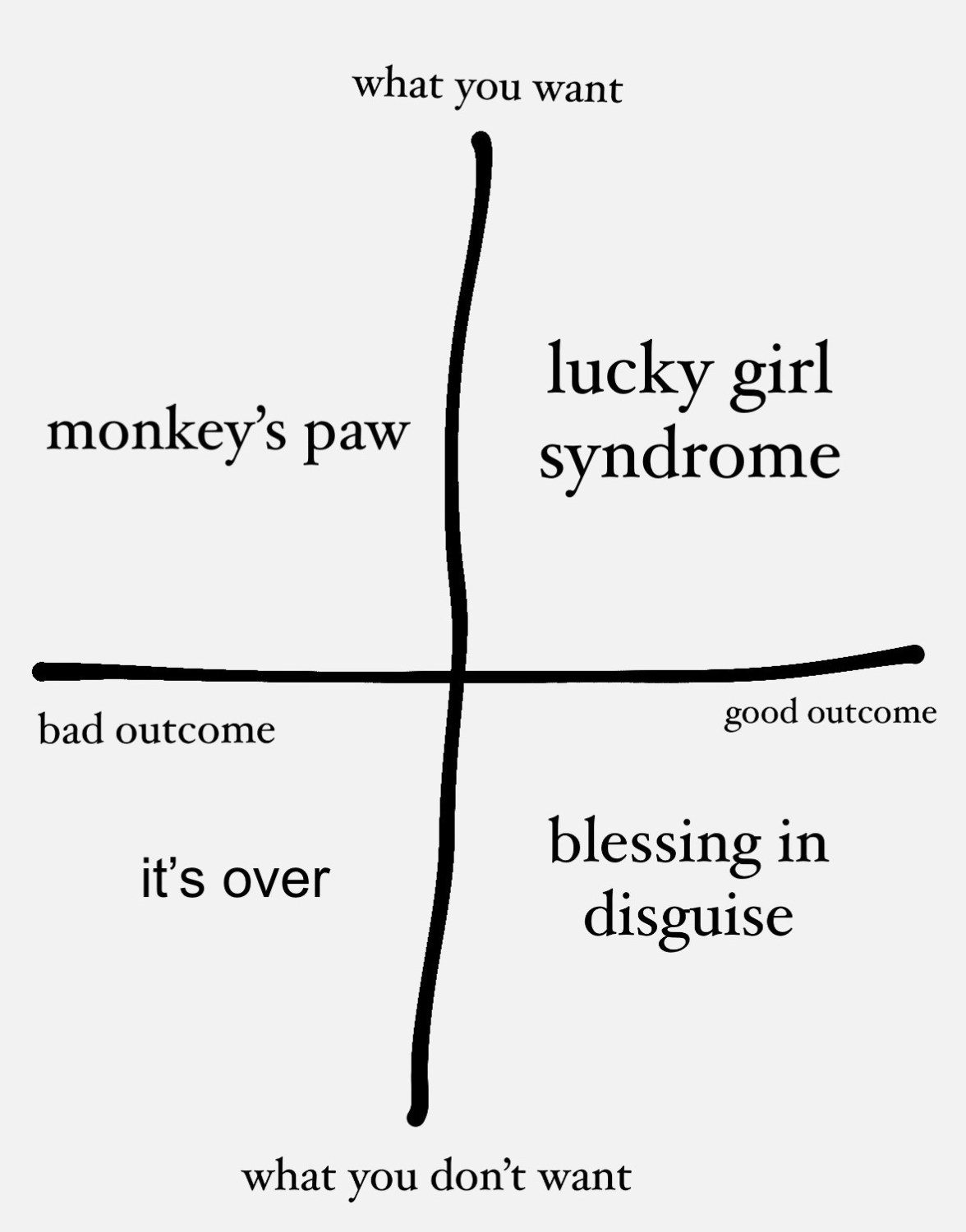
    graph made by Victoria Park

    SR: What are you most excited for in regards to this album finally being out? 

    PV: Just to have it out. Yeah. Just to make it exist. Like, of course there’s things I want from it, but I know that’s not a guarantee. I think it’s something that I’ve been harping on in my mind of like, Oh, if X, Y, and Z doesn’t happen, then what happens? It’s like, I don’t know. You wake up. You go to work, I don’t know. That’s what happens. You make more music.. But I am really proud of this record and I think I’m just gonna let it speak for itself the best I can. As hard as that is for me.

    SR: I mean, look how far you’ve come. Just earlier in this conversation you were like, I’m so scared of not knowing X, Y, and Z.

    PV: The thing is, I am going to leave this question and then go back to my house and be like, ‘I’m scared of X, Y, and Z’ [laughs]. This is what I mean when I’m writing these songs as Pictoria – I would like to be this way. And by pretending that I am this way, that is me trying to be closer to that. The thing is like, part of the reason why I picked bowling as an activity that I was going to get into is because you look like an absolute fool if you are having a bad day and start crying out on the fucking bowling alley that looks like it is 1994. It’s just too goofy to be visibly upset here. Especially alone. You cannot do that. So it does kind of force a cheeriness into you.

    See more photos of Pictoria Vark here.
    Nothing Sticks is set to be released Friday March 21st via Get Better Records. You can pre-order the album now as well as vinyl or cassette tapes.

    Interview and Photos by Shea Roney
  • Slake Marks a New Beginning on “Bonecollector” | A Deep Dive

    March 11th, 2025

    With pronounced earnestness and vision, Slake has shared their debut single “bonecollector” with us last week, along with an accompanying music video. Previously writing and releasing songs under their own name, California-based songwriter Mary Claire has unveiled a new moniker and a new sonic direction to embrace. As a DIY solo artist since 2018, with two self-recorded albums to show for it, last summer Mary Claire traveled to Hudson Valley, New York to record Slake’s debut album Let’s Get Married, set to be released June 20th, with Ryan Albert (Babehoven) and a collection of other talents that help bring this new project to life.

    As steady guitars lay out ethereal tones and each vocal part motivates the track’s movement with both beauty and empathy, “Bonecollector” becomes a moment of tension and release, as Mary Claire steps out of their comfort zone in more ways than one. We recently got to ask Mary Claire some questions about the new project and to take a deep dive into the single and music video for “Bonecollector”.

    ugly hug: “Bonecollector” is your first release under the new moniker Slake. What parts of this song feel like a new beginning to you? 

    Mary Claire: I feel like everything about this song is representative of a new beginning. I wrote this song after a dream i had. It was kind of scary, kind of prophetic, and it just didn’t let up. it kind of bled out into my real life, all that dream stuff from that time. There was a time before the “bonecollector”, and there was a time after. I was in-between worlds then, I was at a major crossroads of my life. i’m happy i got this song down during that time. 

    “bonecollector” touches on how we learn skills in order to survive, how we develop ways of being in the world so that our experience can be livable, maybe even bearable, maybe even good. but sometimes, these skills or defenses or attributes we’ve built up and gotten so good at start to become detrimental to us as our lives change – because the war we were fighting is over, the people are all different people, the town is new, the everything has shifted.  so, we have to develop some newness, some new useful skills, and likely say goodbye to the old skills. and that unknown can be insanely scary and even feel threatening to the parts of you that desperately want to stay but are holding you back, that aren’t serving you, that are hurting you. 

    “bonecollector” is a little message in a bottle urging listeners to look at our ways of being and give them a little dusting off, a refresh, or some time in the sun in order to change into something new that aligns with your shifting life. and say thank you to your old skills too. because if you’re like me, the old skills won’t go down without a fight. 

    “bonecollector” is all about the guardian at the threshold before change. i guess “bonecollector” is entirely about newness. and i feel like the fullness in its production, the additions that come from collaboration, and the richness and rise & fall in its sonic story line are representative of that. 

    uh: Your previous two releases were both self recorded and self released, but Let’s Get Married brings in a whole cast of collaborators. What was it like shifting this process and what did you learn about yourself as an artist by working with others? 

    mc: i loved recording, mixing, and mastering this album with other people. bridge oona and lil made me feel very safe and supported and special while we recorded this album. ryan is an incredible producer and engineer. i’d never worked with a producer before and it just makes so much sense to me now – it really works with my brain to have someone like that there. i have a lot of big ideas and big feelings but sometimes i get stuck because i don’t know how to do what im envisioning. trusting others with my little world was very hard and vulnerable and rewarding, and made me more open and trusting to collaborating in general. i tend to have a pretty strict but not always clear vision of what i want to do artistically, so working with everyone on this record made me see better. i can be a little controlling about what i want or what i think i want with my art, but during this experience i just told myself to say yes as much as possible. and it was always always worth it. and so if i didn’t like something, i had to really know why i was saying no. and that is a helpful exercise. i learned how to work with others more efficiently and fully and openly. i’m not perfect at it, but i learn a little bit more every day. i’ve got dreams too big to try and do them alone. i’m glad everyone i worked with believed in my dreams and believed in me and believed in themselves. 

    uh: What was the vision for the music video and how did it come together? 

    mc: literally my only motivating factor was to get a bald guy in this video. i had a million different ideas that ranged from getting like one hundred different and unique bald people in a bar to having a super lonely barfly at the jukebox. then i saw this regular at a karaoke bar in san francisco give a very earnest and moving performance, so that was it. i initially thought id just have the video be of him singing in the bar, but talking to seth the DP of the video, he convinced me it needed more. eventually, i warmed up to the idea of including more in the video. i was reluctant at first because i really just wanted my bald man to be the only one. but seth wondered what might be playing on the karaoke TV, and then a world of possibilities opened. we kind of thought we’d do like a shot for shot remake of george michael’s careless whisper to have as the karaoke backing video, but i was walking around berlin on my birthday listening to the song and i thought it’d be more fun to be in tights. so that’s where the jazzercise thing came from. obviously seth was down. there’s so much awesome 80s female bodybuilding stuff that helped inspire the video. and when the day of the shoot came and two of my friends dads and one stranger from craigslist arrived, it felt like a perfect amount of bald men. 

    i’d never worked on such a professional video before and i felt very taken care of by all the guys on set. once again, i just said yes to as much as i could and opened myself up to being vulnerable. 

    i often too feel like when you have a big sad song, it can be hard to have a big sad video to go with it – you have a real opportunity to get through to people in a new and entirely different way through the visual medium of your music video. it’s incredible to me. so i wanted to do something funny, because even though i write kind of serious grief-laden emotional music, i would consider myself pretty funny. hopefully my friends think so too. it was a nice opportunity to express myself and my sense of humor, and see if the song could stand up to all we threw at it. i feel like it did, and im proud of it. 

    uh: What can listeners expect from this new project Slake?

    mc: that’s a good question, one i don’t fully have an answer to. it’s changing a lot, but my creative life feels bigger and more alive than it ever was. it’s kind of overwhelming. i really want to push myself and create with discipline and get out of my comfort zone. right now this looks like trusting other people to collaborate with, and it’s been totally awesome and hard and worth it. the band is big and full, and I’m hoping to walk the dynamic line of earnest storytelling and lyrically forward songwriting with a larger louder performance. i like to world-build. Slake listeners can expect to be in my big little world. 

    You can listen to “bonecollector” out everywhere now. Let’s Get Married is set to be released June 20th via Cherub Dream Records.

    Written by Shea Roney | Featured Photo Courtesy of Slake

  • Fust Holds on to Beauty with Big Ugly | Album Review

    March 7th, 2025

    In the dimly lit basement bar of Neptune’s in downtown Raleigh, the crowd fell into a hushed reverence as the band began to play. Cramped onstage even more than the audience, they filled the room with Andrew Dowdy’s distinctive vocals, carried by a rich composition of pedal steel and fiddle—country-soaked tones that swelled beautifully with each song. It was an intimate, immersive moment, and I was hooked. Though I had heard Fust’s name mentioned in conversations about North Carolina’s music scene, this show, a part of last fall’s Hopscotch Festival, was my true introduction—and it couldn’t have been a better one.  

    Since discovering them, I have been immersed in their music. Their latest release, a collection of demos titled Songs from the Rail earned a spot on my most memorable list of 2024, while their last true album, Genevieve, is one of my favorite records of recent. Led by singer Andrew Dowdy, of Durham, NC, Fust is deeply rooted in the Appalachian Mountains of Virginia and West Virginia where Dowdy’s origins lie. He draws from these roots to explore what it means to be from the American South—more specifically Appalachia. On Big Ugly, Fust expands their sound, reaching louder and greater heights, while the album’s themes plunge into deeper lows than any of Dowdy’s previous work. Each song reads like the journal of some lost author, peering deeply into Dowdy’s mind and memories. Continuing the region’s rich and integral storytelling tradition, this album takes the form of modern-day folk ballads, preserving local history and passing down the gritty realities of Appalachian life to future generations. 

    Joining Dowdy on Big Ugly are Avery Sullivan (drums, percussion), Frank Meadows (piano, percussion), John Wallace (guitar, vocals), Justin Morris (guitar, pedal steel, vocals), Libby Rodenboug (fiddle, vocals) and Oliver Child-Lanning (bass, vocals, dulcimer, synth).

    Together, they craft a dynamic sound on Big Ugly spanning from fuzz-filled tracks like “Mountain Language”—where producer Alex Farrar also sits in on guitar and lap steel to complete the arrangement—to driving drum tracks and roaring guitars reminiscent of Drive-By Trucker songs. On the other end of the spectrum is “Sister”, one of the album’s most haunting tracks. Its more stripped-back composition brings the fiddle and pedal steel guitar to the forefront, with the fiddle scratching along as Dowdy’s vocals drop to a lower register, delivering devastating lyricism. Further expanding the album’s sonic landscape are the contributions from Dave Hartley of the War on Drugs on synths and John James Tourville of Deslondes on pedal steel. 

    Throughout the album, Dowdy’s distinctive vocals are augmented as they are layered over with his own voice, as well as those of his bandmates, creating a haunting, almost choral-like effect. Dowdy’s vocals are complemented by a deep, resonant bass and the higher-pitched harmonies of Libby Rodenbough on many tracks, along with a duet with fellow Appalachian artist, Merce Lemon, on “What’s-His-Name”. The album’s ethereal vocal quality feels fitting for songs that deal with memory—like ghosts lingering in the past. Real people and places from Dowdy’s life come to life through lyrics about gas stations, demolished hospitals, and highways, all while grappling with the reality that these things have been lost to time. The songs are a testament to Dowdy’s love for the kinds of things that make up who we are, while they are with us and once they’re gone. The things that now exist only in memory, like a worn-out photo carried close, fading yet never forgotten.

    Songs like “Mountain Language” lament the poverty of Southern life while yearning for a time when home was untouched by that pain. Dowdy sings, ‘But if we can make it up the mountain again / We’ll be back with country friends / And there’ll be language on the mountain again / Oh what country, friends, is this?’ The final line is a direct reference to Shakespeare’s Twelfth Night, where Viola, shipwrecked in an unfamiliar land, speaks the play’s first words: ‘What country, friends, is this?’ Like Viola, Dowdy channels a sense of disorientation, searching for a return to the familiar past he once knew. Yet, the ever-changing reality of Appalachia renders this impossible—what was once home has become an unrecognizable landscape. 

    On “Gateleg”, Dowdy further shows off his songwriting and storytelling ability further, with a Hemmingway-like restraint in its lyrical content. He references Bob Dylan’s Maggie’s Farm for the chorus taking “I ain’t gonna work on Maggie’s Farm, no more/No, I ain’t gonna work on Maggie’s Farm, no more” flipping it to say “You ain’t gonna work on the line, no more/You’re gonna work for Maggie’s store”. Dowdy paints a picture of a relationship in the face of poverty, defined by the backdrop of wood burning stoves, convenience stores, and broken-down cars, propped up on cinder blocks. 

    Fust captures the contradiction of rural Appalachia—the stark contrast between poverty, drug abuse, and environmental devastation, brought on by exploitation of the region, and the enduring beauty of green rolling mountains, deep-rooted traditions, and the resilience of its people. The album takes its name from a community located in one of the poorest census tracts in one of the poorest counties in West Virginia. Its cover art features a photograph of a mural from the Big Ugly Community Center, originally painted as a backdrop for a student play that told the stories of local families. The image serves as a perfect accompaniment to the record’s themes— a testament to both the ability and the necessity of creating beauty in the face of ‘ugliness’.

    Given that Fust’s last two albums were among the best releases of the past two years, I was admittedly apprehensive about whether Big Ugly could live up to its predecessors. It has—and then some. With this record, Andrew Dowdy has firmly established himself as one of today’s great songwriters. As Fust embarks on tour, I would highly recommend seizing the opportunity to experience their music live—I know I definitely am.

    Big Ugly is out on all platforms now. You can order a vinyl or CD copy of Big Ugly via Dear Life Records.

    Written by Will McRae

  • A Conversation with Herr God | Interview

    March 6th, 2025

    Ladu Lazarus, Sylvia Plath

    “Ash, ash—
    You poke and stir.
    Flesh, bone, there is nothing there——

    A cake of soap,   
    A wedding ring,   
    A gold filling.

    Herr God, Herr Lucifer   
    Beware
    Beware.

    Out of the ash
    I rise with my red hair   
    And I eat men like air.”

    There’s much to be said about a band who bases their name off of a Sylvia Plath poem. Eating men like air, formally red-haired Chloe Gallardo discusses the DIY nature of her latest project, Herr God with us. Chloe and I (also Chloe) virtually sat in front of each other in this latest interview, one of us in a SoCal college radio station and the other in the depths of the sprawling sphere of Portland. Other than being gifted the same names, I learned that Gallardo and I had a lot in common: scribbling down thoughts in our Notes app, scanning media with junk we can find around us, and vomiting our thoughts onto paper in forms of lyrics and more. It was healing to talk to what was like a version of myself placed in a different reality where I was a girl and a performer, but Chloe is her own person pioneering her own path. She grasps onto thoughts and feelings, making art from her diary that others can relate to.

    We enjoyed each other’s company during our interview, which you can read below!

    Photo by KC Jonze

    This interview was conducted by Chloe Gonzales (DJ Adderall Spritz) in studio at SoCal college radio and has been edited for length and clarity.

    Chloe Gonzales: Honestly, I just want to dive right in, because I’m very interested in your project! I was reading up a little bit about it and it was so interesting because you all drew your name from a poem by Sylvia Plath [Lady Lazarus].

    Chloe of Herr God: It’s funny, because my grandma got me this poetry book for Christmas, and I was flipping through it before I had even started the band, and I  wrote down Herr God. I liked how it looked on paper, so I was like, “Oh, that’s cool,” like, “I’m gonna save that for something later.” And then when I decided to start the band, I was looking through the list of the names that I had made, and I found that one, and I was like, “Oh, that’s kind of cool. I think I’m gonna use that.” And then a couple months later, I had dyed my hair red, and then I realized that the last stanza of the poem talks about having red hair. So it was like, kind of not on purpose, but now I can never change my hair back to normal.

    CG: I think every person’s got to have red hair, at least non-men. People tell me that like means that like you’re crazy or something, or like, you’re going through something. Are you mentally ill? Yeah, it’s real, honestly. Unfortunately, it is kind of true, at least from personal experience. I get it. But before we fully dive in, I always like to have bands and artists give the opportunity to give a little elevator pitch and just spill out whatever you want to say about the band. I want to hear everything from you. 

    Herr God: Yeah, we’re pretty brand new. I started the project less than a year ago when I was living in San Francisco. I wrote some demos, showed them to one of my friends that lives in Philadelphia, went out and recorded in Philly. And then after I had those recorded, I threw a band together, and that was Herr God 1.0 and then we’ve had a few variations of the band since. When I moved to Portland, I was just like, “Okay, I’m gonna put together the final boss mode of this band.” Like I’m done teaching people how to play the songs every single gig that I have, and for this to be more of a collaborative band, rather than just me doing it. One of the reasons I moved to Portland was because the music scene here is really awesome, and I feel like I really identify with it, and also, the people here are just so, so talented. I’m just lucky enough to be friends with a lot of my favorite local bands here, and so one of them agreed to be in my band with me, and I actually live with two of my bandmates. My other really good friend lives three minutes away and he’s the fourth member of the band. So it worked out really nicely.

    CG: Your latest release is your EP, “Grief and Calamity”. Could you walk us through the concept of it?

    Herr God: Yeah, it started off as weird little demos that I was trying to prove to myself that I could write all of the parts of a song, rather than just lyrics and guitar. I made all the demos myself and then replicated the exact same thing in the studio. I’d say it’s more of an independent, “I can do this” kind of project. “Grief and Calamity” is sort of alluding back to the healing process of me moving away from my home in Southern California and starting fresh, then realizing that I have free will and can move wherever–don’t need anybody.

    CG: That’s so vulnerable! You talk about having very personal lyrics and songwriting. I also know that you have your own project. How do you differentiate Herr God from your own music?

    Herr God: I honestly made Herr God to kind of get away from my solo project and I definitely identify more with Herr God than my other project. I mean I made that project when I was like 17 or 18 and I put out my first songs not knowing how releasing music worked. I was fresh out of high school, if not a senior in high school. It was just one of those things where I thought only my family on Facebook was gonna listen to it and so I just put it under my name because I was conditioned from school to put my first and last name on a project. And then it kind of snowballed into something bigger than just my Facebook family seeing it. And then I realized that I was kind of stuck with my name, which there’s nothing wrong with that, but I also wished the whole time that I had a band name rather than just my name.

    It’s hard to book shows when you are a female solo act, venues are less inclined really. In my experience they’re like. “Oh, you’re just a sad singer-songwriter,” which there’s nothing wrong with that but for me, applying for the bills that I was applying for, it didn’t really make sense. Also, all my projects under my name were heavily collaborative with others to the point where I wrote the songs but also didn’t really fully identify with them as much as I did originally. Herr God is like a full DIY, it’s all me. I’m making all the creative decisions, or at least the first project that I put out, and have the actual band with me to bounce ideas off of. It’s like equally collaborative instead of having a session player come in and play a guitar part and then I never see them again.

    CG: It’s nice to be able to build that community and friendship amongst your band members. It’s so interesting that you say that your first project with your name isn’t as much of you as Herr God is, that dissociation with that being like “Oh this is me but also not me.” Because usually when people use their personal names and such, there’s the opposite situation where you’ve been through band names but now you use your own name to be like, “This is really who I am.”

    Herr God: Yeah totally, I feel like I did it in reverse a little bit. But I think it would’ve been the same if I had started with a band name. I think it’s just because I started so long ago, trying to find myself in the music world. So it’s more of the project itself, not even my name, like all those songs are so old. Also, when you make music or any kind of art, you always like your newest project the best and think your old stuff is garbage. It’s one of those things where I just really don’t identify with the person that I was when I put those songs out. I feel like I wouldn’t be where I am now without that project though. It’s just a weird thing to navigate because I learned basically everything that I don’t want to do. I was able to jump start this project and do everything the way I wanted to do it and so it was kind of a learning experience. Obviously those songs are a part of me, but I definitely am in the direction that I want to be in now with this current project.

    CG; That’s amazing that you’re able to find that though and be secure in it! I also wanted to ask if there’s anything from the recent EP that you want to expand on in your upcoming works, like a certain sound, thematics, lyrics, or anything else.

    Herr God: The weird song names are definitely going to carry over.

    CG: I was hoping for that!

    Herr God: I think that’s just kind of funny, for it not to be anything about the actual song and it just be weird, like “jesus candle in the liquor store,” I went into the liquor store and saw a Jesus candle and was like, “That would be funny for a song name or poem.” And so I have this list of stuff that I could potentially use. So they [song titles] don’t mean anything. I think we have a couple of newer songs coming out that have weird names as well. But I think as far as the sound, it’s going to be pretty similar, maybe a bit heavier if anything. We should have a couple of new songs coming out by the summer, which is exciting!

    CG: I am obsessed with your names and I think it fits into the crowd that you’re catering to. I guess you aren’t really catering to anyone, but I feel like there’s a good group among Gen Z that have this weird obsession with things like teeth, dolls, and religion. It reminds me of the midwest, so it’s interesting because you’re from southern California. Is there a scene that has this kind of vibe?

    Herr God: I don’t know. I don’t want to say no, but actually there is religious stuff. I grew up Catholic, Christian and it did a number on me in a not super positive way. And so I think it’s all satire and probably disrespectful, but it’s my own coping mechanism. I think religious artwork is so beautiful and it bums me out that I have a negative association with the religion itself. My room at my house is decked out in pictures of Jesus and rosaries and stuff. It’s kind of a weird thing that I have adapted into my life.

    CG: I can totally understand that. Talking about religious imagery, your visuals, for example “jesus candle in the liquor store” single has scanner, print stuff. I find your aesthetic so interesting and cool. Like on Instagram and everything it seems so random but it comes together so cleanly. Is it just whatever comes to your mind?

    Herr God: It’s not on purpose. The single artwork you’re talking about, I have this really crappy scanner and I found this photo that was like this old book of different flowers. I would throw stuff on the scanner and move it around while it was scanning and some of them turned out cool. And I zoomed in really close on a lot of them and that’s how I made the single artwork and the EP cover as well. It’s all just weird scanner stuff.

    CG: That’s amazing. And honestly that’s the best, like it never has to be high production like we saw with “Brat.” I’m glad we’re coming to something more like mixed media, crafty in this era.

    Herr God: I think it also comes down to like waiting. I hate waiting and paying for things. I’m such an instant gratification type of person so I will usually try to do things myself before I ask for help. That was another thing that I learned from my last project where I was being given a lot of advice to go to different professionals for artwork and stuff. I think that’s really cool, but sometimes you just don’t have the budget for that. And those people have a million things that they’re doing and there’s a long turnaround. The purpose of the first EP that I released for this [Herr God], I wanted it to be all myself and just all on my own terms. So it was kind of crazy when I got the masters back and was like, “Oh, I can upload these today.” Like I don’t have to wait for anybody. It was more of a thing where I just wanted to do it completely DIY and it ended up being kind of cool. I don’t really know what we’re gonna do for this upcoming release because I’m working on a collaboration with another band and so we’re kind of collaborating. I think it’s gonna be like some photo that I have and some photo that they have and combine them in some way.

    CG: Yes, put them on Photoshop and do a little mix around with it. That’s the fun part. Okay, we kind of touched on this earlier, but you spoke about being independent and doing stuff yourself. How does that work with the group dynamic, with the band?

    Herr God: I guess we’re still navigating, like we have all these new songs and I’m recording with my guitarist and he and I have been like—things kind of come together when you’re recording them. And then he is also a graphic designer and we have very similar artistic visions. So we already click on that front. So I don’t really have to worry about visuals because everyone gets the vibe. So it’s kind of like, how do we continue that and improve upon it as a band?

    CG: That’s really nice that you all are kind of on the same wavelength!

    Herr God: Yeah, it’s the beauty of being in a band with people that you’re really good friends with, which I guess could be problematic at times but for us not yet. We’re golden.

    CG: Wow, no that’s good. Enjoy the ride while you can. But how do you want to carry these visuals and aesthetics to the stage and such?

    Herr God: That’s actually funny that you ask, because I just was making a projection thing for our show. I literally just took this old footage of different flowers blooming and layered it with weird color blocking, flashes of different colors, and put them on top of each other and made it a 30 minute loop. It’s just one of those things where I just mess around with something until I make it look the way that I want it to look. And there’s definitely way, way better ways to do it if I was an actual professional.

    CG: If it works, it works! You don’t need anything too fancy, it stays DIY.

    Herr God: I want it to look kind of bad, but like in a cool way.

    CG: For sure, just like goofy visuals. It reminds me of what you said earlier with the names meaning nothing. It reminds me of Phoebe Bridgers’ “Strangers in the Alps”, which has a meaning that she got from a movie that means nothing basically. It just sounds beautiful.

    Herr God: Yeah, if I like it, I like it. And then sometimes meanings come to you after you name it, like writing a song or poem and you’re like, “Oh, I wrote this. I have no idea what it means.” But then you read it later and you’re like, “That’s really weird, I feel like I just predicted my own future.” That kind of thing happens to me a lot, so I usually just like to keep things pretty simple and then see if they develop a meaning to me later and if they don’t, then they still sound cool.

    CG: I totally understand that. It sounds cool and then you derive meaning from it.

    Herr God: I don’t like to talk about or tell people what my songs are about for that reason. I know with my solo project that happens where people will be like “Oh, this song reminded me at this point in my life and I think it’s crazy that you wrote this because I feel like it was written about me.” And that’s like a really weird thing to hear, because I’m like writing in my diary and publishing it to the world. So it’s crazy that people actually have similar experiences and make it their own complete experience. It’s weird.

    CG: That’s the beautiful thing about it! I also wanted to get into the classic band inspirations. I can hear some inspiration that are not musical, like the religious aspects and stuff. Are there any other bands or non-musical inspirations?

    Herr God: Honestly, I draw most of my inspiration from my friends in the music scene, just seeing what they’re doing. And it’s not even necessarily stylistically but just doing the thing that they’re passionate about. I think that’s really inspiring. My band and I have been listening to a lot of MJ Lenderman. He has some funky lyrics that I like. I just love the way he writes. And I feel like it’s probably going to subconsciously happen where we’re like writing a song and then I come up with weird lyrics like that and it’s gonna be my new MJ Lenderman song.

    CG: When you do your lyrics, is it on a whim like you write in your notes app or when you’re walking?

    Herr God: Definitely a Notes app. For the EP, I sat down with GarageBand on my phone and made a little beat, little guitar, hum a melody, and then I would kind of loop it, and then just write whatever came to mind on my note. Then I would sing it and that was the final product. I don’t really ever go back to edit anything unless it sounds really bad; I like the authenticity of it being fresh off my brain and just staying that way, because it’s kind of like capturing a specific moment in time.

    CG: No absolutely and capturing like those imperfections but then they turn into these little things of their own. I also wanted to ask about your songs that you gave me, any context you want to give?

    Herr God: Most of the songs I sent are current rotation and our favorites at the moment. Like I can’t stop listening to the Horsegirl one. They’re like the most adorable people ever, but yeah it’s just all stuff I really love.

    CG: I appreciate it, like underground artists that should be more appreciated. Hope that there’s a Horsegirl x Herr God collab.

    Herr God: Weirdly enough, I have played a show with them as my solo project at The Observatory in Orange County. I was just a local opener for them but they were like the sweetest people. I love them so much.

    CG: That’s amazing. Do you have any good memories from opening for other people as Herr God?

    Herr God: Yeah, my favorite show that we’ve done so far was in San Francisco. We played with Deadharrie and Nick Brobak and 0Fret. And like Deadharrie and Nick Brobak were like, or still are, some of my favorite bands. So it was really cool, because I got to set up the show and then they ended up all crashing at my house. That’s like such a fun part about music in general is just making friends with people that you actually really look up to. That show was really cool. And then we also played a show, our first official Portland show was a couple of weeks ago, with a lot of cool local Portland bands. I feel like it’s just really rewarding to play with people that you admire and who inspire you.

    CG: Yeah absolutely. What’s that saying, don’t meet your celebrities?

    Herr God:  Don’t meet your heroes, something like that. I feel like that is true to some extent but maybe the people that are my heroes aren’t famous enough to be douchebags. Everyone that I’ve met so far, they’ve been very lovely and I just enjoy my time so much with them.

    You can listen to Grief & Calamity out on all platforms now.

    Written by Chloe Gonzales | Featured Photo by KC Jonze

  • Olivia’s World Lets Loose on New Single “Healthy and wealthy” | Single Premiere

    March 6th, 2025

    It’s been a handful of years since Australia’s Olivia’s World shared new tuneage with us. But since their 2019 self-titled and 2021 Tuff 2B Tender EPs, Olivia’s World has functioned as a collaborative rotation of indie-pop charmers, recently landing on a lasting and invigorating lineup of musicians. Now with two singles out, the group is gearing up for their debut LP Greedy and gorgeous out next Friday, March 14th, and with that, Olivia’s World is offering just one more taste test with their new single “Healthy & wealthy” premiering here today on the ugly hug. 

    “Healthy & wealthy” is a tender rock ripper, balancing docile tones of distorted guitars with vibrant, sweet melodies as Olivia’s World revels through expectations of our most dubious inner and outer displays. “Are you TV ready?” guitarist and vocalist Alice Rezende asks with repeated eagerness, hopping into the momentum laid out by the band on the song’s chorus – the anticipation like the countdown before we run this show live. But as the crew plays out with their collaborative strengths and the melodies become embedded in our noggins, we watch as that camera light turns on, and Rezende makes you ask yourself…who is even watching?

    You can listen to “Healthy and wealthy” here! 

    Olivia's World · Healthy & wealthy

    Greedy and grogeous is set to release on March 14th. You can preorder the album now as well as vinyl copies from Little Lunch Records and cassette tapes from Lost Sound Tapes.

    Written by Shea Roney

  • amigos imaginarios x ugly hug | Guest List vol. 47

    March 5th, 2025

    Every Wednesday, the ugly hug shares a playlist personally curated by an artist/band that we have been enjoying. This week we have a collection of songs put together by the electronically collaborative duo amigos imaginarios.

    Arbol Ruiz (Paris via Columbia) and Caleb Chase (Worcester, MA) have been partners in crime since 2021, with two albums made electronically by sending files back and forth. Their most recent release, their TV-14 Recordings debut called Ice Cream, is a rather engaging and eccentric collection and the first composed in person since the duo’s initial launch. An amigos imaginarios listen is not one made for multi-tasking, as their delipidated ecosystem of trinkety hooks and experimental charisma offer a rewarding experience when you embark into their beautifully bizarreo world that they so graciously have invited us into.

    About their playlist, Ruiz and Chase shared;

    Our Playlist is Lunatics: Moon Pretty moon that goes around the whole world Tell my love that I still love her Tell her that I still have her photo smiling Streets full of people All alone Roads full of houses Never home Church full of singing Out of tune Everyone’s gone to the moon

    Listen to amigos imaginarios playlist here;

    Listen to an incomplete version of the LUNATICS playlist here.

    You can listen to Ice Cream out everywhere now as well as purchase a cassette tape via TV-14 Recordings.

    Written by Shea Roney | Featured Photo Courtesy of the amigos imaginarios

  • theydevil Reflects on maybe you’ll find me Ahead of Tape Reissue | Interview

    March 5th, 2025

    Quietly released on bandcamp in 2023, Philly-based songwriter Hughes Bonilla shared maybe you’ll find me under their project moniker theydevil. Full of vibrant synths and lush green patches of electronic tinkerings, Bonilla created a space in which they can explore with sincerity and confusion, however unequal those two parts may be. These songs feel giddy, easing through the charming hooks that they crafted with both intention and caution, but as a whole, the album’s beauty is indebted to lonely nights, witty interrogations, longing vocations and the ability to recognize how far they have come since then. 

    Beginning to work on these songs at 19 after moving to Philly, Bonilla’s writing was as reactionary as was vividly aware, compiling life’s influence into one very earnest yet complicated world. Experiencing the gut jab that is being in your early twenties, navigating rogue relationships and shifting identities, these songs became intertwined within a sense of self. Emphasizing presence and perspective, Bonilla’s songs are just as lasting as the bits of yourself you look gracefully back on with a laugh and a sigh.  

    Now almost two years later, theydevil is reissuing maybe you’ll find me with the help of UK favorites Devil Town Tapes as an exclusive run of tapes. We recently got to sit down with Bonilla to discuss the new life brought into these songs, learning to accept grace and reflecting on maybe you’ll find me with new light. 

    Self Portrait by Hughes Bonilla

    This interview has been edited for length and clarity. 

    Shea Roney: So tell me about how this reissue with Devil Town Tapes came to be? 

    Hughes Bonilla: Jack and I had been following each other for a hot minute, and I had been secretly manifesting something would happen. Then he reached out to me about doing the reissue back in November and he was just like, ‘I personally want this on tape. So, it would be really cool if we just did like a whole thing so that I could have this on tape’ [laughs]. And I’m like, fuck yeah, dude, let’s do like a small run of tapes. And he had the idea of having a bonus track that’s tape exclusive, which initially made me really, really nervous because I feel like there’s a reason why songs didn’t make it on the record, which is that I did not like them. But I sent him like 2 songs to choose from and we both agreed that the bonus track should be “Bruja”. He was really stoked about it and I’m really excited that it’s happening.

    SR: Almost two years out now from its initial release, how does it feel to have these songs on maybe you’ll find me see new life? Especially with one that hasn’t seen the light of day yet either.

    HB: It’s really exciting mainly because I didn’t expect anything to come of this record. When I put it out, I put it out very hastily. It was something that I had been trying to put together for a long time, and there was drama with my old laptop, like I lost half of the record because my old laptop died, and I just was not expecting anyone to listen to it or pay attention to it. It was something that I put out because I had spent years obsessing over it, and I think in order just for me to move on personally and be able to create other things, I just needed to have this out in the world so that I don’t have to think about it anymore. And now having it on a physical release feels really special. It kind of feels like all of the obsessing that I did was worth it. And it feels cool that it can kind of have a reach that it didn’t have before.

    SR: Did losing those recordings change the outcome of the album from how you initially envisioned the project?

    HB: It definitely did. There were only a few songs that I managed to salvage, ‘oh, honey’ and ‘the good part’. I basically started from scratch after that and the entire theme of it changed. This was also like pre-Covid, and then when I lost the songs, it was like in the thick of Covid. I had one hell of a time getting a new laptop and my life had changed drastically, too, because of Covid, so the whole record really changed and became something else entirely. Which I think was kind of a blessing in disguise. I think if I had released the other songs that I had been working on, I don’t think I would have been as happy with it. I think that it forced me to make music more intentionally.

    SR: Is that where the obsessing came from? Making music with more intention?

    HB: Yeah. I was frustrated because I felt like I had a timeline before, and that I was excited about, and then that was completely blown out the window. I had to come up with a new timeline. It was very much this obsessive thing of like, I need to recreate this and get this all together. And there are several songs on the record that came from other songs I had to rewrite and re-record, and there were certain vocal parts that I had lyrics for and really wanted to use, but I wanted to use them in a new way. But I felt like if I didn’t do it then I was just never going to do it. I put a lot of pressure on myself.

    SR: In hindsight, do you think you would do it differently now? Would you allow yourself more grace to work with?

    HB: Yeah, I’m actually working on stuff now. I kind of took a break from making music for a bit, because I think I did apply too much pressure. And now I’m allowing myself to take more time with it and not really put a timeline on it because I feel like when you apply so much pressure to yourself, at least for me, I started to hate the things that I was creating because I needed it to be perfect, or as close to perfect that I could have it. And then sometimes it was like, well, I can’t make this perfect, but I need to push this out by this date. And so maybe this recording isn’t exactly the way that I want it to be, but it’s out. This time I’m just taking it slow, taking my time and making sure that things are the way that I want them to be, but also kind of trying to keep in mind that I don’t have to sound like I’m recording in a studio, because I’m not. I’m literally recording songs in my bed so it can sound that way. It’s fine.

    SR: Is this a sound that you have learned to embrace the more you write and record? 

    HB: I think so. I hear from other musicians, or something that I feel has become really popularized is trying to make something sound like it came out of a studio when it wasn’t recorded in a studio, so I feel like a lot of things are kind of overproduced in a way. I think that there is a lot of magic in having something not sound totally perfect and polished, which is hard for me because I taught myself how to record music, but I don’t actually know what I’m doing. It would be really nice if I knew how to fucking use auto-tune, but I don’t know how to use auto-tune and at this point I feel like it’s too late [laughs]. That was something that I was really caught up on for a long time. My vocals don’t sound really polished, and I think that that’s a huge part of my music. Maybe I’m hearing things that other people aren’t necessarily hearing, where my pitch here is not exactly great, but I also spent so many hours recording these vocals, so it’s fine. I’m trying to get over that. 

    SR: I think that goes hand in hand with the throughline of this record, a document of just where you were at that time in your life and creating this little environment that was so specific to you. I liked how you brought up the shift from pre and post pandemic, because this album was described as a very coming of age piece of work. What elements of these songs were intertwined with that time in your life? 

    HB: Around the time that I started writing I was 19 and had just moved to Philadelphia, and I was kind of trying to build my world, I guess. I dipped my toes in the dating pool here. I don’t know if you’ve heard about dating in Philly, but it’s not good. I think we were ranked like the number 2 worst city to date in America. I think Chicago was 3rd [laughs]. 

    SR: Makes sense. 

    HB: But I was a very uncertain person. Uncertain about my identity and where I really fell in the world. I was also navigating my gender identity, all of these things, so that’s something that comes up a lot in the record, just navigating different relationships and my relationship with myself. I feel like there are like two uplifting songs on that record. It’s “skins” and “swimming song”, and “skins” was really about me trying to come to terms with just being the person that I am and not really worrying about pleasing other people, the ideas that other people may have had of me, or expectations that I may have had of myself. It was a really lonely time transitioning to Philly and that’s kind of what a lot of the record is about.

    SR: Did tasking yourself with writing these songs help you define these relationships at all? Or was it more of a chance to kind of map them out more with a new perspective?

    HB: Yeah, definitely. I think writing these songs just helped me map things out and just kind of better understand where these emotions were coming from. I don’t think the music is what gave me a better understanding of myself. I think it gave me an outlet for all of the processes that I was going through at the time. It also gave me a really safe place to put feelings of anger and devastation. I feel like music is my healthiest coping mechanism, so that’s kind of what I view this album as, it’s a coping mechanism for the times.

    SR: I do want to ask you about the ‘sweetness’ factor that you once described your sound as, building out this duality of heavy topics and light sounds.

    HB: I think a lot of it was accidental, honestly. I never go into writing a song with the intention of sounding like something. Music is very much a place for me to just explore, and I think that’s what it really was. It was kind of an exploration of sound and going into it with a sense of almost childlike wonder. I feel like I do tend to choose softer synths and try to make a sweeter atmosphere with sound because that’s just what feels good to me and sounds good to me. Even though I’m gonna go into writing a song, I know I’m gonna write something pretty emotional, and the sounds that I choose almost feel like a safety net. I do kind of write about pretty heavy things, and so to kind of have more whimsical sounding instrumentation, it’s a good way to ease in.

    SR: How do these songs sit with you now? As you have changed and are more comfortable with your writing and who you are as a person, looking back at these songs, what do you feel? 

    HB: I think it’s bittersweet in some ways. I feel a little bit embarrassed about the songs, which is funny because one of the songs is called “get embarrassed”. But it’s solely because I wrote these songs when I was like 19 through 22. So obviously, it just feels very embarrassing from a 25-year-old perspective now, which doesn’t seem like a lot of time, but it definitely is so much time. And I do feel like a completely different person and a different writer, so sometimes I’ll look back on the lyrics and be like, ‘yeah. This was definitely written by a 20-year-old’. Very dramatic. But at the same time, I do feel very proud of the work that I put in, and I also just feel like it’s a really awesome way to honor the space that I was in before. There are songs on that record that I do feel like are bangers, whether other people agree or not, which is really cool to feel coming out of it years later. There are definitely songs that I’ve made in the past where I’m just like, I can’t believe that I put this on the Internet, and they’re not on the Internet anymore for that reason. But everything is still on the Internet, which is a great sign!

    You can purchase a limited-edition cassette tape of maybe you’ll find me by theydevil via their bandcamp page or Devil Town Tapes. The tapes also include an exclusive bonus track called “bruja”. maybe you’ll find me is available on all platforms.

    Written by Shea Roney | Featured Photo Courtesy of theydevil

  • Kristin Daelyn Finds Grace on Beyond the Break | Album Review

    February 28th, 2025

    Philly-based folk guitarist Kristin Daelyn’s songwriting feels just as effortless as it does emotionally intoxicating on Beyond the Break, her Orindal Records debut out today. A short yet fully settled curation of songs rifling through the in-betweens of longing and recovery, Beyond the Break flows so naturally out from Daelyn’s presence, unhindered by the cruxes of grief in which they stem from and the self-realization and love for which they are headed.  

    Recorded live at home by mostly Daelyn herself, Beyond the Break defines its spirit very holistically, built out from her intuitive guitar playing and steady vocal performances, each empathetic to the other’s expressional deliverance and playing towards her ultimate strengths as a songwriter. Although sparse in complexion, this graceful deliverance wields a gravitational draw, further brought out by additional tracking from Dan Knishkowy (Adeline Hotel), Danny Black (Good Old War) and Patrick Riley who offer stirring arrangements to these already moving compositions. Songs like the album’s opener “Patience Comes to the Bones” or “White Lilies” flow amongst layered harmonies that soothe the setting, trickling with loose and enduring melodies that bring an aching familiarity, like the feeling we get hearing the voice of a loved one after a hard day. 

    Substantively, this musical cohesion only further exposes the fervent tenderness of these songs to the still air, restoring our hope in the simple saying of “time heals all wounds”. “And do I break my heart to open it up,” she sings with a particular infliction on “An Opening”, annunciating the balance between what we want and what we need. And as the album goes, her use of language, pained yet unrushed and honest, lives within these little moments that blossom with unguarded trust. “Like a moon that hides its darker side behind a crescent smile,” illustrates those voices we often push aside on “Longing”, remaining precarious and heavy in the back of our mind. “It came to me then/How we will live/And live again,” she laments on the album’s closer “It Came to Me Then”, building courage from the layers of musical clarity rising up from below, before the movement settles, “With river in my palms/I drink and know what it’s like to be loved” – what a wonderful feeling. 

    You can listen to Beyond the Break out everywhere today as well as order a vinyl or CD copy from Orindal Records.

    Written by Shea Roney

  • Winston Hightower x ugly hug | Guest List vol. 46

    February 26th, 2025

    Every Wednesday, the ugly hug shares a playlist personally curated by an artist/band that we have been enjoying. This week we have a collection of songs put together by Columbus-based artist Winston Hightower.

    Having toured and collaborated excessively since he was a teenager, Hightower’s songwriting is detached from all genre restrictions. Combing through countless sonic fixations and varying inspirations on his K records debut album Winston Hytwr released earlier last year, each track expands our concepts of both immediate and unsuspecting pleasure as Hightower further defines this exciting DIY world on his own terms.

    About his playlist, Hightower shared;

    The tracks I selected for my playlist consist of vibes past and present, many that I have been inspired by over the last year. I have been going through a musical switch as far as inspiration lately and each selection of songs is a testament to that. 

    Songs 1-4 deal with the subtleness of folk music and how its lyrical components can alter a simple chord melody into a deeply powerful and overwhelming masterpiece, something I’ve been trying to master the balance of myself with my work lately.

    Songs 5-8 focus on the more villainous folk, that of which inspires me mainly in its combination of grit and grace to make a sweet and sour collective of sound.

    Songs 9-13 are more of a vague mixture of tracks that TO ME just remind me of parts of the 90s that inspire me a lot in my song writing. Although some tracks are older than others, tracks from Fish Narc and Draag remind me of a sort of cadence that resonates with the undertones of 80s/90s/00s pop/grunge/ spun in a different web.

    Songs 14-17 stem from my overwhelming obsession of 60s/70s twee and folk songwriting lyrically and stylistically. Really hope to write an album like Margo Guryan sometime in my life. 

    Songs 18-20 purely the heart of how using abstract vocal cadences and chord progressions alter songs in super powerful ways. I grew up loving bands like Animal Collective, Black Dice, etc due to how they could mix group chanting vocals with such acoustic melodies.

    Songs 21-23 are simply tracks I’ve loved the past year and glimmer what I aspire to get my music too in a live setting.

    Listen to Winston Hightower’s playlist here.

    Listen on Apple Music here.

    You can listen to Winston Hytower out everywhere as well as purchase a vinyl copy here.

    Written by Shea Roney | Featured Photo by Jolie M-A

  • FRANK/IE CONSENT and The Spookfish Share New Improvisational Piece no bottom pond | New Release

    February 25th, 2025

    Last week, FRANK/IE CONSENT and The Spookfish shared a collaborative recording titled no bottom pond, 34 minutes of ethereal folk experimentations from a series of sessions that took place in upstate New York where Dan Goldberg of The Spookfish was living last summer. Pieced together by The Cradle’s Paco Cathcart, the duo made use of a tape recorder and a camcorder, traveling between Goldberg’s house overlooking a pond to the heights of Harvey Mountain, where the two artists embraced pure moments of improvisation and collaboration. 

    Although one piece, no bottom pond can be split into different movements upon listening, like a collection of extremities that coerce the natural world in which this duo finds themselves expressing its creation. Passing a guitar back and forth, FRANK/IE CONSENT and The Spookfish spent these sessions improvising with whatever they had on hand. The clanking of porcelain, the crinkling of leaves, a melodic dance of looming guitars and breathy vocals, bits of laughter over folkish whimsy – at times these awakened expressions peel off from the vibrant backdrop, only to return as one – a return to the very presence of its makers as they too take into account the beauty of their surroundings.   

    You can listen to no bottom pond out on FRANK/IE CONSENT’s bandcamp page now.

    Explore The Spookfish’s vibrant catalog here.

    Written by Shea Roney

←Previous Page
1 … 22 23 24 25 26 … 45
Next Page→

Blog at WordPress.com.


Loading Comments...
 

    • Subscribe Subscribed
      • the ugly hug
      • Join 85 other subscribers
      • Already have a WordPress.com account? Log in now.
      • the ugly hug
      • Subscribe Subscribed
      • Sign up
      • Log in
      • Report this content
      • View site in Reader
      • Manage subscriptions
      • Collapse this bar