Through the glitchy fixations that tickle our most keen and wistful fulfillments, Boston-based group (T-T)b share with us their brand new single, “Bug on the Ceiling”. Made up of brothers Joey and Nick Dussault as well as Jake Cardinal, (T-T)b has been releasing music since 2015, and this single marks the last bit of teasing from the three piece as they look ahead to their upcoming LP, Beautiful Extension Cord due April 4th via Disposable America.
There is something immediate that occurs as “Bug on the Ceiling” kicks off with a foreboding chord progression, not one necessarily in debt to any malice, but rather laying out an array of options for the picking. But upon a pixelated blip, an ascension into the lofty and exciting realms of weightless synths, the power kicks in as the band erupts into a heavily distorted chorus, toying with playful electronic tinkerings and harsh, grounded noise. “Was it heaven or just a bug” becomes the main focus of the track as the band repeats this line while introducing a culmination of searing amps and implicit melodic fixations that rip through, leading us into this serene indie rock release and reminding us that the biggest questions oftentimes have a simple answer… sometimes it’s just a bug.
About the single, Joey shared, “I wrote this on the bus home from (what I thought would be) the last ever show from a band that was special to me. Thankfully it wasn’t, but they still taught me a lot about what a music scene could be, so the sentiment stands.”
You can listen to “Bug on the Ceiling” out everywhere now. Beautiful Extension Cord is set to be released April 4th via Disposable America. Pre-order the album digitally, as well as on vinyl, CD and cassette now.
Written by Shea Roney | Single Artwork by Sami Martasian
Innocents in Babylon doesn’t always work. Maybe it’s an extension of the fact that all of your reporter’s favorite musicians in the local New York City music scene right now just happen to be in their mid-twenties or mid-thirties (Renny Conti is such a Brooklyn-based musician). Either way, Conti’s self-titled is a refreshingly human record. It’s a well-timed, heat-seeking missile to the grown-up adolescent who’s just a few years past being able to relate to their favorite coming-of-age films anymore, and acutely aware of that distance/separation/isolation. For this cosmically stultified demographic, Renny Conti is solace.
Conti’s musky, different lyrics are delivered with intention and purpose, but not eagerness. Our singer brings a slightly chilly air to this record that keeps it cool instead of overly jejune. More akin to Pavement’s “Slanted and Enchanted” or, if things go poorly for all of us, Purple Mountains in fifteen years. Walk-with-you lyrics rip in on “South Star”: “It could’ve never been this way. I mean, it could’ve been this way, but it’s not.” Later, on “Room to Room,” Conti confides, “I feel your pain, I too want everything, wanting the world to stop, or just for life to change.”
On “I Find It Hard” (which might be the star track for your reporter), Conti brings a unique vocal delivery that doesn’t appear anywhere else on the album. Conti is singing differently here and it works. This New Voice is backed by an unconventional chorus, a few voices loosely strung together in a melancholic drone. Like if the Greek chorus in a Homeric drama repeated every line after Falstaff’s soliloquy, it’s surprising in a way that makes you smile, but it’s a bitter smile. The lyrics are bleaker and more honest on this track than any other on this dimensional, all-seasons record – self-conflicting like its just-past-ripened audience.
With Renny Conti, the artist rides the neo-wave of Neil Young worship, but not with such piety that it’s a faithful adaptation or in any way lacks originality. Not unlike MJ Lenderman, but tougher on the ears, toothy with dissonant key chords, especially on “Room to Room,” which ends in a broken mirror guitar solo that belongs on “Metal Machine Music.” Conti’s album is all about tension and release, but a release that doesn’t let you off the hook entirely. If “Manning Fireworks” found a place in your Best Albums of 2024 roundup, but you want it darker, Conti brings the flame.
This, as aforementioned, is a human record – not a perfect record – but that doesn’t stop it from being a masterpiece. The prickly-world-weary gauntlet has been thrown down and Renny Conti has answered. A rare and welcome reprieve from the fear panic white noise of Modern Life On Mars (a volume his track “Life on Earth” aptly points out). If you partake in general anesthetics or arylcyclohexylamine derivatives, put on “Life of Earth” and lie face-up on the rug (and thank us later).
This new voice on the indie scene is marked by a lived-in feel. Although not his musical debut, it feels fitting that this album is the artist’s self-titled. Still, “Andrew Plays” is arguably the most important song in this collection, and Conti’s voice isn’t on it at all. It’s an instrumental track less than two minutes long. If music has the power to move you – or, more accurately, if you’ve managed to stay un-soul-hardened enough that the power of music is still able to reach you in 2025 – to not give this one a listen is to cheat oneself. “Andrew Plays” is on-par with such powerful, wordless movers as Cobain’s “Letters to Frances” and Ed Harcourt’s “Like Sunday, Like Rain.”
Renny Conti is a mature evolution from the artist’s 2020 “Figurines.” Five years later, this is that record’s older brother, who went away and got cooler and a little wiser and tucked some more experience and technical mastery under his belt. Now, he’s back in town, and everyone at the dive’s tugging on their friend’s shirt sleeves in a whispered chorus of “Do you know that guy? Who’s that guy over there?” Lookin good. Renny Conti is detail-oriented down to the cryptic, evocative cover art, promising subtle magic and mood swings that can give you jet lag. Cloudy romanticism meets eyelash-searing realism. Happily, the album totally delivers on that promise. Expect to hear more of the name Renny Conti.
You can listen to Renny Conti out on all platforms now!
Playing throughout the New York scene with friends, adding in cello and vocals wherever it may be needed, Tallen Gabriel is no stranger to the motion found deep within music and community. Captain Tallen & the Benevolent Entities is the Brooklyn-based project fronted by Gabriel, who as of today is sharing with us their new single, “Be So Nice”. This single marks the first release from their debut EP Easy, Then, set to be released May 2nd.
Introduced by a muted guitar, its fingerpicked pattern stagnant like drops of water on a hallow surface, Gabriel soon begins to collect a groove that lends itself to the emotional lens and stunning unravel of what it means to be wrapped up by sheer longing. Playing with the open space the group has so tactfully created, “Be So Nice” effortlessly shifts between conversational movements and drastic dynamic lifts, allowing the instrumentation to ground the track as harmonies swell and distorted accents rip through the landscape. At times their voice sounds mournful in its pacing, yet Gabriel’s deliverance is nothing short of empowering, bringing both a gripping presence and tender release to the here and now.
Listen to “Be So Nice” here!
Easy, Then is set to be released May 2nd via Sage Records.
President TV of the United States, the project of Terese Corbin, shared with us her latest single “Greatest” late last week. Having artistic roots that cover both Tallahassee, Florida and Asheville, North Carolina, the single comes as a one-off following the release of “I Love You” featuring Jordan Tomasello, as Corbin begins to find comfort in blending new forms of sonic production with her tender lyrical prose.
With steady drums and warm piano runs, “Greatest” sets its own pace within the still environment from which it was made from. The subtleness becomes its strength, as a swell of synths sweep us up into the song’s passion-fueled movement and the melodic grip of the whispered vocals that flow with persistence yet lay low as if to bare caution as to who may be listening in the peripherals. But it’s in these hushed displays that hold the melody, making Corbin’s presence the tension point in the track as we lean in for every word that hangs on with poetic intuition and personal reverence, always playing with the idea of potential release.
We recently got to ask Corbin a few questions about her project President TV of the United States and the story behind “Greatest” in our latest track deep dive.
the ugly hug: What sort of things were you inspired by when writing “Greatest”?
Terese Corbin: Sonically, “Greatest” kind of came out of thin air while messing around with the ambient and piano instruments on a free sound pack I was recommended. In that way I can’t say that I directly set out to make a song like this, but I recognize I was unconsciously inspired by the arrangements and strange moods of bands like Chanel Beads, PJ Harvey, Model/Actriz, even a little bit of Geordie Greep. I’m also totally obsessed with the album Morning Light by Locust, particularly the song No One In the World. If you know that song (and if you don’t, do yourself a favor and listen!) you might feel like there’s some 1:1 references in the instrumentation between that song and “Greatest”. But like I said, not at all an intention of mine, but just a product of that being the music language I’ve surrounded myself with.
My writing and my art in general draws from a couple of usual places, but honestly, most of the time I become obsessive about moments I’ve experienced and phrases I hear that ring around my head for a long, long time before I understand why. This is definitely the case for “Greatest” —the lyrics and the whole drive of the song come from a moment I shared with someone who I loved very much and who I knew loved me too. In an intimate moment, this person told me, “I’ll be Jesus, and you’re Mary Magdalene…And I’ll be at your deathbed.” Like, you can be the judge, but I think that’s an insane thing to hear lol. Especially in the context of that relationship, but also in general–it held so much weight and poetry but was said so simply, so truly. The phrase had stuck with me for reasons I couldn’t articulate at the time, but recently had been repeating in my brain over and over. I went to write it down and what came out was the first lines of the song: “Who was it that said that I was Mary Magdalene, you were Jesus, and you’d be there to see me at my deathbed? I don’t know….” The bookend of being uncertain and questioning the source of this phrase came out of me while writing it down, and was not the phrase as I’d been thinking for so long, nor part of the original memory. But that told me that both poetically and personally I wasn’t sure how many times I had heard something like this, or been subject to this exact situation in different relationships–or, even deeper, if I was just as guilty for assigning myself that role in the relationship as Mr. Jesus was. Which is just my favorite thing ever, probably my biggest inspiration, that being the moments where the music or the lyrics show itself to you, and it then becomes your job to be curious about it and find a structure and meaning for it. It’s like therapy, or like tricking yourself into figuring out what you’re so obsessed about. I definitely don’t try to intellectualize it at the beginning and just let phrases come to me, and once I’ve gotten a good chunk of those phrases I sift the meaning out and piece them together with bridging ideas.
UH: What weight did these religious allegories in the story hold for you? Especially in the context of a complex, and rather, challenging relationship.
TC: The allegory of Jesus comes from that moment I mentioned, and the realization of how true that sentiment was, not only in the relationship I shared with that person but honestly in so many of my intense (and particularly romantic) relationships. The song is about what happens when you fall in love with someone that is the Jesus of their environment or their art—someone (often a man) who is revered, someone who exudes endless love and friendship and encouragement in a true way to their community and in their work. When they funnel this into romance, it seems full and true, they see you for who you are and often this has to do with a shared art. But because they’re Jesus, it’s tumultuous, complicated. You rely on their love, but their greatness might stand in the way of being able to pursue that, or their righteousness or their inability to actually believe that you, the Mary Magdalene in the relationship, can be as great as them — “when I try my hand you hold it, say you understand my depth, but it scares you when you hear all of the wanting on my breath.” But that wanting—for the same greatness they’re pursuing, your desire for them and their love—was fed to you earlier in the song when they laid you down and gave you their blood, desire, and encouragement, and saw you for who you were—“I don’t know, but please lay me down and bring wine to my top lip, I seem to drink your wanting and the sound that it came with.” Mary is the thing that gets left behind when Jesus has to go be pure and Jesus, and it leaves a whole mess of complication. Mary always comes back though, and Jesus always lets her back, because their connection is addicting. I think there isn’t really a bad guy in the situation, I mean Jesus had to be Jesus after all. It’s just the way life and love goes… but it doesn’t mean I’m not going to write a song about it!
UH: The landscape that you create with the instrumentals and whispered vocals bring out these moments of tension and release. Where did you push yourself when engaging with this fuller sound? Was there anything outside of your comfort zone you were drawn to?
TC: I love that you describe the instrumentals as “tension and release,” because I think that relates to so many aspects of this song—the relationship it describes, the feeling it’s based on, and my experience making the song itself. I wanted to lean into the idea that there is a part of the song that is sort of danceable, or at least fun to drive really fast to. I just wanted to see how many textures I could fit into it—the distorted strings add this drama and greatness, but there’s also this strange little synth rhythm in there at the end for humor. I didn’t feel out of my comfort zone exactly, but I was definitely trying to embrace having fun with the music, especially because the lyrics are so confessional and dramatic. My therapist always suggests that in times where you can’t see your way out of thinking patterns that you should laugh at yourself, be like, “Girl, you’re being ridiculous,” and literally laugh at yourself out loud. I definitely have been trying to do this with my art, and it’s very easy to do it in music since it’s such a hobby and therapy for me and I have no bigger expectations for it.
UH: Has your relationship with the way you record music changed as you begin to focus on more dense instrumentals and sounds?
TC: This is such a good question, one I hadn’t really considered directly. “Greatest” was the first track I’ve ever made completely within Logic with software instruments, sans the vocals of course, and I have to say, it was a lot of fun. The freedom you get with a fully produced track is insane. The amount of control you’re afforded and the quality of the sound is really delightful and not necessarily simpler but in my experience easier than recording acoustic instruments. There is a fullness to the sounds I can create on my computer that I can’t do at my novice level with real-life instruments. I’m still at the point where I’m either recording from my phone and manually syncing it to the tracks or borrowing an interface (from one of my best friends and fellow artist Jordan Tomasello ;3… in the few hours of the day they’re not using it lol). So when I am drawn toward these deeper and fuller sounds I am most likely reaching for something electronic, even if I am pairing it with an acoustic instrument. I really like that this choice built from necessity—to combine acoustic and electronic—becomes a language of my work and a seemingly creative choice. Like I sort of touched on earlier, I love the process of music that comes to me or has to arrive to fix a problem that ends up shaping the meaning and larger structure of what it is I’m making and trying to say, and I think this has come out in the way I record my music as well.
Every Wednesday, the ugly hug shares a playlist personally curated by an artist/band that we have been enjoying. This week we have a collection of songs put together by Brooklyn-based singer-songwriter Annie Blackman.
With both a gripping passion and a keen eye, Annie Blackman lattices the incongruent feelings of heartbreak, insecurities and maturing into the most vivid and beautiful lyrical stories and folk-tinged songs. Her latest EP Bug released back in 2023 is a brief, yet poignant display of the casualties that often go unnoticed in the grand scheme of it all. But the butterflies in our stomachs ought to know something is up when Annie’s lyrical intuition blends irresistibility with the relatable scenarios she recites, like a fist bump before bed by a lover, that stings just as much as solidifies our own confusing and giddy emotions.
Listen to Annie’s playlist here;
You can listen to Bug and the rest of Annie’s music everywhere now!
Written by Shea Roney | Featured Photo by AleiaghHynds
Alice Rezende wants you to enter Olivia’s World. Inside this world, you’ll find that almost anything goes, and you’ll also encounter multiple characters embodying traits of complete debauchery, where people react on their most primitive self-destructive instincts that come off as either crude or cringeworthy, but also fighting your damnest to retrieve your sense of self while battling the obstacles that life has to offer.
As a native Australian, Rezende is a part of the Dolewave music scene that is heavily popular down under. Dolewave can be best described as Australia’s response to jangle pop with more of an edgy twist with some tongue-in-cheek sarcasm thrown in for good measure. It’s a scene that birthed bands the likes of the Twerps, The Goon Sax, and Rolling Blackouts Coastal Fever. Rezende’s rendition is part Dolewave, part romantic pop punk with a twinge of garage rock thrown in for good measure.
Rezende’s debut record Greedy & Gorgeous is a loosely based concept album about self-discovery. The themes are further illustrated as the record progresses on topics of self-care, inferiority, and authenticity. Rezende’s ingredients are put through a blender of angsty lyrics mixed with a bubblegum-sweet delivery that is engaging in a way that keeps getting better with every listen. I am reminded of another concept album TotallyCrushed Out! by That Dog, which is a mid-90s cult classic that is a supremely underrated collection of songs that is ever rarely mentioned.
The new supporting characters entering Oliva’s World are drummer Daan Steffens and lead guitarist Jordan Rodger who greatly contribute to the lively and crunchy sounds that live in Greedy & Gorgeous. They make themselves heard loud and clear on the punchy lead single “Sourgum” which flies out the gates at breakneck speed with pop punk-charged guitars that would have kept even Jason Statham’s adrenaline flowing at an all-time high in the film, Crank. Rezende’s sugary-sweet chorus matches the energy of the riffs to a tee, creating pure unadulterated entertainment.
“Empresario” is a song about an imaginary Brazilian band manager who’s not quite the best at his job; the manager should probably be headed to the unemployment line for their negligence. The song is fun as hell, with a groovy riff that I imagine Herman Monster doing the twist while wearing Bermuda shorts. The guitars have a proper 90s fuzz that gives the song a vintage sound. As the song comes to a close, Rezende has a conversation in Portuguese, and as a fellow speaker of the language, I felt like the Leonardo DiCaprio meme pointing at the television during the outro.
There are moments sprinkled throughout the album that remind me of another Dolewave superstar Tell Me How You Feel era Courtney Barnett. Most specifically on “Baby’s Bathwater” and “Chemlab,” with the former turned up with wailing, forceful guitars and the latter being a breezy, careful sonic experience. Both songs display a richly diverse, yet colorful array of sounds Rezende is capable of delivering. But also her quirky vocal style sticks out similarly to that of Barnett’s at her best.
“Healthy & wealthy” has a sonic influence that makes me think about what if The Breeders somehow got a hold of a Slanted & Enchanted Pavement era demo. The song has a fun-loving melodic chorus with a guitar sound that lies in the middle of the Venn diagram where slacker and garage rock merge. Rezende’s witty lyrics center on that adage of people preaching “just say no” and all will be cured, and is one to think about as she sings, “they say to level up don’t drink to get a buzz/all the while the morale is seriously low.”
The final two songs deal with internal and external social destruction. “Weird guy” is laden with noisy guitar riffs on the creepy male adults ruining the vibes of the surrounding women who just want to enjoy the simpler things in life. While “Beauty bar” is the slowed-down closer that vacillates between self-loathing and despair being around high-ranking people in the industry, singing “climbing to some lofty heights/giving off some awkward vibes/am I just a peasant here.”
After listening to Greedy & Gorgeous it’s easy tovisualize a scenariowhere your cool older sibling has just come back home from their freshman year away at college to nonchalantly bestow upon you an awe-inspiring album they found tucked away in a vintage record store. This is Alice Rezende’s world and we all are just living in it.
James Keegan, known under the moniker Kitchen, slowly comes to a quiet realization as he sings the haunting outro of his newest single “Real Estate Agent.” “There is no place of perfect connection, no light on the water sweeping the waves.” His voice, embedded with an aching sense of acceptance, reveals his gradual understanding that the pursuit of an idealized, perfect experience is futile. Through each line of the outro his hesitant sense of acceptance starts to wear down as he acknowledges the impermanence of seeking something that doesn’t truly exist.
A song that starts off with the image of a real estate agent’s headshot on a “for sale” sign and a fake ocean breeze blowing back her hair effortlessly turns into a reflection on indifference and apathy in the face of catastrophe as he challenges himself to sit with the uncomfortable feeling and see if it will force him to “stop sleeping.” After paralleling the disconnect between an image of the natural world disrupted by the commodification of space, Keegan cleverly comments on the way we jokingly process the decimation of our world, “calling disaster like sides of a quarter, unlucky enough to never get bored.”
“This isn’t a concept album but one of the main recurring concerns of the lyrics is the destruction of the natural world and climate change. There is a lot of nature imagery but it’s juxtaposed with imagery of the post-industrial human world,” Keegan says.
Over the past two months Keegan has been sporadically releasing singles on Bandcamp and YouTube leading up to the announcement of his newest album, Blue Heeler in Ugly Snowlight Grey on Gray on Gray on White. Keegan cited the simplicity and directness of Neil Young’s After the Gold Rush as an influence while also finding freedom in the loose and unpredictable nature of Pavement’s Wowee Zowee when pacing his longest record yet, a 20-song double record.
“I haven’t made something this long before and I always operated under the assumption that I would be better off cutting a larger project down to a more direct, more easily digestible scale. But most of these songs are not as emotionally direct as the songs on my past albums. There’s not really a simple emotional arc to these songs in the same way as the songs on Breath too Long.”
While Keegan’s newest material might lack a clear, concise storyline, and the themes feel less deliberate than his previous work, as the influences of each song jump from straightforward rock songs, to lengthy layered and droney pieces, each single desperately deals with the struggle of trying to hold onto what is left of our decaying world.
On “Bike Uphill” he sings helplessly, “I wanna be the one to live outside the world” creating an eerie almost apocalyptic feeling while contemplating a world in flux, where cities “melt away” and familiar spaces shift into surreal, dreamlike landscapes. Keegan reflects a sense of waiting, as though he is unsure whether he will be consumed by the unraveling of the world or find a way to belong within it. He imagines a world of isolation and loss, “is there a dream that i have not let pass through my hands” creating a sense of foreboding as the absence of certainty about our world and his place within it creates a dystopian feeling of being adrift in an unknown, shifting reality.
Keegan builds upon feelings he started to uncover and work through on his previous album, like on the lead single “Fall” where he sings “when the bombs go off, will I be with you.” There’s a cryptic sense of inevitability that led to the budding themes on these four new singles. Through very few words on “Ugly Snow in Ugly Moonlight” Keegan poignantly reflects on disillusionment, as if the purity and wonder of snow and moonlight have not only been tarnished by time and growing up but also tarnished by the post-industrial human world. There’s a feeling of longing for something that can’t be recaptured, a quiet surrender to the inevitability of change and the fading of youthful wonder and naivety.
The first single from the album “Sali” calls upon childish imagery by personifying the Finnish liquorice, Salmiakki, which is flavored with a type of salt that’s a byproduct of a chemical reaction according to Keegan. While it remains a spacious song, the use of textural layering and droning parts creates an overwhelming feeling that connects each of the singles.
“Before I could write songs I was even remotely happy with, I was making noise music and doing little recording experiments on audacity on the family computer and on a little digital four track I had, so making more abstract music is just part of what I do. I definitely think carefully about how ambient and drone pieces fit alongside the songs on things I make that are song oriented. In the case of the last album, Breath too Long, the ambient pieces served a structural purpose and helped to elaborate on the emotional content of the songs. The songs approached emotions in a semi-direct way and the ambient sections took them a little further into abstraction. I felt with this album that there was less of a straightforward arc than with past albums, so there wasn’t really a structural justification for ambient sections.”
Salmiakki’s unique taste might evoke a similar bittersweet nostalgia, where something initially foreign or uncomfortable becomes familiar, even a part of us. Something that may seem innocent and natural to us as children can later be revealed to be harmful and unhealthy. Keegan builds upon this feeling of escapability and a looming omnipresent fear of the future. The salty nature of Salmiakki serves as a metaphor for the bitterness that comes with growing up, where the world transforms from the innocent, carefree days of childhood into something more complex, painful, and ultimately decaying. The “salty swell” could symbolize the encroaching weight of reality, coming in waves — first subtle, then overwhelming.
“Writing lyrics that I’m happy with is hard. At the same time I try not to agonize over them. Usually the lyrics that I’m happiest with didn’t have a lot of conscious thought put into them. I’ll realize a couple weeks or months later what I was getting at. That’s sort of rare though. Mostly I try to be honest and to make sure the words sing. If the words technically work or are cool in writing but they don’t sing naturally I rewrite them. Really good lyrics feel like they arrived with the melody as a unified whole.”
Keegan has an unbelievable ability to craft stillness within his songs, a stillness that lingers even amidst the most driving rhythms. In “Real Estate Agent,” this is particularly evident as he delivers the plantitive second-to-last-line, “I learn how to live as my body decays.” Here he suggests that meaning and understanding are gleaned not in some perfect, transcendent moment but through accepting the slow process of decay and imperfection. It’s in this acceptance of time’s passage and the fragility of life that Keegan’s songs come alive in an almost meditative way.
As he repeatedly asks, “Do I know you?” on the outro, Keegan invites listeners into a reflective space, where the urgency of life slows down. Time seems to stop as his vulnerable voice hangs in the air, allowing listeners to pause and consider their own sense of connection and understanding. It’s this rare ability to create a sense of stillness, even amidst movement, that makes Keegan’s work so powerful. His vulnerability, paired with his ceaseless search for meaning and connection, creates an atmosphere where listeners can feel safe to take their time with their own reflection. Keegan’s music becomes a space in which time stops, and introspection takes precedence, offering a quiet sanctuary for those willing to sit with it.
“Overall the album ended up dwelling a lot on the feeling that I don’t know what to do about the horrible things that are happening in the world. I tried to put a few hopeful things in there but unfortunately it ended up kind of a bummer in some ways,” Keegan said. “One song on the album ‘Song for You’ was previously on a compilation by Bee Sides benefiting the Palestinian Children’s Relief Fund. I wrote the words intending for it to be a sort of hopeful song about trying to do good in the world rather than getting stuck in shame and guilt and fear and all that.”
Blue Heeler in Ugly Snowlight Grey on Gray on Gray on White will be self-released on April 4, 2025. Preorders of the album can be found on Kitchen’s bandcamp, including cassette tapes.
Written by Eilee Centeno | Featured Photo by Steven Coleman
As a small music journal, we rely heavily on the work of independent tape labels to discover and share the incredible artists that we have dedicated this site to. Whether through press lists, recommendations, artist connections, social media support or supplying physicals, these homemade labels are the often-unsung heroes of the industry. Today, the ugly hug is highlighting the work of our friends over at Trash Tape Records.
Originally formed in the Chappell Hill and Durham area when they were in high school, Trash Tape Records was founded by Nathan McMurray and Evren and Eilee Centeno. The vision was simple; to put out their friend’s music that they loved so much. Building off of that youthful excitement with a sheer DIY ethos, Trash Tape became a home to many artists with similar mindsets, by making their art accessible, exciting and incredibly endearing. Consisting of US-based acts covering the South and Midwest, such as Memory Card, Gabbit, Tombstone Poetry, Hill View #73, Hippie Love Party and Deerest Friends, the connective tissue of the label even expands to acts like Quite Commotion and Rain Recordings from Sweden and Gluepot from Australia, proving that a community doesn’t have boundaries.
We recently sat down with our friends at Trash Tape Records to discuss starting a label with trial and error, going on tour, high school jobs and their favorite label memories.
Nathan, Evren and Eilee at Kobabi in Chicago 2025 | Photo by Shea Roney
This interview has been edited for length and purposes.
Shea Roney: So, Evren and Nathan, you two started this label at a pretty young age with a basis of just wanting to make music together. How did Trash Tape initially form and what were your intentions in the beginning?
Evren Centeno: We were buds already, and we had been playing music at that point for half a year. We would go to my place or Nathan’s sometimes, because Nathan had a really bad sort of, like, what was that recorder that you had?
Nathan McMurray: I found in the attic my mom’s old multi-medium stereo, like CD player, cassette player, record player. There was this function on it to make mixtapes, but if you input a microphone and tricked the machine into thinking that it was the other cassette tape you were copying, then you could record on it. But it was one track and awful, awful quality.
Evren: But we were messing with that because we were interested in tapes. We liked, you know, indie music, Elephant 6 and all that stuff, and we thought, ‘wouldn’t it be cool if we had something like that in our community?’ And then COVID hit, but we knew a bunch of people online through just talking about music, and friends of ours were putting out music, so we were like, let’s just put this music on streaming, and then we can hand-make some tapes. I had a tape-dubbing machine, my dad had one, just like a stereo, and you could dub tapes on it. And we also had a four-track, so we made a first run of tapes using that, and then we went from there. It was kind of loose. We just wanted to put our friends’ music out on it.
Shea: So it primarily started with friends’ music? Did you ever want to put out your own music?
Evren: Yeah, it kind of started with friends’ music. We didn’t put any of our own stuff out on the label until years after.
Nathan: Yeah, I think it was two, three years after. I remember the first, and I apologize if this isn’t something you want to print [to Evren], but Evren texted me and a few other people, something like, ‘we’re starting elephant 69’ [laughs].
Evren: Yeah, I did say that. I was 15. It’s okay to be 15 and cringy.
Nathan: We were all quite young, and it came from a good place. And then, that tape label started when we had put out a record and figured out how to dub it. We were doing it with an aux cable coming from a phone or, like, a computer straight into the Tascam onto the tape. Initially, when I first tried to do it using that shitty one track, it sounded bad, so then we took it to Evren’s dad’s tape deck and dubbed using an aux cable from my phone into that, and we just dubbed them all in real time while we watched TV or something.
Evren: And that was during quarantine, so we had no class. So Nathan would just come over to my house, and that’s what we would do. We would just write and record and dub and fold and cut paper. And it was all bad. We were all still very much 15.
Awsaf, Nathan, Evren Eilee at Local 506 Chappell Hill 2022
Shea: So, it was a lot of learning as you went for the tape production. Did you know how you wanted to record music when it came to that?
Nathan: The way I started recording music, at least me personally, was that my mom had this bad Dell laptop that was on the way out. I started doing freelance work in Photoshop when I was 12 because my dad’s friend came and pirated all the Adobe programs, so I had Adobe Audition on this laptop. And there’s this place in Durham called Hunky Dory that’s a record store slash vape shop, and in the dollar record section, they had this whole wall of used stereo equipment and everything was $5 untested. I would buy, like, RadioShack mixers and weird RCA cable adapters, and eventually, I had accumulated enough stuff that I could get a signal to pass through a microphone through this RadioShack mixer into Adobe Audition. It sounded awful. It sounded worse than if I would have just used the laptop mic. But I felt special doing it.
Shea: So, you get the initial first few releases out, did that solidify the thought that this could be an actual label for you?
Evren: I mean, I think we believed in it really heavily as it started, but we were just young and excited about something. And all our friends online would just shitpost about it, which I think was what made us think that it was interesting, or something cool at least.
Shea: Wait, what? Why?
Evren: I don’t know, actually. It was like this really insulated, but intense community. Even though it was literally only a few people who were even aware of Trash Tape Records, because all of our friends were just lurking online all day during quarantine making and spreading Trash Tape related shitposts, we felt a semblance of momentum. But really it was just a bunch of kids online making insidious jokes with one another, but then those jokes became part of the labels public image.
Nathan: It would get posted on music meme pages that, like, just shitpost about general online music. And I think that’s probably how it started to spread. It was so bizarre. But it really is such an echo chamber because you feel so much more significant when you’re in a group of 20 people and there’s pockets of three or four people in each city and you just play Minecraft and talk about music all day.
Evren: But no one was really buying the tapes still. I mean, some people were, but it was a very small scale. There weren’t repeat sellers or anything like that. We were doing small runs. But I think we just believed in it. We would pick up followers and we would see people talking about it, maybe posting about the music, listening to it. Nathan was just excited about making tapes and getting into printing and things like that. And then came the idea of wanting to tour and we wanted to play with our bands.
Tape Dubbing in North Carolina 2021
Shea: You know, that youthful excitement is so prominent when you’re 15, 16. And it’s really transferred into the way you run this label. It’s very visible and really exciting to watch. Eilee, when did you start to get involved?
Eilee Centeno: I actually don’t know.
Evren: Well, Eilee really initially started because Eilee was in college and she was past 18 and Nathan and I weren’t, so she could sign up for things that we couldn’t, like PayPal and DistroKid. We needed Eilee, but then it was also, like, Eilee was also just into what we were doing.
Nathan: I remember because I had made the email and I was trying to set up a bandcamp and a DistroKid, and at that point, we were dividing up the tasks, and I was like ‘oh, god’. So, I texted everyone, like, ‘I tried to make the PayPal, but I’m not old enough’. And then Eilee entered.
Evren: Yeah, it was all kind of very freeform. I mean, the way the name came about was just the first name someone said, and everyone was just like, ‘oh, yeah, that’s cool’. And then somebody made the logo and just drew it, and it just stuck. Put it up on Instagram, that’s our thing now.
Vending at Psychic Hotline Noth Carolina 2022
Shea: So did you guys find your generalized roles by circumstance?
Evren: Yeah, Nathan, you were into the physical stuff and took the ropes on that.
Nathan: Yeah, and I’m not very good at Instagram and large-scale communication with the public, so other people picked up on that.
Evren: I like looking for music and stuff online, so I try to find people to put out their music. We would find all sorts of stuff online at that time. I’m not as keen anymore as far as to what’s going on online, but there were all sorts of young people doing stuff that we would put out.
Shea: I mean, you guys have a pretty expansive curation of artists covering a lot of ground that goes outside of your North Carolina origins. How did you first start searching for these artists? And what drew you into the people that you decided to work with?
Evren: Some of them are really haphazard. We always had open demo, well we did for a while, not anymore. Sorry to be a bad guy. We got so much crazy shit sent to our email that was kind of really obnoxious to deal with sometimes.
Eilee: But we did get lucky. Like, Awsaf sent us demos. The stuff that they sent, they didn’t even put out until later, but it was some of their best stuff. Like, ‘all the time’ was the first song they ever sent. And then Memory Card was just a friend of Awsaf’s.
Nathan: I have a very funny story about the Memory Card beginning. Henry had released his first album as a Google Drive exclusive. Do you remember that? He emailed us like, ‘I just released my album as a Google Drive exclusive’. And that’s the type of thing that we were like, ‘oh, I gotta see what this is’.
Evren: I used to use Rate Your Music a lot, and that’s how I found a bunch of stuff, like this guy Josef who we ended up making music as Rain Recordings together. He was from Sweden, and his stuff was awesome. And then Quiet Promotion, another young Swedish artist I found through Bandcamp and Rate Your Music. But then other people were just friends of friends. There is a tape label called 9733 and they also had a forum online. That’s where we would hear of S. Rabbit, who we ended up working with. And then they ended up doing Gabbit with Gavin Fretless who was on our label, basically finding each other’s music through our label.
Nathan: It feels like the culmination and dream of everything that we had hoped to possibly create.
Evren: That was our initial hope that people would just collab on each other’s records and stuff. That there would be a network of people that can record certain things and play certain instruments and whatnot.
Hill View #73, Welcome to Berlin, Memory Card and Old Star in Atlanta 2022
Shea: You do have this expansive online community. How has that defined the way that you approach what community can be for you guys?
Nathan: It feels like a modern idea of the more classic DIY indie thing. Where it’s kind of updated for a global age, because when the whole world goes global, I think music and art communities have to go global with it. Otherwise, you just kind of get trampled. And the internet happens to be the way that that goes now. I think there’s other ways that it could be done, maybe better. But that’s where we’re at.
Evren: But when you’re planning a tour, or when someone’s planning a tour, they reach out to you, and they’re either staying at your house, or you’re staying at their house, you’re seeing each other, you’re playing a show. Even though we have bands where we’re from in North Carolina, then we’re playing a show in Virginia Beach with bands like Hippie Love Party and whatnot. And then we would go to Atlanta and play with Hillview and do tours with these bands. So, it almost became like a touring circuit in a way.
Eilee: I think because a lot of our artists have toured so much too and toured together. We’ve made a lot of connections all over the east and the south mainly. Where like, Knoxville feels like a second home to us just because of the community there that we wouldn’t have found otherwise. We’ve never even spent more than a day there, but everybody we know there is really special. And it’s nice because we can help our friends book shows there too. The community just keeps growing and growing.
Nathan: Yeah, because now touring feels like a big road trip where you see all your friends and you also don’t lose money. And you’re still just constantly creating anywhere. It’s really nice being inspired by different people and places. Touring in that circuit and in that manner feels so much more sustainable than just touring in places where you’ve never met anybody. It’s nice to have that kind of stability in what is a very unstable lifestyle.
Hippie Love Party with Handmade Trash Tape Merch on the “Minions Tour”
Shea: Yeah, I guess with that sustainability, as you guys get older and have different responsibilities, how do you maintain that stability with all the aspects of running a label?
Evren: It’s hard. We’re a pretty unstable label. But we’re working on it. You know, now that we’re all in Chicago, we’re trying to do more stuff locally. We did that festival, Eilee honestly did a really great job of putting that all together and really had the vision for doing more stuff locally. And I think that went really well. It seemed like something people were into.
Eilee: When I first moved here, I immediately had Evren and Nathan over and we had a day where we would just make tapes and buttons and all that stuff together. Now we do that together a lot more where it used to be super separated and it was just like, ‘oh wow, Nathan did the tapes, how awesome’. And I made Tombstone koozies, and now, somehow, they have to get to each other, so they can get to the people who bought them. And now it’s just really easy. It’s just hard too to talk about releases and stuff online or over the phone. We don’t even get to really hear each other’s honest and true opinions on music that’s sent to us or ideas we have for promotion. We’re all just like, ‘yeah, sure, let’s do it’. But then when we’re in person, we actually get to flesh it out more and really talk about our ideas because things can get jumbled.
Evren: It’s definitely a lot sometimes. We’re all also trying to make music and make other things. Eilee does a really good job of doing zine interviews and posting that on the account, just so we have stuff to put out there, stuff for people to read and get to know our artists. We’re going to try to also get more consistent with getting together and planning things out and whatnot. It’s just been a busy time. Nathan and I are doing school, Eilee’s been working, and then we’re going down to North Carolina soon for this big Pop Fest thing, and then Nathan’s going to Atlanta to help record Hill View #73 and play shows. Honestly, a lot of the way in which we support the label is just by playing for the bands on our label. I played for Hill View, Memory Card, and then did other stuff for bands that were on the label.
Nathan: It’s almost become a thing where me and Evren are the house rhythm section for the label. It almost feels like, okay, we’re helping the bands out by getting them out on the road and by backing them.
Scroll through for some Trash Tape show posters through the years
Shea: I mean, you guys do create such an engaging way to explore and appreciate new artists. Going from your zine interviews to touring and supporting your artists, what’s so important about crafting these stories, these little relatable nuggets about your artists?
Eilee: I think it’s just that our artists are small, so, people don’t know a lot about them, but all of them have really special stories that have meant a lot to us. Especially somebody like Gabbit or Tombstone Poetry, who mean a lot to us being based in North Carolina and introducing us to an amazing community. And I want their story to be shared. Even if a lot of people aren’t reading it, it’s just nice to take the time to actually really get to talk to them, for me, personally, and then to share that and hope people feel some sort of attachment or relate to something and then want to check it out.
Evren: And the thing about those digital zine stuff is it takes time with its presentation. We try to do fun stuff with it, like a little mini review or we ask them fun questions, and then we try to diversify the pages and whatnot. A lot of times when I’m trying to find new music, reading features and things like that, that’s a big way for me to get into a record because I can see where an artist’s headspace is at. I’m like, ‘oh, wow, their process sounds really interesting. Let me give it a spin.’
Nathan: I think that that’s a thing that’s died a lot in the current realm of music production. Whereas if you go back even 20 years and look at small magazines, I was just looking at an old issue of Roller Derby, and all the interviews in this issue were compelling and funny and very interesting and they motivate you to listen to the artist. And I think taking that sentiment and still giving it digitally and free and everywhere kind of gives you the benefits of genuine engagement while not being limited by buying a zine or knowing who to mail order.
Memory Card Practice at Nathan’s Apartment Winter 2025
Shea: And Eilee, you made a tour documentary too.
Eilee: Yeah, a long time ago. I have wanted to make a more updated one because I feel like we’re all just different now and it’s a different time. I was supposed to film a lot this summer on our tour. That didn’t happen and it was just… oh, my God. We might have gotten an actual TV show probably.
Nathan: There would have been a scene of me and Awsaf, just like, wordlessly using a toothbrush to scrape throw-up out of the inside of the window of their parents’ car for like an hour and a half in Homewood, Illinois, while all these guys would pull up into the gas station, look at us weird, and then drive away. It would have been one hell of a documentary.
Eilee: I was thinking of filming the Pop Fest. That would be cool.
Shea: Can you tell me a bit about Pop Fest?
Nathan: It’s like a bunch of bands who are all playing at Duke Coffeehouse in Durham, North Carolina on March 22nd and 23rd. I think it’s Saturday and Sunday.
Evren: Yeah, but a lot of trash tape artists are playing. Memory card is playing, Eilee and I are doing a set, a lot of friends are going to be there. I’m really excited. A lot of Chicago bands and North Carolina bands.
Eilee: Nathan also had a big hand in putting it together.
Nathan: It’s been a long process of planning and it’s crazy that it’s actually working out. It’s all done with university funding, so there’s a lot of proposal writing and mission statements. You gotta seem like an intelligent person with a vision to some degree. It’s going to be scary though, because it’s going to be all of the people any of us have ever known.
Eilee: Like every single world of ours is combining.
Nathan: Like my parents will be there. There might be deadbeats from when I went to high school.
Evren: Eilee’s 50-year-old co-worker is going to be there, because he’s playing a set at the festival, and we’re playing like sets back-to-back. It’s so beautiful. It’s crazy.
Nathan: Do you think we can get Mike from the cafe to come? Was it Mike or Mark, the crazy guy who ran the co-worker cafe? Oh my God. We were working as line cooks in a public park, in the cafe, but it was like a winter wonderland public park event, so we would just be there all night, and Eilee would make hot dogs and french fries and I made pizzas and sandwiches.
Evren: Yeah and then Nathan and I worked at Party City for like half a year together.
Nathan: I worked at Party City for damn near a year. You were there for like 10 months, right?
Shea: Are you guys sad to see it go?
Nathan: We went together like a week before it closed. We stole Mario figures. It was really surreal.
Evren: I was kind of like, ‘let me see what I can get here, what’s on clearance’, and there’s nothing worth buying there. There’s nothing you would ever fucking want there.
Nathan: That was the cool thing about working there, there was no incentive to steal things from work to get in trouble. The only thing would be I would go to the snack aisle, and I would steal combos if I hadn’t had dinner, and I’d eat cheese pizza combos. And that was the extent of my workplace theft. But you would get a lot of balloons. You get 12 free balloons a day. So, if I felt down, I would make a balloon.
Evren: Nathan figured out what the biggest balloon in the entire store was, and it was a life-size Stormtrooper. And we really wanted to see it, because like, that’s crazy [laughs]. So he just convinced our manager to let us blow it up.
Nathan: For promotion! But then within a week of that, we weren’t allowed within 10 feet of each other, because we would talk to each other too much.
Evren: Because it was so understaffed, we were all working like three jobs at the same time. You were the cashier, and then had to go blow up everybody’s balloons.
Nathan: I remember when we got in trouble, because there was like a huge order, like 50 or 100 balloons, something obscene. We were making them together because there was no one in the store. We’re not going to finish this if it’s just one of us, and we’re talking while we do it, because the store is empty, and that’s so sad to just blow up 100 balloons in silence. And then our manager comes over, and she’s like, ‘why are you guys talking?’ And then she made me go stand at the cashier in silence while there was nobody in the store, and Evren just had to blow up all the balloons by themselves.
Evren: At that time, we got to see each other all the time, because it was like, we would go to work, and we’d do trash tape stuff, and it was that time, like we were doing Welcome to Berlin, and then we did our first tour that summer, which was all trash tape bands. It was Hill View #73, Koudi, and then Welcome to Berlin. I drummed for all three bands and we had no fucking clue what we were doing.
Nathan taping the front bumper of his parents car – Tour 2022
Shea: What was it like figuring out how to book shows and tour?
Nathan: The thing is, it’s hard if you’re from a place, and you’ve got no music, no clout, it’s impossible to book. But if you’re from a place, no music, no clout, and you want to book a show four hours from you, it’s easy. You’re just like, ‘hey, I’m from out of town’.
Evren: The first show we booked was in Chesapeake, Virginia. I was with this band Hippie Love Party, who are on the label, at a venue called The Riff House, like a trailer in a gravel lot. It was a great show, but we went like three hours to play it, and it was great. It was worth it. And we were like, ‘oh, we can do this’. But that first tour, we were playing with three unknown bands, only two of them had music out. Koudi was releasing a record, but no one knew who they were. Hill View had just released their first EP. We played like eight shows, so what we would do was we would play where everyone was from. We went to Atlanta where Hillview is from, and then we went up north from there. But then in Asheville, no one showed up.
Eilee: We were supposed to be playing with Melaina Kol, but he had to drop the day of.
Evren: But no one showed up to that show because it was like, three bands no one’s ever heard of, ever, that have never played live, ever [laughs].
Eilee: Which is so awesome and funny too, because now we know so many people in Asheville, and it’s just like, we made such a beautiful community there three years later. It just takes time.
Evren and Nathan with shirts made by Eilee for Tombstone Poetry Promo Video
Shea: Trash Tapes recently celebrated 5 years of being a label. Looking back on your catalog now, broadly speaking, what are some releases that have stuck with you? Whether that be from just the sheer joy it brought, something you learned about the process of running a label or putting out music, etc.?
Eilee: For me, I think the last Rain Recordings album Turns in Idle, that was a really special release. Josef is from Sweden, so he came to stay with us for like three weeks. Evren and him worked out the album and then we all went to Drop of Sun in Asheville for the recording, and they were there for like a week. Nathan and I came up halfway through and we got to do some stuff on the record, but also just watching that whole process was really beautiful, and we all just got super close during that time. I mean, it took a long time for the album to come out, but when it was getting ready, I had asked Evren if I could help with the release and they kind of just let me do whatever I wanted. That was really nice because I wanted to get into video editing and making little promo videos with animation and stuff. Josef is a good artist and makes his own drawings, I got to work with him too, and being part of that process and then making all their shirts and merch for tour and stuff, was just really special to me. It did cause a lot of tension between Evren and I, but I feel like our relationship got stronger throughout it. My relationship with everybody just got stronger through that release and I learned a lot about the creative process and myself.
Evren: I think when the first Hill View EP came out, Songs I wrote Skipping Classes, was a big thing, because I was just graduating high school and it was like the first time Hill View released something. I’d known Awsaf for a while, I mean it still shows how good of a songwriter they are, and how good they were at that age and whatnot, but when that came out it felt like things were going places. That was a really exciting feeling, being a part of that and then playing their first shows live with them and making the tapes and selling them. There was something that felt really special about that.
Hippie Love Party x Welcome to Berlin Pool Party Show Summer 2022
Nathan: I have two answers. The first is the Memory Card album As the Deer. I flew out to Alabama, and I spent a couple weeks in Demopolis, Alabama with Henry where I thought we were going to just practice for tour, but then I got to his house and he was like, ‘okay are you ready to finish the album?’ He had more songs he had to record, and then we touched up mixing and did all of the album art in between Alabama and North Carolina. At points, his mom would stop by where we were staying and just kind of not question what was going on. And then when we were in Durham, we would stay up for days making scary music that was supposed to allegedly be a live show on the radio, and working on the album cover, and my mom would walk into the kitchen at five in the morning when she’s leaving for work and just side eye and not say anything [laughs]. Just the whole process of that album was very special, but also just because Henry is one of the people that was really, really influential in my life. It was also just a point in my life where I was kind of losing my mind and felt trapped, and then I ran away to Alabama for a month. Listening back to it, I love that album and I love every song. I think it’s my personal favorite thing that we put out, and it means so much to me to have been able to play a small part in bringing it through the finish line.
Then the other one is the second thing we put out, Take Me to the Moon and Back by Pig Democracy. That album was the first time I ever really got adventurous with my end of the production side of things. It was a box set, so I had made a print template for how to print out everything on cardstock that could then be cut and folded into a box that you could put all the tapes in. And then it also came with a zine. My dad works in this light factory, setting up lights for design, and I went up to his work and printed them all on the printers there, and he helped me lay it out using the computers there. At the end, it was a very personally important process to learn how to do all of that, and to do it for an album that means a lot to me, for a person who means a lot to me. It felt like both of those things, I think in the scheme of our label and for all of us, felt like big steps.
Along with this series, our friends over at Trash Tape Records are offering a merch bundle giveaway, which includes tapes of Terns in Idle (2023) by Rain Recordings and Field Recordings (2022) by A Patchwork, a Trash Tape pennant and buttons, as well as stickers and a tote bag from the ugly hug.
To enter the giveaway, follow these easy steps below!
“Is there anything that came into this shop that you had to turn away because it was too fucked up?”, Chaepter asked the employee behind the desk of Chicago’s Woolly Mammoth Antiques and Oddities, the location we chose to photograph in – and one that left us grotesquely curious as to the collectables for sale. The taxidermied cow named “Meatball the Freak”, John Wayne Gacey original paintings, an old, preserved chicken nugget or a gun holster made from a squirrel, there was humor in both the disbelief and surrealism of it all that just barley cut the tension of how dark some of this stuff really was. “Hmmm,” she says, taking the time to give us an answer that would leave us satisfied in our inquiry. “I mean, people will bring in murder memorabilia all the time, stuff used in murders and crimes. But it feels weird putting monetary value to those kinds of things, so we often just trade for it.”
Chaepter Negro is a Chicago-based artist who performs under his first name, marking ground in his own unique and challenging ways with engaging and tactful sounds. Chaepter grew up in Central Illinois, rearing a large Irish-Catholic Midwest upbringing to show for it, where he was first exposed to music through classical training in cello and piano. But with the release of 2024’s Naked Era, a bold, brutalist post-punk album riddled with acute punctuation, searing guitar tones and strict melodic orders that carved out a new vision for the project and a trajectory that Chaepter and co. have fully launched into. Accompanying him are players John Golden on drums, Ayethaw Tun on bass, who have played with Chaepter for years, as well as the newest addition of Shane Morris on lead guitar.
Today, Chaepter shares a new EP called Empire Anthems, a brief and poignant collection of songs that areunwilling to mince words directed towards the fearful, and rather stupid, timeline that we are currently residing. Although gripping tightly to our being, blending punk antiquity and rage against the system with the absolute fear of what is unfolding in front of our own eyes, Empire Anthems plays out with urgency and condemnation, of course, but the purpose of its creation is a remnant of preservation. The kind of preservation you get from making art with the people you care about. The kind of preservation you get from engaging with and looking out for the community that you are a part of. The kind of self-preservation you get when you choose what has monetary value in your life, no matter how fucked up it is. Chaepter isn’t searching for fix-all answers here, but rather ways in which we can all push back when the things that matter the most are exploited.
We recently spent the day with Chaepter, first taking photos in the Woolly Mammoth before we got to discuss Empire Anthems, having creative freedom in community and suffering from choice-poison.
This interview as been edited for length and clarity.
Shea Roney: So, you have an EP coming out soon called Empire Anthems.
Chaepter: Yes, we’re doing this EP with Pleasure Tapes. Honestly, it was kind of weird, the past year we’ve been touring the Naked Era record, and then I’ve been writing this other album and we just spent the last four months rehearsing and recording it – different from the EP. I just had a bunch of songs that didn’t really fit that, so we just spent a couple days in our practice space pushing through these songs. It’s like what would be the B-sides of an album or something, but we’re going to release it first while we search for a home for the bigger record.
SR: This EP is a continuation of that raw and bold sound that Naked Era fully embraced. As you venture more into this genre, exploring the techniques and sounds, what did you gravitate towards when fleshing out these songs?
C: I think for me it was just writing on guitar, and in this way, electric guitar. At the end of the day, I used to always write songs on piano, so I was always writing songs like that. It wasn’t until a couple years ago that I started structuring songs on guitar, and then also experimenting with pedals and stuff. I’ve always been doing quieter stuff, a lot of folk songs and stuff like that, but for whatever reason, it just kind of felt right to be part of a band. I’ve been in other bands, but I think what kind of led to that shift is I really like playing like this, where we can get loud and get aggressive, but also have those soft moments and have the dynamics, which we really try to do.
SR: Wanting to play louder, did you feel like you knew how to go into it, or was there trial and error?
C: Oh, definitely trial and error. I don’t actually even know guitar chords. I’ve just been doing my own tunings and my own chords, and just writing songs that way. I don’t know a C chord. I don’t know any of that shit. Everything’s been self-taught with guitar, and I think that’s been kind of nice because it’s forced me to do things a little differently. We were joking about that, because me and the band were at a show last night, and we were looking back at old videos of us playing and were like, ‘what the hell were we doing? What the fuck was that?’ [laughs] When I first started playing frontman and then playing guitar at the same time, I had just never done that, so it was a lot of trial and error, but we’re starting to kind of get to know each other a bit.
SR: When you bring a song to the group, how do you translate it to them? If you’re not referring to old music theory and stuff like that?
C: It really depends. We’re more collaborative now than when we first started. The Chaepter project was just kind of a solo project, and then I had friends that were playing with me, and we’ve gone through some iterations. But now we’re pretty much locked in as a band, and there’s a lot more collaboration. So I’ll bring in a song idea, and sometimes I’ll have a bass part written, sometimes not, sometimes I’ll have half of it. It’s just things like that. Oftentimes we’ll just do it as a three-piece. We’ll start fleshing it out, and my drummer, John, writes all his drum parts and helps with structuring. Unless we’re collaborating with someone who’s doing lead, we keep it pretty open. Sometimes I’ll come in with a song and it’s pretty much all done. Sometimes I’ll just have a riff, and we’ll see where that goes. It’s just been really good for my brain, and just us as a unit to push and pull.
SR: Do you feel like this freedom in your abilities, and lack of quote-unquote musical structure, has helped you explore and start writing in different ways?
C: Yeah, for guitar music at least. I was raised playing classically on cello and piano since I was six. I have that experience in theory and stuff, but in terms of guitar, just not knowing what I’m doing has been honestly really cool. Anytime I kind of figure something out, it feels very fresh to me, or naive in a way that I feel comfortable in. I would naturally play this way for whatever reason as opposed to feeling like I have to do something because someone taught me since I was a little kid to do it like that.
SR: So now as you gear up to release Empire Anthems, referring to these songs as almost B-sides to an album, was there a connective tissue or theme that runs throughout them all?
C: They were kind of just existing in their own kind of space. I’m also working on another record, too, so I’ve kind of had three or four records, or at least collections of songs, working off in different places. These songs were just in their own sort of world – its own darker kind of space. I was in a weird spot post-album. Whenever I’m done making a record, I get a little depressed, so I was just kind of thinking a lot about the relevance and utility of making art in a fading empire that we are currently residing in, and how that intersects with our cultural identity, and this idea of ‘Empire Anthems’ being these cultural signifiers that kind of lulls us into complacency and reaffirms the dominant American culture and rationalizes irrational American terror. You know, you turn on the radio and some pop song that’s making you not really think about something, but allowing you to continue to sleepwalk through life. How does art exist in that kind of way? These anthems just keep pulling you back into the Matrix or wherever the fuck we’re in [laughs].
SR: Yeah, I was very intrigued by the word ‘anthem’ in the title, because there is such a notable heaviness to the word. But also repeating the word ‘signifier’, can you talk about these songs as signifiers and this plane that you created?
C: The idea of art as a cultural signifier in general, being something that in music’s case, if you’re living in a certain culture, you’re going to produce certain cultural products that reaffirm what it means to live in American culture, which is this blood-sucking empire that’s on its last legs. How dominant art might be shifting, just to keep the dream alive even though it’s not there anymore, that’s just what I was thinking about. Art is obviously what I’m doing, it’s my life, and sometimes it’s the most important thing in the world to me. And other times, I gotta focus on my family. It’s this sort of oscillation back and forth of being a ‘god-like’ thing in my life pulling me towards something, but also something I’m just doing. It can feel kind of silly just writing songs in the state it is right now, but it is deeply important at the same time. I guess that’s all things.
SR: I would argue it’s always important, especially with all that comes with it, especially community, which is something that you are very vocal on. This was huge for you with Naked Era and that press, you’re very keen on giving your surroundings voice and appreciation. Thank you. What bits of this relation and respect for your surroundings sticks with you when making art?
C: I feel like in my brain, what comes out is pretty much a debris, just kind of an after. So if making art is a fabric, it’s that community that comes with it that I think matters the most. It’s kind of reflexive – it’s a mirror. So if you’re involved in a really active art scene, you’re inherently going to be injecting that into what you’re making. Whether you’re doing it explicitly or tacitly, it’s always going to be part of it. That’s something my band and I try to focus on, that process and journey mattering more than the song that comes out of it. Because at the end of the day, as artists and creatives, that’s what you have. Once you let that song go, it’s out there, but you have that journey with you forever. So inserting yourself in something and allowing yourself to be part of a scene or some sort of artistic collective fabric is the best part of doing all this shit. I spent so many years of my life making songs alone in a bedroom. It was fine, but you get out what you put in. There’s nothing wrong with writing in an isolated manner at all, but nowadays, I’ve been feeling so good about being around other people that are making stuff, and part of this greater thing.
SR: Even to the stories you tell in your songs, there is this level of presence and characterization regardless of if it’s told from your eyes or not. There is always this presence. So when it comes to dealing with conflicting imagery, you know, with this failing empire, what kind of emotions went in and came out of these songs in the process?
C: Yeah, I mean, post-album with these songs, I felt like I was just steering a ship in the dark, into the fog. It’s getting foggier and it’s very confusing – I get overstimulated. I was kind of in that space where I was just like, ‘what the fuck am I doing?’ Not in any way that’s rooted in that much reality, but I was getting very existential. I think that’s where these leftover songs and how they kind of form into this EP. It’s a weird thing, once you’ve given life to a new project. For me, it’s kind of an obsession. I’m obsessed with something for a long time, and then you finally put it to tape, and then, ‘dang, here it is’. That’s kind of the headspace I was in putting this record together. And then, you know, watching all the systems around us degrade at an even more accelerated rate than they have been doing so previously – there’s a lot going on to say the least. And again, it can seem so silly to be writing a little song, but it’s serious. And I think being able to balance both is important.
SR: Sorry, are you blinded? This window is brutal.
C: I am cooking. Part 2 on the bench out there?
*change of scenery
SR: I can’t remember what we were talking about
C: I was saying anything I needed to. I was in survival mode [laughs].
SR: [laughs] How long have you lived in the city for?
C: Since October of 2019. I moved here after I was in Madison for a little bit after college working and then moved here. Then COVID happened.
SR: Hell yeah. You have described your project in the terms of Midwest Gothic, which I really appreciate having lived here all my life. I feel like in a way that really helps make this Empire Anthems a little bit more credible, growing up in the heart of America with a big classic big family. Looking at the world you grew up in and then the world you are in now, does that live in these songs at all?
C: I feel like everyone who grows up in the Midwest has this sense of space because we are just in this plane. When I’m writing songs, I do try to channel that a lot. I grew up in Central Illinois in the country. It was really lovely being able to grow up around nature and be exposed to animals and having that big family, but there is sort of a Midwest existentialism, I guess I will call it, that feeling of living sort of nowhere all the time. Illinois in particular, and what happened to this state and what it looks like now with industrial agriculture and losing the prairie, is something I’m always thinking about and trying to channel into the music. There’s a big history of lost connection to our land here in Illinois and the Midwest in general because of industrial agriculture and what that’s done to farming communities. There’s a lot of ruins around here. You can go over to Michigan, or go to Gary, Indiana you know, an hour from here, and see with your own eyes what that looks like when people just get left behind. I was thinking about that a lot with these songs, just that expansiveness that we’re looking across. We can see everything in front of us in the Midwest.
SR: Did you find any hope buried within these songs? Or are we.. are we pre-hope?
C: [laughs] I feel like these were probably my least hopeful in a minute. These songs were kind of like a shot, you know, these five songs, just like an injection. I don’t know what’s going to happen after the injection. Whereas with a full record, I feel like I tend to be able to have emotional arcs with them and I’ve never been a huge fan of writing EPs. I’ve always felt I’ve struggled with encapsulating a full concept in them that I can do in a record. But that’s why I kind of view it as a shot, it’s just one big injection. There’s maybe not the catharsis that a full record has.
SR: I mean, to call back to before we were recording, we were talking about exposure therapy, and it’s kind of ripping off the bandaid in all aspects. Do you find yourself taking too much on at times?
C: These songs, and just a lot of the music I have been kind of consuming as of late, fall into that sort of ‘rattle ya a little bit’ category. Not in one particular sort of ideology, but just like this idea of like, things are not right per se, and if you’re feeling like something’s off, that’s not probably innate to just you, you know, it’s a fully human thing. It’s like, if you’re ill, you’re mentally ill because of this or, you know, the sort of individualized blame that it’s really easy for us to go into and to sink into that shame, you’ve got to give yourself a little bit of grace, you know? Recognize that to some degree we’re doing what we can, don’t be so hard on yourself. Maybe it’s growing up with Catholic guilt, I find myself doing so much, and I’m trying to be better about it. I don’t think we should have to be able to keep up with everything that’s going on, especially, in terms of new technology and productivism and feeling like we have to be this well-oiled, perfect little production machine as a human. It’s like, ‘nah, man, this shit is so confusing’. It’s hard to keep up and it’s not normal for the human brain to have all this fucking stupidness all the time
SR: What constitutes a break for you?
C: Oh, I’m so bad at trying to just chill out. I have a lot of family stuff that’s always going on. Eight siblings, very dysfunctional, and trying to balance that with making money and doing music, booking tours and doing this music thing, it’s just so much work. I love it, it’s an obsession, but it’s a lot of unpaid work, so it’s hard to do and balance a job. I’m reading more, which has been good. I deleted Instagram from my phone last week, I was like, ‘this shouldn’t be that big of a deal’, but it was. It’s really difficult because I use it to book tours, so I’ll message a band, and then like an hour later, I’m like watching fucking videos of AI squids being cleaned off. That’s why I deleted my Instagram. I saw this AI video of someone washing off a giant squid in a boat and I couldn’t tell if it was real or not. I was like, ‘this is fucked up. I got to get rid of this’. I was sleeping better and when I wake up, I felt just a little bit better about how much time I’m spending consuming things that don’t affect me. Obviously, we’re veering towards absurdism, but at some point, I just need to disconnect and be like, ‘okay, I’ve got friends in front of me, family, people I love that I talk to and talk back to me’. I also got rid of streaming, which has been fine, but I don’t have a lot of money to buy records so I’ve been doing YouTube and bandcamp and buying friends stuff that I really, really love.
SR: How has that been? Did it bring out anything with your relationship to listening or something?
C: I’m trying to find a balance with music because we’ve kind of been conditioned to view it all as free. Even as someone who makes stuff, I grew up with CDs – I first fell in love with music with CDs; buying CDs, getting CDs from the library, burning them, getting them from friends – it was a little more precious back then at least. I got streaming in 2018, and whether you think about it explicitly or not, it does reshape how we interact with and appreciate art, you know? I’ve just been trying to make some small changes where it’ll force me to go a little slower with stuff. Because otherwise I can be kind of overstimulating myself. Something I always think about is choice. I think historically, humans aren’t actually that good with choice, which is why I think the capitalist idea of choice in terms of products and things you consume is like a mirage. We’re good at looking back and rationalizing stuff, but when I have all these choices in front of me, I just get choice-poison – I just don’t know what to do. So I feel like limiting myself a little bit and being like, ‘okay, I can listen to this today’. I remember one summer driving my mom’s car, she had a Feist CD, and you know, I was like, ‘I don’t know what this is’, but I fell in love with it. For that whole summer, that’s the only CD I had in the car, and every song I got to love.
Scroll for more photos with Chaepter
You can listen to Empire Anthems out everywhere now via Pleasure Tapes. Chaepter will be playing an EP release show this Thursday 3/20 at Empty Bliss in Chicago and then will embark on a short tour working their way out east. Look for dates and cities here.
Every Wednesday, the ugly hug shares a playlist personally curated by an artist/band that we have been enjoying. This week we have a collection of songs put together by Sabrina Nichols of the Rochester-based project, shep treasure.
The music that Nichols writes under shep treasure builds out from soft landscapes, lingering with haunting chord progressions and delicate melodies as the tunes become embedded into any environment that they are introduced to. Releasing music since 2018, shep treasure’s latest LP, 2023’s 500 Dead or Alive is both an organic and fragile experience, offering comfort to both our most primitive instincts and the view of the unknown ahead, encouraging us to take that first step in.
Listen to Nichols’ playlist here
You can listen to all shep treasure releases as well as order a cassette tape of 500 Dead or Alive on their bandcamp.
Written by Shea Roney | Photo Courtesy of shep treasure


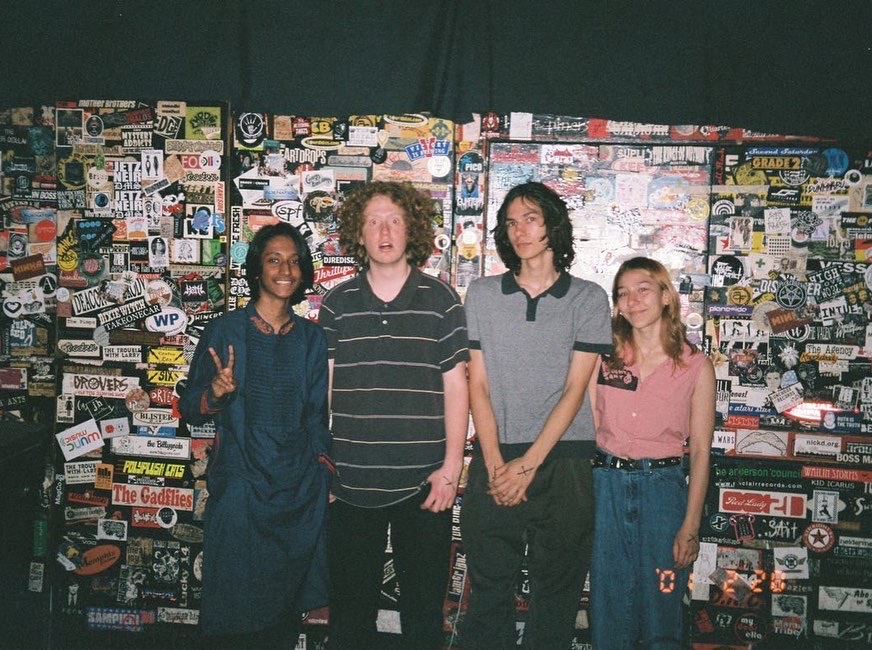
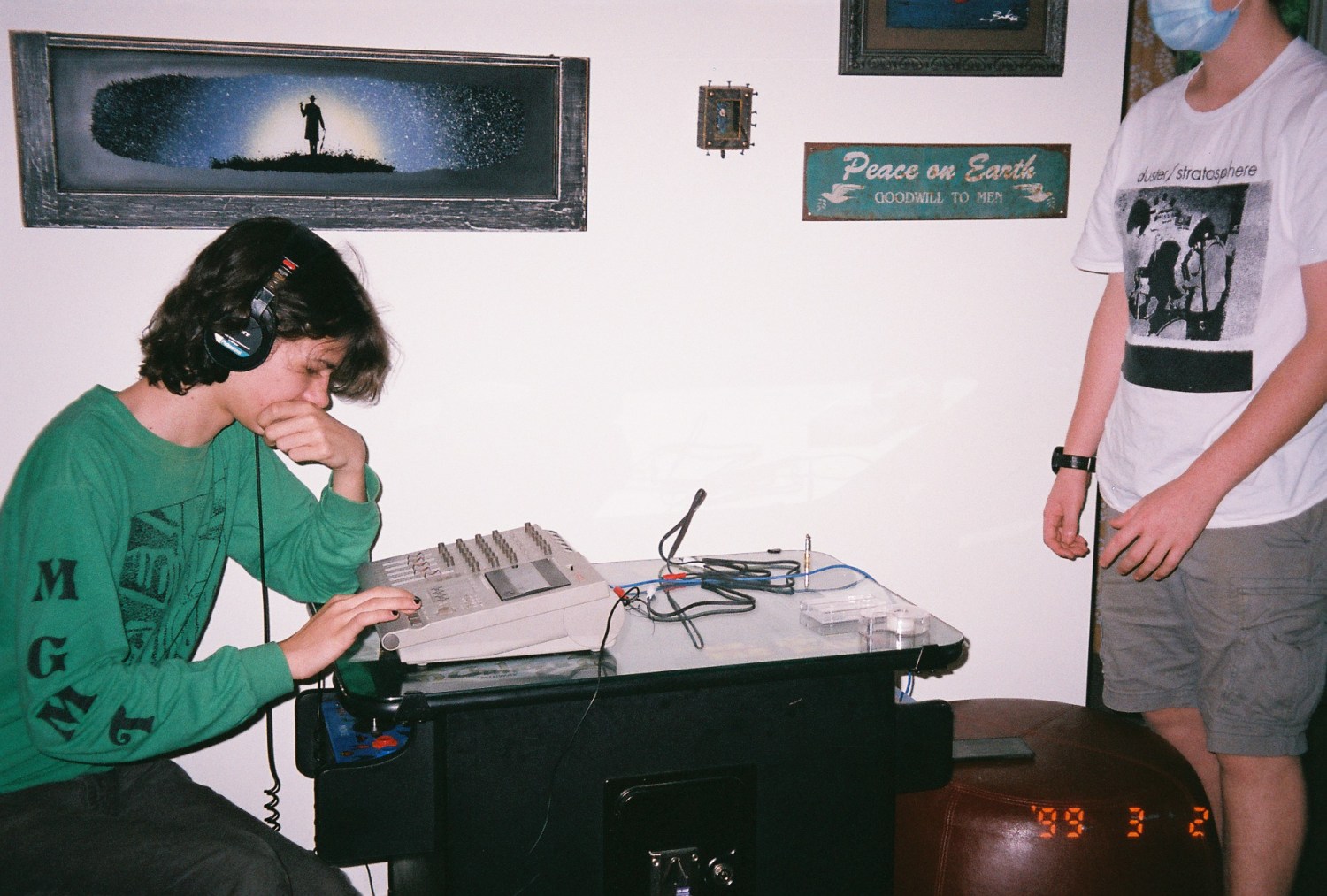
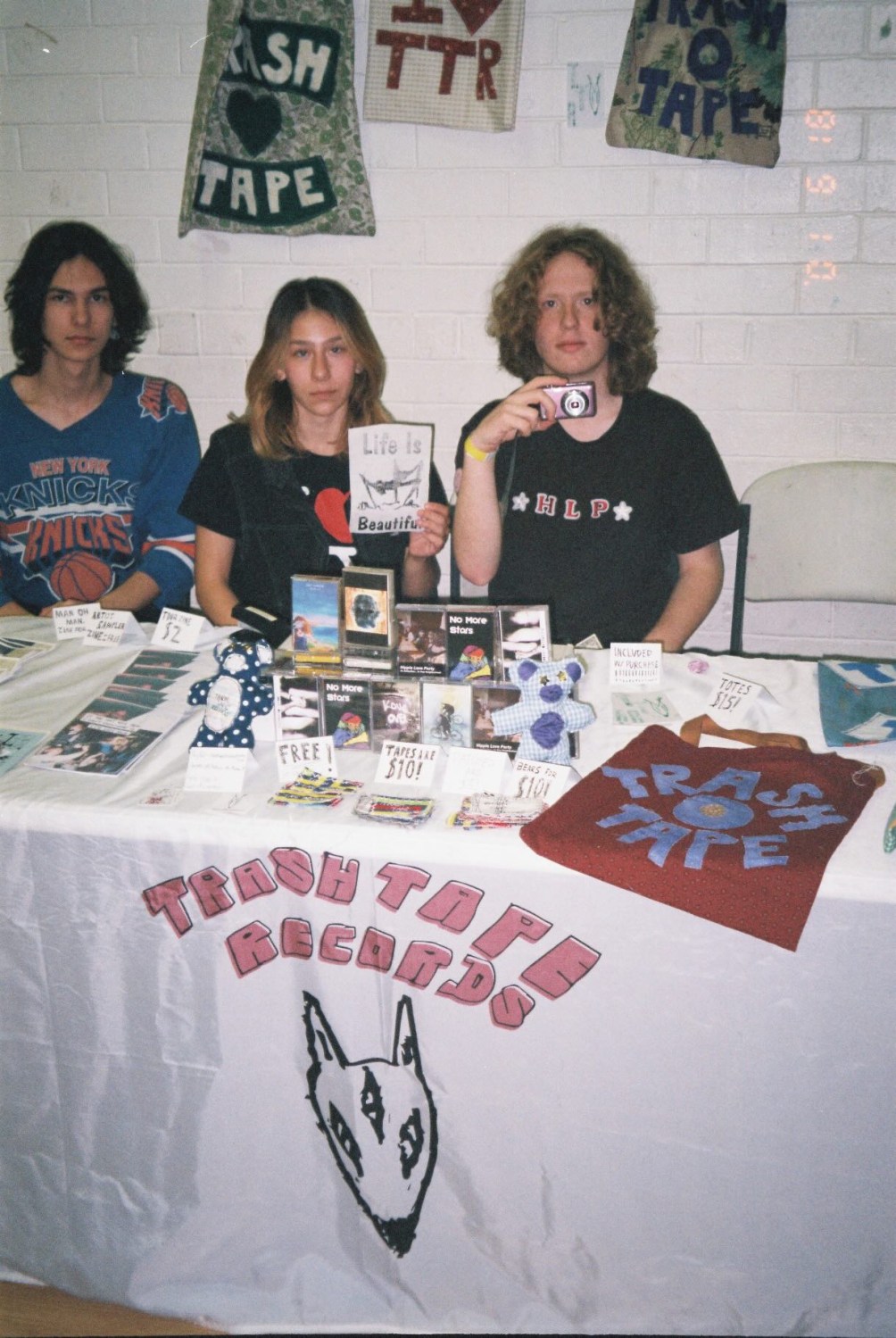
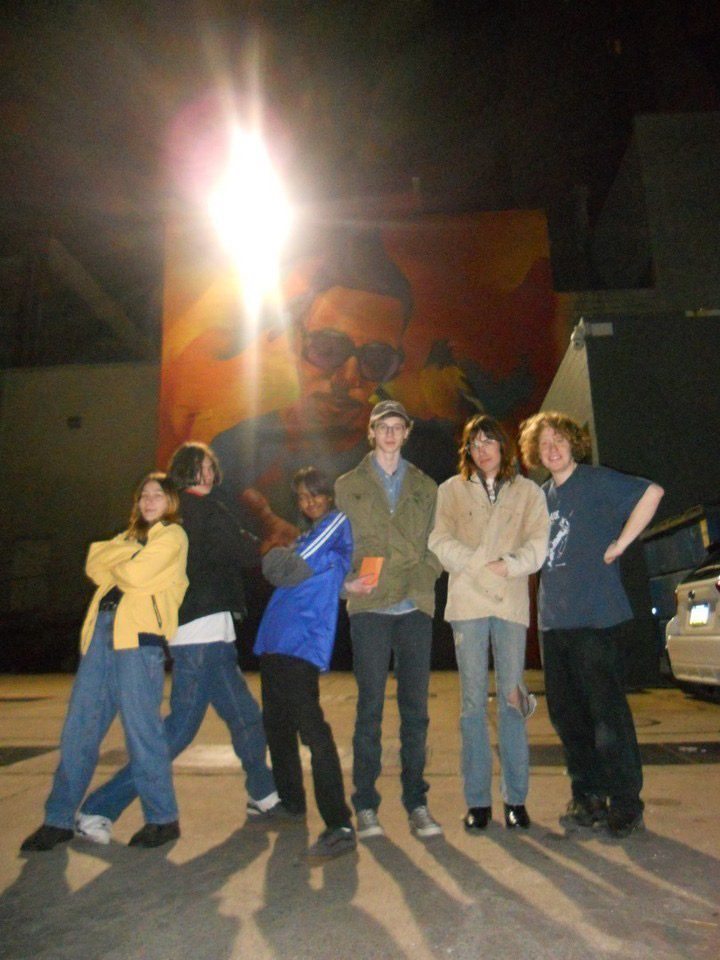


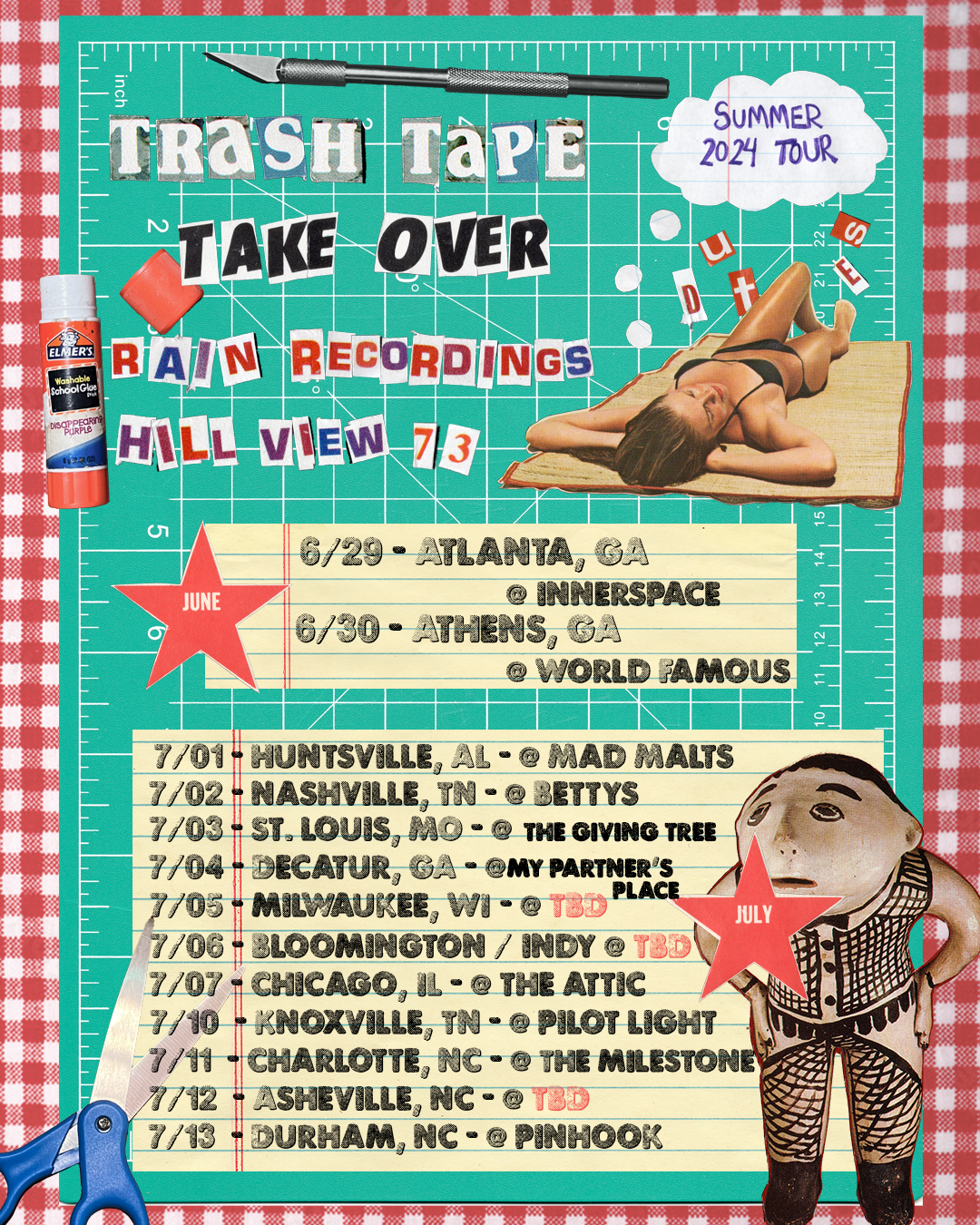

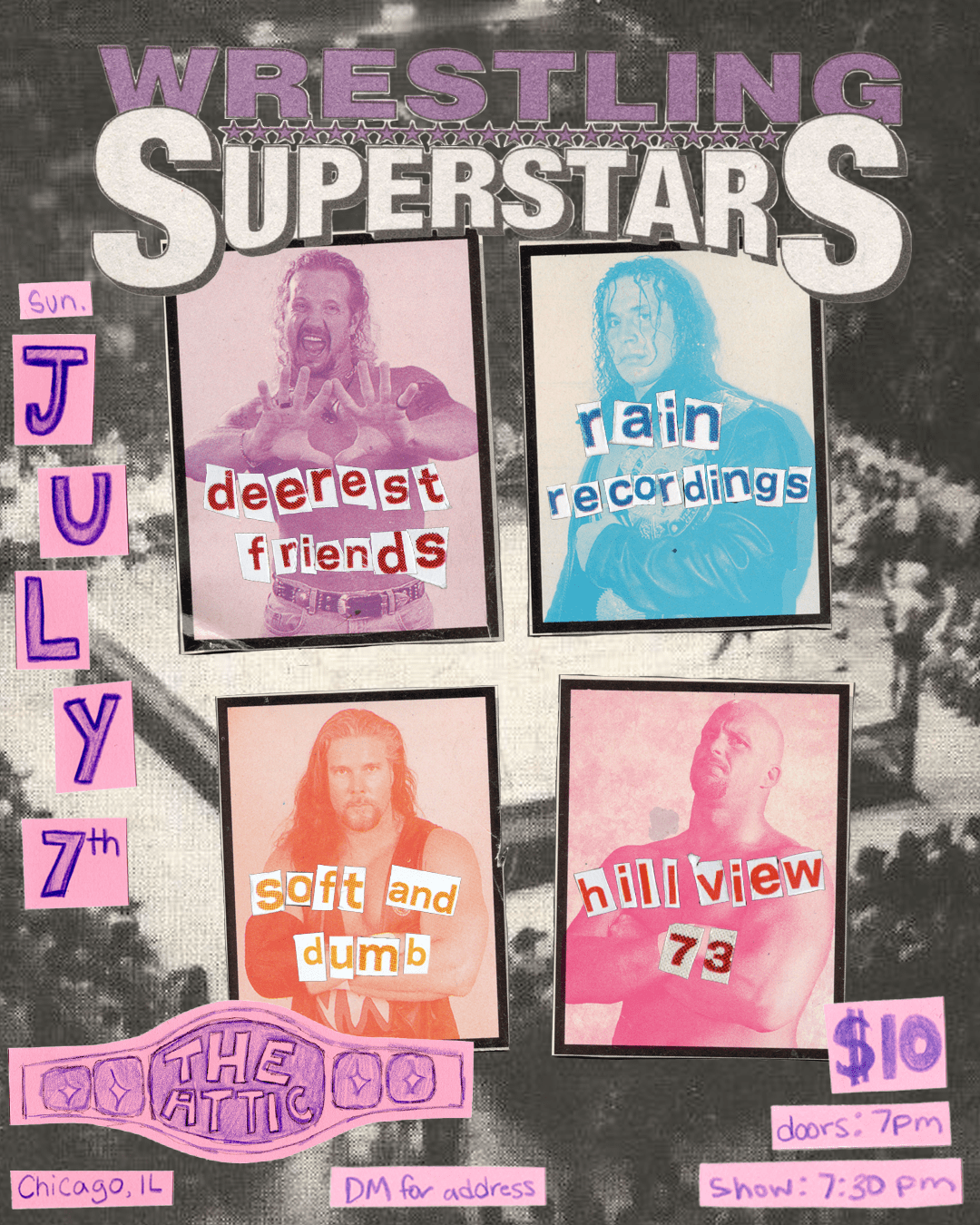
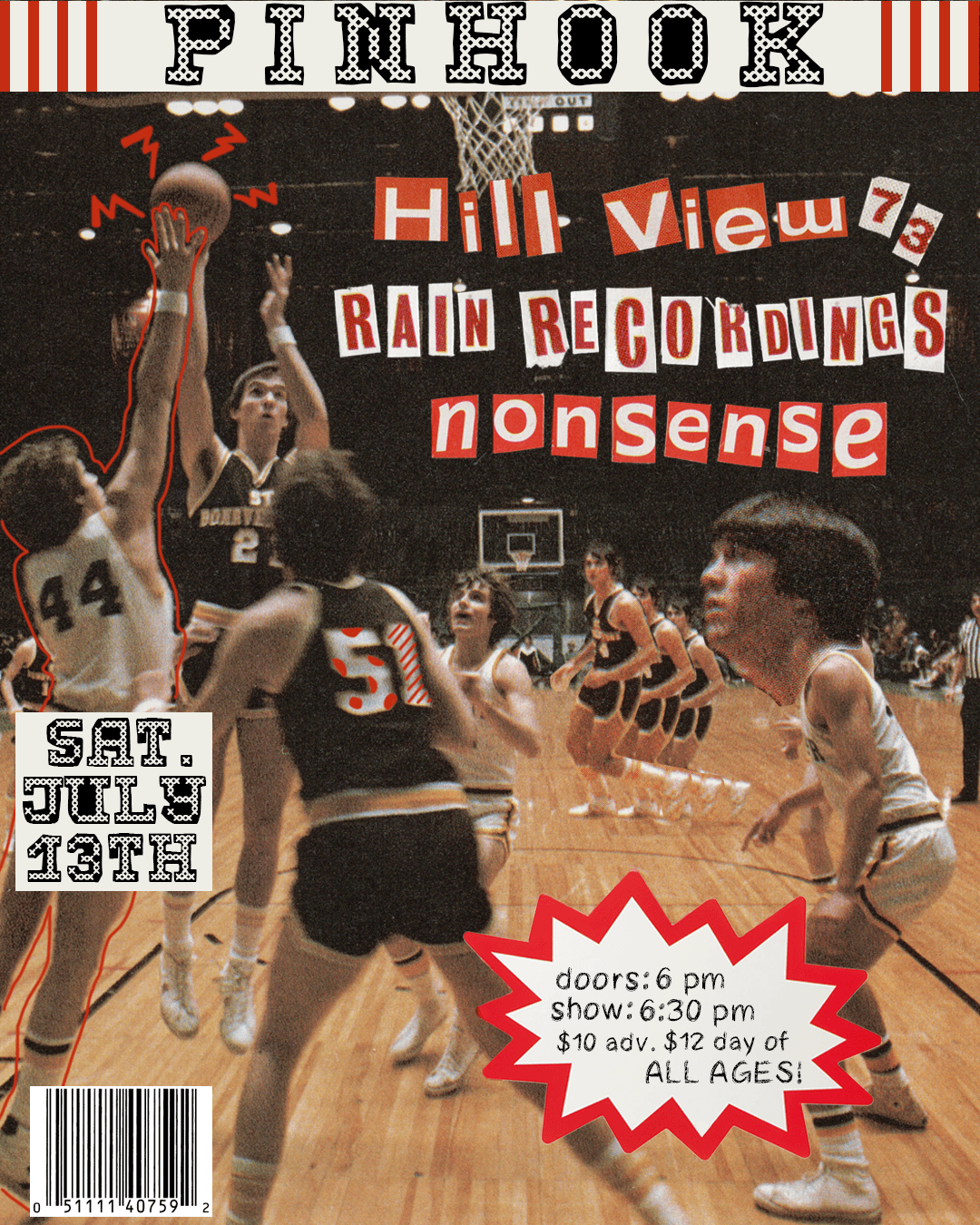


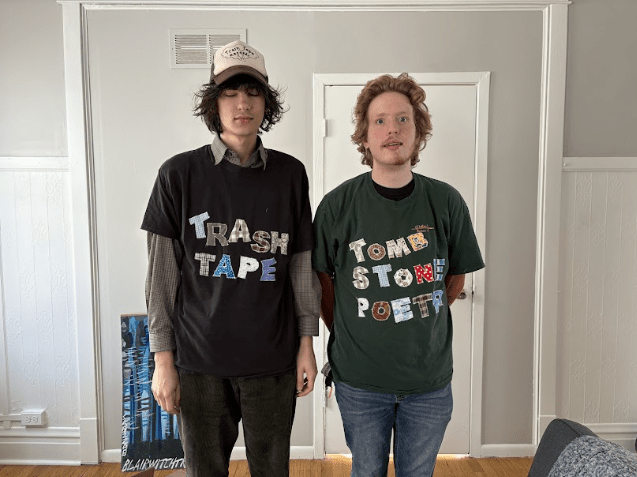
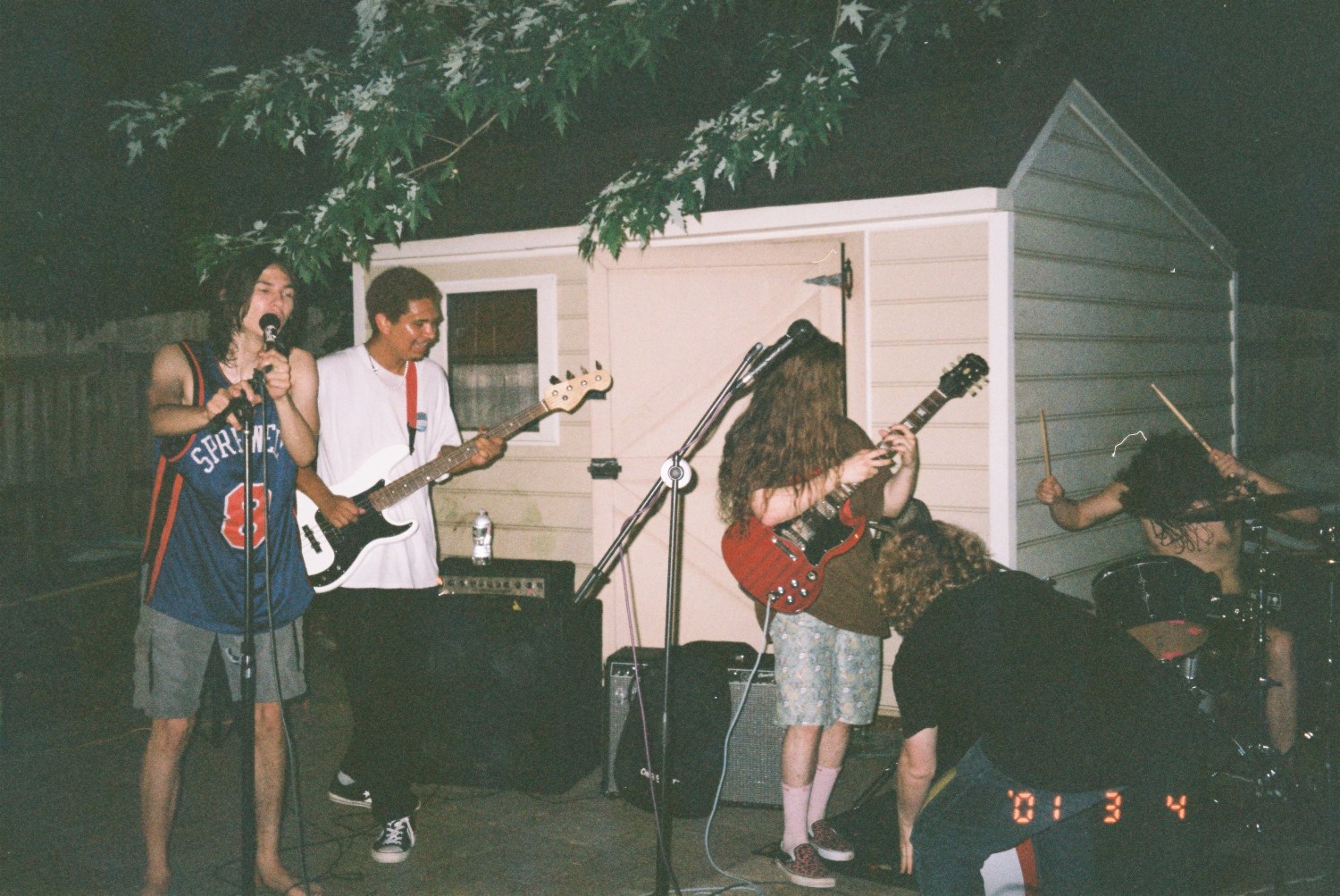

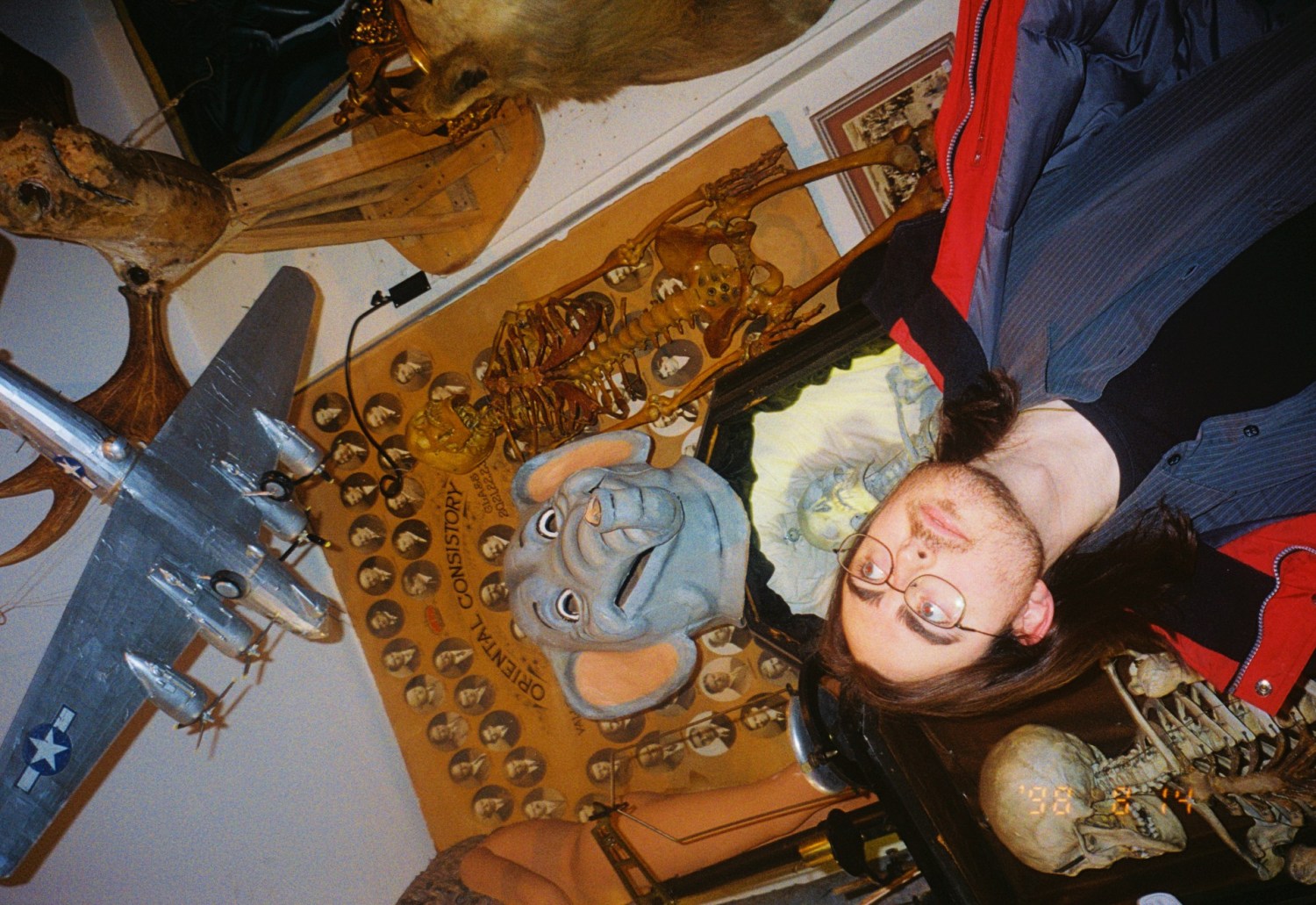
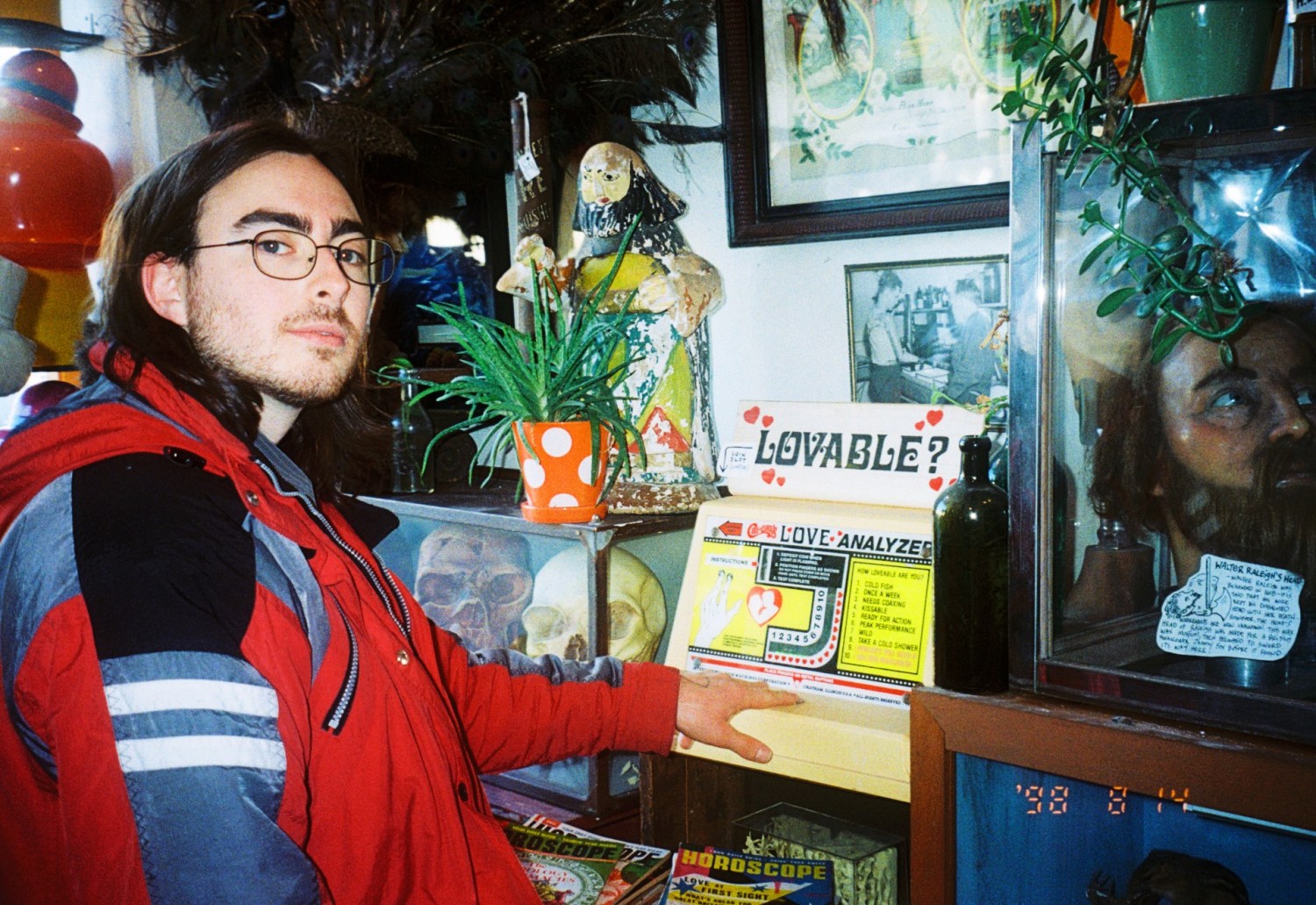
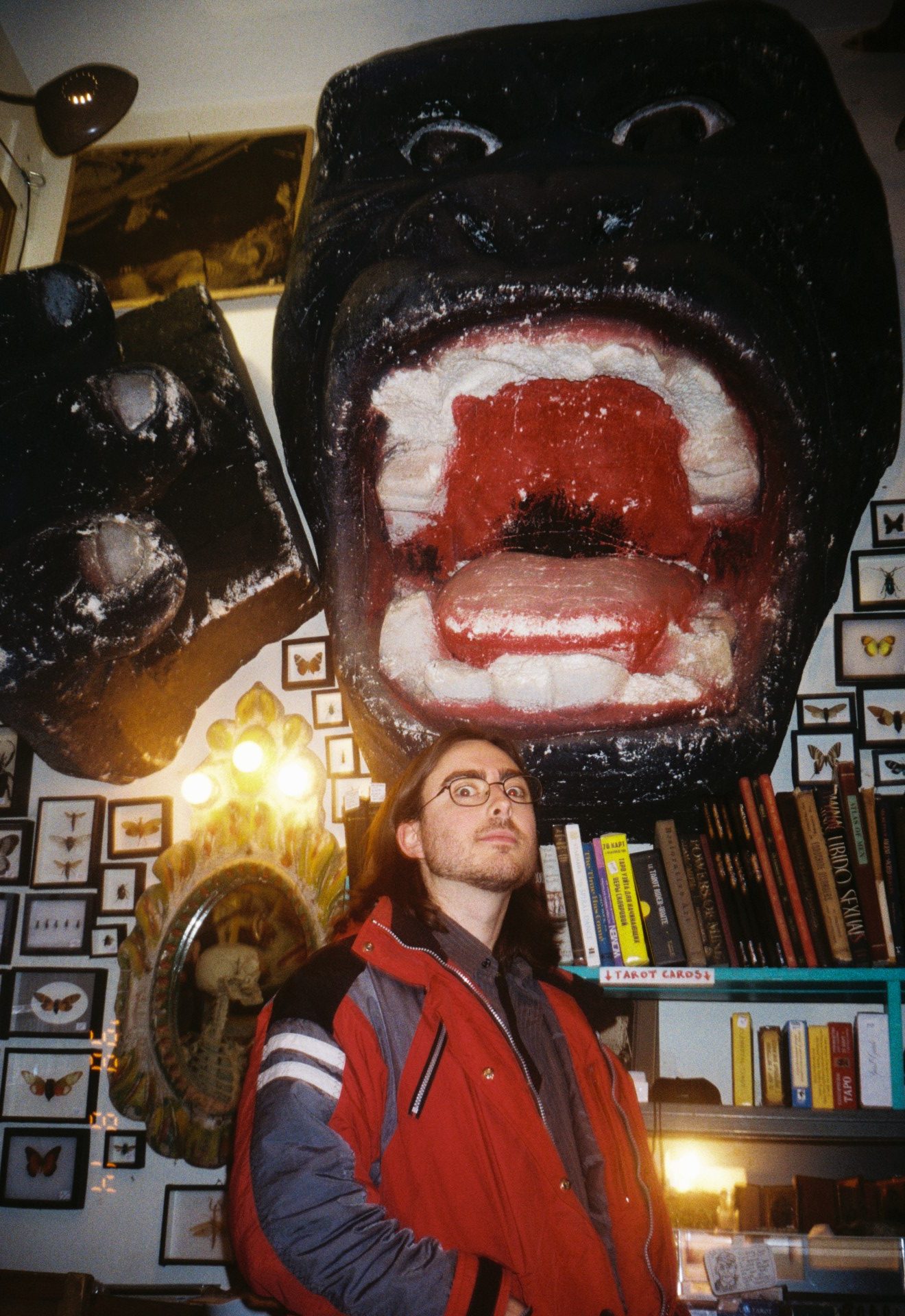
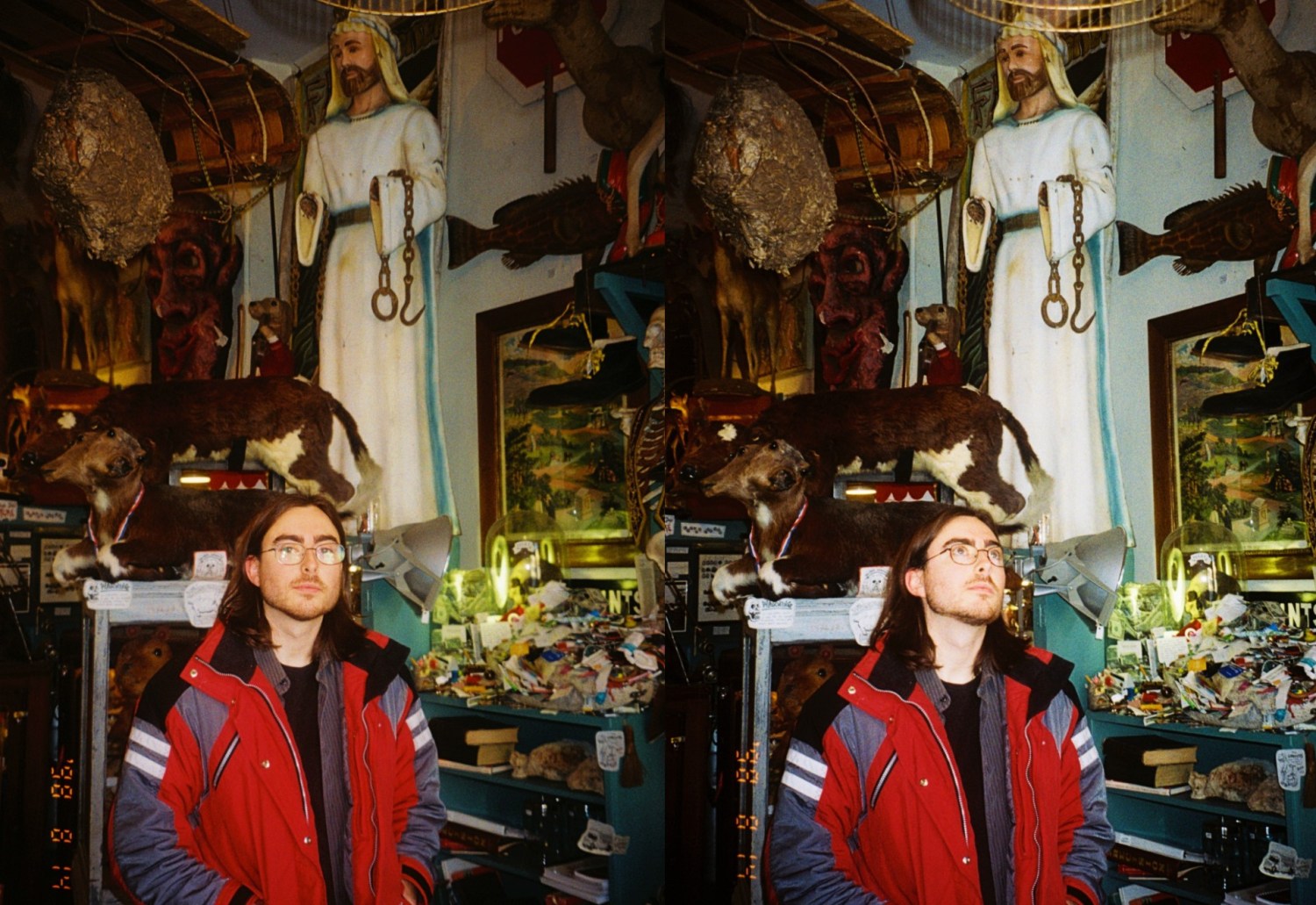
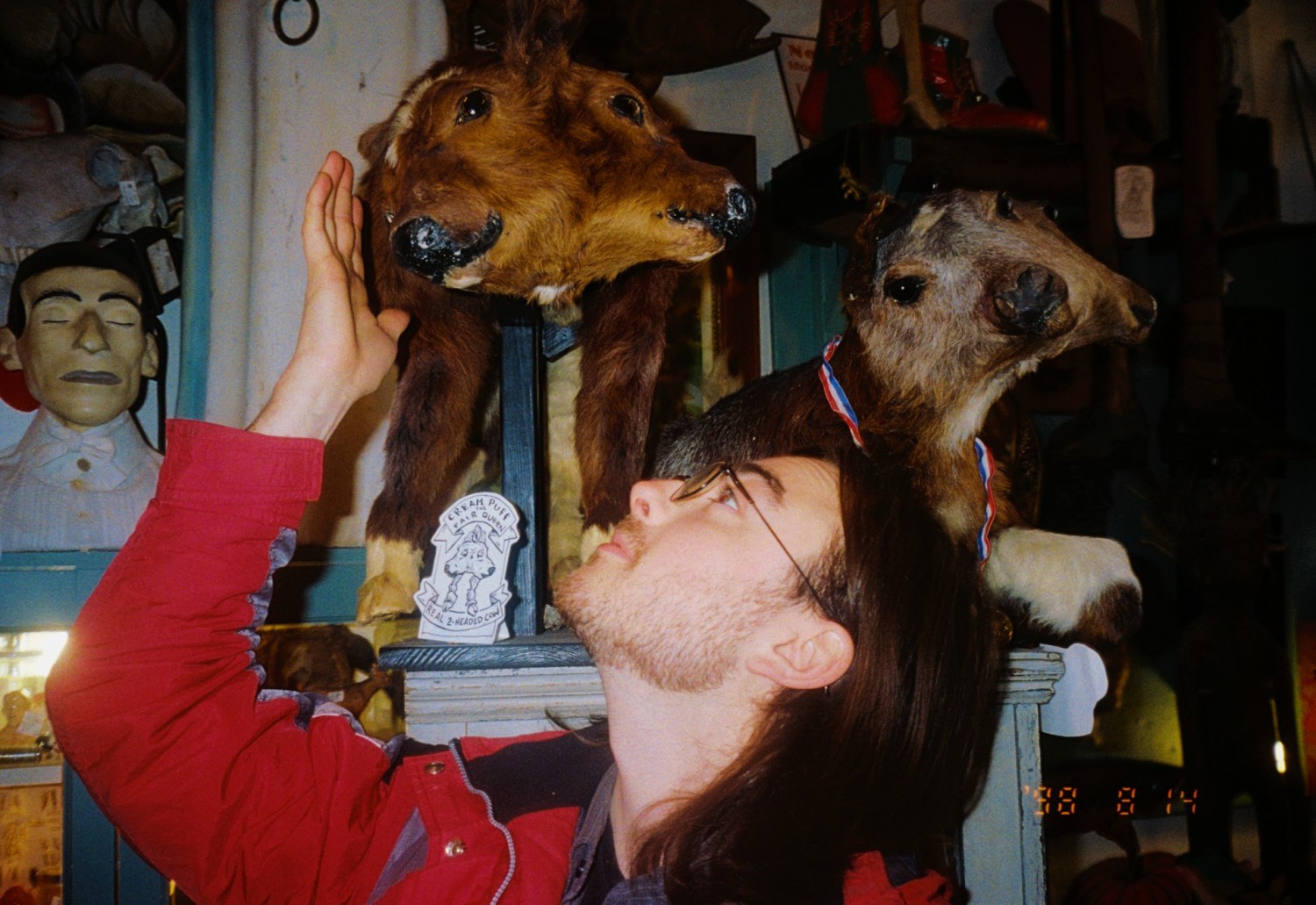
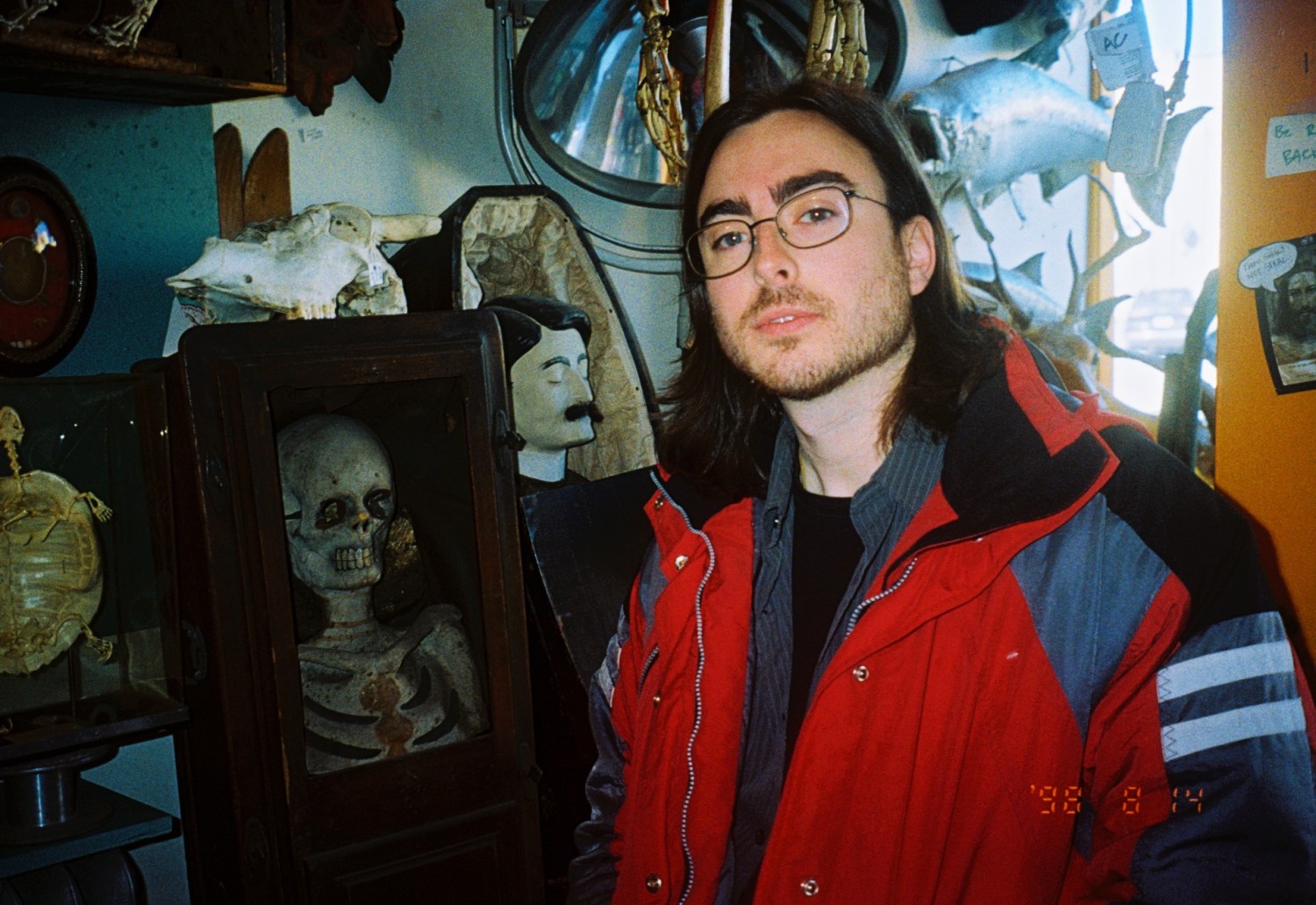
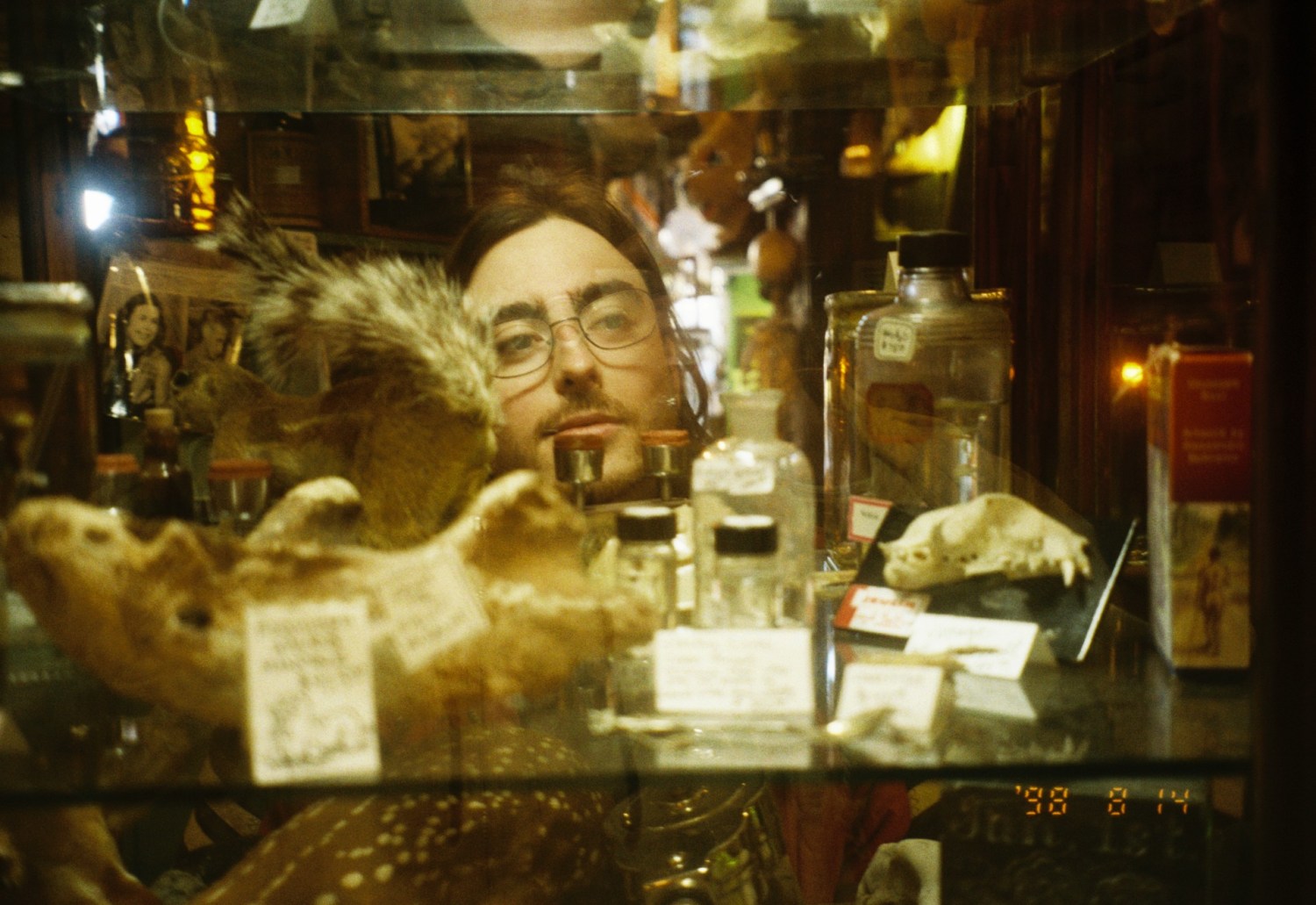
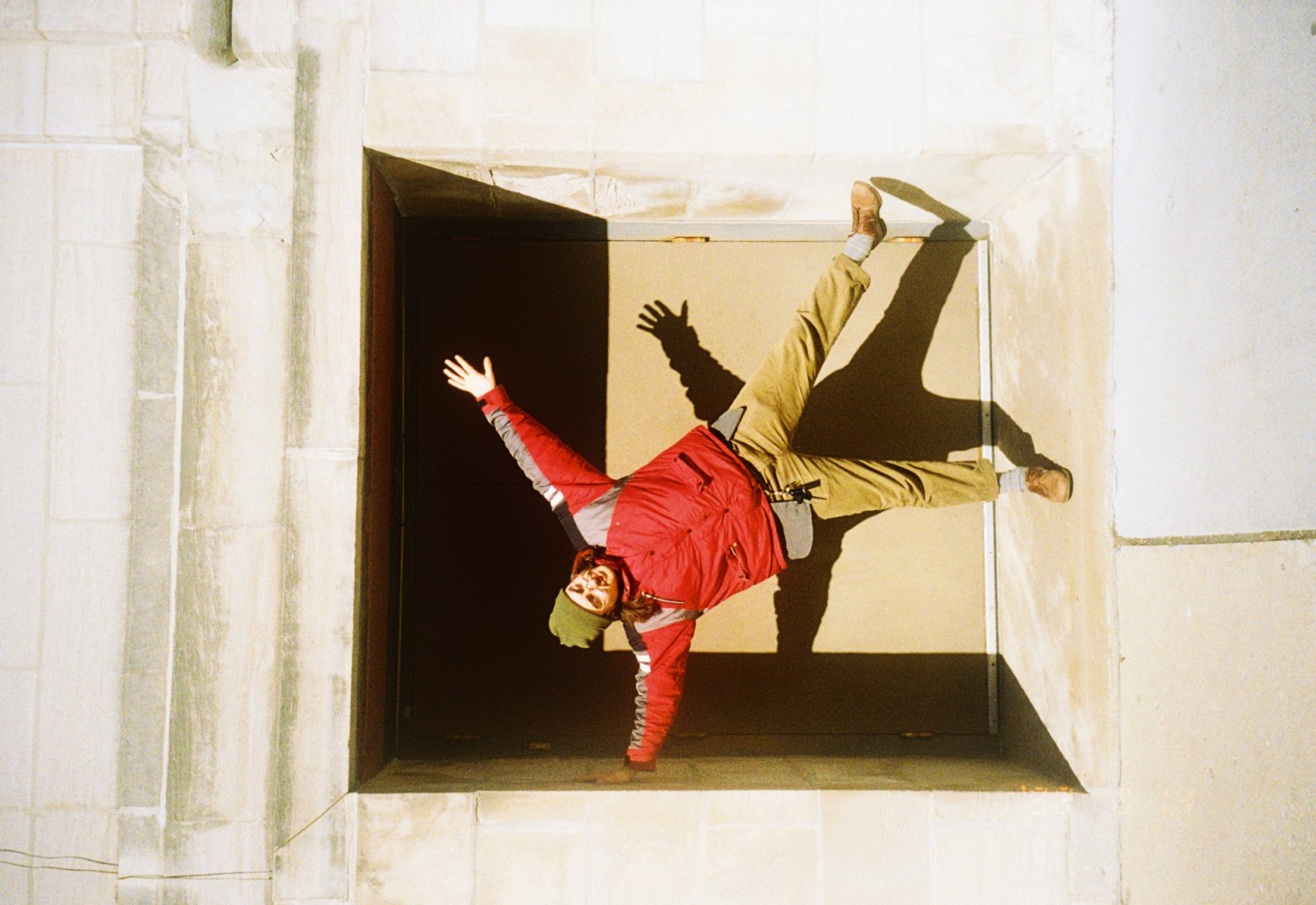
 the ugly hug