From the hills of Butte, Montana comes the pond, the latest project from longtime songwriter Jon Cardiello and his band: Noelle Huser (vocals/synth), Sandy Smith (bass/guitar), and Kale Huseby (drums/vocals). You might know Cardiello from his earlier work as Bombshell Nightlight or through his and Sandy Smith’s tape label, Anything Bagel. A Year as a Cloud invites listeners into a space where memory and sound intertwine, reshaping the past with each note. Shaped by a lifelong connection to creativity, Cardiello’s music doesn’t follow a path so much as carve one out for itself.
This new batch of songs is built from the small stuff—blurry snapshots, a walk around the neighborhood, a record playing while tea steeps. The writing lives in that quiet middle space—where grief lingers, wandering is allowed, and sadness can sit next to softness without contradiction. There’s room here for stillness and for slowly making sense of things that may never make sense.
If you’ve spent time with Bombshell Nightlight, you’ll hear the same patient pacing—songs that breathe and take their time. But with the pond, there’s more grit in the softness, more weight beneath the quiet. Listeners of Friendship, Hello Shark, Horse Jumper of Love, Mount Eerie, Greg Mendez will appreciate the transparent nature of songs with equal parts lightness and gloom. With each song a compelling story surfaces within the instrumentals; Grief cuts through the lo-fi vocals and raw guitar in “Brittle”; “Into the Room” embraces distortion without sacrificing its quiet depth.
Cardiello’s evolving sound reflects a subtle progression shaped by the nuances of life’s ever-shifting emotional landscape. It’s shaped by the subtle turns of feeling that come with just being alive. It raises the question, “Where does a song go when it dies?” and forces you to think about the songs that have stayed with you long after you stopped playing them, or the ones that suddenly pop back into your head at the strangest, most unexpected times. Songs seem to live their own lives—they become companions, change shape, fade into the background, then return when we least expect it. But do they ever really disappear? Maybe they just shift, taking on new meaning as we move through different moments in our lives.
And in these tracks, there’s something undeniably alive. They carry a quiet, emotional weight, filled with questions that don’t have clear answers. “Cup of Lilacs” and “Hungry” take small, everyday moments and turn them into something worth pausing for making those tiny, fleeting feelings, like the sound of a song or a cup of tea—become significant. “Burnt Plant” is a banger for the anxious and ashamed; it’s restless and raw, with jagged guitars and a relentless beat that mimics the feeling of being trapped in your own mind.
The brilliance of this album comes from the band’s unified front, each member perfectly in sync with the spirit of each song. There’s a quiet trust in one another, never stepping on each other’s toes.
This album is meant for the liminal spaces—the haze before the coffee hits, the hush of 2 a.m. when your thoughts sit a little too close. It’s for sitting in a feeling, watching dust catch light, for witnessing, and to be witnessed.
Listen to A Year As A Cloud premiering here on the ugly hug!
Every Wednesday, the ugly hug shares a playlist personally curated by an artist/band that we have been enjoying. This week we have a collection of songs put together by Maine-based artist Jesse Guerin of the project jes.
With sincere delivery and eager expression, the music put out under jes is intuitive to the environment in which it was derived from. Playing to the limitless opportunities given by open spaces, Guerin leads with faith towards whatever may lie ahead, allowing guitars to interact, building layers of individual voicings until that open space holds a brand-new meaning.
About the playlist, Jesse shared;
“songs that feel like a sunset, maybe a sunrise too. songs that feel like my hands are in the soil. a playlist for gardening. a playlist for the dusky dewy evenings in the field.”
“We’re informed by the dump we play in,” Spencer Morgan amuses towards the end of my conversation with Devils Cross Country. It’s kind of a beautiful sentiment, though in no way a hyperbole – the location where the band currently plays in Cincinnati neighbors a “Recycle America” facility. “It’s just piled sky high.” Connor Lowry explains. “The other day it looked like it was going to spill onto the street. A bunch of washing machines and plane parts.”
It is natural for a band to grow into its sound, and for their discography to reflect shifts as they inch closer to the music they are meant make. This can be a gradual phenomenon, or it could be as radical as a Frank Ocean remix project flourishing into a robust “four and a half” piece indie rock band. Devils Cross Country exists in the latter, and as drastic as that sonic shift may sound on paper, the project’s 2024 debut record affirmed that their current identity is by far their most authentic. Possession is Ninetenths tells a story of desire in its most innate form, the ethos of the album contrasted by a swarming of maximalist sound. The record is a tightly packed nine tracks, warped by a sea of synths and abraded by rusty samples that peel and chip at the ends. The listen is guided by a raw honesty, simulating the complexities of intense inner conflicts and and guilt-drenched longings through experimental song structure.
Amongst the many facets that shaped the current disposition of Devils Cross Country, the most salient was Patrick Raneses’ return to Cincinnati. Home to an animated post-punk scene, it was there that he enlisted drummer Spencer Morgan and bassist Connor Lowry, the three of them planting the project’s early seeds into hardpan Ohio soil. They shifted to a heavier sound – an outcome of existing in an environment where noise is as much a necessity as it is a stylistic choice. “When you’re in these environments, you physically have to play louder because some dude’s doing a Rob Zombie cover underneath us and there are screeching trains just ripping through outside,” Raneses tells me about the city’s impact. It was in these lighthearted moments and deprecating jokes that the members of Devils Cross Country’s relationship to Cincinnati felt the most fervent; as the three of them reflected on cracked foundations, greedy landlords and of course, “Recycle America”, their persistence to create and sheer love for their scene came across the loudest.
We recently sat down with Devils Cross Country amidst their recent east coast tour to discuss the history of the project, “trudge” music and their experience in Cincinnati.
This interview has been edited for length and clarity.
Manon: I know Devils Cross Country began during lockdown, I would love to start by hearing about the project’s initial roots and how it has evolved over the last few years?
Patrick: So I was in a band called Stem Cells at Fordham University with my friend Jake Lee and Frost Children. The last show we played was a day before lockdown, we did an acapella cover of “Numb” by Linkin Park, so we joked that we cursed the world with that one. Jake moved back to Phoenix and after graduation I moved back to Cincinnati, but we had always worked on remixes and that sort of stuff together so through the pandemic I was making music and writing songs that were definitely more indie rock oriented. I’ve known Spencer for a while, we were friends in high school and we started jamming together in 2021.
Spencer: Devils Cross Country became a band in 2022, when [Patrick] moved into our house. We lived in a house venue in Cincinnati, it was called “The Lawn”, it had AstroTurf in the basement that someone had stolen from the football stadium at UC and they kept it in the basement, at least that’s what the landlord told me when I moved in. Pat was looking for a room and then moved into our spot and the project just happened from there.
Patrick: That’s where Lawn came from. It was the perfect practice space and then we recorded that first EP there.
Manon: Do you still live in that house?
Patrick: No, they kept jacking the rent
Spencer: It doubled since we moved in, and the conditions were not worth it. Our house was falling apart and there were cracks in the foundation.
Manon: Okay so now you’re on your first tour since you released Possession is Ninetenths. Your music now has a lot of different layers and samples to it, how have these shows been, and how do you translate your recorded songs into a live format?
Patrick: We don’t feel super tied to like the recorded music, we are flexible and I feel like every show we have played has been different. We used to have two other guitarists in the band, and then we went to a three piece and now it’s kind of back to a five piece. Informally it’s a four and a half piece. I had come up with this plan a year and a half ago called the prosthetic plan, where we just add ’em on like extra limbs and it’s actually worked for the most part.
Our friend Nina, who is in another band in Cincinnati called Spoils, plays violin with us live now. It’s awesome, she was supposed to come on this tour with us but she got Covid on Sunday. I would say the past few months we’ve been working on a lot of new songs, we have a banjo guy too, Patrick number two, he is also named Patrick. It’s cool because we’re not reliant on them, but when they pop in it adds a lot.
Connor: Yeah, Nina and Pat can just jump into whatever we’re doing. Nina will just pick up a new song and instantly play the best she possibly can. It’s awesome, and a lot of what she does is straight improvisation.
Spencer: They need no instruction. Patrick and Nina are in another really cool band called Five Pointed Stars, it’s a slightly experimental dance project.
Manon: You mentioned you are working on some new music?
Patrick: Yeah, we played a couple of our new songs last night actually. I am trying to be more melodic because a lot of the songs on Possessions is Ninetenths are intense, so the new music is a bit happier and has more of a pop center, but still true to Devils Cross Country. I feel like Lawn was this bedroom pop, slacker rock EP and Possessions is Ninetenths went in a completely opposite direction. With the new stuff I want to push hard in both those directions.
Connor: Maybe in the middle somewhere
Patrick: No, other way. Stretch hard on both ends. Sometimes I’m like what genre are we even playing right now.
Spencer: Oh we’re playing trudge. That’s what we call everything, it’s a lax genre so we invented trudge. It’s a weird blend of guitar and electronic music and it sounds kind of blown out.
Manon: I like that, it beats you telling me some hyper-specific ‘-gaze’ with like four words hyphenated before it.
Connor: I feel like I struggle to understand any genre at this point, I just cannot process that information in my mind, so trudge makes it easier.
Spencer: It’s kind of just a lack of any real definition.
Patrick: We had been filming a music video for a song off Lawn called “Fishbone”, and were just driving back and some dude had gigantic boots on.
Spencer: And I was like, “that dude is trudging”
Patrick: Then the word just got stuck in my head.I feel like genre is not super useful anymore, but region can be. Like “Philly” music, that can be kind of trudge.
Manon: How would you describe the music in Cincinnati?
Spencer: There’s a big post punk scene there, a lot of hardcore guys. Corker is the other band I’m in, and a lot of the bands share members. The Surfs are there, Crime of Passing, also Feel It Records just moved there. Also, there are a lot of fresh faces, a lot of young kids making good stuff.
Manon: Do you feel like being in Cincinnati has a big impact on Devils Cross Country?
Patrick: Yeah for sure. When I started the project with Jake Lee, it wasn’t rock music. We were just fucking around, we made Frank Ocean remixes. Then [Spencer] put me on drums and I was in a hardcore band before this. Also, when you’re in these environments, you physically have to play louder because some dude’s doing a Rob Zombie cover underneath us and there are screeching trains just ripping through outside.
Spencer: They sound beautiful
Connor: Yeah they harmonize sometimes, it’s pretty cool.
Patrick: Some dude said it sounded like the studio was burning down where we were.
Spencer: We’re informed by the dump we play in
Patrick: Yeah, there is literally a dump right next to where we play
Spencer: Yeah recycling dump
Connor: Recycle America. It’s just piled sky high. The other day it looked like it was going to spill onto the street. A bunch of washing machines and plane parts.
Spencer: We are just practicing in the most bombed out areas of Cincinnati, but that’s cheap rent so it works. There are so many DIY spaces in Cincinnati, less houses these days but lots of gallery and warehouse spots.
Patrick: When we moved out of the lawn, we didn’t have a place to practice until we moved into this new place. We had to take a weird break, because you need space. I feel like a city’s DIY scene is so dependent on being able to have an affordable spot to make and play music. You need space to be loud.
You can listen to Possession is Ninetenths out everywhere now!
Sunflecks is the project of Bellingham-based artist Forrest Meyer, who earlier this month shared his debut LP under the name titled Fools Errand via Bud Tapes. Living a life pulled by creativity and moved by song, there is a casualty in the way Meyer interacts with music, having been writing, as well as working as a guitar repair hand at Champlin Guitars for some time now. But that doesn’t mean that the music that Meyer makes is lost from any sort of intense intentionality, but rather is as natural as his routine day-to-day, down to the breaths he takes without thought. Fools Errand embraces a collection of voices, a dedication to how music should be communicated between him and the open spaces in which he inhabits.
“And I don’t know what to do, my soul has a hole too, takin’ to leak out. Kettle is on, it’s singing its song, I grab a mug with Garfield on it” – an inherently brief story, but one that brings focus to both lingering pain and a singular moment of personalized characterization. There is something to be said when first listening to Meyer’s writing, where your own minor memories or complex feelings find ways to click with the images and individual lines that he writes such as this one. Sticking to the simple and worn in, Meyer recounts minor moments with clarity, like hanging out with a friend on “Proximity” or tossing a coin into a well on “Toss a Coin”. But this simplicity doesn’t get lost in a cluttered past, or even borrow from what may be in the future as it takes claim on the present, as open as it can be. It’s an album that not only plays with familiarity, but one that asks why these instances become familiar to us in the first place. Where placement and perspective are intertwined with who we’ve become; how much change has this Garfield mug really understood, and how does it see me now? Meyer’s words are experienced and beautiful, a dusty fortune, a prized keepsake to hold on to for when you need it most – and with each stagnant breath of musical instinct offered from his bandmates, Sunflecks paints a picture much larger than we could have ever expected.
We recently got to chat with Meyer about Fools Errand, restructuring collaboration within Sunflecks, and the practice of cone spotting.
This interview has been edited for length and clarity.
Shea Roney: How does it feel to have your debut LP out? You had a nice run of tapes with Bud Tapes too!
Forrest Meyer: Feeling really good. We initially started with a 30 run of tapes, and they all sold out before the album was released, which was great that one single is enough to convince people to order one. So we did another run of 30 or so. I think there’s a couple left on Bandcamp, and I’ve got 12 here. It’s been a smallish run, but it feels like people have received it well and I’ve gotten a lot of nice words about it.
SR: That’s right, it was just one song! How does it feel that one song of yours has the capacity to build enough trust with people?
FM: During the recording of it I never really thought that “Proximity” would be the one. That one was funny, too, because we recorded that song in the session, and then when my drummer [Amanda Glover] and I went back to do the first round of mixing, we decided to fully re-record that song. So it’s just the drums and then I overdubbed the organ on top of it. It’s from a completely different session.
SR: What made you want to start over on “Proximity”?
FM: I felt like certain songs had too much going on in the first recording. The guitar part on it, the picking pattern changes for every chord, so it’s a complex guitar part that takes up a lot of space. But one of the reasons we re-recorded it was it just didn’t need the amount of instrumentation that the rest of the album had. It just worked well as a clean, small thing.
SR: What part of that sparsity do you think helped progress this song into something you were comfortable with?
FM: When you’re in a fun recording studio that has a lot of instruments in it, you’re going to feel like you should try and put melotron on everything. But then one of my bandmates had this idea for the album, because there’s six people in the group total, that we should have a song on the album where someone is not playing. Like, there’s one song with no drums, there’s a song with no piano, there’s a song with no violin, like everything comes in and out, but it’s all kind of equally coming in and out. It’s quite a fun challenge to figure out how to have a lot of instrumentation, but still keep a minimal kind of sound.
SR: How did this configuration of Sunflecks come to be? Have you been playing with these folks for awhile now?
FM: We’ve kept a pretty consistent band. I gathered all these people for that recording session for the most part, and the album’s been kind of a couple of years in the making. But I’ve been playing as Sunflecks as a solo thing for a couple years, and the lineup has been pretty consistent I’d say.
SR: You noted that this is a highly communal piece of work, taking inspiration from the people around you. What was the process of working with others, and in what ways did it push you to bring these songs to their newfound life?
FM: The way that this project has been run, for my part at least, is I write a song, or have something that feels good enough to bring to the group, and then we play with it a little bit and get everyone’s input and ideas on it. More recently, we’ve been going a lot deeper. We call it sectionals, it’s still the whole band, but say we’re orchestrating a violin and clarinet part for example, we’ll go in and all give ideas. It gets challenging when you’re in the group, but you’re working on a single person’s part of a song and then everyone’s just sitting around. But I think [sectionals] is a really cool opportunity to maybe ask Amanda on the drums, as someone who isn’t playing a melodic instrument, what do you think of what the melody’s doing in this part? Communication is always the hardest thing, but we’ve been working really hard on sharing opinions and preferences and ideas. It’s been a really cool and beautiful practice.
SR: What you were saying earlier, taking out voices every once in a while, did those sectionals help lead you guys to understand your sound and the roles of individual voicings, either in their presence or their absence?
FM: When I got the studio dates to record the album, half the band was invited with a two week turnaround to learn all the songs. There wasn’t a whole lot of time between, like, ‘hey, do you guys want to join a band?’ and then, ‘we have studio dates if you want to record?’. We recorded a fair amount of music, there’s a lot of really good stuff, but there’s almost too much really good stuff there. So in the mixing of the album, there were lots of decisions where I was sitting with the engineer, talking about, ‘we probably shouldn’t have pedal steel, piano and violin.all playing at the same time here, right?’. So mixing in and out certain things, depending on where they fit in the song, we wanted to be more intentional on the writing of the song, and then we mess more with harmony, or work out how violin, pedal steel and piano can play the same exact thing, but thirds apart, and maybe that would sound cool. We just wanted to practice more intentionality and listening and even experimentation as well. Especially hearing out everyone’s ideas and running with them to see where they go.
SR: A lot of the narratives you write seem to manage such large themes through such a miniscule and personal lens. What stories were the easiest for you to tell in terms of details, and did challenging yourself to think more locally help bring understanding to them?
FM: A lot of this album is processing. It’s very much using the everyday things that happen, like walking home — there’s a lot of walking on the album. I tend to write lyrics and songs that are very personal for me. It can be hard to talk with someone about complex feelings. So the way that feels better for me is I can sit, and I can use tonality and wordplay, because, like the human experience, it is very rich, but most of the time, you can only say one word at a time. And sometimes there’s emotions where what you’re doing is a happy thing, but there’s a sad undertone to it. It’s hard to communicate those things, so being able to have multiple tools in the toolbox to do that is important. In my head, I’ll toy around with words for a long time until something kind of clicks, and it feels like that’s what I meant. With the song “Proximity”, that song is about an afternoon with my friend Dolores, just listening to music. But the larger metaphorical meaning is thinking back on that time when I was in Olympia. It’s easy to be like, ‘wow! What a nice, beautiful time!’ But then there’s a lot of things around that time that were really challenging, but I’m not thinking about them as much as the nice little thing. A mirror is reflecting everything all the time, but you only see what’s directly in front of you.
SR: And as a listener, listening to your words about what’s in front of you really repositions your presence in a moment. How do you ground yourself and be present in your art and the way you approach storytelling?
It’s fairly automatic in a lot of ways. The way I’ve set my life up, it really surrounds music. I do guitar repair at a music shop, so every day I’m playing different instruments. So in the back of my head, I’m working through the chord progressions and just listening to so much music every day. As a writer and musician, there isn’t a whole lot of super scholarly stuff about my process. The people in my band I play with are all very gifted musicians, and most of them can communicate theory, and I’m starting to get there, but I just don’t think about that stuff. It’s funny when you go up to somebody and say, ‘I wrote this thing’, and then you play it and then they’re like, ‘whoa! That’s really interesting with the blah blah blah!’ I use music as a way to parse out my days. It’s our way of taking the things that I’m thinking and feeling and just trying to understand them – I feel like if I find the right sounds and tempo that make the words feel good and everything clicks, then it’s like, ‘well, maybe that’s how I feel?’ Also there’s so much play in it. It’s just a way to have fun, and I love the weekly excuse to hang out with my best friends and make music together in a scheduled way.
SR: I do want to ask about Champlin Guitars. In what ways has opening the door to your surrounding community impacted you both artistically and personally?
FM: Yeah, it’s a really beautiful thing! At the guitar shop we’ve hosted a lot of really nice shows. It’s kind of my way of giving back to the community. But these shows are also like a touring safety net for friends. A couple months ago, Lily Thomas was on tour, and a bunch of friends drove to Seattle to see her play. But it was when the LA Fires were happening, and they were supposed to go down south for the rest of their tour, but they had to cancel all those dates. So, with a two-day turnaround, we made a poster, found another person to play, and did a Wednesday show at the shop, and still a bunch of friends came out. In my mind, that’s the dream of what the shop shows are for. There’s a lot of trust and I’m eternally grateful for how sweet and thoughtful the Bellingham music scene is.
SR: And then I am curious about Cone spotting on your Instagram. What is this practice?
FM: It’s been going on for about two years now. Cone spotting is, I mean, especially now with the moral debacle of being on social media, it’s a nice thing to have so I can continue to let people know what I’m up to. I don’t have that much going on to please the algorithms, so the cone spotting thing started off with looking through my camera roll and noticing that I’ve taken a lot of pictures of traffic cones in funny situations. I posted those, but then I started seeing more traffic cones in funny situations, and I thought this could be a cool thing. I think there’s a funny aspect to it, and there’s the hunt for it which is really fun. But something I love is the cognitive dissonance of seeing something that’s supposed to be warning, something engineered to be obvious, but when it’s in the wrong environment, or not doing its job, those dissonant things are really fun for me. And it was a great foil to get away with posting semi-regularly without having to be directly personal. And then I started getting submissions and it grew into this thing where I feel like I accidentally trained people — it’s weird how many people think about me when they see a traffic cone. The amount of times that people have gone through the effort of seeing it, taking a picture of it and sending it to me. It became really interesting.
You can listen to Fools Errand out on Bandcamp now, as well as order a tape via Bud Tapes.
Written by Shea Roney | Photos Courtesy of Sunflecks
Every Wednesday, the ugly hug shares a playlist personally curated by an artist/band that we have been enjoying. This week we have a collection of songs put together by Durham-based artist Aaron Dowdy of the group Fust.
Today we would like to welcome you all to the “Big Ugly Hug”, a celebration of Fust’s third album Big Ugly, shared last month via Dear Life Records. With a name built on contradictions, one that offers limitless imagery, Dowdy’s use of storytelling is unshaken by truth, letting intentionality mix with what has been right in front of us all along, but tapping into the heart that often gets left behind. It’s an album of hardships and traditions. An album of friends and the ghosts that we have not been acquainted with yet. It’s an album of flaws and retribution, not to overlook the moments of goodwill and tales of redemption. It’s a piece of historical contribution, bringing old stories out to get a peak at life once more.
About the playlist Dowdy shares;
I am excited for this big ugly hug. not exactly preliminary notes but things i’m thinking about now that big ugly is done and i am dreaming of the next record. kind of two sets here: the first ten are sort of electric and the second sort of acoustic. the first set is harsh and I’m trying to figure out their harshness. the second set i can’t even begin to play, they totally elude me, and they are songs I sing along to in languages i don’t speak. we’ll see what happens.
Listen to Aaron Dowdy’s playlist here;
You can listen to Big Ugly out everywhere now.
Written by Shea Roney | Featured Photo by Merce Lemon
Floating Clouds is the new recording project of Portland-based artist Alexandre Duccini, who last week shared with us his debut LP under the name titled With A Shared Memory. Adding to the reliability of the Bud Tapes catalog, as well as the ever-impressive PNW scene, what Floating Clouds brings to the table on this debut is facing a deep darkness holding a flashlight with new batteries; a deliberate and intuitive story of navigating life through the unpredictable circumstances of grief and learning how to approach love when it feels so stretched thin.
Having played in many bands and releasing music under his own name for some time now, Floating Clouds embraces the make-up of a band more than a solo project, although these songs are so personally embedded into Duccini’s story. With really no intention to record a full album, taking some songs to The Unknown in Anacortes, Washington just for fun, what came out on the other end was brought to life by contributions from family and friends, old and new, where Floating Clouds as a musical unit explore the need for dire release and ecstatic collaboration, fluctuating within impressive dynamics, searing guitars, well-worn instrumentals and a poised heart.
Healing can be like picking for springs and screws in a patch of grass — a begrudging effort, a task of minuscule factors and massive focus. With each stray blade in your finger, each random stick poking out, it doesn’t matter what you pick up until you find what you set out for in the beginning. With A Shared Memory plays as a delicate reminder, embracing each step forward as a mini success, or if anything at all, a reminder to keep looking. And with each track, Duccini’s collection begins to grow in quantity, and the relief, the joy, the individual finds begin to form a much larger picture, every small addition something that has been lost to him over time. But this isn’t an album that focuses only on the pain, but rather a benchmark of gratitude, understanding the role in which that pain has played in his life and how far he has come ever since.
We recently got to catch up with Duccini to discuss new beginnings, reutilizing memories to heal, and how With A Shared Memory came to be.
Shea Roney: I know you have been recording and releasing under your own name for some time now, but With A Shared Memory is the first piece of music under the name Floating Clouds. What made you want to adapt this new name and did it in any way act as a marking of new beginnings to you creatively and personally?
Alexandre Duccini: It certainly feels that way. I’ve been in bands ever since I was a teenager, and that has always been my lifestyle. But I was always doing solo recordings that was always just a thing in addition to the bands. I moved to Portland in November of 2023, but before I moved, I recorded a solo EP at my friends Eli and Ashley’s recording space next to their house on Whidbey Island. It was the first time solo recording was really thought out and something more than just setting up a microphone in my bedroom. But this project wasn’t even meant to really be an album in my brain when we started recording it. It was my sister Sophia and her boyfriend Alex, who’s a good friend of mine who just started working at a studio in Anacortes, Washington, and we booked two days up there. The thought was basically that it would be fun to book studio time with the two of them and we’ll maybe make a song together. But it went so well that they thought I should just do an album, just keep doing this. Then so many other people ended up playing on it, and I ended up making friends here in Portland who ended up playing on it by the end. It really felt like this is a band, this is not just a solo thing. I was glad that it turned into that and I’m hoping that it continues. The bandmates that I have now are super wonderful and it feels like there’s a lot of really sweet, energized feelings about it.
SR: Having this lifestyle of functioning within a band, but still always centered around making music, what did you begin to focus on differently when you started writing your own songs?
AD: I did get more intentional with the songs I was making and had more of a personally intense relationship to them. I feel like I also just started turning the corner in my life of knowing myself, being at a point with self-love, where I’m actually able to write something real, and it feels okay to sit there and not be distanced by irony, or being a heavy, loud band. I think there’s an aspect, too, though that songs feel really mysterious, and these songs feel really special to me. I think I worked really hard on the songwriting side of it and thought a lot more about what felt important to me to say in music. Songs are kind of like these spells that happen. One moment it never existed, and then some neurons fire in a brain, and then it’s like, ‘Oh, this is it.’
SR: Do you know the Irish term for song?
AD: No, I do not.
SR: This is my one fun fact. They are referred to as ‘airs’, which I learned watching a documentary about Shane McGowan. In it he was talking about how he thinks that term is beautifully representative because songs are mysterious in a way in which they’re all around you, but it takes a specific effort and openness to reach out and grab it.
AD: That definitely resonates with me, that is such a beautiful thing. Songs are just kind of everywhere around us, but you also have to work on yourself to become a person who can hear them. It’s a beautiful thing that everyone can write songs. I think what is special about creativity is that there’s no bar for entry, you just make something.
SR: It feels like the ethos of recording this project was to make music with great people and to just have fun. How did this crew come to be and what did you get out of it creatively and personally while working with these musicians?
AD: They were people I met when I moved here to Portland. They are fantastic musicians who have played in a lot of bands here that I was seeing and really connecting to. I was playing a solo show, and I just asked them if they wanted to play that show with me and they said yes. Then I was like, ‘Oh, by the way, I’m sort of making a record if you wanna play on that, too?’ We recorded over last spring and summer, and I think part of the intention that was set was to just get into the studio with people who seem to be on the same wavelength as me at this moment, and ideally just have a lot of fun while we’re there. I’ve had experiences with recording that were more frustrating, or felt like I won’t be able to live with myself if this goes wrong, you know? I needed, at a point in my life, to shift my way of thinking about this and put less pressure on things turning out a certain way. The focus should be if we’re all laughing and having a good time while we’re at the studio, then it was successful, no matter how much was accomplished. It’s hard to say exactly what I feel like I got out of it other than I feel so happy and excited about the album. I’m so happy with it as a thing that’s done, but there were multiple moments while we were making it where I didn’t want this to ever be done. I feel revitalized about music from this experience. I just wanna ride that wave as often as possible.
SR: It’s also such a beautiful and personal collection of songs. I can only imagine experiencing this constant joy was so reassuring as these songs are coming out.
AD: Any artist has a period of time where they spiral with self-doubt about being creative, if I’m any good at it or if I should continue to do it. I think part of what has felt really significant for me personally is that it just felt like it went so well, from the page to the studio. This was the first time I really ever experienced that throughout the whole process, knowing that this feels right.
SR: This entire album feels like many different, individual points of reflection for you. And like you said, describing the end process as ‘this feels right’, but these songs fluctuate between joy and grief throughout. Was there a thematic progression that was noticeable or was it something that you had to look back at after the fact and realize it then?
AD: That fluctuation will realistically probably exist forever. These songs in this project, I’m riding this highway of excitement, but there is reality, and there’s still plenty of reasons to have a lot of different feelings about life all the time. An idea that was kind of embraced for me personally around the writing of these songs was that no matter what, pain and grief are inevitable. They’re coming, you know? It’s a thing that you will experience. I’m trying to get better at not just borrowing those feelings from the future and letting myself experience the full spectrum of those feelings. That also means really trying to allow joy and love to have their moments as well. I hope that that is reflected in the album, too, that it really has all of that in there. I think all of these songs exist as reminders for myself that this is really happening to me, to look at and sit with and be like, ‘okay, this is real life, and that means a lot.’ Don’t be passive about it.
SR: I mean, the title With A Shared Memory feels crucial to really experiencing it all. A shared memory, whether that be with a loved one, a friend, or the crew you make music with, it’s always between you and another party. But when you go through grief, it feels like you’re split in two, between the healing and then the grieving, like a shared memory between these two split parts of you. As you bring up reflections, and really referring to and experiencing them through this process, what is your relationship to these memories now? Did you find yourself redefining the way in which you approached them as you were writing these songs?
AD: I think sometimes I felt a little bit guilty of the songs potentially portraying myself or my experience of life as a little bit glorified or too pretty. I can feel like one thing, but when you go to the pool of your experience to write something about the process of translating those experiences into songs, it allows me to sit with them in a way where I feel much more gratitude for those experiences. Maybe it’s more than when I was raw, bare, experiencing them as initial feelings, you know? So, like people that maybe once I was angry at, I’m sort of thinking about them when I’m writing, and I start to remember how much I love them, you know? There’s something special, for me at least, that songwriting can do, where it reveals another side of my experiences that maybe allows for more space to be grateful for things that at other times were hard to even want to face.
SR: I mean, it’s just wild how many different angles you can approach a single memory, just as you follow it down the line.
AD: Yeah, for sure. When writing, I feel like there was a cognizant part of me that was thinking, ‘can I be more loving here more than maybe I was, or have been?’ I wanted the songs to feel loving.
SR: Do you have any plans to celebrate the release?
AD: We’re doing the release show Thursday. We actually don’t have any show on Friday, so the band and some friends are gonna do a little listening party ourselves. I’ve been really trying to be better about celebrating and being in the act of celebration. That has been a thing that my therapist advised me to do more, talking about how more traditional lifestyles have these baked in opportunities for celebration, like graduations and things like that. So, it’s good with music to also be like, ‘okay, we’re going to have a celebration’. It’ll be kind of nice to just spend the day outside and all that.
SR: Is the album celebration something you’re looking forward to?
AD: I wonder, I don’t know yet [laughs]. I’m definitely excited for it to be out. I think I’m also bracing for that weird experience when you’ve worked really hard on something, and it means a lot to you, there’s some expectation that builds up, and when you actually share it and it’s different from whatever weird expectation you’ve built up, then the other side of it is feeling disappointment, you know? I think I’ve been unconsciously kind of bracing for some weird feeling of disappointment.
SR: I mean, that’s fair. It’s something so close to you, so it’s definitely going to sway a ton.
AD: That feeling of like, I’ll release it, and then the next week I’ll go back to work. Yeah, okay, that’s right, my whole life didn’t completely rearrange itself because I released an album [laughs].
SR: Yeah, that makes sense. But this one seems special.
AD: Yeah, it feels that way. I am definitely feeling celebratory. It’s really nice, my bandmates have been so amazing, and feeling their excitement about it has been really cool. Also, just having other people be a part of it and be excited about it in that way definitely helps me feel like I got a butterfly’s kind of giddiness.
You can listen to With a Shared Memory out everywhere now, as well as order a cassette via Bud Tapes.
Written by Shea Roney | All Photos Courtesy of Floating Clouds
The Fruit Trees has been the recording project of LA-based artist Johnny Rafter for a few years now, just releasing We Could Lie Down in the Grass at the tail end of 2024, and a handful of one-off bandcamp-only recordings since. The most recent Fruit Trees album, titled An Opening, stands out in more ways than one. First and foremost, Johnny brought in friend and visual artist Hannah Ford-Monroe as lead vocalist and lyricist for the project. But An Opening finds its footing not solely within a new collaborative set up, but one that embraces the most instinctive feelings that came from the pair in a single sitting.
Described as “lightning in a bottle”, a night after the Dodgers opening night in LA, An Opening was written and recorded within a 3-hour sitting after a long day of work for both Johnny and Hannah. When no one else showed up for Fruit Trees practice, the pair set out to work on some harmony parts, as this was the first time Hannah had ever taken a stab at singing outside of the privacy of her car. Frustrated and tired, what came after was an unconscious flow of sweet, delicate melodies and open lyricism from Hannah, riffing on the warm, flourishing guitar voicings that Johnny plays with ease.
These songs flow out like an old fan; methodical, but slow in its rotation, bringing weight to the moments of pleasure and relief when that breeze finally hits your direction. Lines like, “I’ve got band-aids on my knees, I got them climbing trees, they have a face that looks up at me from a cartoon I haven’t seen”, are beautiful simply in their deliverance, especially considering being Hannah’s vocal debut. But beyond that, just the sheer coincidence that these images, these stories and these melodies managed to squeak out of her brain at that time, following Johnny’s worn-in directional paths, is worth a patch of momentary reflection at the very least. But rather than ask under what circumstances brought it out of them, circling the ever-shifting drain that is the subconscious, it’s easier to point at the amount of trust that blooms between both Johnny and Hannah, and the lengths at which their creativity will allow them to travel. These songs are rough, and rather imperfect (as the duo would say themselves), but that’s what makes An Opening such a beautiful anomaly. It’s an unintentional collection, placing Johnny and Hannah only with each other and what was around them, and deep down, trusting that that simple breeze will always turn back their way.
We recently got to talk to The Fruit Trees about trusting each other, leaning into imperfection and how An Opening came to be.
This interview has been edited for length and clarity. We could have talked about baseball and sandwiches from Larchmont Wine and Cheese for hours.
SR: So really you two had no intention of making an album together?
Hannah Ford-Monroe: Absolutely not! [laughs]
SR: But here you are. I know this was all recorded one night after a shift at opening night at Dodger Stadium, but how did this idea come to be?
HFM: It was the opening day, so it was really busy, but you know, it’s the best job ever and I love it. But there was Fruit Trees practice that day, and I was getting off by 9ish, and Johnny lives right down the street from Dodger stadium.
Johnny Rafter: I had recently asked Hannah to sing harmonies in The Fruit Trees, so we were practicing older songs, working out the singing parts. That was really the only intention we had at the time.
HFM: Singing is still very new to me, so it’s not super natural for me to just sing a harmony part.
JR: We’re not trained musicians, so with harmonies, it either clicks or we could sit around forever trying to figure out.
HFM: I just wasn’t getting it right. I was just tired and it wasn’t hitting. And then Johnny was like, ‘do you want to just try writing a song?’
JR: Something like, ‘I’ll just make up guitar stuff, and you can freestyle over it for fun’. We had the mics set up because we had been singing through them, so I recorded it having no idea how it was gonna sound.
HFM: So Johnny would work out the guitar for like a minute or so, and noodle to find some chords or a riff, and I would listen as he was doing it, and then he would just hit record and start playing and I would just start singing. And that’s what you’re hearing on the album. Afterwards I had no recollection of what any of it sounded like.
SR: That’s insane! At any time during this session did you think to yourself that this may be something? Or did the realization come afterwards while listening back?
JR: At first I thought maybe we’ll come up with some ideas to revisit later and work into songs. But then midway through the initial recording session, I realized something special was happening— To me her voice is so beautiful and timeless and I’ve heard her sing in the car, and that’s why I asked her to join the band…
HFM: [laughs]
JR: And she’s my best friend, so it’s easier than finding some random person on Craigslist to sing with— but yeah halfway through, I realized what was happening was really beautiful.I was holding my breath for each song just thinking… ‘don’t mess up the chords’! [laughs]. Just keep going, let her do her thing. Then we’d get through the song and I would exhale. We wrapped it up at like one or two in the morning and I stayed up for three more hours listening through everything. I sent it to her that next morning like, ‘Hannah!!!’
HFM: It’s funny, because in my head I was like, ‘I don’t know’. You know? You know, I don’t know [laughs]. We were both so tired and worked all day, so it was this really special thoughtless, go-with-the-flow kinda state. And when you’re in a go-with-the-flow state it’s hard to gauge whether or not it’s actually good. When he first texted me the next day, I was afraid to listen to it. I haven’t really done music stuff. I don’t really know what my voice is yet. It’s kind of mysterious to me. But it really just simply appeared. One day we didn’t have an album, and then the next day we did.
SR: Johnny, when you were listening back, thinking of adding more parts to the recordings, how much did you try to honor what you recorded in that sitting?
JR: Luckily I had a few days off of work, so I spent them doing all the overdubs– mostly drums and harmony stuff. I tried to carry the same spirit– first idea, one or two takes. I tried to not overthink and trust that energy. I didn’t want to overdo the production because it felt like a special, small thing, like you’re there in the room with us as it was happening. It sounded sort of mysterious, and I didn’t want the production to take away from Hannah’s voice. I wanted that to be the focal point.
HFM: But with the whole timeline, we were both really exhausted after work, putting us into a state with my voice sounding like that after a day of talking and yelling, and then just the coincidence of our work schedules…
JR: If one little thing was different, like if one person showed up to practice, we probably wouldn’t have done this. It was so beyond our own intentions. I felt like we should just put it out in this form. It just feels special, even if there’s a lot of imperfection to it, maybe because of that.
SR: What’s your relationship with imperfection?
HFM: I like to draw, and taking it seriously is not the right approach for me. I feel like everything I’ve ever made that I’ve liked, for the most part, has been thoughtless, and just moving my hand without thinking about it. So for singing, I feel like doing it this way was the only way for me to start doing it. I’m not really the type of person who can sit down and really plan something out, and if I had tried to sit down and write a bunch of lyrics and melodies, it wouldn’t have turned out like this. I enjoy doing something just because, you know? Of course art’s not perfect. Nothing’s perfect. You can find an imperfection in everything. So why not just not care at all, and just be like, ‘yeah, that’s what I did. And?’ What does perfect even mean?
JR: Accepting the imperfection is the only way I can do it. I’ve always tried to embrace whatever happens, not trying to get a certain sound, and just sort of working with what is in front of me and what I can do with limited abilities versus trying to make something that’s technically perfect or something. A lot of the art and music I like looks and sounds kind of messed up. Homemade stuff especially, it feels so personal.
SR: Taking away from the noodling on guitar and riffing lyrically, what sort of things were you trusting in the moment? What was coming out that you wanted to follow?
JR: I think we both had a lot of pent up emotions, and it was just this emotional outpouring. It seems you weren’t like, ‘I want to write about this or that’. You were just kind of going wherever your intuition led. And for me, with the music in that moment, I tried to vary the structures and the tone of the songs. I feel like I would set the tone and then Hannah would build off of it.
HFM: Yeah, as Johnny was playing, I would be thinking about something, in general, to start off in a direction. And then it would just kind of… honestly, who knows where it came from? I was just kind of riffing off of Johnny. Maybe my brain would be like, ‘Okay, what rhymes with that?’ And then sometimes I was thinking about things that had happened recently or I would look at stuff that’s in Johnny’s practice space. I was thinking a lot about strings because there’s a lot of cables. As we kept recording, themes just naturally reoccurred. Like, now that word is in my brain, so when I can’t think of anything else, that’ll be the word that fills the space. It’s funny because when I was listening back, I talk about dreams a lot, but I don’t even really have very many dreams. I’m not a frequent dreamer.
JR: But life is a dream!
HFM: [Laughs] I don’t know, it’s like, how the heck did that all happen?
SR: As you’re parsing through these recordings, touching upon these feelings of silly or sad, were there thematic through lines that began to pop up?
JR: It’s almost in the exact order that we recorded it in. I think, kind of unconsciously, that I was trying to make an album. I was thinking, ‘well, if this was an album, what would be cool after that last song?’. That’s why it ended up flowing, I was trying to direct it in a certain way, and it all kind of fell into place. I can’t really speak for the lyrics.
HFM: I mean, I can’t either! [laughs].
JR: When I listened back, it felt cohesive. Like the songs sort of speak to each other in a way. There’s a lot of nice imagery and threads running through.
SR: The subconscious had a field day that night.
HFM: I think the last nine songs we recorded are all on the record. We just got into this flow state. And you really can’t think about it because you don’t want to lose it. It’s thinking about stuff that kind of gets in the way, you know? I can’t speak that much about music, besides this. What do I know?
JR: Instead of first thought, best thought, this felt like no thought, best thought.
HFM: Woah!
JR: The only thing in my life it reminded me of was last spring when I found a butterfly on the sidewalk on a super windy day. It was gonna get stepped on because it was hurt, and I picked it up and I walked like four blocks to my house, cradling it in my hands, trying to shelter it from the wind. That’s how it felt when we were playing. I was like, ‘Oh, my God! It’s such a delicate, beautiful thing. Don’t crush it!’
HFM: Dang!
JR: It was super emotional for me, listening to her sing and hear these melodies and words. It was just so moving. And then the whole weekend when I was recording, I would be alone recording the drums or something, and I would just start sobbing!
HFM: Johnny really hypes me up. I’ve always really liked to sing in the privacy of my car, but I’ve always wanted to write songs. I don’t play any instruments or anything and I don’t know how to make music at all. So Johnny inviting me into something that he does has meant a lot to me, because I couldn’t on my own. I needed someone else to invite me into their world. I’m grateful to Johnny for that. Honestly, I was really afraid when I went back to listen to some of the songs after. I didn’t want to listen to my voice, but I was surprised by how it came out. Even Alex [Favorite Haunts] asked me if Johnny pitched it up. I was like, I don’t think so [laughs]! I feel like I still don’t really know what my voice is, because I haven’t made anything before, so it’s been a fun surprise.
SR: How are you sitting with them now? Have you gotten over that fear of hearing your voice?
HFM: After listening to it a couple times, I feel more comfortable with it, for sure. I think it’s probably something that a lot of people feel when they first sing on something. I’d say there’s some nerves of like, ‘Oh, yeah, anyone could just listen to this’, but it’s fine. I feel more comfortable with it. I wouldn’t say I’m confident. But we made this album and we’re gonna put it out and just try not to think about it too much. Because, like I said before, that’s never really gotten me anywhere.
JR: I think sharing your voice is maybe one of the hardest things to do creatively, because it’s your physical body. There’s nothing you can do to change it, so it definitely takes some courage. I’ve felt similar things when sharing songs, but it goes back to the imperfection thing, it’s really just like, ‘this is what I can do’. I could either never share it with anyone or just put it out and move on with my life.
You can listen to An Opening out everywhere now!
Written by Shea Roney | Featured Photos Courtesy of The Fruit Trees
Find My Friends, the brainchild of Pittsburgh-based artist Sebastian Kinsler, departs from his previous project’s knack for indie and grunge and takes a dip into dreampop, music that feels like you’re sitting somewhere ethereal (like the album cover). I recently sat down virtually with Kinsler to discuss his first solo release “Call” released late last month.
This interview has been edited for length and clarity.
CG: I always like to open up the floor, especially for artists who don’t have stuff on the Internet, but what is your elevator pitch?
SK: Find My Friends is a bunch of home recordings I did for fun. It’s really simple repetitive guitar songs mixed with DNB and computer sounds.
CG: Sick. Is this your first solo project? How many projects have you been in prior to this?
SK: I was in a few nothing bands before and I posted some of my own music on SoundCloud. But this is my first, like, official release or full album that I’ve done myself.
CG: How many variations did you go through before you landed on your name and sound?
SK: I thought it was really funny to have the name be like some brand so I went through a couple of different ones and then I got to Find My Friends. And I thought that was very funny, and it also hit a little bit as a solo project. The sounds are just– I make the music I want to make, so it’s always kind of sounded like this.
CG: No, I really like Find My Friends, I found it funny too because I always have my little Sims on there, checking in on everyone. So cute.
SK: Yeah, it feels so unhealthy but I’m definitely always on there!
CG: I noticed on your Instagram that you’ve played previous shows with the likes of Melania Kol, who I personally saw at DRKMTTR in Nashville. What did that show and other shows look like without having any previous material online? Was it harder to garner an audience by not having anything to really point to?
SK: I mean, I didn’t really play them to get an audience. I just had all these songs and I was planning on starting this and then my friends were like, “Do you want to play this show?” So my girlfriend and I scraped together a live act. Have you ever seen Hooky play?
CG: No, but I know who they are!
SK: You have to catch them if they get to LA. They have the craziest live set of all time. And we tried to replicate the same thing, just because it’s a really cool performance. The dude Scott from Hooky runs his guitar into a sample board, and the other dude, Sam, remixes the guitar live while he’s playing it. Really sick. So my girlfriends and I replicated that.
CG: Oh, sick as fuck. Does your girlfriend help you out, like is she part of the project?
SK: She’s played live with me a few times but not on the songs unfortunately.
CG: How were audience reactions to that [the live performance]?
SK: The people were very nice. They were into the songs and said it was good afterwards. But no one’s gonna say, “Hey, that sucks.” People did say something, like, “Man, once that stuff is mixed, it’s gonna sound awesome!” And I was like, “That is mixed.”
CG: I’ve also been listening to your single “Call” a lot, obviously for research but I enjoyed it heavily. I would kind of describe it – correct me if I’m wrong but also to each their own – dream pop with some electronic influence, maybe a little of drum & bass? But how do you want this project to sound? This is your first release, but it sounds like, according to your Instagram bio, that you have stuff cooked up.
SK: Yeah, I mean I just think it’s a really interesting sound that I haven’t heard in a lot of places before and it’s wildly fun to make because I love live drum sets, but I can’t play the drums. But if you put really fast D&B drums under it, it’s just so much energy. It’s just fun to make, all the songs I make are fun to make.
CG: Would you say that the album encapsulates this sound, or does it kind of bounce around? Because it seems like, the way you described it, it’s kind of you’re doing what you want. So sometimes that can look like an album hodge-podged all together.
SK: I think “Call” is one of the more poppy, experimental cuts. It [the album] swings on both sides. There’s a song that’s more traditional guitar music, and a song that’s straight electronic, weird dancing, and then stuff that’s in between.
CG: I see, you’ve got a range there. That’s fun, not really restricting yourself, a fun project in general. By the way you’re describing it, “Fuck it, we ball.” Another piece I really liked was the artwork. Oh I love the artwork! My favorite part is the little sticker detail which is like $1.50 but also the track length.
SK: Oh, I didn’t know, that was coincidental!
CG: Well maybe that was me trying to read into it.
SK: So the song is 1:50? That’s so sick. The artwork was done by my girlfriend’s best friend named Anna Jungle. She’s wildly talented. So I hit her up and it took months because I suck to work with art-wise, because I have really specific things that I like, but I don’t know how to communicate them. So essentially, Anna just had to throw a bunch of shit at me until I was like, “I like this and this, but not exactly them,” and then it slowly turned into that artwork, which is so perfect and exactly what I wanted.
CG: I just know that process pissed them off, like “Damn bitchhh.”
SK: Dude, yeah just like so annoyed.
CG: It turned out really well. Back in the day I used to do anime drawings, so I ate that up. But the little character and everything works really well with the song. I would say at first it would be more for a mellow song, but I don’t know, a lot of stuff is a feeling and it feels right. Anna killed that.
SK: Yeah, I think so too. And like, you know if that’s right, if it feels right.
CG: Exactly, it’s a feeling overall. Stepping back out into the environment of your project – there’s a couple of artists I’ve interviewed before where they’ve had bigger projects and then they make side projects. One in particular, they were like, “Oh I don’t want the two of them to cross.” Like they want their side projects to be completely separate from their more popular projects. Given the success of your other project, do you want to merge audiences, or do you want it to rise more organically. Like, how do you want to present this to people?
SK: I mean feeble is still my baby. I can only think about one thing at a time. So when we were making the feeble album, I pretty much made no songs for myself, and then we finished that album, and then I made a bunch of songs for myself. And now that I’m done with that, and now feeble is working on new stuff, so I’m not making any more songs for myself. So it’s pretty easy to keep it separate, whatever’s the focus at the time, that’s where my songs are gonna go.
CG: But do you want to keep it separate?
SK: No, I don’t care at all.
CG: It’s not that deep for you.
SK: Right. We’ve been talking about feeble playing some Find My Friends songs as covers, which I think would be really fun.
CG: That’d be sick as fuck! This is more of a comment, but I enjoy your Instagram in the sense that it’s whatever you want it to be. You’re just throwing whatever out there, don’t think twice about it. I like the non-curated vibes, just really chill. I think sometimes it connects with audiences more.
SK: I really wish I didn’t need to have Instagram. I was completely off Instagram until feeble released our first EP, and then ever since then, I had to have the app on my phone because like, I have so many friends on there. It’s the only way they can talk to me, which is so frustrating. So I try to put little thought into it as possible, which I think connects with people, because there’s other people that feel like, “Why the fuck are we putting so much effort into this thing that doesn’t matter at all?”
CG: No, absolutely. And it’s kind of frustrating, especially as a smaller artist, that’s the only way sometimes you can get your music out.
SK: Exactly, there’s nothing else.
CG: Are you on Tiktok or anything else too? Do you try to keep it as minimal as possible?
SK: I’m on Instagram and anything else? Youtube, I’m on YouTube a lot, on YouTube shorts.
CG: Stop, I bet my little brother will see you on there.
SK: We probably watch the same videos.
CG: That’s very interesting, I don’t know a lot of artists that do any YouTube shorts, but also probably close-minded of me, because I don’t watch them, so I don’t discover them through that. I find it’s like family channel content stuff on there.
SK: That’s exactly what it is. It’s not anything good.
CG: Oh so you fuck with that, my bad.
SK: It’s just less addictive, like videos of people doing parkour and baseball highlights and Minecraft.
CG: Oh my God, don’t get me started on Minecraft. What’s it looking like in the future [for you]? Do you have any upcoming shows or anything?
SK: I don’t know if I’m gonna play any shows as Find My Friends anymore.
CG: Oh, interesting! Really?
SK: Yeah, I don’t love playing shows. I like making albums and I like making songs. I don’t love the show playing part of it. This is my project, so I don’t need to play shows. I don’t need to grow my audience. Maybe one or two, for fun.
CG: So one of them should be in LA actually, in the UCLA Radio station, but I digress. So would you say you prefer playing in the studio than live to an audience?
SK: Yeah, my favorite part is making recordings really and eventually you gotta bring them to live, and gotta make them worse in some way to make them live.
CG: Do you ever use Apple Notes to jot down ideas for your project or like–
SK: I’m a voice memos dude.
CG: Yes, voice memos, that’s the other one. I know a lot of artists that end up doing that. Like waking up from a dream and having an idea and saying it on there.
SK: Yeah, I used to have a Notes app when I was on Twitter. I would take interesting lines from Twitter that I would see and throw them into one long notes app. And then if I wanted to write a song, I could look through it and get inspiration. There’s one feeble song called “Healing” that started like that, and then “Call’ started like that because I saw a video of this dude getting a phone call from his brother that was on deployment. I don’t really remember the context, but I remember the feeling of a call that changes your life.
CG: Wait, sick. One more question for you: Everyone who has a show here at UCLA Radio has a DJ name. For example, mine’s DJ Adderall Spritz. What would your DJ name be if you had a show here on UCLA Radio?
SK: DJ Find My.
Find My Friends debut self-titled album is set to be released May 30th via Bloody Knuckles. You can pre-order it now as well as a CD copy. Listen to the first single “call” now.
Imagine if the swarms of songs we got during the golden age of grungy power pop came out forty years later. Would Teenage Fanclub reference CoStar in “Star Sign”? Could we expect a hyper pop element in American Thighs? Probably not, and I doubt anyone has spent much time mulling over those dumb hypotheticals because those songs in themselves are timeless; the only constituent that truly tethers them to a sense of nostalgia is the sheer abundance of really good alternative rock they were birthed alongside. It is not often done well (or frankly, done at all) today, hence why you might be not truly convinced that Jawdropped’s staggering debut EP is a 2025 release until you hit the third track and a cheeky opening line about Venmo stalking pummels you back to the era of Sweet Green salads, online dating and “Instagram Face”.
The LA based band was formed a little over a year ago by Kyra Morling, Sean Edwards and Roman Zangari, their ties to the city serving as integral a role in the project’s identity as their shared praise for the Lemonheads. The spirit of Los Angeles lingers throughout their debut EP, personifying the heaviest in final track and lead single “Star”, which explores the ventures of an ambiguous (and somewhat malnourished) caricature swept up in the stereotypes of Hollywood. Tucked between confident guitar riffs, catchy pop hooks and bursts of satire are also pockets of honest sincerity and introspection, and while they never kill the buzz of the EP’s ridiculously fun nature, they do elevate the complexity of the narrative the band has chosen to share. On standout track “Outside”, the tough enamel of sneering one liners wears thin as Jawdropped establishes feelings of social purgatory through a circling of the lines “a little on the outside / a little on the edge of in between” cushioned by a series of emotionally potent “lalalalalas”. Out today via Angel Tapes, Just Fantasy boasts nostalgia without ever presenting like a knock off, jamming strong vocal harmonies, jangly guitar and witty sincerity into five explosive, ridiculously fun and instantly classic melody-driven tracks that are damn-near impossible not to love.
We recently got to sit down with Jawdropped to discuss inspirations, their unwavering pride for Los Angeles and debut EP, Just Fantasy.
This interview has been edited for length and clarity.
Manon: So Just Fantasy is a debut release, but I am so impressed by how clear of an identity and personality there is to Jawdropped and how that comes through on this EP. I would love to hear about the formation of the project and what went into creating this sound?
Roman: We all met in LA, just through the music scene here. We have all played in other bands and had previous projects and were just mutual admirers of one another in terms of music. I had started some songs that did not fit with my other band and started working on some stuff with Kyra and then we were like let’s make this band. We got offered to play a friend’s house show in March of last year and it kind of galvanized everyone to try and create something
Sean: We all hung out at some hot springs one day for our homie’s birthday, and we talked about the Lemonheads and Teenage Fanclub and Roman had these songs and we were all like “oh these are dope, let’s do it”. It kind of just worked really fast, sometimes you jam with people and you’re like okay cool probably won’t do that again, or this probably won’t go anywhere. But I feel like right off the rip when we started playing together and working on songs, shit was really easy and fun and felt worthwhile. It was never a question of ‘should we keep doing this’? It always felt very natural.
Roman: We went to see Dando.
Krya: Oh yeah. Did we see him around March?
Sean: I think it was right around the time we started, we all went to see Evan Dando play solo and had a really fun night together.
Manon: That’s Awesome. Okay so then the Lemonheads… would you say biggest inspiration for the project?
Roman: I would say it’s the North Star, at least for the first batch of music
Manon: You mentioned you met through the scene in LA. The city seems to play a pretty substantial role in Just Fantasy, can you tell me a bit more about your relationships to LA and how it influenced this EP?
Roman: To me, it’s super important that there’s an identity to the band that is rooted in LA. “Star” is pretty on the nose, and some of the other stuff is as well, but I do think there’s a certain quality of music from LA that maybe we are trying to follow in the footsteps of, or just a lineage we want to be a part of. It’s intentional, I wouldn’t want somebody to hear the songs on the EP and be like “is this a band from New York?” I think it’s a point of pride, being located in LA. Cook is from LA, Sean is from Moha, so right outside.
Kyra: You’ve lived here for years, and I’ve lived here for ten years.
Roman: Yeah the music scene here is just very near and dear, and I think we’re trying to embrace that rather than shy away from it.
Sean: Everyone plays well and everyone looks cool, I mean it’s the same as New York in that regard. To make it you have to have a sound and a cogent idea that you’re trying to hit because everyone is serious and everyone is good. I guess in a weird way it’s an industry town. So if you’re not really going for it and gunning for a sound and practicing a lot, there really isn’t a point. When all your friends are really good and all their bands are really good and doing a certain thing, it pushes you to be better. You don’t want to suck, because no one else does.
Manon: Besides “not sucking”, which I’d say you’ve achieved, do you feel like that pressure, and being surrounded by so many talented artists, has impacted the project in any other way?
Roman: I honestly haven’t felt a ton of pressure. We’ve been lucky, since we’ve all been playing music in LA for such a long time and we know a lot of people so it has been pretty easy and mellow, it doesn’t feel like we are starting from scratch is I guess what I’m trying to say. I also think we are tapping into a different sound, one that I think is lacking in the scene. We just want to make power pop, catchy rock songs. Also we want to put on a good show so people want to go, maybe know the words, have a good time, but know that we’re putting it all out there.
Manon: The EP is definitely catchy, and also I would say quite witty. Can you tell me a bit about your lyrics and the narratives you are creating?
Roman: I gravitate to songs that tell stories, like Neil Young, Big Star, a lot of country stuff, Lucinda Wlliams. Songs that when you hear them it puts you in a place, and they’re about people you relate to or gravitate towards or just are kind of interested in.
Kyra: I write kind of therapeutically. Also sometimes I get a song stuck in my head and it’s just repeating over and over, so I actually write fairly fast because we spend a lot of time in our cars here, so I’m constantly writing in the car or if I’m alone at the wine shop. It’s usually like a word vomit thing and then I just refine it over time. I guess I write more from feeling, and [Roman] is more focused on stories, maybe more observational.
Roman: You know when you can’t tell if a band is talking about themselves or somebody else. It’s sometimes kind of nice to leave a little bit to the audience to apply meaning, you don’t give them the full story. You’re just kind of giving them a little.
Sean: I feel like “Star” is as much about us as it is some third person we are making fun of, you know? I mean we… no one’s a stranger to you know, not eating right and maybe doing drugs.
Kyra: And hanging out with models.
Sean: Maybe you Kyra. Kyra hangs out with a lot of models.
Kyra: Cooks a model. He’s in the room with us right now.
Just Fantasy is out everywhere today. You can order tapes via Angel Tapes.
Written by Manon Bushong | Featured photo Alyssa Soares
In December of 2022, Colin Miller mapped out demos for what would become the songs of his latest album, Losin’, out this week on Mtn Laurel Recording Co., in the middle of a Wyoming polar vortex. In weather reaching negative 50 degrees Fahrenheit, Miller succumbed to the cabin fever and its forceful, creative symptoms.
“The world wouldn’t let me leave until I finished these songs. They came out of this physical space where there was so much cold around it, but there was a small little bit of warmth where it was able to grow,” said Miller.
The latest songs from the Asheville-based singer-songwriter and producer are warm, emotionally exemplative expressions of how loss affects us and how grief manifests itself in our lives long after that initial loss occurs. Miller’s own personal loss of his surrogate-grandfather, father figure, and landlord, Gary King, inspired the album’s concepts and a majority of its writing. King passed away in 2022, leaving Miller to sort through the weight of his death and come to terms with the inevitable sale of his Haw Creek property. Aside from being Miller’s home since the age of 15, he, alongside lifelong friends and collaborators like Jake Lenderman, Karly Hartzman of Wednesday, and Indigo De Souza, wrote and recorded a majority of their discographies here, becoming a safe haven and collective of sorts.
“ The whole process of writing the album was happening as all that was happening in my life. Me and everybody around me was kind of losing our sense of home. It just felt like an important thing to write about because I was just feeling pushed out of the comfort I had known. It goes beyond just the comfort zone. My sense of home was being kind of rocked, and I didn’t really know what else to do about it besides just write. I had never done that. I’d never written about something that was happening in the moment,” said Miller.
Losin’ explores these feelings as they unfolded for Miller in the time following the loss of King and Haw Creek, but these songs also contain a sense of knowledge and wisdom that can only come with distance, time, and an acceptance of the effects of that loss. On the album’s excellent lead single, “Cadillac,” Miller lends us a descriptive picture of King, shirtless in the summer, smoking while utilizing an oxygen tank, and maintaining a sense of rebellion, that these dangerous, contradictory actions wouldn’t harm King as they would others. He sings, “Baby, you were born to run that red light, in the blood-black tinted window Cadillac.”
The songs on the album swell with contributions from longtime friends Xandy Chemlis, Jake Lenderman, and Ethan Baechtold of Wednesday and MJ Lenderman & the Wind. Miller always knew his friends would be integral to the process of the album’s creation, in comparison to Miller’s debut full-length, Haw Creek, a much more insular album relying on drum machines and hushed vocals from Miller. You can hear the spirit of Miller’s friends run deeply through the roots of these songs, as they surround Miller’s vocals and rhythm guitar. Whether it’s the clear feeling of an MJ Lenderman guitar riff or a Xandy Chemlis steel pedal line on a track, the shared sense of camaraderie and love is felt and communicated by all parties throughout the album’s runtime.
Photo by Charlie Boss
“I knew from the beginning I was gonna involve my friends more. On each album I work on, I want it to feel different in its creative process. One of my favorite songwriters, Richard Buckner, said in an interview that each time he records, he has to rearrange his studio and change his physical space. That resonated with me, but I think my version of that is that I need to approach it with some difference. It needed to be cooked different to feel like it has its own life and personality to become its own thing. I wanted to work with my friends as a constraint. On my first album, Xandy and Ethan contributed a little bit to a song here or there, but I brought them in, and I was like, ‘Here’s essentially the part I want you to play, or the zone I want you to mess around in.’ On this one, it was coming from a place of change in my life, and it naturally went to a place of wanting to have my friends on this one. That’s where I was feeling in my life, leaning on friends through this hard time and seeing the beautiful things that community can bring,” said Miller.
While the songs of Losin’ contain the liveliness of Miller’s dearest friends and collaborators, they remain deeply personal and feel singular in how they express the emotions felt in the last few years of his life. Finalizing the writing of the album didn’t happen in a straight line, as Miller continued to find new things to say and older material to rework.
“Some of the songs I was writing during the recording process, and some I was still chewing on and reworking. ‘Birdhouse’ was a song I had lyrics and melody to hanging around on a hard drive. I found that it worked with what I was feeling, even though I had originally written it in a different place. With small adjustments, it really fit how I was feeling. ‘I Need a Friend’ existed on a previous EP, but I chose to rerecord it. With this batch of songs, it just applied to missing Gary and my sense of home. It took on a new meaning. Putting it on the record in a different form allows that to be an official declaration of that change of feeling, and a personal marker of that song feeling relevant again in a different way,” said Miller.
Each song’s creation came to its finished product differently for Miller, some more confidently, some needing more time and intention.
“Some didn’t feel good until the very last moment, and I was just like, ‘I’ve put my best foot forward with this song.’ It feels good, but maybe shakier than the others. Then you show it to a friend and they’re like, ‘Oh, that’s my favorite one!’ I’m like, ‘Oh, man.’ I don’t know if that’s helpful or harder to hear, but the songs come together at different times,” said Miller.
Considering the intentionality that went into them, “Birdhouse” and “I Need a Friend” are two of the album’s songs that carry the weight of grief heaviest on their backs. The album’s opening track, “Birdhouse,” begins with a crooning guitar line that leads us to Miller’s narrator, sitting alone in the titular bar, repeating the self-aware refrain, “I know I should have left. I coulda done it on my own. If I stay here, I will die in silence here.” Grief is something we must acknowledge, spend time with, and learn from, but remaining with it for too long will ultimately lead us to a heavier place than we initially came from. On “I Need a Friend,” Miller directly expresses his isolation and considers other potential, alternate outcomes of life while “waiting for a call that never came,” closing the track with the line, “Maybe I just needed to be the one who leaves first.”
For Miller, one of the most cathartic songs to create for the album was “Lost Again,” a song where Miller bluntly wishes for more time, opening with the lines, “I don’t need another Christmas morning. I don’t need another birthday picture cake, I just need you here for a second.” It’s heartbreaking in its delivery, as his vocals swirl into his higher register, wishing for more time with his best friend, Gary. The truest sweetness of Miller’s performance and writing shines in the moments where vulnerability is on full display. The moments where these feelings are only shrouded by the intentional and poetic delivery of lines that reshape desperation for things that can’t be actualized, but are wanted all the same, into direct, unwavering lyricism.
“‘Lost Again’ feels like a triumph of working hard on a song. That one jumps out in terms of just wanting it to feel good and working on it for a long time, and then trying to get it to a place that feels right,” said Miller.
The artwork for the singles, “Cadillac” and “Porchlight,” and the album itself, feels like an extension of the memory that Losin’ remains grounded in. Miller created the artwork for the singles while Matthew Reed, known as tvbeaches, painted and photographed the album cover. Reed has also created artwork for multiple MJ Lenderman projects like Manning Fireworks and Ghost Of Your Guitar Solo, and Friendship’s upcoming album, Caveman Wakes Up, among others. These surrealist images pair perfectly with the dream-like quality of Miller’s music and the intangible area of time it resides in.
“He created the album artwork before I had done the single art, mainly because I didn’t know what I wanted the art to be. And so it’s just like entrusting a friend to help bring that part of the record’s life into reality,” said Miller.
The half-painted, half-photographed album artwork depicts Reed sitting in a ghillie suit, shrouded in blue and orange projector lights, with an image of a few figures holding checkered, NASCAR flags. In ways, these flags echo Miller’s single artwork for “Cadillac,” which he composed through 3D scans of old photos from a historic Asheville speedway, honoring King’s past as a racecar driver in the 1970s and 1980s.
Photo by Charlie Boss
“ There was a speedway in Asheville called Amboy Speedway. I knew that was where he raced from the stories he told me. I found a Facebook group of people who had grown up going to that racetrack. They had a bunch of albums of pictures people had scanned, just like a little memory lane sort of group. Right after Gary died, I found it and was like, ‘Oh man, it would be really cool if I could find pictures of Gary just to see him and have him around.’ There weren’t, but I was checking that group from when he died through the time I was recording the album. I took a 3D scan of my laptop screen and approached it the same way I approached the scan of my living room for ‘Porchlight’s single cover. It’s like a phone camera taking a scan of another screen,” said Miller.
The layers of a phone camera taking a photo of a scan of another photo on another screen feel like a somewhat humorous, yet uncanny approach to visually representing the way memory feels. Whether it’s an imagined photo of King at the racetrack or Miller’s PS2-esque 3D scan of his Haw Creek home’s living room, it immortalizes King and his property in a way that lives on throughout the music.
The last year has been a busy one for Miller, touring internationally with MJ Lenderman & The Wind and working as a producer for various projects like Florry’s upcoming album, Sounds Like… and Walker Rider’s Fair. He expresses nothing but gratitude for it all.
“ It’s been pretty surreal. It makes me really grateful to just be in a band that consists of pretty much all my closest friends. It makes it a lot easier for sure. It’s also been cool and motivating to see people just responding to the singles and enjoying the songs,” said Miller.
He’s also preparing to open up for Lenderman’s next leg of North American dates this summer, beginning in June. Intentionality is something that plays a large role in performing the songs from such a direct and personal collection of them.
“ The biggest thing is spending time with the songs themselves in the playable form and just evaluating which songs feel good to play or which songs maybe are important to me and important to be on the record, but not necessarily ones that have to be played live and just checking in with myself about what feels comfortable and good to play,” said Miller.
Losin’ is an album that explores how grappling with the effects of grief and loss is not always a simple, linear process. Our feelings surrounding it shift continuously, and finding the right space to place those feelings is never final. Throughout the nine-track record, Miller finds a way to showcase the flow of these emotions, taking the listener through the moments of understanding it, spending time with it, and ultimately knowing when it’s time to grow from it. The album’s closer, “Thunder Road,” lilts with a wistful refrain that brings us to a peaceful environment to place the emotions that surround loss. “Pedal to the metal, I got you on my mind. And you can put your shoes under my bed, anytime.” Maybe it’s not possible to sit with our grief forever, but it’s possible to accept and acknowledge it, and continue to honor a legacy.
Every Wednesday, the ugly hug shares a playlist personally curated by an artist/band that we have been enjoying. This week, we are pairing our guest list with our feature of Colin Miller.
Listen to the playlist here!
Losin’ is set to be released this Friday, April 25th via Mtn. Laurel Recording Co., which you can pre-order now as well as on vinyl.
Written by Helen Howard | Featured Photo by Charlie Boss
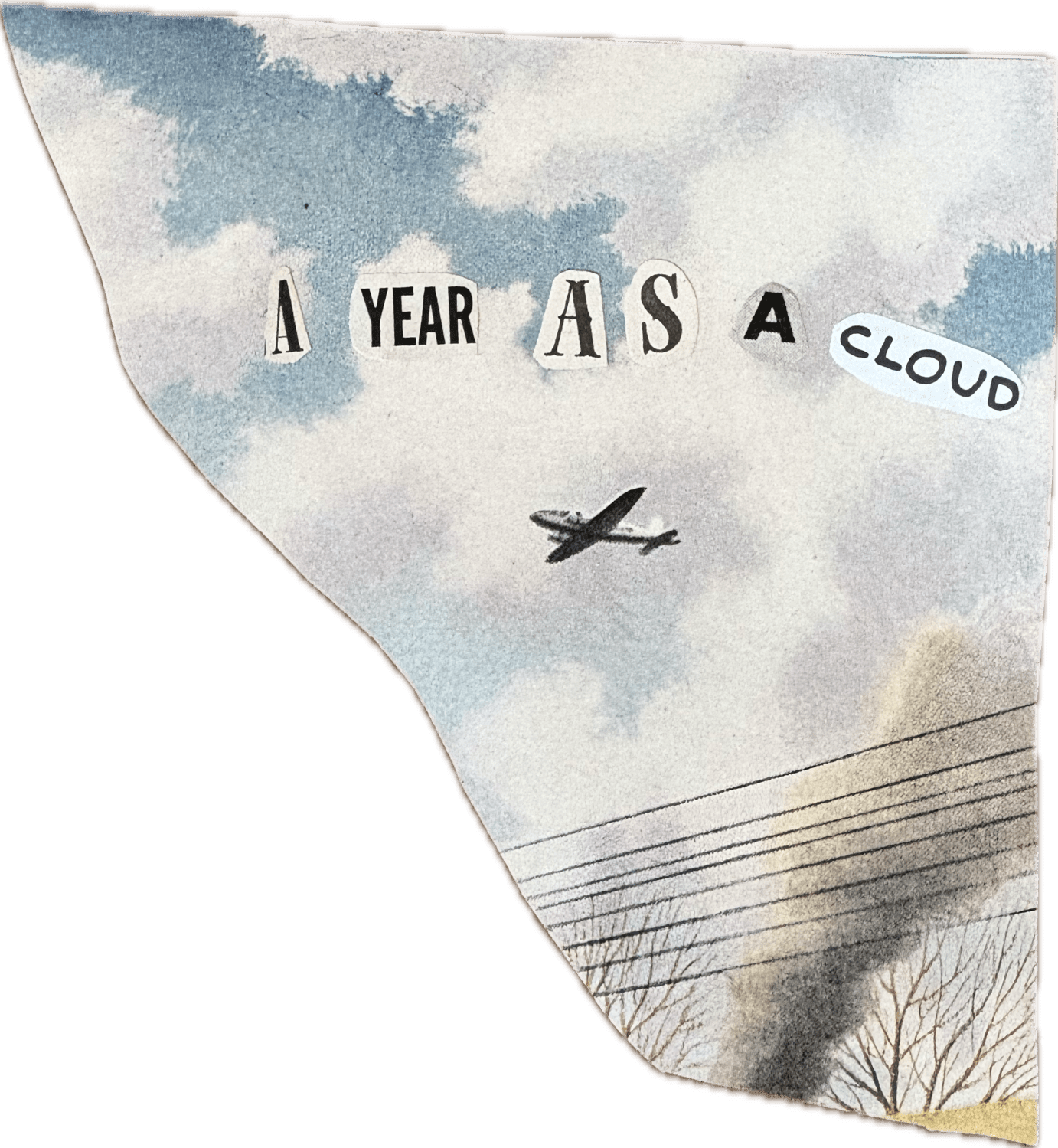
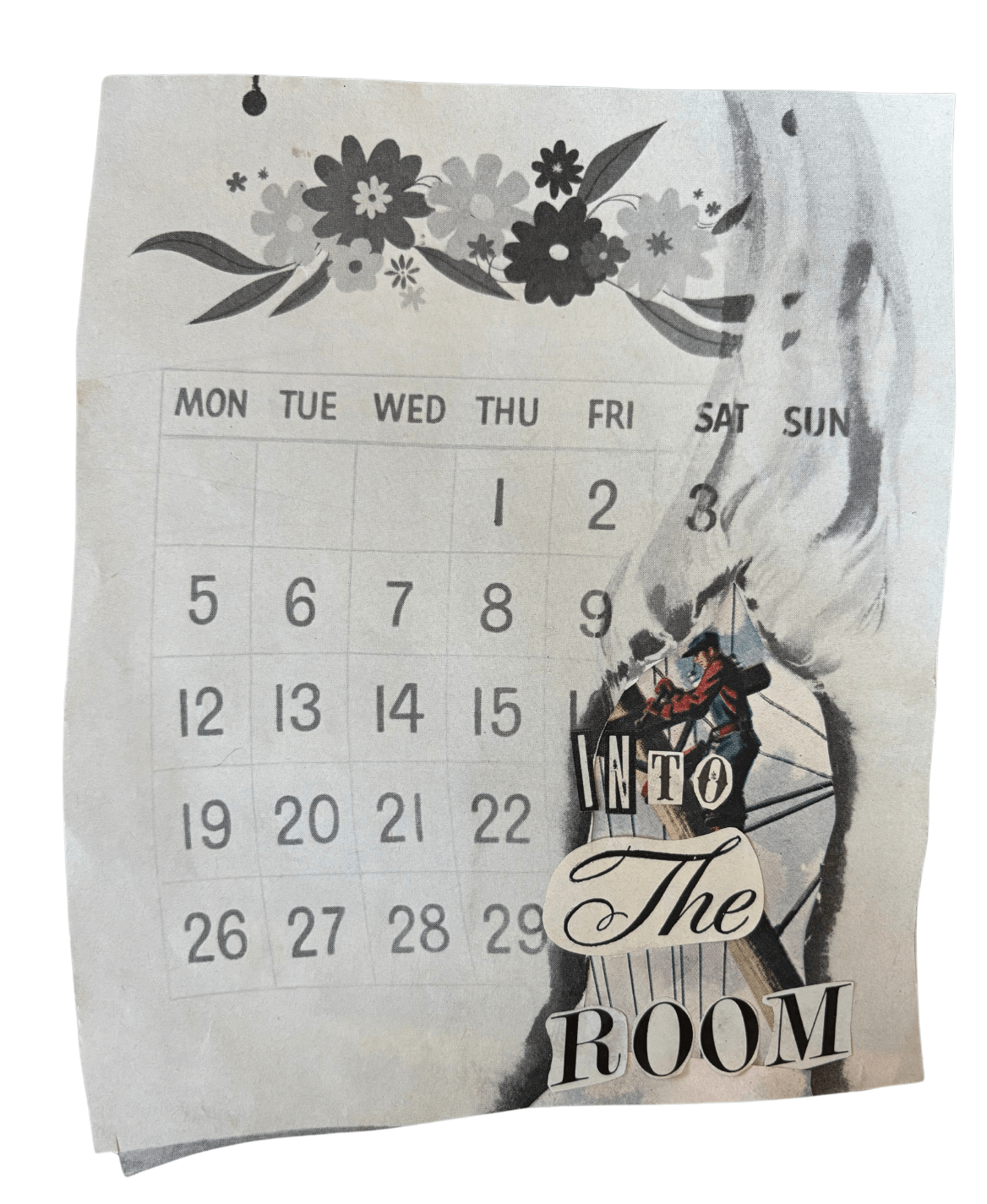
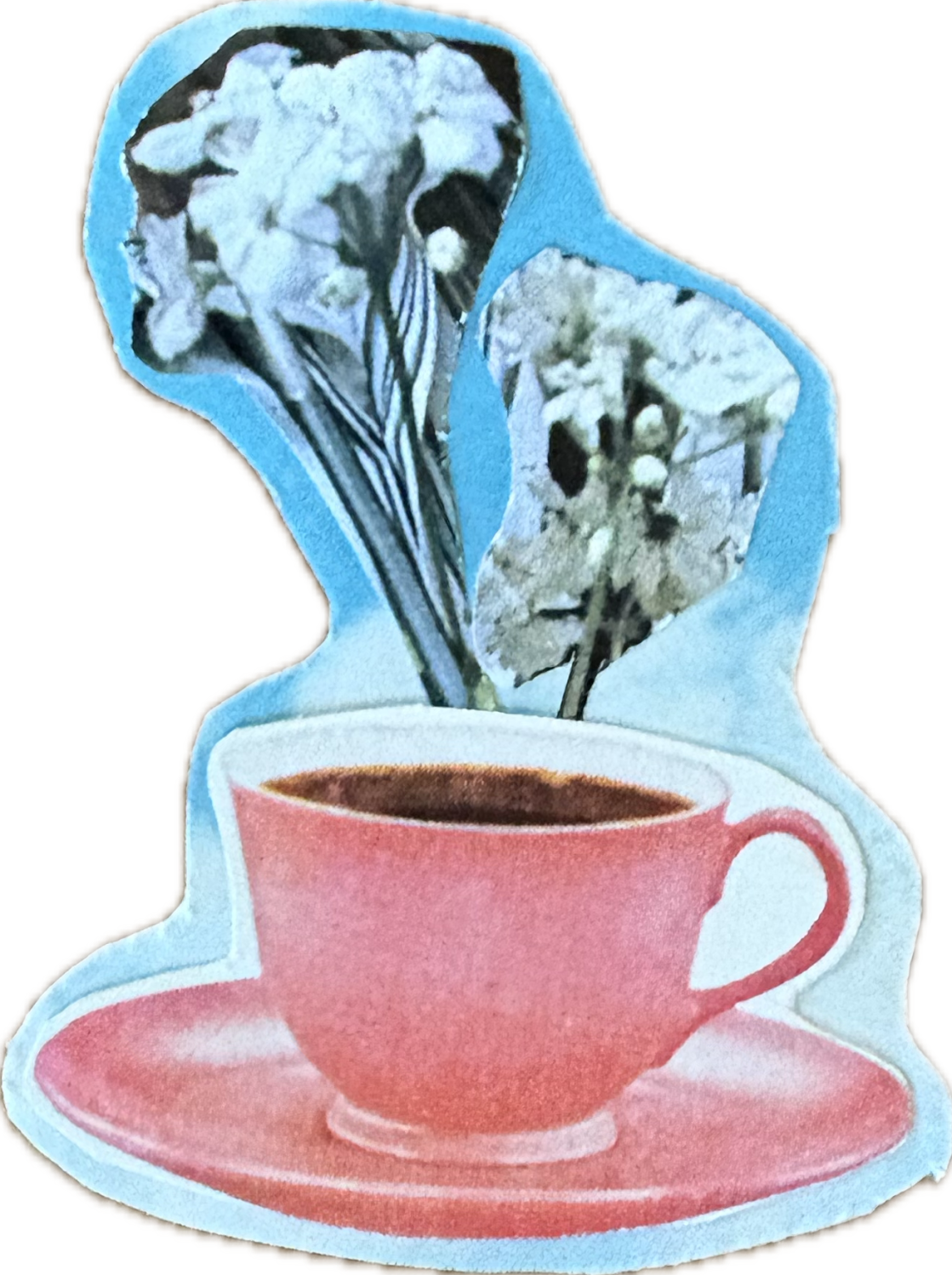

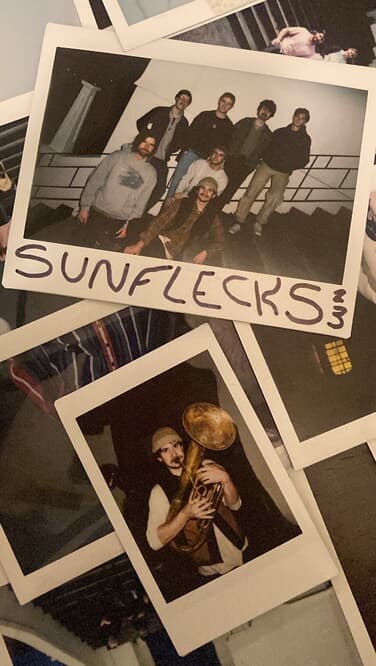
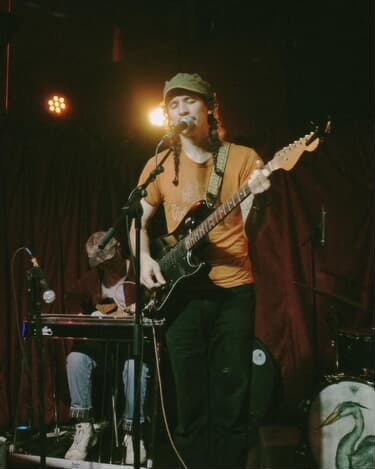

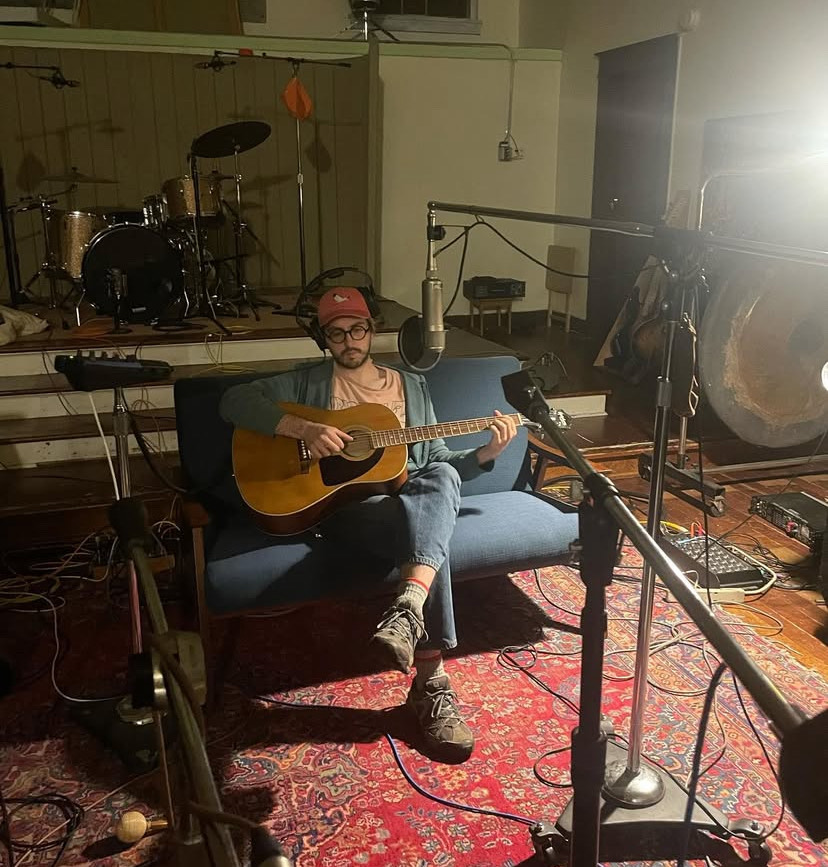
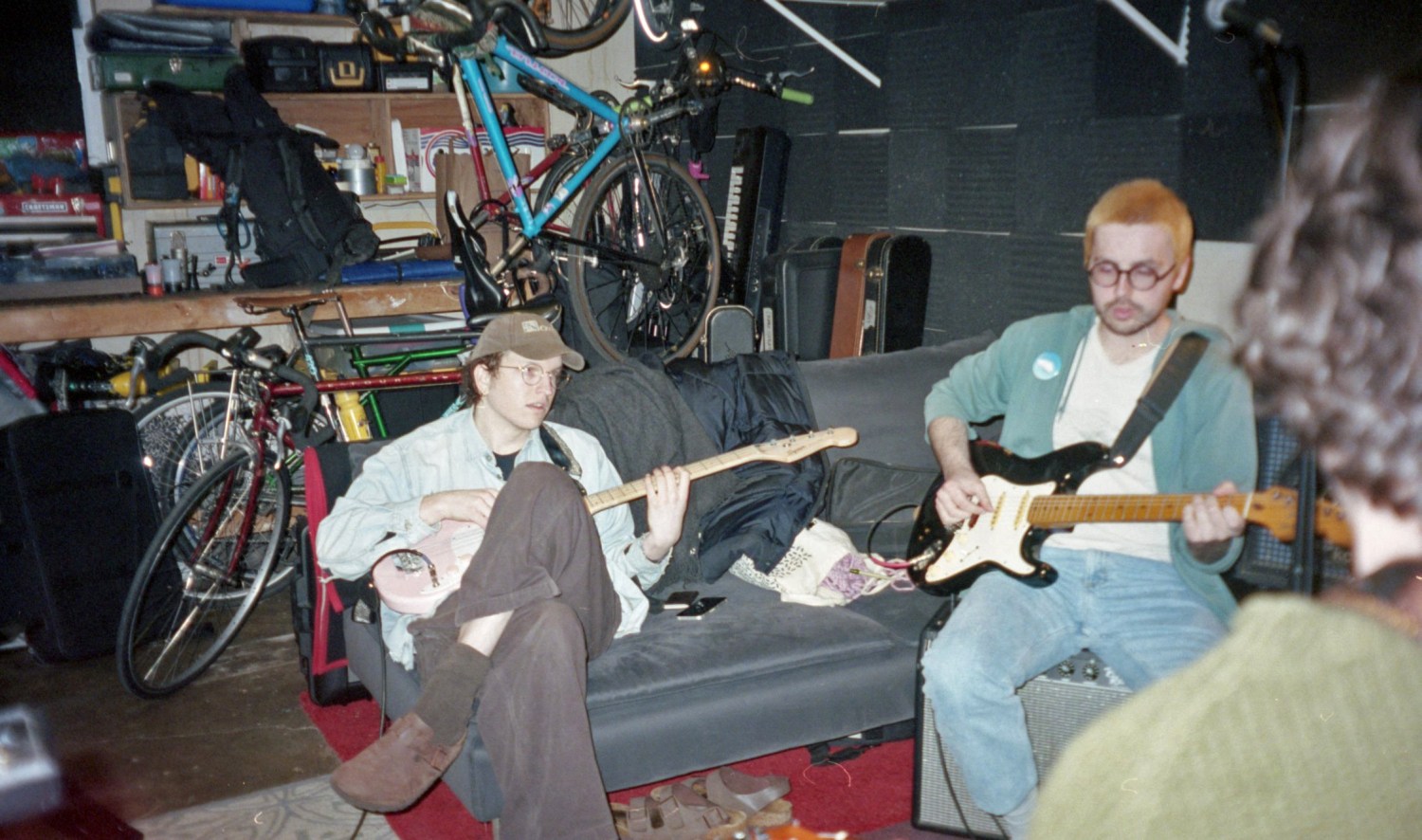
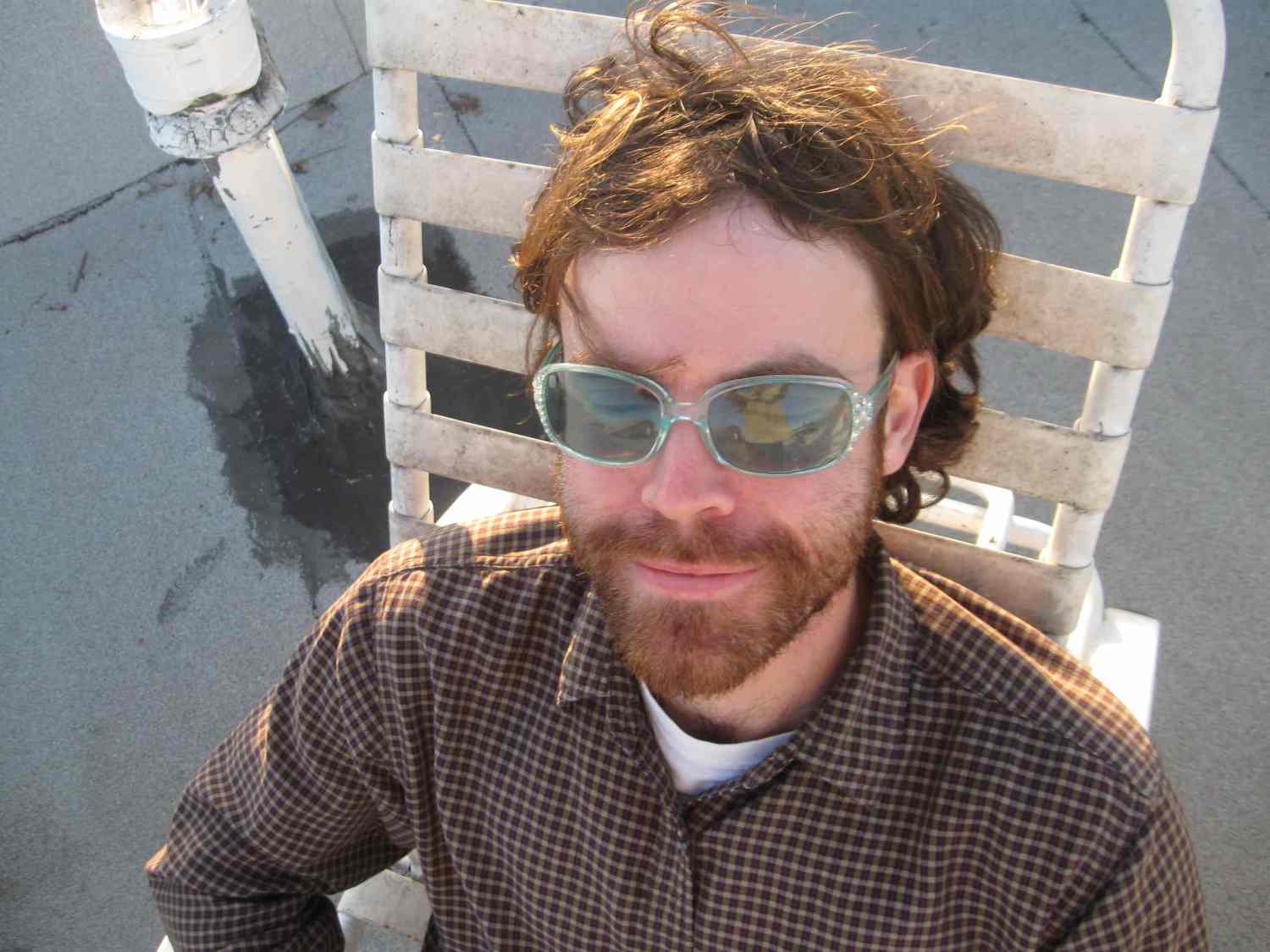
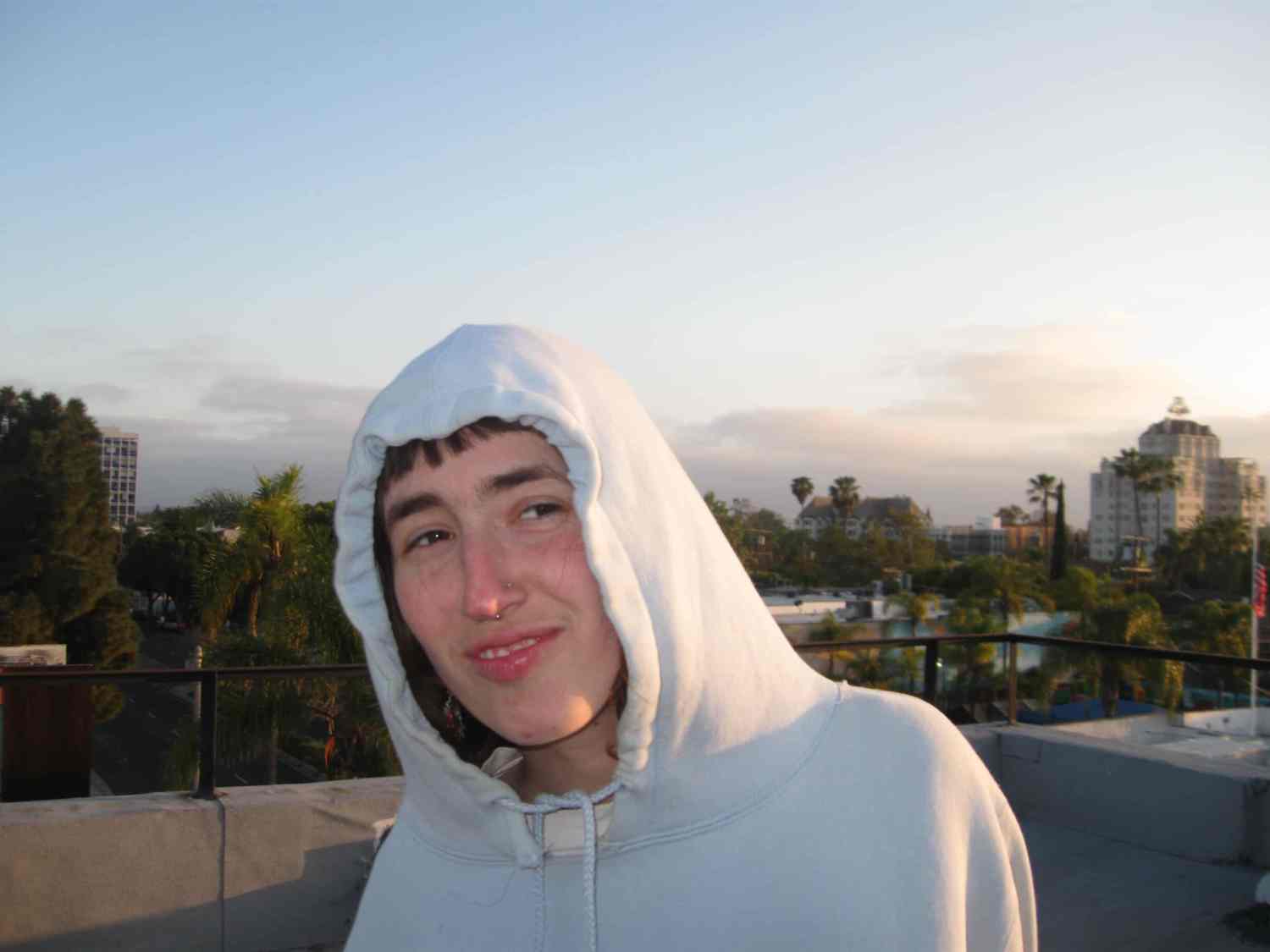
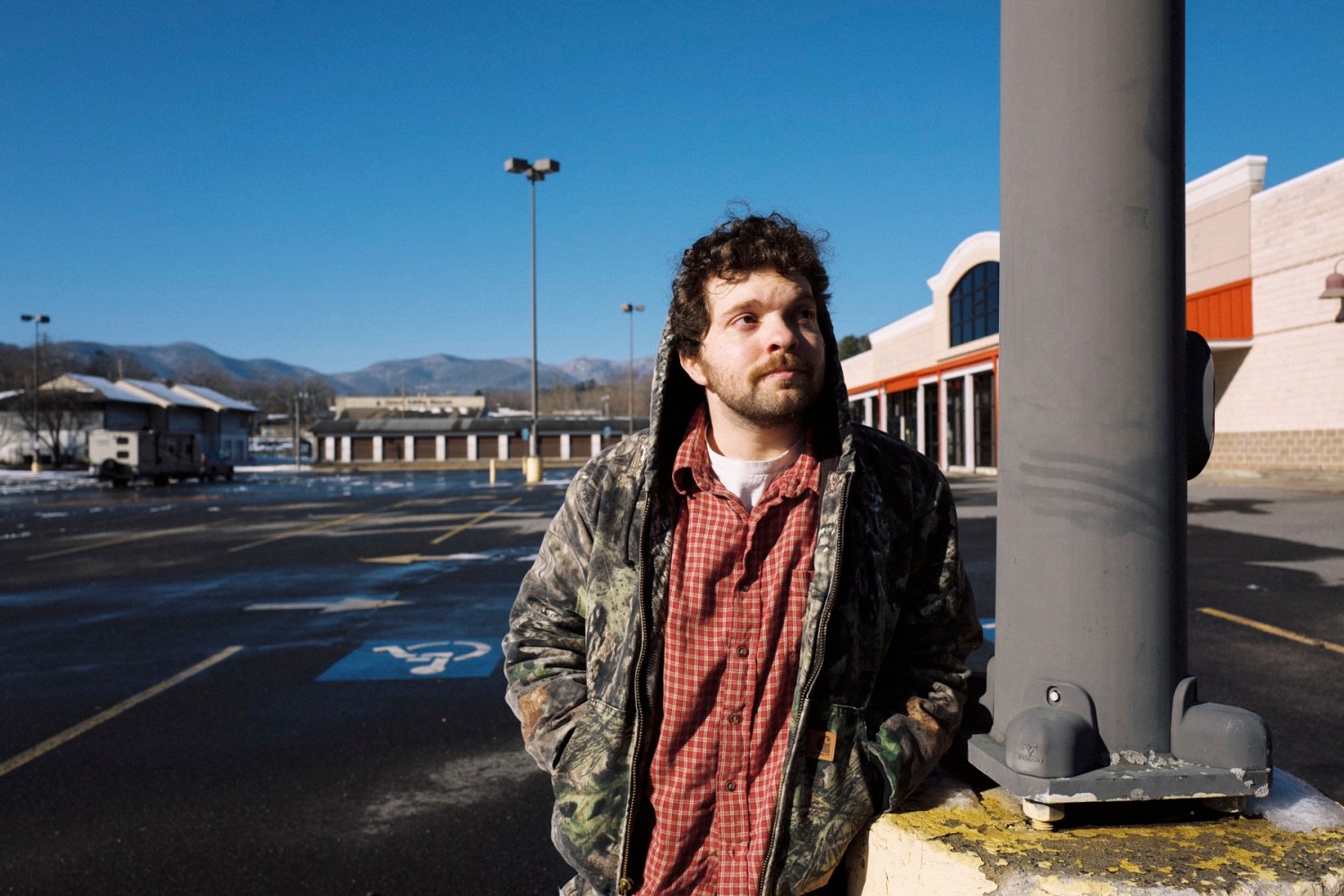
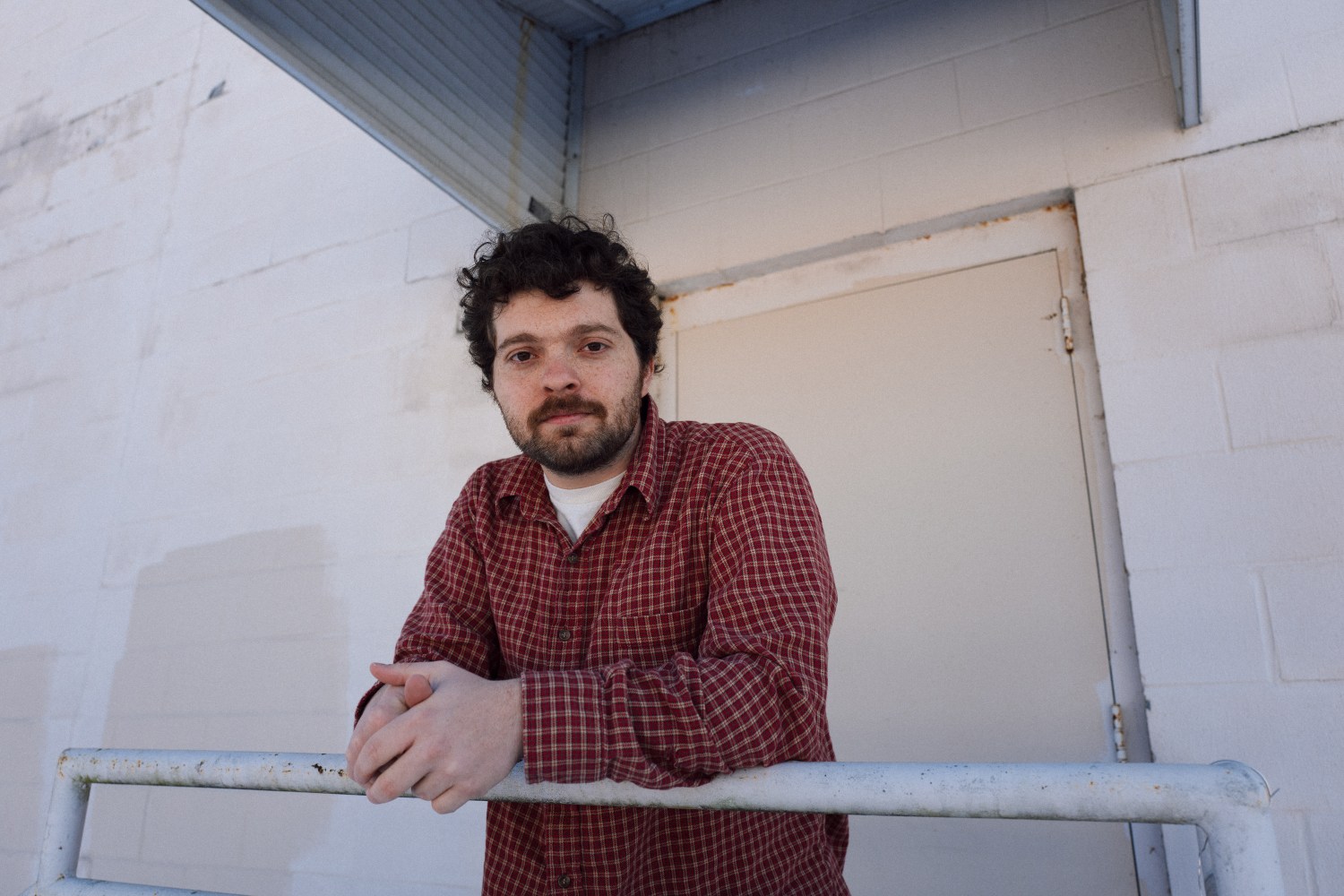
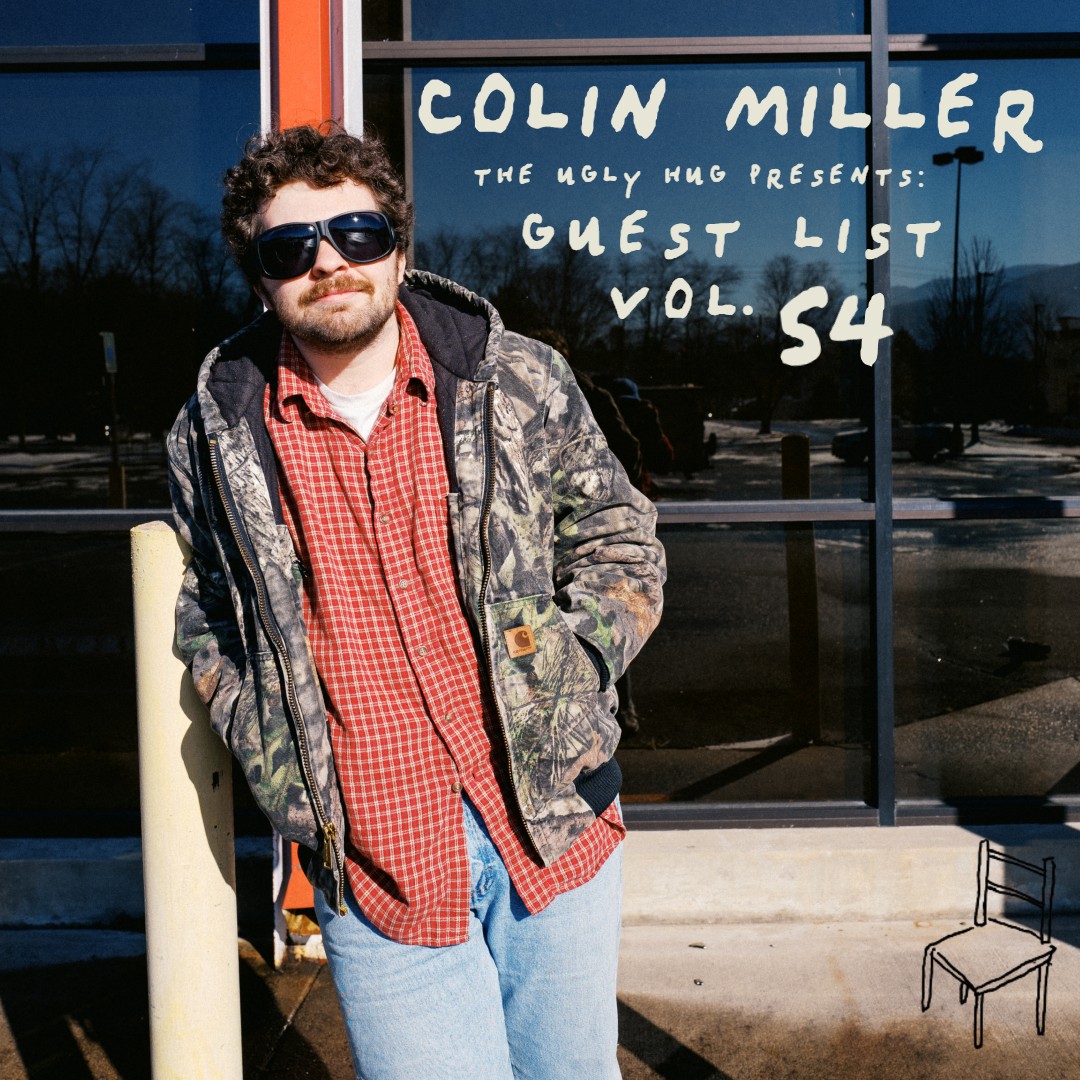
 the ugly hug