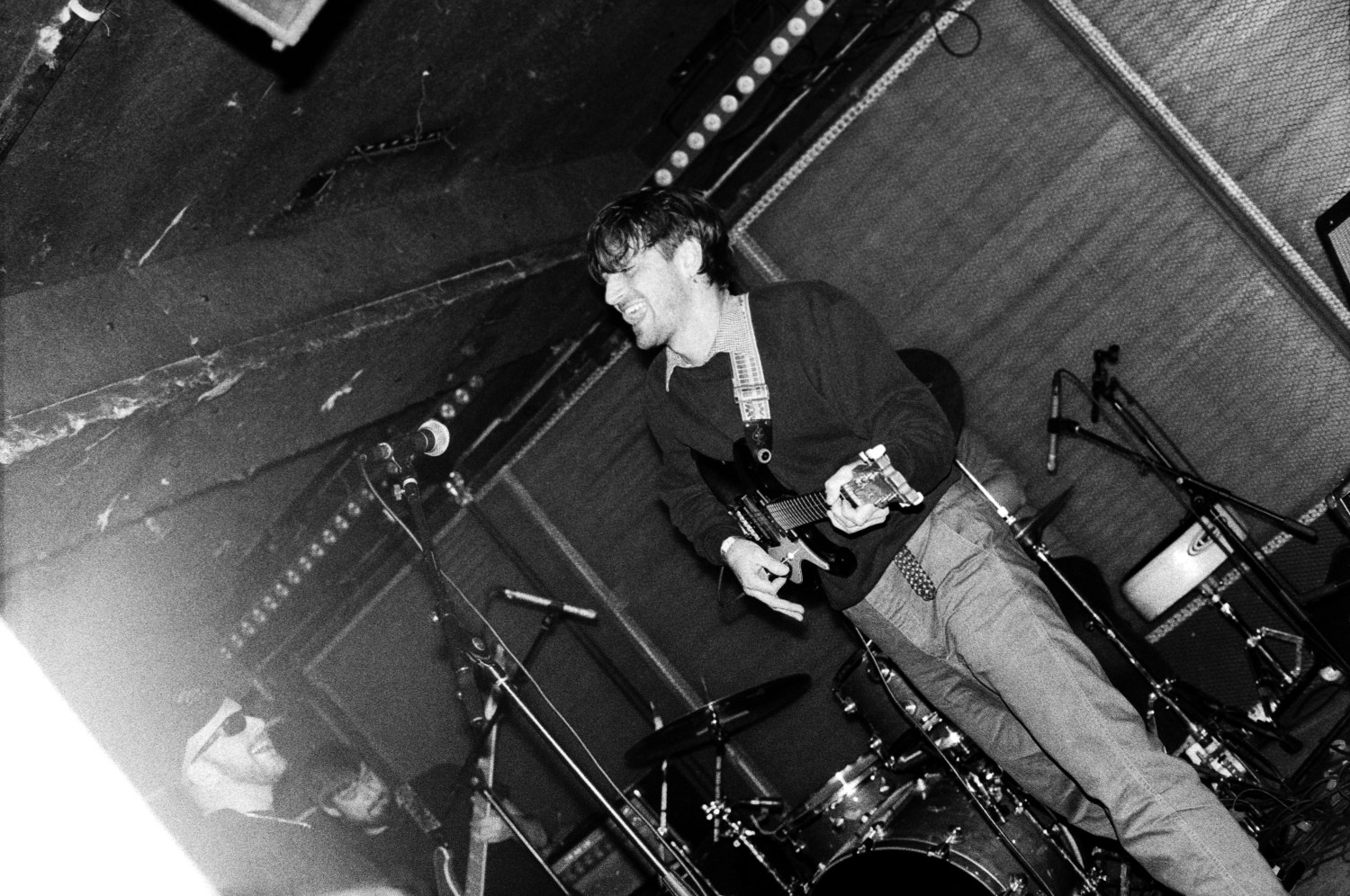
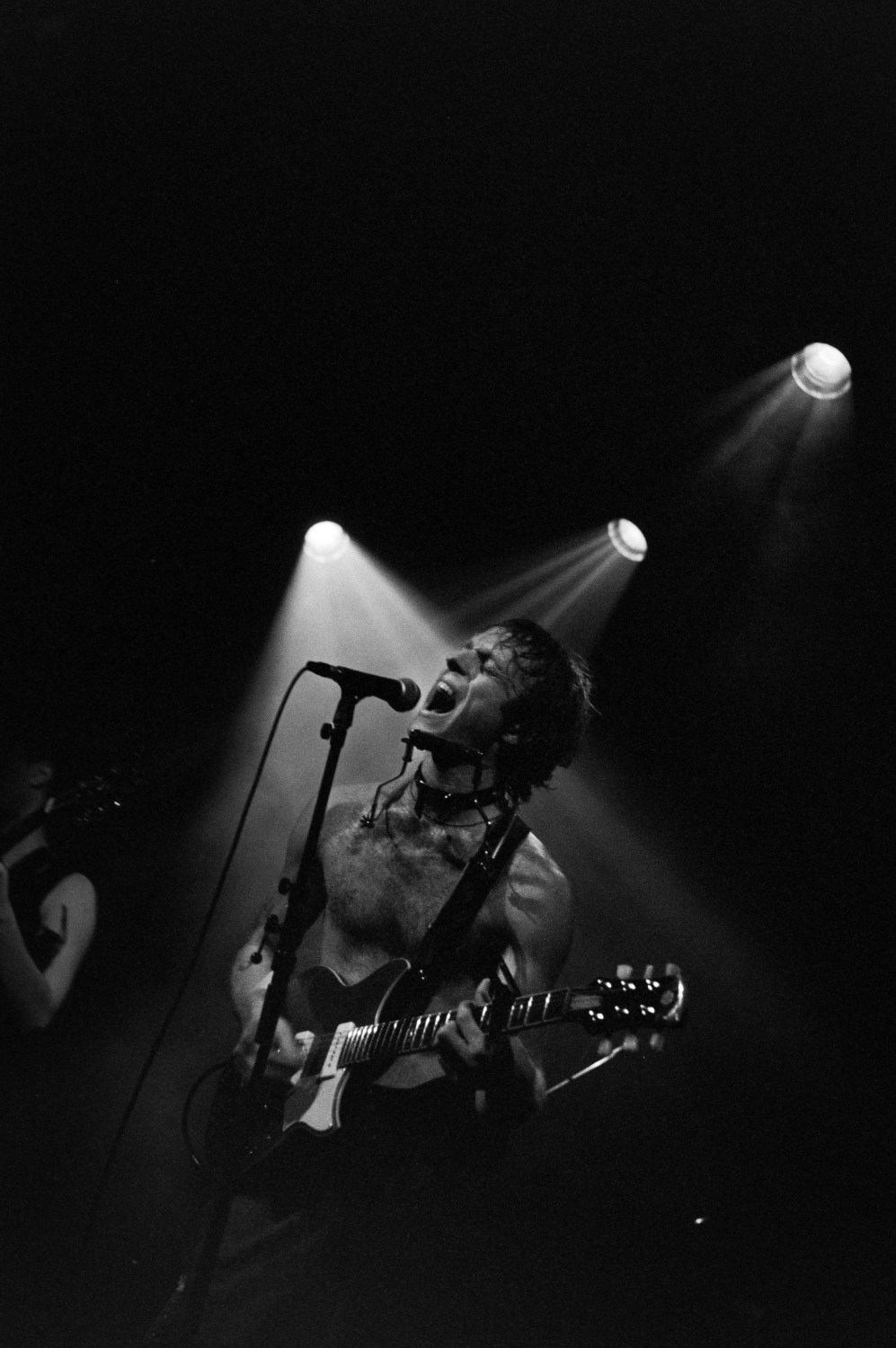
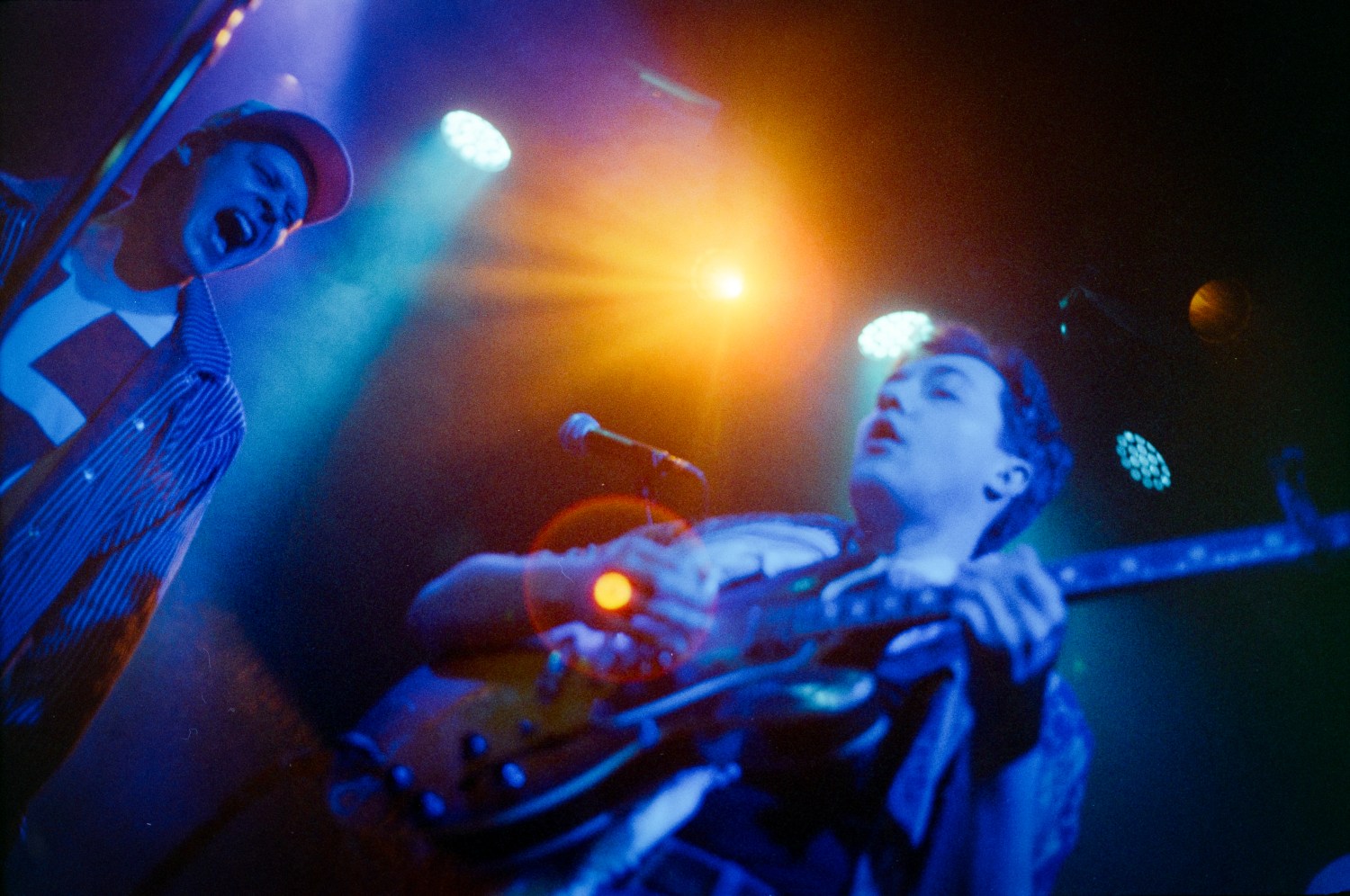
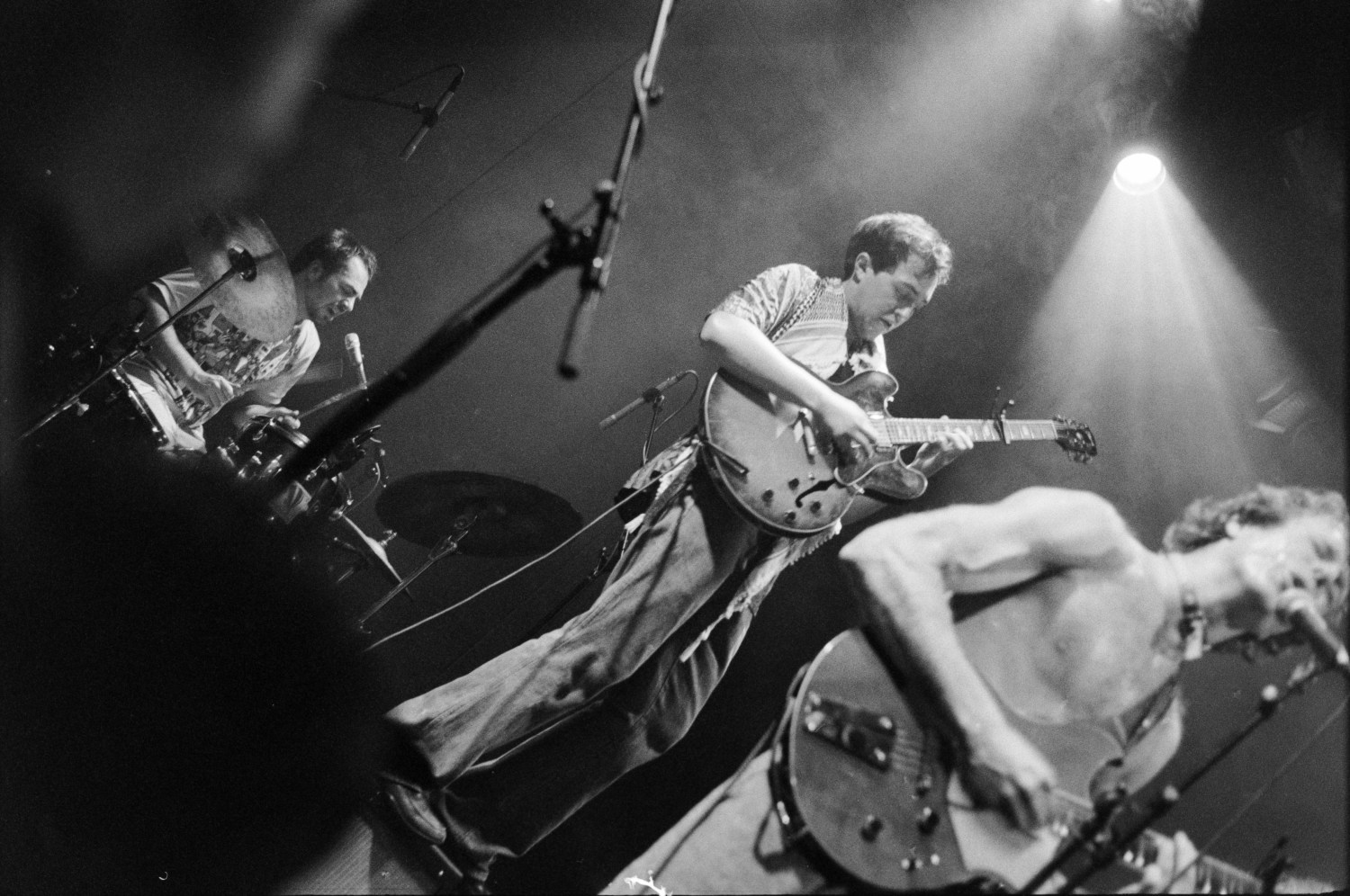
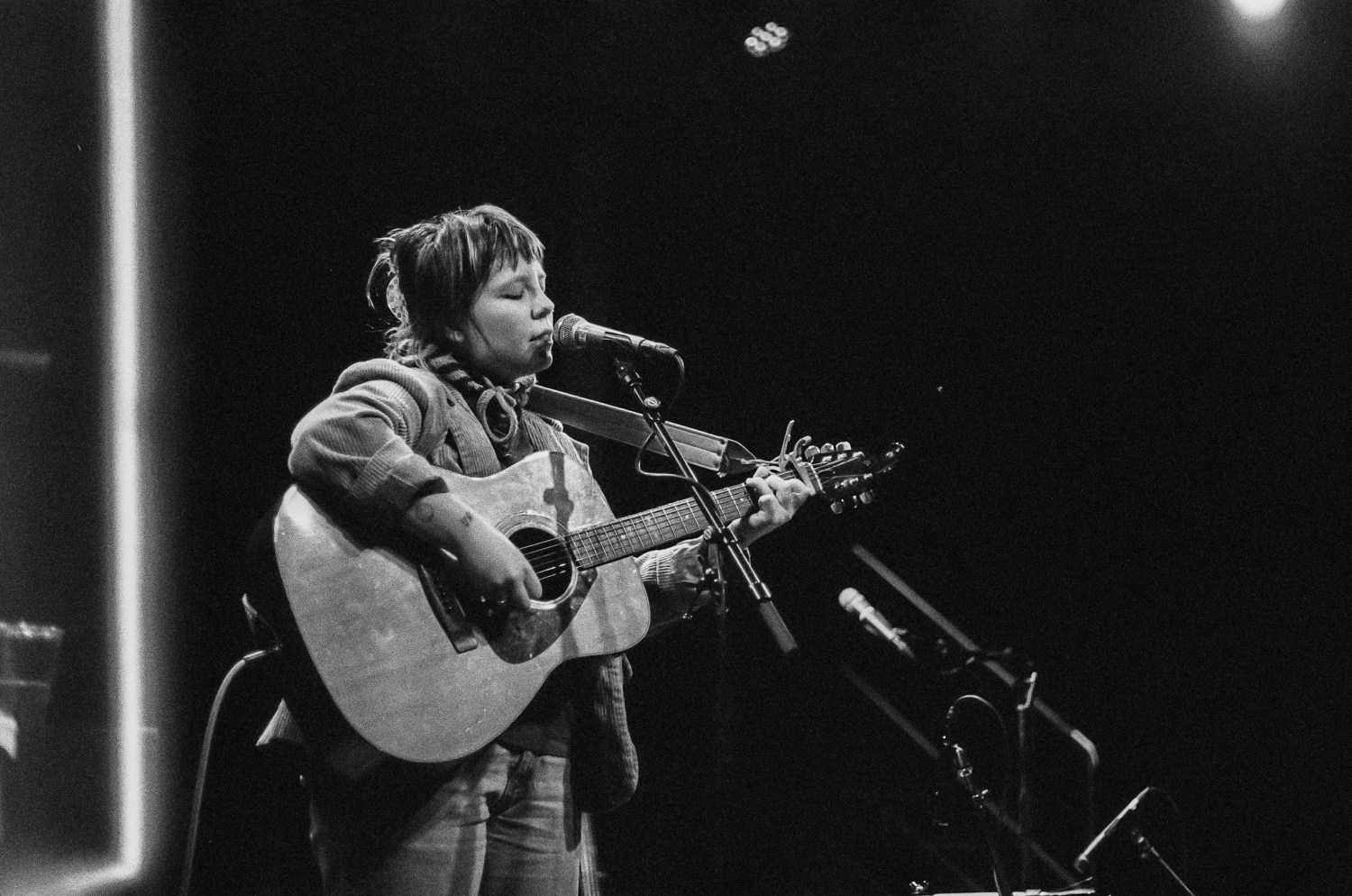
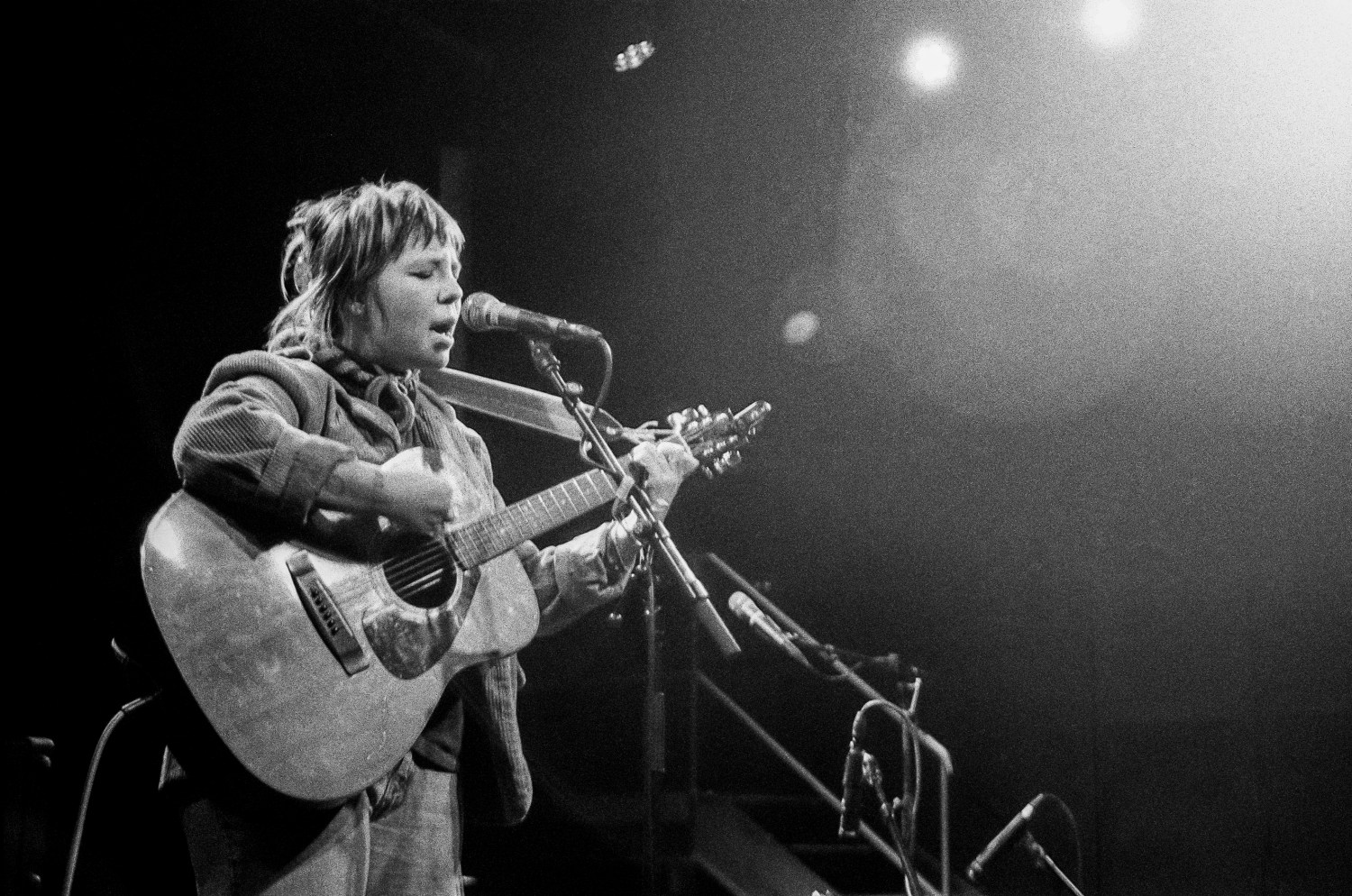
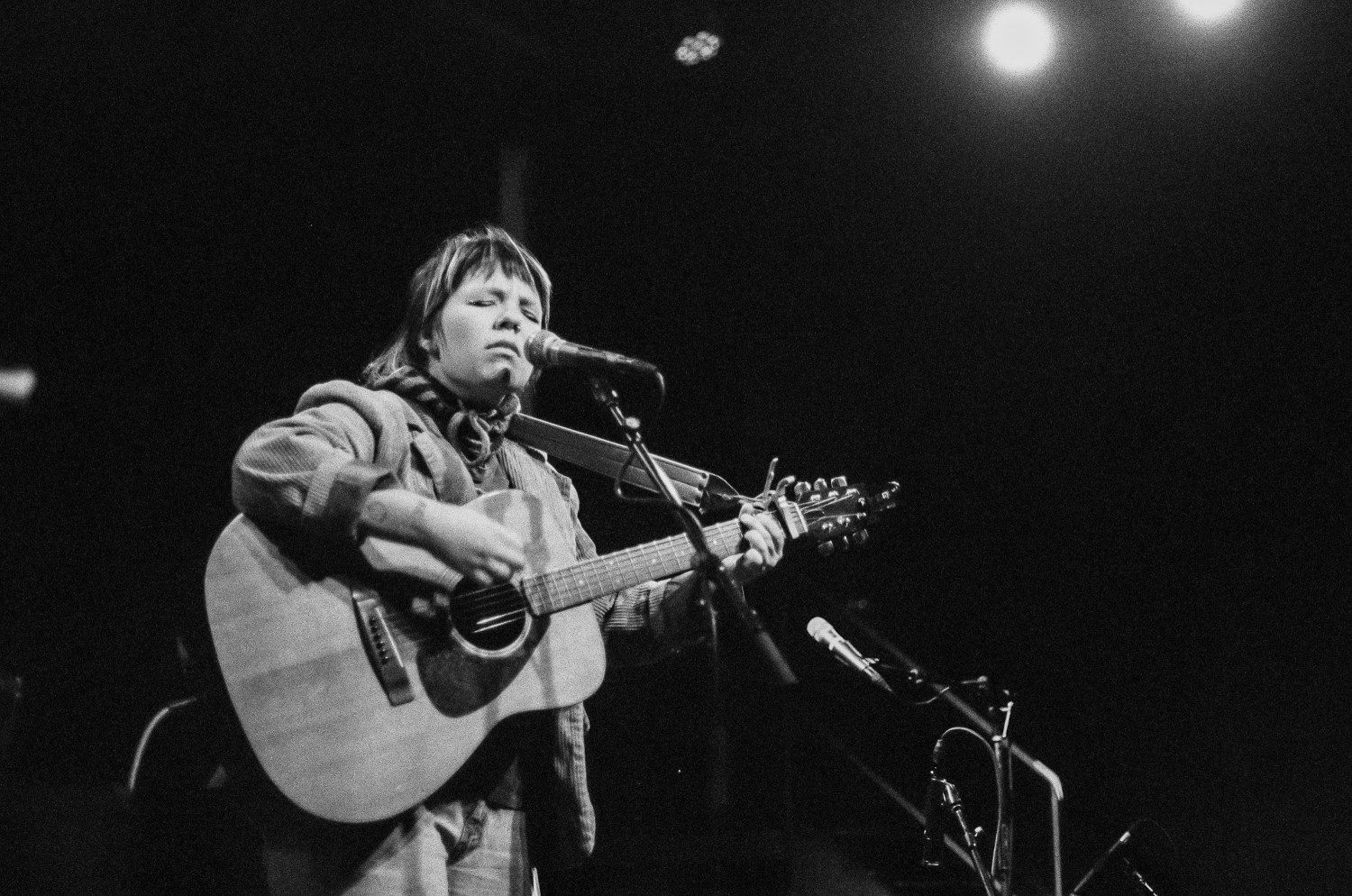
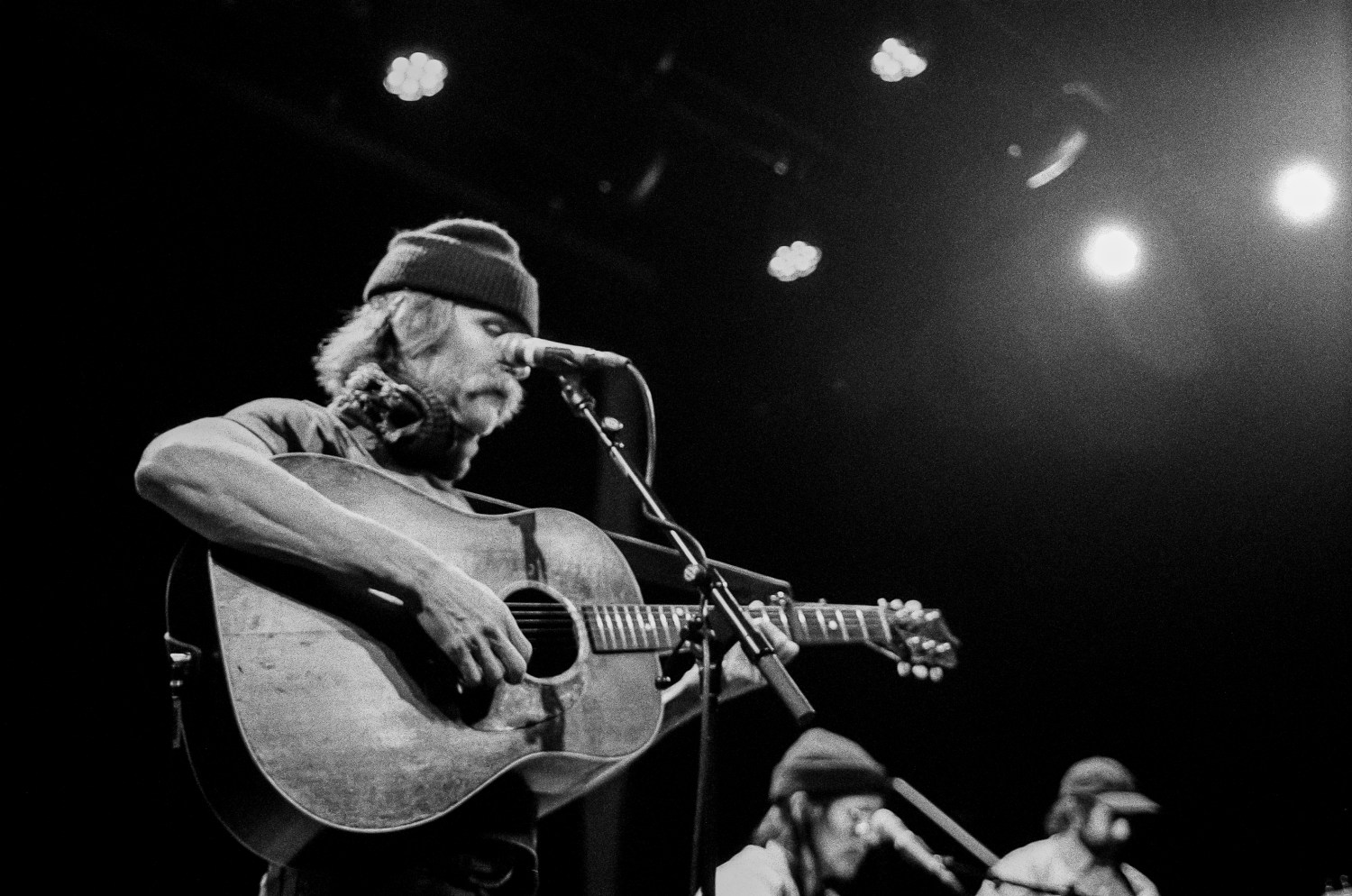
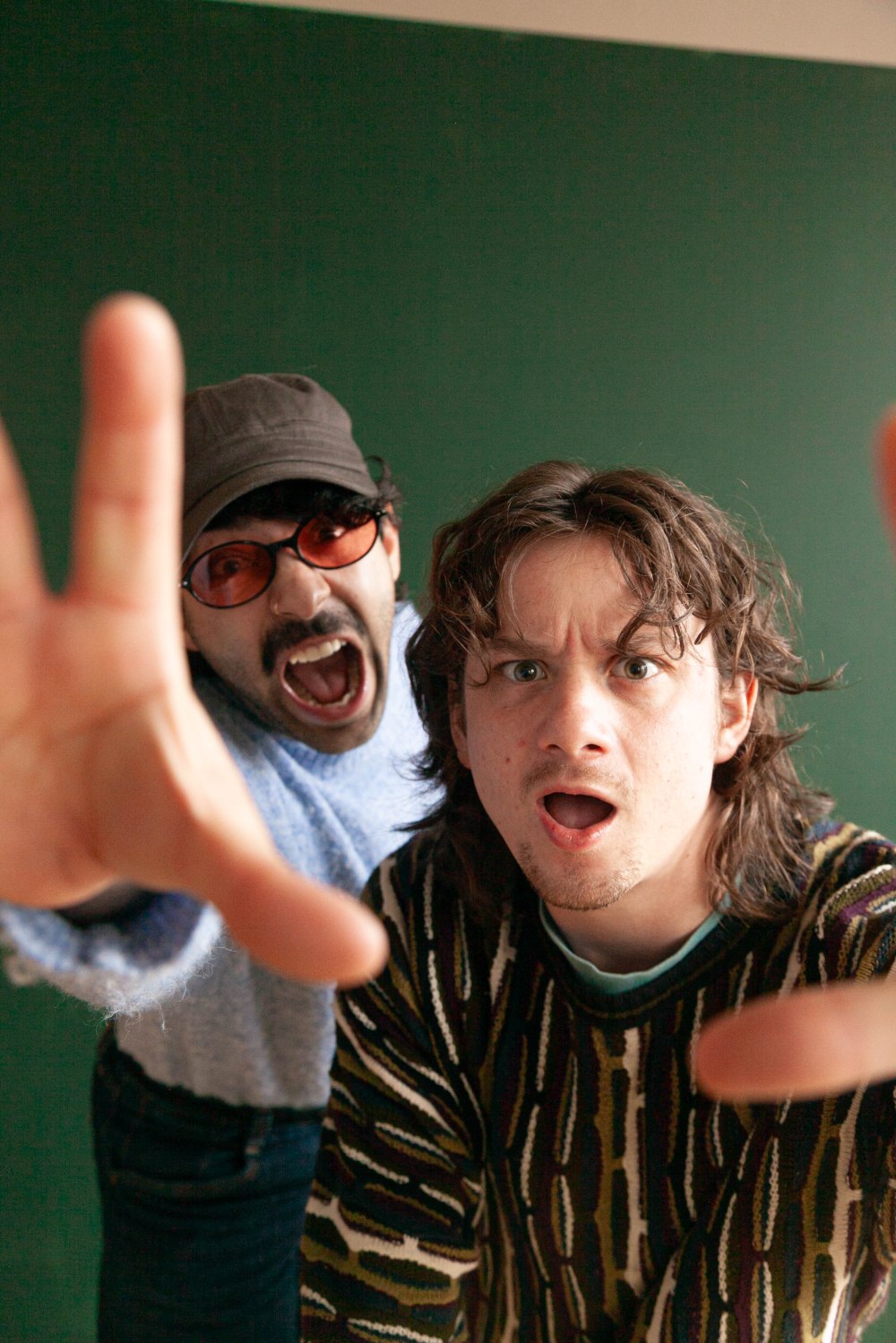
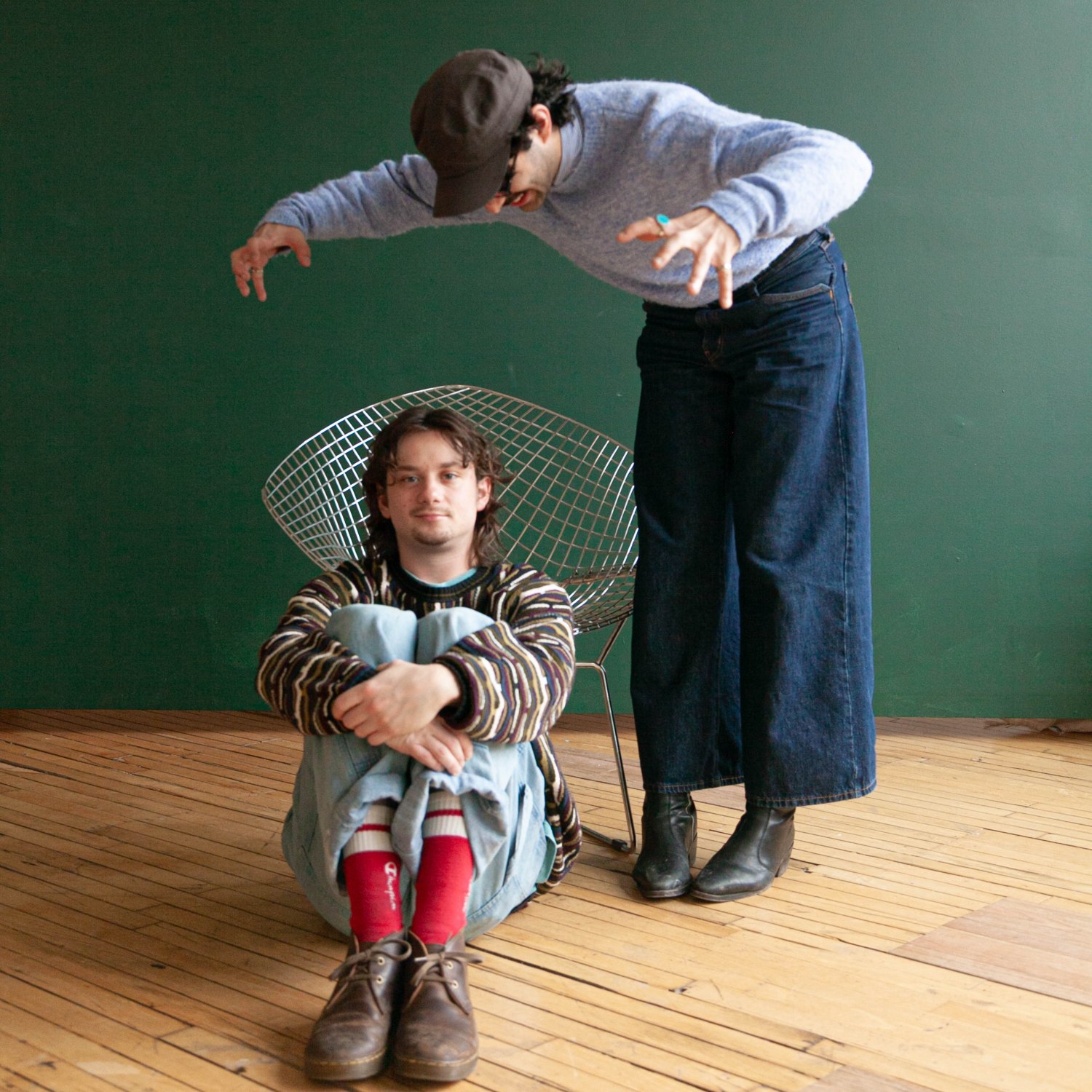
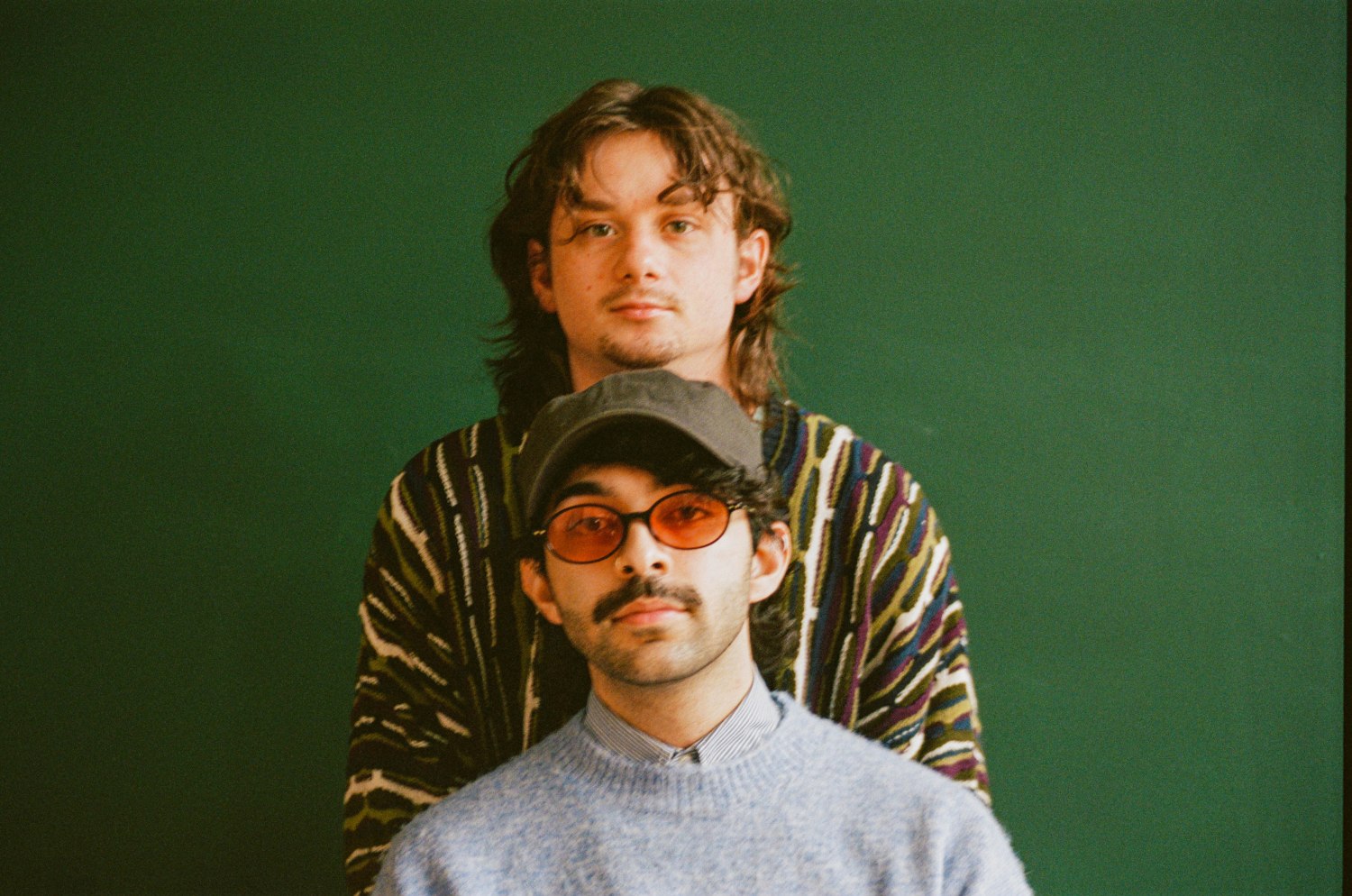
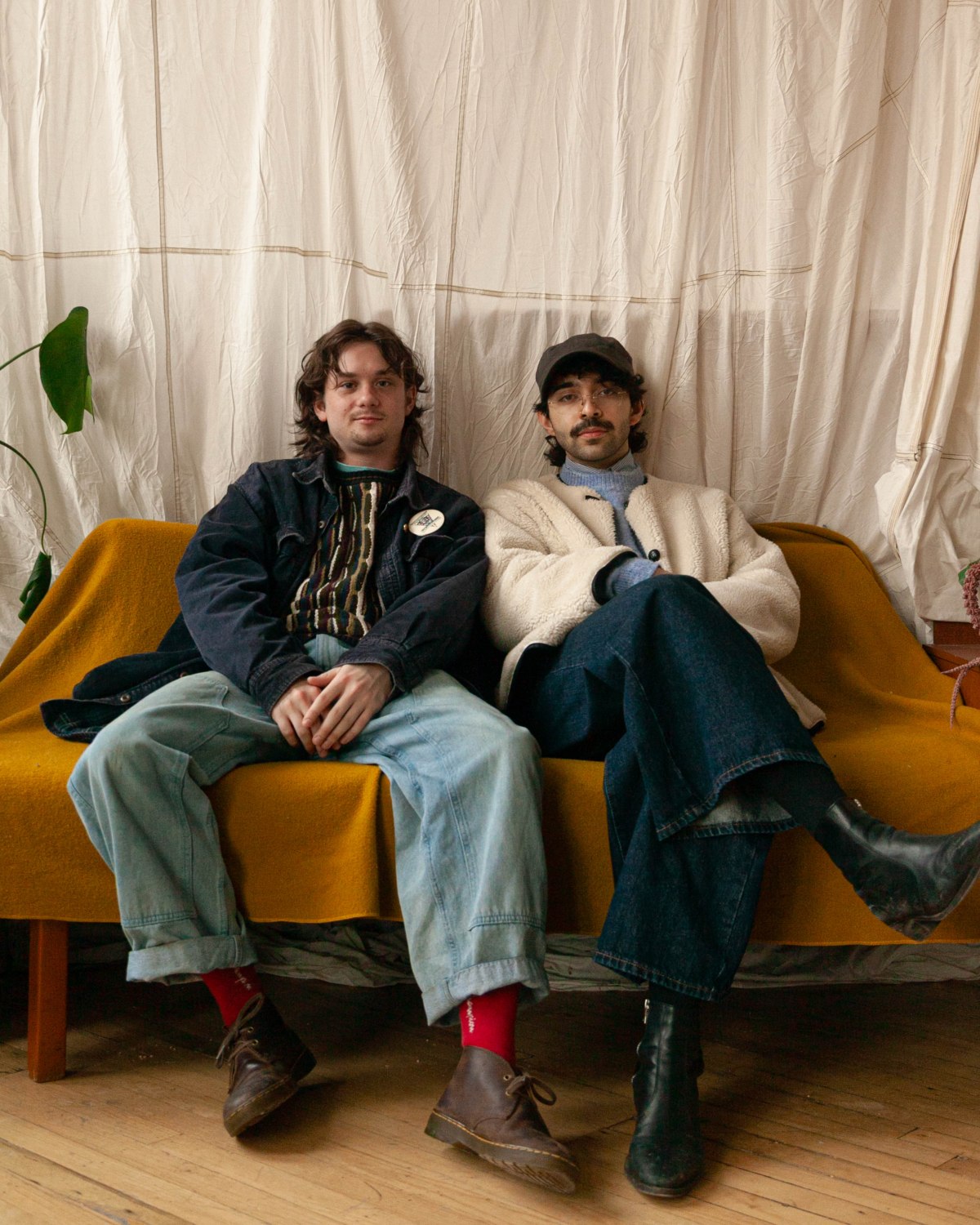
Written by Shea Roney | Photos by Averi Love Little and Breaden Long |Video by Amaya Peña
“Two cars and two bands, with long drives and a new party each night. Watching a songbook change form each night and get tired by morning. Memory Card and Kitship’s big road trip.”
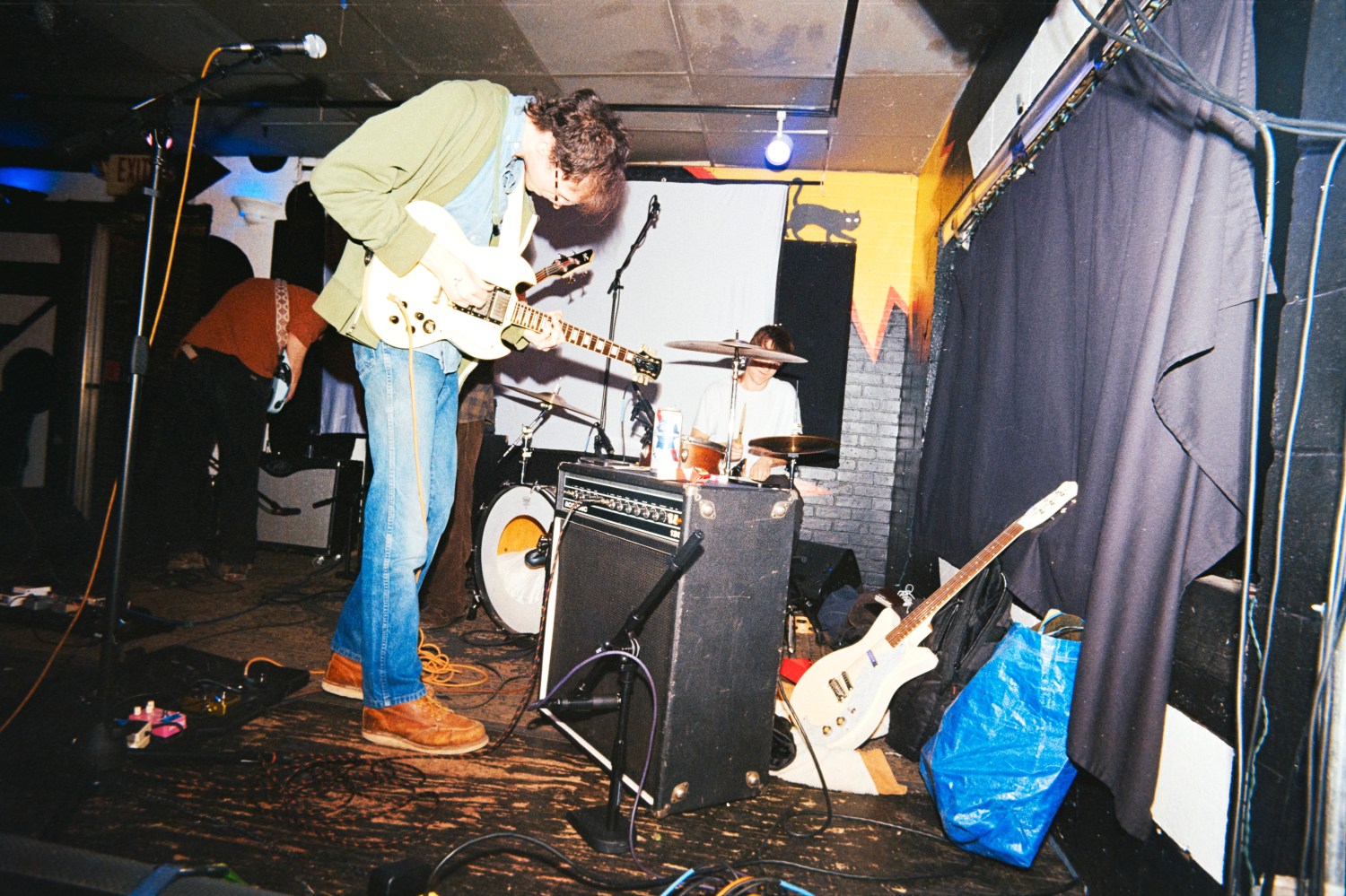
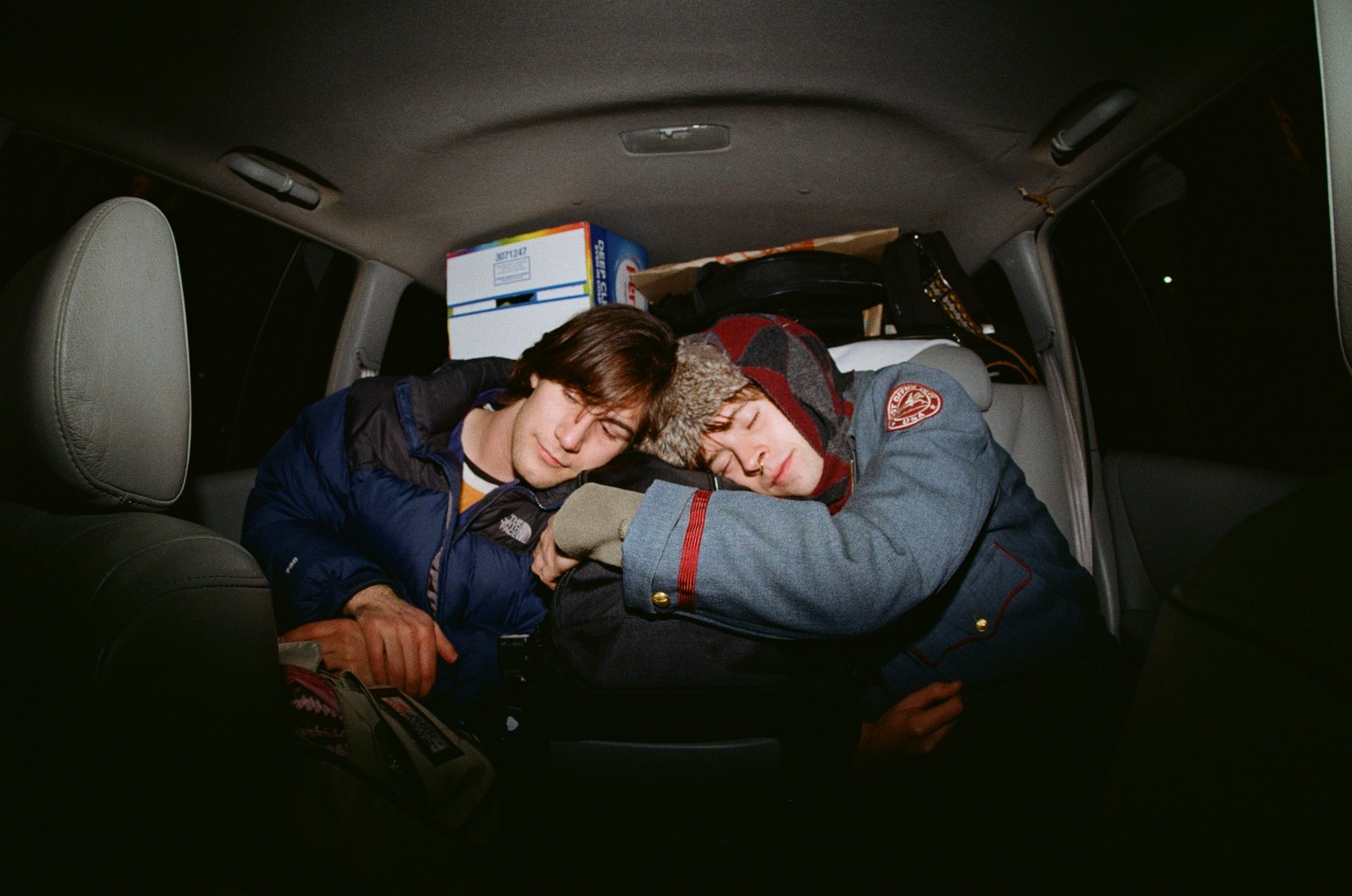
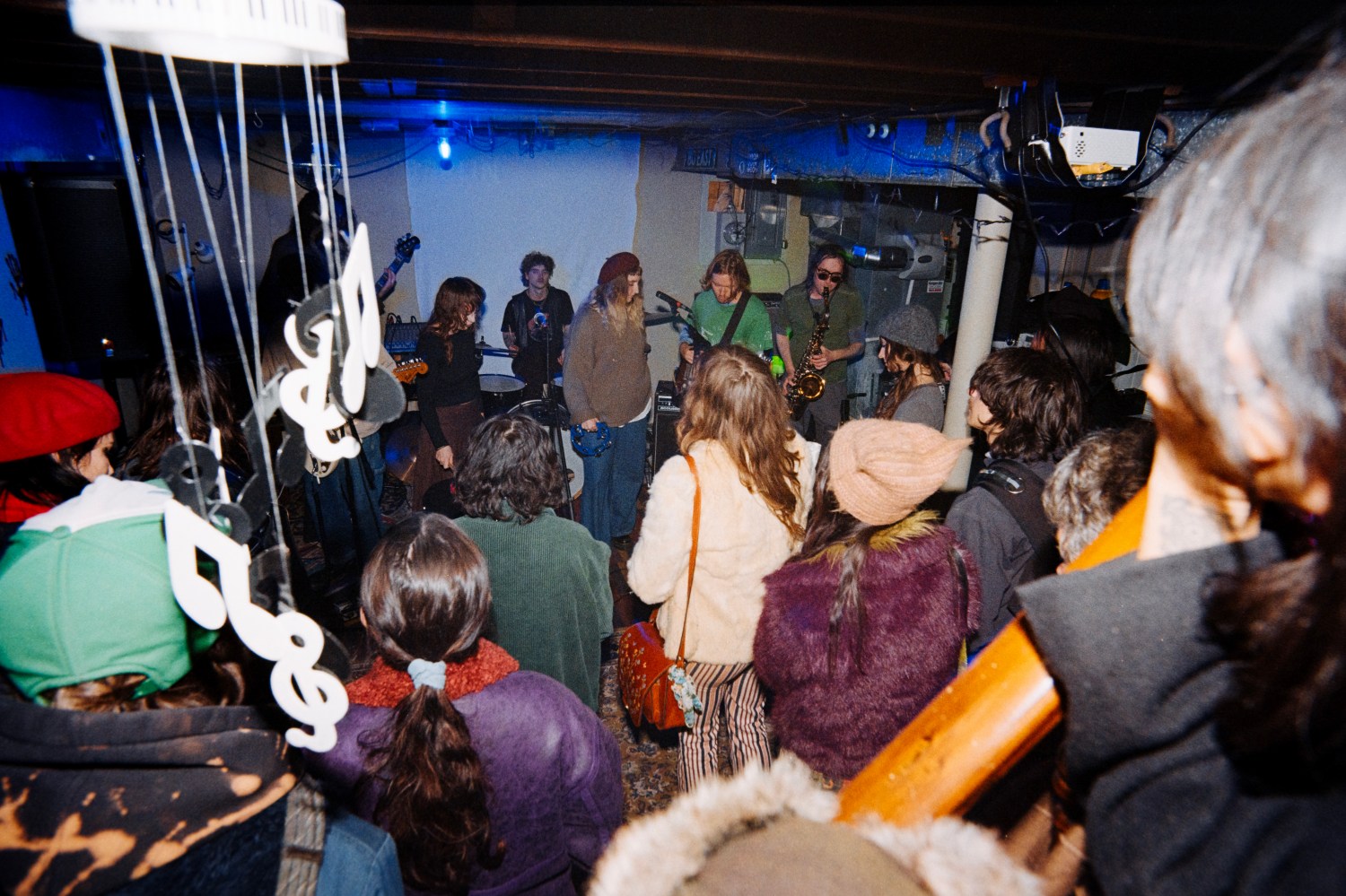
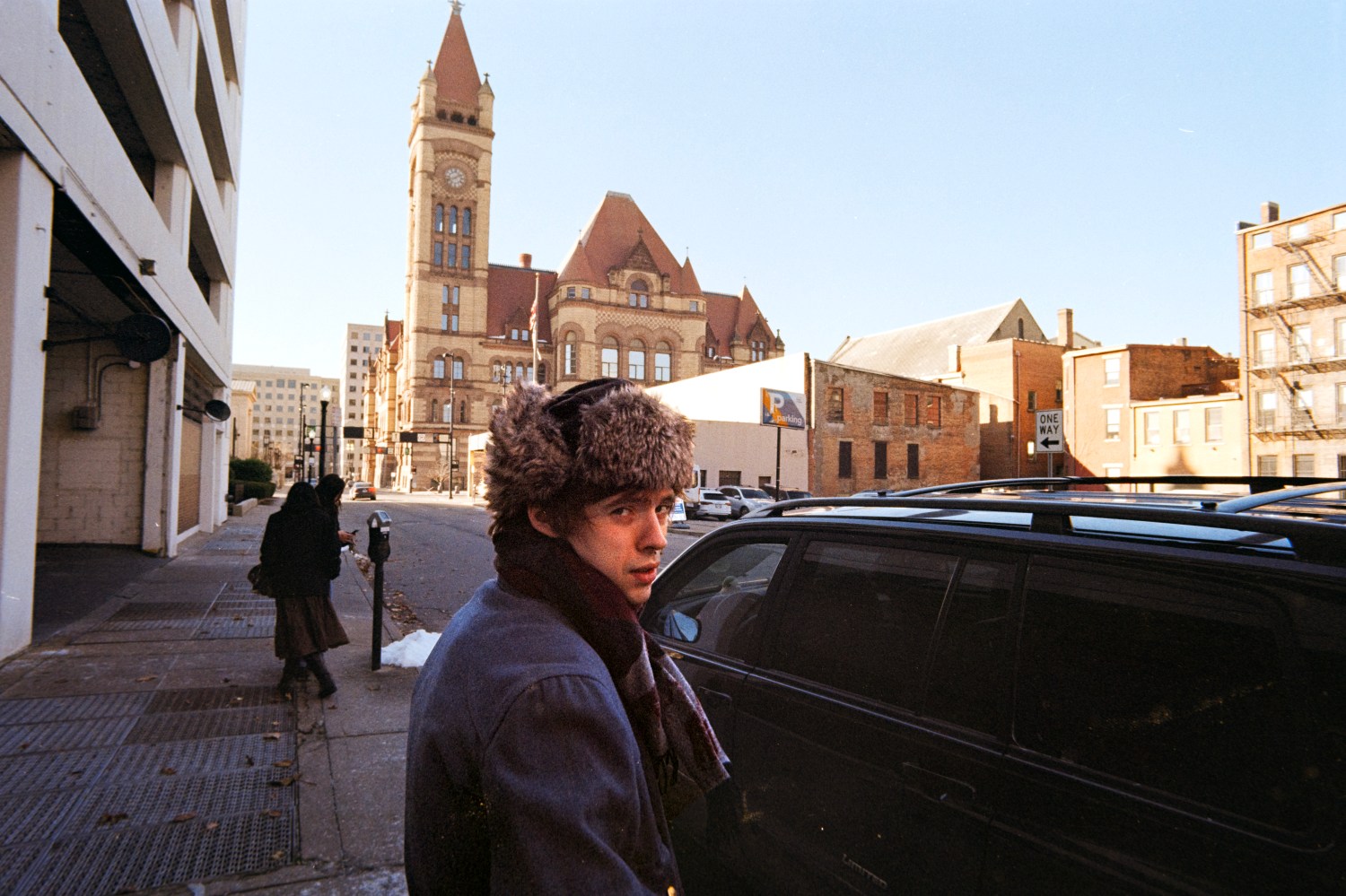
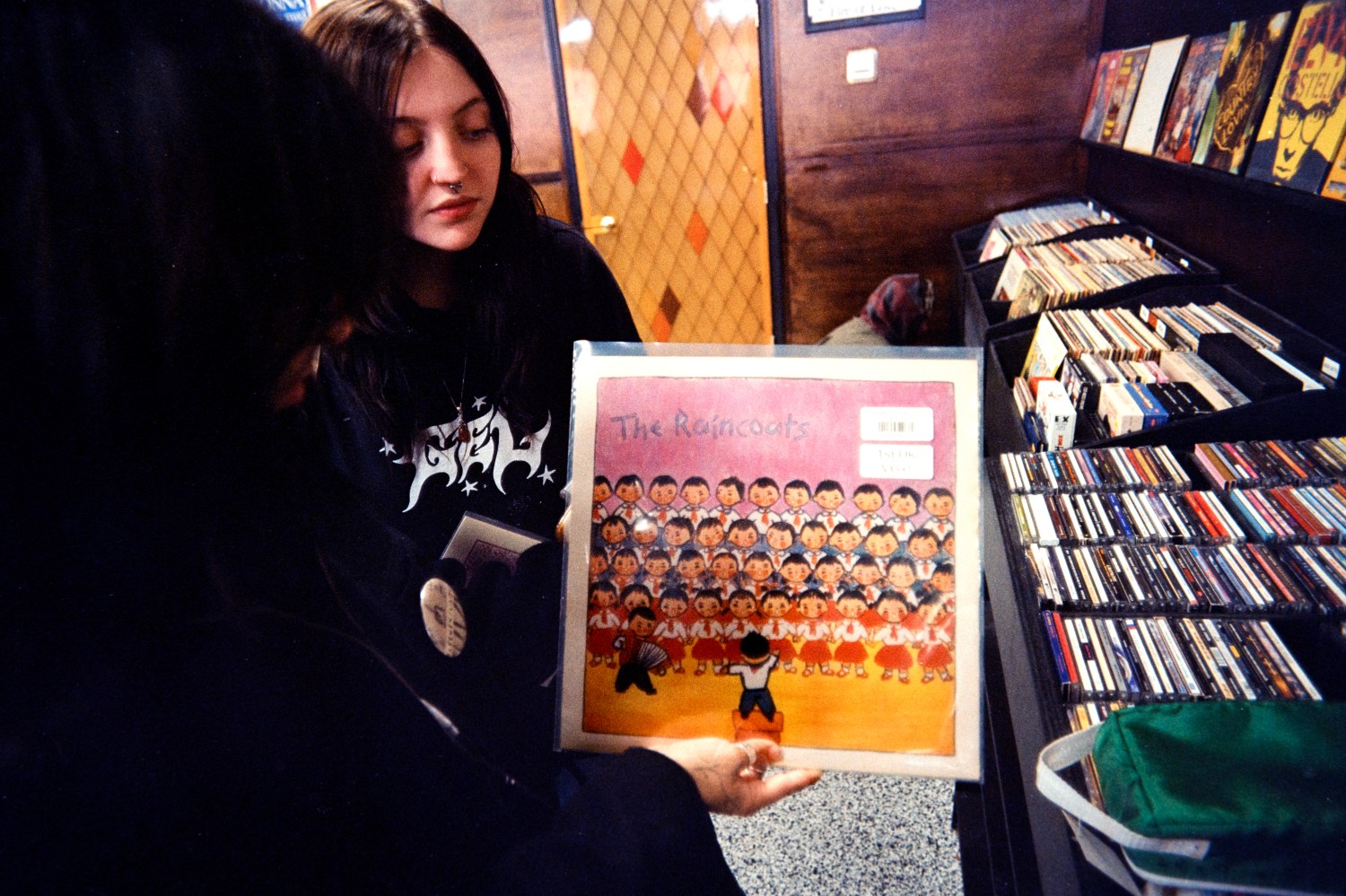
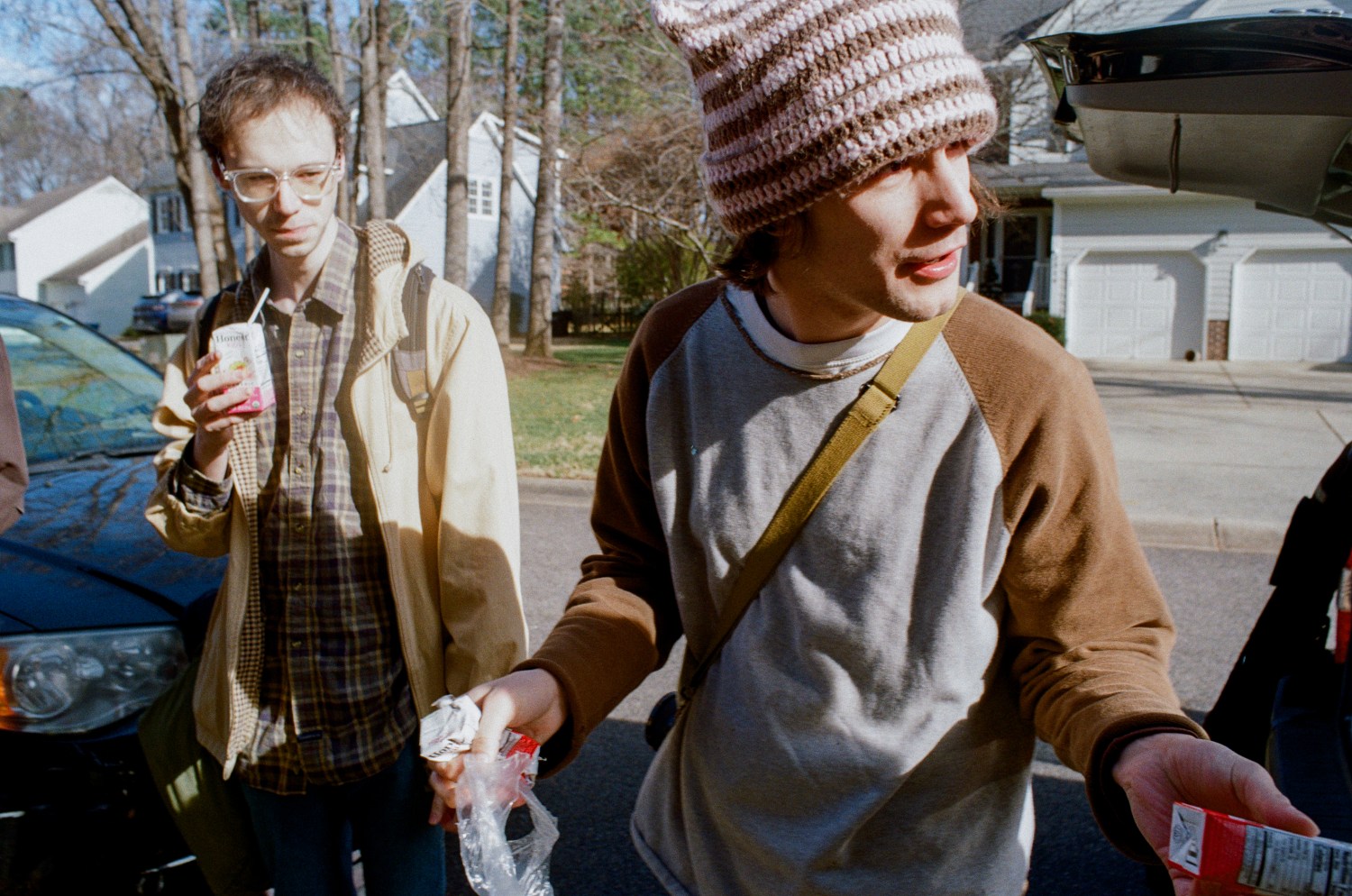
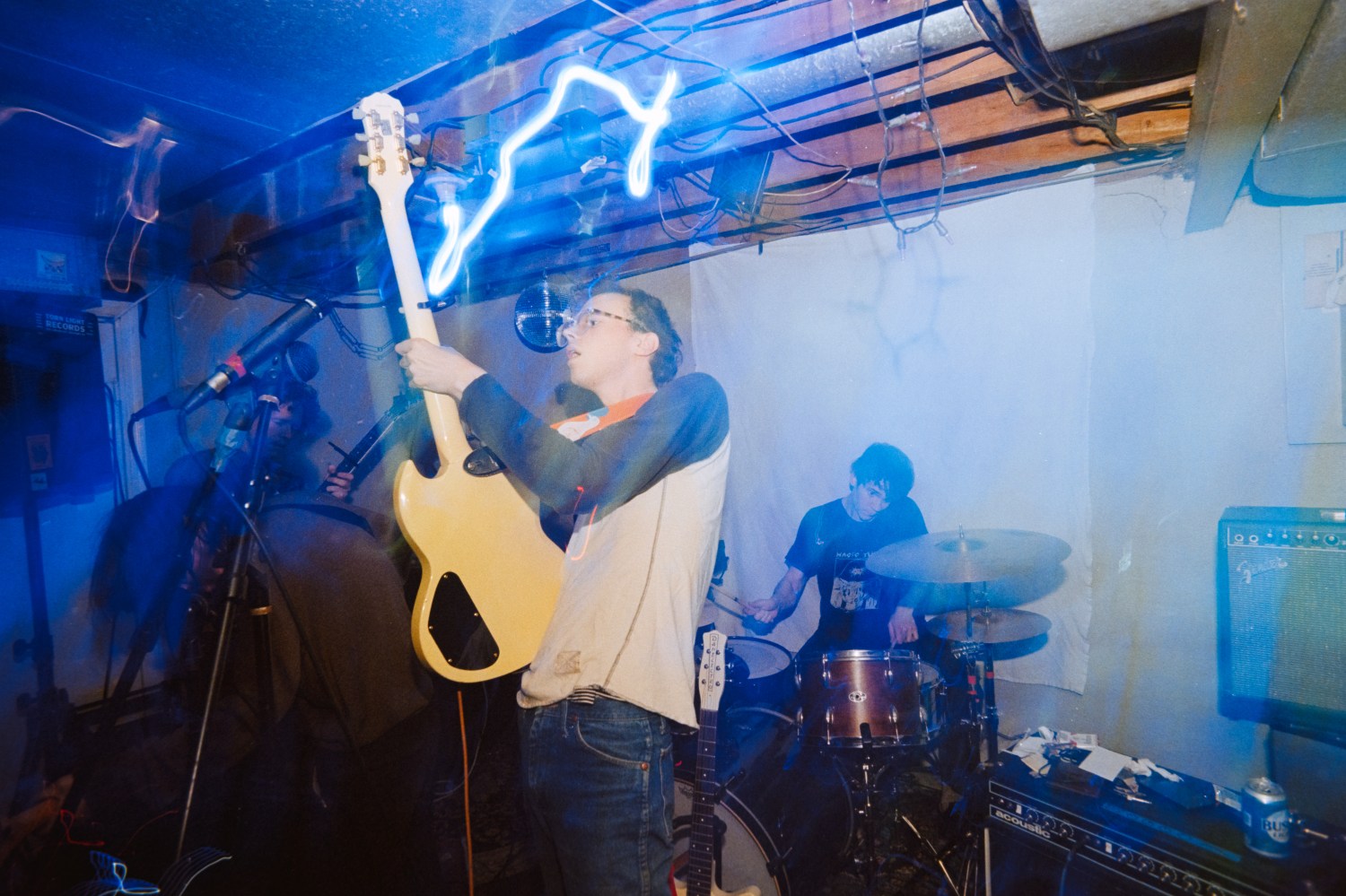
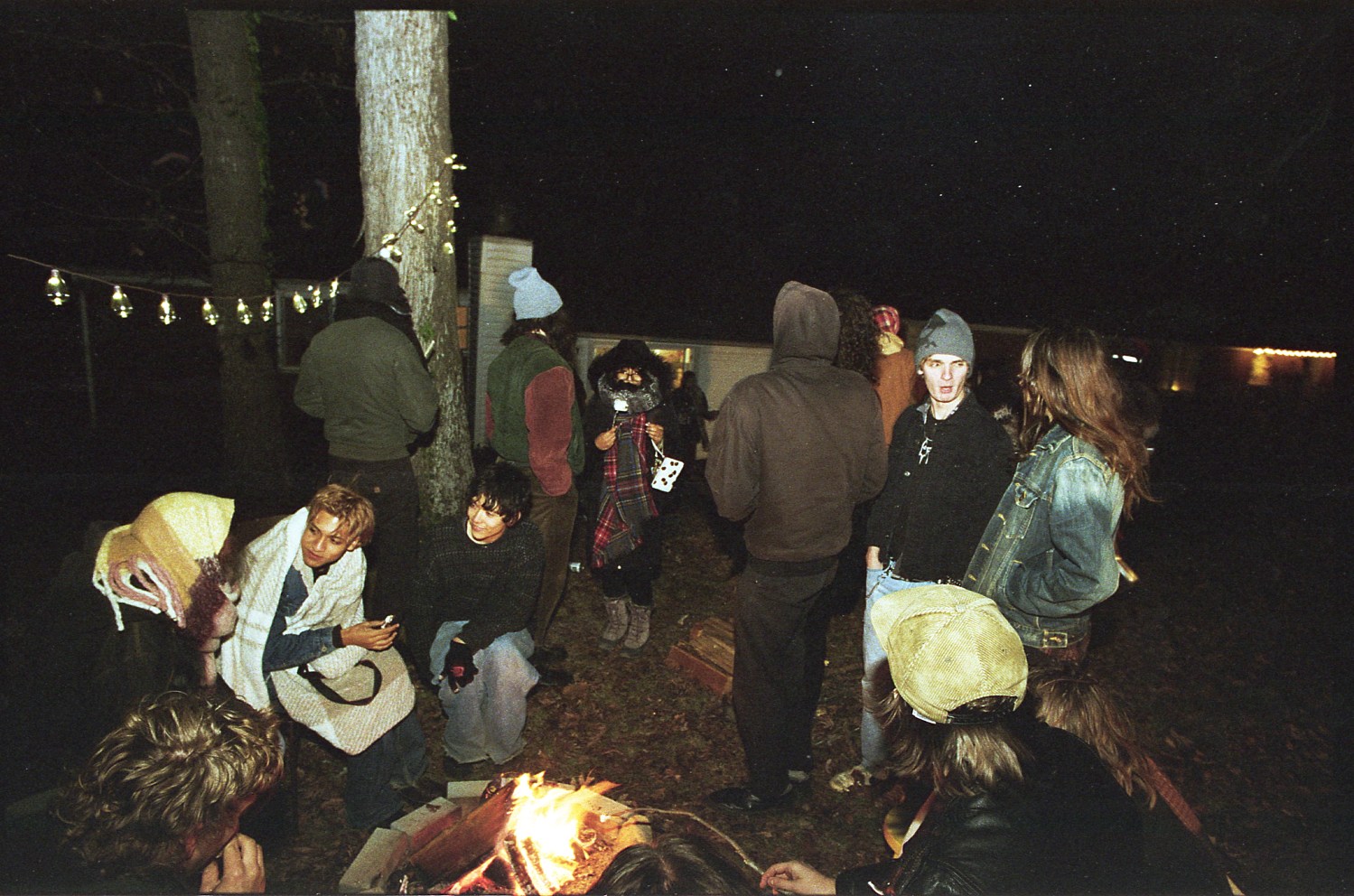
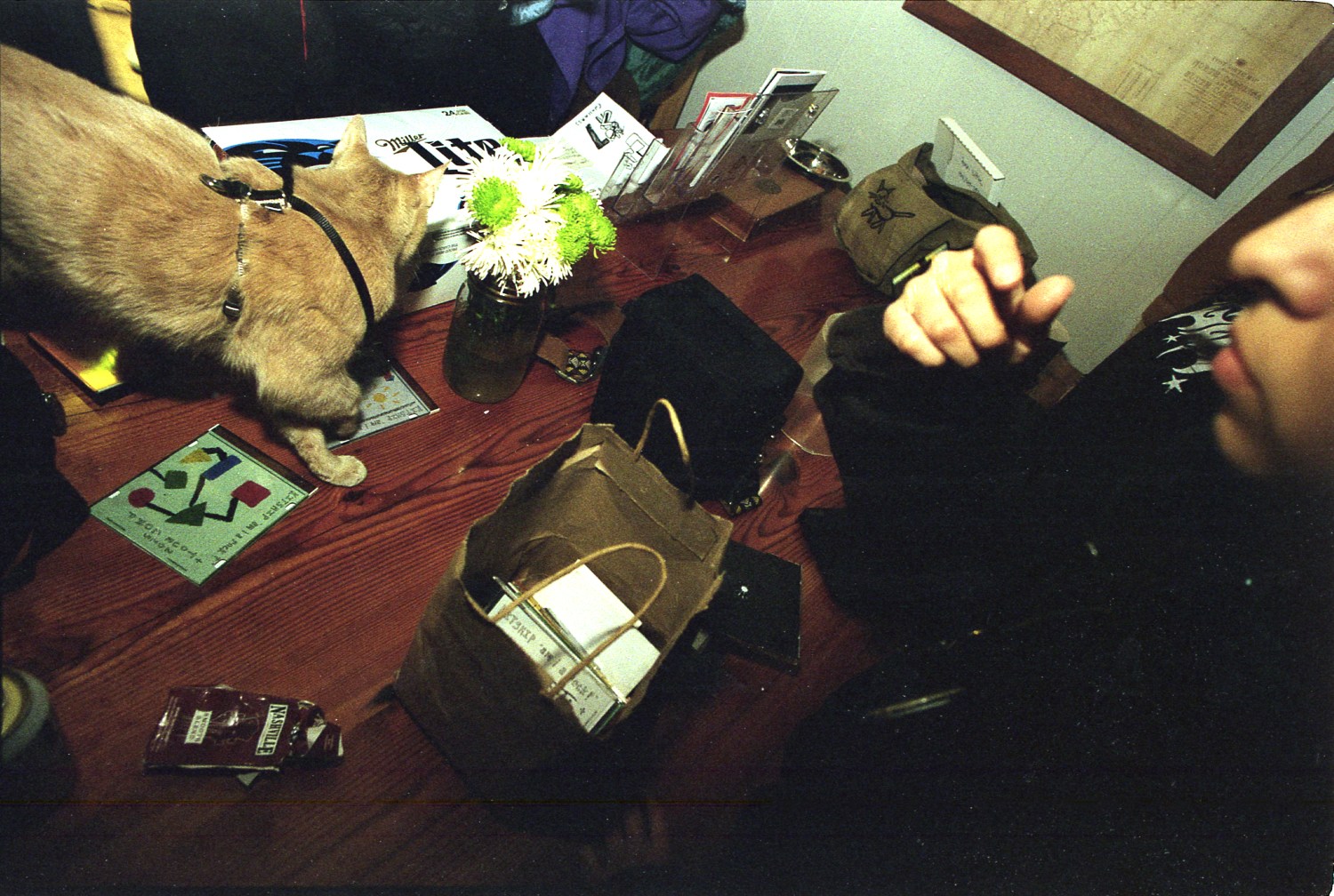
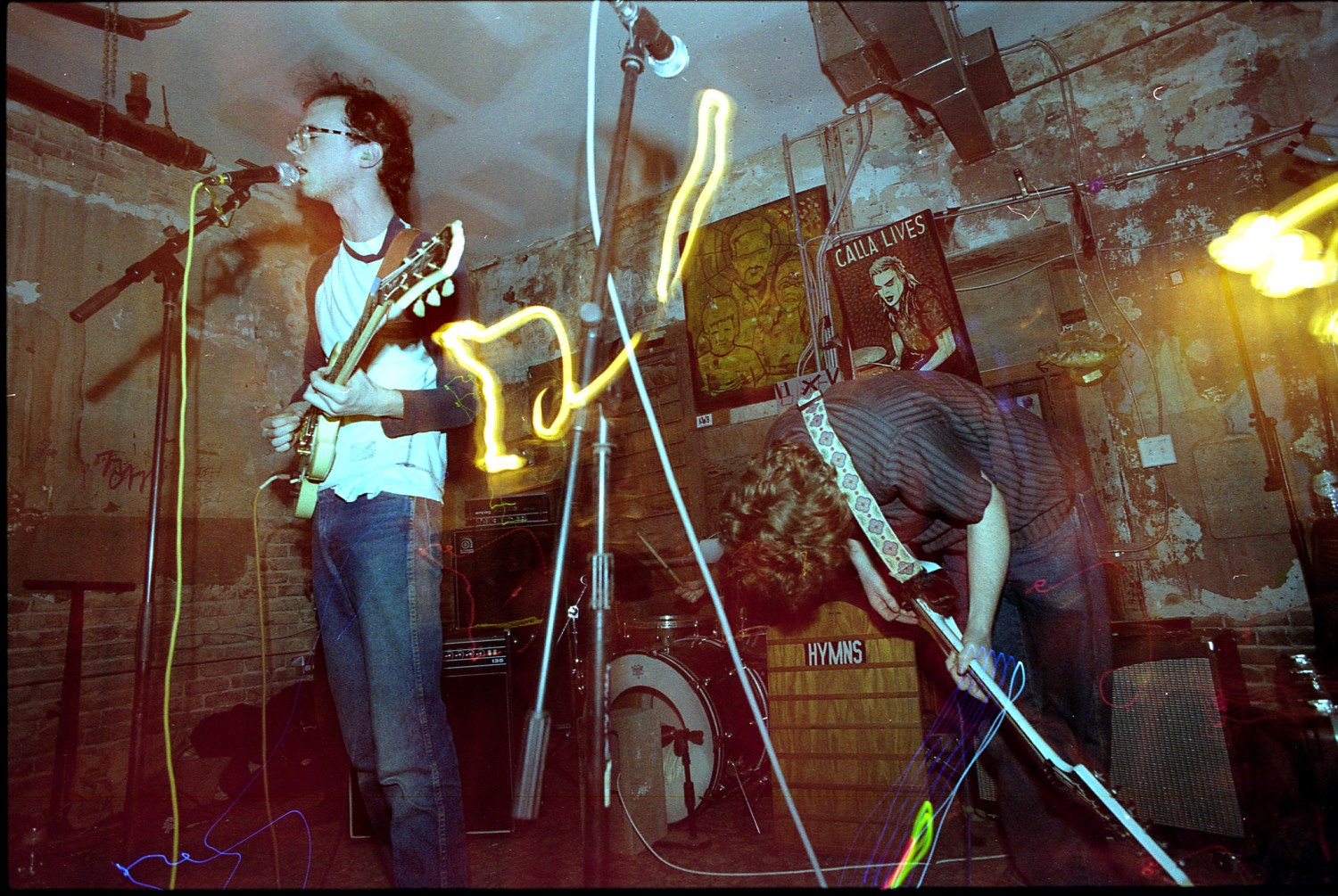
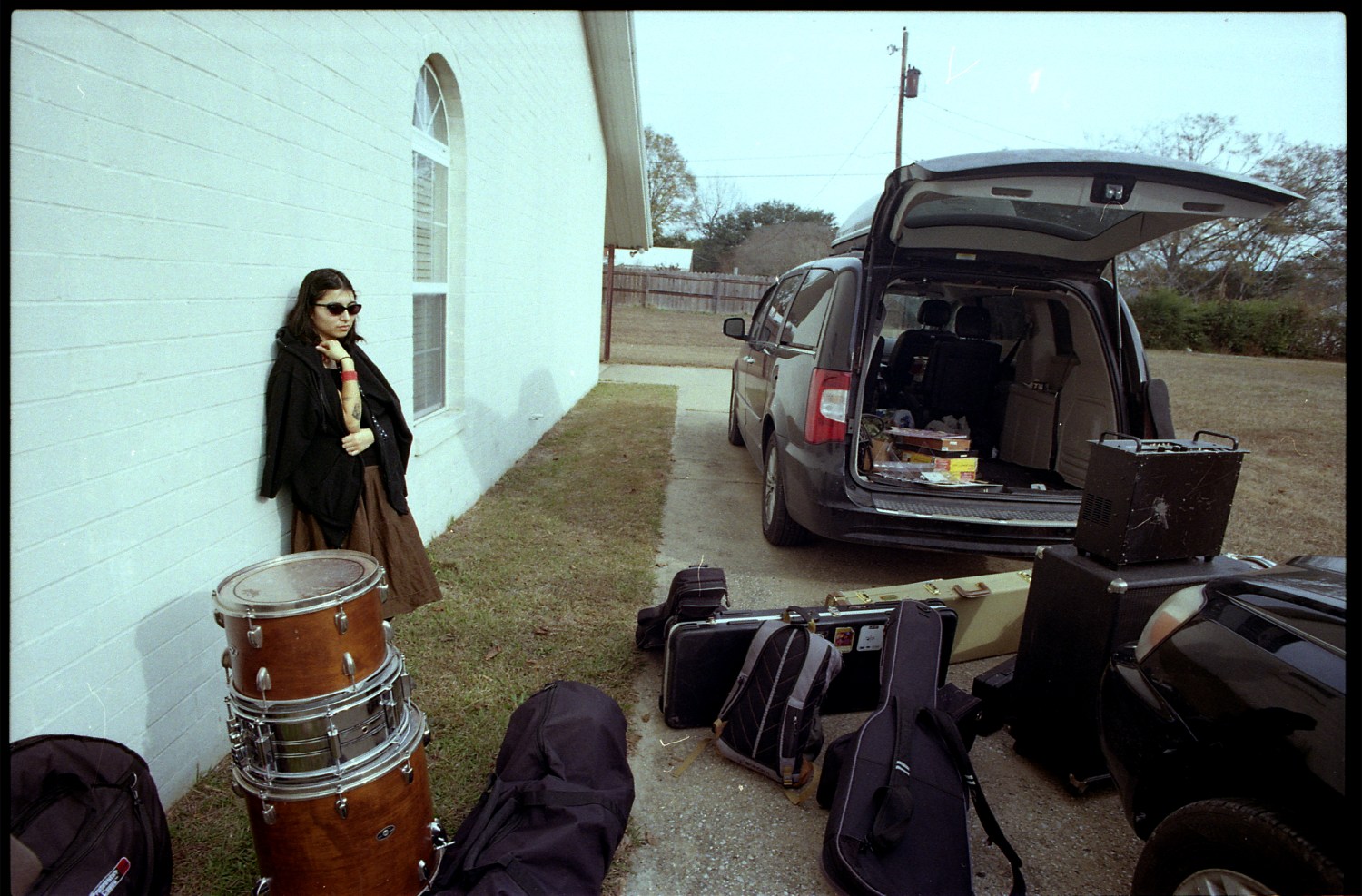
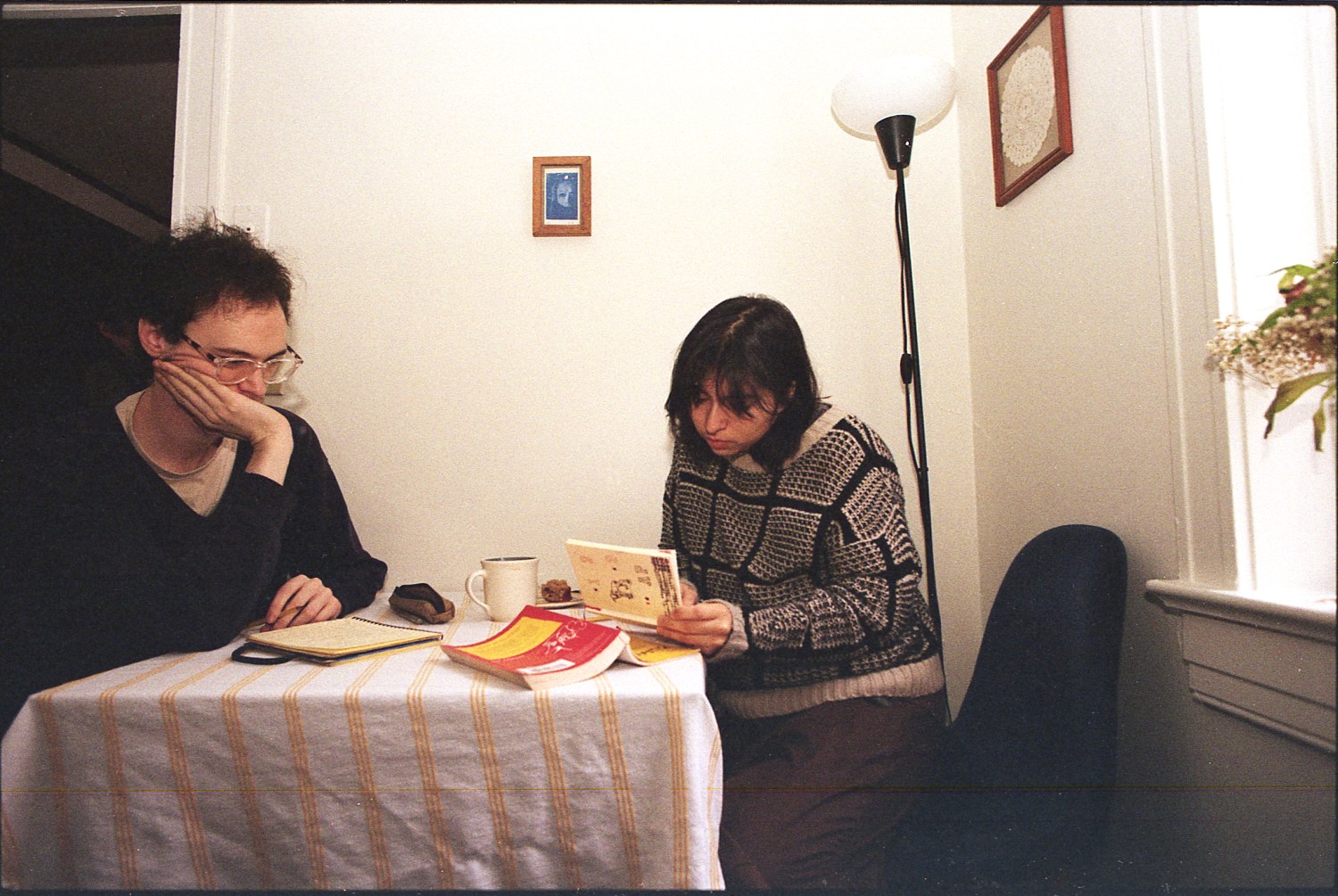
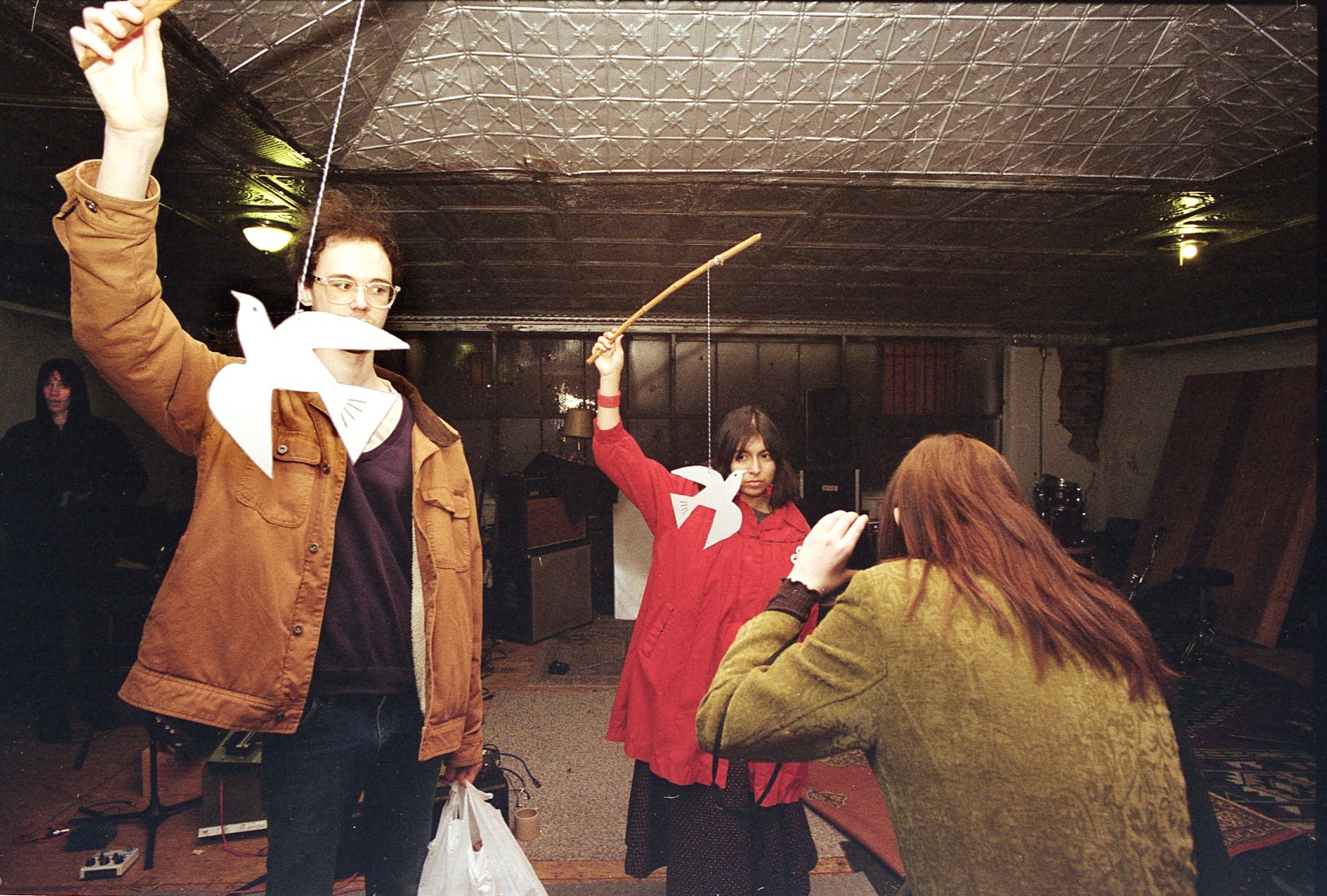
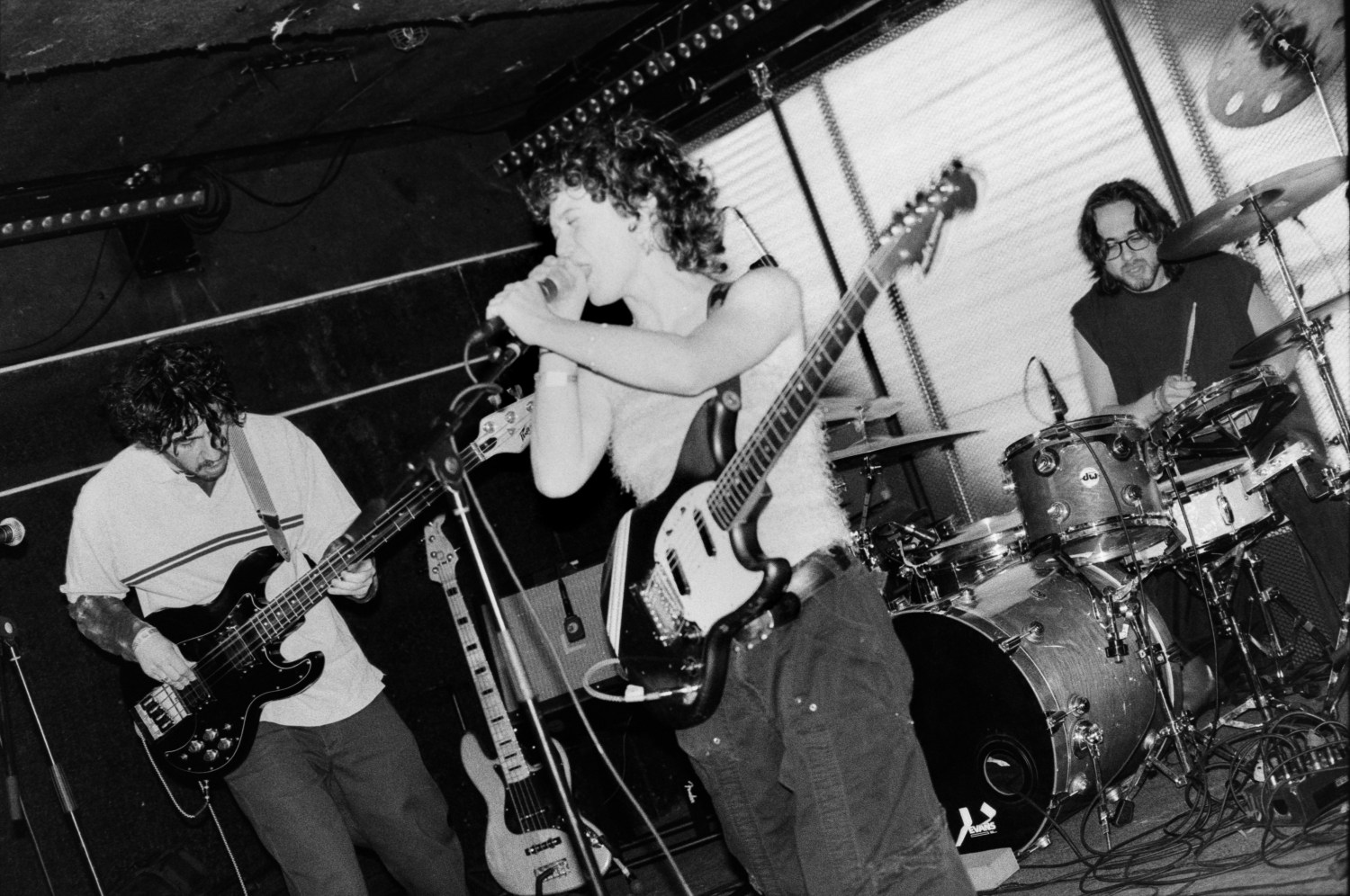
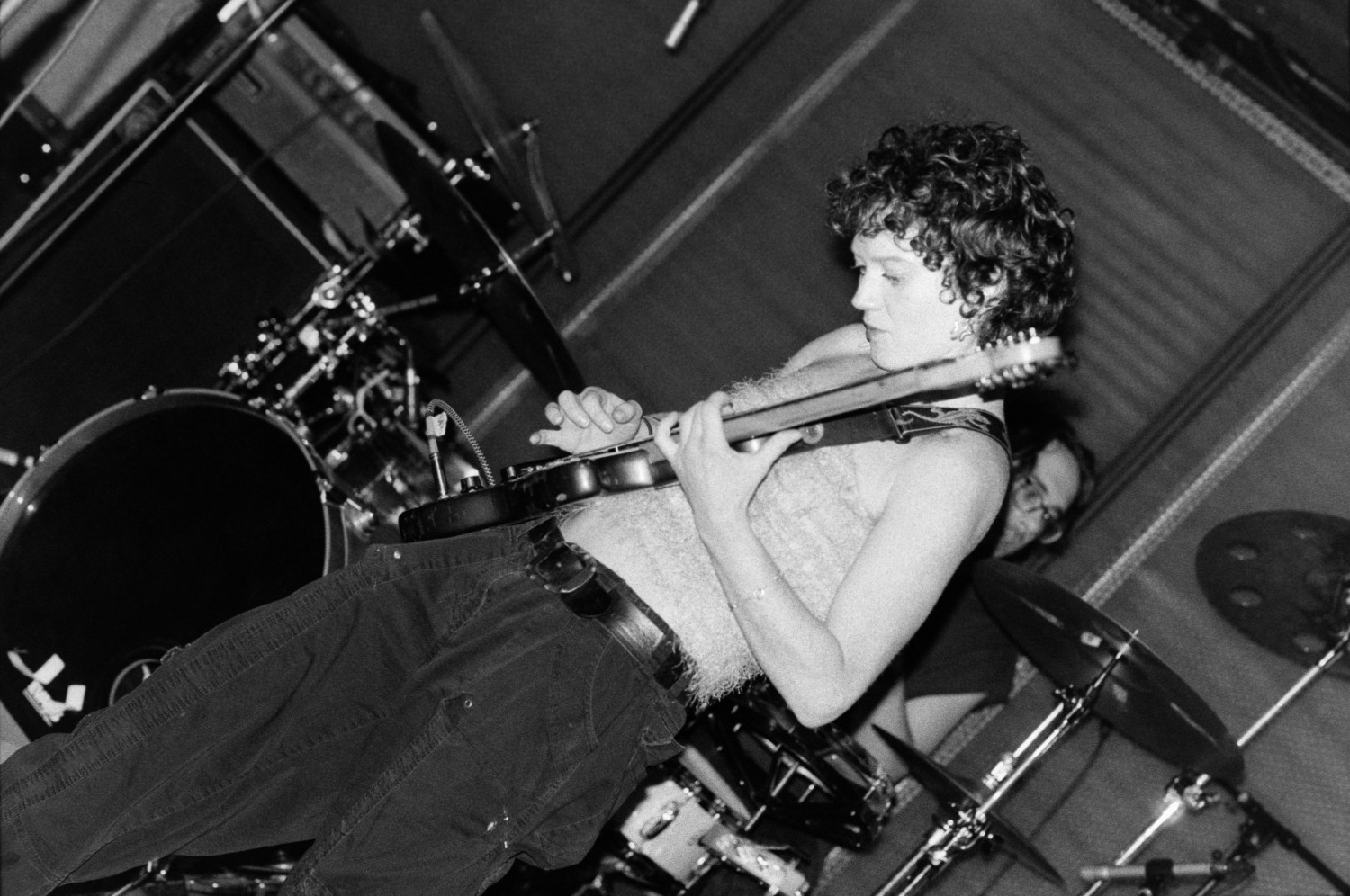
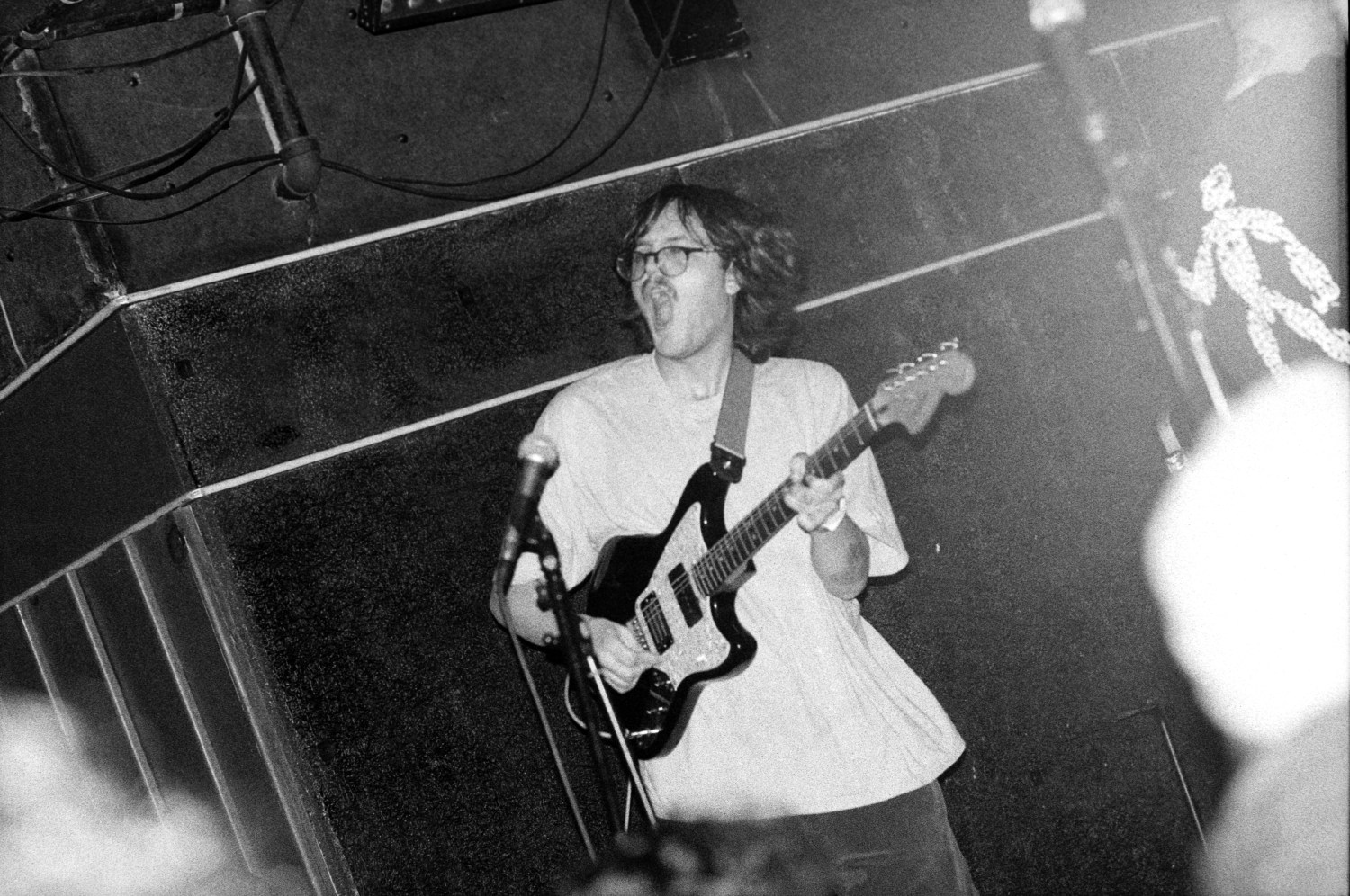
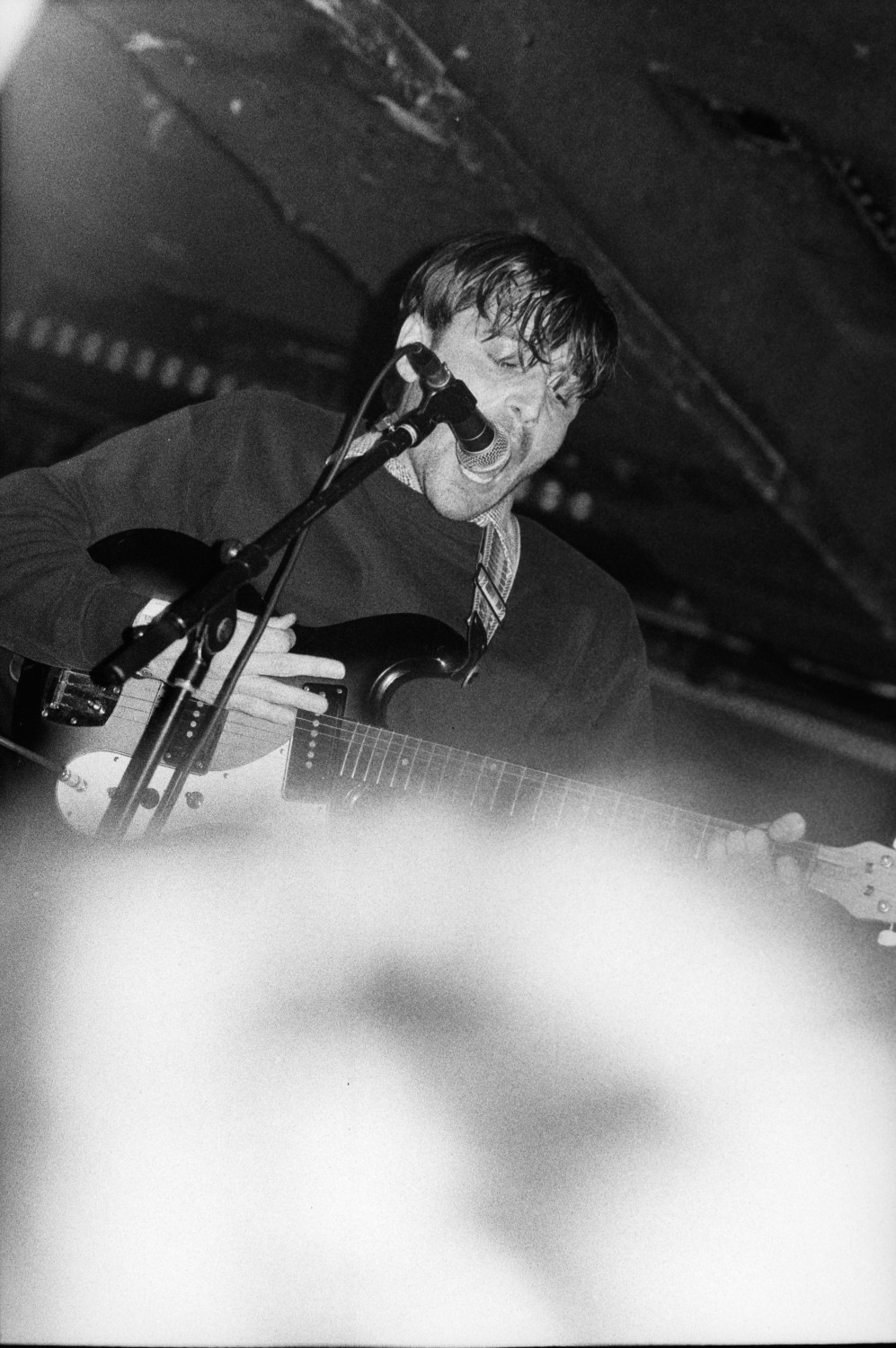
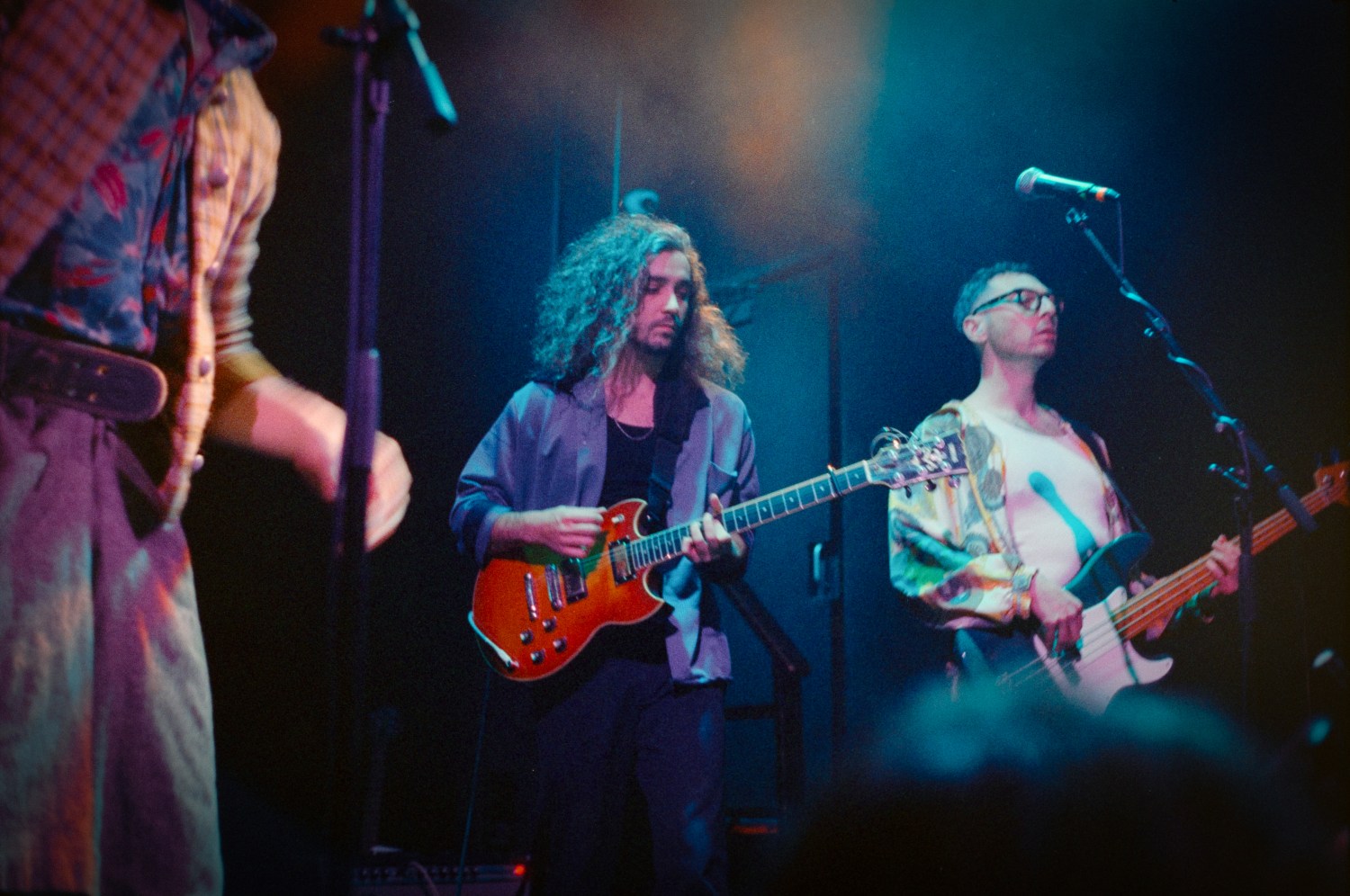
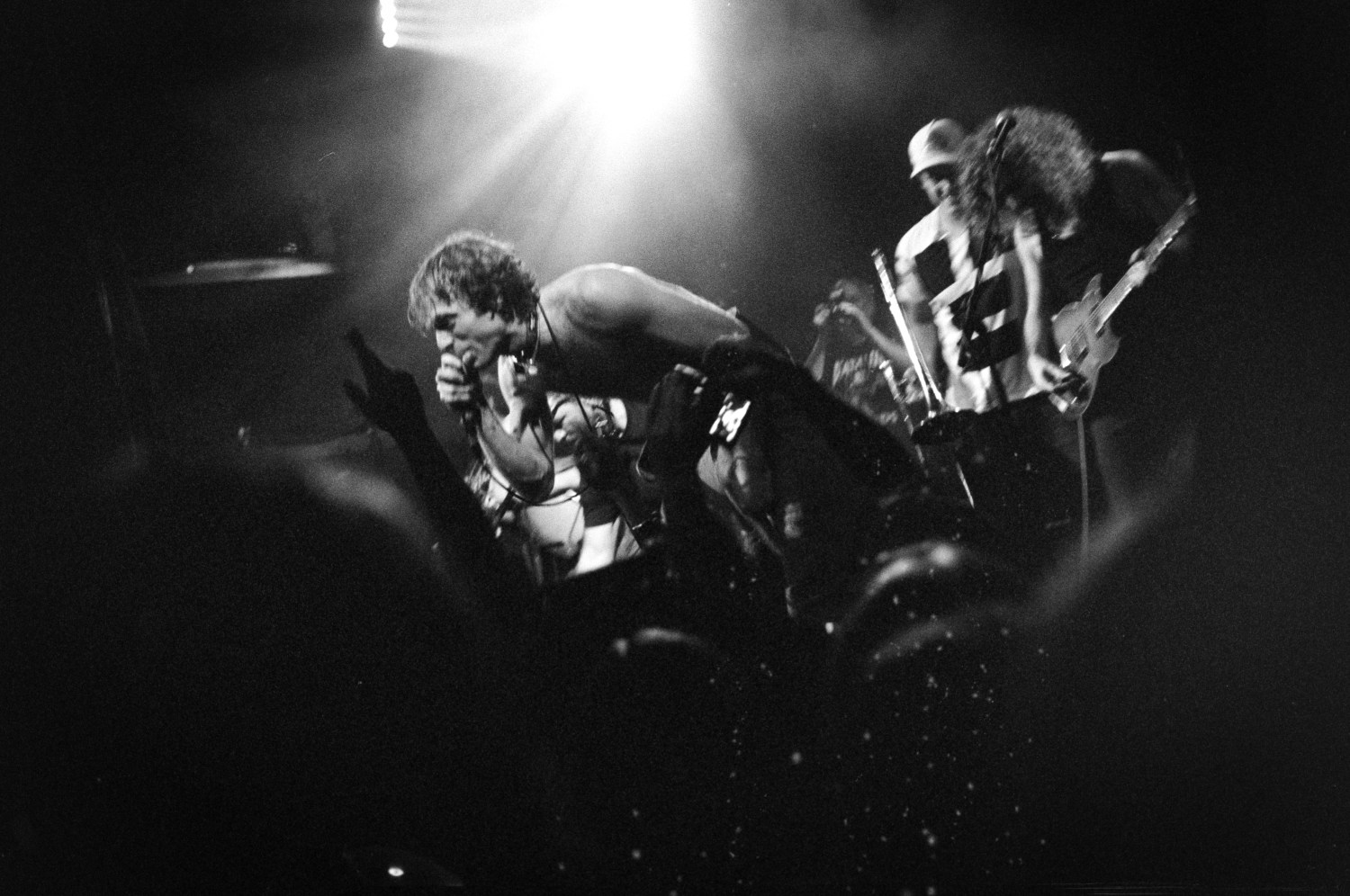
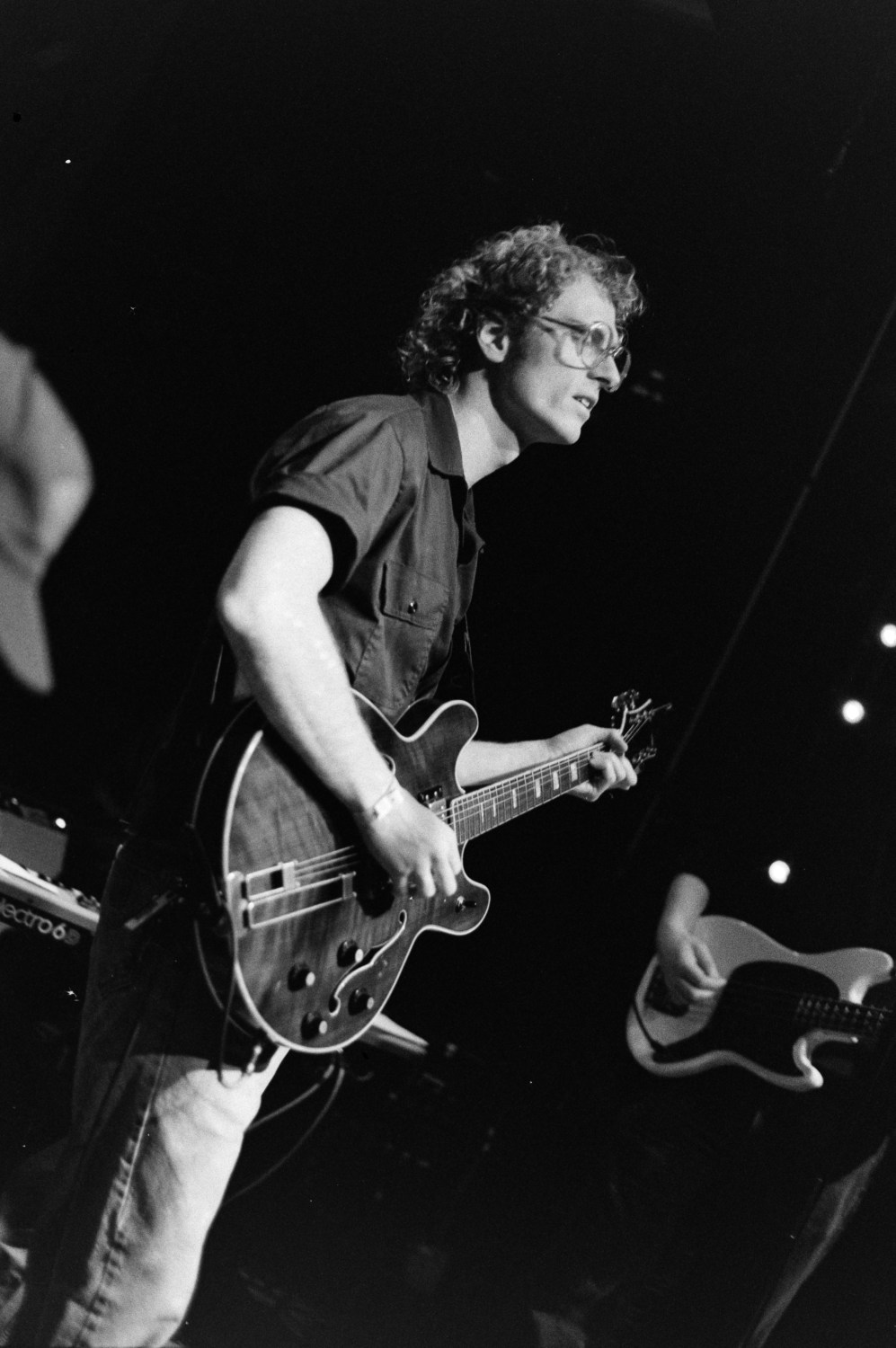
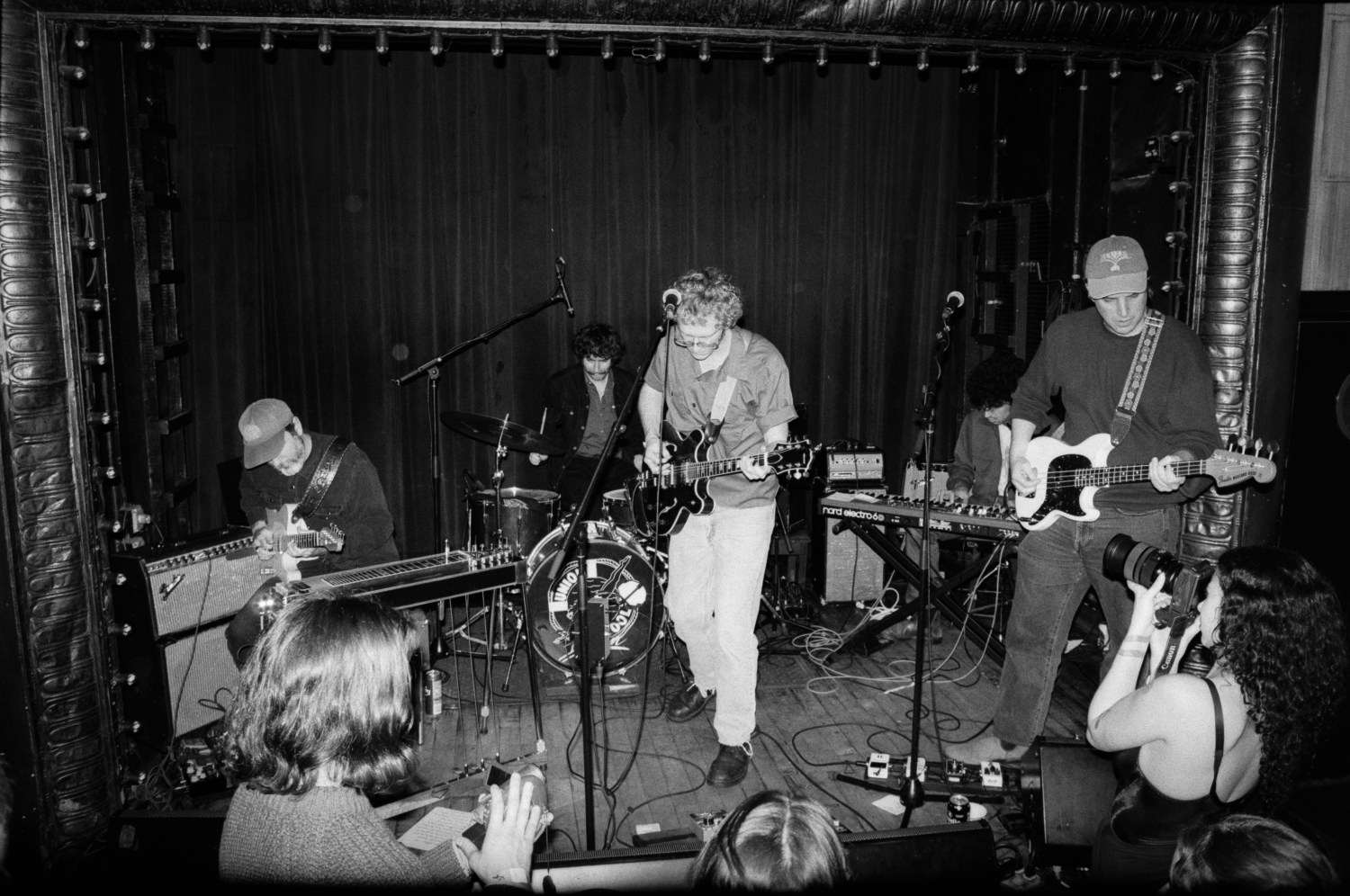
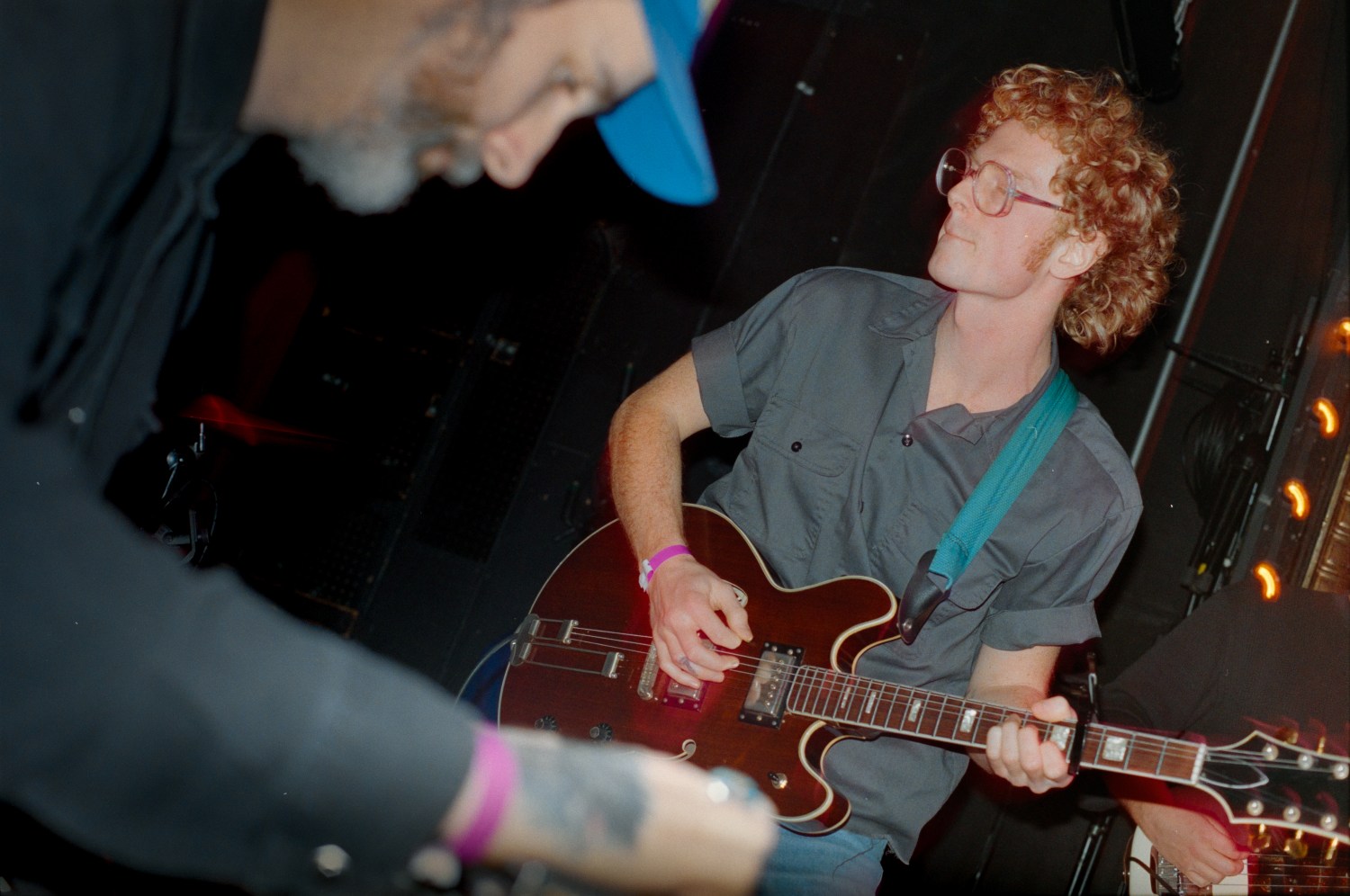
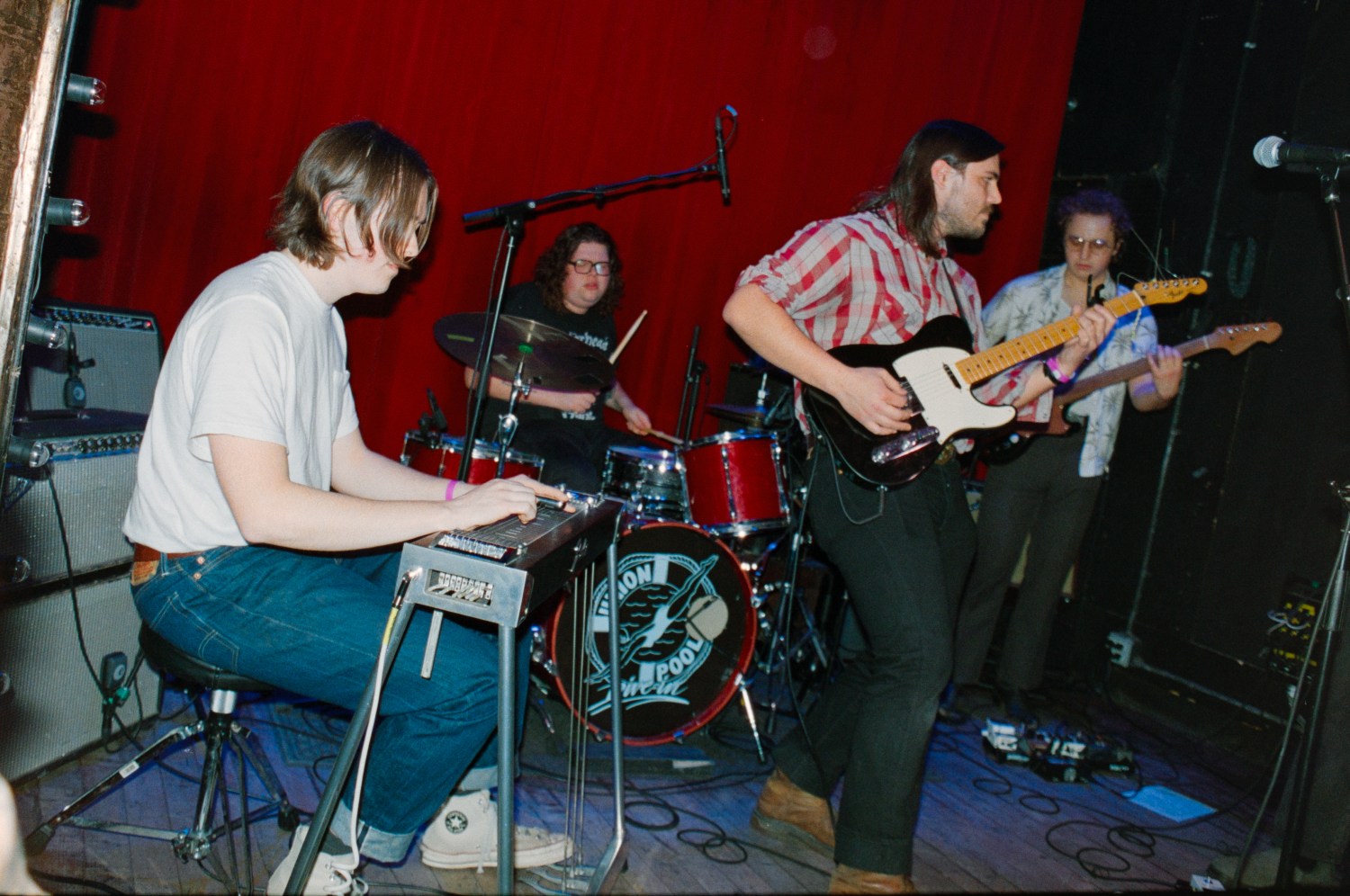
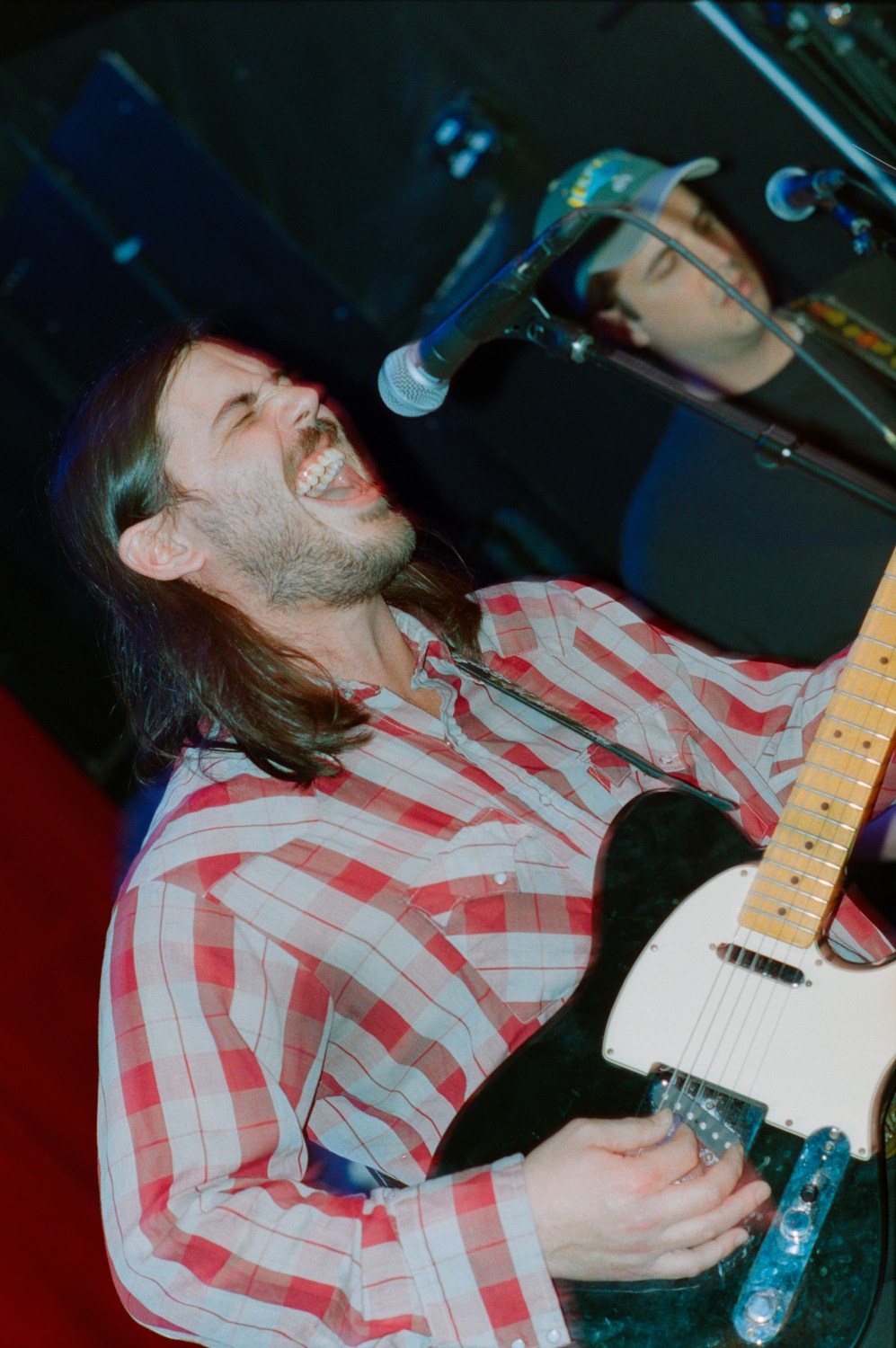
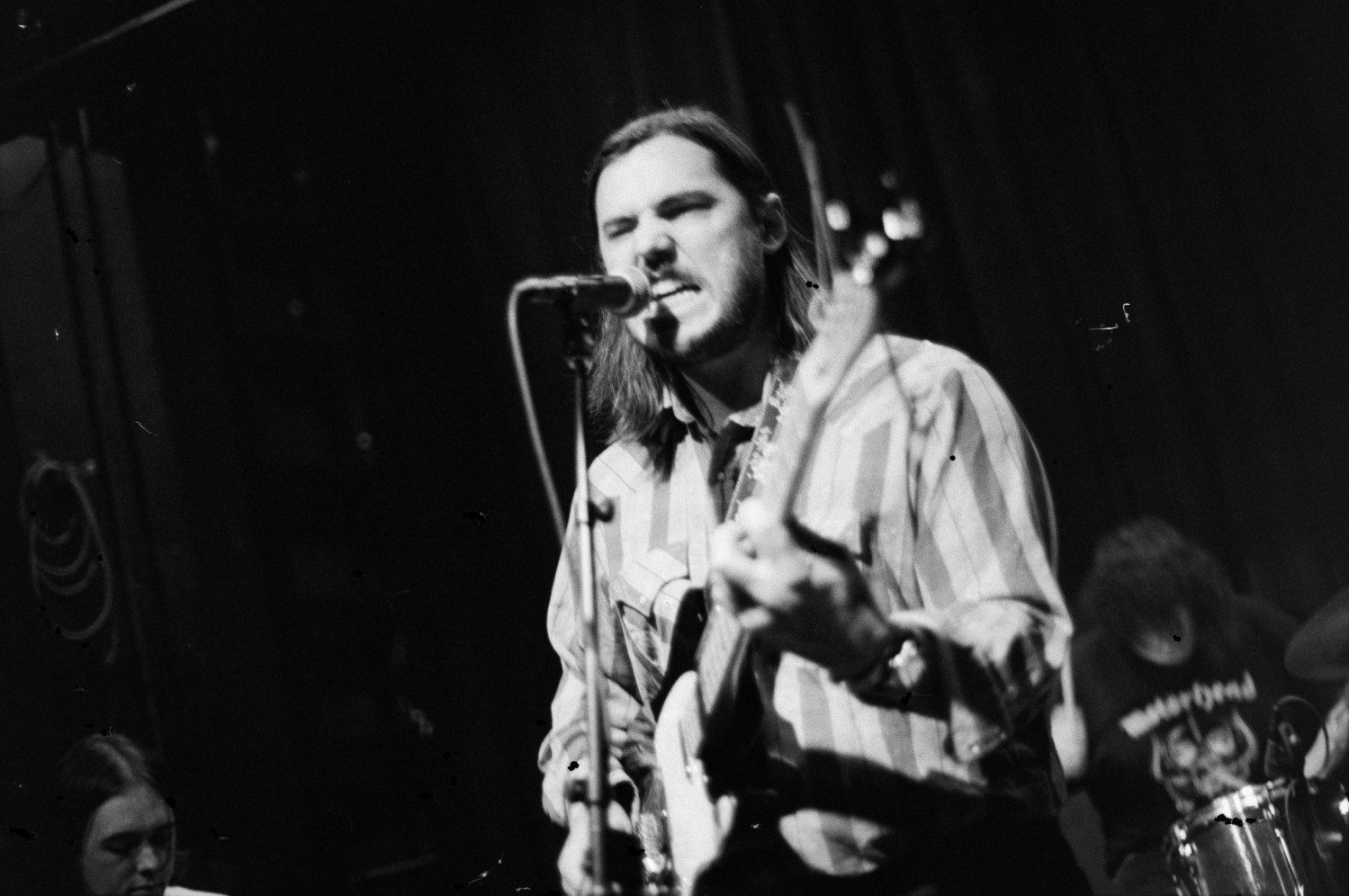
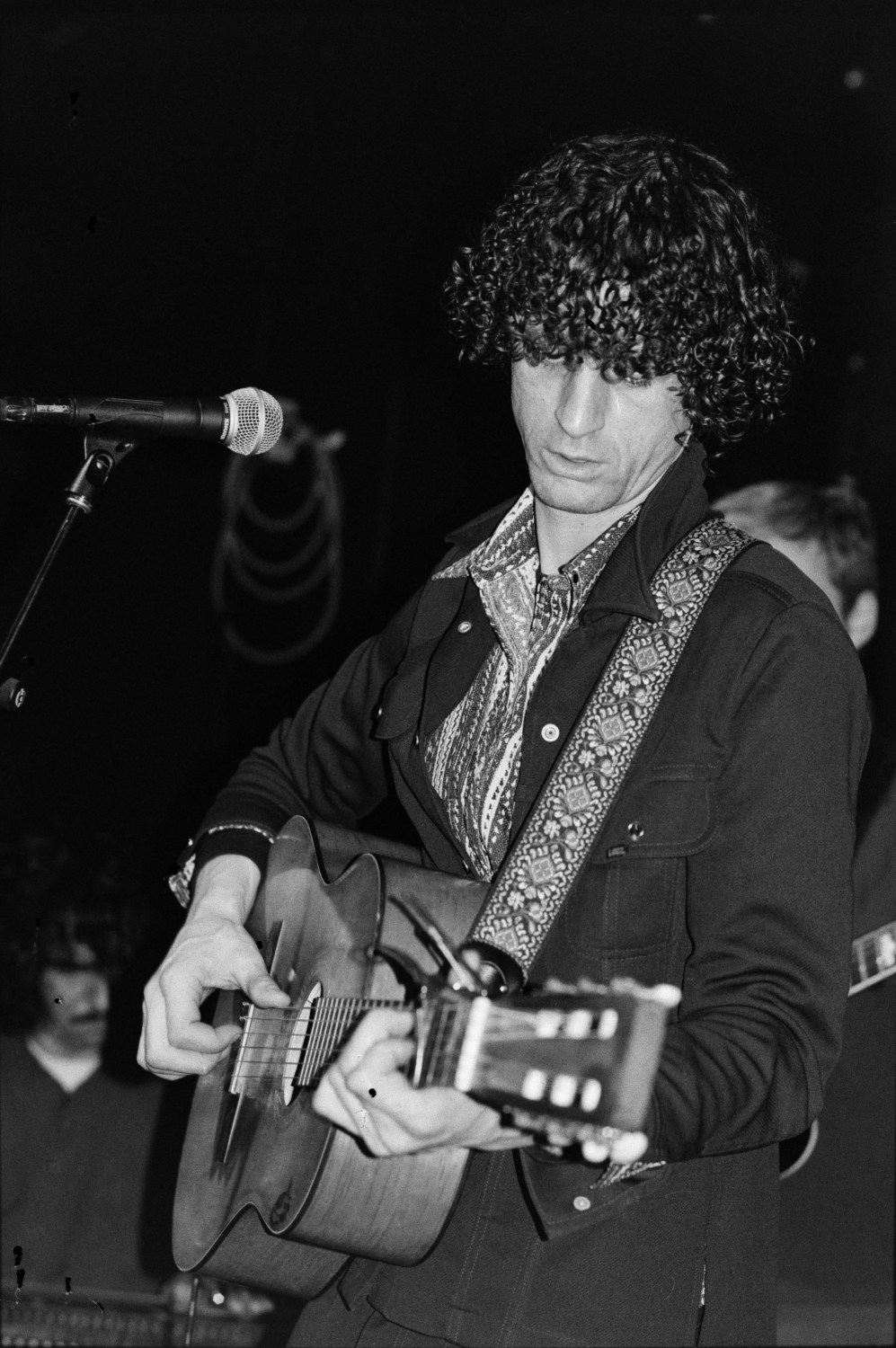
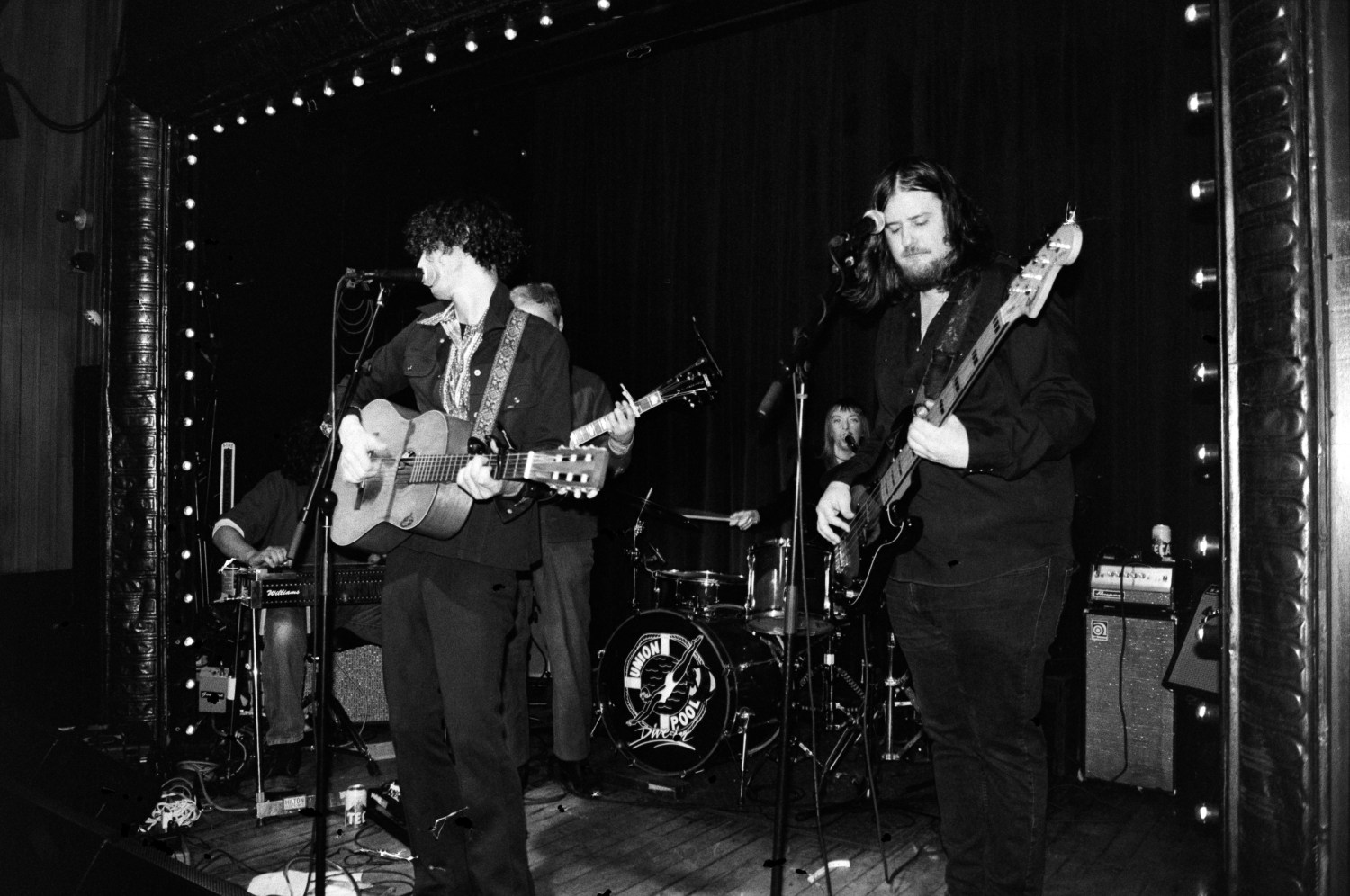
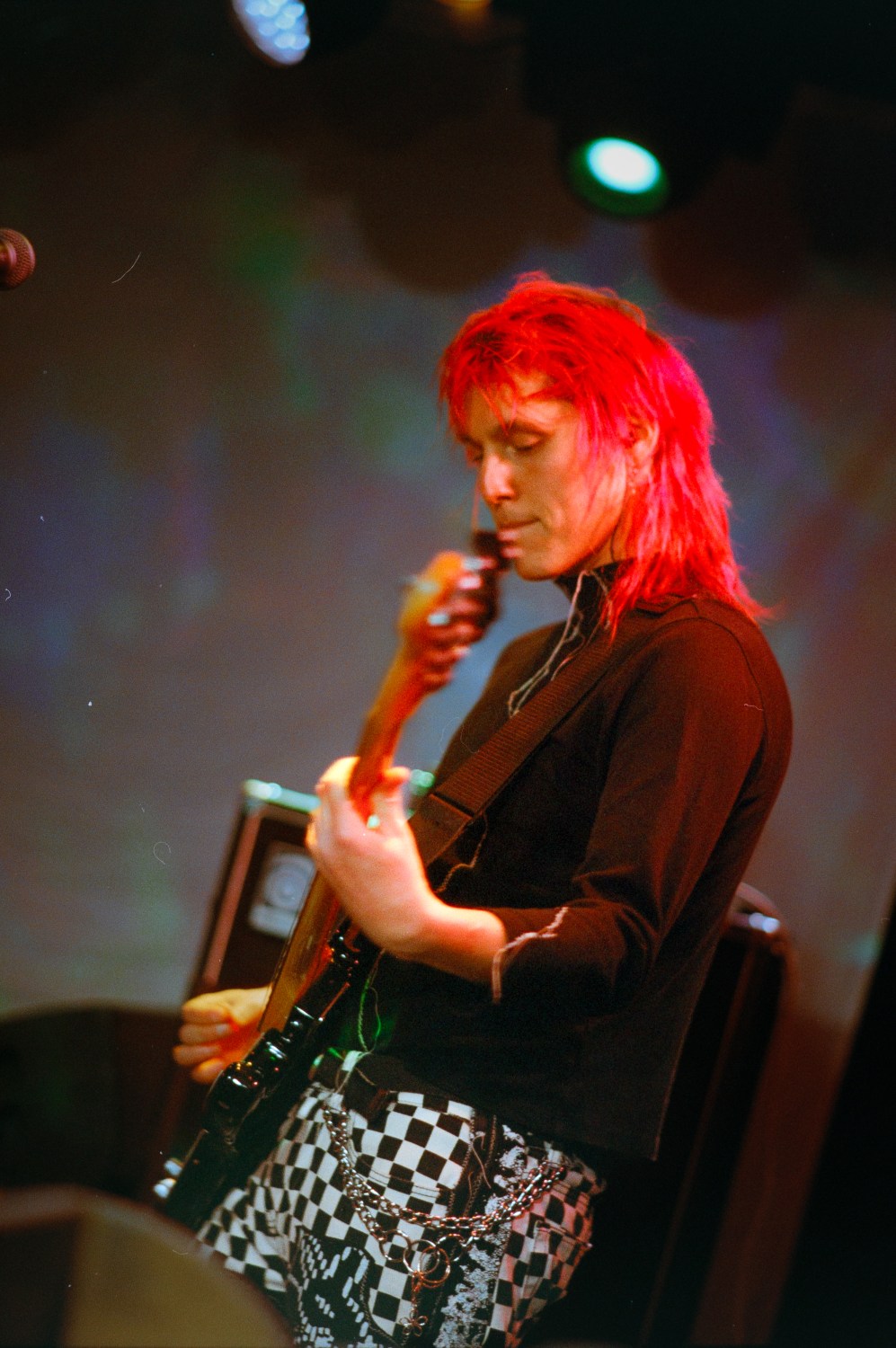
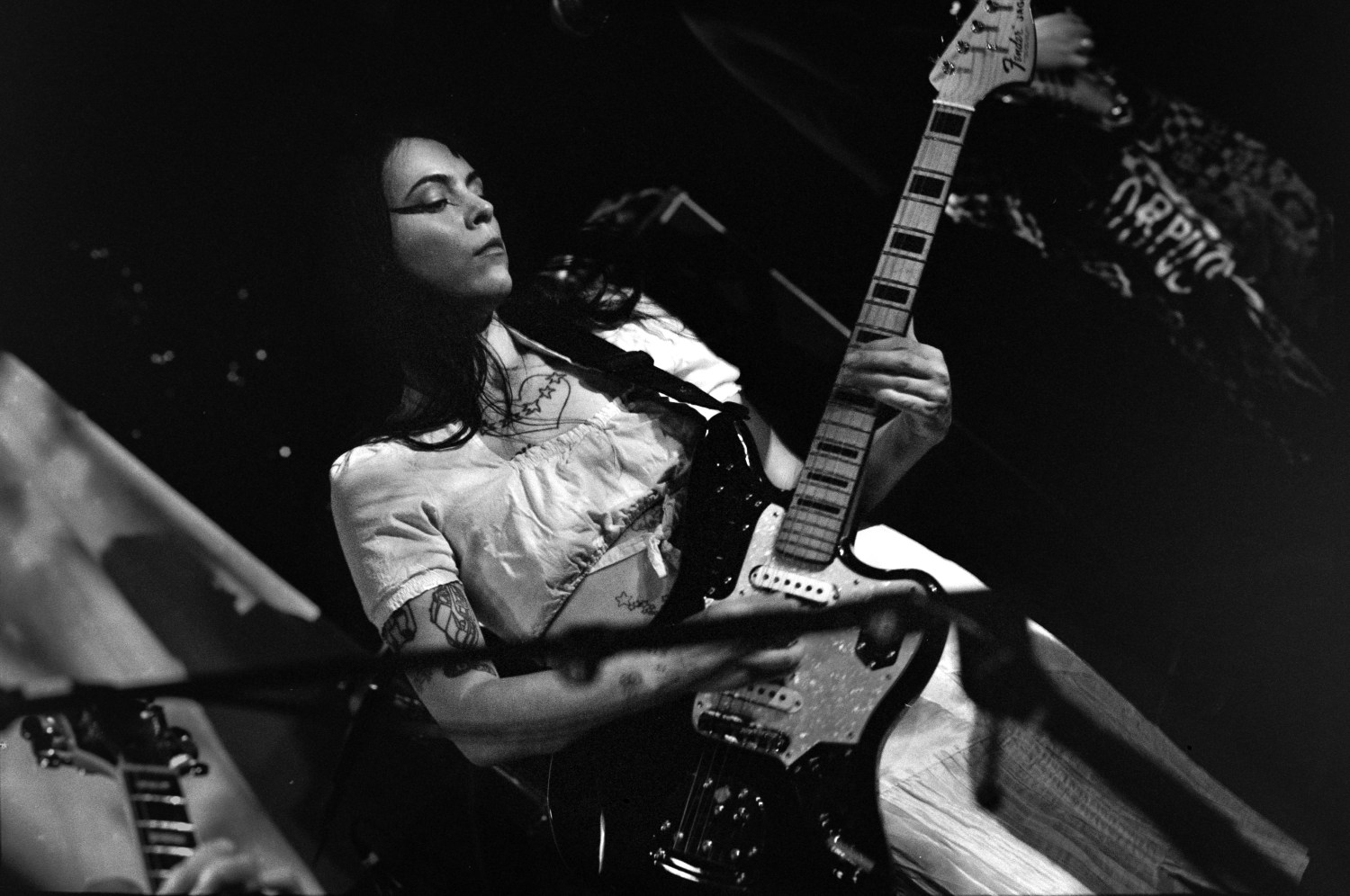
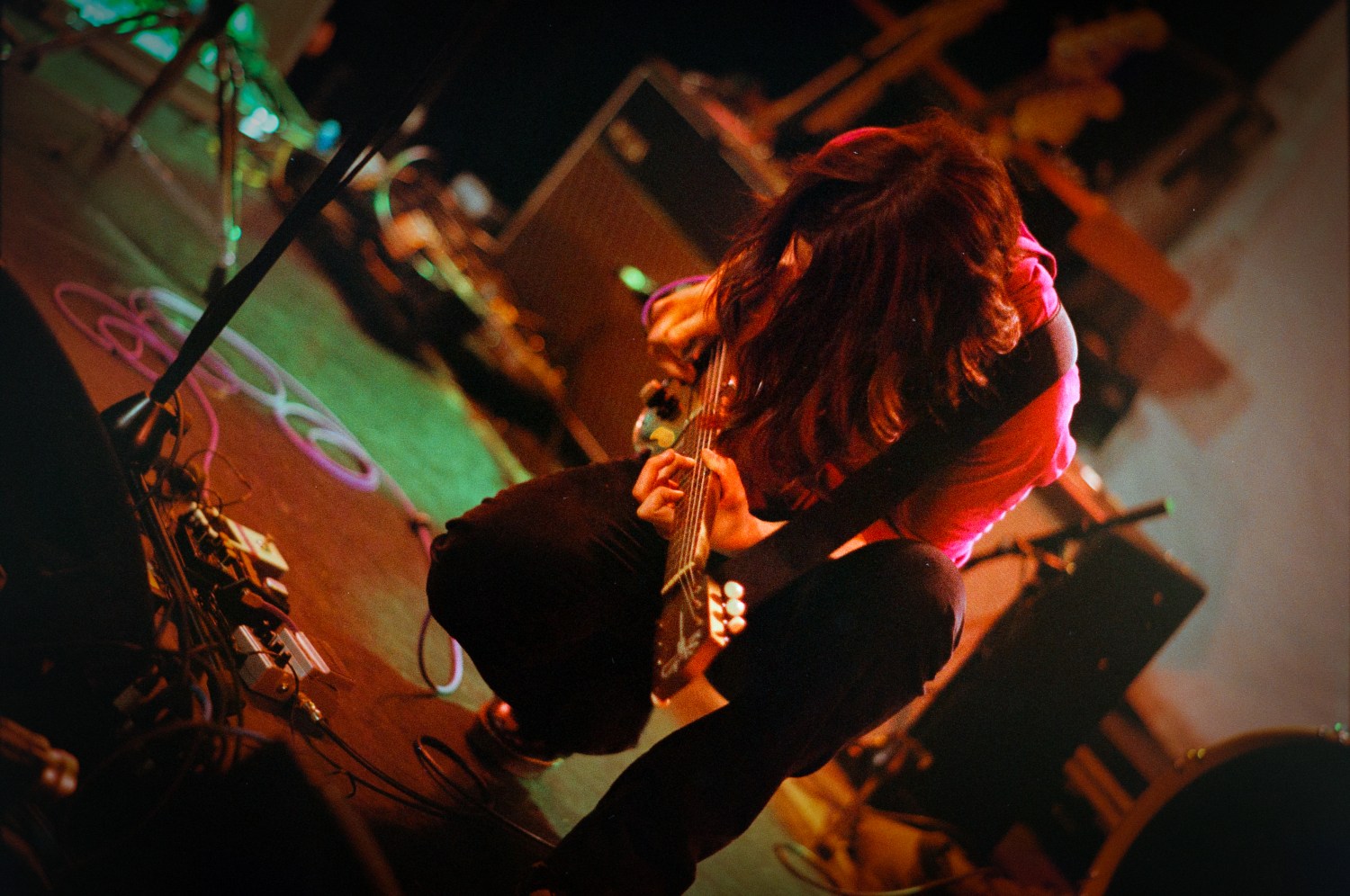
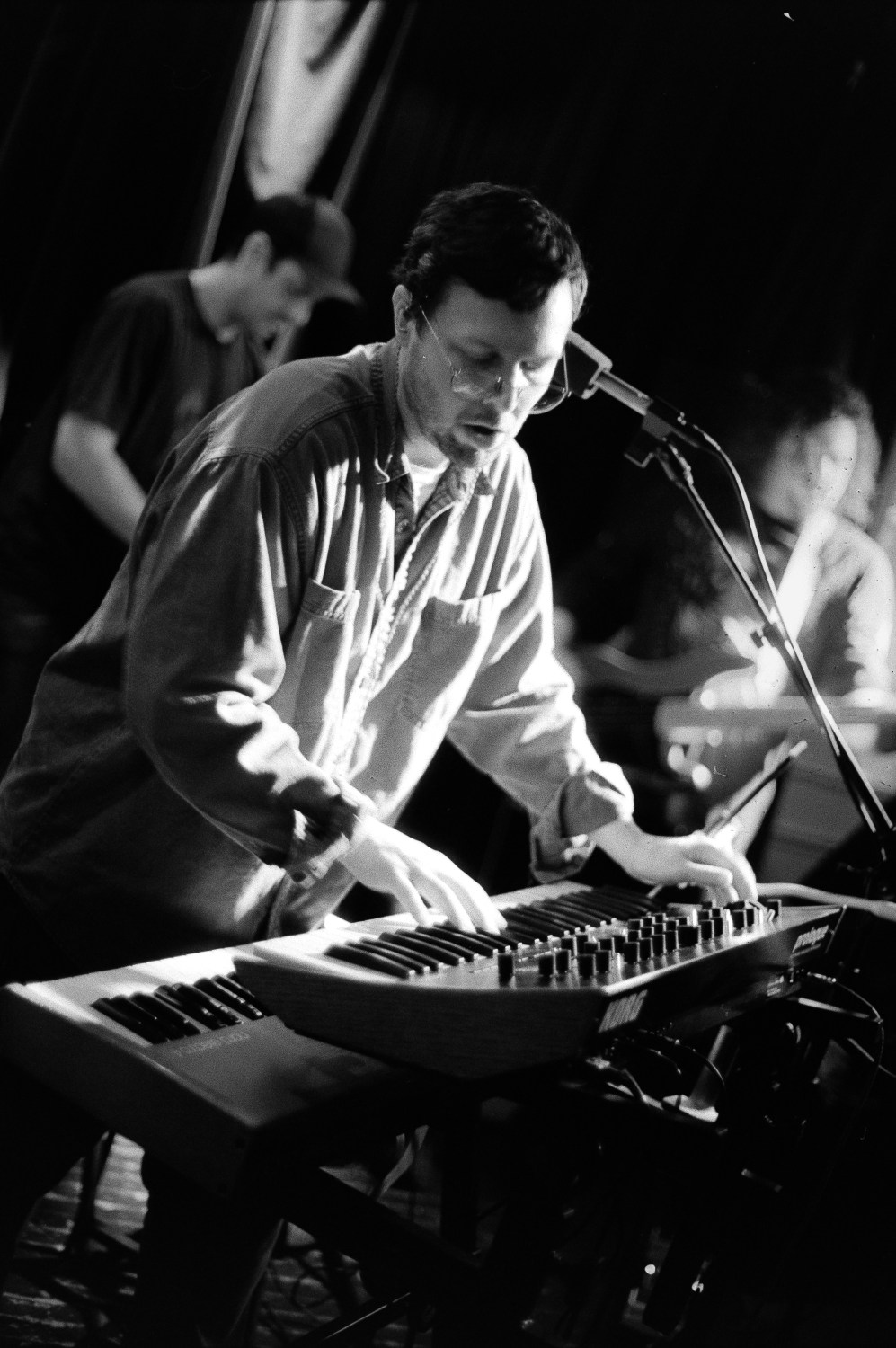
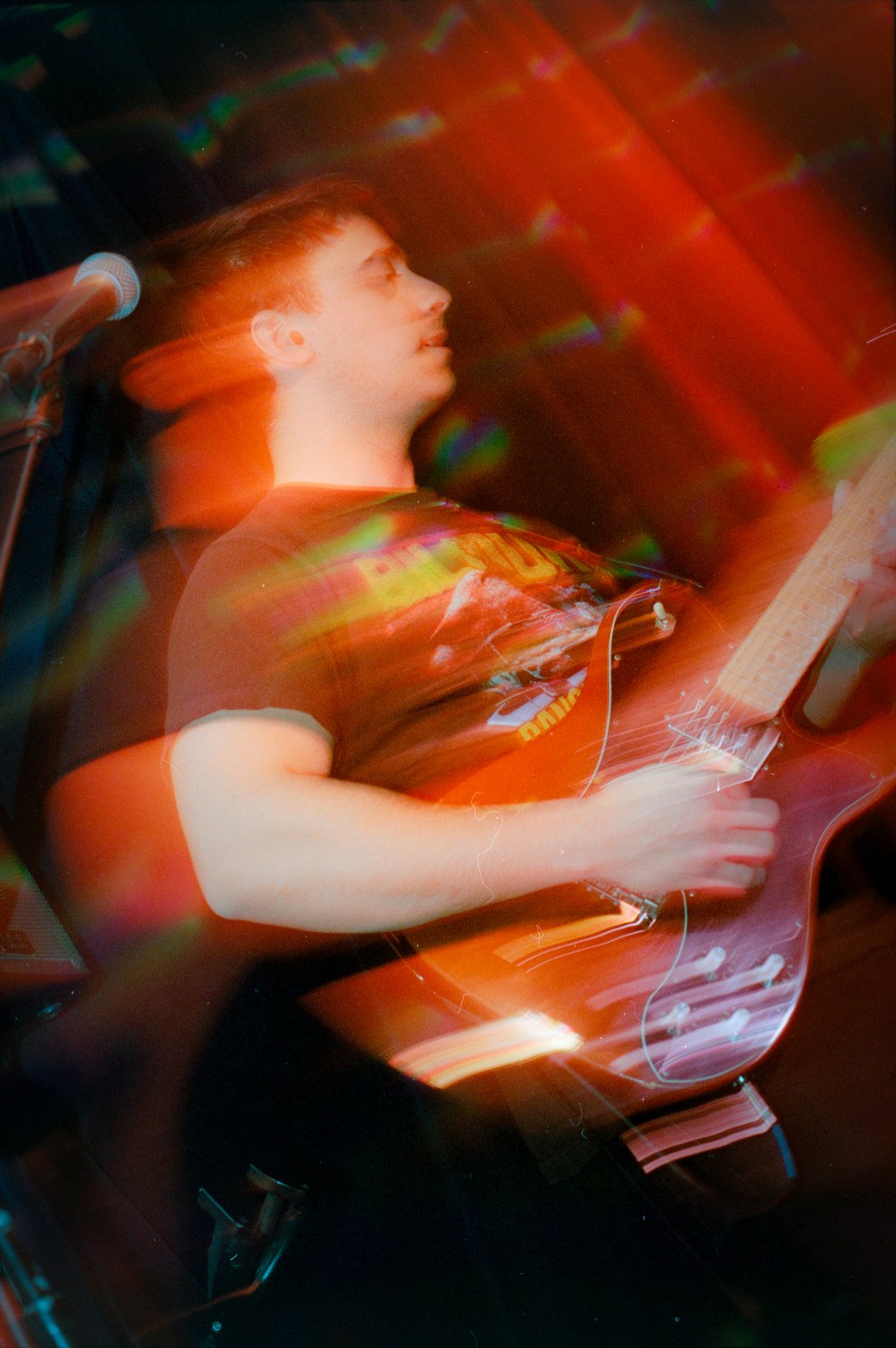
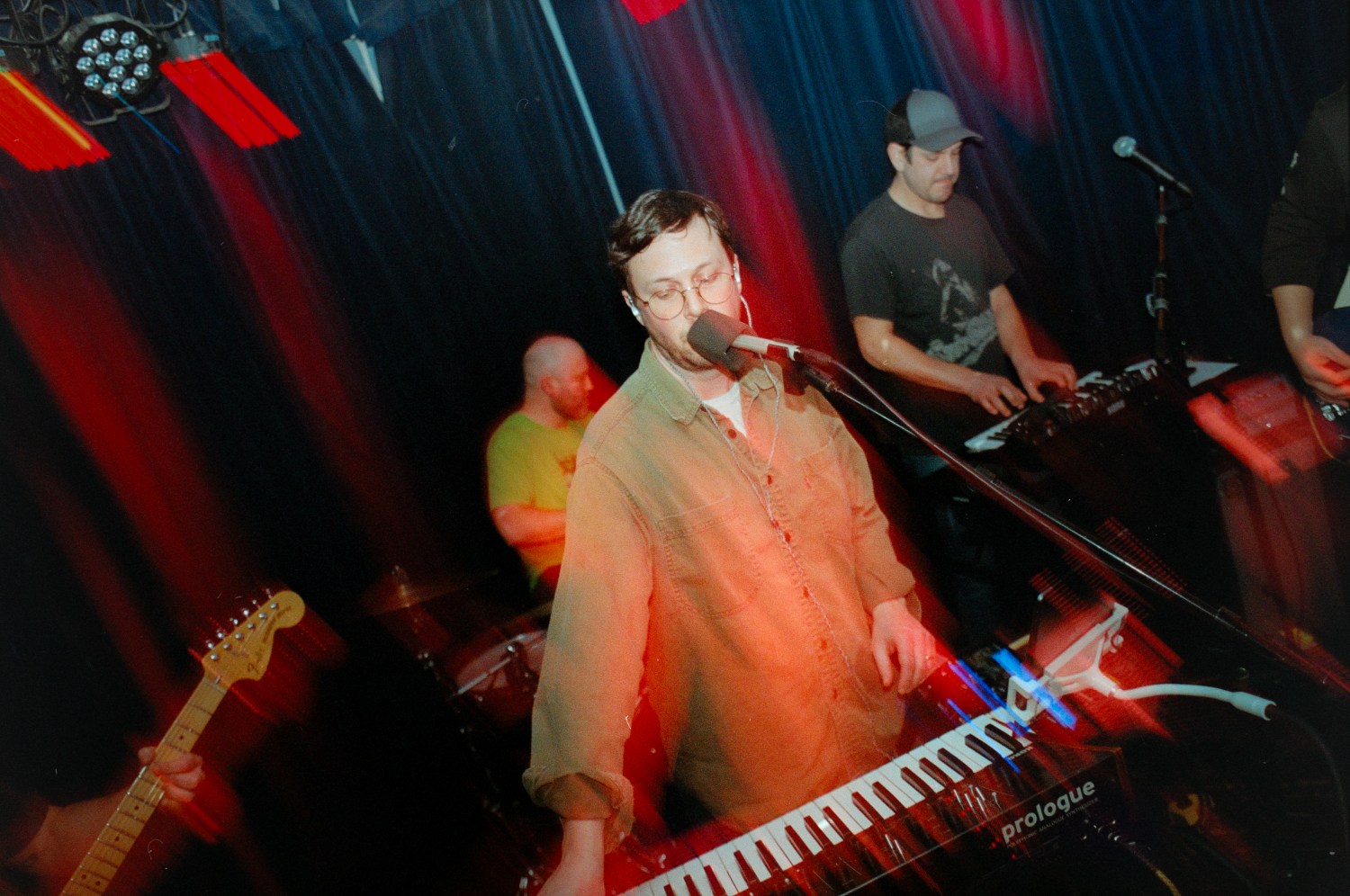
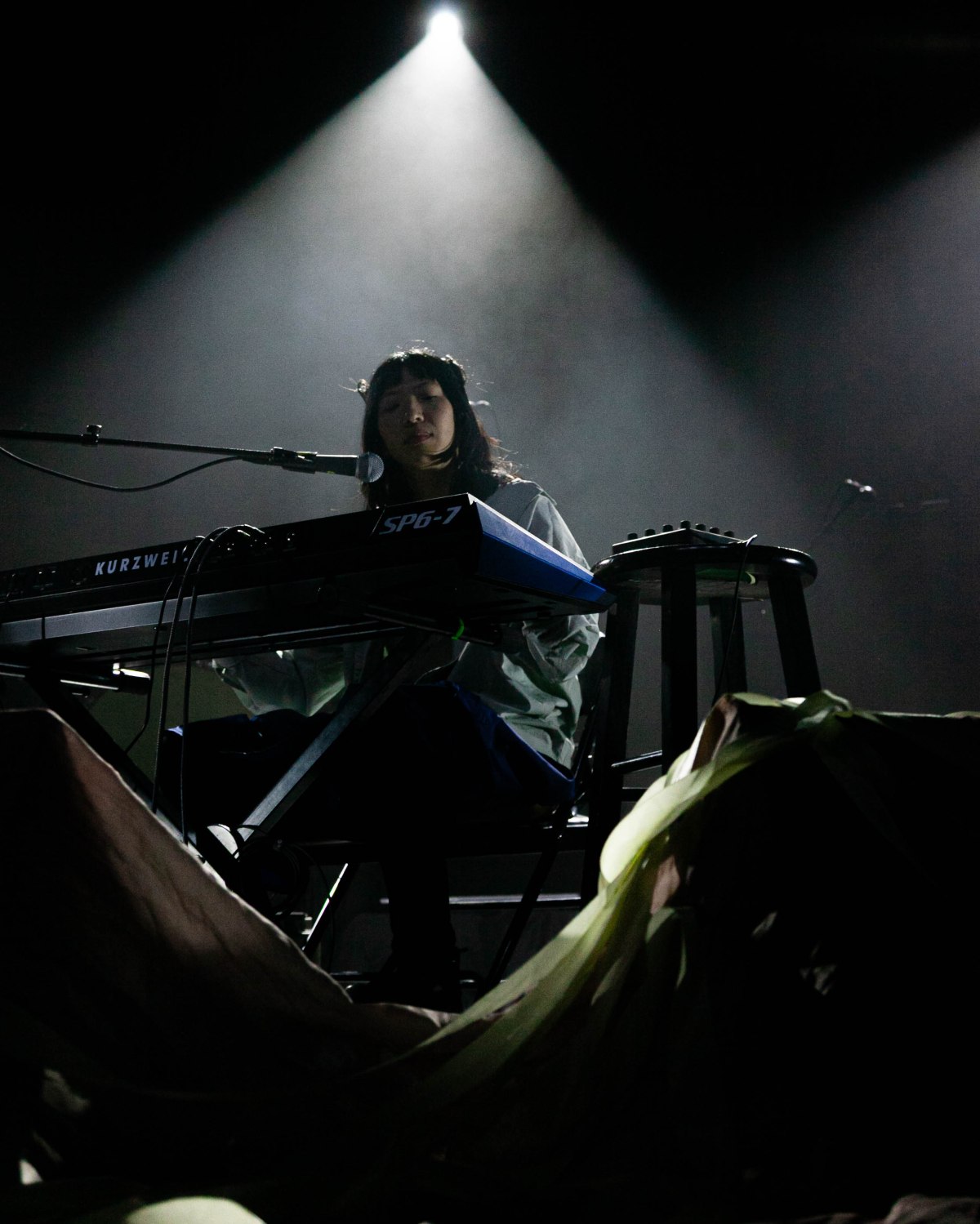
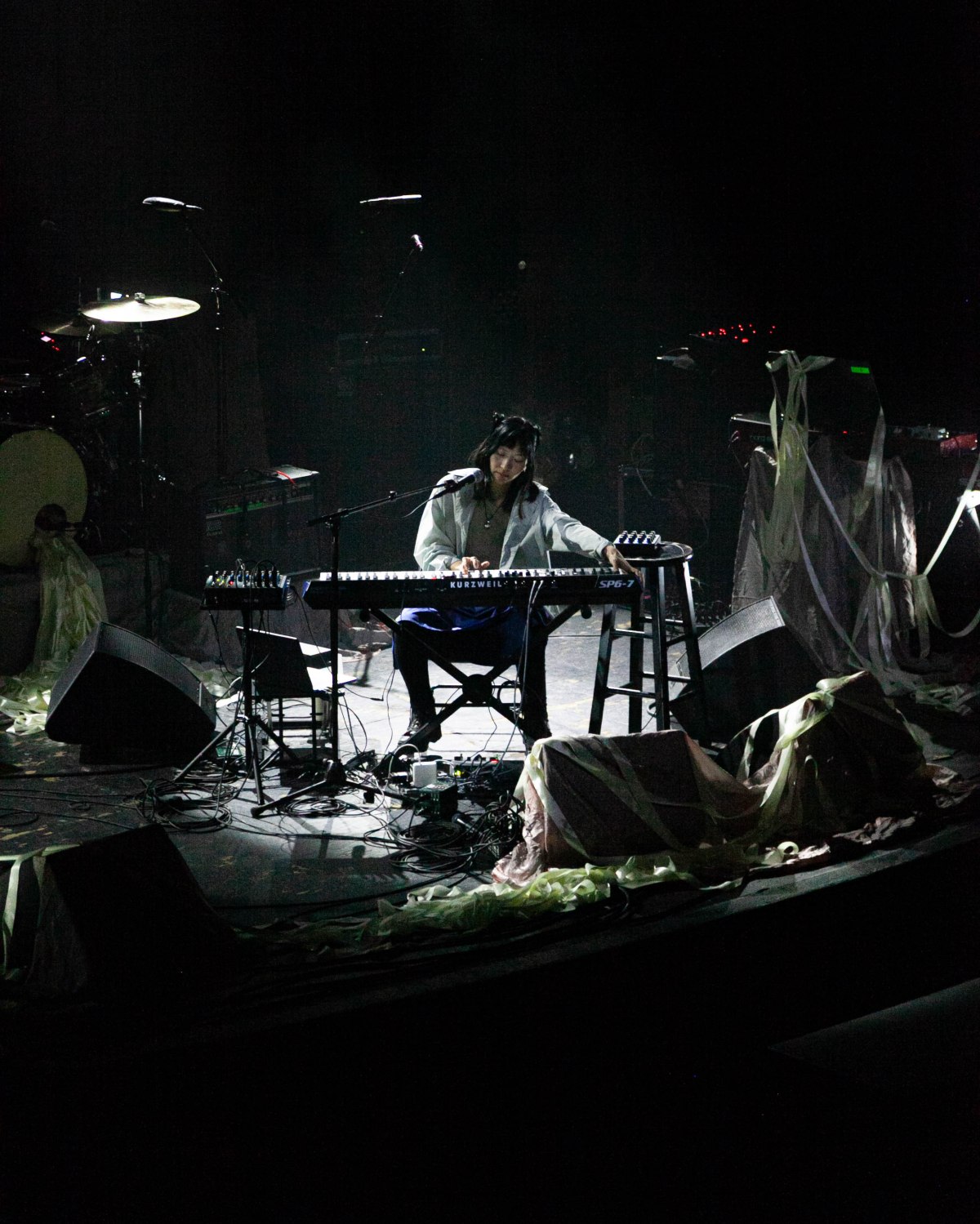
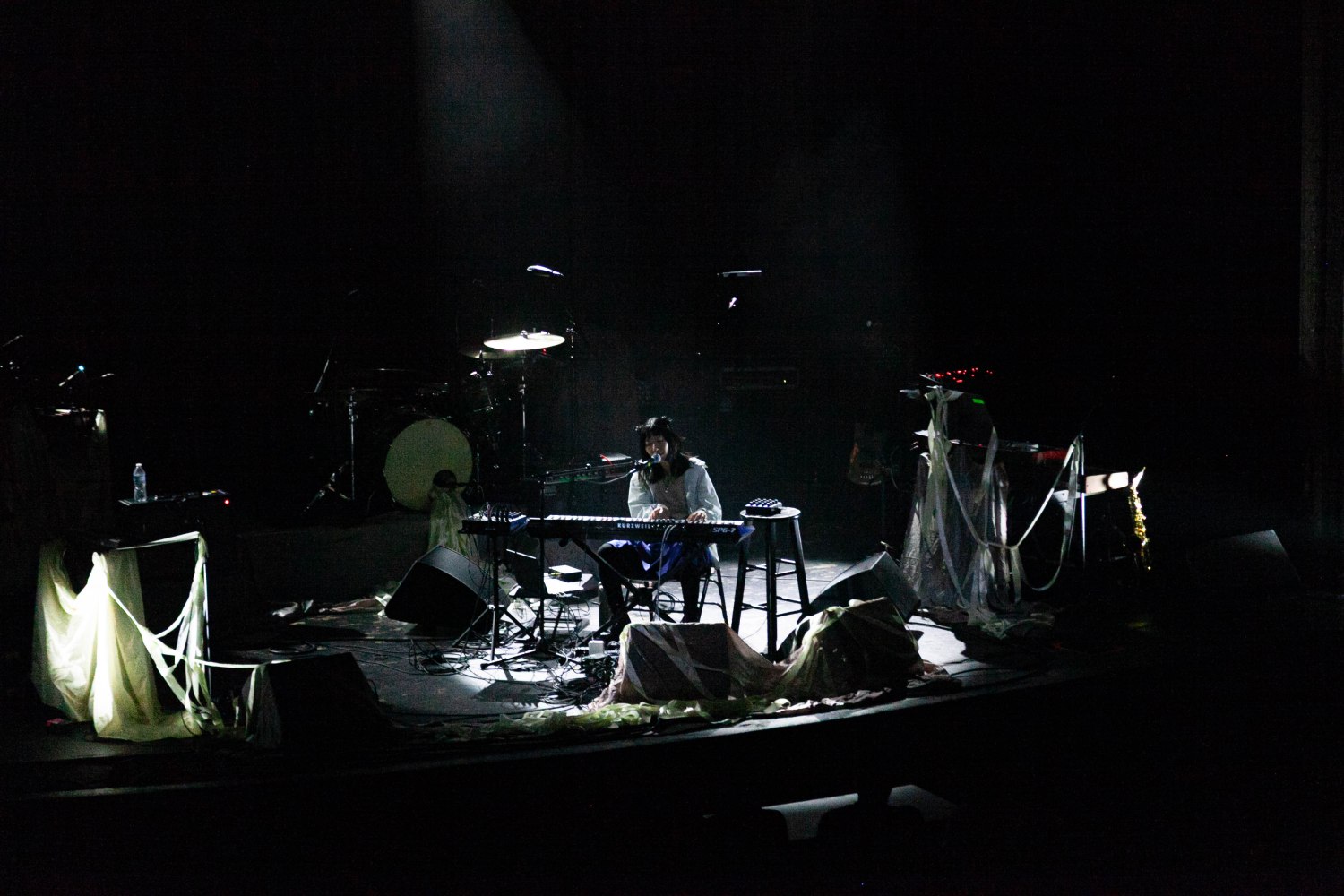
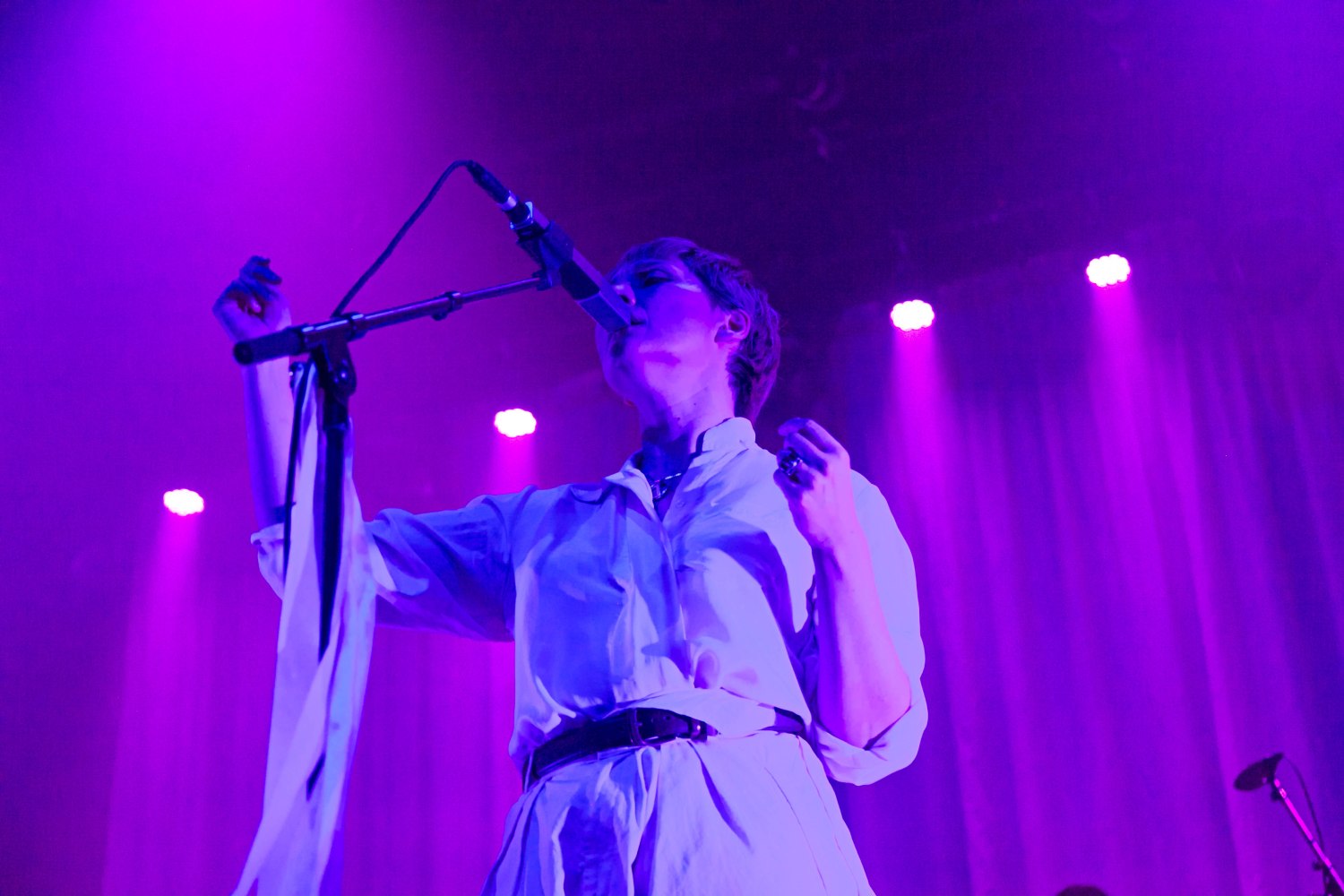
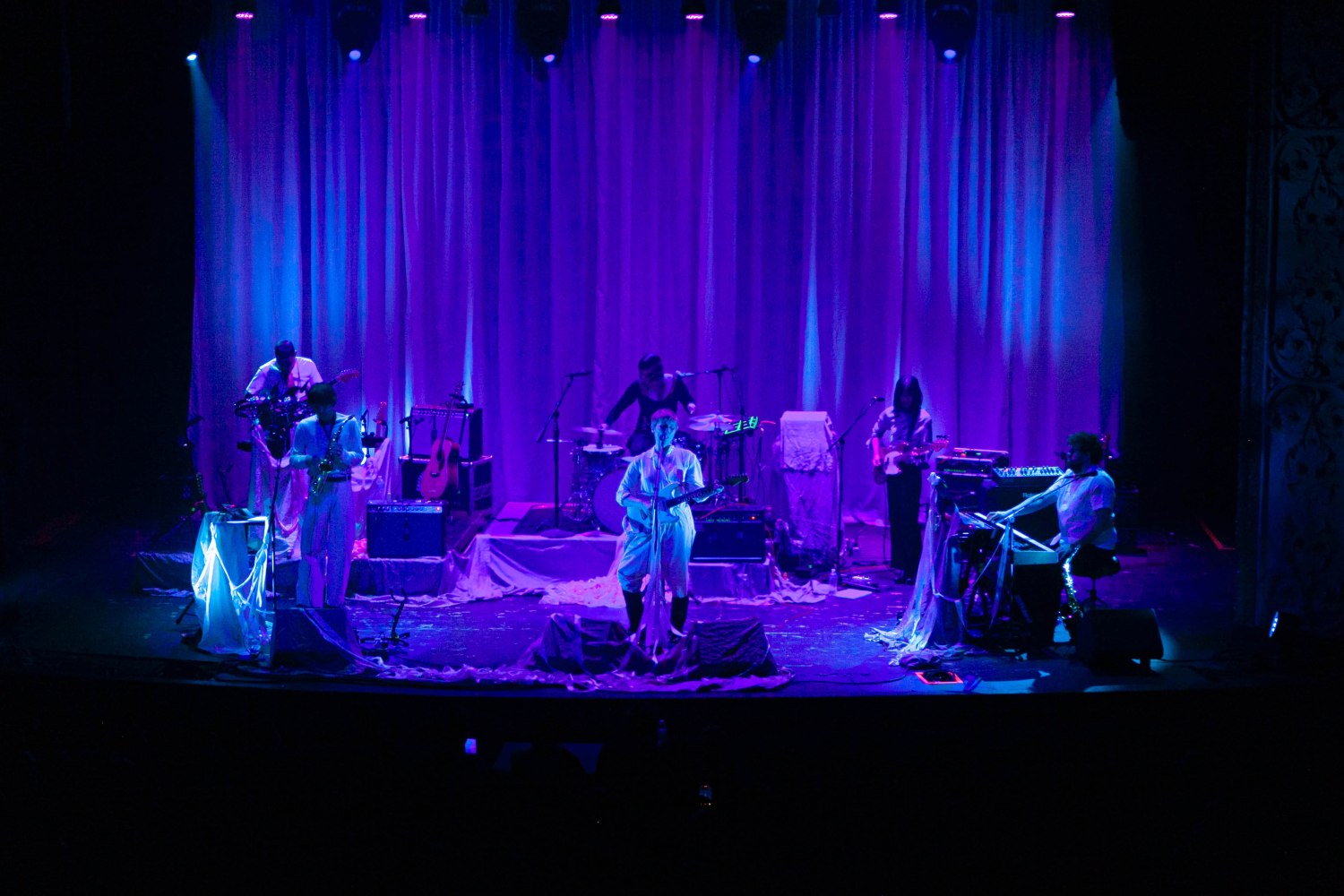
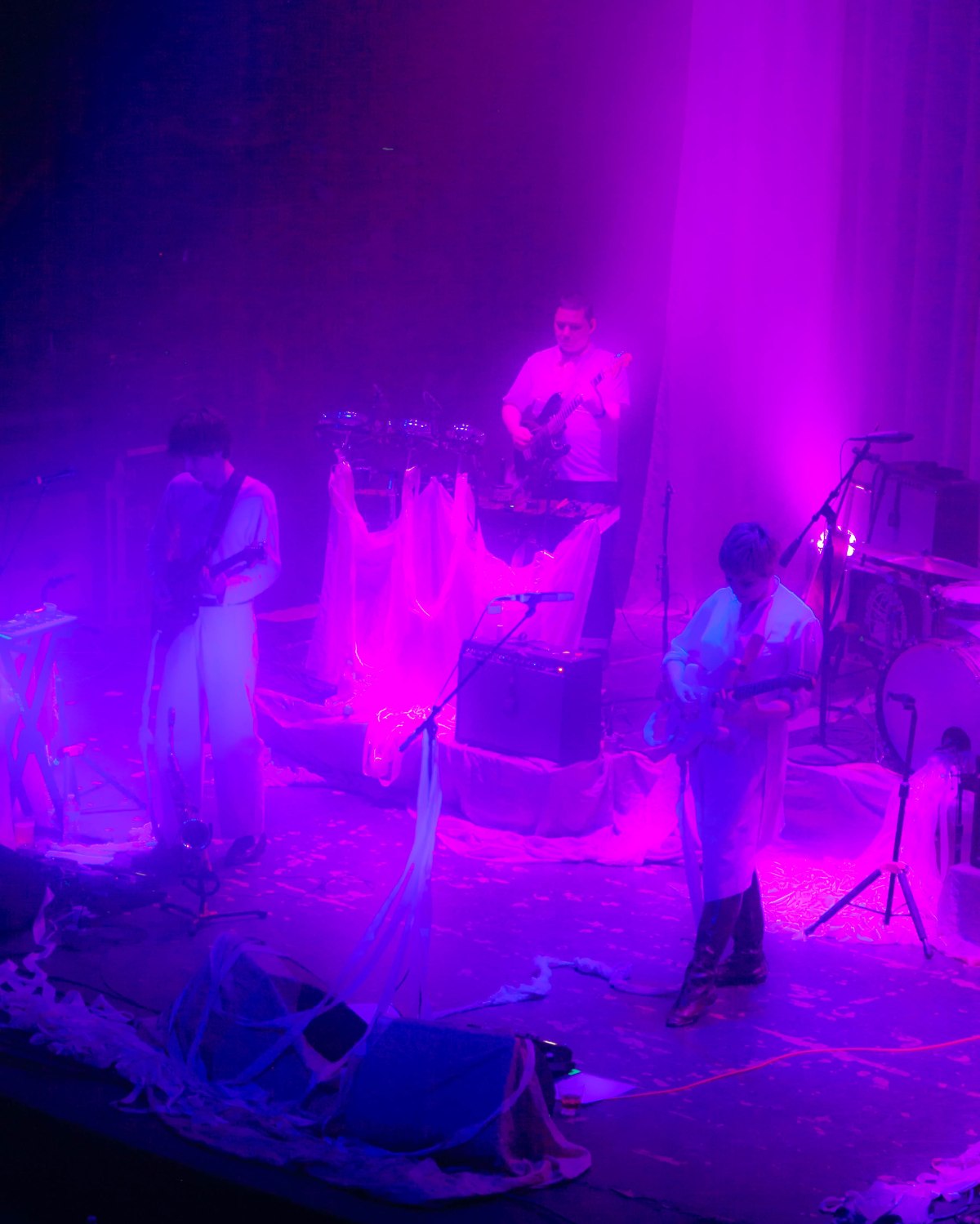
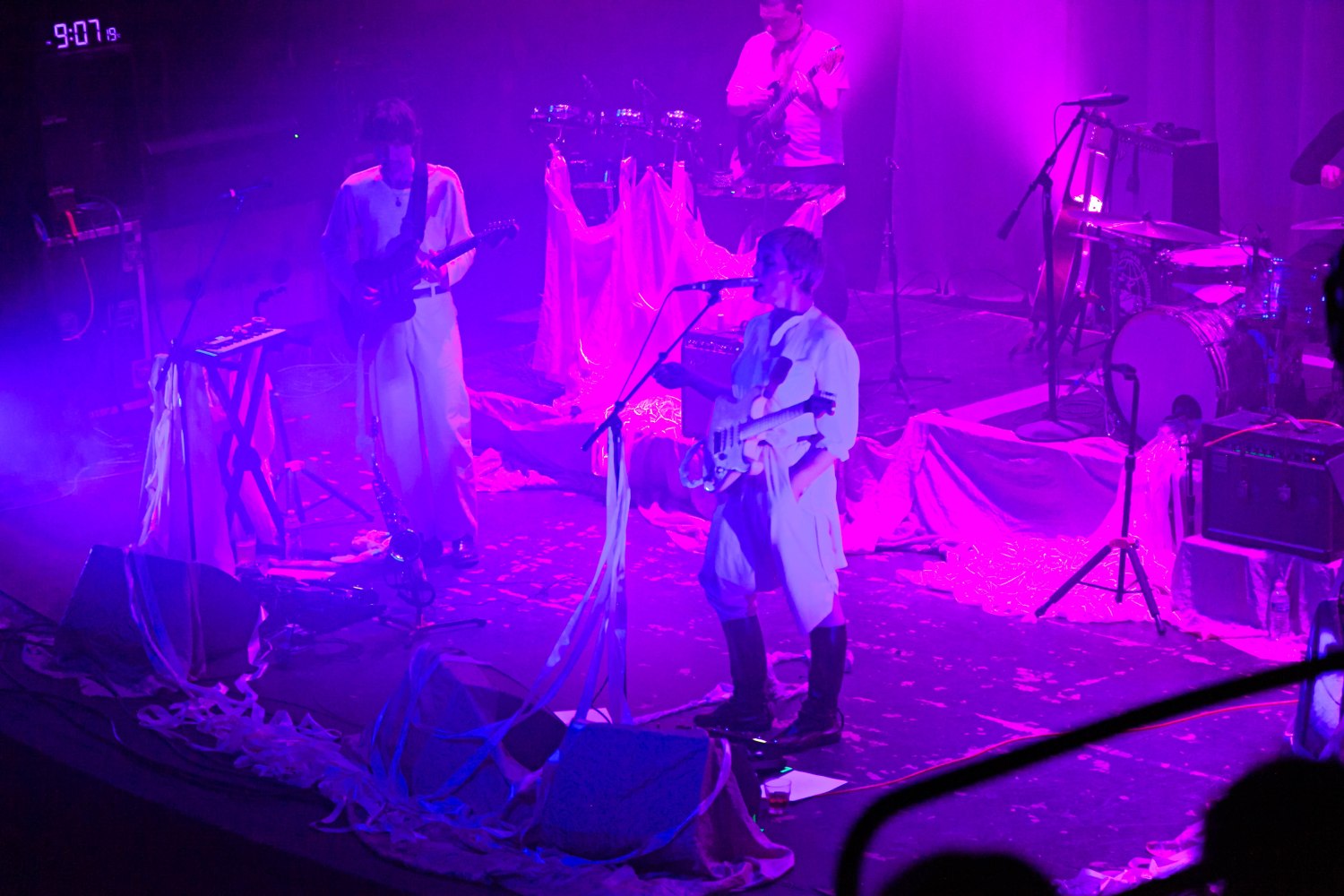
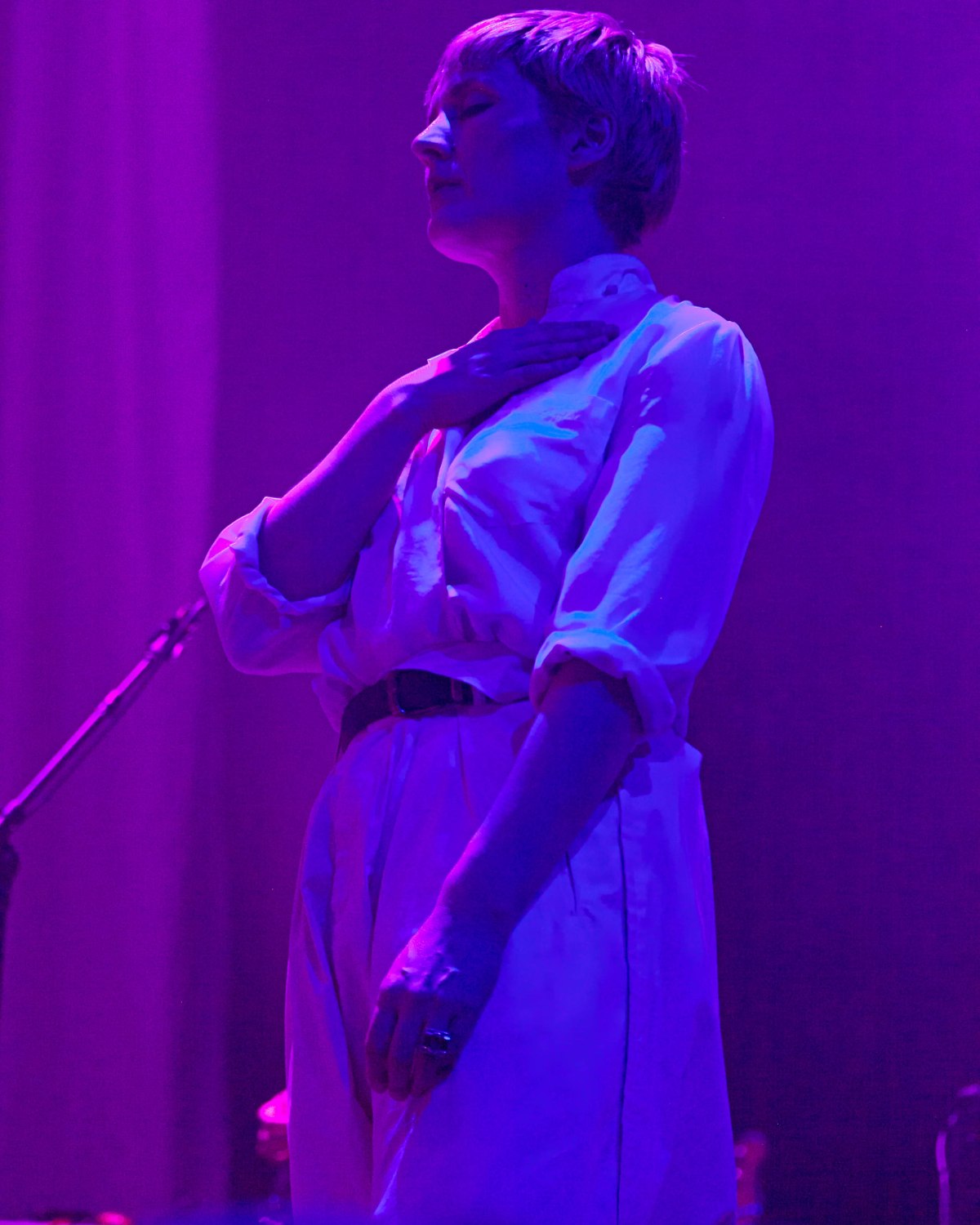
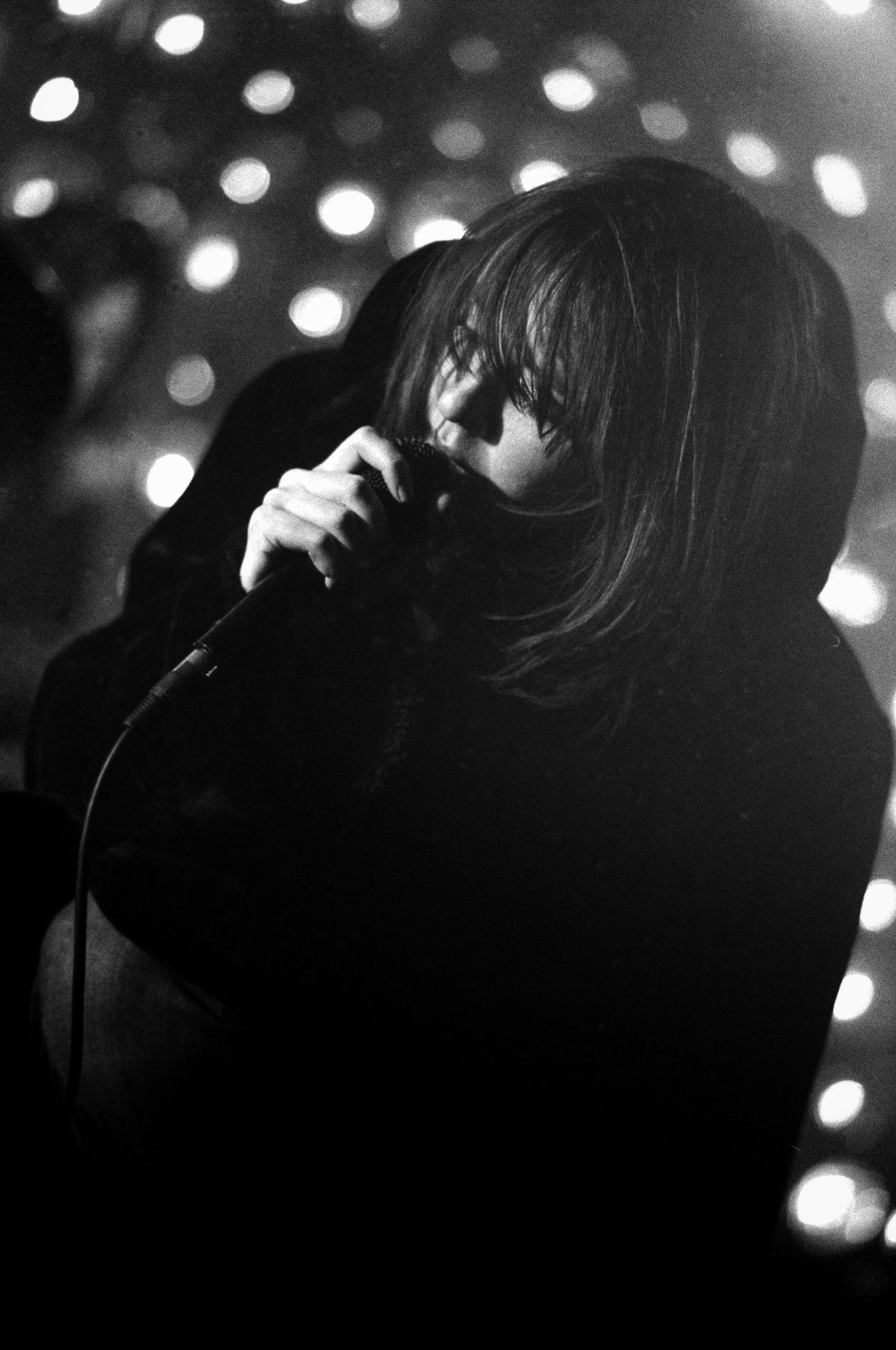
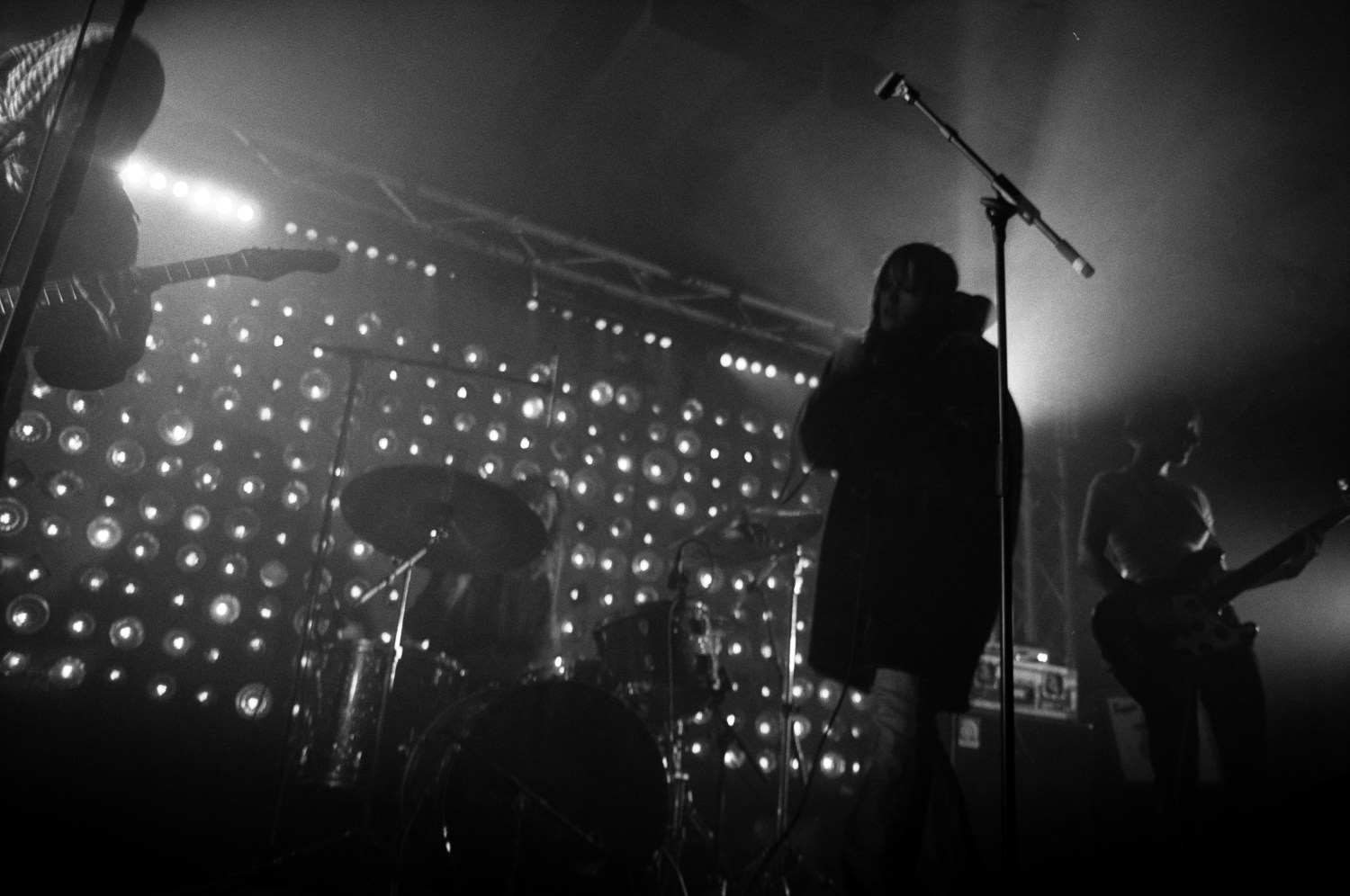
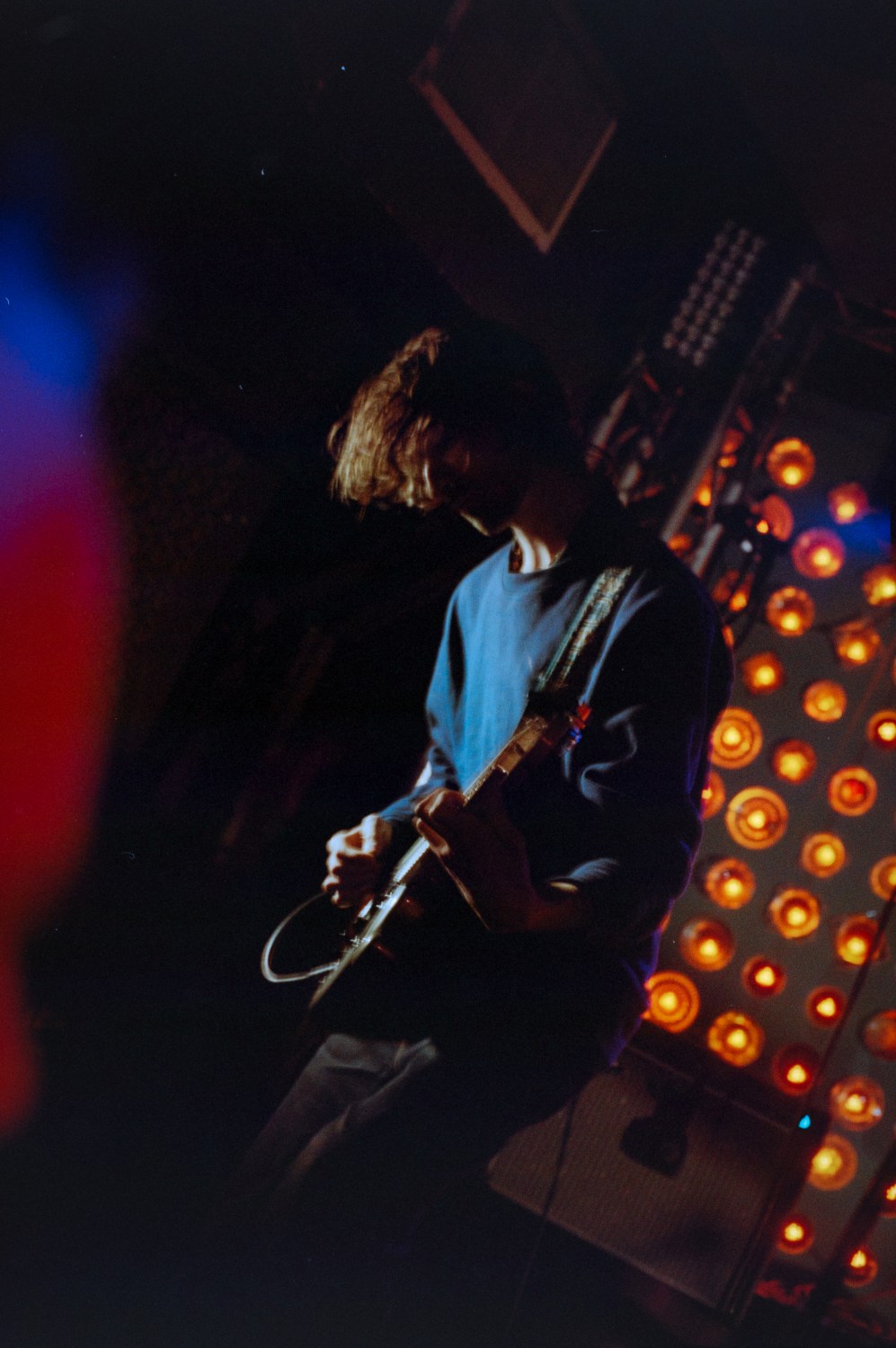
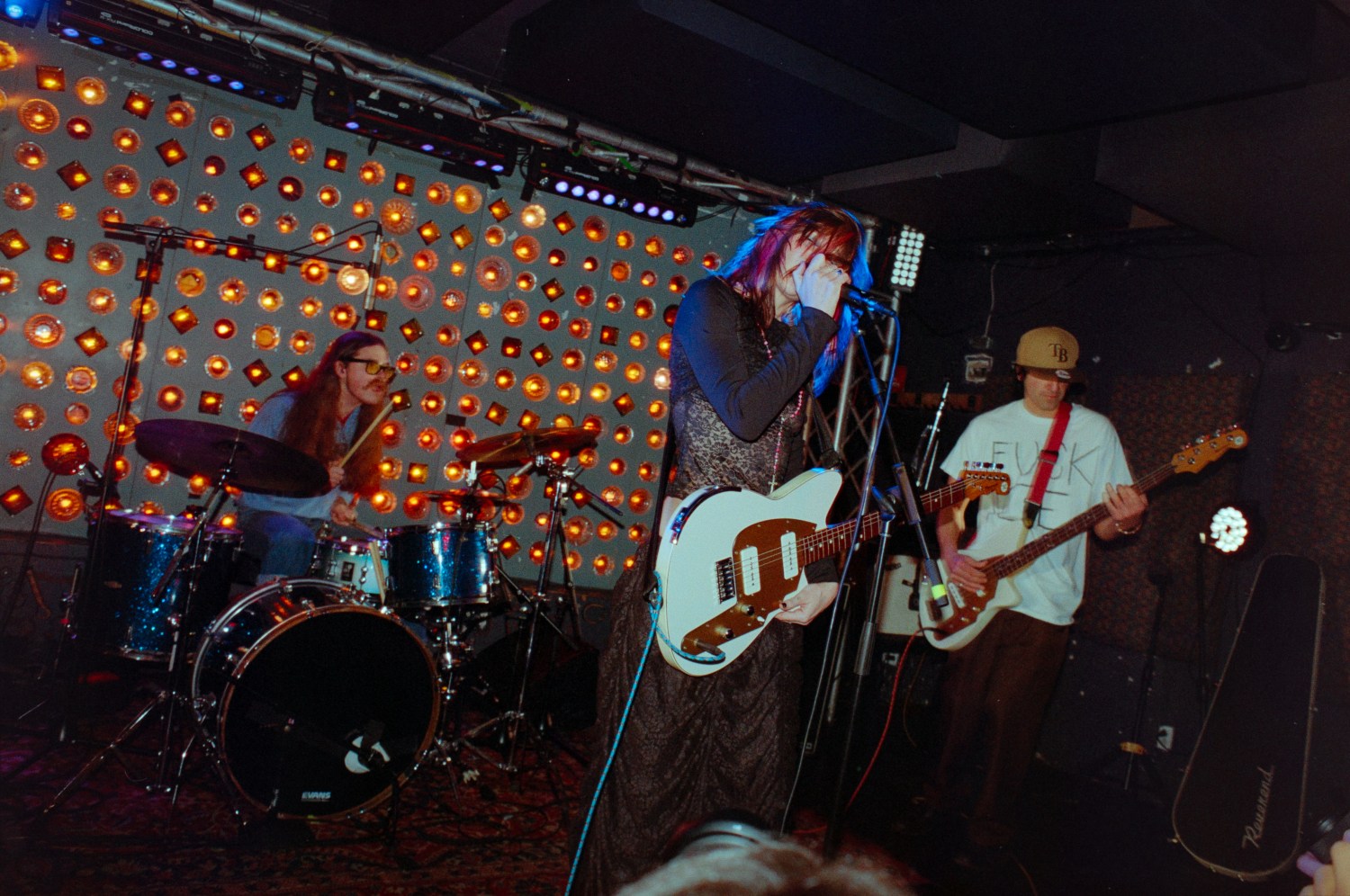
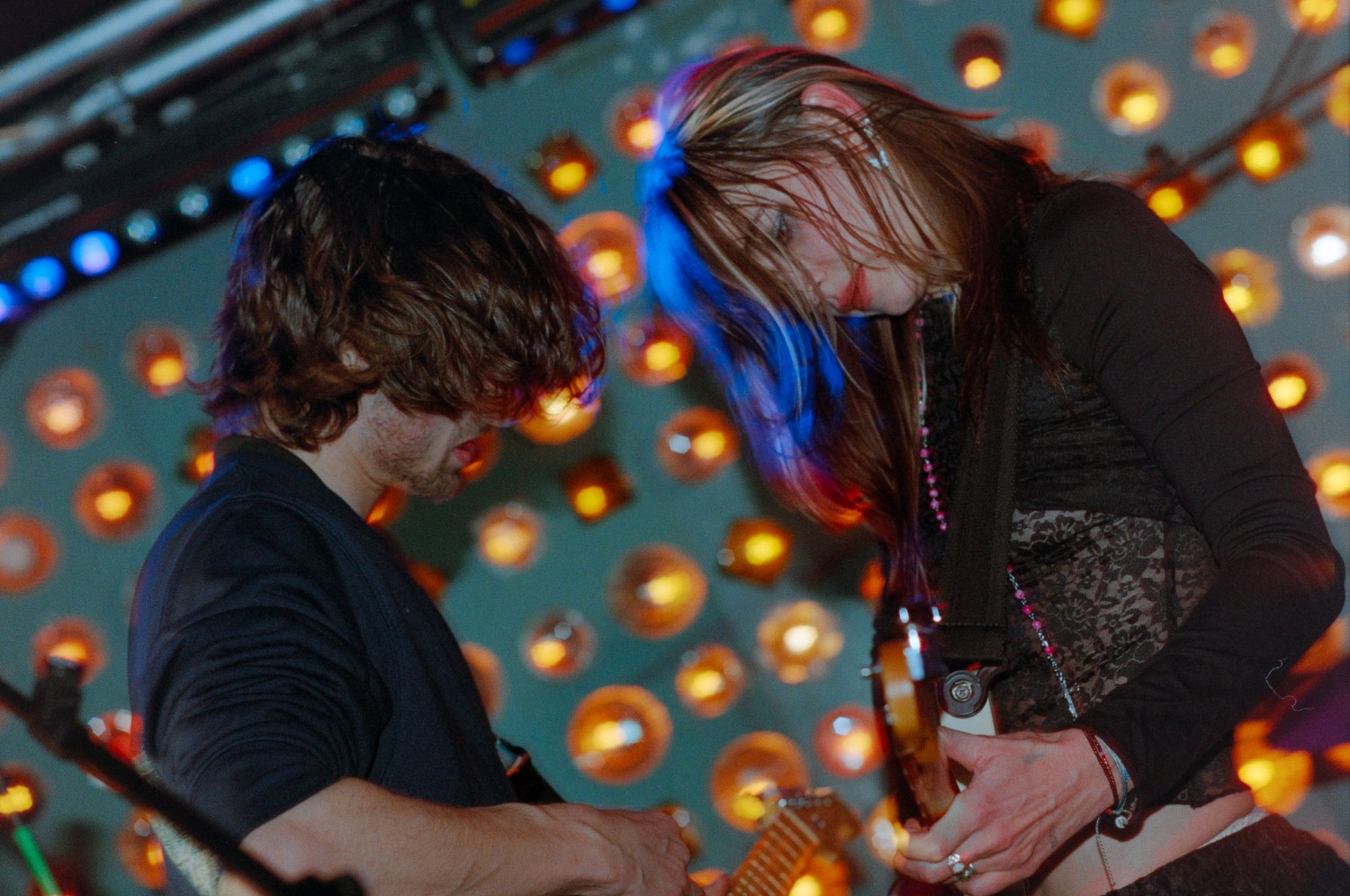
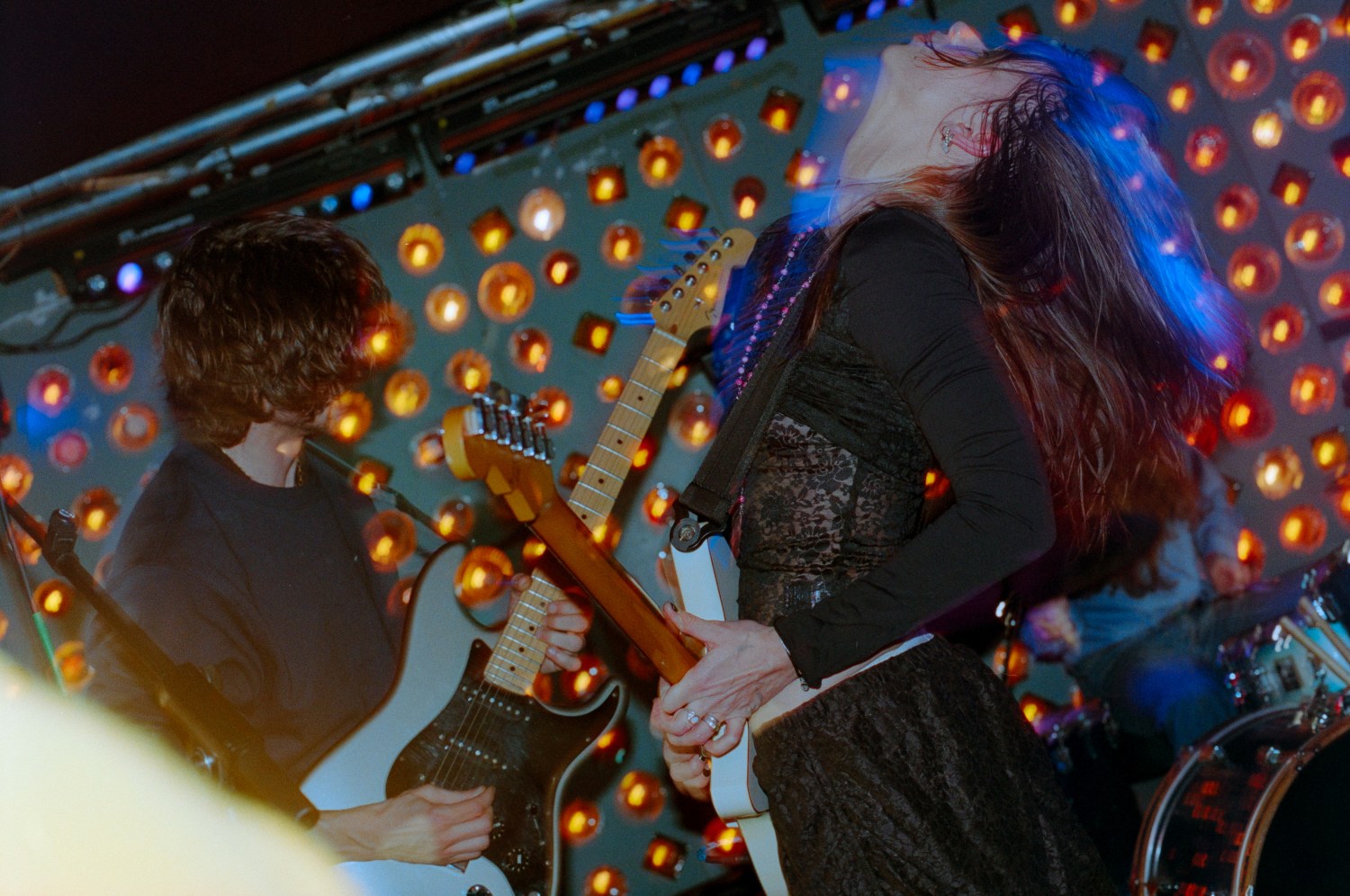
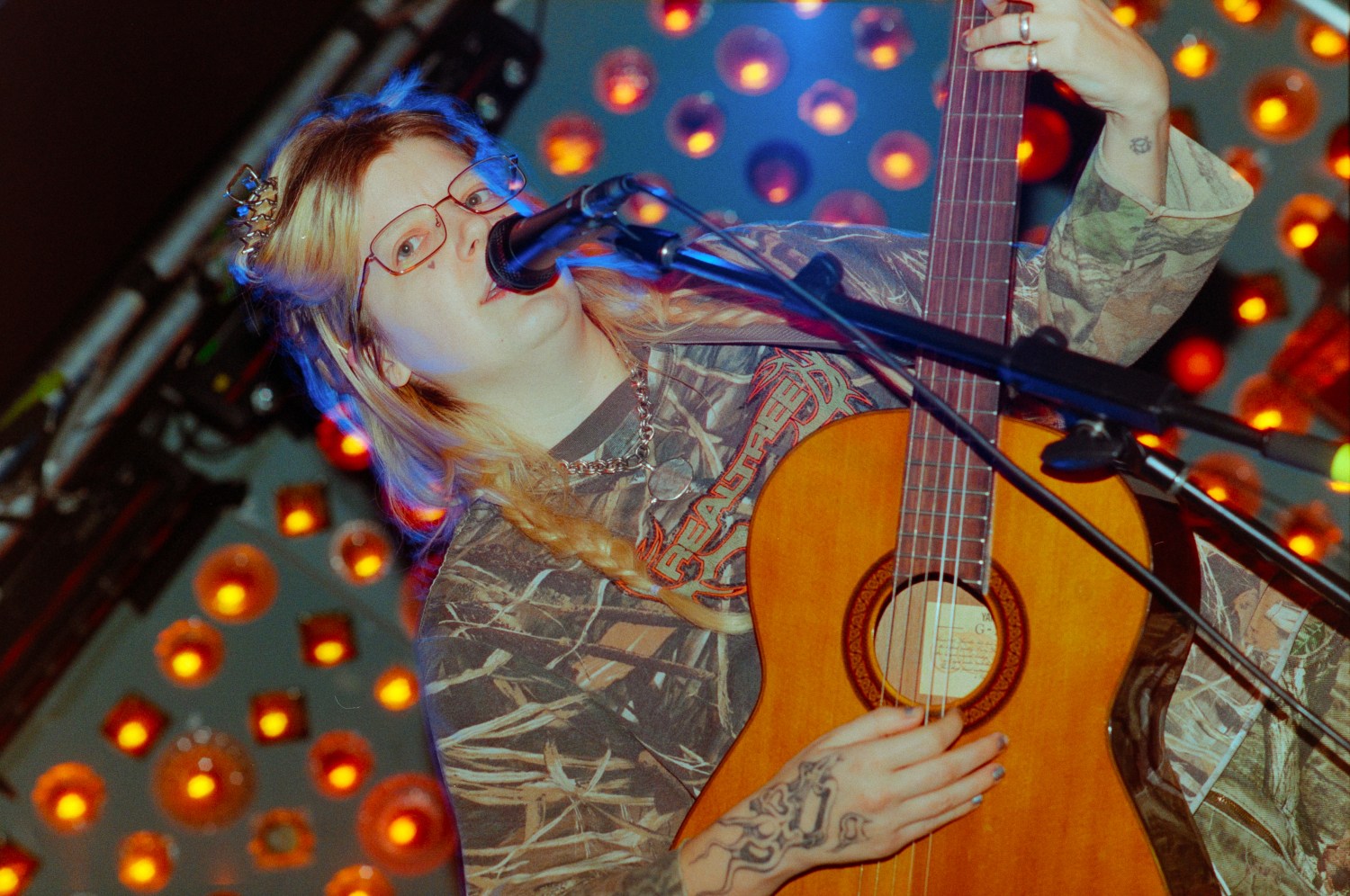
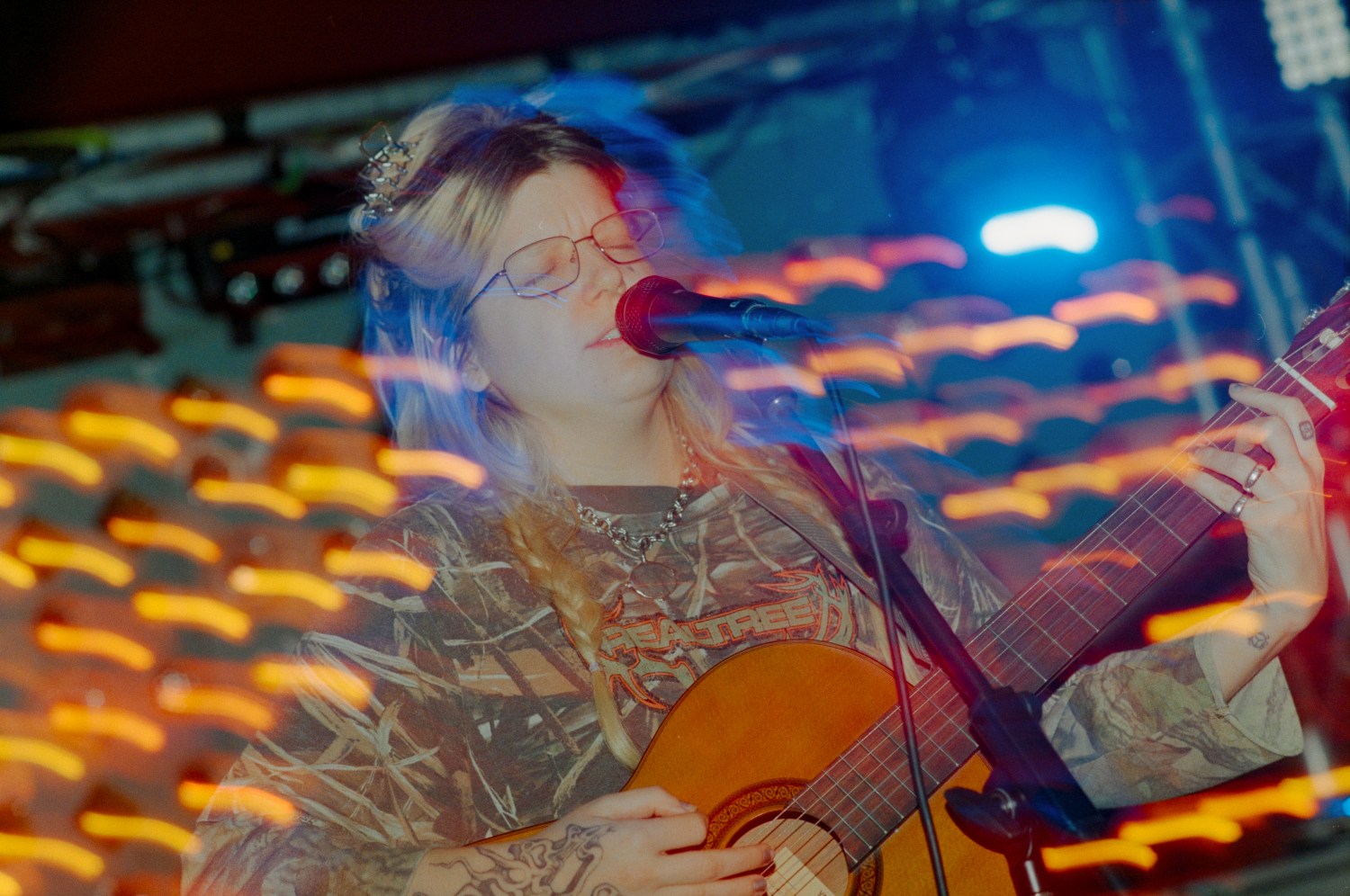
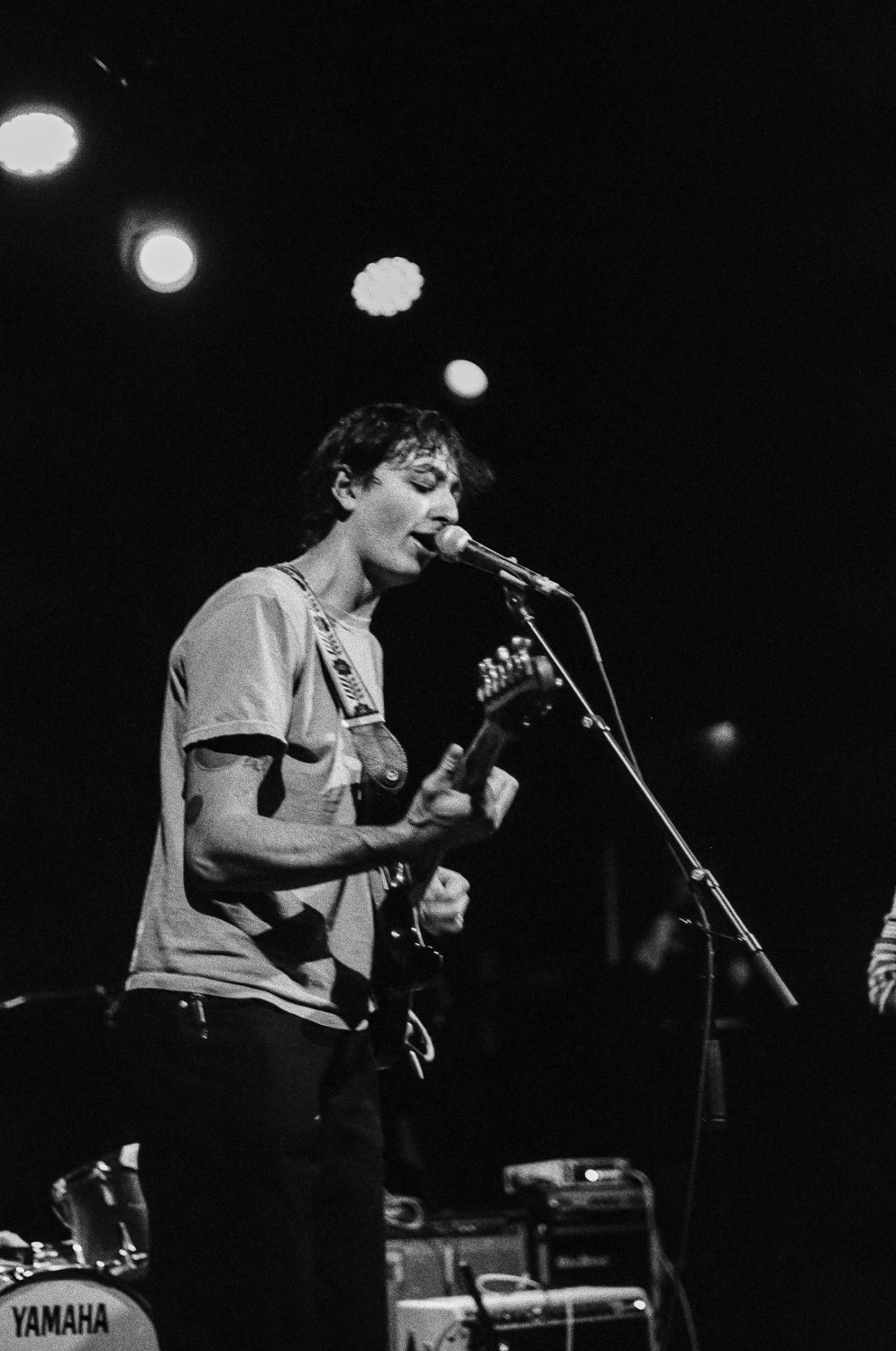
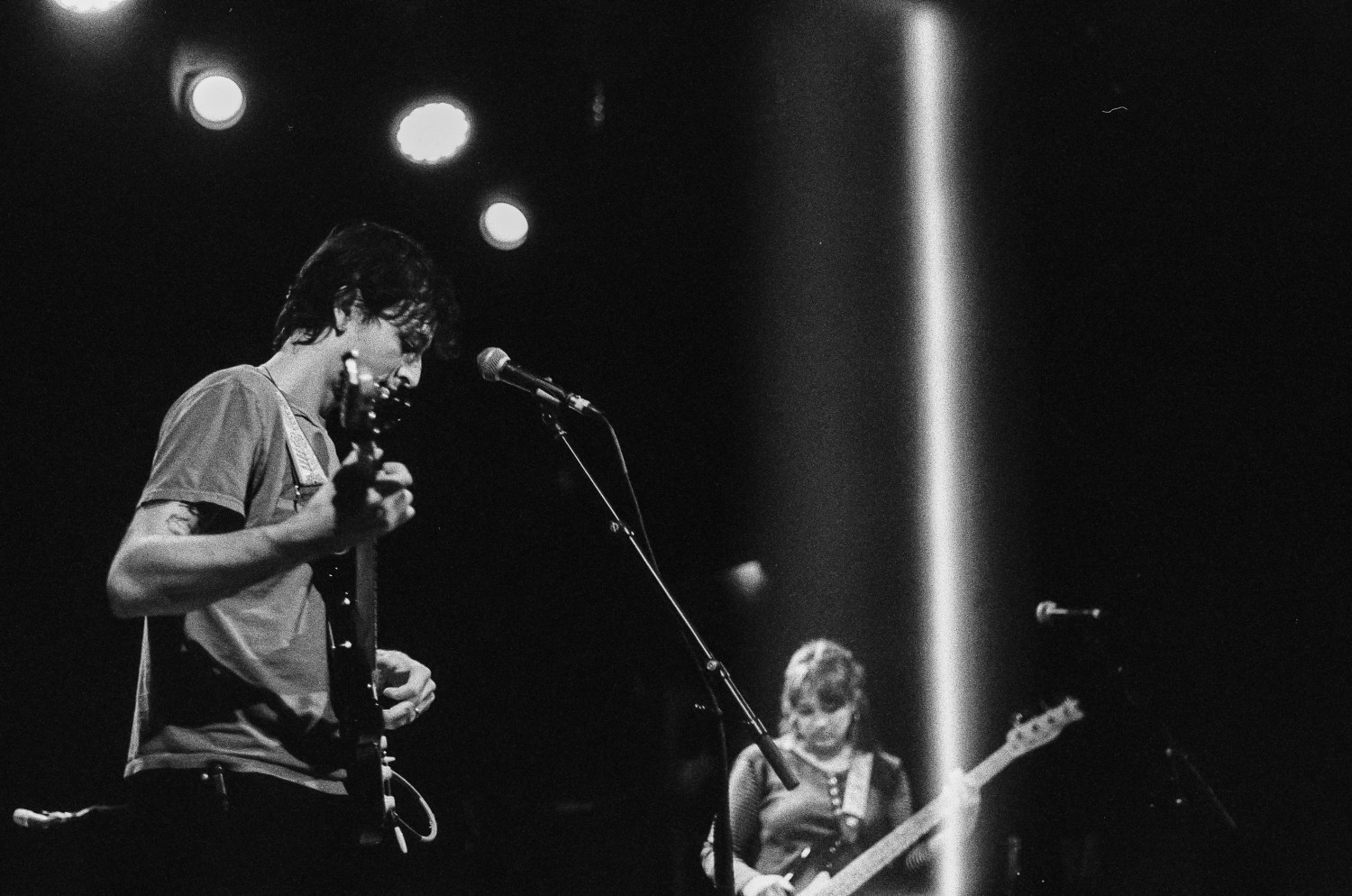
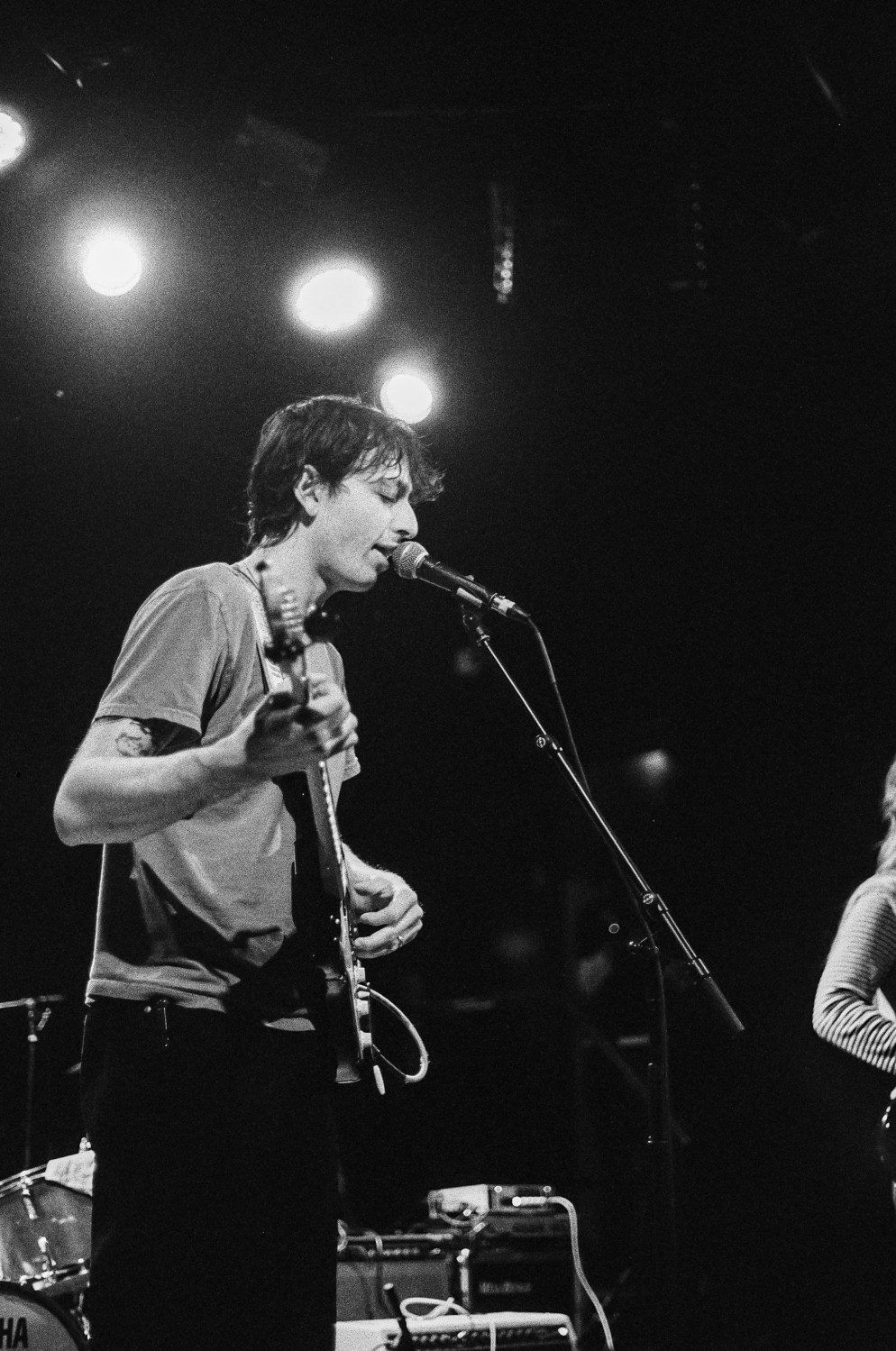
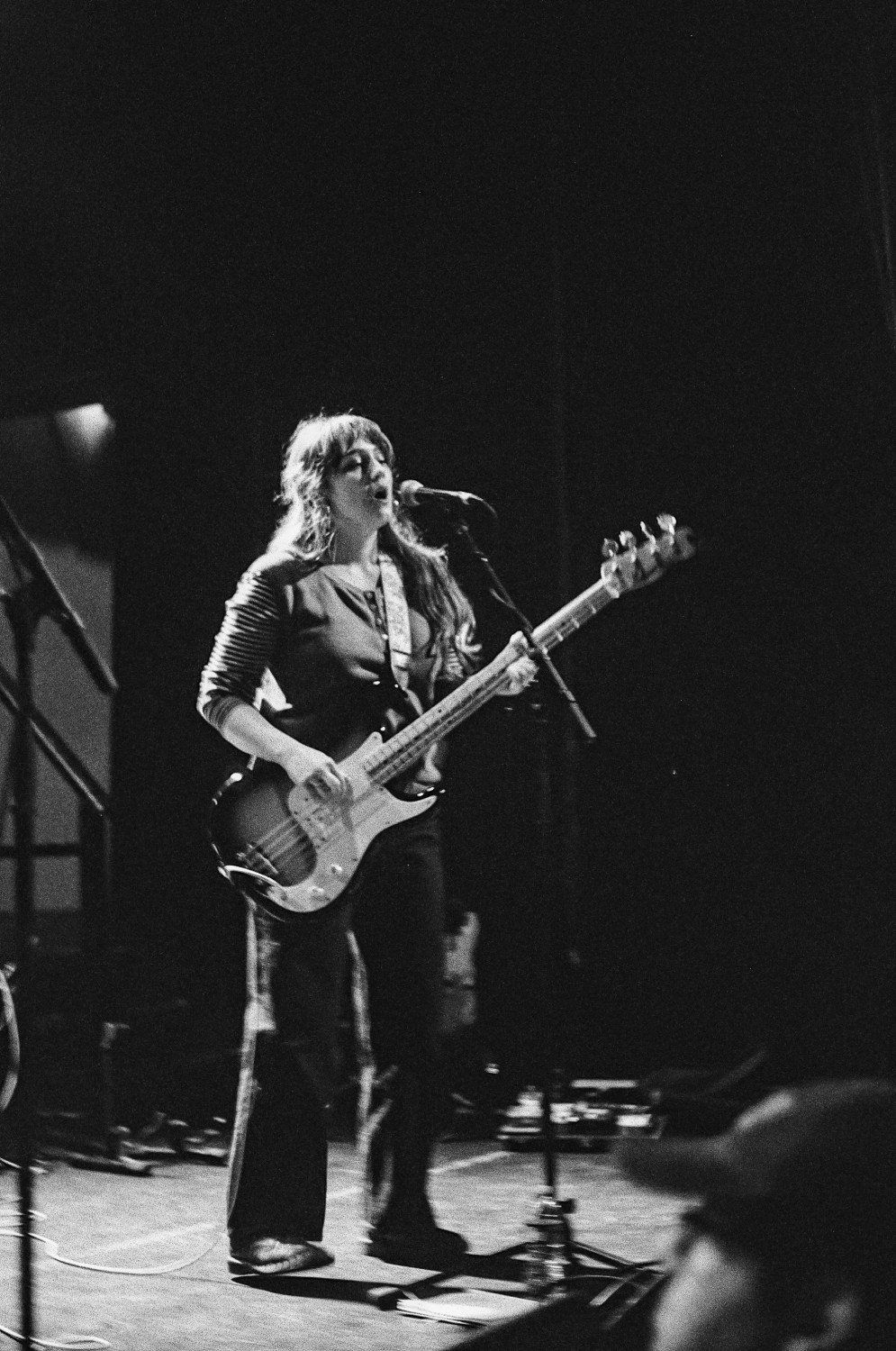
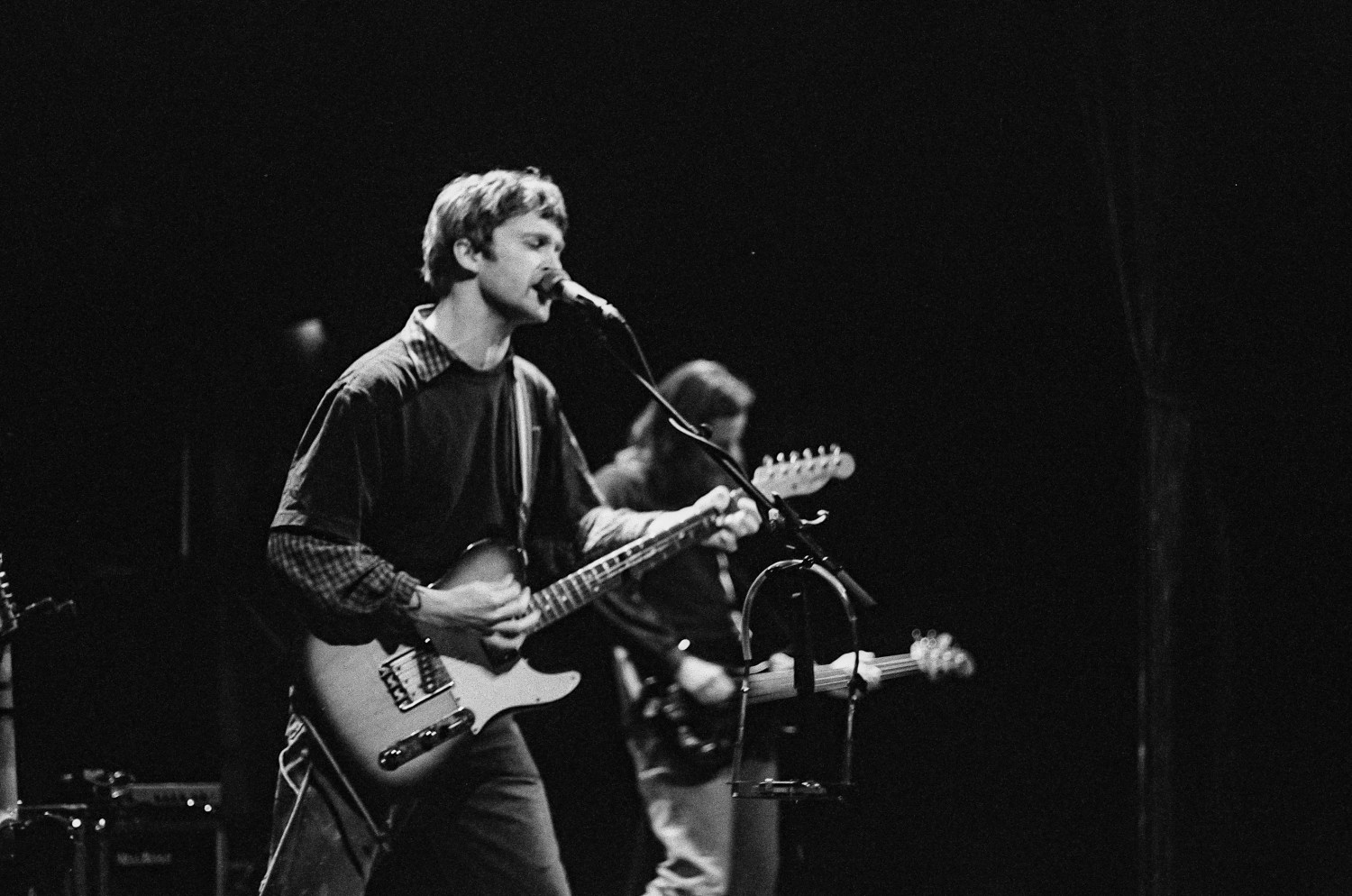
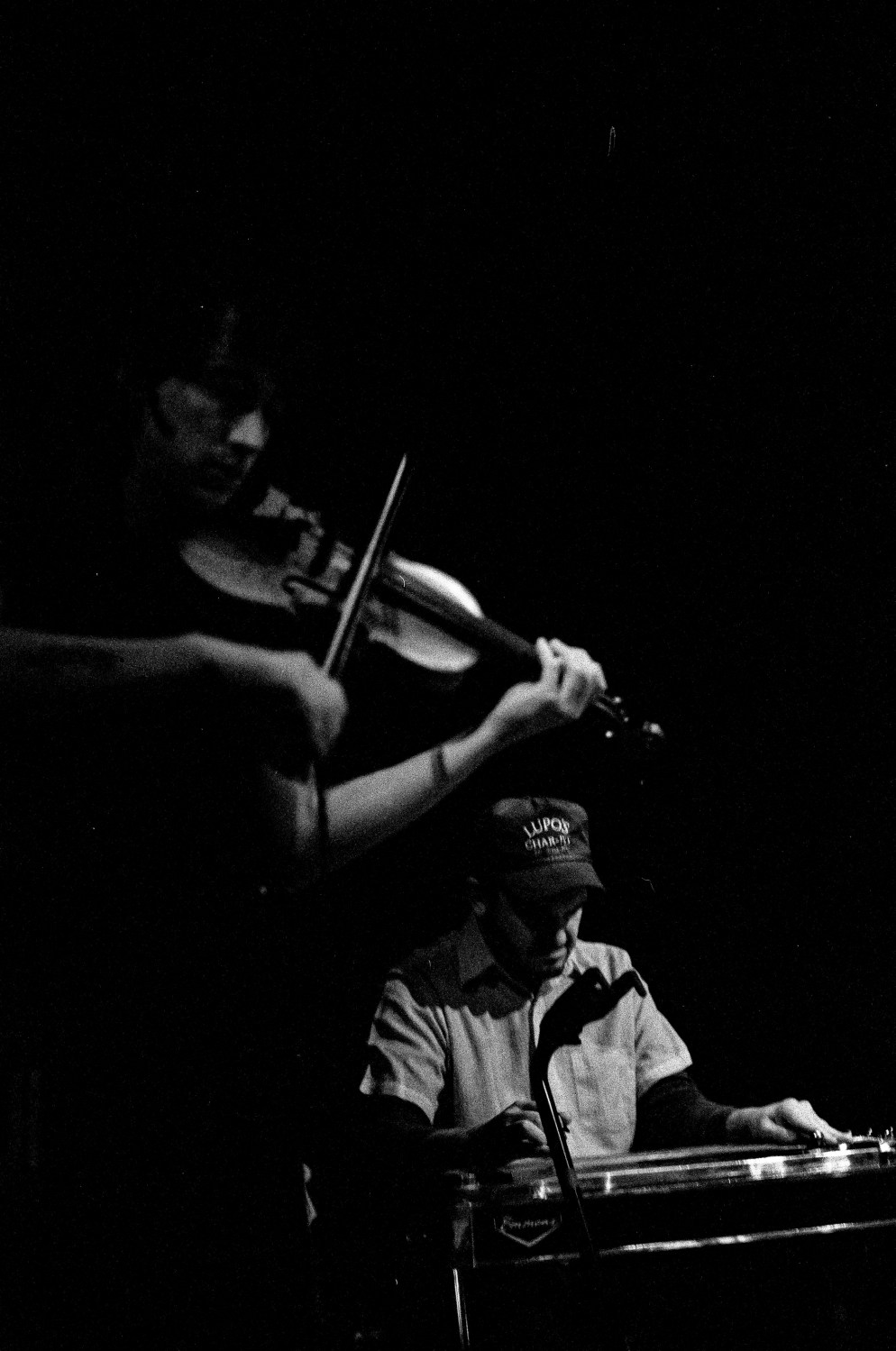
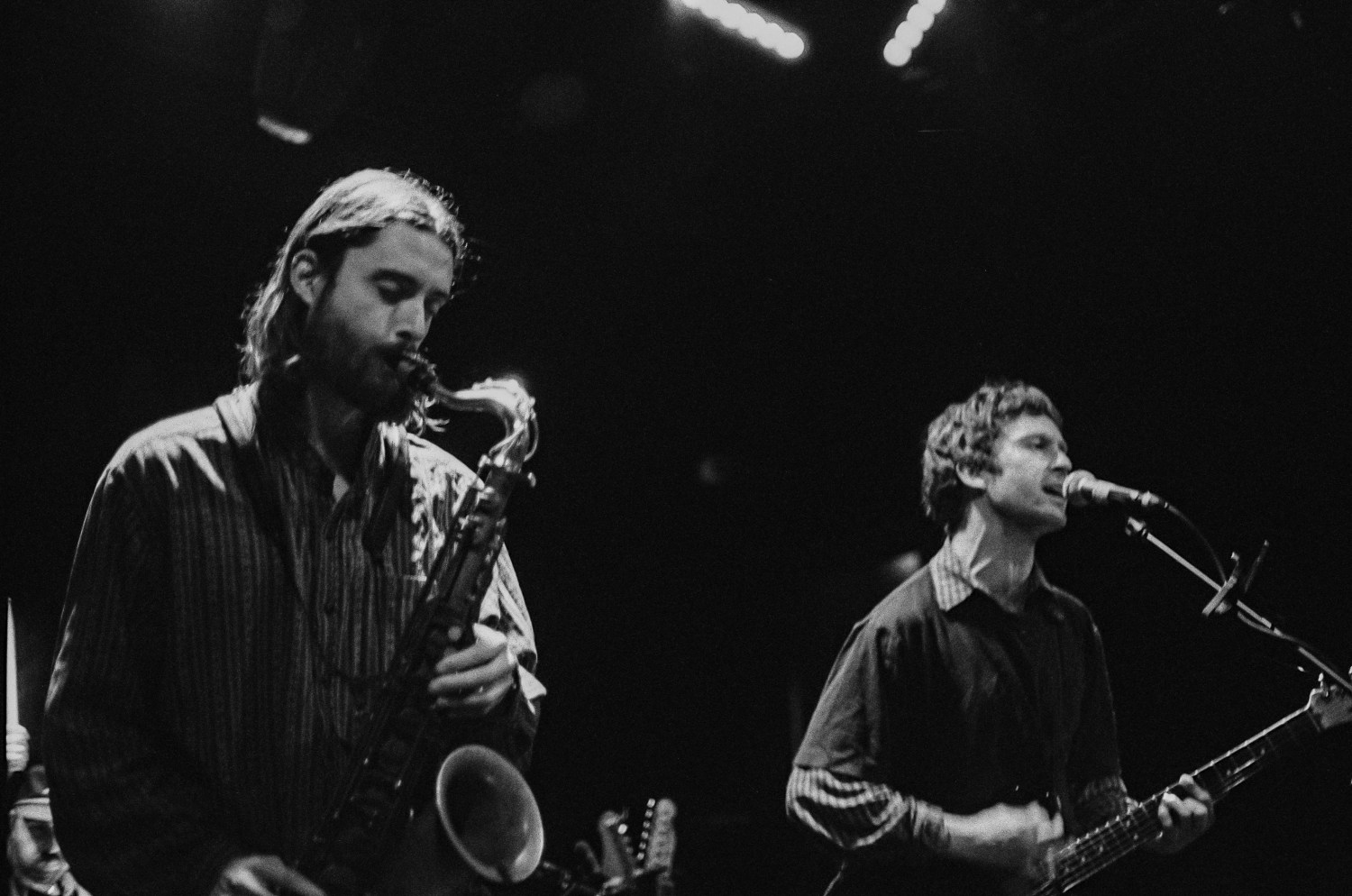
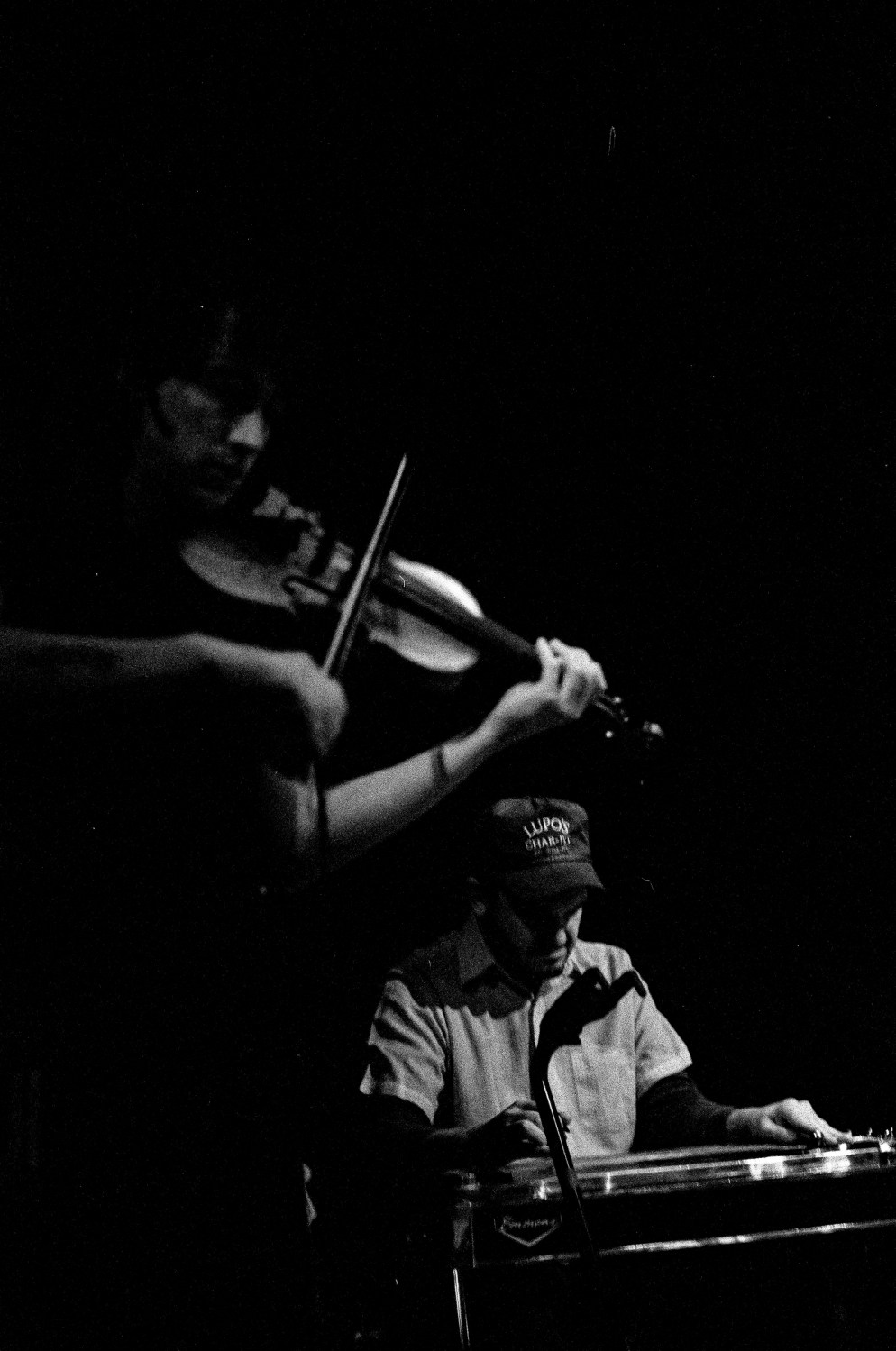
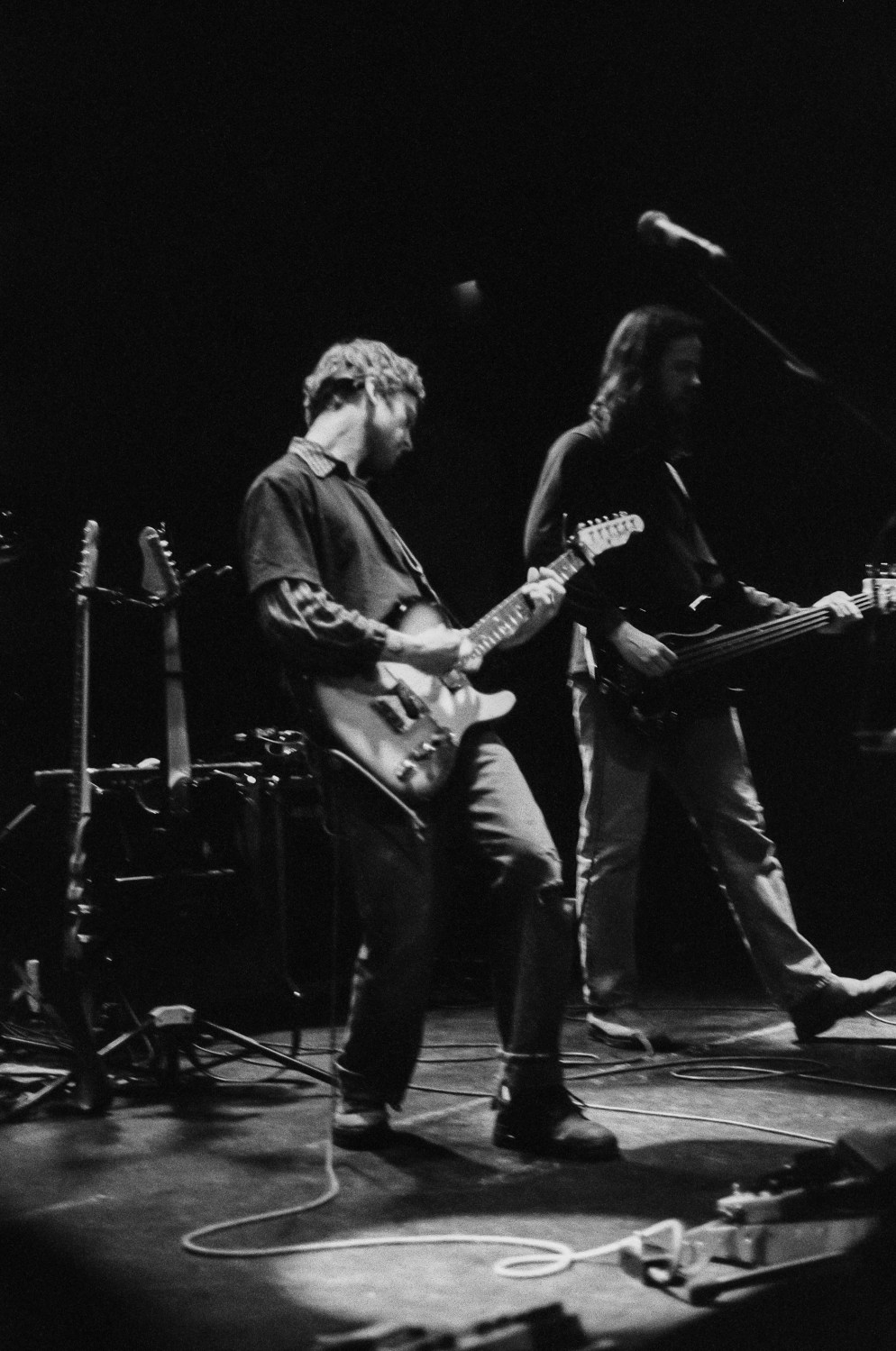
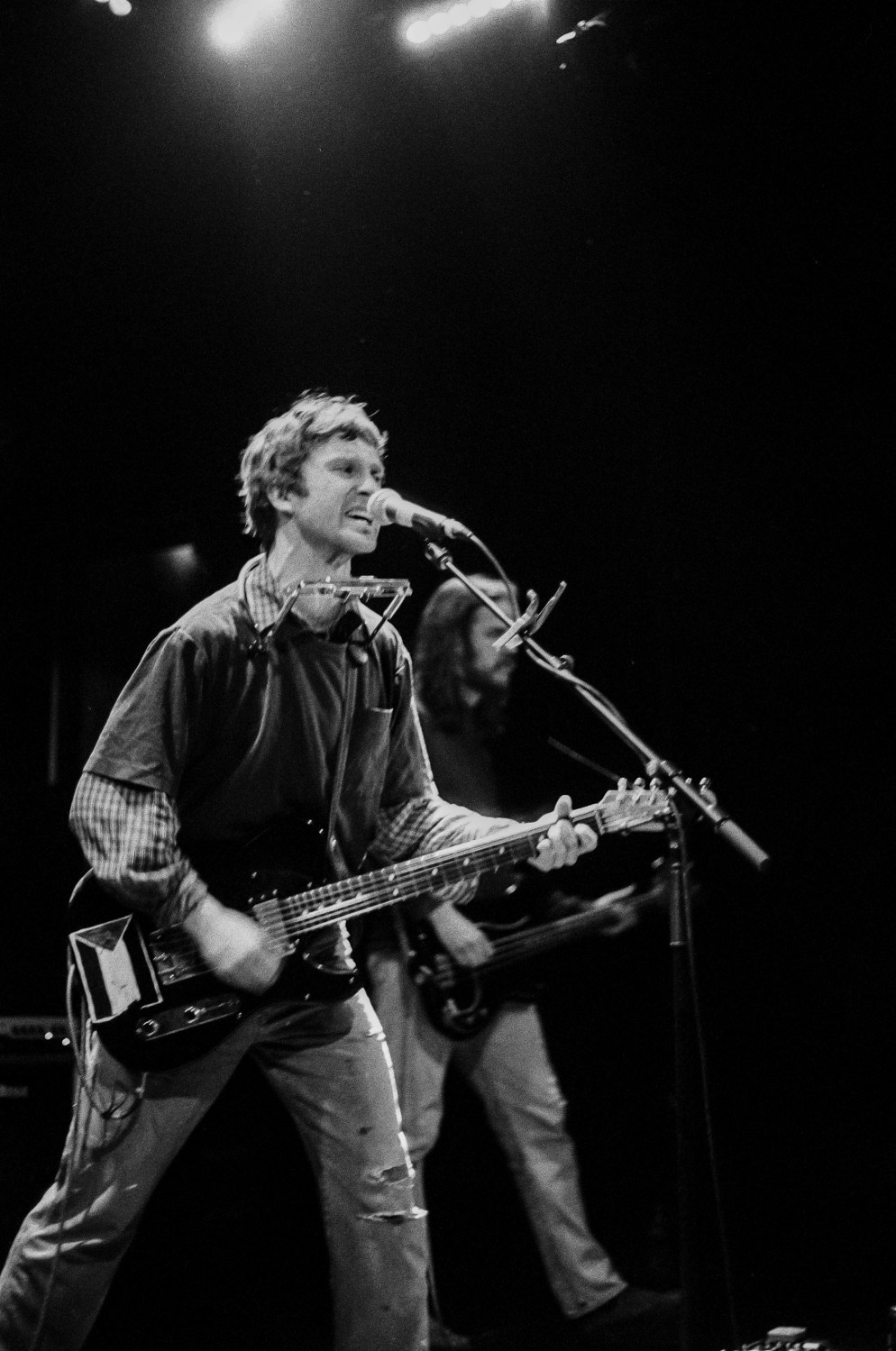
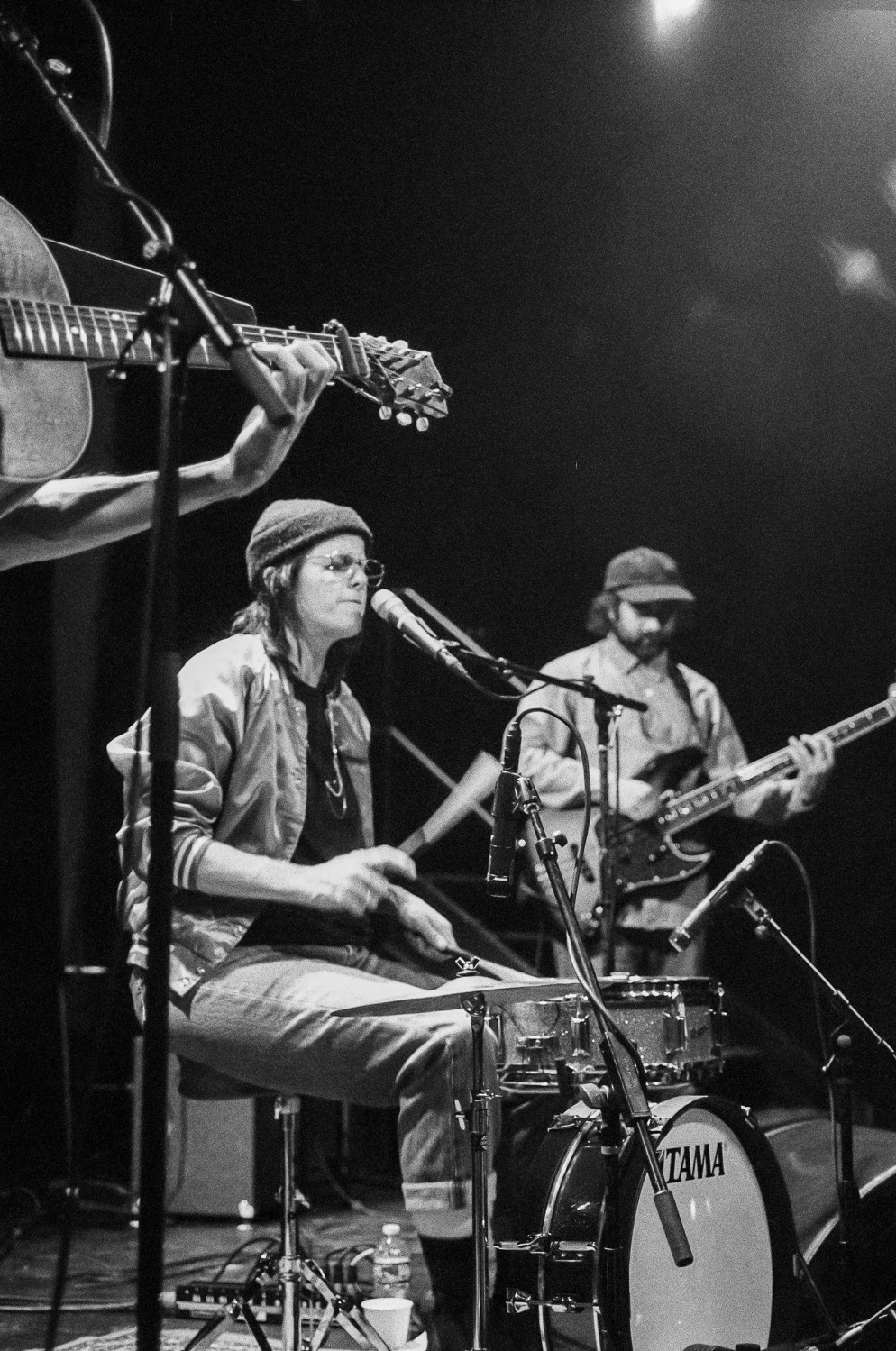
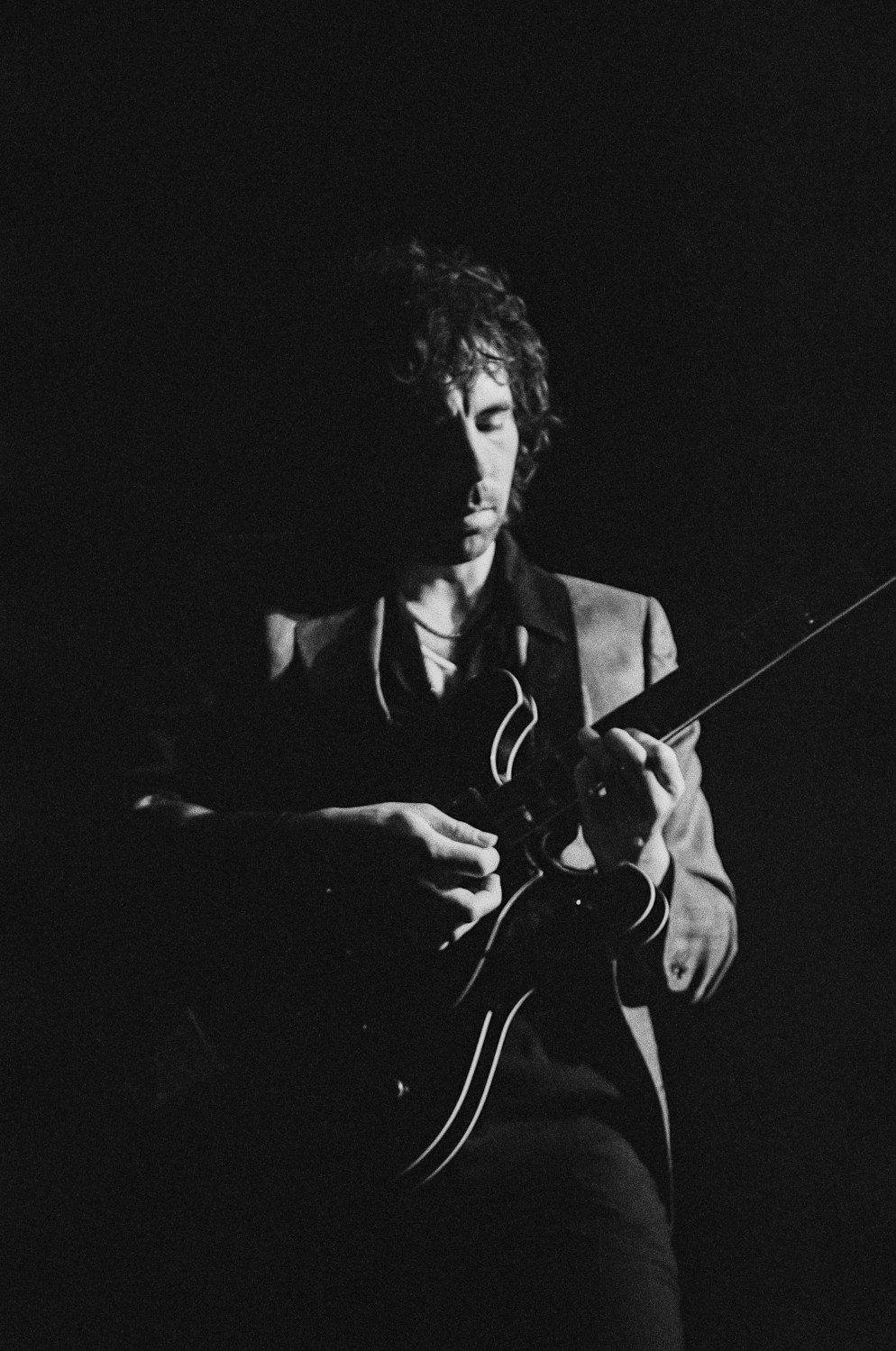
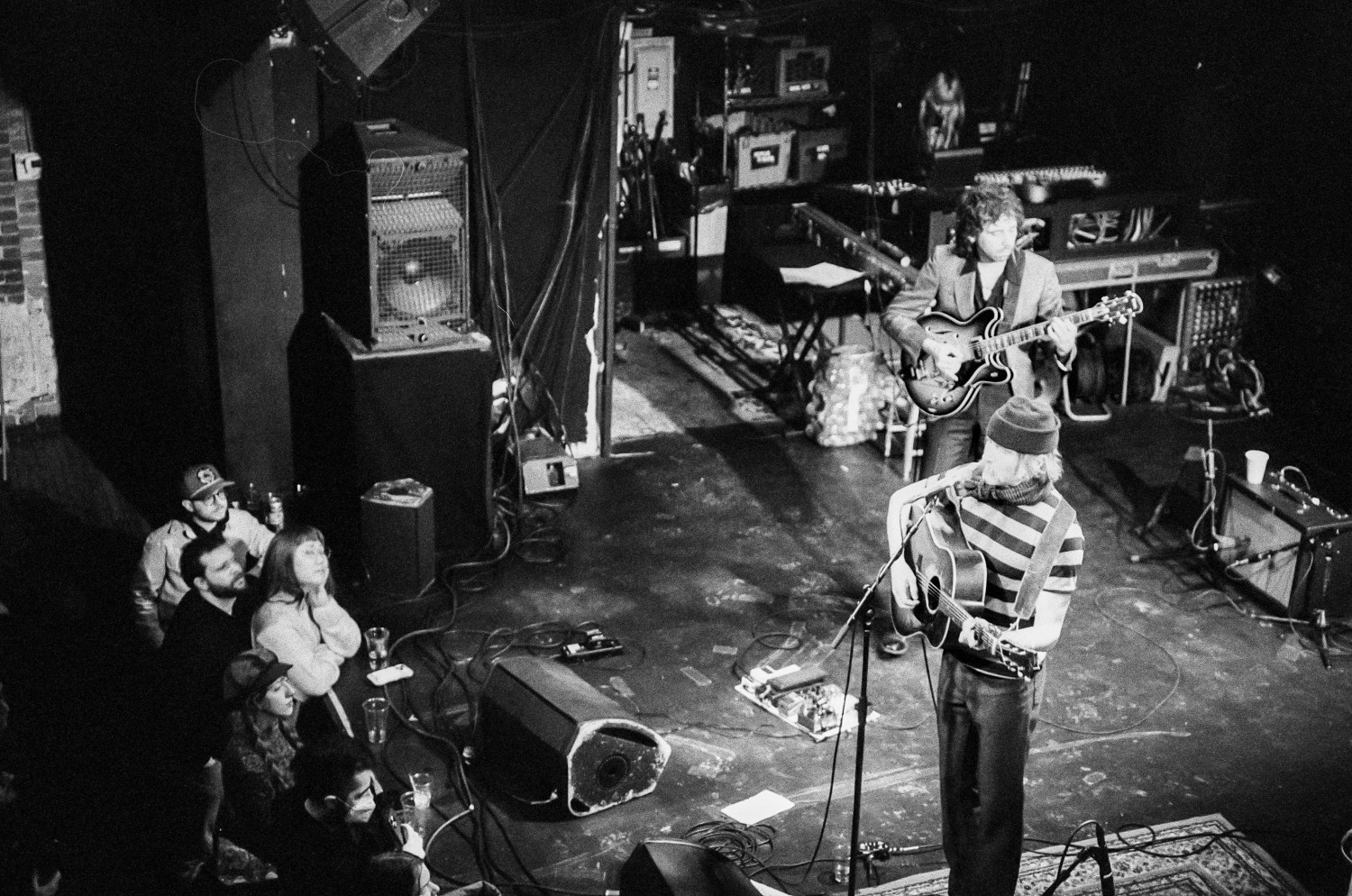
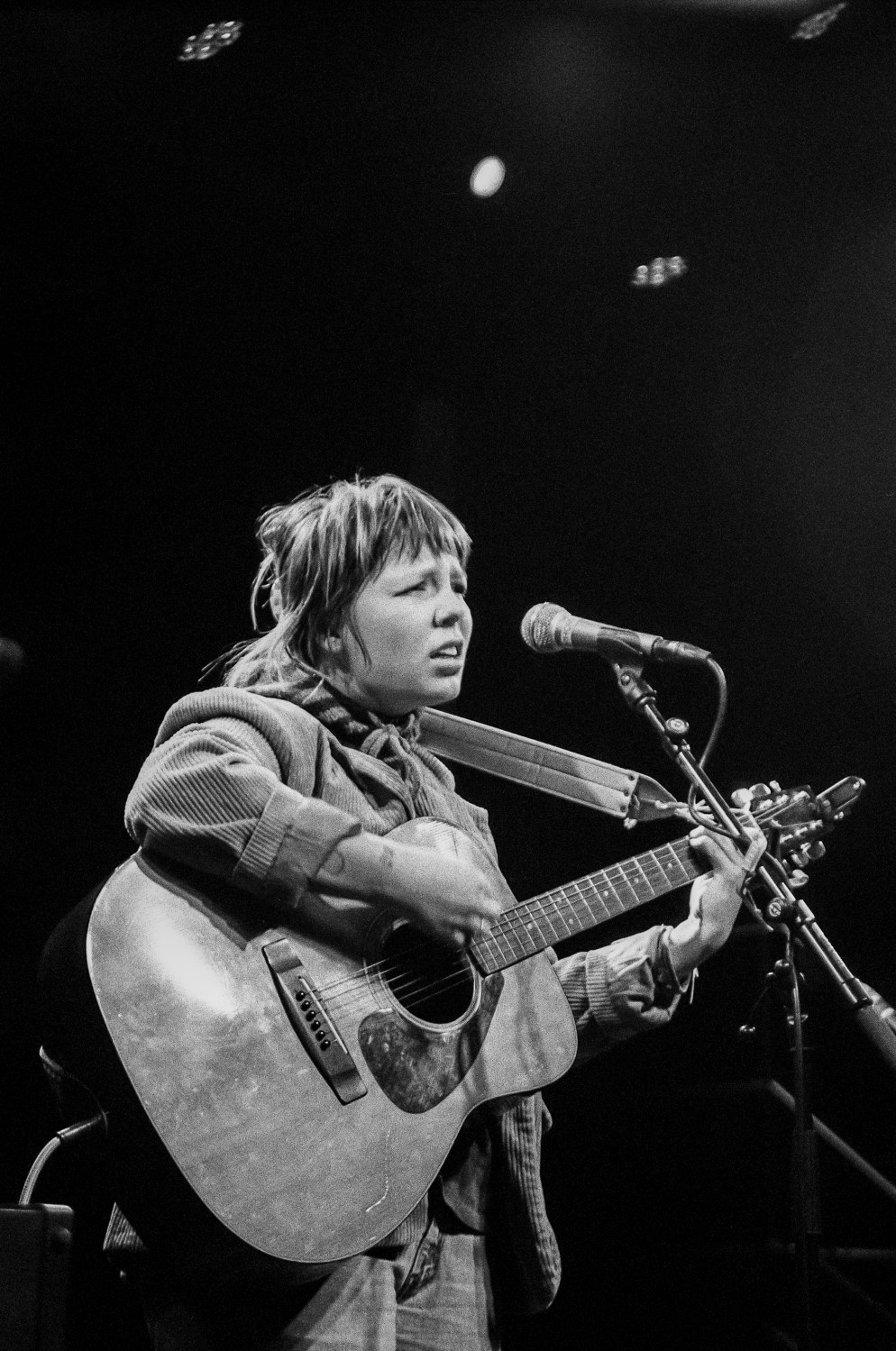
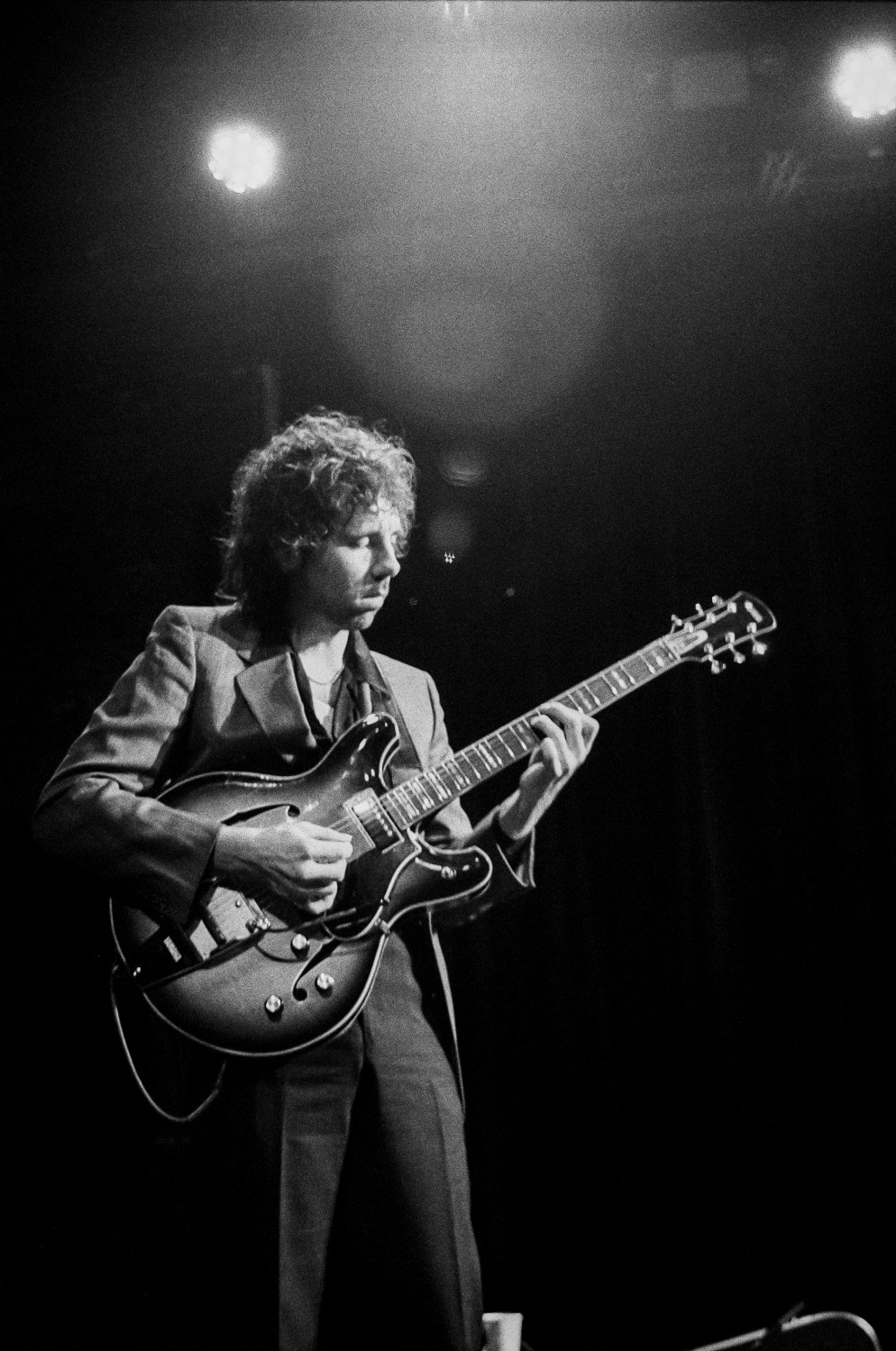
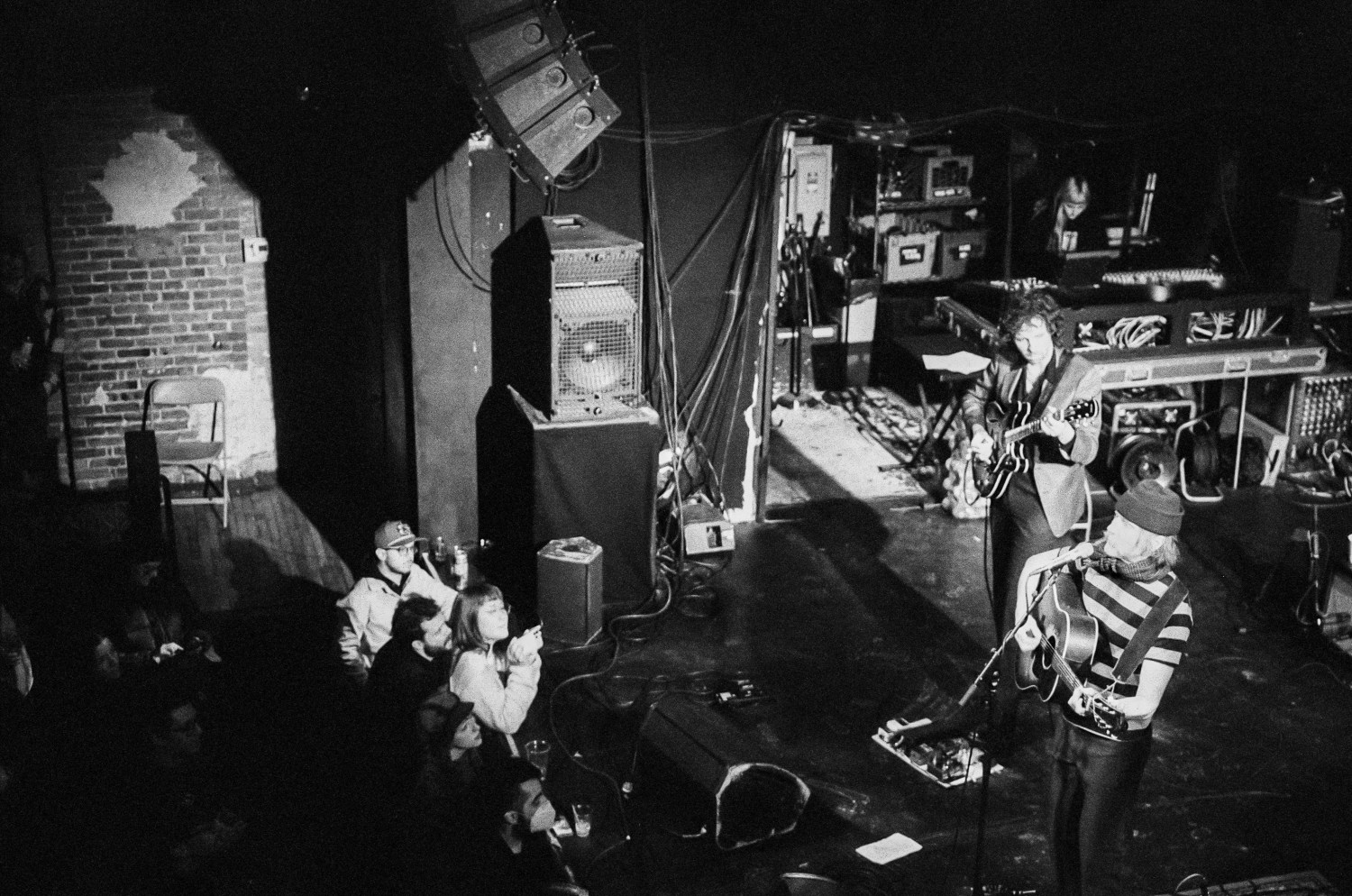
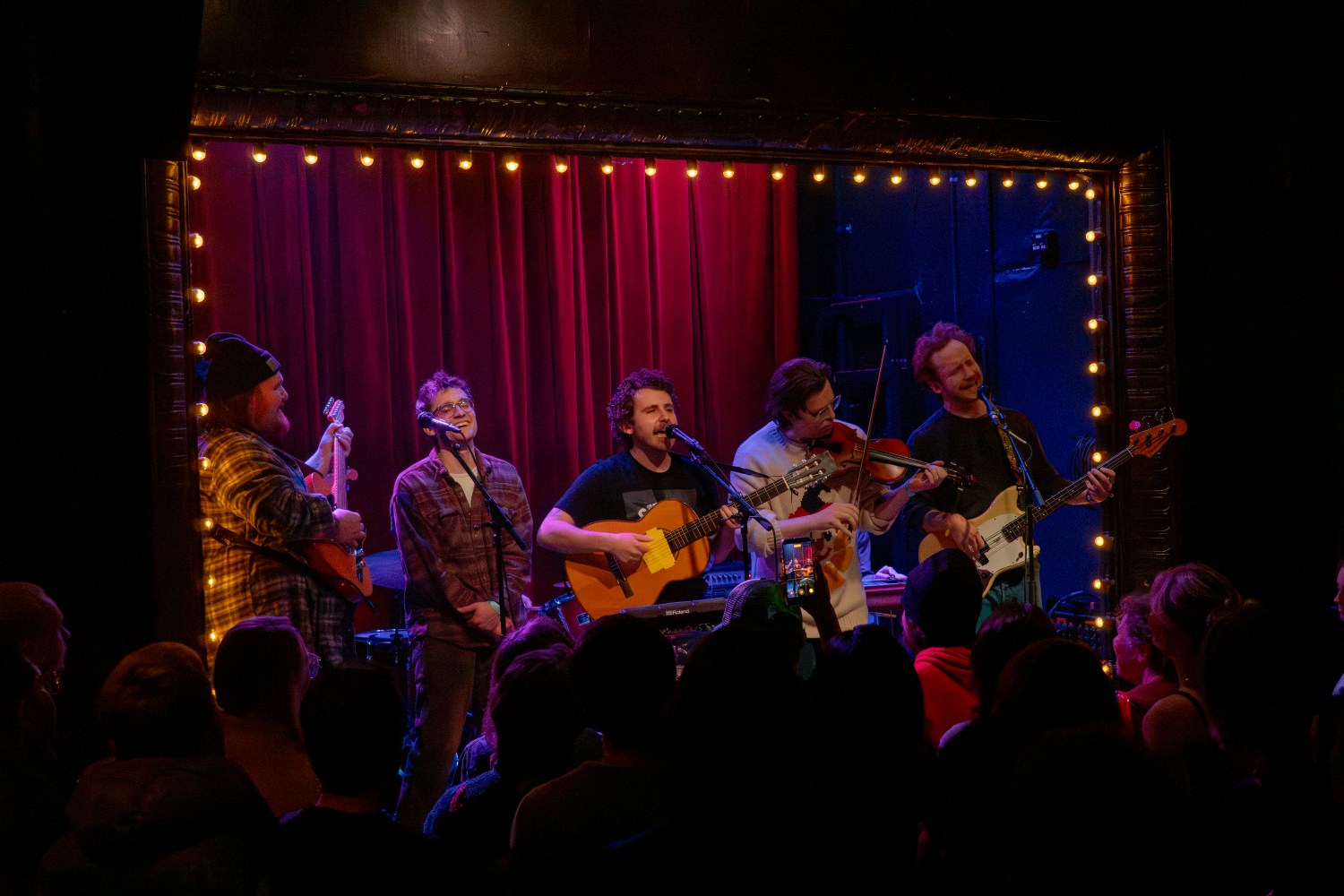
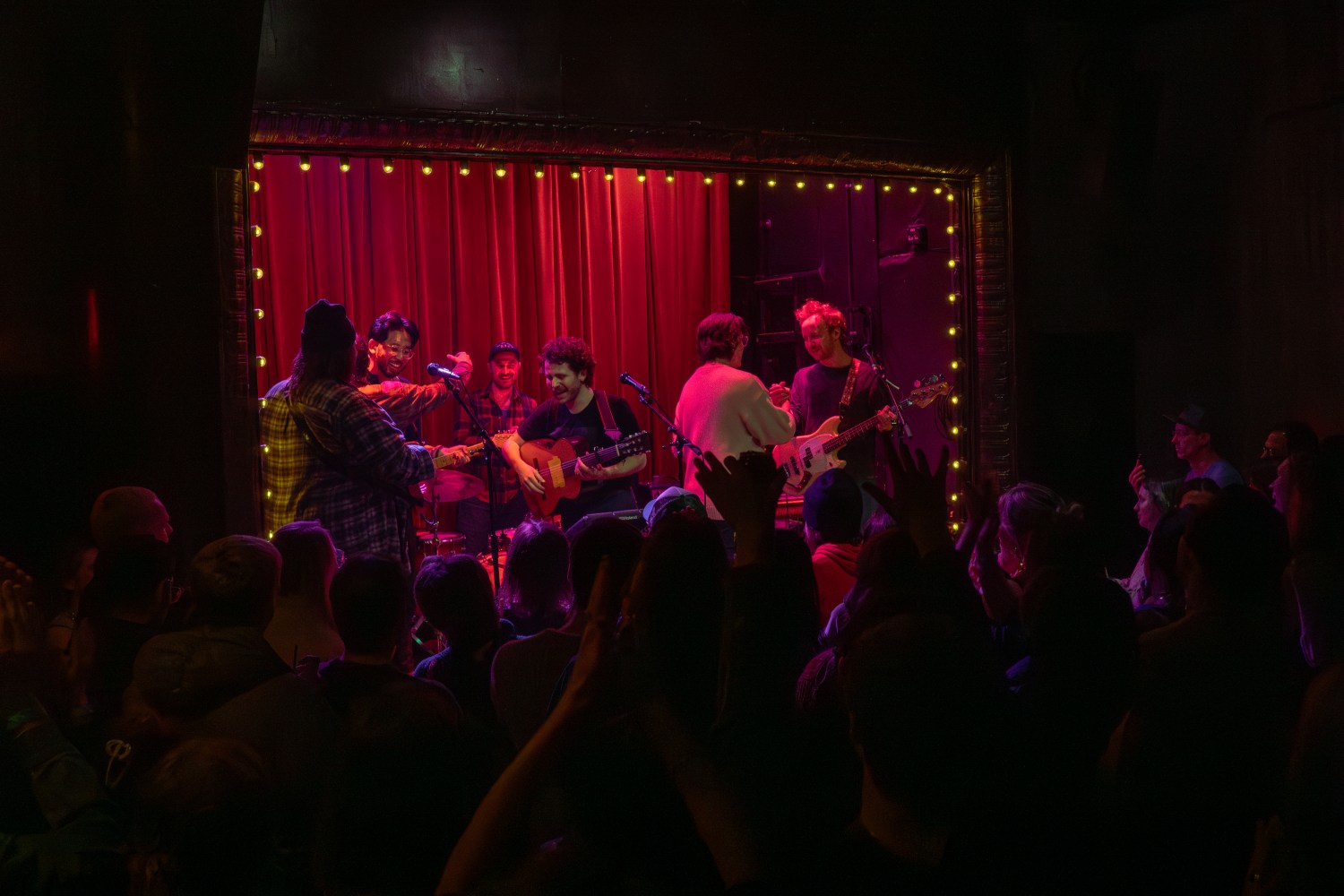
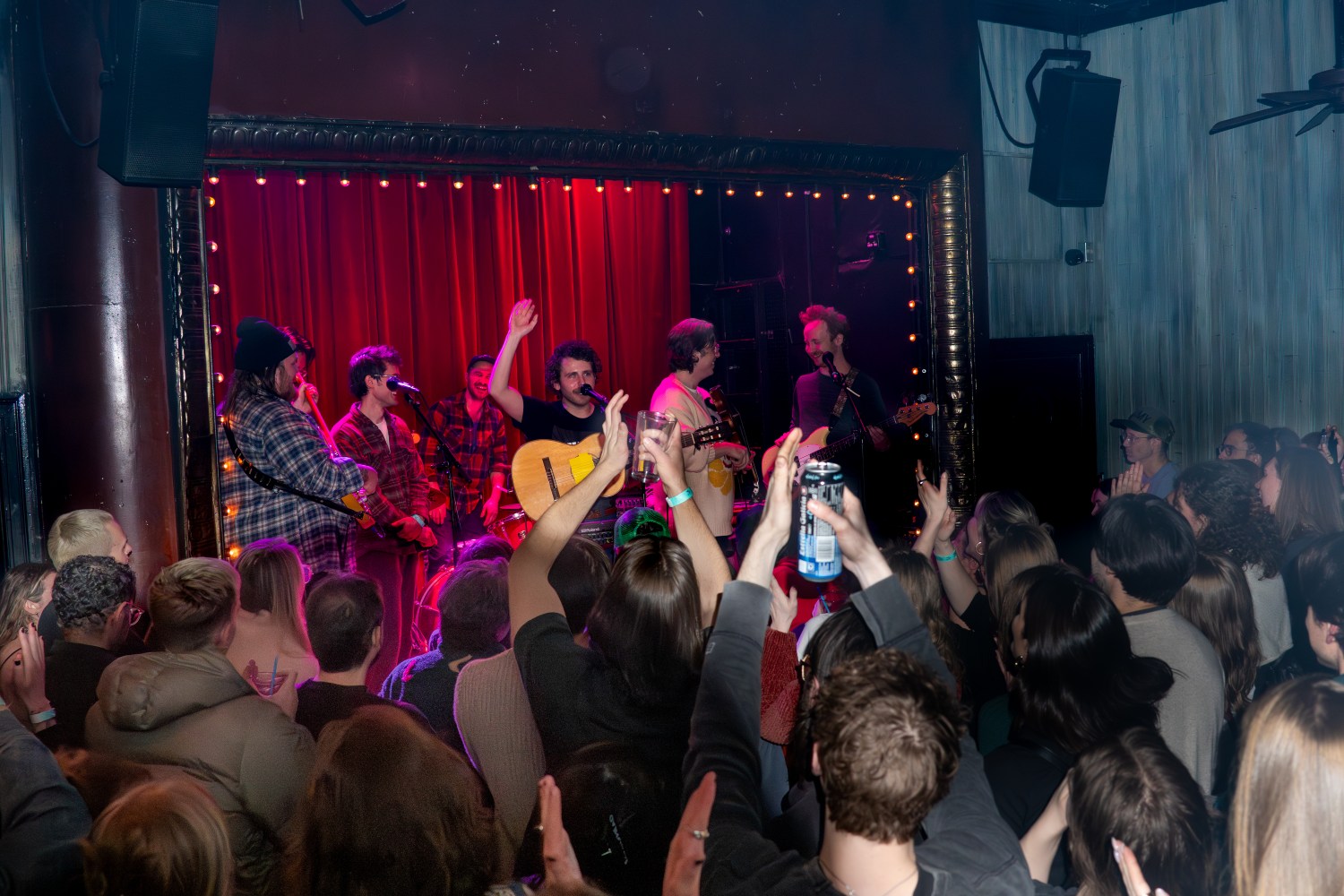
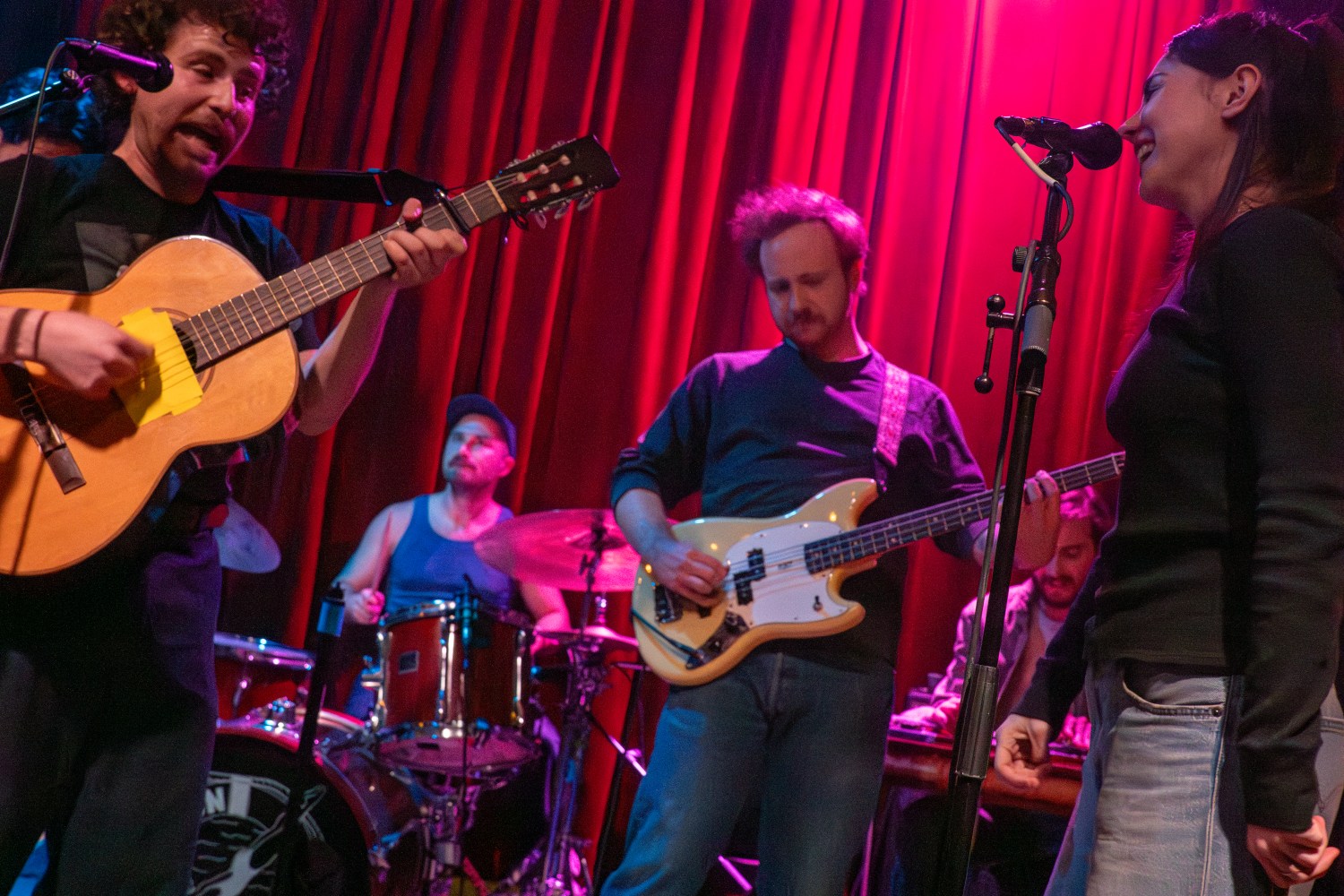
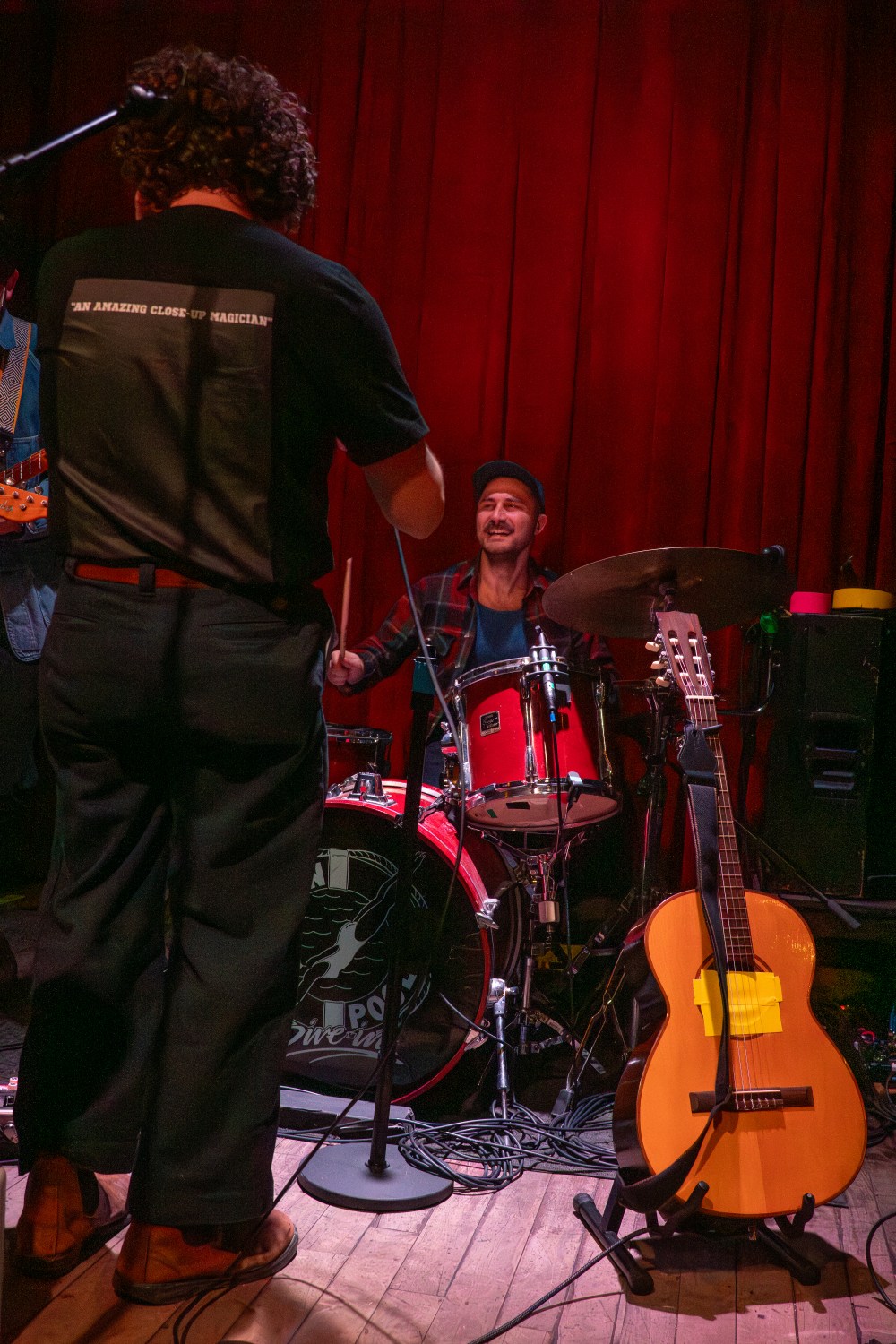
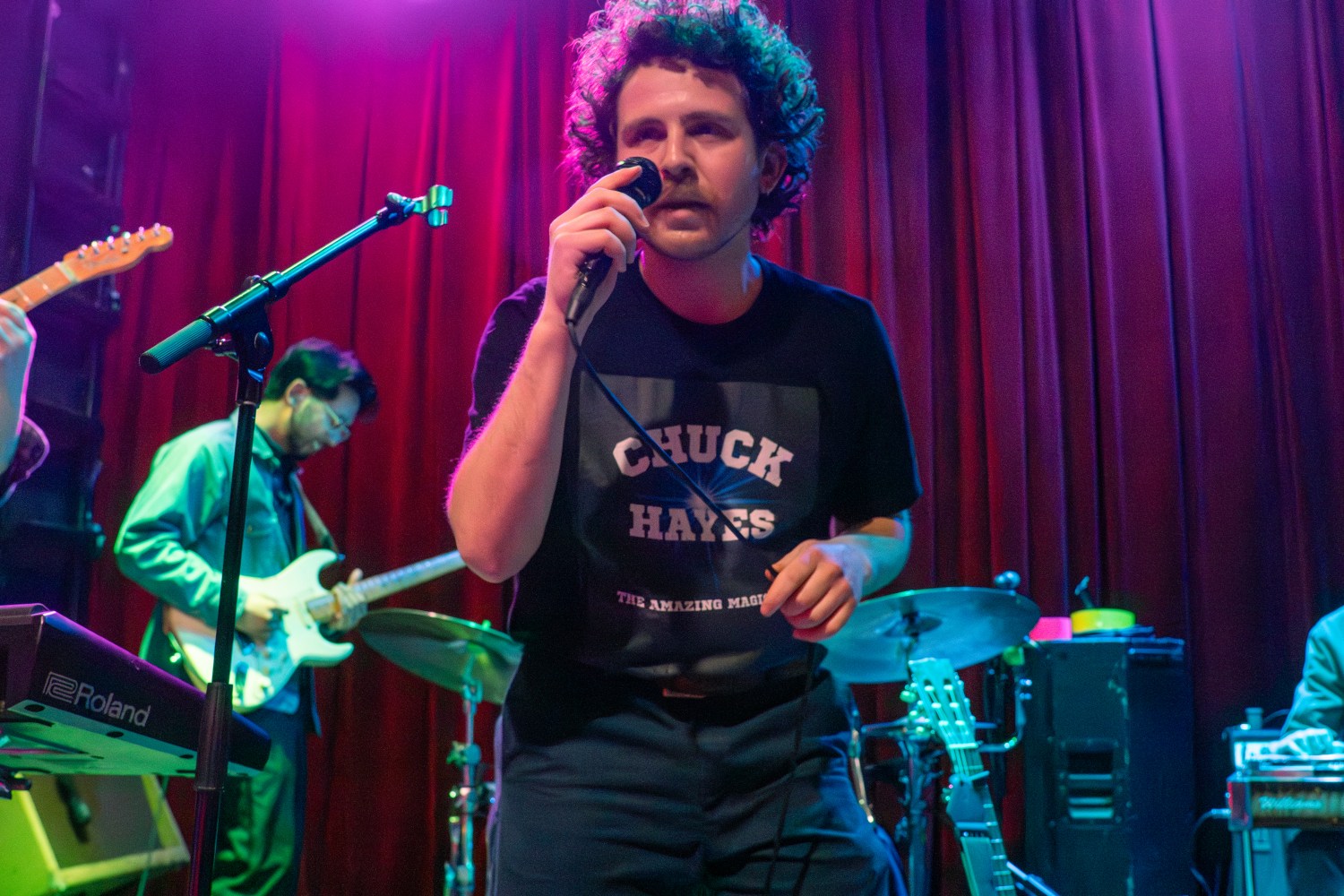
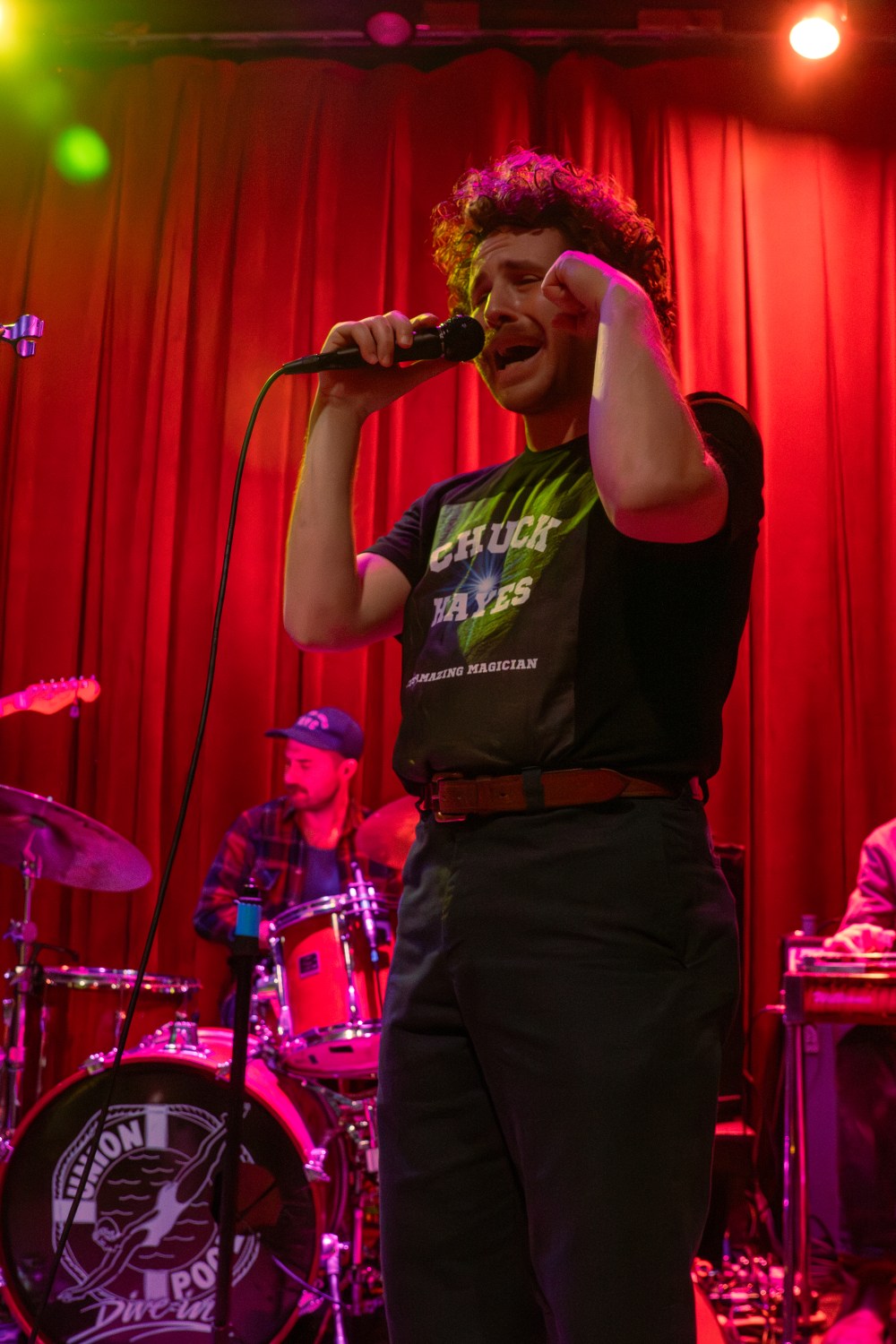
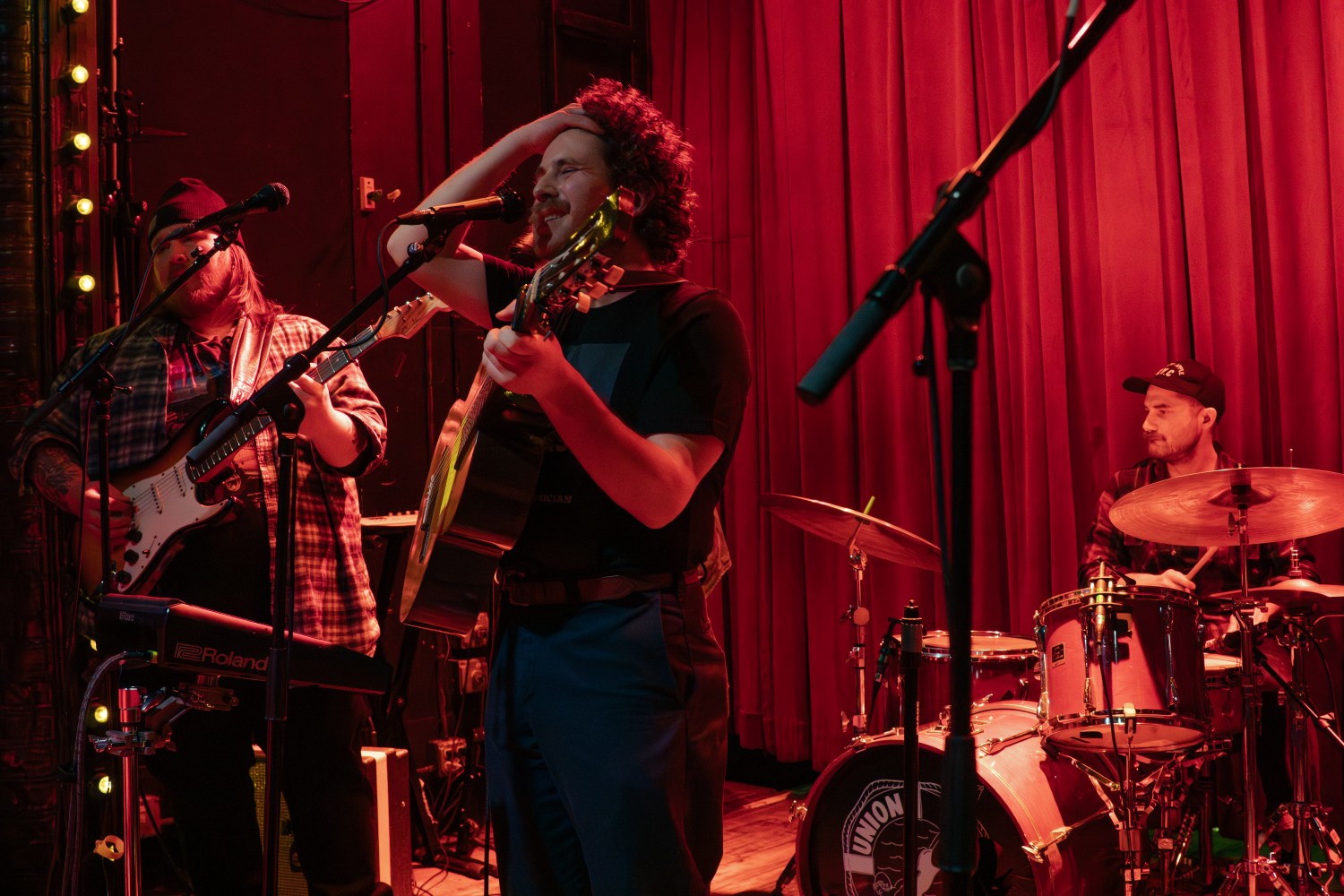
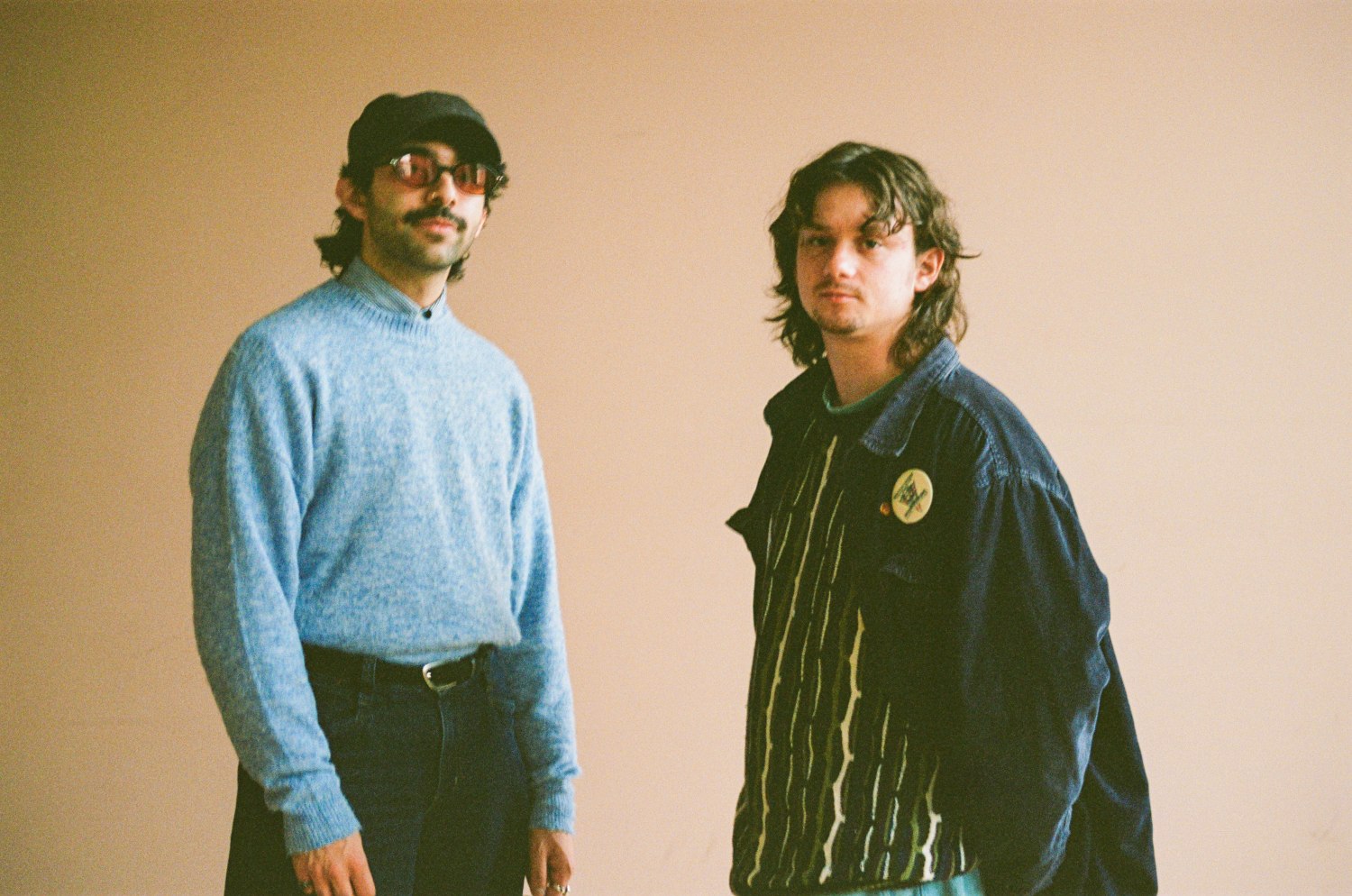
At the beginning of December 2025, Chicago’s own Kitship and Memory Card went on a two-week Midwest and Southern tour. The two bands consisted of 8 friends and longtime collaborators; Amaya Peña, Seamus Moore, Averi Love Little, Braeden Long and Nate Wolf as the Kitship band, and Henry Tart, Nathan McMurray, David Tierney and Seamus Moore (once again) as Memory Card.
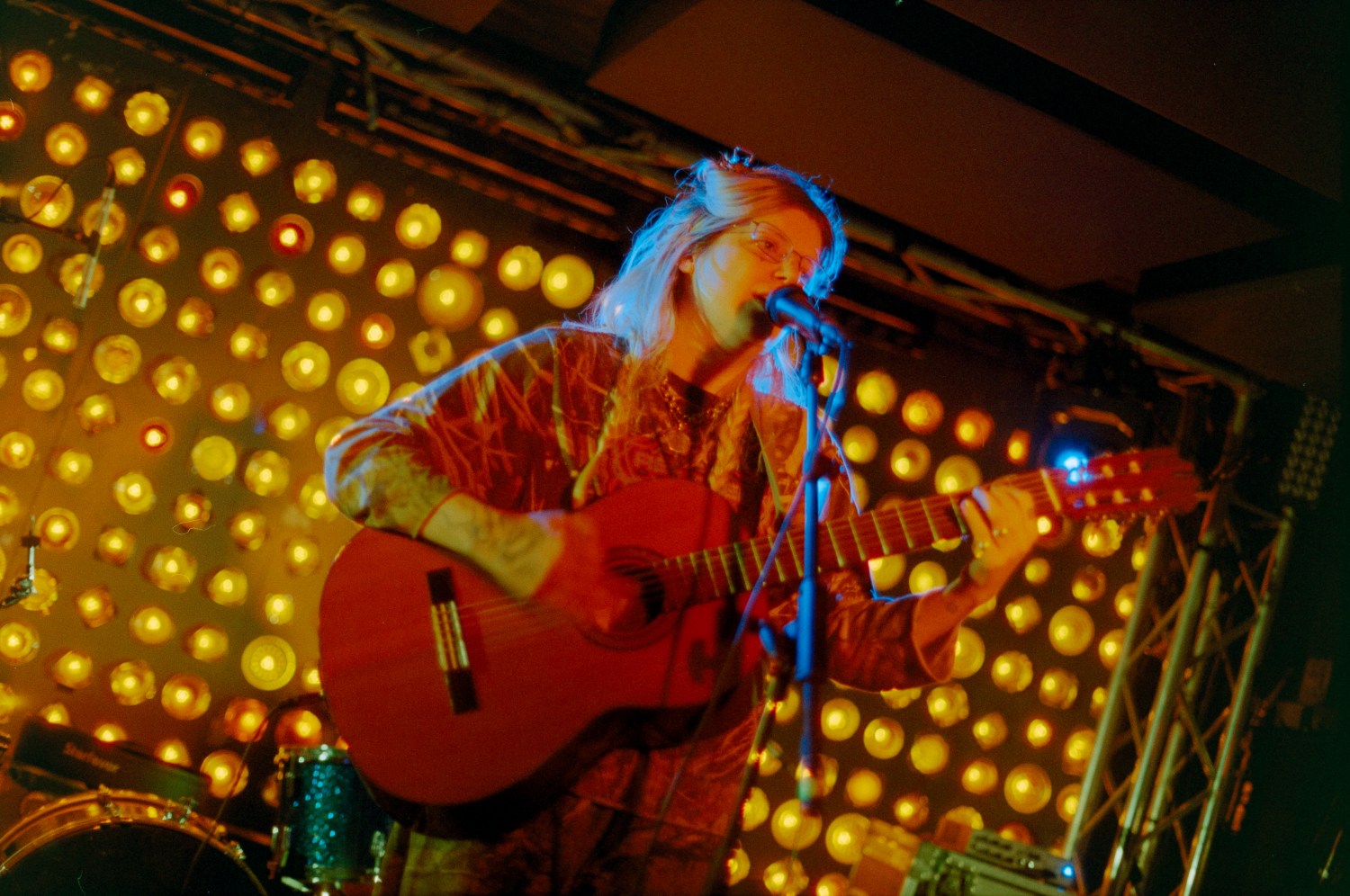
Kitship is the project of Amaya Peña, whose songwriting thrives in open spaces; rearing with both the endless possibilities that it offers, as well as the reflective solitude of being left out to shiver for too long. Earlier this month Peña released the lights are out, a collection of songs originally demoed in Alaska back in 2025, now being shared again with hopes of more music on its way. Upon layered guitars and Peña’s voice as a reflection point, emphasizing both presence and perspective, these songs are just as lasting as the bits of yourself you can look back on with both a laugh and a sigh.
Memory Card is Henry Tart’s place to be fully enveloped in his own little world; pencil etches and eraser streaks sketch a growing catalog of enduring sentiments and melodically enriched lo-fi swooners. Upon the release of his latest full-length album, 2023’s As the Deer, Tart embraced more broken structures; where tension and intuition link arms and sincerity break the hold, beautifully capturing that triumphant feeling of making it through another rough day while still looking forward to whatever is next. Keep an eye out for new music from Memory Card very very soon.
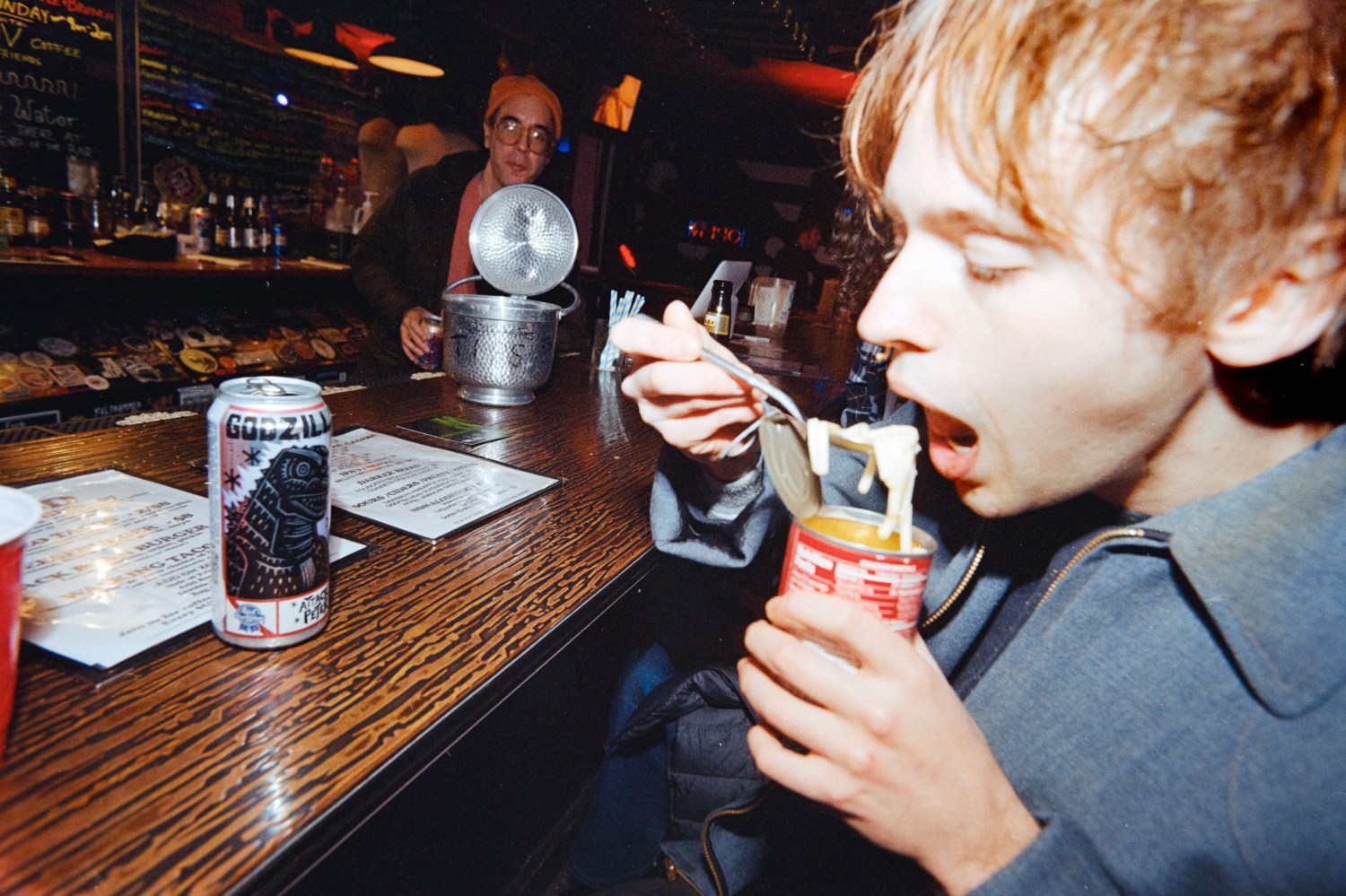
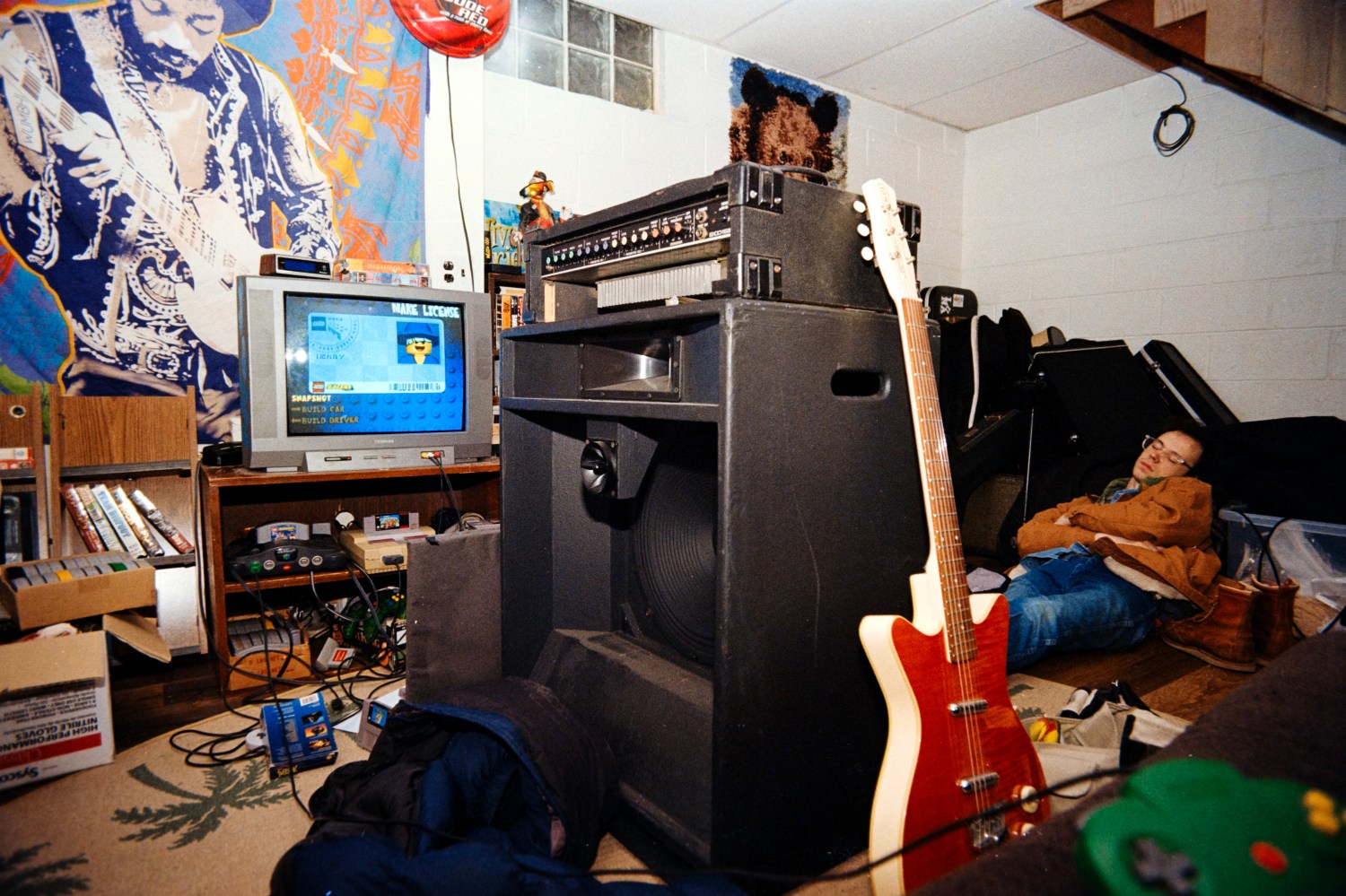
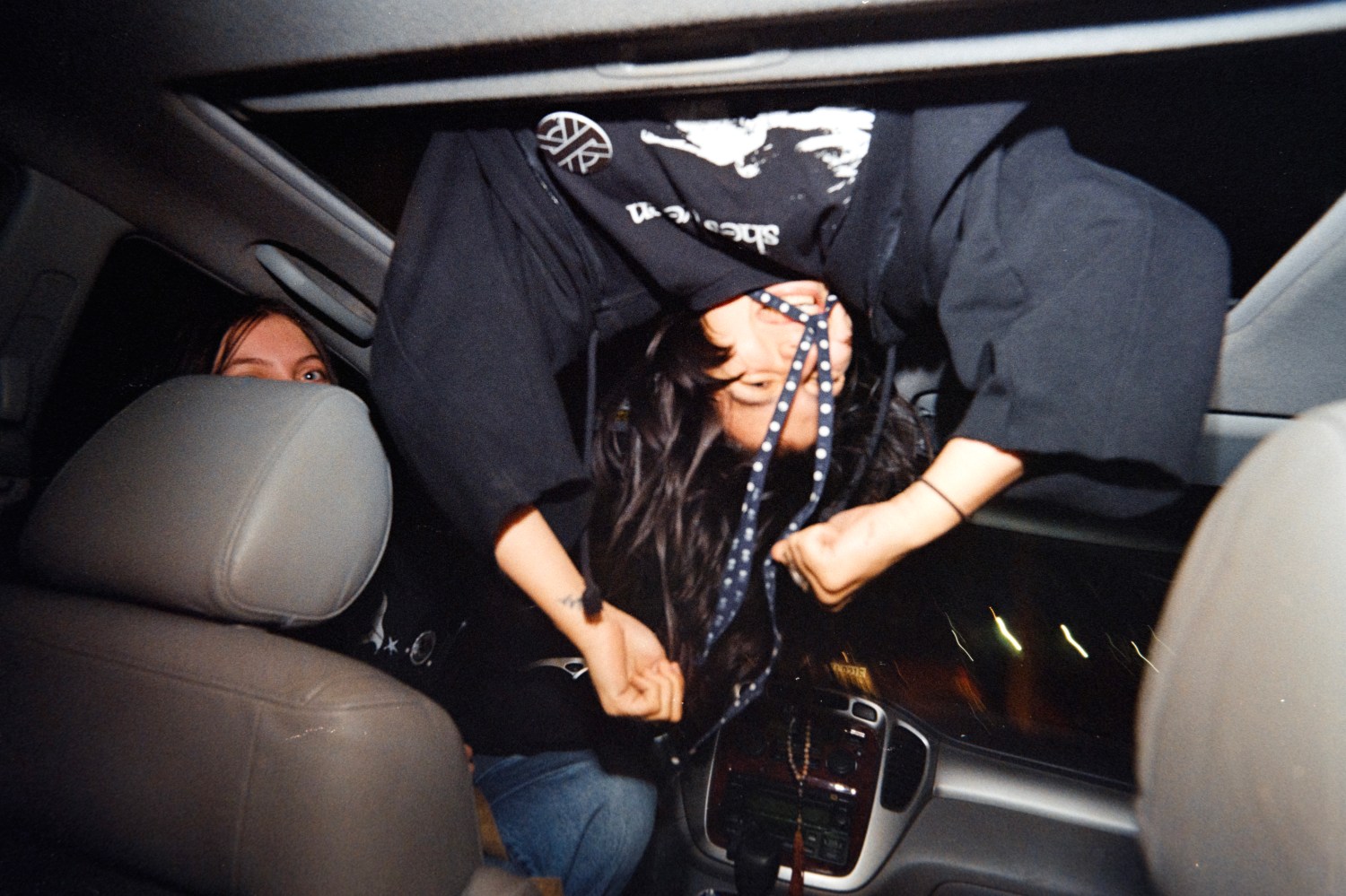
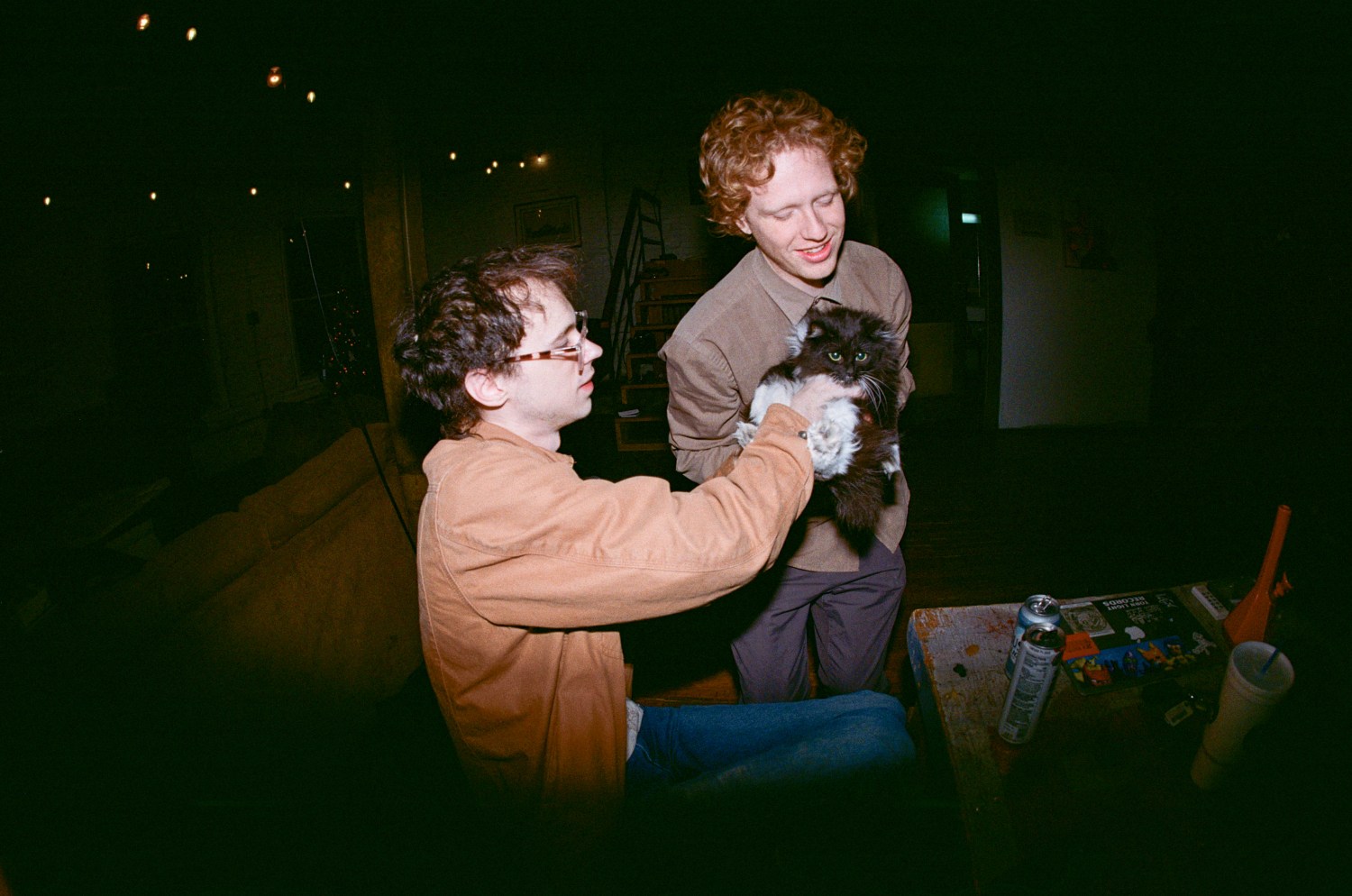
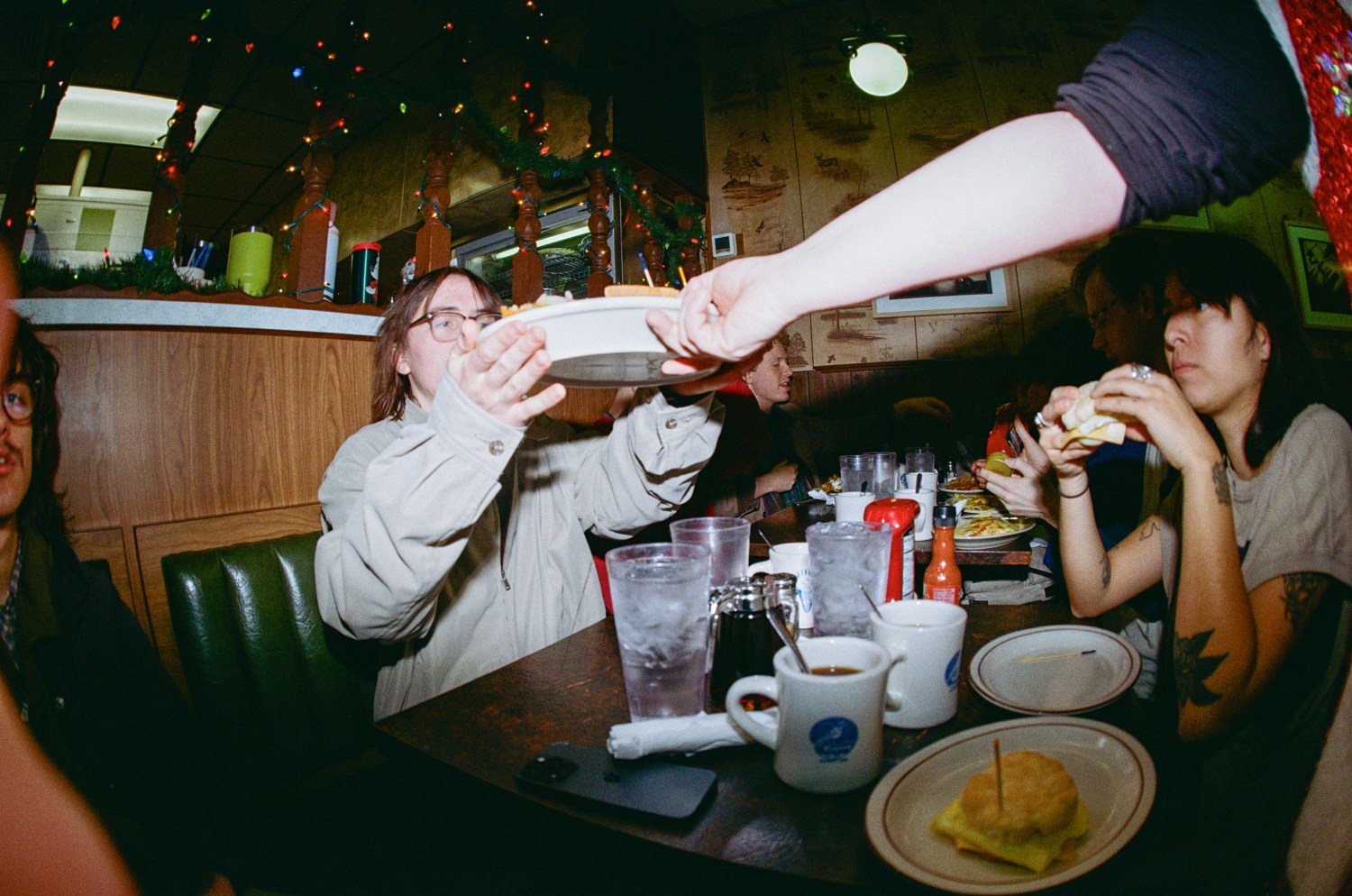
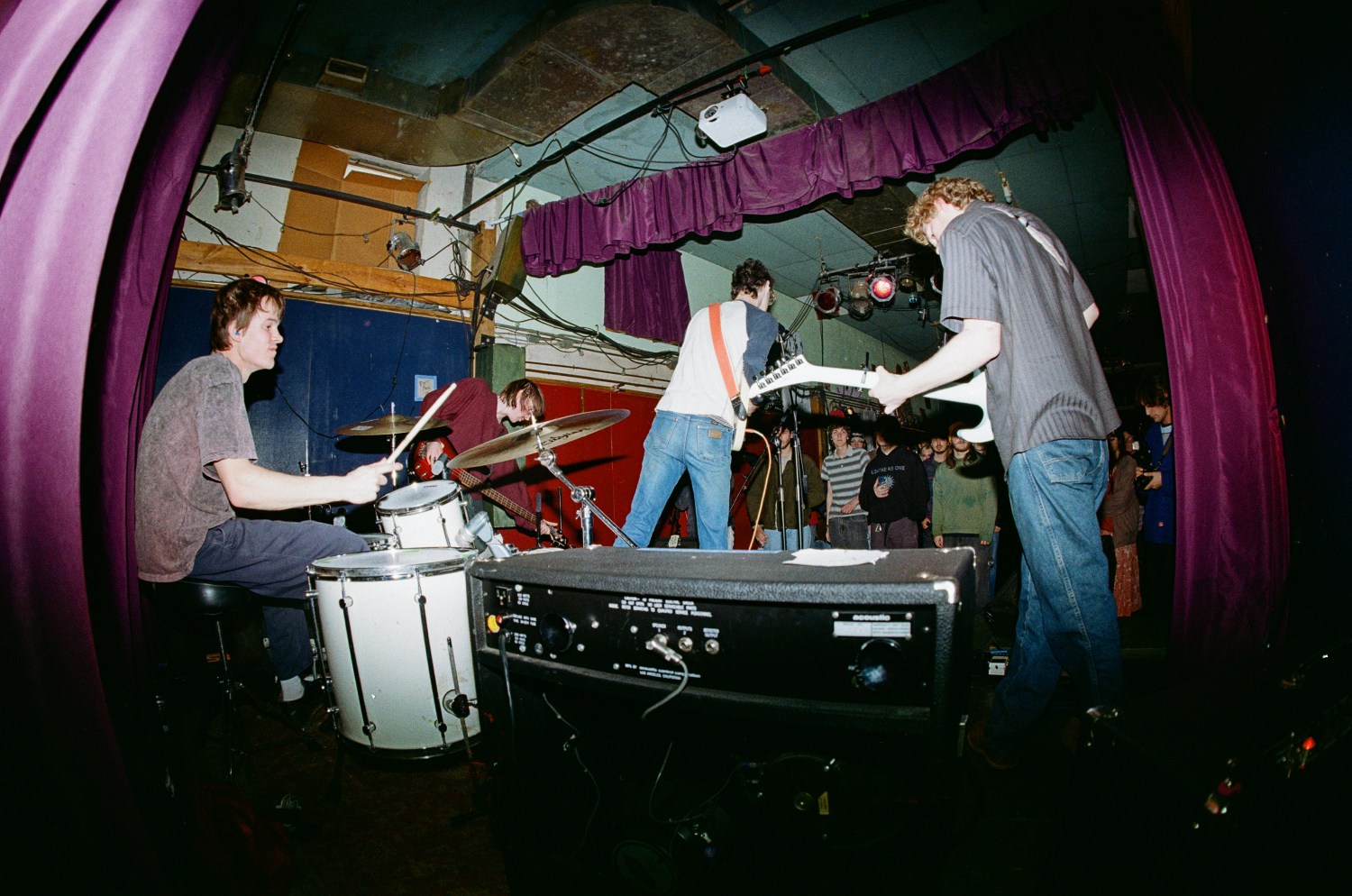
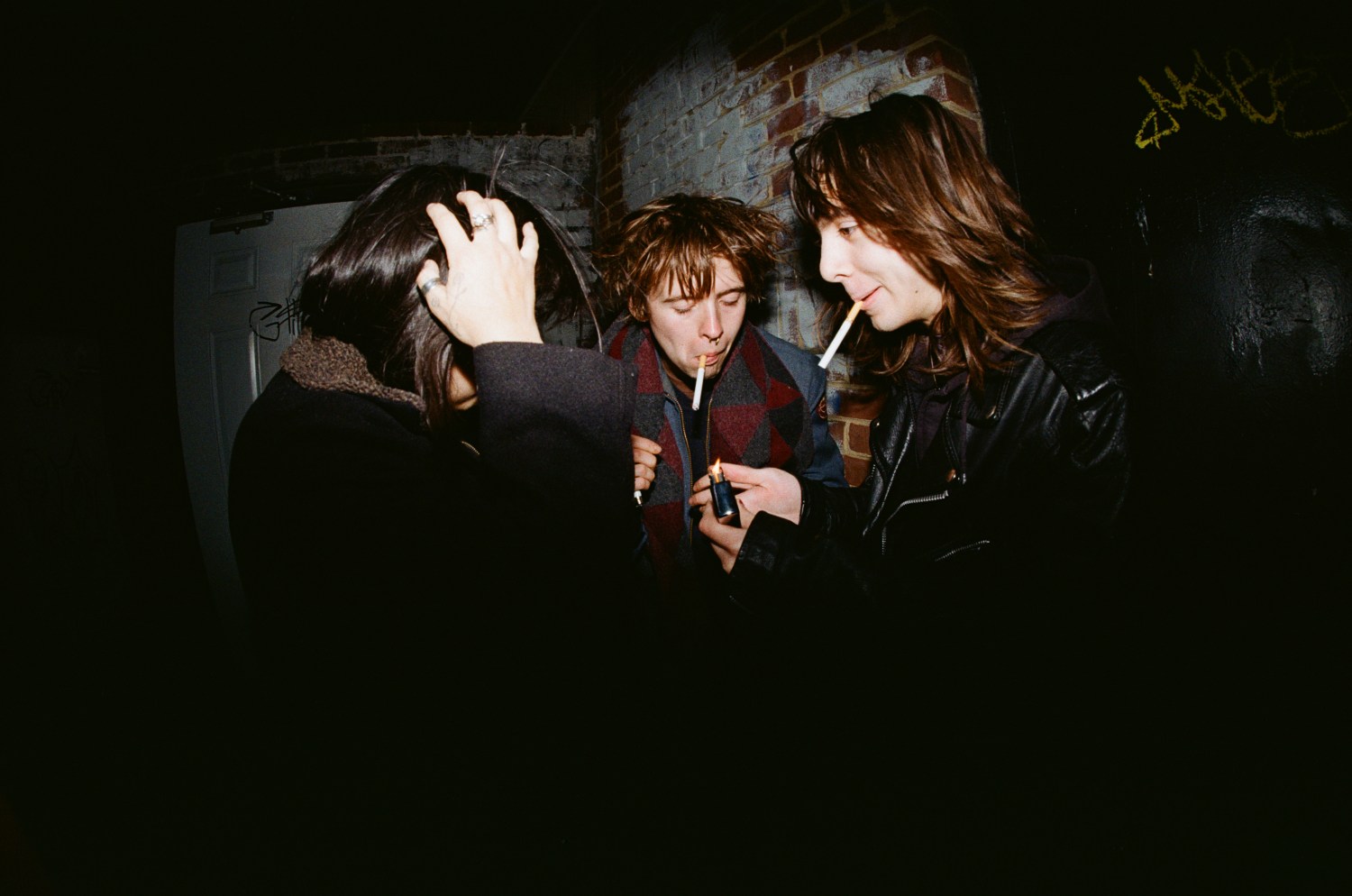
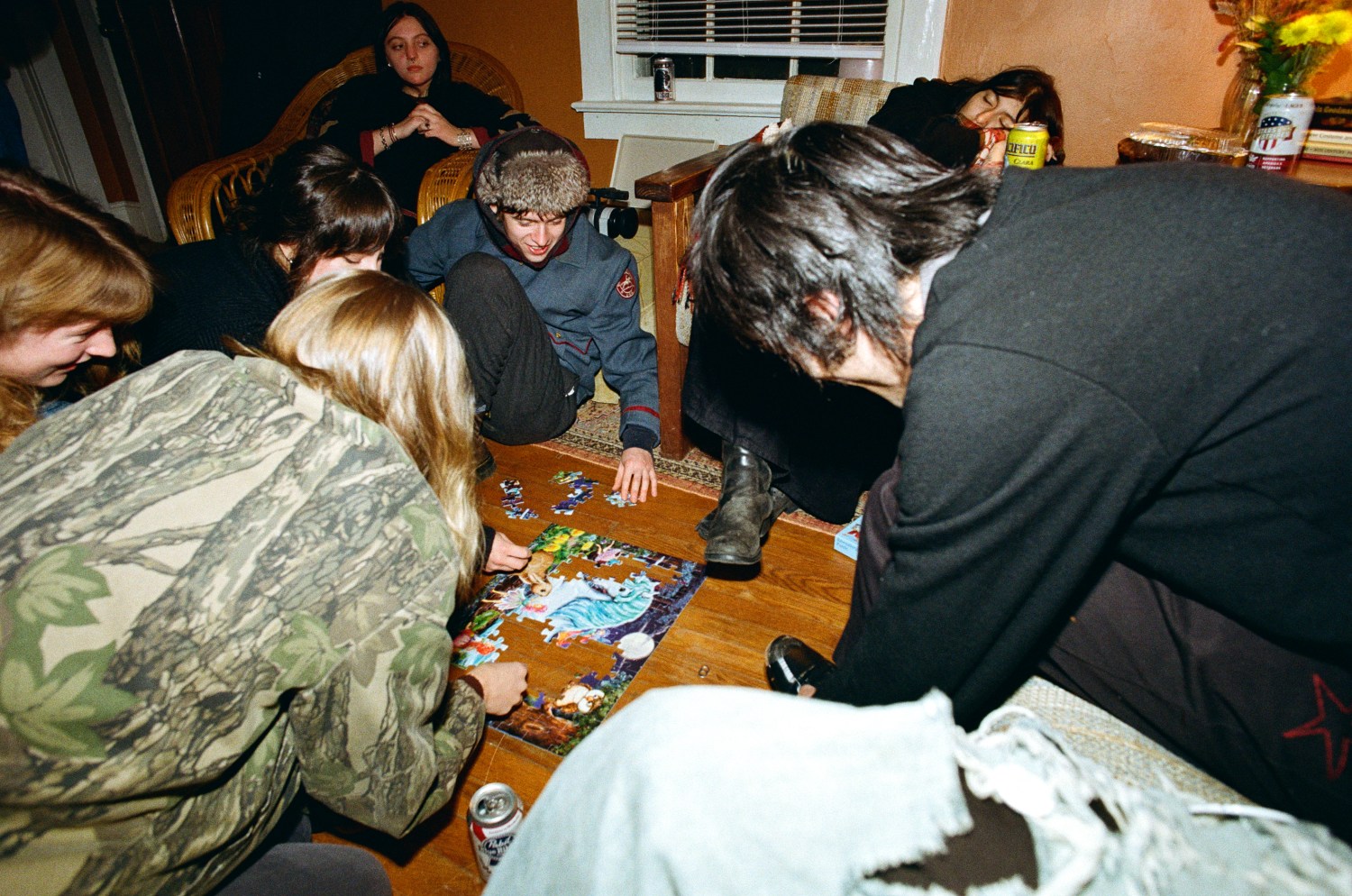
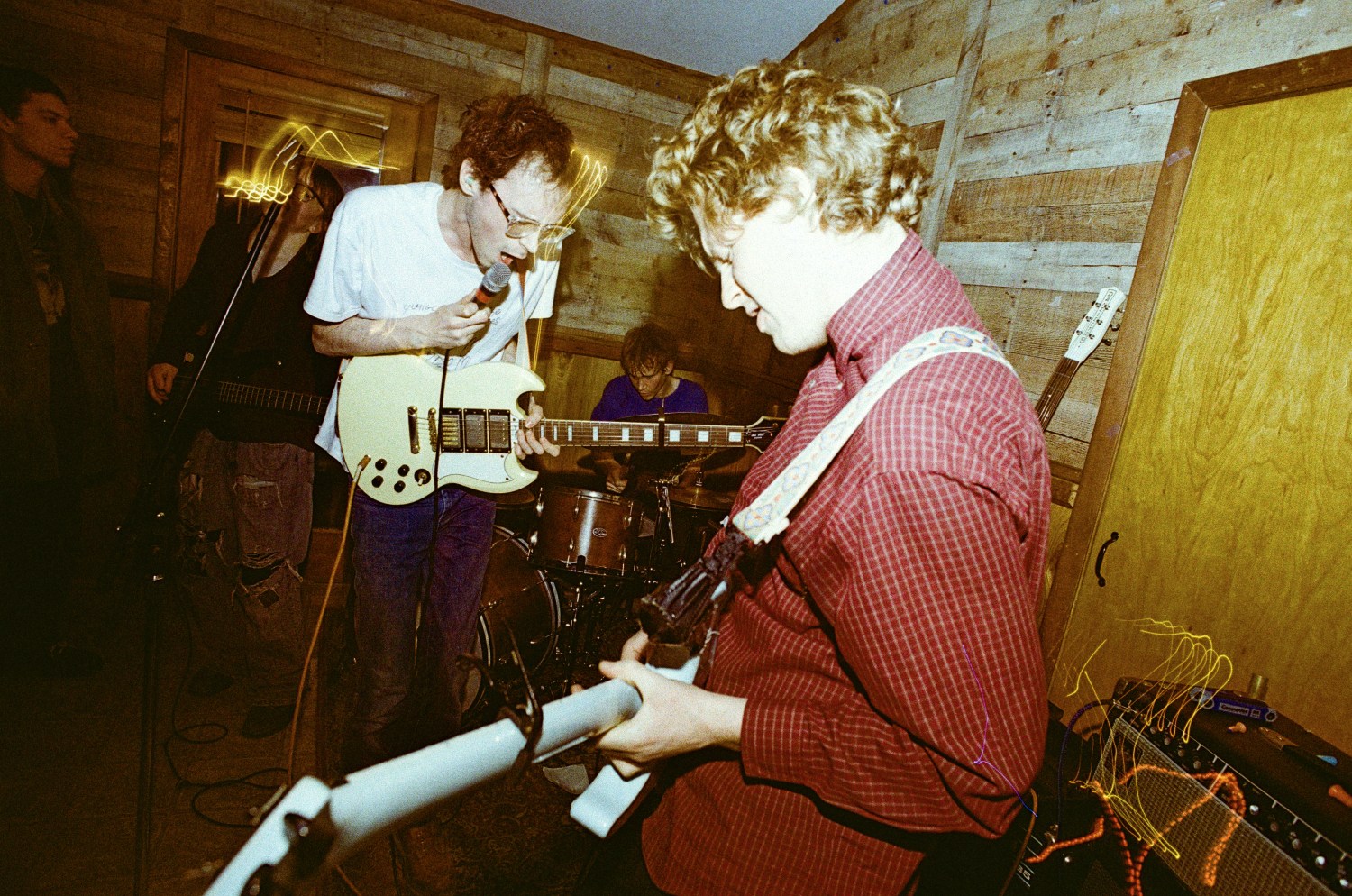
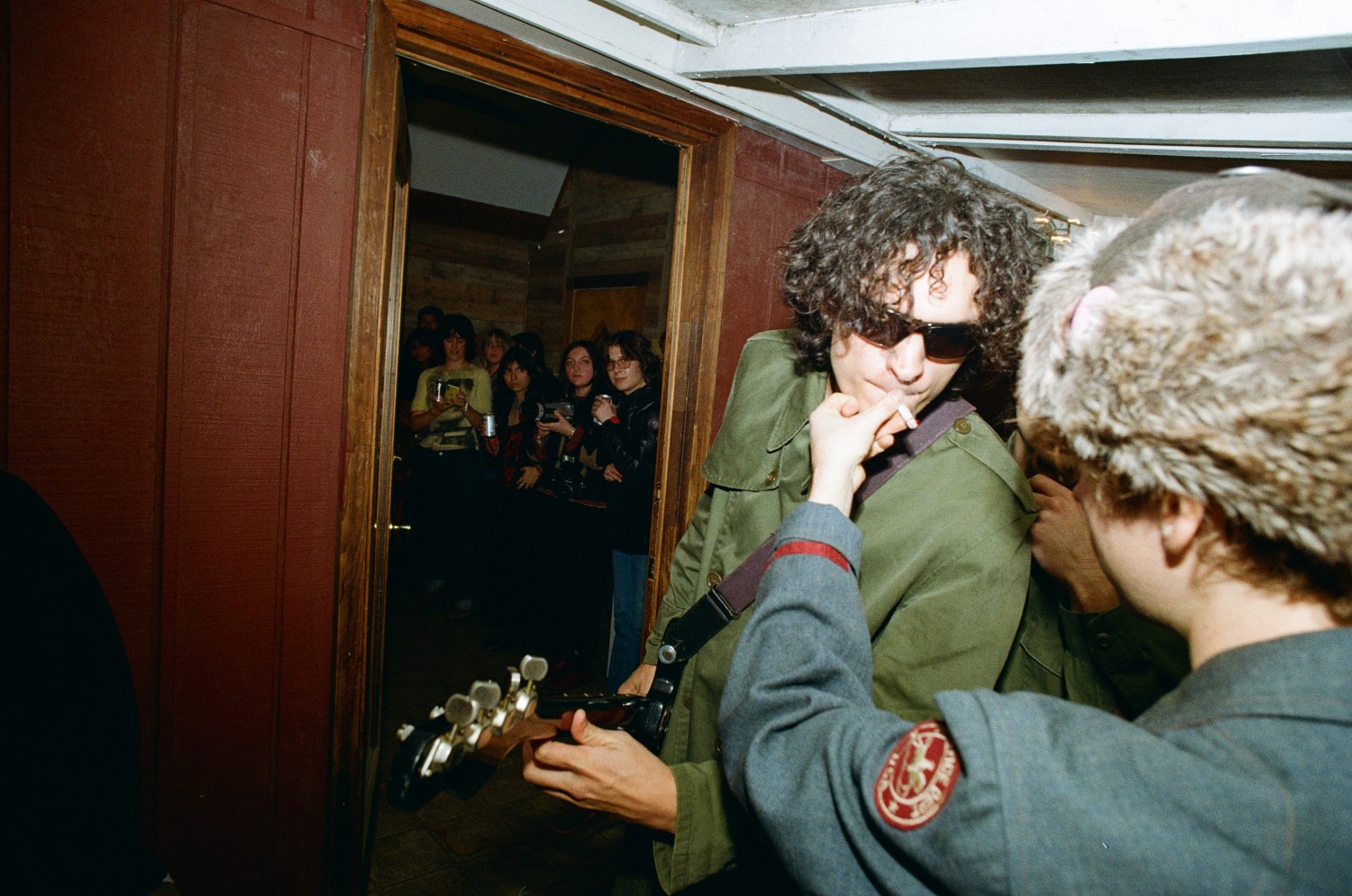
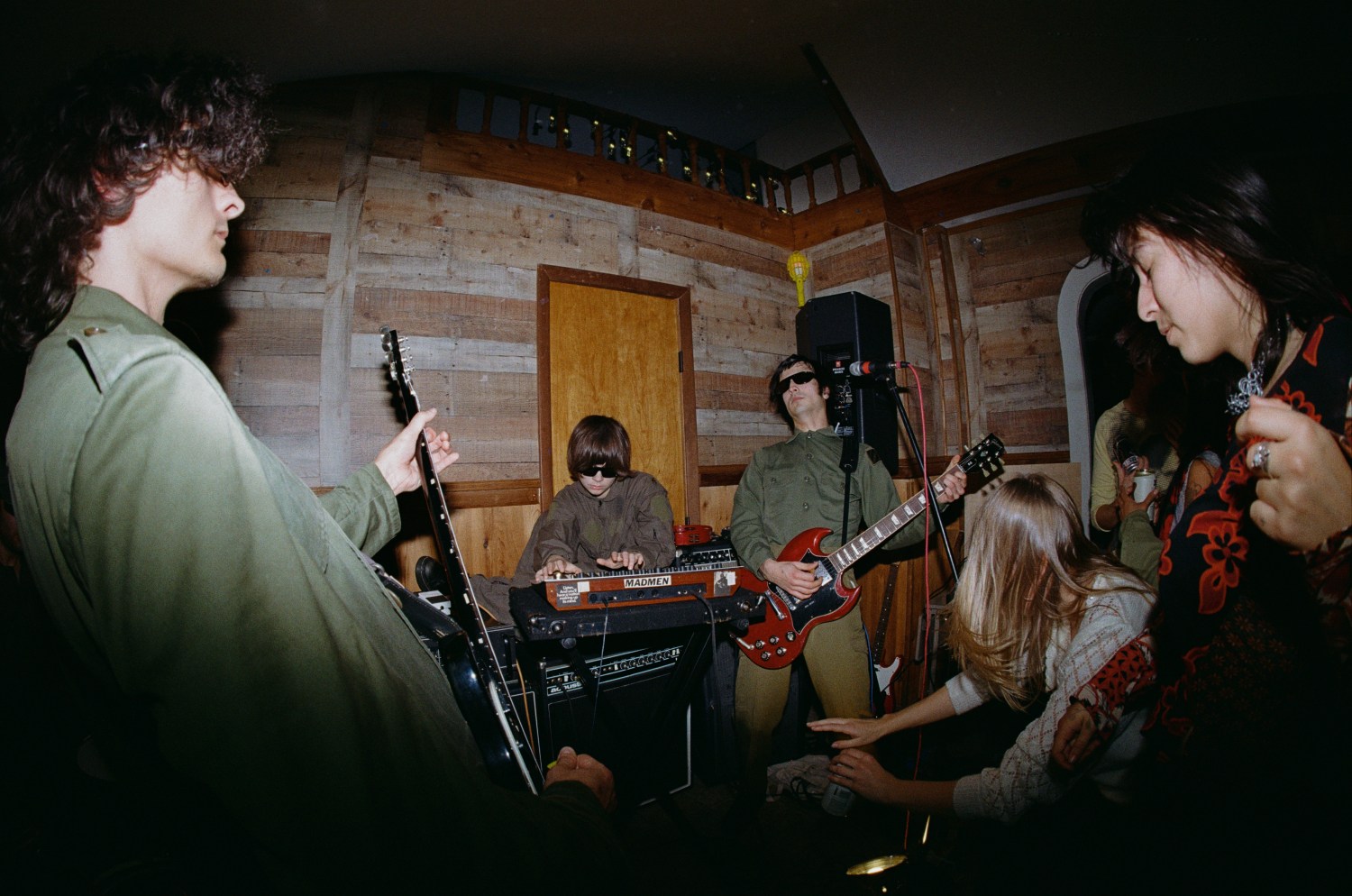
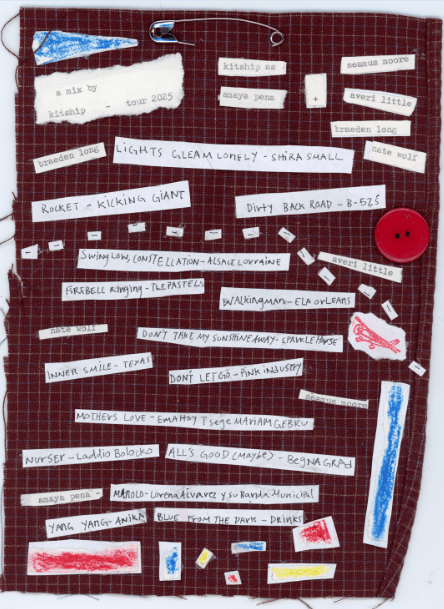
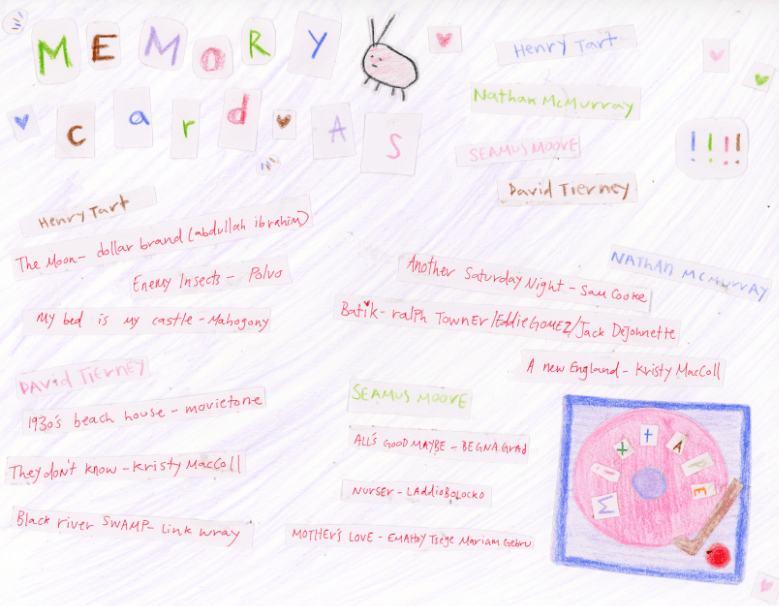
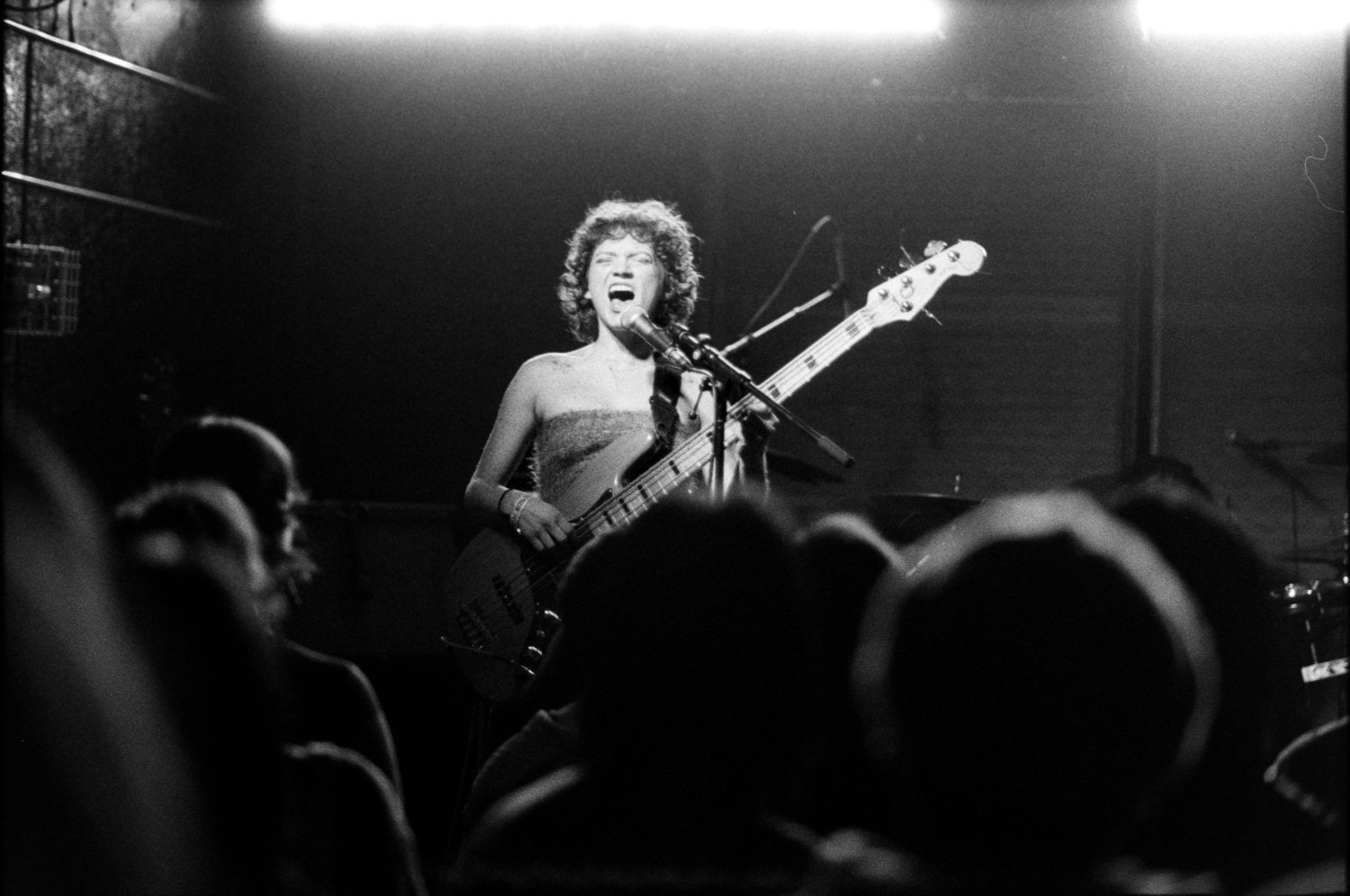
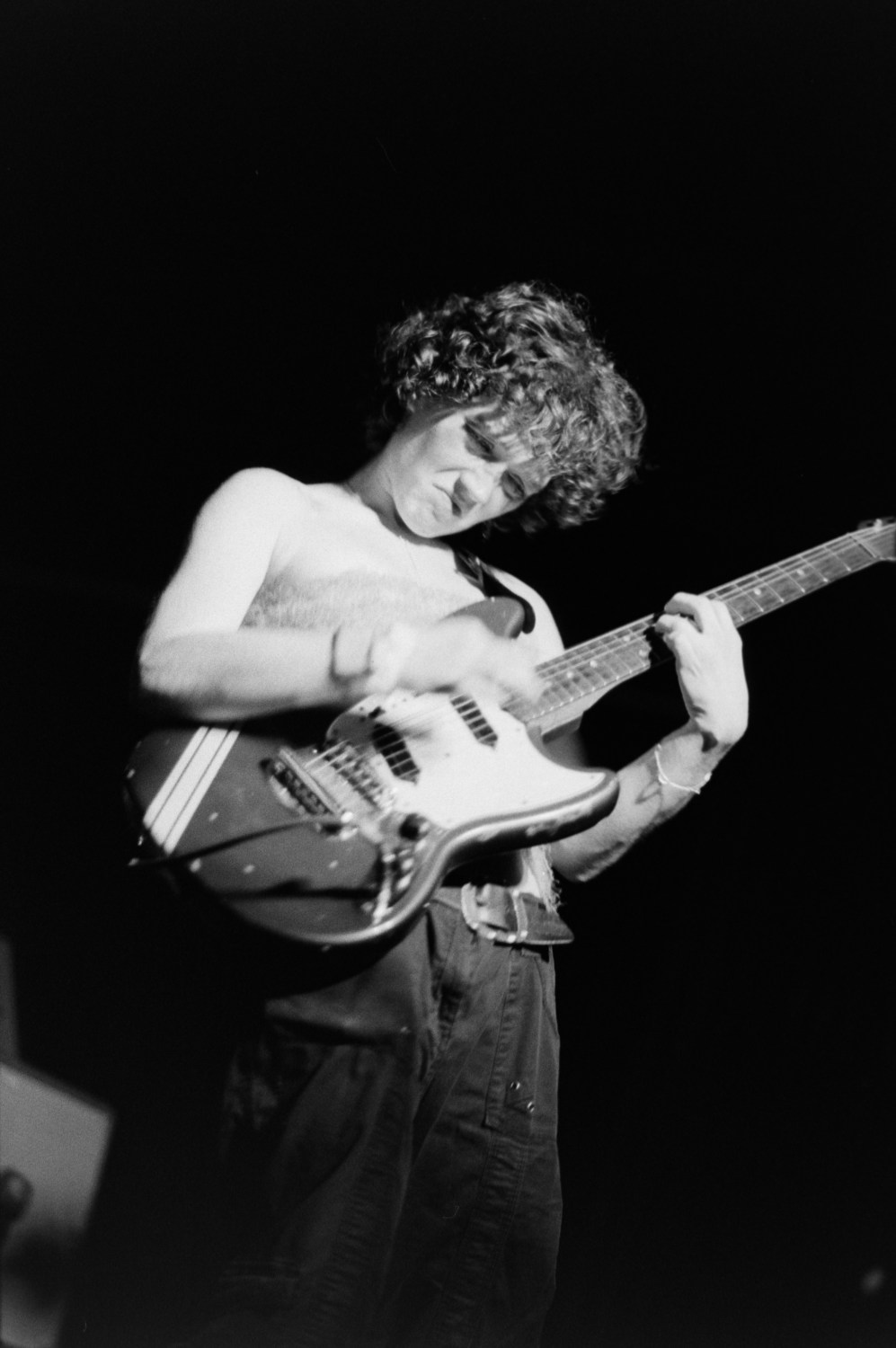
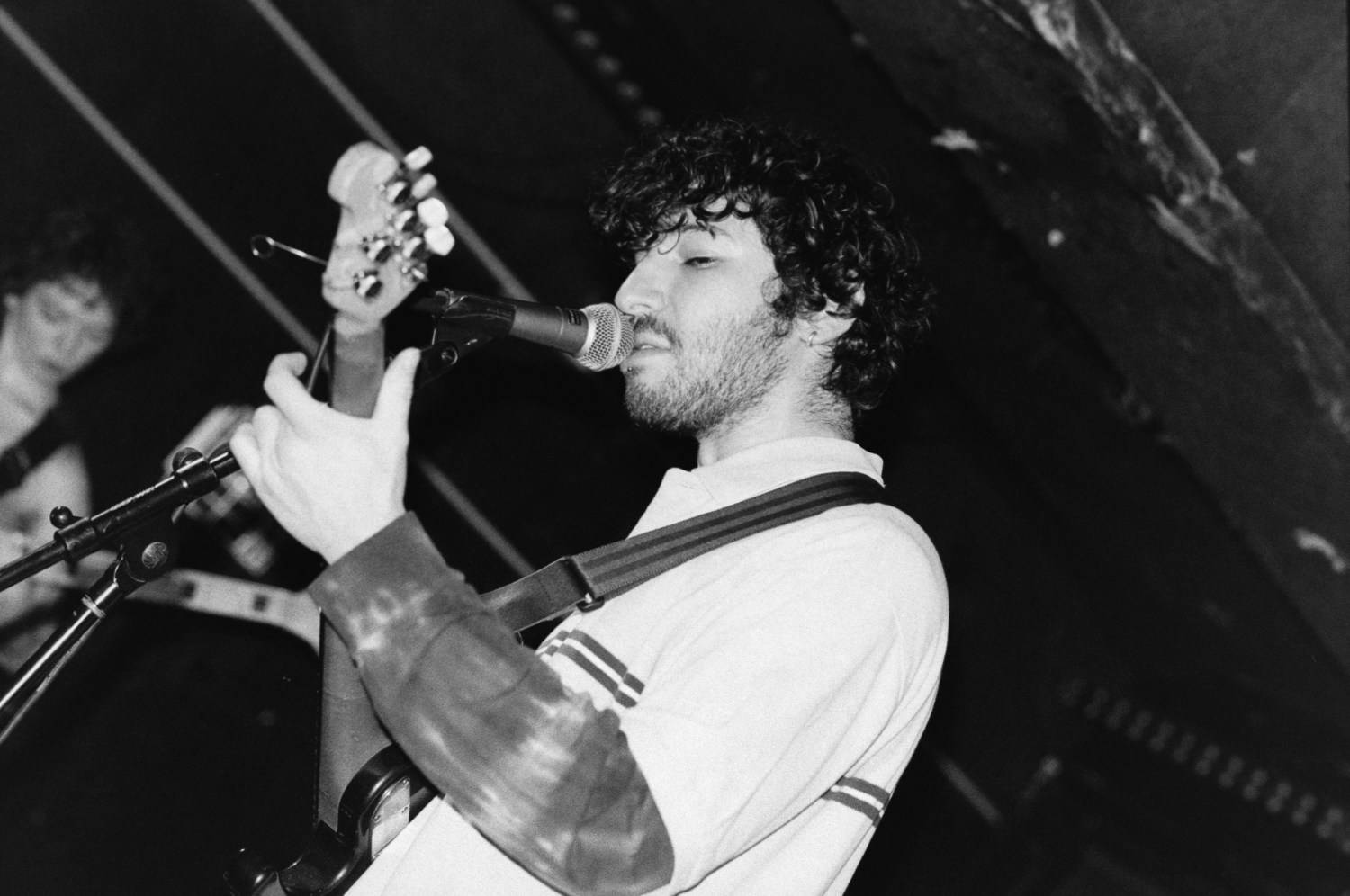
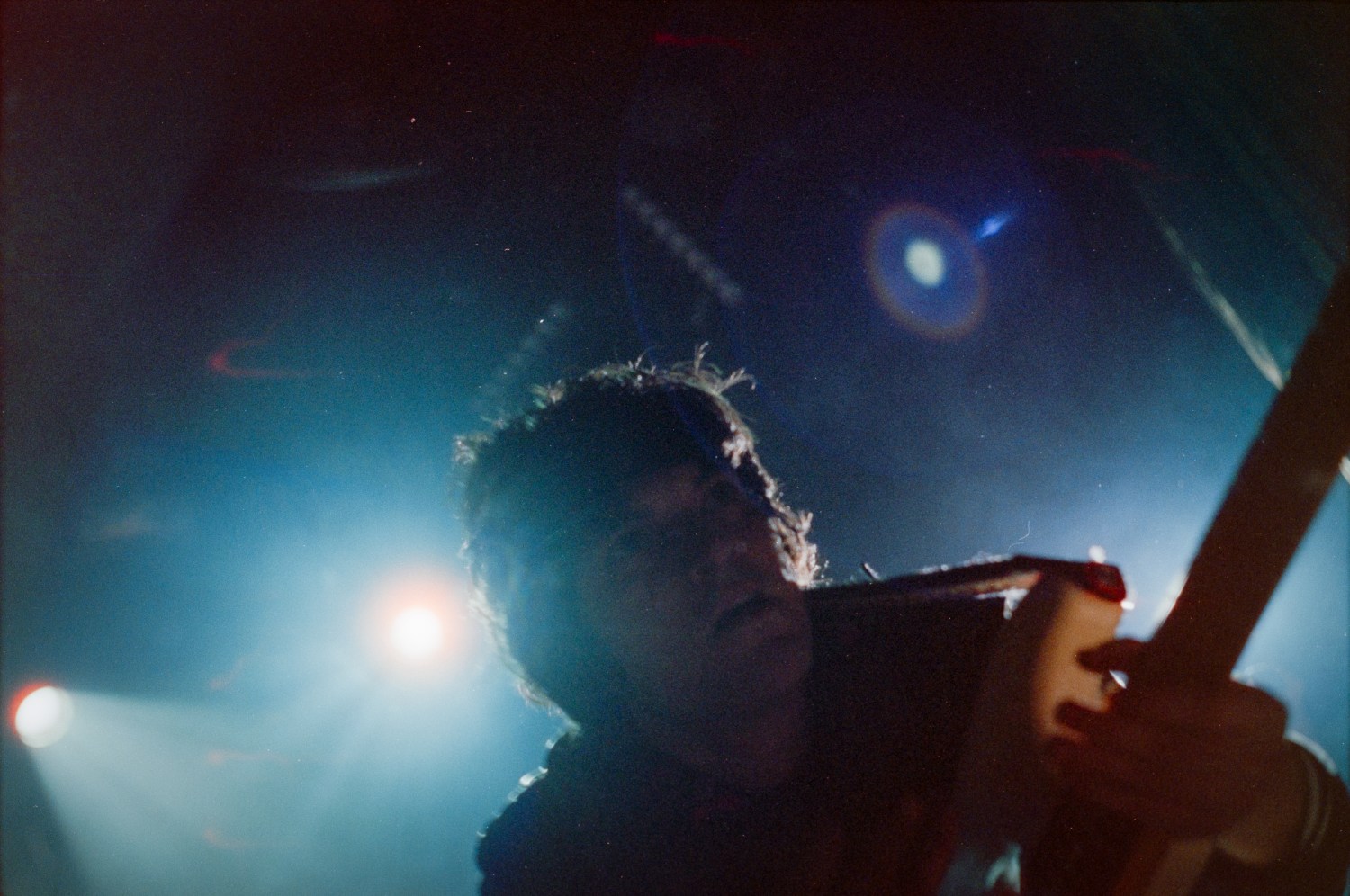
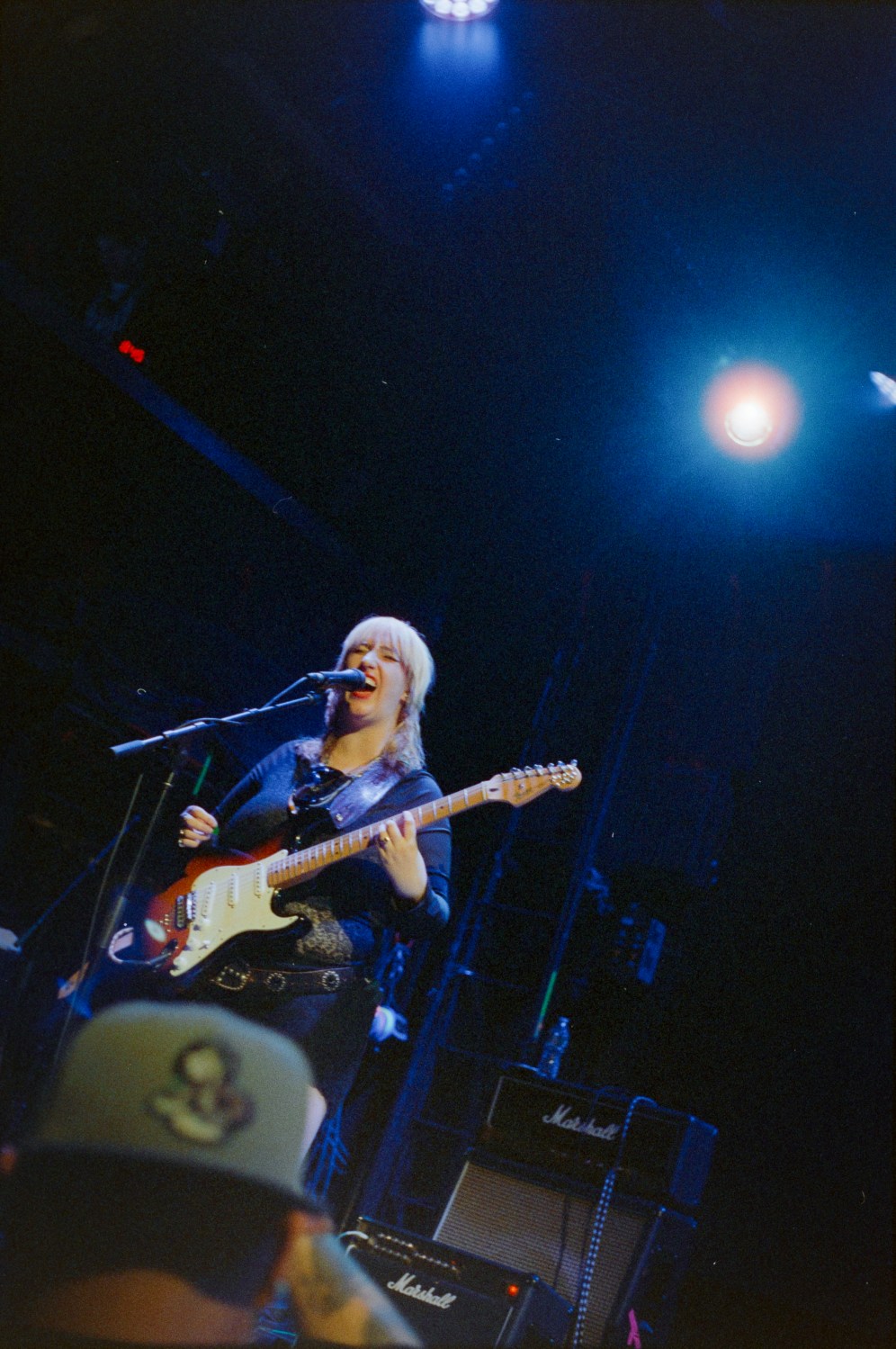
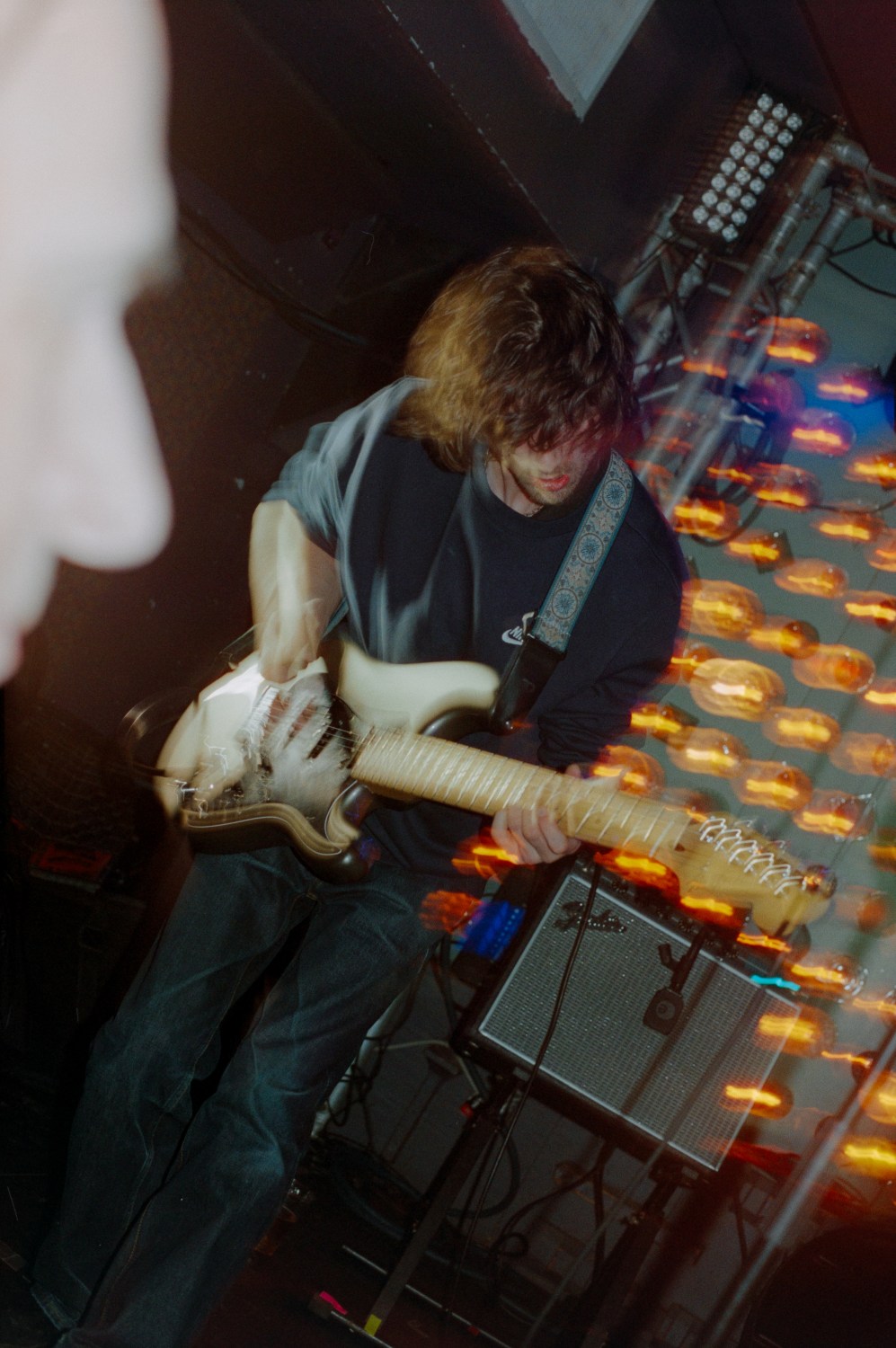
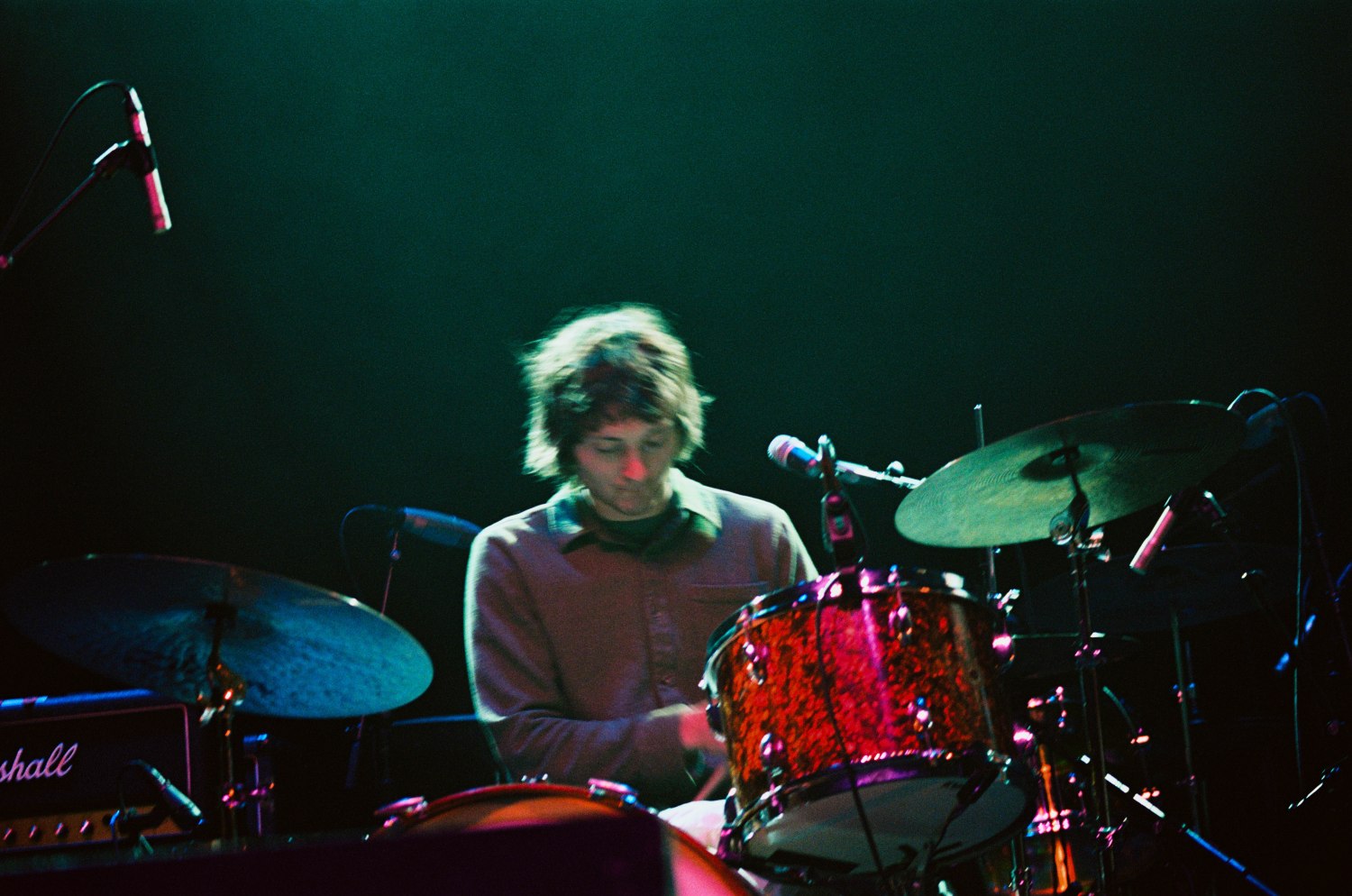
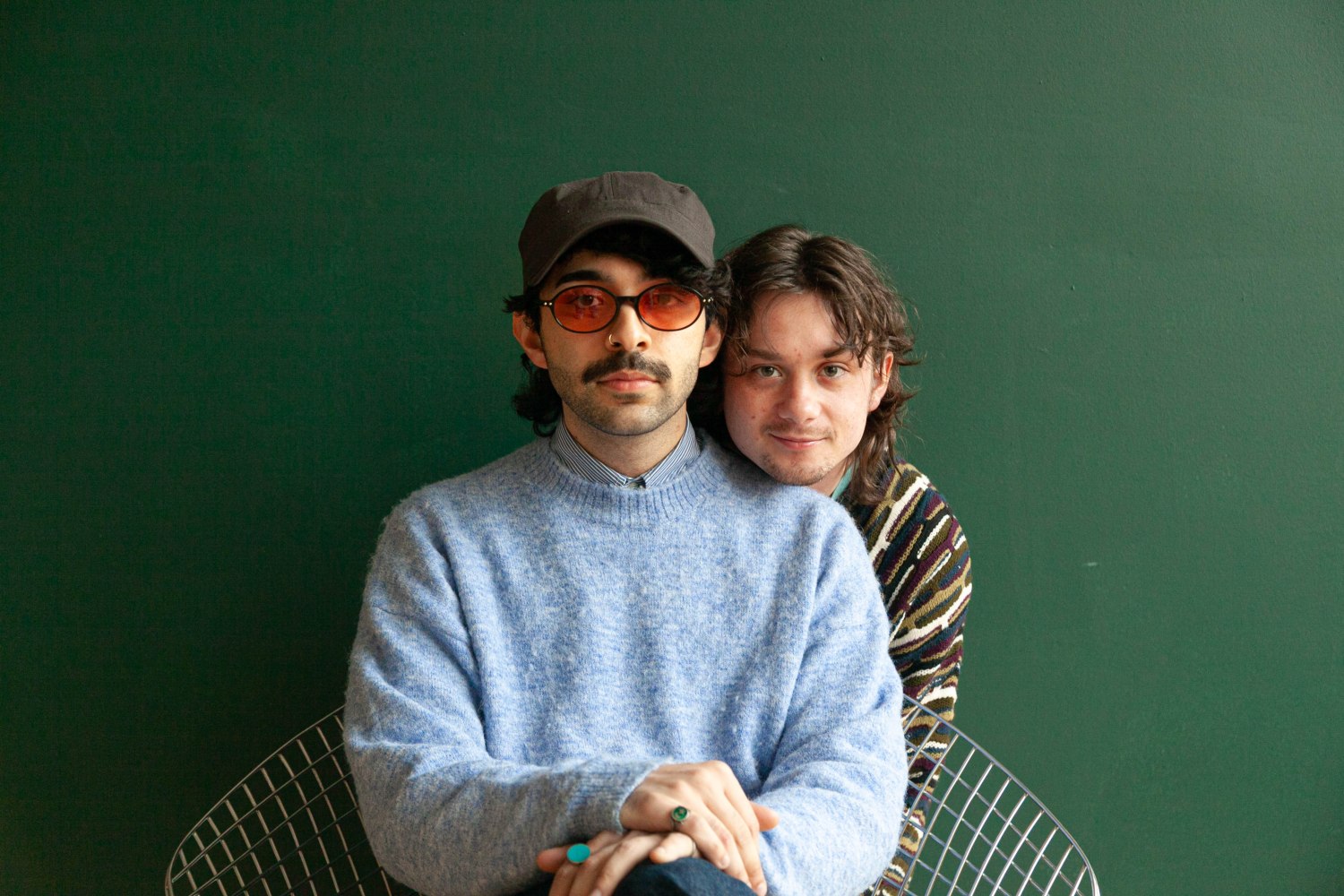
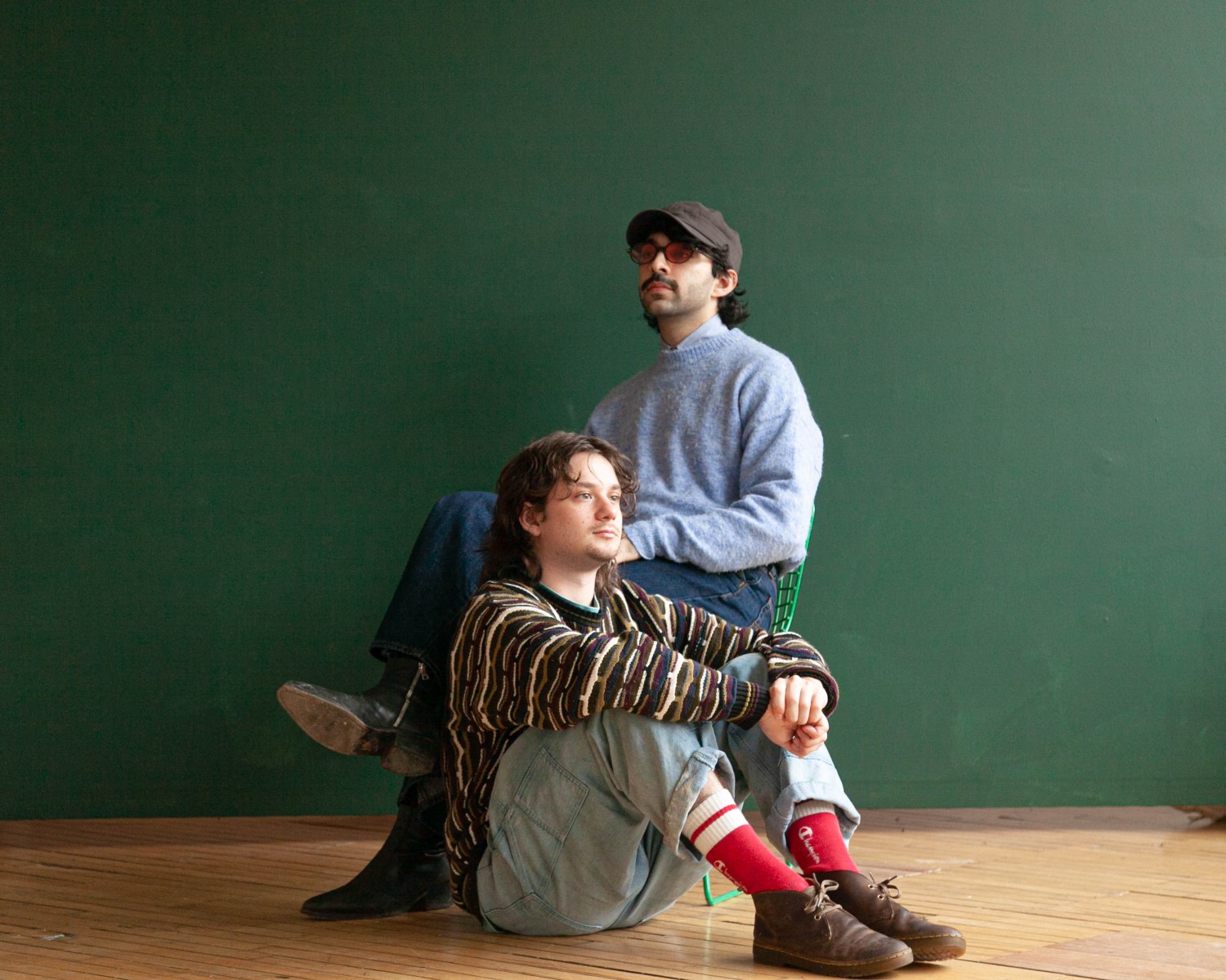
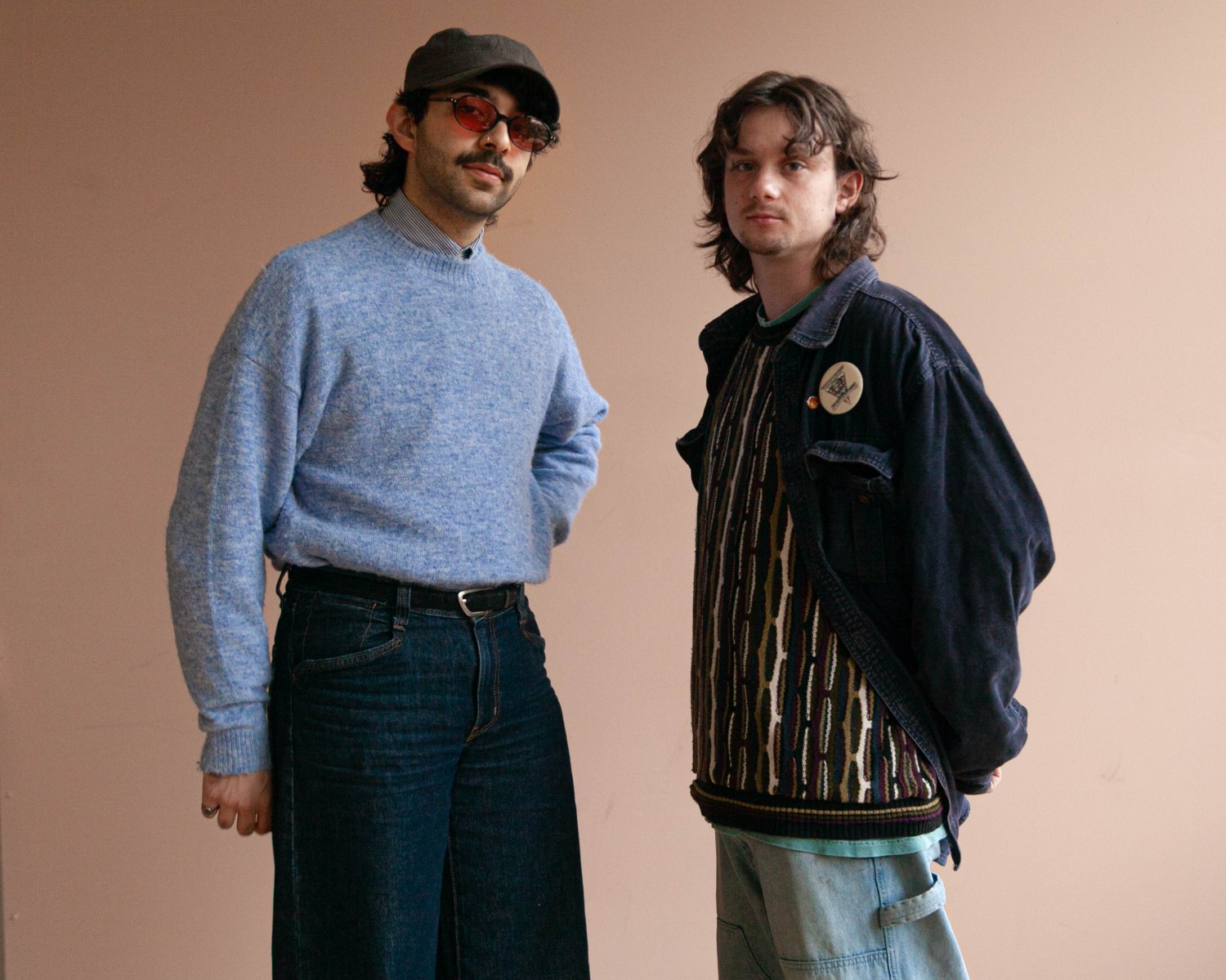
Look through our latest tour diary with Kitship and Memory Card, documented with photos and videos by Averi Love Little and Braeden Long, as well as a mix tape made with love from each band.
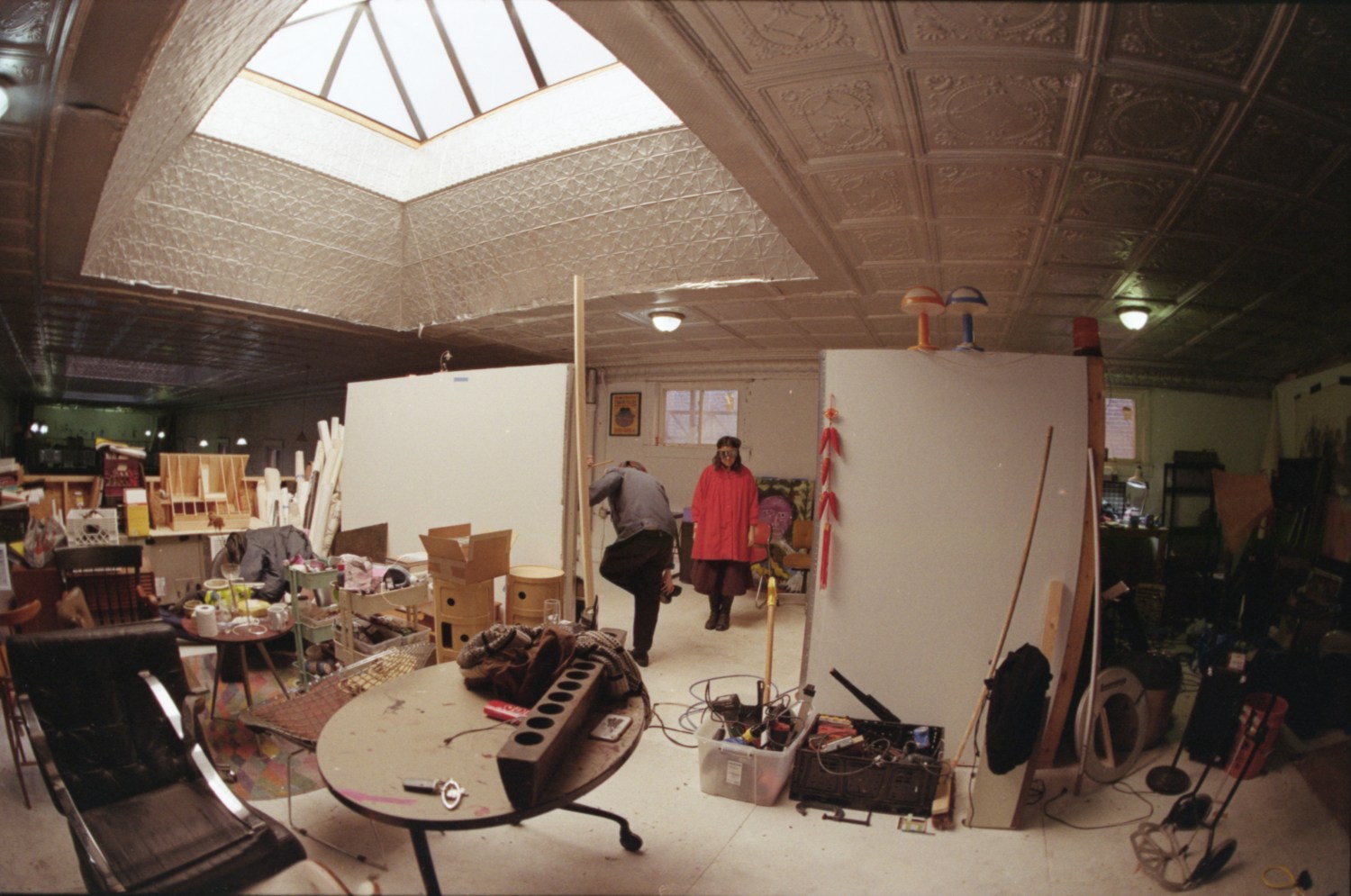
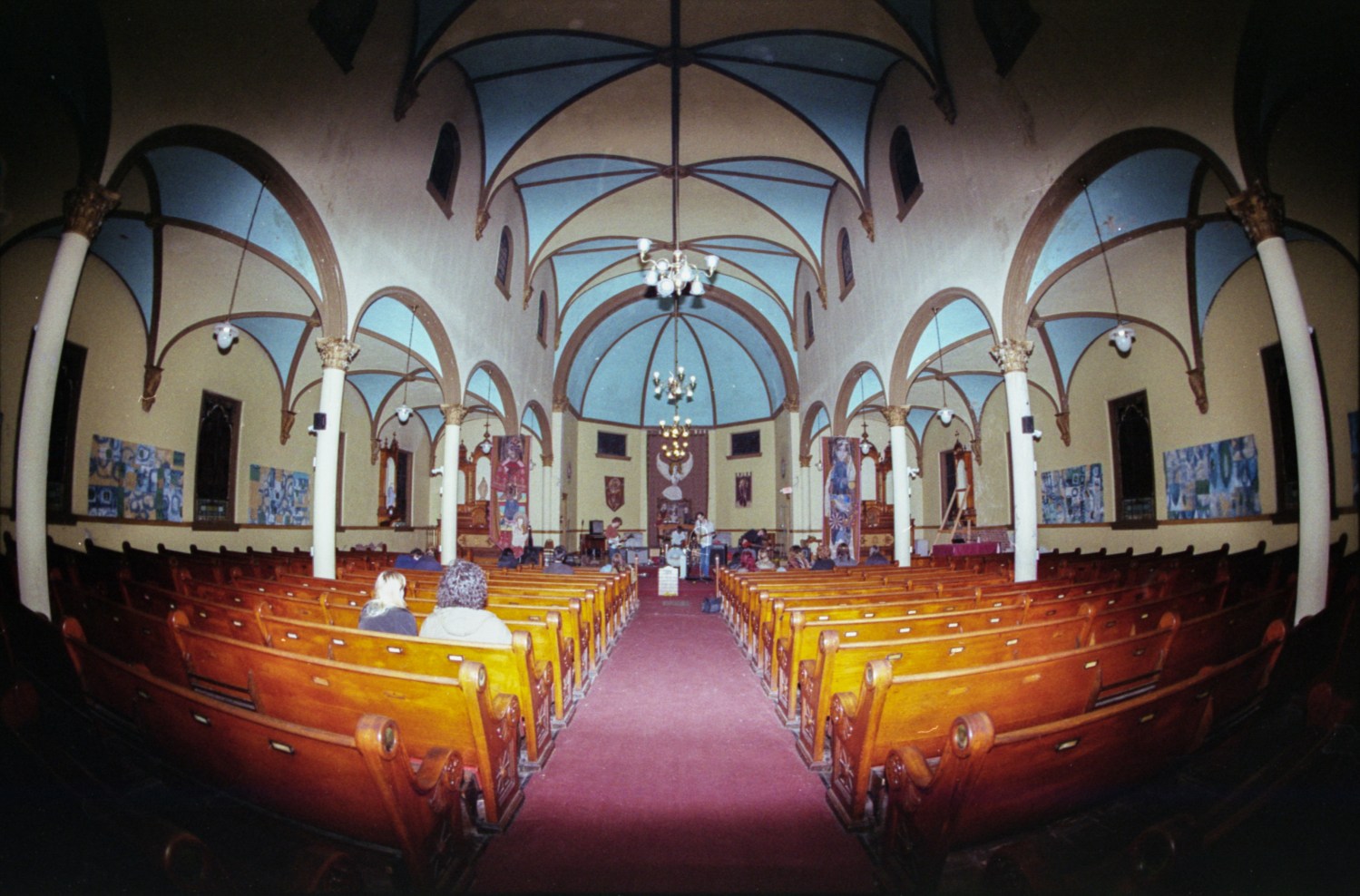
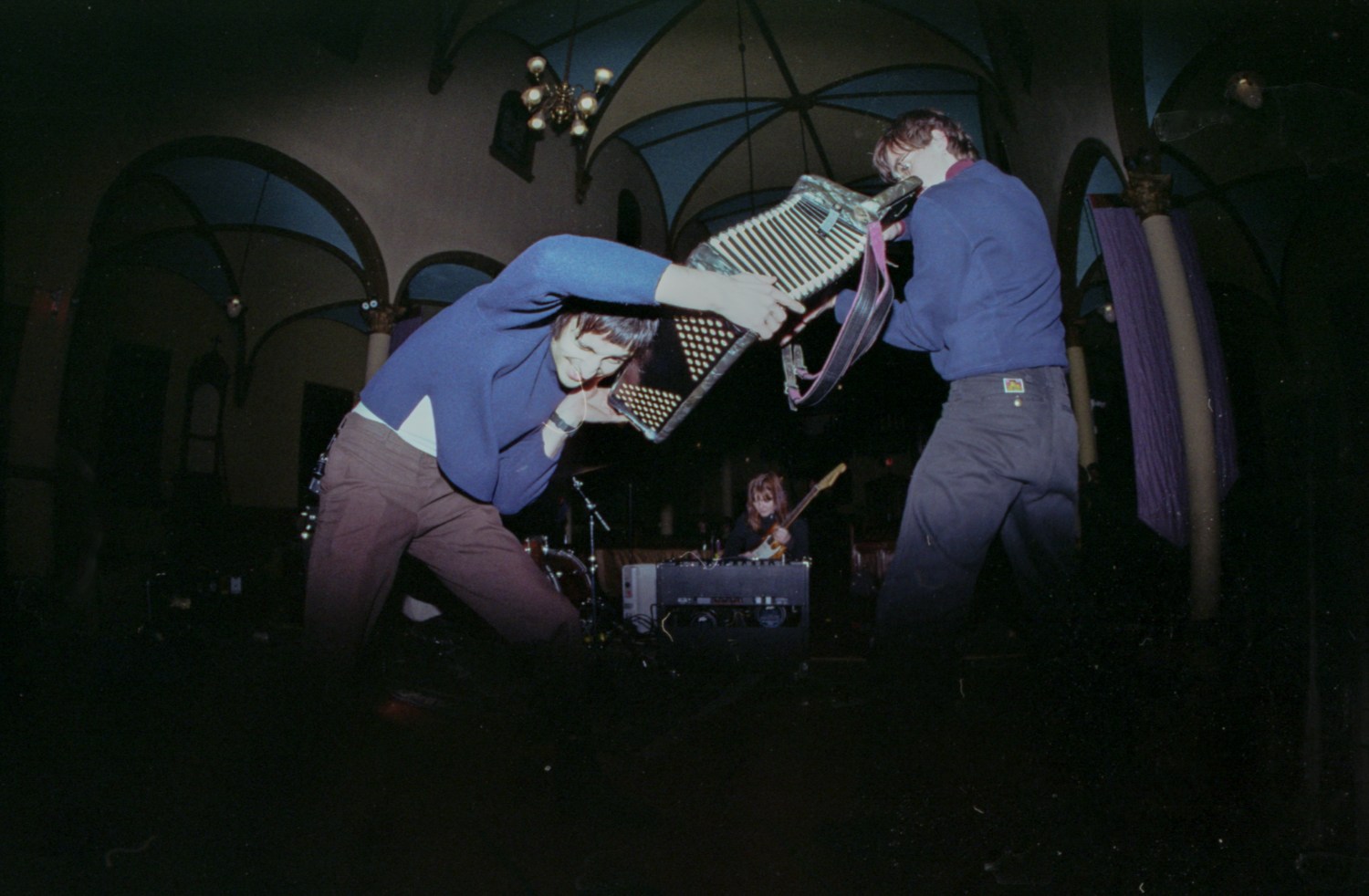
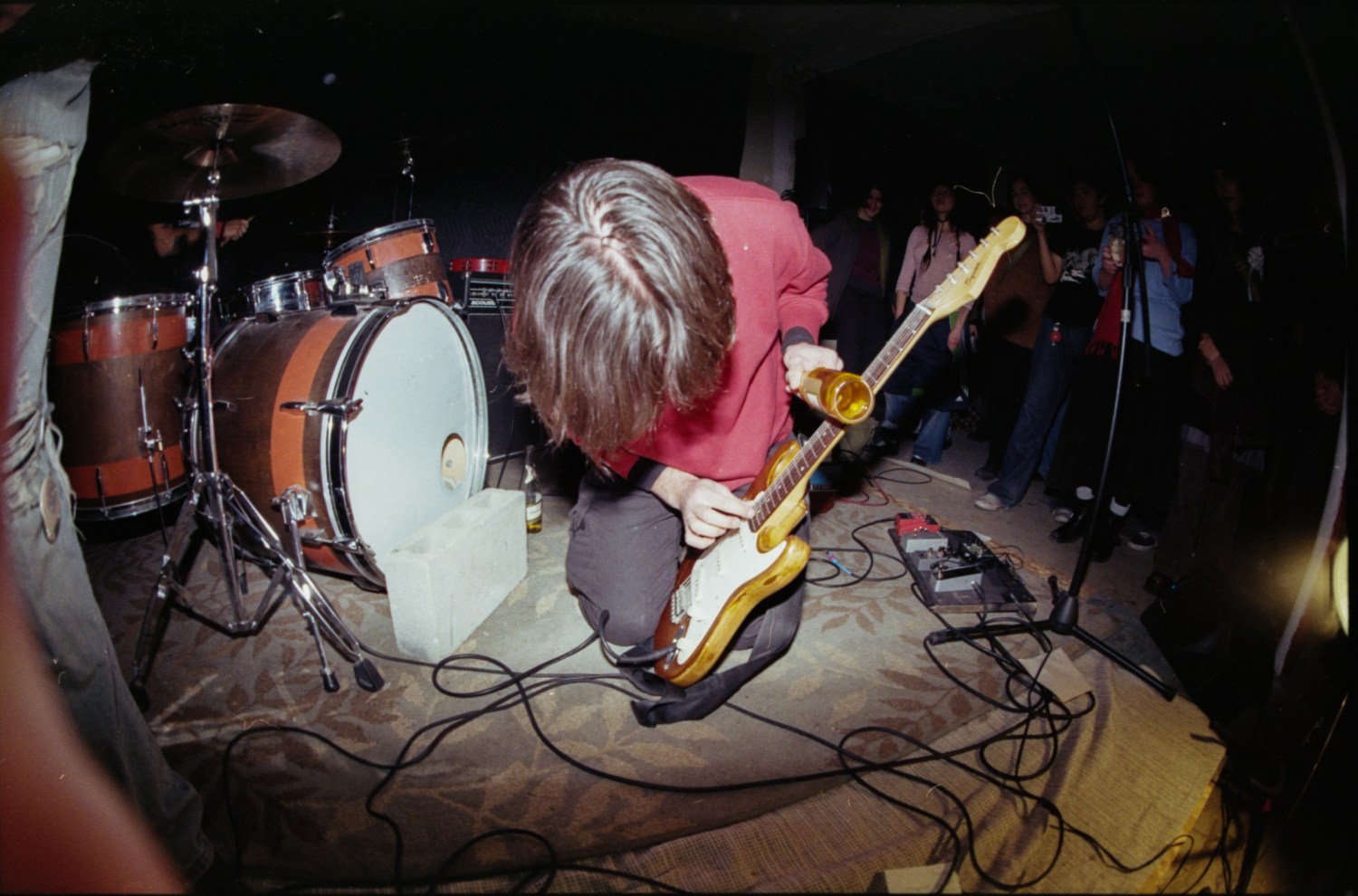
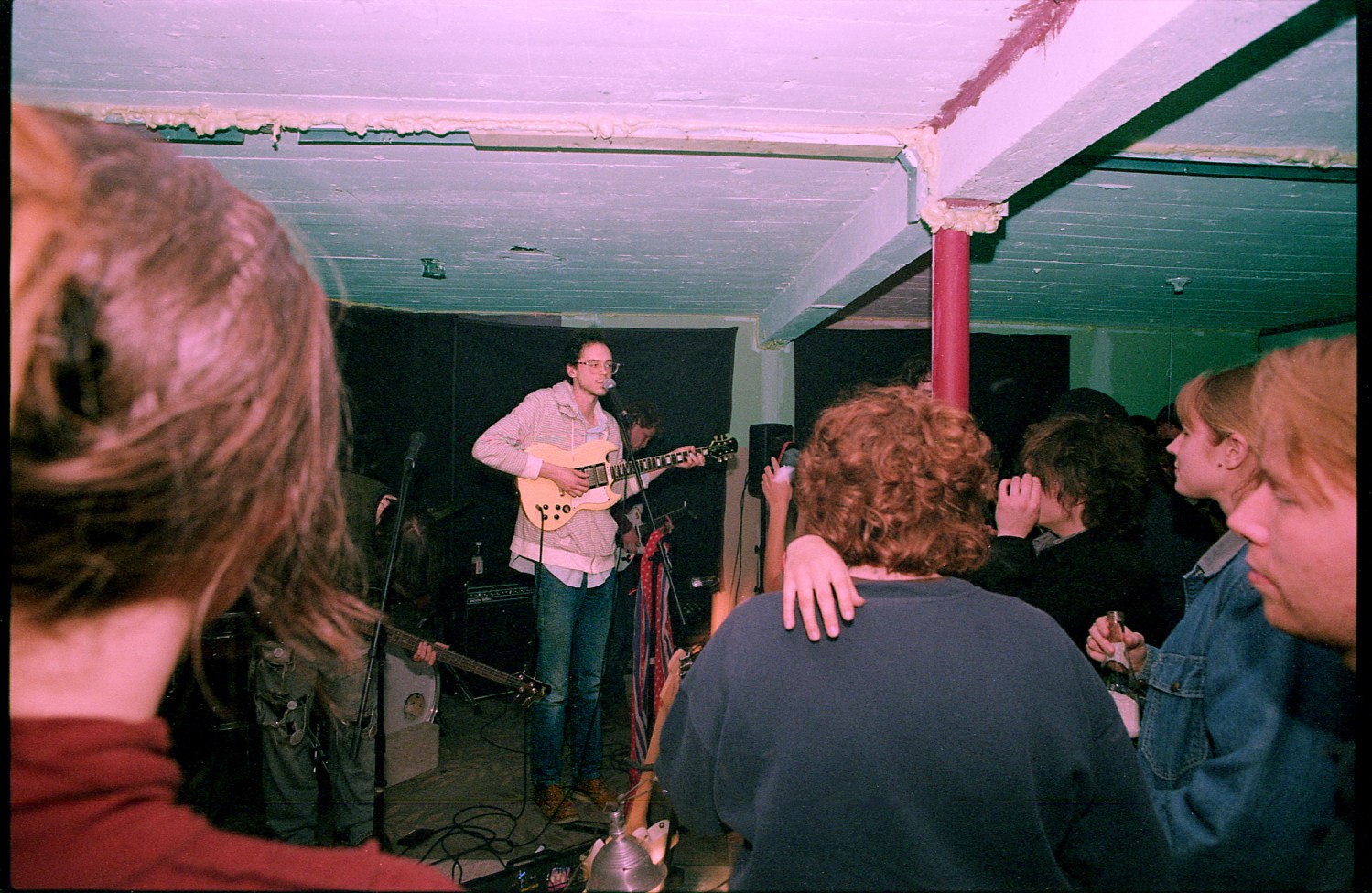
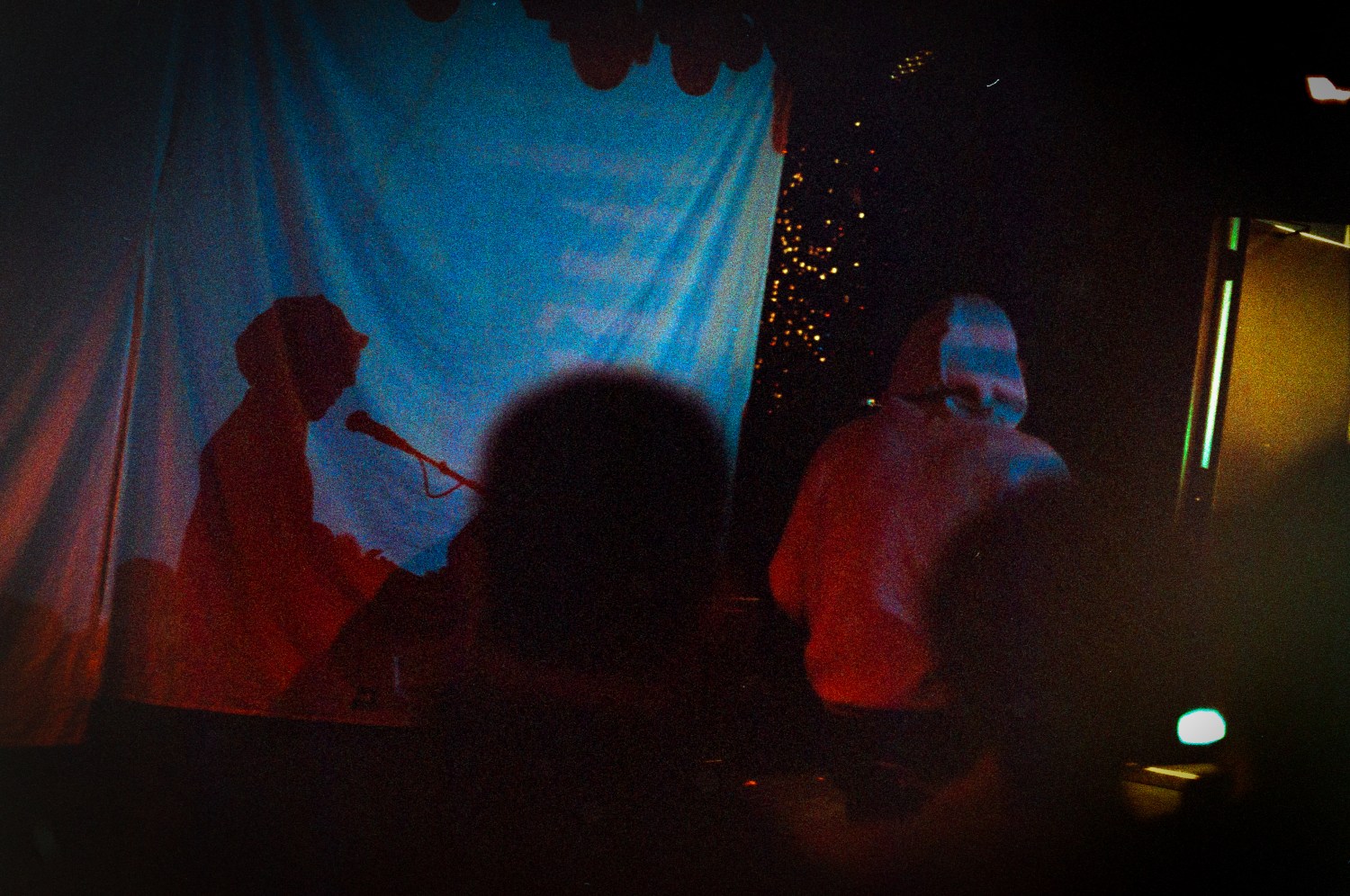
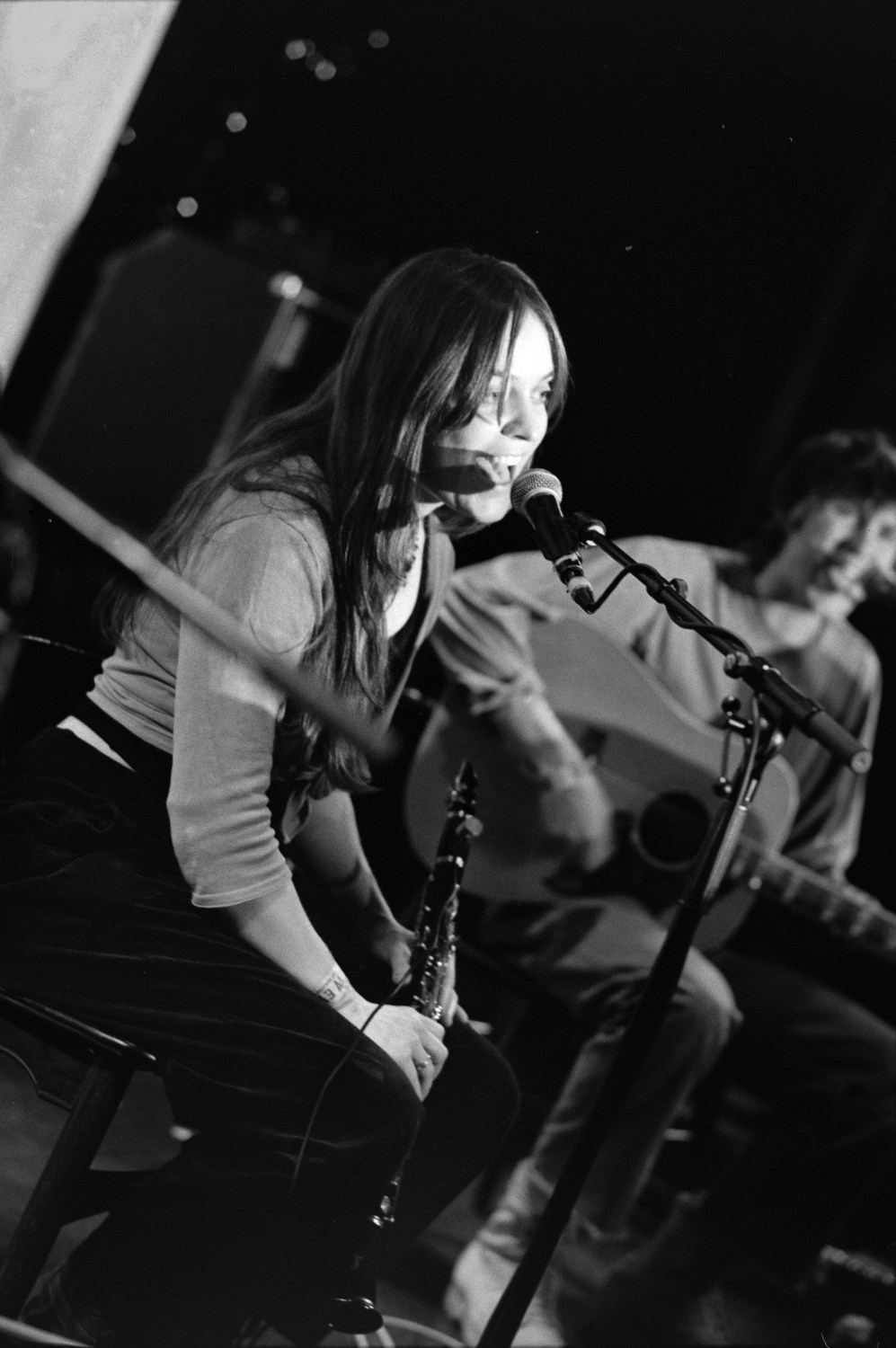
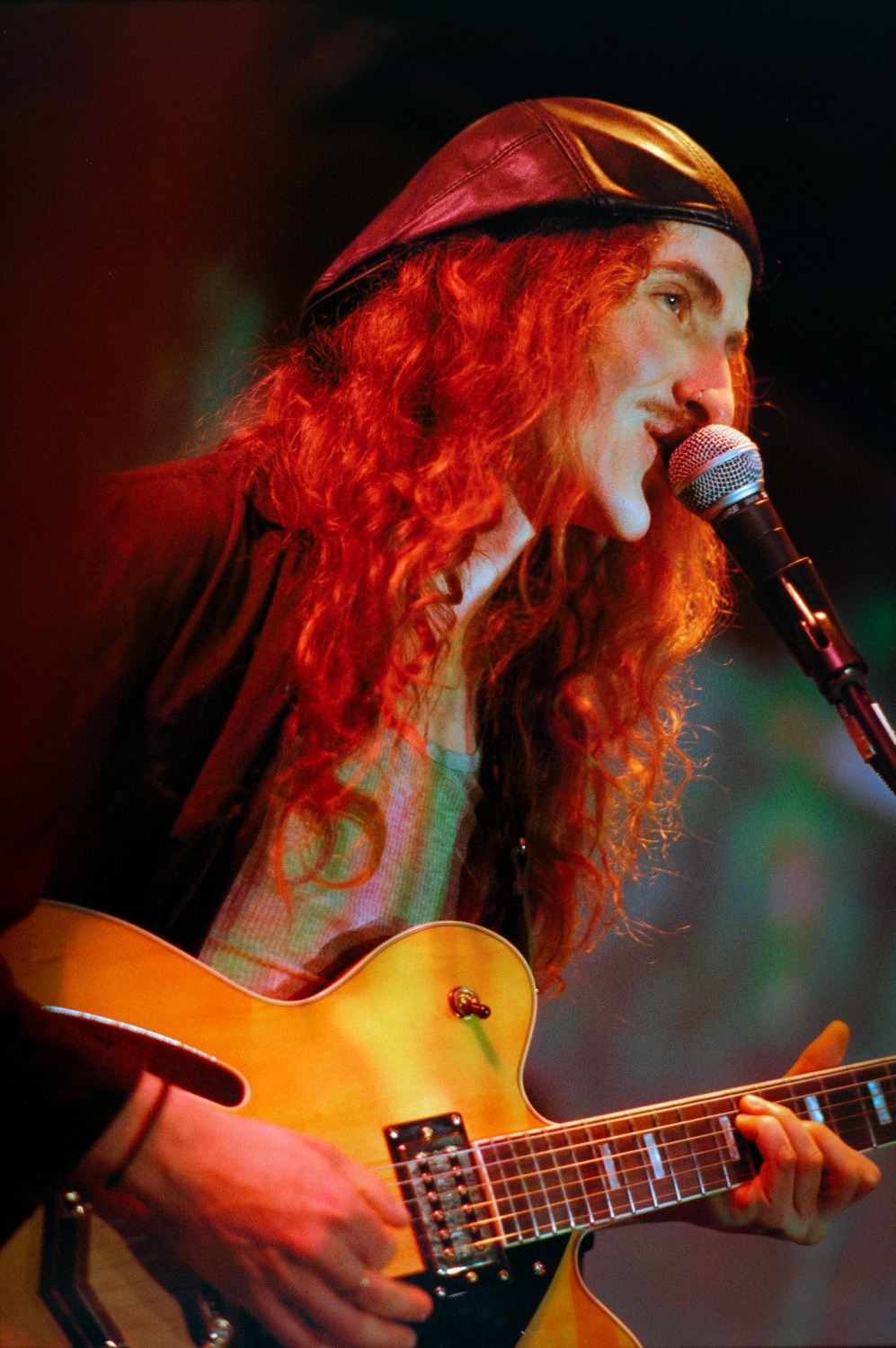
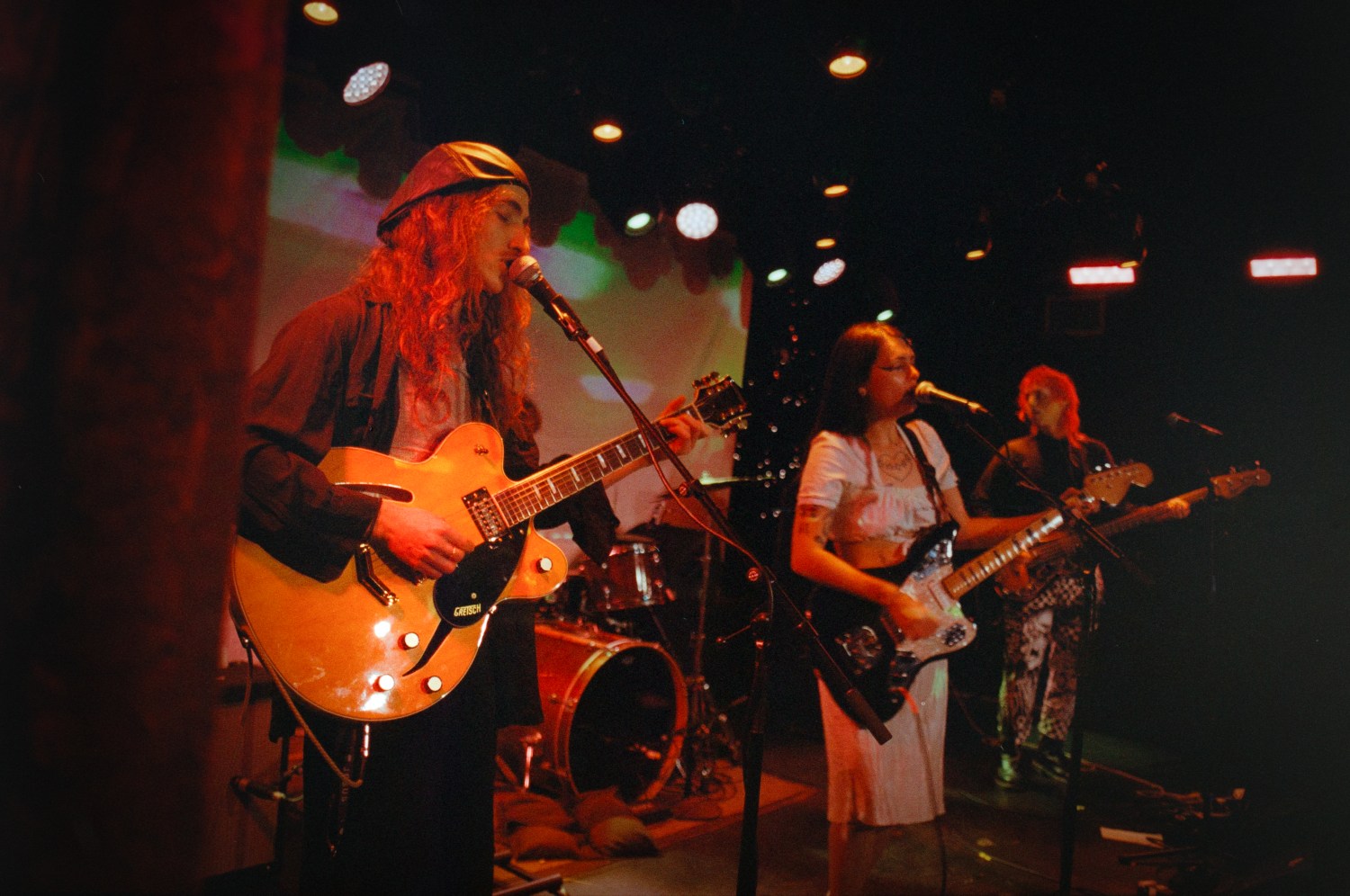
Memory Card, State Street Pub, Indianapolis, IN / Braeden LongNate, Indianapolis, IN / Braeden LongIn Kellen’s Basement, Indianapolis, IN / Braeden Long Amaya, Cincinnati, OH / Braeden LongBraeden Long + Nate Wolf, Cincinnati, OH / Averi Love LittleWorld’s Greatest, Cincinnati, OH / Braeden LongNate, Cincinnati, OH / Braeden LongFeel It Records, Cincinnati, OH / Braeden LongHenry Tart + Nathan McMurray, Cincinnati, OH / Averi Love LittleSeamus Moore at Bluejay Diner, Cincinnati, OH / Averi Love LittleMemory Card at Pilot Light, Knoxville, TN / Averi Love LittleAmaya Peña, Nate Wolf + Galli at Pilot Light, Knoxville, TN / Averi Love LittleCarrboro, NC / Braeden LongMemory Card, Carrboro, NC / Braeden LongShrudd, Carrboro, NC / Braeden LongSHURDD in Carborro, NC / Averi Love LittleBraeden Long + Henry Tart, Durham, NC / Averi Love LittleMemory Card, Asheville, NC / Braeden LongBackyard show, Charlotte, NC / Braeden LongMerch table, Charlotte, NC / Braeden LongMemory Card, Birmingham, AL / Braeden LongLivingston, AL / Braeden LongLouisville, KY / Braeden LongLouisville, KY / Braeden LongAmaya Peña + Nate Wolf, Louisville, KY / Averi Love LittleMemory Card in Louisville, KY / Averi Love LittlePARKiNG, Louisville, KY / Averi Love LittleBraden Long at Lowdown, Chicago, IL / Averi Love LittleMemory Card, Chicago, IL / Braeden Long
Video Documentation by Amaya Peña
Memory Card – Hurricane Live in Cincinnati, OH filmed by Averi Love LittleMixtape by Kitship / Graphic by Averi Love Little| LISTEN HEREMixtape by Memory Card / Graphic by Averi Love Little| LISTEN HERE
Kitship is about to hit the road with Chaepter on another tour starting on February 24th in St. Louis. Listen to the lights are out now.
Catch Memory Card playing around town, as well as read Henry’s blog, summerfunmusic. Listen to Memory Card’s whole catalog now.
On Tuesday, February 24th, the ugly hug will be hosting our next showcase at the Burlington in Chicago with Instrument, Gerfety and Copies. This showcase is a part of the Burlington’s “bring a buddy” series; 2 entries for 1 $10 ticket. Doors are at 8PM with music starting at 9PM. All proceeds made from ugly hug merch will be donated to OCAD, who provide mutual aid funding for those effected by ICE and deportation.
Ahead of this showcase, we are highlighting the work of each of our featured artists. Check out their work and read more about them below.
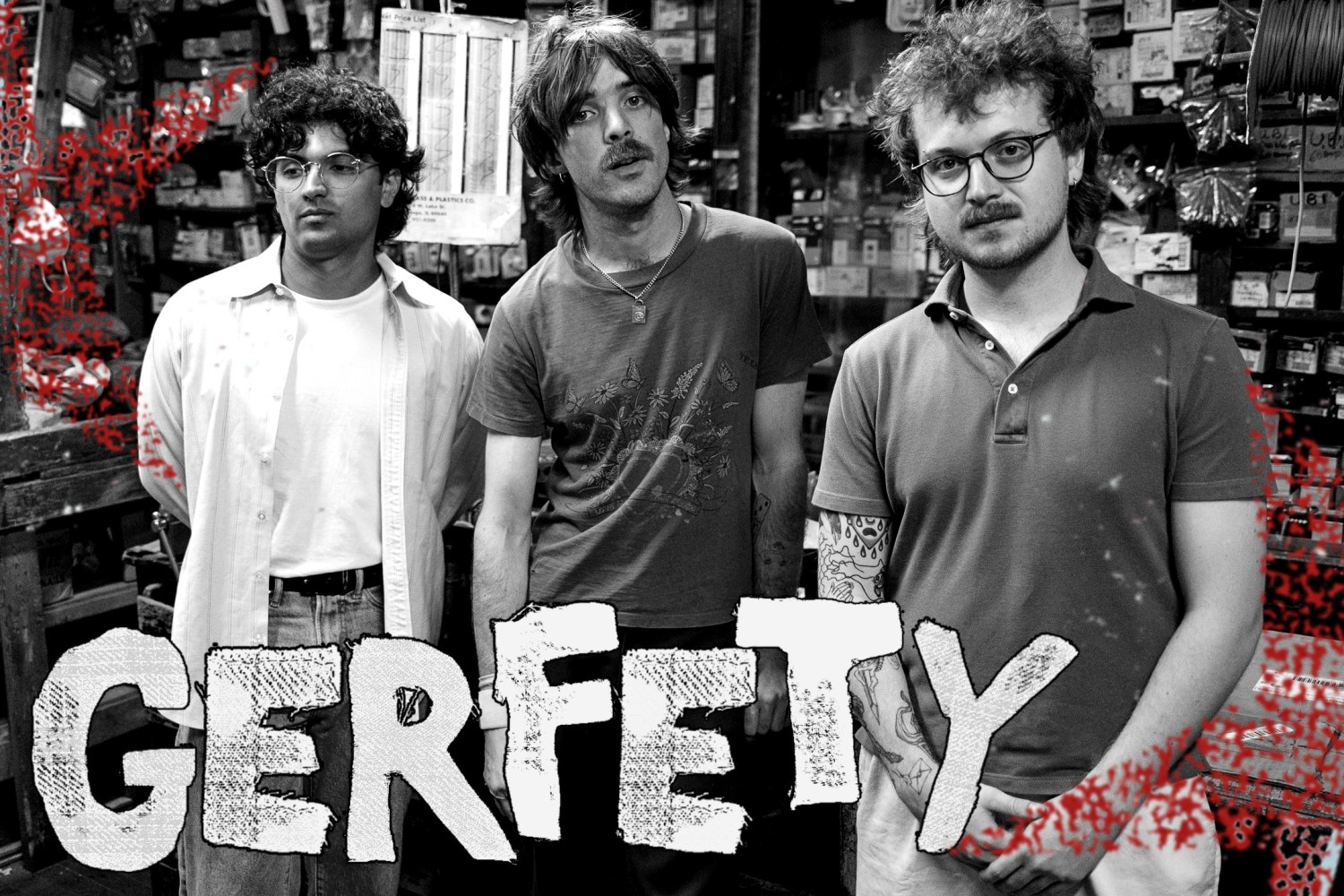
Photo courtesy of Gerfety
Gerfety rock. But like it hasn’t been said before. Made up of Dominic Folino, Grant Goode and Tommy Russell, Gerfety released their first full-length album titled Fight Songs late last year. Their greatest strength as songwriters is crafting something that feels timeless and familiar. Something that has been a part of your life for some time — like that old, fraying rug that has made every move with you; one that both ties the room together nicely, but also has been collecting your weight in crumbs and nail clippings for years now. Fight Songs is as much an impressive collection as it is an inherited practice, something Gerfety has shown through the way these songs breathe and combust amongst found sounds, oddly timed jokes and sugar-rotted melodies that’ll last you all day.
You released your debut LP Fight Song at the end of last year. What has it been like for you three since its rollout? Looking back at the release, how do you approach these songs?
It’s been mostly the same. The songs are out. It was something that needed to finally get out there since we’ve been playing these songs for the greater half of two years. In that regard it’s allowed for us to find different ways of playing them I guess. Whatever it takes to translate the feeling.
As you guys developed as the band from your early bandcamp release days to a full album, what did you find yourselves leaning on? Whether that be your sound, the songwriting, the process? What did you bring out of each other in that time?
Just practicing as much as possible. Being in that room the three of us and seeing everything through completely. Sometimes it never ends, sometimes we lose the plot completely, which is where we tend to thrive. We all believe in each-other.
Tommy, you said that Grant and Dominic help bring your songs to be rock songs. Do you initially approach your songs as something that can be jammed out on stage? Or do you have faith in the other two to help you bring it there?
I think oftentimes, when i’m writing a song, i have them in mind. I can hear them in my head. Sometimes it’s not the case, I mean sometimes I’m writing a song just for the sake of the ritual. But as we continue to develop as a band I think there’s certain things that I know they’ll like or won’t like. Those two birds are any songwriters dream. I’m lucky.
Can you explain the f@%k track? Did it influence the way you played in and interacted with the studio space?
That was just a fun idea our friend Korgan came up with. We wanted to preserve the sound of the room being lived in. We wanted all the positive and negative space to have something to anchor onto and the solution to that was the F@%k track. I think it was certainly fun but certainly the most mindless thing about the record. So, no it didn’t really influence much. We tried to just let things be natural and fun.
What’s in the future for Gerfety?
Nothing good (smiling purple devil emoji)
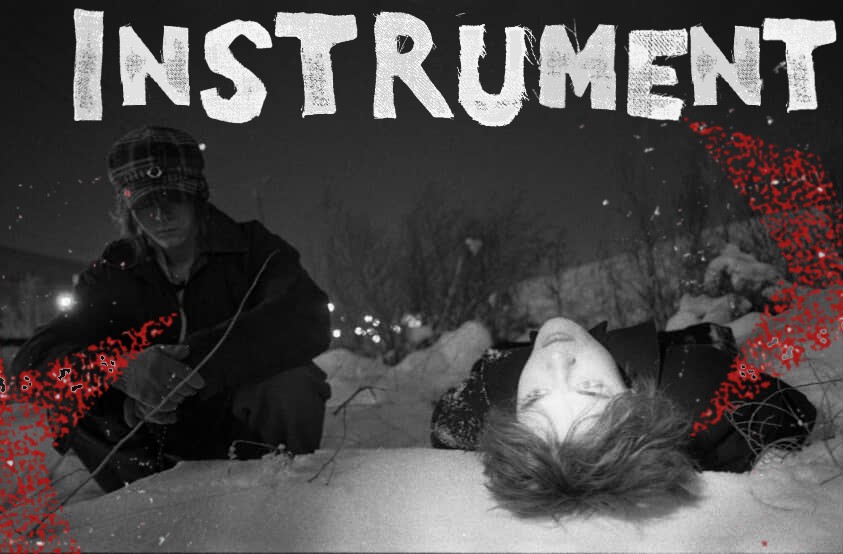
Photo by Averi Love Little
Instrument, formally known as Peace Monsters, is the expansive project of AJ and Lu Bond, who, just as a duo, are able to craft avenues to reach our most inflicted and inherited dialogues. As their time as Peace Monsters, their guitars bruised, and the drums kept the heart pounding with uncontrollable pressure, as the two greeted the ghosts of both this world and beyond as one; our true selves and those we fear to become. But since moving to Chicago from Oklahoma, Instrument still happen to be embedded in this world, but relinquish their control over what’s expected, and rather head towards what really matters. Instrument is a new start for the duo as they look to embrace their changing environments.
This project was formally known as Peace Monsters up to your last release, The Heater, back in 2024. What brought out the need to change the project’s name? Do you feel that the new change will come with new territory to explore in the music?
A.j.- I think both of us view it more as the beginning of a new project rather than a name change per se. Since moving to Chicago my playing style has transformed, the dynamic between us has transformed, we play different instruments and approach songwriting in an entirely new way than before. So Peace Monsters just started to feel sort of limiting because of that.
Lu- Yeah when we would play shows or practice, it didn’t really feel like a Peace Monsters show or Peace Monsters practice. It felt like something new was happening, so we ended up shifting into ‘Instrument’ and the name change was sort of the final piece.
You two have created a space in your sound that you describe as “the feeling of total separation from one’s environment”. What around you do you find yourselves reacting to?
A.j. – haha, yeah I wrote that description years ago when we were still living in Oklahoma and were rolling out the Heater EP. I was feeling pretty cynical at that time and connected to a lot of harsh worldviews because of that. I’m not so inclined towards that statement anymore but I do think that space still exists in our music somewhere.
Lu – I would say our environment has changed so drastically that the sentiment isn’t as present as it used to be. It’s sort of a good example for the name change, because of how much we’ve changed individually since moving to Chicago, playing music together felt different. It felt like we were playing in a different band.
What sort of things do you gravitate towards while crafting your sound? Do you try to appeal to emotions that you feel or certain practices that have led to success in the past? How do you harness that into this ever evolving project?
A.j. – To me art and music is just a big effort towards articulating myself. I find it really important that the songs we write reflect the way I’m feeling as accurately as possible – I want it to be like a mirror. So when we’re playing or writing or whatever it feels like Lu and I are just shining lights against each other and finding interesting reflections to portray to others.
Lu – When we play music I always have an image, and when I’m crafting or writing what we end up playing, I usually build a scene surrounding the song. It’s not really something like a plot or anything. I don’t know. I’m mostly trying to put together the music that I love in a way that supports what A.j. is doing. It’s not really something I think about a lot. I just like playing drums and using it as a way to express that scene or idea that I have surrounding the song.
You recently wrapped up a midwest-to-eastcoast tour last month. How was your time on the road?
A.j. – It was like a dream. It was our first time on the road together and it got me really excited about the songs again. I got really sick the first day though so the shows during that period felt feverish.
Lu – It was truly awesome. Um, we did get into a car accident but everything kinda worked out. I’m actually surprised how well it went considering it was a glorified albeit very well planned road trip. I’m scared of driving. Bodegas in New York are really cool, they should be everywhere.
Anything coming up in the future for Instrument?
Lu – Yes
A.j. – Yeah, we’re wrapping up our debut EP pretty soon. That’ll come out in a couple months probably. And our friend Eli is putting us on a tape comp for the Pop Show in Durham so you can hear us there if you can get your hands on one. We’ve got lots of gigs coming up in Chicago too!
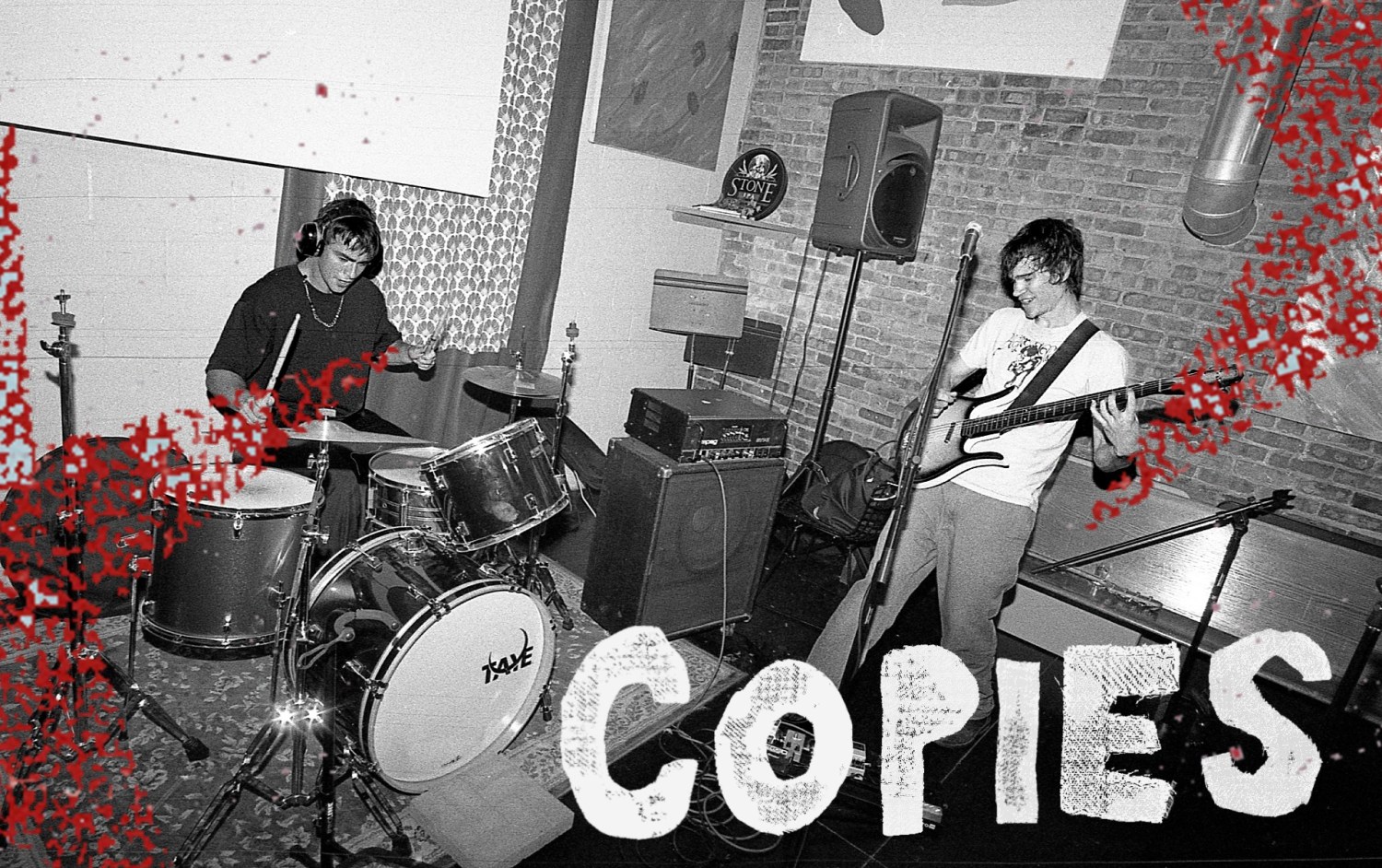
Photo by Braeden Long
Quietly released amidst the disheartening end of summer days, the debut EP from Copies, titled plays the game, felt like a huge statement in its own little world . As a duo, David and Austin have been playing together in various other projects over the years, such as the NC blood-boiler, Tractor Beam. But from the gun, David’s teeth grinding guitar riffs only feel at home amongst Austin’s ferocious drumming, a collaboration that brands the skin as chaotic melodies clot the bleeding of each track. For how brief it may be, plays the game is loud, thrashing, and emotionally blending, as Copies stand their ground, in a rather dying world as a defiant and exciting voice to be reckoned with.
Not Today… is over in under ten minutes, like an amusement park ride.
Saskia Lethin, Jack Abott, Opal and Adelaide Jones from Chicago-based Bungee Jumpers offer a lean, breakneck roller coaster ride of jangly, riot grrrl–y guitar pop that sounds like, in the best way, what would happen if your coffee grinder joined a band. Bungee Jumpers wouldn’t sound out of place among Bratmobile or Heavens to Betsy, blasted out of the worst speaker in a garage or found on a cassette tape on the childhood home of Gone Home.
It’s intentionally straightforward music that rarely lingers on an idea for too long. The opening track “Wall” has one of the album’s only moments where Bungee Jumpers allow themselves to risk staying at the party too long, as Saskia repeats “I couldn’t find a wall to hit my head”, the guitars drop out to leave it in the spotlight, then come back in to joyously ride out the album’s most striking lyrics.
Analogue elements are as much a part of the band as the instruments. Tracks are bookended with amp feedback and whirling noises that sound like tape caught in the spool, and in between there’s the inescapable lo-fi grit. These could be clean guitars, it’s impossible to know if the guitars are distorted because of amps or pedals or because the needle on the recording console was almost certainly living in the red. Not Today… sounds like it was recorded at the lowest acceptable quality – a quality that seems to be higher than Bungee Jumpers’ 2024 Demo. Two songs from Demo – “Bolt” and “Wrench” – reappear here. It feels silly to say they’re re-recorded, given how lo-fi the new versions are, but it does feel right to say that that’s the joke. “I know what I’m doing/You can trust me,” Saskia and Jack chant together on “Wrench,” letting you in on the bit.
The band’s tightness reveals this has all been intentional. They probably could have written longer songs and recorded them with greater clarity (cell phone–recorded videos of the band playing live uploaded to YouTube arguably sound “better”), but the songs don’t really need it. They thrive in this environment. As we go through this moment where we end our Spotify subscriptions and grapple with our ability to have everything, Not Today… offers an intentionally fleeting, blink-and-you-miss-it experience. If you caught a single song on shuffle, it would strike you as amateur, but you’d only be able to experience it like that if you went old(ish) school and bought and added the MP3s to your personal library. Not Today… isn’t on the streaming platforms, it’s only available on Bandcamp or via – appropriately – a handmade cassette tape from GIANT–BEAT in Brooklyn, NY. You’re either hearing these songs in their greater-than-the-sum-of-its-parts whole or, if they are on shuffle in a playlist in your personal collection, you’ve already engaged with them that way.
“The Beach” might be the mission statement for why this is all like this. An unassuming song that doesn’t even clock in at a full minute (like most of Bungee Jumpers’ songs), with a chorus that doesn’t get much deeper than singing “You want to go to the beach” and “I like the beach” and “We’re having fun at the beach.” The lo-fi isn’t a gimmick or nostalgia-bait. It’s an invitation to a mosh pit captured on an old consumer-grade Sony video camcorder that probably topped out at 720p. You want to go to the beach.
Not Today… is out now and is available to be purchased on cassette.
Written by Shea Roney | Photo Courtesy of The Laughing Chimes
Every Wednesday, the ugly hug shares a playlist personally curated by an artist/band that we have been enjoying. This week we have a collection of songs put together by the Athens, Ohio-based project The Laughing Chimes.
The Laughing Chimes began as the sibling project of Evan (guitar, vox) and Quinn (drums) Seurkamp, releasing their first album back in 2020 titled In This Town, a collection which was embedded in the jangly jurisdiction of Midwest prophets and pop-rock love-birds who did their time and got their hands dirty. Now with the addition of Avery Bookman on bass, The Laughing Chimes followed through with the release of Whispers in the Speech Machine, bringing the band’s collective sounds into a deeper, much more haunting pool of reverberated grifters, ecstatic townies and irresistible melodies. The beating heart of this record meets at an intriguing point in time – those few moments where the warmth of life meets the inevitability of decay; the in-between where things are strange, indiscernible and eerily still. Writing songs to the superstitions in our day-to-days, teetering between this world and the beyond, The Laughing Chimes’ pop-licked melodies and cavity-filled guitars help to open the door and see what ghosts are waiting on the other side – a real who’s-who of the localized ghostly scene.
About the playlist, the band says;
The theme is songs that make me hyper nostalgic for a specific moment.
In the last lap of 2025, People I Love shared “Overcast”, a wistful and luminescent track that followed the releases of “The Witch” and “Perfect” in the months prior. The singles were a smattering of introspective vignettes, each an achy reflection swaddled up in velvety, “lo-fi” (if you will) blanket. “Overcast” arrived with the assurance of an impending album announcement – a promise that has been delivered today; on May 1st, the Brooklyn-based project of Dan Poppa is set to share new record, Window to Another World. The album will serve as a skeleton for these ruminative tracks to live, and perhaps as a catalyst to magnify the weight of their individual contents. You can hear the latest single, “Treasure”, today.
“Treasure” examines love through a transient lens. Mixed by Reed Black and featuring drum contributions from Avery Kaplan, it is textured and forlorn, though far less scorned than previously shared singles “The Witch” and “Perfect”. Like many People I Love songs, it veers from any sort of obvious emotional formula, yet it’s usually in these liminal and ambiguous soundscapes that the feelings within the song become most comprehensible. “Treasure” is simultaneously warm and dispirited, loaded with vivid sunset imagery and urges to “tell your favorite girl you love her” despite assertions that nothing lasts. It’s pretty and complex and saturated with longing, and it’s an exciting sliver of the poignant narratives we can expect to unfold throughout Window to Another World.
Written by Emily Moosbrugger | PhotoCourtesy of Shep Treasure
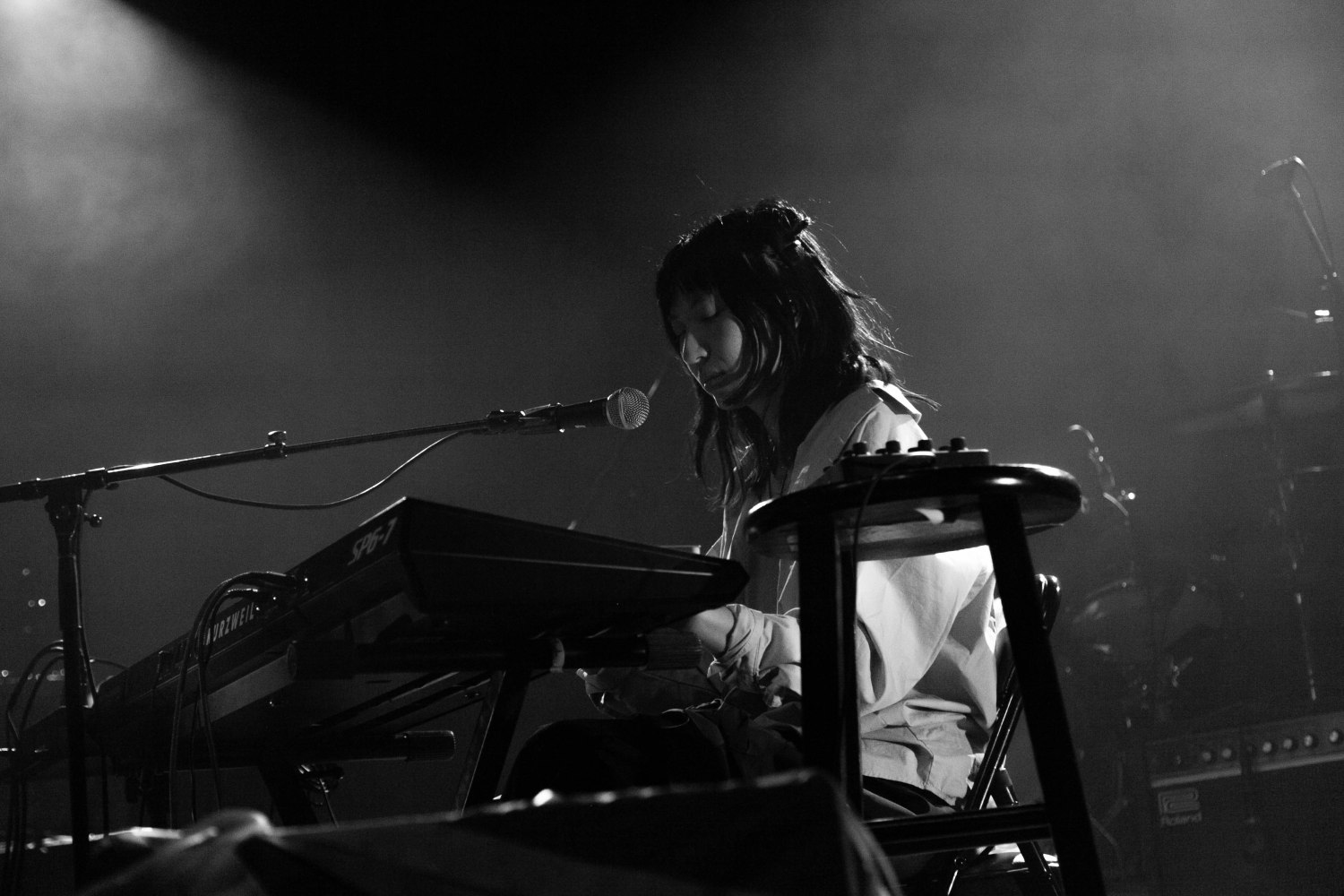
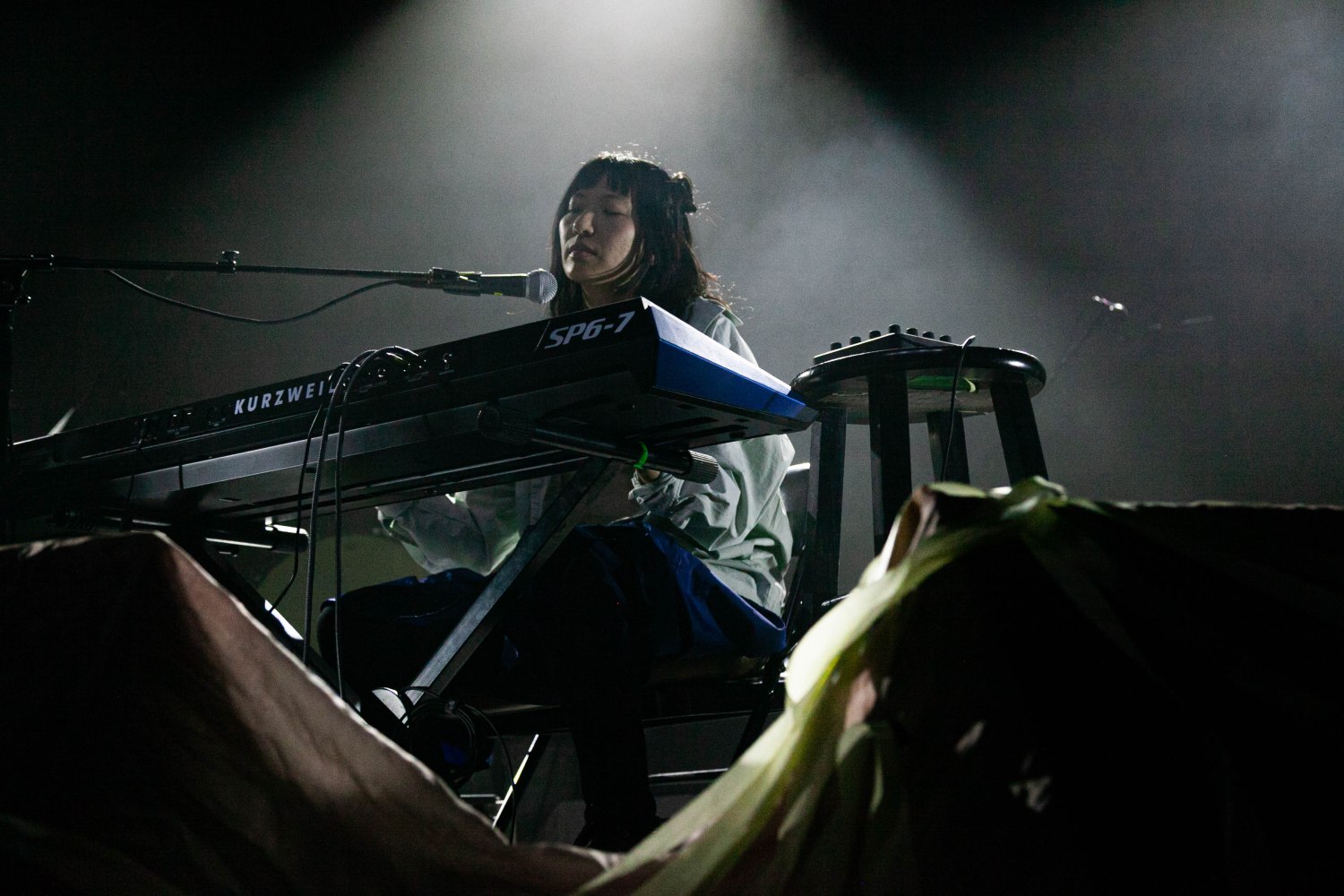
“I saw the first flakes falling, I saw your t-shirt crawling,” Sabrina Nichols sings on “Cold Air,” the third song on her recent album Blanket under the moniker Shep Treasure. Like much of Nichols’ lyricism, the line depicts a moment that feels featherlight and shrouded in mystery. A detail from a memory so subtle it seems sacred, brushing past with the fleeting delicacy of the soft gust of wind that brought it into focus.
Nichols started drawing before she ever picked up an instrument. Her background in visual art is embedded in her approach to songwriting, both lyrically and sonically. When she started collaborating with other musicians, she relied on an intuitive musical vocabulary made up of textures and images to communicate the sounds she heard in her head. “I’ll say ‘oh, this should be spikier, or ‘this pattern should look like this,’ or I’ll pull up specific images of things I’ve seen,” Nichols said. Since her debut, 500 Dead Or Alive, her recording process has become increasingly independent as a result of a push from her collaborator and partner James Keegan, who makes music under the moniker Kitchen. In the process of recording Blanket with Keegan, she learned to mix and record on her own, making for a smoother process of translating those mental images into sounds.
A “spiky” sound, Nichols explained, is what she had in mind for the lead solo keyboard part in “Fired and Expelled,” describing the prickly exterior of a horse chestnut seed. The notes pierce through a thick veil of distortion like blades of grass through snow, setting the icy backdrop for Nichols’ callous delivery: “Watch me growing old/ I just wanna be gold/ and when I’m not/ I want to leave the world.” The atmosphere is dense, forming a dizzying fog around an apathetic narrator whose impassivity cracks just enough at the chorus to reveal a restless unease: “I’m in hell/ I want to be fired and expelled.”
Creating atmosphere is one of the things Nichols does best – there’s not a song on Blanket in which you can’t feel the harshness of the climate, or the movement of the air around you. “I love extreme temperatures,” Nichols said, noting that temperature and wind help her visualize specific moments with precision, and elicit the feeling of the memory in her music. One of the ways Nichols does this is by building space. The guitar melody that opens “Dove” loops with a dull sense of foreboding, the air around it echoing a deep, wintry emptiness. On “Tornado,” Nichols lets her thoughts “all blow away.” Her voice drifts delicately with the gentle strum of her guitar before it’s left behind, swept out into an open, quietly trembling expanse.
The serene, contemplative stillness in these parts of Blanket is mirrored by Nichols’ process of writing it. “For this album, I kind of got stuck on playing one note and looping that one note and listening to the subtle wave changes,” Nichols said. “It became pretty meditative, because I normally record everything in my basement of this apartment, and if I went down there and started looping one note, the rest of the day would be gone, and I could just be there. It made a new atmosphere kind of instantly.”
There are times on the album when the narrator and setting become so closely entwined that their separation becomes blurred. In “Omnipotent,” Nichols takes a celestial form above the clouds, singing from a bed of “concrete pillows” at the gates of heaven: “In the sky soft light falls down into my throat/ filling me up so that all I do is shine and glow.” Nichols explained that the album’s title is symbolic of the way she felt at the time of writing it: “It kind of felt like there was a blanket over my mind and I couldn’t see my thoughts,” she said. The otherworldliness of “Omnipotent” sets it apart from the rest of the album, but there’s an eeriness in the narrator’s unnatural surroundings and cold detachment that replicates this feeling – like she is caught in a fog, stuck somewhere just out of reach.
Nichols said she also associates the album’s title with temperatures, and that it can be a reference to a fresh layer of snow, or the warmth from under a literal blanket. That warmth can be felt on the album’s enchanting closer, in which Nichols’ sweet, whispery harmonies drift with her into sleep: “Close my eyes/ Gonna sleep another night/ I have secrets in my sight.” There’s a sudden sense of trust that seeps into Nichols’ delivery as she repeats the closing line with a comforting certainty: “If I have it, then it’s mine.”
In her writing of Blanket, Nichols relied on a similar hopefulness as a way to embrace positivity, channeling a recent intuition she had that everything would turn out all right. “Whatever positivity there is, I really had to lean into it,” Nichols said. “A lot of times I’ll get into this emotional despair and the only thing I can do is write a song about it to feel better. But now that’s been happening for so many years that I know whatever it is I’m going to get through it. So, I tried to focus on that, like ‘this is going to be fine, I’m just going to get through this and try to put some of that in here.”
You can listen to Blanket out now as well as order it on cassette and CD.
“When I first moved to Toronto, I lived more in that area where there’s a lot of tall buildings and lots of glass and metal,” Eva Link says, our conversation wrapping up in the depths of melodically versatile reflections. “Just having that contrast, but also the nostalgia of being in those kinds of environments was interesting.”
It wasn’t long ago where Link found herself in a unique position, taking over as band leader and primary songwriter on her own for the first time ever. Originally formed as a duo with her younger sister Madeline, Triples was a force, glimmering and carefree, slinging pop songs that beamed with playful melodies and distortion that tangled up loose harmonies like a knot of twinkle lights. After the release of 2019’s LP, Big Time, Madeline found her other project PACKS taking up a lot of her energy and soon departed from the duo. To Eva, this wasn’t the end of Triples, but rather a chance to reimagine the project at her own pace.
Eva now returns with her new EP, Every Good Story, the first collection of Triples songs in five years. Every Good Story is a tried-and-true pop whirlwind – “door be propped, tunes be cranked”, as the saying often goes with these types of releases. These songs live in moments, flashes of thoughts and feelings scribbled on the back of crumbled receipts, unopened cereal boxes or the back of your hand with your freckles as guiding margins, just to make a note before the thought is running right past you and straight outta town.
“I end up writing a lot of songs that have a bit of a mantra energy about them, where it’s almost more aspirational than being 100% real about how things are at that moment,” Link shares, leaning into foundation rather than expectation of both her creative and personal growth. After moving to Toronto, becoming enveloped in the harsh angles of these looming skyscrapers, Link soon found the natural trajectory of what Triples could now become. And as these songs find their own place, Every Good Story is not just a statement on an old creative flame, but rather holding a marker to both an optimistic and joyous form of self-actualization that only comes around with patience and care.
We recently got to call Link to talk about taking breaks, being weird, pop song supremacy and her shifting use of the simple music video.
Every Good Story is your first collection since your last LP Big Time back in 2019. Let’s just start with how you’re feeling about where you and the project are at now?
I think it’s almost a bit surreal, because it’s been a while since I’ve put new stuff out. But in my mind, it feels like such a natural progression from Big Time. I’m not scared of how people are going to react to it because this was the natural next sound for us to have. It just came a little bit later.
Going from a duo to this full band, taking the time to do some reimagining of the project, what is that natural progression that you experienced?
To give a little bit of context since we released Big Time, we had our release show in November 2019, and then 2020 happened. It really made both of us reassess what we wanted to do with music. For [Madeline], it was really digging into her other project. For myself, I really just wanted to put a pin in this, to revisit when I feel like it makes sense to make more music. I went back to Ottawa, where I’m from, and it just felt like life wasn’t real. Nothing that I was doing previously I was doing that year. I think that that energy just carried over where I think it took a minute to get back into the flow of making music – and at that point, my sister wasn’t part of the project anymore. I needed to figure out how I was even going to play live. A lot of it was trying to wrap my head around collaboration, because I was so used to only collaborating with her, too.
When referring to that time of waiting as ‘once it makes sense again’, what were you searching for? What made sense to you?
Well, shows weren’t happening anymore during that period, it felt really natural to just take a break. I knew things will eventually feel like I’m getting the signs to pick this back up again, which did happen when I eventually came back to Toronto – I found some new bandmates and played the first show back since the shutdown. I really do feel that playing live gives that fuel to keep a project going. It’s one thing to generate your own motivation when you’re in your room recording demos by yourself, but it’s another thing to perform those songs and feel like you’re connecting with people.
Were you performing older Triples’ songs those first few shows back or were you starting to sneak some new ones that you had in your back pocket, that maybe you were looking to workshop through live sets?
It was a lot of Big Time songs, but then I also had a bunch of work-in-progress stuff that me and my sister had been working on leading up to 2020. So, it was just a matter of opening up my Voice Notes app and starting to arrange stuff. It had always been just the two-piece with my sister and I, so I was used to just arranging songs with drums and electric guitar and then singing on top of it. But when I started to collaborate with my friend Lucas (drums), that felt like a good jumping-off point of resurrecting these songs that I have. And then my friend Emily, who’s not in the band anymore, but added bass felt like the next step of just adding that little bit more depth to the songs. Having a fuller lineup has less pressure, too, honestly. When you’re a two-piece and you’re the only one playing guitar, it just feels scary.
Did that slow build of new instruments and collaborators open up what this project could be that you didn’t plan for previously?
Totally. Even vocally, I tend to write songs where my rhythm guitar playing was simplified in this way, where I almost had it in my head that my vocal melody would be acting as the top melody in the way a lead guitar could do. So, I would be writing songs where I’d be so out of breath at the end of a performance, because I was just trying to fill every little area with some more little vocal melodies. But then it was also a fun opportunity to write a song where if I don’t sing the entire way through, then what if we have some little breaks there’s a fun bass part, or maybe there’s a guitar solo?
Early last year, you released a one-off single called “So Soon”, making your big comeback, but you chose not to include it on Every Good Story. Where does “So Soon” fall into that progression of this project and what it would eventually become?
That song is interesting because I wrote that one during 2020, and really represents me trying to find both a new lineup, and then a new recording process. That song had many, many cooks in the kitchen from the recording to the mixing. I had it mixed by several different people while also working with a different label slash management at that time.
On top of the same track or each having their own try at it?
Different tries at it. That was an interesting learning experience for me in terms of being a project leader and really knowing how I want something to sound – being confident enough to say how I want it to sound. In “So Soon”, there’s a weird little remix thing, this really choppy part, and I remember working with the person who mixed it, and they were like, ‘why do you want that?’ I was like, ‘I don’t know, why not? It’s weird.’ It’s hard to communicate how weird you want something to sound. I’m happy with how it turned out, but it definitely made sense to release it as a one-off single and see how it does. Looking back, it’s interesting to listen to that compared to our new stuff, because I feel like it’s almost a little too polished.
These songs were written in a very intense emotional period for you, but you made it clear that you didn’t want to write from these emotions you were feeling. What was the need for you to craft a process like this? It’s kind of counterintuitive to what other artists would say.
Especially for the song “Gonna Be Good”, I end up writing a lot of songs that have a bit of a mantra energy about them, where it’s almost more aspirational than being 100% real about how things are in that moment. I really like songs that are not only reflecting on how things have been, but also having a little bit of a realization about yourself and where I want to try to make things better.
So in this space where you were able to create this distance, what felt natural when it came to writing these songs that tell a story and what turned you off creatively?
I do feel that my first instinct is to write a catchy pop song. And then I find that by playing it on my acoustic guitar and singing along to it, I end up coming up with little ideas that I can then expand upon. But what I’ve wanted to avoid, I don’t like songs that are just simply sad and living in that depressed space. I mean, I love Elliot Smith, but I think that someone like him, there is that other level of reflection. My songwriting approach is also not entirely planned, you know? Like, these ideas for songs sometimes just flow in this way, where it’s not my intention going in with what I’m going to write about this. Sometimes it’s just a journey of discovering how I’m actually feeling about life.
And through a really good pop song.
Yes!
I mean, with Elliot Smith, at its core, those are genuinely good pop songs. But there is so much depth, like you said, it’s not primarily sad, but rather weighs a lot. To you personally, utilizing a really good pop song, what makes that such an appealing vehicle for you to explore storytelling?
I find it’s like a puzzle, where you’re trying to make the melodies click in this way that just makes it a nice little package. I get pretty obsessive with things feeling neat. I mean, my songs are pretty short – they end up being 2-3 minutes long. But there’s a song on the LP that’s pushing 4 minutes, and I’m like, yay!’ I think Robert Pollard, Guided by Voices, is a good example of that kind of succinctness in writing little melodies that are just fun to sing. Writing short songs makes them really fun to perform, and especially as a band, we get the songs down pat.
Music videos are a core element to the Triples experience, having co-written and directed several fun ones with Madeline years ago. What’s the appeal of the music video to you and has it changed over this transition period?
Music videos are interesting, because it obviously involves you showing your image and your face and your vibe in a visual form. I love watching music videos, and I find that authenticity is something that I’m very critical about. So, I feel kind of scared when I make music videos, like, how do I make this come across as the most authentic? I think the approach definitely changed from when me and Madeline were playing together, where we would brainstorm and do it together, versus now, where I collaborate with Seamus, which is great. But when it was my sister and I, it was both of us in the video, so that was always a little less pressure, versus, now it’s just me. But I’m very obsessed with visuals. I’m a graphic designer and artist, and I get really into finding the right visual story to tell that will align with the song.
Going from having your co-conspirator in Madeline with you in the music videos to just you, how do you think that authenticity shifted? Or do you weigh authenticity differently now?
When you’re two people, there’s just a natural, fun dynamic that happens. Especially, you know, we’re sisters, and our banter and our energy allows us to feel like we can be a little sillier and amp each other up a little bit more. Now it really does feel like it has to come from me, and I think that goes back to the many different facets of the fact that I’m at the helm of this project now. I have to push things forward and I have to decide on the visuals. While I love having that control, I definitely miss having my sister to be in the videos and to perform with.
For this rollout, we wanted to keep it super, super simple. And, honestly, these videos are more so visualizers, and that’s kind of what I wanted. For “So Soon”, I did this whole production where I rented my friend’s space, and we planned all these different shots with the whole band in the video. But something that I have found in my experience is a simple video does the exact same thing, in terms of, we as musicians, we just need visuals to accompany the music. I find it interesting that artists, and in particular musicians, use their budgets and try to figure out where the money is best allocated? Is it photoshoots? And I think the recording is where to invest. Once you have your songs, you can make cool stuff no matter what. You can make a cool music video for $0.
With these music videos and visualizers, do they fall into that natural progression of the band that you experienced?
So, the EP titled ‘Every Good Story’ and the cover were inspired by the downtown Toronto buildings. That aesthetic to me, pairing that with indie rock, is just kind of fun. But, when I first moved to Toronto, I lived more in that area where there’s a lot of tall buildings and lots of glass and metal. Just having that contrast, but also the nostalgia of being in those kinds of environments was interesting. But all these music videos are shot around different areas of Downtown Toronto.
Those environments feel so grown up, so hearing the word nostalgia thrown in there is really interesting. It’s got depth [laughs].
Yes! The idea of being a young person, just plopped into this big metropolis, it’s interesting to think back on. I feel like a lot of these songs on the EP are written about being in your mid-20s and figuring out your place in a big city.
Every Good Story is out everywhere now. You can also grab it on cassette via the new Toronto label, Bleak Enterprise.
Every Wednesday, the ugly hug shares a playlist personally curated by an artist/band that we have been enjoying. This week we have a collection of songs put together by Durham-based project Little Chair.
With sincerity smearing the colors, movement procured with off-tempo rhythms and guitars doodling outside the lines, Little Chair are not held to the parameters of a single page, but rather become visionaries for what they see their own world is capable of being. Releasing their latest EP Ladybug Cat last February, members Claire, Charlotte, Lilian, and Jack proudly display their scratch marks accumulated from growing pains and youthful quarrels with a brief, yet undeniably sincere package of off-centered melodies and loose expectations. These short songs become a type of care that comes from the little moments of imagination and childlike revertings, those of sweaty summer cloud watchings, floor-is-lava blunders or eating sticky pancakes in bed. Although distortion becomes scribbled at times, these songs play with a gentle kindness that feels uniquely intuitive to Little Chair; when it comes down to it, it’s making the effort to move the spider outside in the hopes that it would do the same if the roles were reversed.
About the playlist, the band shared;
We love watching music videos and here are some all-time favs.
The air is electric in the blistering, windy winter that we have grown accustomed to in Chicago, Illinois. It’s not only that the Bears are surging back to NFL relevancy again that are keeping people up lately during our most frigid nights. Every day, seemingly fresh out of the box, exciting bands within the indie community are being created. Chicago has now become a hotbed for those new voices breaking out and exploding onto the scene.
Ehmed Nauman and Micah Miller created the band This House is Creaking, which belongs in the conversation with other forward-pushing, future-thinking artists that will continue to push the envelope sonically, like Lifeguard or Joe Glass. THiC is starting to hit its stride with two albums in its catalog. Their latest album, I Want to Feel at Home Here, was a DIY hammer house filled with fuzzed-out guitar textures, mixed with lyrics that lean towards inner monologue that would normally rest solely in one’s head.
THiC should be lauded for essentially laying themselves bare on different songs. They’re trying to find their place in the world with a soundtrack of 90s alternative rock, Midwest emo, and spasmic dubstep noises as their playground. The band triumphantly molded what each other listened to growing up into one brand of music. Them growing with each other with each passing song and album, it would be easy to see THiC bursting down the door with the ferocity of the Kool-Aid Man entering the mainstream.
Micah Miller, raised in the Evanston area, is the producer between the two known for bringing his own style of chaotic digital experiments to each song. His influences of Skrillex, deadmau5, and Porter Robinson bleed through the speakers. Ehmed Nauman, hailing from Las Vegas, is the traditionalist of the group. His weapon of choice is his guitar. He can shred, mold, and bend sounds at his whim. There’s a keen sense of aggressiveness within his riffs and distortion, similar to the grunge bands he listened to as a child through his dad’s guidance. They play off each other, bringing the best of both worlds from their upbringing into an amalgamation of memorable songs. Together, both sonically bring more twists than a Ford Mustang in a Fast and Furious film.
A new record with the potential of attaching themselves to a bigger name band to hit the road are some of the ambitious plans ahead for THiC in 2026. If their new album is anything similar to their latest singles, “Something Else” and “2 lamp (lava lamp)”, we’re in for a real treat. I got a chance to sit down with THiC to talk candidly about their aspirations, how they met, the origin of their band name, and what music they listened to growing up. Also, check out the gallery from the photoshoot on a cloudy December afternoon.
What’s your first musical memory?
Micah: School of Rock was mine. I wanted to play the drums because the dude with the spiky hair in the movie. I remember I would get in trouble at school for drumming with pencils. I’m not even a drummer at all, but I would drum on the desk with pencils. My teacher told my mom, “you should get him drum lessons since he can’t stop during class.”
Ehmed: I think the most significant, pivotal music moment from when I was a kid was seeing my friend Kasim, whose since passed away, he just shredded the guitar. I remember I would go to their house literally every day after school. He used to play Guitar Hero on silent – he would actually mute Guitar Hero because he would have to focus. But he shredded on the guitar and he had this cream Les Paul with the P90s. This specific guitar is burned into my musical being. Just seeing him play the guitar and get good at it was actually the first time where it clicked in my head that it’s like, “Whoa, you can practice something and get better at something through practice.” I think Casen is certainly the biggest inspiration to me other than my dad. I remember one distinct memory driving to the Hoover Dam with my father, because I’m from Vegas, and we’re listening to “You’ve Got to Hide Your Love Away” by The Beatles. Just hearing that play, being like, “wait, this is fucking awesome!”
What were some of your favorite bands growing up?
Micah: That’s a tough question. One of the bands that I was the most into when I was between the ages of like seven and eleven was Cage the Elephant. Then I kind of got into a lot of electronic music as I was growing up. Skrillex is one of my goats. “Raise Your Weapon” by deadmau5 is one of my favorite songs of all time. And a lot of my musical memories are bands that my sister showed me. The Menzingers were really big for me when I was younger. Funnily enough, American Football and a lot of Midwest Emo stuff.
Ehmed: In my earliest days, I was mostly listening to the music my dad showed me. A lot of classic rock, but also a lot of grunge music like Soundgarden, you know, the big grunge bands at the time. Then when I started to discover music for myself I got really tapped into the Chicago scene in my high school years. I got tapped into Moontype, Options and Post Animal – that sort of scene was very impactful for me and that’s why I came out to Chicago. Chicago has a genuine love for making stuff.
Does the music you listen to when you’re growing up influence what you’re doing today?
Micah: 100%! We do a lot of our stuff very production heavy. I started making dubstep and electronic music when I was eleven years old. I heard Skrillex for the first time and I needed to figure out how to do this. Then I got into Porter Robinson and it brought in my view of what electronic music could be. I think you can hear some Porter in our stuff. I was also listening to a lot of bedroom pop like Frankie Cosmos and early Porches when I was younger. I think that also translates into a lot of our mode of thinking.
Ehmed: My first love was the guitar, studying all this classic rock shit like Eddie Van Halen that has stuck with me and will stick with me. The guitar is where I feel most confident. Like what Micah was saying, he is a producer to his core. I came from playing bands, playing guitar and doing all that. So that’s where I think This House is Creaking lies in the middle. At this point, we’re both playing guitar, and we’re both heavily producing it. I think that’s pretty essential.
Micah: For my 12th birthday, my parents asked what I wanted and I made a PowerPoint presentation on why they should buy me the full version of Ableton Live. And they did not buy it for me. But they bought me a keyboard and AOSIS 49 keyboard that came with a free trial of the light version of Ableton, where you could only use 8 tracks within a project file. This lended a lot to my learning of it, and as you were with the guitar, I would YouTube tutorial every day on the bus to school and when I got home. I was bringing my laptop on the bus and I remember kids making fun of me. I played baseball and kids would ask me, “you stopped playing baseball for dubstep?”
How did you originally meet?
Ehmed: We have a lot of mutual friends, and then by happenstance, we ended up living together a little bit.
Micah: I was moving to a new spot and saw someone had an open bedroom. I said “I’ll freaking do it.” We lived in Rogers Park for a year. We made so much music together and had so much shit that we said we should probably put out. I was sitting on a project of like 4 songs that I was going to do solo. Eventually, not all of them, but a couple of them will eventually come out as This House is Creeping songs.
Ehmed: I had demoed out a whole record of my own that summer. Then I was planning on going and recording it at a proper studio. But those will come out as THiC songs also at some point.
Micah: So it’s kind of just perfect timing. I remember Ehmed pushing me. Not in a negative way, but it was either, ‘you gotta put out the stuff that you have recorded or we gotta put out the stuff that we have now, we can’t just keep sitting on stuff’. I was really afraid of putting stuff out for a little while, so that extra push helped. I’m also beholden to my best buddy. We got to respect our own music and respect our own time. The response was really cool and it felt really good. I started picking up a guitar again. I wanted to be able to play live and not just stand on stage. It all just lended itself to the current iteration of what we do now.
Ehmed: Micah has a dubstep taste with mixing. I wasn’t used to working in Logic a lot, but Ableton literally changed my life. But for me I like learning more about the mechanics of production and mixing and stuff from Micah. I feel like we’re always learning back and forth from each other.
How did you come up with the band name This House is Creaking?
Ehmed: Dude, we lived in a very loud house. (laughing)
Micah: Yeah, it had these guttural noises because we had radiators that would make sounds and we would always feel as if someone was in the house or the house was creaking? We were sitting there, and one of us said, “dude, this house was creaking.” And we’re like, wait a second. We knew we wanted it to be a longer name that could be an acronym.
Ehmed: But the “thick” pronunciation wasn’t intentional.
Micah: It was not intentional for it to be able to be pronounced as thick, even though it works.
Do you remember the first This House is Creaking show? How did it feel? Just walk me through the whole emotions of it.
Ehmed: Okay, so we played downstairs at Subterranean. This was my first time playing music. I have been writing since I lived in Vegas. It was a big deal for me.
Micah: It was my first time ever playing music I’ve written, not behind a DJ deck, but having a guitar and in front of a mic and singing. It was crazy.
Ehmed: When we play live there’s 3 guitarists in the band. So our friend Hunter Borowick, who plays third guitar with us, our friend Taylor [O’neal], who I played in dozens of bands with, was playing drums, and Will Izdepski, he played bass. So it’s like literally our dream team of people.
Micah: I just realized I lied. It wasn’t my first time playing. It was the first time playing in a band rather than something that I just wrote.
Ehmed: It’s a crazy feeling to play your own music. For me, I play a lot of other people’s music all the time. I was a hired guitar player, I actually really enjoy it because I like to bring my own thing into other people’s music. Playing your own thing is different. It’s the most rewarding experience. Although we’re a studio band and there’s a lot of production, the live thing is a beast. I mean, it’s loud, it’s aggressive and it’s pretty all rolled into one.
Was there a band that you saw live that lit a competitive fire under you, like, you just want to go harder next time you’re in the studio?
Ehmed: There is a band called Palm that are no longer playing, but they are from Philly. We’re big fans of the Philly scene. Palm just made this unbelievable, timeless music. Truly, this is future forward thinking, and completely genuine, non-pretentious, just crazy shit they would make. Everytime I see them, it’s like, how the fuck do you even come up with? It’s nuts.
Micah: It’s funny because we both have listened to them separately before we knew each other. I mean, they’re legends in their own right, but they’re not like a huge band. They’re a cult band. I think that’s the ultimate one for me at least where I was like, ‘holy shit. You can do that?’
Ehmed: It’s not necessarily competitive, it’s more inspirational. It’s like, I want to do that too, you know? I get that from our buddies on a daily basis. We have a chat with all our best buds who all play in bands. They’re also just normal dudes, but anytime you go and see their shows, it’s like, “wait a second, you are so killer at what you do.” I think that’s a really cool part of Chicago. Just like being a part of a community.
You mentioned opening up for Water From Your Eyes. I was at the Hotline TNT show when you guys opened. You’re opening for DIIV in January. Do you feel you’re gaining momentum with people? That the music is starting to connect and now people are reaching out to you to open for bigger named artists?
Micah: Yeah, I definitely think so. It’s a knock-on-wood thing. And it’s not even that we’re doing it for that. I just love writing music and writing music with my best buddy. And it’s just a brain exercise and fun. But it’s definitely affirming to be opening for these bands I’ve listened to for a long time. My sister showed me DIIV when I was like 14 years old. That’s one of the bands that we were driving around in the back of the Volvo, hanging out after school and listening to DIIV, being like, “damn this is really cool.” Coming back around to it later and saying, ‘oh shit, I cannot believe that we’re gonna play with them. That’s crazy!’ It definitely feels like the music is connecting. The last two singles especially feel like we’re hitting our stride musically for me. It’s connecting really heavily and emotionally as well, which is cool. The last two are definitely pretty emotionally poignant songs.
Ehmed: I’ve been thinking about this a lot because at this point, I’m 24 and about to turn 25, but I’m just thinking about, “Why am I doing this? Why am I doing any of this? What is the point?” I’m more sure now more than ever that I love to make stuff. It’s the kind of thing that I’m gonna do. I am gonna do it no matter what and if I can have the materials and the means and the time to be able to make things, maybe eventually one day I could have a home studio where I could set up a drum kit and not have to worry about being too loud. That’s my goal. This is the way for me.
How do you feel like you grew from album one to album two as artists?
Ehmed: Album one was very… What’s the word? Like reactive?
Micah: Yeah, it was like a flash in the pan.
Ehmed: Yeah, it was a little impulsive. And not super deliberately made, which is good.
Micah: It was definitely more of a collection of tracks that we had made. The second one felt far more intentional. We sat on it for a long time.
Ehmed: Yeah, and they’re different. They’re very different albums.
Micah: The first one is more uptempo which I think of as a summer album. The second one is definitely a lot more introspective, I think, which feels like a fall/winter album. At least for me.
Ehmed: The second album is a very reflective one. It’s all about acknowledging these kind of fucked up things that occur inside, and then living with them. Now that I’ve put this out, or now that I’m aware of these patterns of behavior, what do I do now with this information? It’s not about me looking for answers, but it’s just acknowledging my actions.
Micah: I would agree with that 100%. It’s a lot of screaming into the void. I don’t think there are a lot of answers for a lot of the questions that we might be asking on these songs. And I think the beauty of it is also just giving space to somebody who’s listening to the songs. I can ask that question for myself and I don’t know what it might mean or what that answer might be, but the fact that I can ask it leads me to understand myself better in some capacity. I think that was what we were both kind of going for – to find an understanding of ourselves. I think that’s the biggest theme in our music. As a whole, it’s a lot of introspective introspection and like who, what, where, and why?
Your second album is titled I Want to Feel at Home Here. What does “I want to feel at home here” mean to both of you?
Ehmed: I think that’s along the same lines of gaining more understanding of myself, and himself, through posing the questions that are not necessarily looking for the answers. But, you know, it’s that desire to become better and more comfortable with yourself. You know, more confident or doing harder things that you know maybe need to be done.
Micah: I 100% agree. I think the song “Become,” which is the last song on the record, is very much a big piece of the ethos of that record. The hook is “I don’t like who I am inside,” which is this kind of cathartic release of just taking control, getting comfortable – you gotta sit with it, and you gotta get comfortable with it, and you just gotta do the thing.
Ehmed: I mean it’s kind of hard to face yourself sometimes, and I think that this album was that – it was a mirror.
Micah: It’s tough to listen to for me. I don’t listen to it… It makes me sad.
Ehmed: But it’s really interesting to have this sort of time capsule of what I was feeling at 23, 24.
In your latest single “Something Else”, you have a fart sound in the song. The last time I heard a fart on a song was Kid Cudi “Maui Wowie” which has gone viral on TikTok. Cudi’s fart is at the end of the song which is like a cap off to the experience. Your’s feels like it’s the jumping off point of the song.
Ehmed: I think we’ve been very serious about all this, right? It’s really not. It’s a big part of the way that this works, we just fuck around. When we were starting that song, we made it with Hunter Borowick and Peter Schultze, who Hunter plays in our band, and Pete also sometimes plays in our band. They’re best buds, and we started with them. We were just fucking around, you know, we’re in our living room, and I just got a whoopee cushion. I said “let’s just use this.” That’s not one that you write in the air necessarily.
Micah: Another thing that I have always loved about that song is lyrically, it’s very…what the hell? The lyrics are “I’m not that good, what’s wrong with being just okay.” And then you cap it off, this massive, massive, introspective, existential question with a fart and a release of laughter – it’s the catharsis in the release.
Ehmed: I think that’s big, it’s taking everything in stride. This is all in the grand scheme when you look at the bigger picture, the fart is a beautiful metaphor.
Micah: Yeah we do it live too.
Ehmed: Oh, my God, we just played a whole acoustic tour and we were playing “Something Else” and we were farting on the mic. (laughs)
How did you come up with the cover art for “Something Else?” Because it reminds me of a 90s Nickelodeon cartoon. It looks really cool.
Ehmed: Thank you. I dabble in drawing. Normally my drawings take weeks and I’ll just sit there and do this forever. I started to do a lot of stipple stuff, so I’ve been wanting to figure out how to do this a little faster in a more flowing way, so I’ve been watercoloring a lot. And that was just one.
Micah: The first two records are both paintings from two different friends of ours. Sarah did the first one. Drew did the second one. For “2 lamp (lava lamp)”, I found this crazy archive of lava lamp manuals from the 80s to now. Some dude runs this website who is just obsessed with lava lamps. And I spent three days just going through it all, and the art in these instruction manuals is insane.
Ehmed: What we did was we were thinking about our merch table, and we said, “how do we need to up our merch table?” So we were like, fuck, what do we put? Like, we’re making a list, and in Micah’s notes, he just had 2 lamp, parentheses, lava lamp, because we’re like, we need lamps for the show. I’ve gotten clowned on in sessions and stuff in the past for the way I label projects. Everyone’s like, ‘ugh, date, time stamp.’ Doing any of this is so unserious, it should not be serious. There are an infinite amount of songs to be made. This is just a song, you know? And this is another one of those infinities. I think we’ve both gotten very hung up in the past on making sure everything’s in line – making sure all the art is perfect. I feel if you’re spending that much time on one thing, you’re getting expectations and there’s room for disappointment. If you just do it, just make it and get it out, the beauty of things is in the moment of the creation.
You can listen to I Want to Feel at Home Here out now as well as grab it on CD.