Skip to content
  • About
  • Interviews and Features
  • Singles
  • Guest List Playlists
  • Album Reviews
  • The Gallery
  • Tape Labels
  • Home

the ugly hug

  • Something From Nothing; Good Flying Birds on the Reissue of Talulah’s Tape | Interview

    November 7th, 2025

    Before Talulah’s Tape ever hit streaming, it lived in the far corners of the internet, the kind of late-night rabbit hole where a forgotten upload might turn out to be something brilliant. Like a 1994 grainy VHS relic: no context, just a cryptic title and a thumbnail making you curious enough to click. That’s exactly how people first discovered Good Flying Birds, the solo writing and recording project of Kellen Baker, a 23-year-old musician from Fort Wayne and Indianapolis, Indiana, who wrote the album between ages 21 and 22. For a while, the album circulated through message boards, zines, and random YouTube accounts. A mystery with heart, shared like a secret.  

    A sound-bite from a 1985 interview with The Jesus and Mary Chain kicks in and you wonder what era you’re in, launching into a glint of tambourine flickers, a creeping brittle guitar line, and a voice too vulnerable to be casual cuts the haze. The production is raw and textured but it doesn’t feel thrown together. There’s intention in the chaos. The songwriting feels careful and knowing, like someone’s been up all night stitching feelings into melody. Then comes the lyric: “I see you in the mirror / every time I cry / I hear your voice / every time I try.” It’s plaintive, tuneful, and real. 

    The songs chug along with timeless melodies that feel like they’ve always existed. 60s pop hooks, 90s indie grit, glimpses of glam, and underpinning comforting basslines that pull you in. Harmonies drift through like Pastels b-sides, breakbeats slam in at wild angles, and random “bruh” samples or voicemail snippets keep things from getting too self-serious. 

    The album is cloaked in a warm layer of tape hiss, the audible texture of its analog recording. It’s not there as an aesthetic flourish so much as a natural byproduct, a backdrop secondary to the songwriting itself. It lives there like the sound of old home movies, like the hum of a VCR left running while you built lego sets with your siblings, like cartoons blaring in the background. It’s the kind of nostalgia that isn’t about retro trends or sonic throwbacks, it’s childhood nostalgia, it’s a feeling. 

    That feeling defines Good Flying Birds, and is what they are chasing and nail so instinctively. Not a revival, but a rebirth. Not a recreation of the past, but the spirit of it: curiosity, connection, and building something out of nothing. With hand-drawn visuals, stop-motion music videos reminiscent of Pee-wee’s Playhouse or Sunday morning cartoons, and songs written alone in bedrooms in single-day bursts of inspiration, Baker is creating not just a sound, but his own little world. He’s re-animating the emotional roots of DIY music altogether.

    Before any labels or wider releases, Talulah’s Tape lived in obscurity, a self-released project passed around as handmade cassettes and YouTube uploads. But that changed when Smoking Room and Carpark Records teamed up to reissue it officially on October 17th. And while the songs have technically “been out” before, this moment feels different. “I’m just very ready for it to be out for good,” Baker says. “It’s been weird going through the excitement and humility of releasing your own music and now kind of doing it twice. I’m through that cycle with these songs. I want to move on.”

    It’s a sentiment most DIY artists know all too well: the feeling of moving faster than the medium can hold. But in this case, the slowness was part of the charm. Before streaming services, before curated playlists and endless feeds, Good Flying Birds was spreading through word-of-mouth, zines, weekenders through midwest cities, tapes sold on Bandcamp, and an intentionally chaotic website full of GIFs and rambling posts that felt more like a 2003 blogspot than a sleek artist portfolio. It was all very deliberately analog and very personal.

    “I’ve never felt like streaming was a healthy way to digest and interact with music,” Baker says. “It commodifies everything and homogenizes it in a way where everyone is being force-fed the same stuff. You don’t have to go to a record store and find something that looks cool and give it a chance. There’s less word-of-mouth, less curiosity. These playlists take the fun out of music discovery.” 

    This philosophy shaped the band’s early growth, but still the realities of labels and audience reach eventually pulled them into streaming, but on their own terms. “The labels wanted to do it, and being on those platforms was kind of a necessity to make it worthwhile for everyone involved,” he says. “And then of course, all this social and political pressure came right as we signed on.” 

    In the end, the compromise came with a purpose. Good Flying Birds joined the No Music for Genocide campaign, geo-restricting their music in protest of streaming services’ complicity in ongoing genocides. “If you want to do any damage to a system, you have to infiltrate it,” Baker says. “I’d rather use the platform now so that, when I say all this stuff about how much it sucks, people are actually listening.” 

    That balance between ethics and exposure mirrors the band’s whole ethos: finding meaning in imperfection, building connections in small corners of the internet and using the system just enough to remind people that music can still belong to its community. It’s not that things are “perfect,” or that this way of sharing music is “right” but it’s that they’re thoughtfully tried, tested, imperfectly human, and built with care. 

    Growing up in Fort Wayne, Indiana, Baker’s relationship with music was forged in a kind of productive isolation. With no clear scene to plug into, he was left to piece one together, pulling from dusty record bins, old Indiana punk lore passed down from local legends, or whatever fragments of culture the internet would cough up. At age 10 he picked up a guitar because a neighbor looked “pretty cool” playing one. That spark eventually led him into a Beatles cover band and then an original project, the B45s where he wore suits, played 60s garage rock in local bars at age 12, and had to stand behind the merch table or with his parents when not on stage because of age restrictions. 

    Much of his early experience came via Sweetwater, a music gear behemoth, headquartered in his home town, where he joined the “build-a-band” program. It was a corporate setting more focused on sales than subculture, getting kids to play music, but not necessarily encouraging a punk ethos. “They’re trying to sell guitars, not have kids sending weird pages of art all over town,” he jokes. “There wasn’t a youth scene happening. Not in any facet, indie, hardcore, anything.” 

    “Good music comes out of Indianapolis because there’s nothing else to do except get in your basement and try to do something that is interesting to you and your friends,” Baker says. “It gets harder and harder when there’s nothing to do and you keep showing each other your music. I think that drives a creative spark, but it’s just a handful of people making really cool music and no audience for it so there’s not really a scene.” 

    DIY-by-necessity echoes through the Good Flying Birds project. There was no central sonic blueprint, more like a constellation of influences ping-ponging around in Baker’s head. “It wasn’t like one band or song was the guiding light,” he says. “It’s a mix of stuff from the 60s to now. I guess ‘indie pop’ is the closest term, but even that feels too narrow.” 

    What holds it all together isn’t genre, but emotion. That’s what Baker consistently returns to. The ability for a song to hold something that a diary or conversation can’t. “Songwriting is the closest I can get to actually understanding what I’m feeling,” he explains. “Sometimes emotions don’t make sense in a straightforward way, and you can’t really write them down clearly. But with songs, especially when things are abstract or fragmented, I can land closer to what’s actually there. It feels more accurate.” 

    That sense of emotional impressionism carries through the lyrics, too. Some lines hit hard, others feel more like passing thoughts or memories glimpsed through fog. It’s not about explaining everything. It’s about capturing something ephemeral before it slips away. 

    “Eric’s Eyes” might linger longest, a jangly standout that captures the ache of a memory you can’t let go of. The chorus, “It’s you and me / you and me / Eric’s eyes,” sounds like something you’d sing on a swing set or cry to in a parking lot or maybe both. “Wallace” reads like a postcard from a lost summer: “Founded on the broken vows to write you letters that I never seem to pen / walking through the fallen leaves across the Waldron Circle hill around the bend.” “Goldfall” flirts with blown-out noise-pop, its chorus folding back in on itself like a looped memory. And “Pulling Hair,” one of the final tracks, lands with tender vulnerability. “I know I shouldn’t admit this in song,” Baker sings, “but can I say that I was wrong?”

    Live, the band leans into the same ethos. They’re not interested in coolness for its own sake or in curating an impenetrable mystique. “Everyone’s a little too concerned with image, whether they admit to it or not,” Baker says. “But I’m not trying to put on a face. I don’t think any of us are. I really admire bands who pull off that mysterious, careful aesthetic, but it’s not for me. I just want things to feel open and personable.” 

    That transparency fuels Baker’s maximalist instinct. The desire to cram everything in, to draw and write and build and share shows up across the whole project. Even during our interview he shares a drawing he made minutes before inspired by something one of his students said that day. The website, the visual art, the videos, the dense melodic basslines that run under everything like a second lead vocal. “I’ve always loved bands where the bass takes the melodic counterpoint role,” he says, citing Paul McCartney and James Jamerson as formative influences. “I ended up playing bass in my high school jazz band. I had tried out and got in for guitar and then the bass player quit on the first day. I had to learn all of these Stan Kenton and Hank Levy time charts and kind of intense material and I just had to figure it out. That was a good bootcamp.” 

    That sense of throwing himself into things before he’s ready and figuring it out in real time defines his writing and recording process. Almost every song on Talulah’s Tape was recorded as a one-day demo. “I procrastinate really badly,” he admits. “So I have to wake up and just decide, ‘I’m doing this song today.’ Otherwise, it won’t happen. I’ll just obsess and never finish anything. Working fast keeps it honest.”

    There’s a kind of beauty in that pressure-cooker process. It’s the perfect representation of a feeling captured before it fades. “Even if the vocals come later, I try to get the core of a song done in one day,” Baker says. “I like the urgency of that. The way it locks the song into a specific moment.”

    Even the recording process is stripped down for the sake of momentum. “I’ll often just go one mic straight into the four-track,” he says. “If I try to do it digitally, I’ll get stuck in plugins and endless tweaking. I need the simplest path from idea to recording or I’ll get in my own way.”

    And maybe that’s what makes Good Flying Birds feel so alive. It’s not nostalgia for a certain sound, it’s nostalgia as a creative process. The emotional truth of a blurry memory. A snapshot of someone chasing connection in real time, building worlds from bedroom floors, and trusting the feeling over the format. A little chaos, a little tape hiss, and a whole lot of heart.

    You can listen to Talulah’s Tape out now as well as purchase on vinyl, CD and tape via Carpark and Smoking Room.

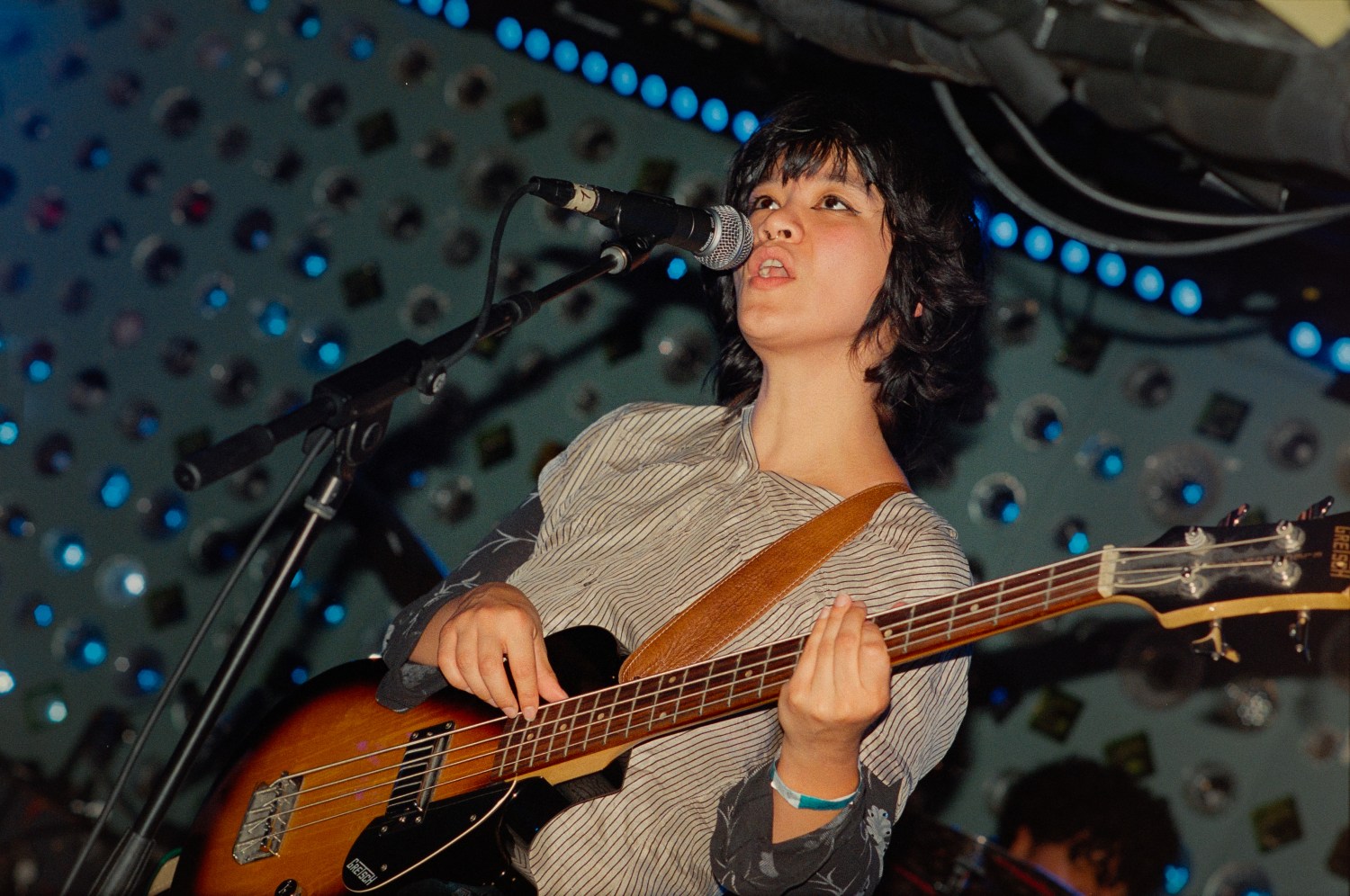
    Written by Eilee Centeno | Featured photo by Conor Shepherd
  • Prewn’s System Offers Sonic Excavation of Shame | Interview

    November 6th, 2025

    Prewn’s newest project, System, sees Izzy Hagerup pull back the curtain on her starkly vulnerable journey with depression. Unflinchingly she invites us to peek into her world, allow the cello-laden tracks to seep in, and to immerse ourselves in the sound of her chant-worthy refrains (my personal favorite is, “I wanna feel it all/ I wanna/ I wanna/I wanna” on “Cavity,” where she almost pleads with the listener to let her break free of the confines of her mind.) 

    Previous single releases accumulated in the 2023 album Through the Window, which received praise from the likes of Pitchfork and forged her a community of support. Hagerup’s roots in Western, MA undoubtedly laid the groundwork for her raw sound, a landscape of omnipresent hills that can sometimes feel like a threat, and weather with a penchant for the bleak. It is unsurprising that she recorded System on her own amidst the valleys, a space that begs to be infused with light. “I took my medicine but now I’m drinking just because I’m bored,” she quips on “My Side,” perhaps a nod to the monotony of rural life and the way that it begs to be sliced through. 

    What is the most striking on System is an unexpected sense of hope woven through the melancholy. “Don’t Be Scared” serves as a battle cry for the downtrodden, with the line, “Don’t be scared of the sound/Of your broken, beating, dripping heart,” serving as a thesis for the album. There is a sense of resiliency infused in the album, a call to action for one to transmute their pain into something beautiful. Despite the darkness, Hagerup looks forward, forging a path with self-made tools.

    I caught up with Hagerup over email to discuss all things shame, self-recording, and notable influences. 

    “Easy” starts the album off with almost incantation-like repetitive lines. It feels equal parts holy and melodically sinister. What made you choose this track as the introduction to the project? How does it set the tone for what’s to come?

    Izzy: I think “Easy” came about from a fairly casual and self-centered place that gradually unfolds into some type of self-awareness as the song goes. From a feeling in my shoe to the spinning world, I think it reflects where the album is to go; the banal to the existential, love to desperation and codependency to rage and destruction and then back to the gaping hole that accompanies existence. It’s also an “easy” start, it never quite lifts off the ground but rather lays a sonic foundation that grows and shrinks and grows again as you progress through the album. I like to see it as a not-too-flashy, warm welcome into the world of this album.

    A lot of this album has to deal with shame and explores the role shame plays in my life and those around me, it’s a huge fuel behind the fixed ways of our culture and society and minds. On a more personal level it’s about getting lost and forgetting my wisdom, being young, making mistakes, being in my mid-twenties. A lot of this album feels like a journal of growing up. “Easy” addresses the issues that lie below the issues that come up in the rest of the songs. Of not choosing to go deeper, to think more critically, to be more thoughtful and curious, of giving into the comforts and distractions are being forced down our throats. 

    The strings throughout are a really stunning and cinematic touch, particularly on “System.” What prompted their inclusion? 

    Izzy: I just love to play the cello and improvise on top of any song I can, to weasel it into any place it could possibly fit. At the beginning it’s just self-indulgent ear candy but after the fact I think it can add entirely new dimensions to the music. I usually just riff around and make sure to record and something gets birthed in that process. Sometimes I try to make it work and it simply isn’t fitting but I feel that my whole musical process is prompted by intuition and it’s only after the fact that I can begin to make sense of all the choices. But if a string section can exist, I cannot resist.
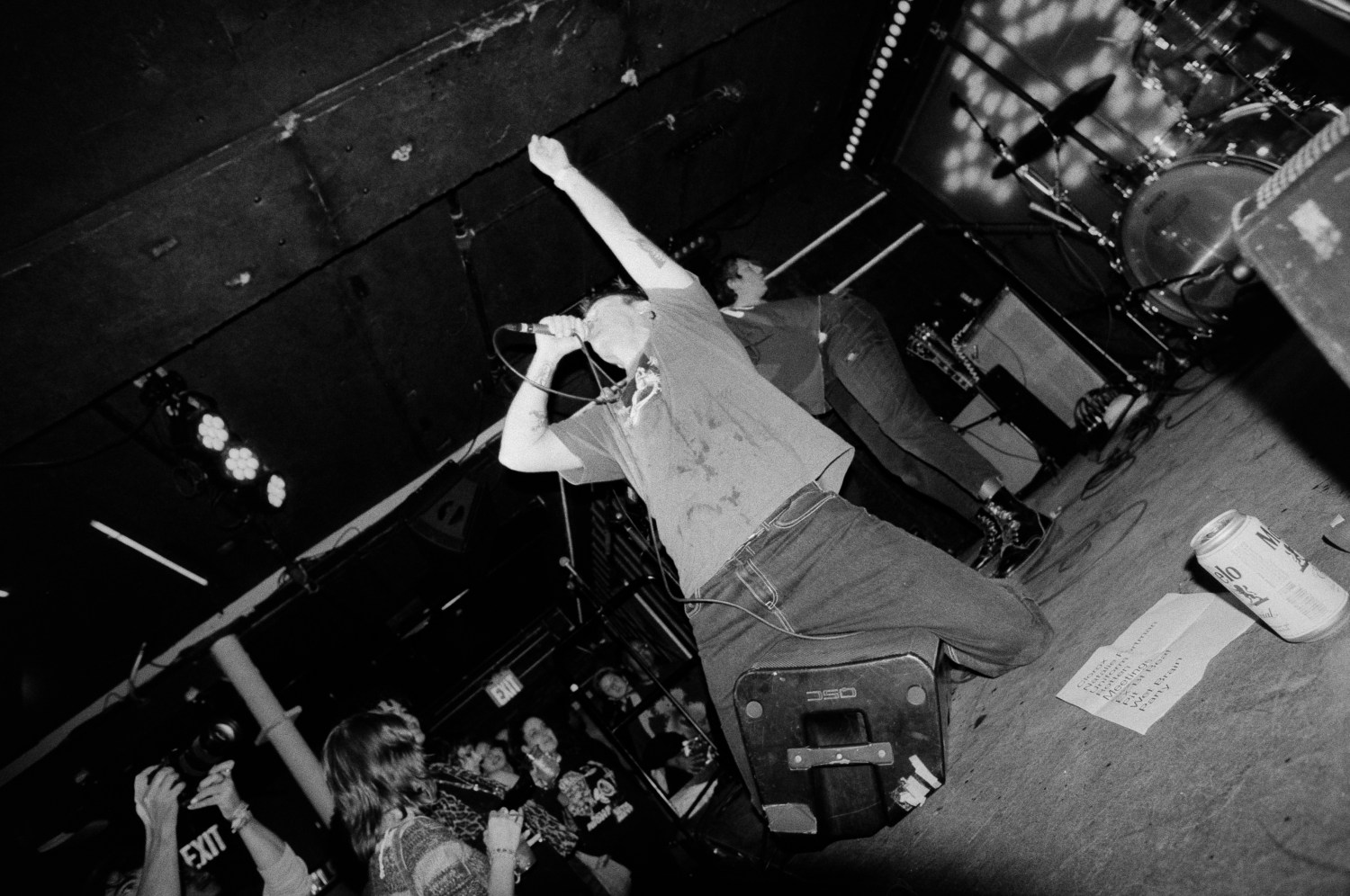
    You’re from Western, MA, which has a very supportive and often overlooked artistic community. How did your time there influence your work? 

    Izzy: Western Mass has a really special artistic community that I am so grateful to have stumbled upon. I went to college in the area with little idea of what a DIY scene really was. I didn’t have much experience playing with other people, going to dirty basement shows, I was thrilled when I found it. I joined my first band there called Blood Mobile, the project of my friend, Tuna, one crazy guitar shredder and musician. Playing shows and learning what it meant to be in a band from the Blood Mobile lens was pivotal for me. I had been playing guitar for a few years at that point, wrote one little song but really did not see music as something I would take seriously in my life. Now I was living in this world where music was just a way of life. The “systems” were set up by a bunch of friends just organizing shows every weekend for the pure love of music. It was this beautiful community that was so solid because of that binding force. Western Mass just has an energy that is seeping with creativity in all the cracks on the pavement and in all the little rivers. 

    On and off during the making of System I would ride my bike 30 minutes on the bike path to my studio and back and that was some of the most freeing, inspiring times I remember from the past few years. There’s something about how windy and green and fragrant the zone is that it makes perfect sense there’s a thriving creative scene. 

    Most of this album was written and recorded entirely by you. How did working in isolation impact the creative process? 

    Izzy: Working in isolation has felt entirely necessary for me to access my full creativity when writing music. I am growing through that and look forward to sharing the creative process. But as extroverted and open as I like to think I am, I am also quite introverted and sheepish when it comes to expressing my deepest self and inner workings creatively. When I’m working with other people, a level of self-consciousness is inevitable and I think self-consciousness is the antithesis to creativity and freedom. In order to get into that “flow-state” where time completely escapes you and you’ve gotten lucky enough to board the train that doesn’t stop until you have to forcefully fling yourself off of it cause it’s already 5 am and you’d like to experience a touch of reality the next day… I have to do that alone. 

    To be so vulnerable and real with myself, to explore the shameful or lonely feelings that I need to process and to the depth that this album goes, could only happen in isolation. But there are so many styles and worlds and different emotions that I know would come out of sharing the process. I will always need to explore the places that music takes me when I’m alone, but I’m excited to balance it more with collaboration.

    You master the line between vulnerability and strength in how raw and honest these lyrics are. Tracks like “My Side” have a Fiona Apple-esque punch. Who are your biggest songwriting influences? 

    Izzy: Overall, my music listening is very scattered so it’s hard for me to dial in the answer to this question but to name a few, Shin Joong Hyun, Peter Evers, Aldous Harding, Elizabeth Cotten and many more have undoubtedly played a role in the creation of System and the evolution of mwah. 

    My first major songwriting influence was definitely Elliot Smith. I know I’m not alone in that. It was during my troubled era my freshman year of high school that he really spoke to the aches and pains of this existence. His chord structures and finger-picking styles have definitely left a lasting mark on my creative process. 

    I was listening to Harry Nilsson and John Prine a lot before and during the making of System. They have been a big inspiration on the lyrical side of writing for me. I really love their quirky, heartfelt storytelling and their ability to bring humor and light into their music. 

    But ultimately, it’s the riffs in my relationships or the aspects of myself that I struggle with or the overwhelm of existence or the complete banality and absurdity and beauty and horror of this world we live in that truly influences a song of course. It’s just a lot to process, goddamn.

    You can listen to System out everywhere now, as well as on vinyl via Exploding in Sound Records.

    Written by Joy Freeman | Featured Photo Courtesy of Exploding in Sound Records

  • Toadstool Records Share ‘Trick N’ Treats’; A Compilation to Benefit Mutual Aid in Gaza

    November 6th, 2025

    Last Friday on Halloween, New York-based label Toadstool Records shared their latest compilation, Trick N’ Treats’, to benefit mutual aid in Gaza. All the profits raised from the compilation will be donated to the label’s pen pals, Saleh and Dana, to support them, their families, their education and their dreams. The compilation features some familiar faces to the Toadstool world, including Youth Large, Joe Fox and Mystery Choir, as well as including some new contributors like screen bride, Volena and Moki.

    Toadstool Records is an artist-run independent label and creative hub based in NYC. Started by Caroline Gay as a space for her ethereal instrumental project Ghost Crab, Toadstool Records has become a home to a world of other creatives, offering a supportive and inspiring place to expand on their own and create art with those with similar mindsets. The label is helped run by friends Michelle Borreggine [Dreamspoiler, orbiting] and Jonathan Hom [Mystery Choir]. Trick N’ Treats marks the labels fourth benefit compilation.

    The album artwork was done by Lia Kantrowitz.

    TRACKLIST & CONTRIBUTORS

    • Ponytail music – Black Lagoon
    • Radicchio – Bone Tax
    • Asyla – exorciser le cœur sacré
    • Mystery Choir – Horseshoe’s Gone
    • SOJOURNS – In the Afternoon [MGMT]
    • dreamspoiler – Little Fang [Avey Tare’s Slasher Flicks]
    • screen bride – lorem ipsum
    • Joe Fox & d10mika – Nights in Purmerend
    • Luke Lowrance – No Measure
    • Youth Large- No One Is Alone [Into the Woods]
    • Jacob Worrell – Partisan
    • Volena – Snowbirds (Fall Demo)
    • Moki – Stagnation
    • Color Temperature – strummer (demo)
    • CHARGLY – theDance
    • Buni Hate Mail – Vampire

    Donate to Dana’s GoFundMe

    Donate to Saleh’s GoFundMe

    You can purchase Trick N’ Treats now on bandcamp. Read more about Toadstool Records in our tape label feature.

    Written by Shea Roney

  • Hannah Frances x ugly hug | Guest List Vol. 81

    November 5th, 2025

    Every Wednesday, the ugly hug shares a playlist personally curated by an artist/band that we have been enjoying. This week we have a collection of songs put together by Vermont/Chicago-based artist Hannah Frances.

    Last month, Frances released her latest album, Nested in Tangles, a project rooted in sincere articulation as she unravels the various distinct knots that have become too tight around her. Highlighted throughout is her guitar work, tapping like bugs in a glass jar, gently caught, culminating curiosity towards the most minute details of her abilities. Although at times wild, playing to pattern shifts and divine accent points, France’s vocals are freeing, like the wisp of smoke from a candle just blown out, that make these songs feel nothing but natural. Following the release of 2024’s LP Keeper of the Shepard, Frances leans into more brash, unpredictable instrumentation, diving deeper into her avant folk voicings that fall into step amongst sharp jazz stylings, heavy distortion and pronounced sonic strain. But through it all, Nested in Tangles showcases an artist invigorated to try something new, taking the good with the bad, as those knots begin to loosen.

    The theme of this playlist is Nested in Tangles inspiration / What Hannah was listening to when making the album.

    Listen to her playlist HERE!

    You can listen to Nested in Tangles out everywhere now, as well as purchase it on vinyl and CD.

    Written by Shea Roney | Photo Courtesy of Hannah Frances and Fire Talk

  • October Show Photo Roundup

    November 3rd, 2025

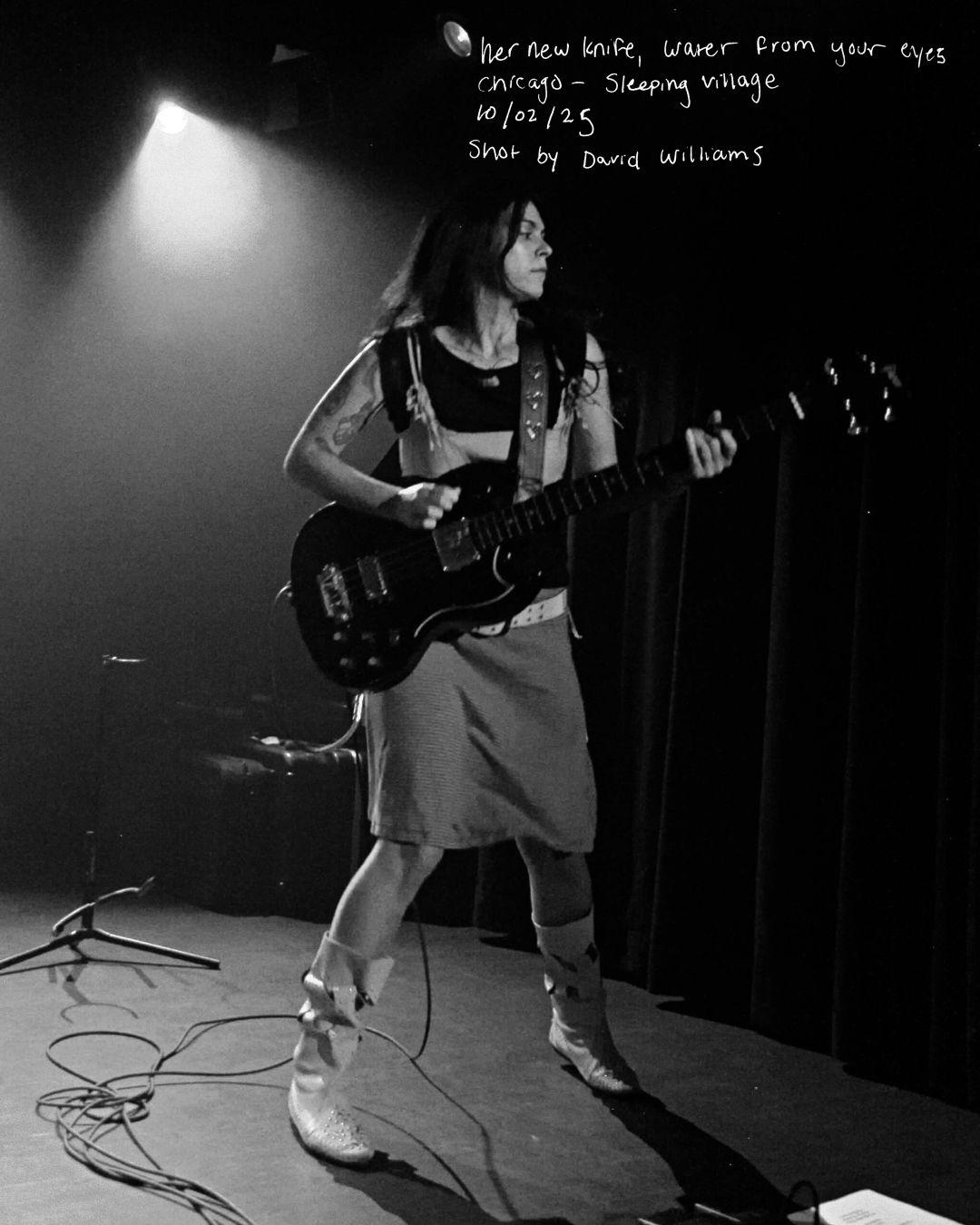
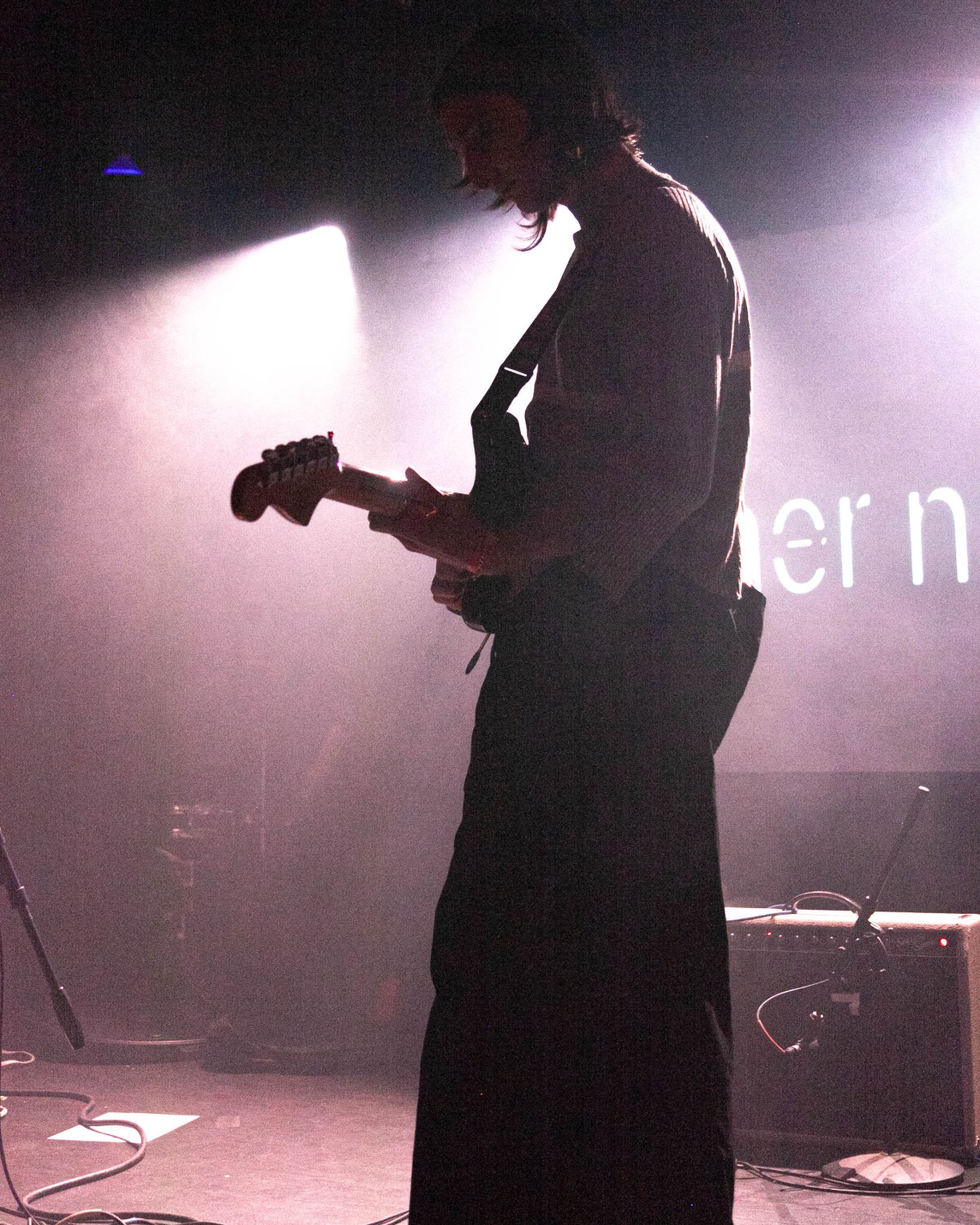
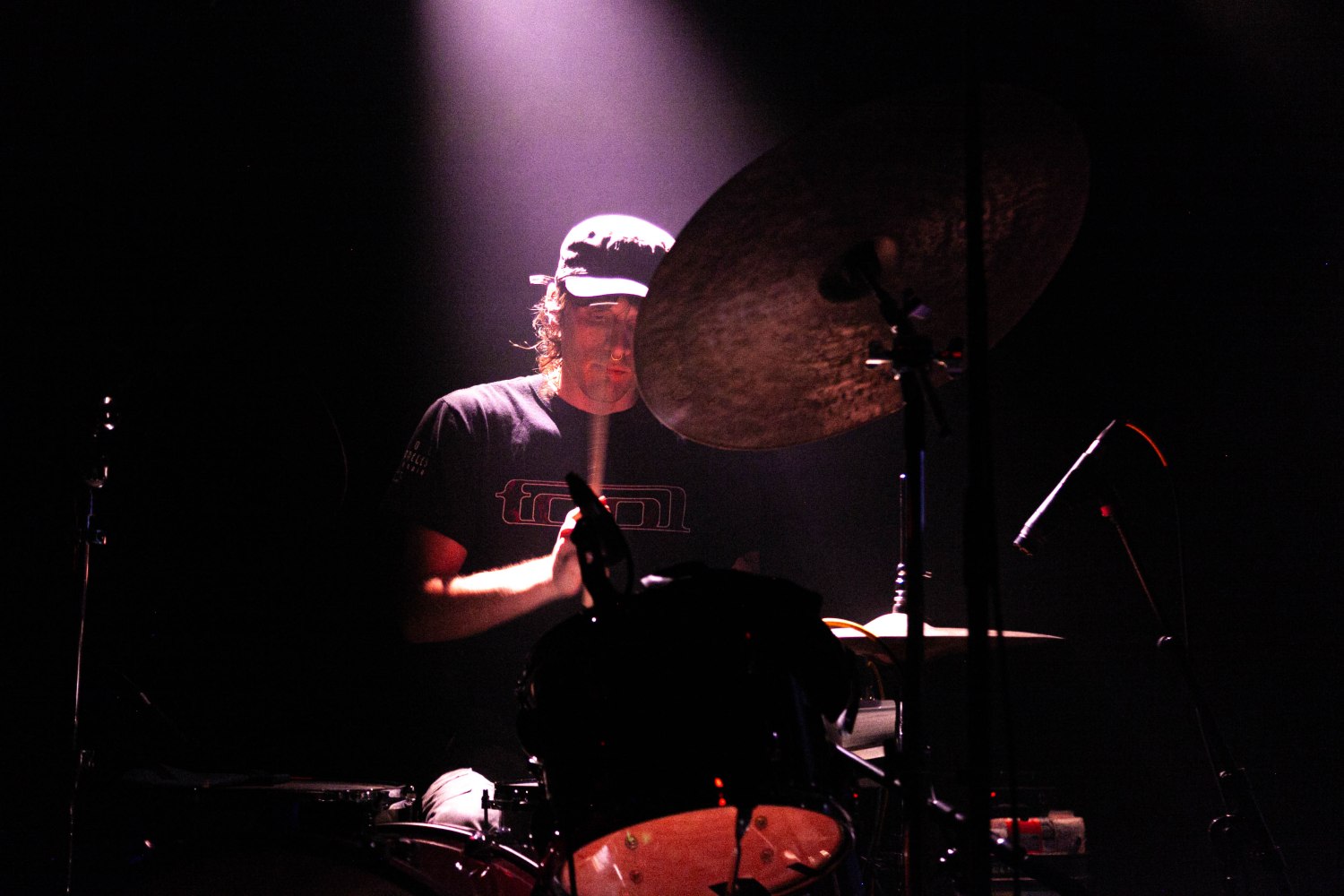
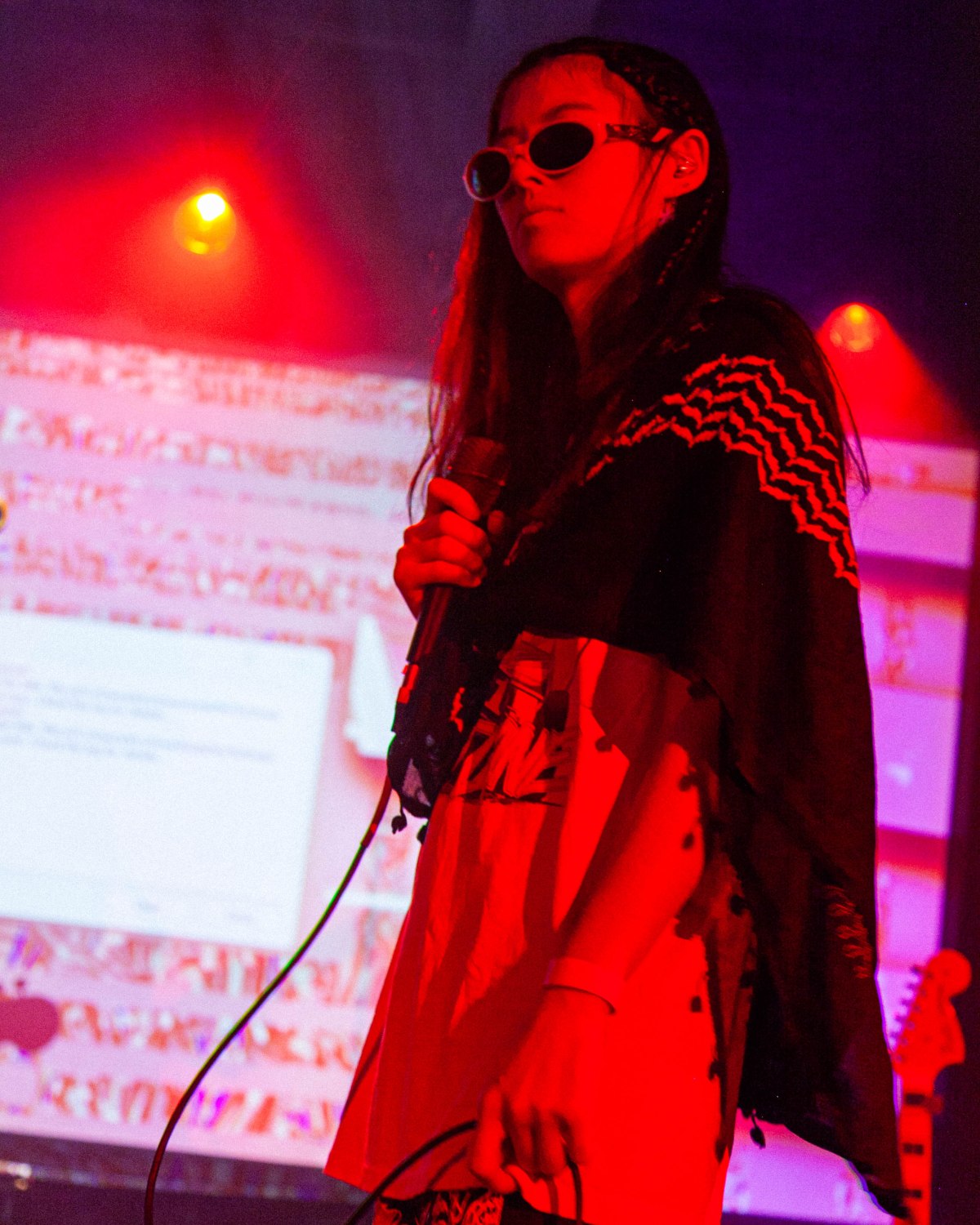
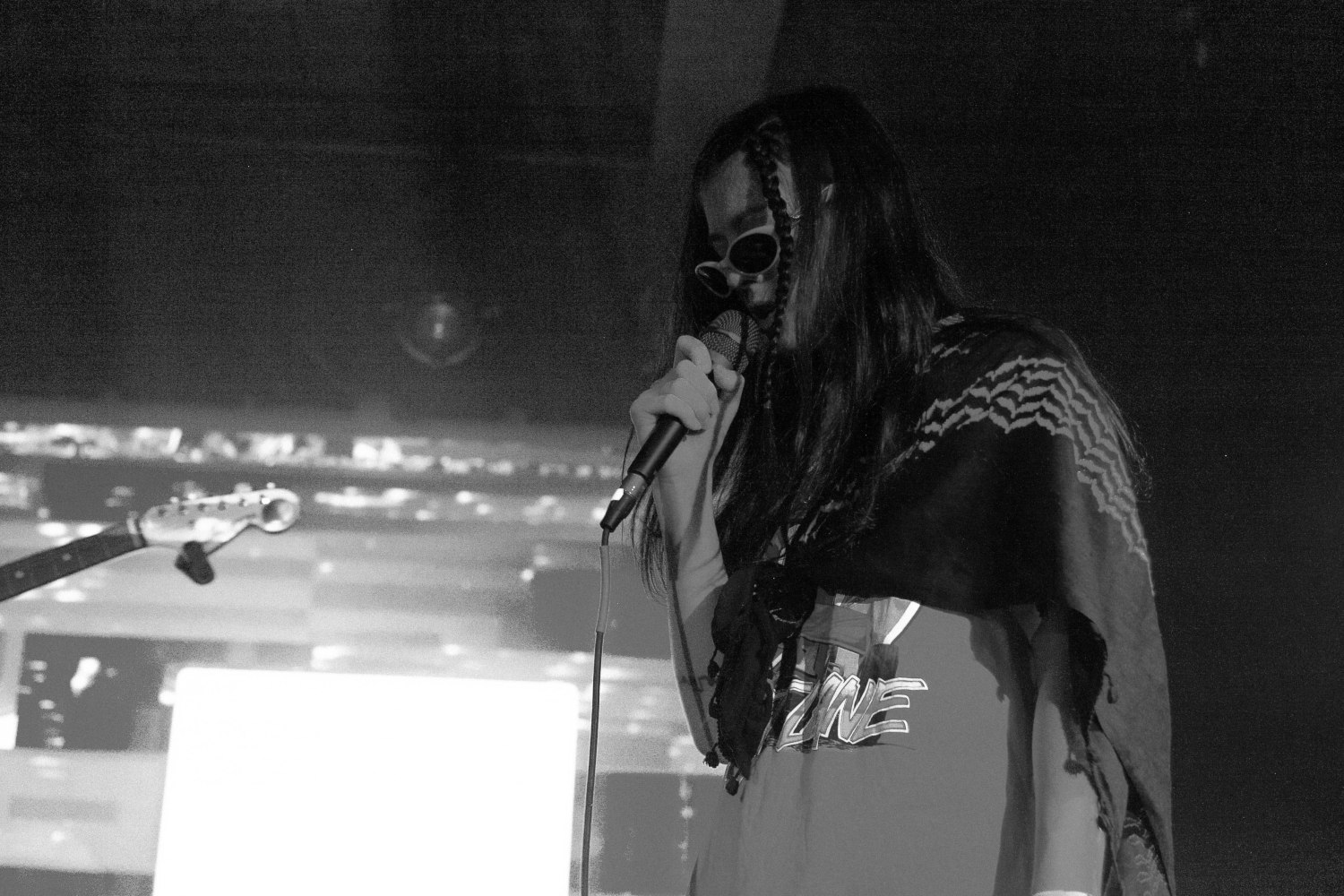
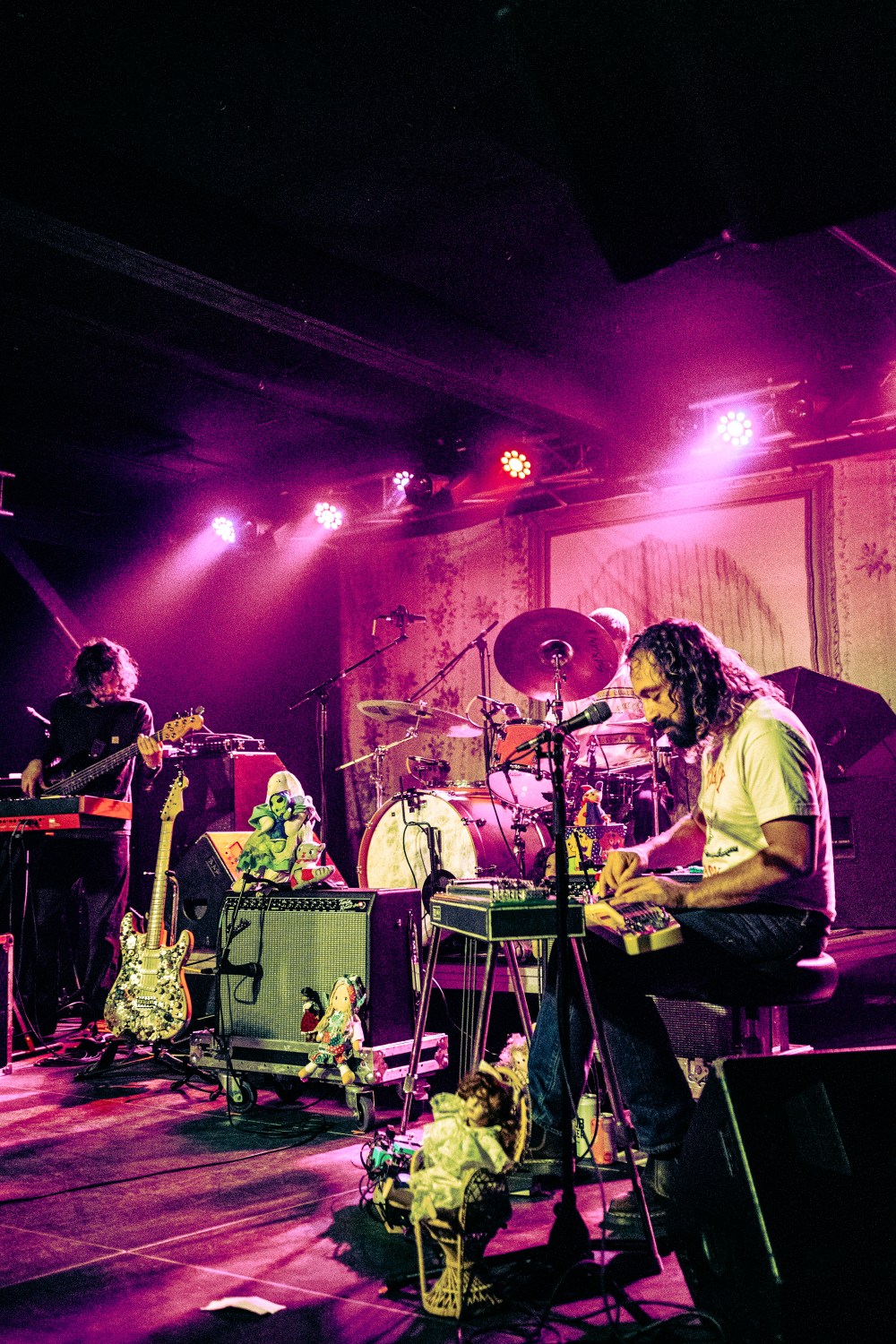
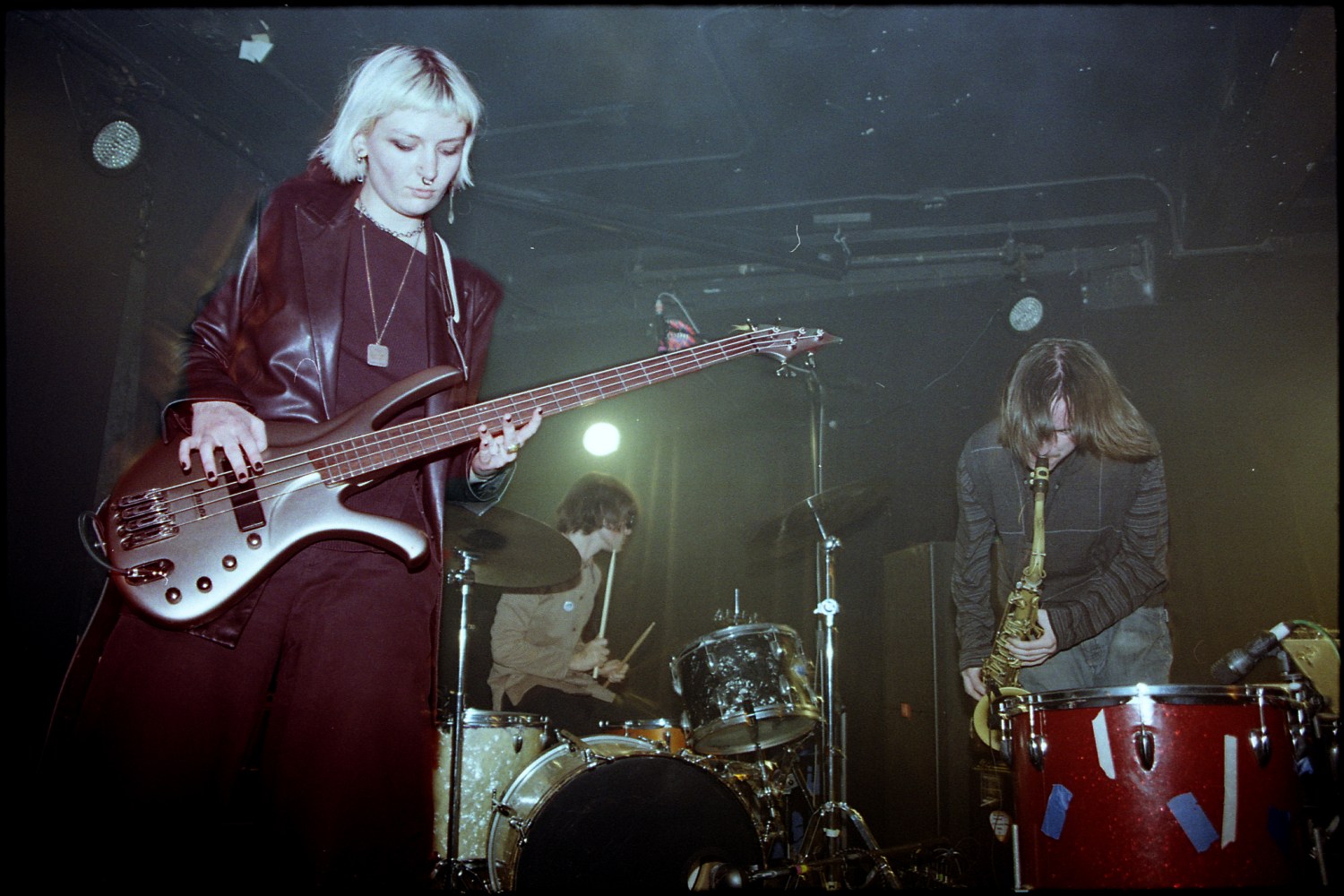
    Her New Knife, Water From Your Eyes at Sleeping Village, 10/02/25 | Shot by David Williams 

    Snowmen and The Dutch Kills at Nightclub 101, 10/09/25 | Shot by Kevin Etherson 

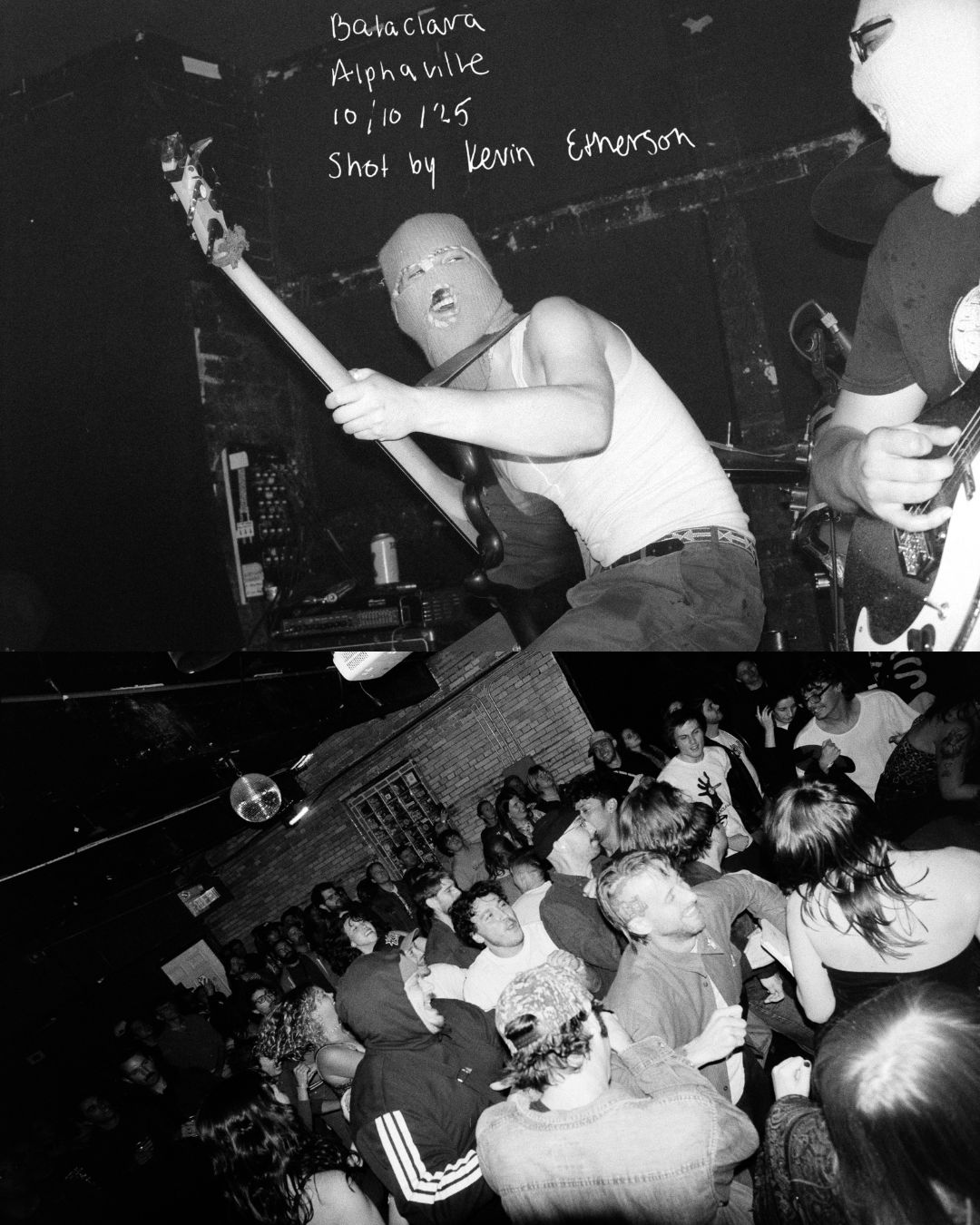
    Balaclava and Ouster Nash at Alphaville, 10/10/25 | Shot by Kevin Etherson 

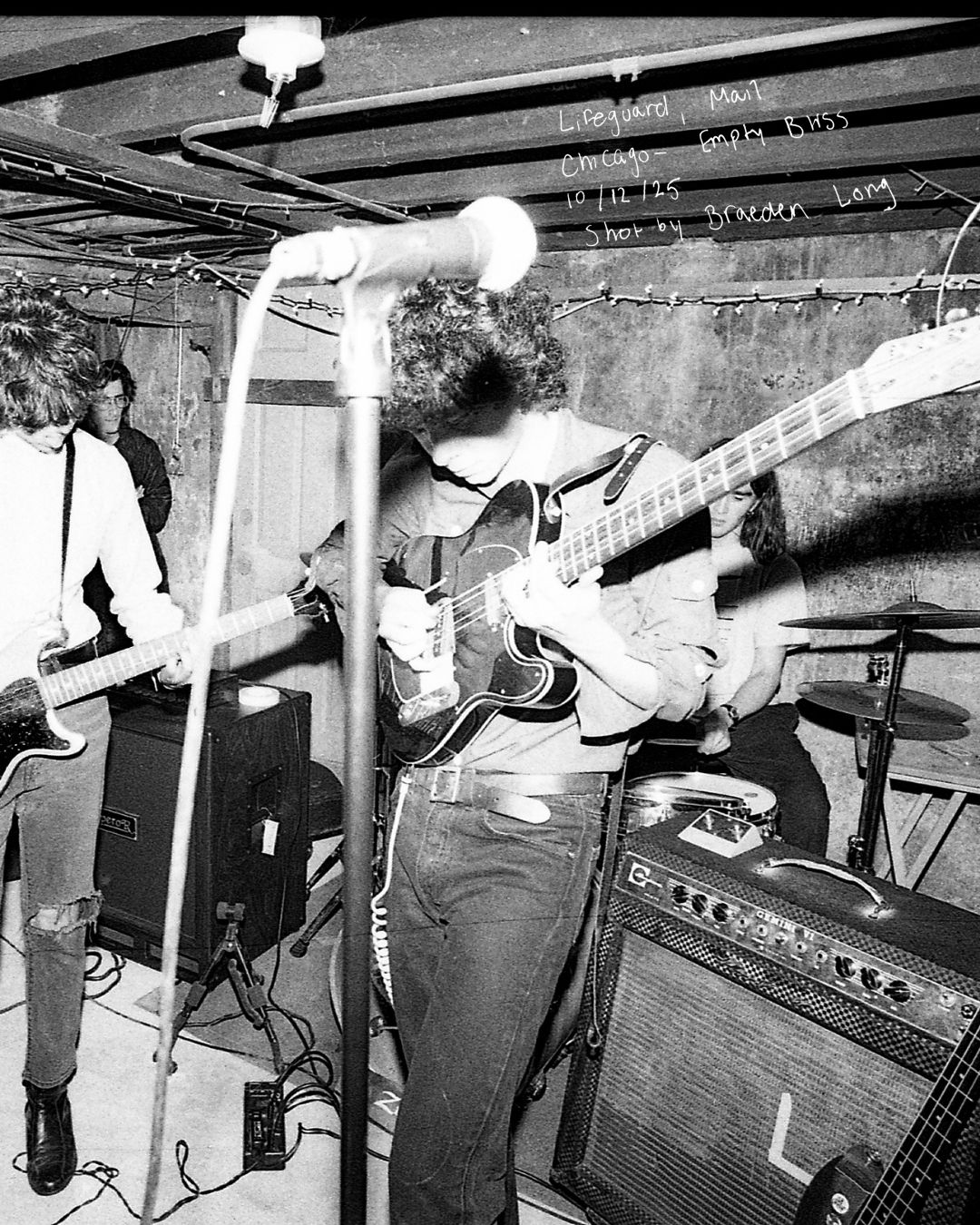
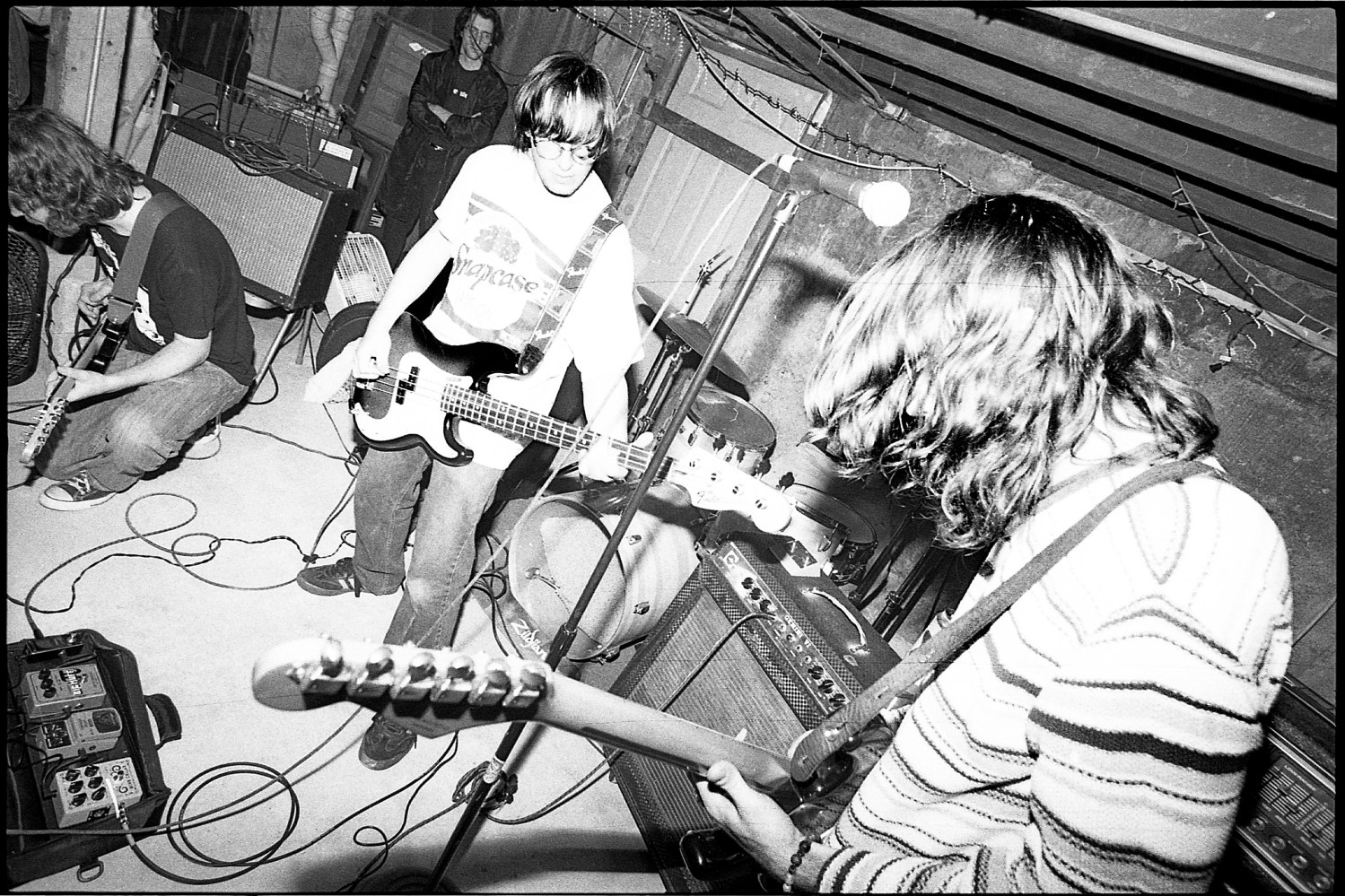
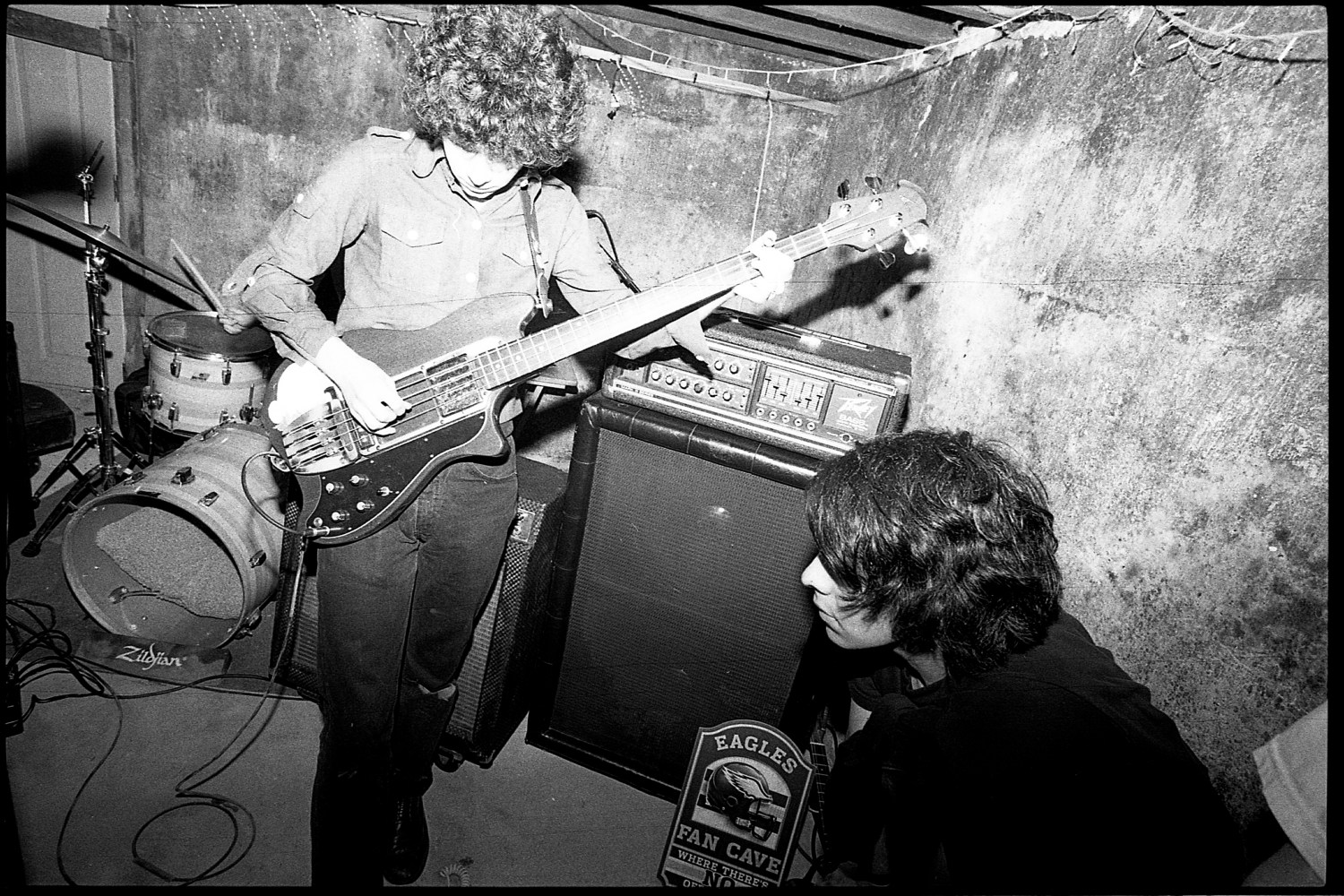
    Lifeguard and Mail at Empty Bliss, 10/12/25 | Shot by Braeden Long

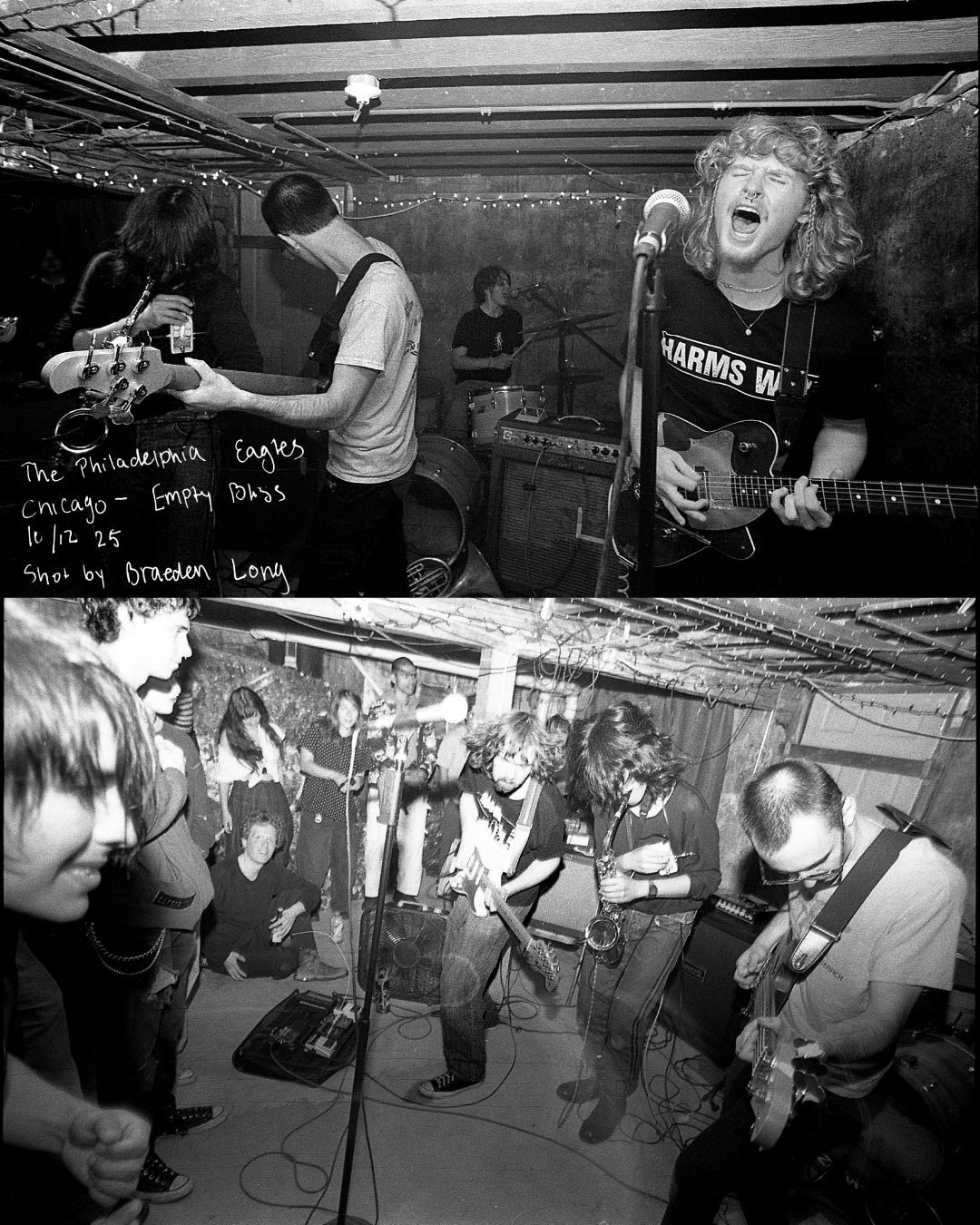
    The Philadelphia Eagles at Empty Bliss, 10/12/25 | Shot by Braeden Long

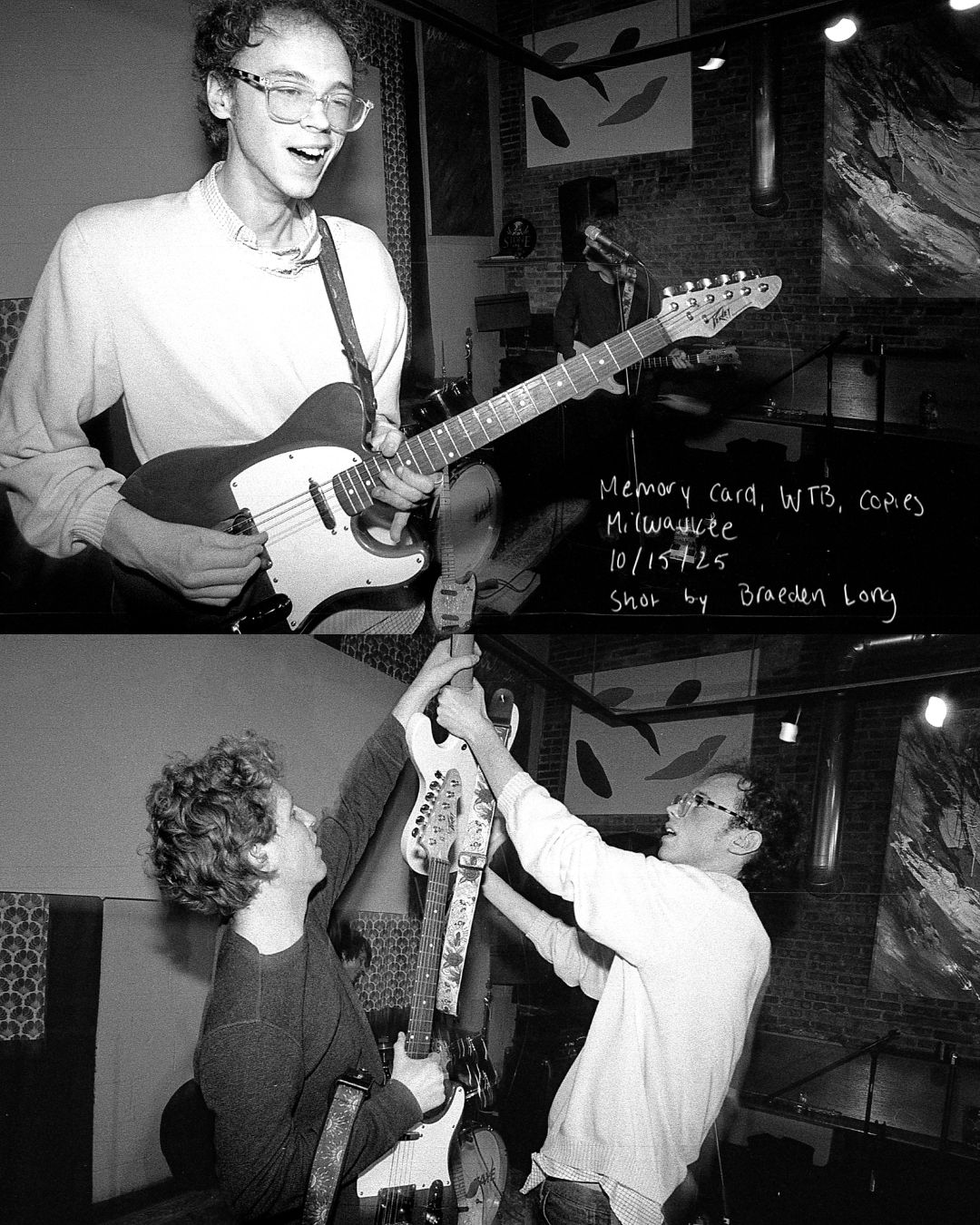
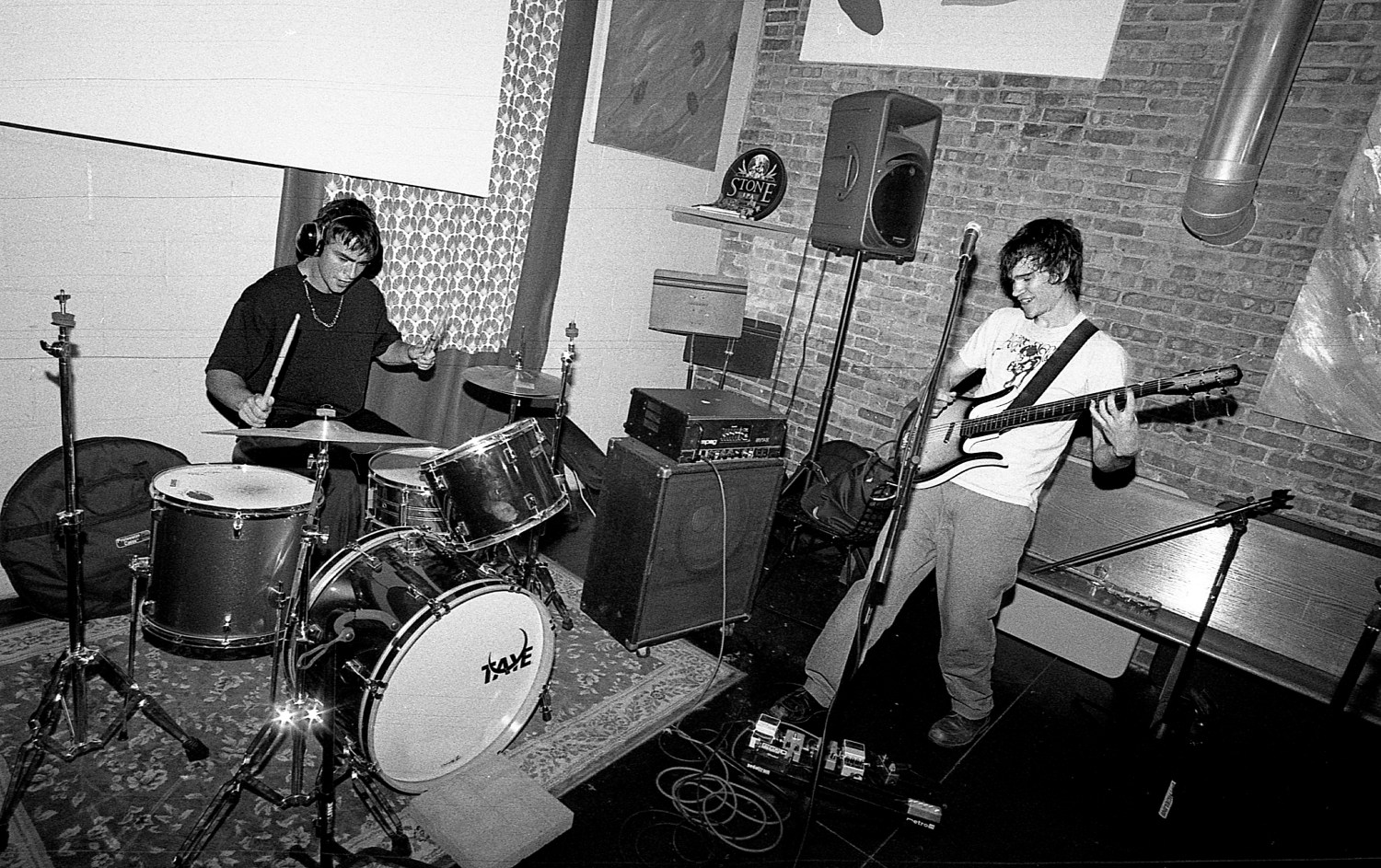
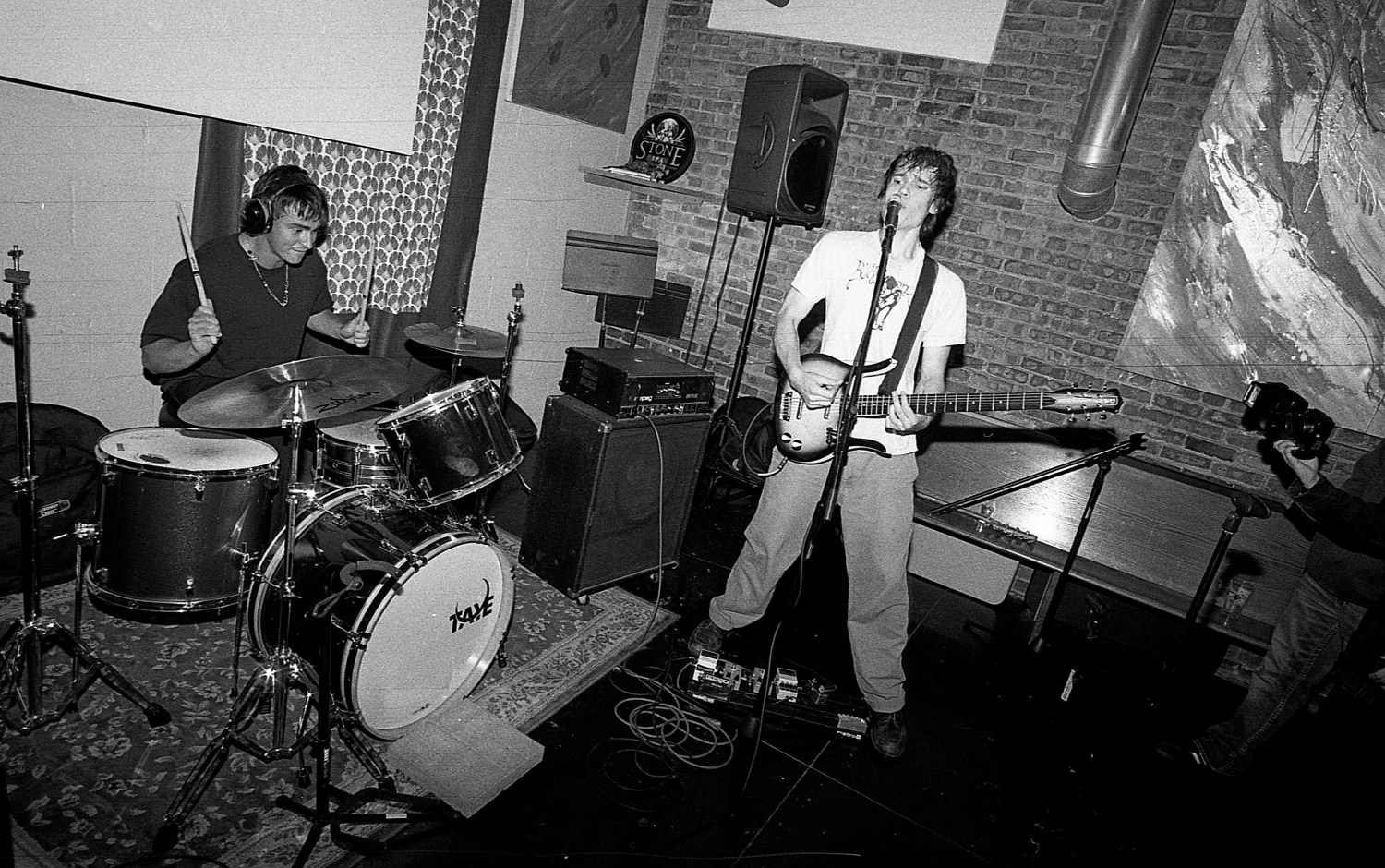
    Copies and Memory Card in Milwaukee, 10/15/25 | Shot by Braeden Long

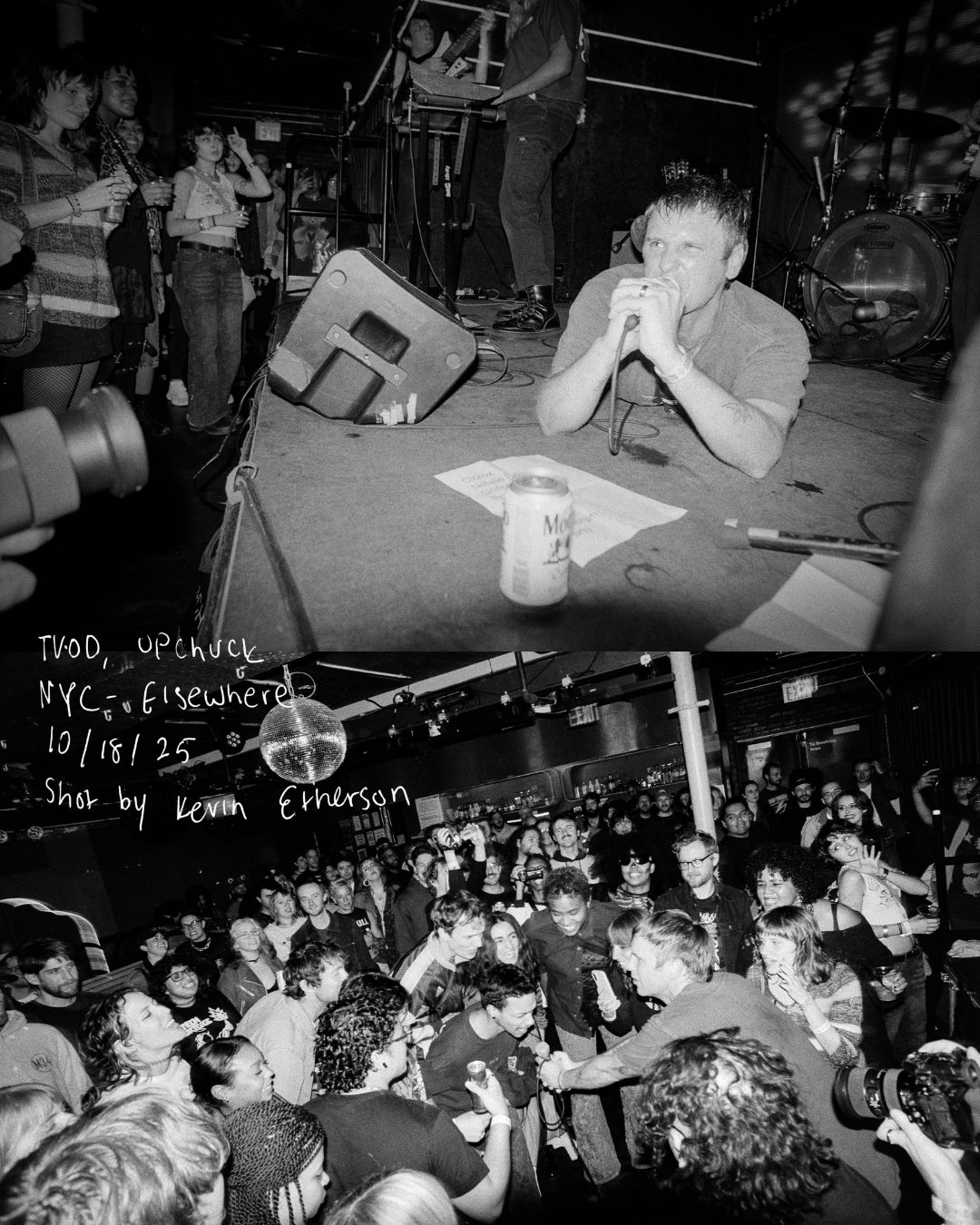
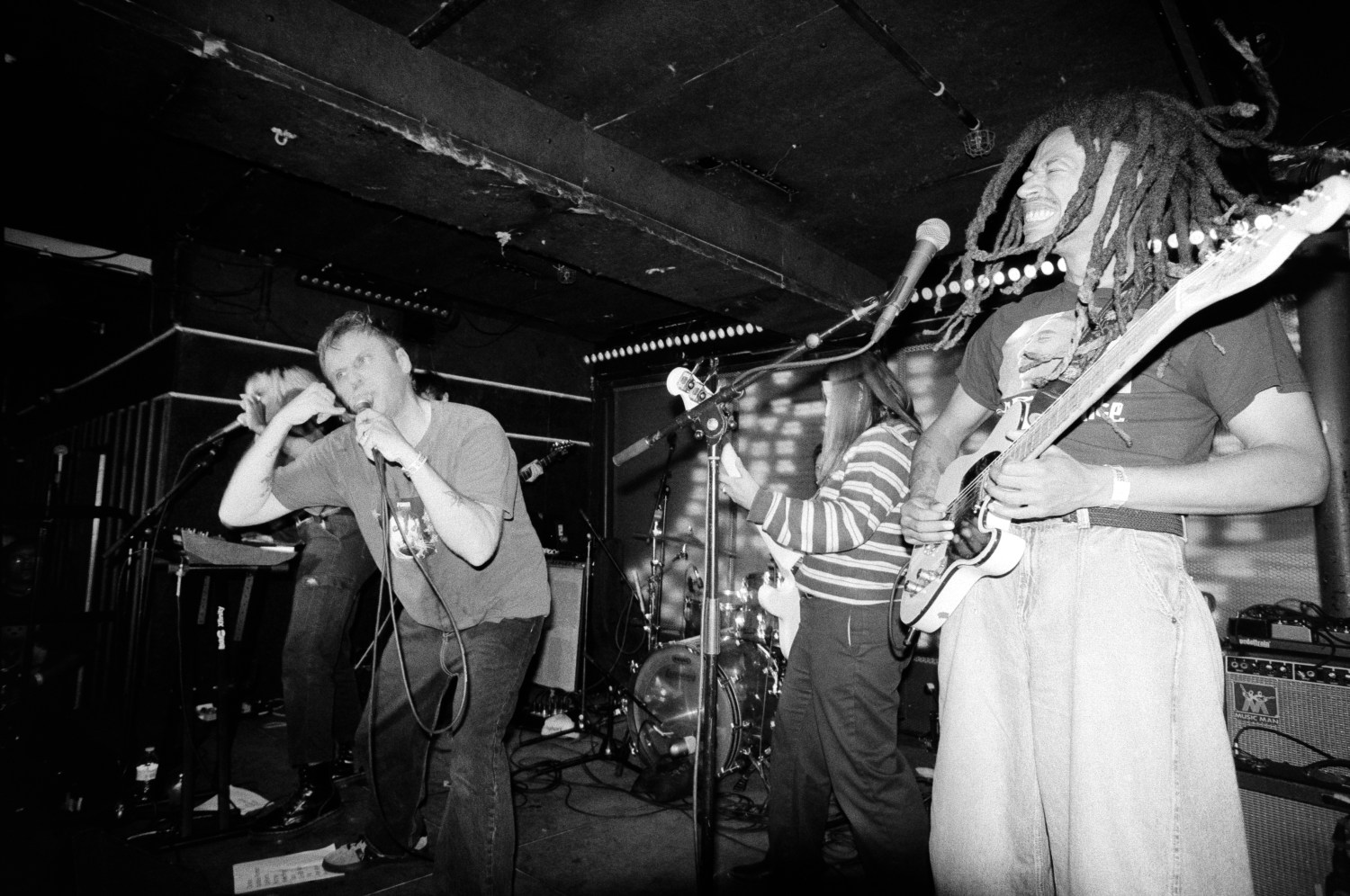
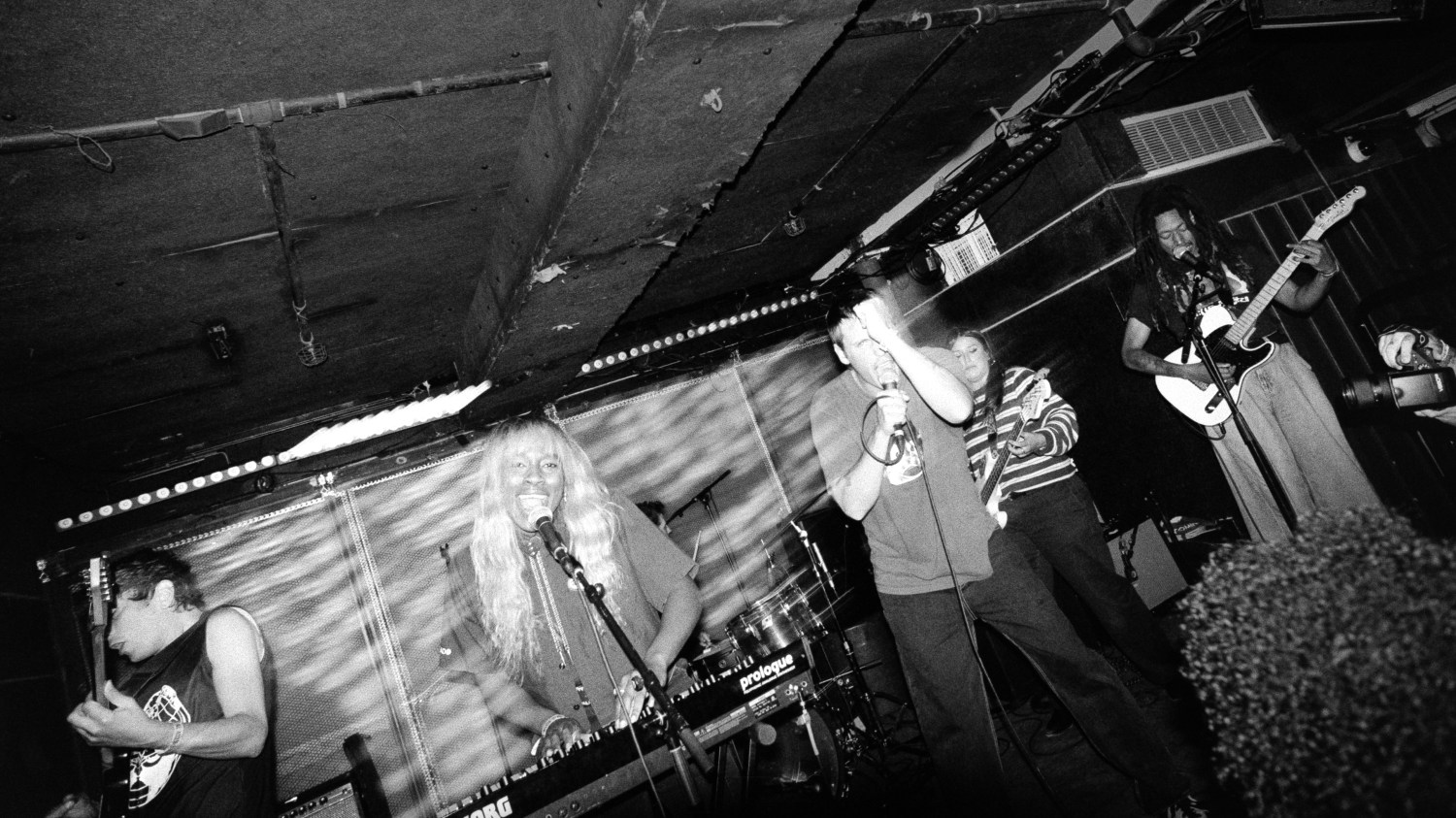
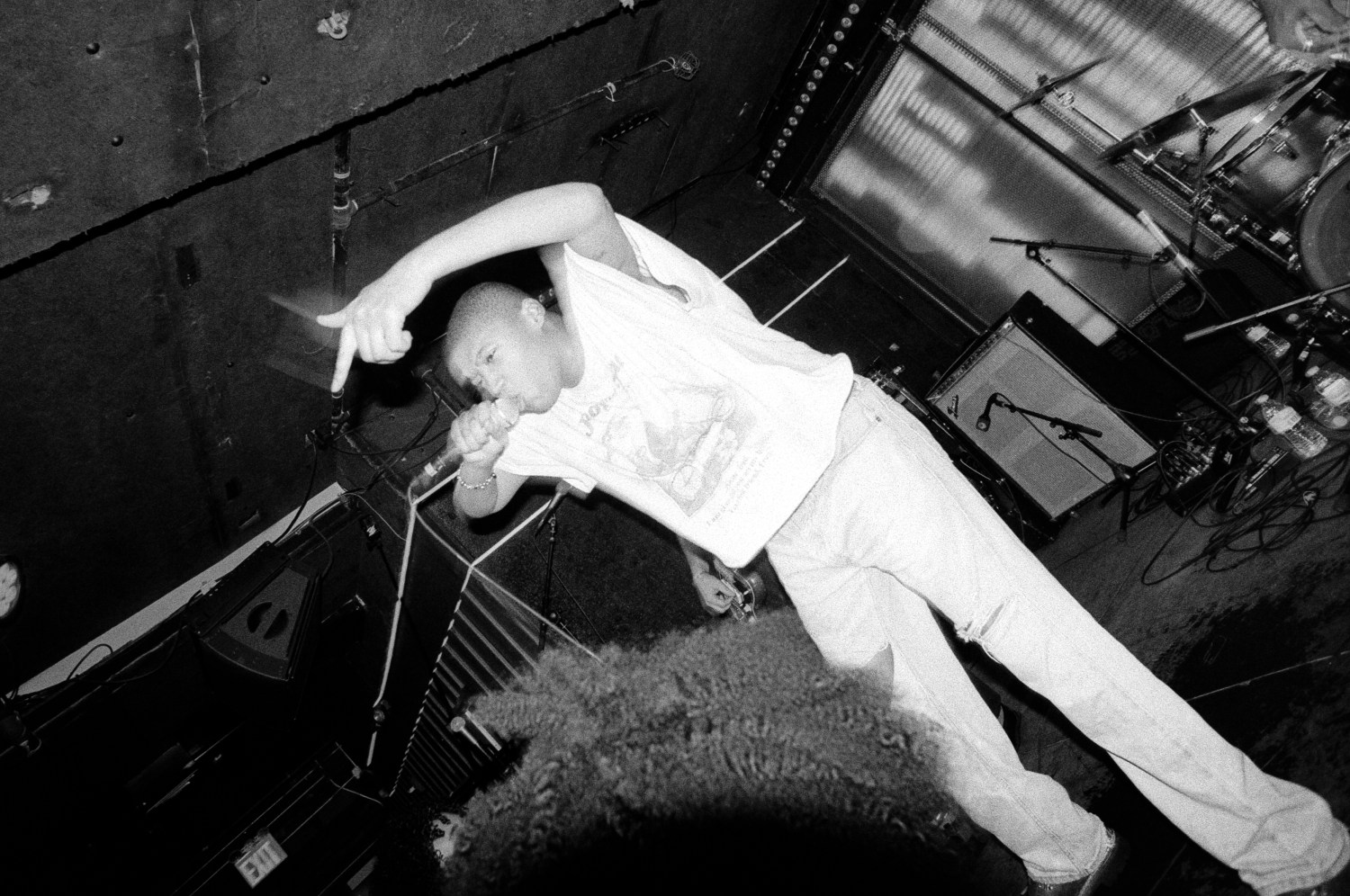
    TVOD and Upchuck at Elsewhere, 10/18/25 | Shot by Kevin Etherson 

    Wednesday at Soundwell, 10/20/25 | Shot by Lucie Day 

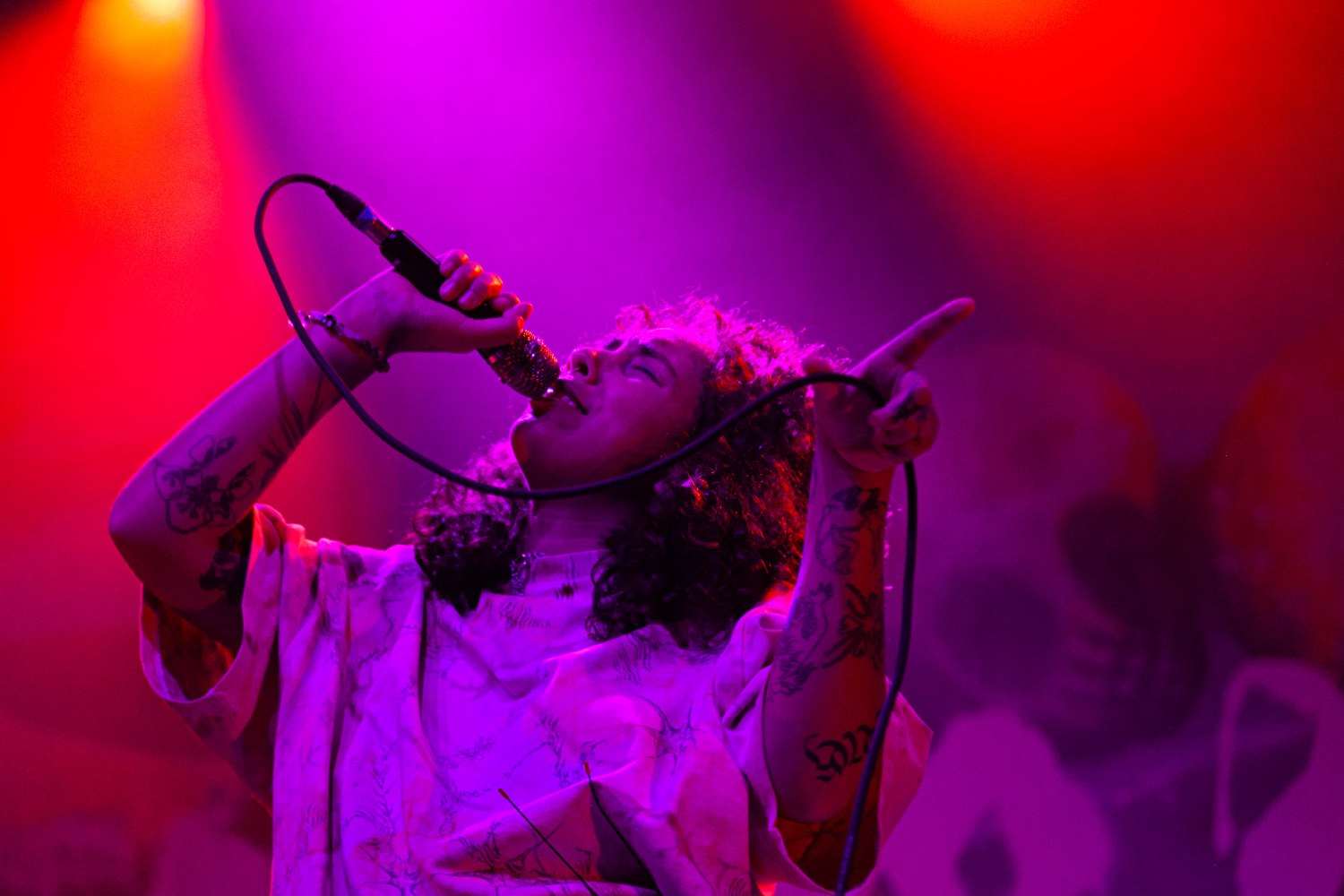
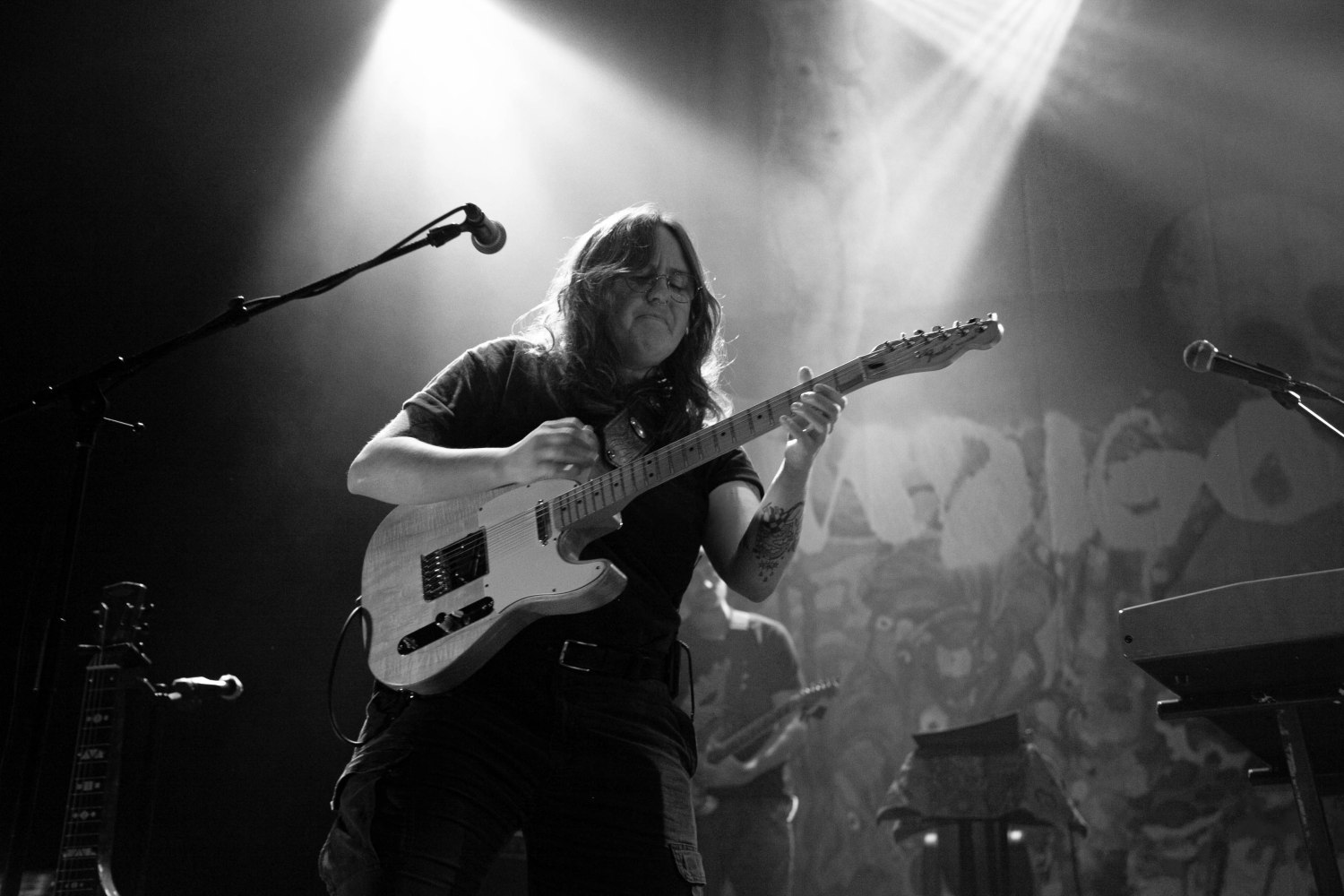
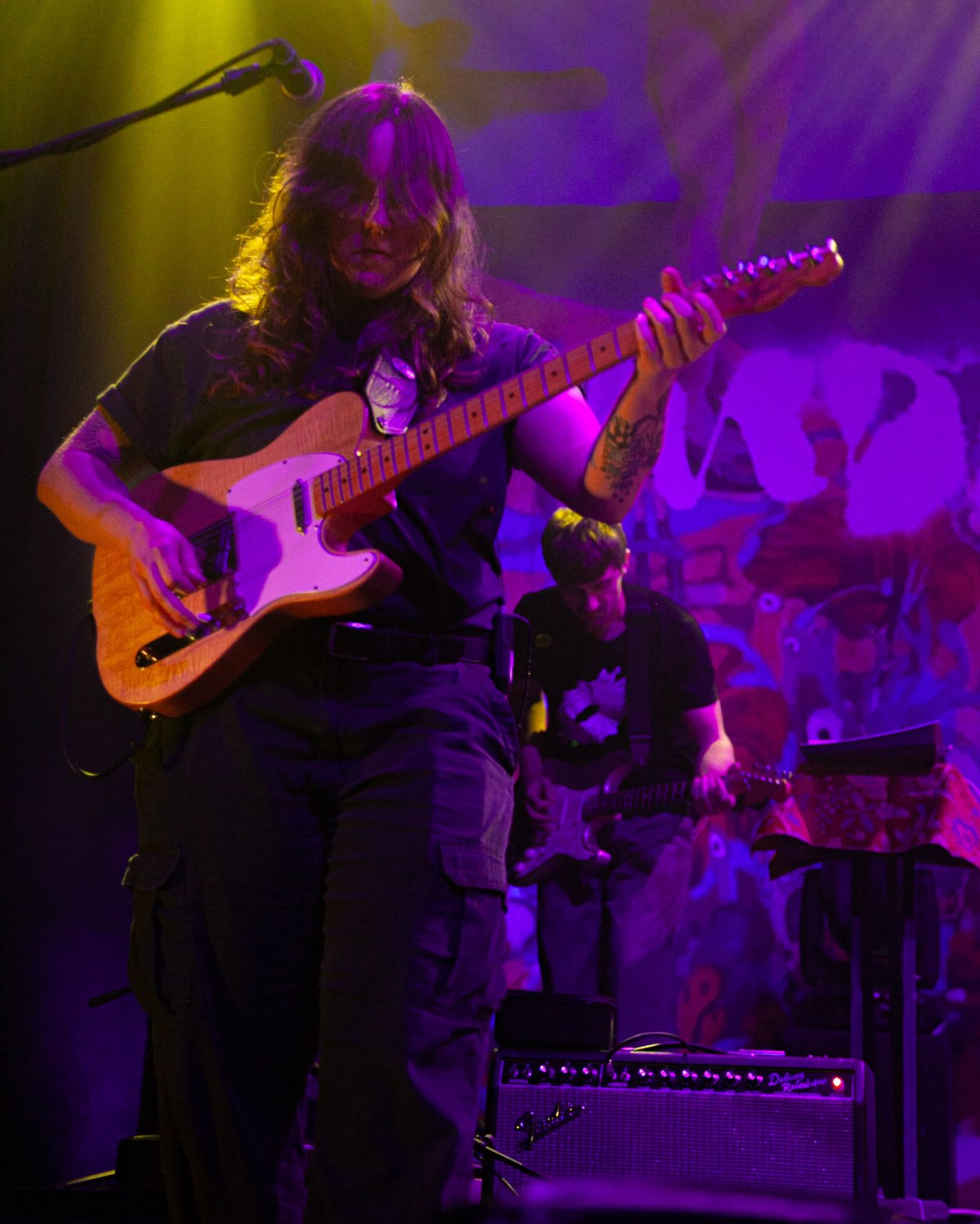
    Indigo de Souza at Thalia Hall, 10/20/25 | Shot by David Williams 

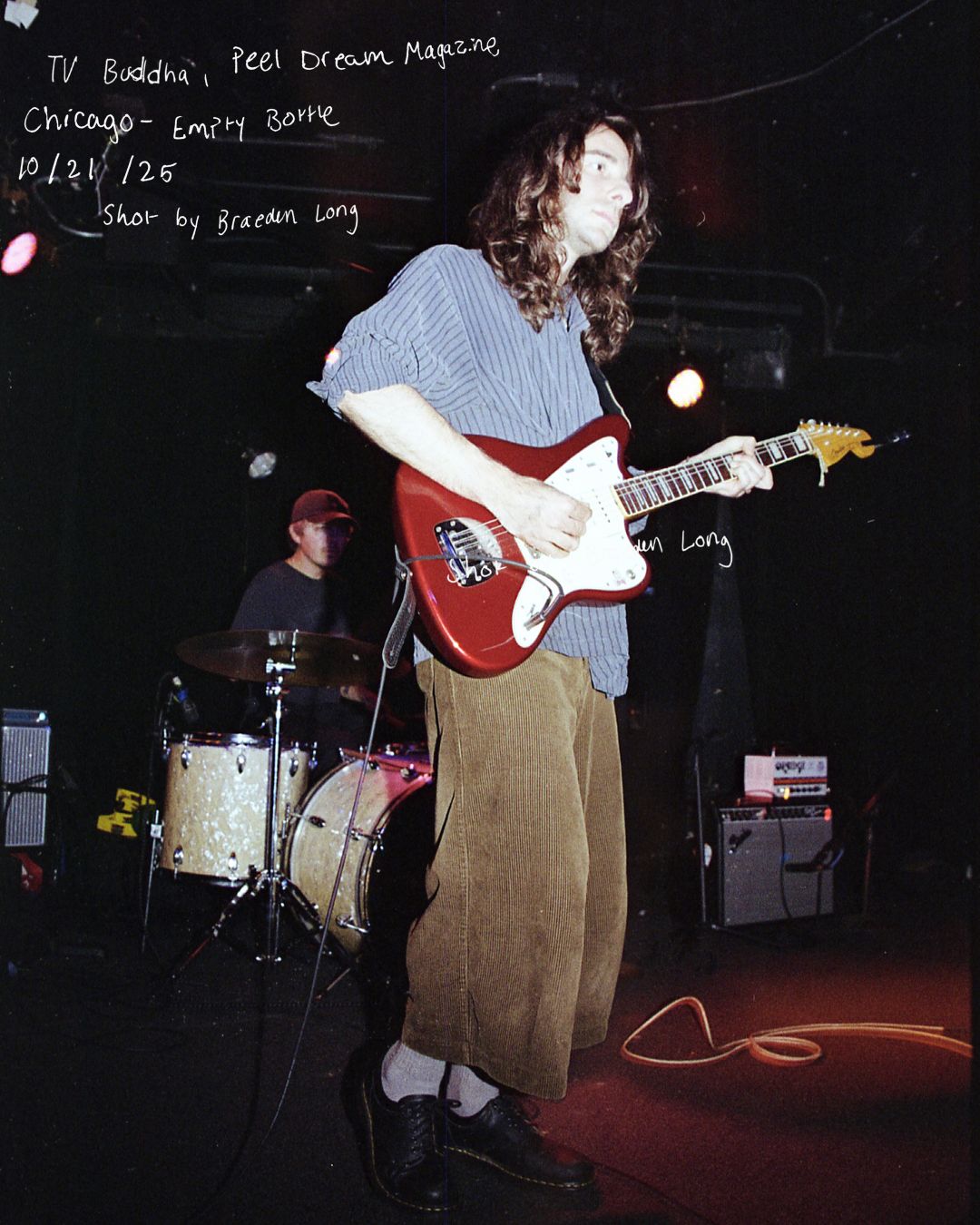
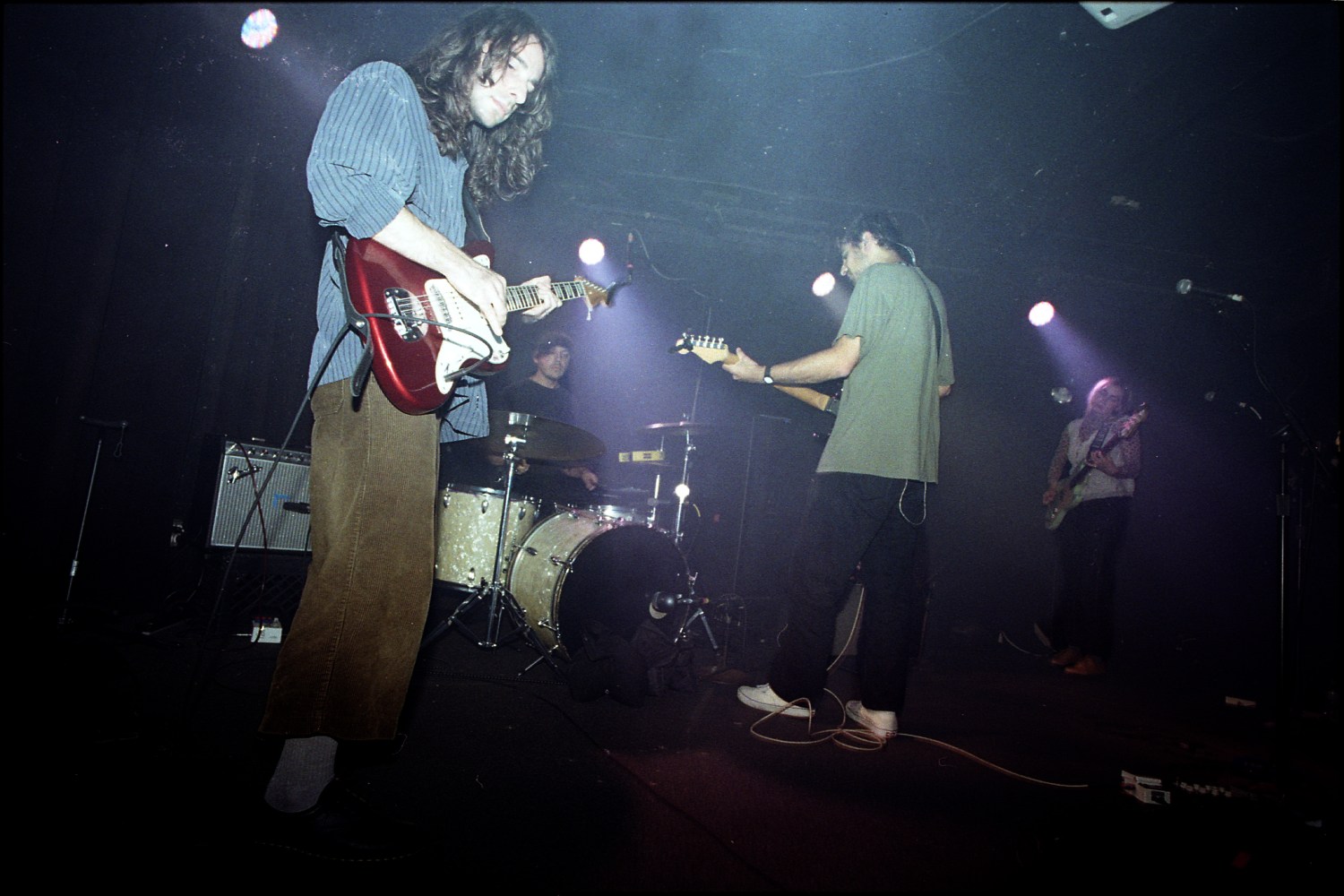
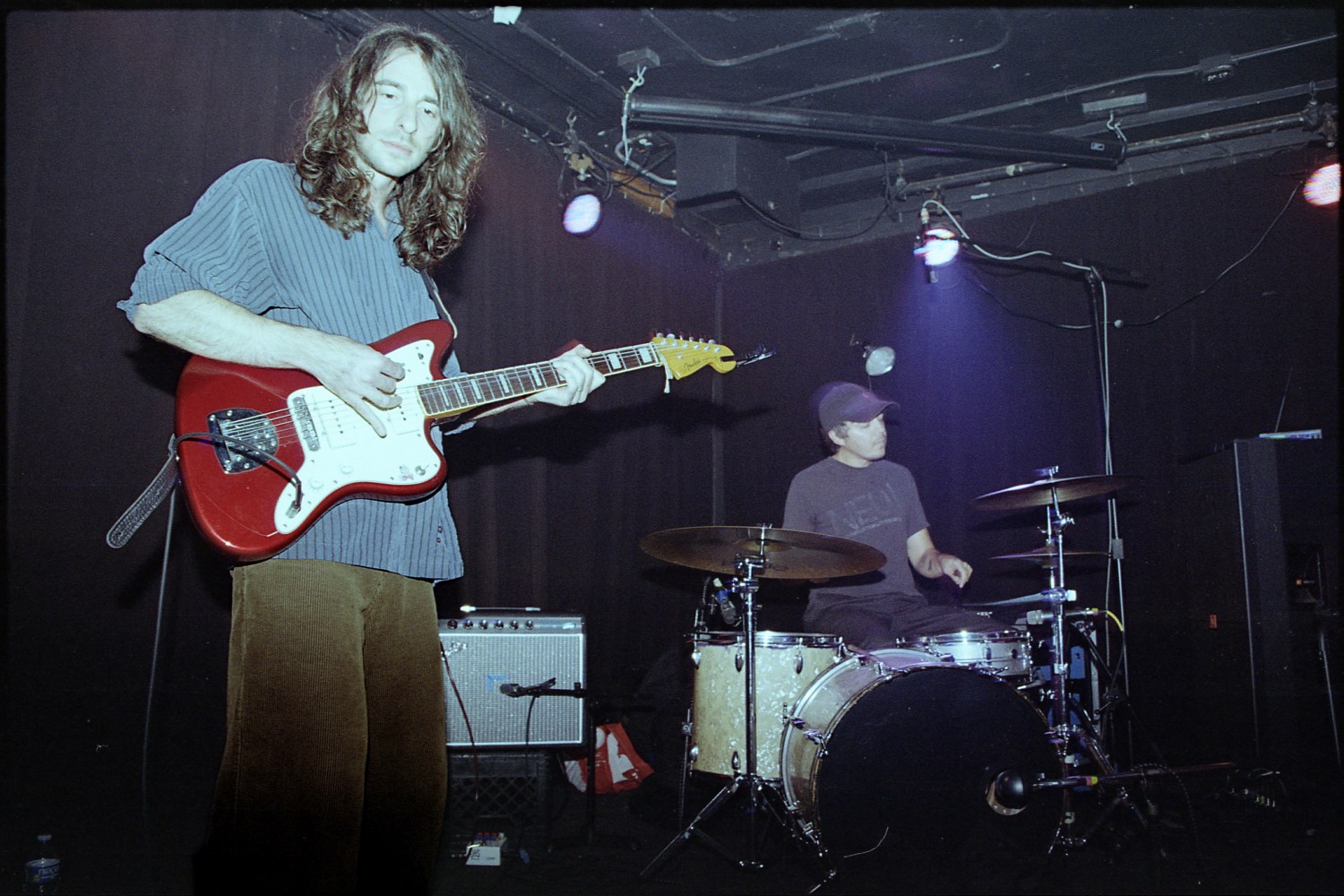
    TV Buddha and Peel Dream Magazine at Empty Bottle, 10/21/25 | Shot by Braeden Long

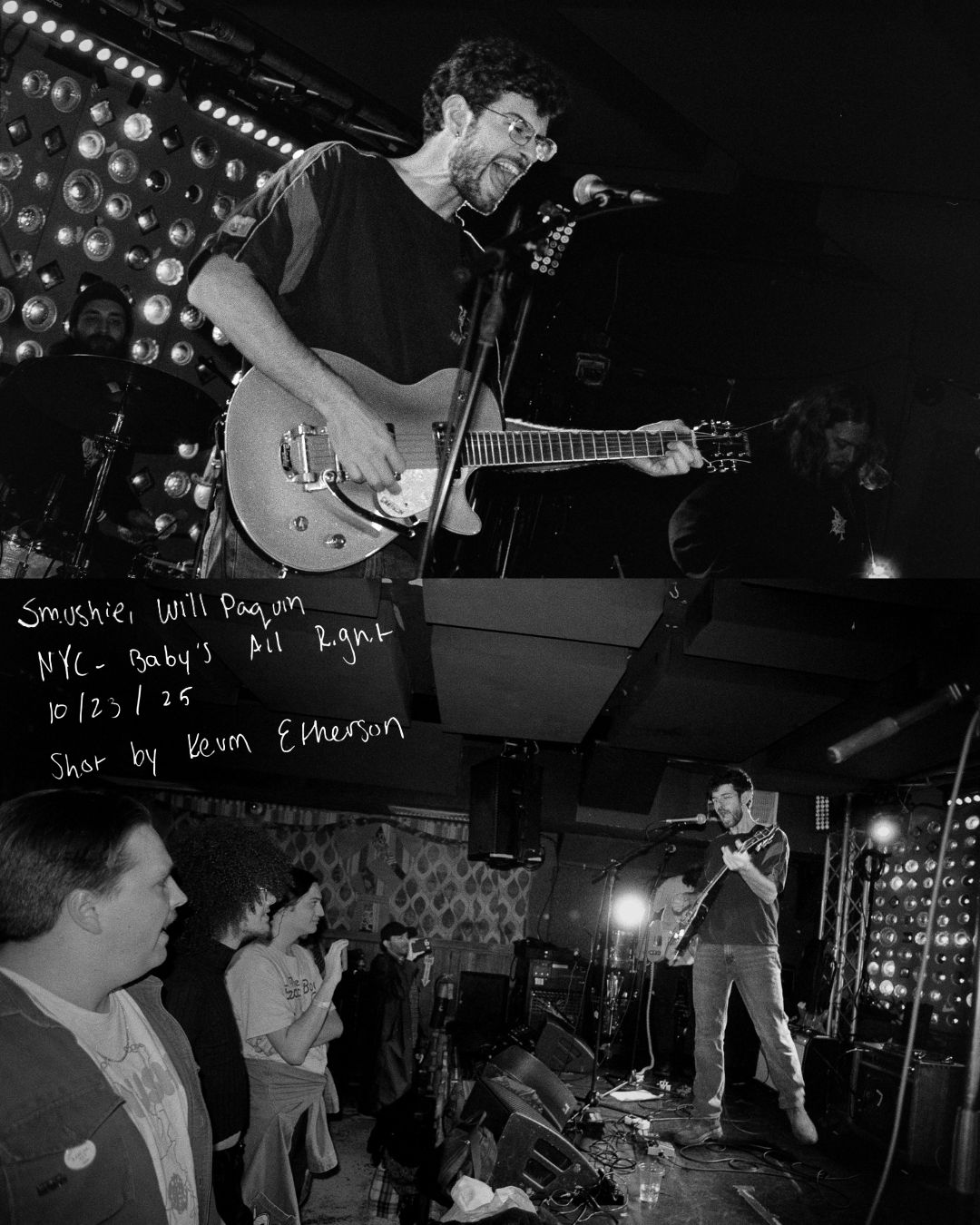
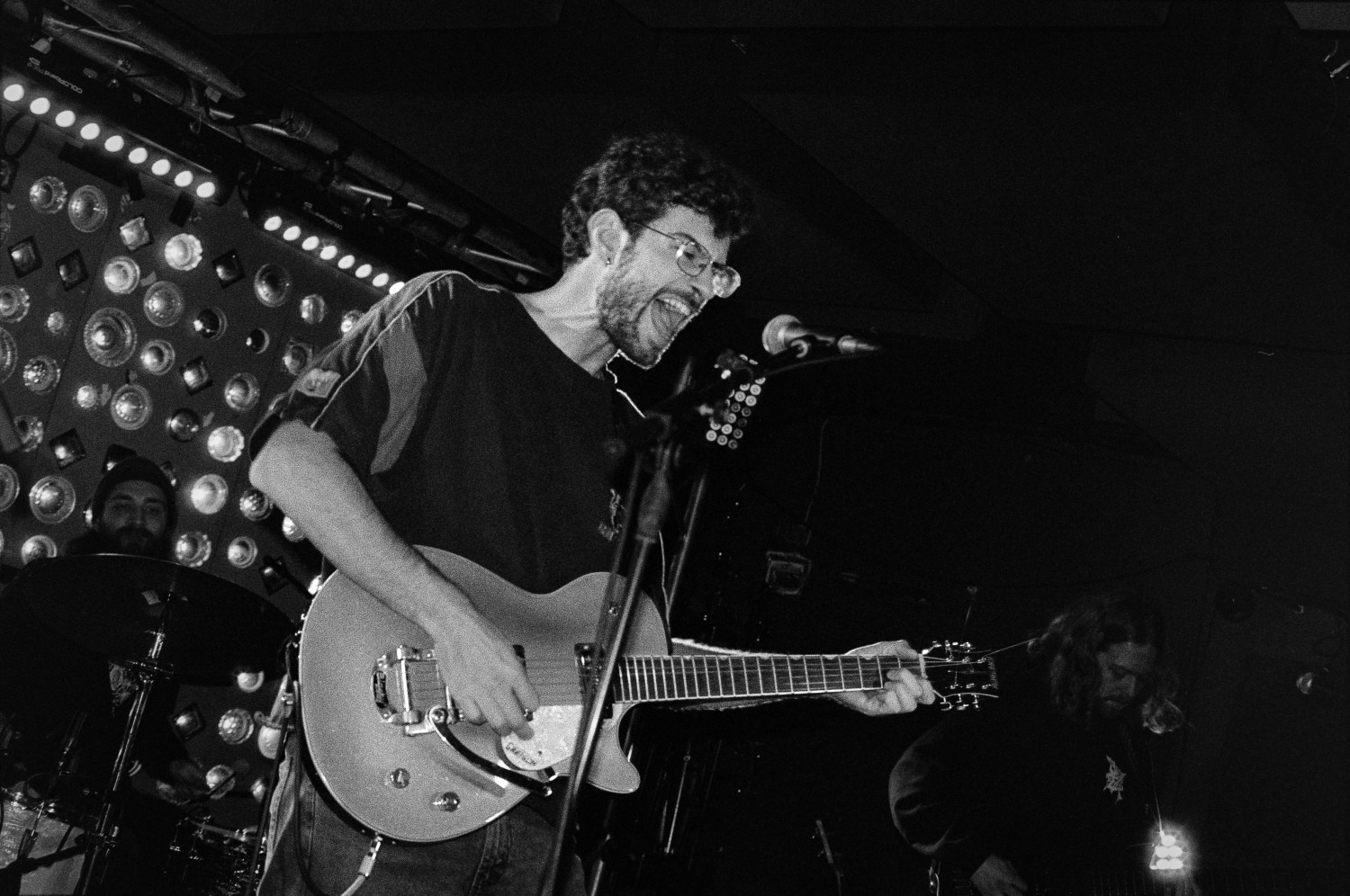
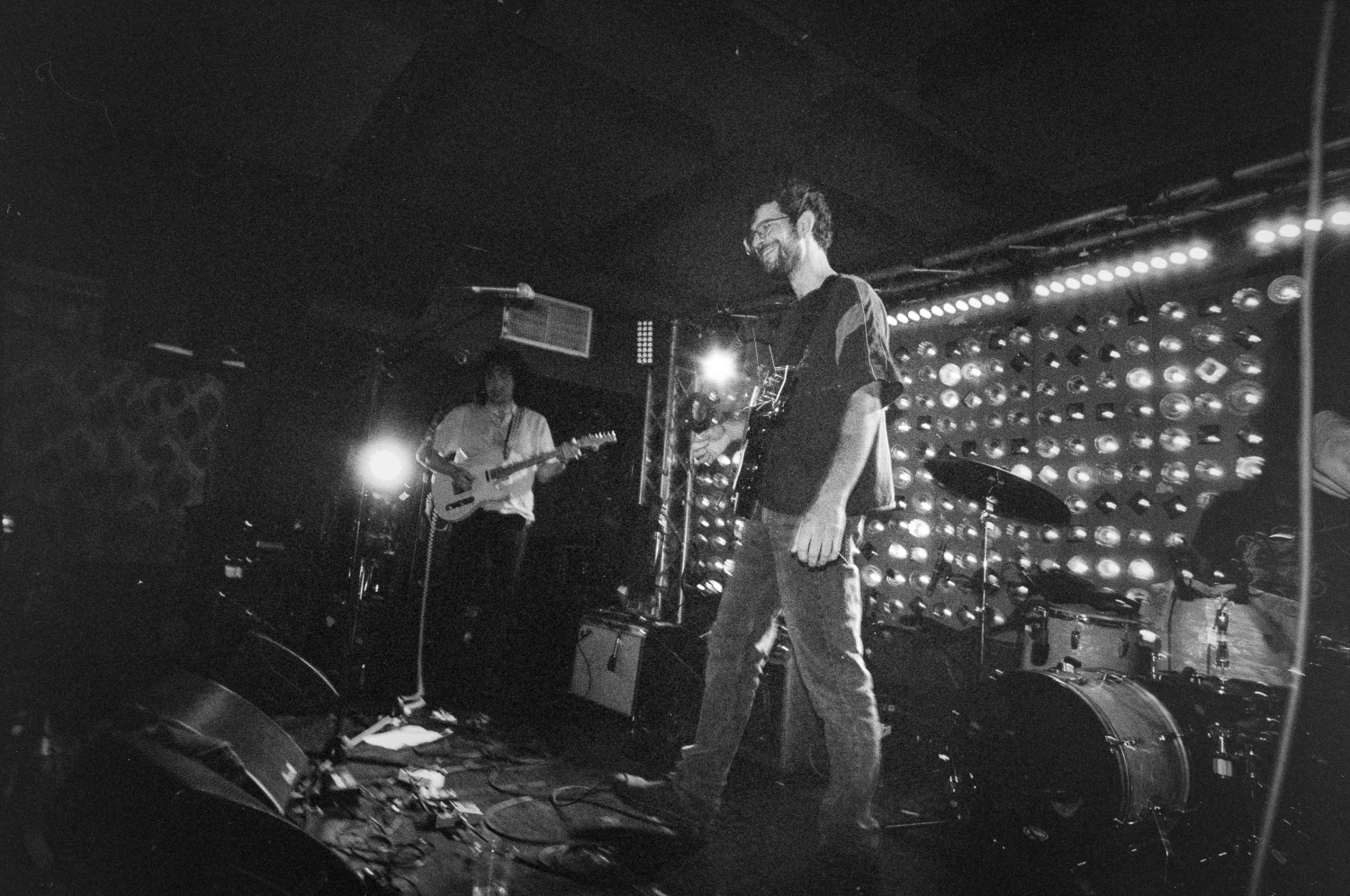
    Smushie and Will Paquin at Baby’s All Right, 10/23/25 | Shot by Kevin Etherson

  • Soup Dreams talks bummer songwriter disease, influences, and latest release Hellbender | Interview

    November 3rd, 2025

    “Had to put the dog down / Ninety-eight degrees out.”

    Philly export Soup Dreams comes out of the gate swinging with slice-of-life lyricism and classic guitar fuzz on their debut LP Hellbender. It is an amalgamation of intimate confessionals with songs like “Nothing” and “Dust”, and heavier, electric-driven offerings on “Stray Cat” and “Radiator Baby”. Country sensibilities meld with alternative roots in “Familiar,” where pedal steel cuts through lines about a sweaty bike ride home and playing hooky à la Wednesday. 

    The indie rock four-piece have gained notoriety through the embrace of the local scene, one that founder Isaac Shalit discovered after they graduated from Oberlin Conservatory in 2021. Joined by Emma Kazal (bass/vocals), Nigel Law (drums) and Winnie Malcarney (guitar), the group found acclaim in their first EP “Twigs for Burning.”  With a myriad of musical backgrounds, Soup Dreams teeters the genre line, tied together by the rawness of Shalit’s vocals which somehow always sound like they are imparting a secret to the listener. 

    I sat down with Shalit to discuss the album and the major themes of Soup Dreams, which they list as, “queer and trans identity, magic and the divine, animal familiars, and the siren pull of the open road.”

    “Hellbender” is your first full-length release. Were these tracks all written for the album, or combined from past projects? 

    IS: I wrote the songs over a 3 year period when I moved to Philly in late 2021. The newest ones I finished writing right before we recorded – the song “Nothing” was kind of figured out in the studio, and I remember it feeling so free and exciting, like there was electricity flowing around the room. At the beginning I definitely wasn’t thinking about recording an album, a few songs even predate the band itself. It was always a dream for all of us to do a full length though, so once the body of work started to solidify it was a natural next thing. The name “Hellbender” is from way before we had even a tracklist, or probably half the songs, and I put it in “The Shining” lyrics as a little easter egg.  

    The songwriting throughout these tracks is poignant and vulnerable, with lines like, “Still don’t know if I’m a person worth keeping,” serving a gut punch. Often, they’re set to danceable melodies. Is this juxtaposition purposeful? What’s your compositional process like?

    IS: As a songwriter I’ve always suffered from bummer disease and one of my biggest fears is having a whole set of songs that just makes people stand and nod their head. I wanted to be in a band and rock out so badly. I think the influence of everyone else in the band does a lot to create that juxtaposition you’re talking about. I’m not always happy with how vulnerable the lyrics are, but it’s what comes out so there’s not a ton of control involved! 

    “Dust” is a notable moment of tenderness, tapping more into classic singer/songwriter sensibilities. Who are the greatest influences on this folkier side of Soup Dreams?

    IS: I was blatantly trying to write a Hop Along song when I wrote “Dust,” and landed literally so far off the mark I almost don’t want to admit that was the goal. It was a moment in my songwriting when I was trying really hard to diversify my chord progressions and add interest there. But I was clearly listening to a lot of softer stuff too – Florist (intimacy and environment), Lucinda Williams (we mention her a lot, the goat), Diane Cluck (freakishness/whimsy), Lomelda (harmony/chord motion, tone). 

    Which track are you most excited to play in upcoming shows? 

    IS: We’ve been playing all these songs for a long time actually, although it’s our “new album” there’s a whole other crop of songs that we were just starting to break in at shows right before Hellbender came out. We had to re-learn how to play the album. We’ve always had a tumultuous relationship with the song “Stray Cat” – everyone kind of hates playing it and we joke that sometimes it feels like a humiliation ritual, but I really like it so I sort of make everyone keep trying. When it’s good it’s really good. 

    Tell me about the Philly DIY scene. How have they embraced you, and what do you hope to bring to audiences from that community when you tour? 

    IS: The scene is the whole deal honestly. Our whole sound comes from it. Whenever we’re in other cities for tour I can’t help but think about how we’d be different if we came from there. Philly has this scrappiness and aggressiveness, and love for each other, that you really don’t find anywhere else (at least in the radius we can cover in Nigel’s Subaru). Also Philly has hands-down the most trans and leftist music community. So I guess we are trying to bring that, like we’re bringing our HRT injections and a PFLP flag.

     You can listen to Hellbender out everywhere now.

    Written by Joy Freeman | Featured Photo Courtesy of Soup Dreams

  • Sean O’Hara Shares Music Video for “Day by Day” | Premiere

    November 1st, 2025

    Today, Asheville-based singer-songwriter Sean O’Hara shares a brand-new music video for his song “Day by Day”. O’Hara released his debut album under his own name titled somewhere back in 2023 but had released an extensive catalog under the name nadir bliss tracking back to 2015. Released earlier this year on a split tape with Jackson Fig, “Day to Day” finds O’Hara slowing down, leaning into his inviting production, and taking into account of what’s around him.

    Through all the noise, the loose distortion, the meaningful sonic spells and the interchangeable fidelities that play to their own strengths, Sean O’Hara offers songs that stick to you like the hair from a dog, where each piece is picked off one at a time with the care and attention it needs. “Day by Day” feels full from the start, where the weight of heavy distortion mingles with the lo-fi synths that have made this track feel like home. “Take it day by day / don’t be easily dismayed”, O’Hara sings, patient yet sincere in his delivery. And as it goes, the guitars grumbling and light electronics tinker away, O’Hara creates a spacious piece that leaves room for both personal growth and self-reflection while still filling the void of unanswered questions with the warmth in his production. 

    Watch the video for “Day by Day” made by Ethan Hoffman-Sadka here.

    About the song, O’Hara shares, “Day by Day” is a song I wrote about trying to be present when life is difficult & an attempt to remind myself to take things one step at a time, embracing change with a positive mindset. The music video was shot and edited by Ethan Hoffman-Sadka (from Trust Blinks) at & around Shakedown Kava Lounge where I hang out a lot, capturing a regular day chilling with friends, & also exploring the constant way my imagination & perspective turns to music to stay grounded.”

    You can listen to O’Hara’s music here.

    Written by Shea Roney

  • Bats and Soot Share Split Single “Lift Me Up / Square Donuts” | Single Premiere

    October 31st, 2025

    Today, on this very evening, this very Halloween night, Nashville bands Bats and Soot have teamed up to release their new split single “Lift Me Up / Square Donuts”. For Bats, this is the first bit of new music since 2024’s album Good Game Baby, which found Jess Awh grappling with change amongst a smooth blend of nostalgic rust and indie charm. Same goes for Soot, releasing their latest album Wearing a Wire back in 2024 and leaning into the brashness of metal and experimenting with dynamic expression. As partners go, these bands differ in notable ways – but this project, a collaboration that’s been a long time coming for the two Nashville bands, brings out the best of both of their worlds.

    From the start, Soot’s presence on “Lift Me Up” is calculated and reserved, but in no way is it timid. Falling down as a roaming guitar grows amongst a light atmosphere tickling the tracks potential release, Micah Mathewson’s voice is so low in register it feels to be dragged through the rough dirt, picking up elements of the environment as the band caries through. Gaining ground and building the tension and texture the Soot in known for, “Lift Me Up” loves the slow burn, finding solace in the accompaniment of Jess Awh’s (Bats) haunting vocals and Nick Larimore’s (Bats) loose pedal steel, each sticking like the dirt and bugs that have latched on for the ride. And when it’s all said and done, Soot’s reserved composit explodes into pounding percussion, brought out by dark layered screams and a strain to the sincere melody, that at last, has broken loose. And as the band holds their own, as Mathewson asks, “how am I supposed to come back down after feeling so high for so long now?”, there is a moment to finally let go of the breath we’ve been holding in this whole time.

    “Squared Donuts” starts off in classic Bats fashion, emblematic of the beloved pop facets and responsive traditions of storytelling that Awh uses to piece together a cohesive, sincere and entirely unique profile within a single song. Through glazed guitars and a tight drum beat, Awh’s words become willfully poignant amongst the starry-night landscape, something that Liam Curran (bass), James Goodwin (drums) and Nick have always helped with in connecting the dots. “I know it was a mistake, you were showing off with that gun / Chinese food from the buffet, square donuts,” Awh sings, a collection of thoughts, reflecting on the loss of a friend and the mythologies that arise from memory and grief in a fractured timeline. Amongst discombobulated bits of noise, trinkets collecting in the background, and the accompaniment of Mathewson’s vocals, Bats adds depth to the frustration that lingers in the face of grief.

    About “Lift Me Up”, Mathewson shares, “it is exciting to us as a band to keep open the possibility of making maximally spastic, intricate songs and also equally subdued and somber ones. Lift me up has been a song we started writing a few years ago that was always left incomplete. Unfinished lyrics, no structure, but the backbone was there and it was something we did very much so feel like needed to be completed at some point. When a conversation started happening with Jess from Bats about working on a project, it became evident that this was the time to finish this song.”

    He continues, “we had an all-star lineup helping us pull this off. Billy Campbell engineering and mixing made recording live so effortless. What you hear in the recording is just the room that day. For this project we wanted to depart from a lot of the production bells and whistles we implemented on Wearing a Wire [Soot’s most recent album] to really just let the song breathe. Jess’ vocals and Nick’s pedal steel playing really pushed it past the finish line and we could not be more proud of what we’ve made together.”

    About “Square Donuts”, Awh shares, “Square Donuts is about gun violence. As a kid and as a young adult, I’ve had friends become victims of horrible situations made possible by the gun laws and culture in our country… the song is about those experiences, and what it’s like to know someone who becomes part of a big tragedy, and the tragedy sort of swallows up their identity in the eyes of the world. It’s about friendship, loss, and how we create mythologies. It’s the first song we’ve ever tracked piece-by-piece (not live) as a band, and the first one we’ve ever recorded to tape! The studio experience was a blast; what a privilege to collaborate with Bill (Second Floor Recording) and Micah (Soot).”

    You can listen to “Lift Me Up” / “Square Donuts” out now.

    Written by Shea Roney

  • Guitar Brings Us Back into Summer’s Heat With We’re Headed to the Lake | Album Review

    October 30th, 2025

    Where did your summer go? Not just this one, but all the long ones in the past: you look back through hazy memories, blurred by six-packs of Miller High Life, “a pinch of good luck / a hit of bud,” the seesaw back and forth between the mundanity of your shitty job along with the joys and perils of your weekend haunts, and playing guitar in bed. The trip you had planned and failed to take with your friends recedes in the distance. We’re Headed to the Lake from Guitar doesn’t just take us into the lake: its songs circle its edges, reflecting the frenetic energy of youth via the twists, turns, warmth, and searing heat all present in the songwriting.

    Following last year’s Casting Spells on Turtlehead and his 2022 self-titled, Guitar, the solo project of Portland musician Saia Kuli, expands and refines his maximalist bedroom rock project with this new LP from Julia’s War. At its core, Guitar’s music is fuzzed-out indie rock, but while the album retains the self-produced quality of his past work, there are some noticeable changes, with Kuli looking back to push his music forward. “It’s kinda corny,” Kuli admits over email, “but this album really was me going ‘back to my roots’ both sonically and lyrically. That’s why I think it made sense to focus-in on places from my past and present.”

    It’s hard to pinpoint Guitar’s pretty idiosyncratic sound. As an artist, different aspects of Kuli’s music have been described in the past as slacker rock, post-punk, no-wave, “warped shoegaze,” “negative, angular rock.” Pointing to his label contemporaries, both formerly on Spared Flesh and currently on Julia’s War, gives you a rough constellation of where his music is located. All of this is genuinely helpful, though I find that pointing out three major strands to his songwriting is most useful for wrapping my head around Guitar and this project in particular: 1.) Guitar as a producer, 2.) Kuli’s involvement in Portland DIY, and 3.) his adoration of 80s and 90s indie rock.

    Especially with his last EP, past coverage of his work have rightfully acknowledged Guitar’s hip hop origins, making instrumentals for his brother kAVAfACE under the moniker of KULI. It feels most evident with the Stones Throw Records-type samples he’s often included in past projects, but you can sense his talent as a producer by his use of Ableton as a central tool in his songwriting in the past: his jagged songs get much of their character from Kuli dramatically shifting the listener between different dynamics, using bizarre guitar tones, and introducing other weird sounds that you might only land on by scrolling through a list of synth patches and dragging them onto the Arrangement View of your DAW. These sounds are littered across the entirety of the album. The third and final single “Chance to Win“, featuring sweetly-spoken vocals from Jontajshae Smith (Kuli’s wife who he’s featured on the standout track “Twin Orbits” from Casting Spells on Turtlehead and other tracks on his self-titled), which by the end of the track features these floaty violin synth stabs that weave in and out of the bass groove that remains. The end of “Counting on a Blowout” repitches a vocal sample of a “hahaha,” chopping it up alongside the final riff.

    But with this in mind, it’s important to note that this album feels pretty distinct from his last project precisely because of Guitar’s different approaches to engineering, mixing, and production. “Largely due to my friend Morgan [Snook] (who co-produced the album), I played parts all the way through in one or two takes (instead of looping and chopping takes), had a real bass (as opposed to pitching down my guitar), and my homie and former bandmate Nikhil Wadha laid down ripping drum parts for all the songs,” Kuli explains. Influenced by touring with the previous EP, this project was written with a live band in mind, and it’s felt. 

    Things sound noticeably brighter than before, opening the floor in the mix for more foundational elements of his music to shine a bit more. Programmed drums are traded in for Wadhwa’s tasteful live recordings on kit, giving the album newfound energy. Instead of the warped and pitch-shifted murmurs he would often deliver in his early work, Kuli’s vocals are much more at the forefront, evidenced by his initial two singles. Kuli’s goofy, easeful scatting on “Pizza for Everyone” feels like a vocal line Stephen Malkmus might sing; he belts out emo harmonies on the heart-pumping “Every Day Without Fail” (in addition to the hardcore screams at the end screamed with vocalist Zoe Tricoche). Instead of replacing the weirdo charm of his previous work, the more polished production on the project, done alongside this broader list of collaborators, actually enhances the wide breadth of ideas Guitar has always explored throughout his work.

    “This album was shaped by Portland in a big way,” Kuli declares. “I think part of that was a reaction to people thinking we were a Philadelphia band a few times on the East Coast and in the Midwest. That’s something I definitely take as a compliment, but it also made some hometown pride well up in me.” The aforementioned collaborators aren’t brand new. In addition to his production, Kuli cut his teeth in Portland’s DIY punk scene, playing with artists like Nick Normal, Gary Supply, and alongside his former labelmates on the unfortunately defunct local label Spared Flesh, that gained him associations with the egg punk and DIY rock and roll associated with underground rock tastemakers like Tremendo Garaje and tegosluchamPL. 

    This grimy, weirdo rock energy is infused throughout his work, and when we’re plunged into dissonance, it never feels out of left field since it already feels like we’ve been there from the start. The warm acoustic plucks at the start of “A+ for the Rotting Team” lead into a singsong-y buildup before Kuli remarks “time to go,” and a dissonant riff rings like an alarm before shuffling us into the power pop of the rest of the song. His song structures will have an A section that goes into a B section that goes into a C section into a D section, often never looking back (the lead single “Pizza for Everyone” lands far from where it starts) – out of a playful sense of indulgence and a gut instinct for the most interesting place for each song might go.
    Late 80s and 90s indie rock, the jangle and pop sensibilities of artists informed by the C86 / Glasgow scene like Jesus and Mary Chain, Teenage Fanclub, and more, but most evidently the lo-fi playfulness of American cult indie darlings like Pavement and Guided by Voices, the latter of whom Kuli has frequently cited as an influence in the past. This third pillar of Guitar’s music feels incredibly clear on We’re Headed to the Lake, where Kuli often sounds like he’s invoking Robert Pollard on several tracks, both in voice and creative tendencies: Kuli is also a songwriter brimming with a million ideas that he’s compelled to explore, even the short sparks of inspo. Tracks like “Ha” or “Office Clots”, with their brevity, serve less like interludes and more like the concise, brief song ideas of Bee Thousand. This influence is worn on the sleeve of this album. Kuli’s love for the lo-fi, slacker, and jangly indie rock infuses the project with a sun-drenched nostalgia that, when paired with a lot of the lyrical ideas that Guitar explores, gives the whole album a conceptual unity that’s been somewhat missing compared to the more mixtape-y nature of his previous projects.

    Kuli’s desire to look backward is important thematically to this album, with his appreciation for his home showcased by the sentimentality for specifically his weekend haunts. “When I think of Portland, it’s specifically the rundown parts of town that lack Portlandia shout-outs that stick out to me. Corner stores, self-serve car washes, pawn shops, payday loan places, etc.” Kuli envisions Benson Lake a little while east of Portland when referring to the album’s title. “Really only a place you go if you grew up here, and it’s mostly families of the working-class sort that hang out there and barbecue and cool off.”

    As Guitar looks backward to the places he grew up, some classic motifs arise: youthful desire, an insatiable need to hang out and escape boredom despite your empty pockets (“Nickels in the furniture / but no cash”). Sometimes Kuli leans into a serious sense of disquiet from that restlessness through his lyrics, as he croons on “A Toast For Tovarishch”, “I can’t sit around and wait.” In other songs there’s a sense of playfulness toward invoking youth, like in the tongue-in-cheek refrain of “The Chicks Just Showed Up” that point to the simple wins in life that change things for the better: “The chicks just showed up / they’re super tough / the coffee’s free.” Kuli frequently references games throughout the project, both invoking literal images of sporting events, like seeing another person on the jumbotron in “Pizza for Everyone” or winning a parlay in the “The Chicks Just Showed Up” (“cha-ching”), but also more gestural images and mantras that apply beyond a field, like new seasons beginning, striving to not “give up just yet” at the end of “A+ for the Rotting Team”, and going for broke in The Game Has Changed.

    Guitar continues to do the latter with his guitar work: Kuli’s focus isn’t on virtuosic solos — although he displays some impressive chops throughout the project, with highlights on the Weezer-y “The Game Has Changed”, where the acoustic meanderings in the verses are later traded for a scorching lead line by the climax of the track — but instead on stuffing songs to the brim with shrewd guitar lines that call, respond, and bend to each other in interesting ways. In the center instrumental break of “Cornerland”, Kuli pits two spider-y guitar lines against each other on each side of the stereo mix, both racing in parallel to the driving bass line in the middle. The main guitar riff for “A Toast For Tovarishch”, though its continuous pedal tones maintain a warmth throughout the track, reveals a sense of unease with its stilted phrasing. Kuli is undeniably great at his instrument, but the real strength of Guitar’s guitar is the arrangements. This album continues Guitar’s sharp decision-making when it comes to stacking complementary guitar parts on top of and in response to one another and knowing when to hold back so those explosive moments of layers stacked upon layers feel even grander.

    The ninth track on the album, “Pinwheel”, is a great encapsulation of the whole project: the lo-fi yet newly polished mix, the expansion on both his own style of songwriting and indulging his influences, the sound of youthful angst, and a maximal showing of all his cards by the end. In opposition to “Office Clots”, where Kuli is “stuck on the carousel,” rotting at work, this song spins the other direction. It’s a continuous buildup of elements, starting with spare, downstroked guitar chords, with Kuli looking through his memories and recalling his need to prove himself, “Now we got them where we want / All the usual weekend haunts / distant memories / we curse you first / we’ll catch up, somehow,” building and building until the final hook: “How we multiply / we formed a line / tear in your eye / need to send it off.” The song culminates with my favorite instrumental outro of the year, with the drums finally arriving to catch the groove of a brick-headed, gloriously simple chord progression, glistening synths soaring overhead, and a monstrously saturated, low-end lead guitar that brings us to the song’s end. It feels like fireworks set off over water.

    We’re Headed to the Lake sees summer spinning again and again, the endless taking of risks to fulfill that “need to send it off,” to jump into that water. Guitar treads the usual weekend haunts, ground that’s been walked before, both by leaning into his beloved influences and by maintaining his other various idiosyncratic approaches to songwriting, bringing us bleeding-edge indie rock colored both by his eccentricities and memory. Even as we move into autumn, We’re Headed to the Lake brings us back into the heat anew even as we often meander away. “The sky glows in my window / the mind wanders from the light / it’s alright.”

    You can listen to We’re Headed to the Lake anywhere you listen to music as well as order cassettes and CDs from Julia’s War.

    Written by Patrick Raneses | Featured Photo by Ryan Belote-Rosen

  • cootie catcher x ugly hug | Guest List vol. 80

    October 29th, 2025

    Every Wednesday, the ugly hug shares a playlist personally curated by an artist/band that we have been enjoying. This week we have a collection of songs put together by Toronto-based band cootie catcher.

    cootie catcher make music that elicits nostalgia for a time of technological optimism. For iPod Nano childhoods and My Space pages flooded with photos we now deem “bad quality.” For people who grew up with the concept of the cellphone, but also watched it’s violent progression from a flippable device that facilitated Friday night plans to… whatever the hell you want to say about our contemporary relationship to the thin miniature screens that never leave our pockets. Earlier this year, the Toronto based four piece shared Shy at first – the album a swirling of indietronica in its most darling form possible. Brimming with eccentric glitchy elements and tech motifs, Shy at first imagines a sweet digital world where the tender fragments of humanity can still thrive. The record is earnest and conversational; lines like “my face is all corrupted html files” and an arsenal of eccentric electronic elements are softened by an endearing indie twee feel that leaves a smile on your face and a mark on your heart.

    You can listen to cootie catcher’s playlist HERE!

    Written by Manon Bushong

←Previous Page
1 … 8 9 10 11 12 … 45
Next Page→

Blog at WordPress.com.


Loading Comments...
 

    • Subscribe Subscribed
      • the ugly hug
      • Join 85 other subscribers
      • Already have a WordPress.com account? Log in now.
      • the ugly hug
      • Subscribe Subscribed
      • Sign up
      • Log in
      • Report this content
      • View site in Reader
      • Manage subscriptions
      • Collapse this bar