As a small music journal, we rely heavily on the work of independent tape labels to discover and share the incredible artists that we have dedicated this site to. Today, the ugly hug is highlighting the work of our friends over at Musical Fanzine.
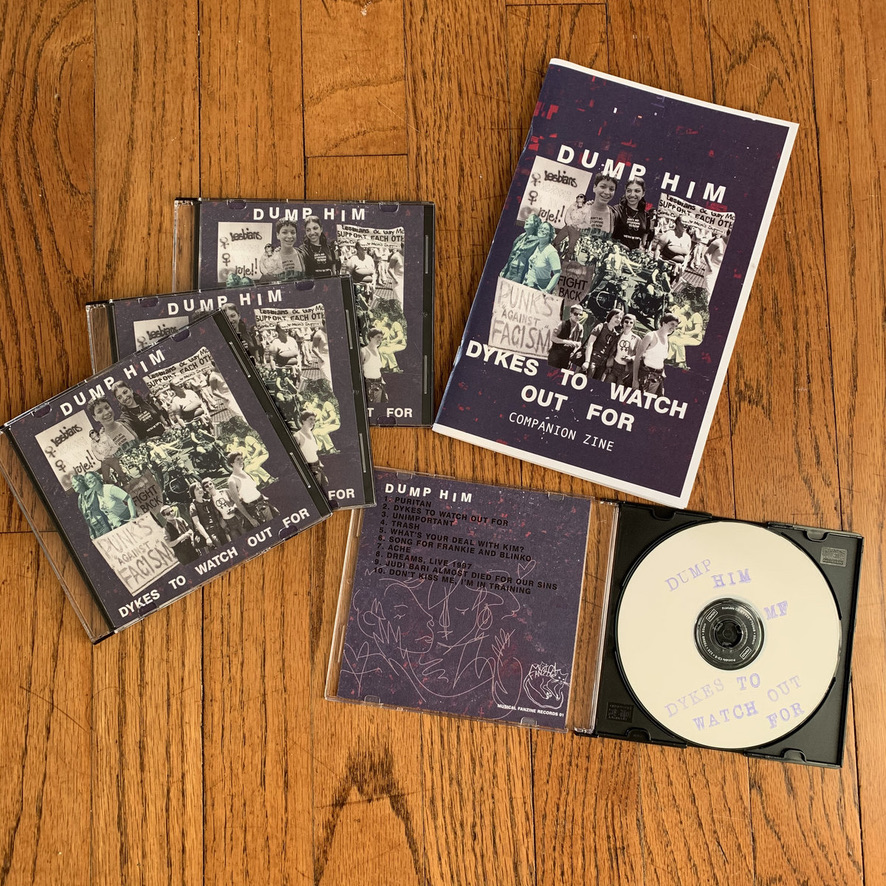
With a focus on joint audio and zine releases, Musical Fanzine is a DIY record label from Providence, RI run by James Walsh. Running with the tagline “keep queer punk not corporate”, the label has grown into a mighty collection of pop song day dreamers, punk rock lamenters and DIY swooners alike, all built upon that simple pleasure of sharing and discovering awesome music. With a catalog reaching back to 2015, MFZ has been a home to artists such as susie derkins, DUMP HIM, ORTHODOXXER, hidden driver, wavers, Who Brought Opie, mini golf water feature, time thief, and Looser, with some exciting adventures on the horizon.
We recently got to talk to Walsh about starting the label, making zines and Providence Popfest 2026.
Download a Musical Fanzine Label Sampler
“This 2026 label sampler features songs from past, present, and future Musical Fanzine releases. It was put together specifically for readers of The Ugly Hug.”
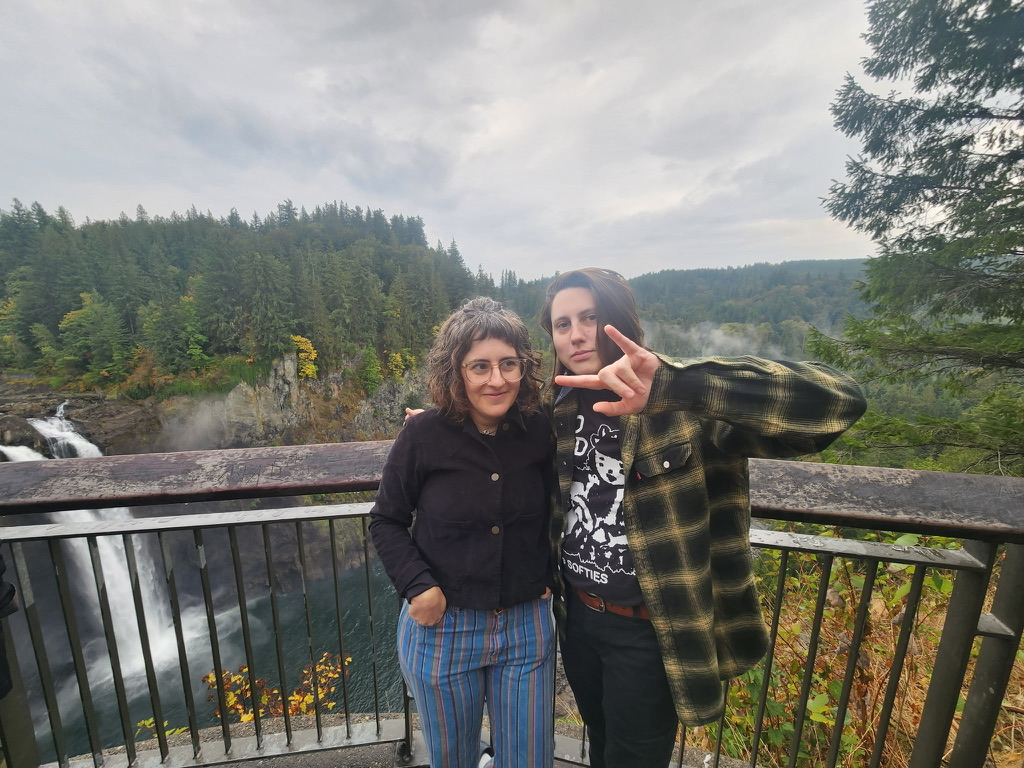
Your vision for this label was to combine the work of releasing an album with the art of a curated zine. What is your relationship with zines and what made you want to include this passion with a label?
Books and music were sort of my two respites from the world when I was growing up. At some point, they kind of naturally merged in my mind before I even knew what a zine was. I started going to record stores and buying physical media in middle school, and I was always so stoked when an album would include robust liner notes. Those liner notes became my way of getting to know a band. I didn’t have access to a computer with internet at home until I went to college, so the most accessible way to find information on a band was through liner notes, lyric sheets, and all that. Those kinds of things became very important to me.
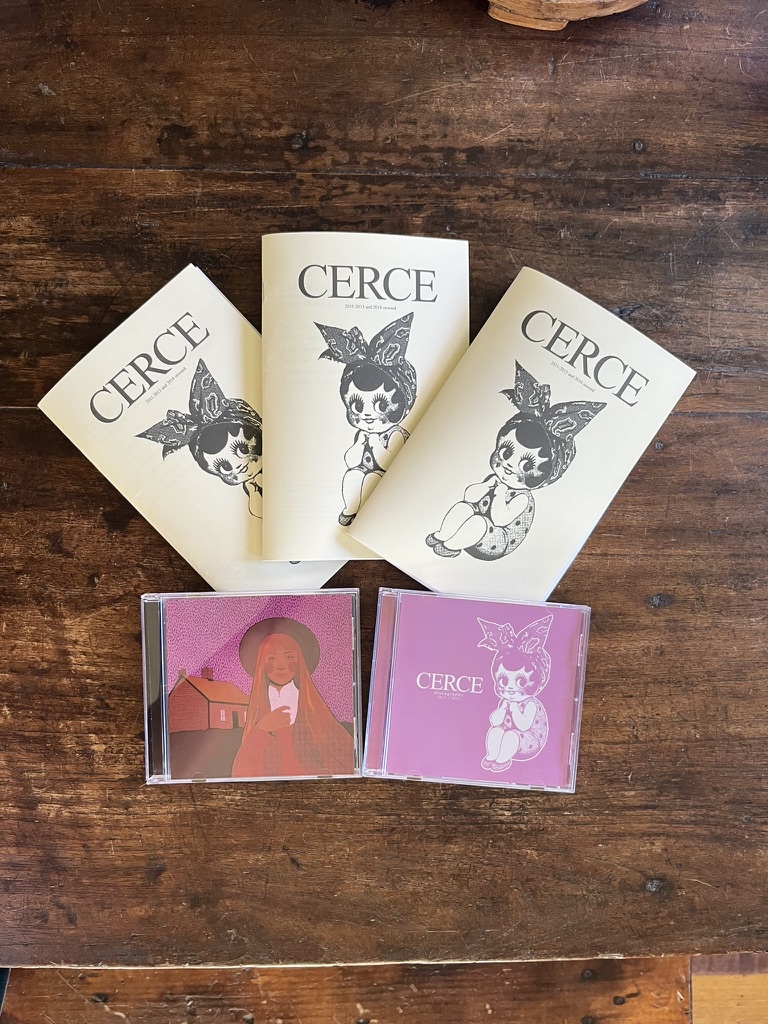
I learned about zines proper for the first time when I was 14. I remember finding this webpage that had excerpts from a bunch of old Kathleen Hanna zines – April Fool’s Day, My Life with Evan Dando Popstar, some Bikini Kill stuff. They all totally blew my mind wide open and had me questioning everything I thought I knew at the time. Later, I made friends with folks who wrote zines and volunteered at zine libraries – the very first DIY spot I ever started booking shows at was also a zine library (Flywheel in Western MA). I’ve written a few, but not enough. Mostly, I’m just an enthusiast.
What makes a good physical accompaniment to an album? What is that creation process like?
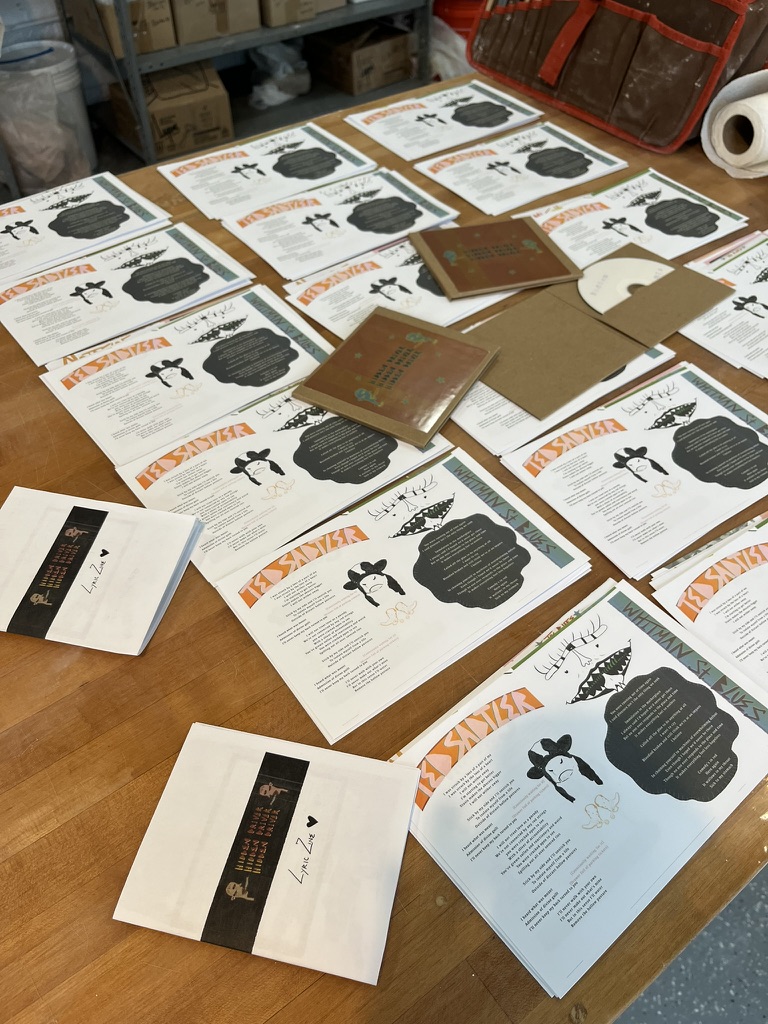
I started out by conceptualizing zines as sort of extended liner notes. I personally love when zines include lyrics, tabs, inspirations, band pics, all that. That said, it’s also really cool to me when bands do something totally unexpected with their zines. There are so many folks in bands who are incredibly creative in other ways – visual art, writing, etc. I’m always super stoked for those elements to be incorporated and to see what folks want to do. I think I’m still just looking to get to know a band in a different way via their zine.
In a nuts-and-bolts sort of way, the process is pretty simple: usually a band will make a zine, totally dealer’s choice, send me the master (digital or physical), and I’ll deal with printing and assembling with Zoë’s help.
You started this label in 2020 and it went through a handful of changes since. What were your goals in the beginning and how have these shifts influenced the way you approach making and sharing music, as well as the way you run the label?
The label started as a vehicle to release the vinyl version of my old band’s (DUMP HIM) first (and only) full length record. We were working with a label who was able to offer us help with a run of tapes at the time, but not records, so we decided to do that part ourselves. When it started out, the label was intended to be collectively run by the band, but we kind of stopped doing stuff together around when the pandemic hit. Everyone else mostly moved onto other things and the label kind of became my baby.
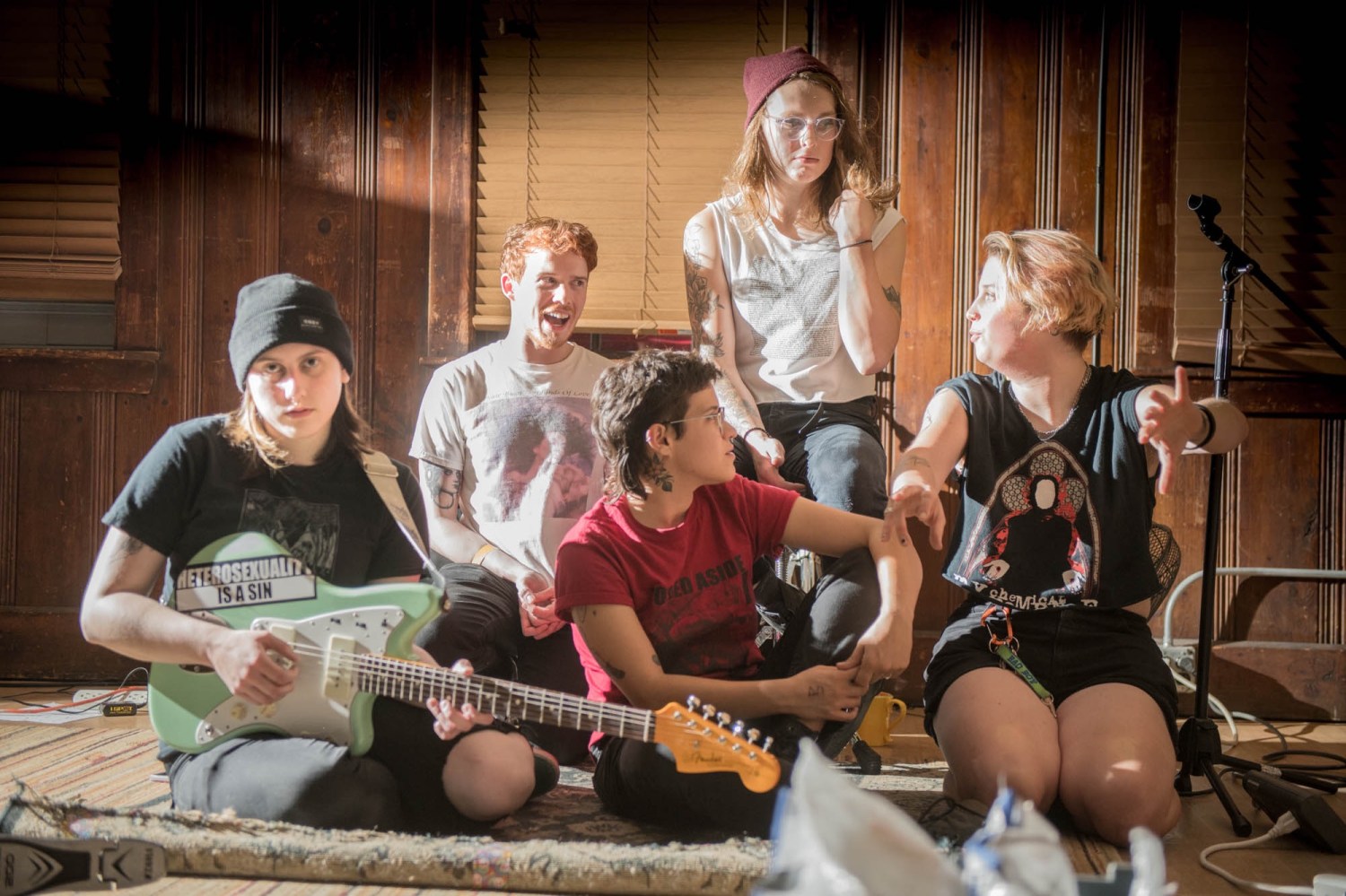
As far as goals go, it was really important to us to put out music by queer folks, and it was pretty important to me that releases came with zines as often as possible. There were, of course, certain labels I was really inspired by – Sarah, Mr. Lady, K. MFZ has definitely stuck to the first goal, but the second has become tricky. It turns out that it’s kind of a lot to ask that a DIY band churn out a zine to go alongside a record that they just finished putting a ton of work into. Sometimes, it just isn’t realistic – I get it! I always encourage it, but if a band can’t make a zine it’s not the end of the world.
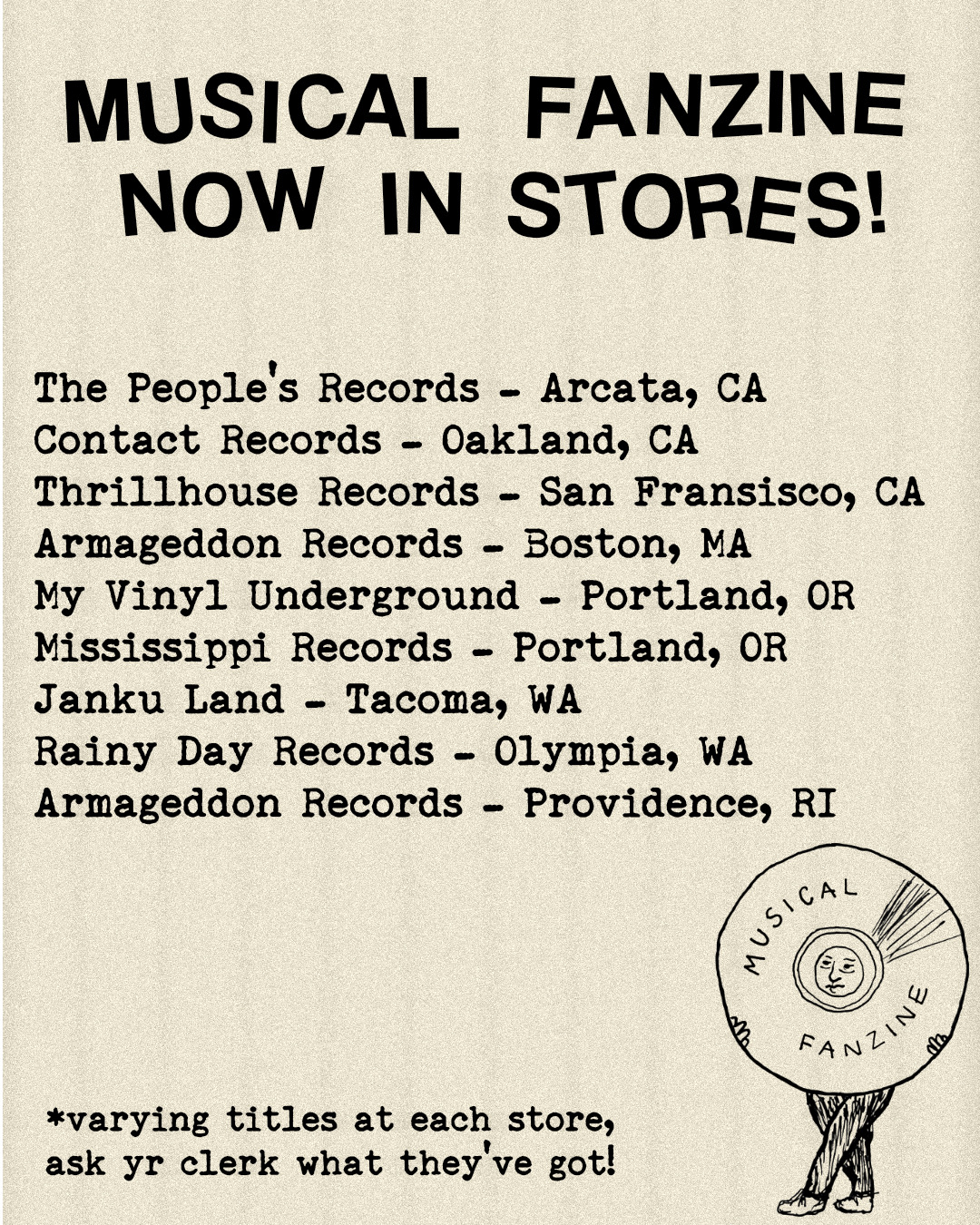
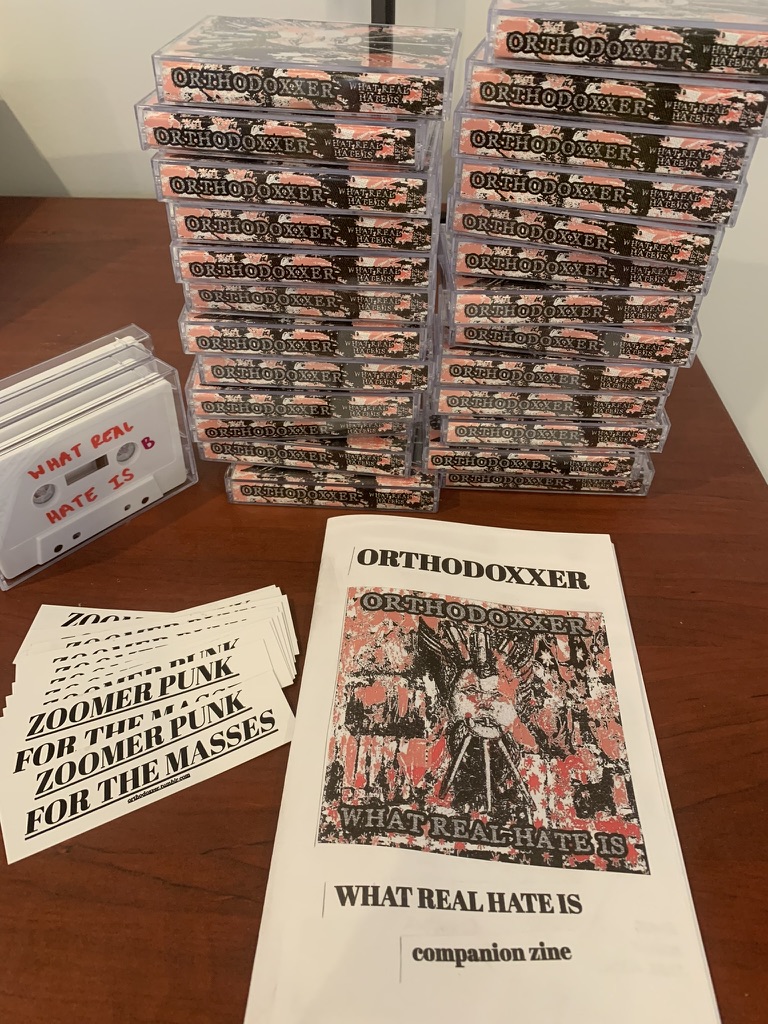
One exciting change is that I think I’ve finally figured out a good formula for DIY releases through a long process of research, trial, and error. So now I can produce CDs and tapes in-house (can’t do that with records though, but luckily my bandmate Tyler makes GREAT sounding lathe cut records over at Audio Geography). I’ll sometimes still get tapes pro-duplicated and CDs pro-pressed, but as costs for raw materials have gone up it’s become a lot harder to make small runs of tapes financially feasible for the label and still affordable for the folks who’d like to buy them.
So, now I have this nice Nakamichi deck that I’ve been hand-dubbing releases on in real-time. It’s well maintained and sounds pretty fucking good. I figured out a way to stamp directly onto tapes that’s kind of pad-print adjacent. I also recently bought a CD duplication tower that has changed the game for me. Zoë is a visual artist and has had a lot of great ideas in terms of packaging; she sort of leads that aspect of things and does a lot in terms of designing layouts and assembling artwork/j-cards/liner notes.
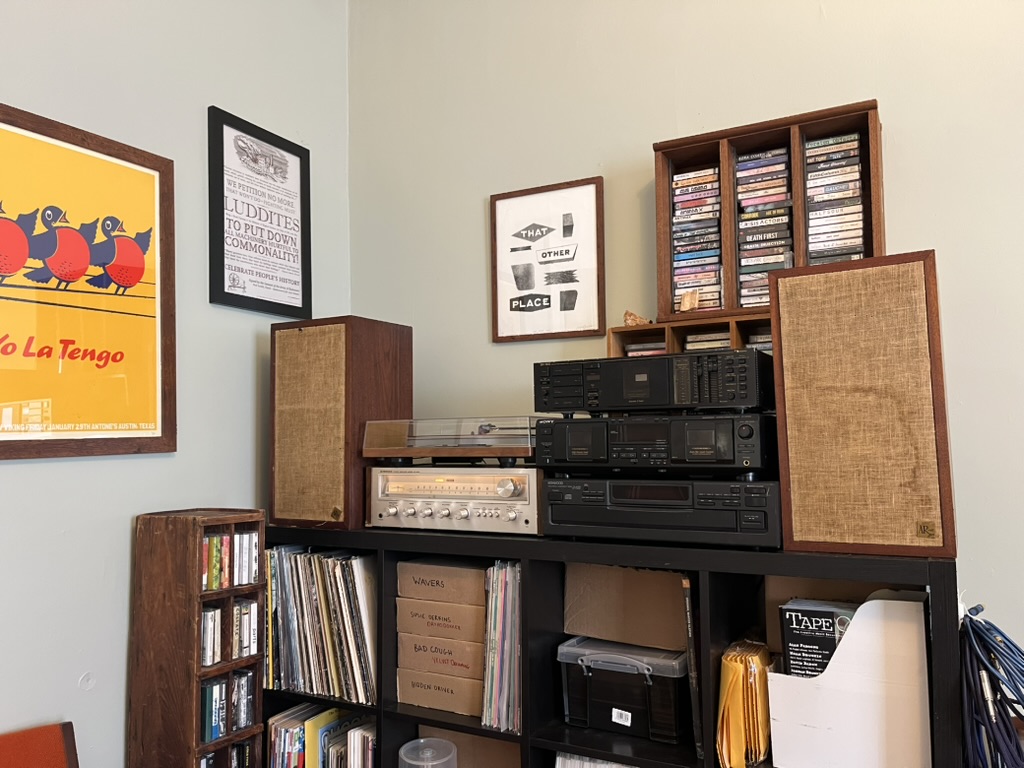
I think handmade stuff has kind of developed a stigma in the past decade, even though it can be just as good in many ways as the pro-dubbed stuff if you have the right equipment/materials and do your research. I have so many cassettes from the 90s / early 00s that are handmade that I have no complaints about, but it feels like bands don’t think that’s cool anymore. So, when I do something handmade (which is about half of the time now), I’m trying to make everything the highest quality possible to kind of push against that stigma.
What are some of the releases in the MFZ catalog that have stood out to you? Whether that be from joy, a learning experience, etc?
This is such an interesting question! It feels wrong, like picking my favorite cat or something. I’ll choose some milestones.
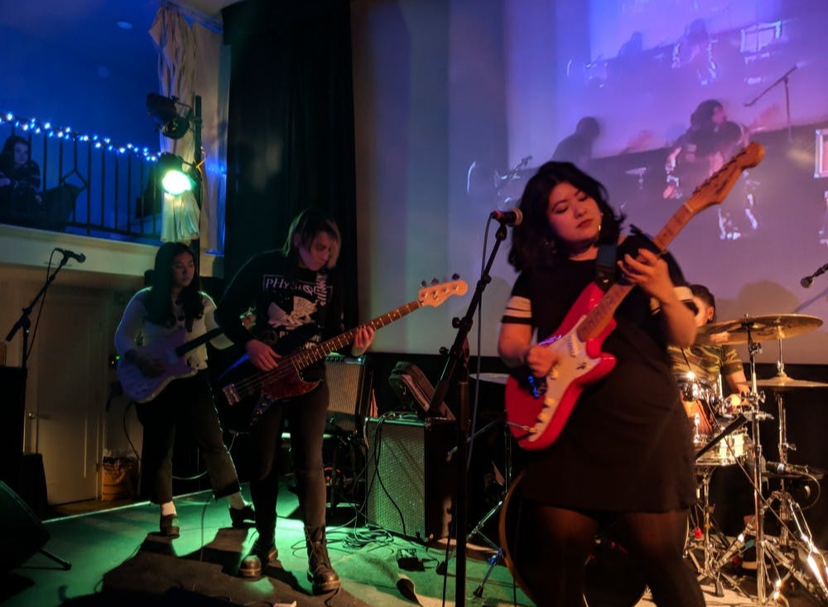
One release that I don’t think ever got its full due is an EP by Susie Derkins called How to Talk. It came out in fall 2020 when the whole world was hibernating. It’s 5 tracks of really great indiepop (I’ll disclaim here that I played bass on it, but that was more as a utility – I loved the band so much and wanted them to keep going, they needed a bassist, I play bass, all worked out). All of those songs were primarily written by my friend Sam Stoakes who was very much inspired by bands like Talulah Gosh and also P.S. Eliot/the Salinas catalog.
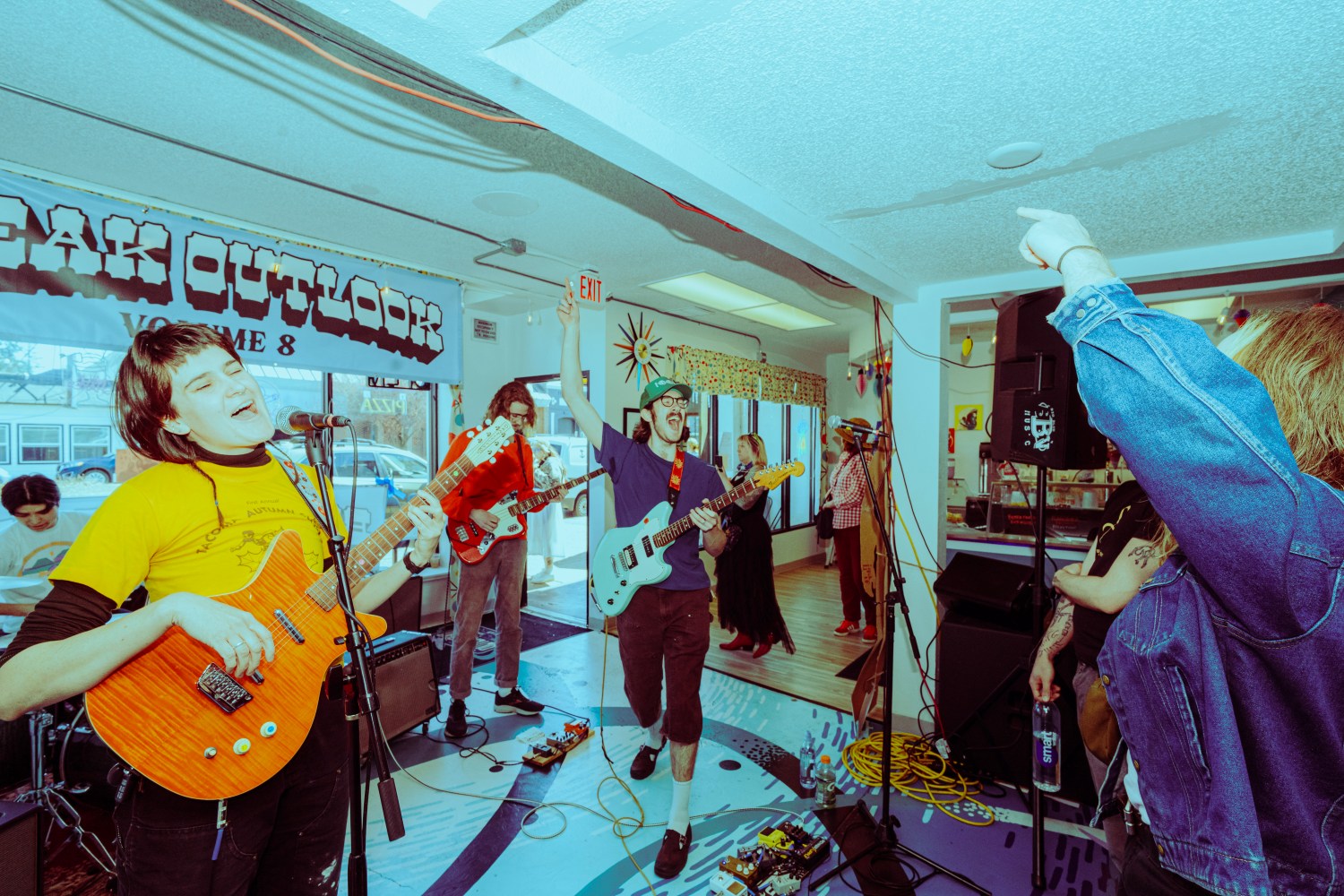
Another release that stands out for me is the Mini Golf Water Feature discography tape/CD that came out last year. This label started out as a vehicle to put out my own music and my friends’ music. The process of working on MGWF discography was the first time I was working with a band that I hadn’t met anyone in (Ollie from Hidden Driver plays in that band, but we somehow hadn’t met in person until a while after this release). That was kind of a milestone for me, and super encouraging. It was great working with them, folks in that band are super multi-talented in art and music and audio engineering, and I think they’re doing something super original and cool with their tunes.
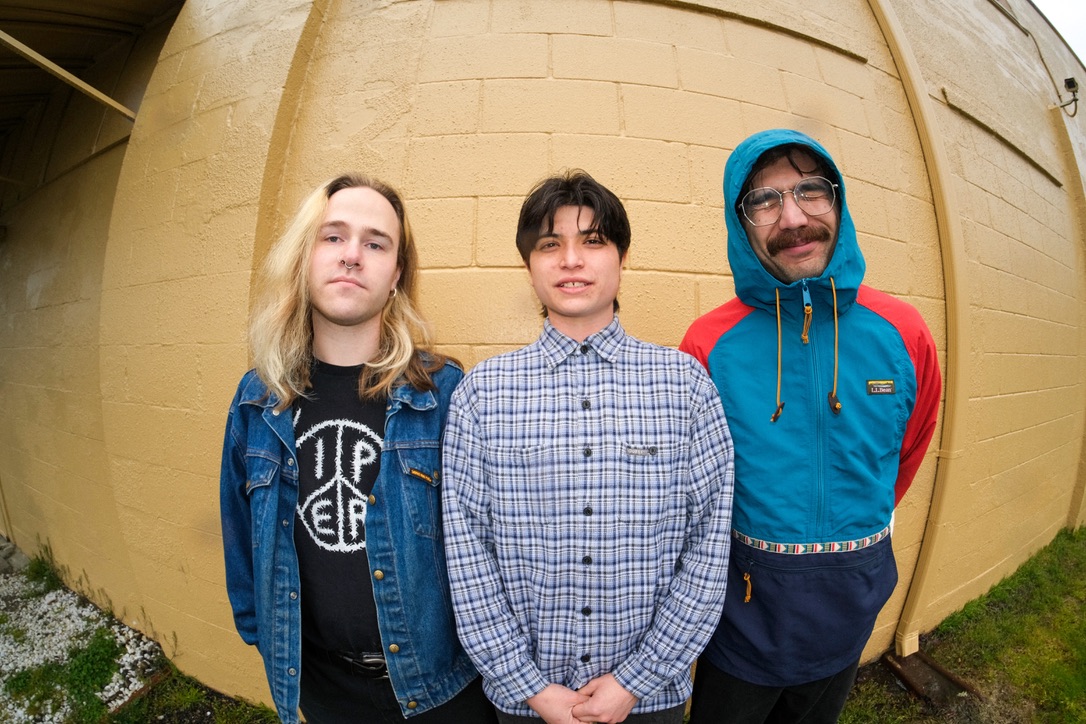
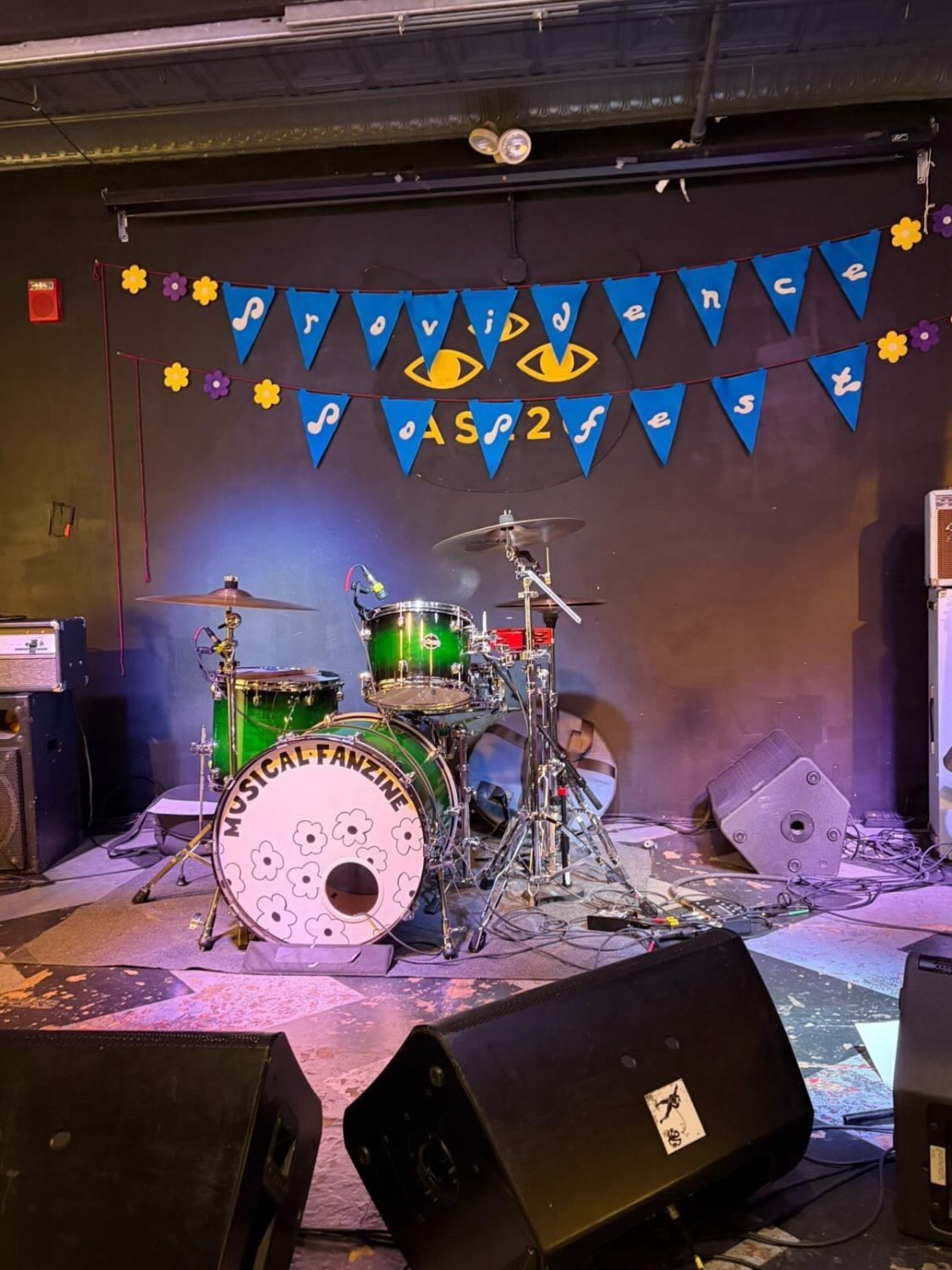
You recently hosted the Providence Pop Fest this past May with an extensive and exciting bill of artists from all over. With your intention of the line up, as well as creating a space that prioritized perspectives of queer and trans folks and women in indiepop, what were your goals from the jump? What was that organizational period like for you?
You kind of hit the nail on the head with our goals from the jump when asking this question: the whole point really was just highlighting women / queer / trans folks who make music in the realm of indiepop, etc. That’s something we kind of mentioned on our website and stuff, but we didn’t want to make a big deal of. The queer, feminist, kind of punk aspects of indiepop are what has really always drawn me to it. Like the Huggy Bear/Comet Gain connection, or the Atta Girl EP by Heavenly or like, I don’t know, the entire fucking concept of All Girl Summer Fun Band. Or a band (one of the greatest) being named Henry’s Dress. I could probably go on all day, but point being: indiepop is way more feminist, way more punk, and way gayer than I find some people expect, or sometimes seem to make space for. So I guess we just wanted to help facilitate the creation of a space that felt good to us, and hopefully to others. No genre gatekeeping, no celebrities, and lots of women and queer folks.
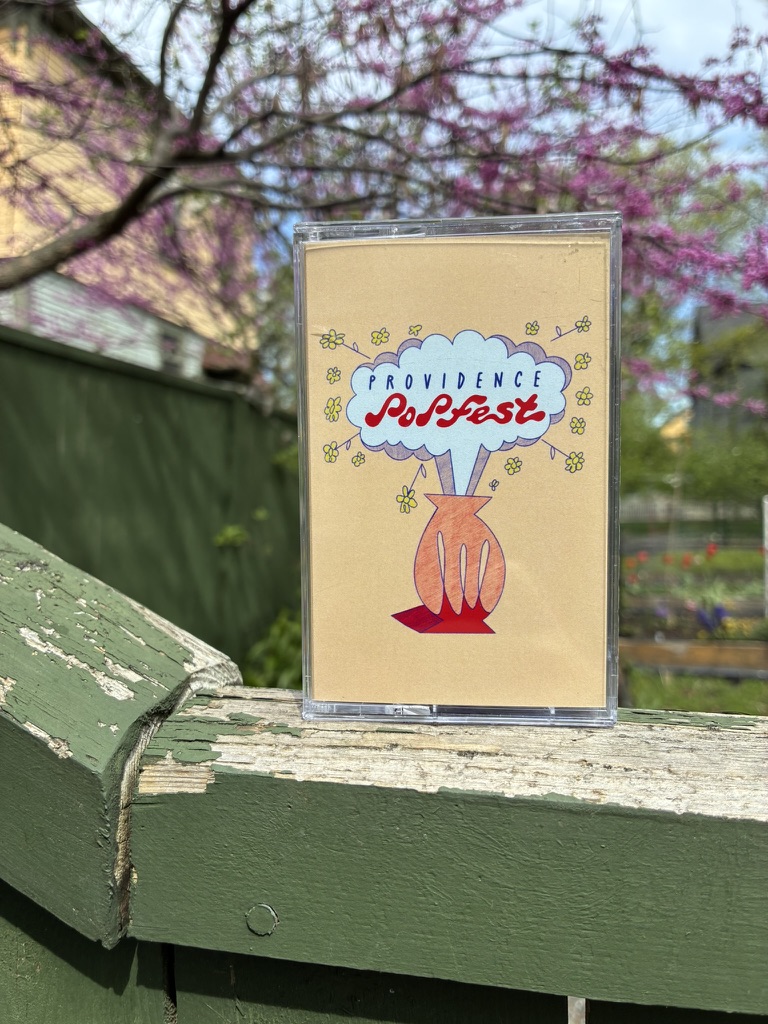
Speaking of genre gatekeeping, it was pretty important for us to include peripheral types of music, not just what folks think of when they think of indiepop. We both believe pretty strongly that there are so many ties between indiepop and other subgenres in terms of people who make the music – lots of folks in “indiepop” bands are in post punk bands, synth pop bands, hardcore bands, and so on. It feels silly to make up a definition of a whole genre, and then gatekeep anyone who doesn’t fit our strict definition. We both played Athens Popfest in our old bands, and genre-expansiveness was an aspect of Mike’s curation we both really loved. Pylon Reenactment Society actually headlined that fest too the year I played! I think our experiences in Athens, GA set a really great example in terms of what exactly a popfest could be sonically.
Providence Popfest 2026
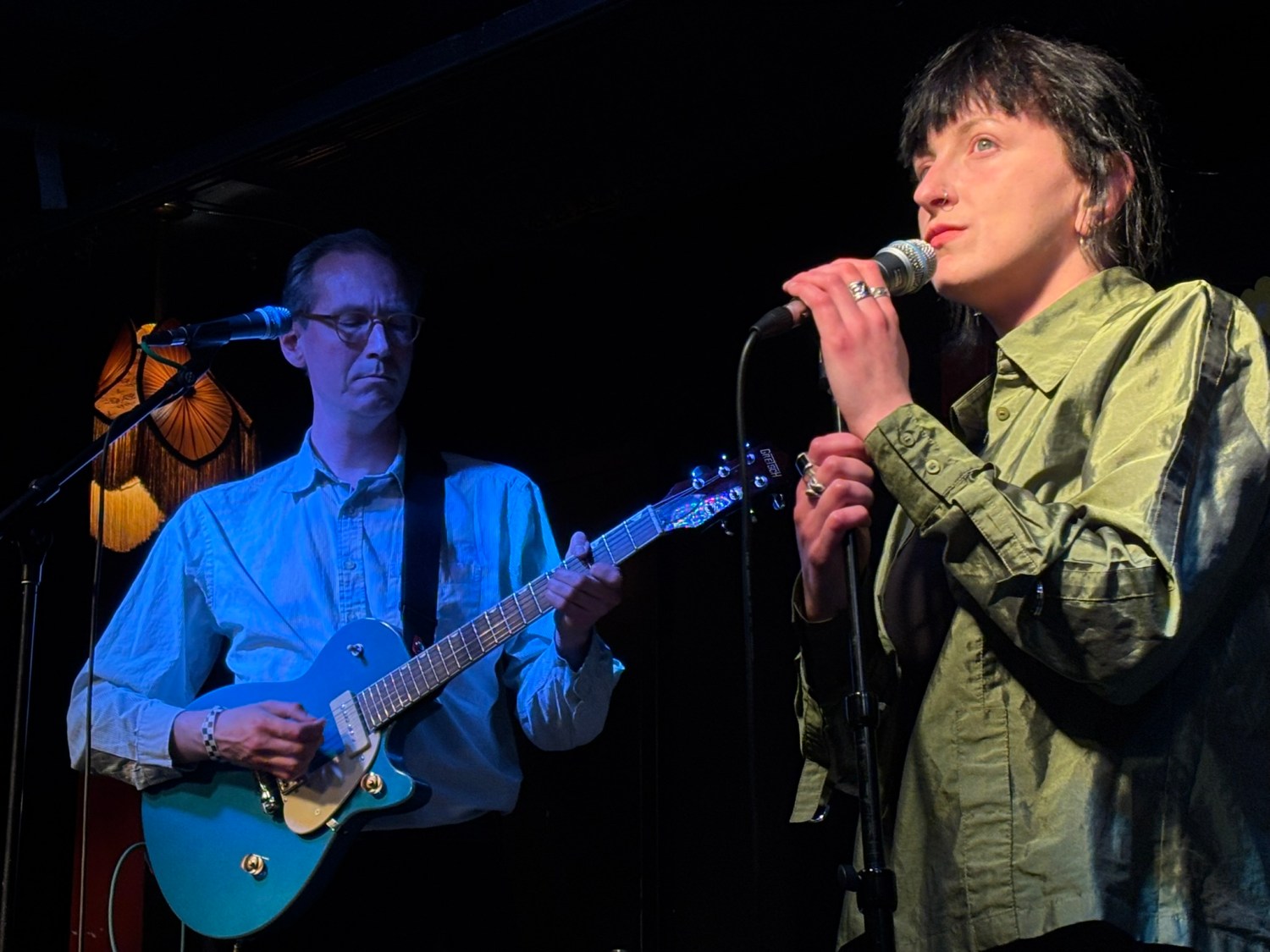
The Hobknobs by David Paterson 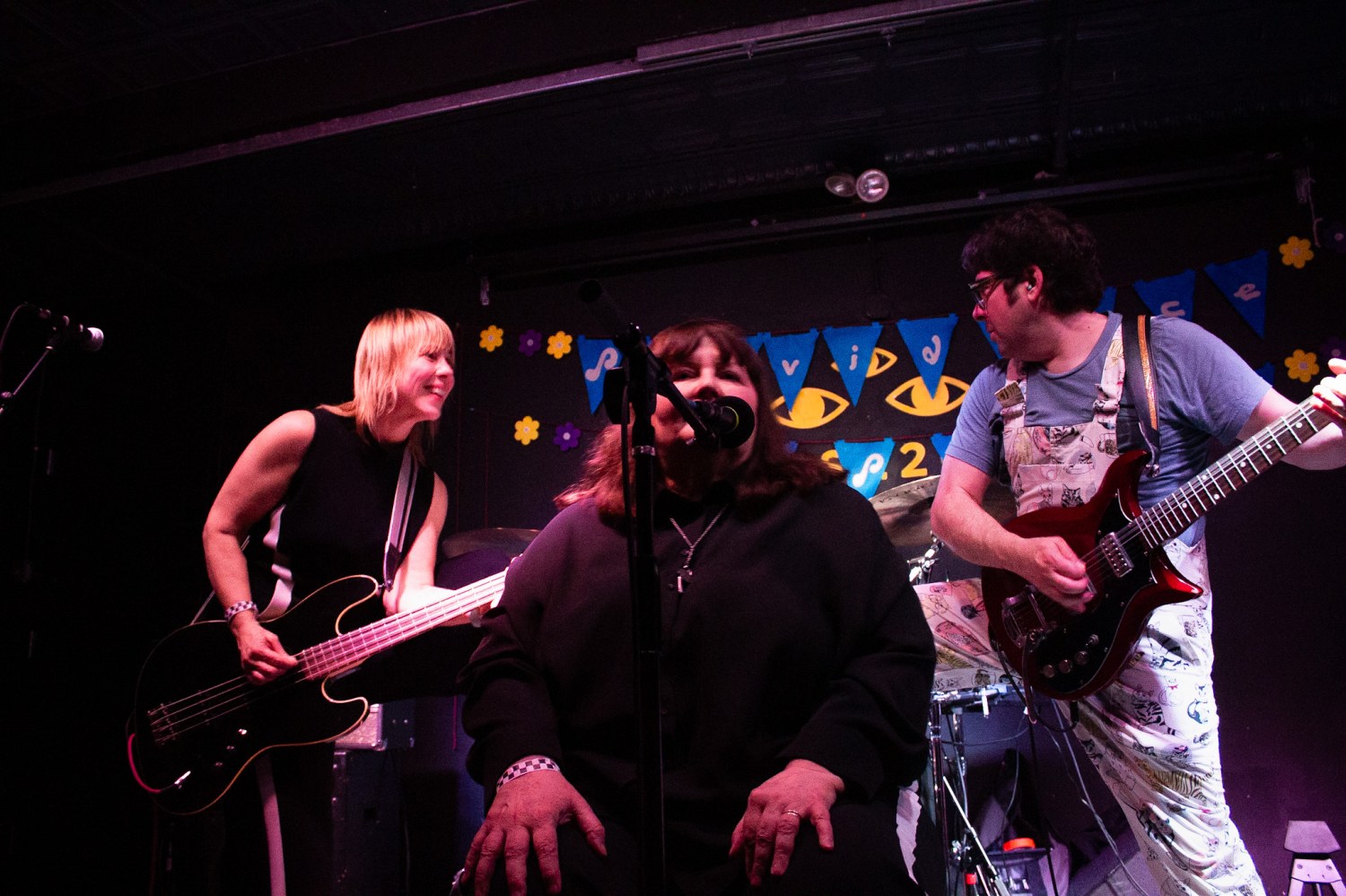
Pylon Reenactment Society by Emma Tavares 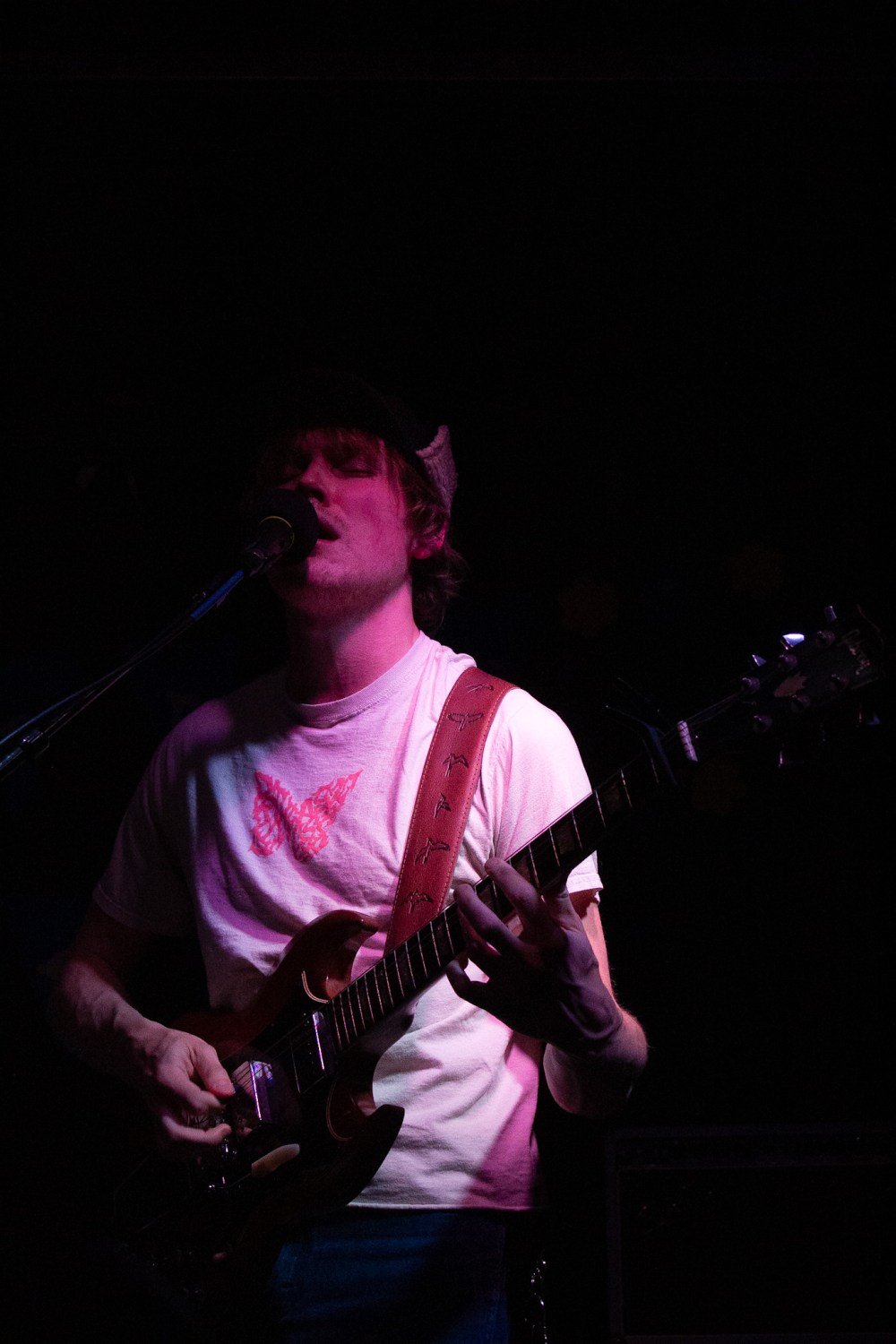
Good Flying Birds 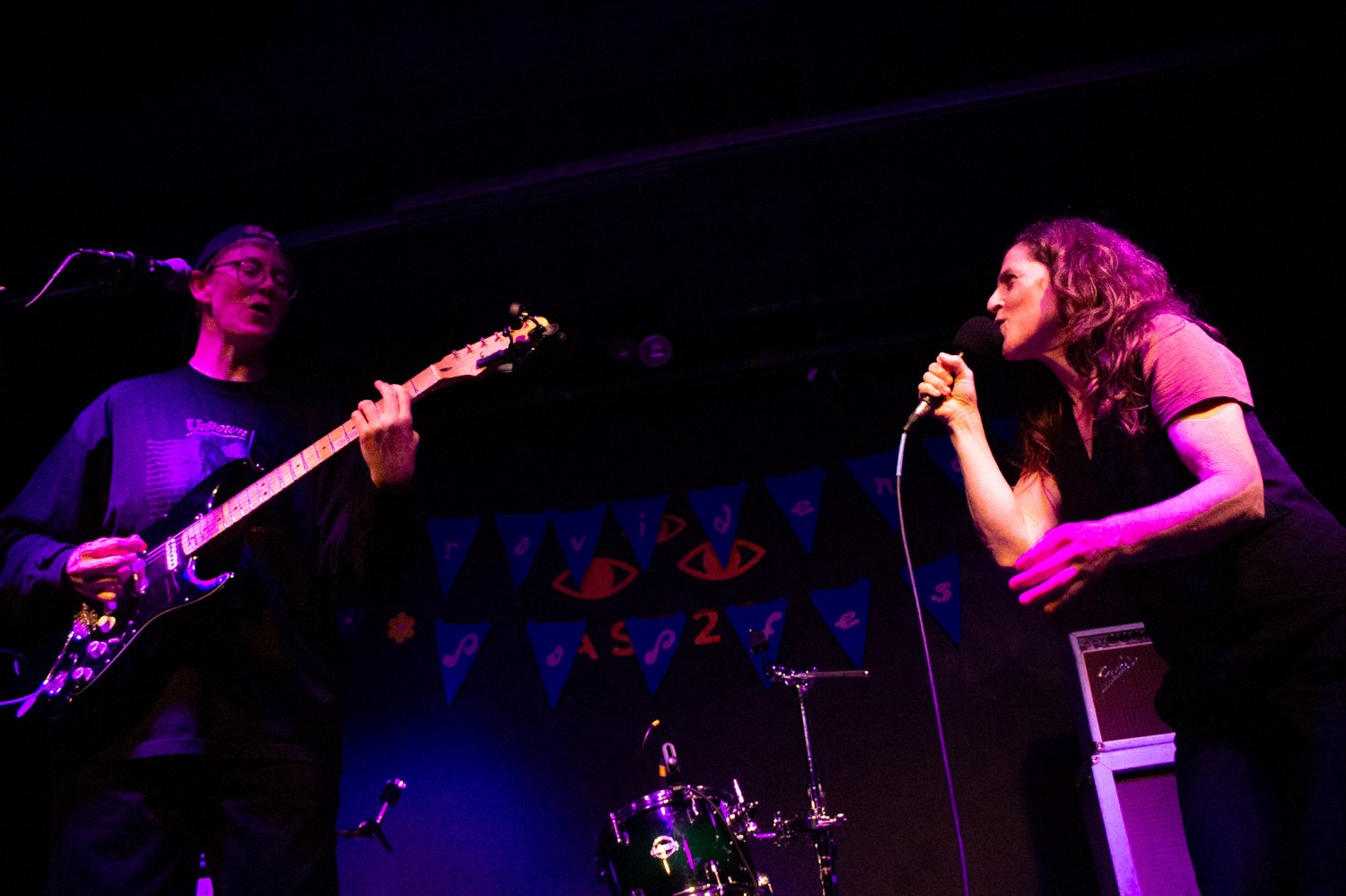
Dear Nora and Mirah by Emma Tavares 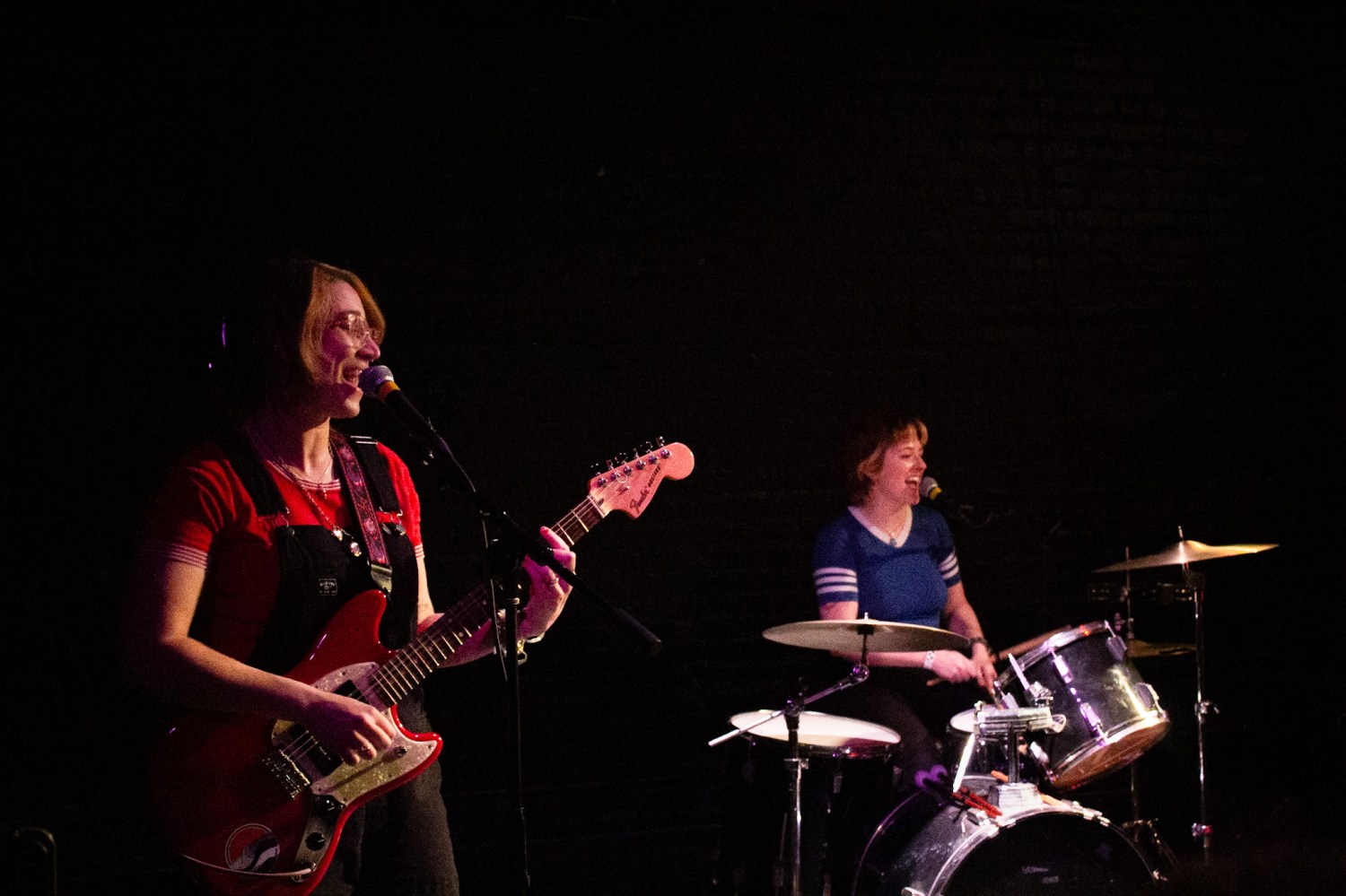
Beachplums by Emma Tavares 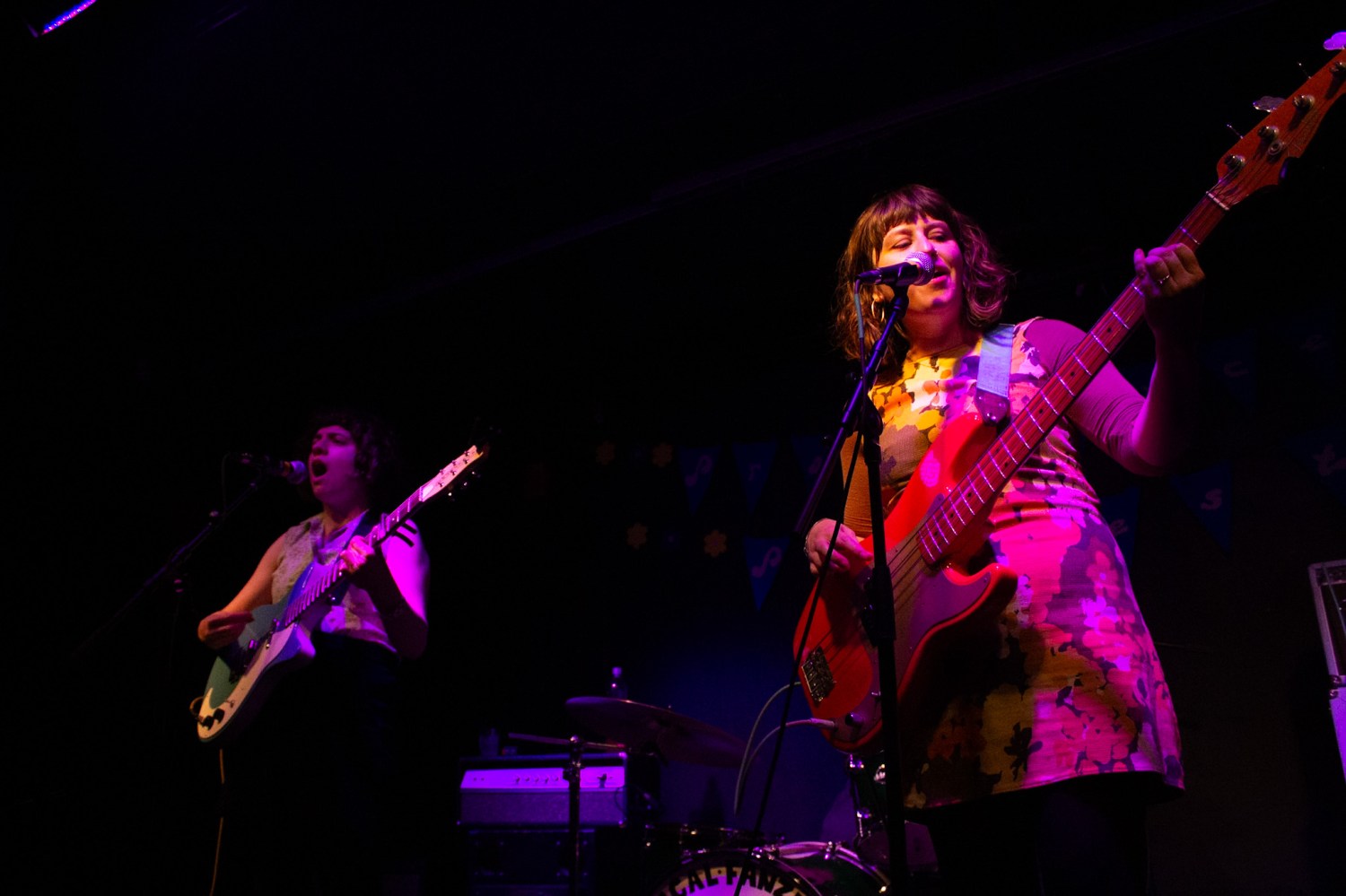
Jeanines by Emma Tavares 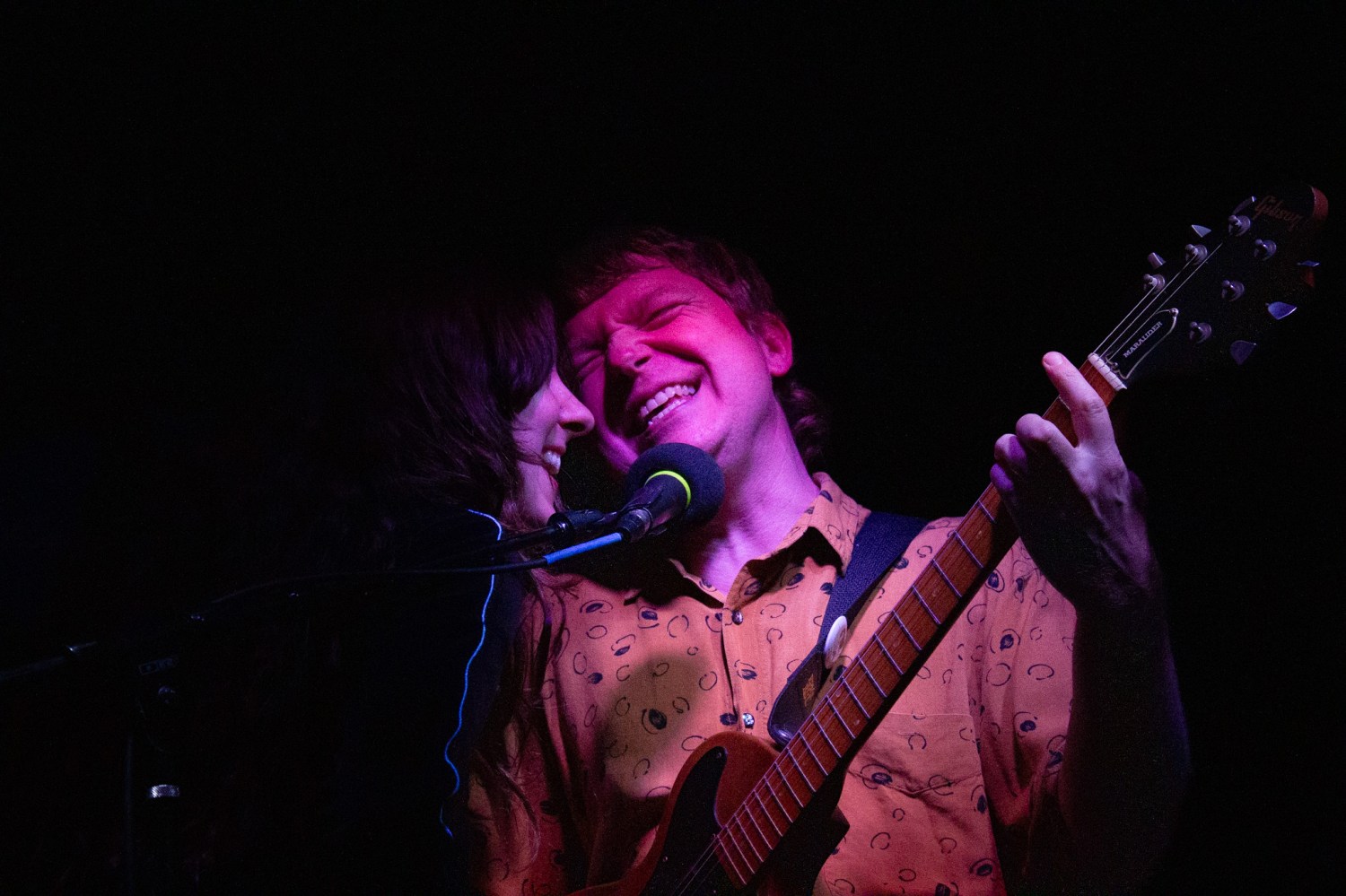
Touch Girl Apple Blossom by Emma Tavares 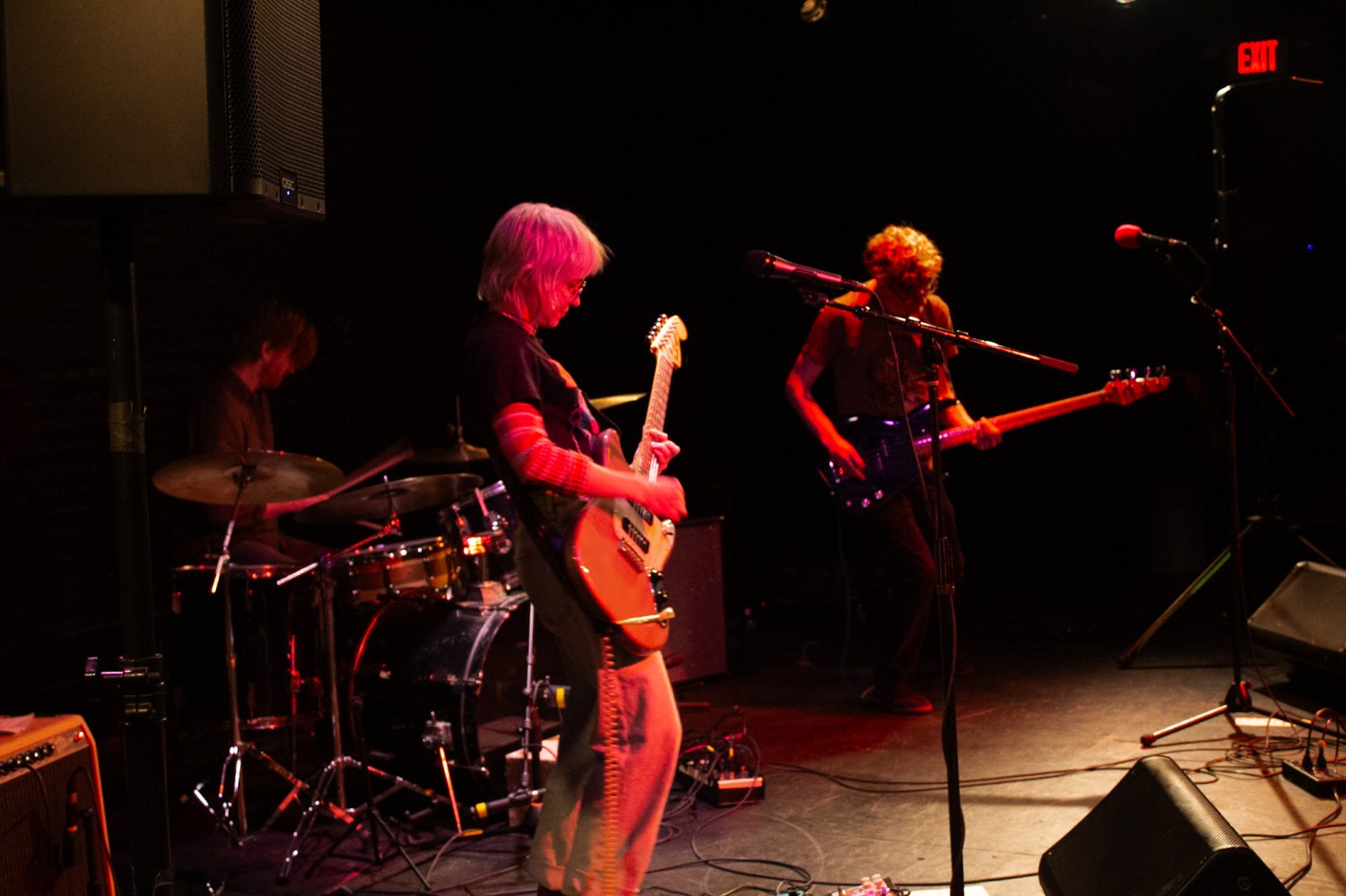
Sun Urchins by Emma Tavares 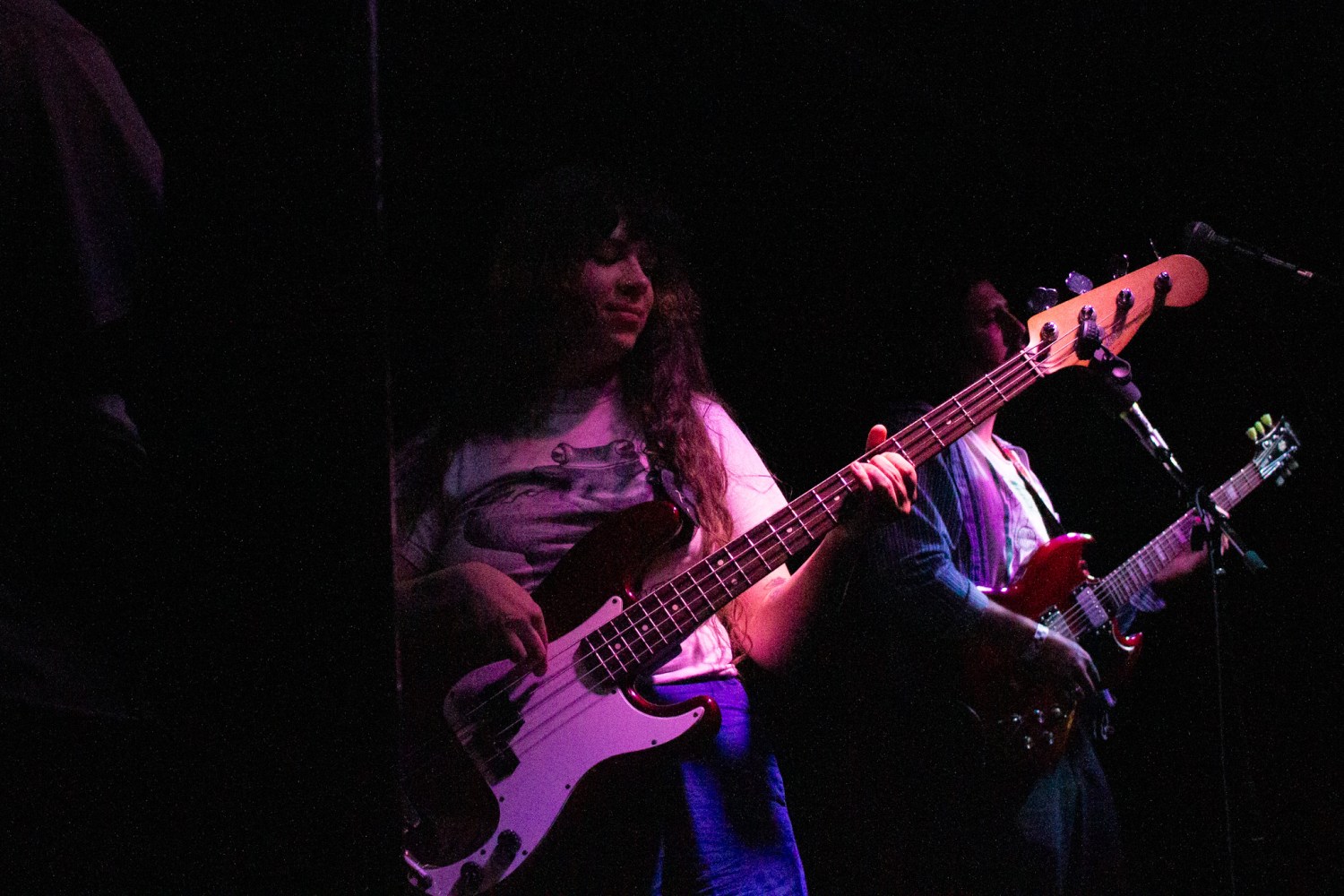
Cursor by Emma Tavares 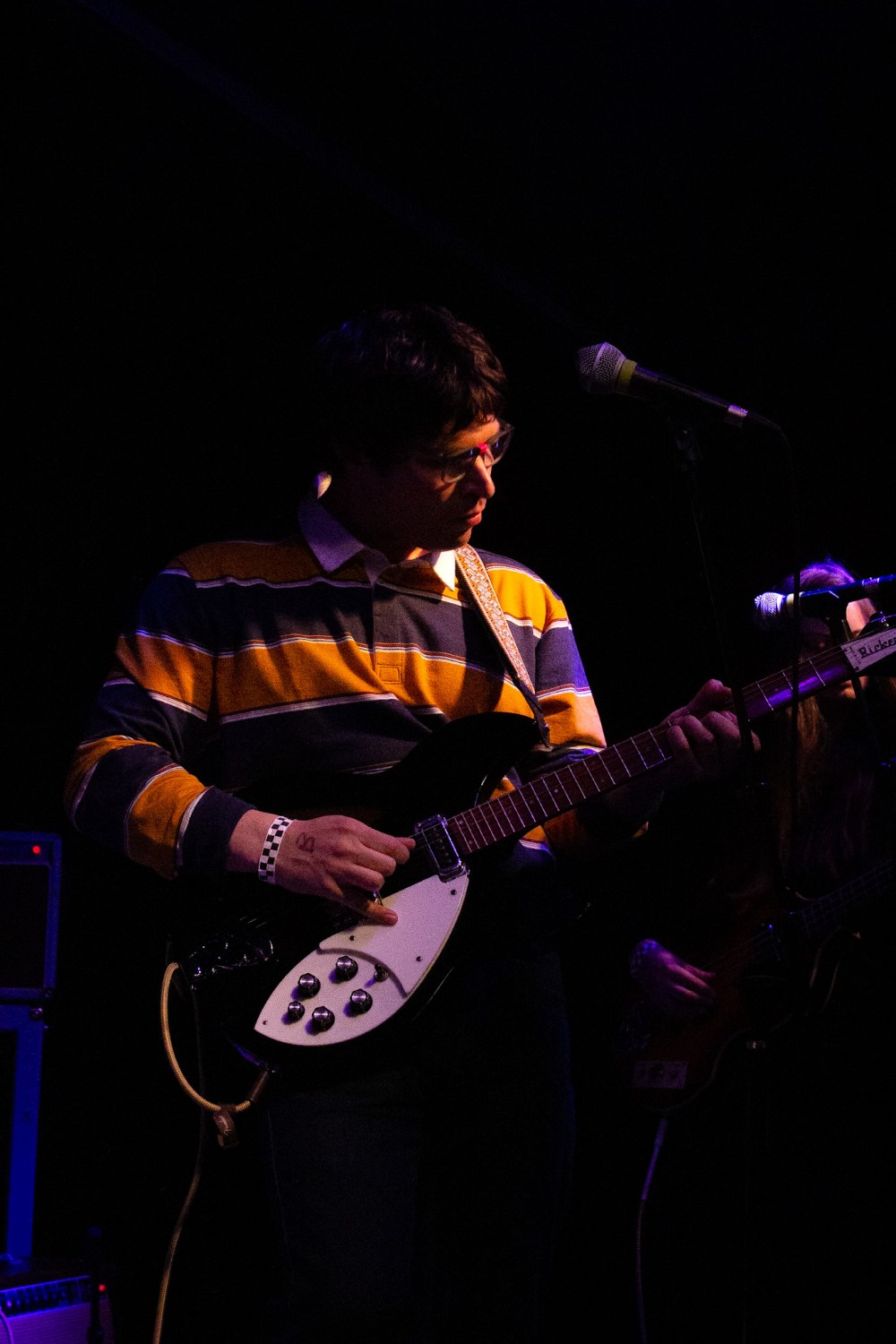
Lightheaded by Emma Tavares 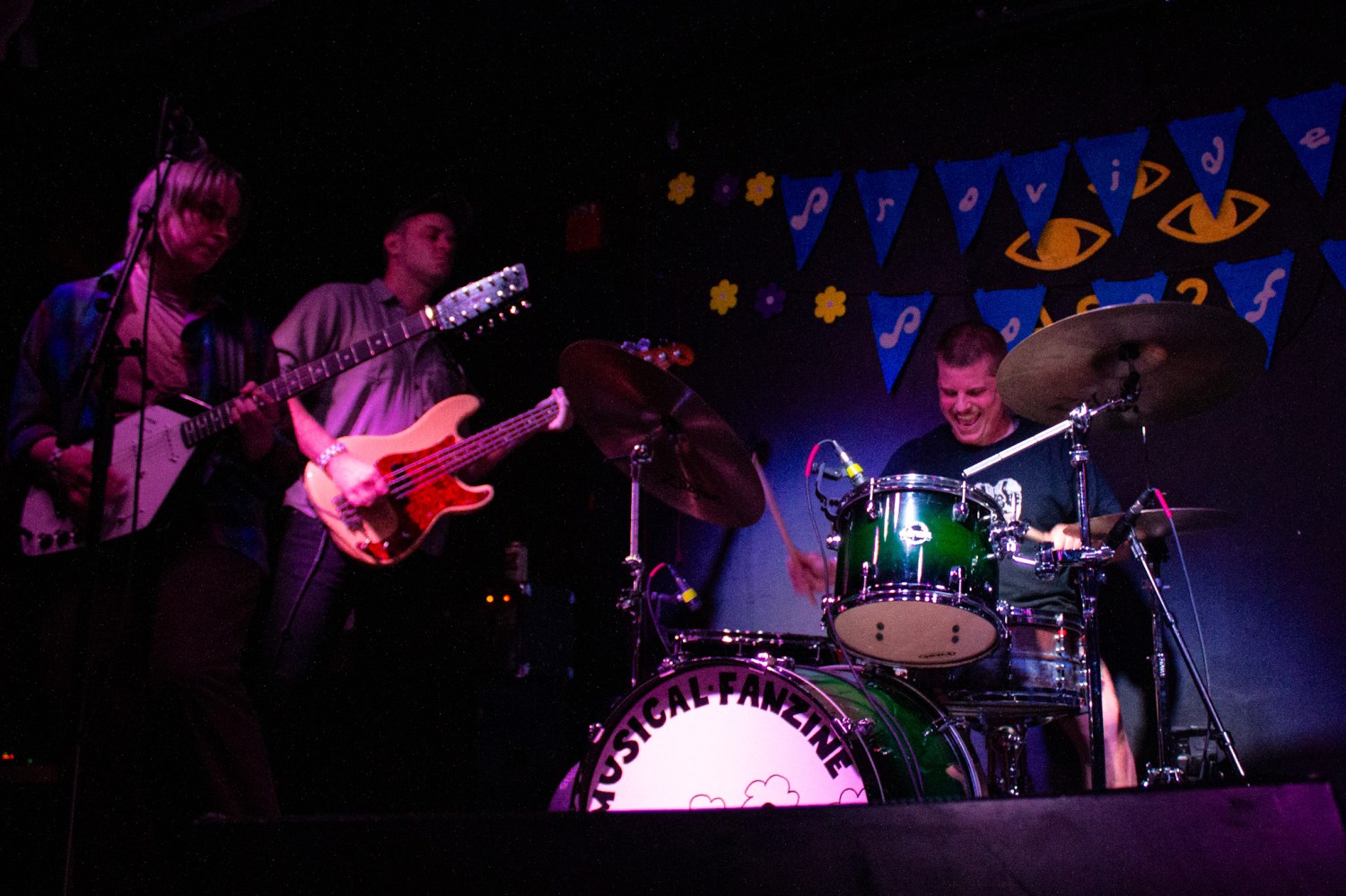
Mesh by Emma Tavares 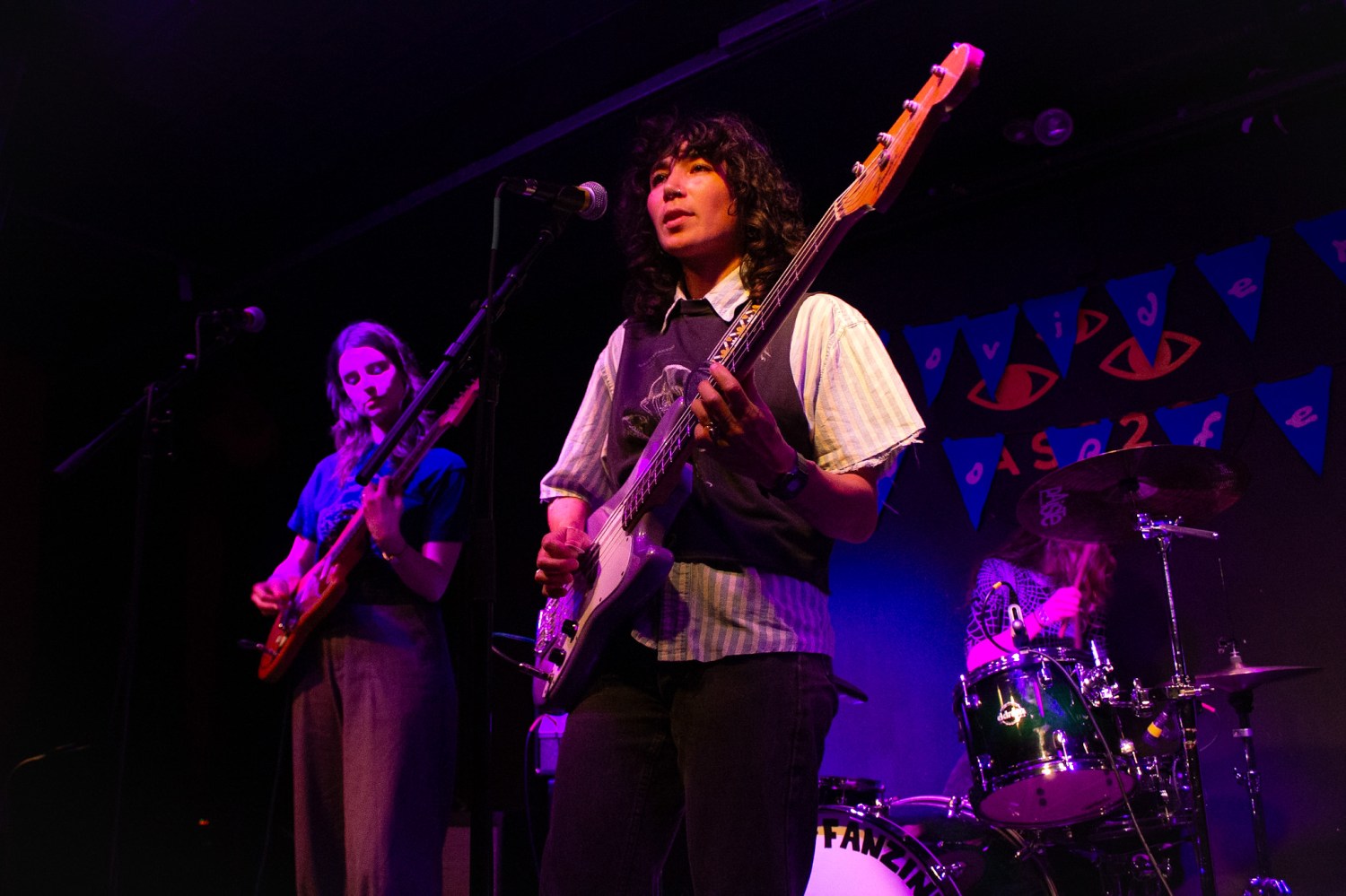
Galore by Emma Tavares 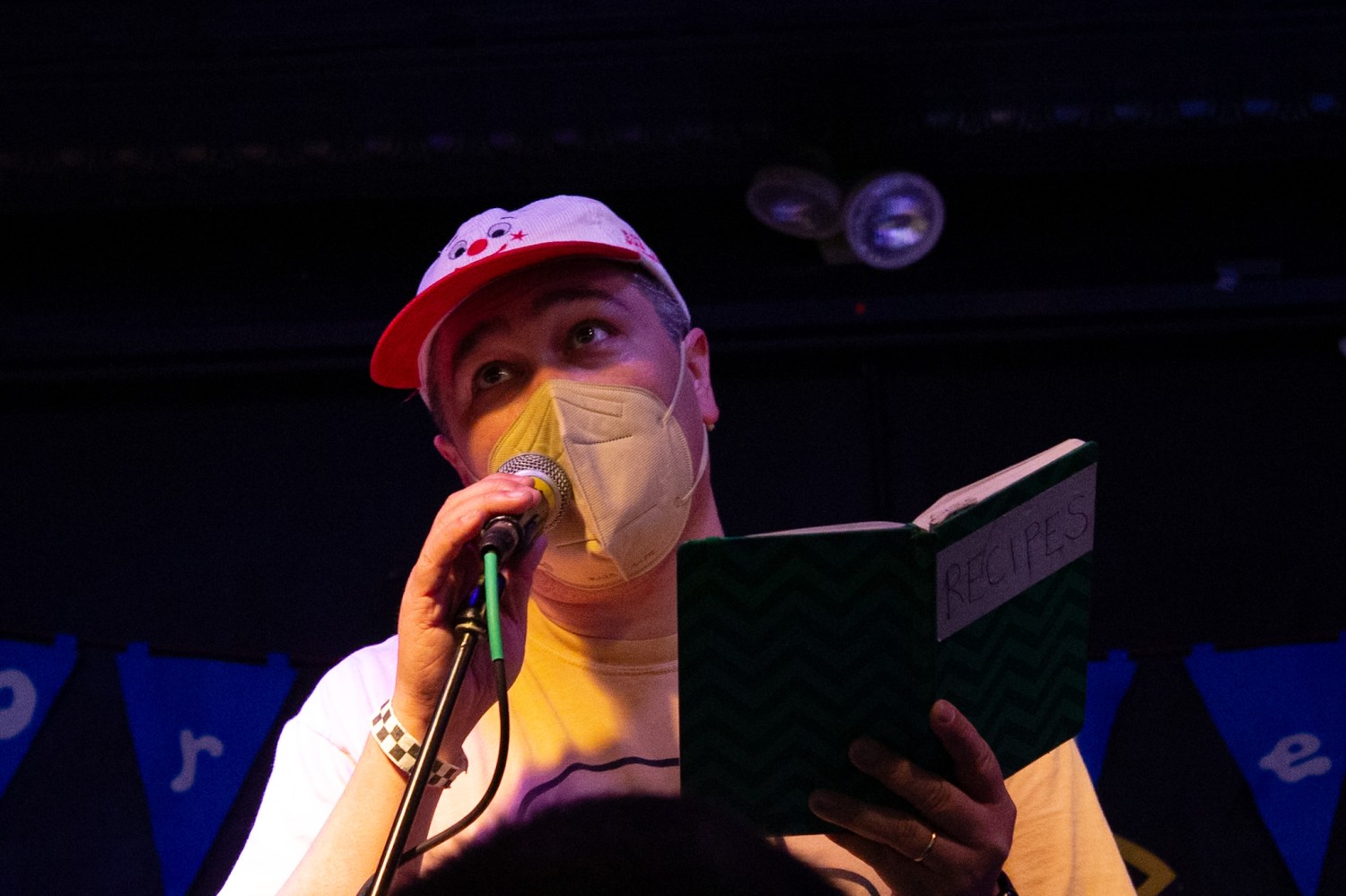
Malasada by Emma Tavares 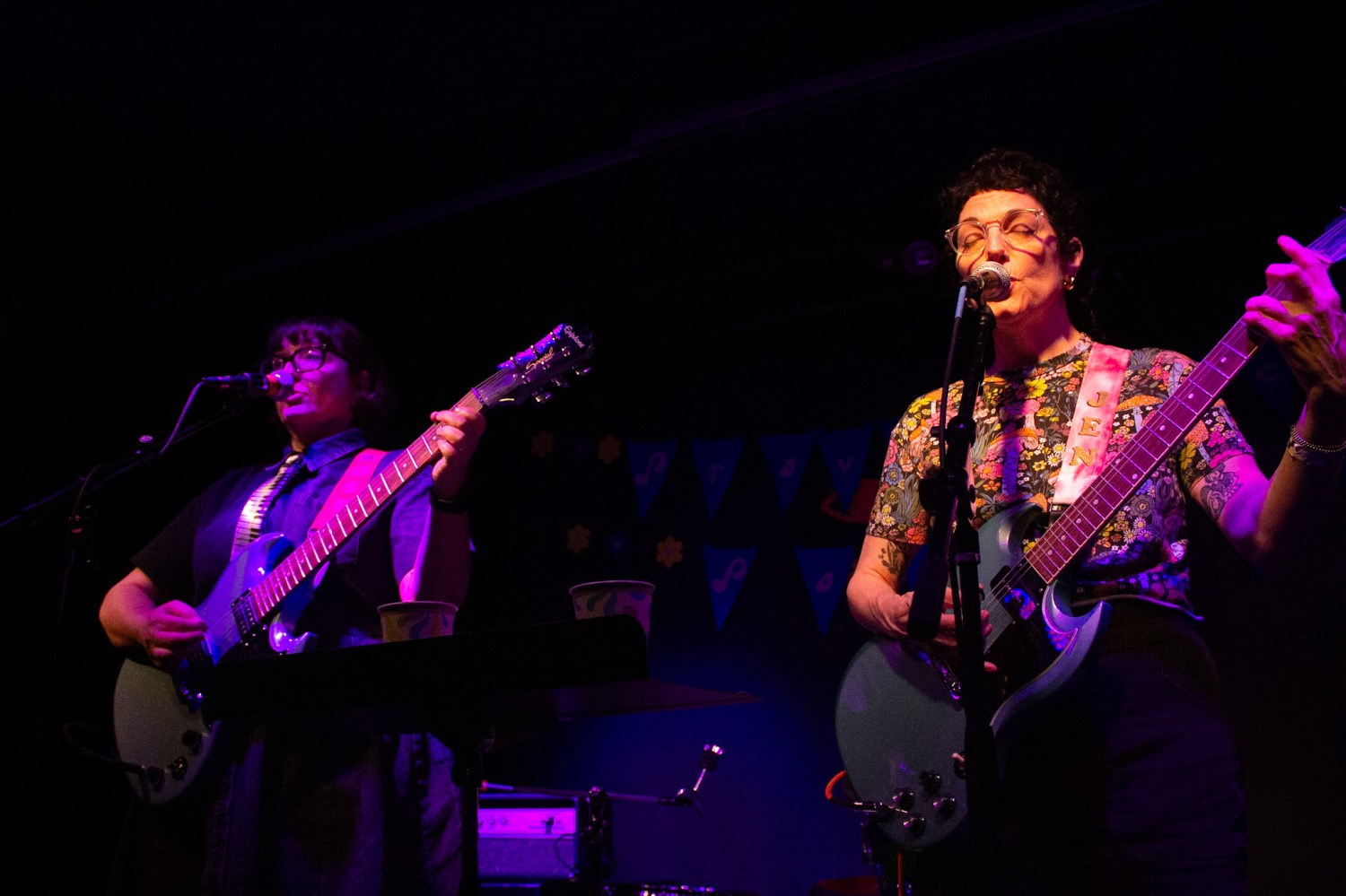
The Sofites by Emma Tavares 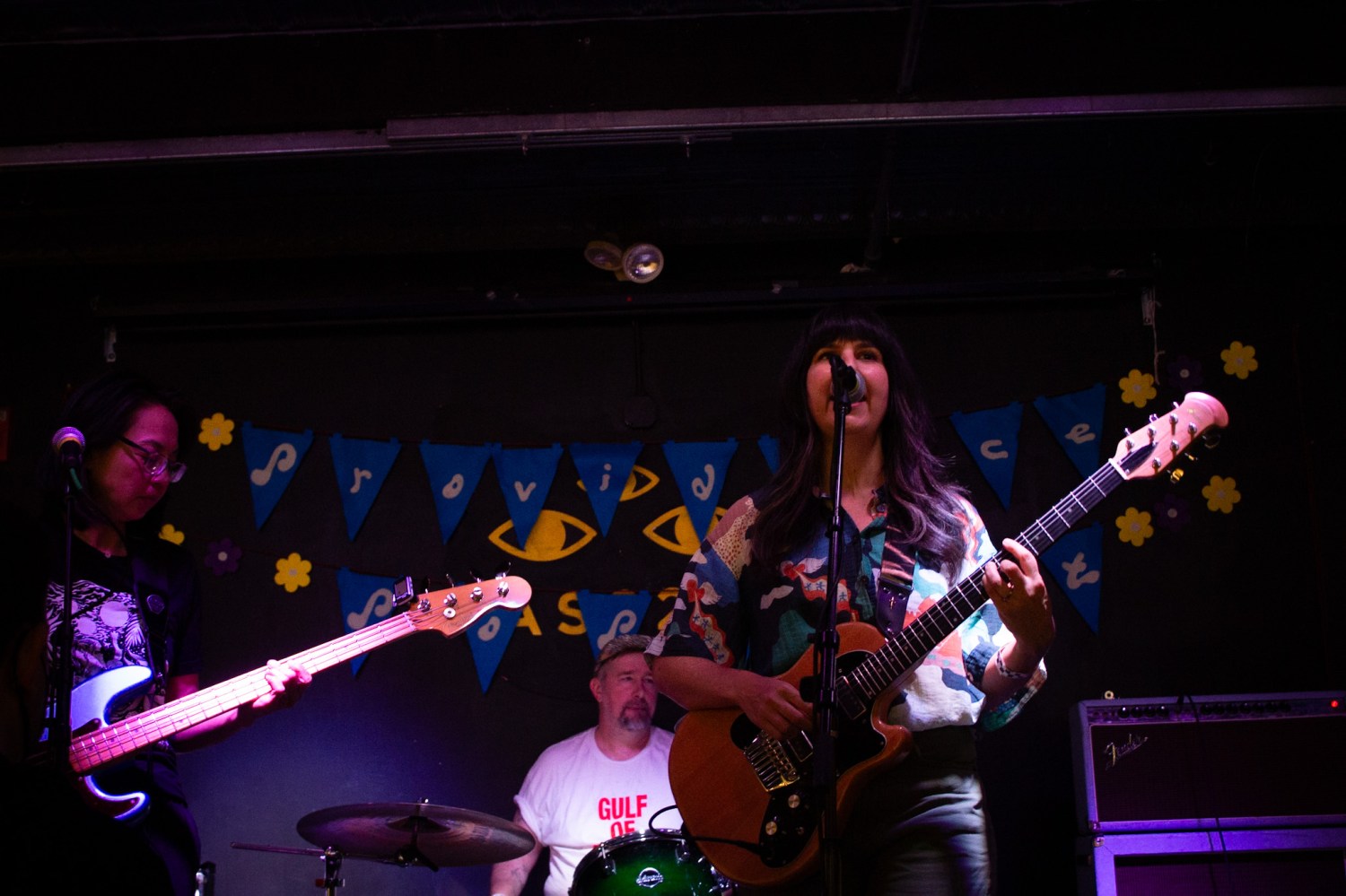
Future Stories by Emma Tavares 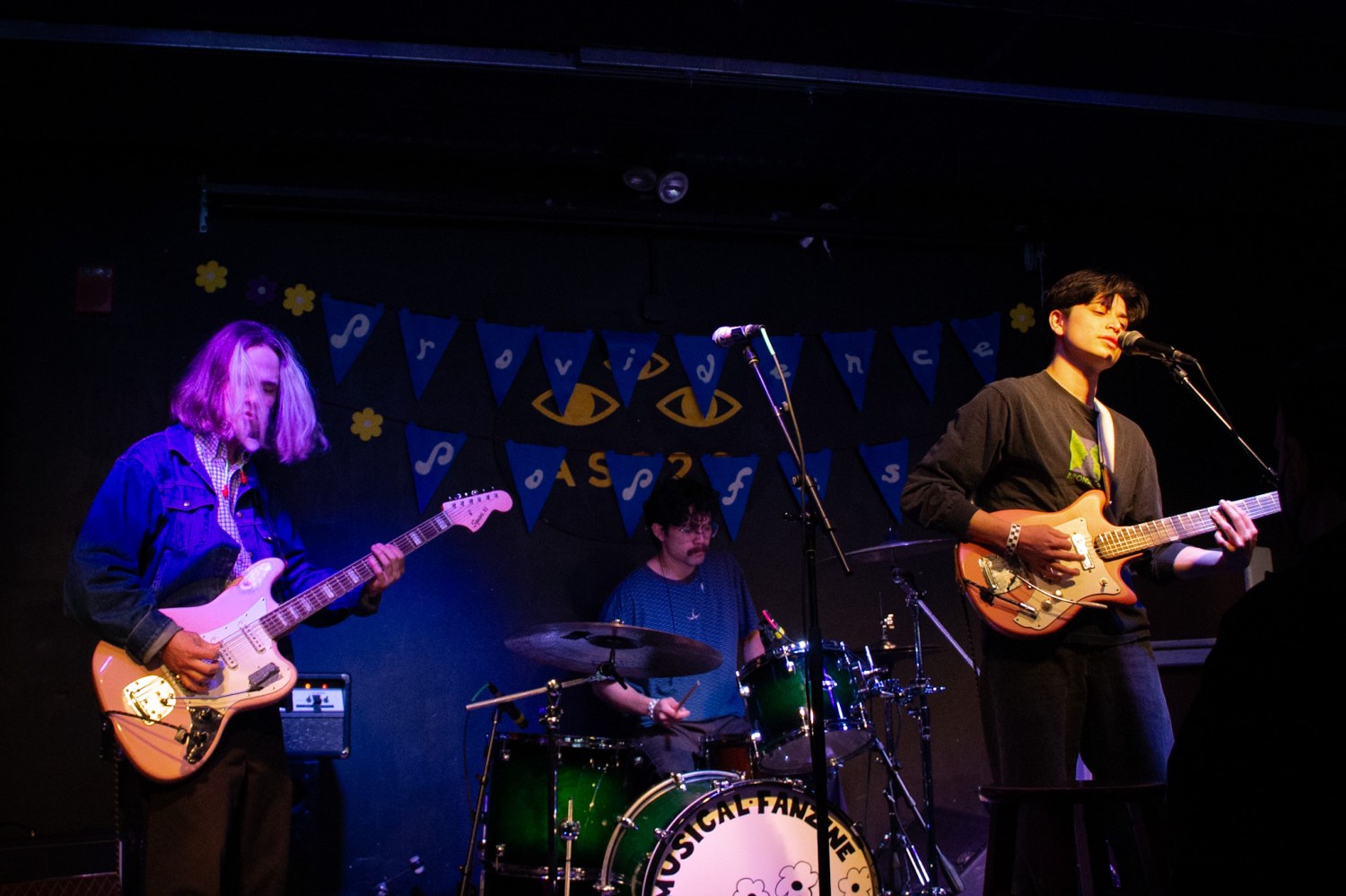
Hidden Driver by Emma Tavares 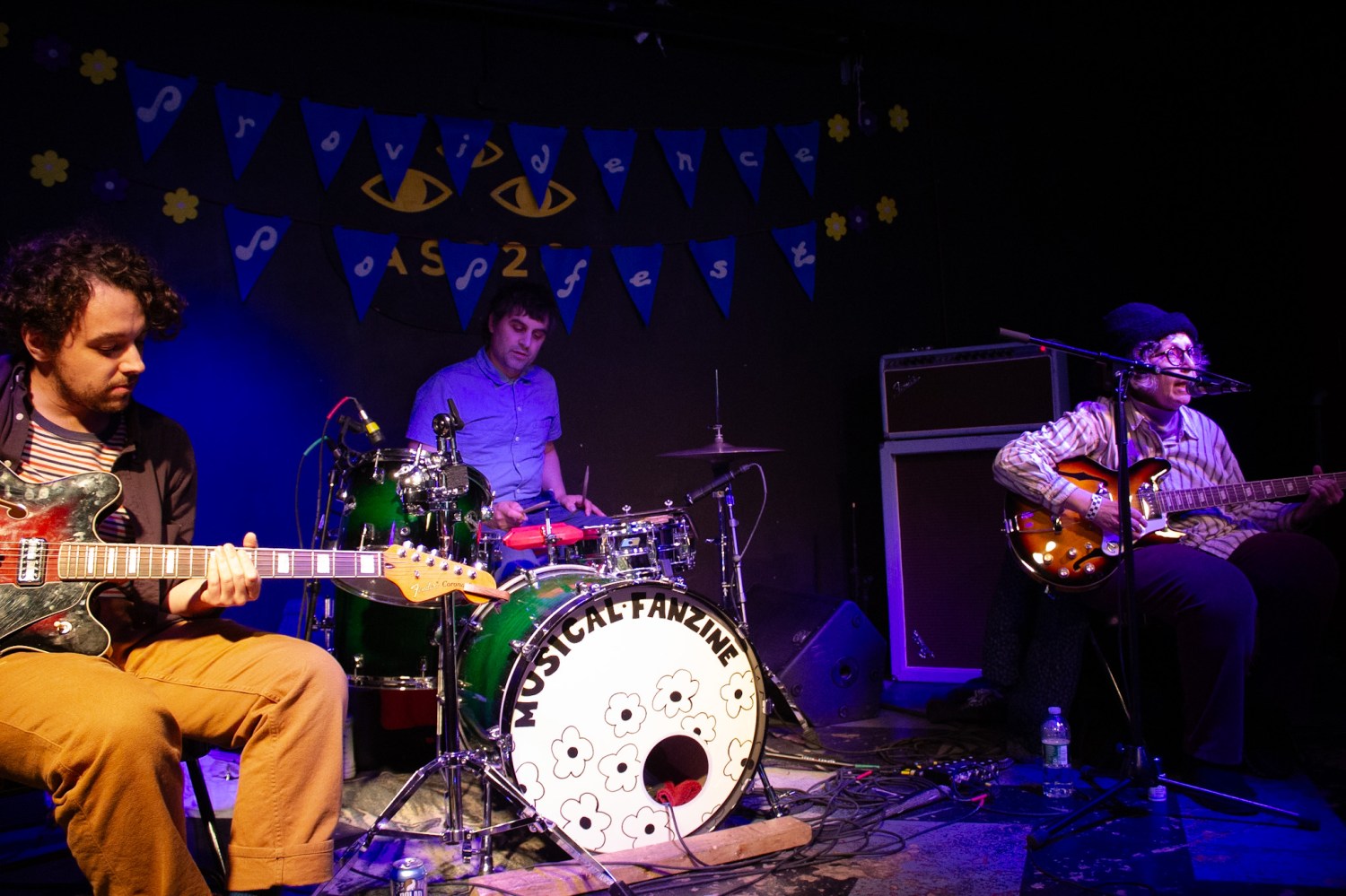
Linda Smith by Emma Tavares 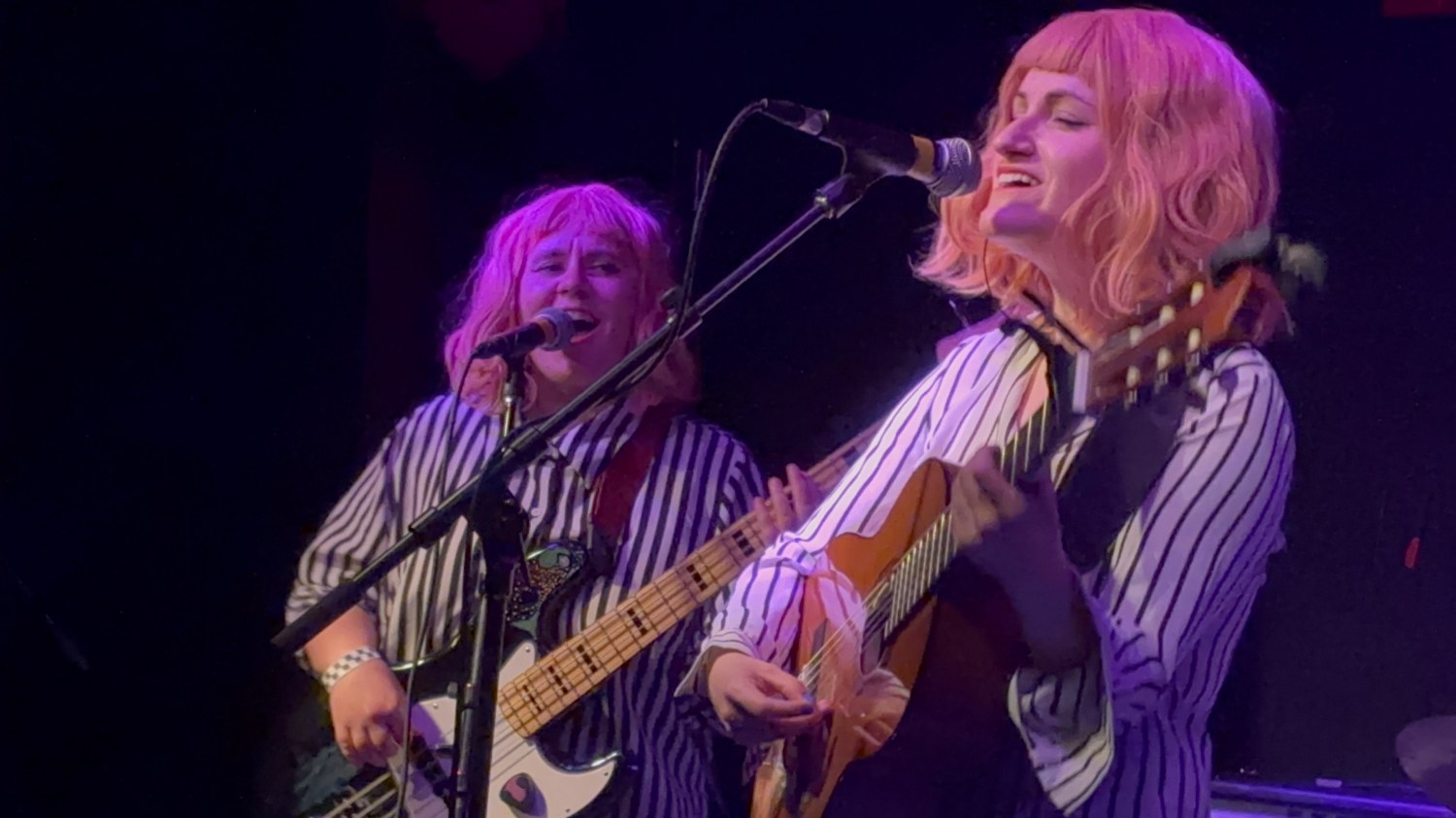
Nova One by David Paterson 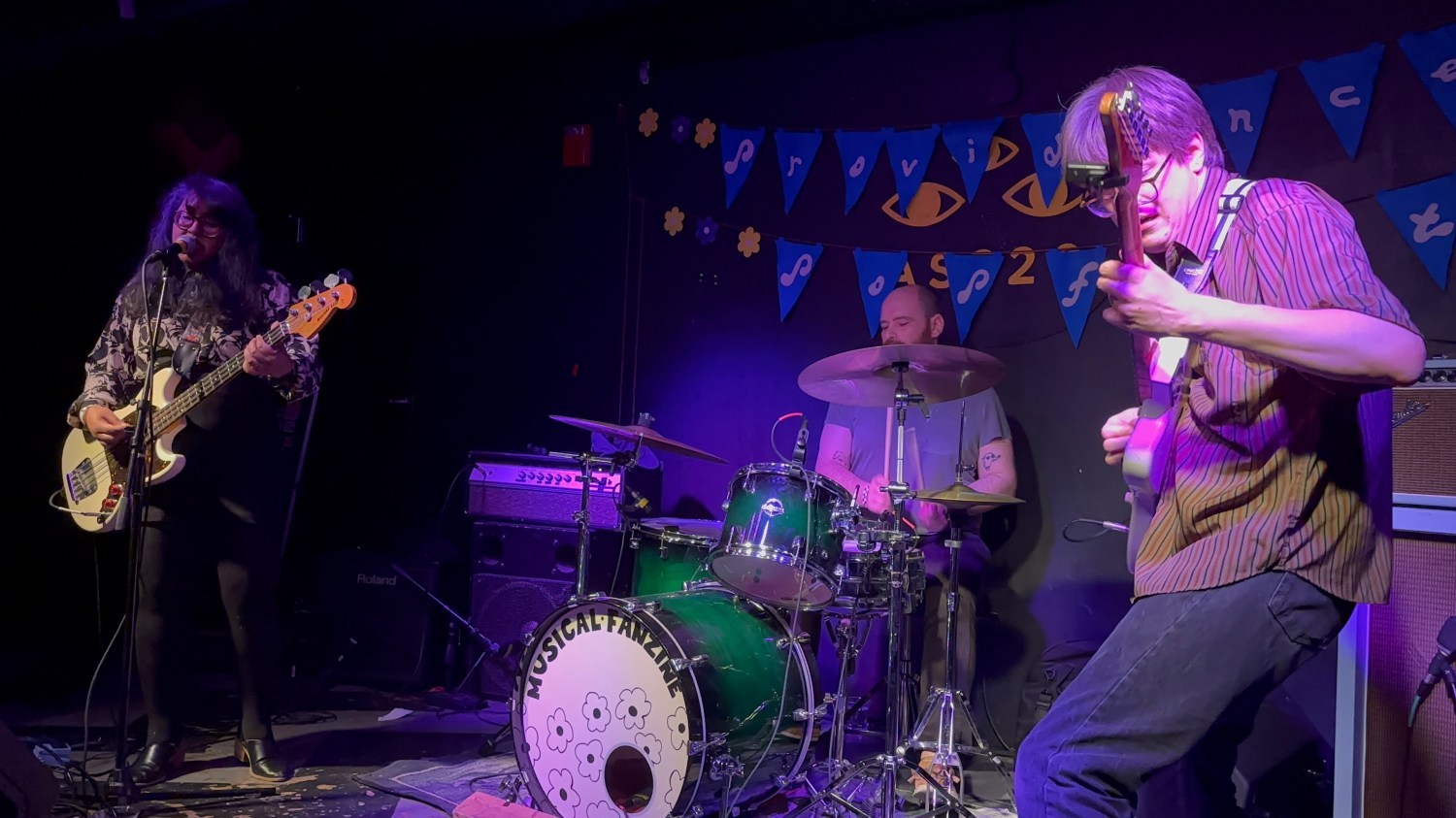
Sweeping Promises by David Paterson
Now coming off of the success of the fest, how was it? What did those three days mean to you? Any particular moments stand out to you?
I’m not quite sure how to articulate how much those three days meant to me. I’m not a person who cries often, and I teared up at least three times. The fest felt really good, kind of like a convention of like-minded folks who were all into similar types of music (and as far as I know, had similar politics). One thing that has really stuck with me from that weekend is the environment of support and solidarity that every single band, AS220 staff member, volunteer, and attendee had a part in making happen. It felt like this little multi-generational DIY utopia in the midst of some of the toughest times in the world around us.
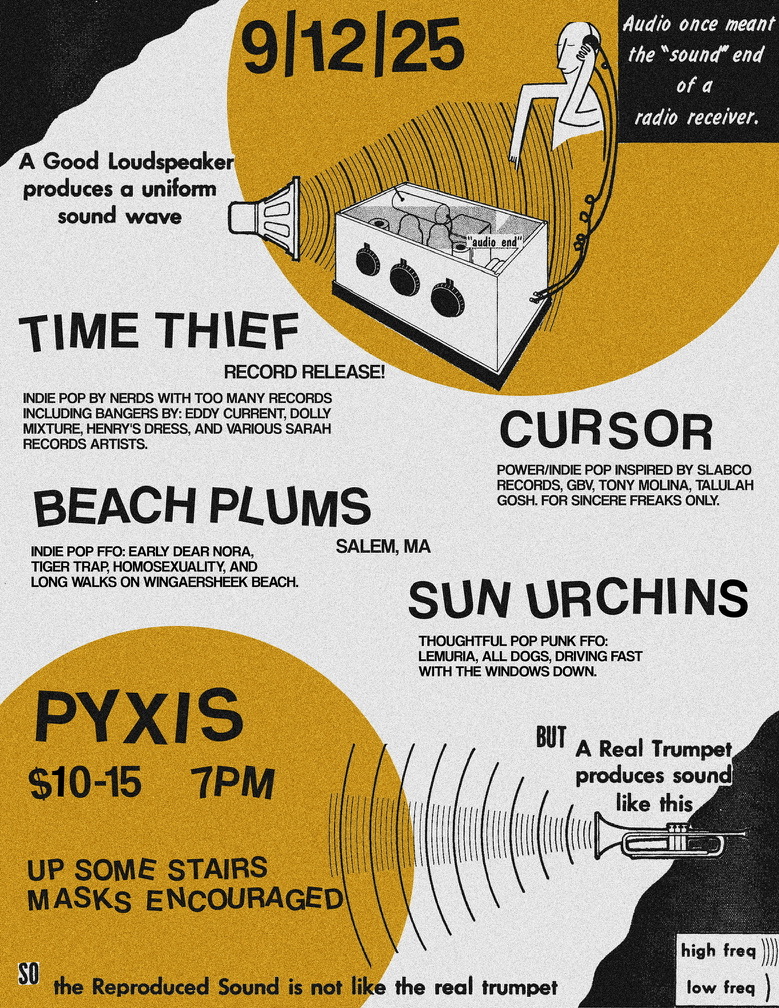
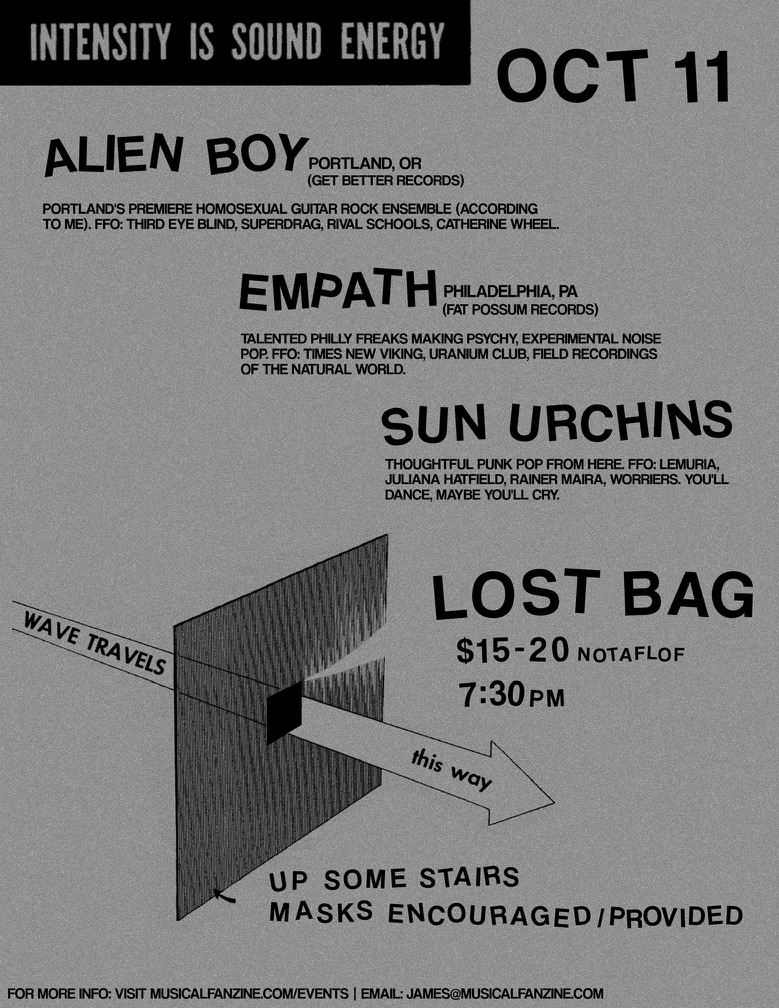
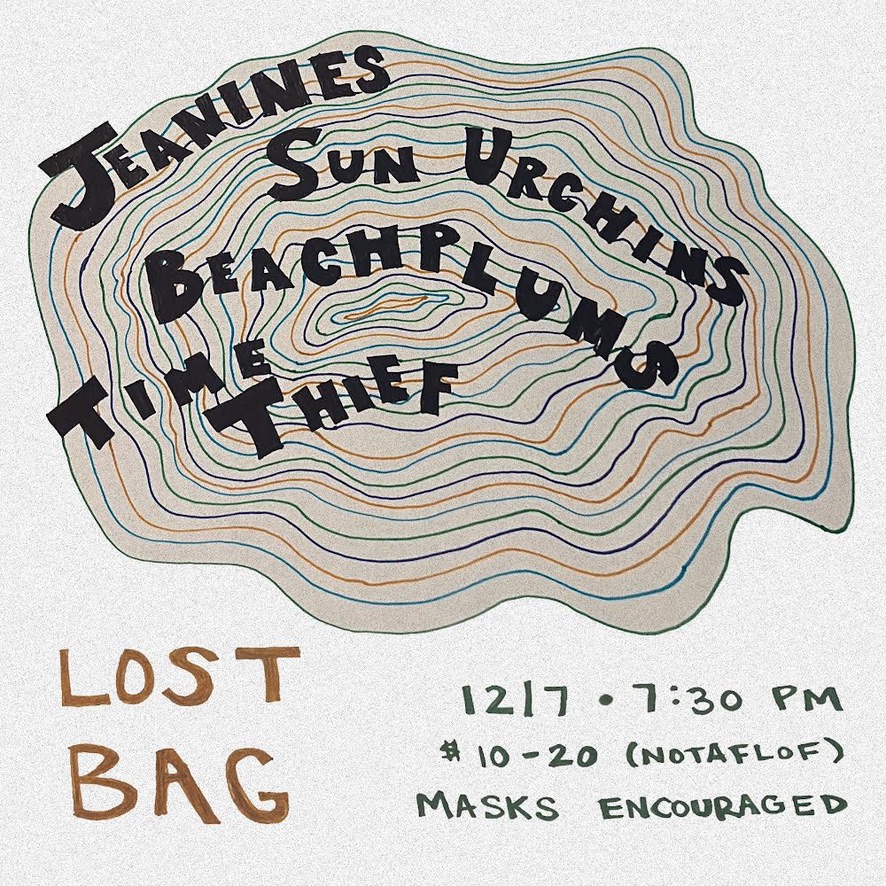
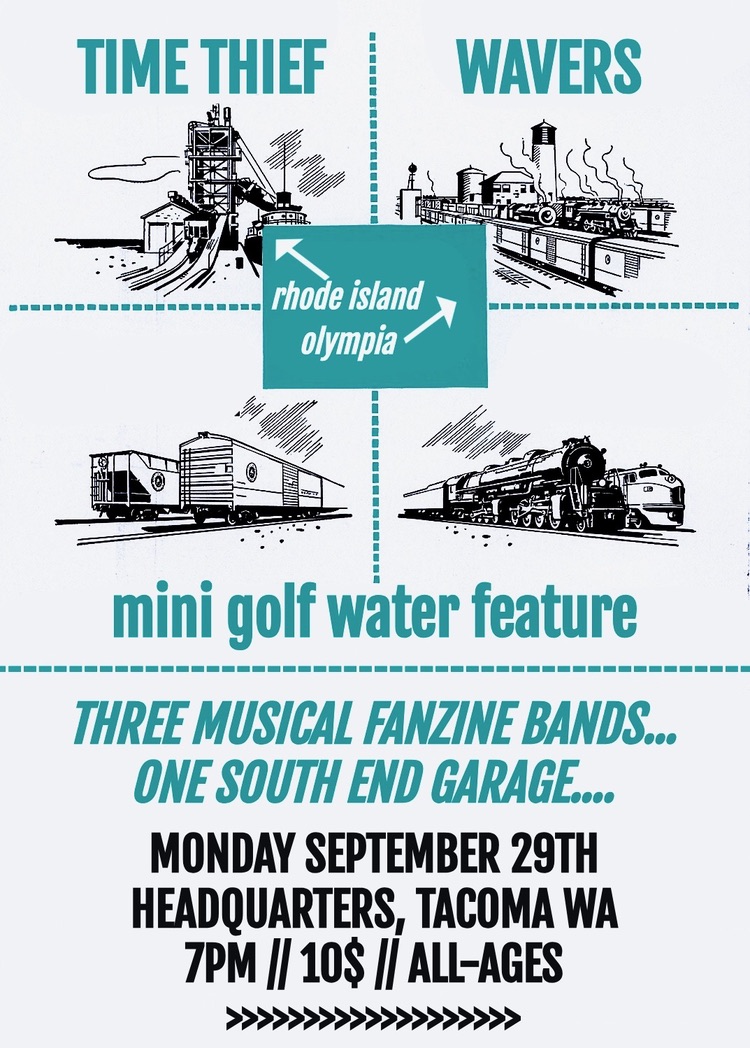
Show Flyers from Past MFZ Events and Shows
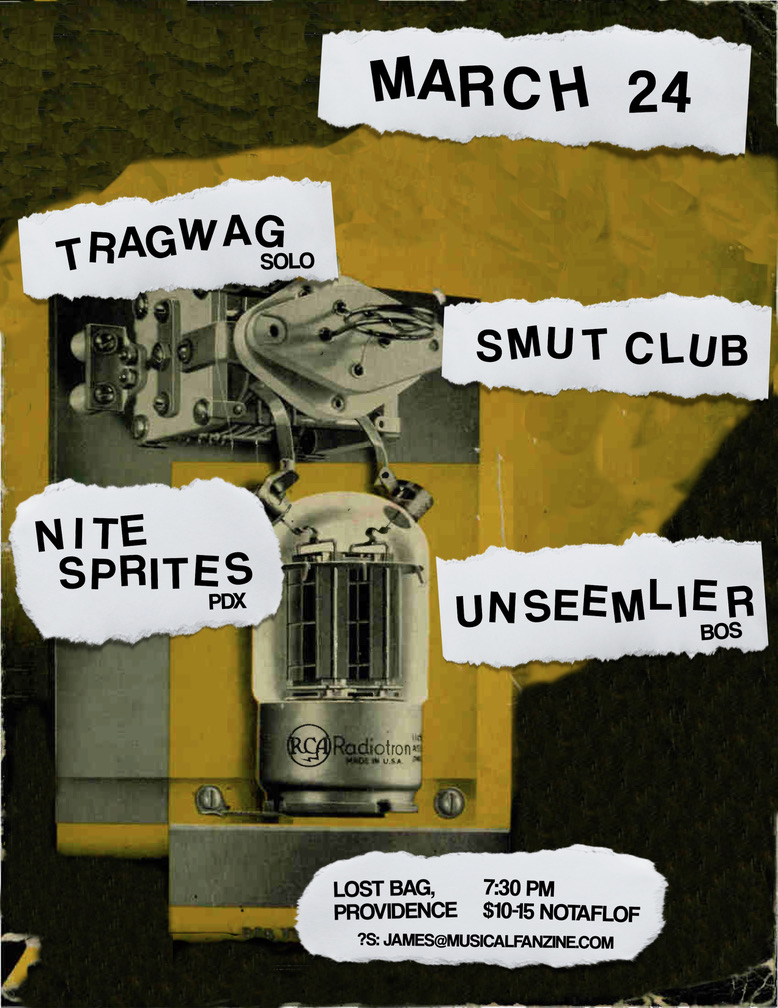
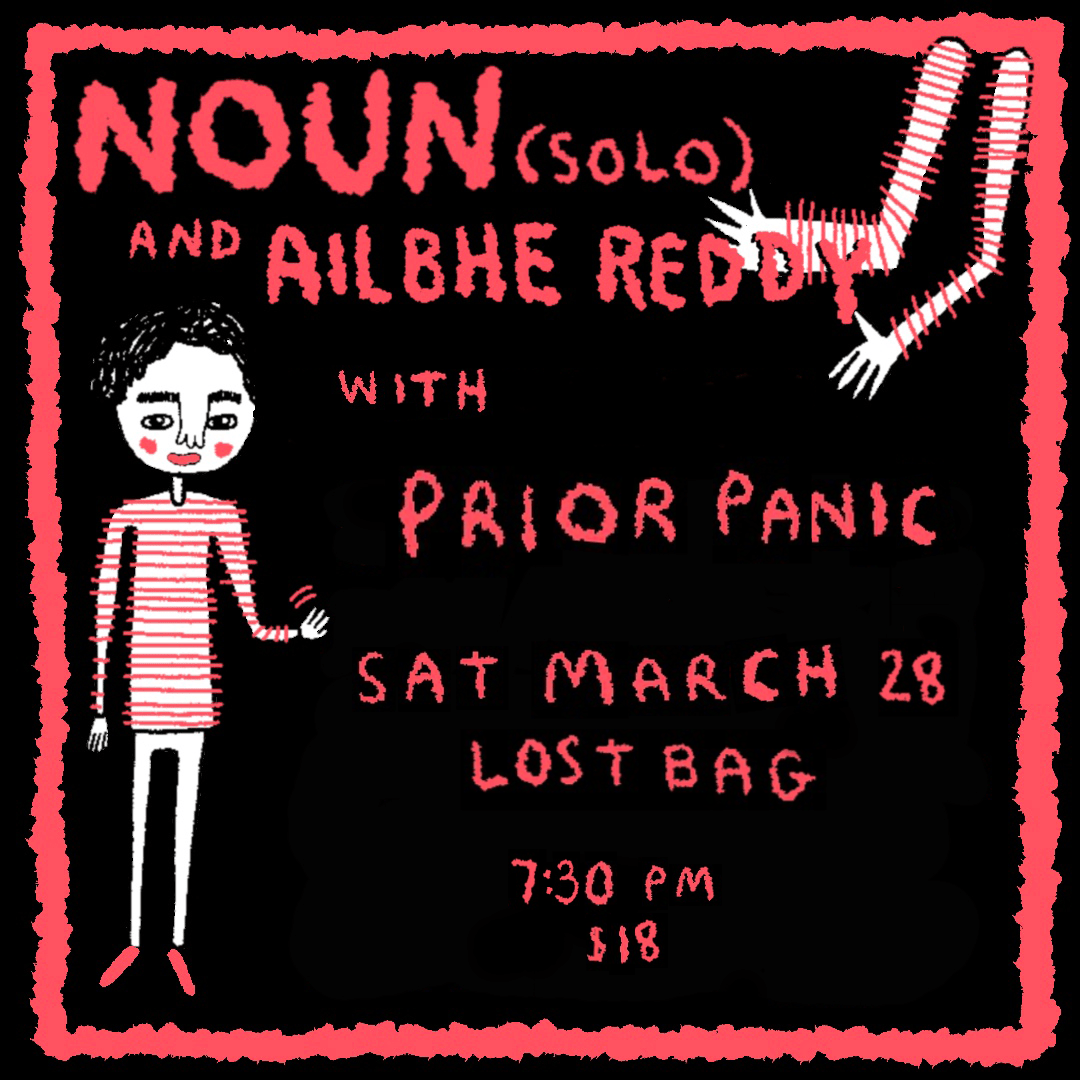
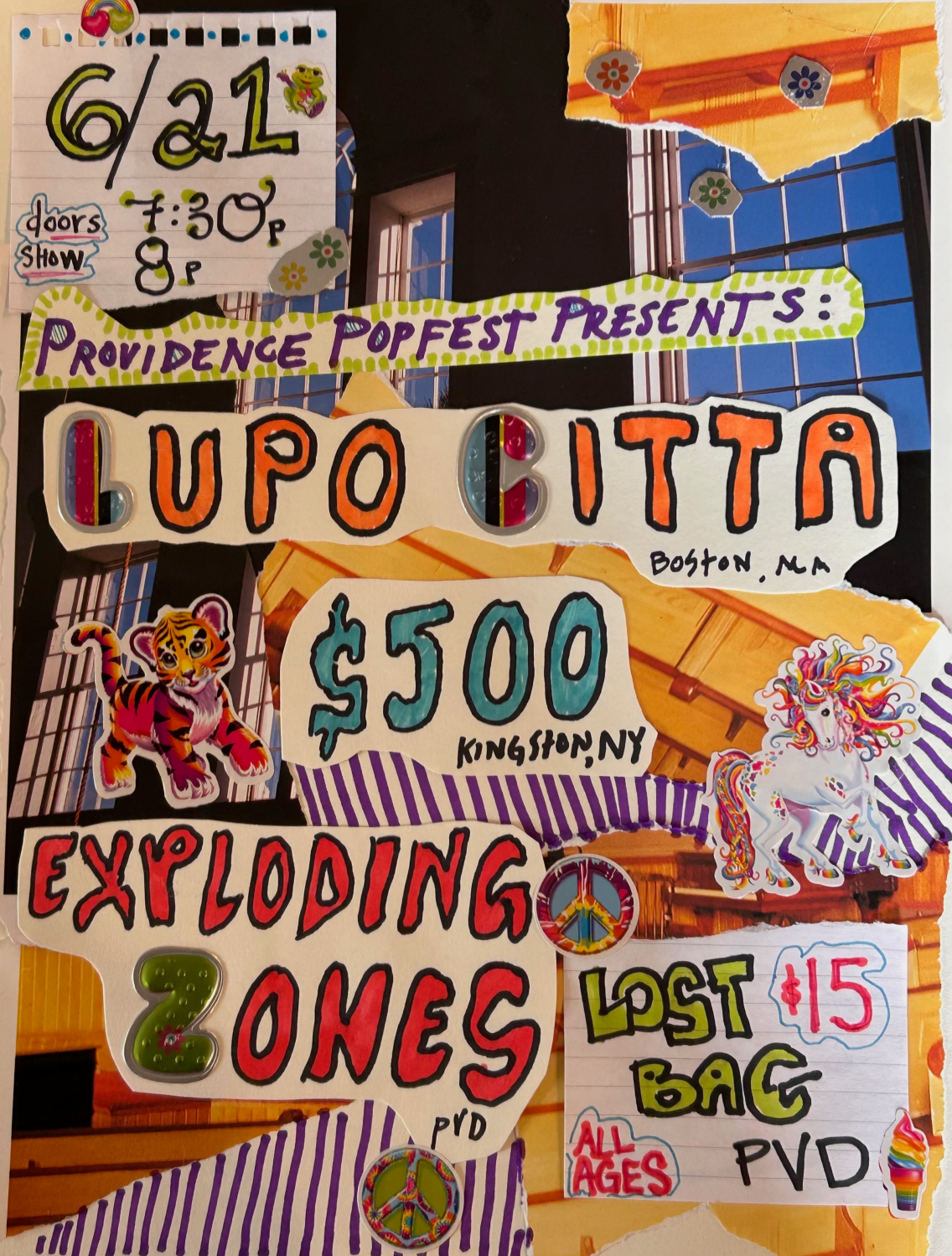
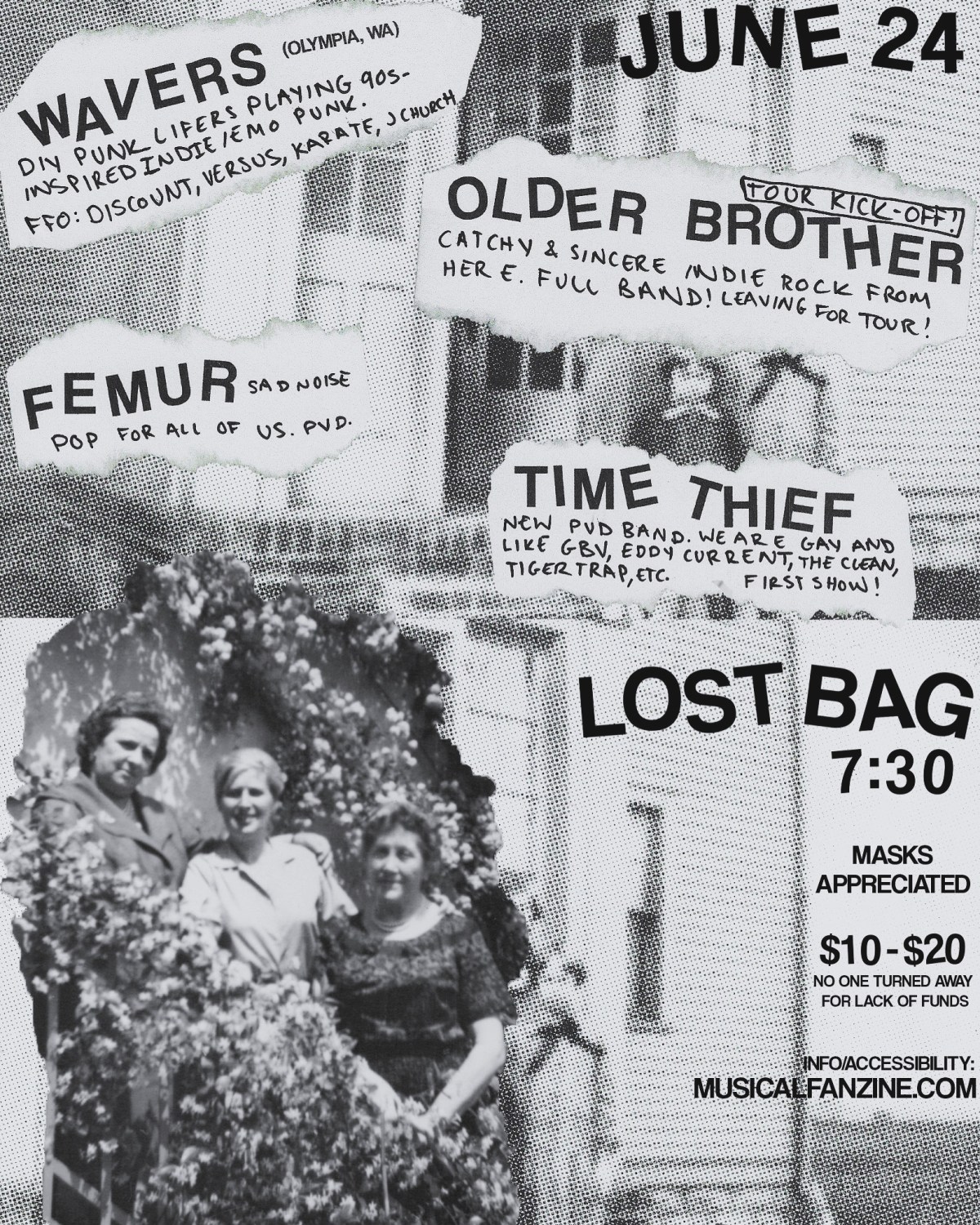
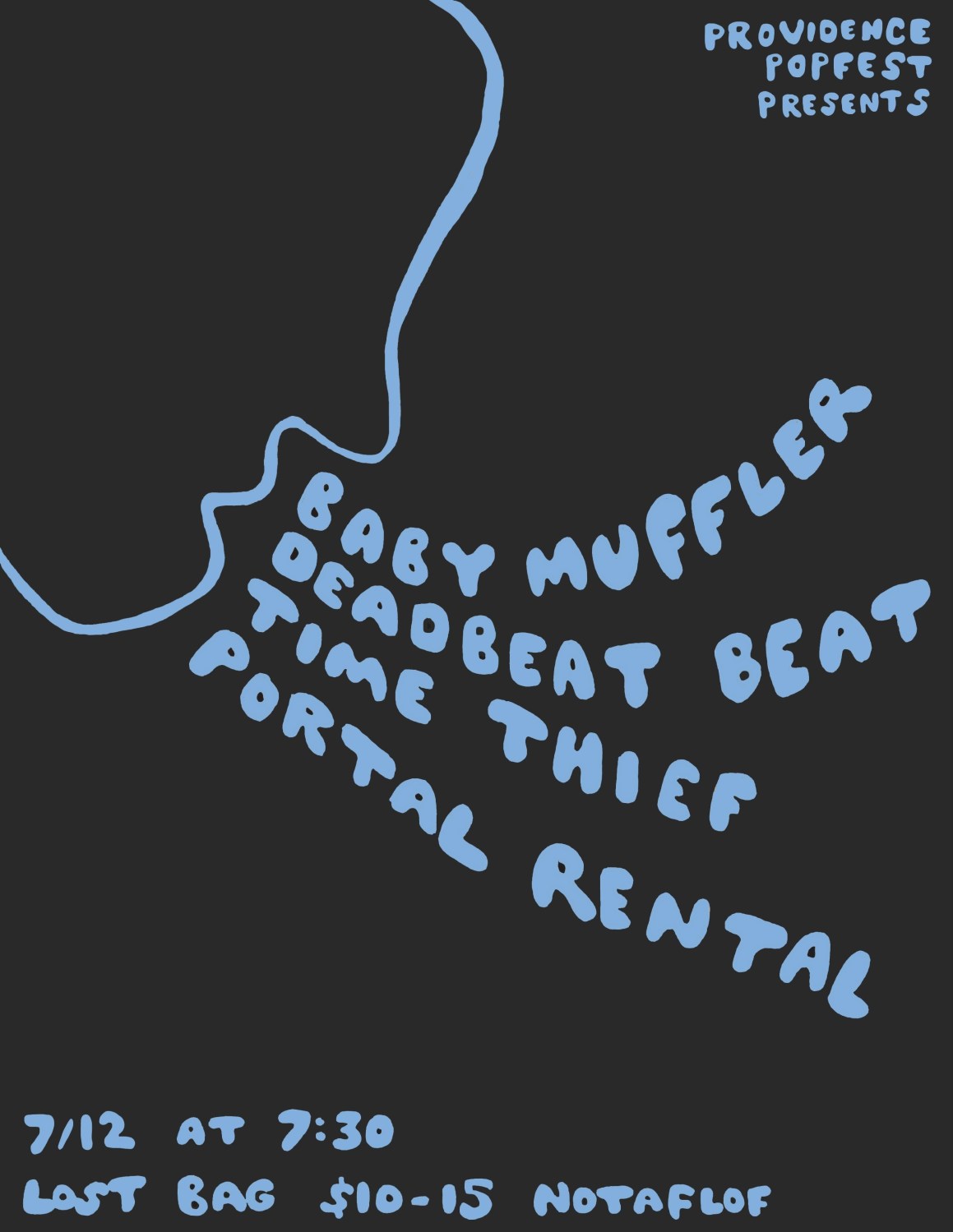
Do you have anything planned for MFZ in the future? What are you looking forward to?
So much! Well, first off, there’s next year’s popfest which we’re already planning for. And I have a few releases lined up! I’m doing a sort of reissue / expanded edition of Older Brother’s EP from last year, The Devil Hangs Around, in early June! Older Brother is one of my favorite bands going right now, and they happen to be from Providence, so I’m really excited to work together and feel super lucky that they said yes when I asked them if I could make them some tapes.
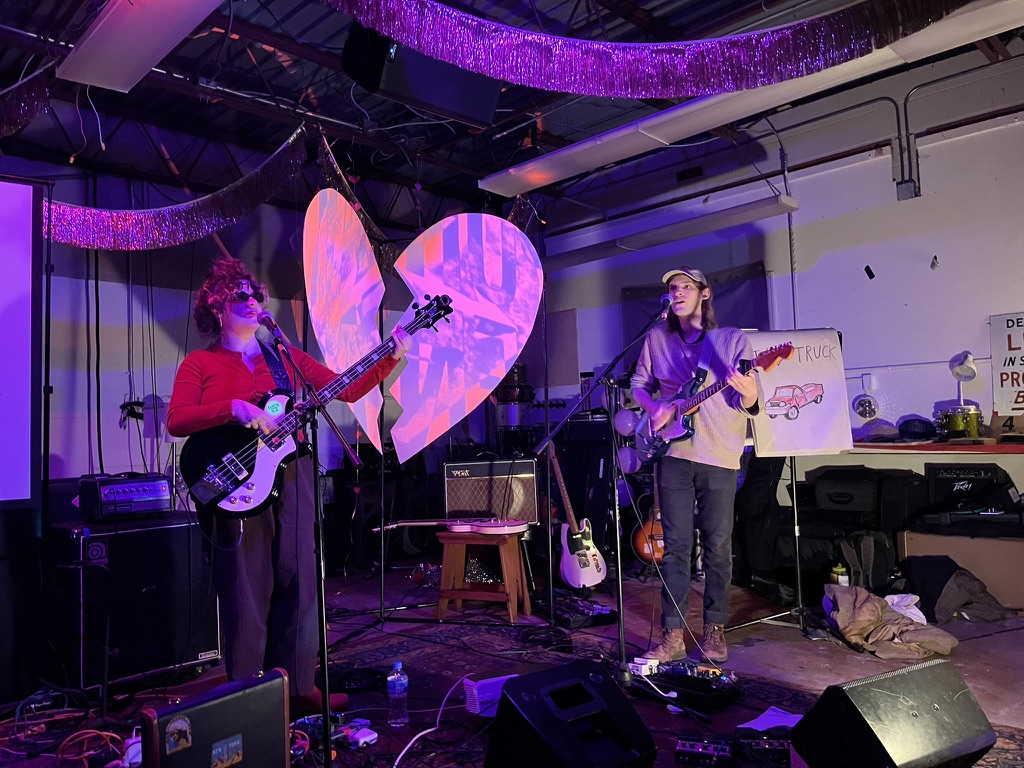
There’s also a lot more in the works that isn’t set in stone yet. I might be putting out a cassette reissue for one of my favorite indie pop bands going right now, which I’m really stoked about. time thief is working on our first full length record, which I assume MFZ will be involved with putting out in some way. Otherwise, I’m just trying to be braver about asking bands if I can put their stuff out.