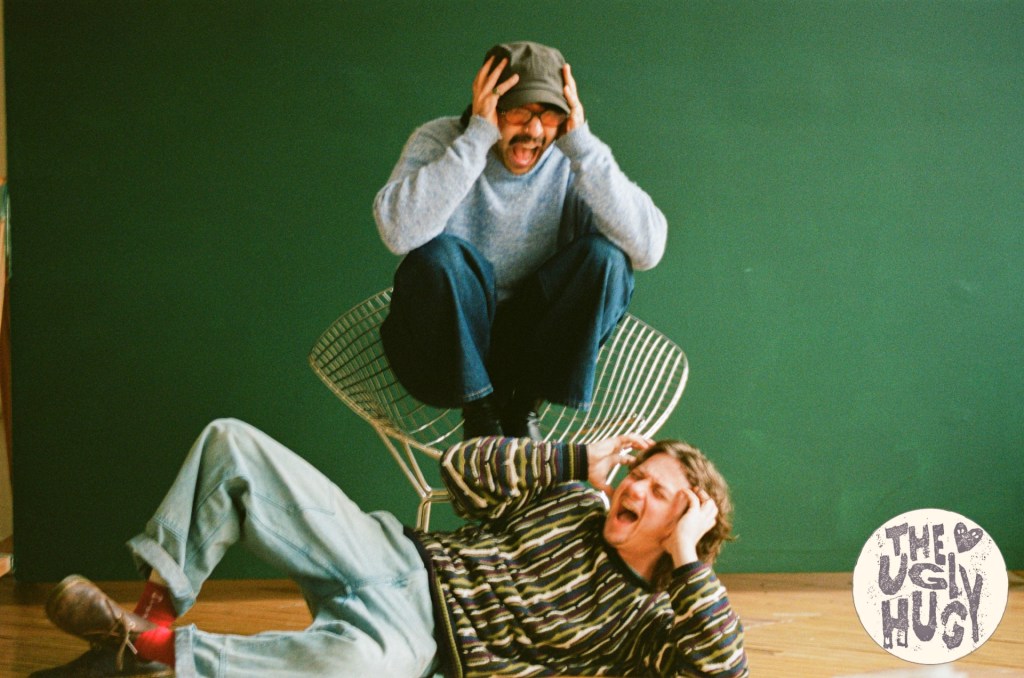
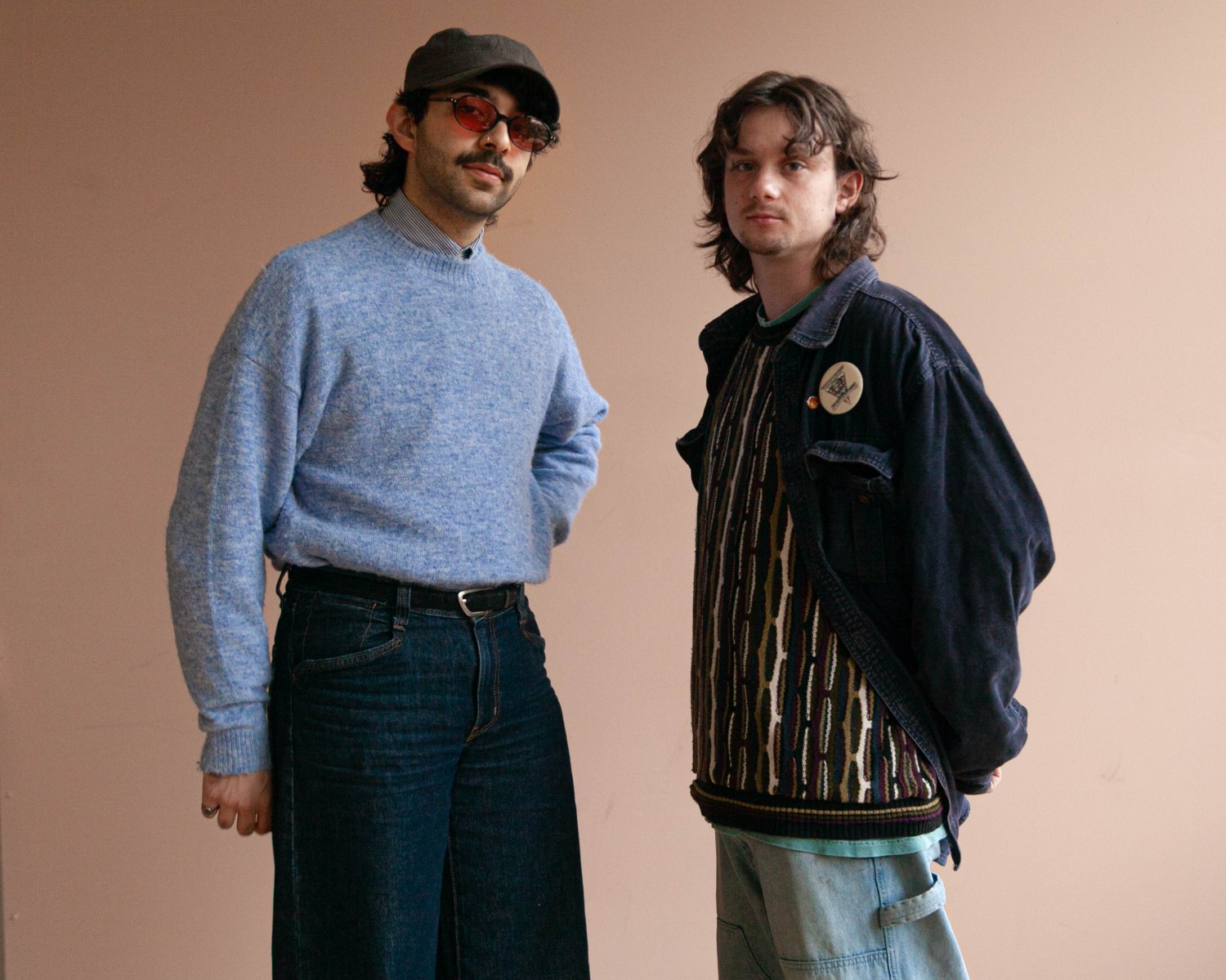
Interview and Photos by David Williams
The air is electric in the blistering, windy winter that we have grown accustomed to in Chicago, Illinois. It’s not only that the Bears are surging back to NFL relevancy again that are keeping people up lately during our most frigid nights. Every day, seemingly fresh out of the box, exciting bands within the indie community are being created. Chicago has now become a hotbed for those new voices breaking out and exploding onto the scene.
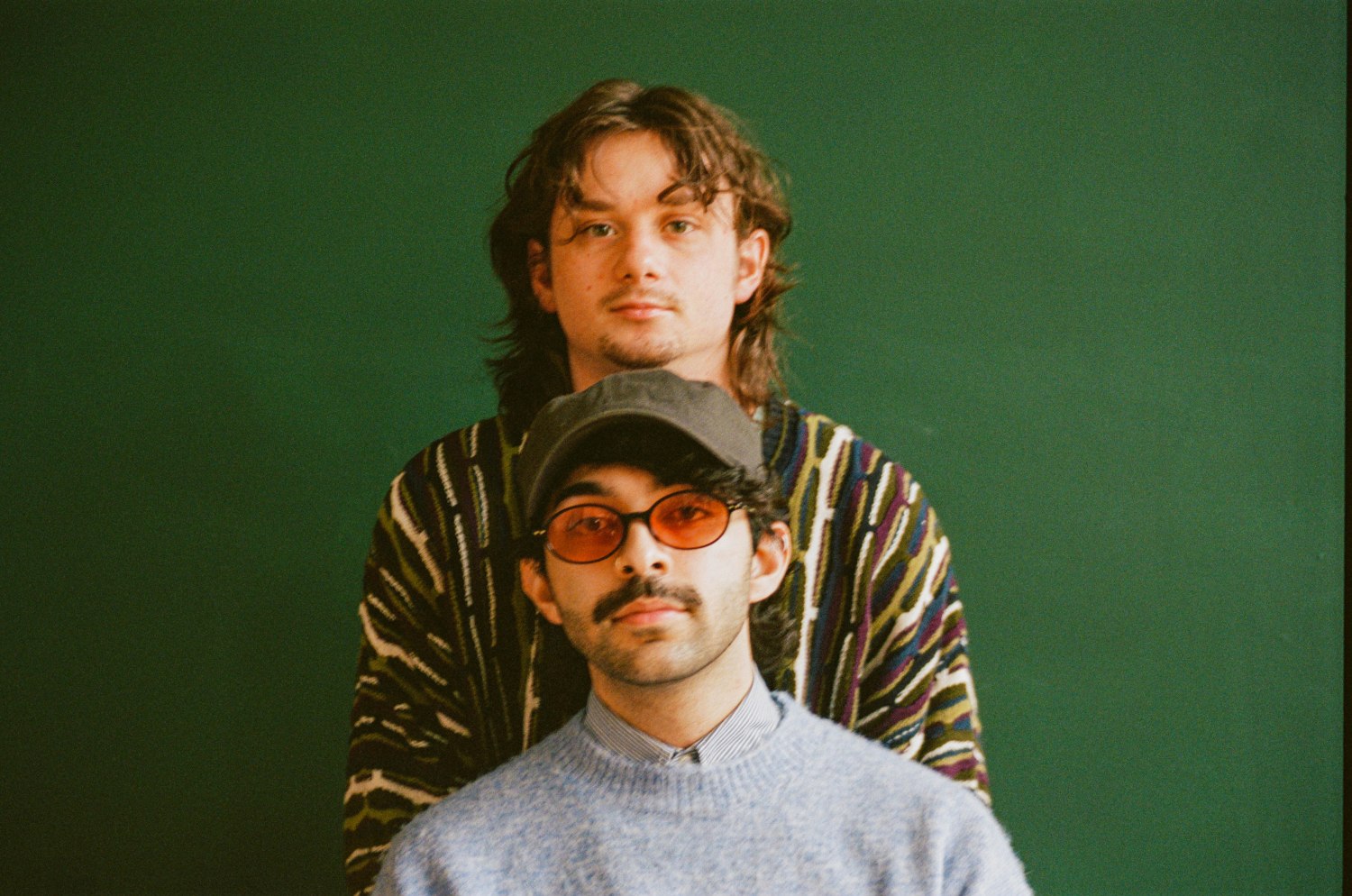
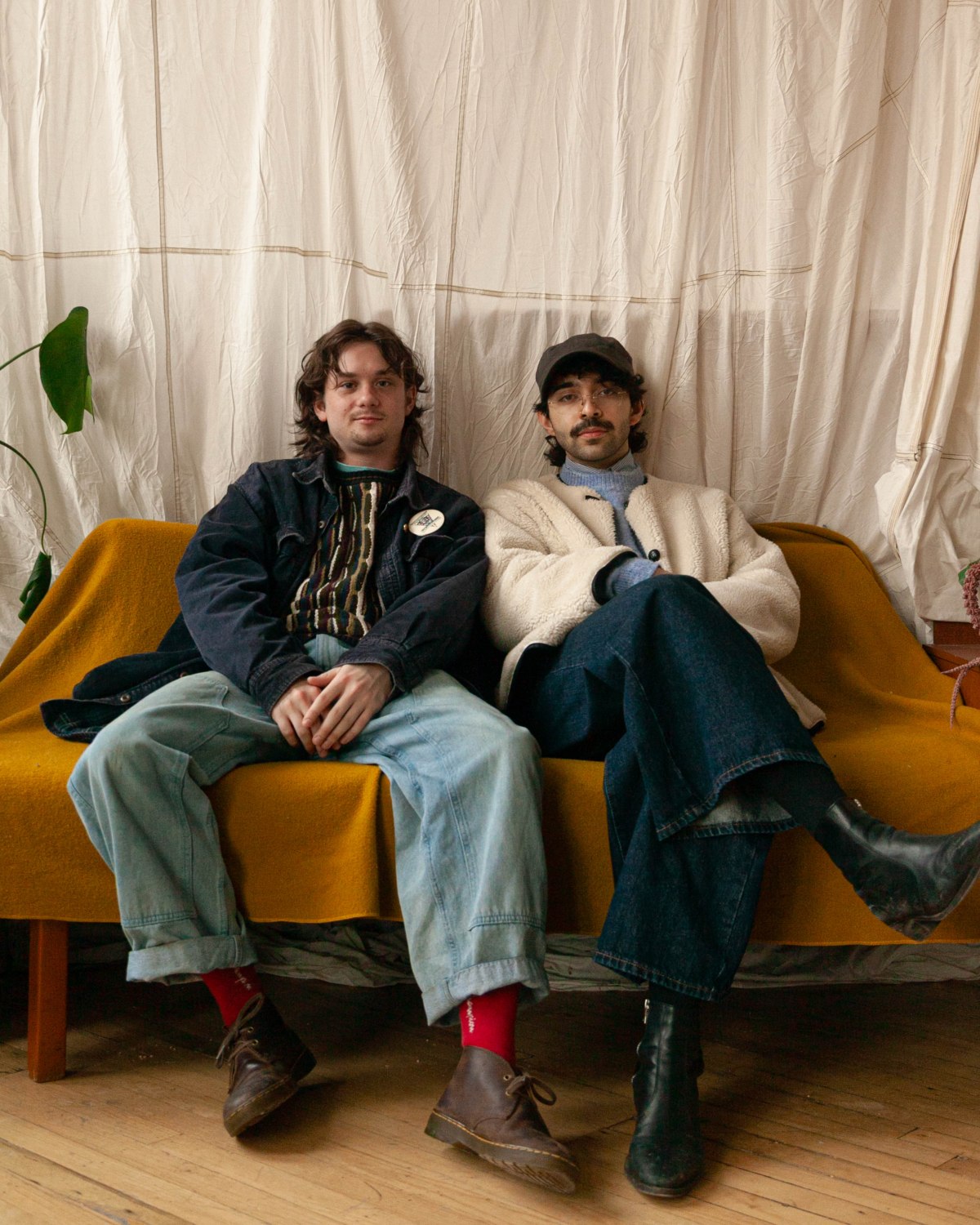
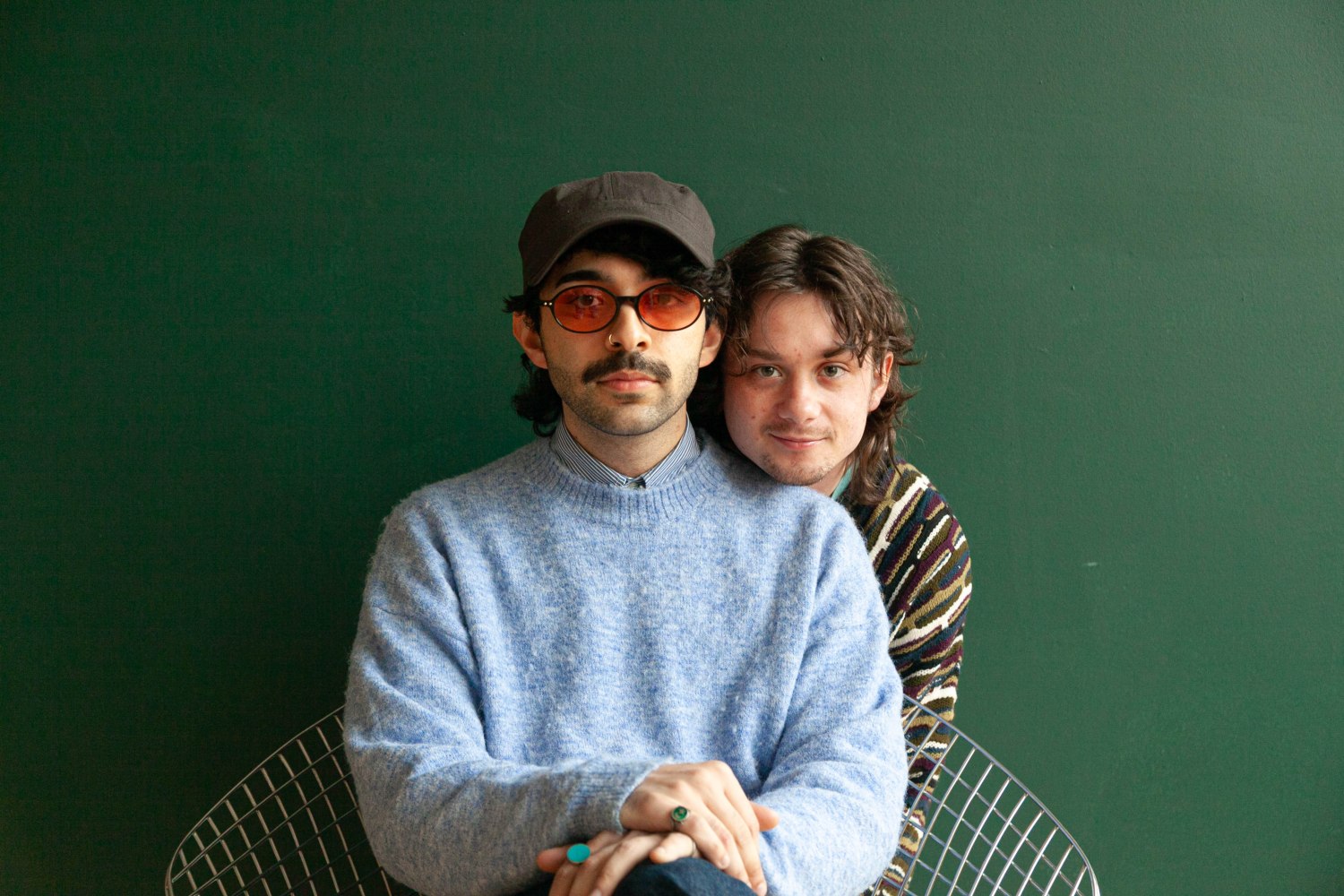
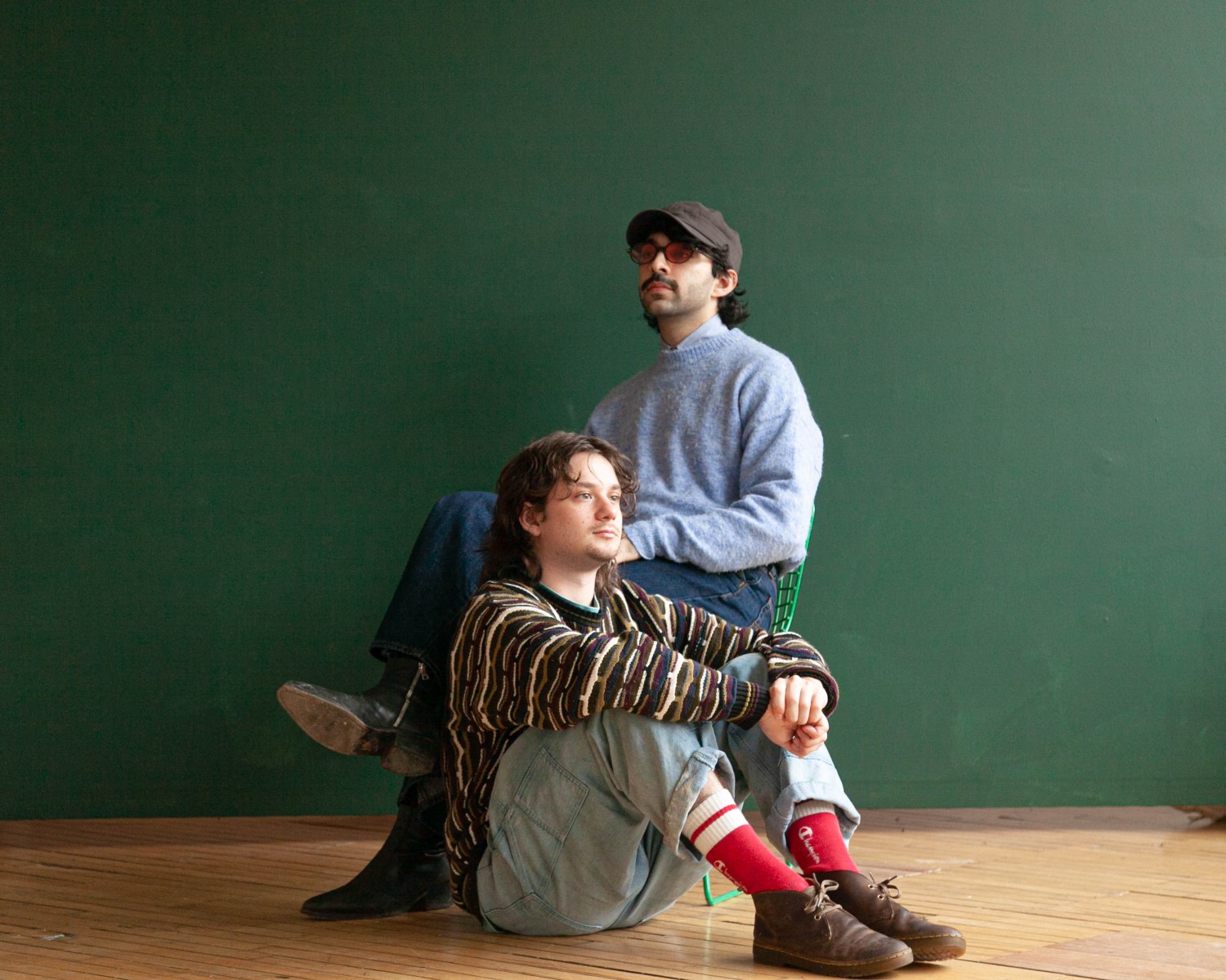
Ehmed Nauman and Micah Miller created the band This House is Creaking, which belongs in the conversation with other forward-pushing, future-thinking artists that will continue to push the envelope sonically, like Lifeguard or Joe Glass. THiC is starting to hit its stride with two albums in its catalog. Their latest album, I Want to Feel at Home Here, was a DIY hammer house filled with fuzzed-out guitar textures, mixed with lyrics that lean towards inner monologue that would normally rest solely in one’s head.
THiC should be lauded for essentially laying themselves bare on different songs. They’re trying to find their place in the world with a soundtrack of 90s alternative rock, Midwest emo, and spasmic dubstep noises as their playground. The band triumphantly molded what each other listened to growing up into one brand of music. Them growing with each other with each passing song and album, it would be easy to see THiC bursting down the door with the ferocity of the Kool-Aid Man entering the mainstream.
Micah Miller, raised in the Evanston area, is the producer between the two known for bringing his own style of chaotic digital experiments to each song. His influences of Skrillex, deadmau5, and Porter Robinson bleed through the speakers. Ehmed Nauman, hailing from Las Vegas, is the traditionalist of the group. His weapon of choice is his guitar. He can shred, mold, and bend sounds at his whim. There’s a keen sense of aggressiveness within his riffs and distortion, similar to the grunge bands he listened to as a child through his dad’s guidance. They play off each other, bringing the best of both worlds from their upbringing into an amalgamation of memorable songs. Together, both sonically bring more twists than a Ford Mustang in a Fast and Furious film.
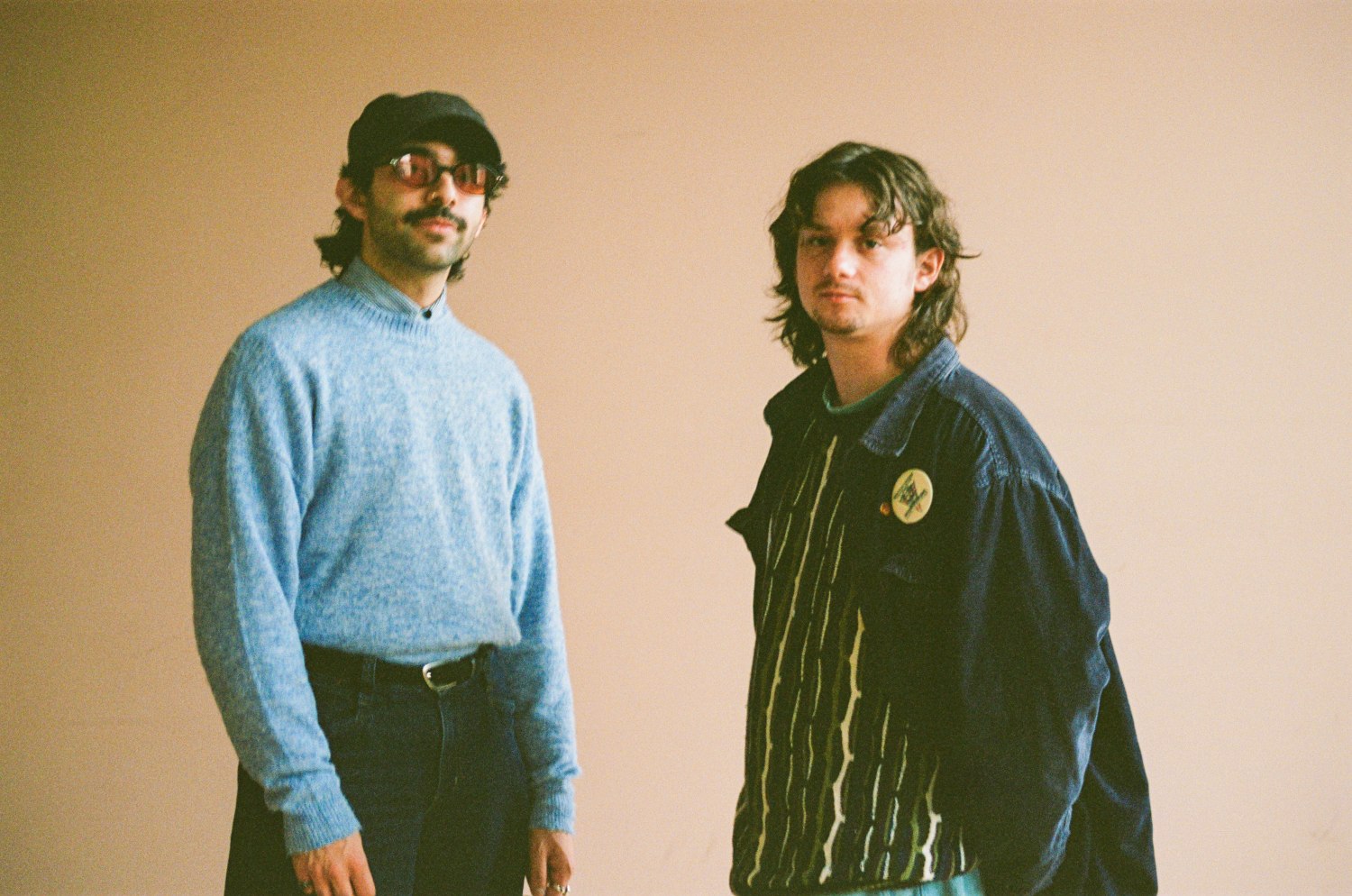
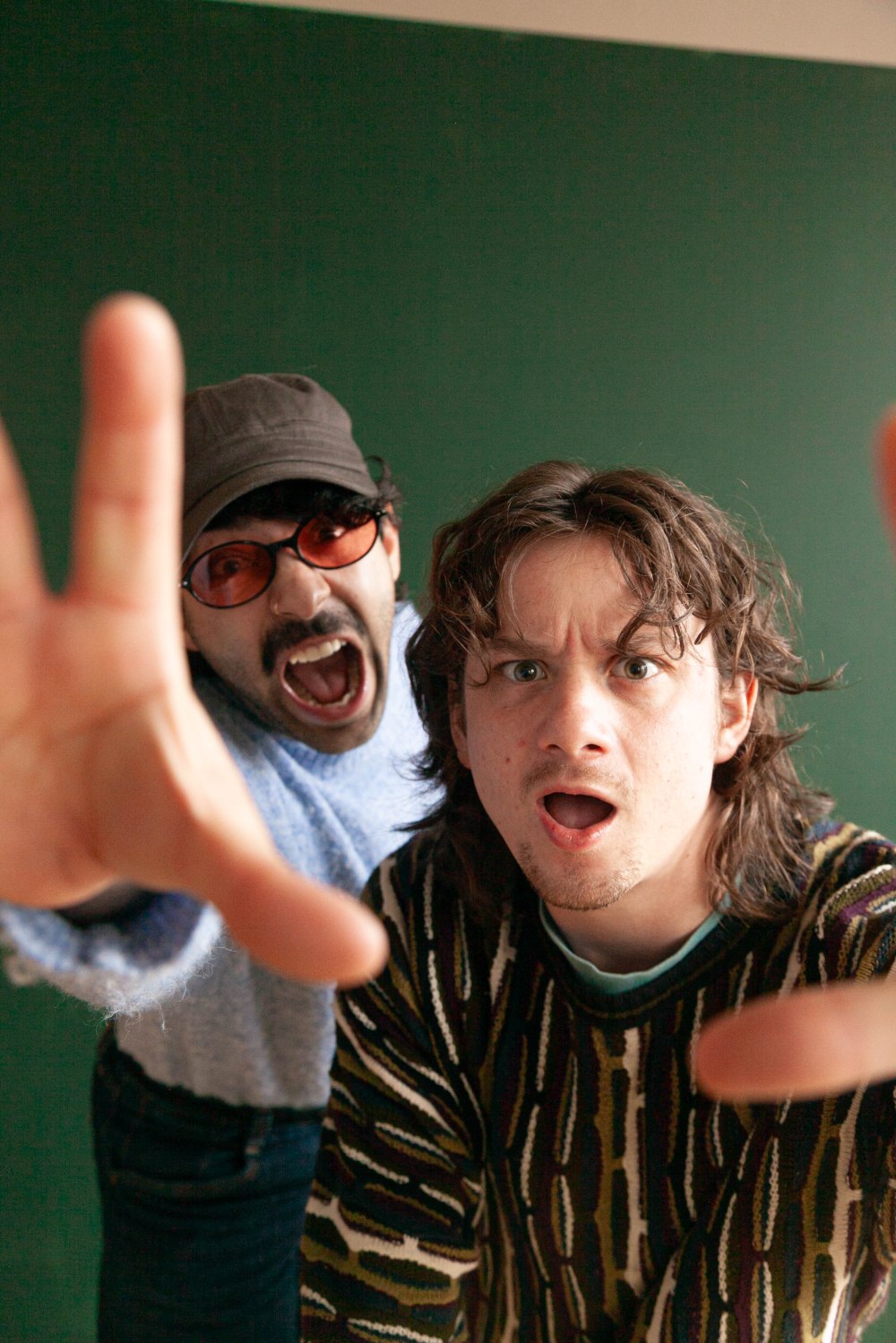
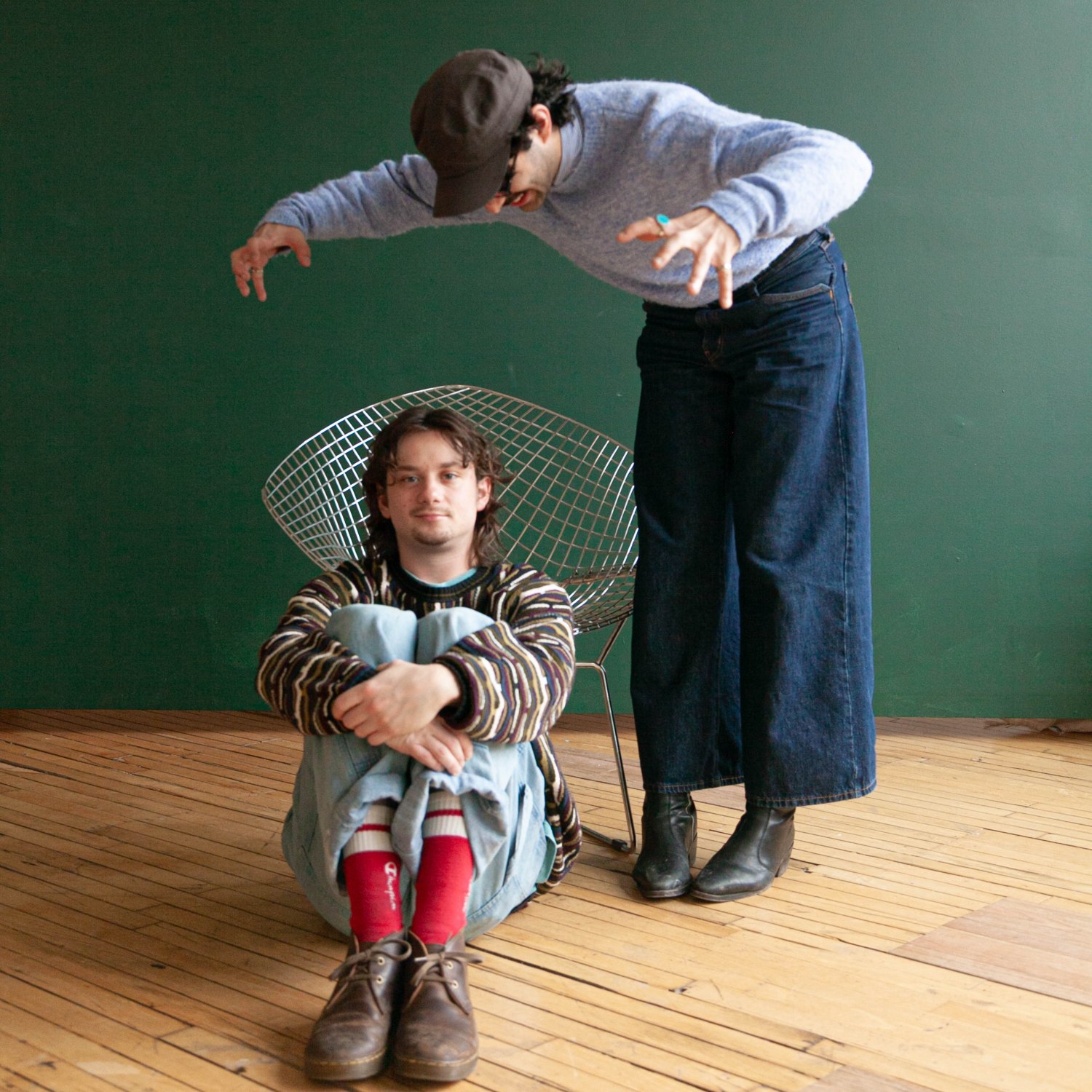
A new record with the potential of attaching themselves to a bigger name band to hit the road are some of the ambitious plans ahead for THiC in 2026. If their new album is anything similar to their latest singles, “Something Else” and “2 lamp (lava lamp)”, we’re in for a real treat. I got a chance to sit down with THiC to talk candidly about their aspirations, how they met, the origin of their band name, and what music they listened to growing up. Also, check out the gallery from the photoshoot on a cloudy December afternoon.
What’s your first musical memory?
Micah: School of Rock was mine. I wanted to play the drums because the dude with the spiky hair in the movie. I remember I would get in trouble at school for drumming with pencils. I’m not even a drummer at all, but I would drum on the desk with pencils. My teacher told my mom, “you should get him drum lessons since he can’t stop during class.”
Ehmed: I think the most significant, pivotal music moment from when I was a kid was seeing my friend Kasim, whose since passed away, he just shredded the guitar. I remember I would go to their house literally every day after school. He used to play Guitar Hero on silent – he would actually mute Guitar Hero because he would have to focus. But he shredded on the guitar and he had this cream Les Paul with the P90s. This specific guitar is burned into my musical being. Just seeing him play the guitar and get good at it was actually the first time where it clicked in my head that it’s like, “Whoa, you can practice something and get better at something through practice.” I think Casen is certainly the biggest inspiration to me other than my dad. I remember one distinct memory driving to the Hoover Dam with my father, because I’m from Vegas, and we’re listening to “You’ve Got to Hide Your Love Away” by The Beatles. Just hearing that play, being like, “wait, this is fucking awesome!”
What were some of your favorite bands growing up?
Micah: That’s a tough question. One of the bands that I was the most into when I was between the ages of like seven and eleven was Cage the Elephant. Then I kind of got into a lot of electronic music as I was growing up. Skrillex is one of my goats. “Raise Your Weapon” by deadmau5 is one of my favorite songs of all time. And a lot of my musical memories are bands that my sister showed me. The Menzingers were really big for me when I was younger. Funnily enough, American Football and a lot of Midwest Emo stuff.
Ehmed: In my earliest days, I was mostly listening to the music my dad showed me. A lot of classic rock, but also a lot of grunge music like Soundgarden, you know, the big grunge bands at the time. Then when I started to discover music for myself I got really tapped into the Chicago scene in my high school years. I got tapped into Moontype, Options and Post Animal – that sort of scene was very impactful for me and that’s why I came out to Chicago. Chicago has a genuine love for making stuff.
Does the music you listen to when you’re growing up influence what you’re doing today?
Micah: 100%! We do a lot of our stuff very production heavy. I started making dubstep and electronic music when I was eleven years old. I heard Skrillex for the first time and I needed to figure out how to do this. Then I got into Porter Robinson and it brought in my view of what electronic music could be. I think you can hear some Porter in our stuff. I was also listening to a lot of bedroom pop like Frankie Cosmos and early Porches when I was younger. I think that also translates into a lot of our mode of thinking.
Ehmed: My first love was the guitar, studying all this classic rock shit like Eddie Van Halen that has stuck with me and will stick with me. The guitar is where I feel most confident. Like what Micah was saying, he is a producer to his core. I came from playing bands, playing guitar and doing all that. So that’s where I think This House is Creaking lies in the middle. At this point, we’re both playing guitar, and we’re both heavily producing it. I think that’s pretty essential.
Micah: For my 12th birthday, my parents asked what I wanted and I made a PowerPoint presentation on why they should buy me the full version of Ableton Live. And they did not buy it for me. But they bought me a keyboard and AOSIS 49 keyboard that came with a free trial of the light version of Ableton, where you could only use 8 tracks within a project file. This lended a lot to my learning of it, and as you were with the guitar, I would YouTube tutorial every day on the bus to school and when I got home. I was bringing my laptop on the bus and I remember kids making fun of me. I played baseball and kids would ask me, “you stopped playing baseball for dubstep?”
How did you originally meet?
Ehmed: We have a lot of mutual friends, and then by happenstance, we ended up living together a little bit.
Micah: I was moving to a new spot and saw someone had an open bedroom. I said “I’ll freaking do it.” We lived in Rogers Park for a year. We made so much music together and had so much shit that we said we should probably put out. I was sitting on a project of like 4 songs that I was going to do solo. Eventually, not all of them, but a couple of them will eventually come out as This House is Creeping songs.
Ehmed: I had demoed out a whole record of my own that summer. Then I was planning on going and recording it at a proper studio. But those will come out as THiC songs also at some point.
Micah: So it’s kind of just perfect timing. I remember Ehmed pushing me. Not in a negative way, but it was either, ‘you gotta put out the stuff that you have recorded or we gotta put out the stuff that we have now, we can’t just keep sitting on stuff’. I was really afraid of putting stuff out for a little while, so that extra push helped. I’m also beholden to my best buddy. We got to respect our own music and respect our own time. The response was really cool and it felt really good. I started picking up a guitar again. I wanted to be able to play live and not just stand on stage. It all just lended itself to the current iteration of what we do now.
Ehmed: Micah has a dubstep taste with mixing. I wasn’t used to working in Logic a lot, but Ableton literally changed my life. But for me I like learning more about the mechanics of production and mixing and stuff from Micah. I feel like we’re always learning back and forth from each other.
How did you come up with the band name This House is Creaking?
Ehmed: Dude, we lived in a very loud house. (laughing)
Micah: Yeah, it had these guttural noises because we had radiators that would make sounds and we would always feel as if someone was in the house or the house was creaking? We were sitting there, and one of us said, “dude, this house was creaking.” And we’re like, wait a second. We knew we wanted it to be a longer name that could be an acronym.
Ehmed: But the “thick” pronunciation wasn’t intentional.
Micah: It was not intentional for it to be able to be pronounced as thick, even though it works.
Do you remember the first This House is Creaking show? How did it feel? Just walk me through the whole emotions of it.
Ehmed: Okay, so we played downstairs at Subterranean. This was my first time playing music. I have been writing since I lived in Vegas. It was a big deal for me.
Micah: It was my first time ever playing music I’ve written, not behind a DJ deck, but having a guitar and in front of a mic and singing. It was crazy.
Ehmed: When we play live there’s 3 guitarists in the band. So our friend Hunter Borowick, who plays third guitar with us, our friend Taylor [O’neal], who I played in dozens of bands with, was playing drums, and Will Izdepski, he played bass. So it’s like literally our dream team of people.
Micah: I just realized I lied. It wasn’t my first time playing. It was the first time playing in a band rather than something that I just wrote.
Ehmed: It’s a crazy feeling to play your own music. For me, I play a lot of other people’s music all the time. I was a hired guitar player, I actually really enjoy it because I like to bring my own thing into other people’s music. Playing your own thing is different. It’s the most rewarding experience. Although we’re a studio band and there’s a lot of production, the live thing is a beast. I mean, it’s loud, it’s aggressive and it’s pretty all rolled into one.
Was there a band that you saw live that lit a competitive fire under you, like, you just want to go harder next time you’re in the studio?
Ehmed: There is a band called Palm that are no longer playing, but they are from Philly. We’re big fans of the Philly scene. Palm just made this unbelievable, timeless music. Truly, this is future forward thinking, and completely genuine, non-pretentious, just crazy shit they would make. Everytime I see them, it’s like, how the fuck do you even come up with? It’s nuts.
Micah: It’s funny because we both have listened to them separately before we knew each other. I mean, they’re legends in their own right, but they’re not like a huge band. They’re a cult band. I think that’s the ultimate one for me at least where I was like, ‘holy shit. You can do that?’
Ehmed: It’s not necessarily competitive, it’s more inspirational. It’s like, I want to do that too, you know? I get that from our buddies on a daily basis. We have a chat with all our best buds who all play in bands. They’re also just normal dudes, but anytime you go and see their shows, it’s like, “wait a second, you are so killer at what you do.” I think that’s a really cool part of Chicago. Just like being a part of a community.
You mentioned opening up for Water From Your Eyes. I was at the Hotline TNT show when you guys opened. You’re opening for DIIV in January. Do you feel you’re gaining momentum with people? That the music is starting to connect and now people are reaching out to you to open for bigger named artists?
Micah: Yeah, I definitely think so. It’s a knock-on-wood thing. And it’s not even that we’re doing it for that. I just love writing music and writing music with my best buddy. And it’s just a brain exercise and fun. But it’s definitely affirming to be opening for these bands I’ve listened to for a long time. My sister showed me DIIV when I was like 14 years old. That’s one of the bands that we were driving around in the back of the Volvo, hanging out after school and listening to DIIV, being like, “damn this is really cool.” Coming back around to it later and saying, ‘oh shit, I cannot believe that we’re gonna play with them. That’s crazy!’ It definitely feels like the music is connecting. The last two singles especially feel like we’re hitting our stride musically for me. It’s connecting really heavily and emotionally as well, which is cool. The last two are definitely pretty emotionally poignant songs.
Ehmed: I’ve been thinking about this a lot because at this point, I’m 24 and about to turn 25, but I’m just thinking about, “Why am I doing this? Why am I doing any of this? What is the point?” I’m more sure now more than ever that I love to make stuff. It’s the kind of thing that I’m gonna do. I am gonna do it no matter what and if I can have the materials and the means and the time to be able to make things, maybe eventually one day I could have a home studio where I could set up a drum kit and not have to worry about being too loud. That’s my goal. This is the way for me.
How do you feel like you grew from album one to album two as artists?
Ehmed: Album one was very… What’s the word? Like reactive?
Micah: Yeah, it was like a flash in the pan.
Ehmed: Yeah, it was a little impulsive. And not super deliberately made, which is good.
Micah: It was definitely more of a collection of tracks that we had made. The second one felt far more intentional. We sat on it for a long time.
Ehmed: Yeah, and they’re different. They’re very different albums.
Micah: The first one is more uptempo which I think of as a summer album. The second one is definitely a lot more introspective, I think, which feels like a fall/winter album. At least for me.
Ehmed: The second album is a very reflective one. It’s all about acknowledging these kind of fucked up things that occur inside, and then living with them. Now that I’ve put this out, or now that I’m aware of these patterns of behavior, what do I do now with this information? It’s not about me looking for answers, but it’s just acknowledging my actions.
Micah: I would agree with that 100%. It’s a lot of screaming into the void. I don’t think there are a lot of answers for a lot of the questions that we might be asking on these songs. And I think the beauty of it is also just giving space to somebody who’s listening to the songs. I can ask that question for myself and I don’t know what it might mean or what that answer might be, but the fact that I can ask it leads me to understand myself better in some capacity. I think that was what we were both kind of going for – to find an understanding of ourselves. I think that’s the biggest theme in our music. As a whole, it’s a lot of introspective introspection and like who, what, where, and why?
Your second album is titled I Want to Feel at Home Here. What does “I want to feel at home here” mean to both of you?
Ehmed: I think that’s along the same lines of gaining more understanding of myself, and himself, through posing the questions that are not necessarily looking for the answers. But, you know, it’s that desire to become better and more comfortable with yourself. You know, more confident or doing harder things that you know maybe need to be done.
Micah: I 100% agree. I think the song “Become,” which is the last song on the record, is very much a big piece of the ethos of that record. The hook is “I don’t like who I am inside,” which is this kind of cathartic release of just taking control, getting comfortable – you gotta sit with it, and you gotta get comfortable with it, and you just gotta do the thing.
Ehmed: I mean it’s kind of hard to face yourself sometimes, and I think that this album was that – it was a mirror.
Micah: It’s tough to listen to for me. I don’t listen to it… It makes me sad.
Ehmed: But it’s really interesting to have this sort of time capsule of what I was feeling at 23, 24.
In your latest single “Something Else”, you have a fart sound in the song. The last time I heard a fart on a song was Kid Cudi “Maui Wowie” which has gone viral on TikTok. Cudi’s fart is at the end of the song which is like a cap off to the experience. Your’s feels like it’s the jumping off point of the song.
Ehmed: I think we’ve been very serious about all this, right? It’s really not. It’s a big part of the way that this works, we just fuck around. When we were starting that song, we made it with Hunter Borowick and Peter Schultze, who Hunter plays in our band, and Pete also sometimes plays in our band. They’re best buds, and we started with them. We were just fucking around, you know, we’re in our living room, and I just got a whoopee cushion. I said “let’s just use this.” That’s not one that you write in the air necessarily.
Micah: Another thing that I have always loved about that song is lyrically, it’s very…what the hell? The lyrics are “I’m not that good, what’s wrong with being just okay.” And then you cap it off, this massive, massive, introspective, existential question with a fart and a release of laughter – it’s the catharsis in the release.
Ehmed: I think that’s big, it’s taking everything in stride. This is all in the grand scheme when you look at the bigger picture, the fart is a beautiful metaphor.
Micah: Yeah we do it live too.
Ehmed: Oh, my God, we just played a whole acoustic tour and we were playing “Something Else” and we were farting on the mic. (laughs)
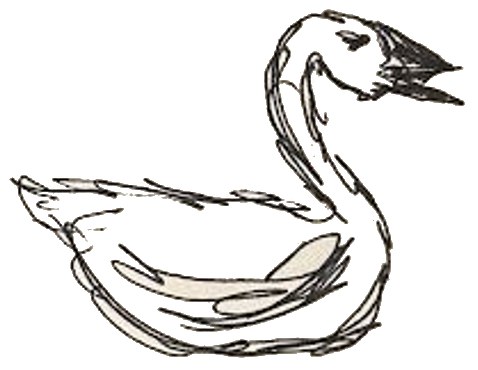
How did you come up with the cover art for “Something Else?” Because it reminds me of a 90s Nickelodeon cartoon. It looks really cool.
Ehmed: Thank you. I dabble in drawing. Normally my drawings take weeks and I’ll just sit there and do this forever. I started to do a lot of stipple stuff, so I’ve been wanting to figure out how to do this a little faster in a more flowing way, so I’ve been watercoloring a lot. And that was just one.
Micah: The first two records are both paintings from two different friends of ours. Sarah did the first one. Drew did the second one. For “2 lamp (lava lamp)”, I found this crazy archive of lava lamp manuals from the 80s to now. Some dude runs this website who is just obsessed with lava lamps. And I spent three days just going through it all, and the art in these instruction manuals is insane.
Ehmed: What we did was we were thinking about our merch table, and we said, “how do we need to up our merch table?” So we were like, fuck, what do we put? Like, we’re making a list, and in Micah’s notes, he just had 2 lamp, parentheses, lava lamp, because we’re like, we need lamps for the show. I’ve gotten clowned on in sessions and stuff in the past for the way I label projects. Everyone’s like, ‘ugh, date, time stamp.’ Doing any of this is so unserious, it should not be serious. There are an infinite amount of songs to be made. This is just a song, you know? And this is another one of those infinities. I think we’ve both gotten very hung up in the past on making sure everything’s in line – making sure all the art is perfect. I feel if you’re spending that much time on one thing, you’re getting expectations and there’s room for disappointment. If you just do it, just make it and get it out, the beauty of things is in the moment of the creation.
You can listen to I Want to Feel at Home Here out now as well as grab it on CD.
 the ugly hug