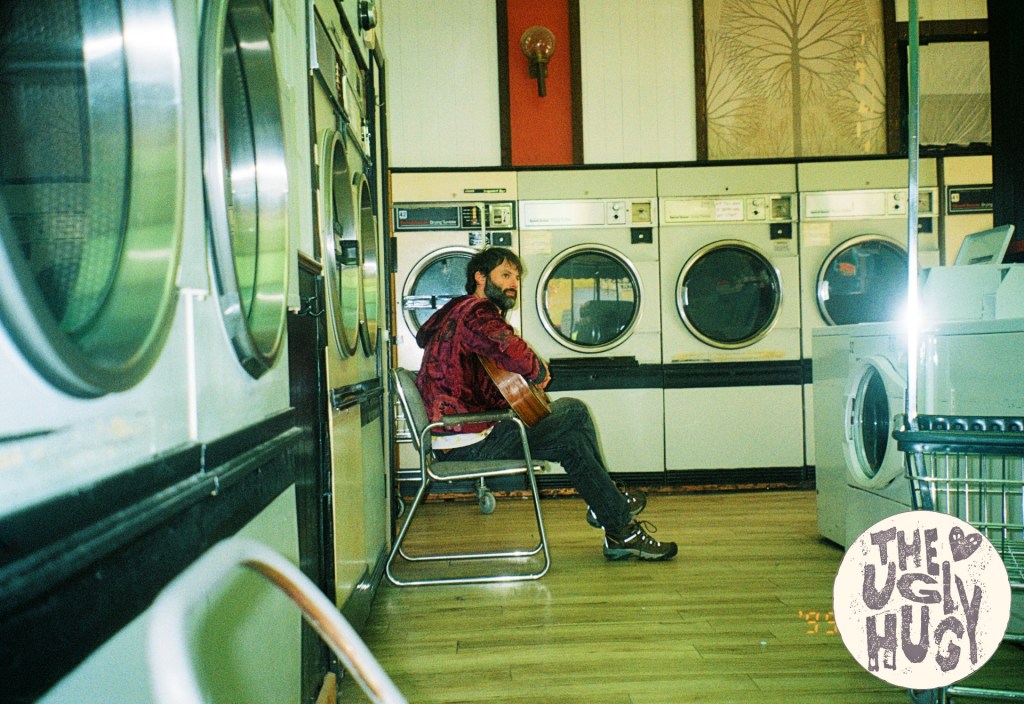
Interview and Photos by Shea Roney
Back in August, songwriter Jake Brower shared his latest album Long Term Wave via the Athens, Georgia label, Attaboy Tapes. Releasing colorful home recordings since 2014, Long Term Wave is just as much about the process as it is about the product for Brower. Following the release of his previous album Psychofunky Dancing back in 2023, prior to his move from Athens to Chicago, Brower brought to these songs a challenge to reshape what he considers to be his given perspective; a statement of being stuck in the here and now and being okay with that for once.
Performing in a more stripped-back nature, Brower brings both conscious and explorative poise to these gentle tunes, enduring melodies and engaging simplicity, as he sets out to define the feelings and beings that he takes inspiration from in his day-to-days. “Every little task is made up of a million other little annoying tasks. The pressure from the cooker hits the looker at last” – Brower’s convoluted melodies are no more of a chore than they are a natural progression, where movement and language swirl together like a potion, a remedy, a blend of simple ingredients that perform such a poignant task in such a short time. But it’s in these transparent moments, regardless of how fleeting, where Brower’s musical instinct paints a picture much larger than we could have ever expected.
We recently got to catch up with Jake Brower on a cold Chicago day to talk about exploring his expressions, alternate dimensions and how his neighbors shaped the way Long Term Wave sounds.
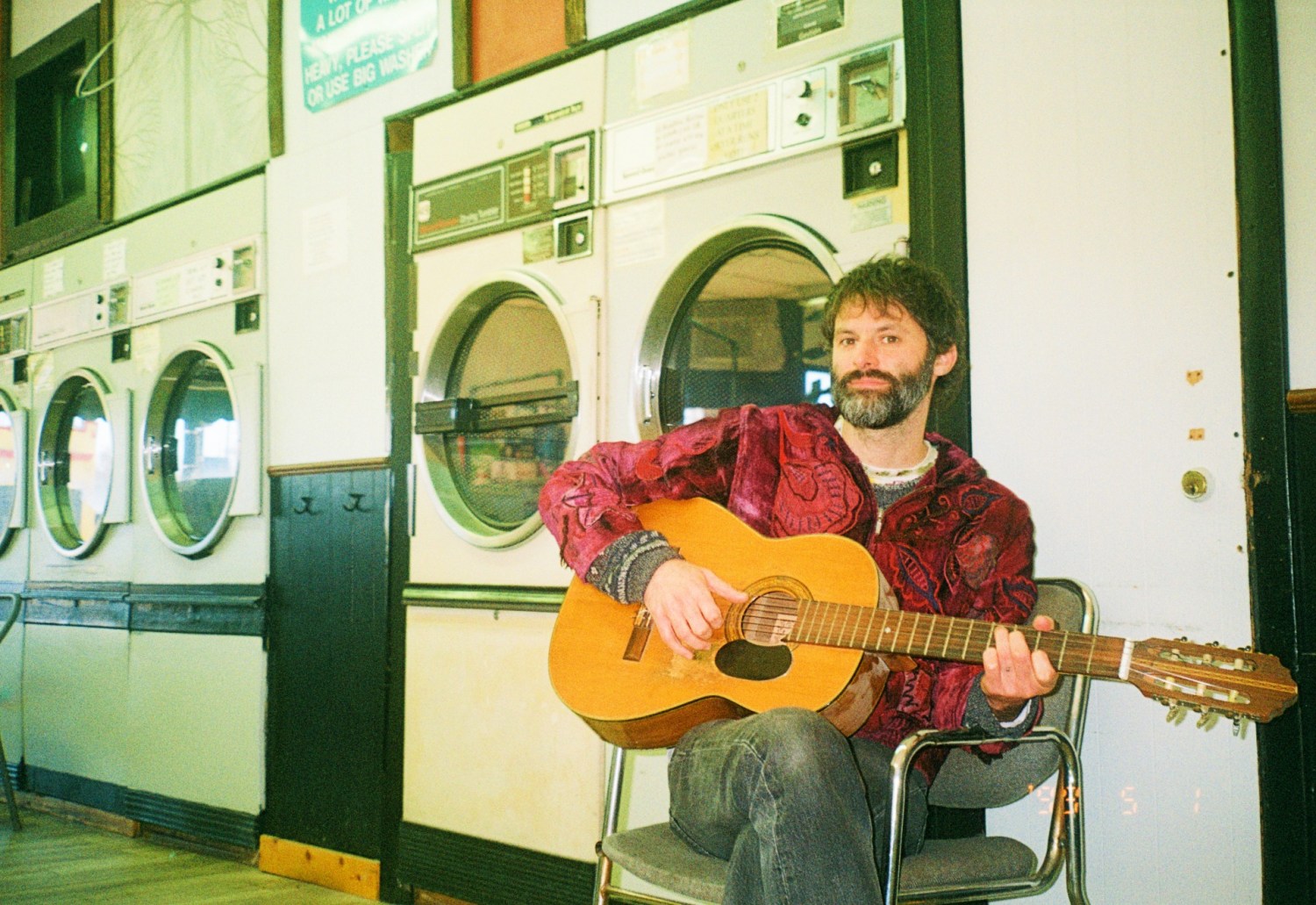
This interview has been edited for length and clarity.
You recently put out Long Term Wave, which is not your debut, but your first full length in a while. Is that right?
I released an album in 2022 called Psychofunky Dancing that I kind of consider to be a debut, but I’ve been recording and releasing music for over a decade now. Psychofunky Dancing is more of a fun, psychedelic album that sort of propels the listener into a weird alternate world. I made it almost 100% on the GarageBand app on my phone, so it’s very lo-fi and poppy. And then Long Term Wave is sort of like a response to that I think. I wanted to challenge myself to write songs that were rooted in my real day to day experiences, and have them be very direct and stripped down.
Coming into this record with the intention of writing something that’s more personal, more rooted in yourself, was that a challenge for you? Did it feel weird at first?
It was definitely a challenge. I spent about three years working on the album. It’s not that the recordings or songs themselves are super labored over, they’re very simple and bare bones. But it just took me that long to figure out how to shift my songwriting and style to be able to convey what I wanted. Over those 3 years I wrote about 30–40 songs, and experimented with tons of different versions and variations of things. And then the 13 songs that ended up on the album were the ones that really rose to the top of that group.
I mean, just by sheer numbers of songs you were working with and practicing, what sort of things were you picking up on that you knew you needed to work on? Were you able to decompartmentalize what you wanted to hear vs. what you were hearing?
I really wanted the songs to have an emotional directness to them and wanted them to speak to the real dynamics of my everyday life. I also wanted to make sure that they were still playful and funny while at the same time being emotional. So, out of all of the ones that I was working on, the ones that I ended up prioritizing were the ones that came as close as I could to that balance.
That’s funny, I wrote humor and heart in my notes. Even though these songs are so strikingly personal to you, it creates this place that people are able to feel comfortable in. Where does that humor sit in your way of expression?
I think the humor for me is an important counterpoint to the emotion in the songs. A lot of the challenge for me is in trying to write songs that are rooted in feelings, but that avoid sentimentality or the typical tropes of emotionality. Another way I think I do this is by rooting the songs in banal domestic experiences. So it’s like, okay, this song is about laundry, but it’s emotional at the same time.
Does it create new depth for you? To be able to explore the ways that you could describe doing laundry, almost characterizing it as you slow down? Does it help you to be present, rather than approach laundry with indifference?
Yea, that’s exactly what I was trying to do. I really wanted a listener to be able to gain a sort of heightened perspective on the everyday. And it’s also personal for me, too, where the process of learning how to write these songs meant that I had to learn to attune myself to those little dynamics that are going on all the time. There’s this song on the album called “Can’t Play Tambourine,” that came out living in a multi-unit apartment building, and not wanting to disturb my neighbors when I play music. There’s a line that’s like, “my upstairs neighbor likes to play the acoustic guitar. I hear the way it sounds when it comes through the walls, and I don’t want to be like that”. It’s about the self consciousness that I’m feeling as I’m playing and recording the song that the listener is hearing.
That says a lot about you too, like how you explore your place in the world. I like how you said alternate dimensions, with this album being very much stuck in the dimension that we have. Was that something you were searching for prior to this record? Were you trying to understand something that just wasn’t super comprehensible to you at the time?
Yea, I think I was looking for a way for my songwriting to help me tap into the present. Like opening up portals in routine experiences.
Do you think your writing is more of a method of exploration or explanation? I mean, do you feel settled at all when you finish? Or do you feel like it pushes you further down the rabbit hole?
That’s a really good question, I think it’s both. I do feel like when I finish a song, especially one that resonates more deeply, it feels like a little token or something that I can have and carry with me. But that process never really comes to a resolution. I’m always churning and I love writing songs. So, it’s a good problem I would say!
Do you find comfort in that? That there’s always more work to be done? Or maybe the comfort in that there’s always gonna be the next one?
I think so. I mean, I think right now songwriting for me is sort of like a life practice. My songs are always basically written in my head, while going about the daily tasks and work of my life. I never really write a song by picking up a guitar and strumming and creating something intuitively like that, like Paul bashing out “Get Back” in the documentary. It’s something that I just kind of carry with me through the day. I love how writing is portable, like a language game that I can play. A lot of the time I’ll write a song completely in my head over the course of a few days, and then only after it’s fleshed out I’ll get my guitar and figure out what the chords are. I’ll do that in front of a mic, and then the recording that ends up on the album might be one of the first few times I’ve played the song.
And you just self-record in your apartment?
Yes, I just self-record. It’s important to me that it feels true to the small bedroom that I record it in, so there’s no drums or instruments on this album that weren’t true to that space.
Do you think your worry of disturbing your neighbor influenced the way the album sounds?
Very much, yes [laughs]. I wanted to adapt my music making to my life, rather than trying to find a way to get to this ideal sound that wasn’t really related to my circumstances. Playing at a softer scale so I didn’t disturb my neighbors ended up very much shaping the aesthetic of the music.
Have you been playing shows in Chicago?
No, I’ve been playing and collaborating with some friends, and we might try and start playing some shows together. But performing isn’t really a huge driving motivation for me. I’m also a painter, and I almost think of my music as similar to painting, where it’s just this experience of making this thing, coming back to it and layering over time. Writing and recording are the things that I connect deeper with, rather than performing.
So, how do you feel when something gets put out once it’s out of that creating process and considered finished?
A lot of the time when I put something out, I feel like I just really want to make the next thing to correct for what I could have done differently on it [laughs]. With this album, it was such a process of figuring out a new method of writing and working. Now that it’s done, I can see the bigger picture and feel like I’ve gained some confidence from that. I feel excited to keep exploring.
You can listen to Long Term Wave out now via Attaboy Tapes.
 the ugly hug