
Samira Winter has always had a gift for turning daydreams into soundtracks, but on ‘Adult Romantix’ she sharpens her focus.
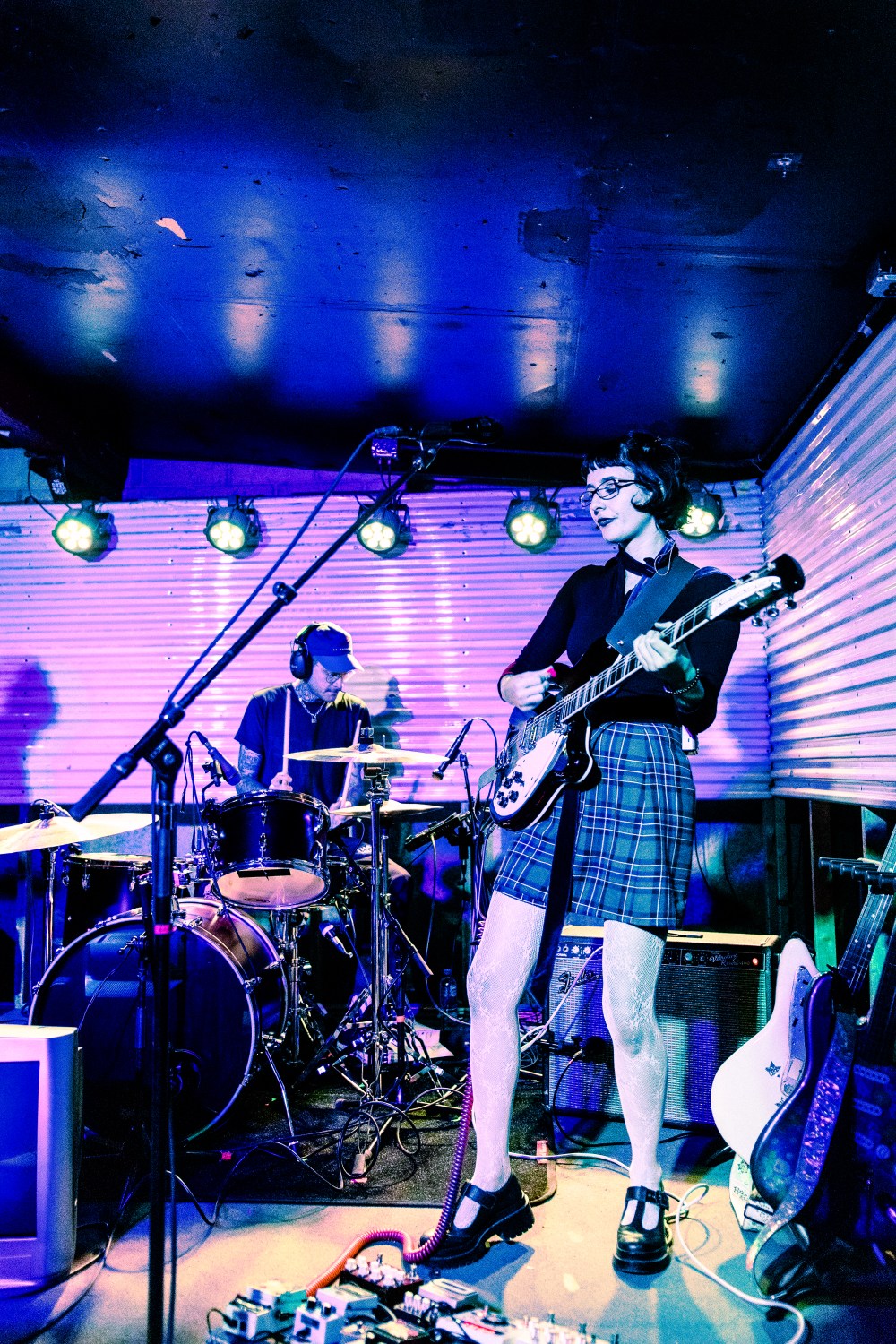
Now touring in support of the record, Winter’s live performances extend the record into something tangible, charged, and alive with feeling.
We caught up with the Brazilian-born, now NY-based artist to step into the album’s glow and talk about heartbreak, transformation, and how ‘Adult Romantix’ captures the strange, beautiful tension between falling in love and letting go.
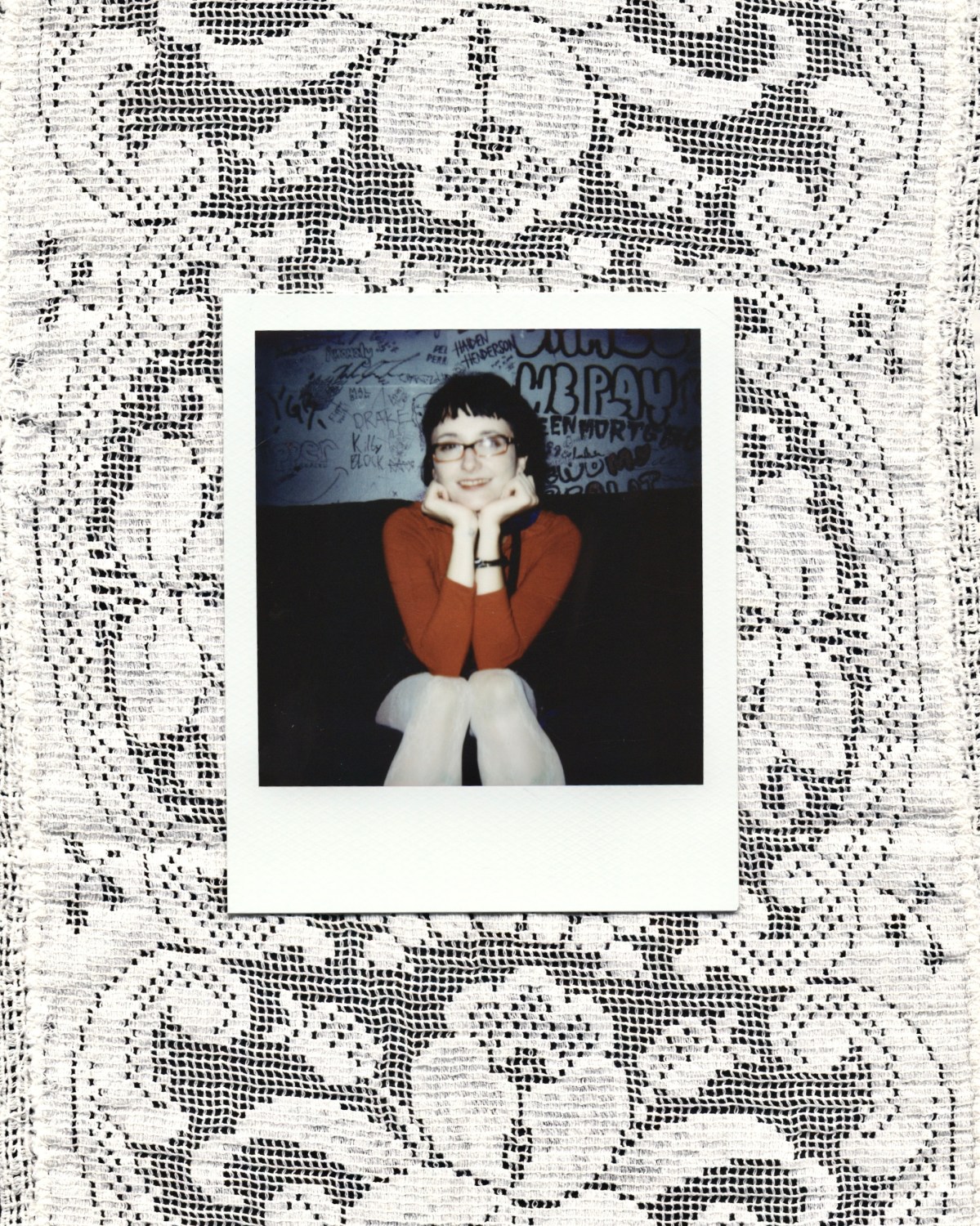
This interview has been edited for length and clarity
Lucie Day (The Ugly Hug): This album is about a lot of different things – about leaving LA, about love, about walking away from something and how that’s good for you yet sad. I was really interested in the way in which you created kind of a mini movie out of all of these characters and all of this lore. How much of it is autobiographical versus fictionalized? Do you see yourself in these characters, or do they exist separate from you?
Samira Winter: I’d say in general with Winter, it is kind of an extension of me but it’s something beyond me. I do feel like with this album, there’s an interplay – even with the whole movie idea – of “what is fiction”? What’s stemming from a raw emotion or something that in my real life has happened, but then became something bigger through a song? Sometimes it’s just a very subtle thing that then gets expanded on. A lot of this album, I think, was a time capsule. I pulled a lot from the over a decade that I lived in LA. So there’s also a little bit of the fictional side too, I’d say, incorporating these people that I’ve met, these characters, this energy.
LD: Archetypes of people that you meet?
Samira Winter: There’s the LA “California slacker-stoner” character that’s a surfer, and this type of shoegaze that was very Californian. Years of just seeing bands and going to shows. I think it’s a mix of both, but I would say some of it is actually not biographical. Some of it is truly just incorporating different characters and playing them out.
LD: Pulling the parts that are you and the parts that play off of what is you and what’s not.
Samira Winter: Yeah, I would say it’s a very nuanced thing and it’s hard to really say this is this, and this is this, but I’d say it’s a mix of both and it’s kind of an interplay too. With the lore and the characters, when I was recording the album I had it as one of my goals to explore different voices. When the album finished – I used to have a harder time when I had to talk about the record or explain “What am I gonna write in my bio? What am I gonna tell people?” And so I preemptively, when this album finished, sat down in my house in Brazil over the holidays and wrote an essay. I wrote themes and motifs and a treatment of what a movie would be for the album. I just kind of kept writing and writing and writing, and that was a huge part of the process that ended up informing all of my decisions when it came to creating the visual world. And so in that essay I would be like, okay, there’s the friend group in “Misery”, there’s the couple from the album. It’s all these characters that all belong to this world. It feels really good to have been able to make that all happen in a visual sense as well.

LD: Love is clearly such a large presence within the record. Was that something you think that you were consciously experiencing during the making of the album? Or did making the album bring that to the surface? Did you set out to make a record that was so filled with love?
Samira Winter: I would say with the way I make records, I’m not really setting out. I’m very much subconsciously just making a lot of stuff over a long period of time. I like taking a couple of years to make an album and writing and recording at different times. I think for me it did kind of happen, but yeah. I went through a breakup, and then after the breakup had all sorts of nostalgic feelings. There’s definitely also a level of the album that is a bit darker. There is a doom to it.
LD: I know you’ve talked a lot about gothic influences on the record.
Samira Winter: There’s that side of it, but I think at the end of the day it just felt like when I was packing up and being a nomad I was capturing all the different feelings and things that were happening. When I started writing songs it was kind of as if it was a diary, so I think there’s a level to life experience that ends up inspiring me. But I definitely didn’t set out to make it about love. When we finished the record, I started piecing together the dots that connected and the throughline. I liked the idea of adult romantics and pondering these things because I grew up in the 90s. Watching so many rom-coms and having so many fantasies ingrained in my head and taking everything with a grain of salt. Being like: What is fantasy? How far can you go with a crush? What are these different bounds of the platonic and the romantic?

LD: The album does feel like there’s a light and a dark- falling in love while saying goodbye, leaving something behind to move forward. In that context, do you see the album more as a record about transition or about acceptance?
Samira Winter: I’d say it’s both.
LD: I know that’s a really hard question!
Samira Winter: I wrote it in a transitory state.
LD: So that colors it.
Samira Winter: Yeah, that definitely colored it. But I think in a way, finishing it and releasing it into the world led to an acceptance because I felt like after releasing this album I’d been fully able to close the door to the past of my LA life. I’m a believer that it’s important to release music that you feel really crazy about, and that you feel really excited about. It’s important to release it because it completes the cycle. I think releasing the actual album, you know how people say it’s not mine anymore? You release it to the ether. So I feel like I’ve been truly, truly able to let go.
LD: You’ve said that writing these songs and then thinking about performing them was scary, because they were so vulnerable and intense. Now that you’ve been actually performing them, how has that been?
Samira Winter: I think it’s been getting easier now. The very first practice where I had to play “Just Like A Flower”, I had so many butterflies in my stomach. With all the songs. We’ve been on tour for about two weeks now, I think now it’s just an excitement. And yeah, it’s been really fun to play the new songs.
LD: I love that line in “Just Like a Flower”: “all a girl could want is a girl friend”.
Samira Winter: I love that line too! It’s true, and it’s really not talked about enough. All of the songs that I’ve written that have a girl theme or a girl character like “Just Like A Flower”, “The Lonely Girl”, and “Sunday”, I still get chills when I play them. It just touches my soul. It hits in like a… I don’t know. I think it’s something that people can really identify with.
LD: Speaking of throughlines, Portuguese has always been a throughline in your work. Do you think that there are other things in addition to that that have stayed consistent through all the work that you’ve made and things that you find comfort within as anchors within the making of something new?
Samira Winter: Yeah, I think with Winter I’ve been able to explore different things and some of those things I’ve explored I’ve kept in my palette. I’d say a lot of the throughline is this girl character that’s an extension of me, and it’s like seeing the world through the lens of a dream language. I think there’s definitely a lot of the daydreamer archetype in Winter, of this act of trying to stay in touch with a sense of purity and a certain type of innocence. I’m always kind of in search of streamlining and perfecting the dream pop, shoegaze – I don’t want to add a ton of genres, but the language of Winter and finding the unique way that I can keep moving it forward.
LD: You’ve talked about all of these movies as your inspiration. Out of all the ones (10 Things I Hate About You, Kids, Gregg Araki films), what movie do you think that Winter as a character would fit the best in?
Samira Winter: The thing is, every record that is Winter is a slightly different character. I think I’ve really gotten better at honing in my concepts and finding that clarity. For ‘What Kind of Blue’, that character is this French girl named Juliet Blue. ‘Adult Romantix’ is this couple. There isn’t actually a movie that exists that’s perfectly ‘Adult Romantix’, which I guess makes sense because I created it. Yeah, that’s a cool thing for me to kind of chew on- where it fits in. If I had more resources, time, and money, I would make the movie. You never know- in 20 years, who knows what’s gonna happen? [The process] is really for me. It’s way more satisfying than it just being me. I love having this thing beyond myself as a muse, you know? When it becomes more than you in a project. I think art is beyond you. Maybe not at first, but it becomes its own being. I do think it’s like something in the ether that comes through you, and you are the filter.
Check out more photos of Winter live in Salt Lake City.


You can listen to Adult Romantix anywhere you find your music as well as on vinyl, CD and cassette via Winspear.
Photos and Interview by Lucile Day
 the ugly hug