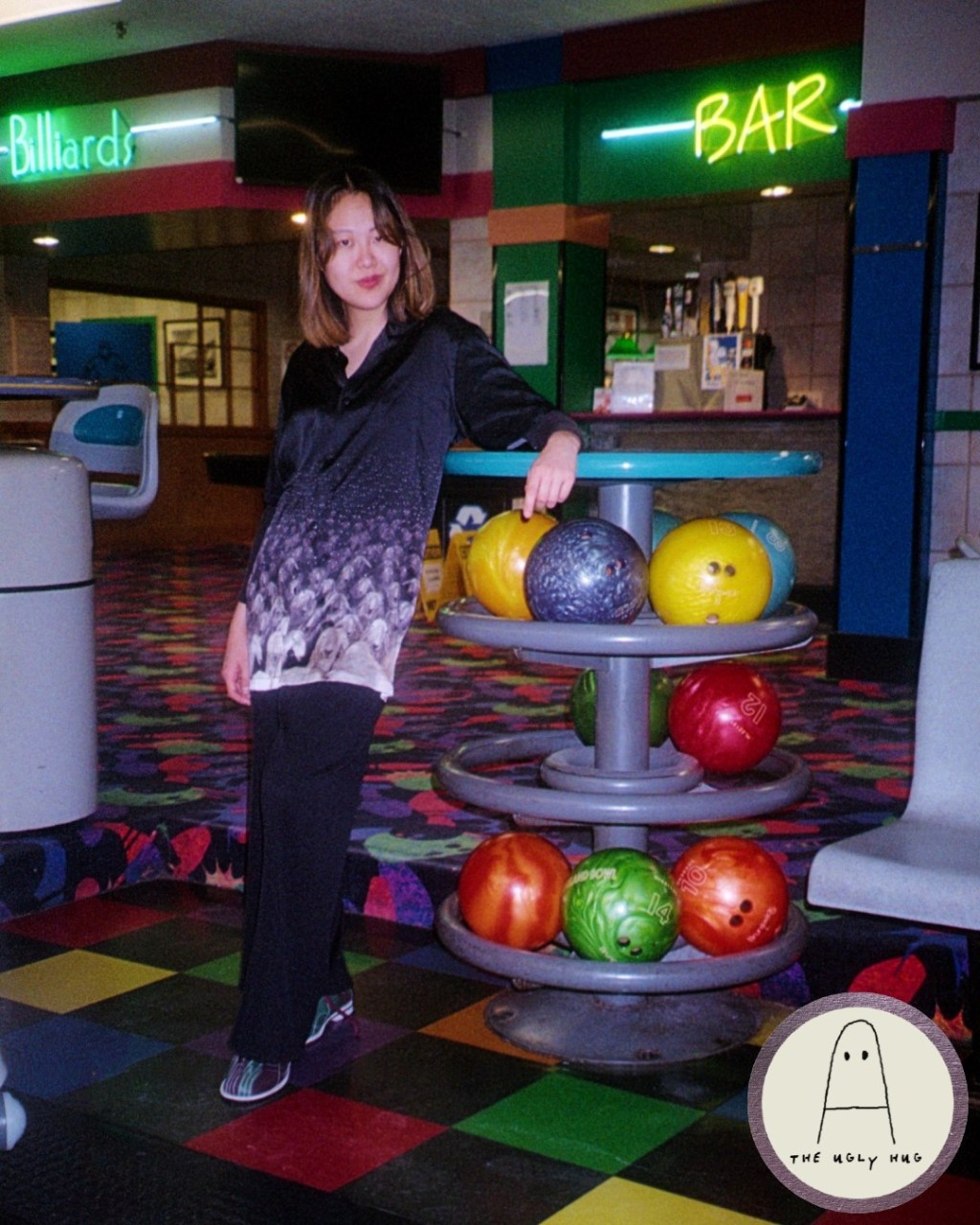
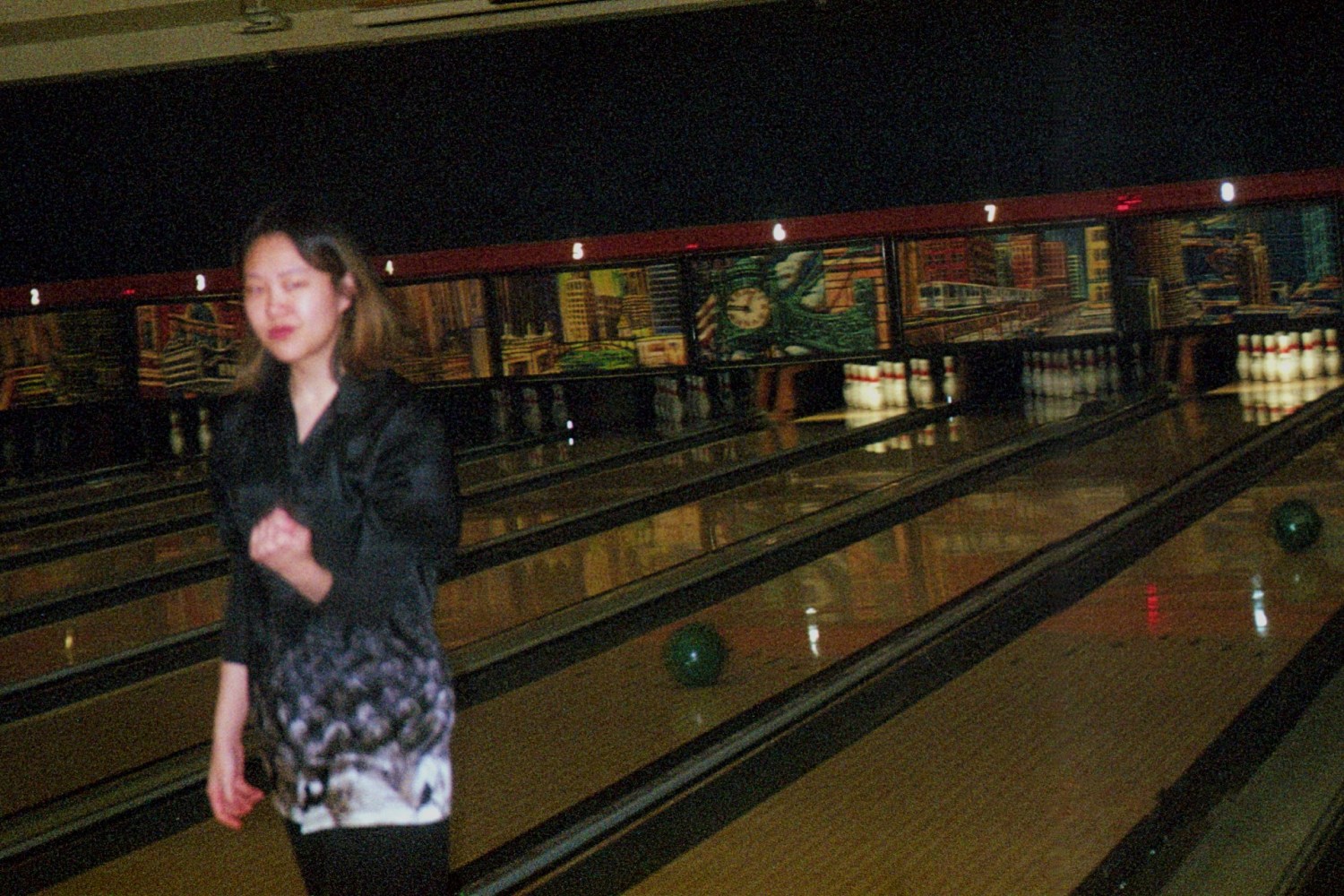
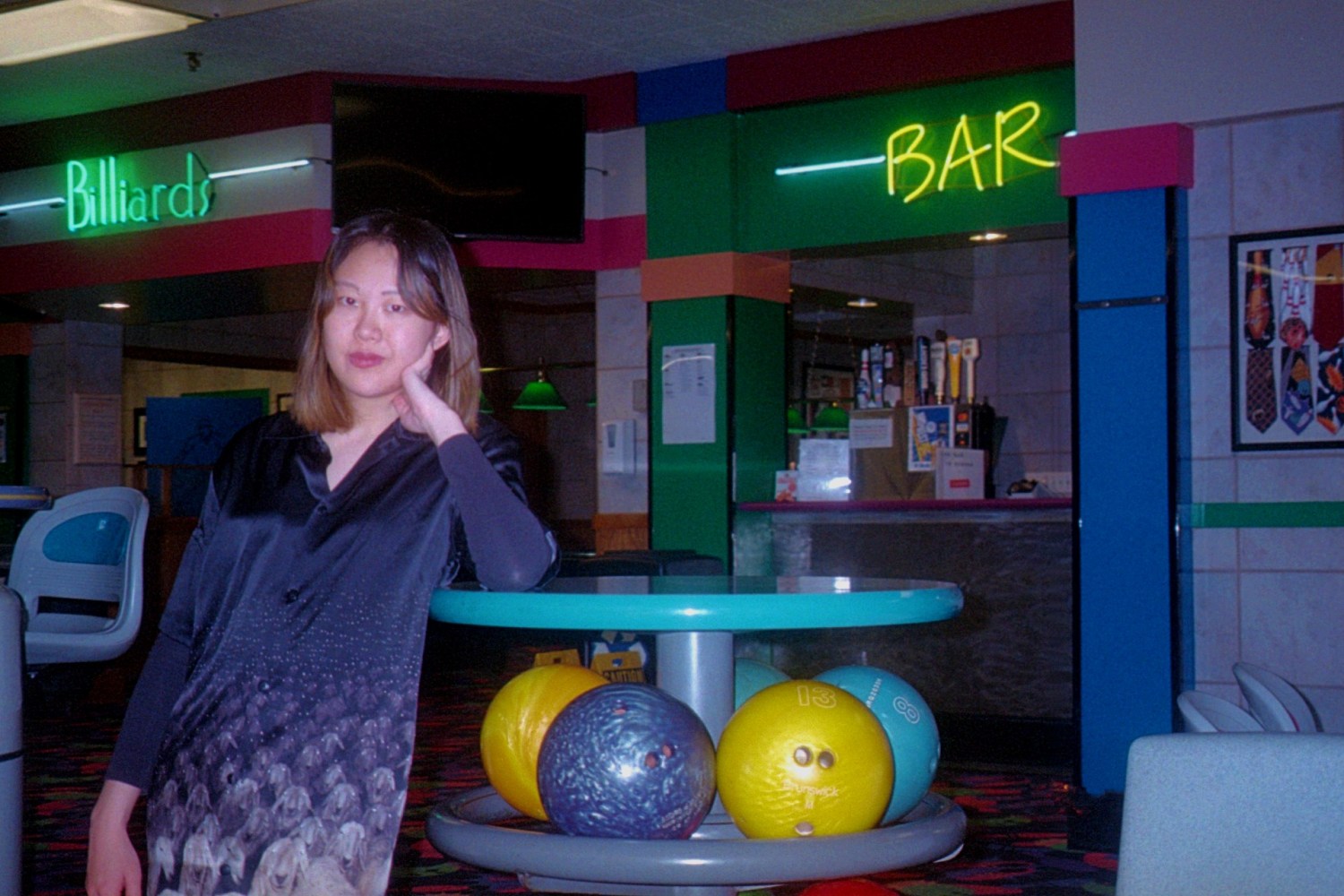
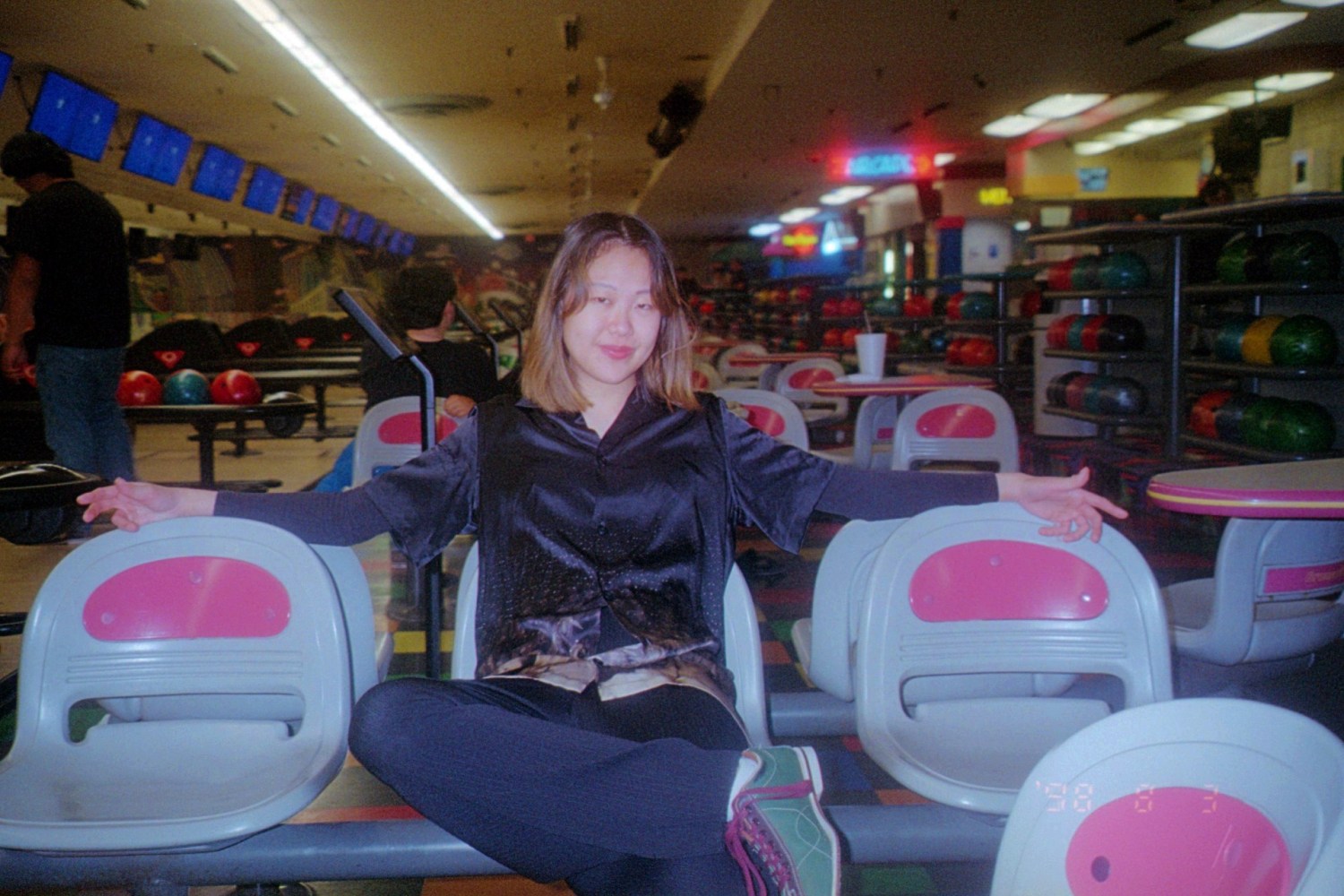
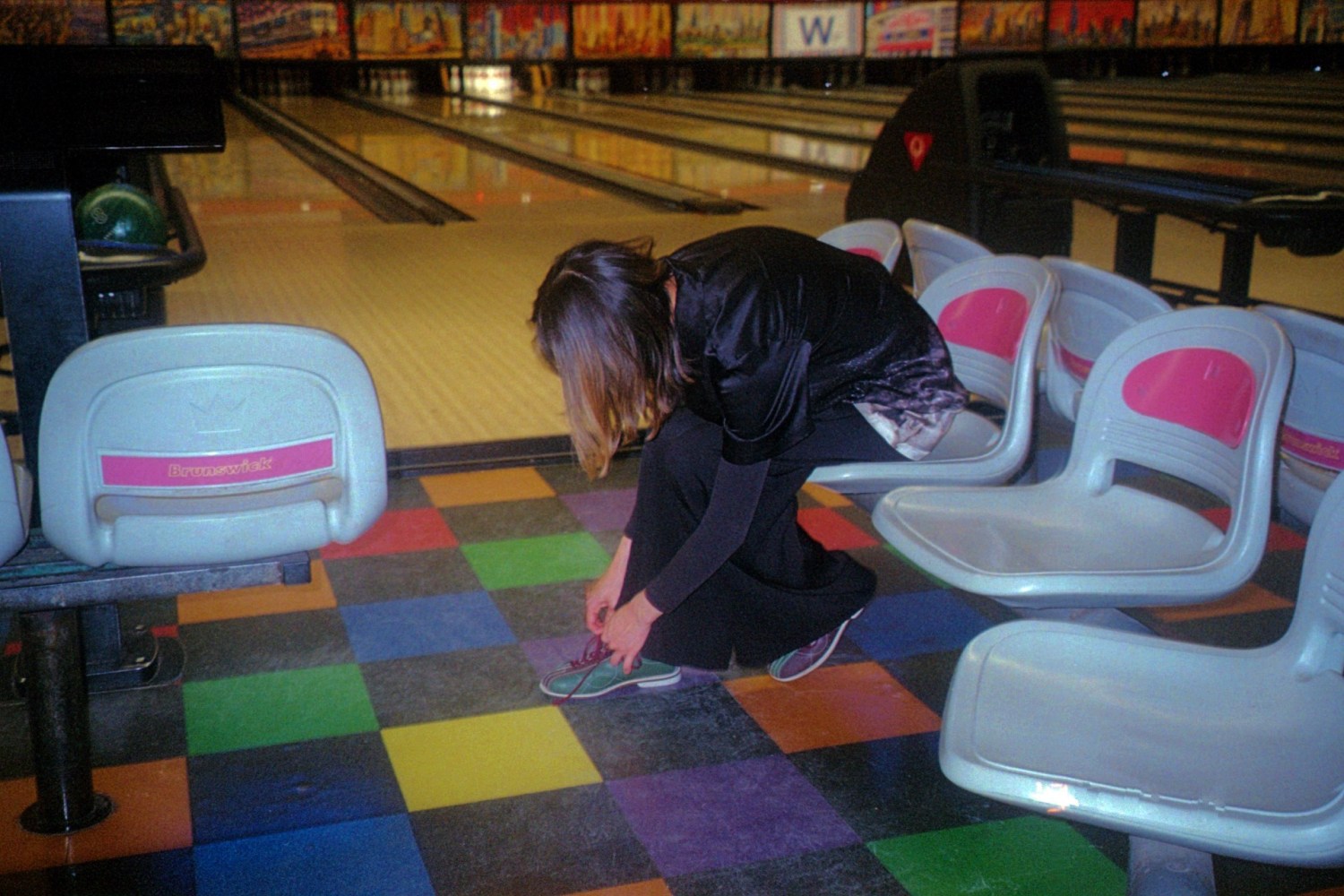
“The thing is, part of the reason why I picked bowling as an activity that I was going to get into is because you look like an absolute fool if you are having a bad day and start crying out on the fucking bowling alley that looks like it is 1994,” Park says, wavering between the need for a joke and a contempt for understanding. “It’s just too goofy to be visibly upset here. Especially alone. You cannot do that. So, it does kind of force a cheeriness into you.”
Victoria Park is a Chicago-based songwriter, who for the past few years has been performing under the moniker Pictoria Vark. With just a slight shift in the nomenclature, there is a differentiation there that even Park herself has set out to understand since the project’s initial founding. Now gearing up for her sophomore record Nothing Sticks via Get Better Records out on March 21st, this album has been a part of a longtime-coming-esque journey. After going through life changes and embarking on a tour that lasted 150 days, Park’s demeanor became ill fitted, relying on the ability to be present when she knew she couldn’t be.
Nothing Sticks is as vivid as it needs to be, rearing an earnest delivery that dares to challenge the fronts that become habit to us all. But where Nothing Sticks becomes most poignant is in Park’s focus in her own sense of self through her experience within the music industry, navigating the relentless expectations and learning how easy it is to lose yourself along the way. But in the end, Park has proven herself to be emboldened by it, embracing a rigorous, empathetic and more in-depth approach to writing these songs. And as they trickle out with each single, rearing with sincere melodies and indie rock bliss that PV and co. have brought to life, there is a sentiment built around momentary lapses of reflection that Park makes so vulnerable and engaging throughout.
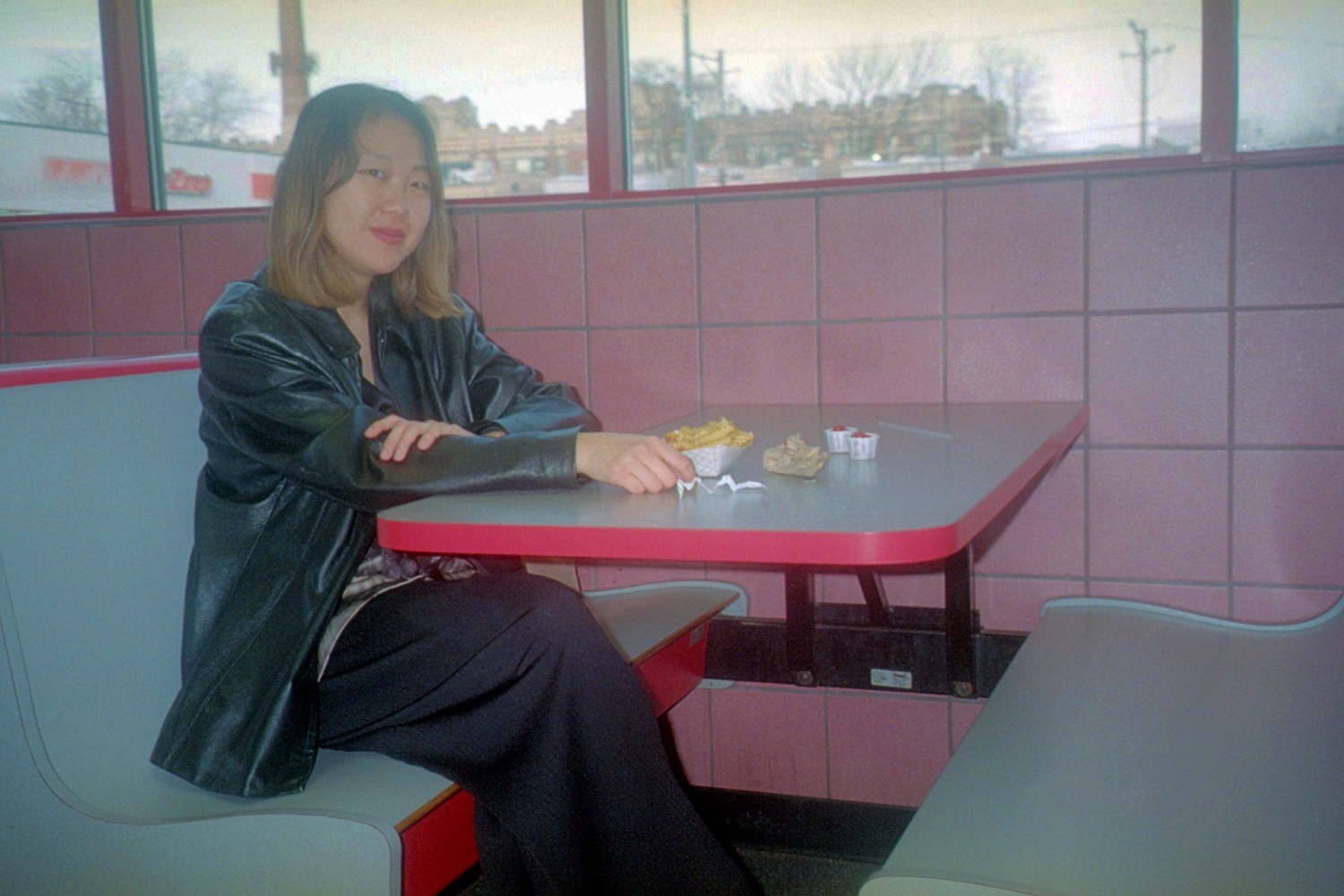
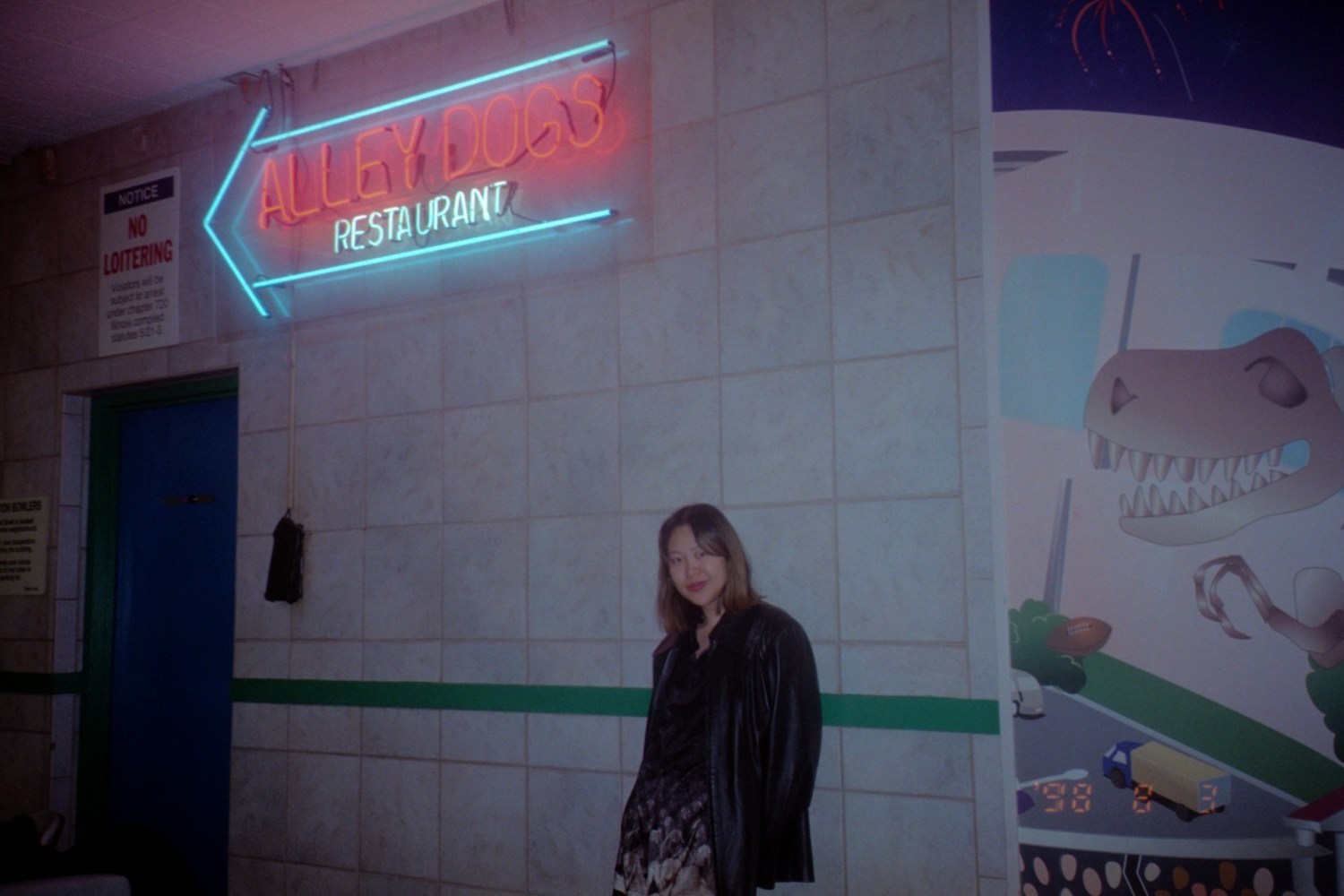
We recently took to the Waveland Bowling Lanes on a below freezing day in Chicago to talk with Park about balancing expectations, breaking habits and the making of Nothing Sticks.
This interview has been edited for length and clarity purposes.
Shea Roney: I am very intrigued about this 150 days of touring, and this is kind of where the generalized theme of the record came from. What was that experience like and what sticks with you now as you have taken time off?
Pictoria Vark: I was enjoying being on tour for that long, but it was also because I was running away from myself and my life. I didn’t want to confront the lack I felt at my home because I didn’t have the time to put energy into making it feel like home, to building friends and making it a real place I wanted to be. And so, instead, I would be like, ‘okay, when am I going back on tour?’ I just kept running away, being like, ‘I want to be here as little as possible.’ I haven’t really toured that much where it felt like I was running towards something. And I think the toughest part of walking away from that, or what the album is about, is when you spend time developing experiences when you spend time and money, the experience comes and goes. It just becomes a memory. So, it was just me kind of building memories and not anything material with it. I’m kind of just taking away the memories, and sometimes I call looking back on that time as “remembering the horrors” [laughs]. Which is partially me being dramatic about it and partially kind of real. Other people have different horrors they remember in their life, just like, ‘oh, that was a fucked up time’, and when you’re looking back on it, that’s remembering the horrors. So, because I have “the horrors” to remember, I’ve been trying to help my friends who are just starting to tour for the first time or want to know more about that to impart that wisdom so that they don’t crash and burn in the same way I did. I also didn’t have a lot of people at that time that I could talk to about these experiences because I didn’t have a lot of peers that were doing that much or were touring to that degree at all. So, it’s nice to be able to be that for other people, or try to be.
SR: You have mentioned in the past that there is a Victoria Park and there is a Pictoria Vark. Where do you draw the line between these two and has one taught the other anything?
PV: I think with the second record, something that I was thinking about is that I have these opportunities to be on stage, to share my music and some people will listen to it. Rather than think about the songs that I’m writing as like, I need this diary, I need to put my demons somewhere on a page and then I share that, but more like, if you were on a microphone in front of an audience of people, what would you want to say? What is the thing that I actually want to share with other people? What is something that I think is a useful message or something? So, it was made kind of intentionally and I think that’s something anybody can do or think about. All those crazy YouTube interviews of just like, ‘we’re just talking to ordinary people’ – that’s kind of like the same thing as that. If you were stopped on the street, what would you say?
With Victoria and Pictoria, I’m trying to do a better job at drawing a line between the two. Online, it’s honestly been really tough because I feel like I am only really using my social media to promote my music. And then it becomes a skewed image of like, ‘wow, you’re really busy’ or like, ‘how’s the music stuff?’ People don’t really know what’s going on in my personal life. One thing I am trying to do for the new record is have a stage costume so that it’s like when I’m on stage, I am in my persona, and then when I take that off, that’s like a different person – to create more of that delineation in a physical realm.
SR: Wow, that’s a great idea! What do you have in mind for the stage costume?
PV: Okay, early drafts, I wore these angel wings at Outset and I kind of want to keep sticking with them for the new record. It’s both a play on the like the halo effect, which is kind of a type of bias that I think happens to a lot of musicians. It’s like you literally put them on a pedestal. So I think that’s funny, angel wings, halo effect, yeah. And also because I love Wings of Desire by Wim Wenders. What if I was just like an angel on earth? That sounds so fun and it’s also, you know, kind of about forever.
SR: You say that these are just better songs in many aspects from writing and recording than your previous release. What did you find yourself focusing on more this time around? Anything out of your comfort zone?
PV: Yeah, I really wanted to push myself as a songwriter to make my craft better, to make stronger choruses or make stuff with more than three chords. When we got to the studio, the biggest challenge was working on a lot of the vocals, because we didn’t do a ton of vocal takes and there was like a whole eight hour day where it’s like Brad and I were just running through vocals and just being like, ‘oh, did we like how I said this word better?’ So by the end of that day, we were so fried. But overall, the studio time went really smoothly I think because we had so much preparation going into it. We were making really complex demos. I felt so bad, I was asking so much of Gavin and Tori because in my head I was like, ‘we don’t have time to like mess up.’ But I think it was like that initial thought and working out that way allowed us to have a smoother experience in the studio. It set a precedent, if I work with these same people for the next record, we can keep things a little bit more relaxed. I don’t really know how much we expected to go wrong, you know, but it was really exciting. It was just so many more people and so fun to watch it happen. There were some times where it’s like Brad and Gavin and Tori were just kind of like cooking and I was like, ‘I’m here’ [laughs]. It was really cool to just let them take the reins a little bit. My main job is assembling the task force.
SR: Do you think next time you will be more comfortable?
PV: Yeah, next time I want to leave it just more open, you know? Like maybe we don’t have to make the demos quite as intense, we can play or leave a little more room in the studio to figure things out. Finding a good balance of preparation and being open to improvising.
SR: And because everything was so tense with time and the demos, do you feel like there’s some parts of the recording process that you really wish you could have focused more on?
PV: Honestly, no, I think the time crunch felt really good, because it made us not overthink things. And we didn’t. We didn’t have time to redo things, we just had to let it live as is. And even if there’s a vocal performance or two that I would like to have done another take, it’s almost nice to think that that’s just room for improvement for next time.
SR: So at the point of this conversation, you only have two singles out. But you just wrote a really nice piece in your substack about balancing expectations, especially about the singles. You crowdsourced friends about which songs should be singles and there were some different ideas. When it comes to songs that are so personal to you, what does that balance of expectations look like as you go forward?
PV: It’s not easy [laughs]. I don’t think I do a great job at it. In all honesty, if you talk to some of my closest friends, I’ve driven them nuts over the last year just by going through the same kind of thought circles I can’t get out of. I think what I struggle with is the uncertainty rather than if something were to perform badly. I just don’t really handle not knowing in a lot of areas of my life, for various different reasons. It’s like more than being in this gray space where anything could happen and only like one thing will. It makes me crazy, makes me unwell – just in terms of like, I don’t know what my life will look like in three months, six months. I think the singles, weirdly, when I polled people on what song should be singles, I was not expecting “I Pushed It Down” to be the number two one that people would pick after “Make Me A Sword”. But to have that reflected by the Spotify algorithm is super weird. This reflects a taste of people, whatever it is. I thought that was really weird and interesting.
SR: One of the major themes of this album is understanding that nothing lasts forever. What did it mean to you, when talking about the fleeting implications of life, to come to this conclusion? Although bleak, did it offer any clarification or justification to you?
PV: I think it was the result of causing myself so much suffering by trying to keep things together in my life. Before this 150 days was started, I was dumped for going on tour for too long. And then four days later, I was on the road for three months. I had centered so much of my life around him unknowingly – it was part of the reason I decided to stay in Iowa an extra year, which became two years and didn’t move to Chicago sooner. And then with different bands or friendships, when there’s those falling outs, it left a really big emotional mark. I think in writing this record, it’s helped me be like, ‘okay, if this person doesn’t want to be friends with me or doesn’t want to repair things, that’s kind of not my problem. That’s not mine to hold.’ I can see that as an opportunity for more space for something else to come in, and I think that reframe has been really, really helpful because of the amount of like, almost a scarcity mindset of, if I want this thing and this thing feels good, it has to stay. I have to be the one to force it to stick in my life.
SR: Has this changed the choices you make when it comes to both your career or personal life?
PV: You know the meme of like, ‘I did X,Y, and Z and all I got was this t-shirt?’ That is kind of what going on tour felt like – I don’t know what happened. It’s like that thing happened, it was a blip in my life, and you know, now I wake up and I go to work and I still make music. I have a hard time not being able to make a clear and straightforward narrative from it. And so I think the ‘nothing sticks’ ethos is to try to enjoy the present as much as possible. Have the memories, but to not expect life to follow in a logical way like X,Y, and Z and be ok with things slowing down or ending because they eventually will. I don’t know if that’s a good answer for that question, but that’s what I got. I think with music, it’s made me change my approach, like, if this thing is going to cost time and money and energy to do, what are the things that I actually want to do in it? Because playing to 20 people, 100 miles away from home is like, I’ve done that, you know, I’ve done that enough now where I don’t feel like that’s an additive experience. So everything that I want to do moving forward, I want to feel really purposeful and really meaningful during the process of doing it, so that the end result doesn’t quite matter.
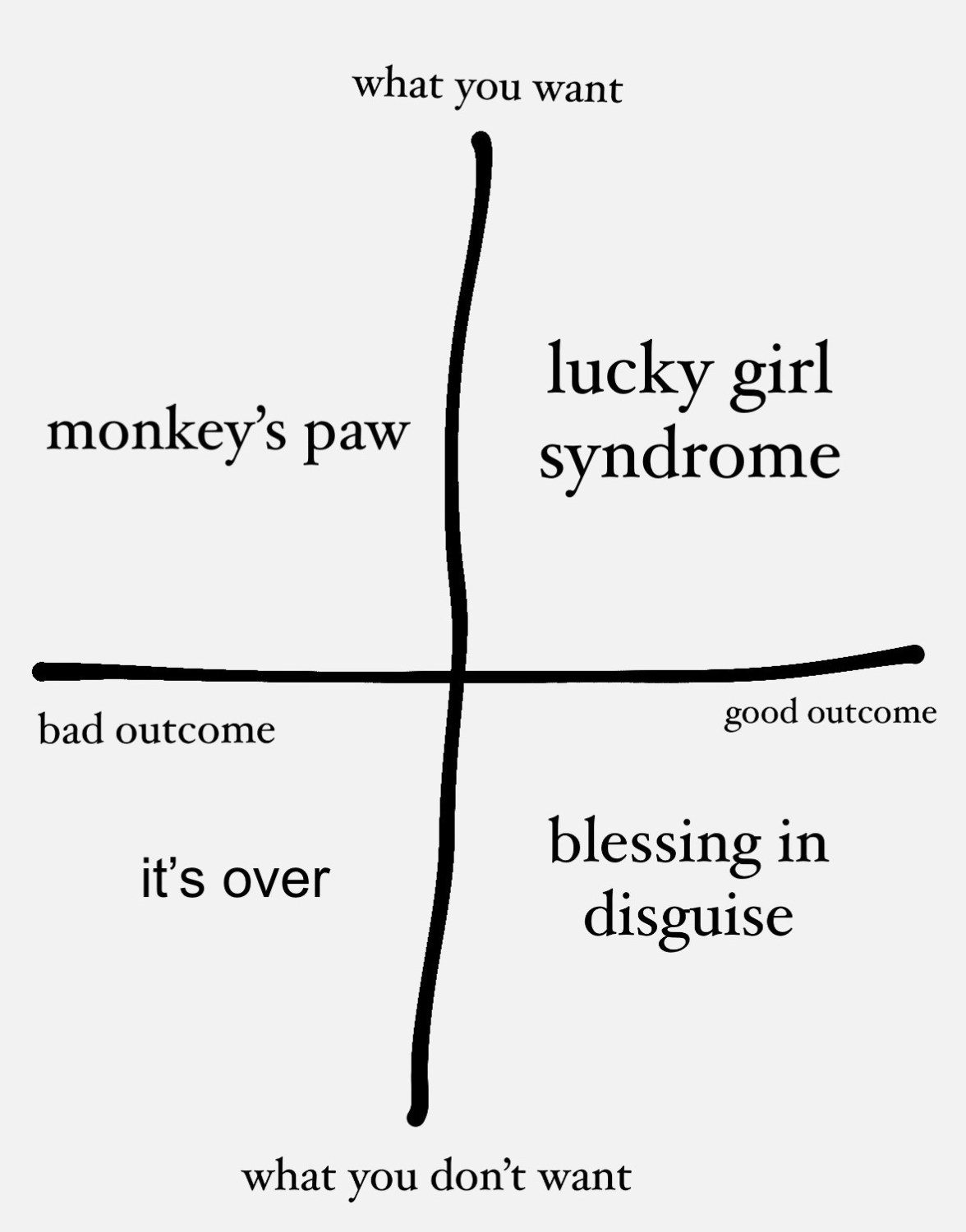
SR: So the last song, We’re Musicians, reminds me of a theory you were workshopping last time we talked, about good outcomes and bad outcomes. Being a musician, stuck in this almost stuck on this thin line, can you find yourself reflected in that theory?
PV: Oh my god [laughs]. Okay, well, if we’re gonna get super real with this, the big tour that I got asked to do a few years ago, that is like getting what you want and it wasn’t a bad outcome. It’s getting exactly what you want, but it’s like, not what you think it is. It is in some ways the monkey’s paw. Like, you get everything you ask for, but then it’s not what you thought it was gonna be at all.
SR: What are you most excited for in regards to this album finally being out?
PV: Just to have it out. Yeah. Just to make it exist. Like, of course there’s things I want from it, but I know that’s not a guarantee. I think it’s something that I’ve been harping on in my mind of like, Oh, if X, Y, and Z doesn’t happen, then what happens? It’s like, I don’t know. You wake up. You go to work, I don’t know. That’s what happens. You make more music.. But I am really proud of this record and I think I’m just gonna let it speak for itself the best I can. As hard as that is for me.
SR: I mean, look how far you’ve come. Just earlier in this conversation you were like, I’m so scared of not knowing X, Y, and Z.
PV: The thing is, I am going to leave this question and then go back to my house and be like, ‘I’m scared of X, Y, and Z’ [laughs]. This is what I mean when I’m writing these songs as Pictoria – I would like to be this way. And by pretending that I am this way, that is me trying to be closer to that. The thing is like, part of the reason why I picked bowling as an activity that I was going to get into is because you look like an absolute fool if you are having a bad day and start crying out on the fucking bowling alley that looks like it is 1994. It’s just too goofy to be visibly upset here. Especially alone. You cannot do that. So it does kind of force a cheeriness into you.
See more photos of Pictoria Vark here.
Nothing Sticks is set to be released Friday March 21st via Get Better Records. You can pre-order the album now as well as vinyl or cassette tapes.
Interview and Photos by Shea Roney
 the ugly hug