Skip to content
  • About
  • Interviews and Features
  • Singles
  • Guest List Playlists
  • Album Reviews
  • The Gallery
  • Tape Labels
  • Home

the ugly hug

  • Nara’s Room Has Faith in their Fascinations | Interview

    February 6th, 2025

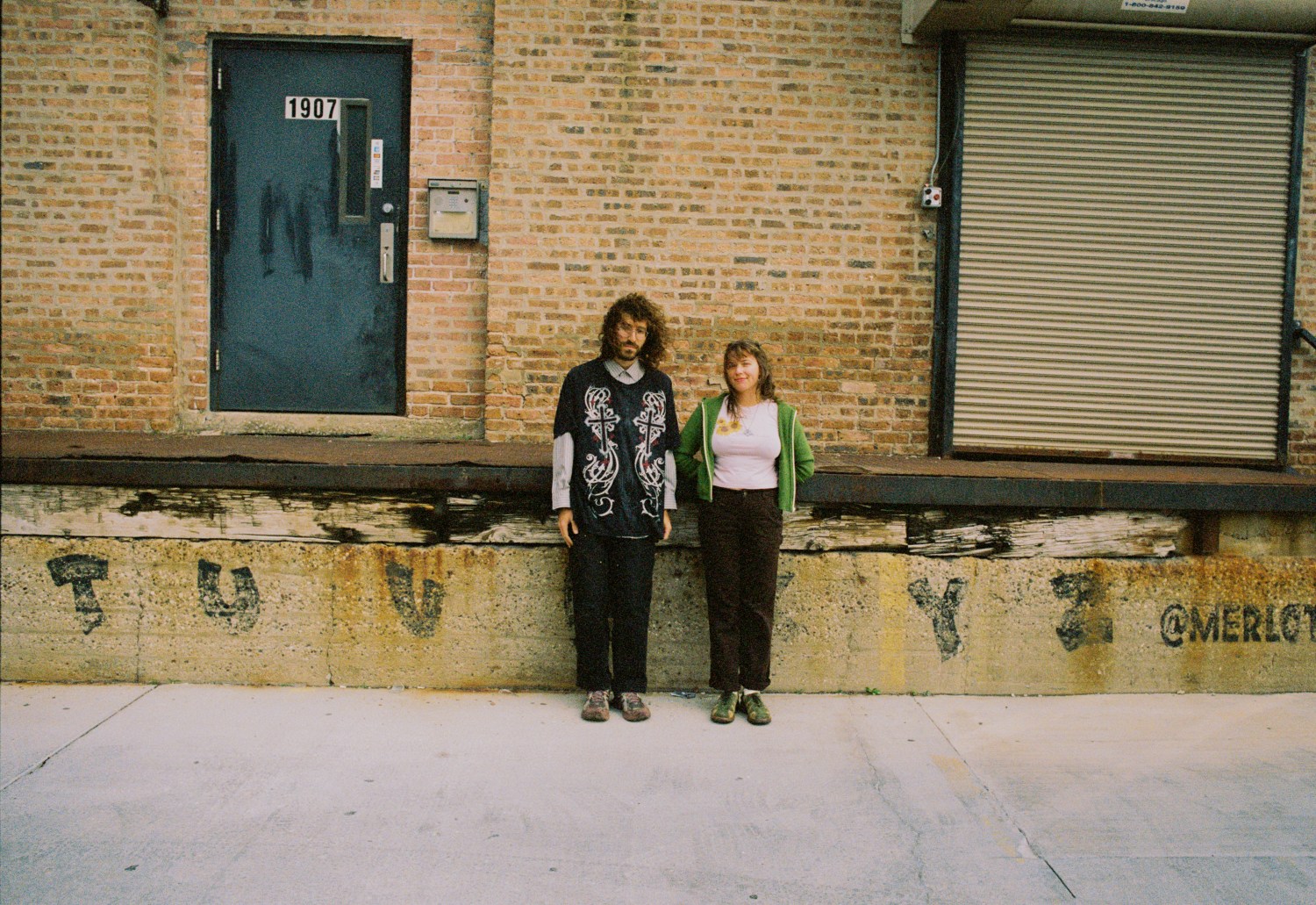
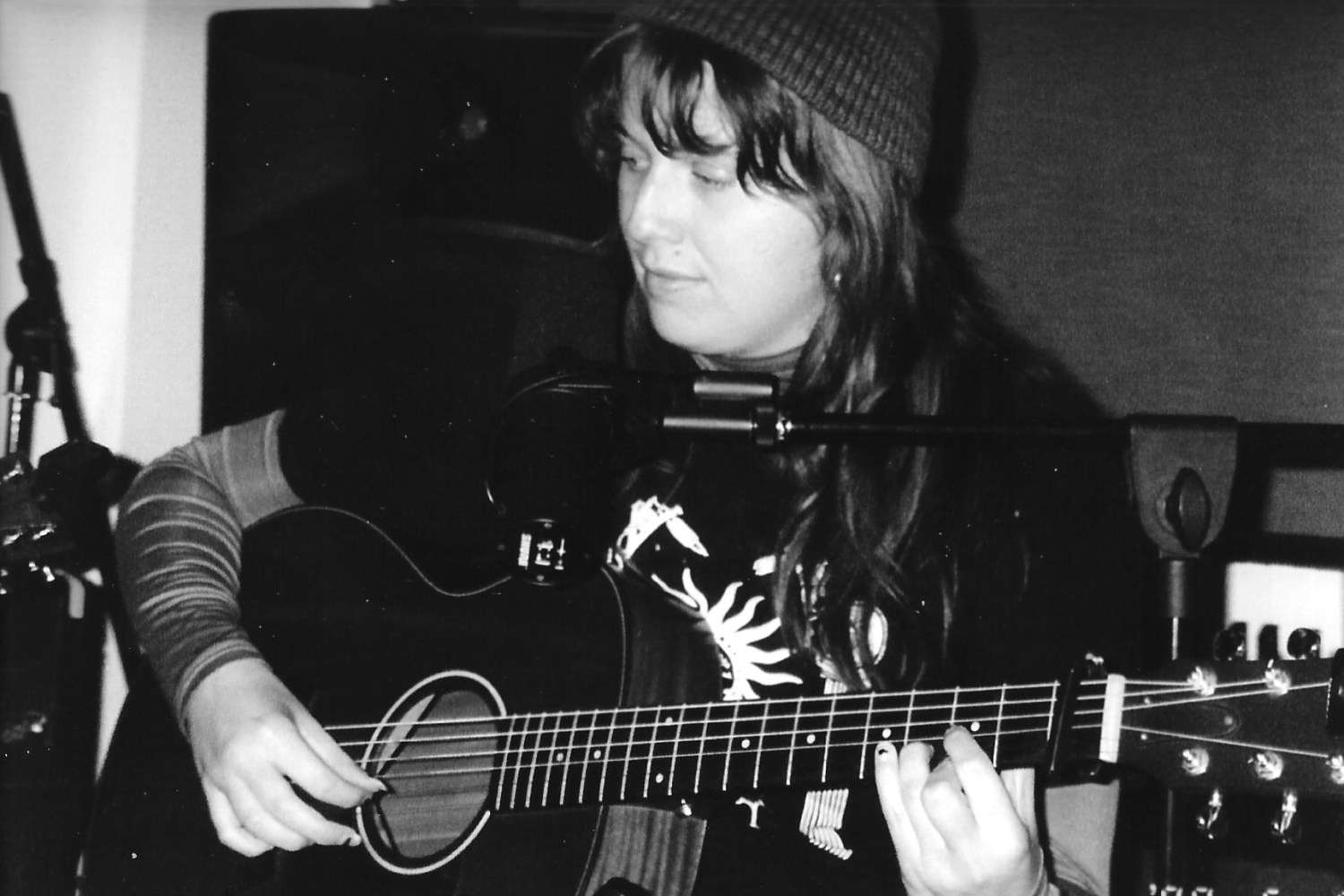
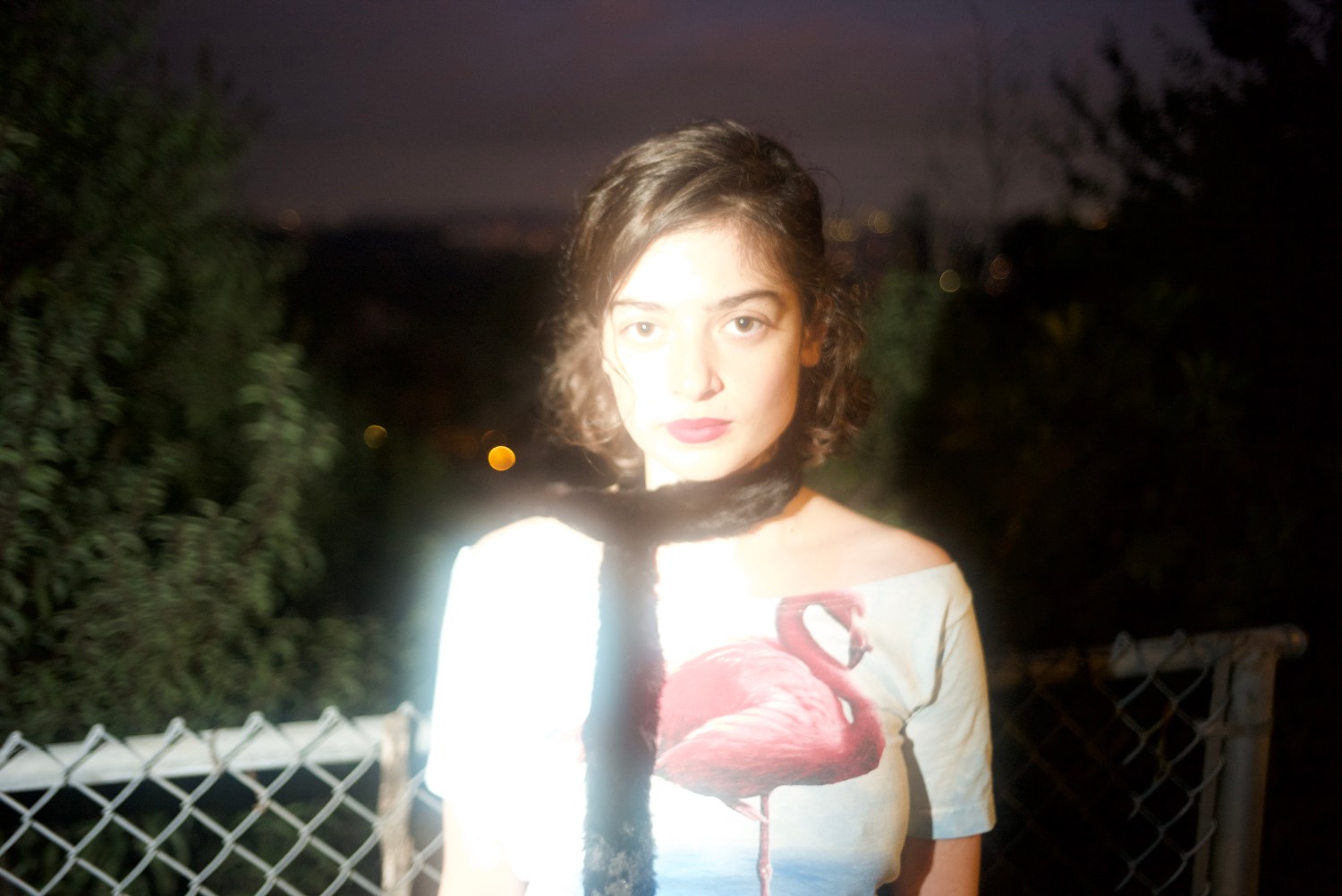
    “I’m gonna go off topic for a second” Nara Avakian prefaces before pivoting into a story from their day at work at a school in Elmhurst, Queens. We had been discussing the impact of taking Nara’s Room outside of the physical parameters of ‘Nara’s Room’, and while they assure me the anecdote will circle back to that point, I am hardly worried. Avakian details an art class activity where they prompted students to complete a ten minute automatic drawing followed by a more intentional piece of art on the other side of the paper. “I saw the ways that their subconscious kind of came out. I mean, they’re all twelve, thirteen, so they’re not overtly thinking, but I could see the connections that were being made,” Avakian explains. 

    One student had drawn a Yin and Yang symbol during the brief ten minutes, explaining to Avakian it was an element of another lesson she had that day. For the second part of the assignment, she drew a chameleon, likely inspired by the cover of a textbook in the classroom. “Because she drew the chameleon in marker, when you flipped it over it bled through and it was perfectly symmetrical with the Yin and Yang symbol. I feel like that instance is how I perceive my own songwriting and performing, it’s my subconscious flowing out and it just ends up almost experimental. I bring it to the boys, and they process it in their own ways. They evolve the meaning and turn something that is very private to me and very singular into something that is so much more nuanced.” 

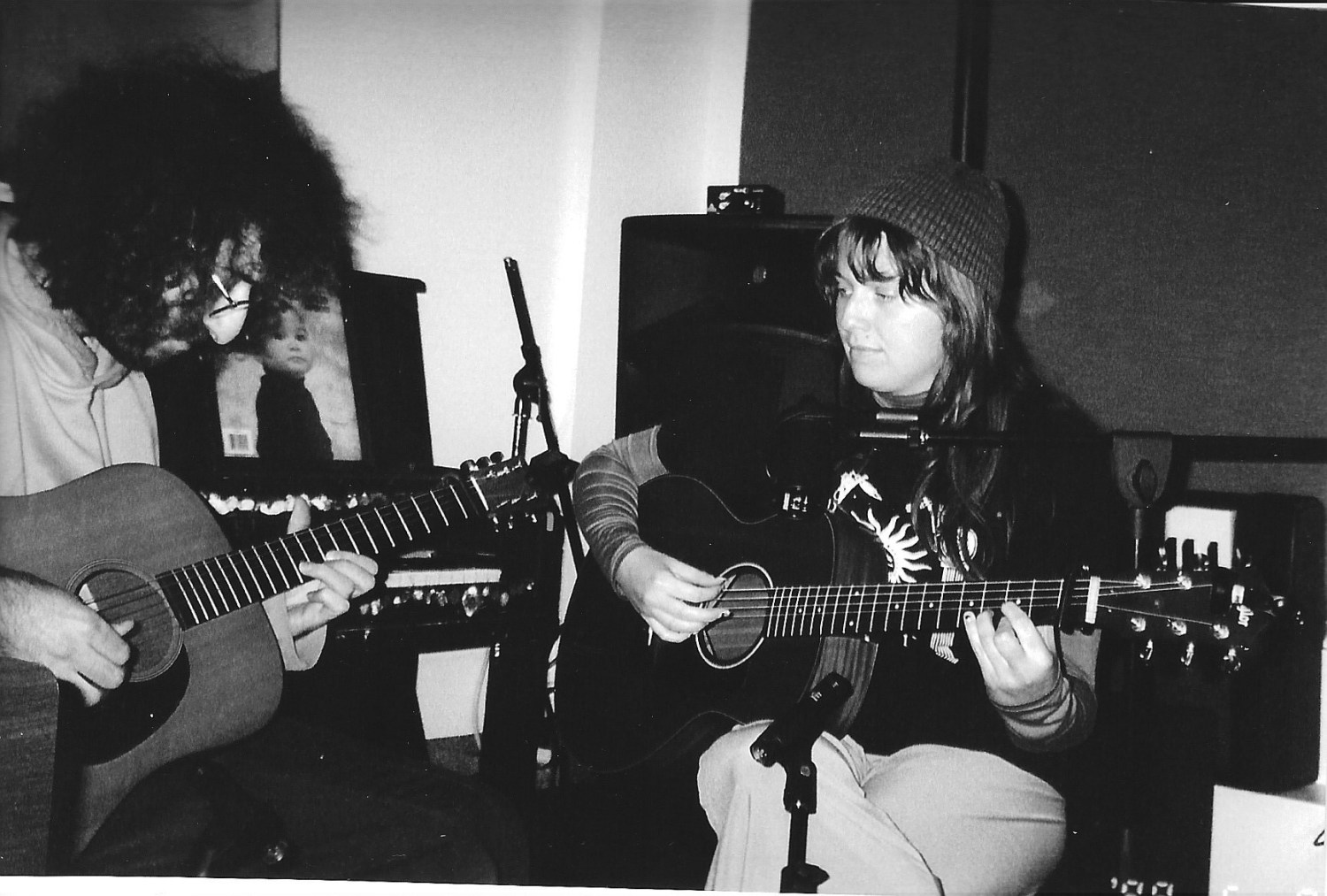
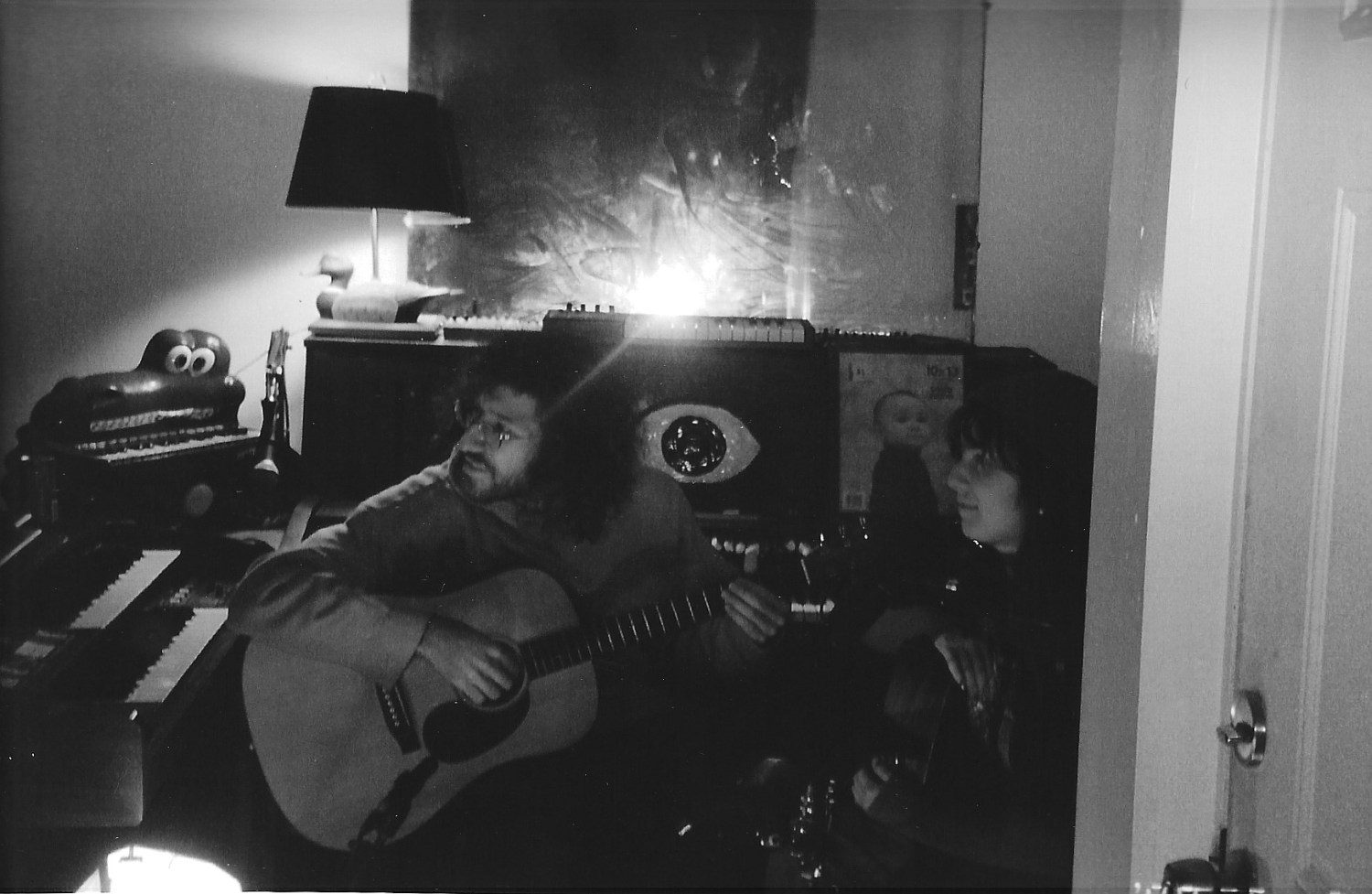
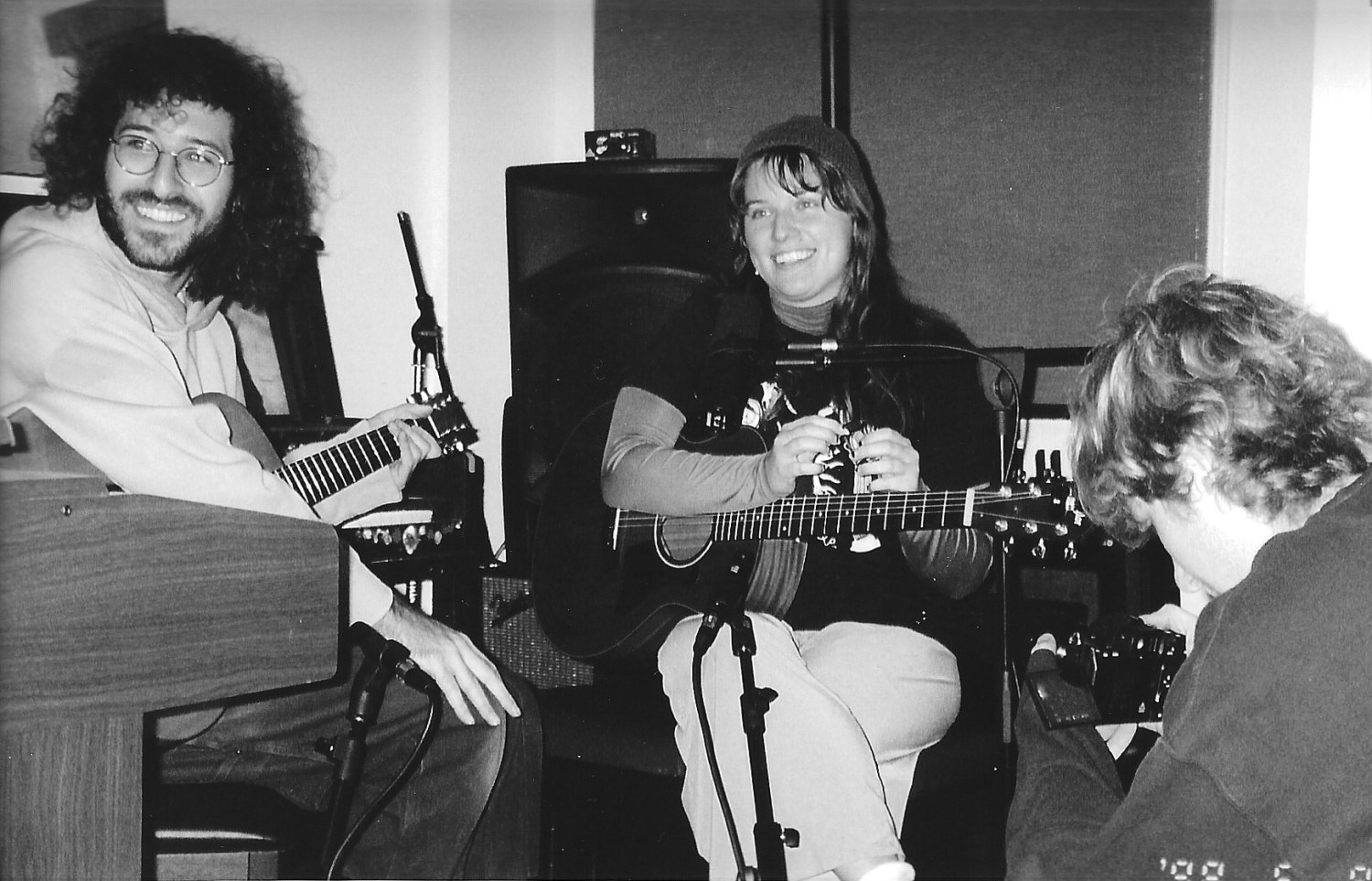
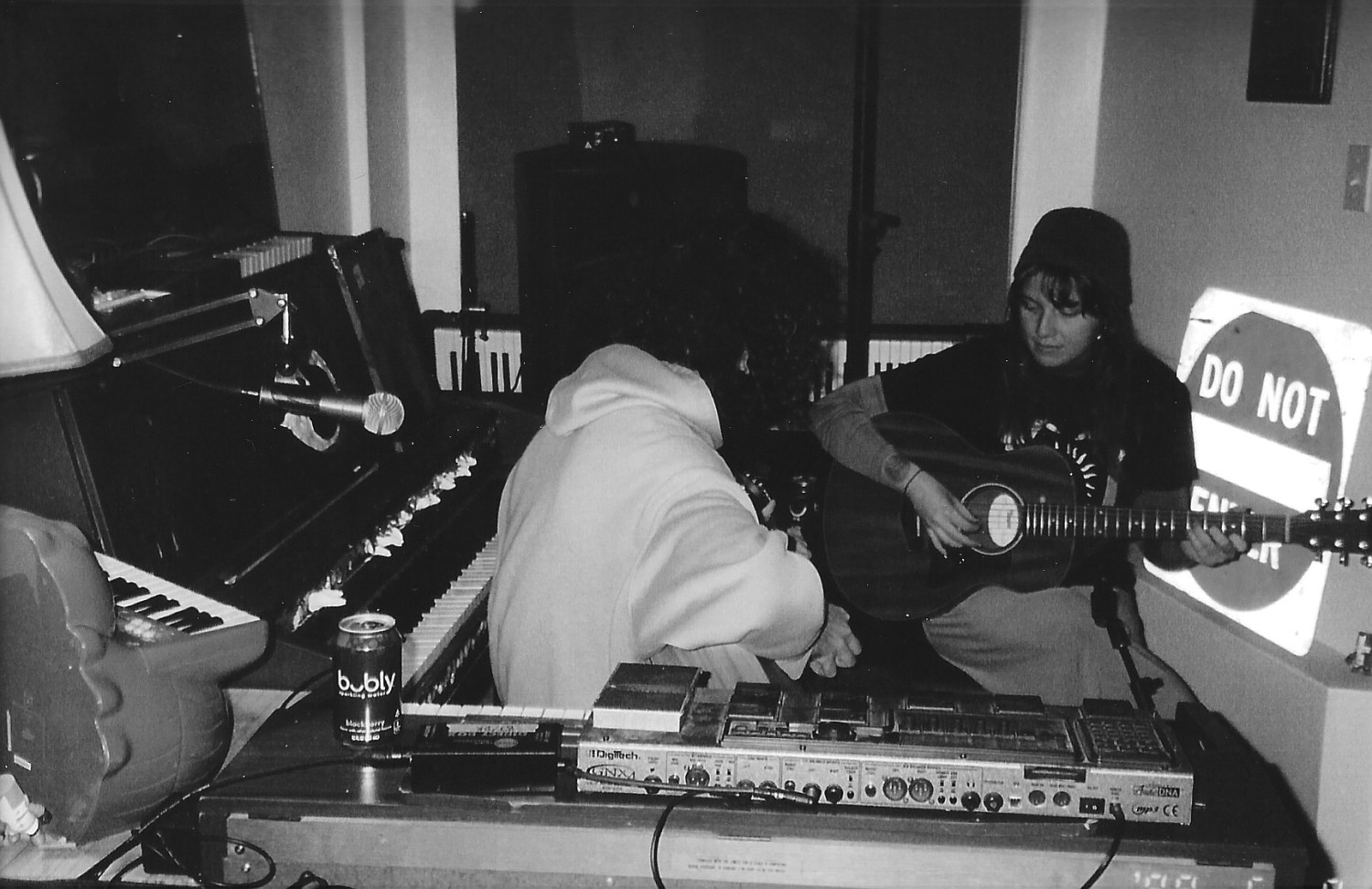
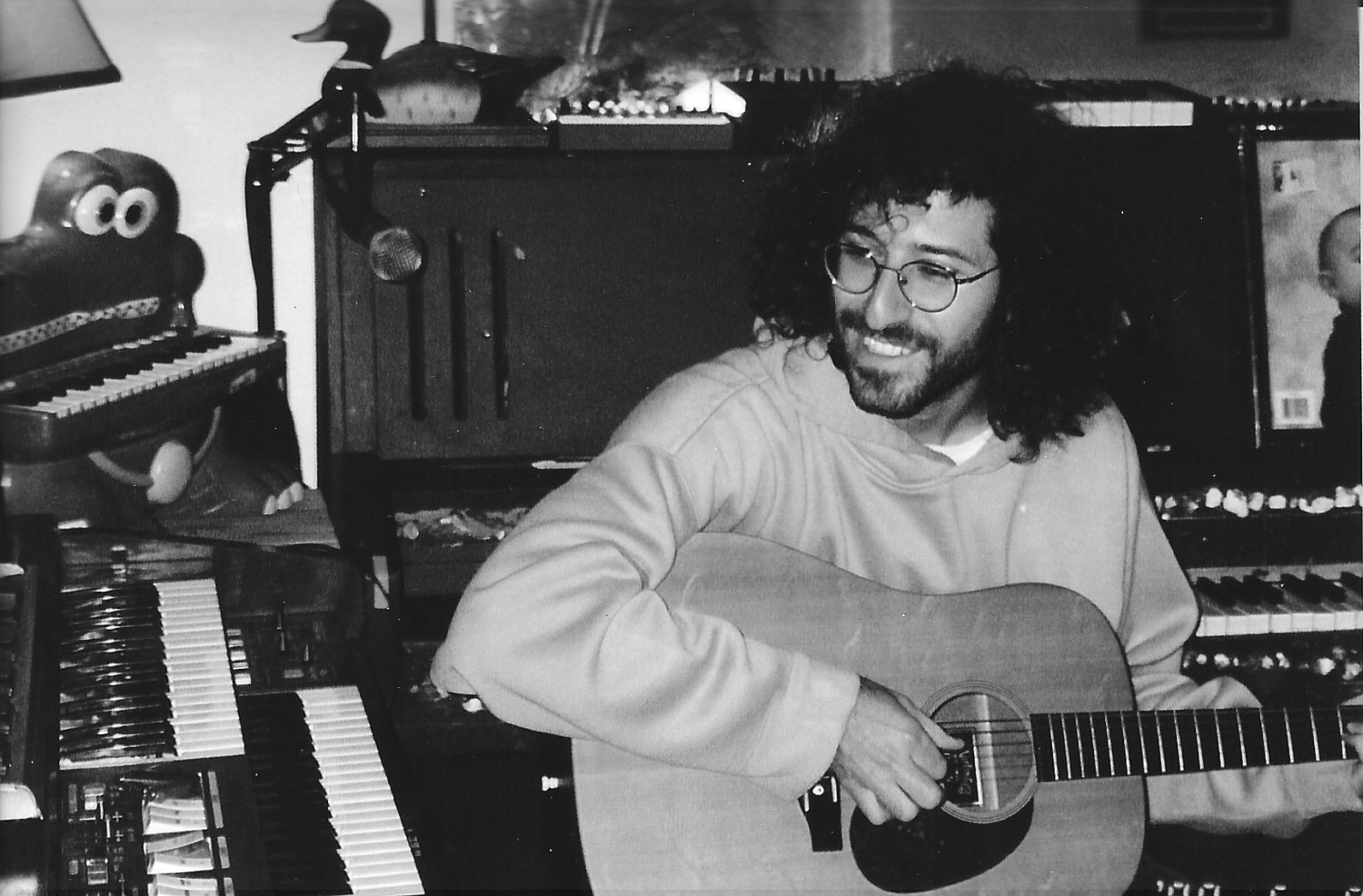
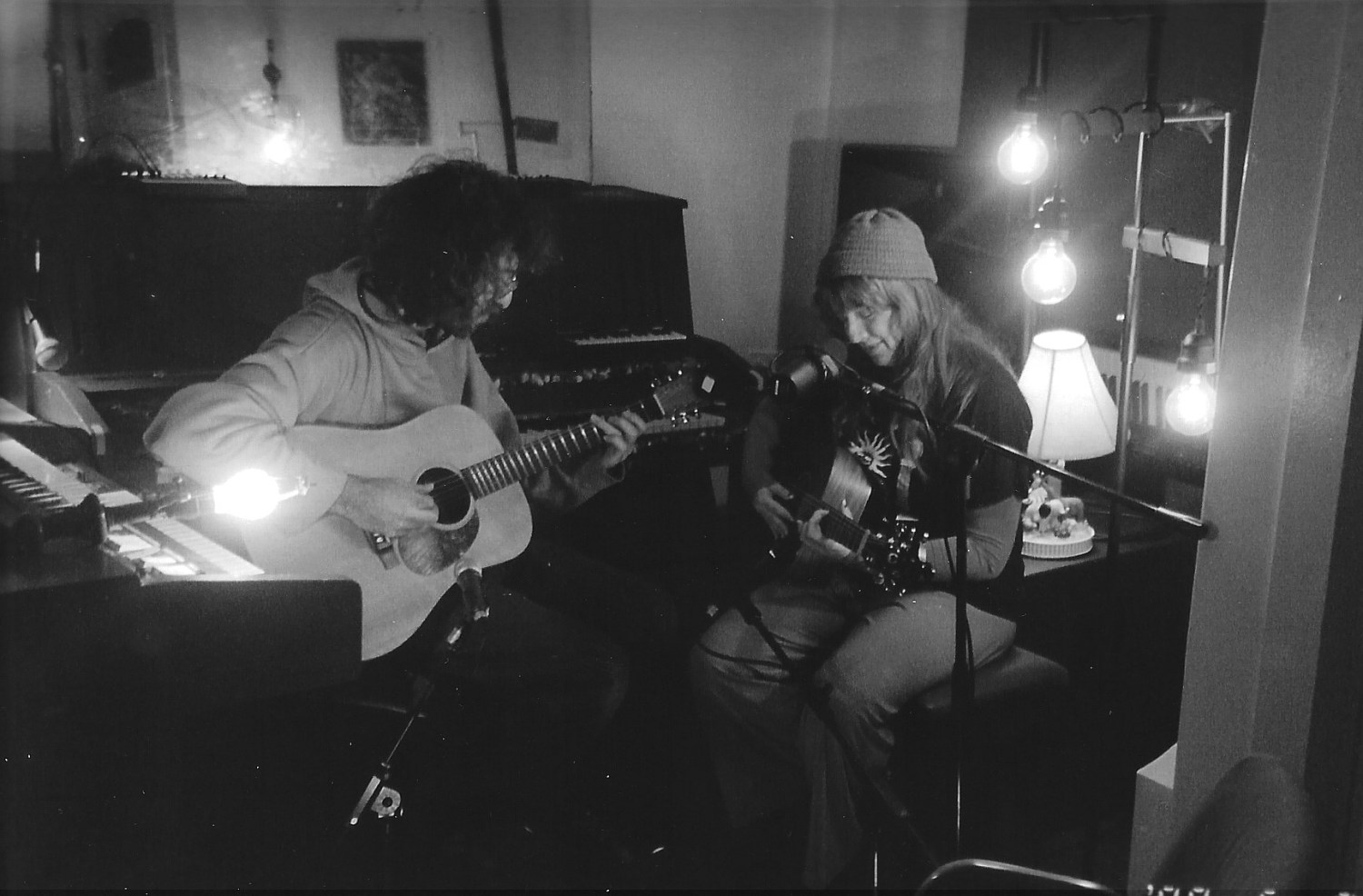
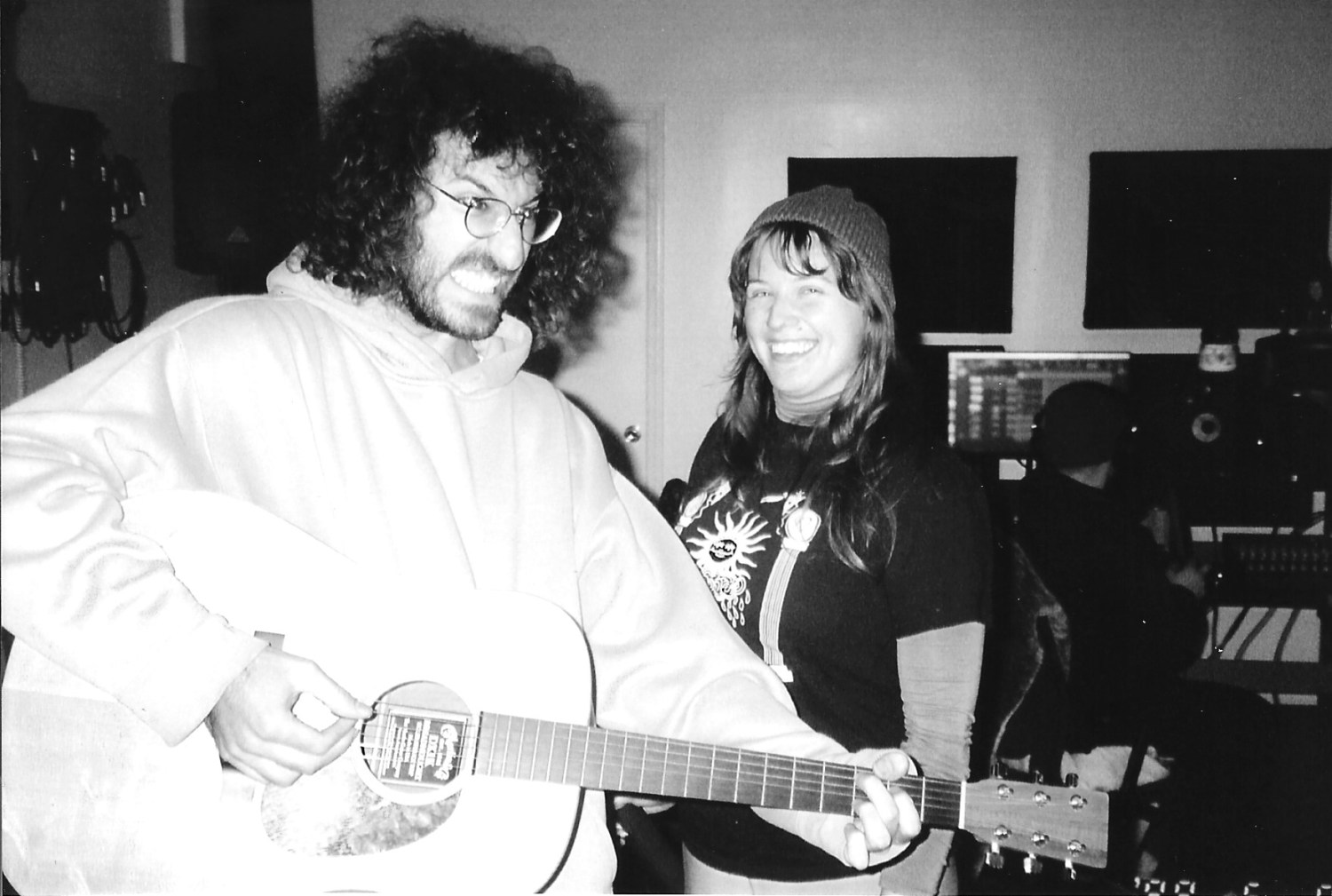
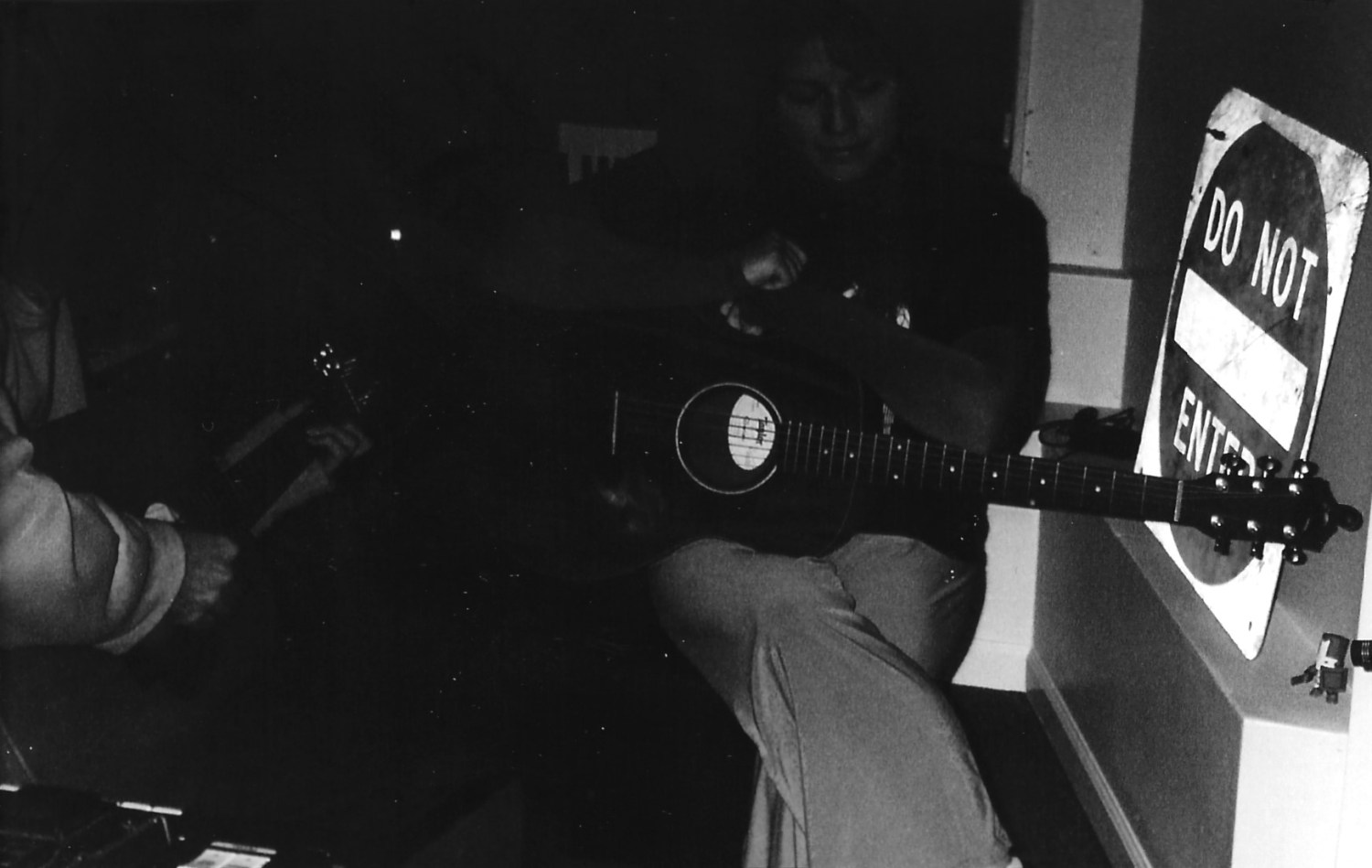
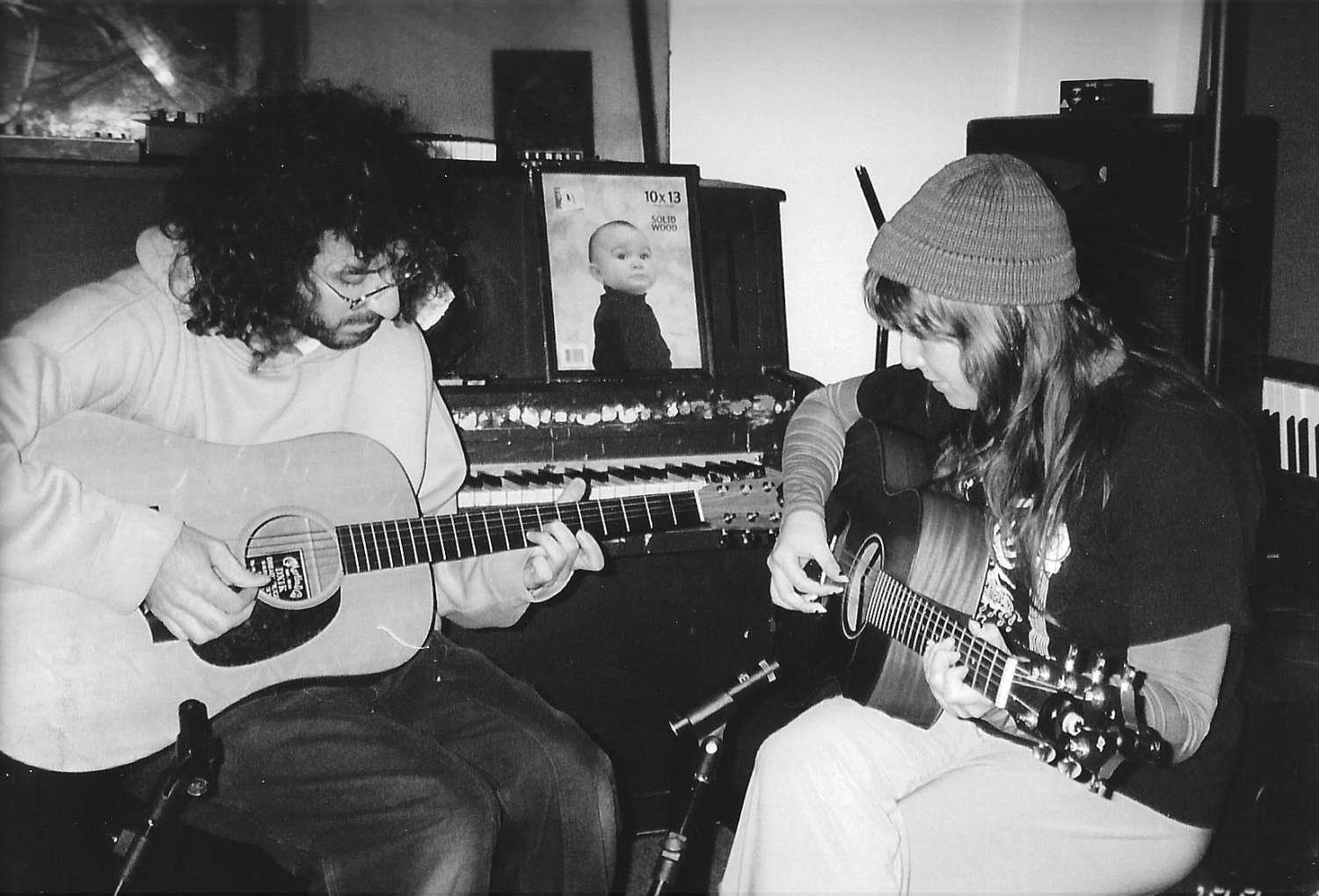
    Avakian is the front person of Nara’s Room, a Brooklyn Based band that boasts a grungy catalogue of tracks that fizz in your ears and yank at your chest. Their experimental sound glides over achey introspections like Vaseline, forming this healing liminal space where pain has to be felt, perhaps even danced to, before it can be truly let go. The deeply cathartic essence of Nara’s Room is one of the band’s biggest triumphs, though it was not necessarily intentional from conception. Avakian began Nara’s Room at a time they were still nurturing their own confidence as a musician, initially envisioning something along the lines of “Joni Mitchell, Tim Buckley singer- songwriter”. They found bandmates Ethan Nash and Brendan Jones after posting on Craigslist for ‘non men players’ who liked the Cranberries, Galaxie 500, and the Sundays. “Lo and behold, two of the most boyish of boys responded”, Avakian jokes before tenderly reflecting on the significance of Nash and Jones in their life, “They ended up becoming my chosen family.” 

    The band fosters an extremely pliable approach to creativity, allowing them to harvest depth from anything. As Avakian reflected on the subsconscious driven exercises of their middle school art class, I thought of a track off Glassy Star that is somewhat centered around a bottle of juice. Recalled amidst the anguish of a parasitic relationship,  “Grape Juice” is a standout example of the band’s knack for achieving emotional complexity without a need for explicit articulation. When I asked if the song was based on reality, if perhaps a decayed bodega beverage was a means to reach something darker buried in Avakian’s mind, I tried to resist posing the question in an overtly personal way. In retrospect, I think the times I have dropped what I was doing to vehemently sing along to the agonizing delivery of “a moldy bottle of Welch’s juice, I left in my closet, I forgot to drink” has less to do with me than it does the band’s ability to inject pathos into, well, anything. This dexterity wields songs that beg to be weathered by the relationship of a listener; as the stories told by Nara’s Room are meant to be felt more than understood. 

    Avakian explains that while the moldy grape juice story was true, it was initially someone else’s, one told via Spongebob voice filter on Instagram Reels. “At the time, I was friends with someone who was the classic case of just taking advantage of a friendship. The moldy bottle of Welch’s juice line came up, and I hate that this is the reference, but I guess it goes to show that you can find that value in anything,” Avakian explains, “I was scrolling through Instagram Reels, I don’t know if you know this guy but he tells these stories through the autotune SpongeBob filter, he has a beard, whatever. He came up, and I don’t watch everything, but for some reason I was just in a mood where I was just kind of rotting, and he talked about this story where his mom wouldn’t let him drink grape juice, so he ended up grabbing a bottle from the fridge and hiding it in his closet. He forgot about it, and then it got moldy, and that kind of just stuck with me. It was not something where I saw the reel and was like, I need to make that into a song, but I took it into my subconscious and it just kind of flowed out and really defining the mood and feelings of the song”

    That Reel was just one of the many fragments of life that shaped Glassy Star, mingling in the record alongside a line delivered by Laura Dern in Blue Velvet, a copy of Kurt Vonnegut’s Bluebeard, a vinyl of Fleetwood Mac’s Live Ivory and a light up horse display in a bar in Bed-Stuy. Avakian often refers to these collaged references as “fixations”, though in the context of Nara’s Room, their purpose is ultimately a catalyst for stubborn emotional excavations. The band often knits their individual focuses into one, this creative symbiosis bridging Nash’s fascination with the New York City Transit System’s most elusive train and a poem Avakian wrote on a receipt at a comic shop in LA seven years prior on “Waiting for the z”. 

    There is also value in the intent behind what they choose to integrate into their art. The approach is deeply unpretentious, focused on exploring the notions that resonate regardless of their cultural weight. “That’s how I process what a fixation meant to me”, Avakian explains on their trust in their own subconscious, and how they rely on music to unravel it. Amongst the slivers of life and media that braided into Nara’s Room, an emphasis on the 2000’s holds a prominent slot in the band’s identity. Glassy Star odes heavily to the cultural landscape of the band’s formative years, the album’s visuals rich with contrast between aesthetics associated with innocence and lyrics that navigate the darker realities of growing up. 

    “I have this relationship with my childhood, where growing up I genuinely believed that every element in the early 2000’s would be that way forever. Like the idyllic world of a Disney Channel original movie. In my music, or at least with Glassy Star, it’s one of the dimensions. There’s so many. One of them is reconciling with growing up and change”, Avakian reflects on their focus on 2000’s media, “It’s my way of kind of returning back to the room in many ways, returning back to these things that are so foundational to who I am that don’t necessarily have a place in this world anymore.” 

    Their manipulation of nostalgia becomes particularly powerful in the music video for “Holden”, a standout track that purges identity uncertainties over buoyant guitar and hypnotic reverb. Avakian used various cameras for the video, which features a stop motion animation inspired by Nickolodeon’s Action League Now, and a visual narrative that unfolds in and out of a vintage television set. It exists somewhere between familiarity and fabrication, envisioning an uncanny realm that possibly cautions against stretching naivete into adulthood, though like most aspects of Nara’s Room, it leans into the abstract, holding more emphasis on emotion than rationality. 

    This sense of ambiguity is a driving force at their live shows. Creating the songs offers the band a means to make sense of their own minds, but through sharing them the music transcends the personal nature of a notes app entry or media fascination. The meaning becomes something entirely new, as their songs knock on the door of someone else’s emotional ruminations. “When you watch something of David Lynch’s, it’s not meant to be overtly understood, but rather experienced and felt,” Avakian reflects on preforming, “I think when I bring something out of the room, I only hope that people can enter this other space with me, and we can all kind of experience and feel something ourselves.”

    You can listen to Glassy Star out on all platforms now. You can also order a cassette tape via Mtn. Laurel Recording Co. Nara also creates videos under the name foggy cow. Check it out here!

    Written by Manon Bushong | Featured Photo by Mamie Heldman

  • Bedridden Announces Debut LP, Dredging Up Suppressed Anger in Lead Single “Etch” | Single

    February 5th, 2025

    Today, Bedridden announced that their debut LP, Moths Strapped to Each Other’s Backs will be out on Aprill 11th via Julia’s War. Hatched by Jack Riley in his college years in New Orleans, Bedridden is now a Brooklyn based project, joined by drummer Nicholas Pedroza, bassist Sebastian Duzian and guitarist Wesley Wolffe. The individual members boast backgrounds ranging from jazz to metal, these influences subtly feeding the identity and rapport built over a shared proclivity for volume. Bedridden accompanied the album announcement with the release of “Etch”, a track both promising for those fond of their 2023 release Amateur Hearthrob and sure to dredge up new listeners. The rhythmically dense EP is sort of like if Friday Night Lights had a sludgy power pop soundtrack, wrapping notions of home runs and cheek kisses from cheerleaders in a sea of angsty guitar. It wields enough fuzz to form a foreboding cloud of grunge, but not enough to sand down any rough edges. Bedridden’s apt for animated riffs and sports novelties merely exist as a padding for the loneliness and anxieties that trickle out of their seemingly unguarded arenas of noise. 

    “Etch” is a wrathful track that explores the burdens of one’s own rage, armed with brooding guitar harmonies and scatterings of sports vernacular. It purges interpersonal animosities as Riley recalls a victorious fight dream, his vocals dodging harmony as he pummels through lines of “meet my knuckles” and “he can’t breathe, he can’t see without his eyewear”. Though the dream follows his rules, meandering in and out of NBA references and ending with the sweet satisfaction of the antagonist warming his own bench, there is an ambiguity to “Etch” that feels familiar whether or not you have access to any sports channels. The erratic and combative feel evoked by the song’s lack of a tonal center recalls an innately human kind of anger, an overwhelm that can sometimes only be soothed by aggressive figments of our own imagination. 

    In a statement about the track, Riley shares “‘Etch’ was a rhythmic accident that didn’t stem from any direct inspiration. The irregular triplet line came to me first and sounded somber, yet hostile. It lent itself well to phrases I had written not about heartbreak, but about the subsequent temper that it had induced. I was dreaming of fighting, I was dreaming of winning that fight and lastly dreaming of defaming my competitor. The song is frantic and doesn’t have a tonal center. With its weaving guitar harmonies laid underneath countering vocal melodies, it sounds to me like that regretful fistfight that I was longing for.”

    Listen to “Etch” here.

    Moths Strapped To Each Other’s Backs is set to be released April 11th via Julia’s War Recordings. You can now pre-order the album as well as a cassette tapes now.

    Written by Manon Bushong | Featured Photo by Sam Plouff

  • Dead Gowns x ugly hug | Guest List vol. 43

    February 5th, 2025

    Every Wednesday, the ugly hug shares a playlist personally curated by an artist/band that we have been enjoying. This week we have a collection of songs put together by Maine-based artist Genevieve Beaudoin of the project Dead Gowns.

    Earlier this week, Dead Gowns shared “Maladie”, the final single before the release of their long-awaited debut album, It’s Summer, I Love You, and I’m Surrounded by Snow, out February 14 via Mtn Laurel Recording Co. As a writer, isolating rather complex and dynamic feelings with a vivid prose of both mindful delicacy and emotional intensity, GV works towards the terms of desire, an ever-shifting goalpost in a sometimes-unwinnable game. But it is in this delivery and stature that GV so easily articulates though her music that gives us an open space to find our own answers no matter how daunting these feelings may be.

    “You could call ‘Maladie’ a bilingual song,” Beaudoin says of the single. “But for me, it’s more about how gaps in one language can be filled by another and the entire process gets me to the real feeling. Growing up around two languages, I don’t think I ever felt like I ‘got it’ either way and this song just leans into the idiosyncrasies of how French and English exist in my brain.”

    About the playlist, in which she titled, “time is all together, without separation”, GV shares;

    I have a record coming out on a ‘holiday’ around love but I wanted to look at love differently here. in its most enveloping shaping. 

    the playlist has a name, “time is all together, without separation” and it’s a [translated] line by Tim Bernardes.

    sometimes when I feel unsteady, I try to call in love like two hands, one holding my heart from the front, the other from the back. so these are just a few songs for loving harder. no erasure. 

    Listen to the playlist here.

    Listen to ‘Maladie’ below.

    It’s Summer, I Love You, and I’m Surrounded by Snow will be out February 14th and you can preorder the vinyl now!

    Written by Shea Roney | Featured Photo by POND Creative

  • Sleeper’s Bell Look Back to Move Forward on Debut Album Clover Out This Friday | the ugly sessions

    February 4th, 2025

    This Friday, Sleeper’s Bell is offering Clover, their long-awaited debut LP via Fire Talk’s Chicagoland imprint label, Angel Tapes. Looking ahead to this release, we are excited to be celebrating Sleeper’s Bell week here at the ugly hug with two different features!

    Originally formed by Blaine Teppema back in high school, Sleeper’s Bell was first found by many listeners with the release of her debut EP Umarell, released back in 2021 and having since been reissued on cassette in 2024 via Angel Tapes. It was a raw, and rather memorable collection, as its longevity is a sentiment to its articulation of heart, something that she so beautifully made mindful in its short run time. Fostering a reciprocal relationship with storytelling, Teppema’s presence within her words has always been one of desirable consciousness and stimulation – like biting into a citrus fruit and lingering with the reliving, sweet flavors while fighting with the stringy pith that’s left behind, stuck between your teeth. With the addition of Evan Green on guitar, Sleeper’s Bell became a project unknown to Teppema, not out of lack of recognition, but a rather new and open space with no defined limitations – a chance to strive for clarity where there was sometimes none before. With songs dating back almost a decade now finally in one place on Clover, the duo has taken every part of the process step-by-step, embracing a type of chronological association where both beauty and trauma hold the cards and Sleeper’s Bell decides when to slap them down.

    Embracing the vivid talents of the Chicago scene, Clover also debuts the duo working with a full ensemble of notable players including Jack Henry, Max Subar, Gabe Bostick and Leo Paterniti, putting a newfound life into the already lasting structures of a Sleeper’s Bell song. But as Teppema and Green have spent the last two years recording Clover, building upon their trust as both collaborators and friends, this debut marks more than just the release of some rather beloved songs. It has become a full story, an almost novelistic dream of what it means to love and to be loved, to be hurt and to heal, and to simply make art with your best friends. 

    With Clover’s release this Friday, the ugly hug is featuring Sleeper’s Bell in two different ways today. One is a conversation in which we recently sat down with Teppema and Green to discuss the duo’s origin, vulnerability in sharing, friendship and the making of Clover. The second being the debut of a new series called the ugly sessions.

    Watch Sleeper’s Bell perform in studio below. 

    This interview has been edited for length and clarity

    SR: We are almost upon the eve of your debut LP, Clover. Looking over the edge now, how does it feel? 

    Blaine Teppema: I’m ready. I feel like I’ve been so up and down about the release process for so long, and now I’m finally in a stable place with it. It feels good.

    Evan Green: It’s like the stages of grief, seriously, you know what I mean? At each part, there was like a mourning for the loss of the part before it. There were hurdles each step of the way and it definitely would feel impossible at times because it took us over two years.

    BT: We were so new to every process. I’ve never recorded in a studio and I’ve never recorded with a band or really worked with other people besides Max [Subar], who was really hands-off with the process, so every time the band figured something out, we couldn’t sit with it or spend time thinking about it or really work on it. It was just on to the next part, you know? And now we’ve been able to sit with everything. 

    EG:  We’ve come so far with the music and being a band. We were not even a full rock band before the record because it was just Blaine. And then Blaine added me to the project, just us playing duo for almost a year. And then when we started recording the album, we would get to the studio and literally I would play bass, Blaine would play guitar and sing, Jack [Henry] was on drums and Gabe was just in the recording booth pressing record, and we would just figure out arrangements for all of the full band songs on the record while it was recording. We only would play it ten times and then we’d just pick the best one. 

    BT: It was always the first or second one. That’s usually how it is. 

    SR: Was it weird figuring this out, you know, not allowing yourself to sit with pieces you just learned as you kept pushing through? 

    EG: Since we were at the DePaul studio, Gabe was like, ‘okay, I have this window of time for you guys to be able to record here for free’, before he graduated. We were like, ‘okay, we want this record to sound like this…’, and we just started doing it. So we felt this time pressure. We were all so busy. Eight songs done. We had those initial sessions and then we were still committed to working with Jack on the record, but he would go on tour and we would have to wait a month or two at a time and then get back to working on the record. We kept having to put things on hold, so we would have this moment where we would be working on everything and it would feel incredible, but then we would have time off. That kind of kept going until December of 2023 and we decided that Leo [Paterniti] and I were just gonna mix the record and we finished recording everything at our house and we mixed it all in our bedrooms.

    SR: You can tell this album works like patchwork, but it fits so cohesively, especially knowing the whole ethos of this record piecing together old and new songs you had, Blaine. But this project has been your personal thing for almost a decade now. Was this how you envisioned Sleeper’s Bell would be when writing as a teenager? 

    BT: Hell no. I was so meek about music. In high school, I didn’t really show anyone my music and I didn’t like performing. I feel like it was something I would just get high and make a song on GarageBand and post it on SoundCloud, you know? And that was basically how I was able to function as a teenager – I would just record in my room alone all the time, and a lot of those songs I was so critical of, and a lot of them are gone. I would put it up and then I’d be like, ‘It’s so stupid, stupid, stupid,’ and I’d delete it. I thought that was me being humble or something, or, you know, having humility. But I think, in retrospect, it’s a form of ego to be like, ‘it’s not perfect, so it’s not me.’ Then I had these songs that I had written in college, and Max had a studio, so I felt like I should just record them and it was just gonna be a one-and-done thing to say that I did it. But I didn’t like playing shows.

    EG: You did play a few shows though. I heard that Umarell EP through our mutual friend Lilly, and we were falling in love to Blaine’s music. It was really crazy because I was so in love with the songs and I was starstruck by Blaine. And when I moved back to Chicago, I was like, ‘I want to join the best bands. I just want to play music and be around other artists and other people that inspired me to write music and create.’ And ever since I heard [Blaine’s] music, my dream band would be to join Blaine in Sleeper’s Bell. It was a thought that I had, and then a few months later, Blaine hit me up to play a show. I was so scared [laughs]. I was terrified.

    BT: Well, again [to Evan], you’re the reason that I like playing shows now. And I like every process that isn’t just sitting alone and writing. You’re the reason that I like sharing now. 

    EG: We had fun. The first practice was kind of… I feel like it was the perfect example of just how the rest of the journey would be when [Blaine] came over. I was nervous to play with [Blaine], and she comes over and goes, ‘oh, God, wait. I haven’t touched this guitar in months.’ She then takes out her guitar and strums it and it’s rattling. I take it and I turn it upside down and shake it, and dust bunnies just start pouring out of the sound hole [laughs]. It was like a magician’s handkerchief! It just kept coming off out and coming out.

    BT: I wasn’t lying! 

    EG: And we just broke the tension. And then we played that show at the Golden Dagger, and everyone was just silent. It was almost sold out or something like that and we were so nervous. You could just hear a pin drop. We both felt high afterwards, we were shaking with excitement.

    We just couldn’t believe it. That just kind of made it. After that, we just felt like we could do this.

    BT: I had never really felt that way after playing a show because I was never prepared. I would go into playing a show and I would be fucking up and I wouldn’t have enough songs to have a whole set, so I would play for 15 minutes and be like, ‘I’m fucking done.’ But [Evan] helps me have discipline. 

    EG: I mean, you’ve grown. 

    BT: Yeah, I have to respect it all the time even if I’m not feeling it all the time. You know? 

    Photo by Athena Merry

    SR: My first time hearing Blaine’s music, similar to your story, Evan, I was just, you know, completely enamored. I would even listen to it while I ran [laughs]. But it’s funny because I did an interview with Hannah Pruzinsky, and they were like, ‘what are you listening to?’ I was like, ‘have you heard of Sleeper’s Bell?’ They texted me later that day saying something like, ‘it’s so good! I just listened to it on my run.’ 

    BT: [laughs] Oh my god! I love running to sad music. I think it’s because it makes me feel like I’m trying to get to the train station before someone leaves so I can profess my love to them. It’s like a mission.

    SR: I completely agree! And then the first time I saw you was that insane four bill at Sleeping Village. It was you two, hemlock, Lily Seabird, and Merce Lemon. 

    BT: Was that the show where we came out and there was feedback immediately? Probably. That was also the show that I walked off stage with the cord still attached to my guitar.

    EG: Some of those early ones were a fever dream. We didn’t have our tech stuff figured out, and running into awkward setups, and if people are talking it can be difficult. It’s a learning experience, but that show was a bit of a rough one for us. 

    BT: Also we just weren’t besties yet. That makes all the difference. Trust is huge.

    SR: Blaine, this album is a constant dialogue between you and your younger self, responding to old journal entries and songs now as an adult trying to heal. What was this experience like in the beginning, and did it shift at all as this album started to become more feasible to you? 

    BT: I wrote the first song on the album when I was 16 and I wrote the second song on the album when I was 24. And then everything else is in between. But the last song, I wrote when I was doing trauma work in CBT, and a part of that was that I had to go back – I’ve been keeping a journal since I was nine. And as a true librarian should, I have them all archived and numbered on my wall. I never touch them. It’s like fucking dynamite – but as part of the therapy practice, I had to go back and really relive a lot of situations. That’s where the last song “Hey Blue” came from. It was part of forgiving, my inner child sounds so corny, but, you know, letting her know that I love her. But I feel like there’s a line that you tow with vulnerability, that you can give yourself away completely, and I did want to protect myself a little bit. So I did want the songs to be kind of a bop. I wanted them to be fun and energetic, so that I could play with that a little bit. 

    SR: In what ways did you play with rearranging the songs? 

    BT: Well, a lot of them weren’t like that when I wrote it.

    EG: Oh my god, yeah, that’s where the grooves come in. When we first were playing these songs, they were slow and they were really, really sad. Kind of just meant for a duo setting. But we ended up taking all of those songs and sped them up, like, quite a bit, and the groove of the songs just came naturally. 

    BT: It just felt like a nice recontextualization. We were having so much fun, we’re in the studio, we’re joking. We were just so happy to be there and there’s nothing we’d rather be doing. I feel like that comes through in the music as much as whatever I was feeling when I wrote it. 

    SR: Working with the older songs, how much did you hold true to the original and how much would you change when it came time to putting this record together?  When trying to hold that throughline between Blaines, what was that process like?

    BT: I feel like once I write a song, I can’t change. I just don’t know how I would go in and change it, you know? If anyone else wants to try to change anything, you can, but my brain doesn’t work like that. I feel like we definitely had to doctor up the older ones a lot more because it was just, like, they weren’t as interesting.

    EG: No, it wasn’t that they weren’t as interesting, but we were trying to make them fit with the other songs. Like the song “Over” just flowed so naturally. I feel like you can kind of feel it in a song, “Over” especially, how naturally things kind of flow, versus “Bored”, which was more of a puzzle, thinking, ‘how can we match this story that Blaine is telling to an arrangement?’ We have pedal steel, we have keys, we have acoustic 12-string doing these plucks, and all these elements kind of just weave together. 

    SR: This was also your first majorly collaborative release, quoting it as an ‘assemblage of chosen and real family’. What was this transition like as a solo writer to then a duo to now a fuller ensemble sharing ideas? 

    BT: Yeah, it was hard. It was really emotionally taxing, you know? I was afraid for a long time, in a similar vein of performing, telling people what I wanted. I realize now that that’s the most helpful and kind thing you can do is to tell someone exactly what you want, and that goes for anything in life. I still struggle with that, and [Evan] helped me a lot with that because I feel like we have a similar vision for it now, where it’s like we think the same things sound good.

    EG: I feel like that has been maybe one of the most crucial aspects of our friendship and our musical partnership, the way in which we were able to build trust and help each other. We went from not having any experience and not knowing how to express our likes and dislikes or our preferences. It was just a whole process of growth and pushing each other to be honest. It took over two years to make the record, and we went from not knowing anything to we’re making every decision about this.

    BT: Yeah [laughs], like, ‘you’re fired! You’re hired! You’re fired! You’re hired!’

    EG: But it was really hard. It takes a lot to trust, and at the same time we were making this record where [Blaine] is just being incredibly vulnerable with the lyrics and the stories she was telling, and we put so much love and care in the record. It was such an emotionally loaded experience because of how much we were enjoying it and it was so validating to have these moments of personal growth show in the record.

    BT: It’s actually like, ‘this is what I really think because now I’ve been using that muscle, you know, one that I’ve been ignoring for so long.’ 

    EG: Yeah because we were in the studio, we were like feeling confident, we were learning these skills and learning to trust ourselves and like, ‘oh we’re making a record and this is a legit thing we’re actually doing.’ And I feel like at the same time you were growing and learning to say no and stand up for yourself in relationships extending outside of the music process and that’s something. It’s not just like we were making a record, but we were deepening our friendship and deepening the trust between us and sharing these really vulnerable moments while also sharing the creative process.

    BT: It was like the most fun I’ve ever had, and the hardest I’ve ever laughed. I was laughing so hard. It’s like we invented a language. I mean that happens when you have all your defenses down and you just want to make art with other people. It’s really just like a fast track to a shared language.

    Scroll through photos from Sleeper’s Bell’s ugly session here!

    Clover is out everywhere this Friday. Preorder your vinyl and cassettes via Angel Tapes. Sleeper’s Bell will be celebrating the release of Clover with a show at The Hideout in Chicago, Saturday February 8th. Get tickets here. If you preorder the vinyl, you will be entered into a free ticket giveaway. Winners will be picked 2/7.

    Written by Shea Roney | Feature Photo by Athena Merry

  • Free Range x ugly hug | Guest List vol. 42

    January 29th, 2025

    Every Wednesday, the ugly hug shares a playlist personally curated by an artist/band that we have been enjoying. This week we have a collection of songs put together by Chicago-based songwriter Sofia Jensen of the project Free Range.

    Free Range came into indie favoritism with their debut album Practice, released back in 2023. At the time, and still to this day, Practice is a sharp and discernable release; the marking of a conscious and explorative storyteller like Sofia, who has the ability to write songs with both melodic gratification and lyrical exfoliation, reinforcing the charm and tradition of indie-folk as each song becomes its own moment within a much larger story to be told. Sofia has also recently hinted at new music set to be shared this Friday January 31st.

    About the playlist, Sofia shared;

    “Here is my list of songs getting me through the winter. best listened to in order and while walking around bundled up in the cold.”

    Listen to Sofia’s playlist.

    Listen to Practice now on all platforms.

    Written by Shea Roney | Featured Photo by Alexa Vicius

  • Spring Onion Returns with “Anger Acceptance”, Announces New Album Seated Figure | Single

    January 29th, 2025

    Today, Spring Onion, the recording project of Philadelphia-based artist Catherine Dwyer, returns with a brand-new song “Anger Acceptance”, marking the first single from her upcoming album Seated Figure set to be released March 14th via Anything Bagel. Having been a player in several Philly favorites, such as 22° Halo, 2nd Grade and Remember Sports, it is now Dwyer’s turn for a full-length endeavor, as Seated Figure is a collection of personal expression six years in the making.  

    “Anger Acceptance” begins with a very certain two chord progression, one of familiarity that defined a generation of not just youthful angst, but an exhilaration into a rather open and definitive moment of emotional recognition for countless individuals. The track begins clean, but full, as Dwyer sings, “I could have killed the man that told me / And I wish I killed him still,” apt to the gritty undertones that are waiting to be let loose. “We learned a lot about each other / I guess love’s a useful skill / that only matters if I make it / and with all my words I will,” becomes a marker all on its own, as the song erupts into a controlled burn of chaos and clarity, as Dwyer recognizes the beauty that lingers behind no matter how imperfect it may feel. “Anger Acceptance” is not a ploy for nostalgia per se, but rather a moment of gratitude, a recalling of what it was like to be young and angry before life goes on without a say in which direction. 

    About the song, Dwyer says, “This was the first song I wrote after my dad passed away from lung cancer in October 2020. I was alone, recovering from covid, listening exclusively to Nirvana, and stewing in the anger they say accompanies a great loss.”

    Listen to “Anger Acceptance” premiering here on the ugly hug.

    cathro · Anger Acceptance

    Seated Figure is set to be released March 14th with both a vinyl and cassette pressing from Anything Bagel. The album features longtime collaborators Julian Fader (Ava Luna), Carmen Perry (Remember Sports) and Francis Lyons (Ylayali), among others.

    Listen to Spring Onion’s last release i did my taxes for free online.

    Written by Shea Roney | Featured Photo Carmen Perry

  • Rugh Finds Passion Within the Confusion on new track “For Steven” | Single

    January 24th, 2025

    Following the anticipation of their last track “Stop Me If You’ve Heard This Before” released earlier this month, rugh return today with “For Steven”, the final single from the Gainesville, Florida trio before the release of their debut album Rug, out on February 21st. With just a handful of releases prior, Macy Lamers, Liza Goldstein and Sawyer Lamers have upped the ante of their gritty intensity and candid vulnerability as rugh showcase the strengths within their dynamic compositions.

    Nestling within a groove of temptatious energy, “For Steven” plays out from the trio’s garnered intuition, unwavering in the pace of a dreamy display as each member exudes their own individual voicings with both precision and unique passion. Combing through frustrations like a thinning bristled broom, lines like, “And the drugs in your blood aren’t going to be there for good”, remain as Macy’s crooning vocals collect up some of the blemishes of impending doom, clearing out a sort of pathway for the weight of the instrumentation to carry this newfound release to the end. “[For Steven is] an existential power anthem about how I don’t know what I’m doing, so naturally I can’t know what you are either,” says Macy. “Each verse is a run-on sentence, and the melody gets all tangled up just to fall into a rudimentary chorus again. I want to draw a stupid parallel to life here, but I’ll leave it.” It isn’t long before the track implodes in a crunchy haze of distortion and blown out amps, but rugh’s ability to play with both conflicting sensations and sheer earnestness make them a band worth keeping an eye on.

    “For Steven” is accompanied by a music video conceptualized, directed and edited by Macy. Watch below!

    Rug is set to be released on February 21st and will be celebrated with a release show on February 22nd. You can listen to their previously released single “Stop Me If You’ve Heard This Before” below.

    Written by Shea Roney | Photo Courtesy of rugh

  • Red PK x ugly hug | Guest List vol. 41

    January 22nd, 2025

    Every Wednesday, the ugly hug shares a playlist personally curated by an artist/band that we have been enjoying. This week we have a collection of songs put together by Chicago-based multi-instrumentalist and songwriter Andy Red PK of the project Red PK.

    If you have spent any time in the Chicago music scene, Andy’s face on stage is one of familiarity and comfort. Having been a player in some of the city’s most beloved acts, such as hemlock, free range, Options and Tabacco City, as well as instances of joining touring groups like Sinai Vessel, there is a guarantee of a good show at work when Andy is playing guitar. Earlier last year Andy released two singles, “Bedroom” and “Moving off the Line”, debuting his cleverness and passion as a songwriter as well, with hints of more to come in the future.

    To accompany the playlist, Andy shared;

    Songs that make me laugh and cry, sometimes unsure which is about to happen. Featuring friends, heroes, inspirations, recent pleasures. Fix yourself a Shirley Temple with extra cherries and cuddle up with your childhood stuffy while listening.

    Listen to Andy’s playlist here;

    Andy will accompany hemlock for a few shows on their expansive tour crossing eastern U.S. cities beginning on January 24th. Find a show near you HERE.

    Listen to “Bedroom” and “Moving off the Line” out on all platforms now.

    Written by Shea Roney | Featured Photo by Sofia Jensen

  • Lily Piette Finds Vulnerability in Her Computerized Machinery Complex | Interview

    January 16th, 2025

    “This is not a logical world we are living in! So maybe we should stop expecting it to be and just accept the absurdity. Fall straight into the magic bro,” reads a subsection hidden within the fixings of the machinery complex, titled “gave birth to a harddrive”. Earlier last year, Lily Piette shared her debut LP, titled Her Computerized Machinery Complex. Following the album’s release was a specially designed website – a placeholder to any physicality within this music – as a way to visualize and interact with the machinery complex in our measly three-dimensional human form. But in this computerized world, one fixated on intrinsic quarrels, generated visuals and lessons on quantum computing, there is a sentiment that runs through the album, a meeting point of the implausible and the actual that join, not with any profound coincidence, but rather more out of habit. Where big questions are asked and simultaneously answered with another question; the possibilities are endless and that’s okay. 

    Her Computerized Machinery Complex is both immediate and unsuspecting. Garnishing deep influences of nostalgic patterns and sharp instrumentation from the beloved Touch and Go era, these songs cut deep with both sincerity and cynicism, a heavily involved flavor that coats the palate unburdened by intentionality and experimentation. Taking on the duties of writing, producing and mixing, skills that Lily has been developing with two EPs prior, her artistic intuition bridges the gaps between preconceived notions and primal connections, as Her Computerized Machinery Complex navigates what we deem to understand as natural in the world around us.

    Now several months out from its release, we recently sat down with Lily Piette to discuss the Machinery Complex, as well as blending visual art and music and redefining the world through vulnerability. 

    This interview has been edited for length and clarity

    Courtesy of Lily Piette

    Shea Roney: Now having some time to sit with it, how has it all been prior to releasing your debut LP?

    Lily Piette: Yeah, it was great. It was the first full length thing I had mixed, produced and recorded everything myself, so I definitely think I had kind of gone a little crazy about it, and was really glad to have it out. But then, you know, I was just happy that people liked it, and because I think at that point, I had gone too deep, I was like, ‘I don’t even know what this sounds like anymore. Throw it out [laughs]’. But it was a relief. 

    SR: Of course, that makes sense. You take on these incredibly large world building-esque moments which I can imagine can be fairly easy to get lost in. What was your initial goal when you decided to make this record, and did it shift at all throughout the process?  

    LP: When I first started making these songs, I didn’t know it was going to be an album. At the same time, I started getting really into this kind of computer world. I was using Blender to make these videos about these machines, and I was really into quantum computing and all that. That was kind of separate in a way, but then it merged when I started to get to an album length and decided to just put everything together. I usually like to separate art and music, but it all just kind of happened naturally when I had the idea to make the website and just converge it all. 

    SR: Yes, you are also a visual artist. When you say that you try to keep them separate, are there any ways that you find this means of creation influencing the kind of music you make and your relationship with it? 

    LP: I’ve always felt blessed to have both because if I’m getting frustrated musically, I can just go paint and vice versa. I’ve always kind of separated them in my mind, though I think thematically I’m working kind of in the same worlds, like my paintings kind of speak to some of these same worlds I’m trying to create in music. But I felt like more so with the videos, and the things that I’m doing on the same computer that I’m making the music with, I feel like are more intertwined. That’s why I bridged more 3D modeling or video editing or whatever into this album because it’s on the same device, rather than going to paint in a studio. 

    SR: I want to talk about the website you made to accompany Her Computerized Machinery Complex, because you put so much effort and thought into building this visual place for the album to exist. What was the initial idea for this project? 

    LP: I just had all these videos I’d made from the last year that I needed to put somewhere, and this also aligned with the time I was working on the record. When I had titled it Her Computerized Machinery Complex, at some point I just wanted to create the complex – the machinery complex. It feels like a structure, probably more so like a building, but I can’t do that [laughs], so I made a website where you can go into these different rooms and spaces. I didn’t end up making the website till the album was getting mastered, which was a fun getaway from listening to the songs too much.

    SR: There were a few parts that stood out as very interesting that I wanted to ask about. In a section in which you are describing the website you say “this website is an entity that has a soul and it yearns for you to understand. The website is sensitive and vulnerable and also kind of slow sometimes…” What does that mean?

    LP: When I started to get into quantum computers and how they worked (the way they work is they can take every single possibility of any choice instead of 0 and 1. So it’s like 0, 1, and maybe. It’s basically the multiverse where you can think of any possibility) and it made me think, ‘isn’t that God level?’ I was looking at these pictures of quantum computers, and I’m like, ‘it looks like an angel. It’s so beautiful.’ In a lot of religious texts, it talks about the complexity of God. It’s so intense that you can’t even look at it because your brain is going to explode. I don’t know, I was just finding correlations between something divine and these machines. I’m not trying to make a statement about AI or anything like that, it’s more just that I think that they’re natural, too, just like houses are natural, and cars are natural, and we’re natural. These computers are natural, and they’re really stunning, too. I just wanted to bring back that idea that everything is nature, and everything is connected to the divine, including a quantum computer that we think is so sterile and inhuman. 

    SR: Another part that was really interesting was when you give birth to a hard drive, further explaining that “this is not a logical world,” building upon the absurdity in our lives. Can you tell me more about that concept?

    LP: I wanted to explore these ideas of like, ‘maybe this computer feels embarrassed? Who knows?’ It feels like we’re living in a cartoon world where nothing makes sense and everything’s upside down and we all feel so upset about everything all the time, which is, you know, rightfully so, but there’s freedom in being like, ‘this is absurd. None of it makes sense.’ So why wouldn’t the computer feel embarrassed?

    Explore the Machinery Complex

    SR: You once brought up the similarities between the digital realm and the subconscious realm that we have as humans. In what ways do these metaphysical places connect? 

    LP: If we think about algorithms, or even AI self-learning algorithms, it’s taking in this unimaginable amount of information, and then it will come out in sometimes really strange and unexpected ways, which is the same way that our brains work. We live our whole lives, and we can’t access any of [the subconscious], and then it comes out in the choice of words we use, or dreams we have, or these repressed ideas about things. I mean, even when you use the AI image generator for an apple or something, it’s kind of distorted and strange. That’s due to all these complicated reasons and images and billions of pieces of information. So just like in the same way a Freudian slip would occur, it’s connected and linked to a billion different things, so it makes sense that it would replicate in that way. I just think it’s interesting that it’s hard to trace back where these things come from, in both realms, because it’s just unimaginable amounts of information.

    SR: Did you make an effort to try and tap the subconscious at all when writing this record? 

    LP: Well, I would say the lyrics are the thing I struggle with the most, and it’s the thing I always put off till last. I struggle with being like, ‘okay, this is what I’m going to say, and I’m going to make it work phonetically as well. I always write a melody, and then I’ll sing gibberish or random words, and then I’ll try to make lyrics at the end, and oftentimes I’ll end up using whatever random thing I said because it sounded good. But I didn’t write it intentionally. Sometimes looking back at songs a while later, I’m like, ‘oh, I know exactly what I was talking about’, but I had no idea then. 

    Courtesy of Lily Piette

    SR: There are a lot of thematic parts of this record that come from this feeling of grappling with connection in varying dimensions and relationships. Are there any ways in which referencing this digital landscape enhanced these themes? 

    LP: Even though I have this theme of the machines, most of the songs didn’t end up being anything about that, and are definitely about, you know, my own relationship struggles with people – betrayal, intimacy seeking connection. So, yeah, I feel like there’s this set out theme, but in reality, a lot of the songs are just about my regular life and regular emotional yearnings and everything. 

    SR: What we were talking about earlier, with this machinery complex being almost human-like with a soul, because technology is seen as so sterile, you’ve created this world that’s just so personable and warm, but through the lens of what we perceive as so distant and cold. 

    LP: Yeah, I feel like that’s what vulnerability is really. At the end of the day, that’s what I want to be as an artist. Being able to bring the idea that anything could be vulnerable, not even just to computers, but anything – a brick, a rock, or shoes, or whatever – and whether or not it’s true, it changes your relationship with the world and how you interact with everything. And I think it can only change it in a good way, approaching every single thing with compassion and love. I think that’s tied to that idea.

    You can listen to Her Computerized Machinery Complex on all platforms now.

    Written by Shea Roney | Featured Photo Courtesy of Lily Piette

  • Caleb Cordes (of Sinai Vessel) x ugly hug | Guest List vol. 40

    January 15th, 2025

    Every Wednesday, the ugly hug shares a playlist personally curated by an artist/band that we have been enjoying. this week we have a collection of songs put together by New York-based singer-songwriter Caleb Cordes of the project Sinai Vessel.

    With the release of Sinai Vessel’s fourth and final record, aptly titled I SING, Caleb culminated an album so masterful in storytelling – where instances of relational anxieties, economic plateaus and artistic values grapple with the prerequisites of both purity and cynicism – play so passionately with the grace of a tenured songwriter. Since then, while Caleb has begun to look ahead, defining new endeavors in life, his writing remains tried and true to what it means to be an individual, not lost, but wandering around this confusing, harsh, and beautiful world. Coming up upon 6 months of I SING, we asked Caleb to curate a playlist for the ugly hug, in which he shared,

    Every so often — maybe only once or twice a year — I happen across a song that becomes a kind of home. “Home” sounds corny, but it’s apt — I wind up making a habit of departing from and returning to these songs, using them to bookend seasons or sessions of more experimental listening. I set down my bags, I kick off my shoes, I sigh. I expend almost no energy listening to them — they are wholly a source of comfort, a set of friends that make me feel like myself. Collected together, they form much of my motive for why I continue to listen, to search. And beyond listening, they plainly constitute a compelling reason to look forward to being alive.

    A healthy portion of these tunes are songs that feel utterly private simply by extension of the fact that I’ve yet to meet another person that’s also heard them. It can feel special to be alone in that room, but I’d much rather share — especially if it means another person could find something in them to add to their own tender pantheon. Of course, these songs have also served as a constant point of reference for my own songwriting — and, seeing as I’m taking some time away from being a person who publishes or plays music, I’d like to offer them as context for my work while my last release is still reasonably close behind.

    My ideal experience with all of these songs is that I could introduce them to you personally — to be on the same trip, so to speak. In my minivan, winding a mountain road. Or on a walk with two pairs of headphones, introducing one friend to another. In any case, here’s hoping you find one that gives you shelter.

    Listen to Caleb’s playlist here!

    You can listen to I SING on all platforms as well as purchase a vinyl copy.

    Written by Shea Roney | Featured Photo by Trent Wayne

←Previous Page
1 … 24 25 26 27 28 … 45
Next Page→

Blog at WordPress.com.


Loading Comments...
 

    • Subscribe Subscribed
      • the ugly hug
      • Join 85 other subscribers
      • Already have a WordPress.com account? Log in now.
      • the ugly hug
      • Subscribe Subscribed
      • Sign up
      • Log in
      • Report this content
      • View site in Reader
      • Manage subscriptions
      • Collapse this bar