Written by Shea Roney | Photo by Nati Rosa Rodriguez
Every Wednesday, the ugly hug shares a playlist personally curated by an artist/band that we have been enjoying. This week we have a collection of songs put together by David and Austin of the Chicago-based band Copies.
Each partaking in various projects throughout the city, plays the game is the first release for this duo, secretly shared online in the dog days of summer via Beekeeper Tapes and Discs. As David’s guitar riffs begin to heat up like metal in a flame, and Austin’s ferocious drumming brands the skin, Copies’ chaotic melodies clot each track, bringing face to the natural and rather stunning relationship between pain and healing. The EP is loud, thrashing, and emotionally blending, as Copies stands their ground, in a rather dying world, as a defiant and exciting voice to be reckoned with.
Chicago is on fire right now. From indie rock, to art pop, to jazz, the Windy City’s scenes detail its rich musical history. As of late, a lo-fi wave of straight-to-tape projects championing DIY and punk ethics has cropped up on the west and south sides. Answering Machines is one of many of those bands.
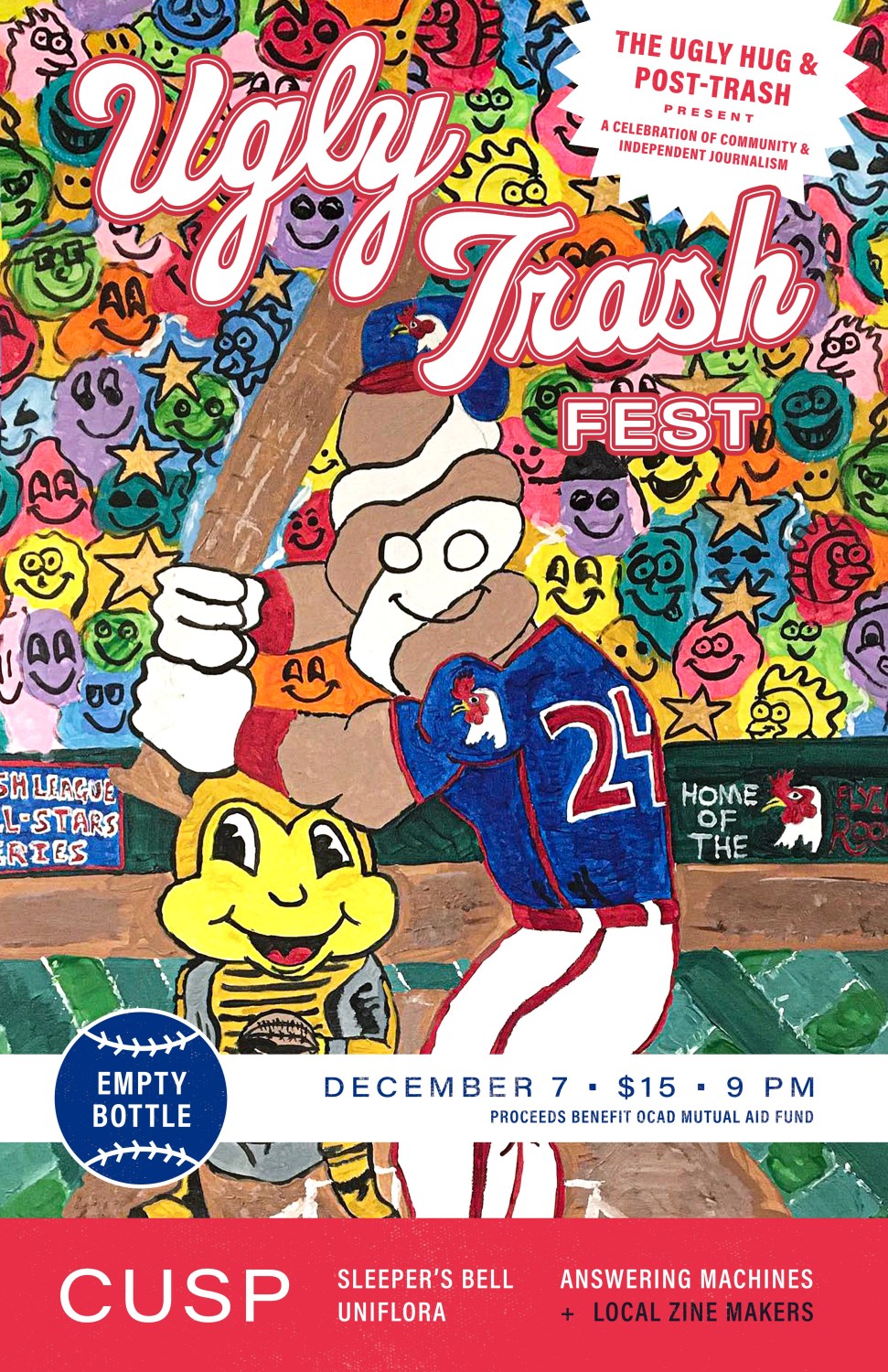
In the leadup to Ugly Hug and Post-Trash’s benefit fest this Sunday at the Empty Bottle, both sites are featuring each project on their respective sites. Answering Machines is our leadoff hitter this Sunday, and their twitchy, melodic punk will kick off the night. The band’s very own Jackieboy chats with Pat Pilch about the band’s origins, playing in bands with your friends, and making art accessible.
How did Answering Machines start?
In high school I was in bands with some of my friends. I wanted to write my own music and not stress out about it. So I started recording songs on my phone on GarageBand. I kept doing it and then I moved to Chicago. I met Adelaide, who plays drums. We started playing shows here. The first show in Chicago was at The Empty Bottle with Silicone Prairie.
Where are you from originally?
DFW Texas. I grew up going to shows in Denton.
What kind of bands were you in in high school?
I was in this noise pop band. That’s what we called it. But… It was like… It started off as like a noise rock thing. Then we got really into Deerhoof.
Sweet. Who are your influences? And what are you into right now?
For Answering Machines the main ones are The Zeroes, The Ramones, Television Personalities and Beat Happening.
Your tapes and downloads are pretty cheap. Tell me about that. Is accessibility and affordability important to you?
With punk music, it comes with the territory. Making it accessible, plus I want it to sound accessible to make. The songs are simple and something any ordinary person could do. I like that rather than something complicated or overproduced.
How do you record?
I record with a four track. It’s called a Korg CR4 but I just broke it, so i’m using a Tascam Portastudio. We just recorded vocals yesterday. On track one we recorded all the instruments live and overdubbed the other stuff. Second guitar and two vocals.
What kind of Tascam do you have?
I forgot what it’s called. It’s that gray one. You can only record one track at a time. It’s like… It might be a Portastudio MS-T01. But… I could be wrong.
You’re in a couple different bands. How does your community support one another’s creativity?
I just met a bunch of people on the shows here. And my roommate Saskia. We started a band called Bungie Jumpers together. Then she started writing her own songs for a band called P. Noid. So, we’re just like, “If you play in my band, I’ll play in your band.” Type of thing.
Are you in school right now? What do you do?
Yeah. I’m in my last year of school. And I’m studying printmaking and drawing. I’m also a dog walker.
How does your non-musical art influence your music, if at all?
I feel like one of the big reasons why I like starting a million bands is you get to make art for it. I love making flyers and all that. The accessibility thing definitely carries over for me. For most of my print and drawings, I primarily use a photocopier to make all my collages and I don’t use computers. So it kind of carries over.
Do you make zines?
I don’t think I’ve made a zine before. No.
Is that something you’re interested in?
Yeah. A little bit, but I feel like there’s other people who are doing good things with that. And I’d rather just focus on being in and starting a bunch of bands. I just started two new bands. One of them is a hardcore band. We’re called Mr. Crazy.
I started another band with my friends called Autofill, and another called The Experience. I only have like three songs each for each band.
What is lyrically driving Answering Machines songs?
Mainly what’s going on in my life. Trying to convert that into something more universal that people can relate to. But I also keep it like teenager-y and silly. I love Beat Happenings lyrics. Cool. They’re not thinking too much. It’s not like trying to tell some epic story or anything. I just like something that’s relatable, especially to young people.
You can listen to the self-titled debut EP from Answering Machines now.
Ugly Trash Fest will be held on December 7th at the Empty Bottle in Chicago. All proceeds from tickets and raffle will be donated to Organized Communities Against Deportation. Get tickets HERE.
Every Wednesday, the ugly hug shares a playlist personally curated by an artist/band that we have been enjoying. This week we have a collection of songs put together by Albany-based band Bruiser and Bicycle.
I feel an advisory is required before peering into the world of Bruiser and Bicycle, an Albany, New York-based progressive folk ensemble. On October 8th, 2025, the band released an experimental approach to the traditional rural tunes of Americana, Deep Country. Their pastoral themes, intermingled with pop and rock, inform a new method of songwriting and production. A completely unique medley, belonging only to their name.
Flying freely in their whimsically constructed, musical plane, is “O’ There’s a Sign.” Gliding swiftly from start to finish, it lands in the third slot of the record, with a fast and abrupt arrival. The interior of the third track moves with fervor, featuring soft vocables that, unknowingly and excitingly, jump to overpowering proclamations and unheard-of questions like, “Who can flip a bottle on its side?” Bruiser and Bicycle never allow for comfort. There are too many moving parts to just idly sit by and passively consume their sound. To listen to the four-part ensemble, one should be keen and observant, on the lookout for the next unexpected, jerking turn.
With their closing track and record title, Deep Country, they continue to use whimsy to build their distinct image. Theatrical voices sporadically holler in the background of the melody, chiming in to spackle any holes of silence. But, one voice drives the album’s bucolic theme by slowly chewing through the lines: I’ve been out, in the fiery heat of the desert / There’s a peculiar rhythm / Arcadian or wisdom. Glistening at the tail end of the track: rapid strums and feathery adlibs to lighten its hefty precursor.
As a result of these humorous voices, the album gives the impression of a score. Playfully sounding over transient bits that feel awkward in the moment, but funny upon reflection. Films such as Juno or Little Miss Sunshine come to mind.
Proliferating from characteristics of the south, Bruiser and Bicycle portray themselves as a woven tapestry—a traditional practice blended with different materials. Their rustic-indie folk feel leans into a familiar sound, yet offers an exciting jumble of eccentric voices, introspective repetition, and jabbing humor. The unpredictability of the group amplifies any intrigue going into a listen. The chase of pinning down a meaning or general idea of the band will never tire you. Be aware, be alert, and be on the lookout for what’s to come from Bruiser and Bicycle.
You can listen to Bruiser and Bicycle’s playlist HERE!
You can find Deep Country and the rest of their discography below.
Music holds the power to wake us up, lull us to sleep, or transport us to dreamlike realities – Adeline Hotel’s new record Watch the Sunflowers unwraps a unique culmination of all three. In a long string of critically acclaimed releases out of Ruination Records, Dan Knishkowy is no stranger to the quiet spell it takes to create a record that feels dense yet holds the ability to float on air like this. Here, he’s less concerned with revelation than presence – the slow, patient art of noticing.
Where earlier Adeline Hotel albums drifted in the gentle haze of folk minimalism, Watch the Sunflowers feels almost meditative. Knishkowy sits somewhere between the fragile intimacy of Sufjan Stevens and the pastoral melancholy of Nick Drake. His voice, both literal and compositional, feels steadier, communal in spirit – like a speaker straight from the soul.
The opening track “Dreaming” sets the pace – as Knishkowy speaks directly to the listener: “some things take a little while”. A slow-building lattice of fingerpicked guitars that seem to shimmer in and out of sync. While Whodunnit’s openers were tentative, this one feels confident – an invitation that is reflective and authentic.
Stretching out the stillness, “Nothing” layers brushed drums and soft synth into something reminiscent of early Iron and Wine, yet with a maturity in the arrangement that hints at the slow and steady growth over the past few albums. The refrain feels like a heartbeat: steady and unhurried. While his voice blurs at the edges, a reminder that vulnerability can live in conjunction with strength.
“Swimming” catches you mid-current, tumbling you into its stream. Guitar fragments appear like sunspots, somewhere between longing and amusement. At the center of the record, it’s a track that could feel heavy handed. Instead, its light – buoyant in its sadness, as if noticing the color of the leaves as the storm passes through them.
“Ego” strikes differently. Accompanied by the sly tension of the piano, Knishkowy begs the looming questions of the human experience: “Do I need to be kind?”. It pulses, even slightly ironically – as if he’s testing whether or not you’re paying attention. The track introduces a shift, with hidden twang and undercover woes – it exemplifies a willingness to deconstruct and rebuild. The shift continues into “Just Like You”, which reimagines sound into the nostalgic experimentation of the early 2010s. You feel transported to somewhere serene, familiar, comfortable. It’s a kaleidoscopic experience that melts together into something nearly indescribable.
“Spaces” returns to the album’s homebody heartbeat, offering reflection on the gaps between moments and people. The instrumentation is sparse, allowing the space to resonate deeply. The final title track “Watch the Sunflowers” closes the album with a gentle crescendo, leaving a lingering sense of warmth and resolution – the perfect ending to a record that moves carefully between reflection and the light.
William Blake quotes “As a man is, so he sees. As the eye is formed, such are its powers.” Knishkowy understands this intimately; Watch the Sunflowers isn’t about what’s seen, but how it’s seen. Stillness can sharpen sight, and the smallest moments can open to infinity.
You can listen to Watch the Sunflowers out now as well as order it on vinyl via Ruination Records.
Indie-folk band Florist captures the heartbreaking magic of being alive in their newest album Jellywish; ten soothing, ambient tracks that act as a friend who shares a moment of understanding for listeners. While comforting, the album reminds people to remember that so much of the suffering in the world is created by humans, and that there is a constant, desperate need for change.
Florist is a friendship project based in Brooklyn, New York, made up of four members: Emily Sprague, Rick Spataro, Felix Walworth, and Jonnie Baker. Jellywish was released on April 4, 2025 under the record label Double Double Whammy. It was engineered by Rick Spataro, mixed by Alex P. Wernquest and Rick Spataro at Basement Floods, and mastered by Josh Bonat. The beautiful album artwork was created by Vera Haddad.
All songs are composed by Sprague, who described the album as “different from past Florist releases in that it does not offer the solution of inner peace or beautiful conclusions.” Many of the songs make this clear in a simple way, such as the line “should anything be pleasure when suffering is everywhere” in the first track “Levitate.” Sprague manages to blend hope and pain in a way that creates an immersive experience in empathy and humanity.
The album flows very intentionally, beginning with the quiet, acoustic song “Levitate” and ending similarly with “Gloom Designs,” accompanied by soft guitar and rain noises. The instrumentation ebbs and flows throughout, ranging from clear vocals, fingerpicking, and soft piano, to gritty guitar solos, light percussion, glitching background noises and distorted vocals. While the accompaniment remains minimal throughout, it is never too simple. Both the instrumentation and stylistic choices shift between hope and sadness in a way that mirrors the real world. The meditative songs resemble poetry, often lacking choruses but containing repeated lyrics to get lost in. The lack of structure is reminiscent of the societal topics and themes of the album.
Turning intimate moments into something relatable, Sprague tackles how much love and hope can be found in the world, without shying away from the many harsh realities. They write about love in a poignant way, with the lyrics “there’s no evil in your eyes” in “Sparkle Song” and “it’s been a long time since we laughed until we cried / it’s been a short time in the entirety of life” in “Gloom Designs.” “You cut your hair off and started to glow” captures the feeling of watching someone become themself and loving them more for it in the track “Started to Glow.” Death remains a steady theme, reminding us that everything is temporary, but that there is so much to love in the meantime. The album invites listeners to accept their emotions without shame.
Lyrics about the natural world add vivid imagery to the listening experience, with descriptions of rivers and waterfalls, red sunrises, the desert sky, and morning dirt. While Jellywish is lovely at any point of the year, it provides a comfort to the winter months, with descriptions of gardens dying in the freezing cold and ice. In addition, the song “Jellyfish” asks the question “will there still be winter in a year?”
On the surface it seems like Florist has created a new, magical reality to escape to with this album, until you realize these slices of life portrayed can be found just outside the window. A reminder that you can be small and important at the same time.
You can listen to Jellywish out now as well as on vinyl and cd.
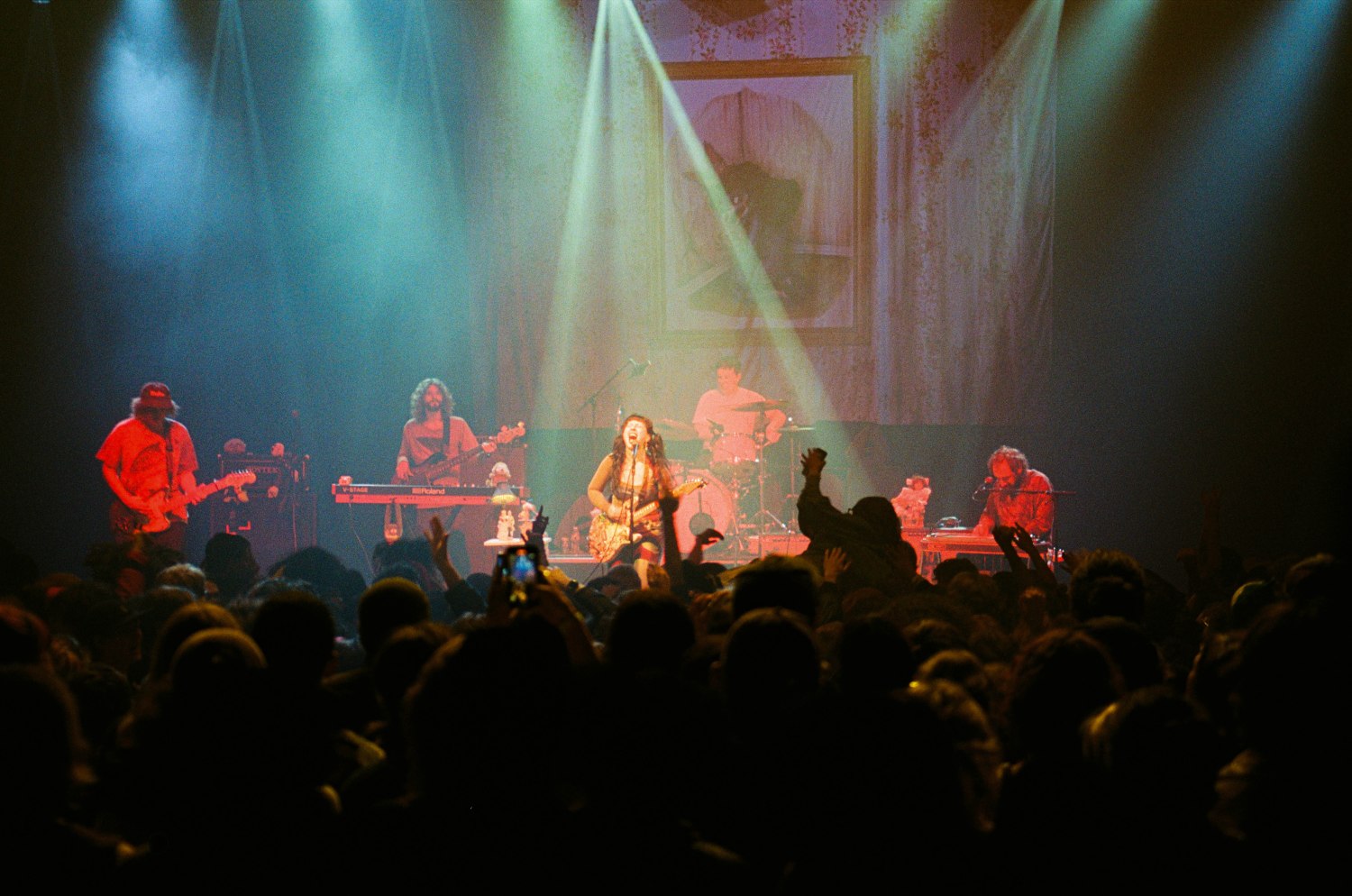
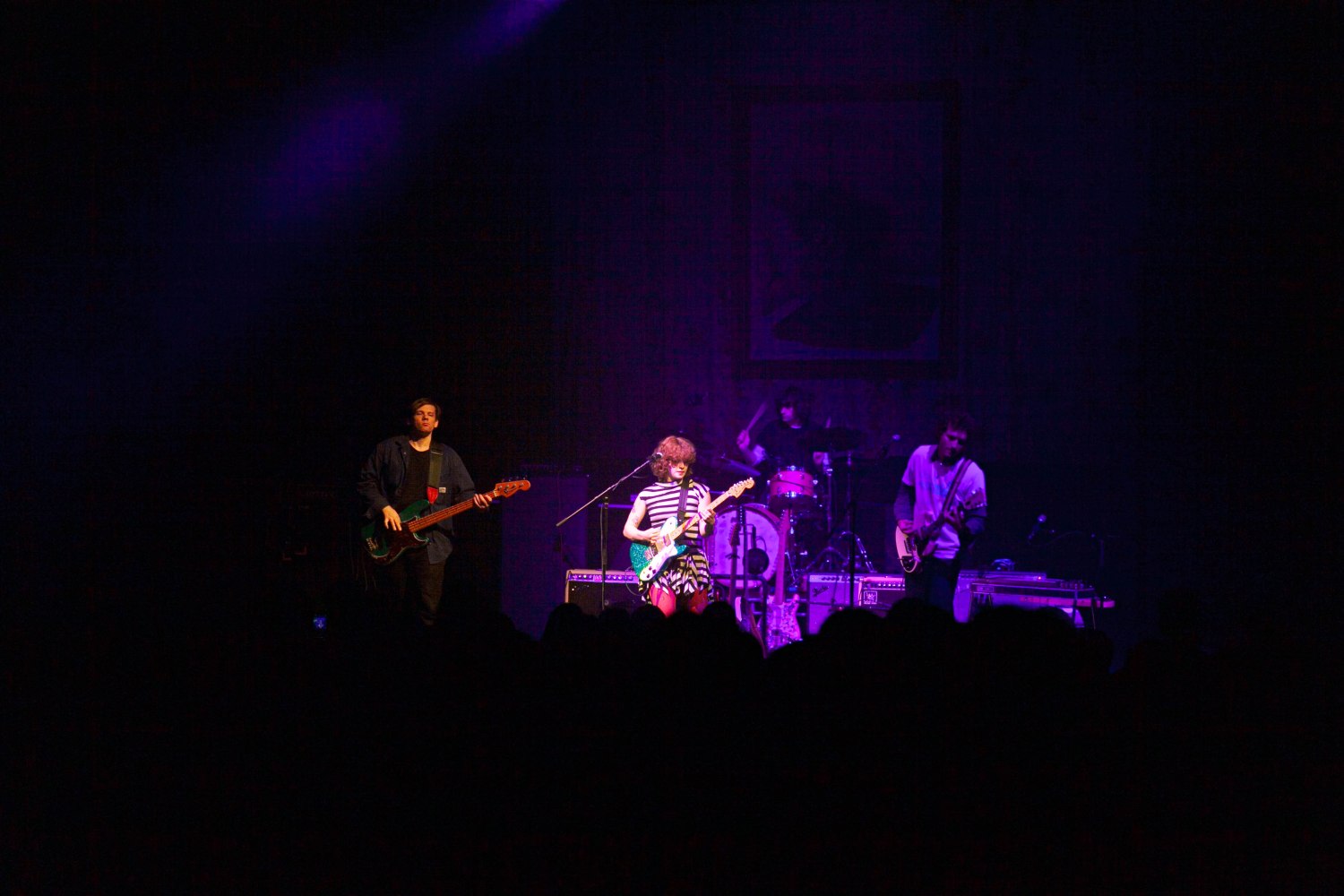
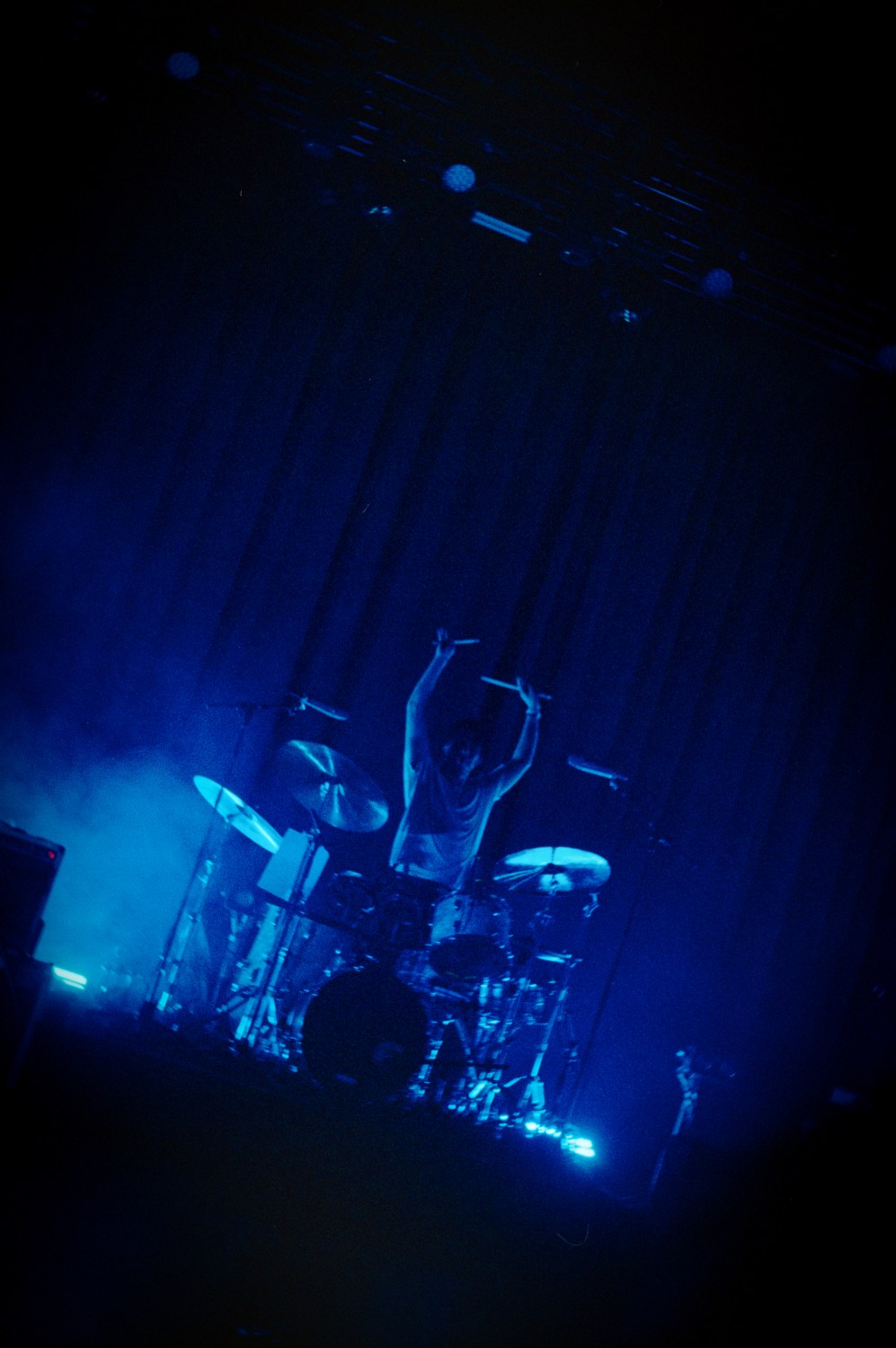
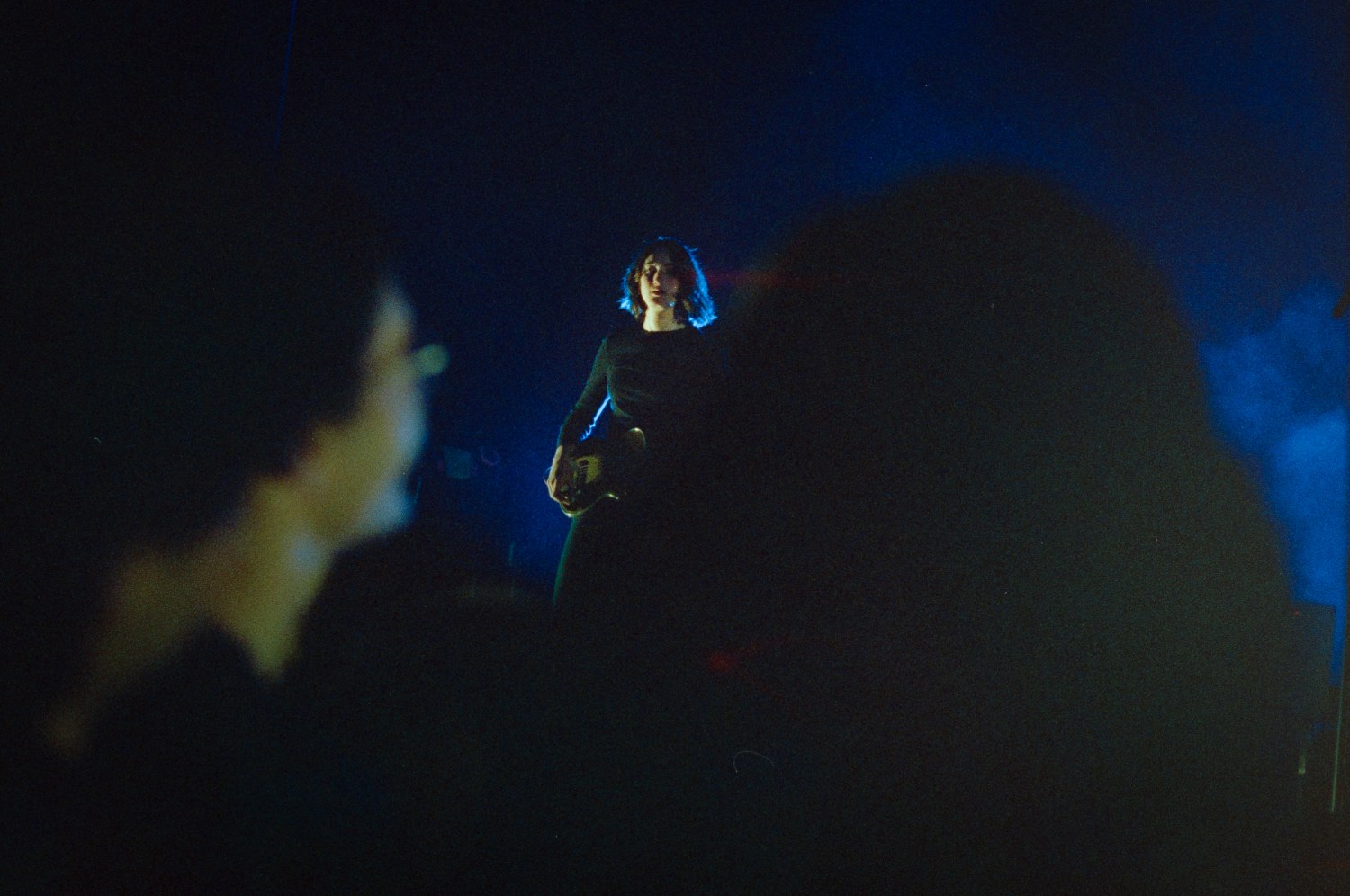
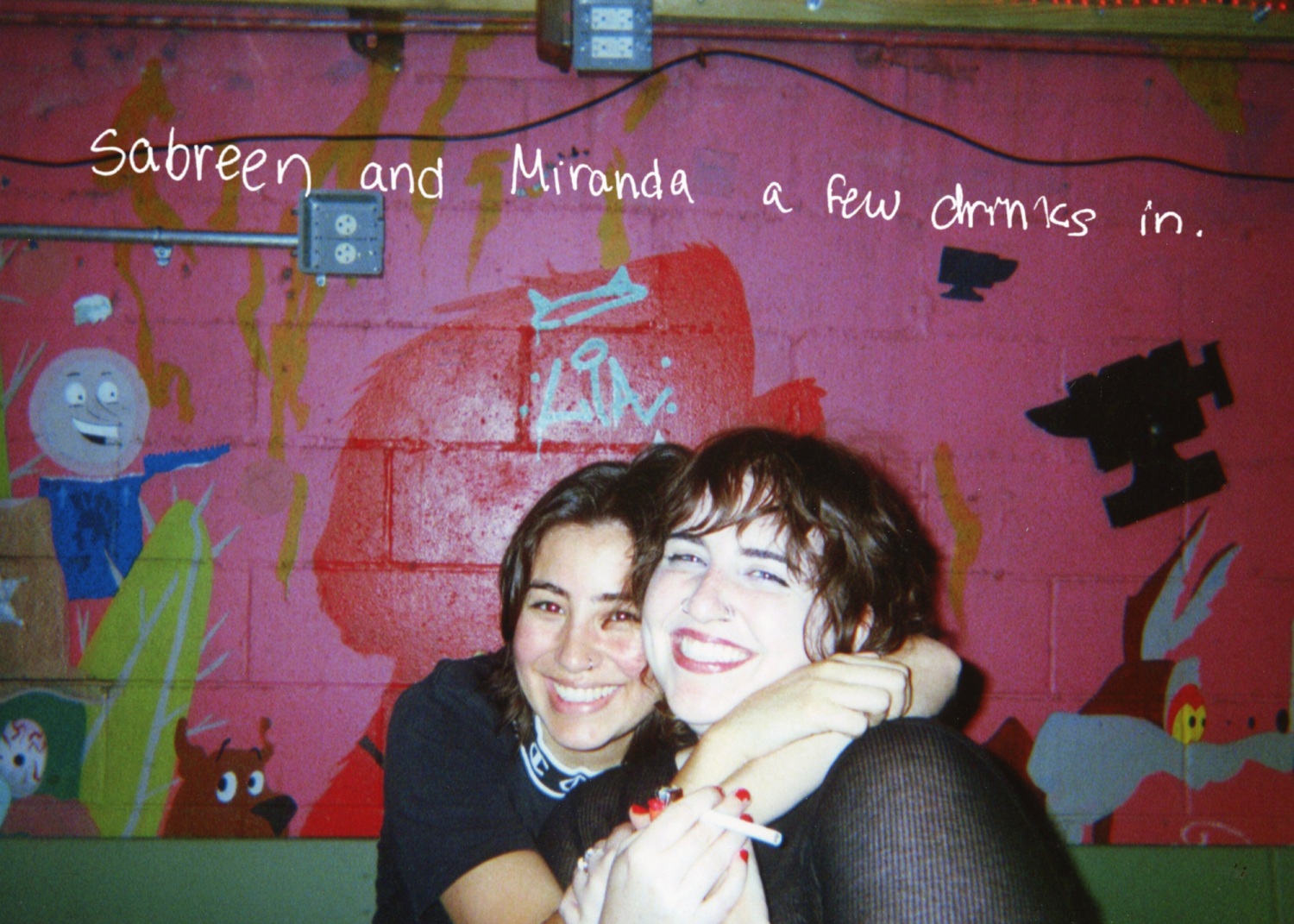
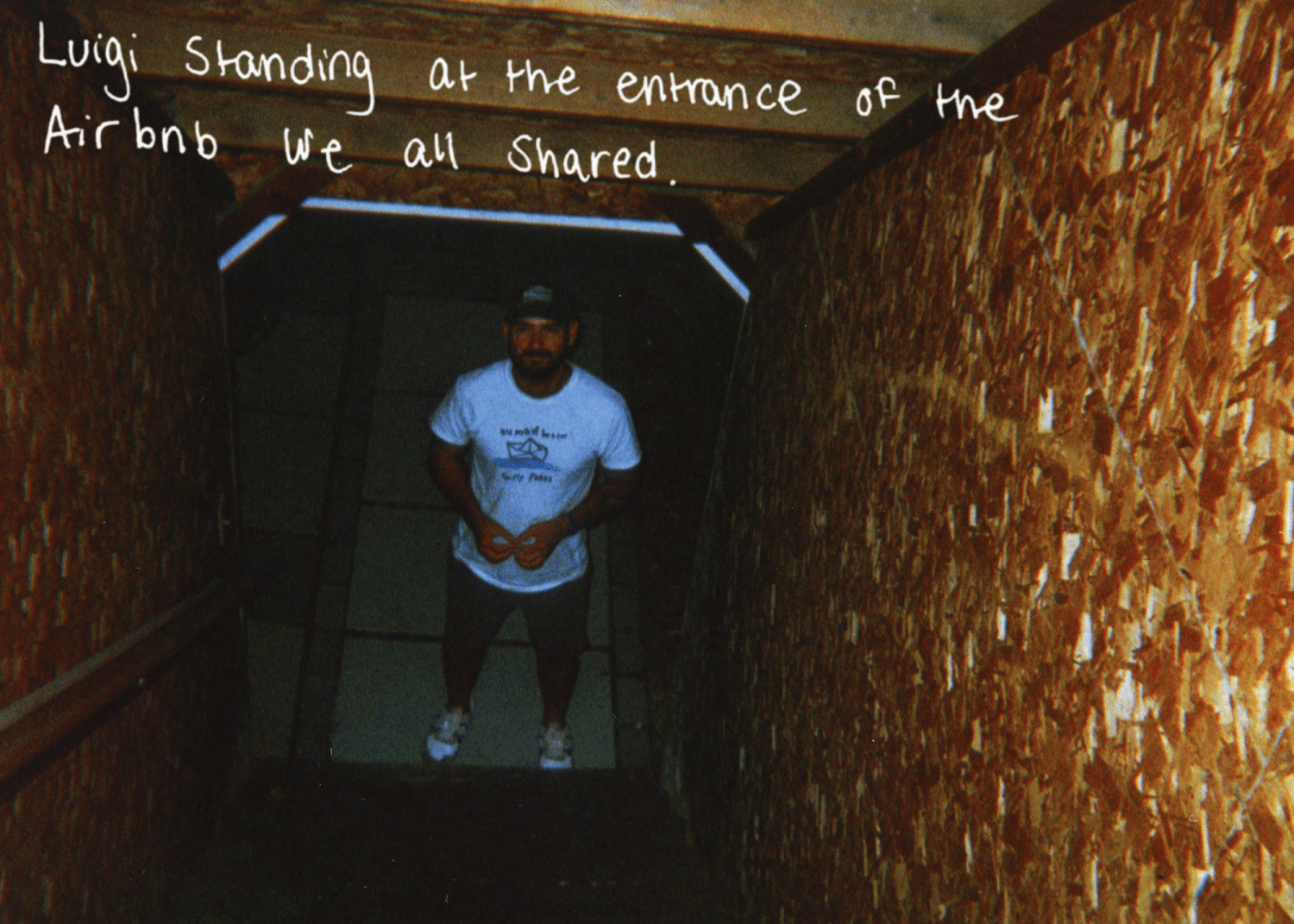
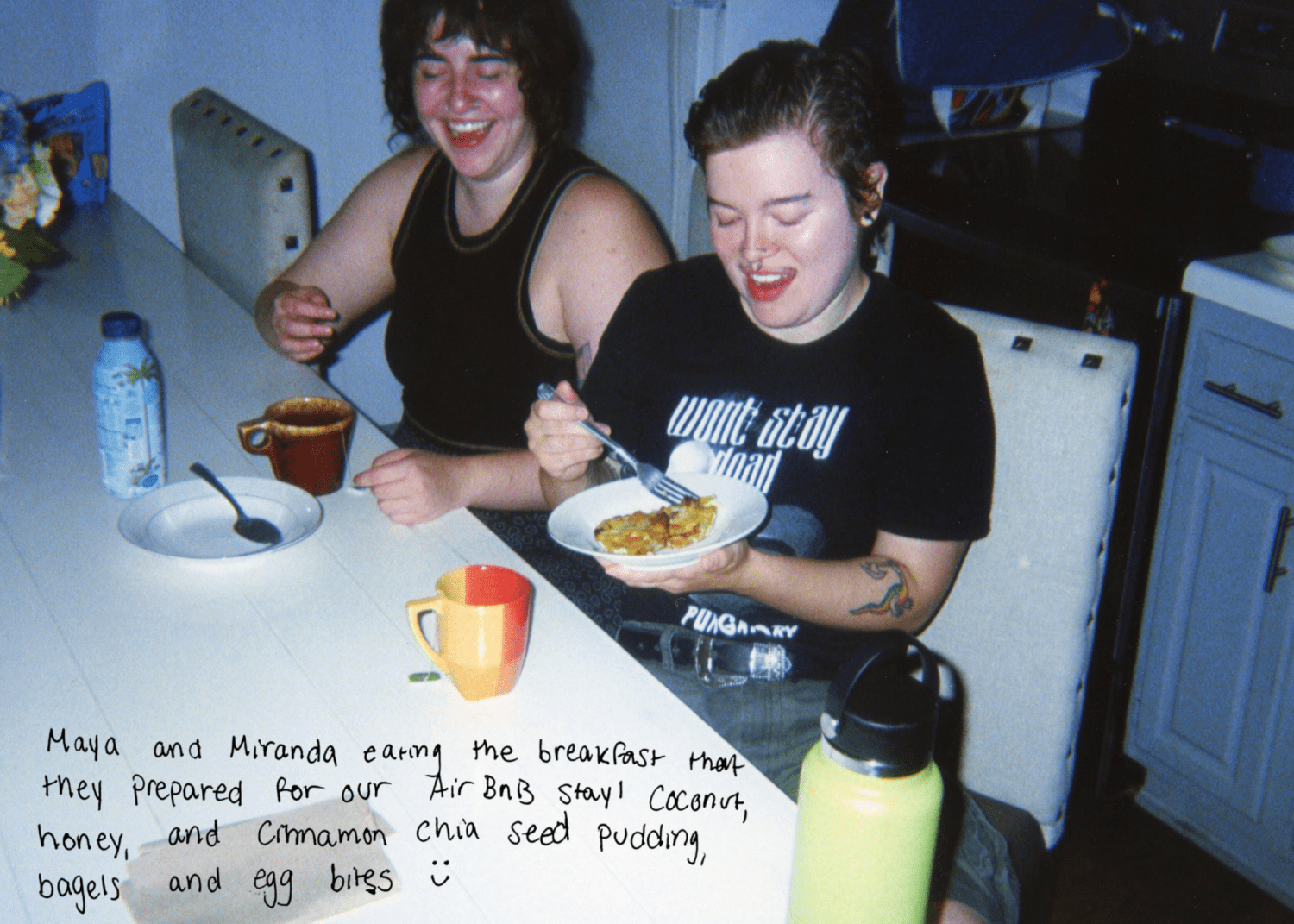
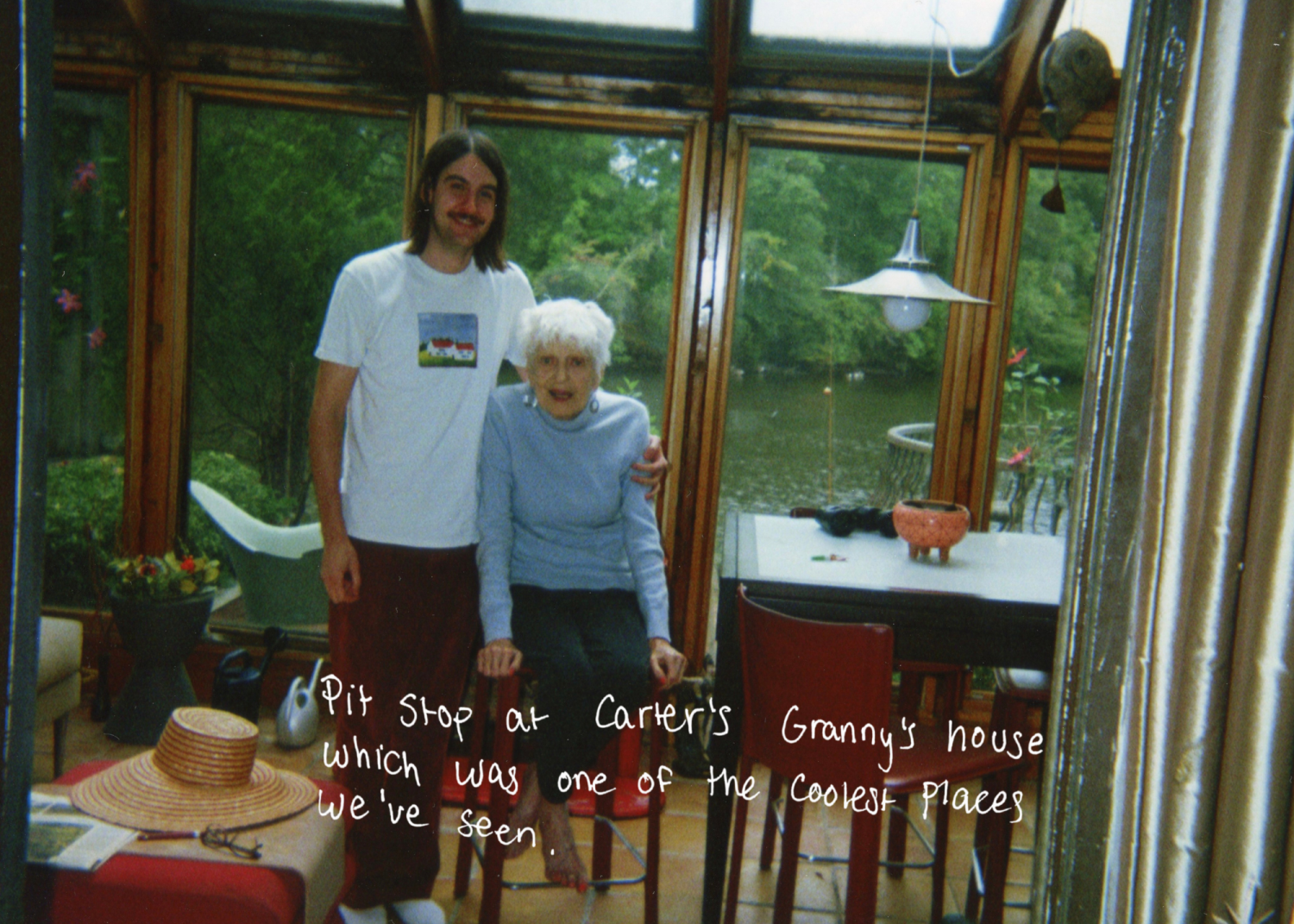
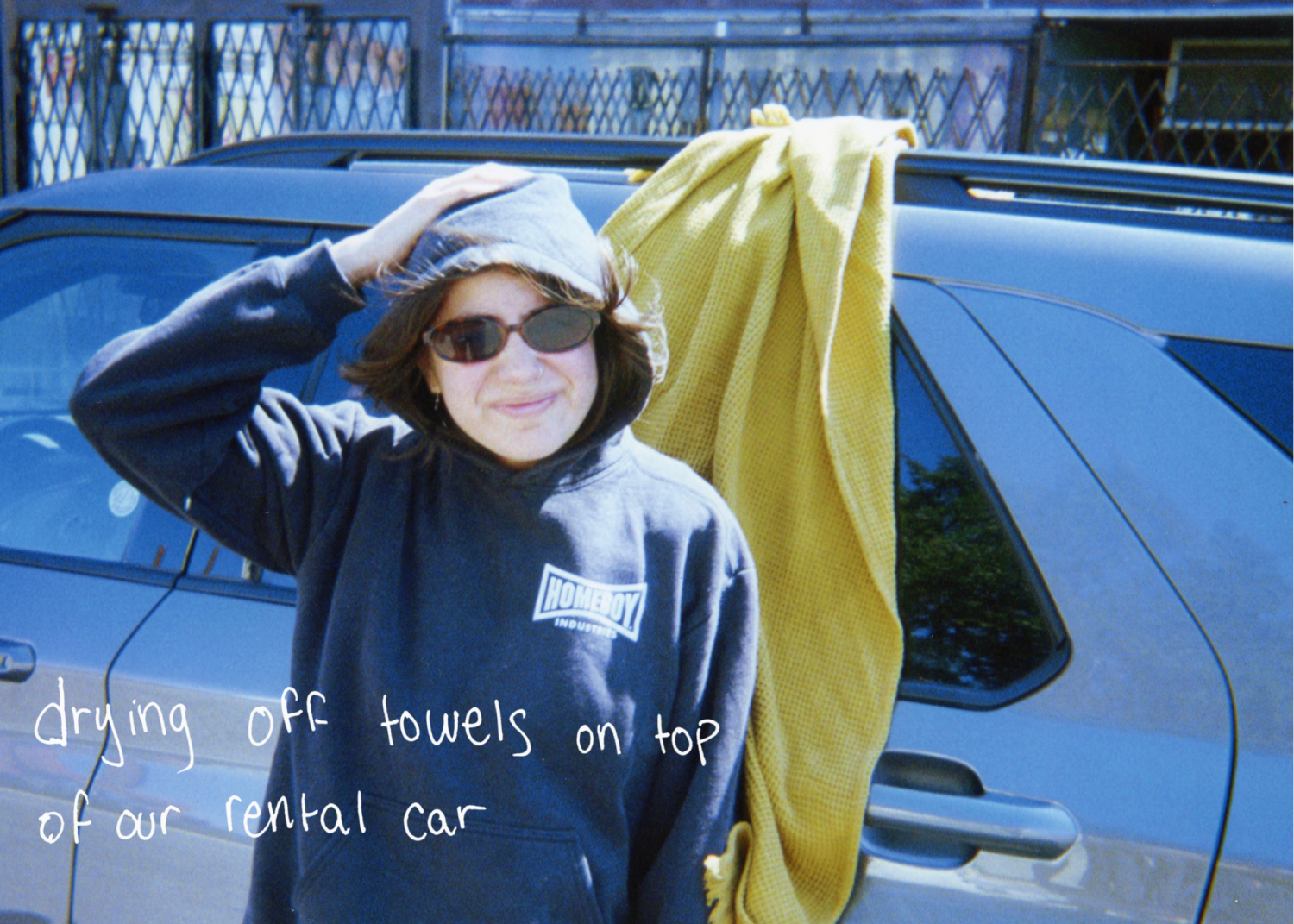
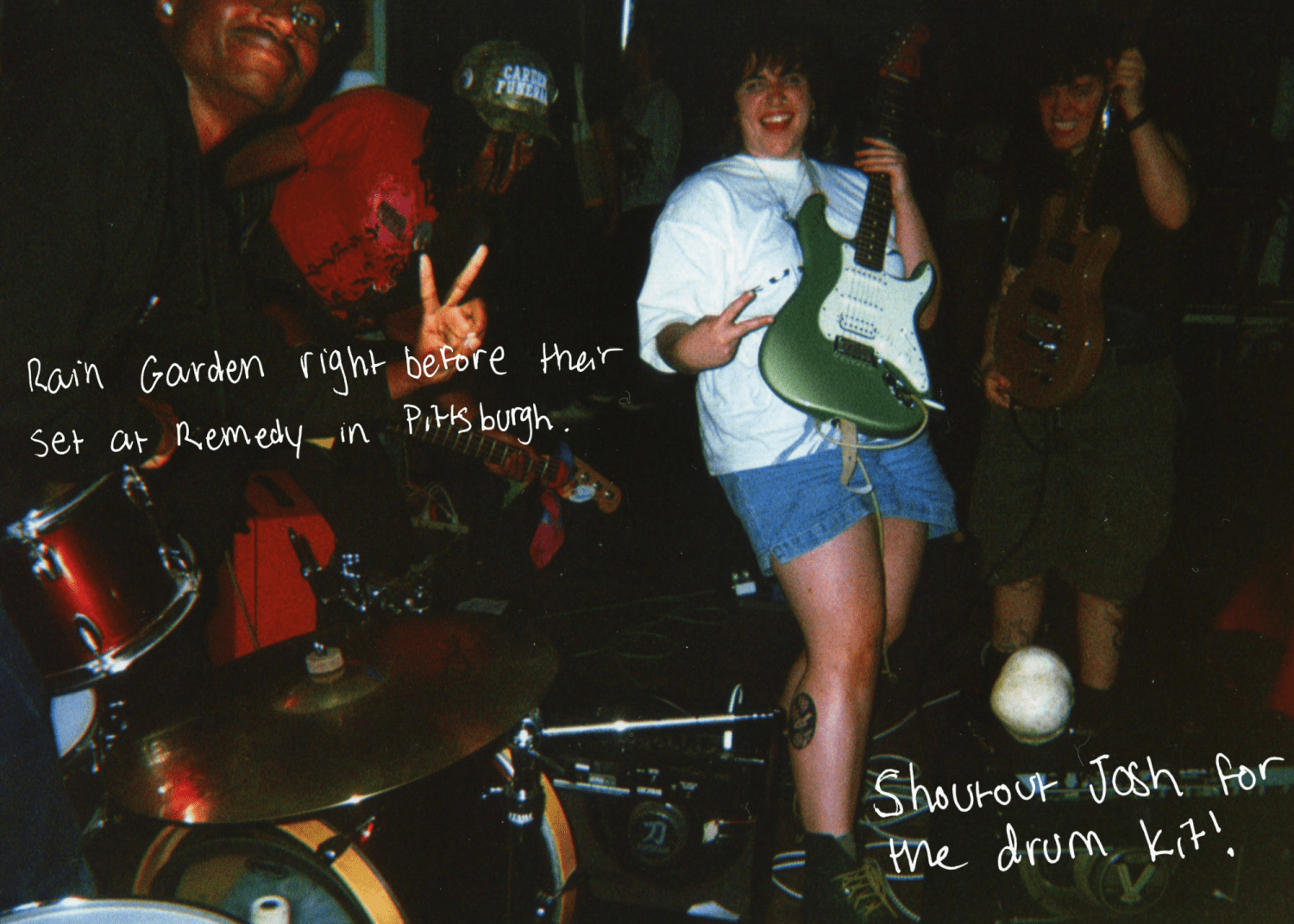
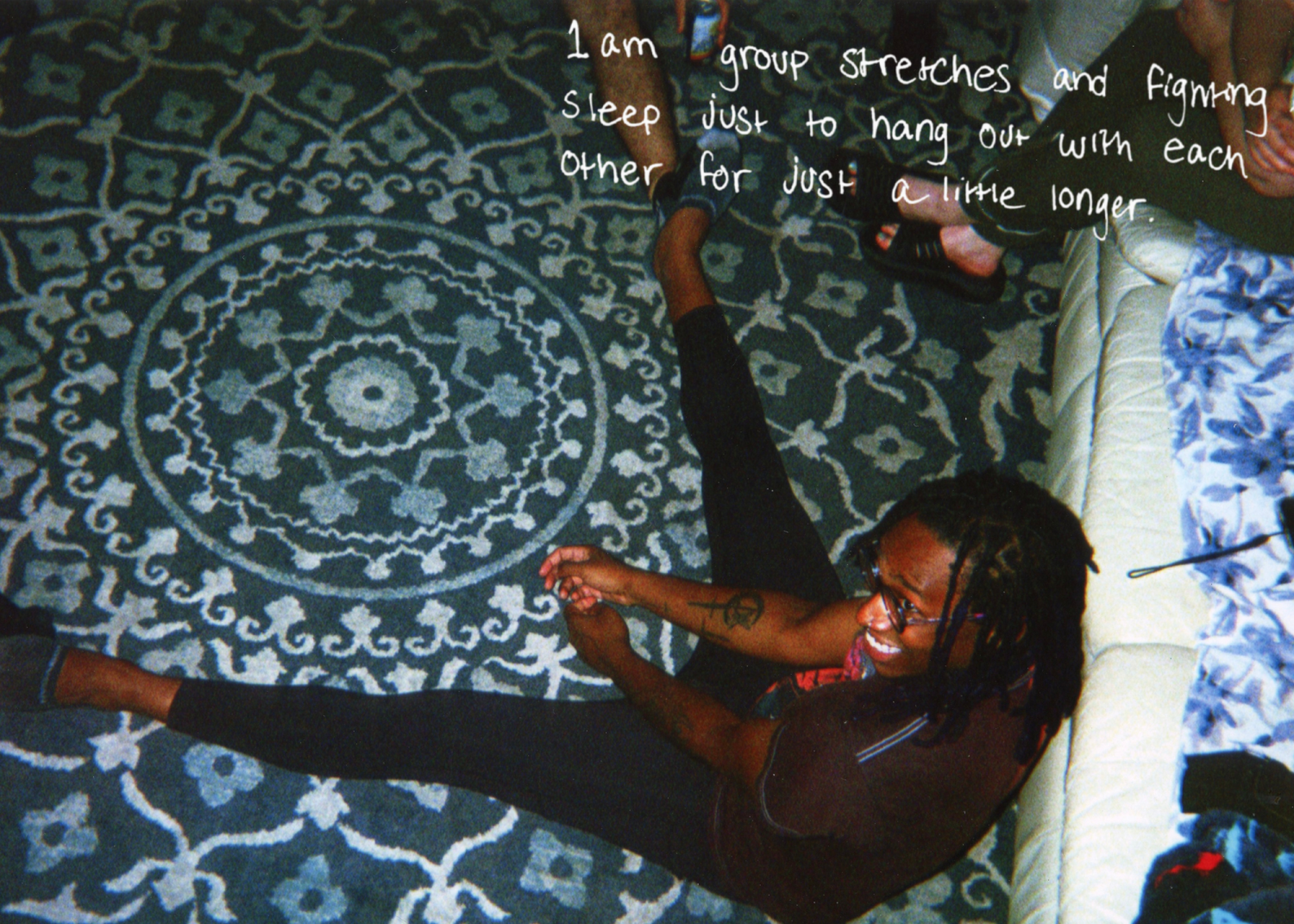
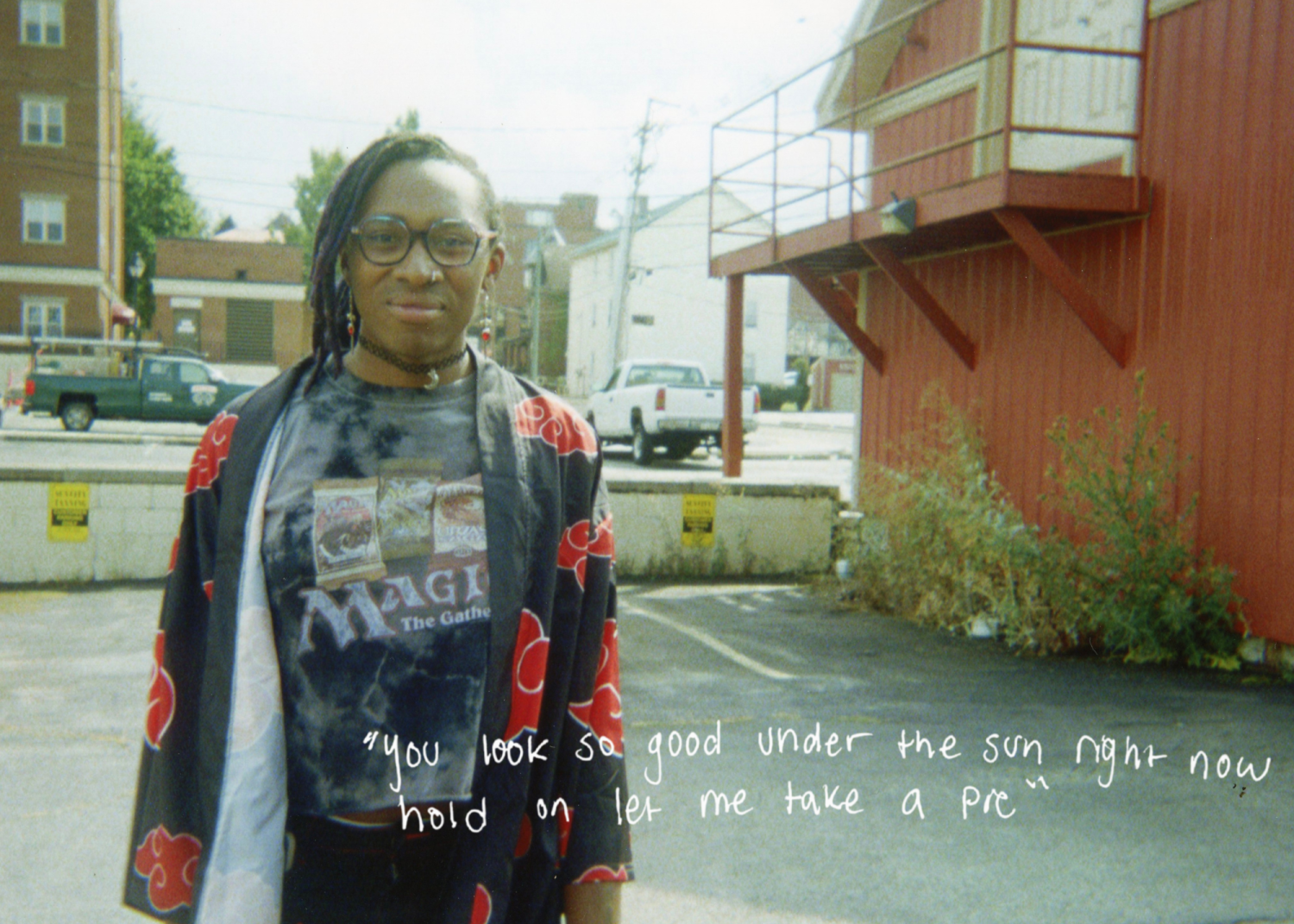
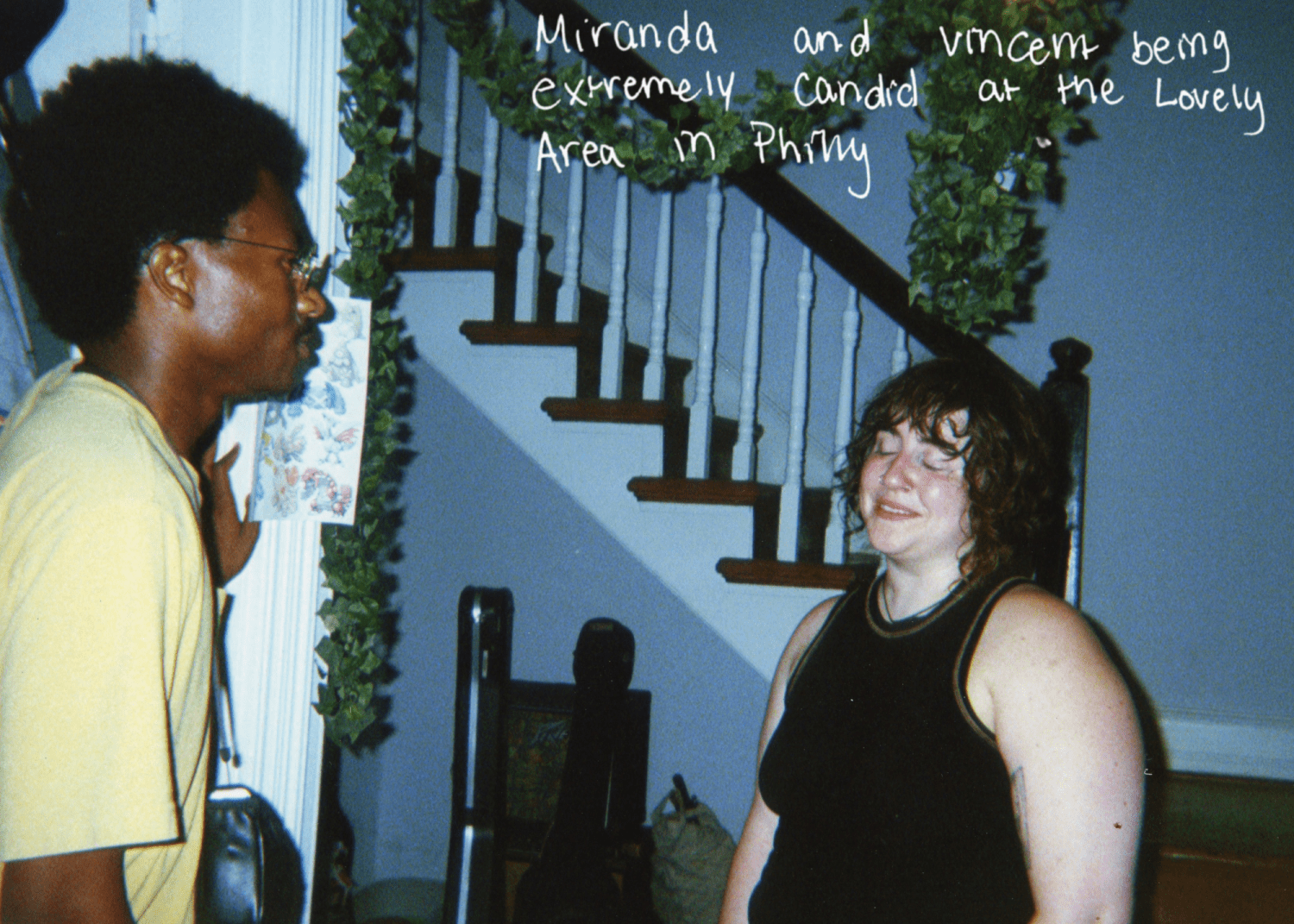
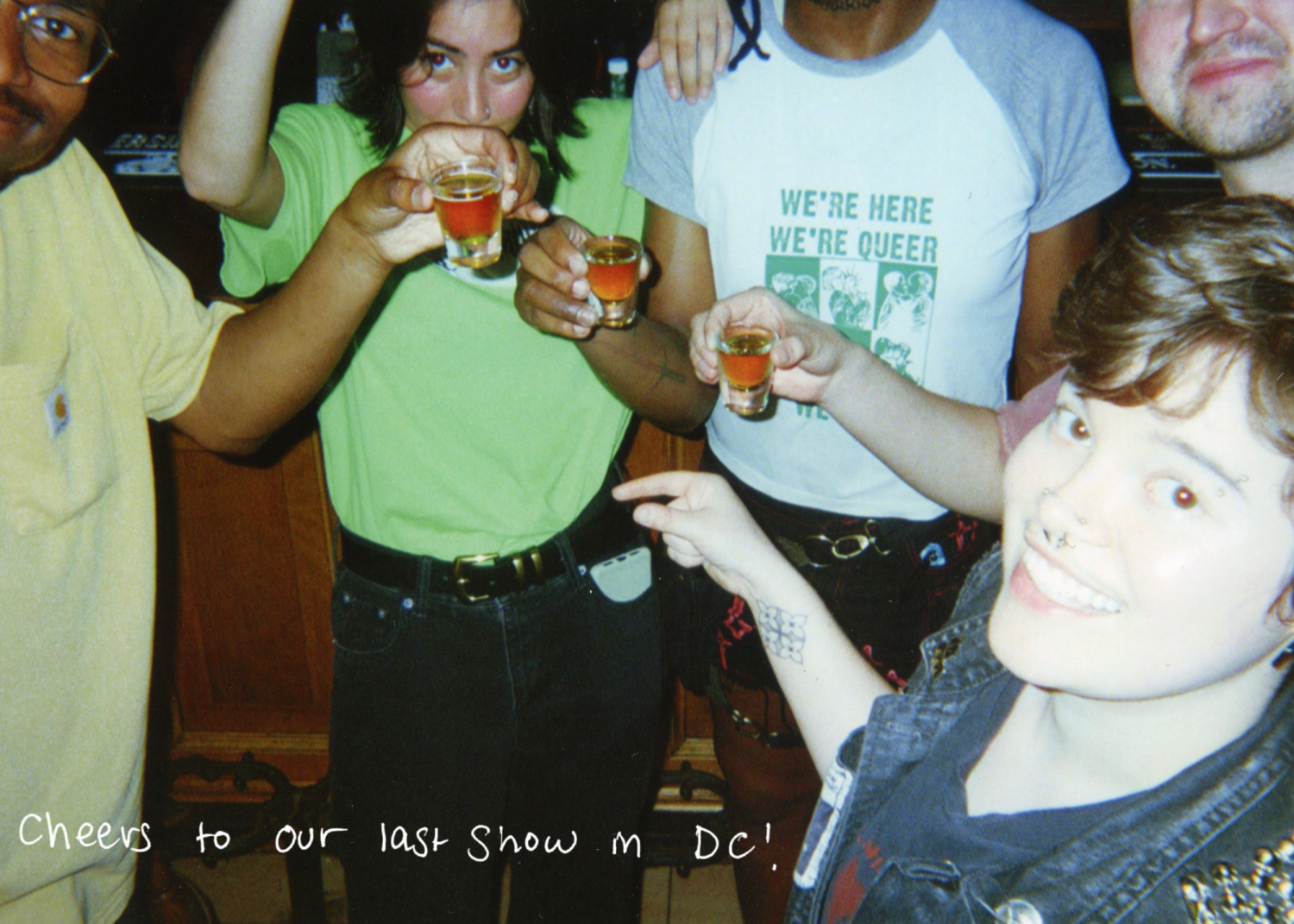
This past summer, Chicago’s own Girly Pants and Rain Garden went on a 9 date Midwest to East Coast run which they called the Girl of the Garden Tour. We gave them a camera to take on the road and document their first big tour. This is what we got back.
Girly Pants, fronted by songwriter Sabreen Alfadel, is a project that has become interchangeable with both her growth as a musician and as an individual. Girly Pants as a band, consisting of friends Luigi De Col [drums], Drew Emerson [bass] and Carter Ward [guitar], craft steady tracks amongst swooning guitar lines and invigorating rhythms, where Sabreen’s vocals become a point of reflection, wielding both strength and tenderness with each melody and line she performs.
Rain Garden’s instinctive and dynamic sound is one that lingers with every performance. Fronted by Miranda Dianovsky [guitar, vox], whose vocals conduct each track with such power and sincerity, Rain Garden finds its special place due to each member’s unique style. Consisting of Harley Reid [bass], Maya Halko [guitar] and Vincent Byas [drums], Rain Garden lives for their pacing, one behind the gives and takes of our day-to-day actions, throwing caution to the wind as we relish in that invincibility we feel in the moment.
The tour was part of a 6-month logistics amalgamation, spearheaded by Sabreen and Miranda. With some inspiration from their collective band names, Girl of the Garden was in reference to the cult classic TV show King of the Hill, which was a theme throughout the tour, including the limited-edition shirt of the two bands drawn in the cartoon’s likeness, as well as the theme song interluding some Girly Pants sets.
As memorable as a first big tour can be, Girl of the Garden did not follow typical touring guidelines. “Every show was unique,” Sabreen shares. “Some of the venues included a festival in the woods, a vintage clothing store, a basement, a record store and a Mexican restaurant. Very DIY and awesome.” At the end, “Becoming closer as friends and collaborators with girly pants was one of the most rewarding aspects of this tour,” Miranda says. “I think we all feel truly grateful that we embarked on this together”
Rain Garden recently released their latest EP Aconite which you can listen to now.
Girly Pants is currently working on new music, but in the meantime, you can listen to their debut EP Nurture now.
Laveda’s Love, Darla opens in a haze – distortion pushing against reality, vocals in between presence and distance. A feeling only capable in the fading summer hours of this early autumn album. The Albany group is no stranger to working in pieces, creating records that stand on a strong hill of no resolution. For duo Ali Genevich and Jake Brooks, instability is not a flaw so much as it is a pedestal – shaping every note, every pause, every moment that pushes against the noise.
The record unfolds starting with “Care” – which doesn’t provide so much as the title may suggest. The guitars are ragged, distortion pulled nearly threatening collapse, with vocals sounding half-dubbed from an alternate tape. It sets the stage as a mosaic of disorder and shoegaze revivalism. Not unlike the rawer moments of their influences like Paper Lady and Holding Hour, Laveda chases the sensation of the unsteady. The impulse extends with high velocity into “Cellphone” and “Strawberry”. These songs feel made for the VFW Hall, the local house show, the dusty dive bar where the PA system will blow out.
It’s the quiet moments, however, that complicate and bring a certain fragile depth to the album. Songs like “Dig Me Out” slow the frame, with admissions like “I know you’re gonna kill me / I need your love it’s endless” cracking the worship of volume with matter-of-fact clarity. It’s not a plea, but a Didion-like observation. It’s one of the only times we find comfort in the record, in a bizarre way – as the honesty feels buried within us, too. The almost hushed nature reappears in the closing track, asking “when you come around, will you think of me?”. Beneath a rock hard surface, the album ultimately serves as a love letter.
Yet, lyrically, Laveda avoids the temptation towards confessional sprawl. The words arrive clipped, anchoring the sound rather than explaining it. Self doubt, dislocation, the struggle to inhabit one’s own life; they’re all present themes, but rendered bluntly, almost sparsely, while the guitar does the emotive work. In this way, this record is separated from the melodrama of its peers: the restraint is sharp and cutting.
Laveda’s Love, Darla feels like the kind of record you stumble into sideways: half-buried on Bandcamp, just caught on your college radio that still gets it right now and then. This record belongs to the East Coast DIY circuit, where distortion is structural and vocals barely cling to the surface. Give it a listen on Bandcamp and check out their current tour dates!
You can listen to Love, Darla out now as well as get it on vinyl and CD.
Every Wednesday, the ugly hug shares a playlist personally curated by an artist/band that we have been enjoying. This week we have a collection of songs put together by Texas/New York-based artist Lefty Parker.
Last month, Lefty Parker shared Ark via Airloom Records. The album was recorded in October of 2023 with Buck Meek – of whom Lefty has built a hearty collaborative and personal relationship upon the foundation of a shared love for songwriting, surfing, and tender creativity. The record’s live band also features Adam Brisbin and Jesse Turley, with additional contributions from Adrianne Lenker, Germaine Dunes, James Krivchenia, Michael Sachs, Mat Davidson of Twain and Michael Bushais.
Recently, I spoke with Lefty about seeking the same impact from music as the one experienced during one’s teenage years. It was a notion that resonated with me heavily, despite the fact that neither of us could quite articulate it in a way that surpassed the complexity of feelings that “music hit harder” amidst a more youthful time. Whenever I find myself enamored and vigorously moved by music, I notice that it’s a feeling I associate with being eighteen and “discovering” music for the first time. Perhaps there are nostalgia factors at play, but I also think it marks a time where one simultaneously develops in identity, and (at least in my experience), discovers music outside the realm of what is merely fed to you. Music that is not on the radio, perhaps music hatched from a slimmer budget, music that is not perfect and music that does not boast dozens of names credited behind it. Music that is complex, personal, interesting, humble. Music that makes you fall in love with music.
We were not doing an interview, this was merely a fleeting conversational moment I pocketed in between visits to the heaps of overstimulating dollar stores on Broadway, but when I sat down to write about Lefty’s latest record, I found myself returning to my own conclusions about music’s potency and adolescence. Ark is an album that sneaks up on you; it’s warm and grounded, it’s raw, but approachable. You do not quite notice the ways it burrows further upon each listen until it’s too late. Until you feel completely ambushed by the intense emotional weight within Lefty’s unfettered vocals, and their subtle but profound shifts. Until you find yourself entirely enamored by the airy strings and stunning woodwind accents. Until the vulnerable vignettes of Ark feel like your own.
Ark is the kind of album that turns straw to gold. It’s a familiar twangy silhouette, relying on organic instrumentation and mosaics of heartache you have likely heard before. And yet, it manages to strike in a way that feels almost foreign, in the way that powerful art can elicit a feeling of hearing music for the first time. It’s a meandering tale of the diligence of experiencing life, of the never ending cycle of getting lost and finding yourself, of seeking guidance in things that feel larger than us. It’s a beautiful and comforting and human listen, and it’s one that can touch you regardless of the chapter of life you are currently amidst.
“If it meant that much to you, would you say it, would you shy away?” Carolina Chauffe asks this not as a challenge, but as a kind of prayer. Their voice doesn’t seek an answer; it simply opens a clearing for one. This is an invitation anyone who has spent time with hemlock knows well. There is no backing away—only a breath reaching towards you, hands grabbing the warm fabric draped across their body to wipe the fog from your glasses, so you can see how delicate yet beautiful things are when you allow someone else to see you, too. And then, when a hemlock song ends, the wires are tucked behind your ears again. The world feels a little nearer, like you’ve been returned to it. This is the gift they give: revealing precision, refusing possession.
The five songs that make up Orange Streak Glow appear as bursts of light. Sometimes brief, sometimes steady. One may be the extra birthday candle, wedged into the layered sponge. Proof that the laces stayed tied for another lap. The next, a bulb that flickers back on, revived when you jostle the shade. And then it’s a color stretched across the sky, or smeared like a melted popsicle on hot pavement. Or perhaps you’ll see it as the kind of light that lives in storage: a tangled string collecting cobwebs, placed in a box beneath the stairs, until December arrives and the glow is asked to return. And what a miracle it is when you plug that string in, and each tiny spark strikes—ready to be temporarily wrapped and tucked around a tree standing straight and tall. Already dying, but displayed and danced around for a moment, as if it could not be more alive.
There is a glow, too, that arrives in the middle of the night and lights up a screen. A notification that makes you sit up, unplug, and walk over to the fire, letting the flame catch in the corners of your teary eyes. This is how I was introduced to “In That Number,” a song that mixes the familiar, “When The Saints Go Marching In,” with a feeling that pours out like smoke from a chimney. Now awake in a pitch black room, I removed myself from a twin-sized bed that was not mine, scared to be the stranger leaving stains on white pillowcases. Before I knew it I was curled up on the floor with my hands cupped beneath my face, rerouting the tears through the creases so I could watch them disappear down my sleeves. In the background, whistling like a teakettle, I could hear Maya Bon (of Babehoven) confidently coo: “I’m not scared of the water / I’m here comin’ back down / Feel the burn, face the fire,” and every word rang true. I was not scared of the stream coursing through me. Nor was I scared to realize I wanted something to reach out and touch me, unafraid to squeeze my soaked palm.
What does it mean to ask for that contact? What does it mean to offer it? Nestled in the center of the EP, I hear Carolina circle the same sentence, ink digging deeper into the page, “I am a clothespin and you are the laundry line,” and like playing musical chairs, I start looking for my line, wondering if I’ll find it before the music stops. I ask myself: What spool can I wrap around? What ear will hold my voice when I cannot listen anymore? I send a signal (a burst of light) to someone I’ve begun stacking piles of laundry beside: ‘What do you make of this lyric?’ They respond and talk about what provides structure and what provides support. I propose that maybe it’s about how we view our purpose. I am gently reminded that there are clothes involved too and someone must be mindful of the weight as they are hanging them. The spring between my two fragile limbs decides it wants to hold on tighter and longer. Binding is less daunting when you are choosing to endure and weather the same storms together, finding there is light in the shared strain. Or sometimes, there’s no strain at all. Just light.
The songs on Orange Streak Glow echo both the pain and the pleasure that come with admitting you have been altered by something—by someone. They are songs that understand that all communication is an act of faith. That to name something is to risk misnaming it. That in the end, the words that slice us open might also stitch us back together. That we hold the same power that someone holds over us. Because the truth is the safety we find in honesty might someday become the thing that tells us we need to pack up and leave. Taking what is now unburied with us, along with a basket of our deconstructed fragments, eager to hold onto something again.
In the days before hemlock’s latest EP landed like a feather in my lap, I was hiding away in a town near Hudson, NY, not far from 12lb Genius, where it was recorded. I was stumbling and circling the same sentence, tracing the thin lines between my teeth with my tongue. I was looking at a faded ‘You Are Here’ mark on a map, not really sure where ‘here’ was, or where ‘there’ was either, for that matter. The rain followed me and sometimes I was too slow to outrun it. Wet leaves stuck to my socks and became the inner linings of my boots. I found a frozen blue raindrop one morning, after the storms passed, and put it in my pocket. Something told me that even if I were to hang my jacket on the line, that one drop—if it ever thawed and pooled—would not dry. It would stain, it would burn a hole, it would leave a mark. And I wanted nothing more.
So what does it truly mean, to look at something you long to care for and reflect it back, offering structure and support? To say you will choose something even if it doesn’t choose you back? The first time I held the title track in my ear, in those final moments before the engine turns off in the driveway, I thought: This is the hemlock I know. A season returned, a holiday, a solid oak. There are some people who don’t just reach out for you, but remind you that it is possible to place your own finger on the map. They show you that what surrounds you has a pulse—hums—and you are welcome to join its choir, as both a listener and participant. It’s there, somewhere between the glow and the dark, as something you cannot see chirps, that you realize you were never outside of the equation at all. To choose nothing is not an option when every rustle has its own weight. What better choice is there than to take the thing you long for and turn it into a melody of your own? While there’s no knowing, you might just find that someone will push past the branches, look right at you, and sing it back.
























 the ugly hug