At the very bottom of the Virginia Creeper bandcamp page for their latest release, there is a Wikipedia link that takes you to the about of a cryptid-being known simply as the Loveland Frog. In its animated depiction, this limber amphibian stands on its hind legs, hunched over and stopped in its tracks at the end of a searchlight illuminating its presence – a riveting interpretation of a rather intriguing piece of Ohio folklore that still goes through the same rigmarole that both skeptics and believers hold to more well known beings like Bigfoot and Nessie.
Shea Roney: Can you tell me about the Loveland Frog? Why did you choose to include it along with the credits of the album?
Genevieve Poist: Yes! The Loveland frog is a cryptid that I am a fan of. We’re very pro-crypted in this band. We’re still trying to route our next tour so we can go to the Mothman Museum in West Virginia. There were a lot of little strange sounds and inside jokes and bits that made it into the record in different ways – we just recorded another album a few months ago, and the same thing happened actually – I think a lot of people do that. It’s the fun of making art obviously but I was trying to figure out how to appropriately acknowledge and credit them in the work. But I had been reading about the Loveland Frog, and specifically that rendering of the frog on the Wikipedia page, just really brought me into their whole aura. It’s fun to make the lore of the record lead to different lore, and one of my favorite things about being on the Internet is clicking and going down a trail somewhere, so I wanted to give that to whoever might find it.
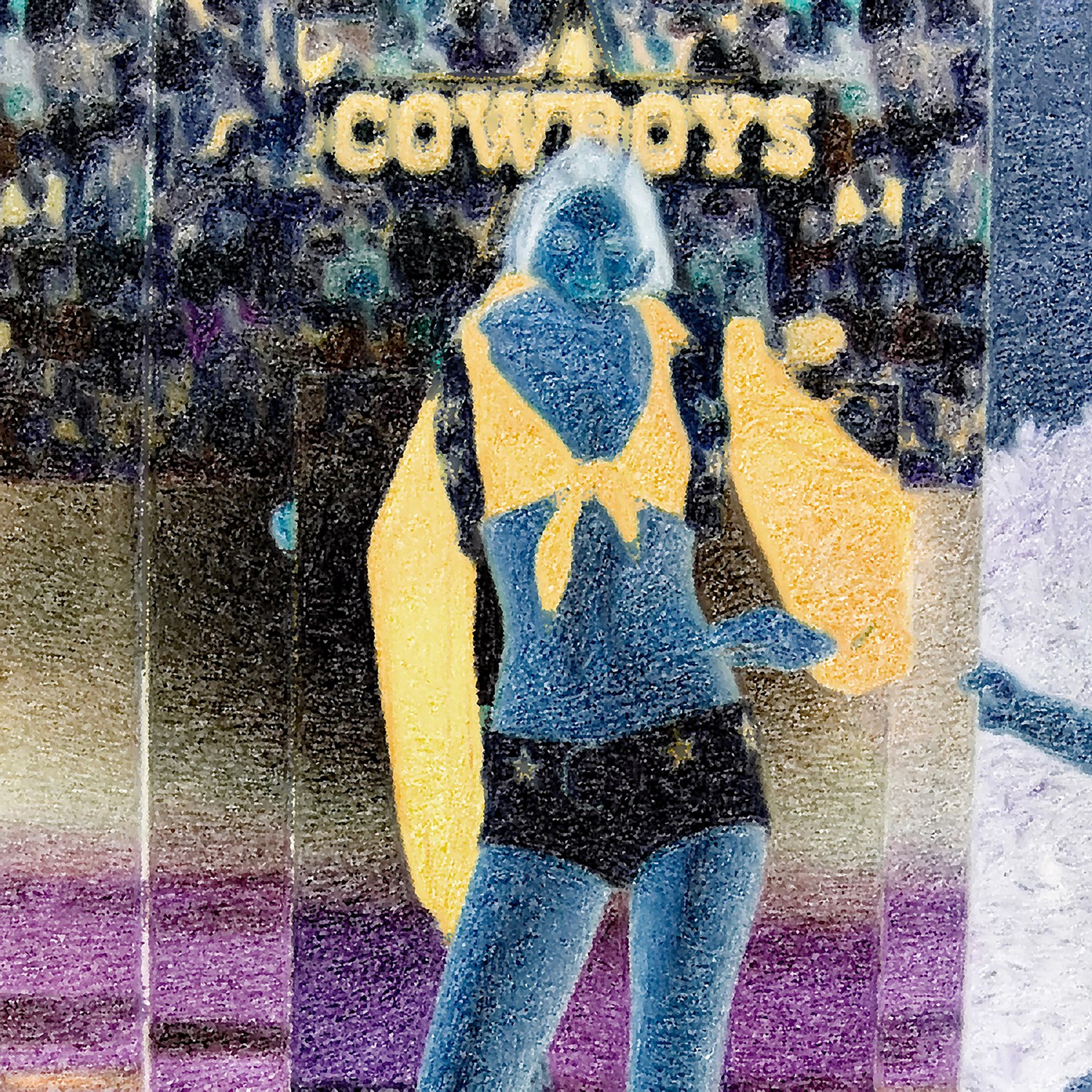
Genevieve Poist fronts the Austin-based project Virginia Creeper, who after a few years of writing and touring, have finally released their long awaited debut record People Love the Dallas Cowboys Because They Want to Love Themselves. Beginning as a solo endeavor, Virginia Creeper has since become a cavalry of creatives – familiar faces out of the music scenes from the American South that have contributed to a wide range of beloved indie recordings and touring acts. As a whole, the album plays with a witty liveliness, finding its own pacing amongst memorable hooks, expansive instrumentation and charming stories of personality and community, establishing the core repertoire that Virginia Creeper has worked to compile over the years. But to Genevieve’s efforts, this project has become a force of understanding, where each track is a composite of both presence and perspective within the song’s lasting life and the people behind its creation.
We recently caught up with Genevieve to discuss the new record, what it means to love yourself as well as the Dallas Cowboys and the act of finding and keeping the lore within art.

This interview has been edited for length and clarity
SR: A lot of these songs on this record were written a handful of years ago. Can you give me a rundown on the timeline of making this record?
GP: The earliest songs on the record were probably written in late 2018 and into 2019 when I started playing with my friend Aaron Zachary (former Virginia Creeper member), and then at the end of 2019 is when we were thinking of recording a lot of these songs. But as everyone knows, we were supposed to start recording that weekend when the world shut down, so essentially that stretched and changed everything and we ended up writing and recording over 2020 and 2021, primarily at different intervals, so I would guess it was over four years.
SR: So now that these old songs have finally gotten to see the light, some in which you have said marks a special time in the VC lore, in what ways are these songs representative of that time and are there moments in which you see you and the band growing with these songs?
GP: Personally, for me as a songwriter, a lot of the subject matter that I was writing about or processing had to do with my mom passing away in 2019, so a lot of these songs, and even if it wasn’t directly about that by any means – the images and experiences – you know, were really concentrated in that universe. When you experience loss, you’re kind of writing about that forever, so I don’t really think that that’s necessarily going to change. But I do think that it was a very fresh and interesting place to be in relation to that event. And then, as a band and group of people working together collaboratively, the years around making this record were the first time a lot of us met, and not only began making music together, but even became friends. It kind of forged this musical and creative community that we have now with the current Virginia lineup, and then some other friendships and other musical projects that have come out of that. It was really unique and interesting to reflect back on how the different threads were woven together in that moment, I was trying to pay homage to whatever that was.
SR: Can you tell me about the rotation of characters that make up Virginia Creeper? How did this lineup come to be and do they influence the songs you write?
GP: Before we started the process of writing and recording this record, Virginia Creeper was sort of just me, and then different collaborators that I had worked with at different moments in time throughout my life of making music under that moniker. But now, Virginia Creeper is very much a band, with the people that are in it, and then sort of this little rotating group of people that we’ve recorded with that are still playing with us sometimes, as well as just friends that were on the record. That for me was essentially the first time that I was collaborating with a group of people on stuff that I had initially made in private or independently, which was a really informative experience – definitely very positive and fruitful for me. I have always liked music because it’s an art form that is inherently collaborative. Whether it’s an audience, or you and other people, I feel like this is one of the first times that I really was living what had appealed to me.
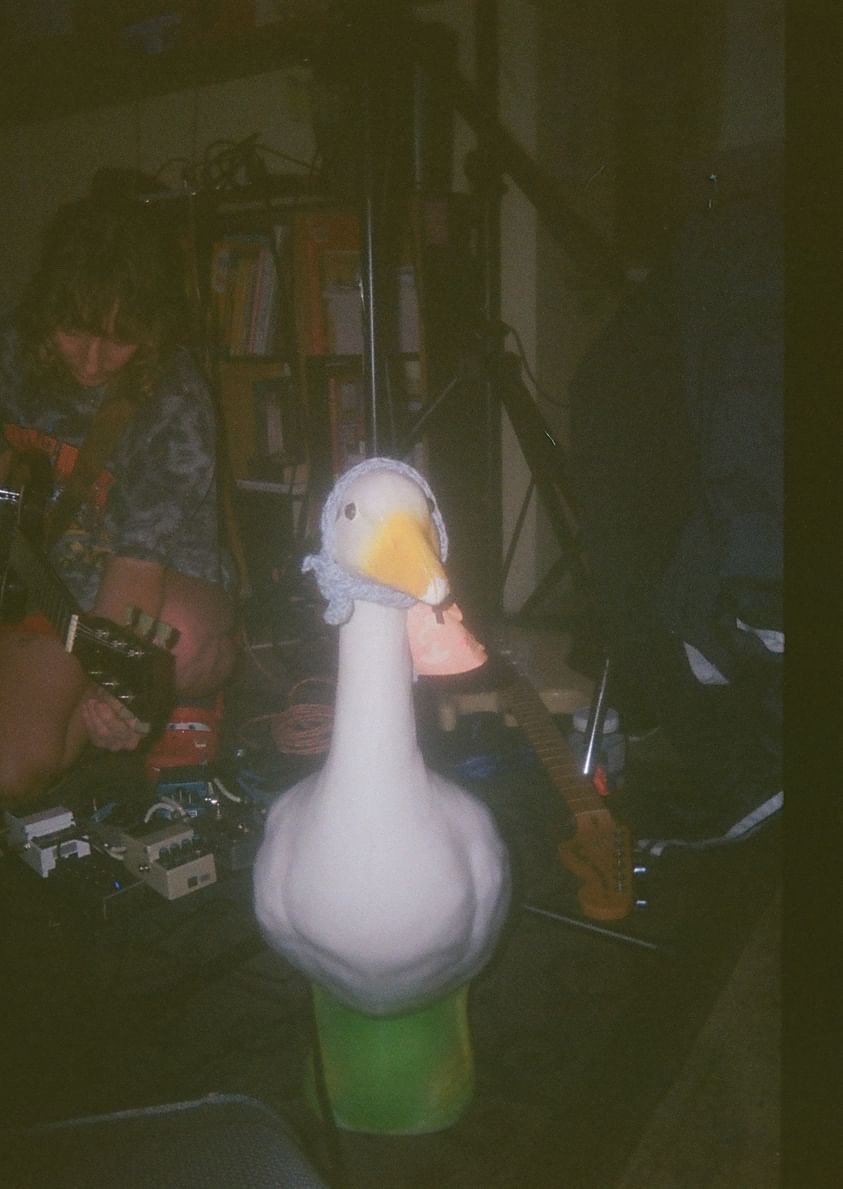
SR: Did there come a need to document or preserve that time of your life? And in that case, how did you approach that type of preservation of feelings and memories through your music?
GP: I like this question because I feel like I am almost problematically obsessed with preservation and documentation. I definitely feel like a lot of my compulsion to create comes from an impulse to record, keep, or preserve a memory, especially with memories that seem really significant to me that are very vivid, but are maybe not accessible – maybe the other people that have lived those memories aren’t present anymore to reflect upon them with me, or maybe the memory itself is actually really sort of niche or minor. But for whatever reason my emotional connection to it feels really strong and I am really motivated, or compelled, to write those down or make something out of it through a song or other art forms. That is a big driving force for me, which also extends into other aspects of my life. My friends are always making fun of me because my phone doesn’t have any space on it, because I have like 40,000 voice messages and 50,000 pictures and I don’t delete my text messages, so there’s a physical reality to that issue as well. I have so many sentimental little objects that are probably considered trash by most people, but all of that to me feels really important to living life.
SR: Yeah for sure, and on a personal level, this record revolves around some very intimate feelings of grief and identity. What have you found yourself embracing when bringing new life into these songs while also having the time to now grow with them before they were released?
GP: I think a lot of the delay in releasing the music, I mean, it did take a long time to finish it, but then there was this time after the fact where I was grappling with like, ‘oh, this doesn’t seem to be a good representation of who I am, or who we are artistically right now’, and we were asking, ‘should we even release it?’ I don’t know if the rest of the people in the band felt as strongly, but you know, I think just by nature of me having the most familiarity with those songs, I think it was just harder for me to deal with it. And then when finally releasing the record, I didn’t really listen to the songs for a large period of time, and once it was released, revisiting them and talking to people about them kind of gave me this cool sort of bookmarking, like, ‘okay, we did that.’ And now you can kind of see, at least for me, how we got over here, and it’s nice to have this sort of thread that’s a visible record. I think it gave me an appreciation for being able to see a process and sort of have experience to think, ‘oh, I don’t know if I like that’, but then think, ‘okay, actually, I can see it with this removed lens to where I can appreciate it at a distance from myself a little bit.’ It feels nice.
SR: Is there a different direction you’re thinking of going with your songwriting or are you just talking mainly about your emotional connection when you say it doesn’t feel like an accurate representation of where you are right now?
GP: I think more so kind of just the sonic palette or genre. The music that we’re exploring as a band, and in a really reductive or simplistic way, those songs on that record and the music that I had released previously, a lot of it came from writing in a sort of limited space either by myself or not being able to be really loud. Since the time of that record’s creation, writing with the band and being able to play together resulted in different sonic terrains that we’re exploring in terms of being louder, or just having different clothes that it’s wearing. It’s not really that crazy different, I mean, we play with different bills now, but I don’t really think it’s that wild.
SR: So no glitch pop for Virginia Creeper?
GP: Well [laughs], we do play some various types of glitched beats in our live sets right now, but it’s not really glitch pop, it’s more just like a weird sample from the Internet that we manipulated and made sound weird. But who knows what’s next?
SR: “People Love the Dallas Cowboys because They Want to Love Themselves” is obviously a very intriguing title. Being from Texas yourself, what was the inspiration for this phrasing and does this title ring true in your own life?
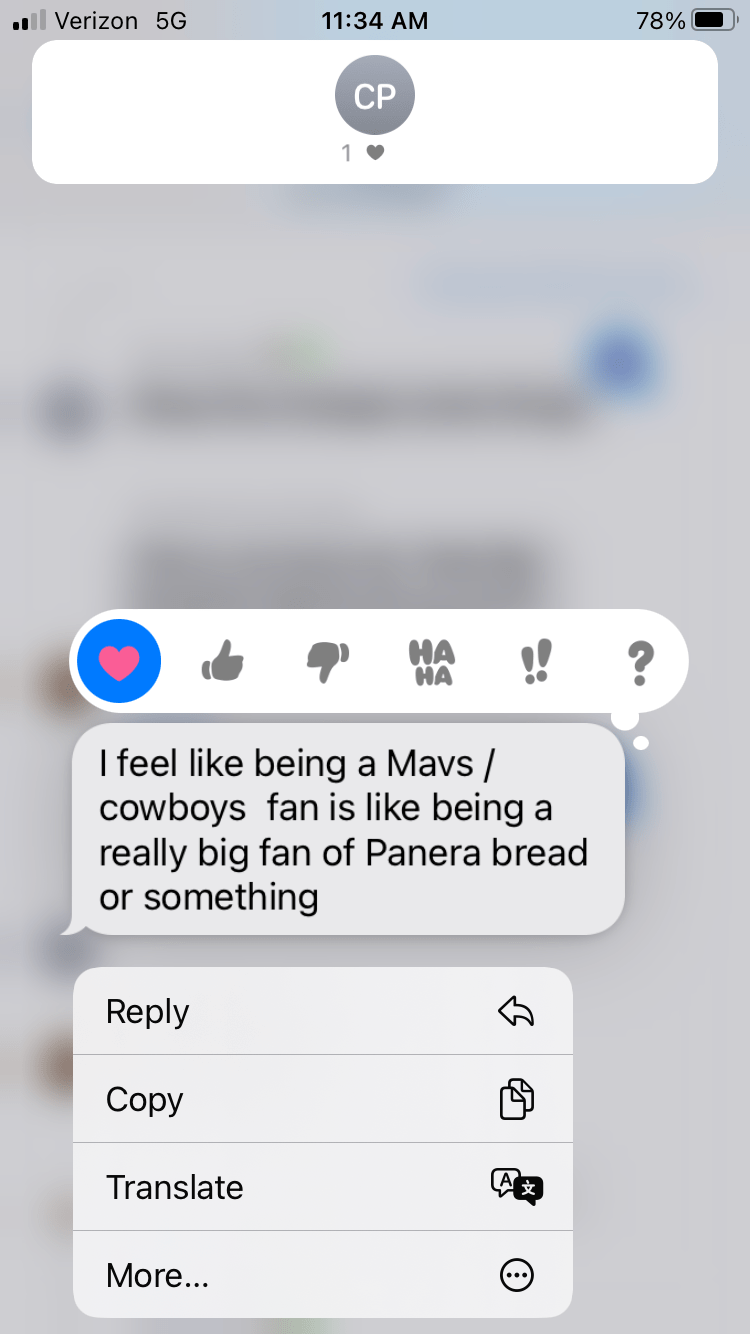
GP: Okay, first of all, I have a prop. I had a birthday party this weekend, and my friend Jason, who is basically where the phrase “people love the Dallas cowboys because they want to love themselves” came from in a conversation we were having once several years ago via text, he gave me this book for my birthday paying homage to the title, so I can’t wait to read about the outrageous history of the biggest, loudest, most hated, and best loved football team in America. The phrase is kind of about how people place a lot of their personal identity and self-worth in the things that they like, sort of why we have stan culture, where people get personally upset if you critique something that they’re interested in – that phenomenon is just really interesting to us and we’re trying to figure out why we do that and if it has intensified recently. Well, Jason and I were talking about how the Dallas Cowboys are sort of emblematic of that notion. Anyways, I’m not a Cowboys fan, so I like to antagonize Texas sports fans, especially football.
But to your second question, I do think it’s true. I think most things that we love, we are loving because we’re wanting to be like them or we are seeing ourselves in them – it’s somehow connected to wanting to love ourselves or receive love ourselves in a way. So I do think that that is a true phrase, right now at least, but I’ll report back as time passes if I think differently.
SR: You just finished a super brief tour recently? Was it the World Series themed tour?
GP: Yes it was!
SR: Not to keep the conversation on sports, but what a bummer that series was. What was that?
GP: Dude, I know. We joke that half of our songs that we play now are about baseball, so we’re always saying we’re a sports band. But yeah, it was such a bummer. Kyle’s really into baseball, and the rest of us have kind of embraced it when we’re all together. Yankees vs. Dodgers to begin with, is kind of the most lackluster series, and then the way that the series played out wasn’t even exciting, so it was kind of a downer.
SR: You recently helped put together a compilation album called ATX x AVL with Love made of all Texas artists benefitting Hurricane Helene victims in western North Carolina. How did that compilation come to be, especially coming together so quickly?
GP: Well it started with Lindsey Verrell of Little Mazarren. They are always joking that they are self described ‘not good at the Internet’ [laughs] even though they’re way better than they think they are. So, they texted me with this idea, presented what they wanted to do, and then I sent out a call to as many people as I could think of that would be down. I think we messaged people on Thursday or Friday, and then got all of the submissions by Tuesday morning, and then it was like a one week turnover which was awesome. I’m always kind of nervous asking people because it is kind of daunting to either record something new really quickly or find something and make sure you’re okay with putting it out. But people were super generous and excited about it, which was awesome. I’m continually very inspired by how active people are, whether it’s for Palestine and doing things to raise awareness and protest the genocide that’s happening, relief for the hurricane, or even a few years ago with a comp that we put something on for abortion access when a lot of that stuff got restricted. People’s industriousness and just willingness to do so much when most artists aren’t even making any money from the base level stuff that they’re doing – and then adding this on top of it – it’s just really inspiring.
SR: I am such a fan of very niche concept compilation albums. I know that Toadstool Records just put out one that was all Beach Boys covers.
GP: Woah, that’s so cool! There’s just so much stuff that reminds me of how just much fun and play there is in making music, or any type of art for that matter. It’s all just a fun art project with your friends or people you know, and I think there’s such a pressure to make stuff so streamlined and presented and packaged in a certain way because of how stuff is right now, but anything that is deviating from that, or just like existing for the sake of existing because people wanted to do it, is just really refreshing.
You can purchase People Love the Dallas Cowboys Because They Want to Love Themselves here as well as stream it on all platforms.
Written by Shea Roney | Feature Photo by Jake Dapper
 the ugly hug