As a small music journal, we rely heavily on the work of independent tape labels to discover and share the incredible artists that we have dedicated this site to. Whether through press lists, recommendations, artist connections, social media support or supplying physicals, these homemade labels are the often-unsung heroes of the industry. Today, the ugly hug is highlighting the work of our friends over at Pleasure Tapes.
Since 2021, Pleasure Tapes has been paving a queer focused space within the sphere of heavier indie music. Run entirely by founder Kayla Gold, the Portland based nonprofit label is both a staple in the local DIY scene it inhabits and a blooming community in and of itself. In the four years of its existence, Pleasure Tapes has put out over one hundred releases, permeating Gold’s ethos and knack for music curation far beyond the Pacific Northwest. There is an organic emphasis on the Portland scene within the roster, though the web of artists spans all over, housing recent releases from Dosser, Trauma Glow, Slow Degrade, Glimmer, Flowers from Dead and Creek. Fueled by a prioritization of good art rather than financial gain, Pleasure Tapes is a beacon within the niche it occupies, re-envisioning DIY spaces with each release they take on.
We recently got to speak to Gold about the history of the label, recent Pleasure Tapes showcases and the importance of DIY.
This interview has been edited for length and clarity
Manon: I know you started Pleasure Tapes in 2021.What inspired you to start a label and what was your initial purpose for it?
Kayla: One part of it was I wanted to put out my own music and my friend’s music on tape at the time, and I didn’t know that there were a bunch of indie labels already, so I just started another one. At the start I had a few friends who helped me, they went separate ways, but they kind of helped me set the ethos of trying to make a label that’s more open to queer people, and just make a space where artists that maybe wouldn’t get physical media otherwise can get it through me.
Manon: That’s awesome, and I mean there can never be too many of those spaces or too many indie labels doing that. When you’re looking for artists, does that ethos play a role in how you find them now and what you choose to put out?
Kayla: Nowadays it’s so different from even a year ago. Now it’s mostly word of mouth to other bands, so sort of doing less hunting for musicians and it’s more that people are coming to me, and they might be friends with a band I have already worked with so I’m more inclined to take them on. But initially I was just listening to stuff I liked and then pestering the band til they let me make tapes for them.
Manon: So you do a lot of reaching out?
Kayla: Yeah, and I still reach out to bands if I really like their stuff, I’ll just kind of put a feeler out. I still take submissions, but I’m just super busy these days.
Manon: Yeah you mentioned you had some people helping in the beginning but now it’s just you?
Kayla: Yeah in the beginning my friend Enya, she’s a dj, so she was making stuff on tape as well. But she ended up moving back to the East Coast so ever since then it’s just been me. Sometimes my partner and band mates will help me with assembling the tapes, but other than that, it’s just me. But that’s how I like it because I like to have control over everything.
Manon: So you do all the tape assembly on your own?
Kayla: Yeah. Over there behind me are the decks that I use to dub all the tapes. There’s one onthe floor that you can’t really see.
Manon: I trust it’s there.
Kayla: I have six, so I can churn them out pretty fast.
Manon: And you’ve also done some releases in collaboration with other labels. How is it to work with other indie labels?
Kayla: I’ve done a lot of stuff with Candlepin, I feel like we get a lot of the same submissions. In the indie label world, people will usually reach out to multiple labels at a time, so that can naturally lead to collaborations. I would say people are generally hesitant to collaborate, label to label, because of issues with things taking too long. So I always tell people that I’ll do the manufacturing, so we don’t have to wait on a timeline from a factory or whatever, I can just get it done right away. Now I’m working with Julia’s War and that’s really fun, Doug is a really nice guy. A lot of those collaboration projects are driven by artists that are really into both labels, but yeah I really like collaborating.
Manon: That’s awesome. So along with doing the manufacturing I know you also do a lot of the graphics for the releases. Can you tell me about that?
Kayla: Yeah! Typically the bands send me just the covert art, and I do the rest. Sometimes I’ll send them the template if they want to do their own design, but for most of the stuff I end up doing the final layout.
Manon: All the graphics on the label are consistently awesome, that’s very impressive. Do you have any releases you have worked on recently that you really enjoyed doing?
Kayla: My favorite band is probably Knifeplay, so doing their tapes was like a really big deal for me on a personal level because yeah, they’re in my top three bands. So it was really cool to work with the songwriter from Knifeplay and kind of get to know their aesthetic. It’s always so crazy to me, like getting calls from people that I have idolized and now I’m just talking to a normal person, that all blows my mind. So yeah, Knifeplay was really cool.
Manon: That’s awesome. Was that a band you were pestering?
Kayla: Oh yeah. I was bugging them for a while. I think sometimes you kind of have to tell it the right way, so offering to do a re-release made sense for the band at the time, in terms of building up to their next release.
Manon: And then Pleasure Tapes also host shows sometimes, can you tell me about your experience with that?
Kayla: Yeah, lately a lot of shows in Portland. Sometimes I’m just the booker, sort of promoter, because I don’t actually live in Portland, I live in a small town outside of Portland. I have my band play a lot of the shows as well. so then I end up going. But yeah, there’s a really cool music scene in Portland right now, I’ve been very impressed. There’s just been a big boom in the number of bands in the last couple of years. So there’s a lot more demand to play there, and I will get hit up by bands that are touring and want to come through and play a set in Portland, so that’s awesome. I used to hate Portland, but now I kind of love it again.
Manon: Do you have a favorite show you’ve done?
Kayla: Yeah, there was a show at the start of the year at this place called Star Theater. It’s an old fancy auditorium style theater, and we had I think six or seven bands on the bill, so that was really cool. We made a lot of friends there, and it was also the first show that my new drummer played, and so he was like, whoa, this is so cool. We were like, get used to this, because not all of our shows are this well attended.
Manon: Was it a mix of local Portland bands and ones from elsewhere, or was it all bands from Portland?
Kayla: Yeah, it was all Portland bands, and most of them are on the label. I feel like in the last year, just a bunch of the bands in Portland have been hitting me up for tapes and CDs, so my focus has kind of shifted there. Before, I was living in LA so I was mostly going to those shows and making friends down there. I also like to do these showcases where we just have Pleasure Tapes band play.
Manon: So I know you put out music from bands from all over, but would you say that where you are and the local scenes and communities are also a big factor in what you choose to release?
Kayla: Yeah definitely. I feel like it’s pretty organic that once I have done one band then their friends will hit me up. Also a lot of the bands are from Texas and the Southeast, also Louisiana, a lot of Florida bands, I mean I’ve done like 100, almost 110 releases now, and most of those are not from the same band. So there’s just a shit ton of people I’ve worked with all over now, and I feel like that is helpful for when bands are trying to tour. It makes a kind of a patchwork of cities where people might already know each other through the label, as opposed to just cold calling bands to try to set up shows.
Manon: That’s really cool. And you said most of those are not the same band, are there times where you have worked with a band for multiple releases, and how is that?
Kayla: I definitely have an open door policy for people. If they want to move on to another label I’m always fine with that. A lot of people have gone from Pleasure Tapes to Julia’s War and then blow up. I’m always open to whatever is best for people’s careers, but I also do like to do multiple releases with the same artist if they are interested.
Manon: Okay so you said you’ve done about 100 releases, is there anything you wish you knew 100 releases ago?
Kayla: Oh my god. Yeah… haha shit. Well I spent a lot of money on tape decks that ended up breaking in ways I couldn’t fix. So I would say, don’t try to buy vintage decks unless they’re fucking nice, or learn how to fix tape decks cause they always break. Also being an indie label, even within that space there’s obviously a lot of different options. So if you’re just starting out, you kind of need a niche within the niche. I think being a queer label puts off bands that do not want to be associated with something gay, but it also is an open door for people who are like “okay yeah, this label is for me, so I am going to seek them out.”
Manon: What would you say is your favorite thing about running Pleasure Tapes, and being so involved in DIY music in general?
Kayla: I love doing the design stuff, I find it really satisfying. I also like the idea of queering the space and making a transitional area where maybe we are doing things a bit differently than other labels in terms of how I take on artists, at risk to my budget. Because we are a nonprofit, so my goal isn’t ever to make money from artists. I like being able to support people that are small and just getting started, bringing visibility to that and then also hearing all of the best new music in the scene, it is pretty special. I feel like it’s a real treat to get music submitted, even if I am not going to take on the project, I do listen to everything. In the Trump four years that we’re in, as everybody’s dying from microplastics and there’s a lot of fascism in the world and things are just very dark, and it’s so important to have things that are still special and not ruined by capitalism.
Along with this series, our friends over at Pleasure Tapes are offering some merch in a giveaway bundle, which includes any tape or CD of your choice from their extensive catalog as well as a Pleasure Tapes tote bag.
To enter the giveaway, follow these easy steps below!
As a small music journal, we rely heavily on the work of independent tape labels to discover and share the incredible artists that we have dedicated this site to. Whether through press lists, recommendations, artist connections, social media support or supplying physicals, these homemade labels are the often-unsung heroes of the industry. Today, the ugly hug is highlighting the work of our friends over at Trash Tape Records.
Originally formed in the Chappell Hill and Durham area when they were in high school, Trash Tape Records was founded by Nathan McMurray and Evren and Eilee Centeno. The vision was simple; to put out their friend’s music that they loved so much. Building off of that youthful excitement with a sheer DIY ethos, Trash Tape became a home to many artists with similar mindsets, by making their art accessible, exciting and incredibly endearing. Consisting of US-based acts covering the South and Midwest, such as Memory Card, Gabbit, Tombstone Poetry, Hill View #73, Hippie Love Party and Deerest Friends, the connective tissue of the label even expands to acts like Quite Commotion and Rain Recordings from Sweden and Gluepot from Australia, proving that a community doesn’t have boundaries.
We recently sat down with our friends at Trash Tape Records to discuss starting a label with trial and error, going on tour, high school jobs and their favorite label memories.
Nathan, Evren and Eilee at Kobabi in Chicago 2025 | Photo by Shea Roney
This interview has been edited for length and purposes.
Shea Roney: So, Evren and Nathan, you two started this label at a pretty young age with a basis of just wanting to make music together. How did Trash Tape initially form and what were your intentions in the beginning?
Evren Centeno: We were buds already, and we had been playing music at that point for half a year. We would go to my place or Nathan’s sometimes, because Nathan had a really bad sort of, like, what was that recorder that you had?
Nathan McMurray: I found in the attic my mom’s old multi-medium stereo, like CD player, cassette player, record player. There was this function on it to make mixtapes, but if you input a microphone and tricked the machine into thinking that it was the other cassette tape you were copying, then you could record on it. But it was one track and awful, awful quality.
Evren: But we were messing with that because we were interested in tapes. We liked, you know, indie music, Elephant 6 and all that stuff, and we thought, ‘wouldn’t it be cool if we had something like that in our community?’ And then COVID hit, but we knew a bunch of people online through just talking about music, and friends of ours were putting out music, so we were like, let’s just put this music on streaming, and then we can hand-make some tapes. I had a tape-dubbing machine, my dad had one, just like a stereo, and you could dub tapes on it. And we also had a four-track, so we made a first run of tapes using that, and then we went from there. It was kind of loose. We just wanted to put our friends’ music out on it.
Shea: So it primarily started with friends’ music? Did you ever want to put out your own music?
Evren: Yeah, it kind of started with friends’ music. We didn’t put any of our own stuff out on the label until years after.
Nathan: Yeah, I think it was two, three years after. I remember the first, and I apologize if this isn’t something you want to print [to Evren], but Evren texted me and a few other people, something like, ‘we’re starting elephant 69’ [laughs].
Evren: Yeah, I did say that. I was 15. It’s okay to be 15 and cringy.
Nathan: We were all quite young, and it came from a good place. And then, that tape label started when we had put out a record and figured out how to dub it. We were doing it with an aux cable coming from a phone or, like, a computer straight into the Tascam onto the tape. Initially, when I first tried to do it using that shitty one track, it sounded bad, so then we took it to Evren’s dad’s tape deck and dubbed using an aux cable from my phone into that, and we just dubbed them all in real time while we watched TV or something.
Evren: And that was during quarantine, so we had no class. So Nathan would just come over to my house, and that’s what we would do. We would just write and record and dub and fold and cut paper. And it was all bad. We were all still very much 15.
Awsaf, Nathan, Evren Eilee at Local 506 Chappell Hill 2022
Shea: So, it was a lot of learning as you went for the tape production. Did you know how you wanted to record music when it came to that?
Nathan: The way I started recording music, at least me personally, was that my mom had this bad Dell laptop that was on the way out. I started doing freelance work in Photoshop when I was 12 because my dad’s friend came and pirated all the Adobe programs, so I had Adobe Audition on this laptop. And there’s this place in Durham called Hunky Dory that’s a record store slash vape shop, and in the dollar record section, they had this whole wall of used stereo equipment and everything was $5 untested. I would buy, like, RadioShack mixers and weird RCA cable adapters, and eventually, I had accumulated enough stuff that I could get a signal to pass through a microphone through this RadioShack mixer into Adobe Audition. It sounded awful. It sounded worse than if I would have just used the laptop mic. But I felt special doing it.
Shea: So, you get the initial first few releases out, did that solidify the thought that this could be an actual label for you?
Evren: I mean, I think we believed in it really heavily as it started, but we were just young and excited about something. And all our friends online would just shitpost about it, which I think was what made us think that it was interesting, or something cool at least.
Shea: Wait, what? Why?
Evren: I don’t know, actually. It was like this really insulated, but intense community. Even though it was literally only a few people who were even aware of Trash Tape Records, because all of our friends were just lurking online all day during quarantine making and spreading Trash Tape related shitposts, we felt a semblance of momentum. But really it was just a bunch of kids online making insidious jokes with one another, but then those jokes became part of the labels public image.
Nathan: It would get posted on music meme pages that, like, just shitpost about general online music. And I think that’s probably how it started to spread. It was so bizarre. But it really is such an echo chamber because you feel so much more significant when you’re in a group of 20 people and there’s pockets of three or four people in each city and you just play Minecraft and talk about music all day.
Evren: But no one was really buying the tapes still. I mean, some people were, but it was a very small scale. There weren’t repeat sellers or anything like that. We were doing small runs. But I think we just believed in it. We would pick up followers and we would see people talking about it, maybe posting about the music, listening to it. Nathan was just excited about making tapes and getting into printing and things like that. And then came the idea of wanting to tour and we wanted to play with our bands.
Tape Dubbing in North Carolina 2021
Shea: You know, that youthful excitement is so prominent when you’re 15, 16. And it’s really transferred into the way you run this label. It’s very visible and really exciting to watch. Eilee, when did you start to get involved?
Eilee Centeno: I actually don’t know.
Evren: Well, Eilee really initially started because Eilee was in college and she was past 18 and Nathan and I weren’t, so she could sign up for things that we couldn’t, like PayPal and DistroKid. We needed Eilee, but then it was also, like, Eilee was also just into what we were doing.
Nathan: I remember because I had made the email and I was trying to set up a bandcamp and a DistroKid, and at that point, we were dividing up the tasks, and I was like ‘oh, god’. So, I texted everyone, like, ‘I tried to make the PayPal, but I’m not old enough’. And then Eilee entered.
Evren: Yeah, it was all kind of very freeform. I mean, the way the name came about was just the first name someone said, and everyone was just like, ‘oh, yeah, that’s cool’. And then somebody made the logo and just drew it, and it just stuck. Put it up on Instagram, that’s our thing now.
Vending at Psychic Hotline Noth Carolina 2022
Shea: So did you guys find your generalized roles by circumstance?
Evren: Yeah, Nathan, you were into the physical stuff and took the ropes on that.
Nathan: Yeah, and I’m not very good at Instagram and large-scale communication with the public, so other people picked up on that.
Evren: I like looking for music and stuff online, so I try to find people to put out their music. We would find all sorts of stuff online at that time. I’m not as keen anymore as far as to what’s going on online, but there were all sorts of young people doing stuff that we would put out.
Shea: I mean, you guys have a pretty expansive curation of artists covering a lot of ground that goes outside of your North Carolina origins. How did you first start searching for these artists? And what drew you into the people that you decided to work with?
Evren: Some of them are really haphazard. We always had open demo, well we did for a while, not anymore. Sorry to be a bad guy. We got so much crazy shit sent to our email that was kind of really obnoxious to deal with sometimes.
Eilee: But we did get lucky. Like, Awsaf sent us demos. The stuff that they sent, they didn’t even put out until later, but it was some of their best stuff. Like, ‘all the time’ was the first song they ever sent. And then Memory Card was just a friend of Awsaf’s.
Nathan: I have a very funny story about the Memory Card beginning. Henry had released his first album as a Google Drive exclusive. Do you remember that? He emailed us like, ‘I just released my album as a Google Drive exclusive’. And that’s the type of thing that we were like, ‘oh, I gotta see what this is’.
Evren: I used to use Rate Your Music a lot, and that’s how I found a bunch of stuff, like this guy Josef who we ended up making music as Rain Recordings together. He was from Sweden, and his stuff was awesome. And then Quiet Promotion, another young Swedish artist I found through Bandcamp and Rate Your Music. But then other people were just friends of friends. There is a tape label called 9733 and they also had a forum online. That’s where we would hear of S. Rabbit, who we ended up working with. And then they ended up doing Gabbit with Gavin Fretless who was on our label, basically finding each other’s music through our label.
Nathan: It feels like the culmination and dream of everything that we had hoped to possibly create.
Evren: That was our initial hope that people would just collab on each other’s records and stuff. That there would be a network of people that can record certain things and play certain instruments and whatnot.
Hill View #73, Welcome to Berlin, Memory Card and Old Star in Atlanta 2022
Shea: You do have this expansive online community. How has that defined the way that you approach what community can be for you guys?
Nathan: It feels like a modern idea of the more classic DIY indie thing. Where it’s kind of updated for a global age, because when the whole world goes global, I think music and art communities have to go global with it. Otherwise, you just kind of get trampled. And the internet happens to be the way that that goes now. I think there’s other ways that it could be done, maybe better. But that’s where we’re at.
Evren: But when you’re planning a tour, or when someone’s planning a tour, they reach out to you, and they’re either staying at your house, or you’re staying at their house, you’re seeing each other, you’re playing a show. Even though we have bands where we’re from in North Carolina, then we’re playing a show in Virginia Beach with bands like Hippie Love Party and whatnot. And then we would go to Atlanta and play with Hillview and do tours with these bands. So, it almost became like a touring circuit in a way.
Eilee: I think because a lot of our artists have toured so much too and toured together. We’ve made a lot of connections all over the east and the south mainly. Where like, Knoxville feels like a second home to us just because of the community there that we wouldn’t have found otherwise. We’ve never even spent more than a day there, but everybody we know there is really special. And it’s nice because we can help our friends book shows there too. The community just keeps growing and growing.
Nathan: Yeah, because now touring feels like a big road trip where you see all your friends and you also don’t lose money. And you’re still just constantly creating anywhere. It’s really nice being inspired by different people and places. Touring in that circuit and in that manner feels so much more sustainable than just touring in places where you’ve never met anybody. It’s nice to have that kind of stability in what is a very unstable lifestyle.
Hippie Love Party with Handmade Trash Tape Merch on the “Minions Tour”
Shea: Yeah, I guess with that sustainability, as you guys get older and have different responsibilities, how do you maintain that stability with all the aspects of running a label?
Evren: It’s hard. We’re a pretty unstable label. But we’re working on it. You know, now that we’re all in Chicago, we’re trying to do more stuff locally. We did that festival, Eilee honestly did a really great job of putting that all together and really had the vision for doing more stuff locally. And I think that went really well. It seemed like something people were into.
Eilee: When I first moved here, I immediately had Evren and Nathan over and we had a day where we would just make tapes and buttons and all that stuff together. Now we do that together a lot more where it used to be super separated and it was just like, ‘oh wow, Nathan did the tapes, how awesome’. And I made Tombstone koozies, and now, somehow, they have to get to each other, so they can get to the people who bought them. And now it’s just really easy. It’s just hard too to talk about releases and stuff online or over the phone. We don’t even get to really hear each other’s honest and true opinions on music that’s sent to us or ideas we have for promotion. We’re all just like, ‘yeah, sure, let’s do it’. But then when we’re in person, we actually get to flesh it out more and really talk about our ideas because things can get jumbled.
Evren: It’s definitely a lot sometimes. We’re all also trying to make music and make other things. Eilee does a really good job of doing zine interviews and posting that on the account, just so we have stuff to put out there, stuff for people to read and get to know our artists. We’re going to try to also get more consistent with getting together and planning things out and whatnot. It’s just been a busy time. Nathan and I are doing school, Eilee’s been working, and then we’re going down to North Carolina soon for this big Pop Fest thing, and then Nathan’s going to Atlanta to help record Hill View #73 and play shows. Honestly, a lot of the way in which we support the label is just by playing for the bands on our label. I played for Hill View, Memory Card, and then did other stuff for bands that were on the label.
Nathan: It’s almost become a thing where me and Evren are the house rhythm section for the label. It almost feels like, okay, we’re helping the bands out by getting them out on the road and by backing them.
Scroll through for some Trash Tape show posters through the years
Shea: I mean, you guys do create such an engaging way to explore and appreciate new artists. Going from your zine interviews to touring and supporting your artists, what’s so important about crafting these stories, these little relatable nuggets about your artists?
Eilee: I think it’s just that our artists are small, so, people don’t know a lot about them, but all of them have really special stories that have meant a lot to us. Especially somebody like Gabbit or Tombstone Poetry, who mean a lot to us being based in North Carolina and introducing us to an amazing community. And I want their story to be shared. Even if a lot of people aren’t reading it, it’s just nice to take the time to actually really get to talk to them, for me, personally, and then to share that and hope people feel some sort of attachment or relate to something and then want to check it out.
Evren: And the thing about those digital zine stuff is it takes time with its presentation. We try to do fun stuff with it, like a little mini review or we ask them fun questions, and then we try to diversify the pages and whatnot. A lot of times when I’m trying to find new music, reading features and things like that, that’s a big way for me to get into a record because I can see where an artist’s headspace is at. I’m like, ‘oh, wow, their process sounds really interesting. Let me give it a spin.’
Nathan: I think that that’s a thing that’s died a lot in the current realm of music production. Whereas if you go back even 20 years and look at small magazines, I was just looking at an old issue of Roller Derby, and all the interviews in this issue were compelling and funny and very interesting and they motivate you to listen to the artist. And I think taking that sentiment and still giving it digitally and free and everywhere kind of gives you the benefits of genuine engagement while not being limited by buying a zine or knowing who to mail order.
Memory Card Practice at Nathan’s Apartment Winter 2025
Shea: And Eilee, you made a tour documentary too.
Eilee: Yeah, a long time ago. I have wanted to make a more updated one because I feel like we’re all just different now and it’s a different time. I was supposed to film a lot this summer on our tour. That didn’t happen and it was just… oh, my God. We might have gotten an actual TV show probably.
Nathan: There would have been a scene of me and Awsaf, just like, wordlessly using a toothbrush to scrape throw-up out of the inside of the window of their parents’ car for like an hour and a half in Homewood, Illinois, while all these guys would pull up into the gas station, look at us weird, and then drive away. It would have been one hell of a documentary.
Eilee: I was thinking of filming the Pop Fest. That would be cool.
Shea: Can you tell me a bit about Pop Fest?
Nathan: It’s like a bunch of bands who are all playing at Duke Coffeehouse in Durham, North Carolina on March 22nd and 23rd. I think it’s Saturday and Sunday.
Evren: Yeah, but a lot of trash tape artists are playing. Memory card is playing, Eilee and I are doing a set, a lot of friends are going to be there. I’m really excited. A lot of Chicago bands and North Carolina bands.
Eilee: Nathan also had a big hand in putting it together.
Nathan: It’s been a long process of planning and it’s crazy that it’s actually working out. It’s all done with university funding, so there’s a lot of proposal writing and mission statements. You gotta seem like an intelligent person with a vision to some degree. It’s going to be scary though, because it’s going to be all of the people any of us have ever known.
Eilee: Like every single world of ours is combining.
Nathan: Like my parents will be there. There might be deadbeats from when I went to high school.
Evren: Eilee’s 50-year-old co-worker is going to be there, because he’s playing a set at the festival, and we’re playing like sets back-to-back. It’s so beautiful. It’s crazy.
Nathan: Do you think we can get Mike from the cafe to come? Was it Mike or Mark, the crazy guy who ran the co-worker cafe? Oh my God. We were working as line cooks in a public park, in the cafe, but it was like a winter wonderland public park event, so we would just be there all night, and Eilee would make hot dogs and french fries and I made pizzas and sandwiches.
Evren: Yeah and then Nathan and I worked at Party City for like half a year together.
Nathan: I worked at Party City for damn near a year. You were there for like 10 months, right?
Shea: Are you guys sad to see it go?
Nathan: We went together like a week before it closed. We stole Mario figures. It was really surreal.
Evren: I was kind of like, ‘let me see what I can get here, what’s on clearance’, and there’s nothing worth buying there. There’s nothing you would ever fucking want there.
Nathan: That was the cool thing about working there, there was no incentive to steal things from work to get in trouble. The only thing would be I would go to the snack aisle, and I would steal combos if I hadn’t had dinner, and I’d eat cheese pizza combos. And that was the extent of my workplace theft. But you would get a lot of balloons. You get 12 free balloons a day. So, if I felt down, I would make a balloon.
Evren: Nathan figured out what the biggest balloon in the entire store was, and it was a life-size Stormtrooper. And we really wanted to see it, because like, that’s crazy [laughs]. So he just convinced our manager to let us blow it up.
Nathan: For promotion! But then within a week of that, we weren’t allowed within 10 feet of each other, because we would talk to each other too much.
Evren: Because it was so understaffed, we were all working like three jobs at the same time. You were the cashier, and then had to go blow up everybody’s balloons.
Nathan: I remember when we got in trouble, because there was like a huge order, like 50 or 100 balloons, something obscene. We were making them together because there was no one in the store. We’re not going to finish this if it’s just one of us, and we’re talking while we do it, because the store is empty, and that’s so sad to just blow up 100 balloons in silence. And then our manager comes over, and she’s like, ‘why are you guys talking?’ And then she made me go stand at the cashier in silence while there was nobody in the store, and Evren just had to blow up all the balloons by themselves.
Evren: At that time, we got to see each other all the time, because it was like, we would go to work, and we’d do trash tape stuff, and it was that time, like we were doing Welcome to Berlin, and then we did our first tour that summer, which was all trash tape bands. It was Hill View #73, Koudi, and then Welcome to Berlin. I drummed for all three bands and we had no fucking clue what we were doing.
Nathan taping the front bumper of his parents car – Tour 2022
Shea: What was it like figuring out how to book shows and tour?
Nathan: The thing is, it’s hard if you’re from a place, and you’ve got no music, no clout, it’s impossible to book. But if you’re from a place, no music, no clout, and you want to book a show four hours from you, it’s easy. You’re just like, ‘hey, I’m from out of town’.
Evren: The first show we booked was in Chesapeake, Virginia. I was with this band Hippie Love Party, who are on the label, at a venue called The Riff House, like a trailer in a gravel lot. It was a great show, but we went like three hours to play it, and it was great. It was worth it. And we were like, ‘oh, we can do this’. But that first tour, we were playing with three unknown bands, only two of them had music out. Koudi was releasing a record, but no one knew who they were. Hill View had just released their first EP. We played like eight shows, so what we would do was we would play where everyone was from. We went to Atlanta where Hillview is from, and then we went up north from there. But then in Asheville, no one showed up.
Eilee: We were supposed to be playing with Melaina Kol, but he had to drop the day of.
Evren: But no one showed up to that show because it was like, three bands no one’s ever heard of, ever, that have never played live, ever [laughs].
Eilee: Which is so awesome and funny too, because now we know so many people in Asheville, and it’s just like, we made such a beautiful community there three years later. It just takes time.
Evren and Nathan with shirts made by Eilee for Tombstone Poetry Promo Video
Shea: Trash Tapes recently celebrated 5 years of being a label. Looking back on your catalog now, broadly speaking, what are some releases that have stuck with you? Whether that be from just the sheer joy it brought, something you learned about the process of running a label or putting out music, etc.?
Eilee: For me, I think the last Rain Recordings album Turns in Idle, that was a really special release. Josef is from Sweden, so he came to stay with us for like three weeks. Evren and him worked out the album and then we all went to Drop of Sun in Asheville for the recording, and they were there for like a week. Nathan and I came up halfway through and we got to do some stuff on the record, but also just watching that whole process was really beautiful, and we all just got super close during that time. I mean, it took a long time for the album to come out, but when it was getting ready, I had asked Evren if I could help with the release and they kind of just let me do whatever I wanted. That was really nice because I wanted to get into video editing and making little promo videos with animation and stuff. Josef is a good artist and makes his own drawings, I got to work with him too, and being part of that process and then making all their shirts and merch for tour and stuff, was just really special to me. It did cause a lot of tension between Evren and I, but I feel like our relationship got stronger throughout it. My relationship with everybody just got stronger through that release and I learned a lot about the creative process and myself.
Evren: I think when the first Hill View EP came out, Songs I wrote Skipping Classes, was a big thing, because I was just graduating high school and it was like the first time Hill View released something. I’d known Awsaf for a while, I mean it still shows how good of a songwriter they are, and how good they were at that age and whatnot, but when that came out it felt like things were going places. That was a really exciting feeling, being a part of that and then playing their first shows live with them and making the tapes and selling them. There was something that felt really special about that.
Hippie Love Party x Welcome to Berlin Pool Party Show Summer 2022
Nathan: I have two answers. The first is the Memory Card album As the Deer. I flew out to Alabama, and I spent a couple weeks in Demopolis, Alabama with Henry where I thought we were going to just practice for tour, but then I got to his house and he was like, ‘okay are you ready to finish the album?’ He had more songs he had to record, and then we touched up mixing and did all of the album art in between Alabama and North Carolina. At points, his mom would stop by where we were staying and just kind of not question what was going on. And then when we were in Durham, we would stay up for days making scary music that was supposed to allegedly be a live show on the radio, and working on the album cover, and my mom would walk into the kitchen at five in the morning when she’s leaving for work and just side eye and not say anything [laughs]. Just the whole process of that album was very special, but also just because Henry is one of the people that was really, really influential in my life. It was also just a point in my life where I was kind of losing my mind and felt trapped, and then I ran away to Alabama for a month. Listening back to it, I love that album and I love every song. I think it’s my personal favorite thing that we put out, and it means so much to me to have been able to play a small part in bringing it through the finish line.
Then the other one is the second thing we put out, Take Me to the Moon and Back by Pig Democracy. That album was the first time I ever really got adventurous with my end of the production side of things. It was a box set, so I had made a print template for how to print out everything on cardstock that could then be cut and folded into a box that you could put all the tapes in. And then it also came with a zine. My dad works in this light factory, setting up lights for design, and I went up to his work and printed them all on the printers there, and he helped me lay it out using the computers there. At the end, it was a very personally important process to learn how to do all of that, and to do it for an album that means a lot to me, for a person who means a lot to me. It felt like both of those things, I think in the scheme of our label and for all of us, felt like big steps.
Along with this series, our friends over at Trash Tape Records are offering a merch bundle giveaway, which includes tapes of Terns in Idle (2023) by Rain Recordings and Field Recordings (2022) by A Patchwork, a Trash Tape pennant and buttons, as well as stickers and a tote bag from the ugly hug.
To enter the giveaway, follow these easy steps below!
As a small music journal, we rely heavily on the work of independent tape labels to discover and share the incredible artists that we have dedicated this site to. Whether through press lists, recommendations, artist connections, social media support or supplying physicals, these homemade labels are the often-unsung heroes of the industry. Today, the ugly hug is highlighting the work of our friends over at Lily Tapes and Discs.
Formed by Ben Lovell in high school as an open and engaging space for his and his friend’s music, Lily Tapes and Discs has become a treasured tape label out of Rochester, New York, housing a mighty collection of recordings founded on the passion of sharing music with others. Along with Ben’s own project lung cycles, Lily Tapes is a curation of many beloved and eclectic artists, such as The National Parks Service, Ylayali, Cla-ras, The Spookfish, German Error Message, Hour, Jason Calhoun, Adeline Hotel and many more.
We recently caught up with Ben to discuss Lily Tapes and its homegrown roots, celebrating its 10 year anniversary and the importance of sharing music with your friends.
This interview has been edited for length and clarity
Ben and Grayson (ligaments) performing as part of our short-lived noise duo “dry heave & neckbeards,” I think this was at a battle of the bands in a frat house? would have been around when we put out our split tape – iirc we emptied the room
Shea Roney: Your first release under Lily Tapes was back in 2014. What sparked the idea to start a tape label? Was there a particular moment or inspiration that made you take the leap?
Ben Lovell: It was actually way before that. I started self-releasing CD-Rs and stuff like that in late high school and early college and then moved on to tapes. I was doing enough self-releasing stuff that I figured I might as well put a name and a logo on it, but most of that stuff at this point I’ve sort of taken offline. It’s all kind of old. I was recording and self-releasing stuff as a teenager and discovering tape labels and DIY stuff, sending my stuff around a little bit to certain labels that I admired and looked up to and, as it usually goes, mostly either got silence or no’s. I realized I enjoyed putting the things together and making the artwork and all that, so I might as well just keep doing it myself. The first few releases were just mine and then eventually I started asking friends if they wanted to also let me make a tape of their stuff and it sort of became an actual label instead of just a logo that I was putting on all my own stuff.
SR: You had a lot of dual releases in the early days of the label. Can you tell me about that series and how those came to be? Who were some of the first people you collaborated with?
BL: The National Park Service was the first person that I did any sort of collaboration with. We know each other from a Radiohead message board that we both posted on as teenagers and have kept in touch. We made an album together where we were just sending Audacity files back and forth over Dropbox and then I put out a tape of his stuff called I Was Flying in 2013. And then that same year I started doing some split releases also, so the National Park Service and I did a split tape, and then one with my good friend Grayson who used to make music as Ligaments. And then the split tape sort of became a focus for a little while. I enjoyed the challenge of just thinking, here’s a friend, here’s the style of music they make, and pushing myself to make something that was not the same, but sympathetic to it. So, like Grayson made a lot of electronic beat driven stuff and I had fun making a more electronic sounding thing with him. After that was the one with Ylayali, which I enjoyed doing a more sort of scrappy, sort of hodgepodge, folky thing like he was doing at the time. But that was sort of what propelled it forward for a while. I never really sought out to make that a thing, but it just sort of became a series.
annabelle, the unofficial label mascot (featured in the artwork for the self-titled lung cycles album)
SR: You seem to have a trend of deliberate pairings when it comes to your music and other lily tapes releases when selling tapes. Is this something you like to focus on and what qualities do you think it further extends when enjoying these pieces of work?
BL: Yeah, that’s interesting. I mean, I got that idea just because when I was starting to collect tapes and follow a lot of smaller labels, the idea of just doing release batches was something that I found interesting and worked on me in a lot of cases. If there was one specific release I was interested in and it was being presented as part of a batch deal, I was like, sure, I’ll just buy the batch and maybe I’ll like the other stuff, too. I have friends who are able to work this way, but I’m not able to just have a bunch of different staggered releases going at the same time. I have to have something like, ‘these are the releases I’ve started, and I’ll finish them together, and then, when that’s fully done, I’ll move on to the next thing.’ And not that selling anything is like the important part, but I’ve found that if I’m releasing stuff by 2 or 3 different artists at the same time, maybe one of those artists will bring someone who hasn’t heard of the label before to check it out and they’ll end up hearing something else that they wouldn’t have heard if I had just put out that one tape out by its own. With this last batch especially, I mean German Error Message has a fairly large following, bigger than most of the stuff that I usually put out, and there’s been a lot of new names in the orders, and a lot of people are grabbing the whole batch, which I love.
SR: Yeah, that’s so cool. That recent National Park Service and Calhoun pairing felt very special. I blocked out an afternoon to listen to those back-to-back, and it’s just so intriguing the ways you can kind of draw lines between them, but it’s still two completely separate artists that are just doing their own thing. It’s like an assorted little cheese board or something [laughs].
BL: I love that! [laughs] When other people have asked me to describe the sound of stuff on the label I just don’t know how. I know some people do sort of run their label in that way or like to have a sound world that they operate in. But for me, it’s just stuff that I like and it’s my thinking that I don’t think it’s that far-fetched that someone else would have the same overlapping tastes.
SR: How do you find the artists you work with? Is there a special connection or sound you look for?
BL: They’re just my friends usually. It’s the sort of thing where I don’t really seek out or solicit releases. Unfortunately, I have to say no to a lot of possible release projects just because of the time and money and energy involved. So, if it’s a right time, right place thing where a friend brings a project to me, and I am not already in the middle of something else, or if they’re willing to wait a little while. I want to work on as many releases as I have the time and energy for in supporting people that I’m friends with and whose music I care about.
ben and jason calhoun on tour together in pittsburgh, 2018
SR: Do you have any collaborators that help you run the label, and if so, how does that shape the way the label functions?
BL: It is mainly just me. I have a few friends that are closest to it that I’ve done a lot of work with. My friend Jeremy Ferris (Cla-ras) is an insanely talented illustrator and printmaker. He’s probably done the most artwork for the label and someone that I can just send him music, or a vague idea and he’ll come back to me with something fully fleshed out. He just always has an intuitive understanding of what a project needs and is really good at making it work. I’ve done a lot of this myself and also sort of ripped him off [laughs]. A big thing for me is making the tapes feel good, using nice paper and doing interesting things with the printmaking and the paper stocks used. Just putting together a product that feels, not luxurious, but thoughtfully assembled.
SR: Are most of the tapes handmade?
BL: I’m trying to go more in that direction. At first it was mostly just chipboard and cardstock cases that I was buying in bulk and then decorating myself with stamps and watercolor paints and stuff like that. And then I started working with Jeremy, and he does a lot of screen printing, and I started doing some letterpress printing when I was in college. And then since then I had sort of moved around a lot and had less capacity for sort of intricate printing things, so I sort of moved more towards a lot of digital artwork and digital printing, but still trying to make everything look nice. But in the past year, and with the most recent batch especially, I have been trying to focus on getting back into the print studio and making that a bigger part of the label.
SR: Is this homemade feel and approach something that holds significance to you?
BL: It is. Especially because I haven’t made that much of my own music the past few years so that’s sort of where I’ve been focusing my creative energy, learning different printmaking techniques and just making things. This is a big tangent to go on, but I’ve only released my own stuff through other labels a couple of times, and there was one album that I put out when I was in college, I don’t really remember how it happened exactly, but this label in England put it out. They did this really big deluxe package and it was like an oversized cardstock case with all these photo prints inside and it was really expensive. It sold out within a day, and I also never got copies of it. They sent them to me, but the package just never came. I don’t know if it got lost or what. but ultimately, I had to buy a copy off Discogs for like $50 to get a copy of my own album. I don’t know anyone who bought it or got a copy. I don’t like the artwork, to me it felt like it had nothing to do with the music. The whole thing was just very strange to me in how fancy, elaborate and expensive it was, and I didn’t feel like it fit me at all. It made me think about how I want to make tapes that are thoughtfully assembled, and support the music as much as possible, but are also affordable. There’s a lot of really amazing work that you can do just by using different papers and inks and just very simple handmade touches that I think people notice and appreciate. The digital distribution is whatever, it’s an accessibility thing and people should have the bandcamp access and files on their computer, but the tape is the thing for me. I want to make objects that make it clear that this isn’t just an afterthought, like the packaging and presentation of the artwork is the album too.
SR: And that stuff lasts, too! I have specific sections in my collection of just all releases from a singular tape label.
BL: Right! Same.
hour live at small world books in rochester, ny, 2018
SR: How involved are the artists in the process of putting the tape together from the start to the final product?
BL: Pretty involved. It’s obviously different from one to the next, but I don’t make any decisions without their approval. It’s pretty, I wanna say, hand-in-hand or hands-on or whatever. Every release has an email thread that is like a hundred emails long. It’s very important to me because these are my friends, and they feel like this is their tape as much as it’s just something in a catalog. I think there’s sort of a standard, you know like, we can do it this way. I can do the layout with the handwriting on the tape and all that, which works a lot of the time. Or we can do something different, or if they have an idea, then I’ll try and see where that goes. I’ve been getting back into letterpress printing and the studio here in Rochester that I do that work at has a massive basement filled with all sorts of antique metal types, so this most recent batch that I’m working on, I just sent people this spreadsheet of like 400 antique fonts and it was actually like a total coincidence that everyone chose the same font at random, which I loved, and it was a very cool font to work with, and I think it came out looking great.
SR: Can you share a few personal favorite releases or projects that you’ve worked on and tell us a little bit about them?
BL: I know I mentioned it earlier, but one of my favorites, and one of the earliest ones, was the split tape that my friend Grayson and I put out together when I was still recording as Squanto and he was Ligaments. Grayson was one of my best friends in college. We basically lived at his house, and we threw a lot of basement shows, but he also is just chronically not finishing things. It was my senior year of college and most of that year I was just listening to him work on these songs, and he would play them whenever he did a set in a show, and I just really got to know and love those songs. At one point I just had to say, ‘I’m setting a deadline for you. Give me this music, so I can put it on a tape.’ That was also the first release that Jeremy did artwork for. We didn’t know each other super well, but it all came together in a really nice way. I still have a lot of really fond memories of working on that tape together and hanging out at that house, which was also how I met Fran from Ylayali. His wife Katie’s band, Free Cake for Every Creature, played a show in our basement. and we just kept in touch, and it became a thing. He’s also one of my closest friends at this point, and I’ve sort of told myself that that is kind of the purpose of the label. I’m not great at keeping in touch with people just for the sake of keeping in touch. So, part of why all my email threads for releases are clogging up my inbox so much is because it is working on a release, but at the same time it’s also like, ‘how have you been? What’s new?’ It’s an excuse for reaching out.
yy by ylayali, 2017
The yy album from Ylayali, I just remember Fran had a very specific idea about how he wanted the artwork to be like Craigslist themed. So the tape itself is formatted to look like a Craigslist Ad. And for the product shots for the tape I found like my cell phone from high school and took blurry pics of it with that. And the release email was written like an unhinged response to a Craigslist Ad. I actually lost a bunch of subscribers, and a few people emailed back asking like, ‘what? Are you okay?’ But I love that album, and I stand by it. I still think it was really funny.
SR: The split tapes are interesting because it was very much the beginning of lily tapes, but it’s also people you continue to work with through the years too. So seeing both you and those artists develop in personal ways has been a really special experience when digging through your catalog.
BL: Yeah, I always feel like I’m not doing much, and then when I actually go back and take stock of everything I’ve put out, I’m always amazed at how much there is and how much it’s changed, and stayed the same over time. There’s a lot of things I keep returning to, and things that I forgot about, and I don’t wanna go nostalgia mode or anything but even at this point it’s very rewarding to look back on already.
SR: Can you expand on what you mean by change and stay the same?
BL: I hope so. that’s a tough one. I feel like there are just a lot of like… it’s hard for anyone who does creative work to pinpoint like, these are the things that I’m drawn to and here’s why I’m drawn to them. But there are sort of consistent things that you chase and think about chasing. and then, when you zoom out, in a broader sense, there are things that you don’t realize you were chasing that you see sort of pop up over and over. I guess I can mostly only speak to my own music, if I’m talking about the music itself. But across all the split tapes, there are certain qualities where I’ve sort of been chasing accidents. Like a lot of my own recording has been sort of trying to set up conditions so that something I may not have planned for can happen, or I can arrive at through, you know, layering different recordings and seeing what inspiration that gives me, rather than sort of coming in with something fully written and laying it down exactly like it is in my head. And the ways I’ve tried to make that happen over time have changed, but I think that I’ve been consistent in sort of seeking that out. I collaborate with a lot of people, but that’s all sort of remote, not really in real time. The actual work is mostly done alone, and most of the people that I’ve released music by are solo artists, and I think that’s something that a lot of us share. You sort of have ideas, and you’re executing them and handing them off, and in that process, they turn into something different.
house show with adeline hotel in rochester, ny, 2016
SR: Last year you released Window: 10 years of Lily Tapes and Discs. Can you tell me a bit about that project and the significance it had on you?
BL: I’m not very good at planning, like I’ve said, a lot of the time the way I work on releases is they kind of fall into my lap. But for this I completely forgot the label’s 10th anniversary. But once I realized, I thought it would be fun to sort of take a break and try and do something big by my standards. And I also did a year of retrospective stuff, like I reissued a few tapes that had gone out of print too fast, and like I said, the label has been a way to keep in touch and build friendships through working on things together and it was a way for me to sort of take inventory of where I was at with all of that. I don’t want to just keep trudging forward and risk forgetting or spreading myself too thin. I wanted to take a moment to just look at everything and check in with everyone and just sort of reflect on it together. It was a chance to reach out to the people that I hadn’t been super in touch with over the years and hear what people were working on, and I was sort of taking inventory of everyone that I wanted to reach out to about it.
I was very methodical in putting it together, and felt pretty lost at sea with it for a while until I got everyone’s tracks in and started fiddling around with an order. I very deliberately wanted it to be an intentional and digestible listening experience. I had no idea how to do that for a while, it’s 2 hours of music. But with the idea of making it a double tape and having each side be its own sort of suite helped it open up into a thing where I could sort of work on one side at a time. You don’t have to listen to the whole thing altogether. It’s morning, afternoon, evening, and night that are the four sides, and I wanted it to be something that you can take in pieces.
I also got really into the packaging and all that, trying to make it look cool. This was before I got back into the print studio, I was trying to do all this at home in my office, just buying different stamp inks and paper samples and trying to figure out the strip around the package was such a pain. I should have just asked someone who knows what they’re doing earlier, but I was super happy with the way it came out and I think that it’s a prime example of a very good feeling thing to hold. I hope everyone involved feels good about being part of it. Every part of it feels well considered to me. It didn’t feel like anyone was giving me their leftovers and it felt rewarding in that that’s something that comes out of what I’ve tried to foster in the label. It’s not just a compilation. It’s like a summation of what we’ve all done so far, and where we’re at right now, and what we’re trying to keep doing, and I think it shows.
house show with ylayali in hudson, ny, 2015
SR: For those who are looking to start their own tape label, what advice do you have for them and what do you wish you knew when you were starting out?
BL: I would say just do it is my advice. I think it’s good to just do stuff that no one cares about for a while, because no one’s gonna care about it at first, and then the longer you do it the more chances you have to sort of iterate on your process and figure out what you like, what parts of it you like doing, what parts of it you don’t like doing, and then eventually you’ll sort of arrive at something that you’re proud of, and you’ll be able to look back on the work that you did to get there and also feel proud of that. I feel like I’ve spent a long-time making stuff that very few people cared about, and to some extent I’m still doing that. Without getting into a whole diatribe about the state of music or whatever, I think this is true at every level, whether you’re a tiny tape label or someone who’s trying to make it. There are all these ideas of success that are very hard to not subscribe to and it’s one thing to know intellectually that not getting coverage from whatever site doesn’t equate to success. But, on the other hand, it’s hard not to take being ignored personally. Even now I feel like it’s a balance of telling myself that that stuff doesn’t matter and also actually feeling that that stuff doesn’t matter. And depending on how the day goes, you can go either way. But I just think if you want to do it, just do it and find out over time whether you enjoy it or not. And hopefully you’ll make some friends in the process.
There’s also so many different ways that you can pursue it too. Even now I’m constantly just rethinking things like, ‘do I wanna set this tape up the same way that I’ve done the past ones or do I want to do something radically different with the artwork,’ or just try something new just to see what happens. And the more experience you have to draw from, and the more friends you have who have seen you do the work and know that you’re not just making empty promises, the more leeway you have to try different things with it.
As a small music journal, we rely heavily on the work of independent tape labels to discover and share the incredible artists that we have dedicated this site to. Whether through press lists, recommendations, artist connections, social media support or supplying physicals, these homemade labels are the often-unsung heroes of the industry. Today, the ugly hug is highlighting the work of our friends over at Toadstool Records.
Formed by Caroline Gay as a home for her ethereal instrumental project Ghost Crab, Toadstool Records has become a home to a world of other creatives, offering a supportive and inspiring place to expand on their own and create art with those with similar mindsets. With the help of Michelle Borreggine [Dreamspoiler, orbiting] and Jonathan Hom [Mystery Choir], Toadstool has cultivated a collection of artists such as Youth Large, Mystery Choir and superbluesurf, as well as a few compilation projects like Valentines for Palestine, Let’s Be Friends: A Tribute to the Beach Boys or the upcoming 777 Love Songs out on Valentine’s Day, in which all proceeds go towards Women’s Prison Association and Mutual Aid LA.
We recently got to catch up with Caro, Michelle and Jon to discuss the label, blending visual art with music, the importance of jamming and the ethos of sharing moments in music.
Ebb in Toadstool Records Studio | Photo by Caroline Gay
This interview has been edited for length and clarity
Shea Roney: Caro, I know that the idea of Toadstool was brought out with the release of The Garden Album under your project name Ghost Crab. What was the initial inspiration that sparked this idea to start a tape label? What was that process like and what goals did you have in mind when starting?
Yes, that was the “Garden Album”, which was the first album that I ever put out through my Ghost Crab project. It was entirely self composed in this basement studio that I had in Bushwick that I got from this guy I found on an online art studio listing in 2021. He told me, ‘oh, Juan Wauters used to have this studio’. He built this little tree house cubby thing and there were all these Christmas lights and all this weird graffiti on the walls, it was so perfect. I got a drum kit from this guy on Craigslist and this beautiful Korg synthesizer (because Rick Wakeman from Yes uses it). It was like my little setup. I basically would just go there and jam by myself after work. Then I started hosting karaoke parties and I would invite people over, and I would use a projector, and we would sing Karaoke, and it was such a blast, and so I started inviting people over to share the studio and we would split the rent. I eventually finished the album and didn’t really know what to do, so I just put it on bandcamp. It was sort of my first quote, unquote release, but eventually I started putting out more stuff, and I was starting to figure out like, ‘okay, this is sort of the correct way to do it.’ I just wanted to put a stamp on my work, basically, and eventually bring other people into the fold.
Ghost Crab in Toadstool Records Studio | Photo by Michelle Borreggine
SR: How did Michelle and Jon come to be a part of Toadstool?
Caro: I first want to say that Michelle makes really incredible music videos. I remember we saw each other at a film screening for a Jonas Mekas documentary she edited.
Michelle: We had known each other for a long time before that, we just hadn’t really crossed paths, I guess. That was when we both were volunteering at 8 ball, which is like an artist community slash library radio collective here in New York.
Caro: Yes, I’ve had a radio show for a long time through 8ball, but I remember I went to the screening and she was like, ‘you started a record label that’s so cool.’ I just posted about it on Instagram and I was like, ‘no one’s gonna care about this’ [laughs].
Michelle: No, I cared a lot! I was like, ‘Caro’s so cool, I can’t believe she came to my screening!’ I was just super pumped to talk to her because I personally have always wanted to play music, but I just never really found anyone who was down to play with someone who is not like, a musician. Caro was the first person that I met who kind of got that, and so I was really psyched to hear that she had this sketchy, weird music studio. There was this mannequin outside the door that was so creepy and the bathroom was terrible, it was deranged. But it was perfect and I felt comfortable to just play whatever. It was a very unpretentious environment which was very nice and just cool to get to experiment in there.
Caro: Oh, and we’re also – should I say this? – We all really love Animal Collective.
Michelle: Yeah, that’s definitely it. All of my Animal Collective friends moved out of New York. I was like, ‘who even still listens to them? I feel so lame.’ But Caro still loves them, so I was like, ‘my gosh, we need to talk.’
SR: Caro and Michelle, you mostly came up in the world of visual art. How did that background expand into the way you approached making music? Jon, what is your experience with making music?
Caro: Oh yeah, I was mostly self taught. I sort of grew up playing flute and I took drum lessons when I was a little bit older. But yeah, it’s mostly just sort of experimental and improvisational stuff. I think people who have good music taste should make music. That’s why it was so exciting to hear Michelle was excited to play.
Jon: I started learning how to record stuff myself, and I took some Berklee College of Music online classes to learn production. I just loved the music that I was listening to enough to go and explore. I’m very taste driven as well, so I’m always trying to achieve a particular sound. Initially I was just trying to figure out how they made those sounds, and then I just wanted to replicate them and figure out how to make my own.
Caro: My goal all along was basically wanting to make other weird friends. I secretly just wanted to make friends with people who would jam with me. Jamming with people is just such a wonderful thing to do. But it’s cool looking back because I have all these recordings on my phone of jams I’ve done with Michelle and my other old studio mates. I think everybody should jam, even if you don’t know how to play an instrument. Sometimes there can be a bit of pretension – people can be weird about it if they maybe have a lot of experience. But it’s speaking a language. Everyone can jam. Everyone should jam. It’s such a beautiful exercise.
Dreamspoiler at the 8ball Community Valentine’s Day Zine Fair 2023
SR: What are some of the things you learned from jamming?
Caro: I’ve noticed it makes me feel like I can trust people. It feels like a very vulnerable thing to do. And when I’ve been able to spend time making music with people who, you know, have never made me feel like less than or just anything like that – my old studio mate Zoë [Pete Ford], at the time when I didn’t know how to play guitar, she would give me a guitar and be like, ‘here. You play the guitar.’ I’d be like, ‘oh, I don’t know how to,’ she would say, ‘it’s easy.’ Then you figure something out, just something simple, even if it’s just using one string. Basically, as long as you’re putting a bit of emotion and a little bit of groove into it, you can still do it. I’ve always loved that attitude.
SR: Community seems to be a big component of what you do, whether in the shows and parties you curate, hosting Secrets of the Sunken Caveson 8 Ball Radio or sharing resources on your website. But one big thing you do are the compilation albums that you put together. Can you tell me about the two that you have put out and how that process from open call to final product goes down?
Caro: It’s definitely a little chaotic, but I feel like the end result manages to look super cohesive. A lot of the inspiration from Toadstool actually comes from a lot of visual art stuff that I’ve done with photography through 8 Ball [aka 8 Ball Community], which is why I got involved in 8ball in the first place. There are all of these artists that I really admire who have done stuff through 8ball, and the guy who sort of was the dad of 8ball would put together these Xerox books maybe once a year with different photographers and different people in the community. When you look at it all together it actually told this really beautiful story of all these people who were somehow attracted to this collective. There were poems, or people would put in selfies, or just, you know, sort of whatever.
One summer I was volunteering through Entrance on Ludlow Street in Chinatown, and they let us do whatever we wanted with the space. I helped put on this open call art show where anybody could come by – it was basically just so people could say they had been at a show at Entrance and could put it on their CV. I know how hard it is, I first moved to New York to be an artist, and it’s just so hard to get your foot in the door – to feel any sort of footing really because no one really wants to let you in. But 8 Ball was the first place that sort of let me in so I’ve always really loved that approach of ‘everybody is welcome’.
That was sort of the idea with the compilations, too. There’s this sort of nice altruistic aspect to it. For the last two that we’ve done, we’ve had more established visual artists contribute artwork who were nice enough to donate it, like Emma Kohlemann and Matt Durkin. They’re more established, so they sort of add this element of legitimacy to the compilations which I think is really cool. But it’s just a really exciting thing. I’ve had people email me, like one time someone submitted a song to me on Tumblr for the last comp, and they were like, ‘can you please put it under this name? I’m trans and this is the first time I’m using this name’. Just like sweet little stuff happens through it.
Mystery Choir with Love Songs & Hallucinations Masters at Tiny Telephone SF
SR: Visual art is a huge aspect of what you guys do, especially with the music videos that Michelle makes. Can you tell me about the video for the Mystery Choir song “Reveillark”?
Michelle: So Reveillark is a Magic card, and Jon and I are both big Magic: The Gathering fans. Jon is like pro status. I’m not on his level, he kicks my ass every time we play. But I was very drawn to it, of course, because of that initially. He would post music up on bandcamp and I would be like, ‘wait, your music is so good. More people need to hear it, this is insane,’ and I sent it to Caro. I had been doing music videos more frequently at that time, so I feel like I just had a lot more practice. I said to Jon, ‘hey, you should come out and we should shoot a video for this’, because Caro was also really into his music and wanted to do an official release and some video stuff.
Every time I make a video, I have a notebook where I draw certain scenes that I want, and then just kind of build off of that and make something up. And because it’s a magic card, I wanted it to be a little kooky. I found this really random ruins on Long Island, and I think I was just really busy because I usually am really good about scouting locations before we commit to shooting at them, and I really should have done that because we all got infested with ticks. It was horrifying. It was like the dead of summer, and I really should have read the reviews because everyone was like, ‘don’t come here in the summer, you’ll get lyme disease.’ I felt really bad, but I think the end result was worth it, in my opinion. I think the idea was to communicate this really playful energy.
I haven’t watched it in a while, because when I make videos I watch them like 60,000 times. So I think the idea was, because this was the first pretty big release that we were doing with tapes and everything, it was this moment of Toadstool where me and Jon and Caro were working together, and just really happy to find people who we felt like got each other in a weird way.
SR: Running a label has a lot of moving parts and obviously can be a tiring ordeal. What keeps you going and excited about what you do, especially on the challenging days?
Caro: I feel like having something to focus on that feels productive I think is really important. I feel like it can be easy to wallow a little bit sometimes, but this label sort of gets me working. For example, I started going to a printmaking studio this past summer, trying to get back into silk screen work which I hadn’t done for a long time, but it has unlocked new friendships and also I’ve gotten better at doing silk screen work. It’s been such a nice creative outlet to have. And you know, every once in a while, when people approach me about the label, it’s so flattering. Sometimes I won’t be as excited about it, and then someone like Em [Margey] approached me to put out the Youth. Large release and it was so good. Em is just so enthusiastic and driven and really talented, and they have a really clear vision for their music project, so that was super inspiring. And Jon sent me some demos he did recently, and that was really inspiring, and to see the work that Michelle continues to do, it’s exciting having it all somehow fall under this umbrella and create this world that wouldn’t have otherwise existed.
Youth Large at Honeysuckle Release Show | Photo by Caroline Gay
SR: Yeah, and I’ll say, everything Toadstool has done and continues to do has been such a driving inspiration for what we do over here at the ugly hug. We just love all the stuff you’re doing and the way that you approach making and sharing art.
Michelle: Well, I think you guys are answering the question. I think it’s just like you find each other, and it’s so important to just help each other make art. That in itself is such a motivator for all of us. Just being able to meet people who you feel like get you on a cosmic level or something. It really does make life easier.
SR: What’s next for Toadstool and your individual endeavors?
Caro: I’m working on our next Valentine’s Day compilation. I’m really, really excited about the artist that I got for this one. I also want to throw a party with DJs. I sort of have one foot in the indie rock scene and one foot in the DJ scene in New York, and they’re totally separate. But I do want to throw a party with Djs, because there’re so many incredible ones in New York who also follow a similar ethos of not being pretentious, sort of like leading with feeling, and friendship and love. I don’t know, I have to get my personal life together first, but I wan to throw more parties [laughs].
Michelle: I just moved in with my partner who I make music with, so we’ll probably start making stuff more regularly I hope. And I would love to do another video for Jon once he makes more stuff. I honestly have been knitting and crocheting so much, that’s all I do now.
Jon: I have some demos from the past few years and I’d like to make a new record and release it on toadstool. I’m super grateful that Caro and Michelle took an interest in my record because it was just sitting on bandcamp, and maybe five of my friends had heard it. But it was like a real studio record that I was trying to make and it’s been really good to have other people to talk to who are interested in what I’m doing.
Caro: Oh, I’m also gonna plug my own stuff. I’m pretty much done with my new Ghost Crab record. So I need another music video from Michelle, even though we’re still working on a music video from my last project.
Michelle: Oh, and wait, Caro! We have something that we’re working on!
Caro: Oh, my God! Michelle and I have a band called DreamSpoiler, [to Michelle] we have to start doing weekly meetings about this [laughs], but we’re working on an Arthur Russell cover album. We’ve shot a video for it and really cool pictures and it’s just a matter of getting our shit together, basically.
Caro/Ghost Crab in the garden | Photo by Michelle Borreggine
SR: For those who are looking to start their own tape label, what advice do you have for them?
Caro: I love it when people reach out to me about putting out music, but I always feel bad because there’s so much stuff I want to put it out, but I can’t put it all out. So I think, for other people who maybe want to get to be a part of another label or feel like maybe their music isn’t legitimate until they’re on a label, they should just start their own. It could really just be like a little doodle, a little logo, and that sort of makes it real. I think everybody should do it, especially if you don’t see yourself reflected in a lot of the mainstream indie world, I think even then, especially, you should start a label.
Along with this series, our friends over at Toadstool Records are offering a merch bundle giveaway! The bundle includes a bunch of stickers, cassette tapes of Love Songs & Hallucinations (2023) by Mystery Choir and Honeysuckle(2024) by Youth Large, small banner, t shirt and buttons, as well as stickers and a tote bag from the ugly hug.
To enter the giveaway, follow these easy steps below!
As a small music journal, we rely heavily on the work of independent tape labels to discover and share the incredible artists that we have dedicated this site to. Whether through press lists, recommendations, artist connections, social media support or supplying physicals, these homemade labels are the often-unsung heroes of the industry. Today, the ugly hug is highlighting the work of our friends over at We Be Friends Records.
We Be Friends is an immersive and cherished New York-based record label run by Justin Randel. With an emphasis on community, We Be Friends was built upon the simple pleasure that is sharing music and the deep bonds that can follow. Along with his own project called Reaches, Justin has cultivated a collection of expansive and truly unique projects from beloved artists such as The Spookfish, Mega Bog, Dean Cercone, iji, sneeze awful, gosh! and many more.
We got to catch up with Justin over email correspondence to talk about how We Be Friends came to be, DIY videogames and cultivating community through fermentation and music.
Justin Randel
Shea Roney: What sparked the idea to start a tape label? Was there a particular moment of inspiration that made you take the leap? What goals did you have in mind when starting the label?
Justin Randel: Unfortunately, I started this label because at the time a bunch of friends and myself were on labels that weren’t sending us any form of sales reports. I had friends playing Pitchfork and others that were having their record repressed, but nothing, no word from the labels. This was pre-streaming too, so it was obvious something was up and something needed to change. I was pretty stubborn and naive about what a tremendous amount of work running a label is and just how difficult it is to get press attention as a newbie and relative unknown, but in the end I’m glad I did this. Although this was a much harder route, I think it’s important to try and shape a more just existence.
SR: Can you share the story behind the name of the label? We Be Friends has such a welcoming tone to it and that feels to transcend into the community that you have built out of it.
JR: When I started this label, I was at the height of my fermentation fever. I wanted to ferment just about everything which included making sometimes good, sometimes questionable beers and wines. The idea was that every album would come with a bottle of something which was easy to pull off because this was also a time where pretty much all shows happened in a warehouse or basement. The state of Illinois does not allow homebrewers to sell alcohol; however, it does allow a person to give alcohol away to friends. Pretty much everyone is just a short conversation away from being a friend.
Bottling with Sinuba and Dan
SR:Do you have any collaborators that help you run the label, and if so, how does that shape the way you function? You also partner up with many other indie labels to share physical releases.
JR: Ugh I freaking wish I had collaborators. I regret starting this label on my own because it can take so much time, energy and self-assuredness. I’m definitely an optimistic person, but traversing the ever-shifting musical landscape is arduous. It can be difficult to wake up every day and tell yourself, ‘yes, this is a great idea’. As you mentioned, I have partnered with Solid Melts, Chinabot and Orindal in the past. These partnerships came about because at the time, we all just felt that we really wanted people to hear those albums. I like doing joint releases like this especially in the case of Chinabot where the label is in a different continent because it can feel silly at times sending just one record or tape to another part of the world.
Cambodia with Saphy Vong of Chinabot
SR:Who was the first artist you worked with and how did that come to be?How do you find the artists you work with?
JR: The first artist was myself. To this day, anytime I try something new like a new plant or release technique, I try to use my own projects as the tester just in case something goes south. It’s all just friends or friends that I met on tour. Although I do appreciate and listen to every submission, I do think of this less as a label and more as a community archive.
Paris with Opale, Marie Delta and Ensemble Economique
SR:What’s it like bringing an album from concept to reality, especially when making physical media? Are there any parts of the process you particularly love—or find challenging?
JR: Honestly, I find all of it extremely exciting and sometimes a little nerve wracking when a lot of copies of something show up at my door. I think the only challenge I really feel is that while writing press, I do not do that press agent thing of sending the same or nearly the same email five times. I just can’t bring myself to do that. Lately, I’ve also gone back to the old days of sending out physical copies. I am releasing these albums because I want to share albums after all. I keep learning new things with every release! I do try to do ‘better’ every time I release something, and I try to stay open to the way things shift or the possibility that I don’t know what I’m doing at all
Haunted House by Dean Cercone Vinyl
SR:Working with Dan of The Spookfish, chatting on your daily hikes prior to the release of his album Bear in the Snow and the video game of the same name, was said to have broadened your horizon in the world of independent video game creators. You and The Spookfish also just released another soundtrack for a video game called To the Flame. Where has exploring this new community enhanced your perspective on creativity and are you looking to work further with video games in the future?
JR: I think when Dan first told me about DIY videogames, I mostly understood videogames as something a corporation with a big budget creates. I don’t think I necessarily understood it as art, but rather as a product which can feel similar at times. It’s interesting and encouraging to know that a small group of friends or in Bear in the Snow’s case, just a singular person can create a video game or something that has the power to transport you out of presence in a positive way similar to the way music can for many of us. Although I don’t have any current plans to work with a video game, I am open to the idea.
Recording Bear in the Snow with The Spookfish
SR:For those who are looking to start their own tape label, what advice do you have for them?
JR: I think it’s vital to understand that music is not a competition and not to self-limit as you go along. A ‘no’ or the more often received ‘no response’ is not necessarily a ‘no’ a year from now or after you’ve accomplished a bit more.
Along with this series, our friends over at We Be Friends are offering a merch bundle giveaway! The bundle includes To the Flame (2024) by The Spookfish, Church (2024) by Ricki Weidenhof, Another Head (2023) by Alden Penner, Happy Together (2018) by Mega Bog and Pseudodoxia (2013) and I am Alive and Well (2016) by Reaches. Also included will be an ugly hug tote bag and stickers.
To enter the giveaway, follow these easy steps below!
As a small music journal, we rely heavily on the work of independent tape labels to discover and share the incredible artists that we have dedicated this site to. Whether through press lists, recommendations, artist connections, social media support or supplying physicals, these homemade labels are the often unsung heroes of the industry. Today, the ugly hug is highlighting the work of our friends over at Bud Tapes.
Bud Tapes is a tape label out of Portland, Oregon, started in 2017 by Emmet Martin, who also leads the free music project Water Shrews and previously the indie project World Record Winner. What began as happenstance for Emmet to release their own music has since grown into a small but mighty collection of recordings from an eclectic roster of artists.
Bud Tapes has become a staple in the Portland DIY music scene- a home for anyone making music for nothing more than the love of making music. The label’s releases are often imperfect in the best way—rough around the edges, experimental, and full of character. Each tape is a little snapshot of someone’s creative journey, and you never really know what you’re going to get with each new release, which is part of the fun.
Bud Tapes is about embracing the weird, and off-beat while still keeping it personal. It’s a label that values the physical side of music—putting the project into your hands in the form of a personalized tape, something you can hold, pop into a deck, and experience over and over again. Whether it’s something from Emmet’s own Water Shrews or another unexpected gem, Bud Tapes is all about capturing music in its purest, most direct form.
This interview has been edited for length and clarity
Emmet Martin | Photo by Kat Curey
KC: What sparked the idea to start a tape label? Was there a particular moment or inspiration that made you take the leap?
EM: Well, I’d always kind of wanted to start a record label, but I thought that you had to do something special to start one like you had to be someone or whatever. I had this record I’d been working on for a while, and I was starting a new band called World Record Winner. I was friends with a lot of people who were signed to labels at the time—people I knew who were kind of popping off—and they said, ‘You should send your record around to places.’ So I did, and everyone either ghosted me or rejected me.
Then I got this one email from Off Tempo, which is a label in Seattle. They put out a lot of stuff that’s kind of indie-adjacent, and it’s run by someone from Slashed Tires, which was a cool project. I was more tapped into the Seattle scene because that’s where I’m from originally. So, I emailed them asking, ‘Do you want to put out my record?’ and they said ‘this is just like a thing we stamp on our friends record’s so we can put it out’ I mean, they phrase it less like that, but that was the gist’.
Basically, they said, ‘You’re at the level where you should just put this out yourself. Make a fake name for your label and release it.’ I was like, ‘Oh, shit, you can just do that?’ So I did. That was kind of the impetus for it—putting out my record when no one else wanted to. And that’s pretty much the case for most people starting labels. They’d rather work with someone else than do it themselves, but in the end, you realize you kind of have to do it yourself. And you find all the joys that come with doing it yourself.
KC: Can you share the story behind the name of the label?
EM: I have a pin that I made at a Cool American show—which is Nathan Tucker’s project, you probably know him- he has so many projects. His partner, Georgia, had a button-making station, and I was in college and I was really stoned and I just wrote ‘bud’ with a little smiley face on a piece of paper and got it pressed into a button. I had it on my fleece all the time for like two years. Then I was like, ‘Oh, that’d be a very fun name for a record label or whatever.’ But it was way after I had made it. So that was also kind of an impetus—it was a fun, weird name that I had in the back of my head for a while.”
KC: Do you have any collaborators that help you run the label, and if so, how does that shape the way the label runs?
EM: I’ve always thought it could be fun to get people involved, but I just don’t know how. I can’t pay people to work and I feel bad asking people to do unpaid labor. So, I just do everything myself. I’ll have help duplicating tapes every now and then for bigger projects, like Greg Freeman’s album or Lily Seabird’s album. But everything else is just me for the most part.
KC: Who was the first artist you worked with and how did that come to be?
EM: Technically, it was just me at first, but I did one release for my friend Isabel. It wasn’t really a ‘real’ thing—she didn’t even want to put out the tape. I kind of made her, since we’d done these recordings together. Anyway, shoutout to Isabel. You can find it on the Bud Bandcamp. We got one write-up on a zine, and it’s a really good tape. She wouldn’t let me put all the songs on it, though, even though there are more that are great.
The first ‘real’ release I did for someone else was from a band called Flipchuck, which is my friend Addie’s band with my friends Leanna and Nikhil, who I went to college with. Right before COVID hit, I was at a show for my friend Jesse’s band, Happy Dagger, and Addie was there. We started chatting, and she had become closer with a lot of my friends, so I was seeing her around more. I asked her what was going on with Flipchuck. She said they were finishing something but weren’t sure if they’d put it out or just post it online. I told her, ‘Well, I’ve got this fake label, and I can make you a few tapes. I’ll give you a couple for free, and I can sell the rest online to pay myself back.’ She was like, ‘Wait, you have a label?’
So we made plans to release a tape in April 2020 and do a release show at my house since I was hosting house shows. Obviously, that didn’t happen because, well, 2020. But I ended up creating an Instagram for Bud and we released the tape in April or May. Since everyone was bored, I started doing live streams on the Bud Instagram, and that’s kind of how we ended up doing the Flipchuck release show.
That was the first time I worked with a ‘real’ band, and it went great. It helped people start to notice what we were doing. It’s a really cool tape, definitely worth listening to.
KC: How do you find the artists you work with? Is there a special connection or vibe you look for?
EM: Those live streams I did on the Bud page started with a group chat I created to schedule them and share the lineup. After each stream, I’d say, ‘Anyone in here can send me music, and I’ll put it out.’ It was kind of like, ‘You’re all my friends, and if you’ve got something, send it to me.’ A lot of people had records they’d been sitting on, waiting for the ‘right time.’ But then we were all stuck inside, and there was no ‘right time’ anymore. So, we just decided to put out music now that we had the time to do it.
That’s how I got a bunch of releases, like the first Babytooth album. Isabel played solo for one of those live streams, and that kind of kickstarted things. Now, people send me stuff randomly, but it’s also a lot of me hounding people, asking, ‘When can you finish that record and send it to me?’ So, it’s a mix of people sending me stuff they’ve been working on and me chasing them down.
I think, for the most part, I’ve always gone for the vibe or the ‘atmo’—I learned that term recently and I’m trying to use it more. It’s an alternative to vibe, you know, atmosphere.
KC: Oh I love that. ‘Vibe’ is so over.
EM: ‘Vibe’ is so overused, but it’s kind of like people who would be doing this regardless of whether there’s an audience or not. I’m usually trying to put out stuff where the artist would be making this music whether or not anyone’s listening.
It’s kind of a true folk approach, like folk music in the traditional sense—music that’s not commercially minded and not trying to fit into any particular scene or chase what’s hot at the moment. It’s really a cultural, community-based way of making music. So I’m usually trying to work with people who are in that realm.
Sometimes, I don’t do that and I put out records that are really good and I know the artist is trying to ‘make it’ or whatever. But for the most part, the artists I seek out and think, ‘Yes, this is something that should be on Bud tapes,’ are people making weird stuff that barely anyone listens to—but I’m like “this shit is fucking awesome”, I’ll make twelve tapes of it.
KC: What’s it like bringing a tape from concept to reality?
EM:When I started out, and still for most of my releases, I do everything myself. For the ones that are more high profile, which rarely happens, it’s different, but for the ones I’m doing from home, it goes like this: someone will make the artwork, and I either adapt it into a J-card or they’ll make one themselves. The artwork is usually square, but I have to adjust it so it fits into a rectangle for the front, and then leave space for the spine and side.
Once that’s done, the artist sends me all the master tracks. If I’m doing it at home, I’ll dub one tape onto my stereo, and then use that tape to duplicate others. I usually have a couple of high-speed double-deck stereo units, so I can put two tapes in at once, and just run them back and forth, hitting high-speed dub.
It’s about twice the speed of the album length, so if the album is 40 minutes, it takes about 20 minutes per tape. I’ll just hang out, watching TV with my partner, while she listens to the whirring of the tape wheels. It’s a specific sound.
Most of the time, I’m just sitting there with my cat on my lap, dubbing tapes and smoking weed. It’s not a bad setup.”
KC: Okay, I love all the band names. You have a good roster.
EM: There’s so many of them, like I’ve honestly done too much [laughs].
It can take a while just to get people to understand what it’s going to look like. We need time to send emails, get everything right, and make sure it’s all set up. It’s mostly about setting people up for when the release is actually coming out and what’s going to fall on the schedule.
But mostly, once I make the tapes, I’ve been trying to announce the release afterward. I’ve done too many times where I announce the release before I’ve made the tapes, and then I’m scrambling last minute trying to get everything done. So I’m trying to give myself more time to get everything ready before announcing.
It’s usually just about making the tapes, making sure the art is ready, maybe planning a release show, and that kind of thing. But honestly, it’s not a lot. I feel like a lot of labels have big rollouts, but for me, it’s not like that. It’s not like I’m doing vinyl or anything, and for the most part, I’m doing stuff that I know will sell a small number of copies—usually no more than 50. So it’s not like I’m ever going to be down and out or anything.
It’s really just about making the tapes and then trying to sell them.
KC: And you taught yourself how to do it all?
EM: Yeah, I had a duplicator I used to use, and it was super janky. Then I bought others, and they were even more janky. My poor partner, Bailey, saw me ripping my hair out, freaking out at these failing machines and trying to replace belts in them.
But it’s always just been me doing it. I eventually figured out a way that works with thrifted double tape decks. They usually make a pretty good copy, and I check every ten copies to make sure they’re okay.
KC: Are there any parts of the process you particularly love—or find challenging?
EM: Oh, I really like just sitting and dubbing the tapes, especially the master tapes. I listen to every record before agreeing to put it out, but then there’s this moment when I go to dub the master tape, and I think, ‘Oh, fuck, I’m stoked to put this out’’ That moment is always really good—like, okay, I’ve got to make these tapes, this is real, I’m dubbing the master tape, this is happening. It’s when I listen to it most in-depth that I get really excited about it.
As for challenges, it’s not so much the process itself, but the hardest part is saying no to people, in any way. Even if I’m putting out their release, and I have to say, ‘I can’t do this right now,’ that’s really difficult for me. But it’s the reality of it. People have all kinds of expectations about what it looks like to put a release out on a record label and setting expectations is hard.”
Photo from Emmet Martin
KC: Can you tell me about the Cosmic Bud series? Where did you get the idea and how do you put each series together?
EM: It was kind of a thing that I failed to do. Initially putting out experimental music seemed so different from Bud that I thought I had to create a separate imprint for it. So, I did a series of three CDs, mostly with experimental stuff happening in Portland—my friend Josh’s band Modern Folk, my friend Matthew Peppitone, and my friends Our Blue Heaven. I did CDs for each of them, like a batch deal.
I don’t know, it just felt weird to keep it separate, and people were confused about what that even meant. Eventually, I just thought, ‘Whatever, Bud is just me, I can do whatever I want.’ So now everything is just under Bud. That was kind of a failed experiment in trying to create something separate for experimental music, like a little imprint. But I realized I could just put everything under Bud, you know? It’s all going to be on the same Bandcamp page anyway.
Handstamp Cassettes of Waves of Higher Bodies by Spiral Joy Band
KC: You’ve done a few reissues or revitalized releases, the Spiral Joy Band that was just announced and the Clovver EP for example. Why are you drawn to this form of preservation and why do you think it is important?
EM: The ones I’ve done have mostly been projects people have asked me to work on, like the Clovver EP, which was super meaningful to me. That was a band I saw a lot back in the day, and the drummer passed away pretty unexpectedly. The singer is my friend Teal, along with my friend Elian. Most of them are in Pileup now—Elian and Grey both play in that band.
Clovver would always play, and it was super cool. The drummer, Andrew, was also in my friend Aaron’s band, Two Moons—I can’t even remember how many projects Aaron’s had over the years. He put out Balloon Club and a bunch of other things. And he also played in Clovver!! Anyway, I would see Clovver all the time, and I’d heard about a record of theirs they were working on. It never came out, so we ended up mixing it years later, after Andrew passed away. It was more of an archival thing.
It was really cool to put that out, but the hardest part about those kinds of releases is that there’s no active band to promote it. So, it’s out there, and I try to sell the tapes, but there’s not much context for it. If you have a media guy, they can lay out the story of how it was made, but I didn’t really know how to do that at the time.
Now, I’m doing a reissue for a band called Spiral Joy, which is a weirdo drone band originally from Virginia, then Wisconsin, and now Texas. I’m reissuing one of their really great records, mostly because I’m also putting out a new release from them. They reached out, saying they had an LP from a European label that only pressed a few copies, and now people have been asking for it. The shipping is so expensive that it’s hard to get it to people. So, they asked if I’d consider doing a US CD reissue to make it more accessible. I thought that sounded great, and it’s perfect because it ties into the new release I’m also putting out, so I can plug both at once.
I also really admire a lot of reissue labels, especially in Portland. Concentric Circles is a classic one. Jed, who’s been in bands like Helen (Liz Harris from Grouper’s band), plays drums in that and has also played in Jackie-O Motherfucker and other great bands. He runs Concentric Circles and also co-runs Freedom To Spend, a reissue label that does incredible archival work, digging through people’s families’ archives and finding amazing stuff. That’s the kind of work I’d love to get into, but I’m not sure how to go about it. Maybe one day I’ll figure it out, but I’ve already done a few reissues, so I’ve kind of broken the seal. I guess I could expand on that in the future.
Show Poster for How Strange it Is Album Release Show w/ Babytooth, Boreen and Tough Boys 3/09/22
KC: How long has Bud Tapes been around?
EM: I started in 2017 and did three releases over three years. Then in 2020, things really took off, and I ended up doing around 20 releases a year.
KC: What keeps you going and excited about what you do, especially on the challenging days?
EM: There are certain things that just happen, like this Spiral Joy Band release, which is really crazy. It features former members of a band called Pelt, who are the reason I got into weird, experimental music and drone music in the first place. They started in the mid-’90s and have been around a long time. One of the original members passed away, but they’ve kept going. Spiral Joy Band is an offshoot of that, and they’ve been releasing a lot in recent years.
I met my friend Rob Vaughn, who runs a label called Sound-O-Mat. He doesn’t put out a lot—just a few 7”s and CDs—but he’s been around for a long time and has worked with Pelt a lot as a sound engineer. When he found out I had a label, he said, “We should hook you up with Michael and do a Spiral Joy Band release.” I was like, “Yes, I do have a label, it’s real, whatever!” That kind of thing keeps me going—the fact that I can say, “I have this label,” and it connects me to more opportunities like that.
Now I’m kind of connecting it more with the Water Shrews world. I used to keep things separate because, with experimental music, people can be judgmental. I didn’t want people to look at it and think Water Shrews was some experimental project, or that we don’t get it. But I’m way more into that world now. I used to play in kind of indie rock, twee bands for a long time, with the whole “heart on your sleeve” thing. But now I’m just like, whatever—I don’t care what people think. I’m putting out stuff that I think fits within the same world I’ve created with Water Shrews, which is really exciting.
When I finally started following people on the Bud Instagram, I never follow anyone unless they follow me first, but I decided to follow all of my weirdo friends. And my friend Al, and a few others, were like, “What the fuck? How did I not know about this? This is so cool!” It was really exciting to see people so stoked on it. It’s a great way to make connections. You get to put on this weird hat like ‘I’m a label, I put out these records, and I could put out your record if you want’.
The Shrews hat is a little different, it’s a little more weird, and less thought-out. It’s like my “freak flag” hat.
KC: Can you share a few personal favorite releases or projects that you’ve worked on and tell us a little bit about them? Whether it’s because you learned something new, the process was enjoyable or you just like the music.
I love Shelter Music. They’re a group of folks who’ve played in a bunch of famous indie rock bands—kind of a supergroup. It’s Travis, who’s the lead of Naomi Punk, my friend Max Nordile (who’s played in a million bands in Seattle, the Bay Area, and New York), Dave, who plays bass in Milk Music (now Mystic 100s), and Steve, who played in Trans FX, a big band in Olympia for a while. Then there’s Anton, who played in Gun Outfit and a bunch of other bands. They’ve all been in so many different groups, but now they play together in Shelter Music, and it’s just this weird, free-form craziness. I always struggle to explain it, but it’s generally free music. They do a bit of hallucinogens and just make music in a park shelter in Olympia that has an outlet, which is why they’re called Shelter Music.
They started as a gathering where they would just hang out, meditate, and play. Max joined later—Max is funny because he’s totally not new agey at all, but some of the others are a little into that vibe. They’re cool about it, though. I recently learned the term SNAG, which stands for Sensitive New Age Guy, and they’re definitely SNAGs in the best possible way. It’s not the kind of weird New Agey stuff where people are trying to sell you things. These people are total SNAGs in the best way possible.
I’m super stoked on the Shelter Music CD I did called Live in a Tree. It’s a 50-minute long jam they did at an art swap in Olympia. I sat in with them before, which was both super exciting and nerve-wracking.
The Greg Freeman album was another huge deal for me. My friend Garrett Linck, who now plays in the band, had seen Greg Freeman’s band at a festival in Burlington. He was totally blown away, texting all of us, like, “You gotta hear this!”. He told me about the song Tower, which was the only song Greg had released at the time. I thought, “Wow, this is really cool.”
I don’t know how, but Greg ended up sending me his record directly—not through Garrett, because they hadn’t connected yet. I think Will from 22 Degree Halo might have helped connect us. Will ran a label called Sleeper Records, and he sometimes refers people to BudTapes when they reach out to him, saying things like, “I don’t do this anymore, but try Bud Tapes.” Greg has never confirmed that, but somehow, the record ended up in my inbox.
I was in New Mexico visiting my partner’s friends when I got the email. Normally, I wouldn’t respond to emails like that while traveling, but I was like, “Wait, this is Greg Freeman’s record!” So I wrote back immediately, saying, “Yes, this record is incredible. My friend Garrett told me about you when he saw you at the festival. I’d love to put this out.” Greg was down, and we set up a phone call to talk.
I always say to people who like Greg Freeman’s music: “He’s gunna be huge. Someone’s going to figure out how good his stuff is.” I’ll always tell people, “I’m happy to be the worst case. If nothing else works out, I’ll make a hundred tapes and we’ll make it happen.” Greg had sent his record to a bunch of places, kind of like I had done with my own stuff.
When Greg said he was waiting to hear back from a few places, I told him, “If something works out and you get a better offer, great! But if not, 100% I’ll put it out.” So that was a huge deal for me. It was the first record I put out where I didn’t know the artist personally, and it wasn’t like building a community type thing at first—but it eventually did.
It was so amazing to see Greg play in Portland and to see so many people come out to support him. It was like everyone I knew who had been involved with the label at some point came out, and it was just such a cool moment. People were so stoked, and it felt so good to see that support.
Cassette Tapes of Greg Freeman’s Debut Album I Looked Out
KC: For those who are looking to start their own tape label, what advice do you have for them?
EM: Just do it. You don’t have to have a big plan or be anyone special—just make a label. Set up a Bandcamp or Big Cartel, or start making tapes and give them to your friends. Then you have a label. Or CDs, or USB sticks with your album on it, or put stuff on streaming. Anyone can do it. It’s just about deciding that you want to do it.
KC: Is there anything you wish you knew before you started?
EM: I started when I was really low on money, so it’s been a bit of trial and error. But it’s all been fun figuring it out along the way. A lot of people go into something like this with a big plan, but I’m just happy that I’ve figured it out as I go. I’ve never been a perfectionist. If you ever get one of my tapes, you’ll see what I mean. This one’s actually a pretty good example, but usually they’re a bit stamped off-center or a little messy. I’ve never worried about making everything perfect.
The magic of doing anything creative is in the process that gets you to that point. Without failing and messing things up—like when your tape players aren’t working or you realize the stamp’s not sticking—the point is it’s a real person making tapes and trying to build community. It’s about being a person, making something, and trying to build a community. You don’t get that by planning everything out with a big team behind you. It’s just a real thing and I think people pick up on that. I’m not trying to be anyone or get anything out of this. I just want to connect with like-minded people and put out cool records. That’s what it’s about for me.
KC: Where are all of your releases out of?
EM: It’s mostly local stuff, but there are a few random releases here and there. Like, I did a couple from this group called Amigos Imaginarios, which is made up of this guy, Caleb who lives in Worcester, Massachusetts, and someone named Arbol, who now lives in France. That was actually a random submission, but it worked out.
Another release I did was for my friend Gabe, who lives in Chicago now but was the bassist in my high school band in Seattle. I did an ambient tape for him a while back. He went on to study sound design at the Art Institute of Chicago and now works in that field. He was in that program with Lula Asplund, who’s now a drone queen in the scene. She’s really popped up recently.
But yeah, most of the stuff is local, with the occasional random submission from other places.
KC: What’s on the horizon for Bud Tapes?
Yeah, there’s always a lot on the schedule. Right now, I don’t have a ton coming out, but I have three releases ready to go. There are also some long-awaited projects that will come out sometime next year. One of them is my friend Garrett Linck’s record.
Garrett’s a great guy—he plays in Greg Freeman’s bands and he’s been an old friend of mine since college. He hasn’t really made his own music in years, except for a few EPs back in college. He’s been playing bass in Hello Shark too, but now he’s finally working on a solo record, something he’s been talking about for over two years. He keeps setting deadlines and then it doesn’t happen. Normally, I wouldn’t be so patient, but Garrett’s one of my oldest friends, and honestly, he’s the reason I do what I do. So I’m just waiting, I really hope this next year is the year we put it out.
There are a few other projects like that—people I’ve told, “Whenever you’re ready, I’ll put it out.” They can cash in that token whenever. Garrett’s record is especially close, though—it’s almost done, just needs a few finishing touches. I really hope it’s out next year. With Water Shrews, we just record everything and put out tapes when we have too much material.
Along with this series, our friends at Bud Tapes are offering a five tape bundle giveaway! The bundle will include Self-Titled (2023) by Canary Room, 5 New Songs of Half Shadow (2023) by Half Shadow, Alas(2024) by Lily Seabird, Waves of Higher Bodies (2024) Spiral Joy Band and Massive Leaning (2023) by layperson, as well as an ugly hug tote bag and sticker.
To enter the giveaway, follow these easy steps below!
As a small music journal, we rely heavily on the work of independent tape labels to discover and share the incredible artists that we have dedicated this site to. Whether through press lists, recommendations, artist connections, social media support or supplying physicals, these homemade labels are the often unsung heroes of the industry. Today, the ugly hug is highlighting the work of our friends over at Devil Town Tapes.
Devil Town Tapes is a deeply rooted indie tape label run by Jack Laurilla, based out of Leeds, UK. With a focus on the found community that comes with sharing music, Devil Town Tapes has not only established themselves as a spearhead in the UK, but continues to grow in pockets of the U.S. as well. With an expansive set, focused on the niche creative corners that the label handles, Devil Town has housed the work of artists such as lots of hands, Greg Mendez, Snowhore, Conor Lynch, Dilary Huff, boxset, Noah Roth and many more, all differing in styles and sounds but connected by a through line of the people that help make it so special.
We got to catch up with Jack to talk about how Devil Town Tapes came to be, what he sees in the growing community and what keeps him in the game to release physical music.
Jack Laurilla, Founder of Devil Town Tapes
This interview has been edited for length and clarity
Shea Roney: What made you want to start a label? Did you have a clear vision from the beginning, or goals you were hoping to accomplish?
Jack Laurilla: It officially started in 2019, I’d wanted to do the label for a long time before then, but I didn’t really know how. I mean, I still don’t really know how to do it [laughs]. I started seriously getting into music as a listener when I went to university in Kingston, which is just outside London. There was a really great record store there called Banquet Records, and that really shaped a lot of how I listen to music. That’s when I started collecting music physically as well on CD and vinyl. I started to see the same [label] stamps on every single record – a lot of stuff from Topshelf, Run For Cover and all those guys, and I kind of didn’t really realize how much these labels were shaping my tastes. I would go away and see what records that they had released, then I’d go to Banquet the next day and get them, and invariably I’d always like them. That idea of a record label being able to shape taste in that way was something I’d never really considered and that was kind of the start of thinking like, ‘oh, this is an interesting way of communicating to people.’
At the time, the only way I knew how to release music physically in that way would have been through vinyl, which, as a student, was just impossible for me to do. So I completely parked my idea while I was doing my degree. When I finished Uni, I moved back to Bournemouth, which is kind of a small, retirement town down South. Going from Kingston, where music was everywhere, crazy bands like The Hotelier and Foxing would be playing small pubs all around, all of this really formative music to me, to then going back to Bournemouth, where there were only a few people doing gigs, felt like more of a hostile environment for being involved in DIY music. I was really kind of craving that sense of music community which I had back when I was at Uni, and that’s when I started thinking about how I could start making that happen myself, rather than just complaining about it.
SR: When did the cassette tape become a feasible format for you?
JL: Around that same time as well I discovered Bandcamp. There were no record stores in Bournemouth so it really filled that void for me, particularly finding Z Tapes. The kind of music that was being released by them was really inspiring, and the idea of tape as a format was just not on my radar before. I mean, it was a format I loved when I was a kid, the first music that I owned was on cassette tape, but I didn’t realize that was still happening, particularly in the DIY space. It’s just so much more accessible and it felt like it was, as a medium, more democratic, so all of those things combined kind of gave me the push to be like, ‘this is something that I can do’.
omes and Cult Film at Vinilo Record Store, Southampton 2019
SR: When it came to the point where you could start releasing music, what kind of artists did you look for?
JL: At the time, because I was trying to seek that community more locally, a lot of it was local. There wasn’t an abundance of gigs going on in Bournemouth. A lot of it was just scouring through Bandcamp and Soundcloud, just trying to find stuff tagged to Bournemouth or neighboring cities. I was very lucky that I was able to stumble across some artists who happen to live nearby and were also making the exact kind of music that I was interested in. I mean at the time, although they were local to me, they only seemed to exist online, so it was kind of a happy accident how the first few artists I worked with came about.
SR: Who were some of those first artists you worked with?
JL: The very first one was Cult Film [Chapman Lee], who I just stumbled upon on Soundcloud. I just felt like I could immediately relate to it. I reached out to him over Facebook, and he was very, very gracious, and agreed to let me release his music. Looking back, retrospectively, I was just a complete stranger, reaching out to say, ‘I would like to put your music out on tape, please,’ with no track record of doing that before, so it was amazing that he took what I was offering in good faith. I think the success of that first release is still kind of the motivation to keep releasing stuff. Starting off with just a selection of tracks, and then taking it through to something that people can hold in their hands. We also did a launch gig as well, and seeing so many people share that space around music that you’ve had a small part in bringing to them was really, really special to me. I’m constantly chasing that feeling with each and every thing that comes out on the label.
Launch Gig Poster made by Jake Martin
SR: After you put out that first release and began looking for more artists, did you continue to search out music that you could relate to?
JL: Definitely, I feel like a lot of the music I release is always reflecting my taste at the time. I would never want there to be like a house style or sound to be expected, you know what I mean? I see the artist’s as kindred spirits in a way, and that’s how I like to approach deciding what to release on the label . Whether that’s through the emotion that they’re conveying through their music, or a shared DIY ethos. Stylistically the music can be really different from the last release, but it still shares that throughline, in a way.That’s what keeps it fun.
SR: With those first handful of releases being UK artists, you’ve since expanded to the U.S. putting out great music from artists like Edie McKenna, Greg Mendez, Conor Lynch and a few others. How did you discover this music and how did you connect with these artists?
JL: Yes, the first two were very local. Cult Film and omes [Omar De Col], who is also from Bournemouth. After those I kind of just naturally started finding artists from further afield. It was a healthy mix between people reaching out to me and me approaching them. I guess the label exists, not only in the physical space, but also online as well, so it only made sense that I was interested in music from outside my postcode. But there has always been this throughline of people feeling connected to others on the label, particularly with artists like Bedtime Khal, Conor Lynch and Edie McKenna. Bedtime Khal is good friends with Conor, Edie has sung on Conor’s records, and, Conor has also supported Greg Mendez in the past. So even though they’re far away from me geographically, I still feel like there’s that sense of community, and all the artists are still connected in a way that doesn’t feel scattered, you can still see the connective tissue between all of them, which is really important to me.
Cult Films, omes and Jack at DIY Southampton
SR: Can you share a few personal favorite releases or projects that you’ve worked on that left some sort of impact on you, whether that be the experience, something you learned or just from pure enjoyment.
JL: There are quite a few, and all for different reasons. The compilation that we put out, which was our 11th release, was a special project for me to work on, as it featured the first five artists that we’d worked with. They had original songs on side A and covers of each other’s tracks on side B. And just the idea of them having mutual admiration for each other’s music and covering each other’s tracks was really cool to me. It was also an opportunity for me to collaborate with my friend Bo, who did all the artwork for it. He’s always done the Devil Town Tapes logos and he did all of the artwork for this as well. It just felt like every single person who’d been involved in the label up to that point was involved in this thing and it just kind of commemorates that period of time that started everything.
Poster for Welcome To… Compilation Tape
There is also a record that we reissued from Snowhore, the solo name for Veronica Mendez, who is now playing as Mary Saint Mary. That was a great record to be involved in because I’ve never reissued anything before, and it got me excited about the idea of, how by releasing music, I can archive it. Being able to do that for a record that I loved, which hadn’t been released physically before but one that I think is a classic, brought on this realization of what the role of a label can be in preserving music as well. I’m always acutely aware that the online spaces that we inhabit aren’t going to be arond forever. But once something exists physically, you’ve got an archive of it, whether it’s the 30 or 40 copies like one of our releases, or whether it’s a thousand copies, they’re always going to be there. I’ve always liked the idea that the tapes will end up somewhere really weird, and someone will find them in a car boot sale or something like twenty years down the line and rediscover them all over again.
SR: Talking about the digital landscapes, as someone who cherishes the physicality of community that comes with sharing music, what keeps you in the game and excited to keep working with physical music?
JL: I feel like great music deserves to be remembered. So if I can help to preserve the legacy of a record, I want to do that. That’s what keeps me motivated to keep going for sure, and it will never not be exciting to hold a tape in my hands, especially with something I’m so involved in, like the physical products. I’m dubbing all the tapes at home, I’m printing out the sleeves and cutting and folding them. It’s a privilege to be involved in other people’s art in that way.
SR: How does collaboration shape the way the label functions?
JL: Although I’m kind of there to drive it, I do need that collaboration to keep it interesting. Each release is definitely a collaboration, it’s always a conversation between myself and the artist. If I have ideas for things that might work well with the physical release I will offer up my opinion, but it’s their music so I always want to be in service to the record and to their vision. Every relationship is built from a mutual respect for each other as well, so the whole process is always a conversation. Also my partner Tas does a million different things with the label as well, she’s an illustrator and graphic designer, and is always helping to advise me on the visual side of the label. It’s really important for me to have that second opinion, because I can definitely get lost in the weeds and obsessed over tiny details.
Tas at Merch Stand at Vinilo Record Store, Southampton 2019
SR: You brought up how the label is a conversation in practice. Do you ever feel like it becomes a conversation with yourself, in that you are trying to find that balance between your work and life and something you deeply care about.
JL: Yeah, a hundred percent. My release schedule can be either really intense or non-existent and that’s kind of just depending on my energy at the time, because I’m always like trying to just find windows when I’m busy at work, and when it’s quiet. But sometimes when I’m emailing all day at work, the idea of coming home and looking at a screen again for a few hours is the last thing I want to do. I’m always trying to keep a healthy and fun relationship with it all, allowing myself to feel like it’s okay to take a step away from it. The label is a constant and will always be there to return to when I’m ready, just existing [laughs].
SR: For those who are looking to start their own tape label, what do you wish you knew when you were starting out and do you have any advice for them?
JL: I didn’t necessarily know what I was doing when I started, which is okay. The main thing was being motivated to do it, and I feel like if you’re motivated to do it, then you’ll seek out those answers quite naturally and find people who can give you those answers. There’s nowhere to read a ‘how to’ on releasing a tape, but if you’re inspired to release a tape then that’s the most important thing. So much of DIY is operated in good faith as well, and being able to remain in dialogue with people and being honest is really important as well.
SR: Do you have anything on the horizon for Devil Town Tapes?
JL: Yes! We have the debut album from Bedtime Khal, which has been really, really cool to work on, because he was one of the first few artists that I worked with. I’ve released one of his EPs and reissued a couple of his releases and this debut album is really sick.
Along with this series, our friends at Devil Town Tapes are offering a five tape bundle giveaway in celebration of this collaboration! The bundle will include For Edie (2024) by Edie McKenna, Slow Country (2024) by Conor Lynch, Don’t Forget to Remember (2023) by Noah Roth, Hard to Find / Wake Up (2021) Bedtime Khal, batch_six (2020) by boxset and a Devil Town pin badge.
To enter the giveaway, follow these easy steps below!

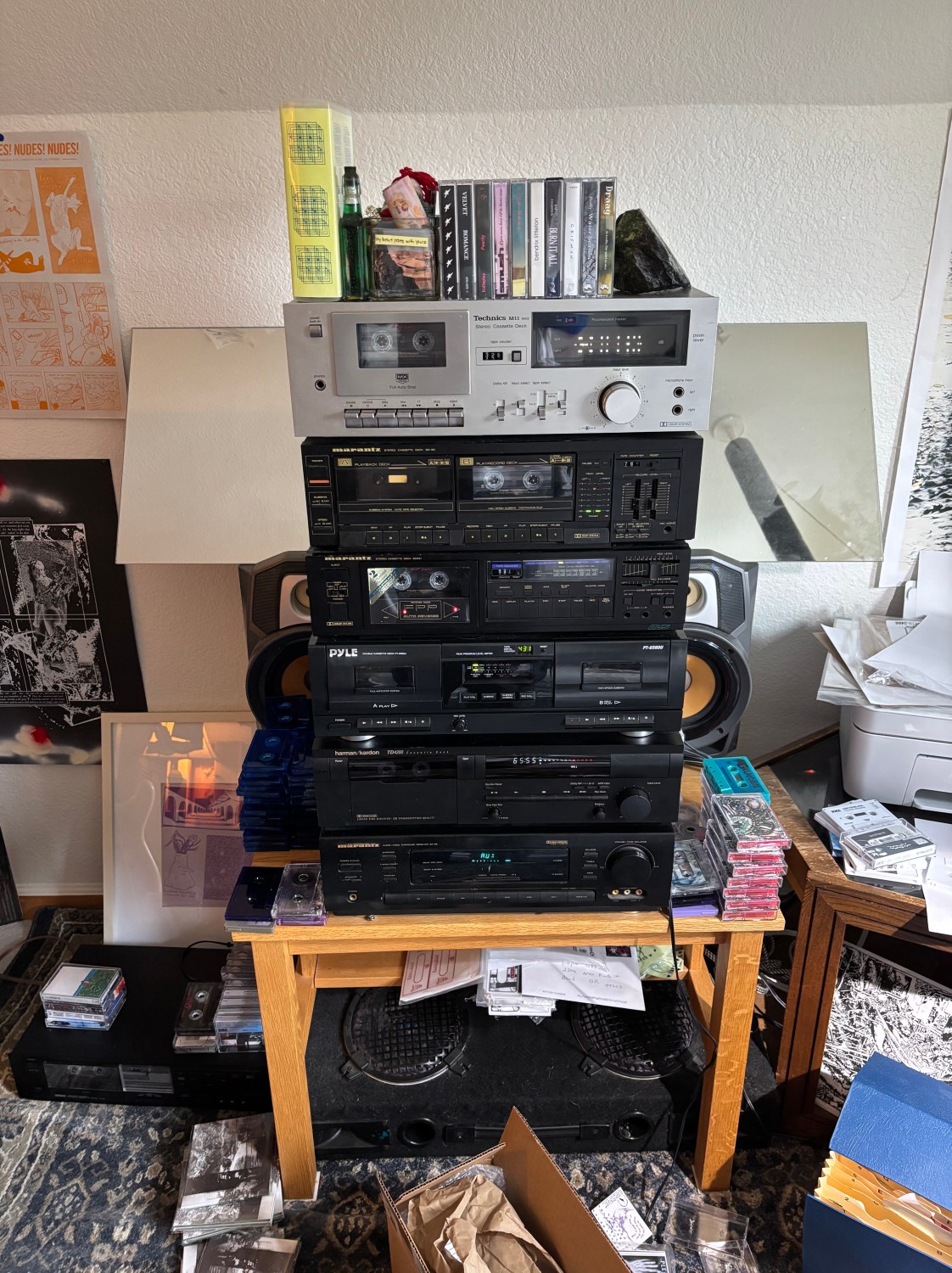

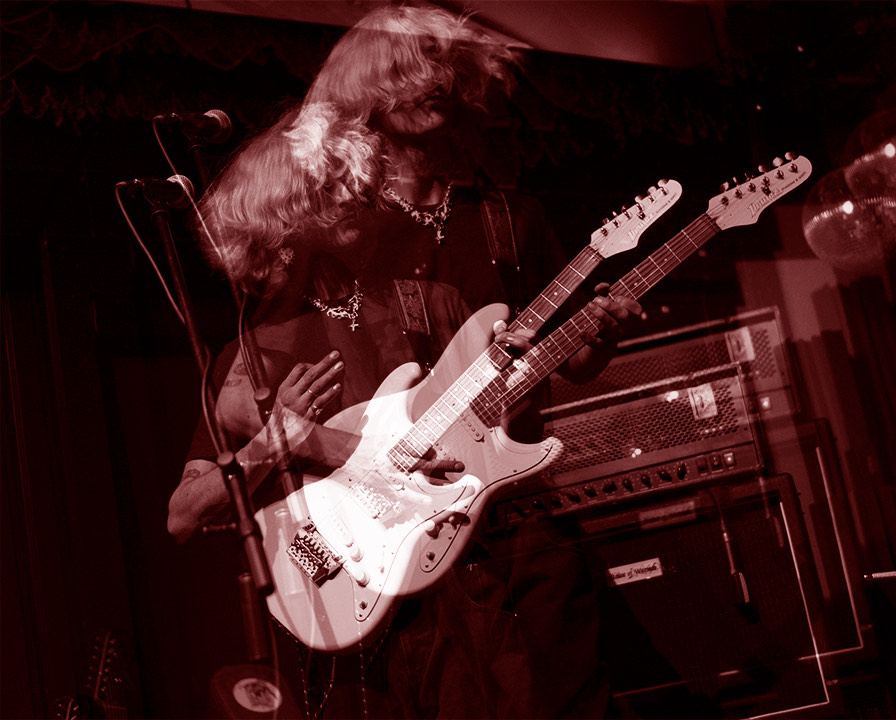



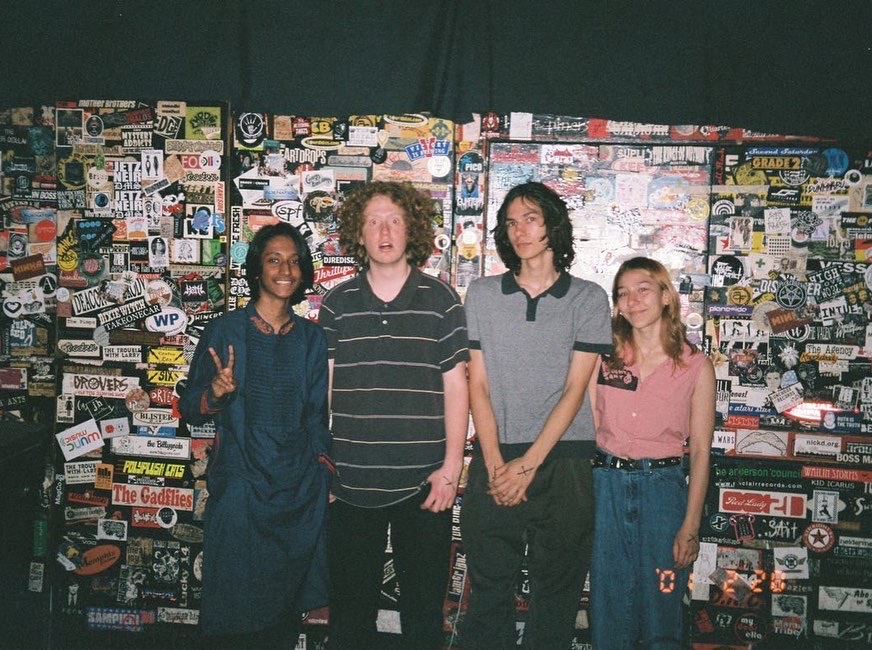
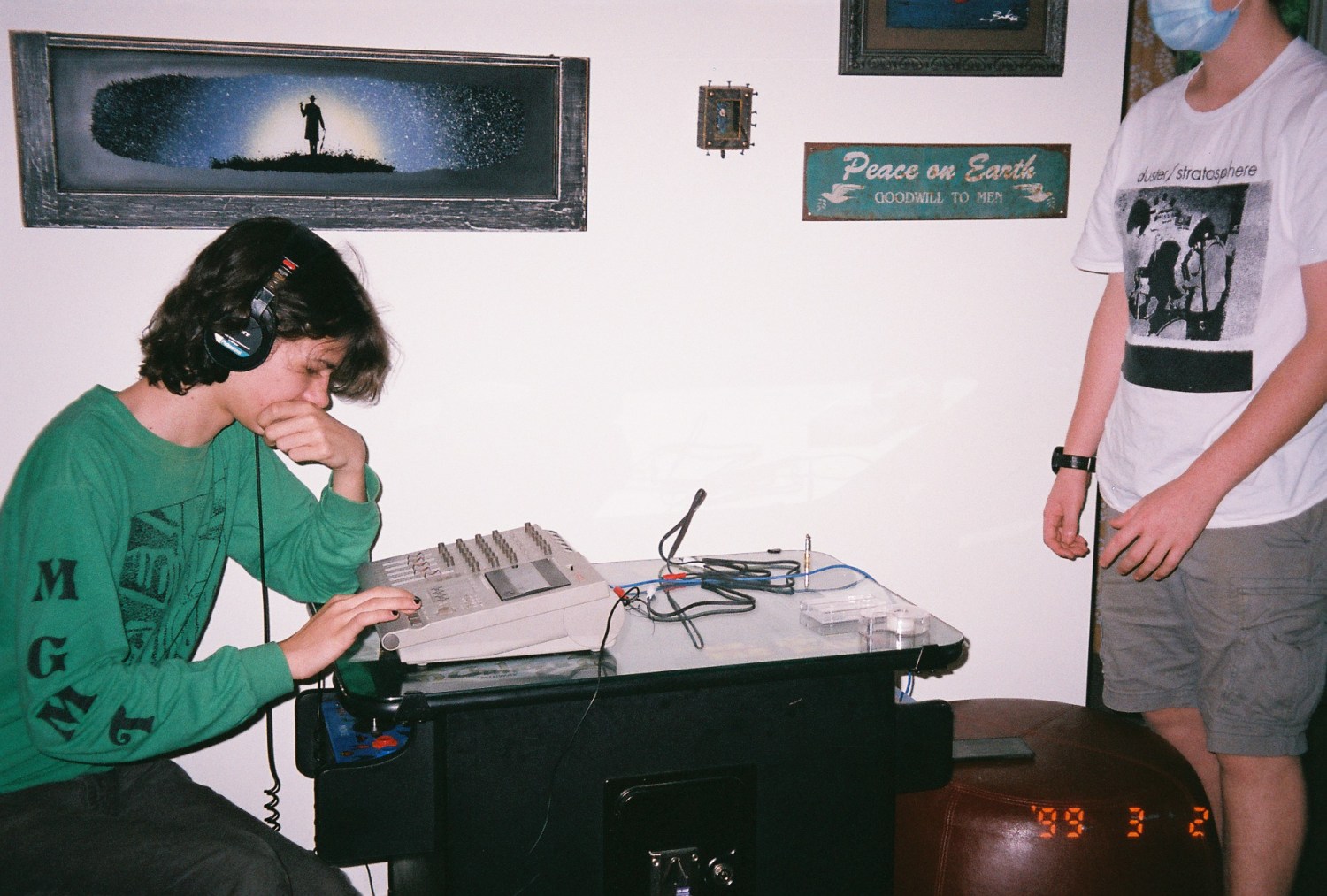
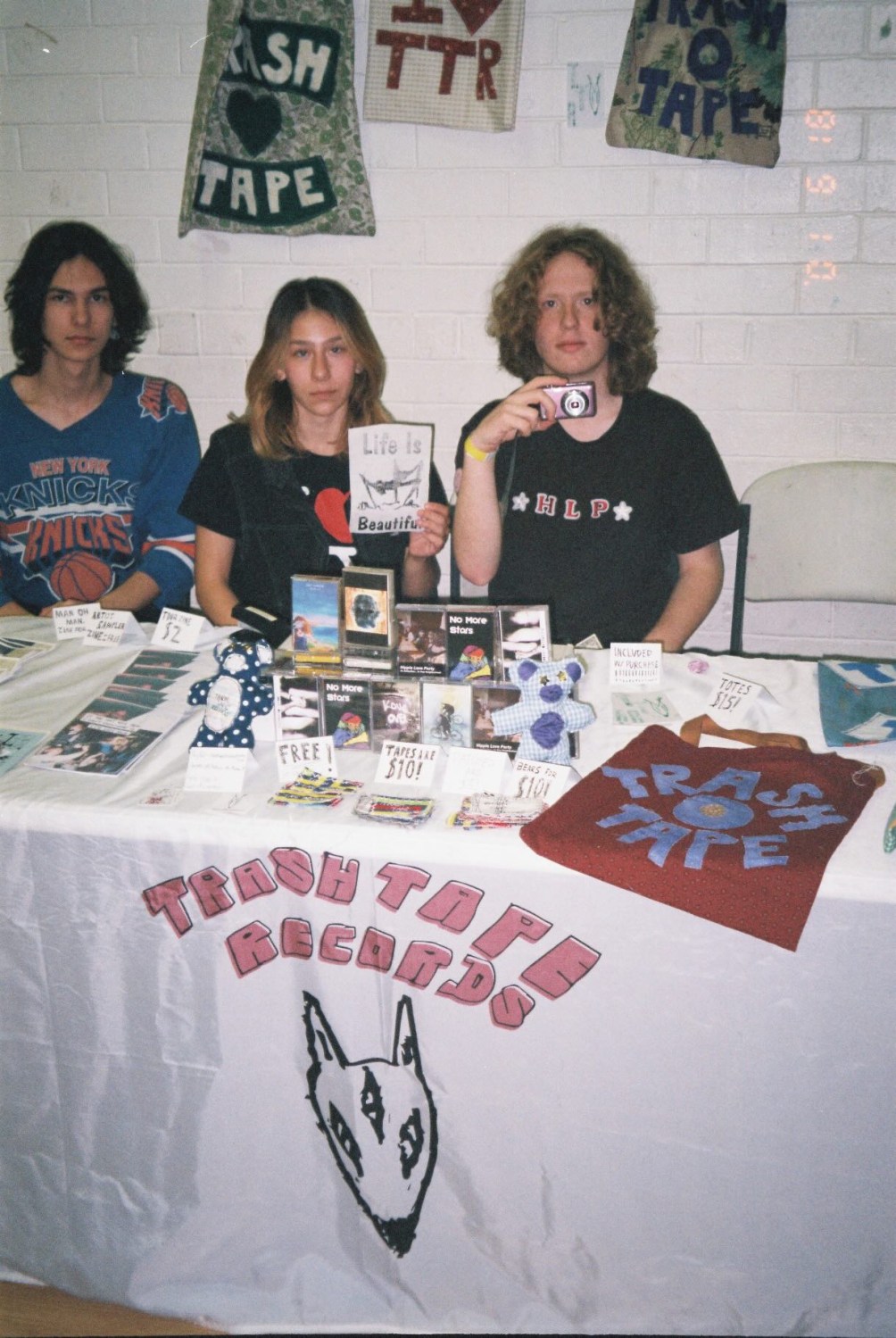
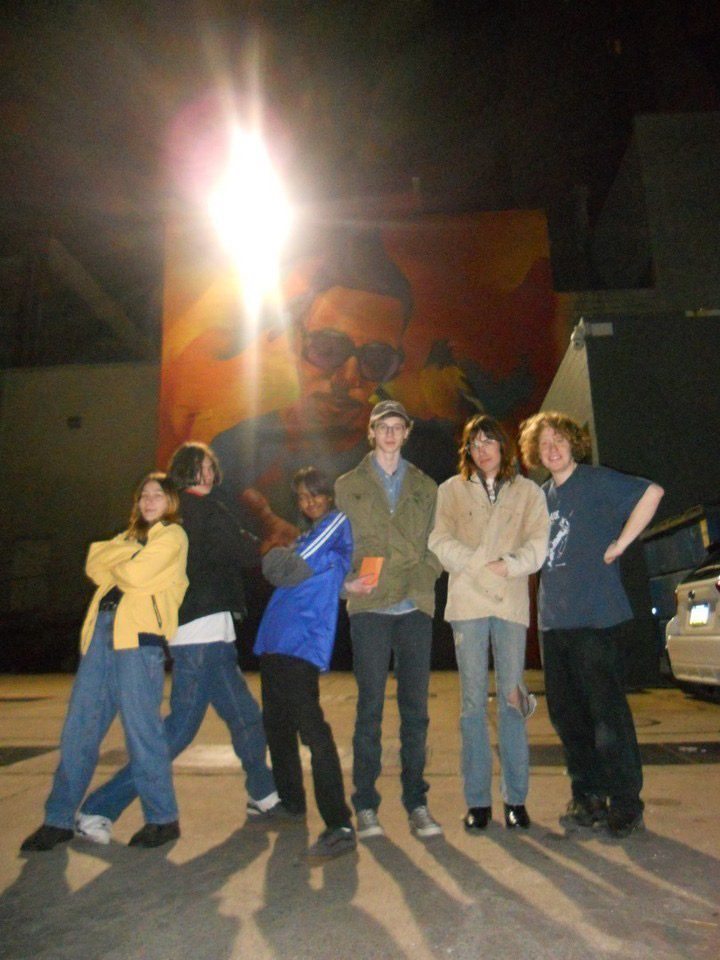


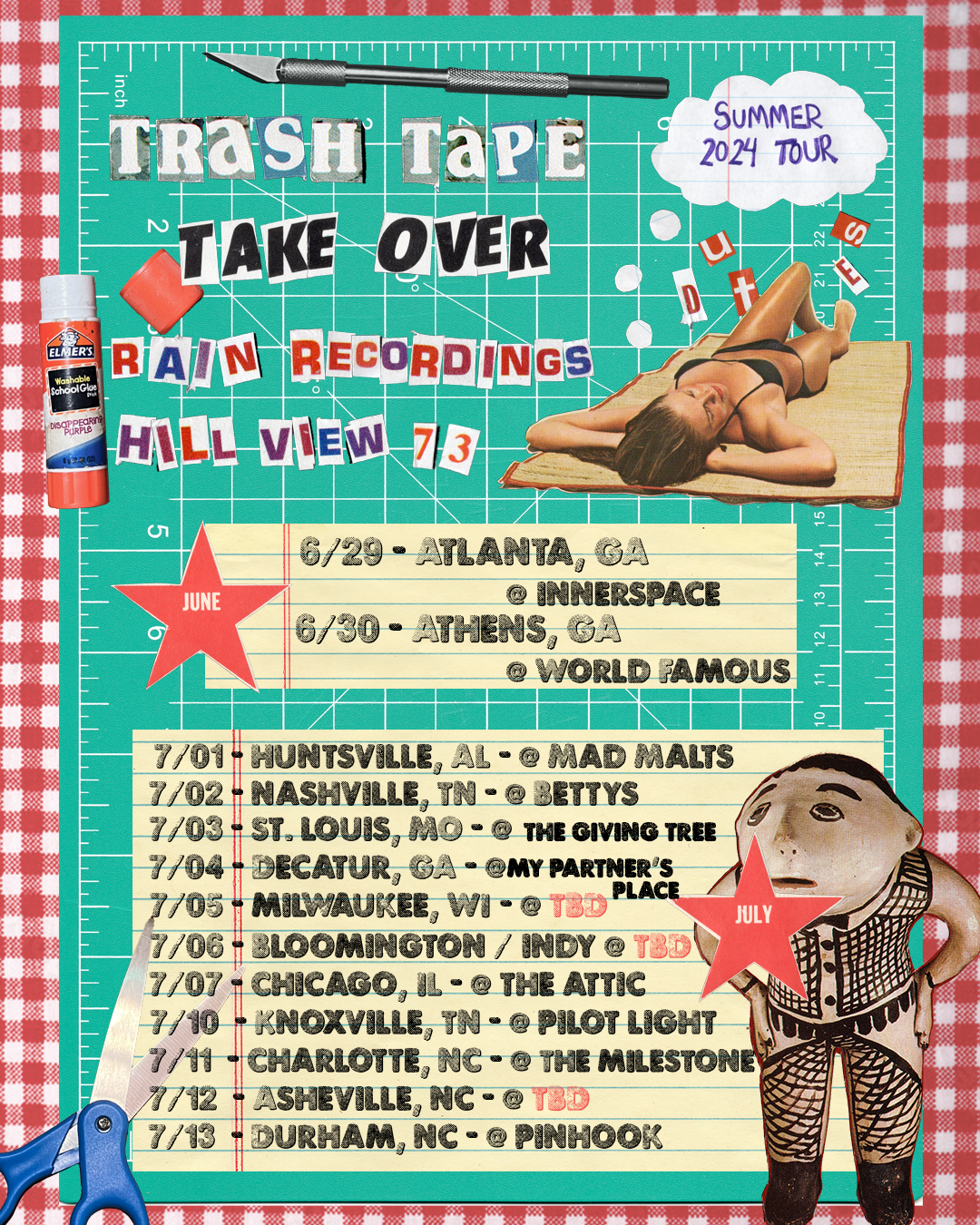

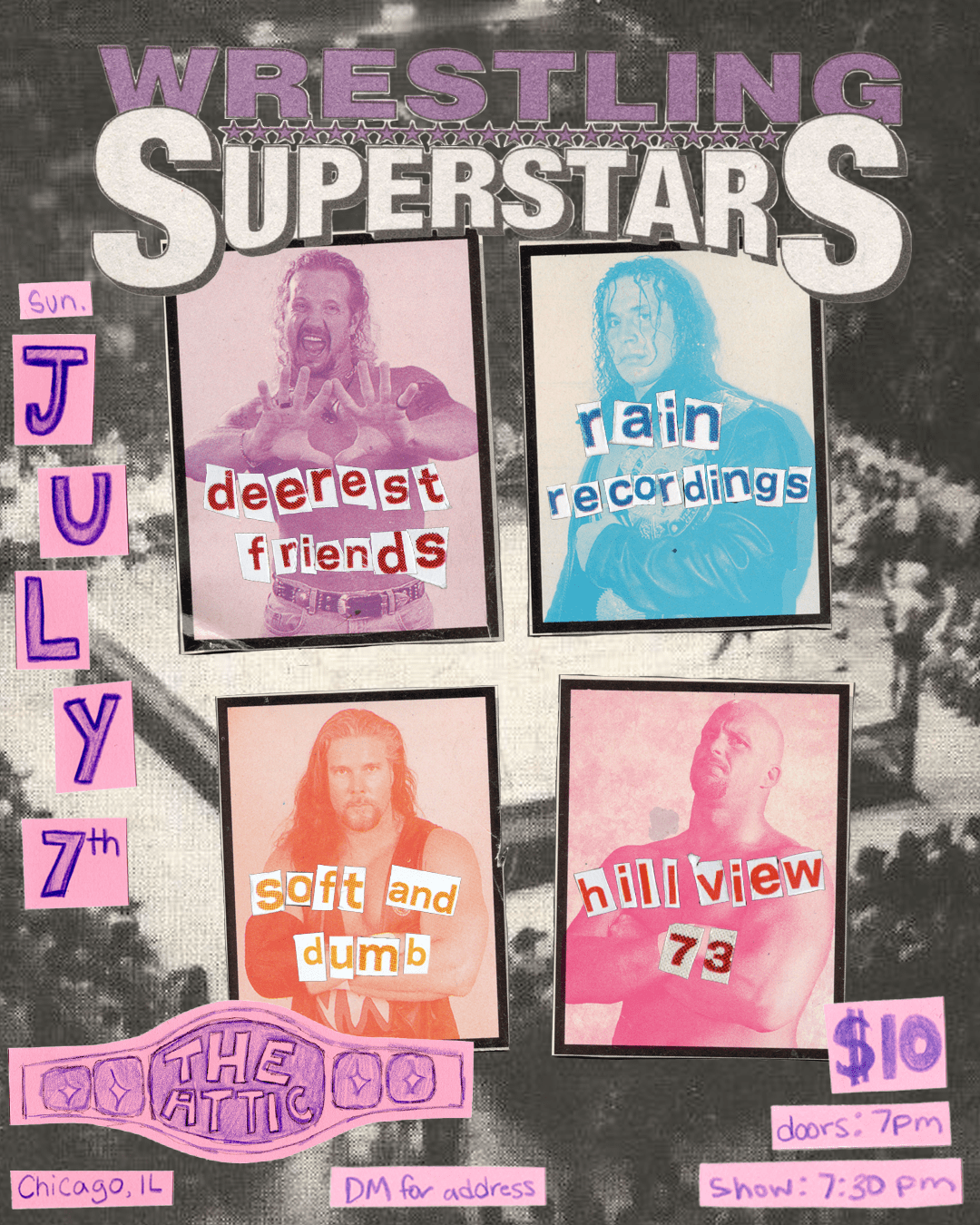
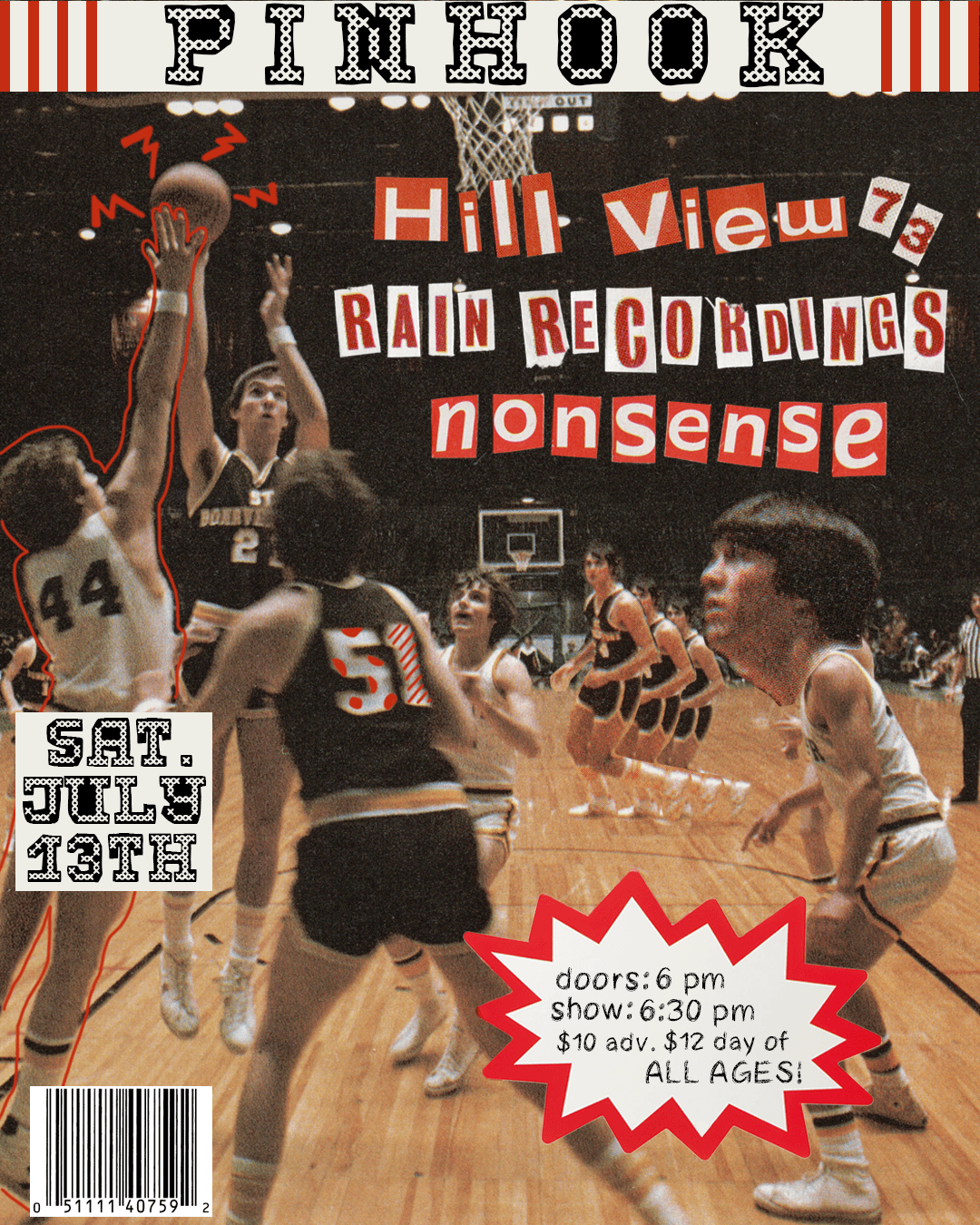


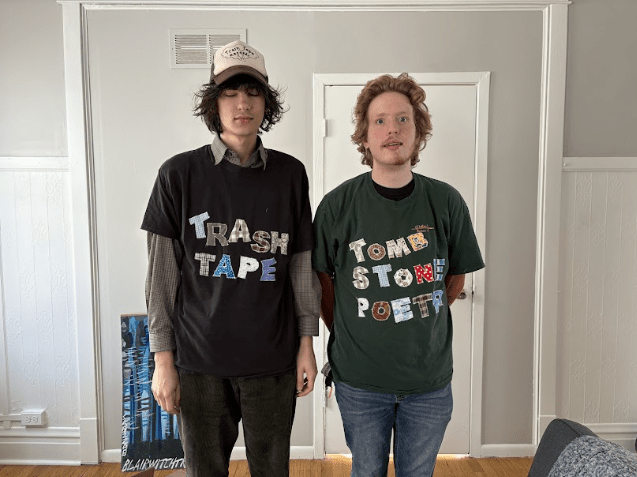
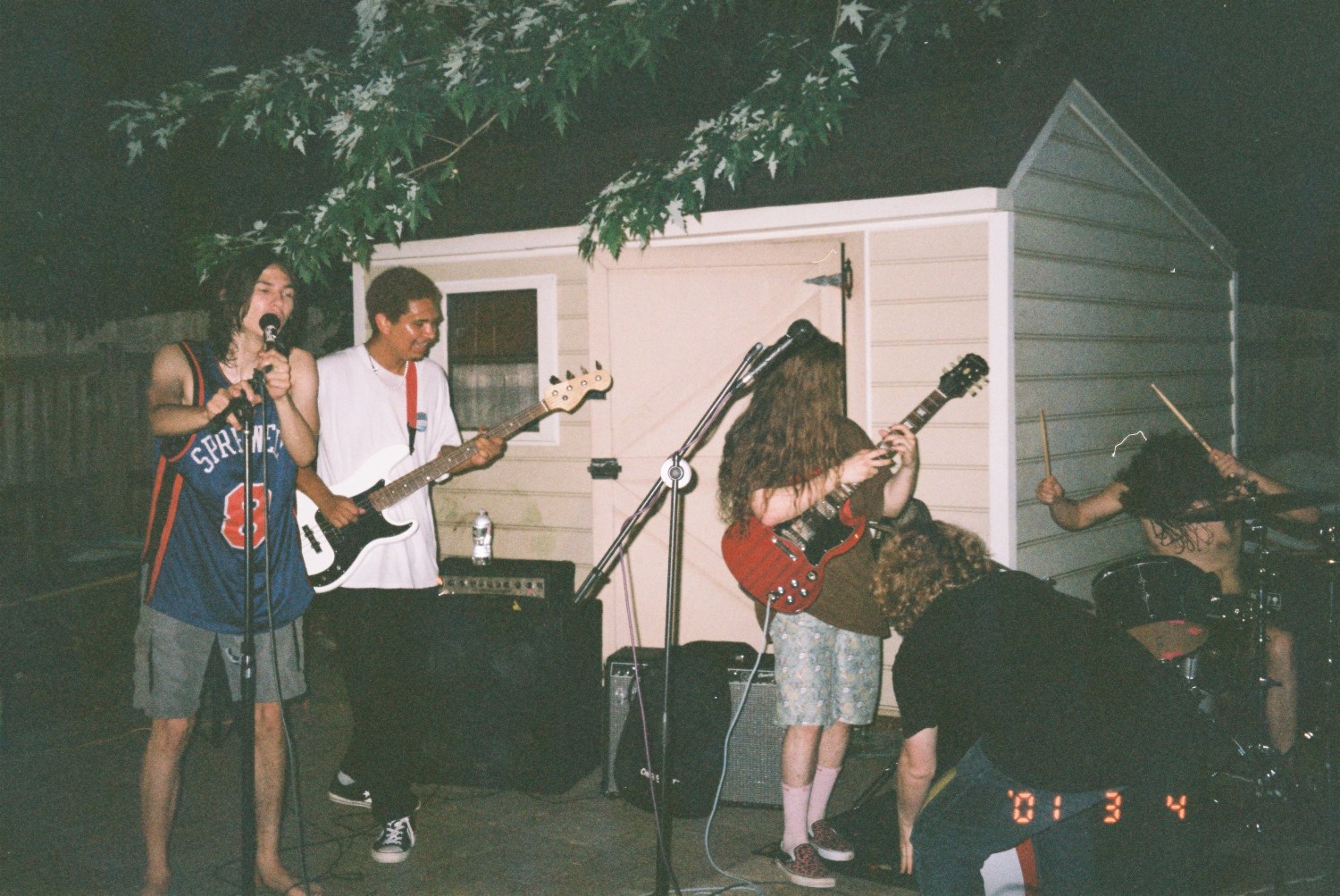


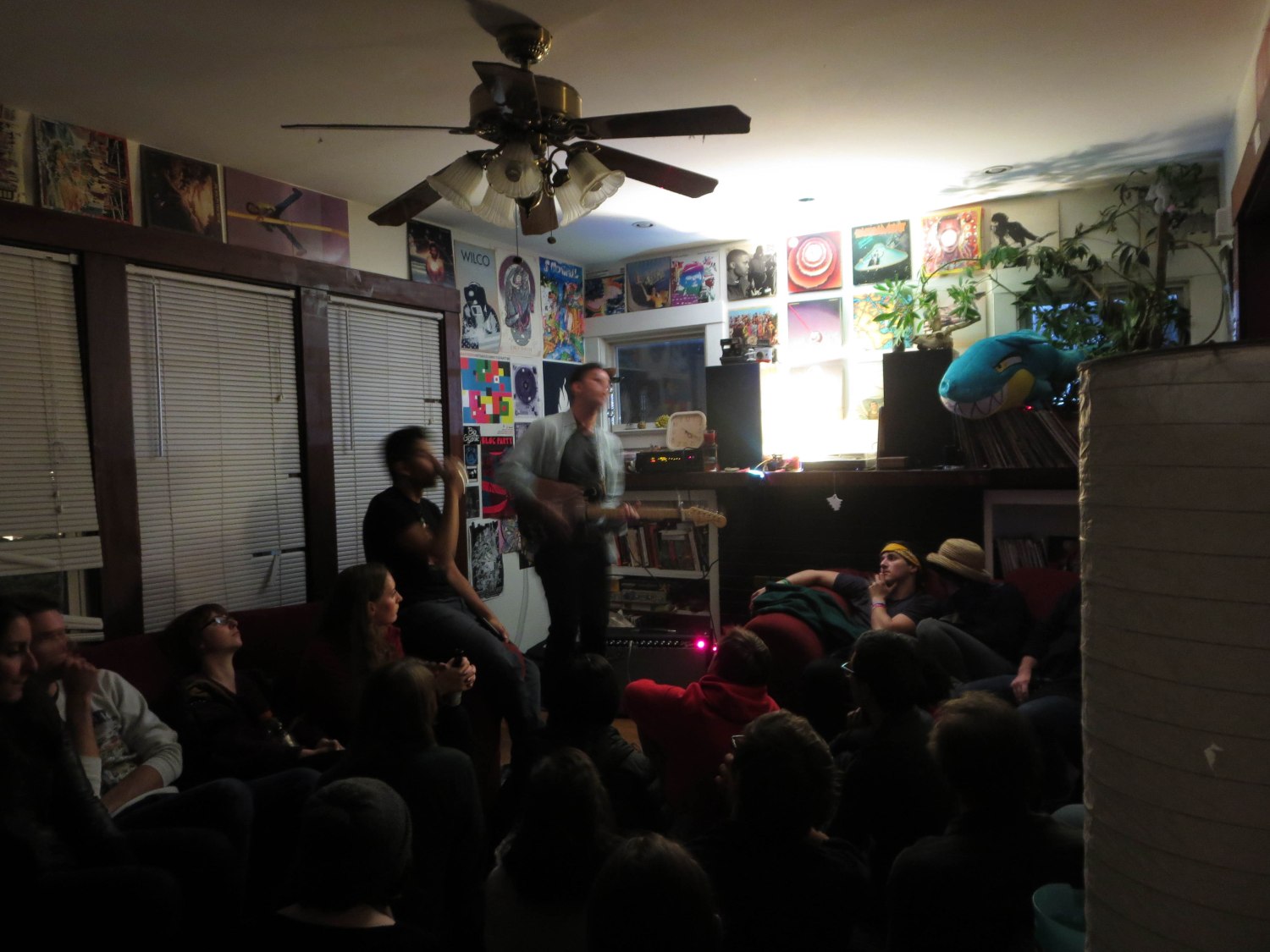

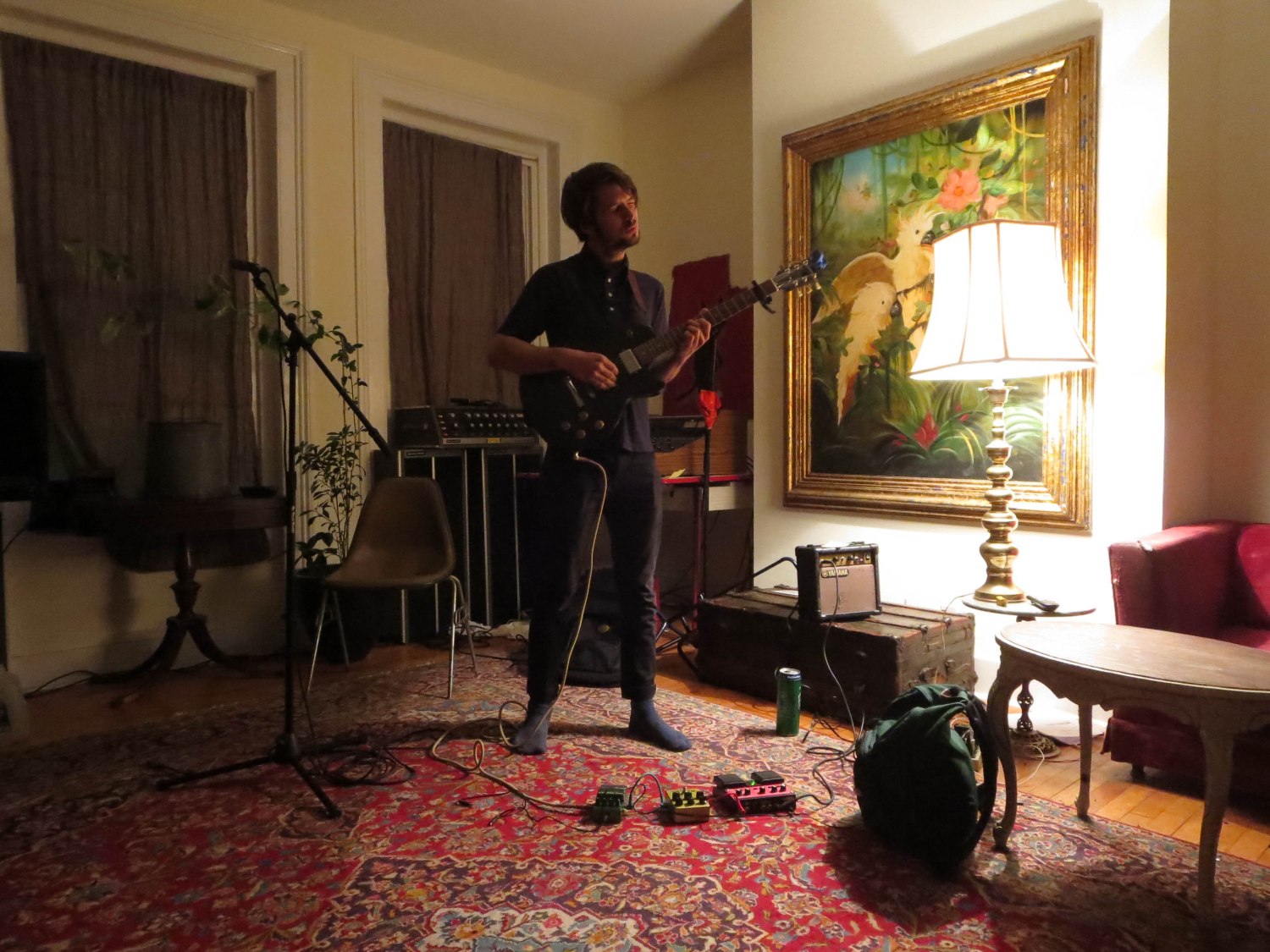


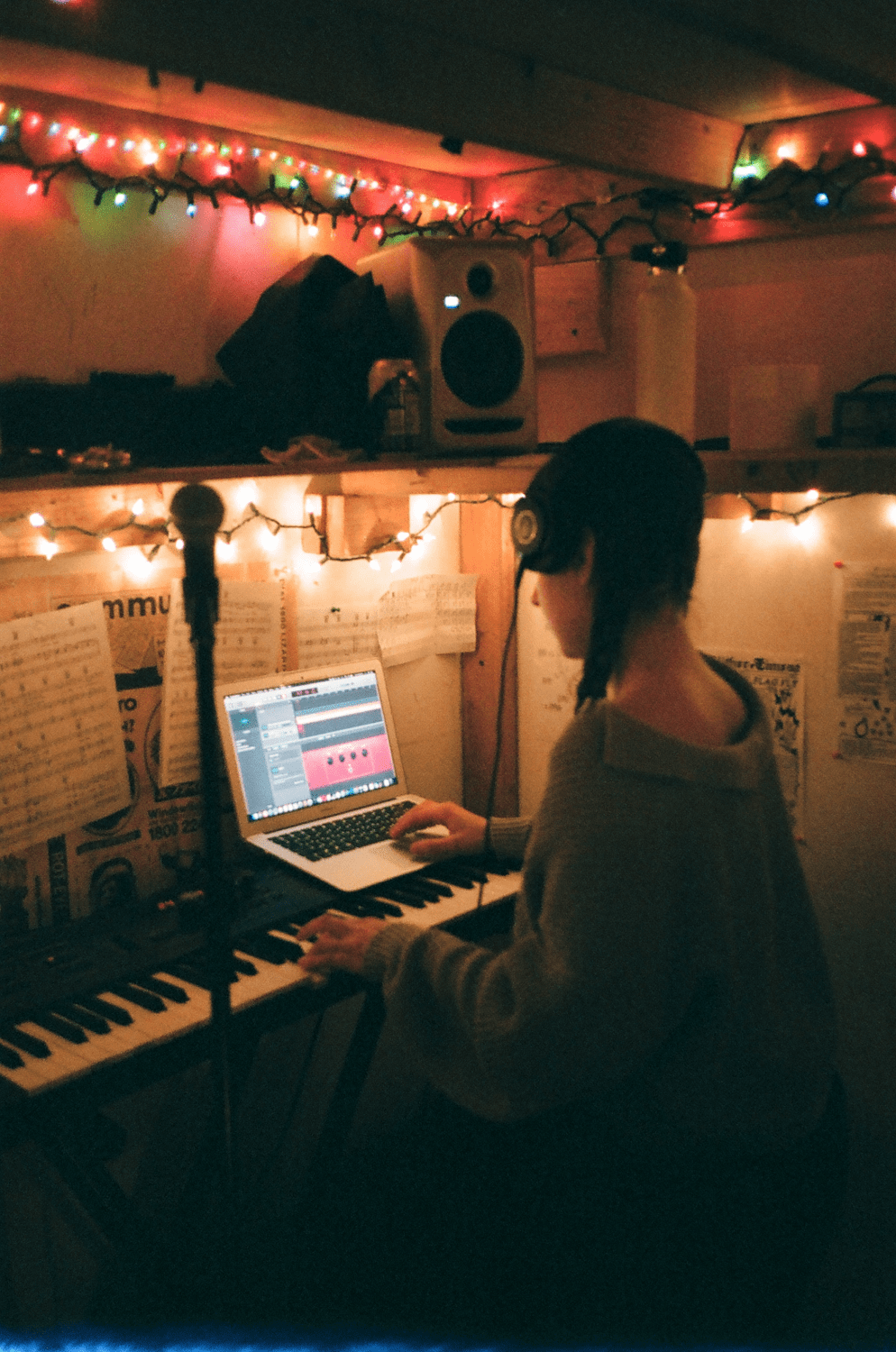


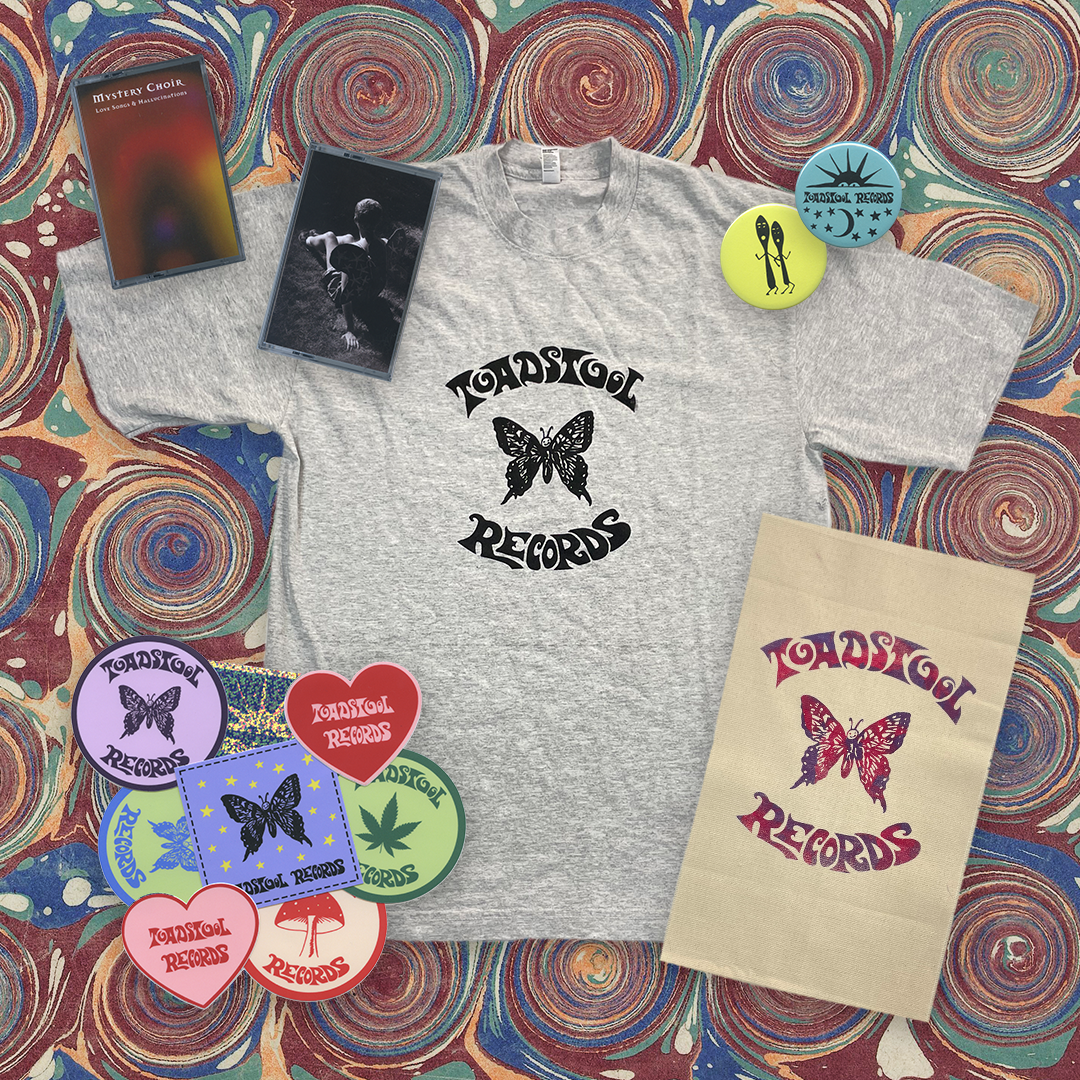


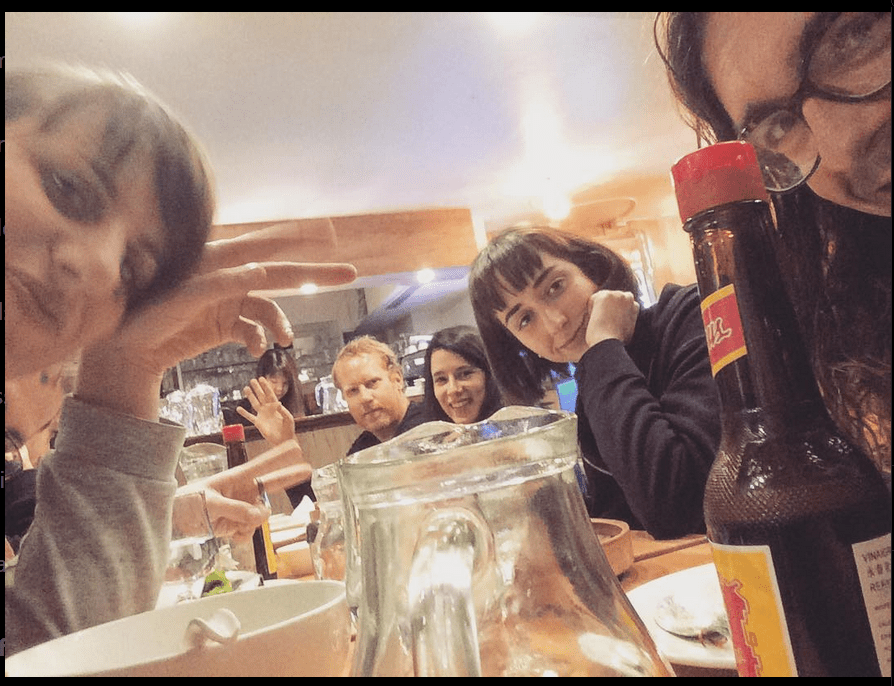
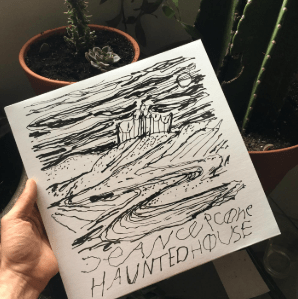


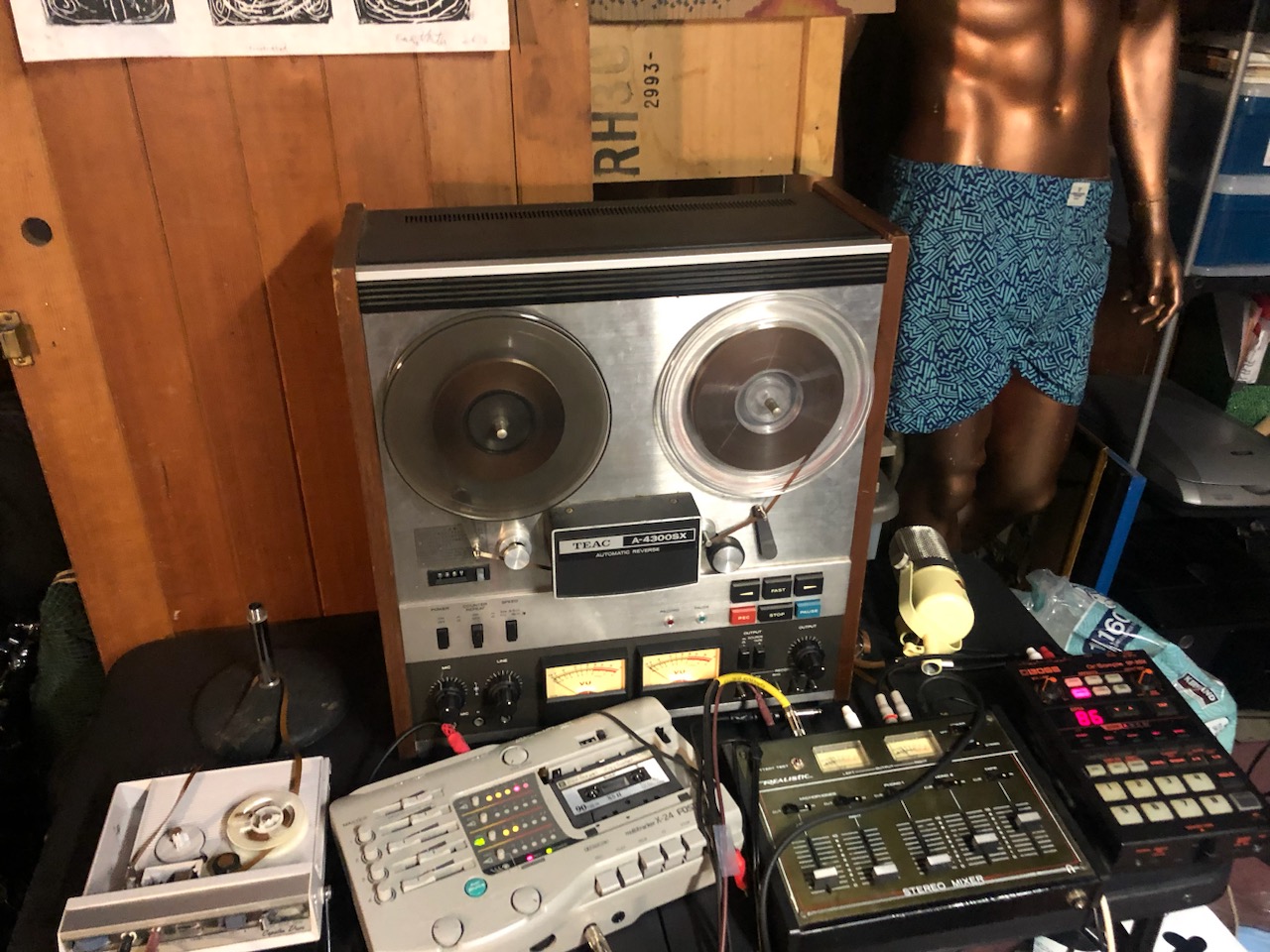




 the ugly hug