I used to avoid employing “lived in” as a descriptor for anything music related. Partially because I deemed it a bit overdone, partially because I worried it was too synonymous with “flawed”. However, the most prominent reason I had expelled “lived in” from my vernacular was because I found it reductive, and felt that it inhibited a need to expand upon what is ultimately so compelling about music that resembles the sensation of wearing that “well-loved” utility jacket that never leaves the front of your closet. The reality is, there is no impression quite like the fingerprints left by “lived in” music, and yesterday, as I meandered through an MTA tunnel plastered with advertisements for AI companionship, I realized “lived in” might be the highest form of praise art can receive today. “Lived in” dwells amongst the positive descriptors that swarm my brain when I listen to Guitar, as amidst moments of rich shredding and unforgettable hooks, the Portland project is teeming with pockets that touch on what it feels to be human – in both a complex and fundamentally simple sense.
This past summer, Guitar announced forthcoming record, We’re Headed To The Lake – sharing lead single “Pizza For Everyone” and eliciting hunger cues from anyone nurturing an appetite for power pop spreads and finger-licking riffs. “Every Day Without Fail” followed last month, and as Saia Kuli’s gravely vocals reach an intensity that rivals the face-melting soundscapes it co-exists with, the flammable second single proved that the Portland based project is beyond worthy of its name. Today, Guitar is back with the third and final single off We’re Headed To The Lake, offering a more tender side of the project as Kuli’s signature earnest vocals are replaced with his wife’s singing.
While “Chance to Win” enters with less immediacy than the singles it succeeds, the track parallels their intensities (and windswept feels) through other means. Controlled chord progressions trickle in and escalate gradually, as Jontajshae Smith’s honeyed vocals unfold a poetically disheveled stream of thought. Frenzied feelings of exhilaration, sometimes referred to as “butterflies”, are kindled through lines of “Sit still / First place / Record pace / Long game / Okay” and “Just wait / On the / Count of three / Breath in / One two”. The track is stunning and tousled – much like the adrenaline rush of possibility, and the lingering anxieties that anticipation fosters.
“This song is about the excitement of an opportunity, feeling electricity in the air and trying to stay cool and not fumble,” Kuli says.
We’re Headed To The Lake will be out October 10th via Julia’s War. You can listen to “Chance to Win” below.
My Bed Is A Boat is the debut LP from Portland based songwriter Ash Vale, who has been crafting these songs under the name Swinging since 2021. Living through various expectations of what this project is meant to be, Swinging went through several phases before finding its way to My Bed Is A Boat. Now accompanied by friends and collaborators Finn Snead and Zoe Chamberlain, these songs became moments in a much larger journey; creased and cornered, showing the wear of a story well lived in.
As My Bed Is A Boat plays to the opportunities of open spaces, Swinging paces themselves as if not to take advantage of what’s being offered. Melodies wander and distorted guitars kindle what lies underneath on these long and patterned instrumentals brought out by Vale’s motives. It’s a scenic trip, counting the pattern of telephone poles like tally marks measuring how long you’ve been out on the road – but sometimes you have to ask, are we even getting anywhere? There are elements of Vale’s use of language that float between active reflection and loose trains of thought that blend into the very setting that the album lays out. It’s articulated and calculated, finding the comfort that has been buried underneath layers of soil, out of sight, yet filling the earth with nutrients all this time. And as these stories flow with such natural deliverance, Swinging so instinctually illustrates the connections that we share with what’s around us. Whether or not it’s clear from the beginning, that search for understanding becomes the heart within Vale’s writing and the sincerity that keeps the rest of us driving forward
We recently got to catch up with Vale to discuss defining the project, learning to stay grounded and finding the album artwork through School of Rock.
This interview has been edited for length and clarity.
It’s now been a few weeks since the release of your debut LP. How does it all feel?
I feel a lot of relief to have it out. It feels very vulnerable for me just cause it’s the first one and it’s the first recording project that I’ve ever done that feels very true to the sentiment behind the band. I have been a little bit timid about it.
Because it feels so true to the sentiment? Like you don’t know how that’s going to come across?
It really is. You know, the instrumentation is me and my bandmates Zoe and Finn, and Finn did all of the engineering and production and a lot of the instrumentation. But lyrically I feel like I’m sharing a really personal diary entry or something. In a live context, I feel a little bit more comfortable sharing that, but I think just the fact that my mom could look the album up on iTunes and listen to it feels very vulnerable [laughs].
Does it feel more permanent now that people can have it, hold it and listen whenever?
Yeah, I think that’s also because I’ve never played live music at all until I moved to Portland almost over 3 years ago. At that point in the process of creating a band and sharing my songs, I would get nervous to play live. I’m not a gear person, and I have a pretty fucked up guitar which has become this funny, almost shtick, where I say, ‘yeah, my guitar tone sucks.’ And because it’s not super polished live, there’s some excuses that I can hide behind. But to record something and to promote it feels like I have some sort of stake in the resolve of those recordings. I feel proud of them, so it’s a weird feeling.
You’ve had these songs back pocketed for a few years now. The first song you released was “Athens, Ohio” that was demoed back in 2022. Going from some of the oldest tracks to a debut LP, what was that timeline in between? I know you’re playing a lot of shows, so did these songs find themselves through the frequent playing?
Swinging as an entity has changed a lot over the past few years. At first it started out as an indie rock band. I also never played an instrument until right before I moved to Portland. I was writing songs on this little micro chord that I didn’t really know how to use. I did have a few guitar lessons from my grandpa when I was a little kid, but I just took up guitar like three and a half years ago. When I formed Swinging, I didn’t know how to play with other people at all, so the first iteration was just a standard indie rock band. I was so timid and just inexperienced, I just let whatever the dynamic of the group was take control of the direction of the songs.
The song “Athens”, for example, I played with this group, and it was more of a rock song. I remember thinking that this doesn’t feel true to the sentiment of the song. But it was awesome, I couldn’t believe that I was playing with other people. At one point I had seven people in Swinging, and we were getting booked with a lot of pretty heavy bands in Portland. But it’s really hard to be in a band with seven people, and all of these people were in seven other bands so it just kind of devolved. Then I met Finn while I was playing a solo show at a country bar, and he asked if he could play cello with me sometime. And now Zoe has been filling out the songs with bass. I think playing a lot of shows was what helped me develop the sound that I was going for. I think I always kind of knew, because I’ve always been a huge music appreciator. But because I’m inexperienced in playing, I just didn’t know how to do it.
I like the idea of writing songs before you knew how to play an instrument. It feels like deep down you had an understanding of what these songs and what these stories were supposed to be to you. But now with Zoe and Finn, when you came to bringing these ideas to life, what kinds of things were you guys exploring and what felt natural?
We recorded the album in Finn’s house, super DIY stuff. The way that we approached recording it was we started with the base layer of me, playing my guitar part and then overlaying my vocals. And then from there it was kind of like, ‘Is there cello? Is there no cello?’ When we play live, Finn essentially is just playing the cello to accompany me, but what’s interesting is that there ended up not being as much cello in the recordings. I don’t even know the names of any of these devices that we were using, but we had this really cool drum machine that we kept reaching for more than I think either of us intended. I specifically remember when we were recording “Unwind”, that was the only song I wanted a drum pad before recording my guitar part and it ended up sounding really industrial. There were times where we’d both get so excited that you just couldn’t really take us away from the recording.
A lot of these songs play with this idea of space and this bigger story of trying to define your placement and your role with the environments that you occupy. As a very visual album, how do you use these physical environments and this physical imagery to tell these personal stories and convey these deeper thoughts and feelings in a more localized sense?
I am from the Midwest. And when Covid started, I moved to Montana to work on a farm. I was doing a lot of farm work up until I moved to Idaho where I was in college for about two years studying ecology. So a lot of my educational background is in science and specifically restoration ecology. And until I moved to Portland, I have been living in super rural towns. I’m from Akron, Cleveland, so I’m from Suburbia. But for 6 years of my life I was living in various towns that had populations of less than 25,000 people. So, I think at this point of now being in Portland for three years, I’m starting to settle into living a more urban lifestyle. But I think I felt a lot, almost this real manic feeling since moving here. I don’t know if it’s because it’s a city and my nervous system is not used to that or if it’s been the fires and the hot weather. But I wrote most of these songs in the State of Oregon. And while they do have this droning, relaxed feeling to them, when I listen back, it does feel kind of manic. Just like what you’re saying, I am trying to grab all of these things that I’m seeing and encountering around me, trying to make sense of where I am in space. It’s definitely super entwined with my relationship to the environment around me. But I think that this album is largely, to me in a lyrical sense, about one romantic and one platonic breakup. I don’t know how they come across to other people, but to me, looking back on them, I think it has just been this effort of grasping and trying to make sense of all of this movement and loss and noise around me.
Do you think your educational background in environmental restoration has offered new ways of understanding your place in the world, or at least new ways of being grounded with where you’re at?
I actually said this recently to a friend, but another way that I’ve described my album is by comparing it to a restoration project that I did when I was living in Idaho. Long story short, I was doing this research project on large trees in the middle of nowhere in Idaho. I planted all of these trees at this tree seedling nursery, and I was running all these tests on them. Some of them involved me staying up and working at 2 in the morning with a red light. I did it for two years and it was a really amazing experience. At the end of it, we wrote a paper, and basically, the paper was us saying, ‘we don’t know the thing that we were trying to prove.’ The answer was just, ‘I don’t know’. And I remember being so angry about that because I just spent two years doing all of these crazy tasks to try to test this hypothesis, and then I was just told that we don’t know.
Shortly after that, this area where I planted hundreds of trees with some of my colleagues, that whole area caught on fire and burned, and all of the trees died. I just remember thinking about the past two years doing all of this, and for what? Why am I in Idaho? I don’t even know how I got here. And then, the same thing that came out of the move to Portland, just thinking, what am I doing?
Also, when I was young, I had a tragedy in my life that led my family members to be pretty concerned for me and my mental health. They enrolled me in a Yoga training. It was this old school Yoga studio, with all these really old hippies in Ohio. It was really bizarre, but I became completely enthralled in it. My formal college training in ecology definitely does inform the way that I am able to just be in a place and definitely informs my writing. I mean a lot of the stuff that I read for leisure is Buddhist psychology, yogic philosophy, stuff like various nature writers, so I think that it all does inform it.
The album cover is really special because you went through a School of Rock class to find it. How did that work, and also, having not just someone else, but a kid make the art, the first thing everyone sees when they come across this album, did that bring any new meaning to you about the project as a whole?
My partner, Nathan, works at School of Rock, and I don’t know any of these kids, but I hear about them – all the hilarious things that they say and how amazing they are at drums. I kept throwing around like, ‘Okay, am I gonna do the album art? Should I just do a collage? Or who would I ask?’ Then one day I asked Nathan how School of Rock would feel about me hanging a flyer about an album art contest, and they said it was fine, so I made a flyer. All it said on it was, ‘Do you want to design an album cover for a band? Have your parent email me your drawing. Winner gets $50’. I got so many more submissions than I thought I would get and all of it was so beyond what I ever thought that it would be. I mean, some kids made sculptures and all sorts of crazy stuff. It was really hilarious and just so sweet. It exceeded my expectations for sure. I just remember when I saw the one that I chose for the cover I was like, that’s it.
Juju is 9, and she is a drummer, and she’s super adorable, and her dad is awesome. It feels so wise the way that she interpreted it. I just remember looking at it, like, ‘Wow, that’s crazy. You’re like a little teeny, tiny baby’. I think that the artwork is kind of like a collaborative effort between me and a parent and a child. There’s something about it that makes me feel really honored that the parent was willing to participate in it, and that this kid sat down and took the time to draw something. I was told that she spent the $50 on new skateboard wheels and ice cream. I think about that when I look at it. It has this weight to it that I can’t really explain. But it definitely means a lot to me that it worked out how it did.
You can listen to My Bed Is A Boat anywhere you find music as well as order a CD via Addendum Records.
Written by Shea Roney | Photos Courtesy of Swinging
There is something innately natural about a Lisa/Liza song, the project of Portland, Maine based artist, Liza Victoria, whose self-made path of intimate folk music has been creating a presence where much often goes unnoticed in this fast paced world. In 2023, Victoria released Breaking and Mending, an enduring collection of songs that grew from grief and found a home amongst an extensive and true journey of healing. But last week, Lisa/Liza shared Ocean Path, an EP consisting of some of her earliest recordings she made in her teens and early twenties, now put directly on tape via Chicago’s Orindal Records. Although these songs were pocketed for years, serving as a measure of time for Victoria, in its own way, Ocean Path was always meant to be shared with the world, it just needed to feel like the right moment.
The basis of Victoria’s intuitive storytelling lies within her guitar playing, where thought and feeling almost become a deliberation of a moment – transparent in the motion of feelings and capturing the environment entirely in which it was recorded in. Often tracked in open spaces, such as her kitchen or backyard, these songs fit just right in those places we deem as safe for our own being. “Summer Dust”, the opening track, plays with that same meaning of intimate stillness, the acute pieces of collective thoughts, mental dust, that begin to build when left alone for some time. “Love for two-becoming / Love for yourself / finally running through you”, Victoria sings with such acching care, sometimes almost to a whisper, as if saying it loud enough for only her to hear it. “Gamble”, one of Victoria’s earliest recordings, is a story of nature and nurture, following our inherent need for connection, and the responsibility we feel to offer it to others. “Gamble, my Father’s dog, was born in a mountain fog / Followed me through the dark, Searching for the dawn”, she sings through a striking progression of stunning vocals and vivid imagery.
There are also many ghosts that we haven’t been introduced to yet that align on “Shark Teeth” and “Then You Shall See”, bidding for their piece to be heard before going off to complete their other ghostly tasks. The word ‘haunting’ holds an authentic meaning when writing about Victoria’s work, where it often feels to be tapping into the presence of a soul which lives amongst these delicate and intrinsic soundscapes. But whatever that soul may be, whatever we feel it represents, it’s not there to cause alarm on this earthly plane, but rather to make that connection between what we see and what we feel – being that direct line between a deep longing and a deep understanding of our own place in this world.
Ocean Path is a remarkable sense of self, tracking a linear path of growth that can often be hard to visualize when you are the one laying the groundwork. These songs aren’t immediate, but it’s in the trust that Victoria has always held true to her artistry that is representative of a journey you take on your own time. It’s the dirty fingernails, the layer of dust, and a broom in the corner that becomes such a personalization of storytelling from Lisa/Liza, yet has always been beautifully universal to those who are welcomed in. As the project is now getting the chance to be shared with others, it’s best said in Victoria’s own words, “this cassette leads down paths of memory, reminding me we are always becoming and growing into who we are and what will be.”
You can listen to Ocean Path out everywhere now as well as order a limited edition cassette tape via Orindal Records.
Every Wednesday, the ugly hug shares a playlist personally curated by an artist/band that we have been enjoying. This week we have a collection of songs put together by Portland-based artist Saia Kuli of the project Guitar.
Guitar’s most recent release, 2024’s Casting Spells on Turtlehead, leans into a level of unpredictability, coming upon a post-punk antiquity and kicking it further down the road, Kuli creates a free flow of sound unhindered by its brutalist edge. Throughout the project’s catalog, Kuli has shown that there is a method to the madness, switching gears so casually it feels natural to the first-time listener and consequential to the longtime fans who are excited for what’s next. But through it all, while still grasping to melodic fixations, what fills a Guitar song is almost a pity towards silence – not that it needs to be filled for silence’s sake, but rather offers the possibility of something new that can’t be refused.
About the playlist, Saia said;
When it comes to playlists I’m very heavy on feeling it out. I just start throwing stuff on and then look for that that flow. This playlist has some songs that came out really recently and some songs that I’ve revisited year after year for many years. Some of the tracks on here come from very very deep in my YouTube likes. I tried to use making this playlist as a reason to go find old stuff I used to love and put it beside new stuff I love.
Listen to the playlist here!
Listen to Casting Spells on Turtlehead and other projects from Guitar out everywhere!
Floating Clouds is the new recording project of Portland-based artist Alexandre Duccini, who last week shared with us his debut LP under the name titled With A Shared Memory. Adding to the reliability of the Bud Tapes catalog, as well as the ever-impressive PNW scene, what Floating Clouds brings to the table on this debut is facing a deep darkness holding a flashlight with new batteries; a deliberate and intuitive story of navigating life through the unpredictable circumstances of grief and learning how to approach love when it feels so stretched thin.
Having played in many bands and releasing music under his own name for some time now, Floating Clouds embraces the make-up of a band more than a solo project, although these songs are so personally embedded into Duccini’s story. With really no intention to record a full album, taking some songs to The Unknown in Anacortes, Washington just for fun, what came out on the other end was brought to life by contributions from family and friends, old and new, where Floating Clouds as a musical unit explore the need for dire release and ecstatic collaboration, fluctuating within impressive dynamics, searing guitars, well-worn instrumentals and a poised heart.
Healing can be like picking for springs and screws in a patch of grass — a begrudging effort, a task of minuscule factors and massive focus. With each stray blade in your finger, each random stick poking out, it doesn’t matter what you pick up until you find what you set out for in the beginning. With A Shared Memory plays as a delicate reminder, embracing each step forward as a mini success, or if anything at all, a reminder to keep looking. And with each track, Duccini’s collection begins to grow in quantity, and the relief, the joy, the individual finds begin to form a much larger picture, every small addition something that has been lost to him over time. But this isn’t an album that focuses only on the pain, but rather a benchmark of gratitude, understanding the role in which that pain has played in his life and how far he has come ever since.
We recently got to catch up with Duccini to discuss new beginnings, reutilizing memories to heal, and how With A Shared Memory came to be.
Shea Roney: I know you have been recording and releasing under your own name for some time now, but With A Shared Memory is the first piece of music under the name Floating Clouds. What made you want to adapt this new name and did it in any way act as a marking of new beginnings to you creatively and personally?
Alexandre Duccini: It certainly feels that way. I’ve been in bands ever since I was a teenager, and that has always been my lifestyle. But I was always doing solo recordings that was always just a thing in addition to the bands. I moved to Portland in November of 2023, but before I moved, I recorded a solo EP at my friends Eli and Ashley’s recording space next to their house on Whidbey Island. It was the first time solo recording was really thought out and something more than just setting up a microphone in my bedroom. But this project wasn’t even meant to really be an album in my brain when we started recording it. It was my sister Sophia and her boyfriend Alex, who’s a good friend of mine who just started working at a studio in Anacortes, Washington, and we booked two days up there. The thought was basically that it would be fun to book studio time with the two of them and we’ll maybe make a song together. But it went so well that they thought I should just do an album, just keep doing this. Then so many other people ended up playing on it, and I ended up making friends here in Portland who ended up playing on it by the end. It really felt like this is a band, this is not just a solo thing. I was glad that it turned into that and I’m hoping that it continues. The bandmates that I have now are super wonderful and it feels like there’s a lot of really sweet, energized feelings about it.
SR: Having this lifestyle of functioning within a band, but still always centered around making music, what did you begin to focus on differently when you started writing your own songs?
AD: I did get more intentional with the songs I was making and had more of a personally intense relationship to them. I feel like I also just started turning the corner in my life of knowing myself, being at a point with self-love, where I’m actually able to write something real, and it feels okay to sit there and not be distanced by irony, or being a heavy, loud band. I think there’s an aspect, too, though that songs feel really mysterious, and these songs feel really special to me. I think I worked really hard on the songwriting side of it and thought a lot more about what felt important to me to say in music. Songs are kind of like these spells that happen. One moment it never existed, and then some neurons fire in a brain, and then it’s like, ‘Oh, this is it.’
SR: Do you know the Irish term for song?
AD: No, I do not.
SR: This is my one fun fact. They are referred to as ‘airs’, which I learned watching a documentary about Shane McGowan. In it he was talking about how he thinks that term is beautifully representative because songs are mysterious in a way in which they’re all around you, but it takes a specific effort and openness to reach out and grab it.
AD: That definitely resonates with me, that is such a beautiful thing. Songs are just kind of everywhere around us, but you also have to work on yourself to become a person who can hear them. It’s a beautiful thing that everyone can write songs. I think what is special about creativity is that there’s no bar for entry, you just make something.
SR: It feels like the ethos of recording this project was to make music with great people and to just have fun. How did this crew come to be and what did you get out of it creatively and personally while working with these musicians?
AD: They were people I met when I moved here to Portland. They are fantastic musicians who have played in a lot of bands here that I was seeing and really connecting to. I was playing a solo show, and I just asked them if they wanted to play that show with me and they said yes. Then I was like, ‘Oh, by the way, I’m sort of making a record if you wanna play on that, too?’ We recorded over last spring and summer, and I think part of the intention that was set was to just get into the studio with people who seem to be on the same wavelength as me at this moment, and ideally just have a lot of fun while we’re there. I’ve had experiences with recording that were more frustrating, or felt like I won’t be able to live with myself if this goes wrong, you know? I needed, at a point in my life, to shift my way of thinking about this and put less pressure on things turning out a certain way. The focus should be if we’re all laughing and having a good time while we’re at the studio, then it was successful, no matter how much was accomplished. It’s hard to say exactly what I feel like I got out of it other than I feel so happy and excited about the album. I’m so happy with it as a thing that’s done, but there were multiple moments while we were making it where I didn’t want this to ever be done. I feel revitalized about music from this experience. I just wanna ride that wave as often as possible.
SR: It’s also such a beautiful and personal collection of songs. I can only imagine experiencing this constant joy was so reassuring as these songs are coming out.
AD: Any artist has a period of time where they spiral with self-doubt about being creative, if I’m any good at it or if I should continue to do it. I think part of what has felt really significant for me personally is that it just felt like it went so well, from the page to the studio. This was the first time I really ever experienced that throughout the whole process, knowing that this feels right.
SR: This entire album feels like many different, individual points of reflection for you. And like you said, describing the end process as ‘this feels right’, but these songs fluctuate between joy and grief throughout. Was there a thematic progression that was noticeable or was it something that you had to look back at after the fact and realize it then?
AD: That fluctuation will realistically probably exist forever. These songs in this project, I’m riding this highway of excitement, but there is reality, and there’s still plenty of reasons to have a lot of different feelings about life all the time. An idea that was kind of embraced for me personally around the writing of these songs was that no matter what, pain and grief are inevitable. They’re coming, you know? It’s a thing that you will experience. I’m trying to get better at not just borrowing those feelings from the future and letting myself experience the full spectrum of those feelings. That also means really trying to allow joy and love to have their moments as well. I hope that that is reflected in the album, too, that it really has all of that in there. I think all of these songs exist as reminders for myself that this is really happening to me, to look at and sit with and be like, ‘okay, this is real life, and that means a lot.’ Don’t be passive about it.
SR: I mean, the title With A Shared Memory feels crucial to really experiencing it all. A shared memory, whether that be with a loved one, a friend, or the crew you make music with, it’s always between you and another party. But when you go through grief, it feels like you’re split in two, between the healing and then the grieving, like a shared memory between these two split parts of you. As you bring up reflections, and really referring to and experiencing them through this process, what is your relationship to these memories now? Did you find yourself redefining the way in which you approached them as you were writing these songs?
AD: I think sometimes I felt a little bit guilty of the songs potentially portraying myself or my experience of life as a little bit glorified or too pretty. I can feel like one thing, but when you go to the pool of your experience to write something about the process of translating those experiences into songs, it allows me to sit with them in a way where I feel much more gratitude for those experiences. Maybe it’s more than when I was raw, bare, experiencing them as initial feelings, you know? So, like people that maybe once I was angry at, I’m sort of thinking about them when I’m writing, and I start to remember how much I love them, you know? There’s something special, for me at least, that songwriting can do, where it reveals another side of my experiences that maybe allows for more space to be grateful for things that at other times were hard to even want to face.
SR: I mean, it’s just wild how many different angles you can approach a single memory, just as you follow it down the line.
AD: Yeah, for sure. When writing, I feel like there was a cognizant part of me that was thinking, ‘can I be more loving here more than maybe I was, or have been?’ I wanted the songs to feel loving.
SR: Do you have any plans to celebrate the release?
AD: We’re doing the release show Thursday. We actually don’t have any show on Friday, so the band and some friends are gonna do a little listening party ourselves. I’ve been really trying to be better about celebrating and being in the act of celebration. That has been a thing that my therapist advised me to do more, talking about how more traditional lifestyles have these baked in opportunities for celebration, like graduations and things like that. So, it’s good with music to also be like, ‘okay, we’re going to have a celebration’. It’ll be kind of nice to just spend the day outside and all that.
SR: Is the album celebration something you’re looking forward to?
AD: I wonder, I don’t know yet [laughs]. I’m definitely excited for it to be out. I think I’m also bracing for that weird experience when you’ve worked really hard on something, and it means a lot to you, there’s some expectation that builds up, and when you actually share it and it’s different from whatever weird expectation you’ve built up, then the other side of it is feeling disappointment, you know? I think I’ve been unconsciously kind of bracing for some weird feeling of disappointment.
SR: I mean, that’s fair. It’s something so close to you, so it’s definitely going to sway a ton.
AD: That feeling of like, I’ll release it, and then the next week I’ll go back to work. Yeah, okay, that’s right, my whole life didn’t completely rearrange itself because I released an album [laughs].
SR: Yeah, that makes sense. But this one seems special.
AD: Yeah, it feels that way. I am definitely feeling celebratory. It’s really nice, my bandmates have been so amazing, and feeling their excitement about it has been really cool. Also, just having other people be a part of it and be excited about it in that way definitely helps me feel like I got a butterfly’s kind of giddiness.
You can listen to With a Shared Memory out everywhere now, as well as order a cassette via Bud Tapes.
Written by Shea Roney | All Photos Courtesy of Floating Clouds
As a small music journal, we rely heavily on the work of independent tape labels to discover and share the incredible artists that we have dedicated this site to. Whether through press lists, recommendations, artist connections, social media support or supplying physicals, these homemade labels are the often-unsung heroes of the industry. Today, the ugly hug is highlighting the work of our friends over at Pleasure Tapes.
Since 2021, Pleasure Tapes has been paving a queer focused space within the sphere of heavier indie music. Run entirely by founder Kayla Gold, the Portland based nonprofit label is both a staple in the local DIY scene it inhabits and a blooming community in and of itself. In the four years of its existence, Pleasure Tapes has put out over one hundred releases, permeating Gold’s ethos and knack for music curation far beyond the Pacific Northwest. There is an organic emphasis on the Portland scene within the roster, though the web of artists spans all over, housing recent releases from Dosser, Trauma Glow, Slow Degrade, Glimmer, Flowers from Dead and Creek. Fueled by a prioritization of good art rather than financial gain, Pleasure Tapes is a beacon within the niche it occupies, re-envisioning DIY spaces with each release they take on.
We recently got to speak to Gold about the history of the label, recent Pleasure Tapes showcases and the importance of DIY.
This interview has been edited for length and clarity
Manon: I know you started Pleasure Tapes in 2021.What inspired you to start a label and what was your initial purpose for it?
Kayla: One part of it was I wanted to put out my own music and my friend’s music on tape at the time, and I didn’t know that there were a bunch of indie labels already, so I just started another one. At the start I had a few friends who helped me, they went separate ways, but they kind of helped me set the ethos of trying to make a label that’s more open to queer people, and just make a space where artists that maybe wouldn’t get physical media otherwise can get it through me.
Manon: That’s awesome, and I mean there can never be too many of those spaces or too many indie labels doing that. When you’re looking for artists, does that ethos play a role in how you find them now and what you choose to put out?
Kayla: Nowadays it’s so different from even a year ago. Now it’s mostly word of mouth to other bands, so sort of doing less hunting for musicians and it’s more that people are coming to me, and they might be friends with a band I have already worked with so I’m more inclined to take them on. But initially I was just listening to stuff I liked and then pestering the band til they let me make tapes for them.
Manon: So you do a lot of reaching out?
Kayla: Yeah, and I still reach out to bands if I really like their stuff, I’ll just kind of put a feeler out. I still take submissions, but I’m just super busy these days.
Manon: Yeah you mentioned you had some people helping in the beginning but now it’s just you?
Kayla: Yeah in the beginning my friend Enya, she’s a dj, so she was making stuff on tape as well. But she ended up moving back to the East Coast so ever since then it’s just been me. Sometimes my partner and band mates will help me with assembling the tapes, but other than that, it’s just me. But that’s how I like it because I like to have control over everything.
Manon: So you do all the tape assembly on your own?
Kayla: Yeah. Over there behind me are the decks that I use to dub all the tapes. There’s one onthe floor that you can’t really see.
Manon: I trust it’s there.
Kayla: I have six, so I can churn them out pretty fast.
Manon: And you’ve also done some releases in collaboration with other labels. How is it to work with other indie labels?
Kayla: I’ve done a lot of stuff with Candlepin, I feel like we get a lot of the same submissions. In the indie label world, people will usually reach out to multiple labels at a time, so that can naturally lead to collaborations. I would say people are generally hesitant to collaborate, label to label, because of issues with things taking too long. So I always tell people that I’ll do the manufacturing, so we don’t have to wait on a timeline from a factory or whatever, I can just get it done right away. Now I’m working with Julia’s War and that’s really fun, Doug is a really nice guy. A lot of those collaboration projects are driven by artists that are really into both labels, but yeah I really like collaborating.
Manon: That’s awesome. So along with doing the manufacturing I know you also do a lot of the graphics for the releases. Can you tell me about that?
Kayla: Yeah! Typically the bands send me just the covert art, and I do the rest. Sometimes I’ll send them the template if they want to do their own design, but for most of the stuff I end up doing the final layout.
Manon: All the graphics on the label are consistently awesome, that’s very impressive. Do you have any releases you have worked on recently that you really enjoyed doing?
Kayla: My favorite band is probably Knifeplay, so doing their tapes was like a really big deal for me on a personal level because yeah, they’re in my top three bands. So it was really cool to work with the songwriter from Knifeplay and kind of get to know their aesthetic. It’s always so crazy to me, like getting calls from people that I have idolized and now I’m just talking to a normal person, that all blows my mind. So yeah, Knifeplay was really cool.
Manon: That’s awesome. Was that a band you were pestering?
Kayla: Oh yeah. I was bugging them for a while. I think sometimes you kind of have to tell it the right way, so offering to do a re-release made sense for the band at the time, in terms of building up to their next release.
Manon: And then Pleasure Tapes also host shows sometimes, can you tell me about your experience with that?
Kayla: Yeah, lately a lot of shows in Portland. Sometimes I’m just the booker, sort of promoter, because I don’t actually live in Portland, I live in a small town outside of Portland. I have my band play a lot of the shows as well. so then I end up going. But yeah, there’s a really cool music scene in Portland right now, I’ve been very impressed. There’s just been a big boom in the number of bands in the last couple of years. So there’s a lot more demand to play there, and I will get hit up by bands that are touring and want to come through and play a set in Portland, so that’s awesome. I used to hate Portland, but now I kind of love it again.
Manon: Do you have a favorite show you’ve done?
Kayla: Yeah, there was a show at the start of the year at this place called Star Theater. It’s an old fancy auditorium style theater, and we had I think six or seven bands on the bill, so that was really cool. We made a lot of friends there, and it was also the first show that my new drummer played, and so he was like, whoa, this is so cool. We were like, get used to this, because not all of our shows are this well attended.
Manon: Was it a mix of local Portland bands and ones from elsewhere, or was it all bands from Portland?
Kayla: Yeah, it was all Portland bands, and most of them are on the label. I feel like in the last year, just a bunch of the bands in Portland have been hitting me up for tapes and CDs, so my focus has kind of shifted there. Before, I was living in LA so I was mostly going to those shows and making friends down there. I also like to do these showcases where we just have Pleasure Tapes band play.
Manon: So I know you put out music from bands from all over, but would you say that where you are and the local scenes and communities are also a big factor in what you choose to release?
Kayla: Yeah definitely. I feel like it’s pretty organic that once I have done one band then their friends will hit me up. Also a lot of the bands are from Texas and the Southeast, also Louisiana, a lot of Florida bands, I mean I’ve done like 100, almost 110 releases now, and most of those are not from the same band. So there’s just a shit ton of people I’ve worked with all over now, and I feel like that is helpful for when bands are trying to tour. It makes a kind of a patchwork of cities where people might already know each other through the label, as opposed to just cold calling bands to try to set up shows.
Manon: That’s really cool. And you said most of those are not the same band, are there times where you have worked with a band for multiple releases, and how is that?
Kayla: I definitely have an open door policy for people. If they want to move on to another label I’m always fine with that. A lot of people have gone from Pleasure Tapes to Julia’s War and then blow up. I’m always open to whatever is best for people’s careers, but I also do like to do multiple releases with the same artist if they are interested.
Manon: Okay so you said you’ve done about 100 releases, is there anything you wish you knew 100 releases ago?
Kayla: Oh my god. Yeah… haha shit. Well I spent a lot of money on tape decks that ended up breaking in ways I couldn’t fix. So I would say, don’t try to buy vintage decks unless they’re fucking nice, or learn how to fix tape decks cause they always break. Also being an indie label, even within that space there’s obviously a lot of different options. So if you’re just starting out, you kind of need a niche within the niche. I think being a queer label puts off bands that do not want to be associated with something gay, but it also is an open door for people who are like “okay yeah, this label is for me, so I am going to seek them out.”
Manon: What would you say is your favorite thing about running Pleasure Tapes, and being so involved in DIY music in general?
Kayla: I love doing the design stuff, I find it really satisfying. I also like the idea of queering the space and making a transitional area where maybe we are doing things a bit differently than other labels in terms of how I take on artists, at risk to my budget. Because we are a nonprofit, so my goal isn’t ever to make money from artists. I like being able to support people that are small and just getting started, bringing visibility to that and then also hearing all of the best new music in the scene, it is pretty special. I feel like it’s a real treat to get music submitted, even if I am not going to take on the project, I do listen to everything. In the Trump four years that we’re in, as everybody’s dying from microplastics and there’s a lot of fascism in the world and things are just very dark, and it’s so important to have things that are still special and not ruined by capitalism.
Along with this series, our friends over at Pleasure Tapes are offering some merch in a giveaway bundle, which includes any tape or CD of your choice from their extensive catalog as well as a Pleasure Tapes tote bag.
To enter the giveaway, follow these easy steps below!
“Ash, ash— You poke and stir. Flesh, bone, there is nothing there——
A cake of soap, A wedding ring, A gold filling.
Herr God, Herr Lucifer Beware Beware.
Out of the ash I rise with my red hair And I eat men like air.”
There’s much to be said about a band who bases their name off of a Sylvia Plath poem. Eating men like air, formally red-haired Chloe Gallardo discusses the DIY nature of her latest project, Herr God with us. Chloe and I (also Chloe) virtually sat in front of each other in this latest interview, one of us in a SoCal college radio station and the other in the depths of the sprawling sphere of Portland. Other than being gifted the same names, I learned that Gallardo and I had a lot in common: scribbling down thoughts in our Notes app, scanning media with junk we can find around us, and vomiting our thoughts onto paper in forms of lyrics and more. It was healing to talk to what was like a version of myself placed in a different reality where I was a girl and a performer, but Chloe is her own person pioneering her own path. She grasps onto thoughts and feelings, making art from her diary that others can relate to.
We enjoyed each other’s company during our interview, which you can read below!
Photo by KC Jonze
This interview was conducted by Chloe Gonzales (DJ Adderall Spritz) in studio at SoCal college radio and has been edited for length and clarity.
Chloe Gonzales: Honestly, I just want to dive right in, because I’m very interested in your project! I was reading up a little bit about it and it was so interesting because you all drew your name from a poem by Sylvia Plath [Lady Lazarus].
Chloe of Herr God: It’s funny, because my grandma got me this poetry book for Christmas, and I was flipping through it before I had even started the band, and I wrote down Herr God. I liked how it looked on paper, so I was like, “Oh, that’s cool,” like, “I’m gonna save that for something later.” And then when I decided to start the band, I was looking through the list of the names that I had made, and I found that one, and I was like, “Oh, that’s kind of cool. I think I’m gonna use that.” And then a couple months later, I had dyed my hair red, and then I realized that the last stanza of the poem talks about having red hair. So it was like, kind of not on purpose, but now I can never change my hair back to normal.
CG: I think every person’s got to have red hair, at least non-men. People tell me that like means that like you’re crazy or something, or like, you’re going through something. Are you mentally ill? Yeah, it’s real, honestly. Unfortunately, it is kind of true, at least from personal experience. I get it. But before we fully dive in, I always like to have bands and artists give the opportunity to give a little elevator pitch and just spill out whatever you want to say about the band. I want to hear everything from you.
Herr God: Yeah, we’re pretty brand new. I started the project less than a year ago when I was living in San Francisco. I wrote some demos, showed them to one of my friends that lives in Philadelphia, went out and recorded in Philly. And then after I had those recorded, I threw a band together, and that was Herr God 1.0 and then we’ve had a few variations of the band since. When I moved to Portland, I was just like, “Okay, I’m gonna put together the final boss mode of this band.” Like I’m done teaching people how to play the songs every single gig that I have, and for this to be more of a collaborative band, rather than just me doing it. One of the reasons I moved to Portland was because the music scene here is really awesome, and I feel like I really identify with it, and also, the people here are just so, so talented. I’m just lucky enough to be friends with a lot of my favorite local bands here, and so one of them agreed to be in my band with me, and I actually live with two of my bandmates. My other really good friend lives three minutes away and he’s the fourth member of the band. So it worked out really nicely.
CG: Your latest release is your EP, “Grief and Calamity”. Could you walk us through the concept of it?
Herr God: Yeah, it started off as weird little demos that I was trying to prove to myself that I could write all of the parts of a song, rather than just lyrics and guitar. I made all the demos myself and then replicated the exact same thing in the studio. I’d say it’s more of an independent, “I can do this” kind of project. “Grief and Calamity” is sort of alluding back to the healing process of me moving away from my home in Southern California and starting fresh, then realizing that I have free will and can move wherever–don’t need anybody.
CG: That’s so vulnerable! You talk about having very personal lyrics and songwriting. I also know that you have your own project. How do you differentiate Herr God from your own music?
Herr God: I honestly made Herr God to kind of get away from my solo project and I definitely identify more with Herr God than my other project. I mean I made that project when I was like 17 or 18 and I put out my first songs not knowing how releasing music worked. I was fresh out of high school, if not a senior in high school. It was just one of those things where I thought only my family on Facebook was gonna listen to it and so I just put it under my name because I was conditioned from school to put my first and last name on a project. And then it kind of snowballed into something bigger than just my Facebook family seeing it. And then I realized that I was kind of stuck with my name, which there’s nothing wrong with that, but I also wished the whole time that I had a band name rather than just my name.
It’s hard to book shows when you are a female solo act, venues are less inclined really. In my experience they’re like. “Oh, you’re just a sad singer-songwriter,” which there’s nothing wrong with that but for me, applying for the bills that I was applying for, it didn’t really make sense. Also, all my projects under my name were heavily collaborative with others to the point where I wrote the songs but also didn’t really fully identify with them as much as I did originally. Herr God is like a full DIY, it’s all me. I’m making all the creative decisions, or at least the first project that I put out, and have the actual band with me to bounce ideas off of. It’s like equally collaborative instead of having a session player come in and play a guitar part and then I never see them again.
CG: It’s nice to be able to build that community and friendship amongst your band members. It’s so interesting that you say that your first project with your name isn’t as much of you as Herr God is, that dissociation with that being like “Oh this is me but also not me.” Because usually when people use their personal names and such, there’s the opposite situation where you’ve been through band names but now you use your own name to be like, “This is really who I am.”
Herr God: Yeah totally, I feel like I did it in reverse a little bit. But I think it would’ve been the same if I had started with a band name. I think it’s just because I started so long ago, trying to find myself in the music world. So it’s more of the project itself, not even my name, like all those songs are so old. Also, when you make music or any kind of art, you always like your newest project the best and think your old stuff is garbage. It’s one of those things where I just really don’t identify with the person that I was when I put those songs out. I feel like I wouldn’t be where I am now without that project though. It’s just a weird thing to navigate because I learned basically everything that I don’t want to do. I was able to jump start this project and do everything the way I wanted to do it and so it was kind of a learning experience. Obviously those songs are a part of me, but I definitely am in the direction that I want to be in now with this current project.
CG; That’s amazing that you’re able to find that though and be secure in it! I also wanted to ask if there’s anything from the recent EP that you want to expand on in your upcoming works, like a certain sound, thematics, lyrics, or anything else.
Herr God: The weird song names are definitely going to carry over.
CG: I was hoping for that!
Herr God: I think that’s just kind of funny, for it not to be anything about the actual song and it just be weird, like “jesus candle in the liquor store,” I went into the liquor store and saw a Jesus candle and was like, “That would be funny for a song name or poem.” And so I have this list of stuff that I could potentially use. So they [song titles] don’t mean anything. I think we have a couple of newer songs coming out that have weird names as well. But I think as far as the sound, it’s going to be pretty similar, maybe a bit heavier if anything. We should have a couple of new songs coming out by the summer, which is exciting!
CG: I am obsessed with your names and I think it fits into the crowd that you’re catering to. I guess you aren’t really catering to anyone, but I feel like there’s a good group among Gen Z that have this weird obsession with things like teeth, dolls, and religion. It reminds me of the midwest, so it’s interesting because you’re from southern California. Is there a scene that has this kind of vibe?
Herr God: I don’t know. I don’t want to say no, but actually there is religious stuff. I grew up Catholic, Christian and it did a number on me in a not super positive way. And so I think it’s all satire and probably disrespectful, but it’s my own coping mechanism. I think religious artwork is so beautiful and it bums me out that I have a negative association with the religion itself. My room at my house is decked out in pictures of Jesus and rosaries and stuff. It’s kind of a weird thing that I have adapted into my life.
CG: I can totally understand that. Talking about religious imagery, your visuals, for example “jesus candle in the liquor store” single has scanner, print stuff. I find your aesthetic so interesting and cool. Like on Instagram and everything it seems so random but it comes together so cleanly. Is it just whatever comes to your mind?
Herr God: It’s not on purpose. The single artwork you’re talking about, I have this really crappy scanner and I found this photo that was like this old book of different flowers. I would throw stuff on the scanner and move it around while it was scanning and some of them turned out cool. And I zoomed in really close on a lot of them and that’s how I made the single artwork and the EP cover as well. It’s all just weird scanner stuff.
CG: That’s amazing. And honestly that’s the best, like it never has to be high production like we saw with “Brat.” I’m glad we’re coming to something more like mixed media, crafty in this era.
Herr God: I think it also comes down to like waiting. I hate waiting and paying for things. I’m such an instant gratification type of person so I will usually try to do things myself before I ask for help. That was another thing that I learned from my last project where I was being given a lot of advice to go to different professionals for artwork and stuff. I think that’s really cool, but sometimes you just don’t have the budget for that. And those people have a million things that they’re doing and there’s a long turnaround. The purpose of the first EP that I released for this [Herr God], I wanted it to be all myself and just all on my own terms. So it was kind of crazy when I got the masters back and was like, “Oh, I can upload these today.” Like I don’t have to wait for anybody. It was more of a thing where I just wanted to do it completely DIY and it ended up being kind of cool. I don’t really know what we’re gonna do for this upcoming release because I’m working on a collaboration with another band and so we’re kind of collaborating. I think it’s gonna be like some photo that I have and some photo that they have and combine them in some way.
CG: Yes, put them on Photoshop and do a little mix around with it. That’s the fun part. Okay, we kind of touched on this earlier, but you spoke about being independent and doing stuff yourself. How does that work with the group dynamic, with the band?
Herr God: I guess we’re still navigating, like we have all these new songs and I’m recording with my guitarist and he and I have been like—things kind of come together when you’re recording them. And then he is also a graphic designer and we have very similar artistic visions. So we already click on that front. So I don’t really have to worry about visuals because everyone gets the vibe. So it’s kind of like, how do we continue that and improve upon it as a band?
CG: That’s really nice that you all are kind of on the same wavelength!
Herr God: Yeah, it’s the beauty of being in a band with people that you’re really good friends with, which I guess could be problematic at times but for us not yet. We’re golden.
CG: Wow, no that’s good. Enjoy the ride while you can. But how do you want to carry these visuals and aesthetics to the stage and such?
Herr God: That’s actually funny that you ask, because I just was making a projection thing for our show. I literally just took this old footage of different flowers blooming and layered it with weird color blocking, flashes of different colors, and put them on top of each other and made it a 30 minute loop. It’s just one of those things where I just mess around with something until I make it look the way that I want it to look. And there’s definitely way, way better ways to do it if I was an actual professional.
CG: If it works, it works! You don’t need anything too fancy, it stays DIY.
Herr God: I want it to look kind of bad, but like in a cool way.
CG: For sure, just like goofy visuals. It reminds me of what you said earlier with the names meaning nothing. It reminds me of Phoebe Bridgers’ “Strangers in the Alps”, which has a meaning that she got from a movie that means nothing basically. It just sounds beautiful.
Herr God: Yeah, if I like it, I like it. And then sometimes meanings come to you after you name it, like writing a song or poem and you’re like, “Oh, I wrote this. I have no idea what it means.” But then you read it later and you’re like, “That’s really weird, I feel like I just predicted my own future.” That kind of thing happens to me a lot, so I usually just like to keep things pretty simple and then see if they develop a meaning to me later and if they don’t, then they still sound cool.
CG: I totally understand that. It sounds cool and then you derive meaning from it.
Herr God: I don’t like to talk about or tell people what my songs are about for that reason. I know with my solo project that happens where people will be like “Oh, this song reminded me at this point in my life and I think it’s crazy that you wrote this because I feel like it was written about me.” And that’s like a really weird thing to hear, because I’m like writing in my diary and publishing it to the world. So it’s crazy that people actually have similar experiences and make it their own complete experience. It’s weird.
CG: That’s the beautiful thing about it! I also wanted to get into the classic band inspirations. I can hear some inspiration that are not musical, like the religious aspects and stuff. Are there any other bands or non-musical inspirations?
Herr God: Honestly, I draw most of my inspiration from my friends in the music scene, just seeing what they’re doing. And it’s not even necessarily stylistically but just doing the thing that they’re passionate about. I think that’s really inspiring. My band and I have been listening to a lot of MJ Lenderman. He has some funky lyrics that I like. I just love the way he writes. And I feel like it’s probably going to subconsciously happen where we’re like writing a song and then I come up with weird lyrics like that and it’s gonna be my new MJ Lenderman song.
CG: When you do your lyrics, is it on a whim like you write in your notes app or when you’re walking?
Herr God: Definitely a Notes app. For the EP, I sat down with GarageBand on my phone and made a little beat, little guitar, hum a melody, and then I would kind of loop it, and then just write whatever came to mind on my note. Then I would sing it and that was the final product. I don’t really ever go back to edit anything unless it sounds really bad; I like the authenticity of it being fresh off my brain and just staying that way, because it’s kind of like capturing a specific moment in time.
CG: No absolutely and capturing like those imperfections but then they turn into these little things of their own. I also wanted to ask about your songs that you gave me, any context you want to give?
Herr God: Most of the songs I sent are current rotation and our favorites at the moment. Like I can’t stop listening to the Horsegirl one. They’re like the most adorable people ever, but yeah it’s just all stuff I really love.
CG: I appreciate it, like underground artists that should be more appreciated. Hope that there’s a Horsegirl x Herr God collab.
Herr God: Weirdly enough, I have played a show with them as my solo project at The Observatory in Orange County. I was just a local opener for them but they were like the sweetest people. I love them so much.
CG: That’s amazing. Do you have any good memories from opening for other people as Herr God?
Herr God: Yeah, my favorite show that we’ve done so far was in San Francisco. We played with Deadharrie and Nick Brobak and 0Fret. And like Deadharrie and Nick Brobak were like, or still are, some of my favorite bands. So it was really cool, because I got to set up the show and then they ended up all crashing at my house. That’s like such a fun part about music in general is just making friends with people that you actually really look up to. That show was really cool. And then we also played a show, our first official Portland show was a couple of weeks ago, with a lot of cool local Portland bands. I feel like it’s just really rewarding to play with people that you admire and who inspire you.
CG: Yeah absolutely. What’s that saying, don’t meet your celebrities?
Herr God: Don’t meet your heroes, something like that. I feel like that is true to some extent but maybe the people that are my heroes aren’t famous enough to be douchebags. Everyone that I’ve met so far, they’ve been very lovely and I just enjoy my time so much with them.
You can listen to Grief & Calamity out on all platforms now.
Written by Chloe Gonzales | Featured Photo by KC Jonze
As a small music journal, we rely heavily on the work of independent tape labels to discover and share the incredible artists that we have dedicated this site to. Whether through press lists, recommendations, artist connections, social media support or supplying physicals, these homemade labels are the often unsung heroes of the industry. Today, the ugly hug is highlighting the work of our friends over at Bud Tapes.
Bud Tapes is a tape label out of Portland, Oregon, started in 2017 by Emmet Martin, who also leads the free music project Water Shrews and previously the indie project World Record Winner. What began as happenstance for Emmet to release their own music has since grown into a small but mighty collection of recordings from an eclectic roster of artists.
Bud Tapes has become a staple in the Portland DIY music scene- a home for anyone making music for nothing more than the love of making music. The label’s releases are often imperfect in the best way—rough around the edges, experimental, and full of character. Each tape is a little snapshot of someone’s creative journey, and you never really know what you’re going to get with each new release, which is part of the fun.
Bud Tapes is about embracing the weird, and off-beat while still keeping it personal. It’s a label that values the physical side of music—putting the project into your hands in the form of a personalized tape, something you can hold, pop into a deck, and experience over and over again. Whether it’s something from Emmet’s own Water Shrews or another unexpected gem, Bud Tapes is all about capturing music in its purest, most direct form.
This interview has been edited for length and clarity
Emmet Martin | Photo by Kat Curey
KC: What sparked the idea to start a tape label? Was there a particular moment or inspiration that made you take the leap?
EM: Well, I’d always kind of wanted to start a record label, but I thought that you had to do something special to start one like you had to be someone or whatever. I had this record I’d been working on for a while, and I was starting a new band called World Record Winner. I was friends with a lot of people who were signed to labels at the time—people I knew who were kind of popping off—and they said, ‘You should send your record around to places.’ So I did, and everyone either ghosted me or rejected me.
Then I got this one email from Off Tempo, which is a label in Seattle. They put out a lot of stuff that’s kind of indie-adjacent, and it’s run by someone from Slashed Tires, which was a cool project. I was more tapped into the Seattle scene because that’s where I’m from originally. So, I emailed them asking, ‘Do you want to put out my record?’ and they said ‘this is just like a thing we stamp on our friends record’s so we can put it out’ I mean, they phrase it less like that, but that was the gist’.
Basically, they said, ‘You’re at the level where you should just put this out yourself. Make a fake name for your label and release it.’ I was like, ‘Oh, shit, you can just do that?’ So I did. That was kind of the impetus for it—putting out my record when no one else wanted to. And that’s pretty much the case for most people starting labels. They’d rather work with someone else than do it themselves, but in the end, you realize you kind of have to do it yourself. And you find all the joys that come with doing it yourself.
KC: Can you share the story behind the name of the label?
EM: I have a pin that I made at a Cool American show—which is Nathan Tucker’s project, you probably know him- he has so many projects. His partner, Georgia, had a button-making station, and I was in college and I was really stoned and I just wrote ‘bud’ with a little smiley face on a piece of paper and got it pressed into a button. I had it on my fleece all the time for like two years. Then I was like, ‘Oh, that’d be a very fun name for a record label or whatever.’ But it was way after I had made it. So that was also kind of an impetus—it was a fun, weird name that I had in the back of my head for a while.”
KC: Do you have any collaborators that help you run the label, and if so, how does that shape the way the label runs?
EM: I’ve always thought it could be fun to get people involved, but I just don’t know how. I can’t pay people to work and I feel bad asking people to do unpaid labor. So, I just do everything myself. I’ll have help duplicating tapes every now and then for bigger projects, like Greg Freeman’s album or Lily Seabird’s album. But everything else is just me for the most part.
KC: Who was the first artist you worked with and how did that come to be?
EM: Technically, it was just me at first, but I did one release for my friend Isabel. It wasn’t really a ‘real’ thing—she didn’t even want to put out the tape. I kind of made her, since we’d done these recordings together. Anyway, shoutout to Isabel. You can find it on the Bud Bandcamp. We got one write-up on a zine, and it’s a really good tape. She wouldn’t let me put all the songs on it, though, even though there are more that are great.
The first ‘real’ release I did for someone else was from a band called Flipchuck, which is my friend Addie’s band with my friends Leanna and Nikhil, who I went to college with. Right before COVID hit, I was at a show for my friend Jesse’s band, Happy Dagger, and Addie was there. We started chatting, and she had become closer with a lot of my friends, so I was seeing her around more. I asked her what was going on with Flipchuck. She said they were finishing something but weren’t sure if they’d put it out or just post it online. I told her, ‘Well, I’ve got this fake label, and I can make you a few tapes. I’ll give you a couple for free, and I can sell the rest online to pay myself back.’ She was like, ‘Wait, you have a label?’
So we made plans to release a tape in April 2020 and do a release show at my house since I was hosting house shows. Obviously, that didn’t happen because, well, 2020. But I ended up creating an Instagram for Bud and we released the tape in April or May. Since everyone was bored, I started doing live streams on the Bud Instagram, and that’s kind of how we ended up doing the Flipchuck release show.
That was the first time I worked with a ‘real’ band, and it went great. It helped people start to notice what we were doing. It’s a really cool tape, definitely worth listening to.
KC: How do you find the artists you work with? Is there a special connection or vibe you look for?
EM: Those live streams I did on the Bud page started with a group chat I created to schedule them and share the lineup. After each stream, I’d say, ‘Anyone in here can send me music, and I’ll put it out.’ It was kind of like, ‘You’re all my friends, and if you’ve got something, send it to me.’ A lot of people had records they’d been sitting on, waiting for the ‘right time.’ But then we were all stuck inside, and there was no ‘right time’ anymore. So, we just decided to put out music now that we had the time to do it.
That’s how I got a bunch of releases, like the first Babytooth album. Isabel played solo for one of those live streams, and that kind of kickstarted things. Now, people send me stuff randomly, but it’s also a lot of me hounding people, asking, ‘When can you finish that record and send it to me?’ So, it’s a mix of people sending me stuff they’ve been working on and me chasing them down.
I think, for the most part, I’ve always gone for the vibe or the ‘atmo’—I learned that term recently and I’m trying to use it more. It’s an alternative to vibe, you know, atmosphere.
KC: Oh I love that. ‘Vibe’ is so over.
EM: ‘Vibe’ is so overused, but it’s kind of like people who would be doing this regardless of whether there’s an audience or not. I’m usually trying to put out stuff where the artist would be making this music whether or not anyone’s listening.
It’s kind of a true folk approach, like folk music in the traditional sense—music that’s not commercially minded and not trying to fit into any particular scene or chase what’s hot at the moment. It’s really a cultural, community-based way of making music. So I’m usually trying to work with people who are in that realm.
Sometimes, I don’t do that and I put out records that are really good and I know the artist is trying to ‘make it’ or whatever. But for the most part, the artists I seek out and think, ‘Yes, this is something that should be on Bud tapes,’ are people making weird stuff that barely anyone listens to—but I’m like “this shit is fucking awesome”, I’ll make twelve tapes of it.
KC: What’s it like bringing a tape from concept to reality?
EM:When I started out, and still for most of my releases, I do everything myself. For the ones that are more high profile, which rarely happens, it’s different, but for the ones I’m doing from home, it goes like this: someone will make the artwork, and I either adapt it into a J-card or they’ll make one themselves. The artwork is usually square, but I have to adjust it so it fits into a rectangle for the front, and then leave space for the spine and side.
Once that’s done, the artist sends me all the master tracks. If I’m doing it at home, I’ll dub one tape onto my stereo, and then use that tape to duplicate others. I usually have a couple of high-speed double-deck stereo units, so I can put two tapes in at once, and just run them back and forth, hitting high-speed dub.
It’s about twice the speed of the album length, so if the album is 40 minutes, it takes about 20 minutes per tape. I’ll just hang out, watching TV with my partner, while she listens to the whirring of the tape wheels. It’s a specific sound.
Most of the time, I’m just sitting there with my cat on my lap, dubbing tapes and smoking weed. It’s not a bad setup.”
KC: Okay, I love all the band names. You have a good roster.
EM: There’s so many of them, like I’ve honestly done too much [laughs].
It can take a while just to get people to understand what it’s going to look like. We need time to send emails, get everything right, and make sure it’s all set up. It’s mostly about setting people up for when the release is actually coming out and what’s going to fall on the schedule.
But mostly, once I make the tapes, I’ve been trying to announce the release afterward. I’ve done too many times where I announce the release before I’ve made the tapes, and then I’m scrambling last minute trying to get everything done. So I’m trying to give myself more time to get everything ready before announcing.
It’s usually just about making the tapes, making sure the art is ready, maybe planning a release show, and that kind of thing. But honestly, it’s not a lot. I feel like a lot of labels have big rollouts, but for me, it’s not like that. It’s not like I’m doing vinyl or anything, and for the most part, I’m doing stuff that I know will sell a small number of copies—usually no more than 50. So it’s not like I’m ever going to be down and out or anything.
It’s really just about making the tapes and then trying to sell them.
KC: And you taught yourself how to do it all?
EM: Yeah, I had a duplicator I used to use, and it was super janky. Then I bought others, and they were even more janky. My poor partner, Bailey, saw me ripping my hair out, freaking out at these failing machines and trying to replace belts in them.
But it’s always just been me doing it. I eventually figured out a way that works with thrifted double tape decks. They usually make a pretty good copy, and I check every ten copies to make sure they’re okay.
KC: Are there any parts of the process you particularly love—or find challenging?
EM: Oh, I really like just sitting and dubbing the tapes, especially the master tapes. I listen to every record before agreeing to put it out, but then there’s this moment when I go to dub the master tape, and I think, ‘Oh, fuck, I’m stoked to put this out’’ That moment is always really good—like, okay, I’ve got to make these tapes, this is real, I’m dubbing the master tape, this is happening. It’s when I listen to it most in-depth that I get really excited about it.
As for challenges, it’s not so much the process itself, but the hardest part is saying no to people, in any way. Even if I’m putting out their release, and I have to say, ‘I can’t do this right now,’ that’s really difficult for me. But it’s the reality of it. People have all kinds of expectations about what it looks like to put a release out on a record label and setting expectations is hard.”
Photo from Emmet Martin
KC: Can you tell me about the Cosmic Bud series? Where did you get the idea and how do you put each series together?
EM: It was kind of a thing that I failed to do. Initially putting out experimental music seemed so different from Bud that I thought I had to create a separate imprint for it. So, I did a series of three CDs, mostly with experimental stuff happening in Portland—my friend Josh’s band Modern Folk, my friend Matthew Peppitone, and my friends Our Blue Heaven. I did CDs for each of them, like a batch deal.
I don’t know, it just felt weird to keep it separate, and people were confused about what that even meant. Eventually, I just thought, ‘Whatever, Bud is just me, I can do whatever I want.’ So now everything is just under Bud. That was kind of a failed experiment in trying to create something separate for experimental music, like a little imprint. But I realized I could just put everything under Bud, you know? It’s all going to be on the same Bandcamp page anyway.
Handstamp Cassettes of Waves of Higher Bodies by Spiral Joy Band
KC: You’ve done a few reissues or revitalized releases, the Spiral Joy Band that was just announced and the Clovver EP for example. Why are you drawn to this form of preservation and why do you think it is important?
EM: The ones I’ve done have mostly been projects people have asked me to work on, like the Clovver EP, which was super meaningful to me. That was a band I saw a lot back in the day, and the drummer passed away pretty unexpectedly. The singer is my friend Teal, along with my friend Elian. Most of them are in Pileup now—Elian and Grey both play in that band.
Clovver would always play, and it was super cool. The drummer, Andrew, was also in my friend Aaron’s band, Two Moons—I can’t even remember how many projects Aaron’s had over the years. He put out Balloon Club and a bunch of other things. And he also played in Clovver!! Anyway, I would see Clovver all the time, and I’d heard about a record of theirs they were working on. It never came out, so we ended up mixing it years later, after Andrew passed away. It was more of an archival thing.
It was really cool to put that out, but the hardest part about those kinds of releases is that there’s no active band to promote it. So, it’s out there, and I try to sell the tapes, but there’s not much context for it. If you have a media guy, they can lay out the story of how it was made, but I didn’t really know how to do that at the time.
Now, I’m doing a reissue for a band called Spiral Joy, which is a weirdo drone band originally from Virginia, then Wisconsin, and now Texas. I’m reissuing one of their really great records, mostly because I’m also putting out a new release from them. They reached out, saying they had an LP from a European label that only pressed a few copies, and now people have been asking for it. The shipping is so expensive that it’s hard to get it to people. So, they asked if I’d consider doing a US CD reissue to make it more accessible. I thought that sounded great, and it’s perfect because it ties into the new release I’m also putting out, so I can plug both at once.
I also really admire a lot of reissue labels, especially in Portland. Concentric Circles is a classic one. Jed, who’s been in bands like Helen (Liz Harris from Grouper’s band), plays drums in that and has also played in Jackie-O Motherfucker and other great bands. He runs Concentric Circles and also co-runs Freedom To Spend, a reissue label that does incredible archival work, digging through people’s families’ archives and finding amazing stuff. That’s the kind of work I’d love to get into, but I’m not sure how to go about it. Maybe one day I’ll figure it out, but I’ve already done a few reissues, so I’ve kind of broken the seal. I guess I could expand on that in the future.
Show Poster for How Strange it Is Album Release Show w/ Babytooth, Boreen and Tough Boys 3/09/22
KC: How long has Bud Tapes been around?
EM: I started in 2017 and did three releases over three years. Then in 2020, things really took off, and I ended up doing around 20 releases a year.
KC: What keeps you going and excited about what you do, especially on the challenging days?
EM: There are certain things that just happen, like this Spiral Joy Band release, which is really crazy. It features former members of a band called Pelt, who are the reason I got into weird, experimental music and drone music in the first place. They started in the mid-’90s and have been around a long time. One of the original members passed away, but they’ve kept going. Spiral Joy Band is an offshoot of that, and they’ve been releasing a lot in recent years.
I met my friend Rob Vaughn, who runs a label called Sound-O-Mat. He doesn’t put out a lot—just a few 7”s and CDs—but he’s been around for a long time and has worked with Pelt a lot as a sound engineer. When he found out I had a label, he said, “We should hook you up with Michael and do a Spiral Joy Band release.” I was like, “Yes, I do have a label, it’s real, whatever!” That kind of thing keeps me going—the fact that I can say, “I have this label,” and it connects me to more opportunities like that.
Now I’m kind of connecting it more with the Water Shrews world. I used to keep things separate because, with experimental music, people can be judgmental. I didn’t want people to look at it and think Water Shrews was some experimental project, or that we don’t get it. But I’m way more into that world now. I used to play in kind of indie rock, twee bands for a long time, with the whole “heart on your sleeve” thing. But now I’m just like, whatever—I don’t care what people think. I’m putting out stuff that I think fits within the same world I’ve created with Water Shrews, which is really exciting.
When I finally started following people on the Bud Instagram, I never follow anyone unless they follow me first, but I decided to follow all of my weirdo friends. And my friend Al, and a few others, were like, “What the fuck? How did I not know about this? This is so cool!” It was really exciting to see people so stoked on it. It’s a great way to make connections. You get to put on this weird hat like ‘I’m a label, I put out these records, and I could put out your record if you want’.
The Shrews hat is a little different, it’s a little more weird, and less thought-out. It’s like my “freak flag” hat.
KC: Can you share a few personal favorite releases or projects that you’ve worked on and tell us a little bit about them? Whether it’s because you learned something new, the process was enjoyable or you just like the music.
I love Shelter Music. They’re a group of folks who’ve played in a bunch of famous indie rock bands—kind of a supergroup. It’s Travis, who’s the lead of Naomi Punk, my friend Max Nordile (who’s played in a million bands in Seattle, the Bay Area, and New York), Dave, who plays bass in Milk Music (now Mystic 100s), and Steve, who played in Trans FX, a big band in Olympia for a while. Then there’s Anton, who played in Gun Outfit and a bunch of other bands. They’ve all been in so many different groups, but now they play together in Shelter Music, and it’s just this weird, free-form craziness. I always struggle to explain it, but it’s generally free music. They do a bit of hallucinogens and just make music in a park shelter in Olympia that has an outlet, which is why they’re called Shelter Music.
They started as a gathering where they would just hang out, meditate, and play. Max joined later—Max is funny because he’s totally not new agey at all, but some of the others are a little into that vibe. They’re cool about it, though. I recently learned the term SNAG, which stands for Sensitive New Age Guy, and they’re definitely SNAGs in the best possible way. It’s not the kind of weird New Agey stuff where people are trying to sell you things. These people are total SNAGs in the best way possible.
I’m super stoked on the Shelter Music CD I did called Live in a Tree. It’s a 50-minute long jam they did at an art swap in Olympia. I sat in with them before, which was both super exciting and nerve-wracking.
The Greg Freeman album was another huge deal for me. My friend Garrett Linck, who now plays in the band, had seen Greg Freeman’s band at a festival in Burlington. He was totally blown away, texting all of us, like, “You gotta hear this!”. He told me about the song Tower, which was the only song Greg had released at the time. I thought, “Wow, this is really cool.”
I don’t know how, but Greg ended up sending me his record directly—not through Garrett, because they hadn’t connected yet. I think Will from 22 Degree Halo might have helped connect us. Will ran a label called Sleeper Records, and he sometimes refers people to BudTapes when they reach out to him, saying things like, “I don’t do this anymore, but try Bud Tapes.” Greg has never confirmed that, but somehow, the record ended up in my inbox.
I was in New Mexico visiting my partner’s friends when I got the email. Normally, I wouldn’t respond to emails like that while traveling, but I was like, “Wait, this is Greg Freeman’s record!” So I wrote back immediately, saying, “Yes, this record is incredible. My friend Garrett told me about you when he saw you at the festival. I’d love to put this out.” Greg was down, and we set up a phone call to talk.
I always say to people who like Greg Freeman’s music: “He’s gunna be huge. Someone’s going to figure out how good his stuff is.” I’ll always tell people, “I’m happy to be the worst case. If nothing else works out, I’ll make a hundred tapes and we’ll make it happen.” Greg had sent his record to a bunch of places, kind of like I had done with my own stuff.
When Greg said he was waiting to hear back from a few places, I told him, “If something works out and you get a better offer, great! But if not, 100% I’ll put it out.” So that was a huge deal for me. It was the first record I put out where I didn’t know the artist personally, and it wasn’t like building a community type thing at first—but it eventually did.
It was so amazing to see Greg play in Portland and to see so many people come out to support him. It was like everyone I knew who had been involved with the label at some point came out, and it was just such a cool moment. People were so stoked, and it felt so good to see that support.
Cassette Tapes of Greg Freeman’s Debut Album I Looked Out
KC: For those who are looking to start their own tape label, what advice do you have for them?
EM: Just do it. You don’t have to have a big plan or be anyone special—just make a label. Set up a Bandcamp or Big Cartel, or start making tapes and give them to your friends. Then you have a label. Or CDs, or USB sticks with your album on it, or put stuff on streaming. Anyone can do it. It’s just about deciding that you want to do it.
KC: Is there anything you wish you knew before you started?
EM: I started when I was really low on money, so it’s been a bit of trial and error. But it’s all been fun figuring it out along the way. A lot of people go into something like this with a big plan, but I’m just happy that I’ve figured it out as I go. I’ve never been a perfectionist. If you ever get one of my tapes, you’ll see what I mean. This one’s actually a pretty good example, but usually they’re a bit stamped off-center or a little messy. I’ve never worried about making everything perfect.
The magic of doing anything creative is in the process that gets you to that point. Without failing and messing things up—like when your tape players aren’t working or you realize the stamp’s not sticking—the point is it’s a real person making tapes and trying to build community. It’s about being a person, making something, and trying to build a community. You don’t get that by planning everything out with a big team behind you. It’s just a real thing and I think people pick up on that. I’m not trying to be anyone or get anything out of this. I just want to connect with like-minded people and put out cool records. That’s what it’s about for me.
KC: Where are all of your releases out of?
EM: It’s mostly local stuff, but there are a few random releases here and there. Like, I did a couple from this group called Amigos Imaginarios, which is made up of this guy, Caleb who lives in Worcester, Massachusetts, and someone named Arbol, who now lives in France. That was actually a random submission, but it worked out.
Another release I did was for my friend Gabe, who lives in Chicago now but was the bassist in my high school band in Seattle. I did an ambient tape for him a while back. He went on to study sound design at the Art Institute of Chicago and now works in that field. He was in that program with Lula Asplund, who’s now a drone queen in the scene. She’s really popped up recently.
But yeah, most of the stuff is local, with the occasional random submission from other places.
KC: What’s on the horizon for Bud Tapes?
Yeah, there’s always a lot on the schedule. Right now, I don’t have a ton coming out, but I have three releases ready to go. There are also some long-awaited projects that will come out sometime next year. One of them is my friend Garrett Linck’s record.
Garrett’s a great guy—he plays in Greg Freeman’s bands and he’s been an old friend of mine since college. He hasn’t really made his own music in years, except for a few EPs back in college. He’s been playing bass in Hello Shark too, but now he’s finally working on a solo record, something he’s been talking about for over two years. He keeps setting deadlines and then it doesn’t happen. Normally, I wouldn’t be so patient, but Garrett’s one of my oldest friends, and honestly, he’s the reason I do what I do. So I’m just waiting, I really hope this next year is the year we put it out.
There are a few other projects like that—people I’ve told, “Whenever you’re ready, I’ll put it out.” They can cash in that token whenever. Garrett’s record is especially close, though—it’s almost done, just needs a few finishing touches. I really hope it’s out next year. With Water Shrews, we just record everything and put out tapes when we have too much material.
Along with this series, our friends at Bud Tapes are offering a five tape bundle giveaway! The bundle will include Self-Titled (2023) by Canary Room, 5 New Songs of Half Shadow (2023) by Half Shadow, Alas(2024) by Lily Seabird, Waves of Higher Bodies (2024) Spiral Joy Band and Massive Leaning (2023) by layperson, as well as an ugly hug tote bag and sticker.
To enter the giveaway, follow these easy steps below!
From the sincere and expansive community in Maine, Dead Gowns is the project of Portland artist, Genevieve Beaudoin, who has shared her new single, “How Can I”, today as the first release off of her upcoming debut LP, It’s Summer, I Love You, and I’m Surrounded By Snow, due February 14 via Mtn. Laurel Recording Co. Produced by Beaudoin and Luke Kalloch, “How Can I” is a stirring passage, brought out by the textured array of instrumentation and emotional dynamics, giving a glimpse to the power within the details that Dead Gowns has learned to hold dear over time.
Simple and steady, “How Can I” begins like a melodic conversation – a sparing guitar, full yet aware, animating the internalized dialogue that Beaudoin sings about with such carefulness. But it’s with Beaudoin’s understanding of deliverance, where the complexity of feelings can rummage through different sonic interpretations, that really hits home this expressive and enduring motive – something that has made Dead Gowns such an absorbing and poignant project to watch over the years. “But it’s just what I have to do / On these nights / When I’m in love with you cuz,” becomes a precursor to the heavy distortion and rolling drum progression that soon fills the space when she asks, “How can I?” – with time and repetition, becomes less of a question, and rather a statement of self agency in the often defeating presence of desire.
About the song, Beaudoin shares, “I think as a first single, “How Can I” sets this scene for the entire album – it’s dark, romantic, and disorienting. I wrote this song when I was in love with someone and couldn’t tell them. I swallowed so many of my feelings down –– and pushed this person and that desire away. I think that dishonesty led to a rot in our connection that was unrevivable.”
“How Can I” is accompanied by a music video filmed by Beaudoin and Hilary Eyestone on a Super8 camera. Listen to the song here.
Dead Gowns is set to release their debut album It’s Summer, I Love You, and I’m Surrounded By Snow on February 14th via Mtn. Laurel Recording Co. You can preorder the vinyl here.
Written by Shea Roney | Featured Photo by POND Creative
Portland, Oregon’s Tim Howe, the consistent voice behind the formidable sound of Vista House, has been tinkering amongst the alternative reserves for some time now, writing under the project name since the mid 2010’s. As an ode to story telling, lost amongst intuition and grace, Howe and co. return with a reverie of hindsight as the past finally catches up to us on their new single, “Change the Framerate (Gloria)”, premiering here on the ugly hug.
Singing the praises of the jangly power pop connoisseurs and southern rock romantics alike, “Change the Framerate (Gloria)” wastes no time falling into a driving heap of sound, the instrumentation holding on tight to each beat as Howe and co. take off into a roots rock ripper. With sharply observed wording and a type of infliction that pushes towards a more conversational delivery, lines like “One day I’m gonna think of my life as a plant or a joke or a cinema screen,” rattle with both humor and slight unease, as Howe picks apart the very mundane that revolves around the fear of what our existence may become. The track finds its closing with a rushing melody, a sense of pop genius, as Vista House rejoices the bookends – “You’ll be turned into dust like the dust where you’re from / The Big Bull City ain’t so bad anymore”.
About the single, Howe shared in a statement, “Change the Framerate” meanders through the life of Gloria, running through memories of her time in the Bull City (Durham, NC) via hold picture books and DVDs.”
You can listen to “Change the Framerate (Gloria)” premiering here on the ugly hug!
“Change the Framerate (Gloria)” marks the second track shared from Vista House’s upcoming record, They’ll See Light, out November 22, following the single “A Seat Behind the Wing” released earlier this month. You can preorder the album here as well as a screen printed cassette made by Anything Bagel Records.
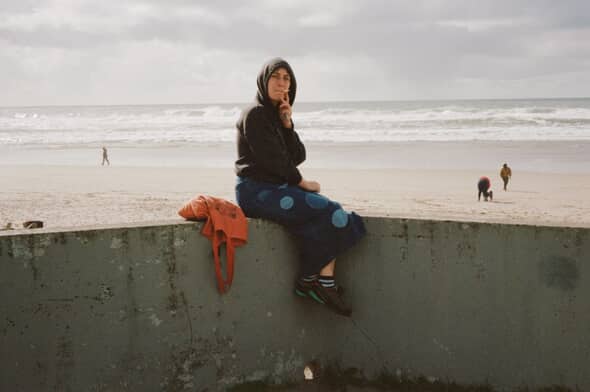
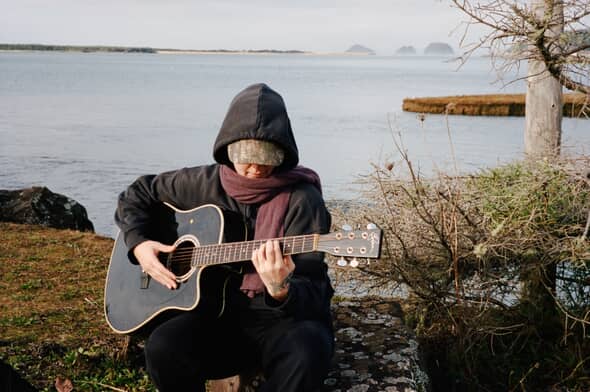
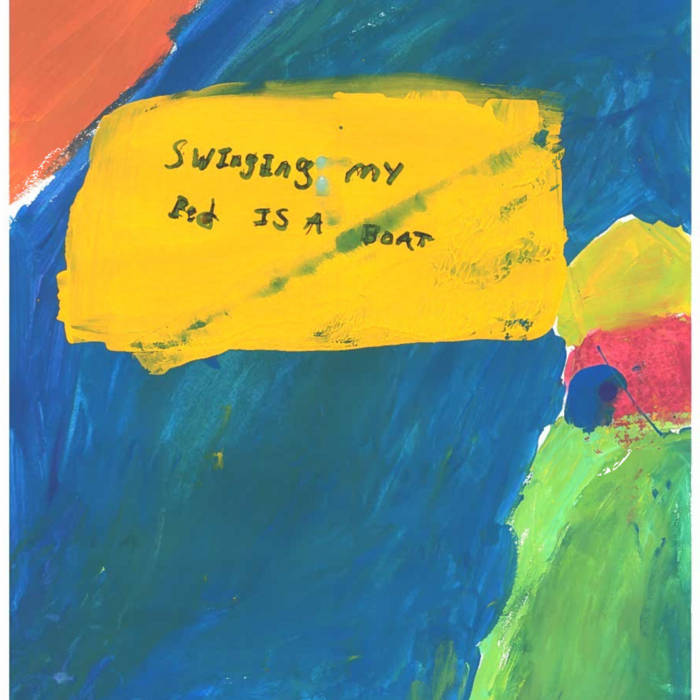

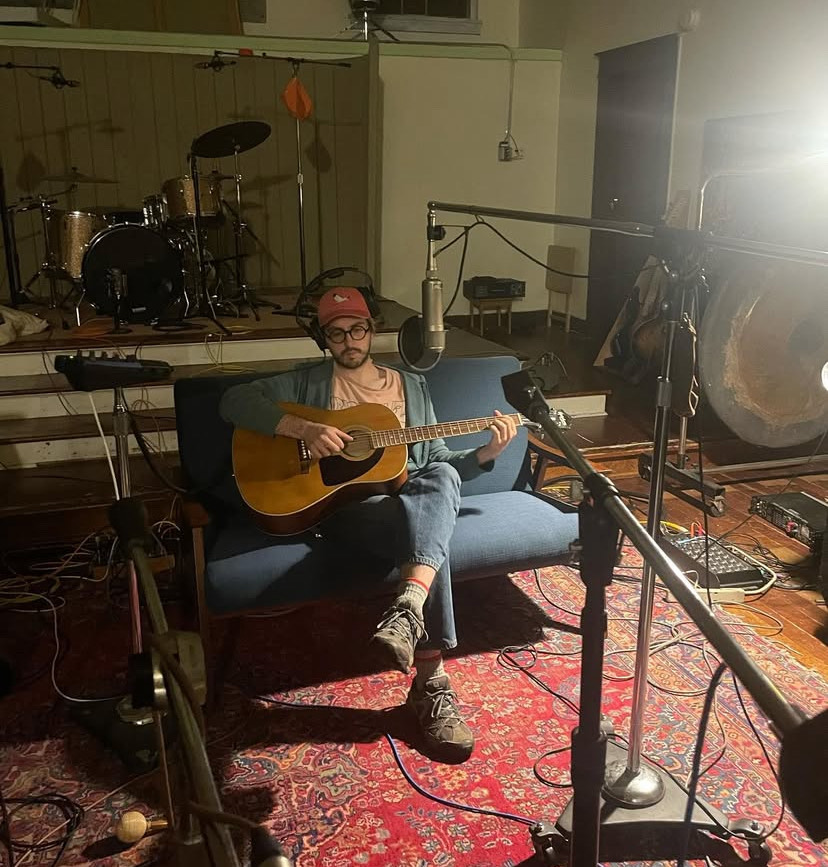
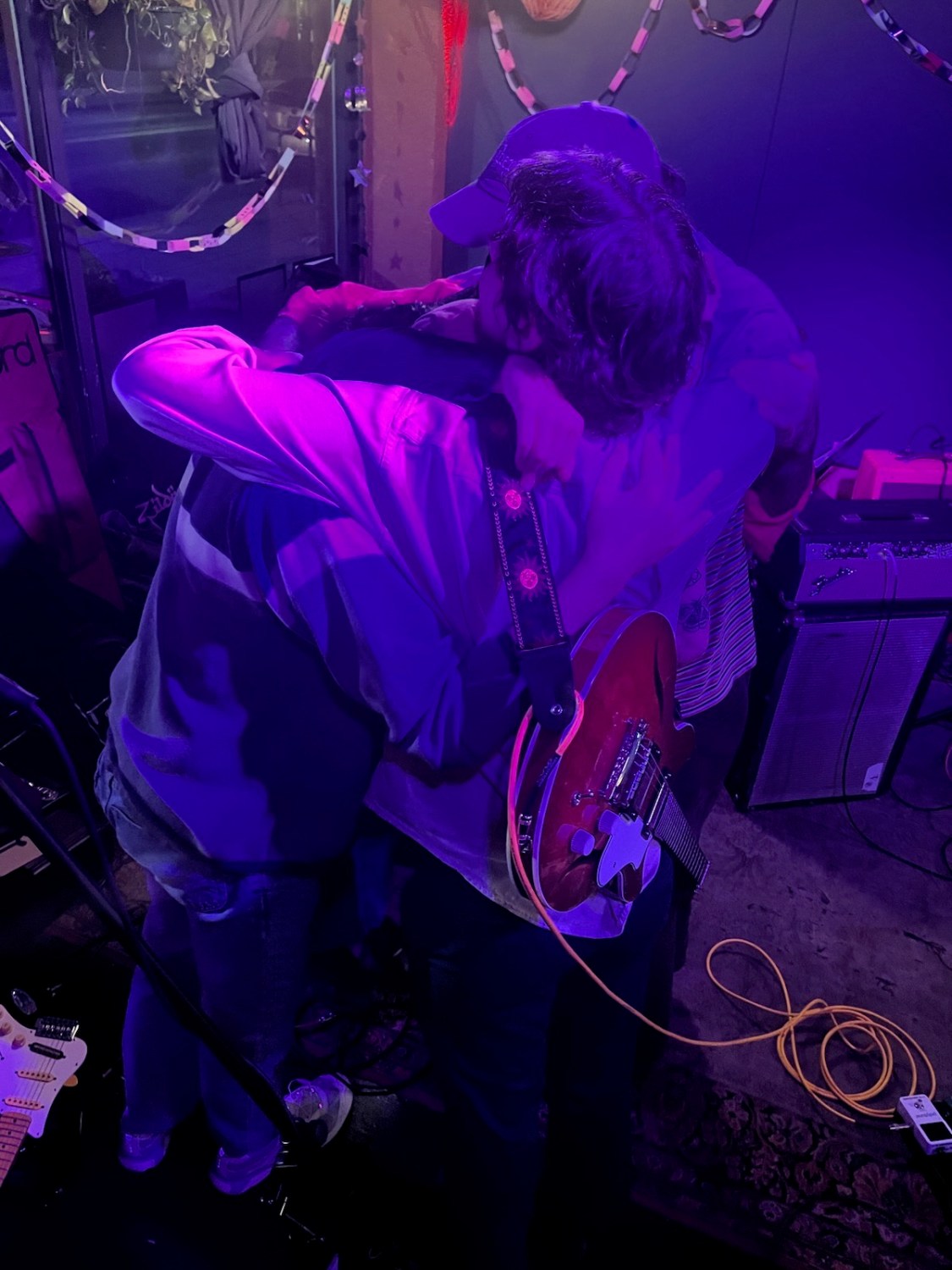
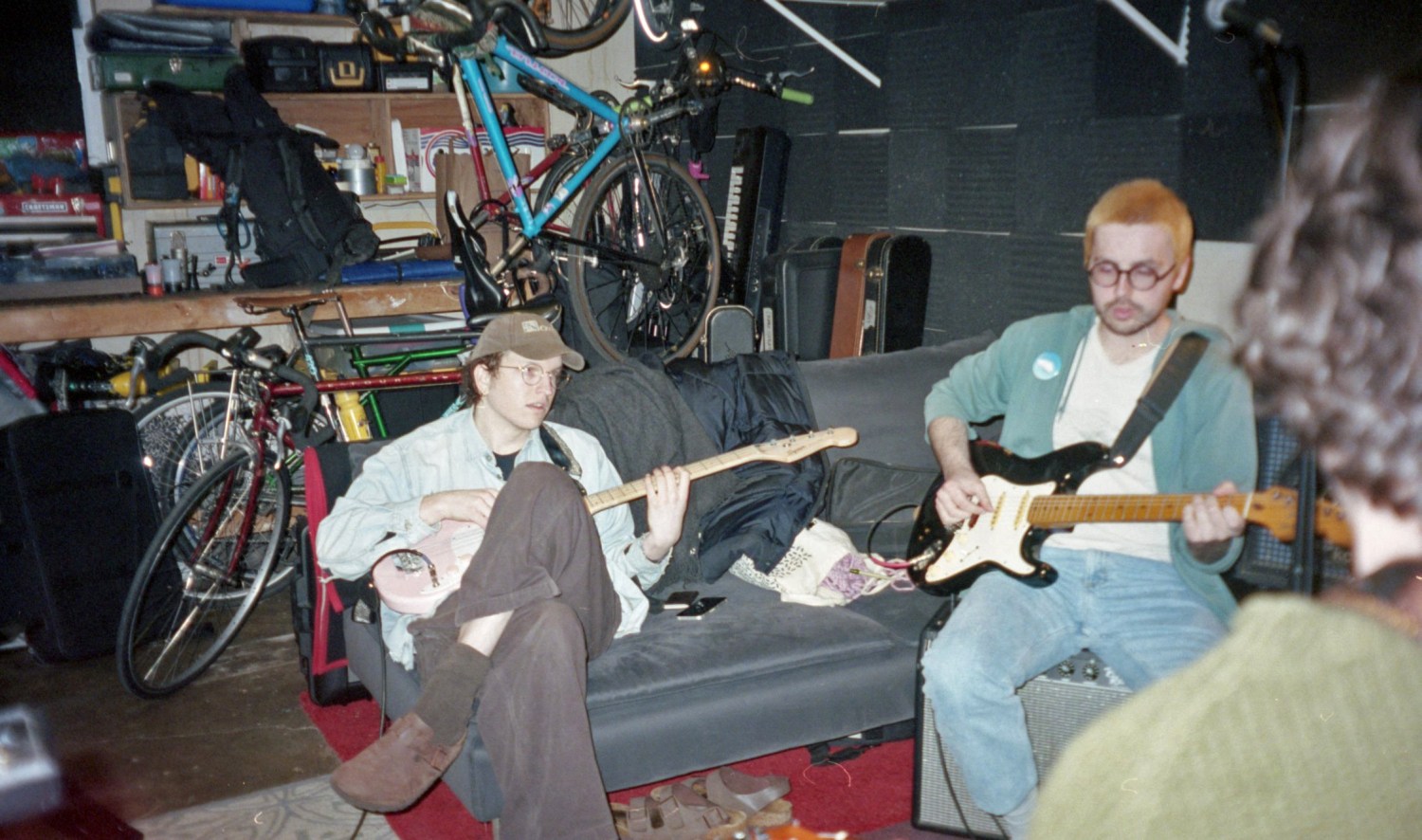

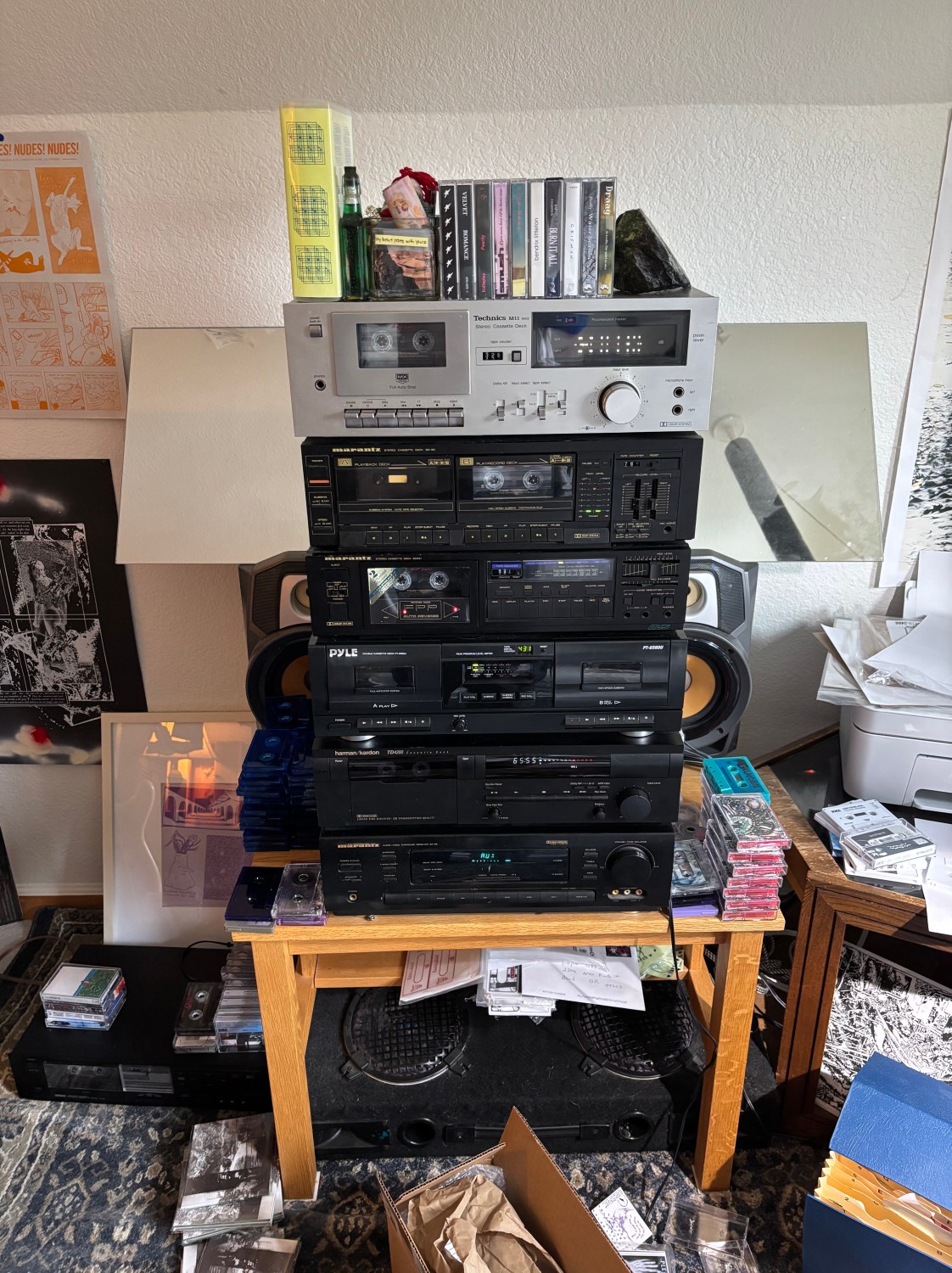

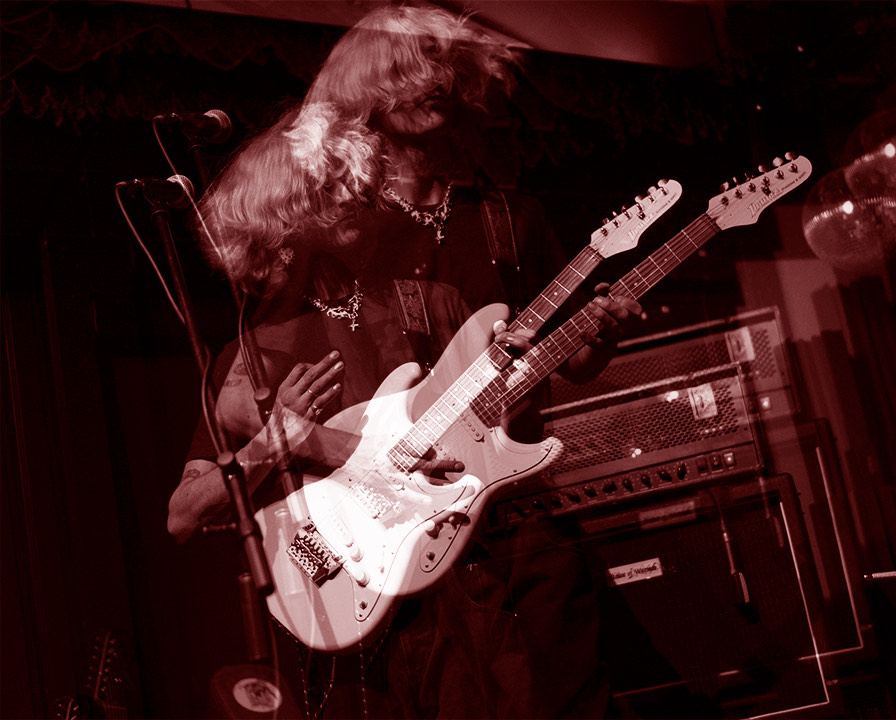


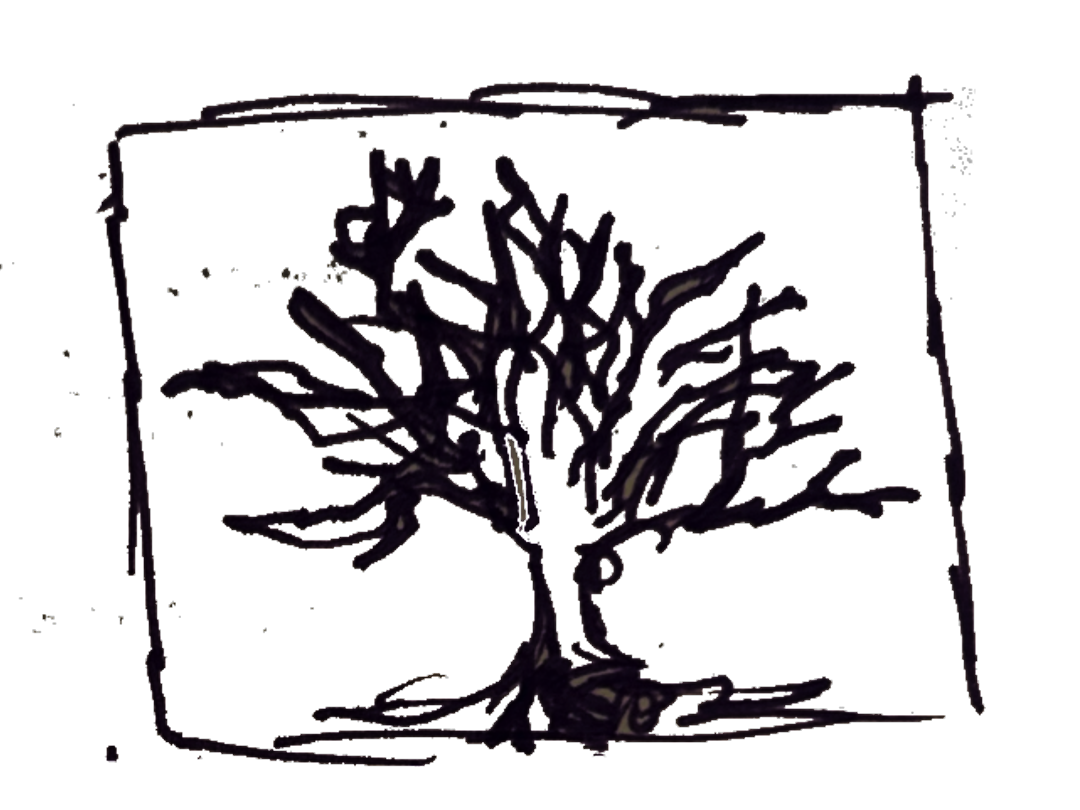
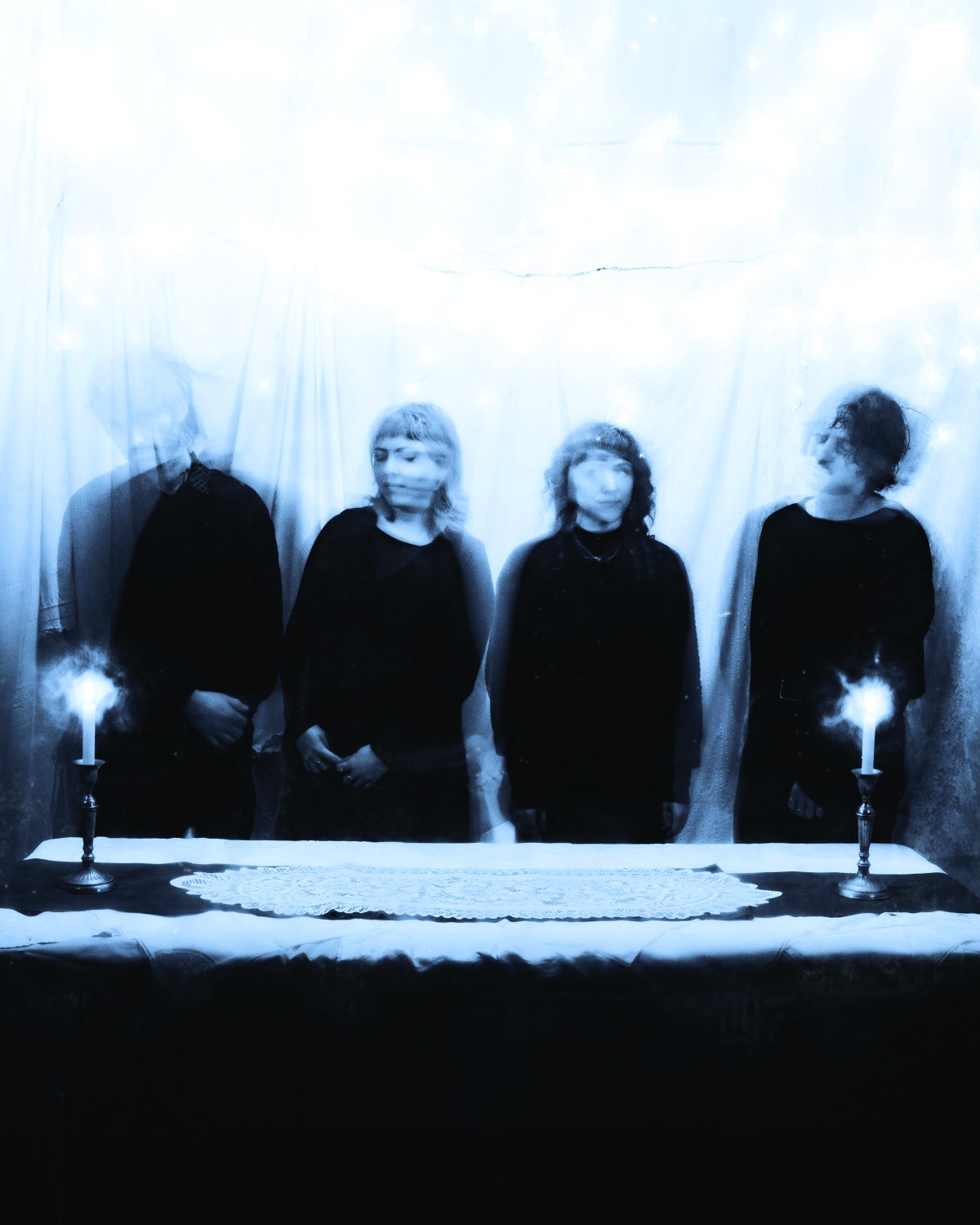


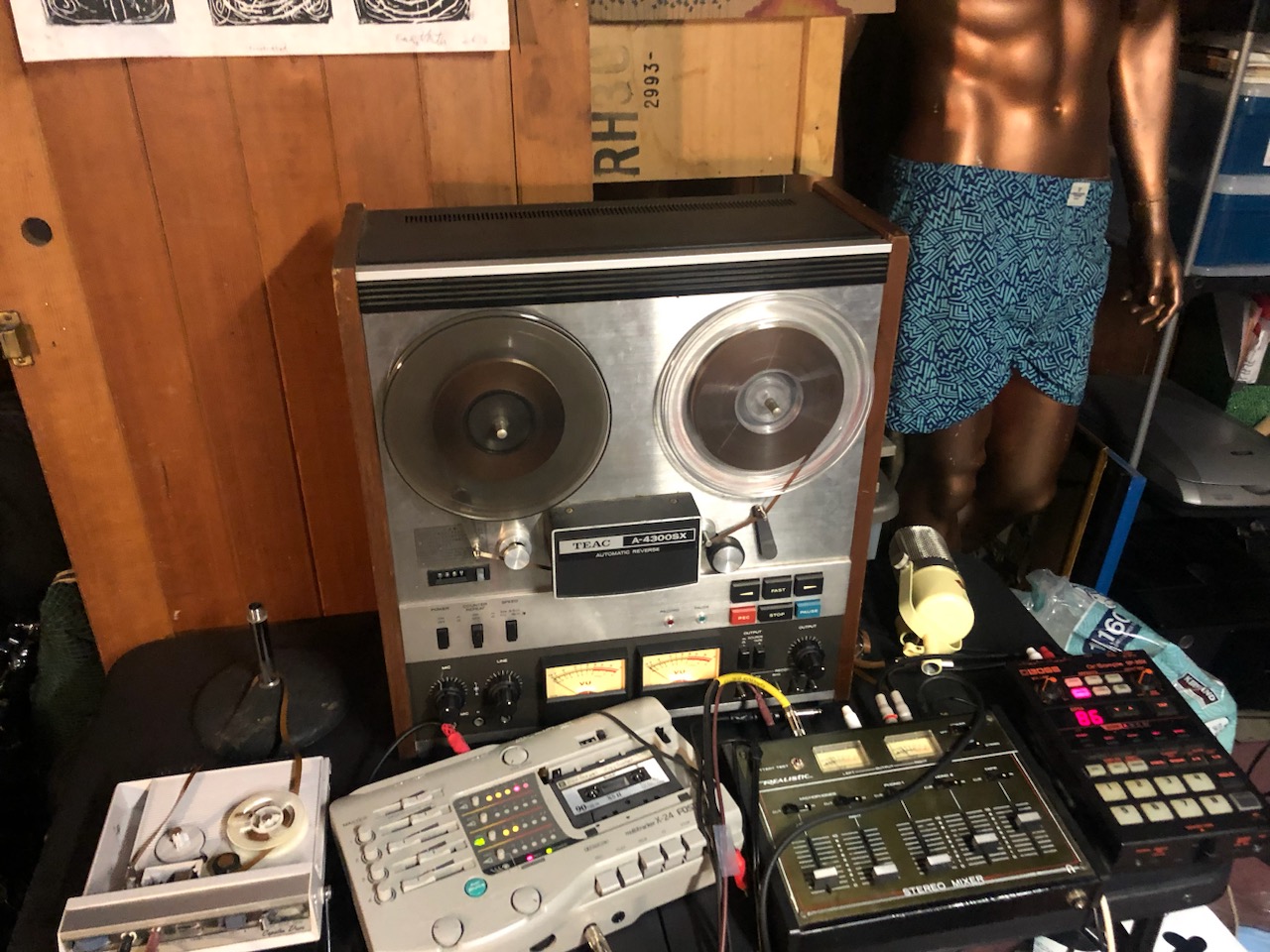


 the ugly hug