Holding the headphones to his ears so as not to not hear his bandmates talking to each other behind him, Deerest Friends member Nathan McMurray quickly turns around, “This is it! This is the sound, it’s perfect.” Frances Brazas and Ruben Steiner anxiously wait to take the headphones off of each other’s head to hear their recording come together. Huddled around the laptop they all share the same giddy expression, excited to keep recording.
Sitting on an old rocking chair in Brazas’ family’s home in the suburbs of Chicago, observing them minutes and even hours earlier I was unsure of how they were a functioning band. Lost microphones and mic cables left them using their iPhone to record the kick drum and one mic to record both lead and backing vocals live.
McMurray had the idea to balance an orange tube amp at the top of the staircase and put glass and beads on top to get a rattling effect from the synth as it echoed down the staircase and into the basement. Scared the whole time that the amp would fall down, I tried to look away and focus my attention on the living room where tangled and crossed wires ran through the air and headphone cables pulled at each end. The synth kept randomly turning off, a problem that occurred because the original cable was lost and a knock off was used as the replacement.
“It was completely unnecessary, it probably would’ve made zero difference to record it in a less circuitous way, but that’s what I like about this approach. Recording is very different from playing live. I think in the recording scenario you have theoretically infinite possibilities, and I couldn’t imagine it being enjoyable if you’re not exploring or actively engaging in some level of spontaneity” said Brazas.
Deerest Friends is a Chicago-based band centered around the songs of Nathan McMurray and Frances Brazas, but you’ll find dozens of names of friends from all over credited on Deerest Friends projects. Their songs come alive through the help of their friends, bandmates and rotating members.
On their recorded music, you can hear the voices of Desi Kaercher’s haunting piano and synth lines wavering over the tracks, their drums holding everyone together, Charlotte Johnston and Xochi Cortez’s emotive strings weaving tensely in and out of parts, and Will Huffman’s iconic twee vocals echoing a catchy melody round out the record.
If you’ve seen or get the chance to see Deerest Friends live you’ll probably notice that each time you see them they may be performing with a different lineup. Ruben Steiner of Lund Surk often performs with the band, playing guitar or keyboards, Will Lovell joins in on drums or Trumpet, and Erin Boyle drops in on Cello. Most of the time audience members will find themselves getting swept up in the magic of seeing Deerest Friends live and become an honorary member, singing their favorite parts on stage or jingling their apartment keys when conducted by the band.
“You can engage in the same level of spontaneity live, it’s just completely different because the spontaneity live comes from having these limited things to work with and a limited amount of time. You get a different kind of recorded spontaneity when you have infinite options and time” McMurray said. “When you record, you have the ability to do things with instruments and vocal layering that’s just not possible to do live. If you create this kind of intense or manic energy by doing a lot of layering and getting sounds that wouldn’t typically be allowed, you can get that same idea across live if you just sell it the performance. The manner in which you perform something live is a really big part of the arrangement, and you can capture a lot of what is presented by a recorded arrangement just in how you deliver a live performance.”
Instead of trying to take their recorded music and recreate it perfectly or as close to the recording as they can every time, the band allows their songs to take a completely different form live, using the performance as a way to see all the opportunities of where else the songs can go.
“Even if a song is released, every time we play it live, we’re sort of adding onto it,” Kaercher said. “For some of the new songs, the live versions and recorded versions are very different, and I really like that. Most of the new stuff we played on [our summer] tour didn’t sound anything like the album because we were using entirely different resources.”
The band has become such a tight unit that they don’t even discuss somethings about their live performances, instead they already have an inkling of what each member likes to do or experiment on, and what parts should stay the same, and everything magically syncs up on stage.
Over the course of the 12 hour day I spent with Deerest Friends, the band went from recording Lund Surk songs, to recording Deerest Friends songs, to practicing Deerest Friends songs for their upcoming tour. Before and in between all of that we made lunch, loaded the car with gear, drove an hour out of the city and to the suburbs, ate dinner at a local fast food place, said goodbye to a member as they had to head back into the city, stood on top of Nathan’s car to try and see the Juice Wrld mural on the second story of a local brewery, picked up another member from the train station, and packed the gear back into the car and drove home.
“I find being a part of Deerest Friends to be really fulfilling because I don’t feel that I can write stuff on my own anymore. It just feels way too unenjoyable. I kind of hit a wall at a certain point, and for most of the last year, I felt like I needed to be around other people, to write with other people, and to make music with other people to really enjoy it” Kaercher said. “I’m a lot less like Nathan and Frances, I’m not really self guided. I can do it alone, but I just don’t have the heart for it. Writing with Nathan during the period Deerest Friends had separated was genuinely really fulfilling, it feels really good which is rare.”
Their days together feel almost as chaotic as their recordings, sounds stitched together by outlandish ideas and the desire to let out lyrics and chord progressions that have been rattling around in their brains for months. Their love for each other, and every person who drops in to help them complete the project keeps them motivated to spend hours upon hours together actualizing their visions for their songs.
“A lot of the way we record has to do with the immediacy of it, too. If we’re practicing or recording, and we decide we need to record a specific percussion part right now, because we’ll never have another opportunity to do it, sometimes the only thing we have is like a box of screws and toy bongos, we make it work, even if it takes hours to get the sound right.”
On December 1st, the band released two singles “Dearest Friend” and “Camaraderie,” bookends to their debut album Lamb Leaves Pasture, and recorded almost exactly one year apart.
“Camaraderie” was the last song they ever recorded in the old studio that Kai Slater had, where most of their first record was recorded. McMurray noted the emptiness he felt in the room on the last day of recording in the studio with Desi as everything but the drum kit, a room mic, and a mixer was all packed away in boxes. This truly solidified “an end of an era” and the end of the Lamb Leaves Pasture era for them.
“‘Camaraderie’ was sort of a post Deerest Friends song. It was written in a period when the band had sort of separated. After the late summer, early fall 2023. It was the first song I had written after Lamb Leaves Pasture and I wrote it in my head and arranged it on my computer in a program initially. I was staying with my uncle and I didn’t have a guitar. I was using this app, but I didn’t really know how to read or write music at that point so I would just drag the notes around until it got sounding right. It’s like a digital score and I sent Desi the sheet music for it. When I had moved back to Chicago after the summer, I was living in my old place, and I drove this little car up from North Carolina so I couldn’t take all too much, and I recorded it in my empty living room, which was just the two acoustic guitar tracks. I had taken it to Desi because I had this whole arrangement written, but I wasn’t able to transcribe the drum part, so I beatboxed it to them.”
“Dearest Friend” was mostly recorded in a practice room in the Reva and David Logan Center for the Arts in Hyde Park. It was before the project or group even existed, “it wasn’t even a prefiguration of Deerest Friends existing” Brazas said. “I would record stuff on my own and be like, ‘I guess I need to be in a band now.’”
“The actual recording process leans into a sort of maximalism, which I like. For better or for worse, that’s what my work process is like. I’m extremely obsessive about recording things. I’ll record 25 tracks of percussion. For one of our newer songs I recorded a percussion track for three hours, hitting a piece of metal in slightly different ways and some of it made it on the song” Brazas added about their recording process.
No matter how much or little time you spend with Deerest Friends, you will leave feeling their shared sense of immediacy and passion for art. You’ll start looking at all of the objects in your room differently, ripping the sheets off of your bed and cutting them up to make funky curtains, you’ll start dancing around your room and write a song only with a tambourine, which seamlessly leads to you slicing up old magazines and books to create your single cover, and reluctantly passing out when you realize you have no more sheets on your bed. Tossing and turning in your bed you might try and figure out what is missing, and you’ll come to the conclusion that you’re missing collaboration and the close community that makes art and creating so beautiful. A strong sense of friendship radiates through Deerest Friends’ music, making it feel so familiar and comfortable right away.
The band asked me to end the interview with some fun questions. We went on a few tangents about our favorite pies, catching allergies from people, our fiber intake, liver health, how we eat apples, and the sexiest era of Leonard Cohen. If you feel like you didn’t get to know Deerest Friends well enough, Desi and Frances agreed on 2010s and Nathan said “he never looked sexier than Paul Simon when he looked like a medieval entertainer.” Feel free to debate them on this topic the next time you see Deerest Friends or ask them about their favorite dubstep songs.
Scroll through for more photos of Deerest Friends.
Deerest Friends released two singles “Camaraderie” and “Dearest Friend” earlier this month. Listen to them now on all platforms.
At the very bottom of the Virginia Creeper bandcamp page for their latest release, there is a Wikipedia link that takes you to the about of a cryptid-being known simply as the Loveland Frog. In its animated depiction, this limber amphibian stands on its hind legs, hunched over and stopped in its tracks at the end of a searchlight illuminating its presence – a riveting interpretation of a rather intriguing piece of Ohio folklore that still goes through the same rigmarole that both skeptics and believers hold to more well known beings like Bigfoot and Nessie.
Shea Roney: Can you tell me about the Loveland Frog? Why did you choose to include it along with the credits of the album?
Genevieve Poist: Yes! The Loveland frog is a cryptid that I am a fan of. We’re very pro-crypted in this band. We’re still trying to route our next tour so we can go to the Mothman Museum in West Virginia. There were a lot of little strange sounds and inside jokes and bits that made it into the record in different ways – we just recorded another album a few months ago, and the same thing happened actually – I think a lot of people do that. It’s the fun of making art obviously but I was trying to figure out how to appropriately acknowledge and credit them in the work. But I had been reading about the Loveland Frog, and specifically that rendering of the frog on the Wikipedia page, just really brought me into their whole aura. It’s fun to make the lore of the record lead to different lore, and one of my favorite things about being on the Internet is clicking and going down a trail somewhere, so I wanted to give that to whoever might find it.
People Love the Dallas Cowboys Because They Want to Love Themselves artwork by Genevieve Poist
Genevieve Poist fronts the Austin-based project Virginia Creeper, who after a few years of writing and touring, have finally released their long awaited debut record People Love the Dallas Cowboys Because They Want to Love Themselves. Beginning as a solo endeavor, Virginia Creeper has since become a cavalry of creatives – familiar faces out of the music scenes from the American South that have contributed to a wide range of beloved indie recordings and touring acts. As a whole, the album plays with a witty liveliness, finding its own pacing amongst memorable hooks, expansive instrumentation and charming stories of personality and community, establishing the core repertoire that Virginia Creeper has worked to compile over the years. But to Genevieve’s efforts, this project has become a force of understanding, where each track is a composite of both presence and perspective within the song’s lasting life and the people behind its creation.
We recently caught up with Genevieve to discuss the new record, what it means to love yourself as well as the Dallas Cowboys and the act of finding and keeping the lore within art.
Photo by Tommy Reed ft. Aaron Zachary, Aaron Arguello, Marshall Pruitt, David Stimson, Genevieve Poist, Mason Parva, and Rosie the dog
This interview has been edited for length and clarity
SR: A lot of these songs on this record were written a handful of years ago. Can you give me a rundown on the timeline of making this record?
GP: The earliest songs on the record were probably written in late 2018 and into 2019 when I started playing with my friend Aaron Zachary (former Virginia Creeper member), and then at the end of 2019 is when we were thinking of recording a lot of these songs. But as everyone knows, we were supposed to start recording that weekend when the world shut down, so essentially that stretched and changed everything and we ended up writing and recording over 2020 and 2021, primarily at different intervals, so I would guess it was over four years.
SR: So now that these old songs have finally gotten to see the light, some in which you have said marks a special time in the VC lore, in what ways are these songs representative of that time and are there moments in which you see you and the band growing with these songs?
GP: Personally, for me as a songwriter, a lot of the subject matter that I was writing about or processing had to do with my mom passing away in 2019, so a lot of these songs, and even if it wasn’t directly about that by any means – the images and experiences – you know, were really concentrated in that universe. When you experience loss, you’re kind of writing about that forever, so I don’t really think that that’s necessarily going to change. But I do think that it was a very fresh and interesting place to be in relation to that event. And then, as a band and group of people working together collaboratively, the years around making this record were the first time a lot of us met, and not only began making music together, but even became friends. It kind of forged this musical and creative community that we have now with the current Virginia lineup, and then some other friendships and other musical projects that have come out of that. It was really unique and interesting to reflect back on how the different threads were woven together in that moment, I was trying to pay homage to whatever that was.
SR: Can you tell me about the rotation of characters that make up Virginia Creeper? How did this lineup come to be and do they influence the songs you write?
GP: Before we started the process of writing and recording this record, Virginia Creeper was sort of just me, and then different collaborators that I had worked with at different moments in time throughout my life of making music under that moniker. But now, Virginia Creeper is very much a band, with the people that are in it, and then sort of this little rotating group of people that we’ve recorded with that are still playing with us sometimes, as well as just friends that were on the record. That for me was essentially the first time that I was collaborating with a group of people on stuff that I had initially made in private or independently, which was a really informative experience – definitely very positive and fruitful for me. I have always liked music because it’s an art form that is inherently collaborative. Whether it’s an audience, or you and other people, I feel like this is one of the first times that I really was living what had appealed to me.
Virginia Creeper live set goose named Ginny (taken by our friend Giovanni Ventello)
SR: Did there come a need to document or preserve that time of your life? And in that case, how did you approach that type of preservation of feelings and memories through your music?
GP: I like this question because I feel like I am almost problematically obsessed with preservation and documentation. I definitely feel like a lot of my compulsion to create comes from an impulse to record, keep, or preserve a memory, especially with memories that seem really significant to me that are very vivid, but are maybe not accessible – maybe the other people that have lived those memories aren’t present anymore to reflect upon them with me, or maybe the memory itself is actually really sort of niche or minor. But for whatever reason my emotional connection to it feels really strong and I am really motivated, or compelled, to write those down or make something out of it through a song or other art forms. That is a big driving force for me, which also extends into other aspects of my life. My friends are always making fun of me because my phone doesn’t have any space on it, because I have like 40,000 voice messages and 50,000 pictures and I don’t delete my text messages, so there’s a physical reality to that issue as well. I have so many sentimental little objects that are probably considered trash by most people, but all of that to me feels really important to living life.
SR: Yeah for sure, and on a personal level, this record revolves around some very intimate feelings of grief and identity. What have you found yourself embracing when bringing new life into these songs while also having the time to now grow with them before they were released?
GP: I think a lot of the delay in releasing the music, I mean, it did take a long time to finish it, but then there was this time after the fact where I was grappling with like, ‘oh, this doesn’t seem to be a good representation of who I am, or who we are artistically right now’, and we were asking, ‘should we even release it?’ I don’t know if the rest of the people in the band felt as strongly, but you know, I think just by nature of me having the most familiarity with those songs, I think it was just harder for me to deal with it. And then when finally releasing the record, I didn’t really listen to the songs for a large period of time, and once it was released, revisiting them and talking to people about them kind of gave me this cool sort of bookmarking, like, ‘okay, we did that.’ And now you can kind of see, at least for me, how we got over here, and it’s nice to have this sort of thread that’s a visible record. I think it gave me an appreciation for being able to see a process and sort of have experience to think, ‘oh, I don’t know if I like that’, but then think, ‘okay, actually, I can see it with this removed lens to where I can appreciate it at a distance from myself a little bit.’ It feels nice.
SR: Is there a different direction you’re thinking of going with your songwriting or are you just talking mainly about your emotional connection when you say it doesn’t feel like an accurate representation of where you are right now?
GP: I think more so kind of just the sonic palette or genre. The music that we’re exploring as a band, and in a really reductive or simplistic way, those songs on that record and the music that I had released previously, a lot of it came from writing in a sort of limited space either by myself or not being able to be really loud. Since the time of that record’s creation, writing with the band and being able to play together resulted in different sonic terrains that we’re exploring in terms of being louder, or just having different clothes that it’s wearing. It’s not really that crazy different, I mean, we play with different bills now, but I don’t really think it’s that wild.
SR: So no glitch pop for Virginia Creeper?
GP: Well [laughs], we do play some various types of glitched beats in our live sets right now, but it’s not really glitch pop, it’s more just like a weird sample from the Internet that we manipulated and made sound weird. But who knows what’s next?
SR: “People Love the Dallas Cowboys because They Want to Love Themselves” is obviously a very intriguing title. Being from Texas yourself, what was the inspiration for this phrasing and does this title ring true in your own life?
GP: Okay, first of all, I have a prop. I had a birthday party this weekend, and my friend Jason, who is basically where the phrase “people love the Dallas cowboys because they want to love themselves” came from in a conversation we were having once several years ago via text, he gave me this book for my birthday paying homage to the title, so I can’t wait to read about the outrageous history of the biggest, loudest, most hated, and best loved football team in America. The phrase is kind of about how people place a lot of their personal identity and self-worth in the things that they like, sort of why we have stan culture, where people get personally upset if you critique something that they’re interested in – that phenomenon is just really interesting to us and we’re trying to figure out why we do that and if it has intensified recently. Well, Jason and I were talking about how the Dallas Cowboys are sort of emblematic of that notion. Anyways, I’m not a Cowboys fan, so I like to antagonize Texas sports fans, especially football.
But to your second question, I do think it’s true. I think most things that we love, we are loving because we’re wanting to be like them or we are seeing ourselves in them – it’s somehow connected to wanting to love ourselves or receive love ourselves in a way. So I do think that that is a true phrase, right now at least, but I’ll report back as time passes if I think differently.
SR: You just finished a super brief tour recently? Was it the World Series themed tour?
GP: Yes it was!
SR: Not to keep the conversation on sports, but what a bummer that series was. What was that?
GP: Dude, I know. We joke that half of our songs that we play now are about baseball, so we’re always saying we’re a sports band. But yeah, it was such a bummer. Kyle’s really into baseball, and the rest of us have kind of embraced it when we’re all together. Yankees vs. Dodgers to begin with, is kind of the most lackluster series, and then the way that the series played out wasn’t even exciting, so it was kind of a downer.
SR: You recently helped put together a compilation album called ATX x AVL with Love made of all Texas artists benefitting Hurricane Helene victims in western North Carolina. How did that compilation come to be, especially coming together so quickly?
GP: Well it started with Lindsey Verrell of Little Mazarren. They are always joking that they are self described ‘not good at the Internet’ [laughs] even though they’re way better than they think they are. So, they texted me with this idea, presented what they wanted to do, and then I sent out a call to as many people as I could think of that would be down. I think we messaged people on Thursday or Friday, and then got all of the submissions by Tuesday morning, and then it was like a one week turnover which was awesome. I’m always kind of nervous asking people because it is kind of daunting to either record something new really quickly or find something and make sure you’re okay with putting it out. But people were super generous and excited about it, which was awesome. I’m continually very inspired by how active people are, whether it’s for Palestine and doing things to raise awareness and protest the genocide that’s happening, relief for the hurricane, or even a few years ago with a comp that we put something on for abortion access when a lot of that stuff got restricted. People’s industriousness and just willingness to do so much when most artists aren’t even making any money from the base level stuff that they’re doing – and then adding this on top of it – it’s just really inspiring.
SR: I am such a fan of very niche concept compilation albums. I know that Toadstool Records just put out one that was all Beach Boys covers.
GP: Woah, that’s so cool! There’s just so much stuff that reminds me of how just much fun and play there is in making music, or any type of art for that matter. It’s all just a fun art project with your friends or people you know, and I think there’s such a pressure to make stuff so streamlined and presented and packaged in a certain way because of how stuff is right now, but anything that is deviating from that, or just like existing for the sake of existing because people wanted to do it, is just really refreshing.
You can purchase People Love the Dallas Cowboys Because They Want to Love Themselves here as well as stream it on all platforms.
The Fruit Trees is the moniker of California songwriter and multi-instrumentalist Johnny Rafter, who upon releasing his debut record Weather in 2023, quickly followed it with We Could Lie Down in the Grass, the hour-long, 24 track sophomore record that rang in the end of summer this year.
Although these tunes feel worn in, The Fruit Trees, and Johnny’s writing in that case, is still a rather fresh journey, but also one of exposure and accessibility – a place to step in and step out and come back around much wiser. Like a small collection of bugs, gently caught and kept in a rinsed out pickle jar, We Could Lie Down in the Grass captures and culminates curiosity towards the most minute details that surround Johnny’s day-to-day. As the glass tinkers and buzzes with life, experimental folk voicings playing amongst warm melodies and memorable structures, this little ecosystem grows with each additional moth or pill bug – each witty one-liner or field recording – as these songs become part of a much larger story.
Through email correspondence, Johnny took the time to answer a few of our questions about We Could Lie Down in the Grass, finding placement in his changing world and embracing all bits of creativity.
Photo by Hannah Ford-Monroe
Shea Roney: We Could Lie Down in the Grass is your second album in just a little over a year. In what ways do you find comfort in your writing process that you can still rely on, as well as where did you find yourself changing course and trying something new when compared to your process on Weather?
Johnny Rafter: My writing and recording practices sort of feed into each other. Usually I find some chords and see what feelings or images they unearth. That leads to maybe a word or two, and then the lyrics spiral out from there. I find it awkward to write words separately and just sing them over chords. It’s nice to feel like the words sort of blossomed out of the music and it feels better to sing words like that for some reason…
My writing seems to naturally go towards simple language, the passing seasons and my own blurry sense of the inner and outer world. Working alone, it can be challenging to record songs in ways that feel organic and have a sense of performance, but I tried to strive for that this time. My lack of musical understanding and skill makes mistakes and messiness inevitable, so I try to embrace it and allow things to be loose.
This time I was a little more competent at recording, so I spent less time digging through the internet trying to figure out what compressors do. There was more of a leisurely flow to the work… I think that helped me access more resonant ideas without getting tripped up on technical stuff… It might be worth saying that my first album Weather was my first time writing songs and recording, so it’s kind of a messy testament of my own learning and curiosity about songs and recording. This new album was a continuation of that but with a little more confidence and momentum. I think the songwriting on this second album is more potent and direct.
SR: We Could Lie Down in the Grass is a rather extensive project, 24 songs and running over an hour long, yet still flows naturally amongst themes and sounds that create a welcoming and unique environment. What do you think this album was able to accomplish in part due to its length?
JR: I’m glad that it comes off as cohesive! And has a flow to it… I didn’t really think about the length… It was just— “Well these are all the songs that came to me over the past year”. It would’ve felt strange to release them separately or never at all. I think it’s good to just release stuff so you can move on and not overthink it. I’ve been trying to embrace “good enough” and “might as well”.
I’ve tried to make writing and recording a casual part of my daily life. Something lightweight I can work on at home after work and on days off (I was inspired by Kieran Hebden’s approach “good music is about ideas not gear”; also I heard the poet CA Conrad suggest trying to write poems at your job— fitting it into the reality of your life and not waiting for some ideal situation). The advantage of that is you can make a lot of work, even if the production value might never compare to studio recordings. I think of the songs more like drawings in a sketchbook or collages — something handmade and imperfect. So this was just a longer sketchbook.
I tried to interweave the lyrics with images, ideas and words across the different songs. At some point I started to see the whole album as one long text, so it made sense to have the songs speak to each other. With the length, I was able to explore lots of approaches to making songs and just try lots of fun stuff. The process is the good part for me, though it’s cool when the fog burns off and you get to look back at everything you made as a whole. Some people told me to cut songs, but honestly it didn’t feel like it mattered. For my own emotional wellbeing, I need to stay in a 100% hobby mindset and put zero pressure on myself. So there’s no right way to go about things. I’d just like to keep writing songs as a lifelong practice/process and be unfettered about it and see where it goes.
SR: The Fruit Trees is taken on as a mostly solo endeavor, although you worked with a handful of others to complete this record. Where did you find your vision for this album enhanced by the people who helped work on some of the parts? How is that different from going fully solo to you and your creative vision?
JR: When I started a few years ago, I didn’t know anyone making music, and I’d never been part of a music scene or anything like that. So just out of necessity I recorded and mixed myself. Naming it “The Fruit Trees” was in hopes that it would turn into more of a collective situation. The hope with the first album was that maybe if I made something interesting enough it would help me find people to make music with.
Luckily that’s been my experience— The songs sort of feel like magic spells or beacons that have brought me closer to people after a pretty lonely chapter of my life. Over the past year new friends and bandmates have sort of come into my life in a beautiful way. I think that’s an awesome thing about sharing your art even if it’s on a casual local level, it opens up life a lot.
But yeah, the collaborations so far have been kind of light, and my intention is that future albums will have deeper collaborations. My awesome friend Ben (who plays bass in our band) and I have a really close friendship that’s slowly turning into a deeper musical collaboration. I’ve realized you can’t rush these things. I think it has to be based in friendship and trust, and also you gotta work with people who make you laugh!
SR: There are a lot of instances where you piece together field recordings, almost making this album sound like a found footage video of the world around you. What did setting mean to you when piecing this album together? Were there any throughlines that you tried to build through themes and environment?
JR: I definitely hope to create some sense of an environment or a space— like an album as a place you can go for a while. For this album I imagined an old house and the songs were in different parts of the house like the kitchen and the yard and the porch and the attic. Some of the songs are down the street.
One way I felt like I could have the world permeate the songs was to include some field recordings from my life. Like opening the windows and letting the wind blow in. I love sounds… Like just sitting in the park and hearing the different sounds— the wind, the birds, the engines, the voices and the ways those are perpetually changing and interacting in new ways. The surrounding environment is sort of always bleeding into my inner experience (or maybe it’s the other way around?) and so I think I try to create a similar sense in my recordings.
SR: Each song feels like its own moment that can be expressed in a million different fleeting feelings, yet your writing is so concise in its expression. Were there any stories or feelings that you found difficult to articulate when writing, and did fleshing them out through the process help define their meaning further in any way? What were some of your favorite stories to tell?
JR: It feels risky to write sincerely and simply. That feels scarier to me than ironic distance and wit, but possibly more important nowadays… That being said, I hope to find a sense of whimsy in the songs, so there’s heaviness and levity happening at the same time.
Honestly writing songs is also just so cathartic and fun, and it does help me make some meaning of my confusing little life. I hope to not only write from that therapeutic place but also imagination and humor and things like that. Not just about me and my turbulent inner life but also about how wonder and pain-filled the world is.
The song Collar was a favorite— it was based on a neighborhood dog I saw that wasn’t looking so good. I was really worried about it, and this little story from the dog’s perspective appeared in my mind. To me it feels like a fairytale or a fable or like a tarot card which I like. I hope that dog’s okay.
Photo by Hannah Ford-Monroe
SR: Continuing, the articulation of singular moments, the feelings and images that you bring a focus to, are often moments overlooked that hold a sense of beauty and an edge to what it means to simply be alive. Do you find that there is a consciousness in your creative worldview that embraces this simple beauty, or does it come from some sort of disconnect that needs to be tied together again to build that clearer picture?
JR: That’s cool it comes across that way. I think perhaps it is branching out from whatever my worldview is and from the way I try to live— appreciating smallness and the mundane everyday life stuff, paying attention to my senses and how we don’t really need that much to be content. How the best things are simple like sharing time with people and eating food, or playing frisbee. Joy is always there underneath. But I also go through waves of horrible feelings of loneliness and disconnection, dissatisfaction, fragmentation, grief, separation, shame… I guess the interplay of those different states creates a lot to explore. There’s a lot of paradoxical things to hold all at once, and I think songs are good for exploring that.
SR: There is an element of timelessness that floats through this record, both in style and writing, that a lot of people gravitate towards when they listen to your music. Do you find any sense of preservation in your work, whether that be of memory, stories, people or places? And if so, do you personally feel a need, or an obligation, to make something that will be long lasting?
JR: Honestly I don’t think about making things long lasting. I guess some people want to make art or achieve greatness or whatever so after they die there’s something left of them? I don’t really care about that, and it seems like a sick pressure to put on yourself. I remember a line from the Tao Te Ching that was like “To live as long as you live and then die is enough”. Plus things I make don’t really feel like “me” anyways.
But on some level I guess I do see it as sort of residual evidence of who I was, what I felt, what I saw, where I was, etc. I think I fear wasting my time, not in a productivity sense, but not living fully enough— dissociating and missing the actual details and reality of my life. Maybe making songs is a way to help me pay attention and ask questions, and a way to stay a little weird. It sort of feels like gathering a bunch of small beautiful things into a basket and then leaving it on a friend’s doorstep. I just enjoy the gathering and the giving… It does seem like an interesting experiment to sustain this as a lifelong practice and then get to look back at all these words and sounds. A lifetime of music and poetry!!
SR: What’s next for The Fruit Trees?
JR: Waking up before dawn; time in and around bodies of water; playing more shows; I’m gonna go see Simon Joyner next week; also Agriculture; an ambient/instrumental album is almost done (a collaboration between me and Ben); two more albums in conceptland— one is a full band sort of indie rock album and the other is a classical guitar based album in a tuning I made up that I’d like to record somewhere with snow; lots of biking around, soaking up the sun and getting as silly as possible; making lots of soup; a small Pacific Northwest tour with our friend Ash’s band Swinging next January; doing chores; baking bread.
You can now purchase cassettes of We Could Lie Down in the Grass via Jon Shina’s label, Flower Sounds out of Greenfield, MA. Find more of their releases and curations here.
Written by Shea Roney | Photos by Hannah Ford-Monroe
“The first two years that we were performing,” Beckerman recalls, “the nerves were pretty unmanageable before every single performance because I had the worst stage fright,” a level of exhaustion still remnant in the corners of these memories as she speaks. “But I feel like I’m finally getting to the point where I’m not getting butterflies just from waking up that whole week before I perform — I’ve grown a lot, thank goodness.”
Daneshevskaya is the project of Brooklyn-based artist, Anna Beckerman, whose namesake derives from her own middle name, one in which she shares with her great-grandmother. Having since released her debut album, Long Is The Tunnel late last year via New York label Winspear, an album in which presence and perspective become intertwined within her own story, Beckerman’s writing has always been one to cherish self-discovery. As she continues in her career, “the more I write lyrics, the more I get closer to what I’m really trying to say,” she conveys, speaking towards her practice. “I don’t know what it is I’m trying to say, but I think I’m getting closer.”
Today, Daneshevskaya returns with “Scrooge”, the first bit of new music since Long Is The Tunnel and a revitalization of an earlier song she recorded and released under the project name back in 2018. Fractured by the cruelty of romantics, Beckerman and collaborators set a benchmark for retainment, where stillness isn’t an option as melodies coincide and collapse, strings gasp at the vivid imagery at hand and playful keys tiptoe around as if not to disturb the surface. Although the lyrics have not seen any changes – the emotion still fervent and raw – “Scrooge” becomes a moment of admiration for what was left untouched, while still recognizing how far she has come since.
The ugly hug recently sat down with Beckerman to discuss “Scrooge”, looking past the “cringe” of earlier works, and what she has learned from an openly collaborative career.
Photo by Madeline Leshner
This interview has been edited for length and clarity.
Shea Roney: I can’t believe it has already been a year since Long Is The Tunnel was released. Are you still riding the high from the attention that album received?
Anna Beckerman: I get so much anxiety from releasing and promoting music that I feel like it took me a while after it was released to be like, ‘oh, wait, I’m proud of that! I’m excited, and I’m proud.’ It’s so crazy to make music and then see people I don’t know posting stuff about it and telling other people to listen to it – so it took me some time to get over myself and enjoy what I had made.
SR: You have a new single called “Scrooge”, which is actually a newly recorded version of an older song released a handful of years ago. What made you want to return to this song now?
AB: Yes, it was released back in 2018. We had worked on the song and I think we submitted to maybe a hundred SubmitHubs or whatever, and got like a hundred rejections. We always really liked it though, I remember being really proud of it. We all saw that we had this opportunity to re-record the parts of it that always bothered us and give it another go and see if it would reach more people, especially now that we have more support releasing it. Going into it, we knew we wouldn’t record it that same way now, where it had been done kind of chopped up and with different people, so it was nice to get to make it in the way that felt right, and work with the people who I wanna work with.
SR: Although it is a fairly older song, do you feel like it still resonates with you on that same level?
AB: I feel like my whole life has been making stuff and then looking back on it a few years later and thinking, ‘I can’t believe I ever thought that was cool’ [laughs]. I can’t imagine having as much access to showing people things as kids have now. I was making the stupidest, most indulgent, disconnected and self absorbed stuff, but showing it to no one because there was nothing to do with it. Oh, God, the YouTube videos I would have to look back on if I had had that kind of access back then. But that being said, it was convenient that it was the first thing I ever made and somehow I don’t look back on it and think that I would never make this now. I probably would make something like that still, or even, maybe I’ll never make something like that again, because it was something I did, and now it’s done. But I still have a lot of respect for it, and the lyrics don’t make me cringe, which is a true test.
SR: I fully believe you need those cringy moments though. Little testaments to keep yourself in check.
AB: Oh, yeah, you gotta remind yourself [laughs]. I also took a bunch of poetry classes in college, and I feel like the whole point of those workshops is to just make cringy stuff. Sometimes I do go back and read what I wrote when I was a freshman in college, and I just think, ‘…oh.’
Photo by Madeline Leshner
SR: You have always written with such vivid imagery, but this song feels unique, in that it deals with varying moments of proximity and presence. You build this focus from a very intimate lens that feels very hands on, yet you manage to create this growing distance between yourself and “Scrooge”. Was this a challenging feat when writing, and why did you want to tell the story this way?
AB: I think in general, when I listen to music, I really like lyrics that are kind of familiar, but also feel strange. When writing this song, I was just really sad [laughs], so when I have a loss or something leaves my life, I feel like I have a rush to write things down so that I remember. A lot of the first EP, Bury Your Horses, I was dealing with how weird it is to know someone and then not know them anymore, and how that is such a bizarre feeling, even more so than feeling something sad or melancholy – I just feel like it’s so weird. I don’t know, my brain just couldn’t really wrap around it, so I feel like the lyrics are a way for me to put it all out there and just be okay that it’s weird.
SR: The character himself, Ebenezer Scrooge, is textbook villain, but is also a very dynamic character. What was the inspiration of choosing him as a placeholder for someone you knew personally?
AB: Part of it was that it fit into the amount of syllables that I needed [laughs]. I wish that there was a more interesting explanation, but I just thought of the first thing that comes to mind when I think of a villain, or someone who’s just clearly a bad guy, even though I was kind of aware while I was in it that this person isn’t actually bad, even though I was so upset and hurt – it almost felt fake.
SR: EB-EN-EZ-ER.
AB: Yeah, it has more syllables than most other villains. What’s that one? Thanos? That’s not good. And it was interesting, because the chorus of the song I had written before my breakup was about being with someone, and then seeing them from a different lens and then feeling that distance from them. And then we broke up, and I was like, ‘no, this still applies [laughs], it still works. I still feel what I said.’
SR: Did you find yourself grappling with the honesty of persevering those feelings that this relationship brought out while writing this song?
AB: I always struggle with being scared that my lyrics will be too specific and they’ll end up seeming precious or something. But I also don’t want things to be so vague that they don’t resonate with people because they’re not specific enough. I was also really angry when I wrote this song and the song itself obviously isn’t – it’s very ‘La la’ indie folk, so it doesn’t come across super angry. But I always loved the Elliott Smith songs where he’s really angry but it’s kind of a cute song, and it takes a few listens to be like, ‘oh, you’re really pissed right now.’ It’s like a little bit of that, and also just thinking that if this person hears this song, maybe only they’ll know that I’m angry. Everyone else might think it’s a cutesy song, but the person who I wrote it about will know that I’m angry. In that way I was trying to be honest.
SR: Your work up to this point has been a very communal effort, bringing in a lot of friends to help contribute and create this rather spiritual effect in your music. What kinds of things have you learned from your collaborators that you hold dear to your heart as you go on?
AB: First of all, nothing I’ve ever done in music I could have done without the amazing musicians all around me who can do everything. I’m very aware of how lucky I am to have people I get to make music with, and who genuinely want to be doing it. I think that’s the only thing that has kept me in music for so long now. That being said, the best thing you can get from someone giving you feedback is not always the feedback, but the way that they look at music as what sticks with you. The next time you make music, you’ll have a little voice in your head of one person saying ‘maybe you could try a different voicing’, and then there’s another person saying, ‘do you need that many words?’ All of those voices are me, but they’re also a product of the people that I have worked with through the years.
Watch the music video for “Scrooge”, directed by Madeline Leshner, here.
“Scrooge” was made with the help of co-collaborators Madeline Leshner, Artur Szerejko and produced by Marcus Paquin (The Weather Station, The National, Julia Jacklin). You can now stream it on all platforms.
Daneshevskaya will be headlining Brooklyn’s Baby’s All Right on Friday, December 13th. Get tickets here.
Everyday for the last three-ish years my daily routine has been pretty simple. I wake up, make a fried egg, deliberate between sourdough bread and multigrain bread while my egg cooks, scroll through mind-numbing Instagram reels hoping to see some content that depresses me enough to put my phone down and spark a change in my daily routine, listen to music and mope around town until I have to go to work or school. And now that I’ve just graduated I thought I’d have more time in my post college life to create, or write, or at least listen to some new albums but playing drunksketball with friends and waiting for the pool table to open up at the local dive bar takes up a lot of my time.
Really the only thing that keeps me going sometimes is knowing I’m going to make a good breakfast in the morning that lasts me all of five minutes while I listen to Kitchen as the sun shines through my windows and I take my first sips of hot black coffee. Wearing the tape thin on my Breath Too Long cassette is maybe all the structure I need. Kitchen’s music is such a constant in my life that it almost feels impossible to take a step back and reassess why I love his music so much. It’s hard to break down the barriers surrounding his music and him because I hold him on such a pedestal, one that my friends kind of make fun of, and have thought that he was Phoebe Bridgers-level famous based on the way I talk about his music.
For those who aren’t my friend, and haven’t got the “who is Kitchen” spiel in my bedroom as I pick out a record to throw on to alleviate the stress of an awkward silence, Kitchen is the recording project of Rochester based artist, James Keegan. Before Kitchen, Keegan released dreamy bedroom-pop music under the moniker Loner(s) while he was in high school, and the first Kitchen release, the eclectic set of lo-fi pop tunes, Town came out his senior year. He went to SUNY Purchase where he studied Audio and Music engineering and has released a slew of full albums, EPs, and instrumentals consistently since 2017. I often describe him as the songwriter of our generation, adding a tired “he just gets it” at the end when it becomes too vulnerable for me to try and describe how magical his music is. Much like his music, Kitchen feels like a distant memory, and if you’re not there to hold on to the moment, you’ll miss it all.
I started re-reading some features on artists I love to determine how other writers painted them. I’ve read numerous MJ Lenderman articles recently that described whatever basketball jersey or 90s alt-country band-T he was repping to show how “he’s just some dude.” So I tried to describe James Keegan the same way. I pictured him in front of The Burlington Bar in Logan Square, where the rest of his bandmates and touring partners in the Conor Lynch band were grabbing post-show beers, as he stood outside with my brother and I in an oversized Attic Abasement-shirt answering our jumbled questions in a hushed murmur with his hands constantly moving between his pockets and the side of his face. “Intergalactic” by the Beastie Boys played from speakers inside the bar and flooded into the street where we all shared a distracted laugh and a sigh of relief breaking down the awkwardness that separated us a second earlier. I wondered if we were all thinking of that Diary of a Wimpy Kid scene or if we all just needed a minute to acknowledge our surroundings again. I can’t think of James as just some dude, I couldn’t paint him in that light even if I forced myself to. As the three of us shared a “see ya later and get home safe” yell to our friend Nathan as he ran to catch his bus home a few minutes into our interview, I realized that Keegan was so ingrained in my daily routine and life that, standing there, he didn’t even feel real. Minutes before I was thinking about how strange it was to be talking to somebody whose voice follows me everyday in a trail through my earbuds, my tape deck, my car, and then next I was thinking about how oddly in sync we all were.
There’s so much trust, comfort, and nostalgia embedded in his music. Sometimes it almost feels too vulnerable to me, sharing his latest album, Breath Too Long with somebody might be the most intimate thing one could do, and to write that is even more daring. The title track, a song for when you’re lovesick, or sick in bed with COVID as Keegan was when he wrote it, watching the world pass you by from your back flat on your bed staring up at the ceiling, unable to do anything but toss and turn and replay pathetic conversations and moments where you wish you had more to say. It’s in those restless nights where you finally have the time to confront your feelings and actions and recognize that you’re not as poignant or forward as you want to be. Keegan sings on the track, “you always take the leap of faith, I stay where I know it’s safe, a dream, a distant dream.”
Kitchen’s music is simultaneously so bare yet so cloaked in fuzziness that it gives this feeling of a distant daydream. His music quite literally feels like “snow on the dead brown leaves” as he sings on one of his earliest songs “November Prayer.” It’s the moment you hear wind gushing outside your window as you grab your comforter tighter and curl it around your toes. It’s the four step distance you walk behind your friends when you think you sense sparks between them and don’t want to be overbearing. It’s hesitant and it’s bold. It’s pathetic and abashed, yet confident and unashamed. Everytime I felt like I didn’t have the words, I wished I could send somebody a Kitchen song that matched my emotions. Keegan expresses your feelings and takes away the fear of sounding pathetic so you hold it in until the moment has passed and there’s nothing you can do about it now.
In our digital age, we share everything online; even our dumbest thoughts that consist of a new iteration of hawk tuah recalling a Silver Jews or Sparklehorse lyric find a home on Twitter and our most revealing selfies that also show off a new band poster freshly picked out from the local record store to make sure the person you like knows how indie you are can live on Instagram for 24 hours. It almost feels like nobody has a sense of shame anymore, yet we all do. We’re just looking for somebody who will relate to us and make us feel like our words and feelings hold some weight. Everything moves so quickly that we start to lose a sense of ourselves. We live in an age where a like on an Instagram story means more than a wave at a show or a nod at the bar, so we’re always thinking about our next tweet, or what song to post on our story and the most relatable Letterboxd review. I have less and less of an actual person to hold onto and more of a figure of a person, shapeless and malleable, nothing on the inside but a projection of what I think I want to be.
Kitchen’s music is so magical to me because it reminds me of moments and pieces of myself that I forgot existed. While losing yourself in the world he creates within his albums, you somehow become more aware of yourself and your environment. I fear sometimes that if I don’t listen to his music I’ll forget the streets I’ve walked down 100 times because I was always listening to his music while doing so. I’ll forget how the dying streetlight blinks in time with “I Want You” and I’ll miss the people having a fight outside of the bar while Keegan sings “when I was a kid so obsessed with love, a word with permanence, you fall and don’t get up.” Rain doesn’t fall as peacefully when it’s not being soundtracked by “World is Big” and smiles from strangers as I pass the gas station don’t seem as genuine when I don’t have the reassurance of “Already Going Home” in my headphones.
Photo by Eilee Centeno at The Attic in Chicago
During his performance at The Attic, a house venue in Logan Square, Chicago just a few hours before the interview, I felt myself slipping in and out of consciousness. Huddled around the five-piece ensemble framed by beautiful wooden ceilings and stained glass windows overlooking the neighborhood park, dripping sweat from the back of my neck, I wrapped my arm around my brother as tears swelled in my eyes, feeling a sense of belonging and comfort I had thought I’d lost. One moment I was zeroed in on every movement on stage, the next I was completely blacked out singing along to “Domino” and imagining every step I’ve taken mumbling along to that song in my hometown in North Carolina, being reminded of every time I looked up at a stop light and felt my heart sink and long to slip into one of the strangers passing me on the street.
I started thinking about how Hanif Abdurraqib profiled artists, usually making them seem larger than life. It feels like an innate human reaction to obsess over people and hold them up to standards that are above themselves. Maybe it was because I had just read a chapter in his book, They Can’t Kill Us Until They Kill Us, about the Weekend and his superhero-like ability to turn a crowd of thousands of people into sex-crazed animals, and it made me think about the humor in how most people obsess over huge pop stars, people like Taylor Swift or Drake who have big personalities and heaps of charm and charisma, but the person I obsess over is an artist with the posture of Bart Simpson who works at a fast food restaurant, and maybe everyone should make that pivot, too.
Maybe looking up to figures that are larger than life is what’s stopping us from making the changes in our daily routine that will push us towards a realization that we can take small actions to get us out of this mind numbing repetition. If our inspirations are more grounded in everyday life and our peers, then the disconnect between our motivations and our willingness to delve into our passions will disappear.
Even Keegan’s recording process when making a Kitchen album is reflective and representative of how it seems our generation is feeling. There’s tons of kids who are getting into analog recording with the hunger to connect to a creative process that grows with you and naturally takes the shape of your environment. It’s harder to delete or record over a mistake on a tape recording, but it becomes easier to accept and work with it, forming the rest of your recording process around that moment.
“I was really inspired by Spirit of the Beehive for a while and I moved away from tape recordings, but then I stopped doing the computer stuff so much because it’s all MIDI and you can get any sound you want. You can make an instrument play any sound you want. Most of what I like about a lot of the music I listen to is that it feels very natural and feels like things happen almost by accident,” Keegan said when talking about the evolution of his recording process.
There’s a sense of satisfaction that you get when committing to things, whether it’s finally finishing that Cormac McCarthy book that’s been sitting on your shelf for a year, or completing a week of journal entries, or following through on plans to hangout with your friends, sticking to your word is one of the hardest things to do especially when we are constantly distracted by the endless cycle of Instagram reels from friends we have to watch or new Pitchfork articles we have to read and argue about on Twitter. We’ve become so scared to share any imperfection of ourselves or our work that we often lose all strength to do anything at all, but Keegan has learned to embrace imperfections during his recording and writing process and even finds stability in them.
“When I was recording ‘Pike’ years ago I accidentally recorded one second over every track so there was a gap in the song that I couldn’t fix and I ended up having to re-record the whole thing. This was one of the worst mistakes I ever made while recording and the track was shaping up to be exactly how I wanted it, but it ended up being even better when I re-recorded it.”
After years of recording, Keegan has found a method that works well for him, bridging all of his influences into a succinct and memorable writing and recording style. In a short period of time Keegan has been able to create a distinct sound for himself that goes past his abilities to write catchy and relatable pop tunes. From the minute you hear the tape hiss, to the first down stroke of his guitar, to his shaky voice breaking over the track, you immediately settle into the comfortability of his work, allowing yourself to let your walls down as he does in the same breath. The combination of digital and analog recording styles is a reflection of the world he wants to create, full of imperfections, insecurities, and timidness, as well as patience, desire, and care.
Keegan described how his most recent record was made through this process, “You can hear when it’s tape stuff. ‘Fall’ is all digital, but ‘Halloween in August’ is a blend. The first half was recorded on a boombox and the second half was recorded into logic. The vocals were all recorded into the boom box, and then I cut them up and put them on top of the track.”
There’s so much care that goes into Kitchen’s recordings. His music builds upon intense swells, yet they’re never emphasized by crashing symbols or heightened vocals. They’re intensified by the realization of seeing yourself in Keegan’s music more and more. The lyrics become more weighted and backed by the world he creates throughout his albums. While his records may not be conceptually planned, there’s lots of nuance that leads you from song to song. “I Want You” wouldn’t make you cry as hard if it didn’t follow “Halloween in August,” continuing in Keegan’s story pining over someone. He has such a unique way of making you see the beauty in the mundane, and genuinely walk away feeling it. Weaving instrumental interludes between songs carries the feelings over from one place to another, transporting emotional spells from one song to another.
The other night I watched the movie The Lunchbox by Ritesh Batra, and in it the main character passed a street artist who painted the same place every day, but in each painting there were small differences. A kid riding a bike, a guy walking a dog, a couple holding hands would appear somewhere in the painting. The main character thought he saw himself in one of the paintings so he bought it and held the painting to his chest the whole train ride home. Keegan’s music feels like bits and pieces of a larger feeling. Each time I listen to a Kitchen song I see myself in a different world. His music is instantly so familiar that you sink into his world so instantaneously, holding on to your own memories and creating more within his albums. In a time where feelings are so quickly passed through, especially in the way that we’ve become accustomed to consuming and processing feelings, Kitchen’s music is so permanent and tender. His music instills a sort of stillness that feels very important and impactful right now. “Everything I do is cautious, can’t make my arms do what I want.”
“I think I process stuff very slowly. It takes me a really long time to figure out how I feel about something a lot of the time. By the time I figure it out, it’s a little bit too late to do anything about it but write a song. Maybe that sounds fucked up.”
Unknowingly, Kitchen connects rooms full of kids acting like adults based around a sense of hope that while we outwardly try and project how unique we are, we all feel the same sense of desperation, hopelessness, and passion. At his show he closed with one of my favorite songs, “Demon (Yellow)” and it only feels right to me to end this piece by quoting my favorite lines from it because Keegan always has the words for when I don’t, “crossing oceans, desperate phrasing I can’t talk cause I’m too lazy.”
Keegan just announced that you can now pre-order the first Kitchen album, town, on both vinyl and cassette. You can purchase a copy here. Kitchen will also be playing a few upcoming shows with Hello Shark in Troy, NY on November 15th and in Buffalo, NY on the 16th, then in Rochester on the 17th with Spencer Radcliffe, Hello Shark, Attic Abasement and A Wonderful.
“I was so nervous it was just going to sound like a collection of songs? In hindsight…what the hell does that even mean?” Victoria Winter reflects in between sips of chai tea.
We are having the age-old ‘what makes a record’ conversation. It’s a topic that leaves room for hours of discourse, but for New York based Shower Curtain’s debut album, the answer is relatively straightforward. Titled as an ode to the band’s journey, governed equal parts by fate and Winter’s deep sense of intuition, words from a wishing well marks the promising start for Shower Curtain’s synergetic future as a four-piece rock band. “I also don’t want a record with songs that all kind of sound the same. I had forgotten that, no matter what, it still has this unspoken identity that is ours”, Winter declares, putting the subject to rest.
The unspoken identity she speaks of is a strong one, one you trust and one that leaves you wanting more. A certain tenderness in Winter’s vocals paired with vulnerable slices of internal dialogue salute her bedroom pop roots, while a new presence of heavily layered instrumentals eulogize Shower Curtain’s days as a solo project. Now joined by Ethan Williams (guitar / vocals), Sean Terrell (drums), and Cody Hudgins (bass), words from a wishing well is a stunning journal of internal roadblocks, some easy to articulate and others leaning more into the abstract.
Wilting thoughts of “I can’t be on my own” and “I’m always falling apart” are intensified by fervent guitar riffs on “take me home”. On “benadryl man” the suffocations of nocturnal anxieties manifest as a figure on Winter’s ‘velvet purple couch’, blanketed in eerie, staticky distortions. The album wraps with “edgar”, where the stinging in Winter’s vocals compete with heavy chord progressions to deliver a story of grief you feel in the depths in your chest.
At times honoring the noise-driven, sludgy guitar tropes of 90s shoegaze, at times experimenting with electronic production styles, there is an essence of Shower Curtain’s newly formed collaborative personality seeping into every track.
I sat down with Winter and Williams last week to discuss Shower Curtain’s compelling visuals, their upcoming tour, and words from a wishing well, out everywhere today via Angel Tapes / Fire Talk Records.
This Interview has been edited for length and clarity
Manon Bushong: You’ve been making music since 2018, but words from a wishing well is Shower Curtain’s debut album. Did you always intend for these songs to exist as an album, and how did the process of creating them vary from Shower Curtain’s prior singles and EPs?
Winter: This is the first time that Shower Curtain is really doing things as a band, before it was more just me alone for fun. I would say this album definitely marks being in New York, being collaborative, and just having a more solid group of individuals and contributions. I always did want to make a record, but it’s kind of hard to navigate the music landscape. One hand, people tell you, “fuck albums, you need to be doing singles and EPs until you’re big enough”, but then, no label is gonna wanna work with you if you don’t have a record. So as a small indie band, you’re kind of like, ‘okay, what should I do?’ So we kind of went back and forth and then kind of just kept as we wrote, which I don’t feel like we’ll ever do again.
Williams: We’re not going to do that again. There were like, maybe four or five songs when we started recording it. So we were like, well, let’s start making an EP and see what happens. And then it just took so long that then there were like four or five more songs that we had and we were like, just re-recording them as we wrote. So it wasn’t necessarily the plan, but it wasn’t not the plan, you know?
Winter: I definitely felt in my heart, even though we went back and forth, that I always wanted to prove myself and make a record. I work as a designer in the music industry too, so I see a lot of vinyls and really wanted to have that for us as well. I’m like an album person in general.
Williams: I’m an album person too. It’s easier to create more of a cohesive artistic vision that way.
I really enjoy the album’s structure, and I noticed you included a more electronic track, “tell u (interlude)”, in between two heavier songs. When it came to producing, which I know you both do as well, did you feel like creating an album pushed you to think a bit more alternatively there?
Williams: I mean, we made it in my basement. So once we had recorded everything, or towards the end of having recorded everything, we thought about how to make it sound more like an album and not just a bunch of songs that we wrote over the course of two years. So we added some stuff in between and tried to create some motifs, it wasn’t planned from the get go, but it made it feel like more of a finished thing to us.
Winter: I had been really nervous, I used to say to Ethan “ugh, it’s just gonna sound like a collection of songs”, this is not gonna sound like a record. Now in hindsight, I’m like, what the hell does that even mean? Why was I so stressed about that? “tell u (interlude)” was the last thing we made, and by that point I had kind of gotten over myself because at the end of the day, I also don’t want a record with songs that all kind of sound the same. I had forgotten that, no matter what, it still has this unspoken identity that is ours.
All of the visuals for this project have been super sweet. I really like the cover art, the semi distorted pink photo of you all in the woods really matches the album’s sound. Could you discuss that a bit?
Winter: All the visuals are kind of my brainchild, whereas, the music has been way more collaborative. The actual album cover, I wanted to put a lot of thought into because that is something that matters a lot to me, I remember album covers more than their names. I was graduating from Parsons for Graphic Design, and I had the record be my final thesis, and so a lot of consideration went into it, and brainstorming if we were a color, what would it be? I wouldn’t say we are pink, but we definitely aren’t blue, or purple, or green. I went on this journey, I thought about certain descriptors for the songs, like ‘textured’ and ‘heavy’, but also ‘emotional’ and ‘sensitive’. Just really considering how close an album cover can get to what you’re about to listen to, I put a lot of thought into that and the name.
For the name you chose words from a wishing well, what was the meaning there?
Winter: So much of how I move through life and with the band is with these very intuitive and esoteric beliefs, so being in tune with ourselves is extremely important. That’s the main motif behind the title, this idea that when you really want something, the wishing well talks to you.
Sometimes it’s just not the right moment, and not everything that you wish is going to come true. But I do believe that if it doesn’t happen in a moment, later on you’ll think, ‘I’m so happy that it didn’t’. I feel like a lot of the lyrics are about how I am as a person. Whereas the title, I wanted it to be about the story of how the band came together.
When you mentioned that balance of cute and creepy, I immediately thought of the music video you put out for “benadryl man”, which features some very sweet bunnies, but also edited at a pace that feels a bit eerie. How did that project come to be, and what do you prioritize when creating music videos ?
Winter: Sean the drummer, made those bunnies with his girlfriend, Kati, for an exhibition. When I saw the bunny with the painted flames, I thought ‘oh my god, this would be such a sick album cover’. I knew I wanted to use that bunny for something, and Kati likes a lot of similar stuff, like small objects, tinted glass, and metals – she’s a visual artist. So I asked her to set up a stage for the bunnies and then I went to Mother of Junk and got a bunch of miniature random items. Then Cody showed me this guy, Matt, who makes animations, which was also a crazy coincidence because a bunch of people from my city in Brazil followed him. Turns out he is Brazilian and knows a lot of people that I know from my hometown. So, he actually edited all the spooky, crazy shit his own way, and added his own spin on it.Then, the music video for bedbugs is a horror film-noir. When I work with people for a video, I’m just like, ‘I really don’t want it to be too cute and twee’, but I want it so you can tell it’s a girl making it. Kind of a female gaze, not necessarily cute and with this aspect of moodiness to it.
Do either of you have a favorite song off the album to perform, or just in general?
Winter: Personally, I think “bedbugs” is my favorite and “you’re like me”. And then for performing live, Edgar is my favorite.
Williams: I think my favorite ones to play are “you’re like me” and “star power”.
Winter: Ooh, yeah. And from the record?
Williams: Maybe also those. Yeah, I don’t know, I like the parts that I play, which is kind of egotistical to say, but they’re just fun
Apart from the release of words from a wishing well, is there anything else exciting on Shower Curtain’s horizon that you would like to shout out?
Winter: We’re having our New York City record release show on November 13th. It’s going to be a ‘Stereogum Presents’ and it’ll be with Many Shiny Windows, My Transparent Eye, and a Special Guest we can’t announce yet. Then we’re going on tour in two weeks, which I’m really excited about. Then I want to come back from tour and record new stuff.
Williams: I’m excited to go to New Orleans and Chicago. Those are two of my favorite cities in general. I just love going on tour, it’s like a little rock and roll circus. You know, driving around Oklahoma and Kansas feeling like a cowboy. I’m just excited to do that.
words from a wishing well can now be streamed on all platforms. You can purchase a vinyl or cassette of the album via Angel Tapes / Fire Talk Records here. You can purchase tickets to Shower Curtain’s upcoming album release show at TV Eye in New York here.
“And my idea of me / Is a place where we fill every corner / With Trinkets and Horses” sings like an open letter, where the past, present and future speak to each other in tones of grace and understanding as things are always uncertain, but each step forward is fulfilled by who you choose to bring along the way. One year ago, Mariah Houston and Alan Howard (Sleep Habits) released Trinkets and Horses, a split EP that has become a point of celebration for the two artists, both in what it has come to represent on its own, as well as what they have accomplished since.
Having met in college, the duo began to collaborate on anything they could, working out the early iterations of what would be their respected solo projects. After college, Mariah moved to New York, where she has since joined the noise-rock project, Plastic, and Alan continues to make music under the name Sleep Habits in New Orleans, where he also plays and tours with artists such as Wesley Wolffe, Noa Jamir, Thomas Dollbaum and hemlock.
As these songs continue to build out their lives, the stories scratch those marks that were left behind; imprinted – irritated and molded to shape, like the markings a harsh wood fence will leave on your skin when you get up from a momentary break. With a blend of twangy daydreams, rooted folk voicings and DIY lo-fi admiration spackling in the cracks, Trinkets and Horses does not just represent a single moment in a creative project, but rather the detailed rhythm and dedicated trust that comes with a friendship.
Recently, Mariah and Alan teamed up with New Orleans-based tape label, Kiln Recordings, to release a special edition CD, marking the first time that Trinkets and Horses can be found in a physical form. Revisiting those beloved songs, the ugly hug got to catch up with the duo, Mariah in New York and Alan driving through Utah on tour, as we discussed how the album came to be, strengthening their creative collaborations, and looking back at the experience one year later.
This interview has been edited for length and clarity
SR: I know that you two have been friends for a long time, but how did this creative relationship start?
MH: Alan and I met at Loyola in New Orleans where we lived across the hall from each other. What are the odds, right? We played in a few bands together, including a wind ensemble, I played French horn and Alan played trombone. And then on the first iteration of Sleep Habits I was singing..
AH: …because I was too scared [laughs].
MH: Yes, Alan was scared [laughs], so I was singing in Sleep Habits and Alan was playing a bit of guitar with me and helping me record some songs. It was very entry level stuff, we were just in college hanging out and making silly songs. Then it just kind of progressed from there to more serious songwriting and more serious collaborations. As we began to release stuff for our own projects, we thought, ‘damn, wouldn’t it be fun to go on tour? Why haven’t we done that yet? Let’s just make it happen!’ But we knew we needed something to tour behind, so we decided to record an EP together.
AH: In the grand scheme of things, it was all kind of very last minute, too. We really just said ‘fuck it’ and just immediately jumped into doing it. I think we uploaded the tracks a week before we left for the tour.
SR: As you were putting together the track list, you two were pulling out a few songs that you wrote individually that had been demoed and back-pocketed for awhile. What was the timeline in which you wrote these songs?
AH: It was pretty different for all three of my songs. “Little Smile” is pretty old and then “Pavement” was already on a Julia’s War comp in 2022. “Trinkets and Horses” was a pretty fresh song that I was messing around with at the time and just really came together.
MH: I had written “Promise” while I was living in Portland and the other two more recently. I actually wrote “Backseat” right when I moved to New York and then I wrote “Different Now” on New Year’s Day of 2023.
SR: A fresh start?
MH: Trying to [laughs]. I had done that this year again too. Maybe this could be my tradition. It feels really good.
SR: Throughout the EP, there feels to be this thematic throughline of redefining placement and growing up that really sticks out. Were there any overarching themes that you were looking to build upon or connect when choosing which songs to include?
MH: We didn’t really have a concept for this EP, so I do think a lot of the themes were accidental. It is funny to reflect on each song now and see how they overlap, because intrinsically, Alan and I have a lot of similar influences and we’ve known each other for almost seven years and have been collaborating since we met. So there is a lot of crossover in the kind of emotion and themes that come out in our songwriting. We also had a similar pace of upbringing, me being from the Midwest and Alan from Baton Rouge, we both had an itch to experience more about life, so there’s a lot that we both reflect on that feels similar.
AH: There were also a couple of songs that we were thinking about finishing that didn’t make the cut and may be too far gone to return to. But all of the decision making was very mutual.
MH: I decided to include “Backseat” at the last minute and Alan decided to include “Pavement”, which would both be considered more of the commercial songs, so we had a lot of discussion about the vision and style. But ultimately I think we just had some demos that came together naturally.
SR: Having both worked so closely together in college, and now covering a lot of physical distance in your collaboration, were there any takeaways about your own creative process that this EP brought out?
MH: Collaborating makes two things easier for me, which is holding myself accountable and executive functioning. We set deadlines for each other, so there was an element that reminded me not to put this off because there’s another person involved. Usually with my own music, I’ll just put a pin in it, but because we both have the tendency to sit on music for a long time, by the time we release it, we’re kind of dissatisfied with it. It’s not an accurate reflection of our taste and our style that we hold presently. But because this was such a quick turnaround, and because we’re working with each other and admire each other a lot, we actually released a project that we felt really confident about and really proud of.
SR: As it was your main goal to go on tour, which inspired you to make this EP in the first place, did these songs find different lives as you traveled and played them night after night? How does it feel looking back on it all now one year later?
AH: It was amazing! It was so fun to play the songs stripped down like they were written, but with single elements that came out in the recording process (Mariah singing with me/me playing slide with her). It felt really good to make new friends and see how people reacted to the music. It really solidified why I love playing music and doing stuff DIY. Especially it being the first tour I ever went on.
SR: Now you are celebrating the one year anniversary of Trinkets and Horses with a limited CD release from Kiln Recordings? What made you want to mark this anniversary by re-releasing the album?
AH: We had always thought about releasing this EP with some extra tracks, like we had these backyard recordings that we did at Carolina’s (hemlock) house in Chicago while we were on tour, so those are on the re-release. And we’ve always just really wanted a physical of the album.
MH: But also, Kiln is based in New Orleans and has supported our friends and our community there, like some of Alan’s other projects and Wesley Wolffe, so it’s exciting to work with them regardless. They are very deliberate, make really great art and on top of it all, they’re people we know personally, so it feels good to collaborate like that with them.
SR: Do you two have any plans to collaborate again in the future?
AH: Yeah, we’ve already been working on stuff together! I’ve been playing bass on Mariah’s new record and she’s going to be singing on my new record. But I mean, if we’re talking about collaboration, to me it feels like Mariah is just part of Sleep Habits at this point. So yeah, definitely gonna have her on the record.
MH: In any formal or full band iteration of my music, Alan will have a place. And if by chance we live in the same place again one day, I know that that will come into fruition. Whether I’m singing or playing guitar I know I’ll have a place in Sleep Habits, and when we record it doesn’t matter where we are, we can always send each other tracks. And I did record some of my album that I’m working on now in New Orleans, so Alan was there with me.
You can now order the special edition of Trinkets and Horses from Kiln Recordings, which includes two never before released backyard recordings of “Pavement” and “Trinkets and Horses” ft. hemlock, completed with a 14 page booklet including the artists’ handwritten lyrics.
Twye is the solo project of Nashville-based multi-instrumentalist and songwriter, Jacob Grissom, who has made a career as a session and touring musician for acts like Kate Bollinger, Brennan Wedl, Heaven Honey and others through the years. Twye feels like a rather hidden project, and to Grissom’s own control, Big Sky marks his first leap into songwriting. In search of his own personal relationship with this new creative freedom came a collection of songs that represent not only his individual work, but a chance to rediscover his entire journey with music and collaboration to this point.
With unhurried pacing, charming melodies and an undeniable impression of nostalgia, Big Sky becomes a place to sit – breathing in and out of lush and thoughtful instrumentals that have you take in your surroundings wherever you may be. Written and recorded months apart from each other, these four songs don’t represent moments that just pass by, but were released already having been lived in. The textured layers of acoustic grooves, delicate harmonies and distinguished spouts of distortion colorfully animate the minute and tricky moments of comfort, love, anxiety and loss that becomes so familiar with each listen.
I recently got to catch up with Grissom, as we discussed what songwriting means to him, balancing distant memories in his writing and redefining his creative practice and trust through Big Sky.
This interview has been edited for length and clarity
Shea Roney: How has the album rollout been? It has felt very exciting watching all the shout outs and people sharing it.
Jacob Grissom: It was pretty low key which I sort of did on purpose. I didn’t tell anyone it was coming out, but a lot of people reached out and a lot of people listened which surprised me. I haven’t even put it in my bio or anything yet, which I probably should do, but it was just kind of a test run to see how I felt about releasing music in the first place, but it has been super encouraging.
SR: So you described Big Sky as your first rock n roll release. What made you want to take on this project?
JG: I’ve been making music for a long time, mostly just involved in other people’s projects as a drummer. I’ve put out electronic music all throughout high school, which is mostly scrubbed from the Internet, although I did put out an ambient project three years ago under the same name. I wanted to continue doing it, but I sort of lost interest in the long form instrumental medium. I’ve wanted to make rock songs for a long time and I’ve had a sound in my head for years now that I was hoping I could just find. I feel like I still haven’t found exactly what I’m looking for, but some of the music I’m working on now is a lot closer to that vision that I had and it’s been really exciting to get closer and closer each time and build a vocabulary musically that I can work with. I’m still a novice, so that process of exploring the instrument and my voice is really exciting because I think everyone is capable of so much more than they think they are. I just spent so many years trying to stay in my lane as a drummer, but I decided to let go of that and I became so enamored by so many artists who made these wonderful records when they’re teenagers and don’t know anything about guitar or singing or music theory. I realized that that is exactly where I fall, so I figured I might as well give it a shot.
SR: As you talk about this sound you have in your head, are there boxes that you check off as you feel like you’re getting closer to what you envision, but can’t quite articulate?
JG: I think a lot of it has to do with being able to write songs that I’m physically capable of performing. I have never done a live show and I don’t even have plans to yet, but so much of the music that I love, I’ll try to cover it, and I have a very limited vocal range so sometimes it’s just not even physically comfortable for me to perform them. When I do find a song that I’ve written that feels comfortable for me to sing and it has a pace that I’m comfortable with, that’s kind of where that feeling comes from. Everybody has a sort of built in natural tempo that feels comfortable to them, and as a drummer, I’ve always understood that. I really love songs that sort of meander and find their way to these different climaxes in incremental ways. But every week I hear a new record or rediscover something that I love and I want to attach myself to that musically somehow and so I have a list of like twenty different sounds and attitudes that I want to somehow combine one day. I’m still at the very bottom of this longer journey that I see for myself.
SR: Can you tell me about the musical relationships you have made that helped with this record? Is collaboration something you are drawn to? Are there things about your own process within a solo environment that you learned when working with others?
JG: Because this is the first time I’ve really been in the studio and been the boss, I think I kind of took advantage of that a little bit and tried to stick with my vision as much as I could. But I made it a point to surround myself with people that I really trust and have worked with for a long time. A lot of the songs that were released were pretty close to the demos, except instrumentally, because the voices that my friends have on their instruments definitely take the song to a different place. I think when I started this project I wanted it to become more collaborative, and then, as I started to write songs, I found that it was fulfilling to not ignore these really specific ideas that I had that usually get left behind when you go into the studio. So a lot of them I did work on after I would record them. I’d come home and add stuff there, and there were several instances where I took little artifacts from my demos and superimposed them onto the other recording, because that version of the song is what made me want to go in the studio and record it in the first place.
But the people that worked on these songs are irreplaceable, and I couldn’t have made any of it without them. There were times where I just handed it off to the musicians and said, ‘do your thing’, and then there were times where I had to do a little bit of revision. It’s been a slow education trying to figure out how to manage a recording session. I read this interview with music producer, Andrew Sarlo, and he was stressing how important it is to bring other people into your creative process if you want things to be complete and to feel complete. There were times where I thought about just trying to record it all myself, which I think I could physically do, but having other people involved who are excited about it really kept me pushing forward.
SR: I guess I’ll ask you this following Sarlo, now that it’s out and you’ve had a few weeks to sit with it, does this EP feel complete to you?
JG: It feels a lot more complete than I thought it would. One of my biggest insecurities about it before I released it was how different the songs sounded to me sonically because they were all recorded in different ways, with different people in different studios and different times of the year, even different points in this journey of trying to learn how to write songs. So I was worried that it wouldn’t feel cohesive and I also thought that four songs was a weird length for an EP. There are parts that it does feel a little bit incomplete because I know that I’ve left behind some songs that I was once excited about, but it definitely feels like each song on there is sort of my own little success in some kind of way. I wanted to incorporate songs that were meaningful to me, and I wanted to write songs about my family, and where I’m from and I think they all represent different ambitions towards songwriting to me. But I think moving forward, I want to try to create more cohesive bodies of work. My goal is to be more prolific and just release a bunch of songs and continue writing, to where the distance between the releases is much shorter. That way I can represent different stages of my life.
SR: As you travel, recording portions of these songs at different times and in different places, and even including a lot of samples that you recorded in your bedroom, what was your intention for piecing together this college of recording techniques and sounds?
JG: I think I originally viewed it as something that I would try to disguise as much as I could. When I was in the studio none of the vocals were done at the same time as the instrumental tracks. I’m not a trained singer, I’ve never sang on stage, so coming up with melodies is hard enough, and recording the vocals is an excruciating process for me. I found that the best performances for me were when I’m up here in my room and no one can hear me and I can explore different melodic things and sound silly. I wanted there to be a lightness when I’m recording, and anytime I start to feel this sort of pressure to produce something that people are gonna appreciate, I lose my inspiration. So I think anytime that I’ve flown the recordings out to add stuff elsewhere, it’s come out of this need for the recording process to be a fun and innocent experience. As much as I wanted everything to be done at the same time in the same headspace, sometimes I would lose that headspace and have to get it back later when I was in a different setting.
SR: I do find some lightness in the stories that you tell lyrically, even though you’re touching upon moments of lost memory or friendships ending, you create your presence in these songs, making them extremely approachable. Being primarily a drummer, was writing lyrics a new task for you to learn?
JG: Definitely a new task for me. I have always been a secret writer, nothing that I ever felt like publishing, but writing songs and melodies was new to me. Writing lyrics wasn’t necessarily an afterthought, but I figured I might as well just pile it on to the list of things that I’m trying to learn how to do. I eventually did start to find a lyrical pace that I felt was genuine, even though some of those lyrics were heavily revised. I found when I started writing, I was trying to write love songs, you know, and I really just could not figure out how to express that in song. I think the oldest song on there is “Hollow” and I made a point to just write a song about my buddies and people I grew up with at the skatepark. It was more freeing to write about these people in my life because when you write a love song, you kind of expect the person you love to listen to it and I think that held me back a lot when I was trying to do that. So I figured, if I’m just writing about people I grew up with, it was easier to find this sort of nostalgia that goes back further into this larger pool of inspiration and memories.
SR: One thing that I was drawn to in your lyrics is that in a handful of these tunes you animate this feeling of distance, whether on “Hallow” about a shifting relationship or “Annie” illustrating a gap in memories. Were you hoping to find answers, or at least bring something close to an answer more in reach when characterizing this complex feeling within the minute details?
JG: None of the songs were written as an immediate response. I mean, “Annie” I wrote maybe a few months after my grandmother passed, but all the memories that I’m recalling are from childhood basically — it’s just funny how some things will stick in your mind and you can’t really anticipate which memories are gonna resonate with you in the long term. I think a lot of the stuff that I found easy to write about was a result of this mysterious perspective that I end up with and I find it easier to write when I sort of distance myself from these memories. It’s more about what was there and what I saw, and not exactly what my relationship was or how I felt at the time. There’s certainly exceptions, but I think the way that certain memories will stick around is kind of inspiring, and I think it always means something when you have this really random memory from childhood that is totally inconsequential to your life or any other event that happens, so it’s always worth writing down at least to try to see what kind of meaning you can gather from it.
SR: Do you have anything coming up that you are looking forward to?
JG: I’ve recorded a handful of songs with my dream team of buddies, most of whom were involved with what I have recorded already or have released. I think I’m just excited to keep trying to get better at writing and to try to have my voice come through more clearly. Like I said, I have a couple of songs that I’m working on that I feel are closer to the vision that I have, and that’s such a good feeling. I feel like I’m just sort of chipping away at this enormous boulder, and it doesn’t matter if it ever goes away, it’ll just keep getting smaller. I don’t really see songwriting as a lifelong adventure for me that I really have any plans for other than just improving on it. Since I’ve been a working musician for many years now, touring, recording and presenting myself as this professional musician, it’s really fun to have this relationship with music again that feels childlike. I love feeling like an amateur at what I’m doing, and still get away with it somehow. I want to maintain that kind of innocence as long as I can because I think that is what makes music worthwhile to make and to listen to.
You can listen to Big Sky out on all platforms now.
Written by Shea Roney | Album cover by Claire Adams
As a small music journal, we rely heavily on the work of independent tape labels to discover and share the incredible artists that we have dedicated this site to. Whether through press lists, recommendations, artist connections, social media support or supplying physicals, these homemade labels are the often unsung heros of the industry. Today, the ugly hug is rolling out a new series called the tape label takeover, highlighting individual tape labels that we have grown to love, with our friends over at Anything Bagel kicking us off.
Anything Bagel, a vibrant tape label run by Jon Cardiello and Sandy Smith out of Butte, Montana, is driven by a deep passion for DIY music and community. This duo produces limited-edition, screen-printed tapes that capture the spirit of DIY craftsmanship. With a focus on small-batch releases, Anything Bagel has cultivated a distinct identity that resonates with music enthusiasts, offering something truly special in every release. In this interview, we explore their journey, creative process, and the inspiration behind their one-of-a-kind label.
Jon Cardiello and Sandy Smith
This interview has been edited for clarity and length
Kat Curey: What sparked the idea to start a tape label?
Jon Cardiello: I think it was 2015-2016 when we were getting into the DIY music world, and I had lived in New York for a little bit and we were kind of following a couple cool little tape labels. MT. Home Arts was one that we really liked that was making these screen printed tapes out of New York. We were also into Sleeper Records out of Philly and there were some in the Northwest that we were into, but it didn’t really feel like there was anybody we knew doing it in Montana that our bands could put projects out on. I felt like kind of being voyeurs into other people’s scenes but there wasn’t really anything in our scene that was doing this and so you know I think it was with my first solo album, Placid Lake, that we were finally like, well maybe we should just take the jump and just do it so that we’d have something to release our bands projects on, and also our friends’ bands.
Sandy Smith: We also wanted to get into screen printing as a practice, and it was kind of an excuse to learn more in that world. Jon had done some printing stuff before but we had a couple of friends in Missoula who were incredibly talented screen printers, Max Mahn of Twin Home Prints, and then Foster Caffrey. Foster especially helped us with specifically printing on tapes, and how to translate some of the stuff to record label-specific printing, and Max is just an all-around whiz and so invaluable, keeps teaching us stuff; he is incredible because he’s really, really good at it, isn’t annoyed when we have beyond beginner questions like, okay, “I understand that’s how you’re supposed to do it, but what if we wanted to do it like really cheap and shitty in a basement, how would we do it then,” and he was even willing to help us figure that out too.
KC: Can you share the story behind the name of the label?
JC: I feel like we were trying to think of something that felt representative of our friendship, and at that point in time, I wasn’t living in Montana, I was either in Seattle or New York and I would always come and crash for extended periods of time in Sandy’s basement to do music stuff and I think we just ate a lot of bagels is why that came up.
SS: Like one a day, 1.5 a day average; there were a lot of days with more than one bagel.
JC: We both really like bagels so something bagel-related was one of the many brainstorm ideas. And then I think we also just liked the idea of a label name that doesn’t necessarily sound like a label.
KC: As a duo, how do you divide the roles between each other, and how does that shape the way the label runs?
JC: The screen printing we always do together aside from a few exceptions when one of us was too busy or something, but I feel like it’s incredibly time consuming to do it that way. That keeps us kind of going at a slow enough pace where we can’t take on too much, which I think that’s been good for making it sustainable. We just always end up getting together to hang out and screenprint, which is fun. And it just reinforces the parts of it that we like most, which is the art, the music and the community, even when it’s just us two hanging out getting excited about music.
SS: It’s fun. We listen to cassette tapes and print together. I think we get a lot out of it.
JC: It’s always good for filling the tank of why it’s all worth putting in so much time into this passion project. Generally I do all the design stuff because I have a background in that. Sandy duplicates all the tapes and generally folds and glues the packets after we print on them. Sandy has kind of taken over the press department. We used to do that together.
SS: We still mostly do it together [laughing].
JC: Yeah we do a lot together.
SS: Jon has been dealing with most of the uploading and digital distribution stuff. And it’s a whole thing. There was a time when Jon’s job was really chill and it was a fun thing to do in the day. Now Jon’s job is less chill so we might be reconfiguring slightly.
KC: What motivates you to keep the label alive, especially with how digital music dominates today’s scene?
JC: Yeah it’s kind of amazing that now we’re at release 28, but we’re still sticking to the exact same cassette tape runs that we started with. I feel like we really like the art aspect of making physical merch, we know how helpful it is as a band to be able to sell merch on tour. I feel like if there wasn’t a physical element of it, we just wouldn’t do it. And for me in terms of buying tapes and stuff these days, I feel like my main reason is in direct opposition to the streaming world where I think I just literally would forget about albums, or I do all the time if I don’t have a physical copy of it. Where it’s like ‘oh, that was one of my top 20 albums of that year but I totally forgot about it because I didn’t buy it.’
SS: I think that some of the art object thing is also just a physical object that someone had to put an inordinate amount of time to make the thing exist and it feels precious. But also it’s not like fully giving it away, but it’s close. The tapes don’t really make much money. They’re more there as a representation of the music and the object as a playable thing that actually produces a cool sound. It’s as much the thought of the thing for me that does it.
KC: How do you find the artists you work with? Is there a special connection or vibe you look for?
SS: Well, I’m A&R on the team and let me tell you, it is difficult [laughing]. It’s nice now we’re going to be putting out some recurring artists. We’re going to put out a Zinnia album. We’re going to put out Jon’s album, and we’re putting out the next Vista House, which is really exciting.
JC: It’s nice that right now there’s a little bit of a roster and not necessarily room, we’re already penciled out well into the middle of next year with releases. But fortunately it’s mostly been in the past year or two, people reaching out to us to see if we would put stuff out. It definitely makes life a little bit easier, but we tend to listen to the project and usually do not have any room or time to do it, but then if it is something that we just like so much we try to figure out a way to make it happen.
SS: Like with Levi Minson who we just put out, is someone who actually just reached out to us via Instagram. They had submitted their last album and we were psyched about it, thought it was great, but we didn’t have the bandwidth to do it at the time. And then they sent us this most recent album, Violet Speedway and we both loved it. They were flexible enough that we could go far enough out into the year that worked out for us and for him. So to answer your question, it’s that right now, mostly people are submitting stuff to us.
JC: It very much started out super close to home with our bands, our partner’s bands, our sibling’s bands and Missoula bands. And then it kind of chugged along and took a couple jumps into different scenes which has been neat. An original goal of ours was always to tie the Montana scene into a greater network of bands.
SS: DIY bands, especially.
JC: Yeah. So it’s cool that it’s spread out quite a bit since the beginning.
SS: Now there are little pockets. There’s some bands from the Northwest, there’s a little pocket in Montreal and Toronto and some Philly bands too. And then we’re going to help release a split seven inch record with a bunch of labels around the world for a French band, which will be the first European band.
JC: There’s a Tokyo label, a German label, some French labels and us [giggles].
Anything Bagel Label Sampler
KC: What’s it like bringing a tape from concept to reality? Are there any parts of the process you particularly love—or find challenging?
JC: That part is a pretty fun part of the process. I guess in the most literal sense, we order blank tapes with no music on them and then we make a master tape at home. I upload all the music onto Logic and then burn it on to a master tape that we used to duplicate. We used to have this super sketchy duplicator and it would do one tape at a time.
SS: Our new duplicator is still one at a time and it still ate some tapes on the last run [laughs].
JC: Yeah it usually eats some tapes. We order a few extra [laughs]. And then we order blank card stock so it’s like an unfolded jacket that we screen print onto them. And that process is pretty fun where I’ll work with the artists with whatever the digital art is for the album and we’ll kind of come up with a screen printable version that somewhat references the album art, but it doesn’t have to be exact. Then we print them, fold up the jackets, glue them, and ship them out.
KC: How many do you produce per album? Is it different depending on the album?
SS: Usually 50. We’ve done some that are a little smaller. But usually 50. We like to do limited runs, where 50 feels like a good number. We usually just keep 10 to sell and ship the rest to the artist. Just because we know how nice it is to have merch to sell. But sometimes it’s a different model per release.
KC: The screenprinting aspect of your label is really impressive. Could you tell us more about how that process works?
JC: Well, it did start in extremely sketchy circumstances where we didn’t know what we were doing or have any of the equipment. And so it started when I lived at the farm and we would do it in the basement and we tried to expose screens with just a single light bulb.
SS: With a single UV light bulb. Like a small regular lightbulb.
JC: There was always just so much trial and error in that process where it’d be like we were both working and would get together after work to try to do this thing and it would just fail and we’d have to re-wash out the screens to try again the next week or whatever. And there was a lot of time spent without a washout sink where I’d be in my alleyway in the freezing cold washing out screens. There were definitely times where it felt incredibly ridiculous to do that as part of it. Most tape labels just print out J cards off of a printer which makes a lot more sense.
SS: Which makes so much more sense than the way we do it. The way we do it is so much work.
JC: I think we stand by that. I think that actually it turned out to be an art practice for us too, which is really fun. We fully learned how to screen print and now finally I have a washout sink in my basement that we don’t have to go out into the alley. This’ll be the first winter where we don’t have to go out into the alley.
SS: Seven years in and now we don’t have to go out and do an alley wash. That took a long time [laughs].
JC: We used to just not be able to print tapes for a couple of months, weather dependent.
SS: Yeah, we used to just not do releases from like December until March, mostly.
KC: Anything Bagel seems really community driven. How do you go about building those relationships, and why does that mean so much to you?
JC: I think that that’s the coolest part of it all, I think we felt really fortunate to have been around Missoula when we were getting introduced to this DIY community of bands coming through town to play shows. Then you’d make a friend on the East Coast, and then maybe eventually tour to where they live and get to play and see them again, and I feel that is the neatest part of music really. It’s finding all these people around the country that share this incredibly niche excitement over the same kind of music. And that happens on the internet too, but it’s really cool with music, getting to meet people and those friendships in person have been really cool.
SS: The community aspect started out literally where the first bands we were putting out were our friends’ bands and bands in the Missoula scene that we were really excited about. It’s not so much literal as physical, where it was all about proximity. It wasn’t the only driving factor, but there were a bunch of things we were really excited about that were really close to us. And there’s still a bunch of really exciting things that are happening close to us. But some of them have different homes and different people already doing the things. And it’s been really fun establishing a community that’s more based around the idea of the thing, that isn’t just physical. For example, even this Levi Minson release, he was excited about some of the other music we had put out and knew about it from that. Some are people that we have met physically, in real life, but live halfway across the country. But I do think that the community part of it is an incredibly important driving part of the whole reason we want to do it. And it is mostly just these people who are excited about making music, making art that they care deeply about and that they’re willing to put their time and an insane amount of effort into something that enriches their community and the lives of other people who happen to listen to it.
JC: I feel like when we were in Wrinkles and it was a relatively active band for a while we loved meeting people through touring and making those connections. But since then we haven’t been in bands that are really sending it with touring all the time, I feel like it’s really neat where this project has kept us connected in that way. Getting to meet really awesome, like-minded people around the country doing the same thing as us in different places. But since we don’t really get the chance to tour all that often, it’s cool that this is another avenue to make those kinds of friends.
KC: How does the DIY spirit influence what you do? Is there a part of that ethos that really resonates with you?
JC: I feel like it’s been something that we’re always talking about, because it’s really tempting to always try to level up as a label, to maybe take the next jump with distribution and different label things that feel very businessy. I think coming from DIY music communities, where it’s kept us rooted in the things that we really care about, which is the music, the art, and the people, that’s kind of kept us grounded in making sure it’s always still a really good deal for the bands and not trying to get too crazy with it. Which I think has made it more sustainable at least for us to keep doing it.
SS: Yeah, it’s probably actively making what would be bad business decisions, but just for the sake of having it be something we like to do and that makes sense for us and the bands to still do it. Like economically, it doesn’t make sense, we’re not paying ourselves as labor at all. We’re not doing anything for money, and yet understand that the things we’re making, hopefully are able to make the band’s money. And then it’s a matter of putting in all that time and effort and still balancing it with having a life and needing to work jobs that do make money and figuring out how to have that all balance out. And most of the time that works out alright. Every now and then it’s a little much, but I don’t think that’s anything we want to stop doing anytime soon.
KC: What keeps you going and excited about what you do, especially on the challenging days?
SS: I think it’s loving the thing and just caring about it. We really do treasure this stuff and it’s always exciting to be a part of a release and the whole thing is ultimately such a rewarding and positive thing. Someone put in all this time to make this music and put it out into the world, and you get to help them realize that and I think that’s at least a big part of what keeps it going for us.
KC: Difficult questions but can you share a few personal favorite releases that you’ve worked on?
SS: We kind of love them all, it’s like picking a favorite child. Every parent does have favorite children [laughs]. I’ll start with the New Issue record. The last one that we put out, it’s so good. Absolutely love it. Adore that band. They’re also our friends in Anacortes. We’ve been out there a couple of times to record and have genuinely become friends with them and really like them as people.And they kind of told us that they had this album they’d been sitting on for a long time and we insisted they let us hear it and then insisted on helping put it out into the world and they’ve been great to work with and we really love that music.
JC: I feel like another cool one was Puppy Problems last year. That was another one where we were fans of Sammy’s previous 2018 album, when it was on Sleeper Records. That was truly one of our favorite labels that we were inspired by and so it’s really cool to put out bands that were Sleeper bands at one point. Sammy is just such a talented artist and person.
KC: For those who are looking to start their own tape label, what advice do you have for them and what do you wish you knew when you were starting out?
SS: Do it.
JC: Do it.
SS: Just do it. I think to do it and to try to take steps to make it something you can do for a while. It’s just a matter of fitting it into your life in a way that makes sense and putting out stuff you love.
JC: It is a lot of work, but it’s been incredibly rewarding and worthwhile. I feel like we did a lot of legwork in the beginning, years of ironing out the parts that we really wanted to put our energy into. It kind of took a few years for it to feel like that was working, even with the screen printing and trying to do little bits of press outreach here and there. But I guess, just stick with it. The first couple years might be slow going until it creates a thing, but we just need more and more little labels, because there’s so many good albums coming out all the time. And I feel like, if there are parts that you don’t wanna do, just don’t do ’em.
SS: Yeah whether it’s like making a certain type of physical media press, if you don’t wanna screen print your tapes, lazy [laughs], but understandable. No, but set it up the way you wanna do it, and then do it.
KC: Last but not least, if you could hand select a variety pack of bagels, what would be in it?
SS: Okay, start out with the classic, you know, like there’s an everything bagel in there.
JC: There’s got to be a Helena Bagel Company jalapeno cheddar bagel with plain cream cheese.
KC: Yeah, like an inordinate amount of cream cheese.
JC: I still stand by Helena Bagel Co., it is like one of the best bagels I’ve found west of New York.
KC: Yeah, I know. It kind of goes hard.
JC: At least best in Montana, I’m saying.
SS: Definitely. The tough thing would be, do we actually put in any sweet bagels? I’m not opposed. But next on the list you gotta get an Asiago bagel. They smell a little bit like farts when you toast them, but they’re so good.
JC: I don’t know if we were going to go sweet, though, I would say a cinnamon raisin.
SS: Yeah, cinnamon raisin is good. I like a blueberry bagel. I don’t know, maybe it’s not everyone’s thing but I like that.
JC: That was in my head, too. Toasted with strawberry cream cheese.
SS: Yum. That’s good.
KC: Get your fruit serving of the day.
SS: Ooh I think a poppy bagel is maybe a little bit underrated. I think I would almost always rather have an everything bagel than a poppy bagel, but they’re good. What I’m picturing would actually play well on both of them, but a poppy or an everything bagel with sun-dried tomato cream cheese.
JC: Yeah. Pretty good. Can we say six bagels with their toppings? Because I feel like that’s important.
SS: What’s on the everything bagel? The beauty is it works with so much because it is everything. Anything and everything.
JC: I think lox.
SS: That’s an option?! I thought we were just doing cream cheese! Oh yeah, definitely lox.
JC: Lox and capers.
SS: I mean, that one is the one I’m choosing every day for eternity.
KC: But what about the cinnamon raisin bagel? Did we discuss that?
JC: You know what? It’s really sweet, but toasted with frosting.
SS. Okay. I’ll go with it. I was going to go with just butter on that.
SS: I’ll admit that the frosting is actually very good. It’s just pretty indulgent. But sometimes you need to be.
Final verdict after much deliberation: Everything bagel with lox and capers, Jalapeno Cheddar with plain cream cheese, Asiago with Pesto, Cinnamon Raisin toasted with butter or frosting, Sesame with sundried tomato cream cheese, Blueberry with strawberry cream cheese.
Interview conducted and written by Kat Curey
Along with this series, our friends at Anything Bagel are offering a five tape bundle giveaway in celebration of independent music and journalism! The bundle includes the albums Violet Speedway (2024) by Levi Minson, Sun Into Flies (2022) by Joyer, Exit Music for Exit Wounds (2021) by Ash Nataanii, Lagrange (2023) by Panther Car and ionlyfitinyourarms (2023) by Pompey.
To enter the giveaway, follow these easy steps below!
With a certain tenacity, untethered to any form of expectations or rules, New York-based band Plastic moves along through the sparks and dust of their debut full length album, Crabwalk. Released last week, Crabwalk is a lumbering 76 minutes of intense dynamics and alt-rock passion; the lows are intoxicating with a ledger to minimalist exceptionalism and the highs fight through melodic wear and tear to find addictive resolve that, on the whole, begins to feel conceptually engaging and strategically pure the more you sit in it.
Beginning as a solo project by guitarist and songwriter, George Schatzlein (guitars/vocals/electronics), Plastic has been slowly molding into what it is now, with new members Wylie De Groff (bass), Nigel Meyer (guitars), Sam Kurzydlo (drums/electronics) and most recently, Mariah Houston (vocals/guitar) redefining the band with a precise and expansive mindset of five distinct voices.
the ugly hug recently sat down with all five members of Plastic on a Sunday morning, and what was planned as an interview felt like a first hand glimpse at a band whose functionality and collaborative spirit pairs with an intense trust and exciting friendship, as we discussed the record and what they have in mind going forward.
This interview has been edited for length and clarity.
Shea Roney: Last week you guys released Crabwalk into the world. How has the album roll out been?
Sam Kurzydlo: It’s been interesting, I think particularly in handling a lot of the in house stuff. We’ve been very lucky to have view no country from Texas working with us on physicals, but it’s been an interesting process. Sort of figuring out what works for us and troubleshooting as we go.
George Schatzlein: You kind of just run into the problems as you go and you have to figure it out from there. Trial by fire; you can really only learn by doing.
Nigel Meyer: Yeah, even yesterday, I was going to start dubbing tapes to have some physicals at the release show, and I realized that the tapes I have are too short for the album. So, rookie mistakes on some ends.
GS: But some of it’s been pretty seamless, kind of long winded frankly, at least. I’ll speak for myself when I say I am excited for it to be out so we can just be relieved. We’re excited for it to live in the world and we’re really proud of it, but most importantly, we feel like it’s a statement, not only because it’s a long piece, but it’s just an accumulation of work over a couple of years and what this band has become. This record really encapsulates the formation of ‘what is a band’ versus just someone writing songs and directing people what to do.
SR: So Plastic has one EP out as of now called Heredity. But as you have moved forward since, how did this group come together? Have any of you collaborated in the past with other projects?
Wylie De Groff: Well, this started as George’s solo project, so that EP he recorded all himself. But when I moved to New York three years ago, I just hit up George to hang out and he was like, ‘hey man, I’m putting together a band and I need a bass player. Do you want to come rehearse with us?’ That was my entry into the band.
SK: We all connected sort of serendipitously in different ways. George and Wiley knew each other back in high school. George and I had played a show together back in 2018 while he was running through Chicago. I think this lineup sort of coalesced across a year or so, intersecting with the development of this album. But this is the configuration that I think this group was always meant to be in, so it’s been really fulfilling to see that come together.
GS: It was like a nucleus of these webs of relationships from meeting at shows or playing the same bill that kind of just naturally collected throughout time. Classic music world.
Mariah Houston: We all went to music together [laughs].
SR: In this transition, going from a project that was very singular to a full collection of talents, is Plastic a fairly collaborative writing team now?
GS: It’s been slowly inclining to being that.
SK: I feel like even across the tracks written for this album that has sort of changed and I feel like the album is a document of that process in a way. It is really interesting because some of the more recently composed songs on this album are sort of signposts of things to come.
WD: The really long, gnarly song, “Touchdown”, which was a totally different song beforehand, was something that we gigged out for a bit and fully tracked in the studio. And then, when George was recording vocals, he just didn’t feel like it fit with the rest of the album, and we all kind of agreed and decided to maybe chop it. But instead, we saw that we had the stems of this song, and wanted to see what we could do with it and we turned it into something that started mostly in George’s head and ended up being more of an expression of what the band is now as a fuller unit working together.
SK: It went from being a song that never quite connected with me to being my favorite thing on the album.
GS: When you’re starting a project, you want to be as articulate and concise as you can be so that you’re not just banking on people to make up their own parts. But when you know you play with musicians organically, and learn to trust them, they start to write parts that suit their playing more. But I think in the context of this being a live rock band, it’s a lot easier to have more liberties with parts and it’s just progressed to be that way in the studio which has become my dream for this band’s future. We all trust each other’s taste and opinions, so now it can naturally be collaborative, because we all equally care about it. I feel like we’ve all been in bands where maybe effort isn’t always put in, but now it feels like we all really do care about this project and everybody wants to put in the best they can.
SR: Yeah, I mean that clearly stands out when sitting with the album, catching onto those individual parts and feeling the energy and focus in its writing and seeing it come together to create this massive piece.
SK: I think it’s our blessing and our curse that we think about stuff for ages and ages. But then I feel like the final product does always display that level of consideration and thought and care.
SR: With that in mind, when did you feel that these tracks were finished?
GS: When I finished the vocals, which took me way too long [laughs]. We broke it up into 3 recording sessions for main tracking and I didn’t do vocals in the studio, so it got dragged out, but I think really, it wasn’t that long ago when it felt like we were done with it. “Touchdown” to me was like, ‘okay, this feels fresh. This feels like a good thing to reference where we’re going’. It just made the record well rounded to me, when the album itself is not extremely linear.
NM: I can think of at least one or two instances where the parts I play now live aren’t exactly the parts that I played on the record because it’s just progressed. When we recorded the instrumentals, we didn’t have Mariah in the band yet, so going forward and potentially bringing in new instrumentation and reworking the songs into a three part guitar piece would definitely bring out some of these songs in a different way. I think they’re always going to mutate. The record is a snapshot of what they are now, but we know they’re not set in stone.
SR: I want to talk about the length, because it feels rare these days to find an album that goes over 35 minutes. Crabwalk tracks in at 76 minutes with a handful of tracks stretching over 7 minutes. As your debut LP, what parts of building such an extensive project do you think showcases what makes you stand out as a group?
SK: I think from the beginning we endeavored to approach it in a very experiential way. I think that all of us found it important to make something that you could sort of live in for a while, taking you for a ride with different detours and new stops popping up. And yeah, who’s to say our next thing might be nice and lean, but this one from the start was important to us, not length for length’s sake, but we wanted to create something that felt very immersive and had a beginning and an end.
WD: I think that the moments that feel most like us are the long moments like “Touchdown” and “Satiation”, where the first part of ‘Satiation’ is a normal song structure and then the second part really goes out into space. Even before it reached the studio version, that was definitely the idea we played with.
SK: I think, too, we’re not traditionalist by any means, and we’re all just students of the distinct form of music we enjoy. But I do feel like the streaming ecosystem does incentivize singles, EPs and shorter form releases.
GS: The way that that is being prioritized through streaming, to basically push shorter records, and branding music in that way, it doesn’t come naturally to us. We all love those records, but I think we’re inspired by a lot of long records at the end of the day. Something to put on in the car and drive down the highway when you have the patience and time to listen to something. It’s really, really valuable.
SK: And more recently I feel like we’re in a good spot, too, where it seems like the songs that resonate most with people when we play live are the longer, weirder, more meandering ones. That’s validating in a lot of ways, but it’s also nice that it kind of gives us permission to be a little indulgent in a way that’s really fun and inspiring.
WD: Yeah, I mean the most validating phrase we’ve gotten is like, ‘oh, this doesn’t feel like a seven minute song’. We love that. That’s the goal, to aim for when the length is natural and due to the shape of the music, not length for length sake, in the same way that we’re on purpose not keeping it short just for short sake.
SR: Flip floppin’ here, one thing that I was drawn to were those little interludes, “Try Again”, “Andrew” and “Drawn”, where if just by themselves would feel random, but when in their correct spot, bring this natural progression from the different styles that encompass the album. What was the story and the process behind these inclusions?
GS: As far as track listing came along, whatever Crabwalk means to me, when you’re really kind of at the end of a project and you’ve got these chunks of songs you start to see the little gaps that could be filled in. What we tried to do, as far as whether it’s mood, texture, aesthetic, energy. or even themes, you can kind of find one of those and patch them together to just smooth it out.
SK: “Drawn” was something I whipped up for live shows when we needed to change tunings and that track evolved out of one of those interstitial pieces I put together. But it became a personal expression for me when working at the office and trying to fold music into my life as much as time allows, I’m grateful that the rest of the group gave me the chance to clean it up to live in an environment beyond the stage.
WD: “Andrew” was just a voicemail, and I think we were listening to it when we were tracking “Wannabe”. I remember we played it on tour all the time because it was so funny and it gave us a chance to just be cheeky.
GS: Yeah, I feel like as a writer myself, I kind of naturally gravitate towards writing lyrics and songs that are maybe slightly abstract and more introspective, and I kind of wanted to just feel like I am a person. I can also be funny and have a sense of humor [laughs].
MH: Yeah, it’s so important to have your personality in your music. What makes a band really special to me is when I get to be really invested in their lore as people and I am able to identify that in their music. I think it’s nice that we have those moments of humor and personality, because we are funny [laughs].
SR: George, a lot of your lyricism is very textured and vivid, which as a listener, greatly enhances this almost dystopian feel to the album. Was there a contextualized throughline that you tried to pull through on the album within your writing?
GS: I guess similar to the instrumentation, all of a sudden it reveals itself subconsciously and then you start patching it together and you realize, for me at least, the subconscious will start relating to a theme. Sometimes it just happens where it’s laid out well enough and just feels natural. Maybe there is a throughline, but there were no sort of preconceived larger concepts. I think Crabwalk became fitting for the title because it felt like an early display of what this album was stepping into with this new phase of more collaboration. To me, the idea of a crab is this constant, but awkward and lateral motion, often repeating steps, which can become really exhausting and a difficult way of moving, but there’s always motion forward.
SR: Mariah did you contribute any lyrics to the album?
MH: I feel like my contribution to the album was very last minute. All of the instrumentals were tracked long before I was in the band and then the vocals I added were done as soon as George tracked his. It was very down to the wire.
GS: That’s what is really exciting about what’s next because now the ideas are getting slowly but surely pitched in this collaboration of talents. I don’t know what it’s gonna sound like at all, but this next record is just not gonna sound close to Crabwalk. Not that we’re trying to deliberately jump away from it, but I just think this specific way of going about it is just naturally going to make it very, very different. It’s pretty much the biggest leap you can make as a band, to make it sound different going from a pretty singular songwriter to a group of five people. I wouldn’t say the identity of the band is shifting because this has been the established identity, but this will be the next archive.
MH: I think it’s exciting for me to be in a project that is so drastically different from my personal projects. I’ve always enjoyed being in bands, and have always ended up in bands that are very different from my own music. I think George and I have very different lyrical writing styles, but it’s exciting to leave my comfort zone and potentially collaborate on stuff that’s not what I’m used to writing. I feel the same when playing with these guys, too. This is the first group of people I’ve ever jammed with, which was scary at first, and then it quickly became very fun. There’s something to be said about trusting each other.
GS: Yeah, and trusting that it’s not going to always work out the first time, of course, but once you kind of figure out how to work together in that way, where everybody’s pretty mature, when someone has something to contribute there’s a collective decision and encouragement. I think that allows me to have so much certainty and confidence and conviction that whatever we try next will be great.
SR:That sounds extremely healthy.
NM: Yeah, the writing is probably the healthiest part of the band [laughs].
Plastic is releasing a limited run of Crabwalk on CD via view no country. Following the album release, Plastic will embark on a 10-date tour across the Southeast and Mid-Atlantic United States in October.
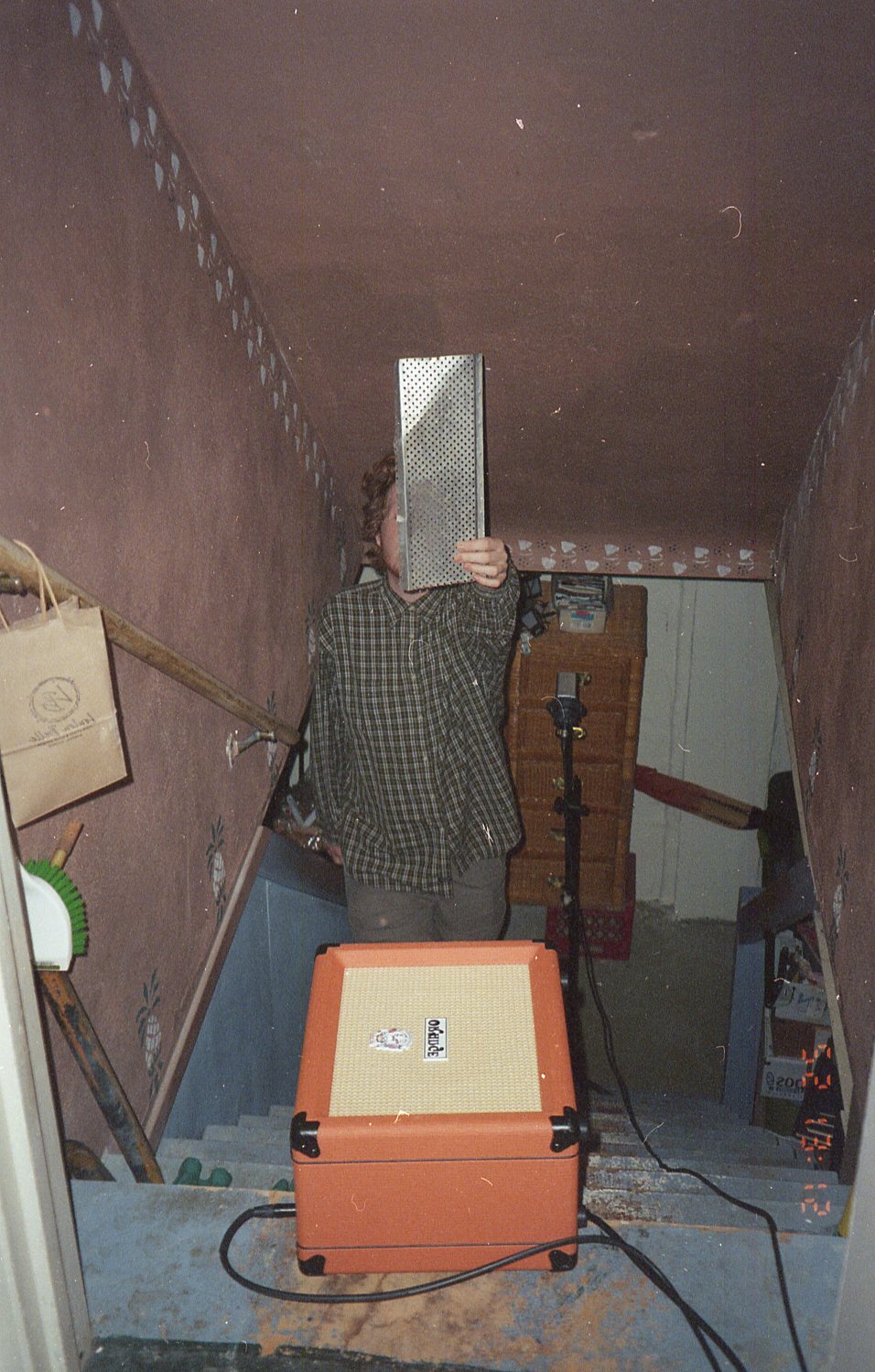
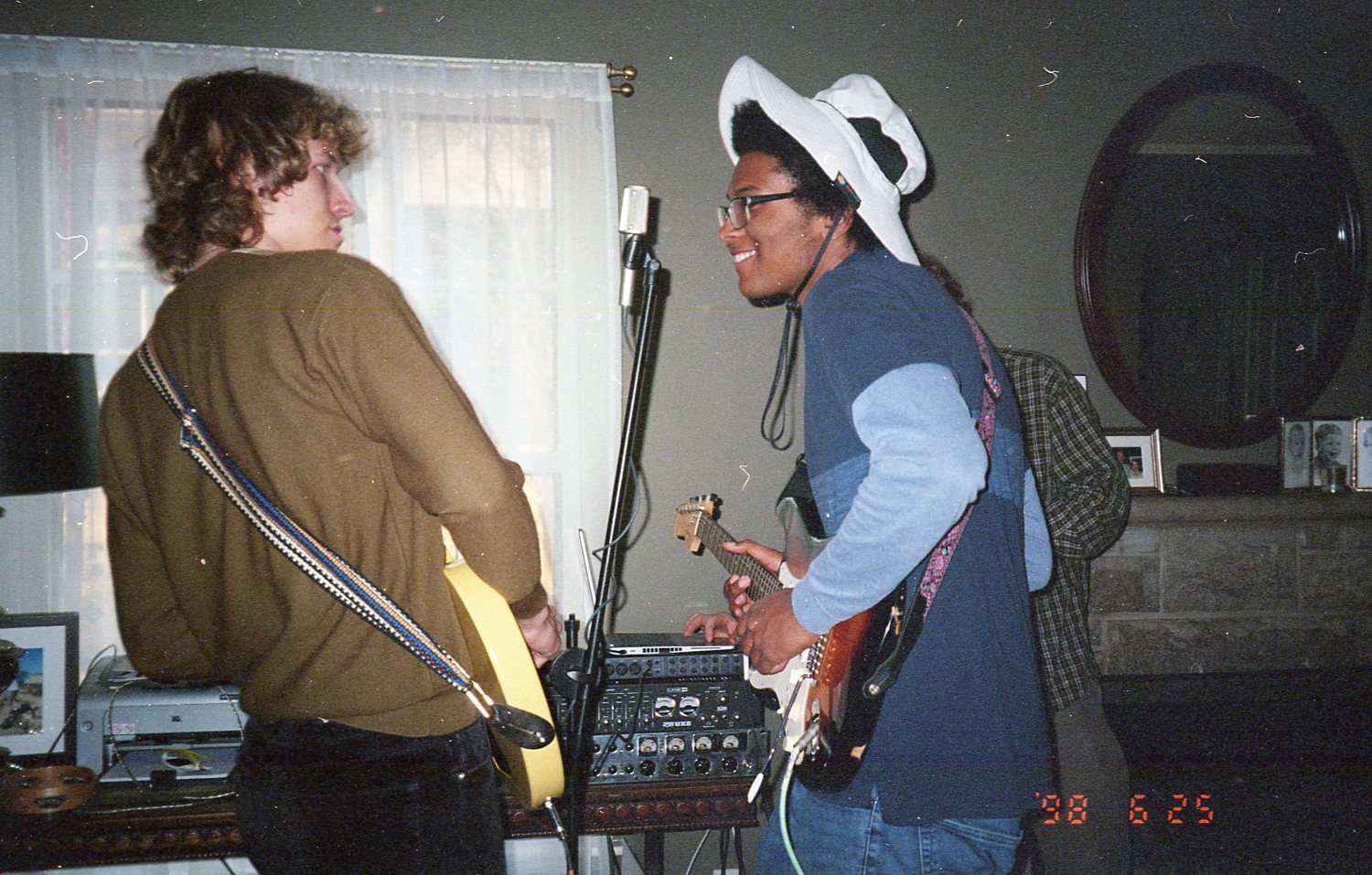
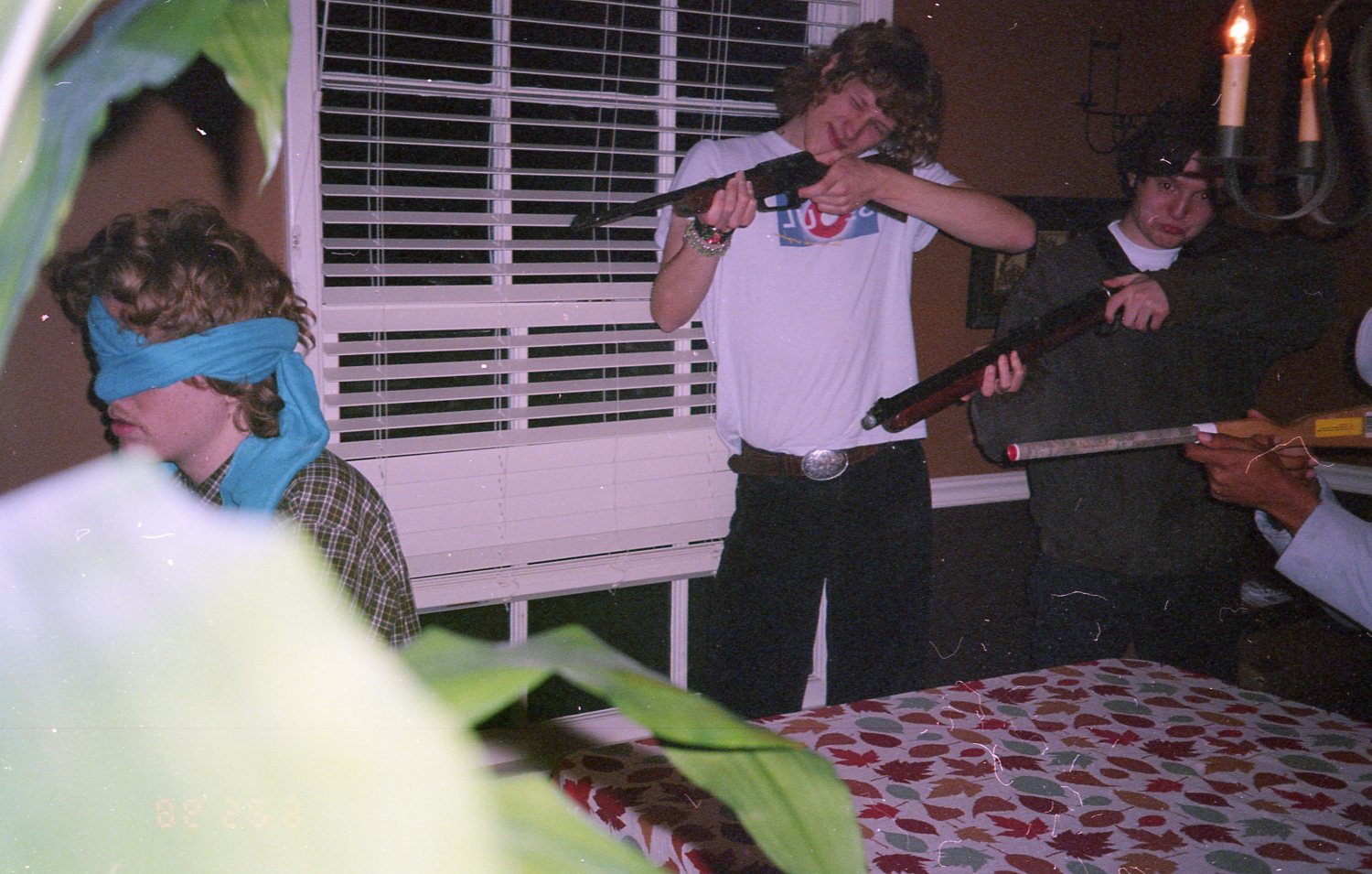
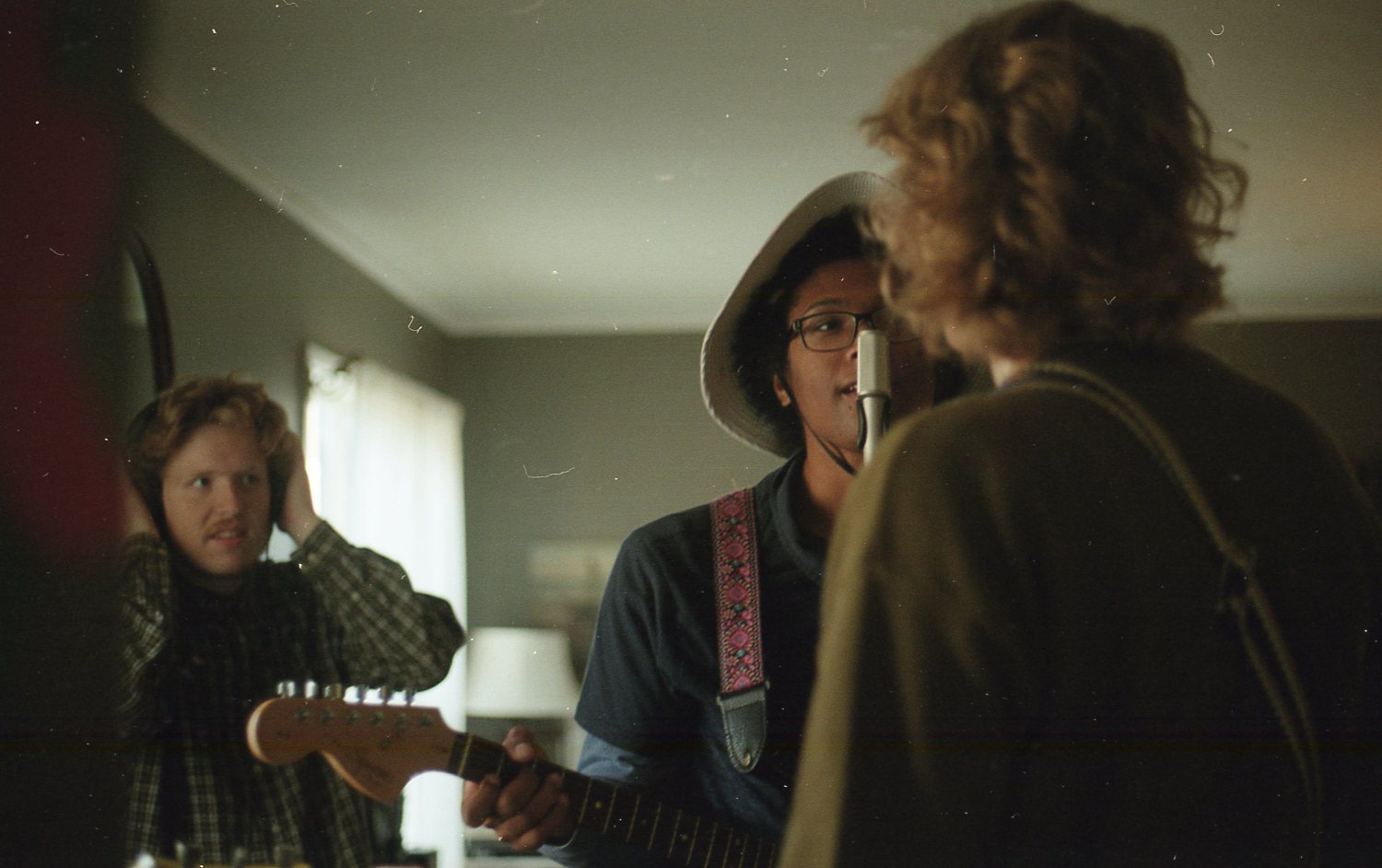
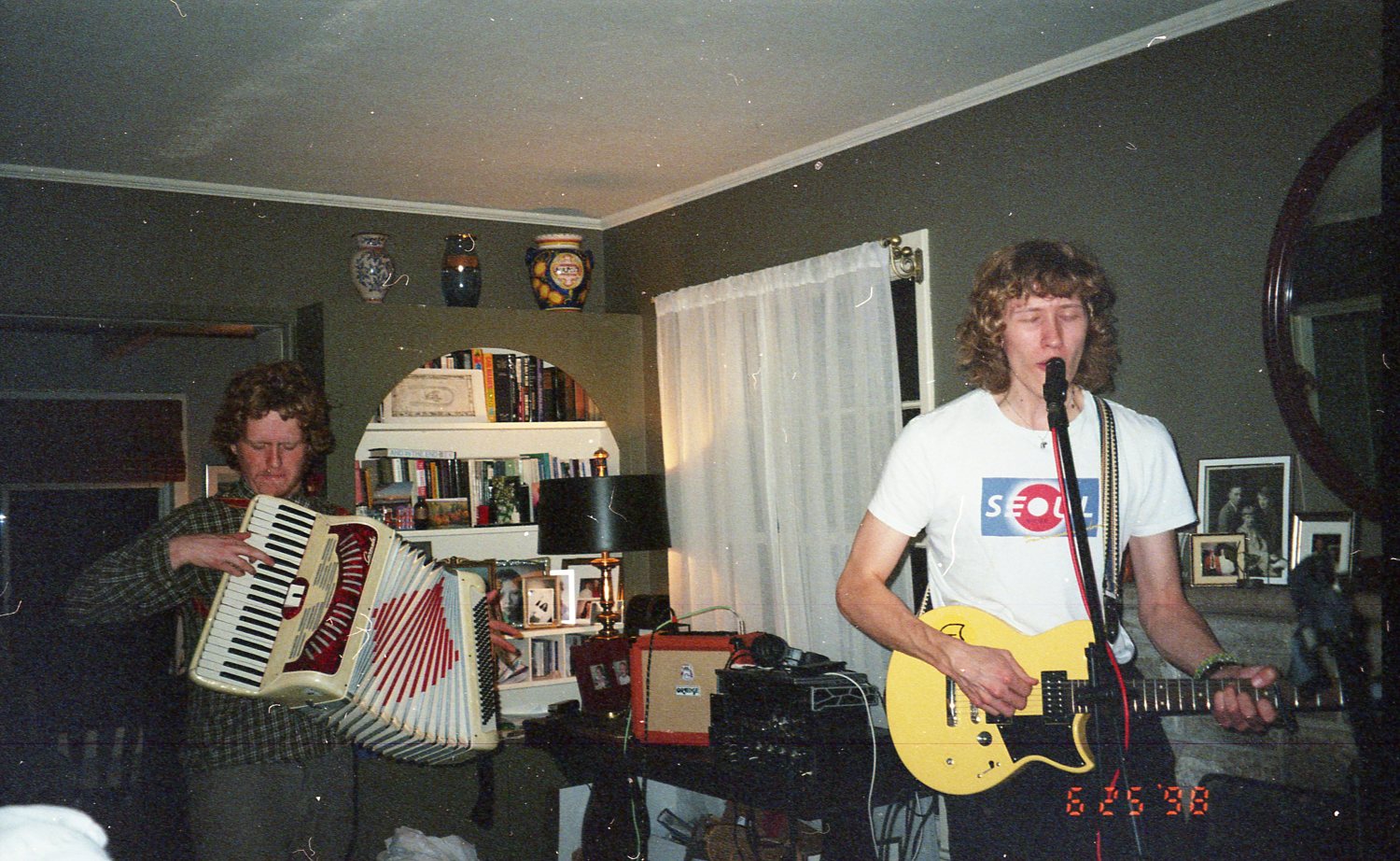
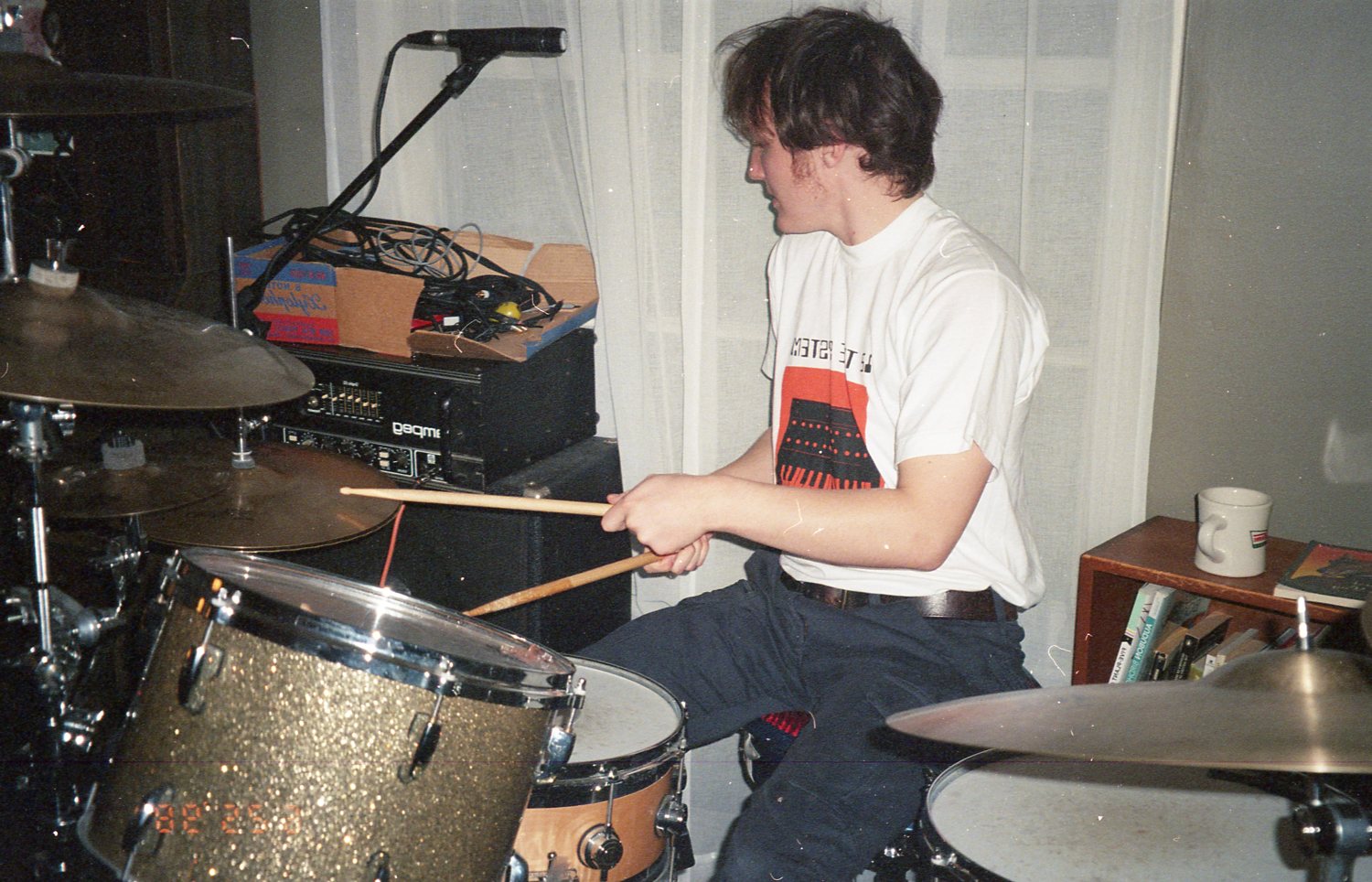
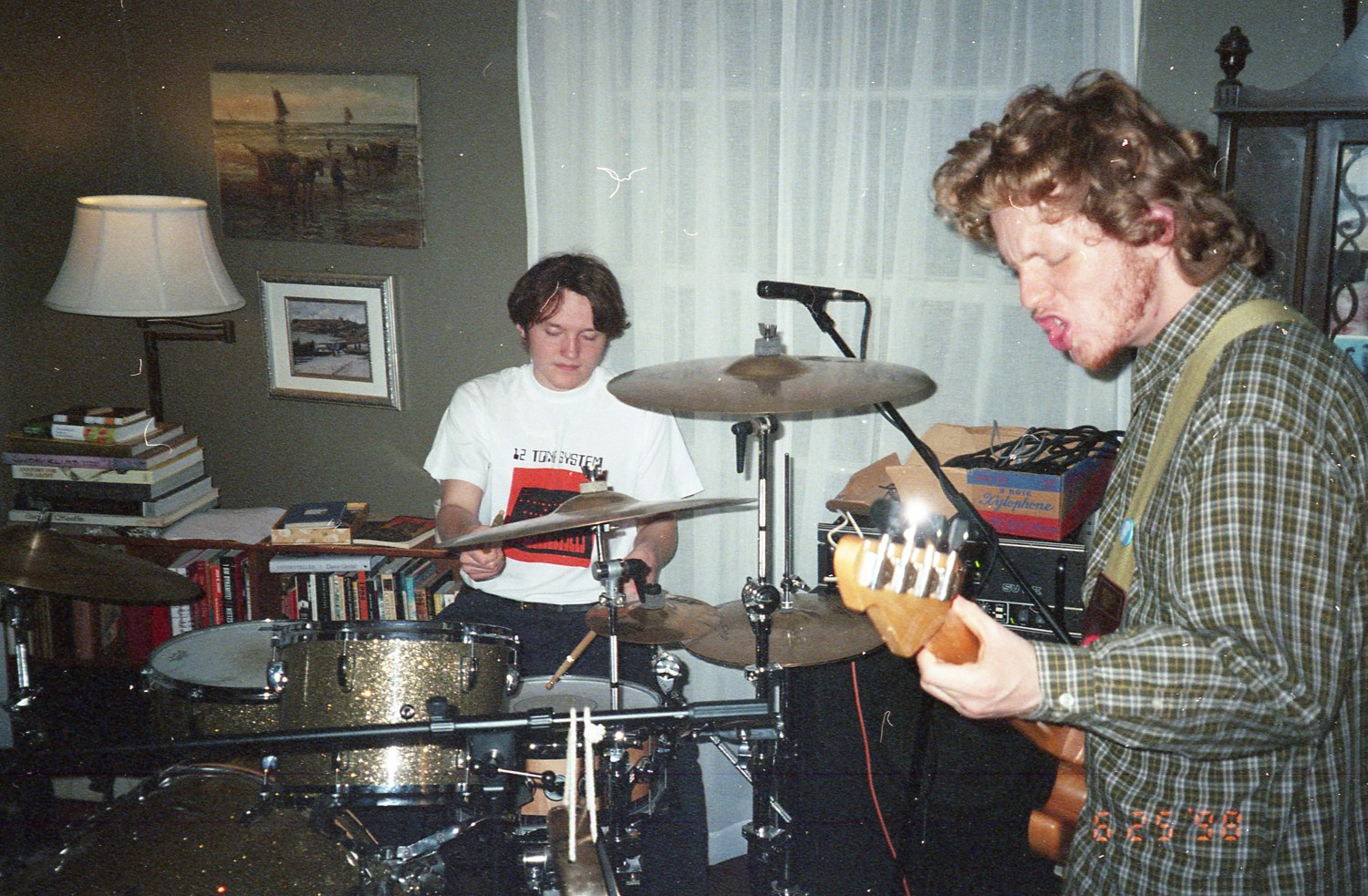
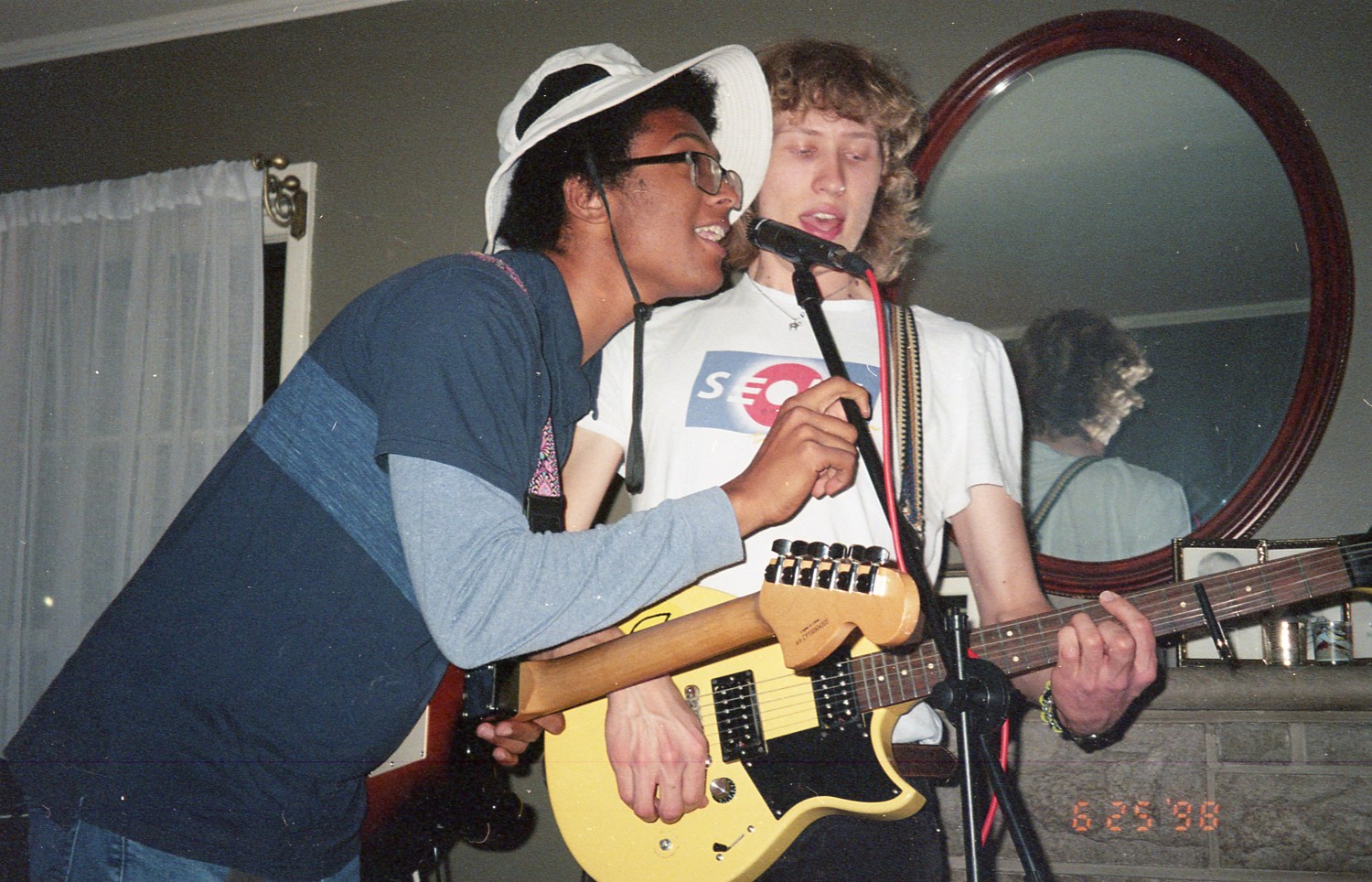
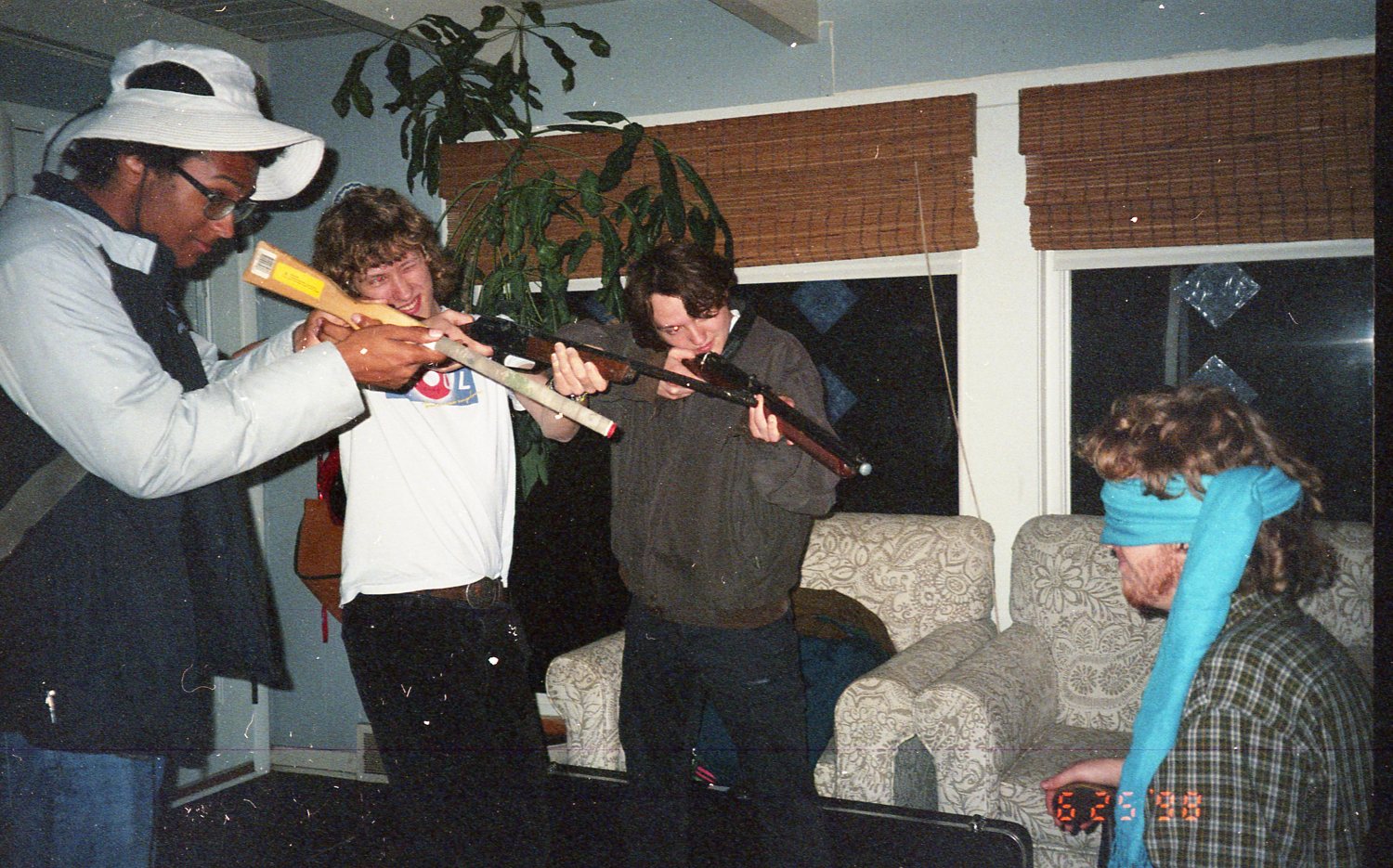
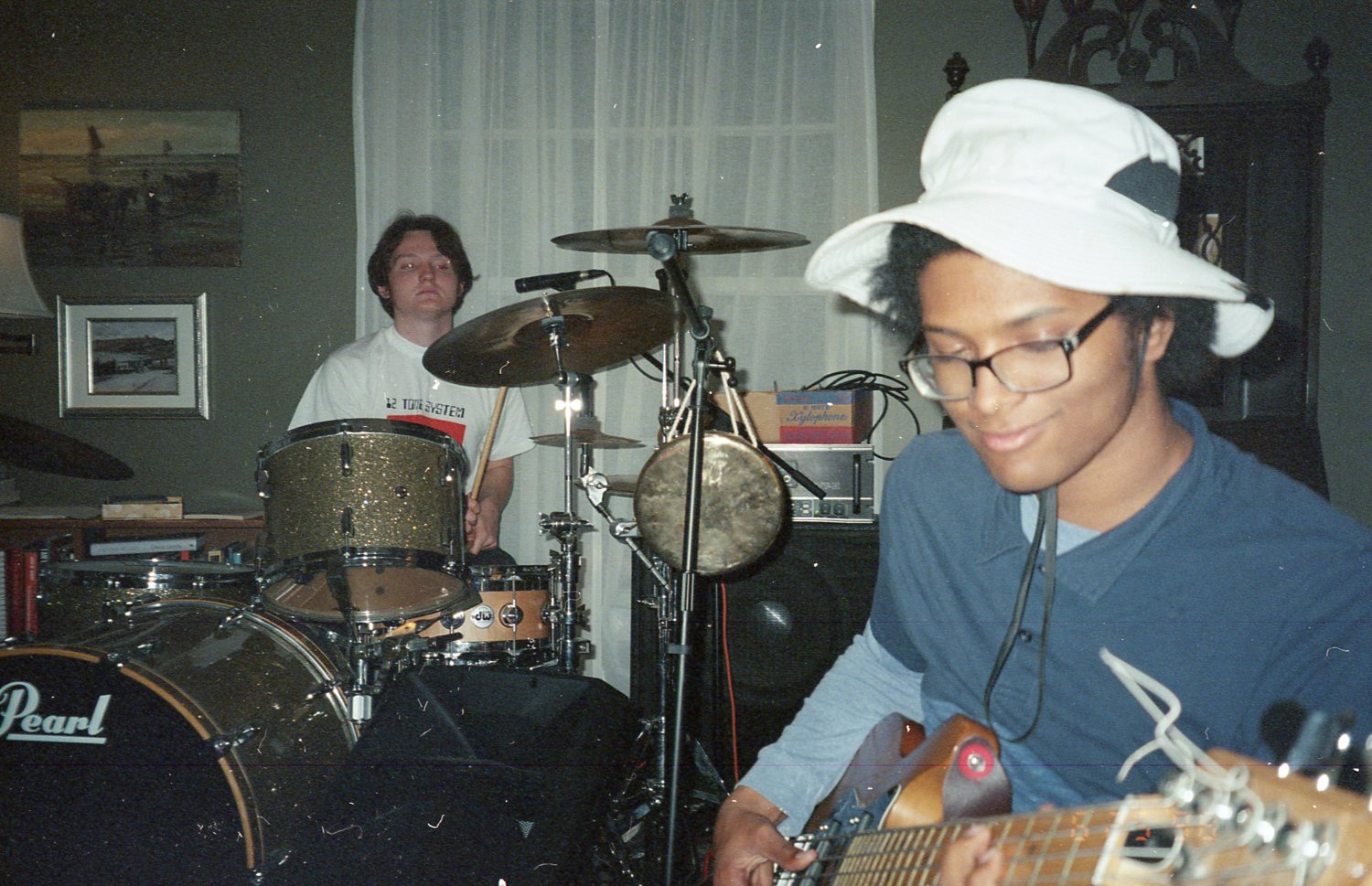
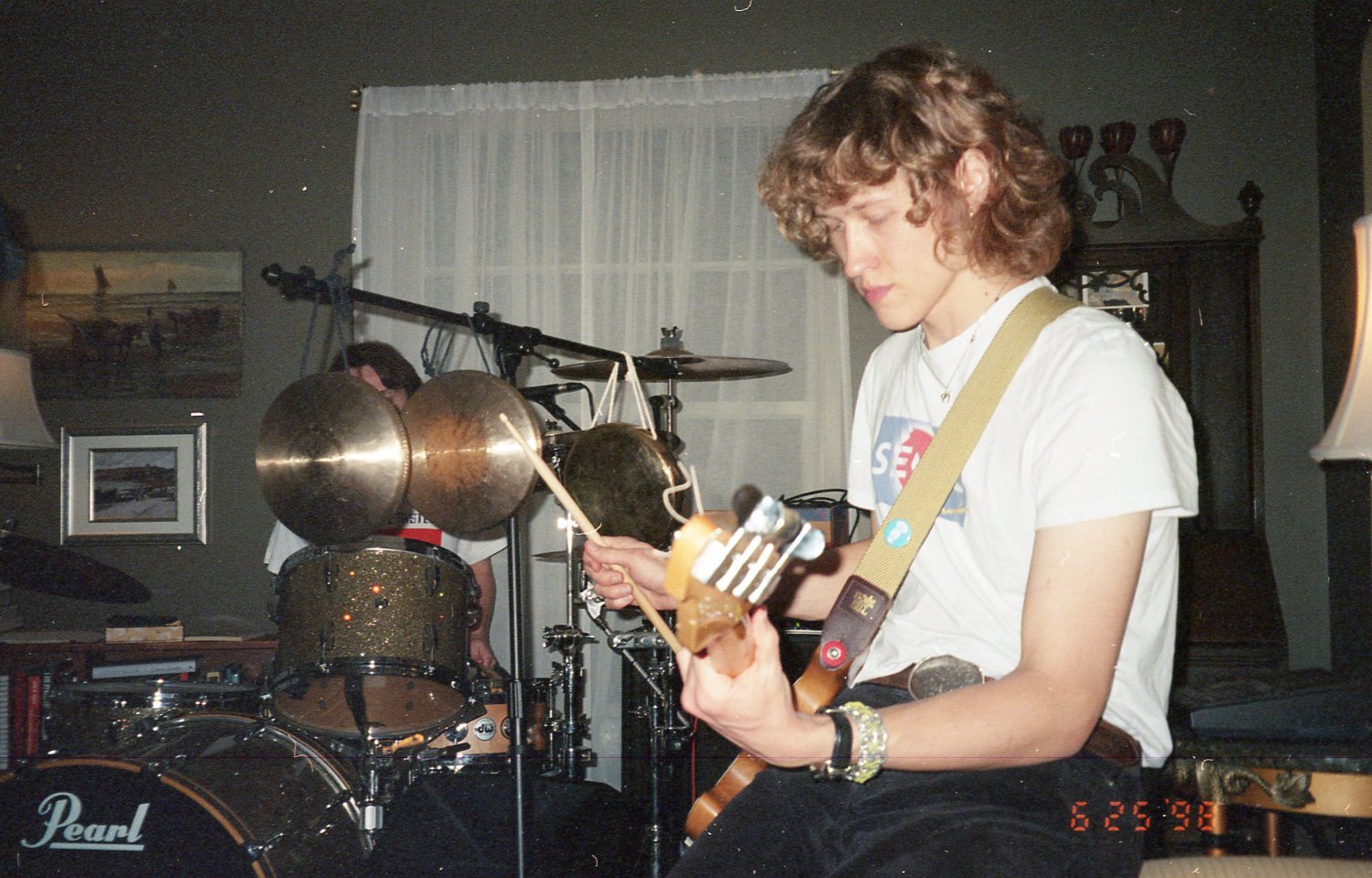
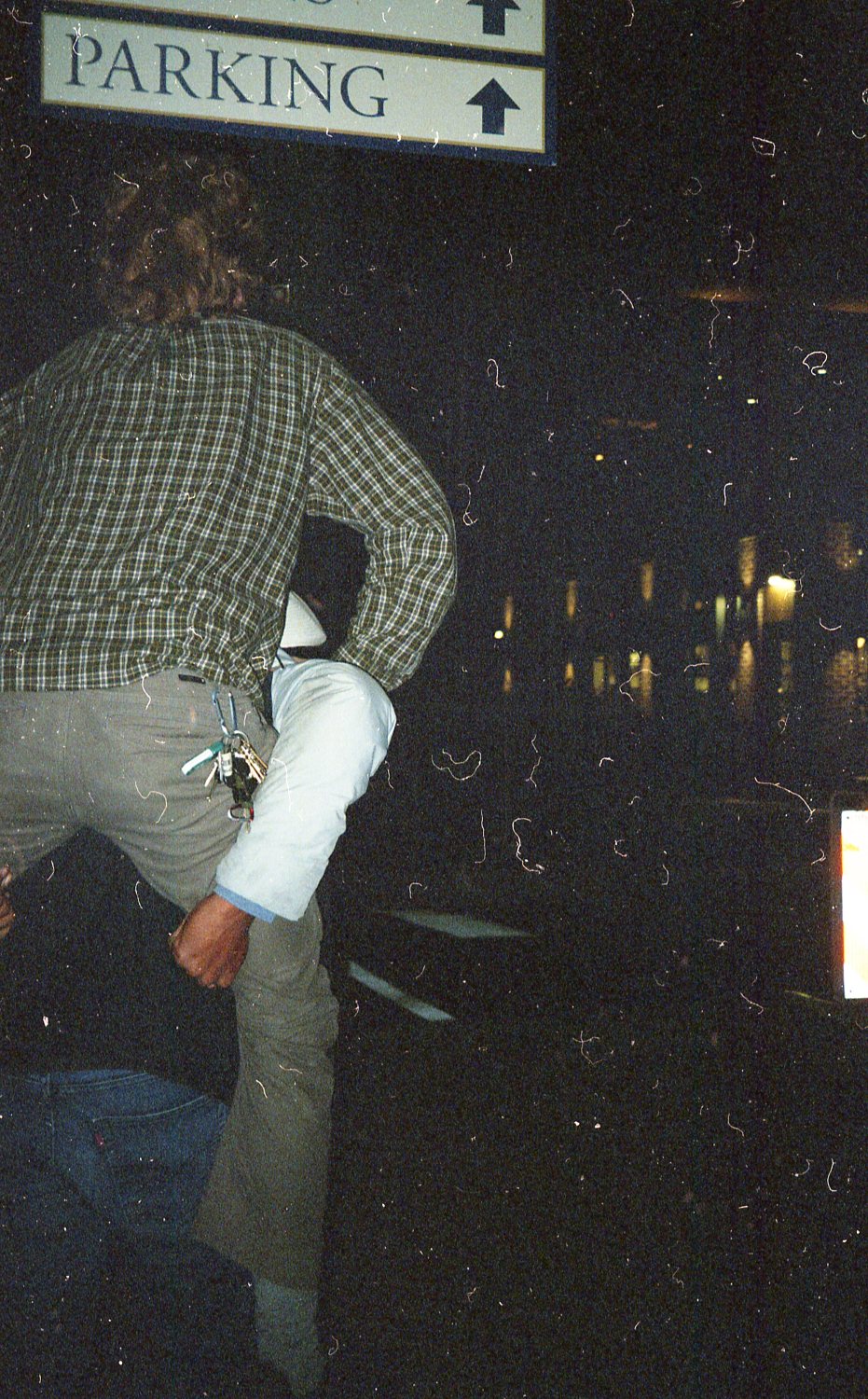
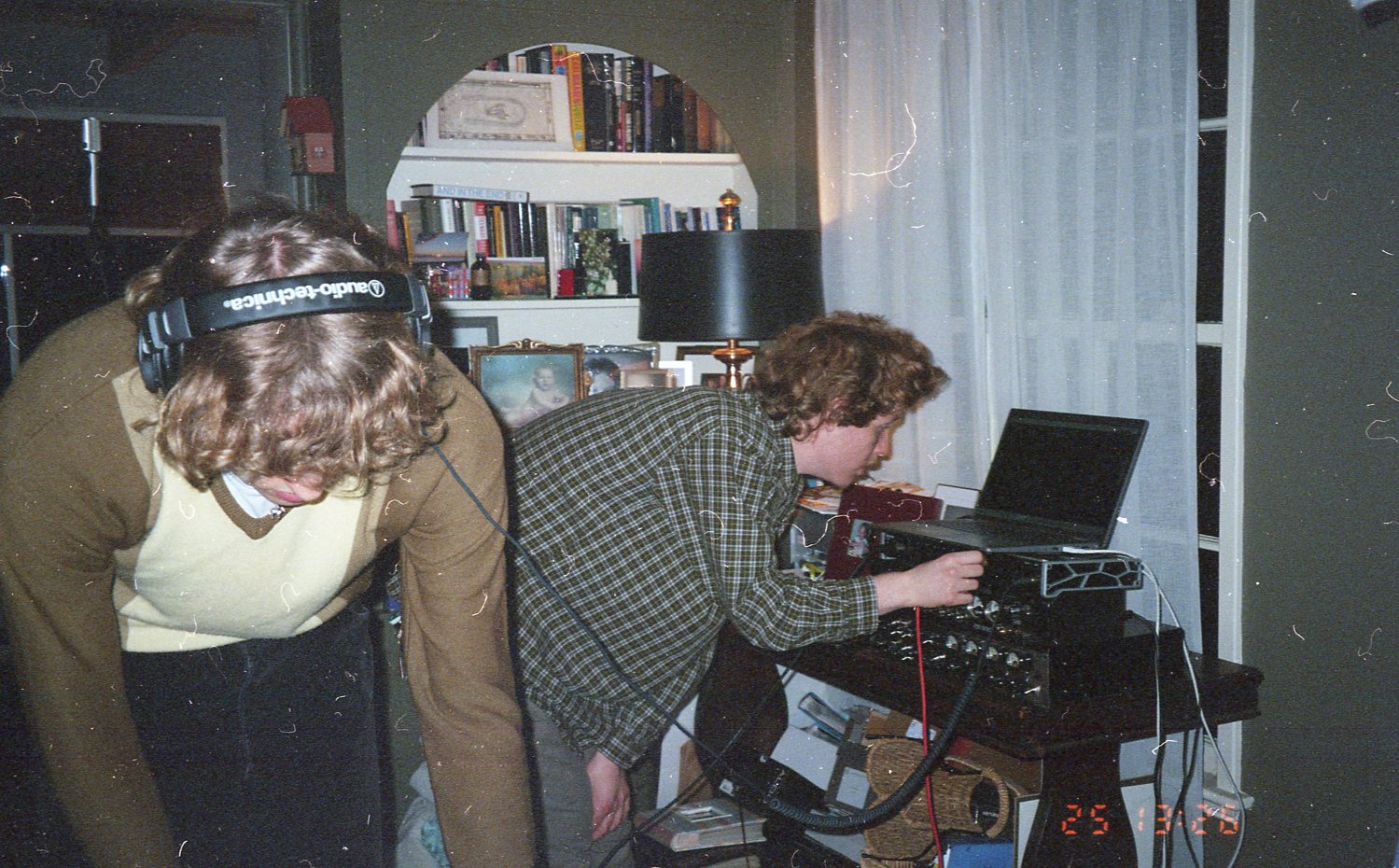
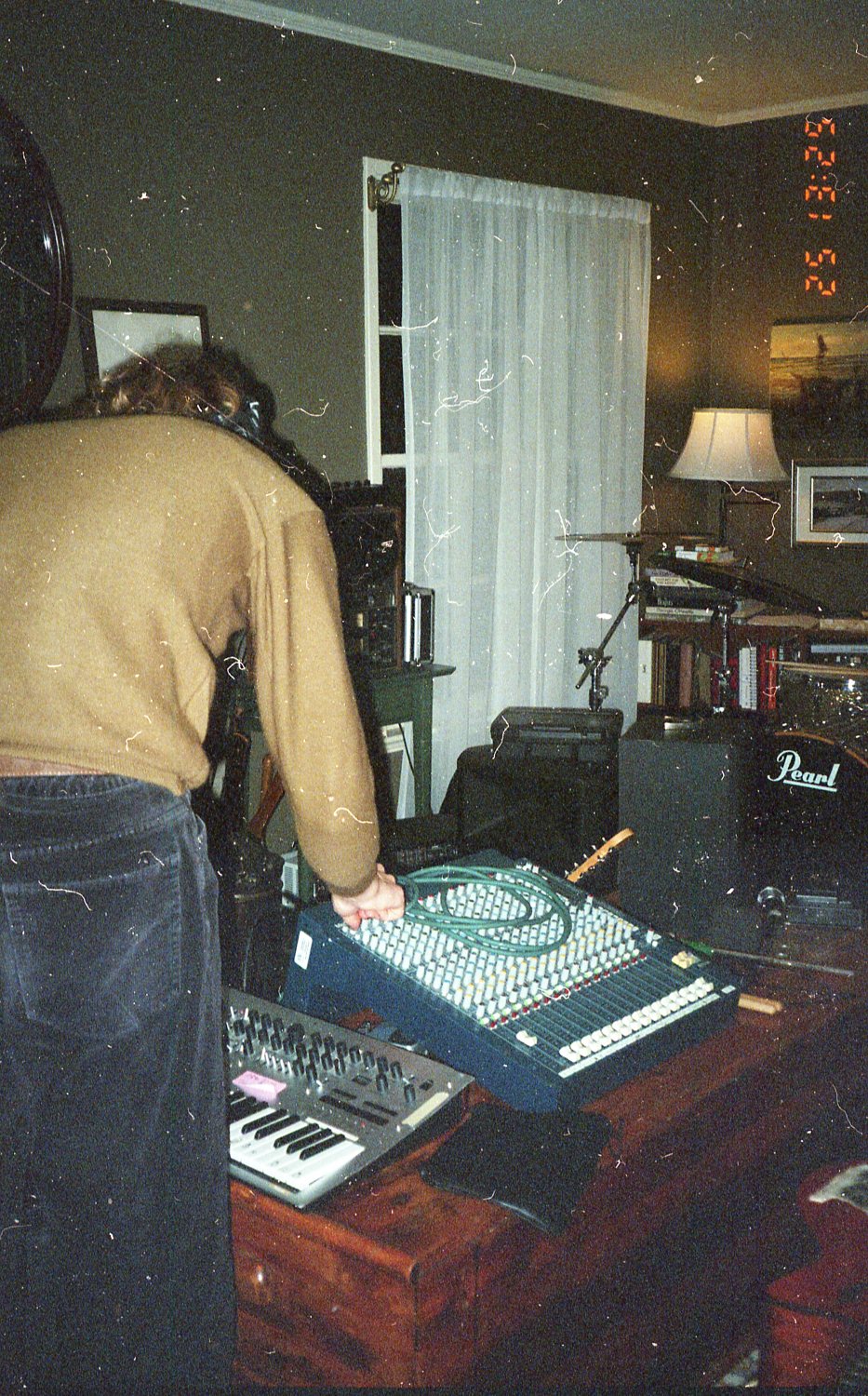
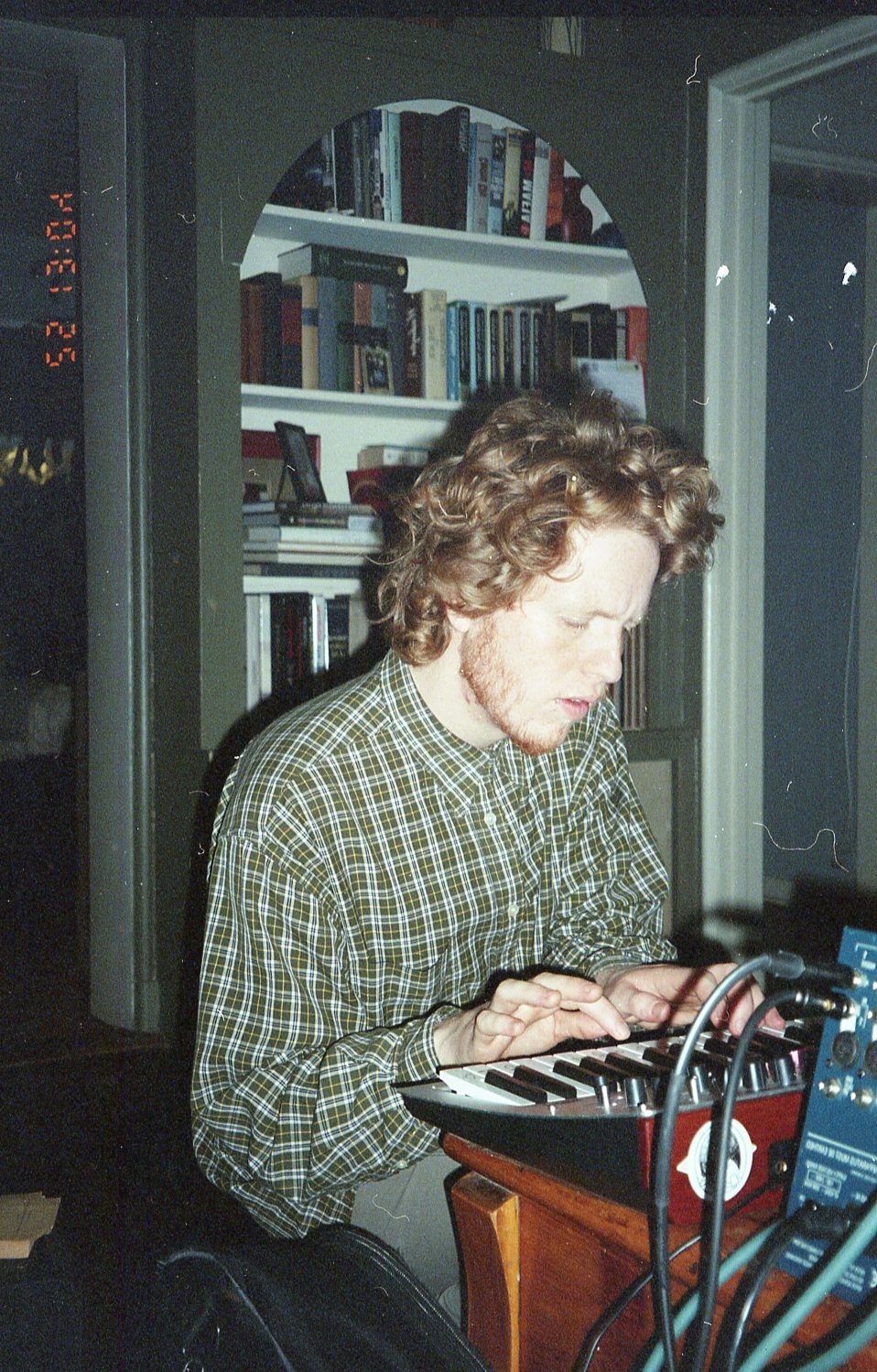
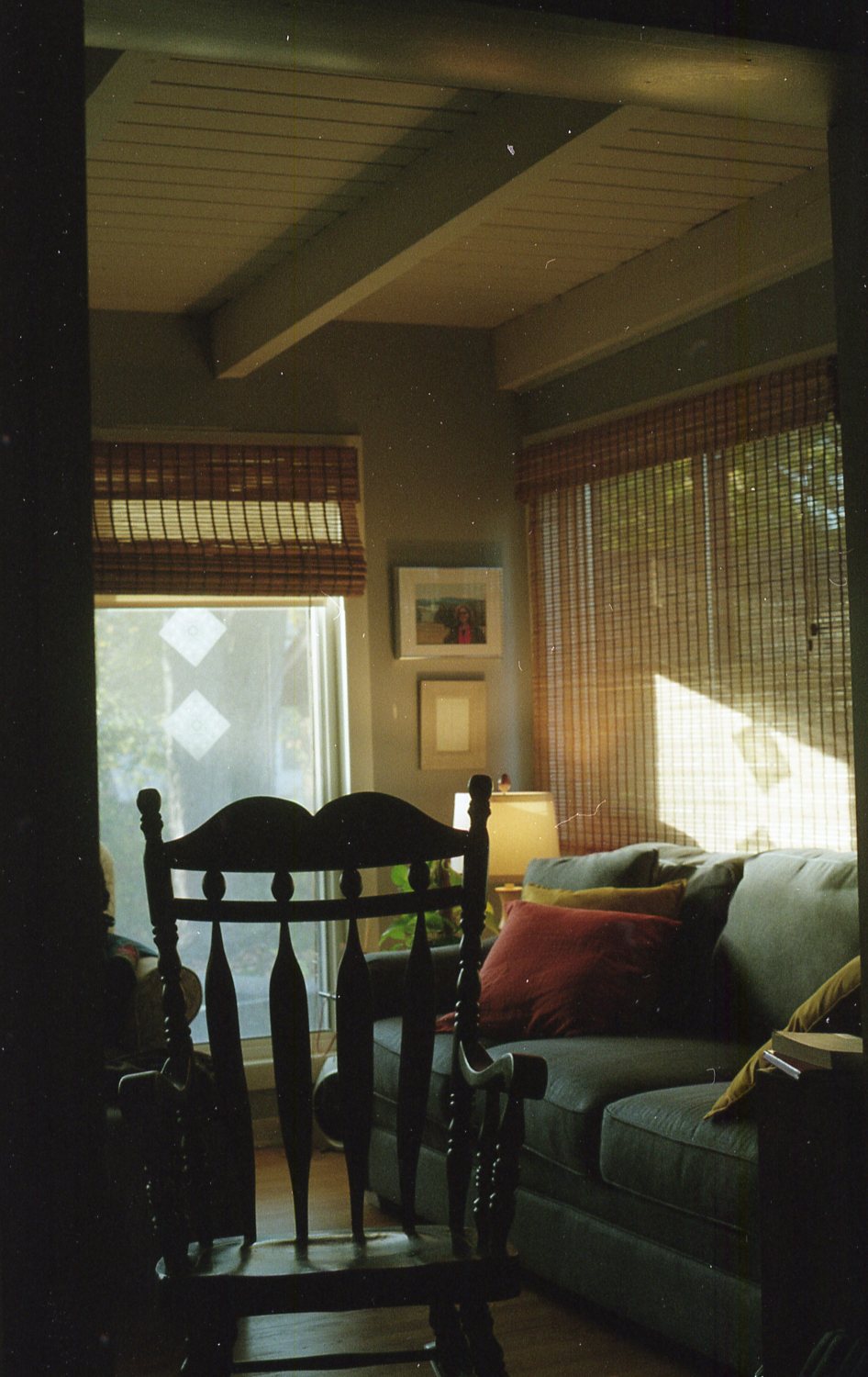
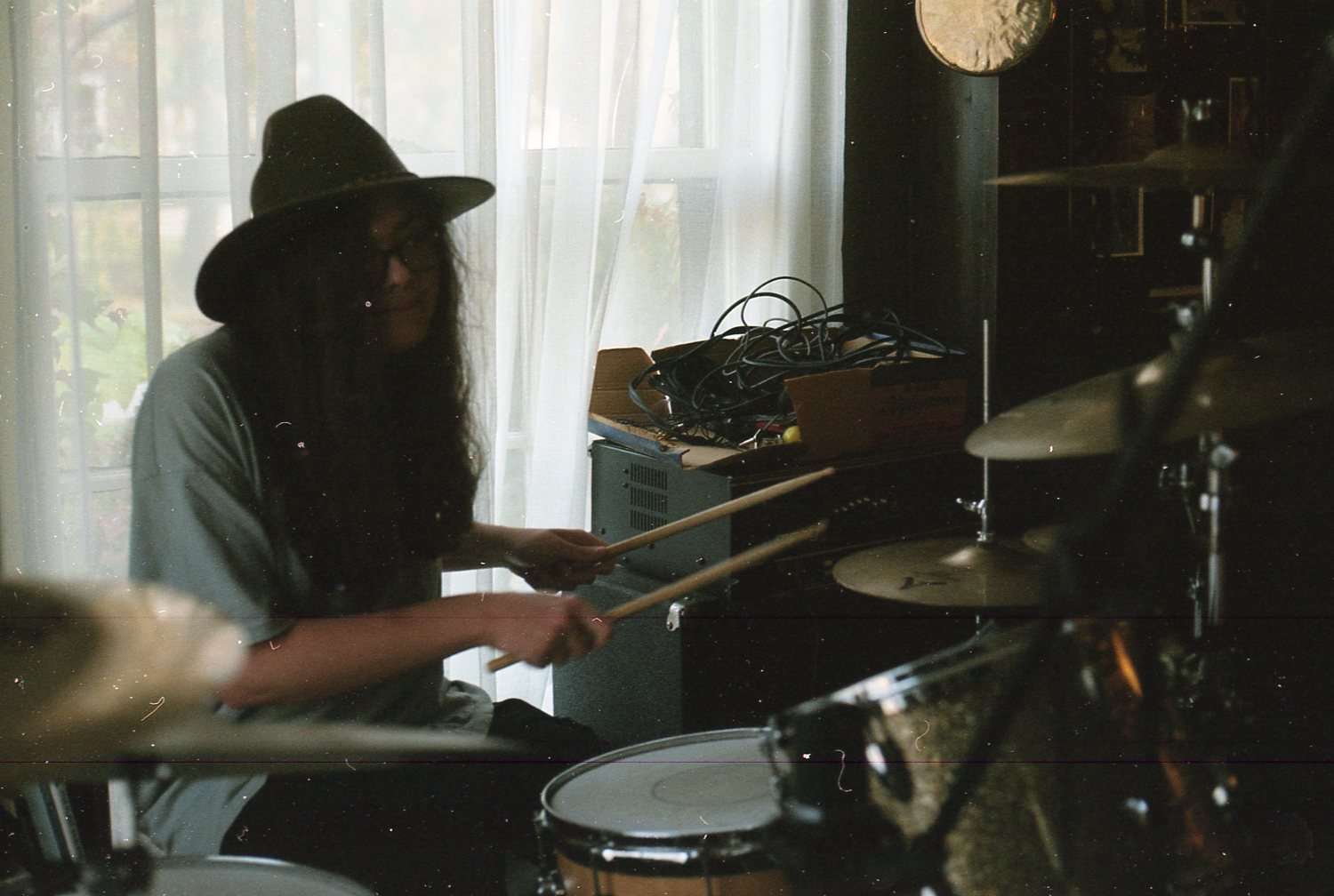
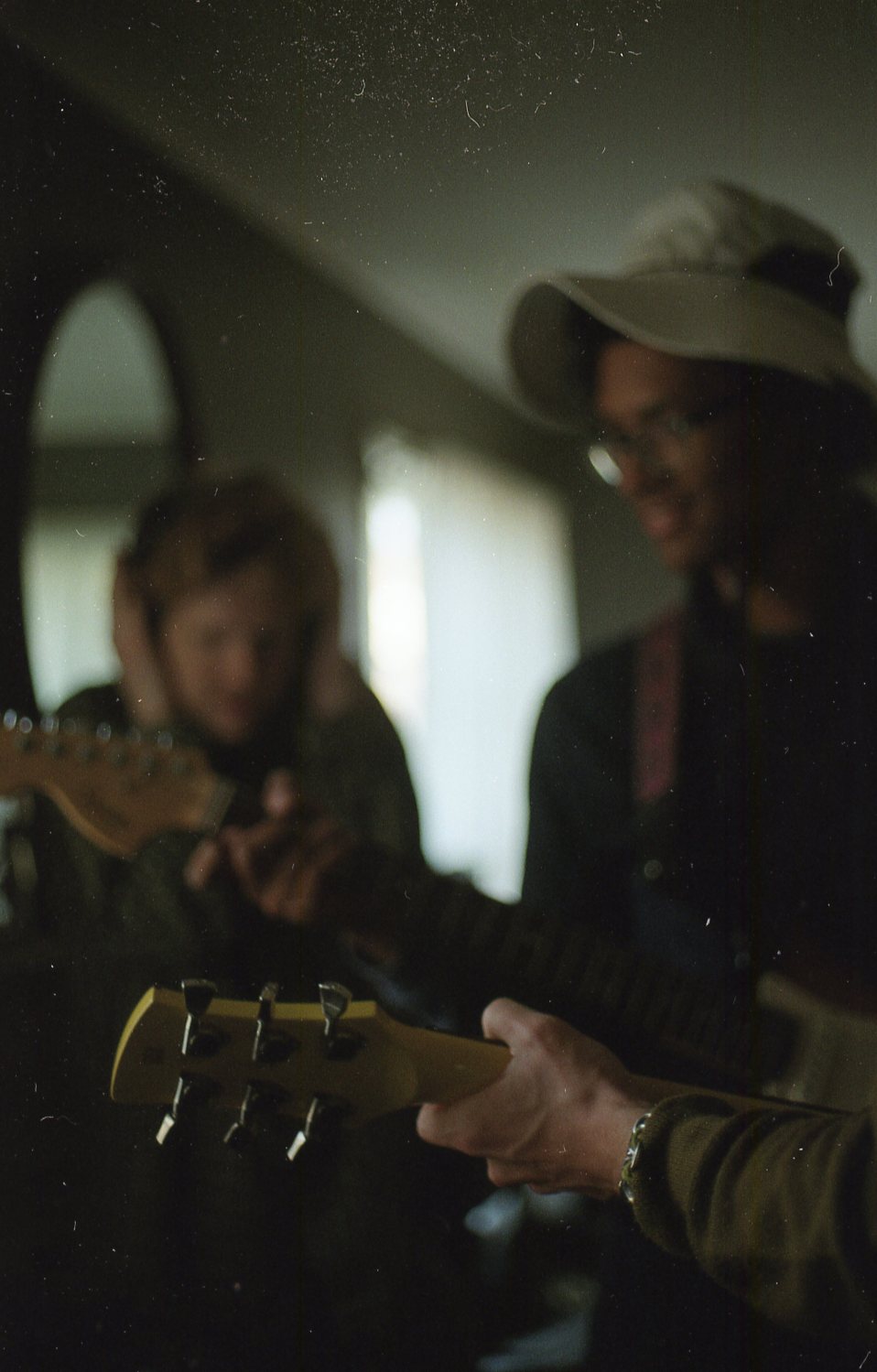
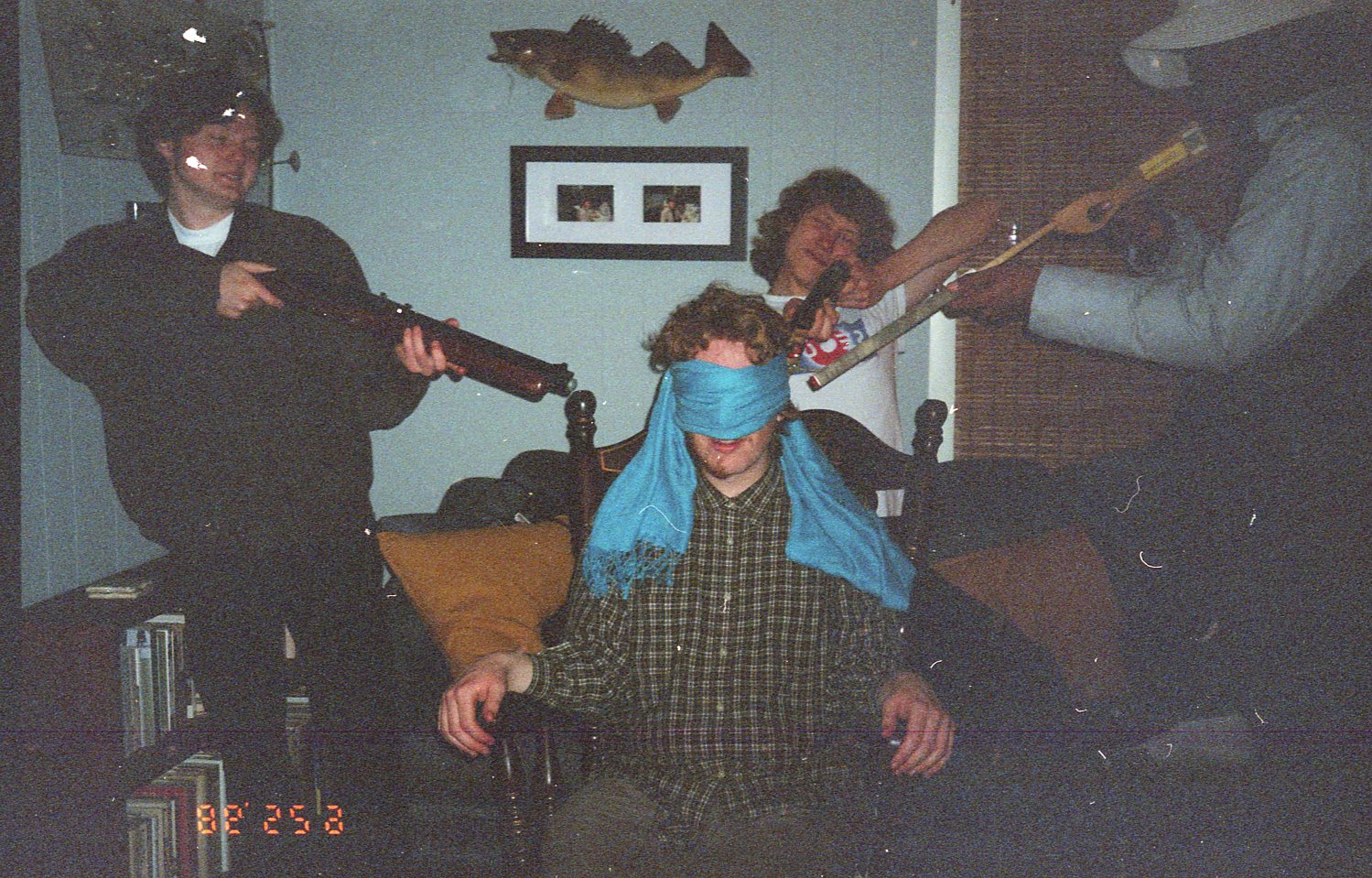
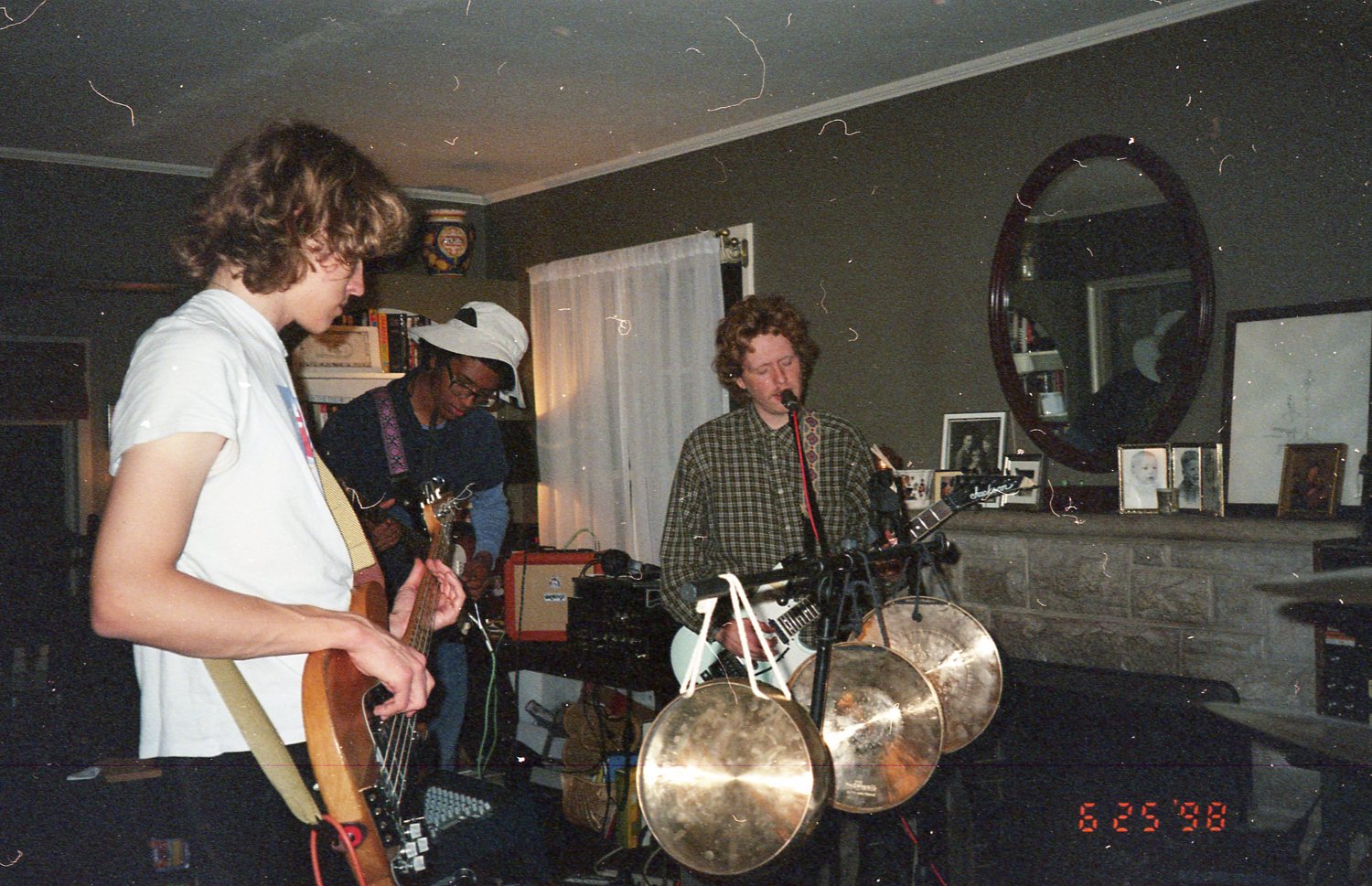
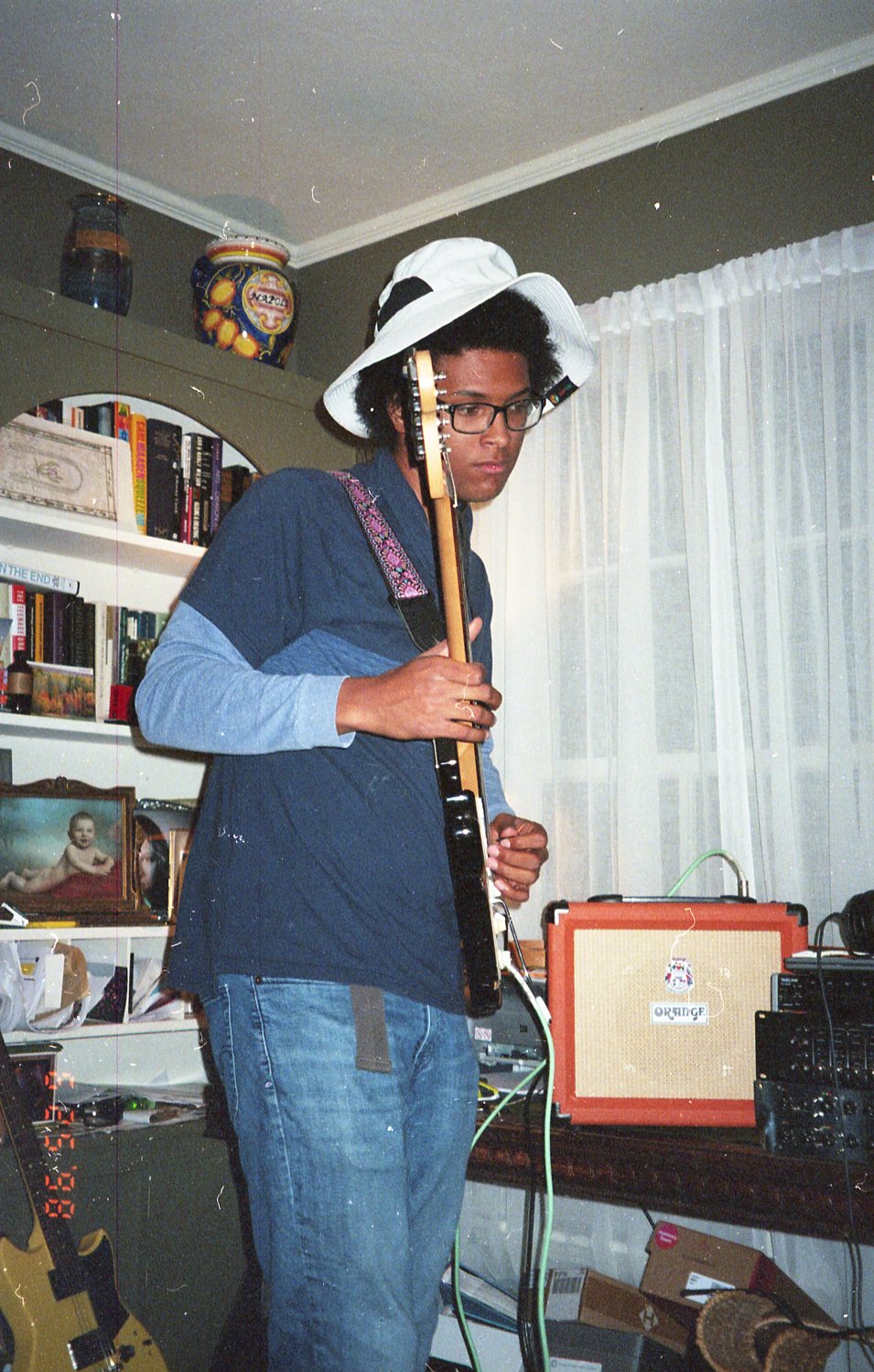
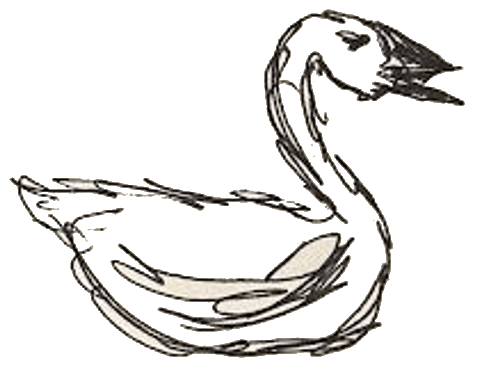
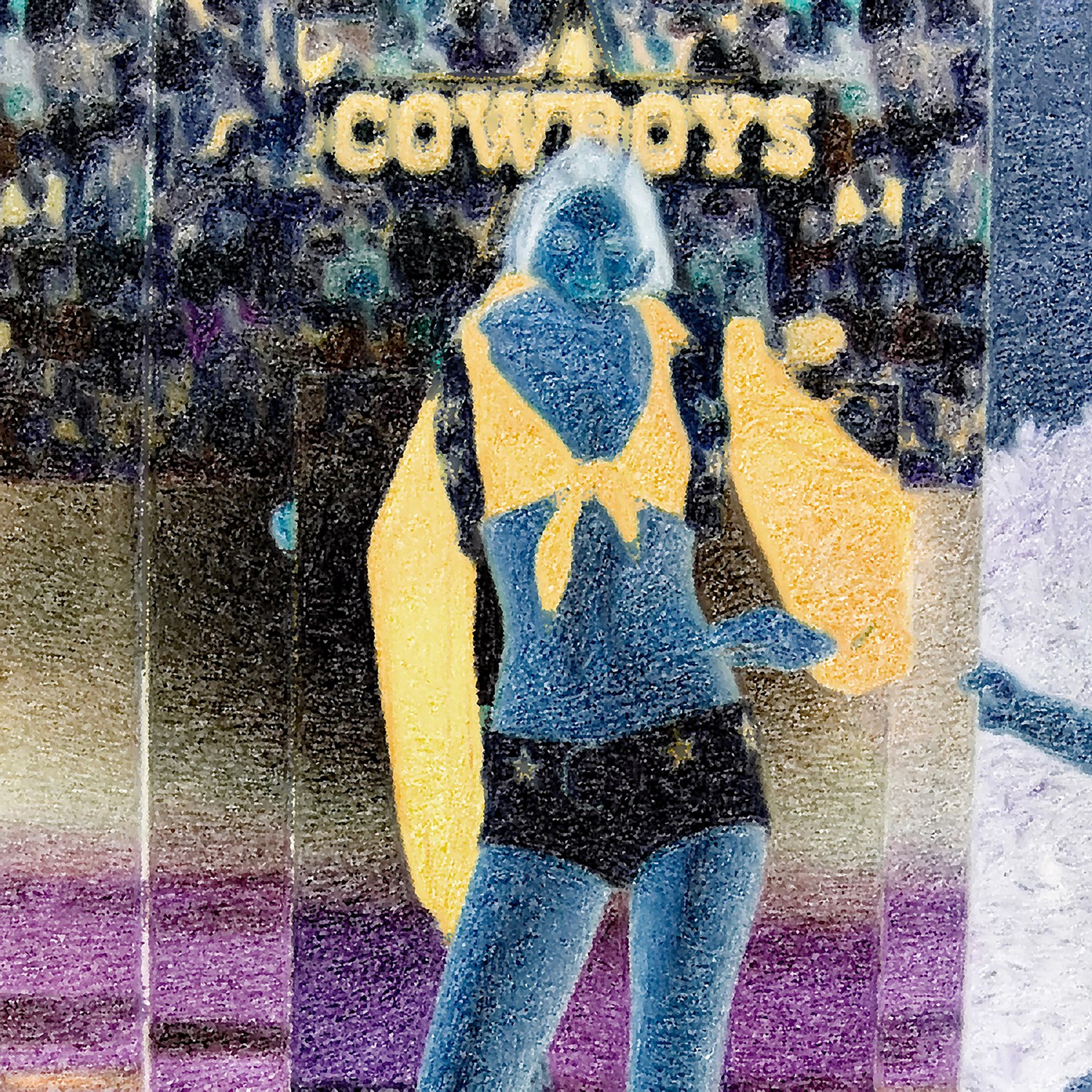

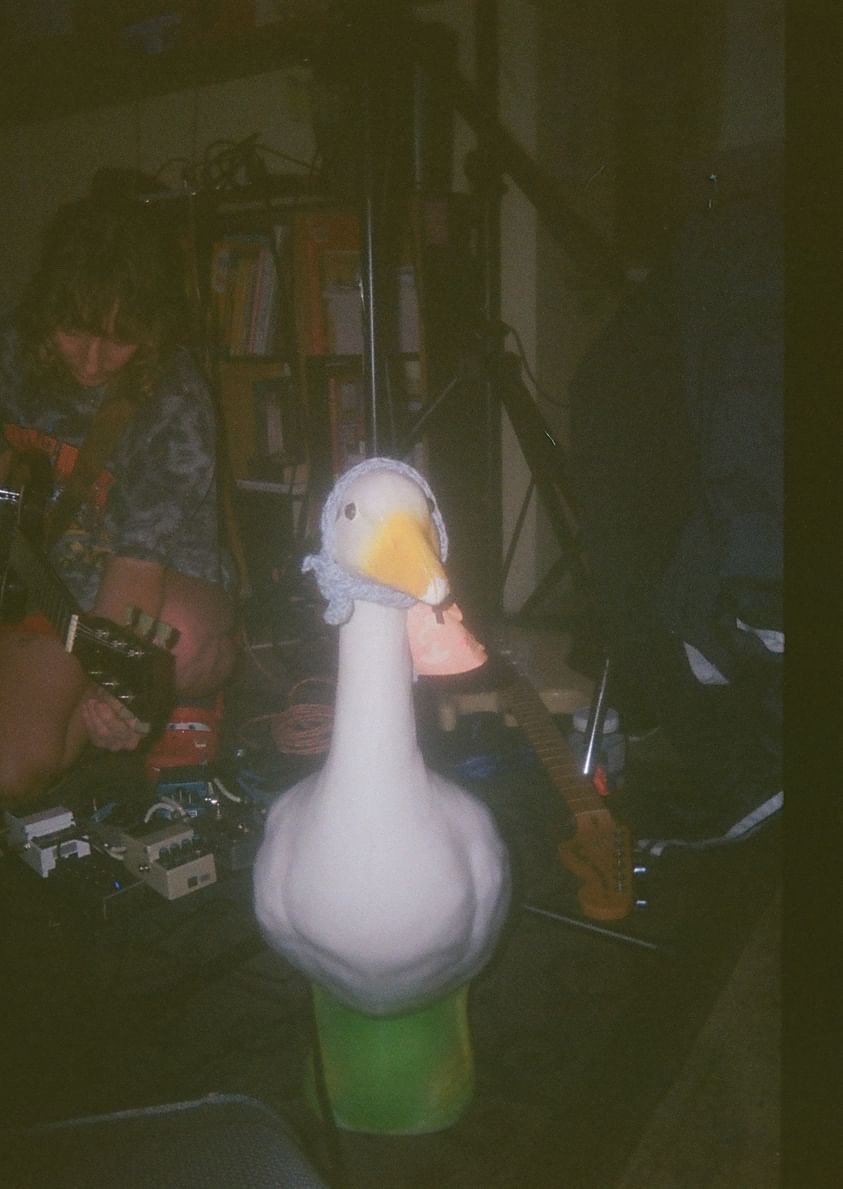
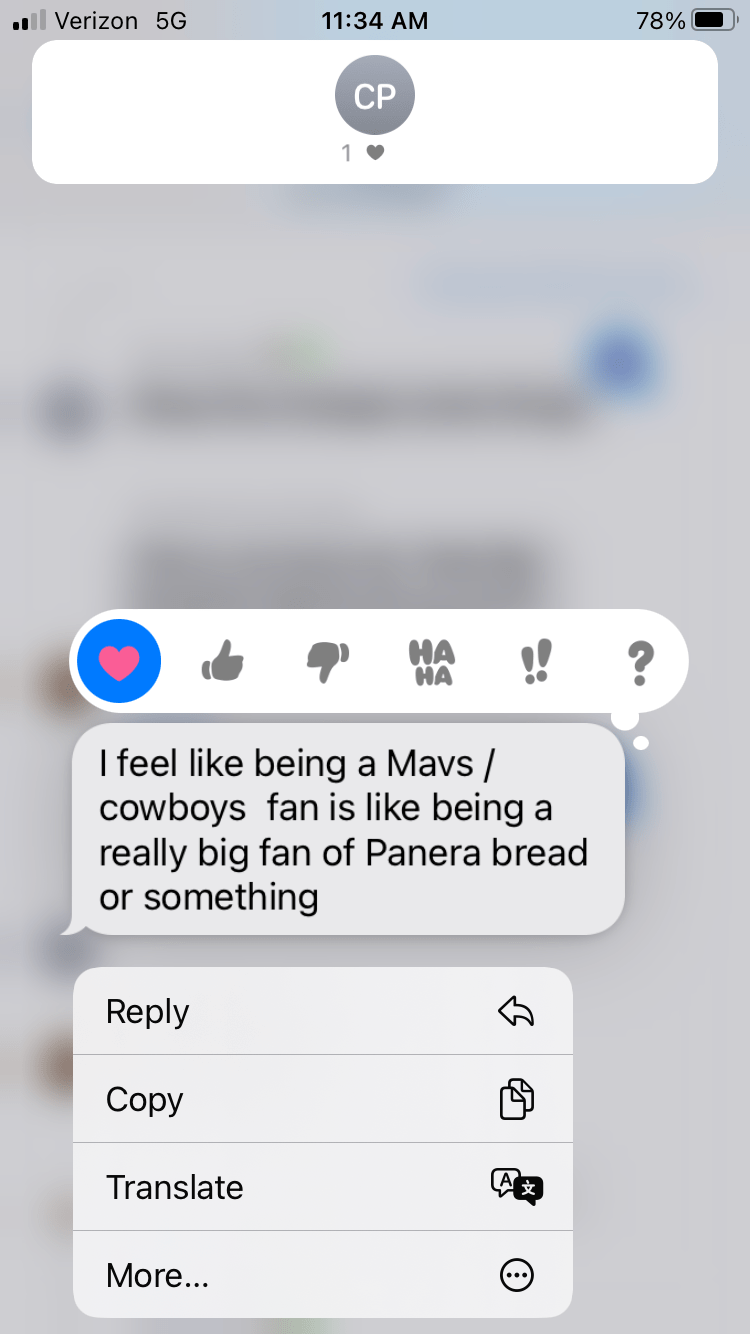
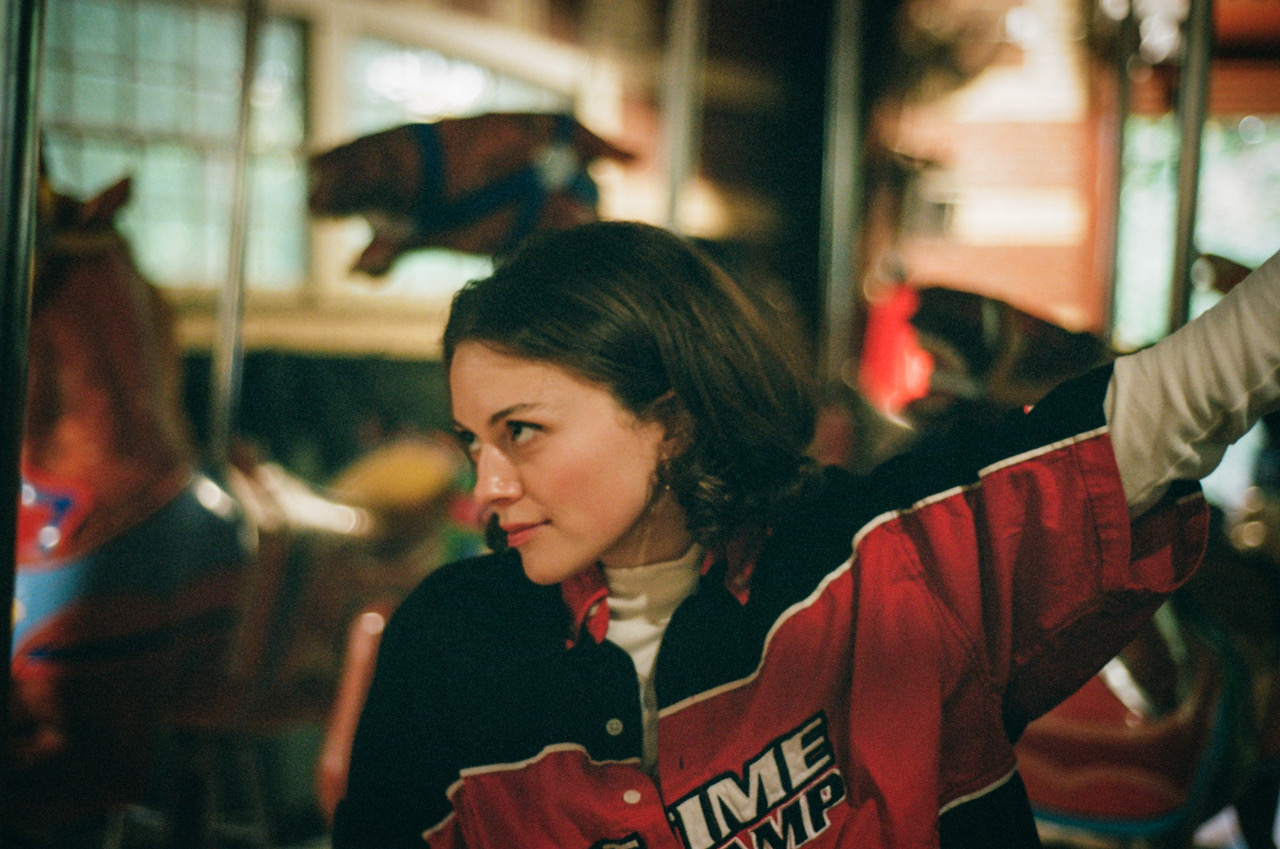
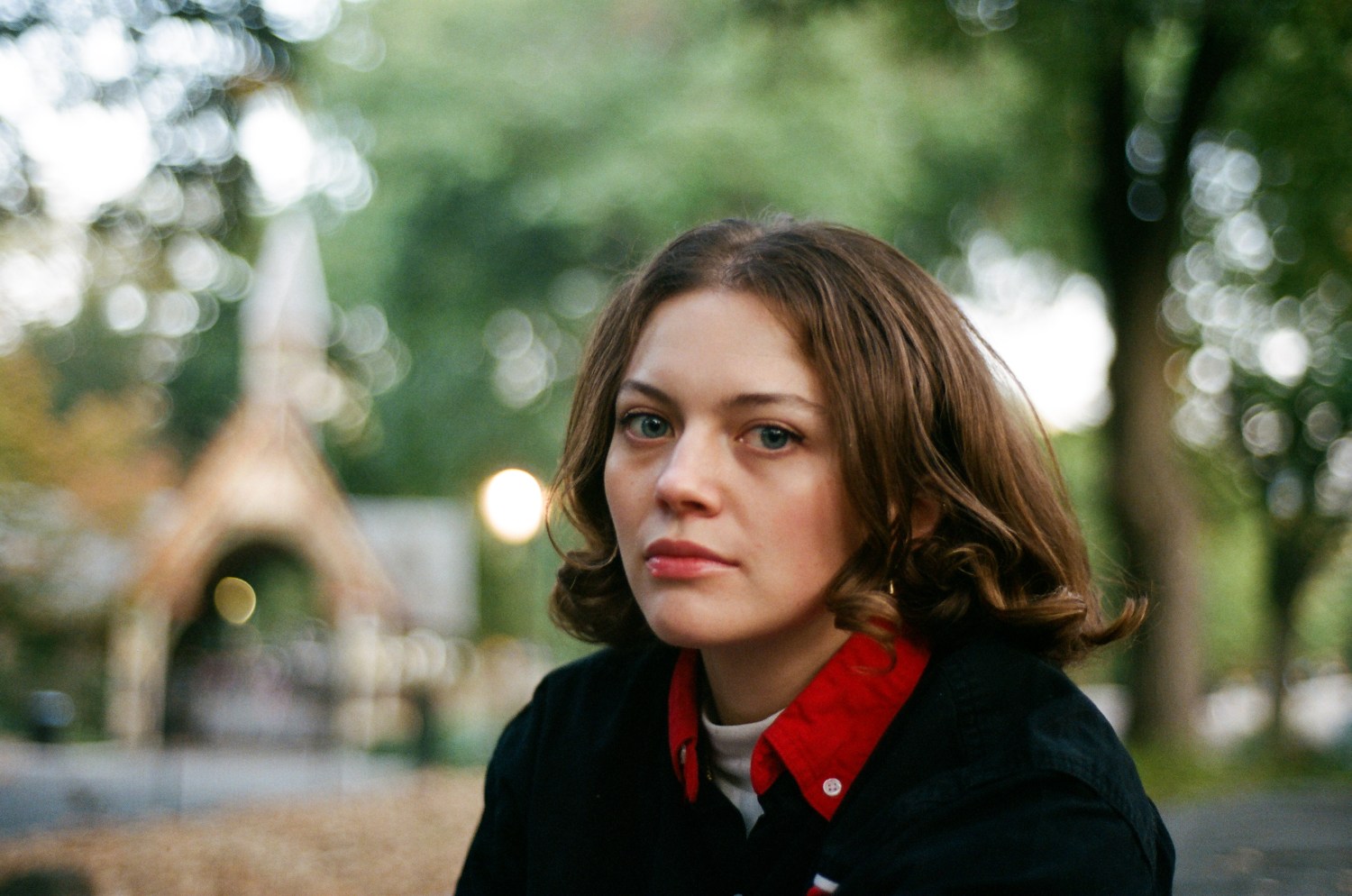
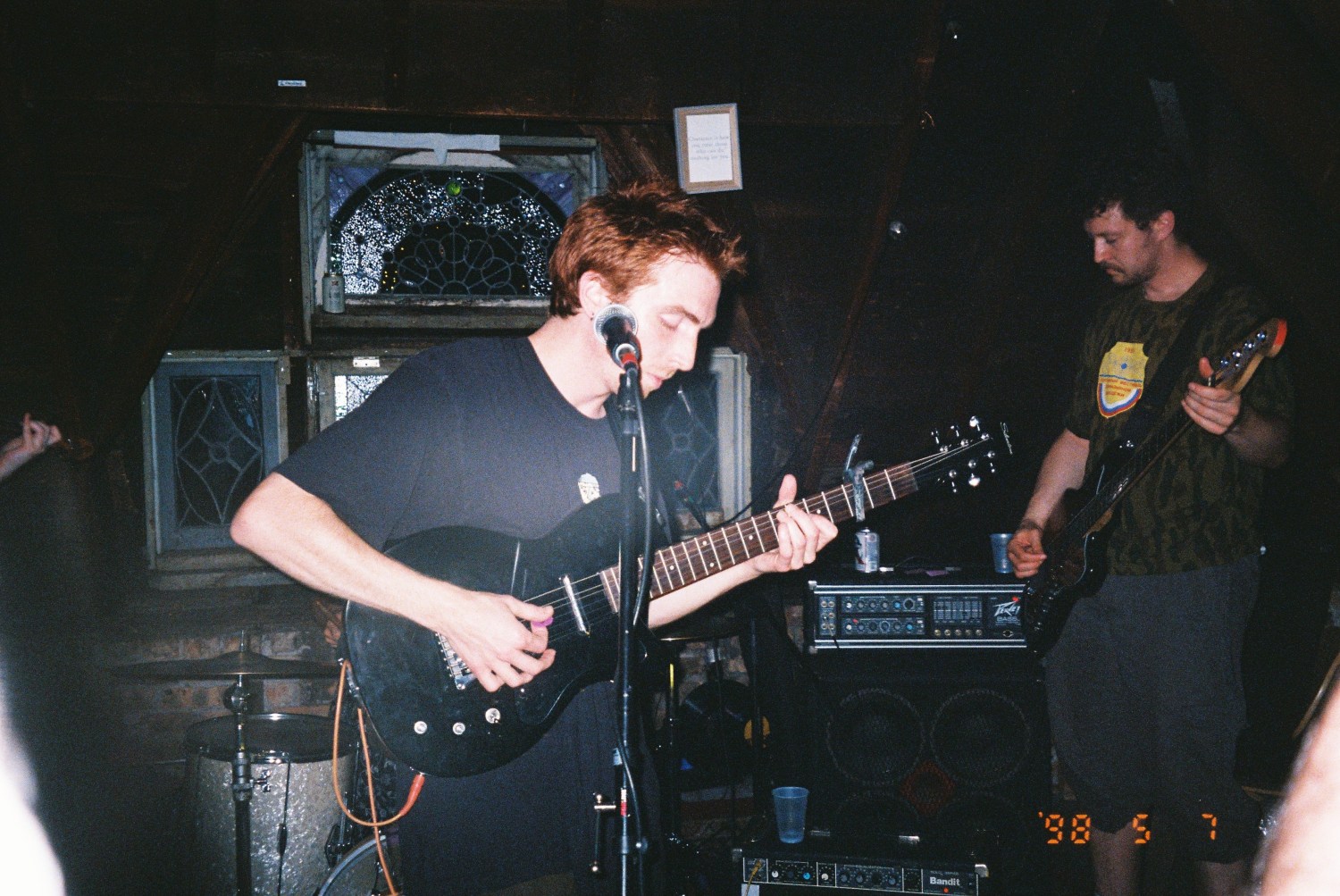
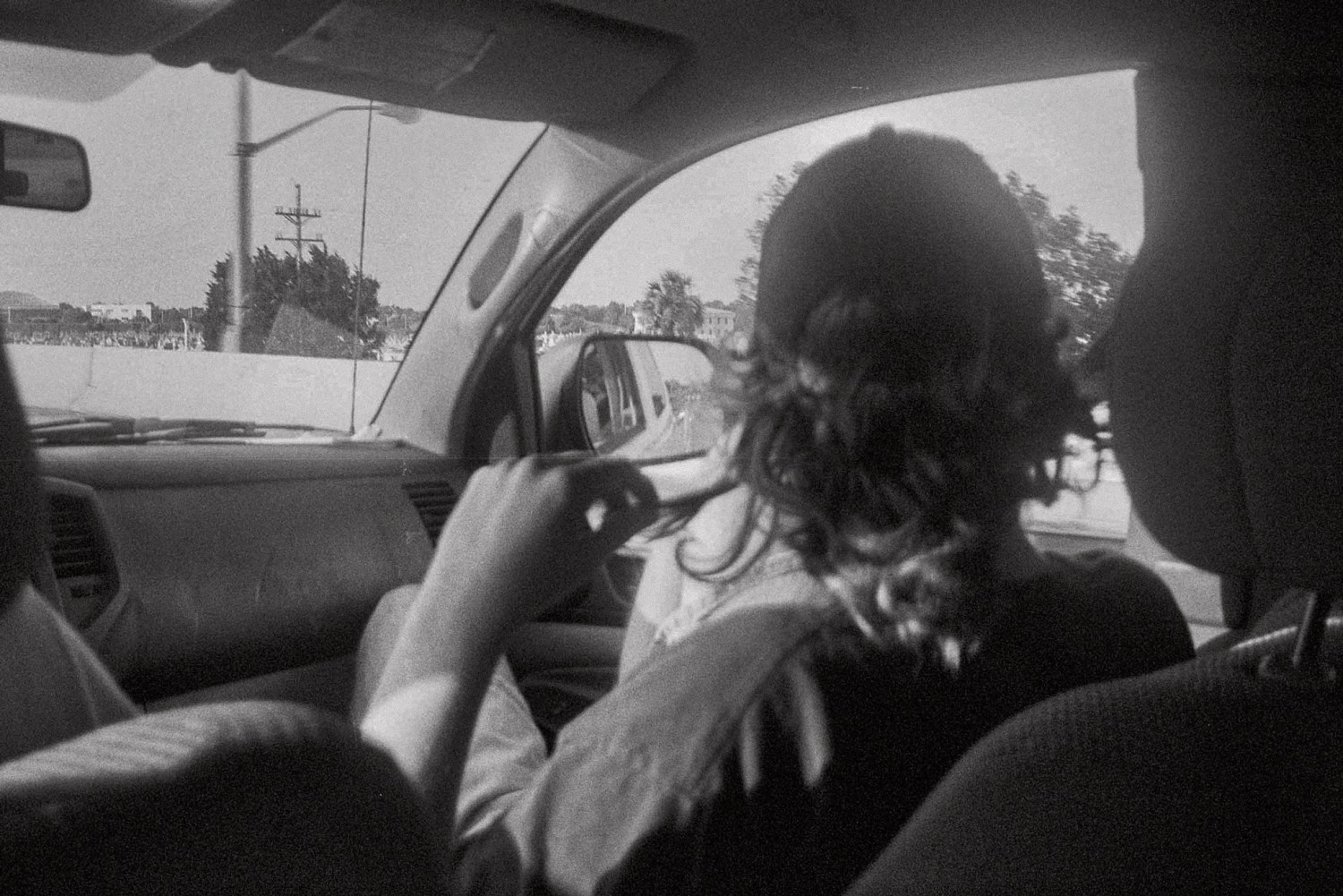
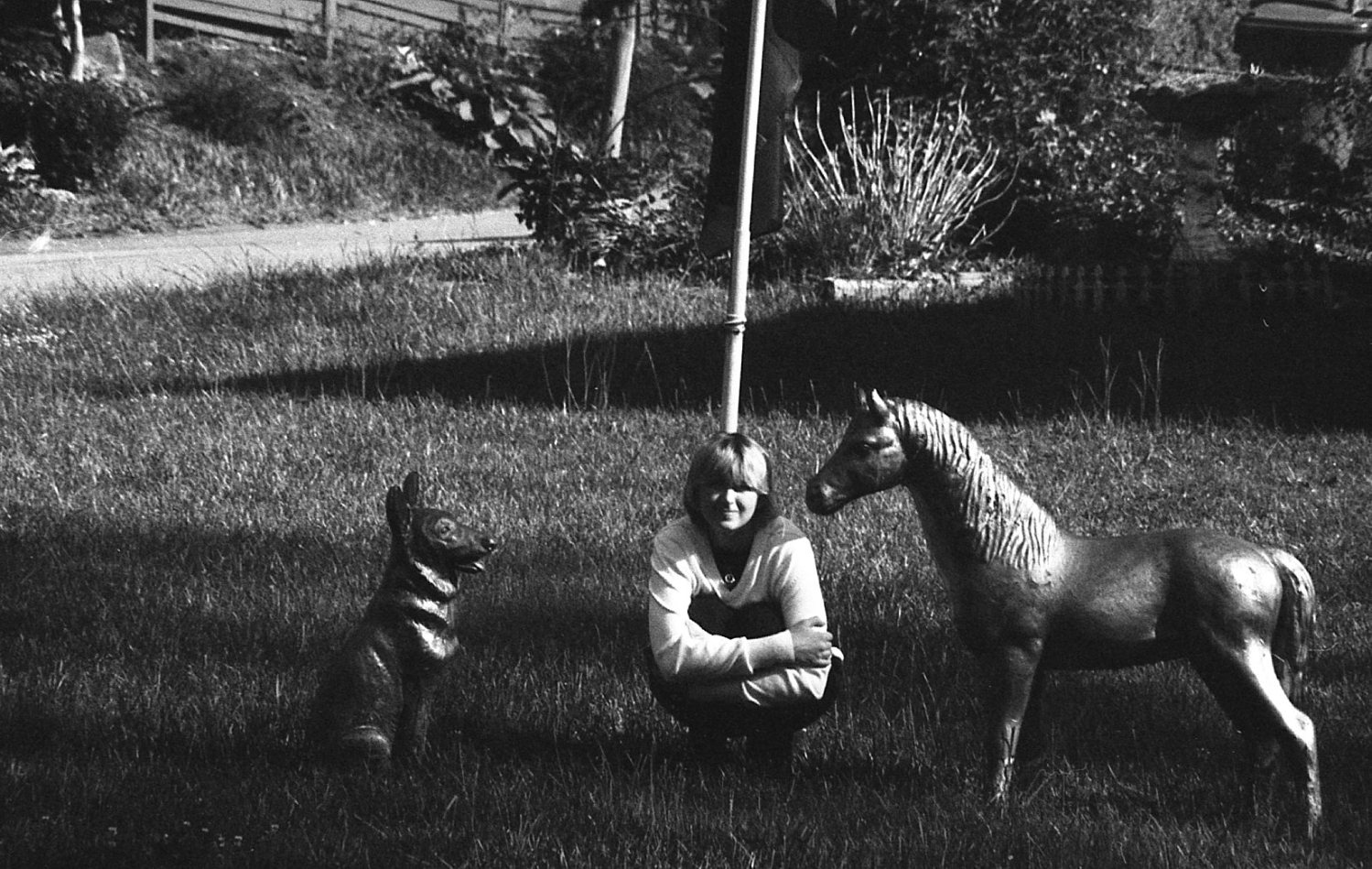
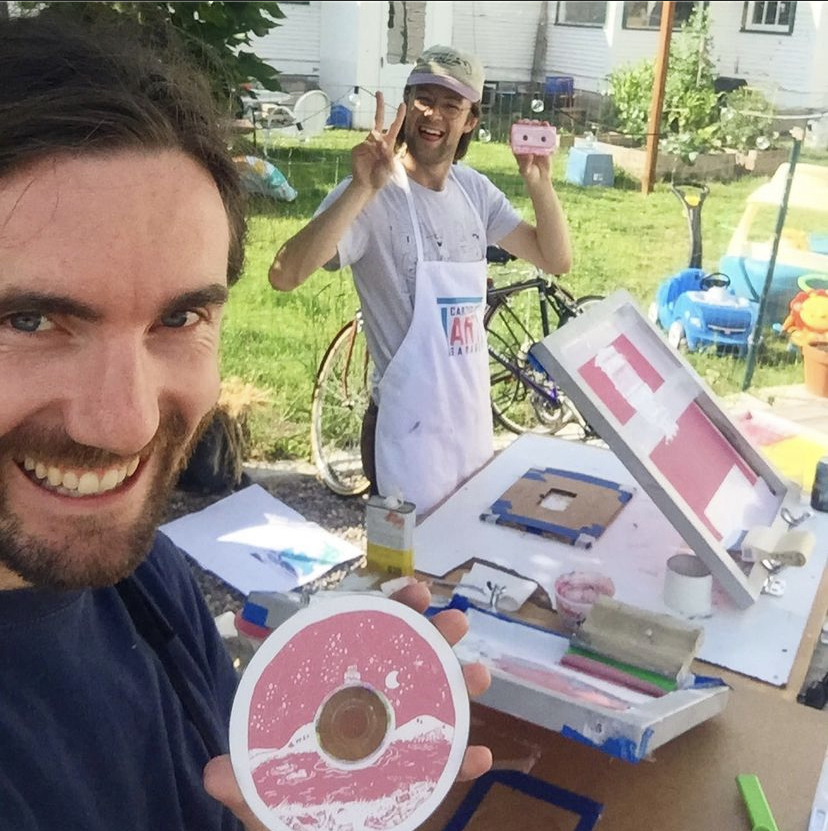

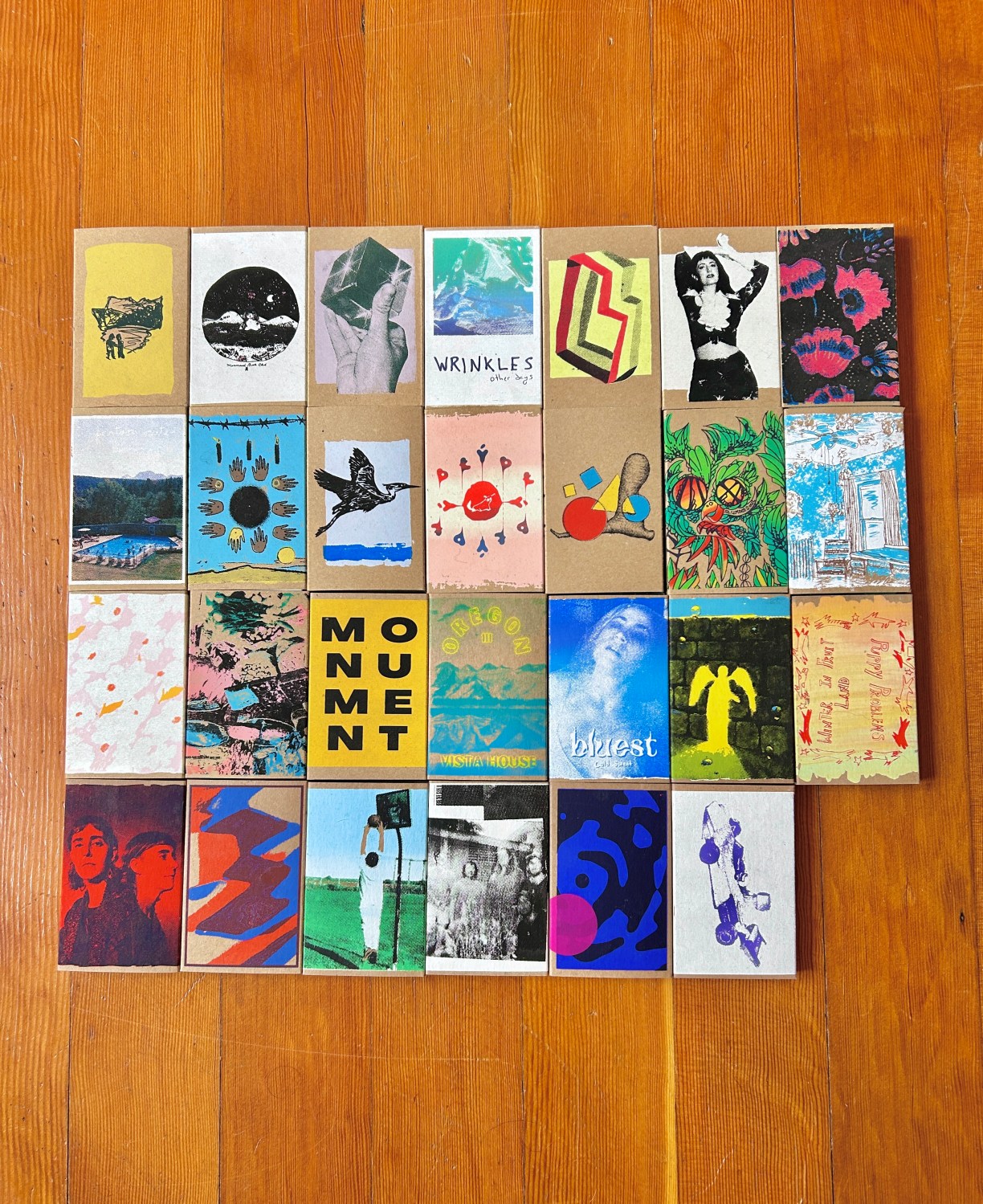



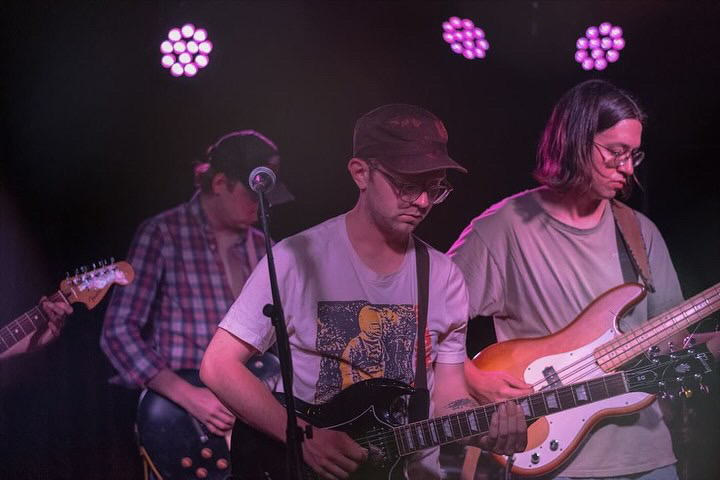
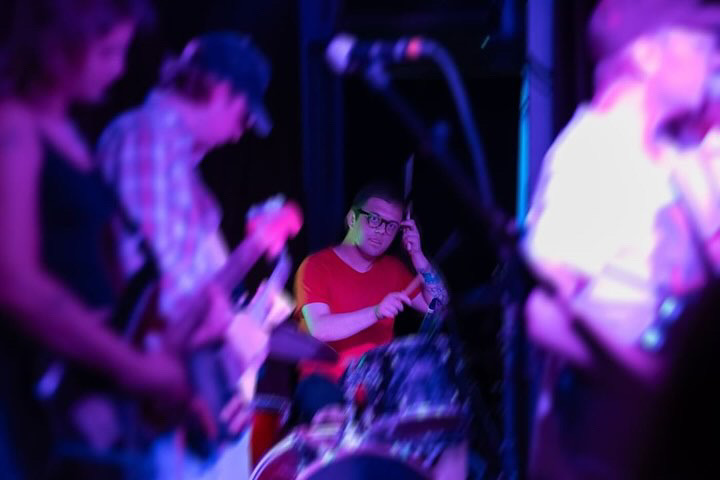

 the ugly hug