Last week, a band I had been interviewing told me that the only relevant means of music categorization is region-based. It came up amidst some anti-genre discourse, and the take was less a blanket statement of “every band from Pittsburgh is making an identical style of music” way, and more so rooted in the touching impacts of community on art. I found myself marinating on that take heavily as I listened to this split EP by Tombstone Poetry, trust blinks. and Hiding Places, three bands who share ties to Asheville, North Caroline. Their timelines in the city do not boast an identical alignment, Hiding Places is now a Brooklyn based project and trust blinks. has only been in Asheville since 2023, yet an element of community touches and binds the entirety of the listen, creating a through line amongst a series of personal reflections and guarded thoughts.
We recently got to ask trust blinks., Hiding Places and Tombstone Poetry a few questions regarding their individual tracks, collaboration on this split and the impacts of community in Asheville, North Carolina.

trust blinks. is the project of Ethan Hoffman-Sadka who has been releasing under the name since 2021. Following the last LP Turns to Gold (2024) and two collaborative singles, Trust Blinks. returns today with two new songs, “Body Keeps Score” and “Dirty Dishes”. On “Dirty Dishes”, trust blinks. reflects on a childhood unblemished perception of the world from the thinned-out lens of adulthood. The tectonic gaps between a life where “astronaut” is an attainable path and a life where you co-exist with a roommate’s neglected mug in the sink are bridged in a rusty haze of lived in guitar and tender vocals, untethering the track from the extremes that it explores to establish an experience that leans a bit further into emotionally ambiguity. The weathering impact of lived experiences is a theme that trickles over on “Body Keeps Score”, where trust blinks. examines how hardships can only promote growth if we choose to not be defined by them. Tombstone Poetry makes an appearance on the alt-country leaning track, the initial contrast of Hoffman-Sadka’s brittle and delicate deliveries followed Burris’ sharply melodic twang ultimately filtered into one through a stunning moment of harmonization.
This is not your first split release, having collaborated with other artists like liverr, new not shameful and Suggie Shooter. Now with this 3 part split, even including Tombstone Poetry on one of your tracks, what does this kind of collaboration, and/or pairing, bring out in the music that you create? What do you take away from experiences like this?
Lately, I’ve been trying to collaborate with as many of my friends/inspirations as possible. I love so many different sounds it’s hard to keep track haha. With each split or mutually created song I think I pick something new up along the way whether it’s a new skill/interest or even the realization of what I don’t like. I haven’t been really feeling a succinct sound lately so I’ve been enjoying going with the flow and doing one-off tracks instead of albums. I’m always looking for ways to force myself to not take it all so seriously- which ironically takes quite a bit of work for me.
There is a lot of depth in these songs’ complexion, for instance, “Body Keeps Score” leans into the more alt-country style and “Dirty Dishes” embraces that more slow and harsh soundscape that filled past projects like Turns to Gold. When it came to the sonic build of these songs, was there anything new that you wanted to try? Any ways you challenged yourself with these recordings?
As cliche as it sounds, it’s been hard to resist leaning into the sounds of the South since I moved here. I wrote both of these songs around 6 months ago and just recorded little demos of them for Youtube without any much thought about what genre they were at the time. When it came time to really record them they both seemed to naturally gravitate towards different sounds. I knew I wanted to record Dirty Dishes with my friend Luna (Total Wife) and the goal in doing so was definitely to channel The Pumpkins, MBV, Lilies, Acetone and so on. I wrote Body Keeps Score with Caelan (Tombstone Poetry) in mind to sing on so I think I kinda built the song up around the sound of their voice I had in my mind. I’m still pretty new to incorporating instruments like banjo, violin or pedal steel into mixes so I think I struggled a little more with Body Keeps Score when it came time to record that one. I realize I still have quite a bit of work to do when it comes to genuinely approaching songs that are a departure from the usual wheelhouse haha.
“Dirty Dishes” floats this theme of growing older and becoming more despondent to your surroundings. What was the significance in the imagery you chose? Is there a thematic throughline with the grappling that “Body Keeps Score” goes through?
I really like when any art comes from a really simple place. I think Dirty Dishes’ lyrics came really naturally in that sense. In adulthood I find myself so manic and wrongfully attuned to inconsequential details like the noise or messes my roommates make. I probably was in the middle of some mental stupor and took a step back and realized how sad it was that our worlds become so much smaller as we grow older. The line ‘you could clean them but they’ll still pile up’ is all about how there’s always some new problem or fault I find with something or someone. I’m working on that!
With Body Keeps Score there is not really as much imagery going on. I just liked how those words paired together (from the book) and made a little play on the words. The lyric, “If the body’s been keeping score I’ve gone undefeated since I was born”, kinda says it all. I think sometimes I take pride in my hardships in an unhealthy way. Hardship can definitely help us grow but not when they become an aesthetic thing or a script we rely so heavily on.
Did writing and recording these songs help you feel more present in your day-to-day, especially when pulling deeper meaning from the mundane?
I think I gravitate towards writing lyrics as if they are mantras. In that sense, writing these songs definitely helped me feel a little lighter. It’s always nice to consolidate a philosophy or feeling into a 3-minute, materialized thing that you can say goodbye to. As for recording these songs, I can’t say they were as enjoyable. I started that process after Hurricane Helene and six months later I still find it hard to get into a certain flow. The prospect of sitting at my desk was and still is extremely daunting and at some point, I just had to set a deadline so I could let myself move on. I’m not as happy with Body Keeps Score (it feels a bit dramatic/forced) but I’m excited to take some space and work on new stuff/potentially approach recording the song again in the future.
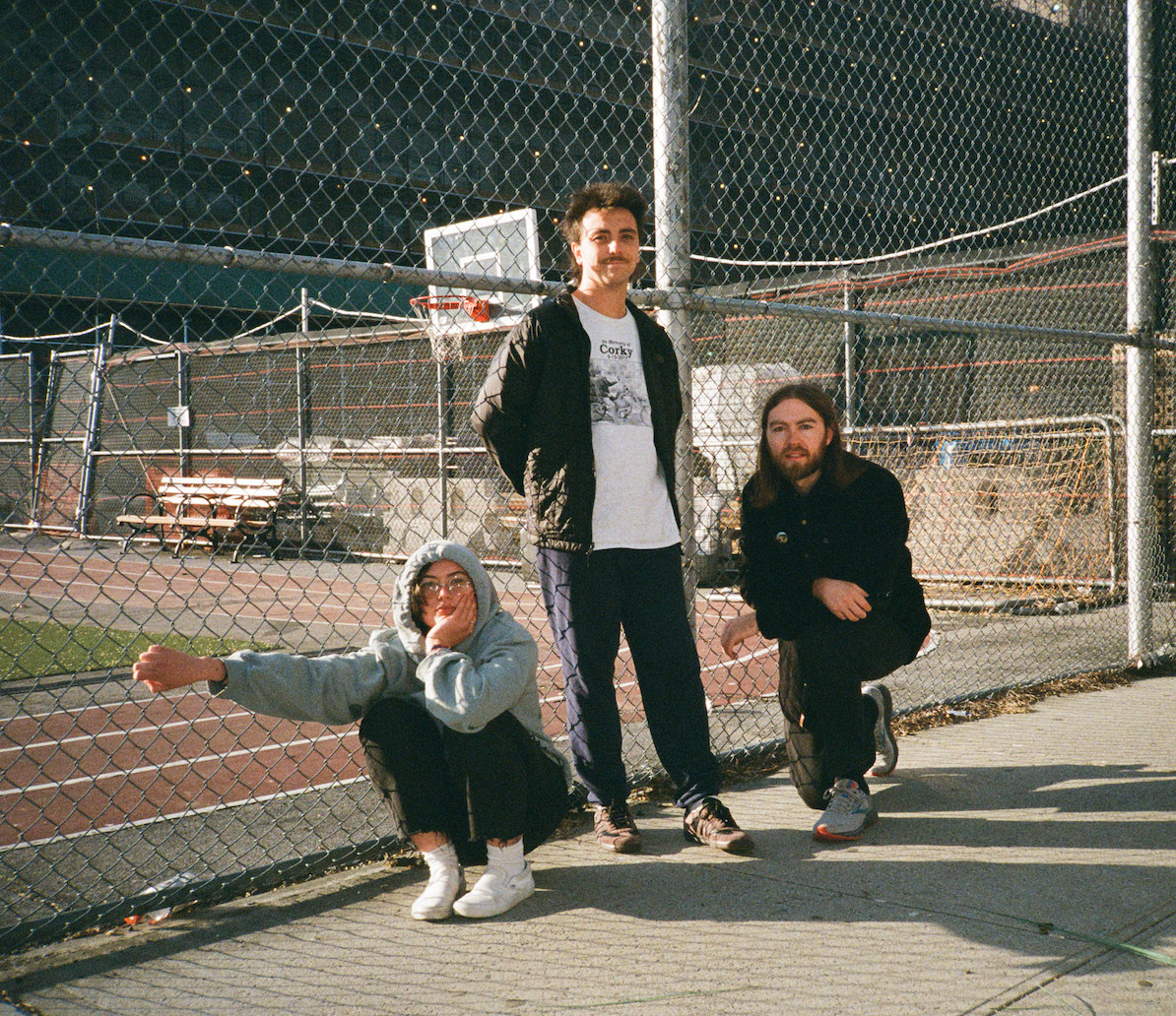
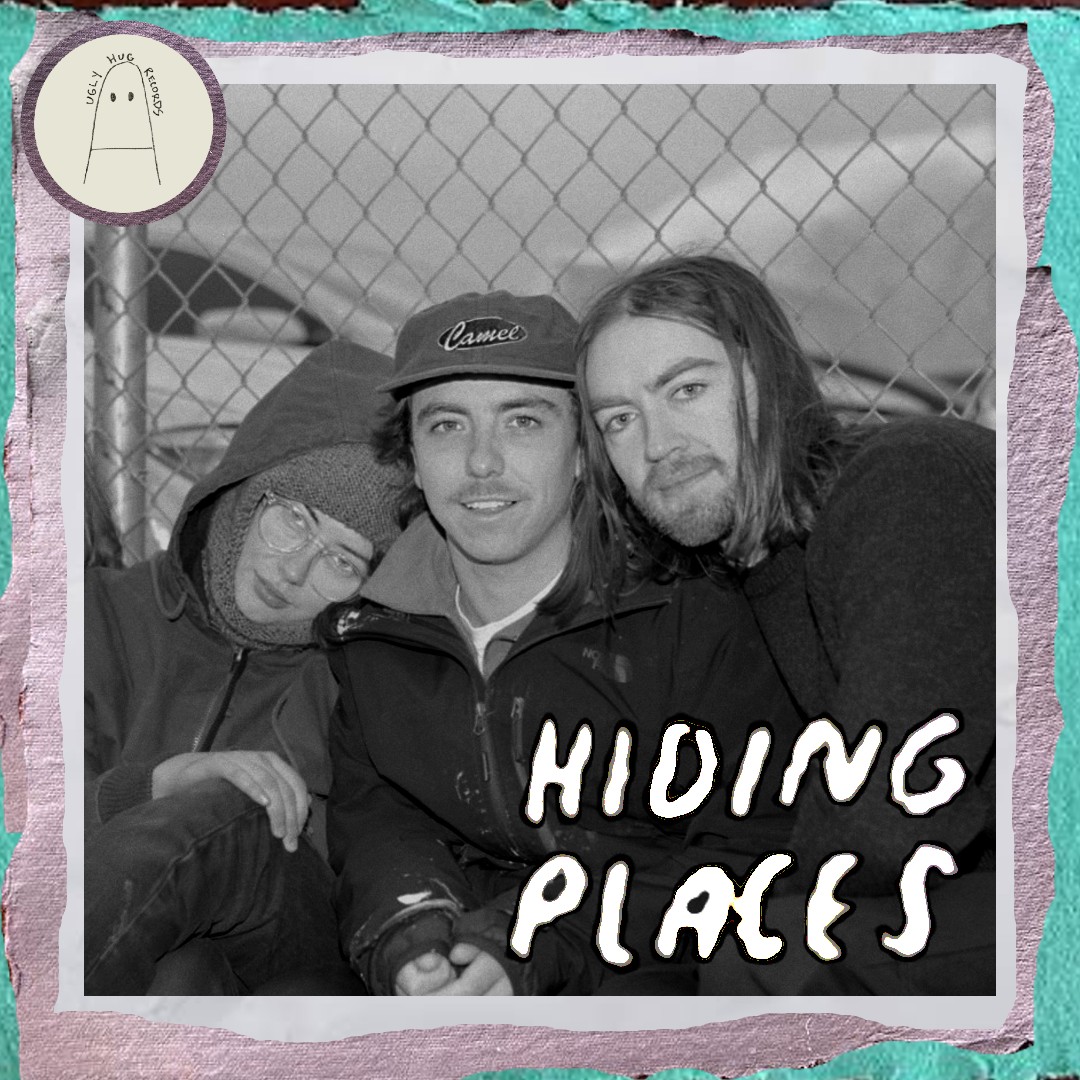
Now a Brooklyn based band, Hiding Places began in Asheville as the project of Audrey Keelin, Nicholas Byrne and Henry Cutting. Following the 2024 release of single “Pulp”, Hiding Places returns today with two new songs, “Unfixing” and “Flooded Island”. Though the notion of a “bedroom” track is technically rooted in lack, there is often an impalpable depth and level of untouched emotional ruminations in music created in one’s own space. Amidst a circling fog of delicately layered vocals on “Unfixing”, Hiding Places simulates an unraveling of skepticism and preoccupation cushioned by tender, glistening guitar. This authentic “bedroom” quality spills over onto “Flooded Island”, which maintains a wispy sense of solitude as Keelin’s syrupy vocals sift through overbearing thoughts during a quiet shift at a woodshop.
There is a great deal of focus towards different sonic textures in these songs, but especially on “Unfixing” with its building layers and the roles the landscapes played on the track. Where did you challenge yourself in crafting this soundscape? Did the build up of instrumentation come naturally with the songs’ intentions?
Nicholas: So these two songs from Hiding Places came as from songs from our first album that we’re done recording now, and basically realized, hey, we need to fit this album on a record, and these two songs stuck out as having their own sonic qualities that work together, and we thought it would be fun to release them early on this project.
Audrey: I feel like I want to preface this by saying that these two songs were built from demos that I made in my room alone. They just both have that sort of energy to them, so I think all of the textures that we incorporated in this and essentially almost everything on this recording that was built on these bedroom demos, we’re just kind of experimenting and seeing how we can make them Hiding Places songs. And these songs were arranged and produced during the same time that we were arranging and producing and recording the entire album that’s going to come out sometime soon. But they set themselves apart because they are more like bedroom recordings, and they are just softer and more delicate and songs that we don’t really play live. They have this more experimental energy to them rather than like, you know, this is a song that we arranged as a band in the practice room, and this is a song that we play live, and this is a song that we get out a lot of energy with. But to more accurately answer that question, the song’s intention was just experimentation, just trying to get out a feeling. It’s honestly indescribable, and that’s why we make music.
Lyrically, there are phrases on “Flooded Island” that lean into that imaginative imagery that you have used in the past to grapple with more adult themes, as was the focus on your prior EP, Lesson. In what ways did utilize this type of writing to bring out themes buried within these songs?
Audrey: Flooded Island was a song that I wrote while I was working in a woodshop in Chapel Hill. I had a lot of free time because there were often times where there was nobody there and I could just make my own stuff, and sometimes I would use the job site radio to mix my demos in the woodshop. So I think that that song for me is imbued with that memory. Also just imbued with the memory of working my ass off in general, especially working my ass off to move to New York. That song I wrote before I moved to New York and I was just thinking about how much hard work it was going to be to move here. It’s also just like witnessing other people overworking themselves to survive.
This is one of the first Hiding Places’ releases where you are all once again in the same spot, but now living in New York. Has that shift in location changed the way you approach and interact with how you make music?
Audrey: I think that the move to New York has actually completely changed Hiding Places’ sound as a whole. I think that these songs and some of the songs that are on the album kind of mark an end of the remote Hiding Places that we’ve known for four years now. It’s kind of bittersweet, but I’m very, very happy that we live in the same place now because we can arrange music together and play it together and try it out and add new parts and test what feels most fun and exploratory live. With the shift in location though, I think the main thing that has been really revolutionary to Hiding Places is Michael Matsakis and recording and arranging with him. Having him produce some songs and play keys and organ and bass parts and even guitar parts in some songs, he’s just so tapped into this endless stream of creativity and curiosity that I admire so much and I’m so lucky to be around.
Nicholas: Audrey made these demos in North Carolina before moving to New York about a year ago, and we recorded the rest of the parts of the arrangements in New York, so I think they exist somewhere in between sonically, which has kind of been the story of the band so far. Now with Audrey in New York, though, we have the opportunity to play a lot more and write together here, where previously our process has been building on top of demos that either Audrey or I bring to the band. There are several songs on the album that we wrote from scratch together, so we’re kind of evolving how we build songs and sounds. It’s always funny, I feel like a lot of the songs we’re releasing were made a couple years ago, so it sounds different than the things that we’re writing now. But I think these are especially cool songs because of the way that they are really crafting a soundscape and are rather ethereal in their atmosphere.
With origins in North Carolina, this split album has its soul based in the South. Now living in New York, in what ways do these songs connect you back to Asheville and the way that that community functions?
Audrey: I appreciate that you asked about Asheville. It’s extremely meaningful for me to be making music and being in the same scene still with people who live in Asheville because it’s where I grew up and it’s where I feel like it’s the scene that raised me as a musician and also just as a person. I felt disconnected from it for a while ever since I moved, but the fact that I can come back and feel at home again is so encouraging and it makes me want to just keep making music and being in that community and being inspired by that community.
Nicholas: We just played with Tombstone at Trans-Pecos here in New York, and it was really fun. It’s really cool to blend these worlds, North Carolina and New York, of people and place and music and taste!
Watch the accompanying music video for “Flooded Island”
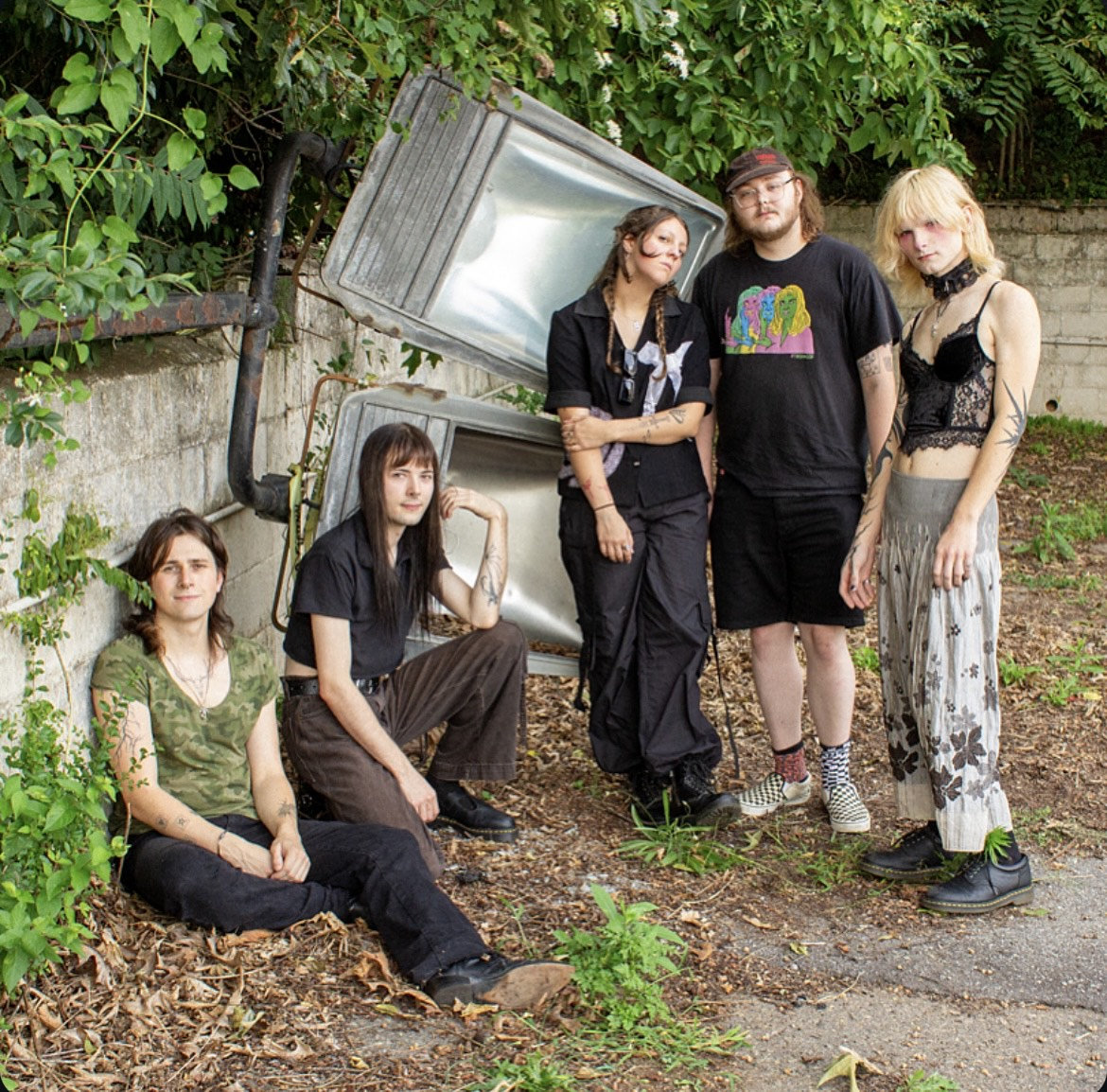
Since 2021, Tombstone Poetry has been forging a musical identity that paints a certain country warmth onto alternative rock and noise heavy walls. Following the 2024 release of their LP How Could I Be So in Debt, Tombstone shares singles “Ignition” and “Bender” today. “Ignition” presents as the most upbeat track on this release, attesting to Tombstone Poetry’s knack for molding shame-drenched confessions into buoyant hooks and twangy warmth. “Bender” adopts a darker soundscape, though both tracks cut deep into reflections on substance abuse and the impact of addiction on relationships.
Through feelings of heartbreak and sabotage, was there a specific theme that towed the line between these two songs? What did you find yourself embracing when bringing out these songs?
I think as I continue to write about things like heartbreak, I find more solace in being brutally honest. The general theme of broken relationships (both platonic and romantic) has been a defining characteristic of Tombstone songs for a long time. I think with Bender and Ignition, the songs are not only honest but defeatist in the hopelessness of the lyrical themes. In picking them as the songs for the split I decided to embrace that feeling and have these two sister songs stand together.
As “Bender” becomes this haunting infiltration into the lives of two individuals, how did you play with the concept of a bender and heartbreak taking on similar roles in your lyrics?
Bender is a pretty straightforward song about drug addiction. It’s somewhat dramatized but the feeling of being at the mercy of your vices but wanting stability in a relationship was my point of view in writing it.
“Ignition” and “Bender” take on two different sonic build ups, yet hold on to that alt-country style that your music has set its roots into? Was there anything you wanted to do to challenge the way you work as a large instrumental unit on these tracks? Did you try anything new?
We recorded both of these tracks completely differently than anything we’ve done before. Usually we go into things as a unit at a studio, but with these two me and Lawson Alderson pieced them together in our home studio, bringing in different members of tombstone and guest musicians. It was a very fun and different experience to collage the songs together.
What did it mean to you to hop on the track “Body Keeps Score” with Trust Blinks. for this split? How did that collab come to be and what did you gravitate towards on that song?
It was a blast! I love Ethan and have been playing music with him since he moved to Asheville. We just got together one day and bounced some ideas off each other for vocal parts and it all came together.
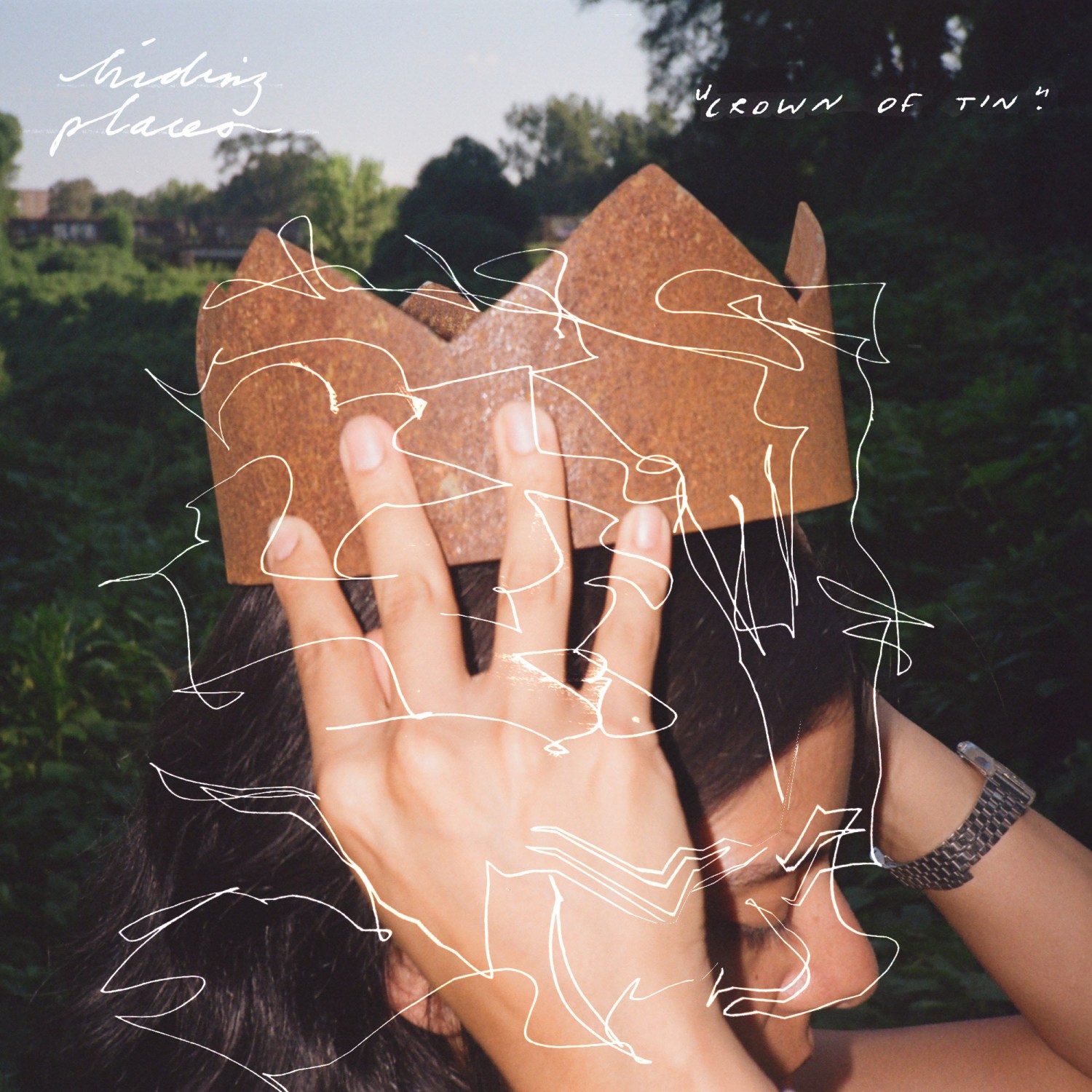
You can listen to the split EP of trust blinks., Hiding Places and Tombstone Poetry on the bandcamp page of I’m Into Life Records, as well as order a cassette tape!
Written by Manon Bushong | Interview by Shea Roney



 the ugly hug