This Friday, Sleeper’s Bell is offering Clover, their long-awaited debut LP via Fire Talk’s Chicagoland imprint label, Angel Tapes. Looking ahead to this release, we are excited to be celebrating Sleeper’s Bell week here at the ugly hug with two different features!
Originally formed by Blaine Teppema back in high school, Sleeper’s Bell was first found by many listeners with the release of her debut EP Umarell, released back in 2021 and having since been reissued on cassette in 2024 via Angel Tapes. It was a raw, and rather memorable collection, as its longevity is a sentiment to its articulation of heart, something that she so beautifully made mindful in its short run time. Fostering a reciprocal relationship with storytelling, Teppema’s presence within her words has always been one of desirable consciousness and stimulation – like biting into a citrus fruit and lingering with the reliving, sweet flavors while fighting with the stringy pith that’s left behind, stuck between your teeth. With the addition of Evan Green on guitar, Sleeper’s Bell became a project unknown to Teppema, not out of lack of recognition, but a rather new and open space with no defined limitations – a chance to strive for clarity where there was sometimes none before. With songs dating back almost a decade now finally in one place on Clover, the duo has taken every part of the process step-by-step, embracing a type of chronological association where both beauty and trauma hold the cards and Sleeper’s Bell decides when to slap them down.
Embracing the vivid talents of the Chicago scene, Clover also debuts the duo working with a full ensemble of notable players including Jack Henry, Max Subar, Gabe Bostick and Leo Paterniti, putting a newfound life into the already lasting structures of a Sleeper’s Bell song. But as Teppema and Green have spent the last two years recording Clover, building upon their trust as both collaborators and friends, this debut marks more than just the release of some rather beloved songs. It has become a full story, an almost novelistic dream of what it means to love and to be loved, to be hurt and to heal, and to simply make art with your best friends.
With Clover’s release this Friday, the ugly hug is featuring Sleeper’s Bell in two different ways today. One is a conversation in which we recently sat down with Teppema and Green to discuss the duo’s origin, vulnerability in sharing, friendship and the making of Clover. The second being the debut of a new series called the ugly sessions.
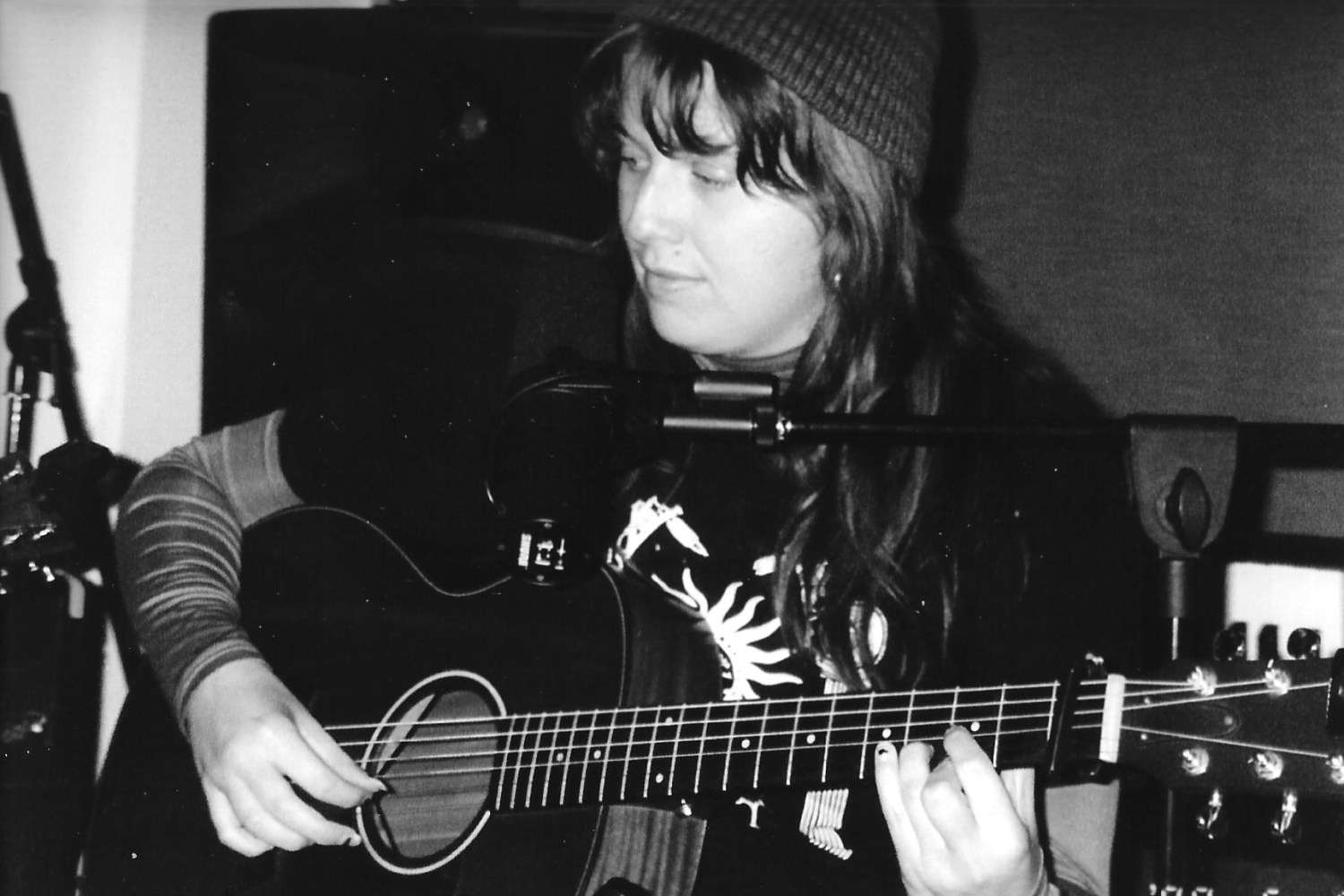
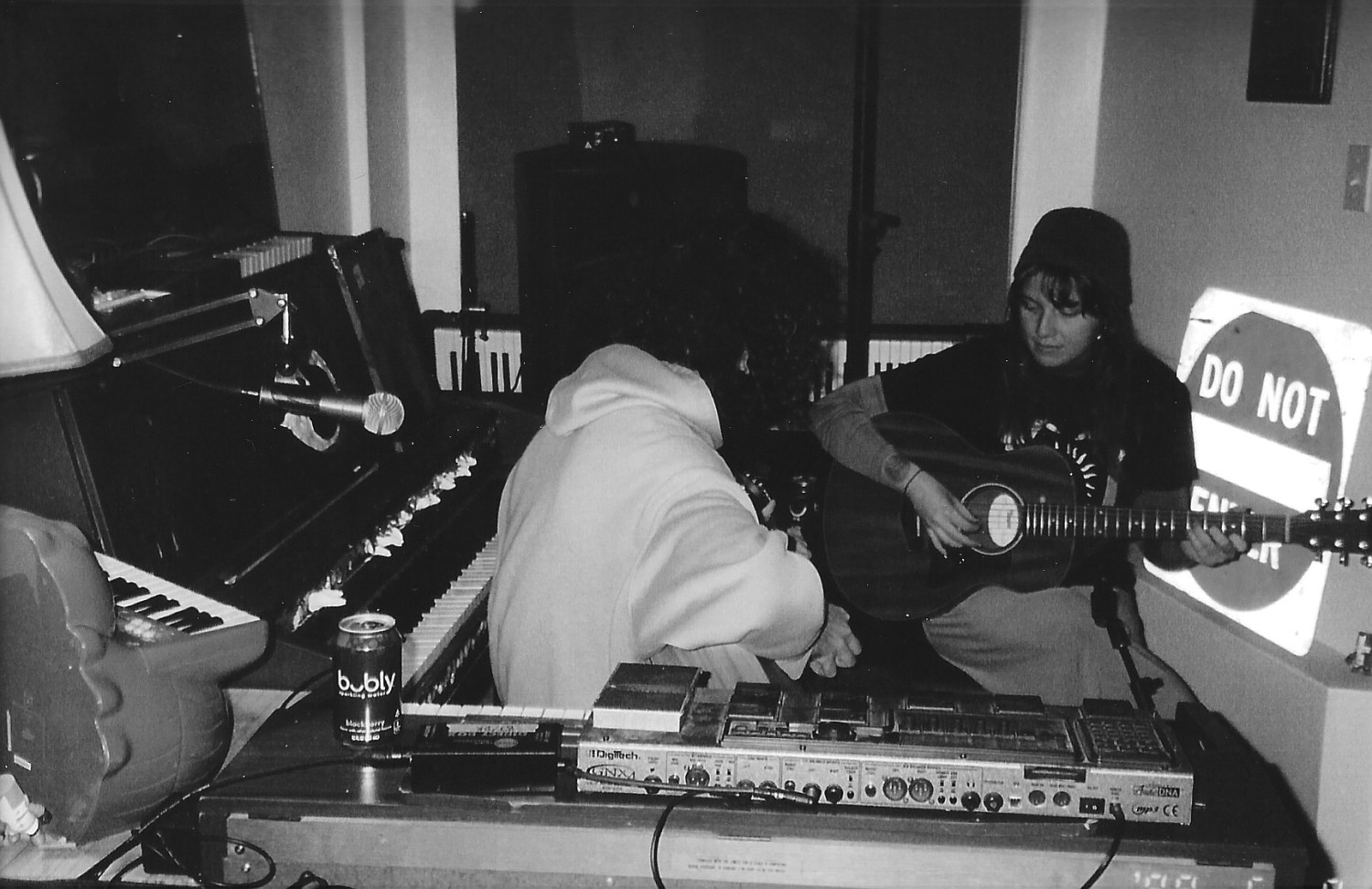
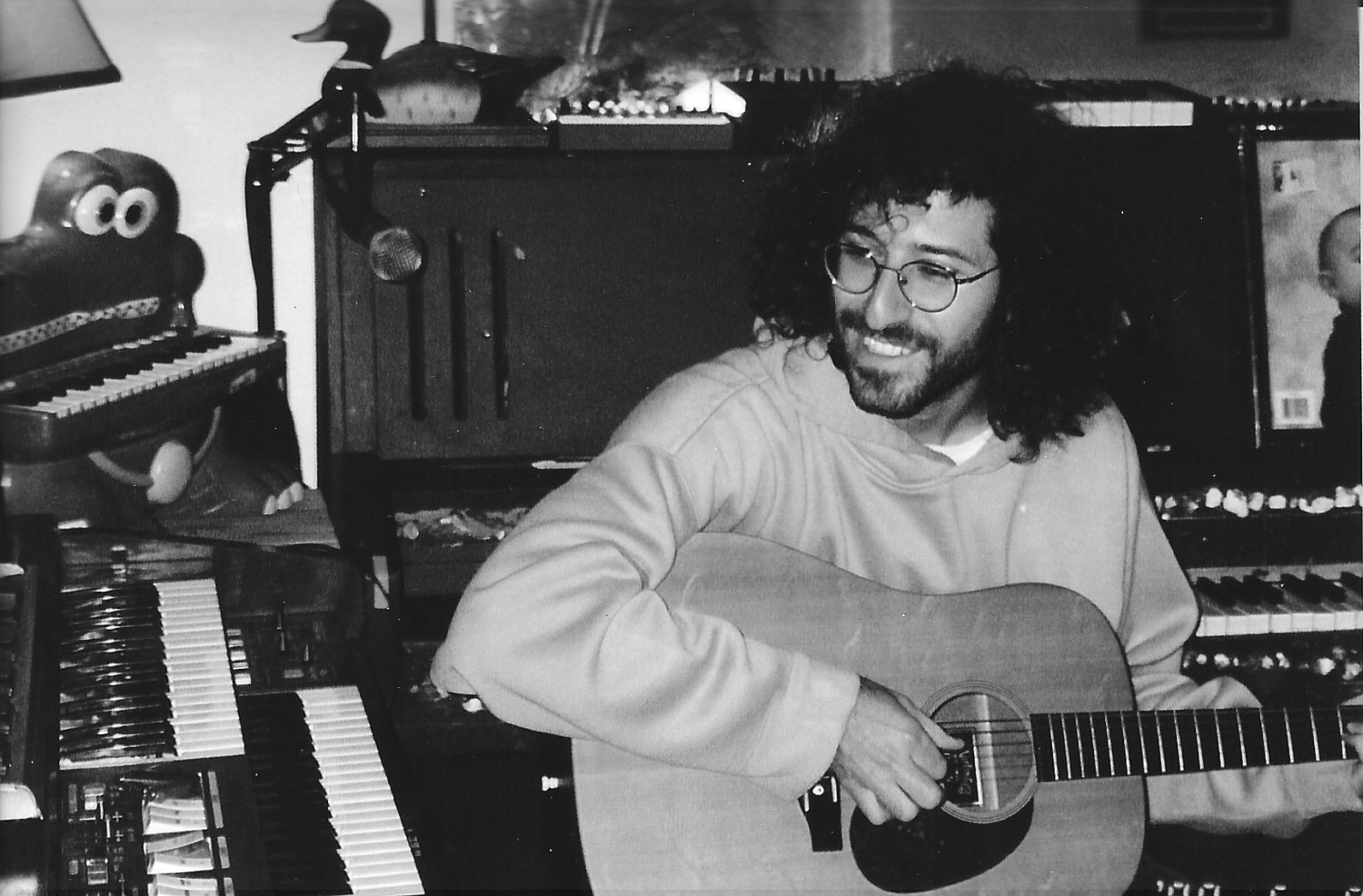
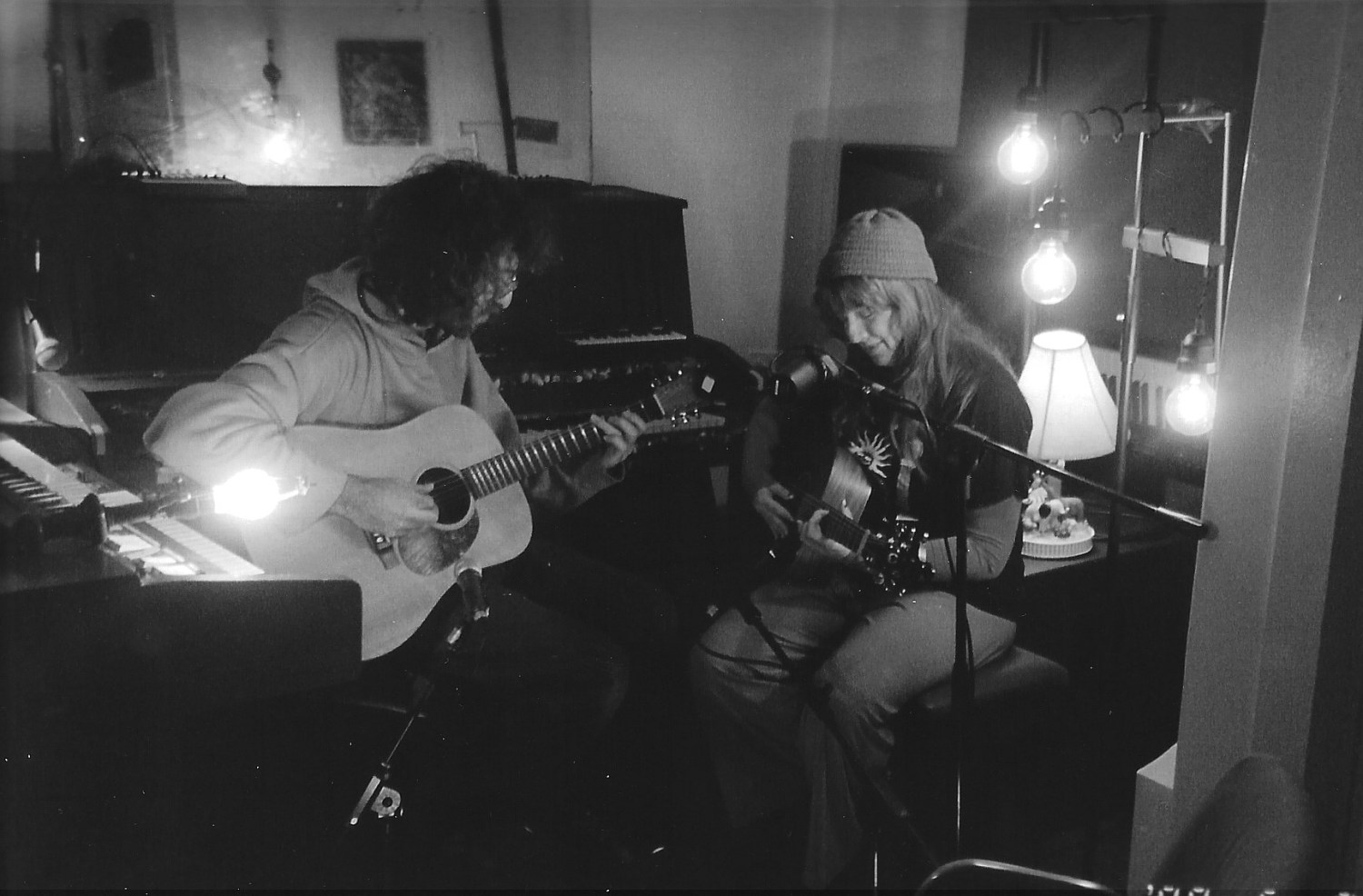
Watch Sleeper’s Bell perform in studio below.
This interview has been edited for length and clarity
SR: We are almost upon the eve of your debut LP, Clover. Looking over the edge now, how does it feel?
Blaine Teppema: I’m ready. I feel like I’ve been so up and down about the release process for so long, and now I’m finally in a stable place with it. It feels good.
Evan Green: It’s like the stages of grief, seriously, you know what I mean? At each part, there was like a mourning for the loss of the part before it. There were hurdles each step of the way and it definitely would feel impossible at times because it took us over two years.
BT: We were so new to every process. I’ve never recorded in a studio and I’ve never recorded with a band or really worked with other people besides Max [Subar], who was really hands-off with the process, so every time the band figured something out, we couldn’t sit with it or spend time thinking about it or really work on it. It was just on to the next part, you know? And now we’ve been able to sit with everything.
EG: We’ve come so far with the music and being a band. We were not even a full rock band before the record because it was just Blaine. And then Blaine added me to the project, just us playing duo for almost a year. And then when we started recording the album, we would get to the studio and literally I would play bass, Blaine would play guitar and sing, Jack [Henry] was on drums and Gabe was just in the recording booth pressing record, and we would just figure out arrangements for all of the full band songs on the record while it was recording. We only would play it ten times and then we’d just pick the best one.
BT: It was always the first or second one. That’s usually how it is.
SR: Was it weird figuring this out, you know, not allowing yourself to sit with pieces you just learned as you kept pushing through?
EG: Since we were at the DePaul studio, Gabe was like, ‘okay, I have this window of time for you guys to be able to record here for free’, before he graduated. We were like, ‘okay, we want this record to sound like this…’, and we just started doing it. So we felt this time pressure. We were all so busy. Eight songs done. We had those initial sessions and then we were still committed to working with Jack on the record, but he would go on tour and we would have to wait a month or two at a time and then get back to working on the record. We kept having to put things on hold, so we would have this moment where we would be working on everything and it would feel incredible, but then we would have time off. That kind of kept going until December of 2023 and we decided that Leo [Paterniti] and I were just gonna mix the record and we finished recording everything at our house and we mixed it all in our bedrooms.
SR: You can tell this album works like patchwork, but it fits so cohesively, especially knowing the whole ethos of this record piecing together old and new songs you had, Blaine. But this project has been your personal thing for almost a decade now. Was this how you envisioned Sleeper’s Bell would be when writing as a teenager?
BT: Hell no. I was so meek about music. In high school, I didn’t really show anyone my music and I didn’t like performing. I feel like it was something I would just get high and make a song on GarageBand and post it on SoundCloud, you know? And that was basically how I was able to function as a teenager – I would just record in my room alone all the time, and a lot of those songs I was so critical of, and a lot of them are gone. I would put it up and then I’d be like, ‘It’s so stupid, stupid, stupid,’ and I’d delete it. I thought that was me being humble or something, or, you know, having humility. But I think, in retrospect, it’s a form of ego to be like, ‘it’s not perfect, so it’s not me.’ Then I had these songs that I had written in college, and Max had a studio, so I felt like I should just record them and it was just gonna be a one-and-done thing to say that I did it. But I didn’t like playing shows.
EG: You did play a few shows though. I heard that Umarell EP through our mutual friend Lilly, and we were falling in love to Blaine’s music. It was really crazy because I was so in love with the songs and I was starstruck by Blaine. And when I moved back to Chicago, I was like, ‘I want to join the best bands. I just want to play music and be around other artists and other people that inspired me to write music and create.’ And ever since I heard [Blaine’s] music, my dream band would be to join Blaine in Sleeper’s Bell. It was a thought that I had, and then a few months later, Blaine hit me up to play a show. I was so scared [laughs]. I was terrified.
BT: Well, again [to Evan], you’re the reason that I like playing shows now. And I like every process that isn’t just sitting alone and writing. You’re the reason that I like sharing now.
EG: We had fun. The first practice was kind of… I feel like it was the perfect example of just how the rest of the journey would be when [Blaine] came over. I was nervous to play with [Blaine], and she comes over and goes, ‘oh, God, wait. I haven’t touched this guitar in months.’ She then takes out her guitar and strums it and it’s rattling. I take it and I turn it upside down and shake it, and dust bunnies just start pouring out of the sound hole [laughs]. It was like a magician’s handkerchief! It just kept coming off out and coming out.
BT: I wasn’t lying!
EG: And we just broke the tension. And then we played that show at the Golden Dagger, and everyone was just silent. It was almost sold out or something like that and we were so nervous. You could just hear a pin drop. We both felt high afterwards, we were shaking with excitement.
We just couldn’t believe it. That just kind of made it. After that, we just felt like we could do this.
BT: I had never really felt that way after playing a show because I was never prepared. I would go into playing a show and I would be fucking up and I wouldn’t have enough songs to have a whole set, so I would play for 15 minutes and be like, ‘I’m fucking done.’ But [Evan] helps me have discipline.
EG: I mean, you’ve grown.
BT: Yeah, I have to respect it all the time even if I’m not feeling it all the time. You know?
SR: My first time hearing Blaine’s music, similar to your story, Evan, I was just, you know, completely enamored. I would even listen to it while I ran [laughs]. But it’s funny because I did an interview with Hannah Pruzinsky, and they were like, ‘what are you listening to?’ I was like, ‘have you heard of Sleeper’s Bell?’ They texted me later that day saying something like, ‘it’s so good! I just listened to it on my run.’
BT: [laughs] Oh my god! I love running to sad music. I think it’s because it makes me feel like I’m trying to get to the train station before someone leaves so I can profess my love to them. It’s like a mission.
SR: I completely agree! And then the first time I saw you was that insane four bill at Sleeping Village. It was you two, hemlock, Lily Seabird, and Merce Lemon.
BT: Was that the show where we came out and there was feedback immediately? Probably. That was also the show that I walked off stage with the cord still attached to my guitar.
EG: Some of those early ones were a fever dream. We didn’t have our tech stuff figured out, and running into awkward setups, and if people are talking it can be difficult. It’s a learning experience, but that show was a bit of a rough one for us.
BT: Also we just weren’t besties yet. That makes all the difference. Trust is huge.
SR: Blaine, this album is a constant dialogue between you and your younger self, responding to old journal entries and songs now as an adult trying to heal. What was this experience like in the beginning, and did it shift at all as this album started to become more feasible to you?
BT: I wrote the first song on the album when I was 16 and I wrote the second song on the album when I was 24. And then everything else is in between. But the last song, I wrote when I was doing trauma work in CBT, and a part of that was that I had to go back – I’ve been keeping a journal since I was nine. And as a true librarian should, I have them all archived and numbered on my wall. I never touch them. It’s like fucking dynamite – but as part of the therapy practice, I had to go back and really relive a lot of situations. That’s where the last song “Hey Blue” came from. It was part of forgiving, my inner child sounds so corny, but, you know, letting her know that I love her. But I feel like there’s a line that you tow with vulnerability, that you can give yourself away completely, and I did want to protect myself a little bit. So I did want the songs to be kind of a bop. I wanted them to be fun and energetic, so that I could play with that a little bit.
SR: In what ways did you play with rearranging the songs?
BT: Well, a lot of them weren’t like that when I wrote it.
EG: Oh my god, yeah, that’s where the grooves come in. When we first were playing these songs, they were slow and they were really, really sad. Kind of just meant for a duo setting. But we ended up taking all of those songs and sped them up, like, quite a bit, and the groove of the songs just came naturally.
BT: It just felt like a nice recontextualization. We were having so much fun, we’re in the studio, we’re joking. We were just so happy to be there and there’s nothing we’d rather be doing. I feel like that comes through in the music as much as whatever I was feeling when I wrote it.
SR: Working with the older songs, how much did you hold true to the original and how much would you change when it came time to putting this record together? When trying to hold that throughline between Blaines, what was that process like?
BT: I feel like once I write a song, I can’t change. I just don’t know how I would go in and change it, you know? If anyone else wants to try to change anything, you can, but my brain doesn’t work like that. I feel like we definitely had to doctor up the older ones a lot more because it was just, like, they weren’t as interesting.
EG: No, it wasn’t that they weren’t as interesting, but we were trying to make them fit with the other songs. Like the song “Over” just flowed so naturally. I feel like you can kind of feel it in a song, “Over” especially, how naturally things kind of flow, versus “Bored”, which was more of a puzzle, thinking, ‘how can we match this story that Blaine is telling to an arrangement?’ We have pedal steel, we have keys, we have acoustic 12-string doing these plucks, and all these elements kind of just weave together.
SR: This was also your first majorly collaborative release, quoting it as an ‘assemblage of chosen and real family’. What was this transition like as a solo writer to then a duo to now a fuller ensemble sharing ideas?
BT: Yeah, it was hard. It was really emotionally taxing, you know? I was afraid for a long time, in a similar vein of performing, telling people what I wanted. I realize now that that’s the most helpful and kind thing you can do is to tell someone exactly what you want, and that goes for anything in life. I still struggle with that, and [Evan] helped me a lot with that because I feel like we have a similar vision for it now, where it’s like we think the same things sound good.
EG: I feel like that has been maybe one of the most crucial aspects of our friendship and our musical partnership, the way in which we were able to build trust and help each other. We went from not having any experience and not knowing how to express our likes and dislikes or our preferences. It was just a whole process of growth and pushing each other to be honest. It took over two years to make the record, and we went from not knowing anything to we’re making every decision about this.
BT: Yeah [laughs], like, ‘you’re fired! You’re hired! You’re fired! You’re hired!’
EG: But it was really hard. It takes a lot to trust, and at the same time we were making this record where [Blaine] is just being incredibly vulnerable with the lyrics and the stories she was telling, and we put so much love and care in the record. It was such an emotionally loaded experience because of how much we were enjoying it and it was so validating to have these moments of personal growth show in the record.
BT: It’s actually like, ‘this is what I really think because now I’ve been using that muscle, you know, one that I’ve been ignoring for so long.’
EG: Yeah because we were in the studio, we were like feeling confident, we were learning these skills and learning to trust ourselves and like, ‘oh we’re making a record and this is a legit thing we’re actually doing.’ And I feel like at the same time you were growing and learning to say no and stand up for yourself in relationships extending outside of the music process and that’s something. It’s not just like we were making a record, but we were deepening our friendship and deepening the trust between us and sharing these really vulnerable moments while also sharing the creative process.
BT: It was like the most fun I’ve ever had, and the hardest I’ve ever laughed. I was laughing so hard. It’s like we invented a language. I mean that happens when you have all your defenses down and you just want to make art with other people. It’s really just like a fast track to a shared language.
Scroll through photos from Sleeper’s Bell’s ugly session here!
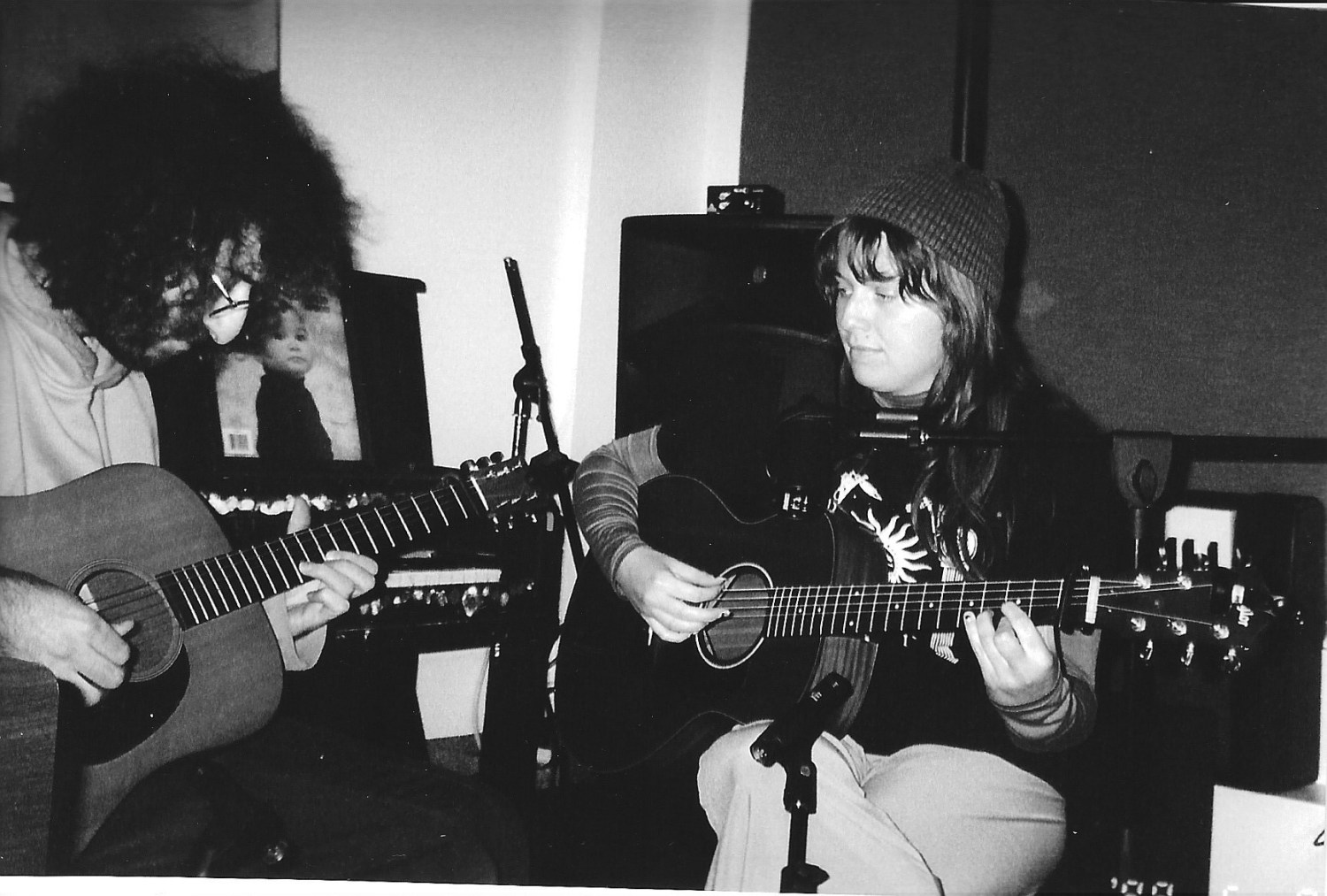
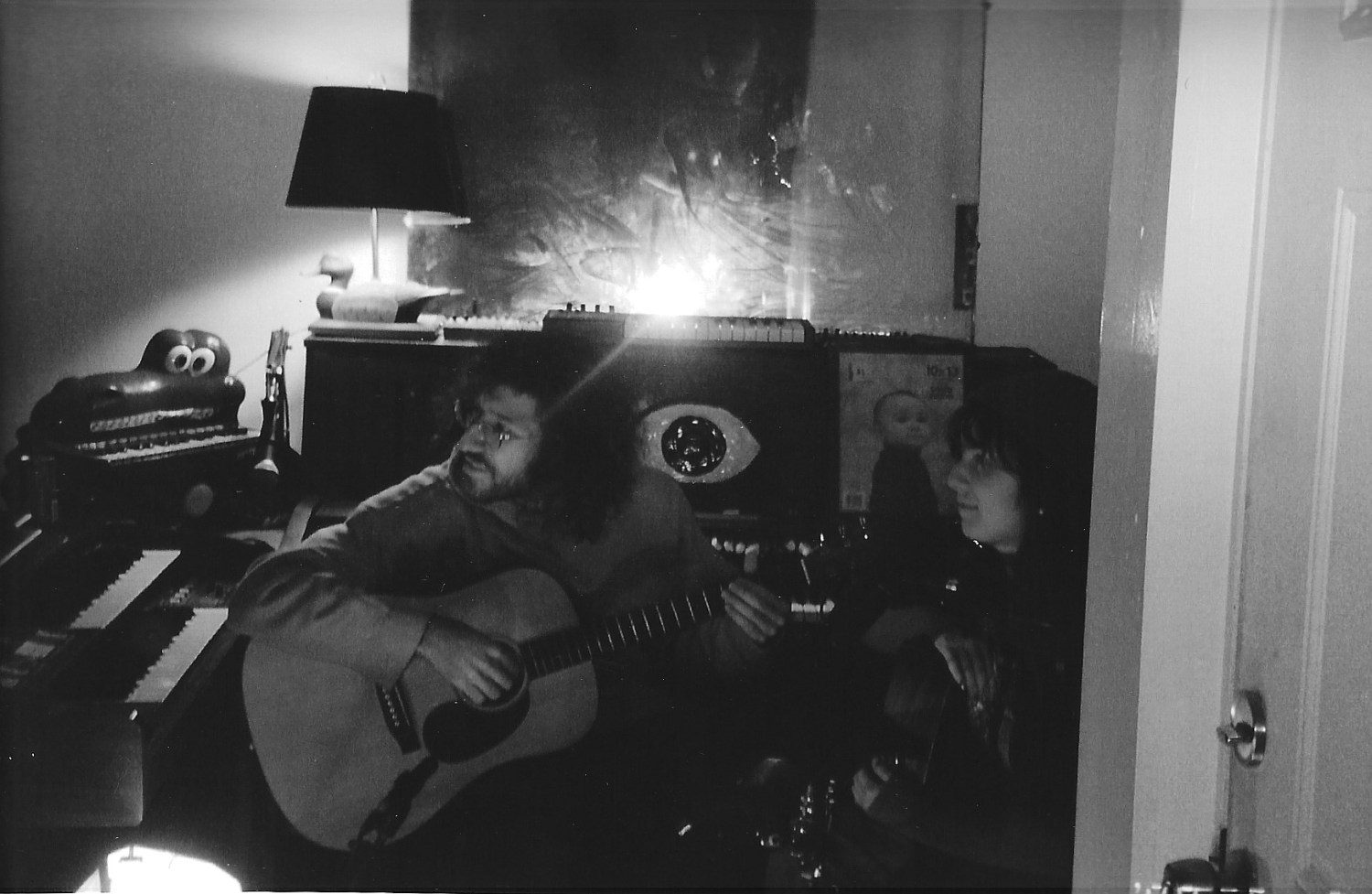
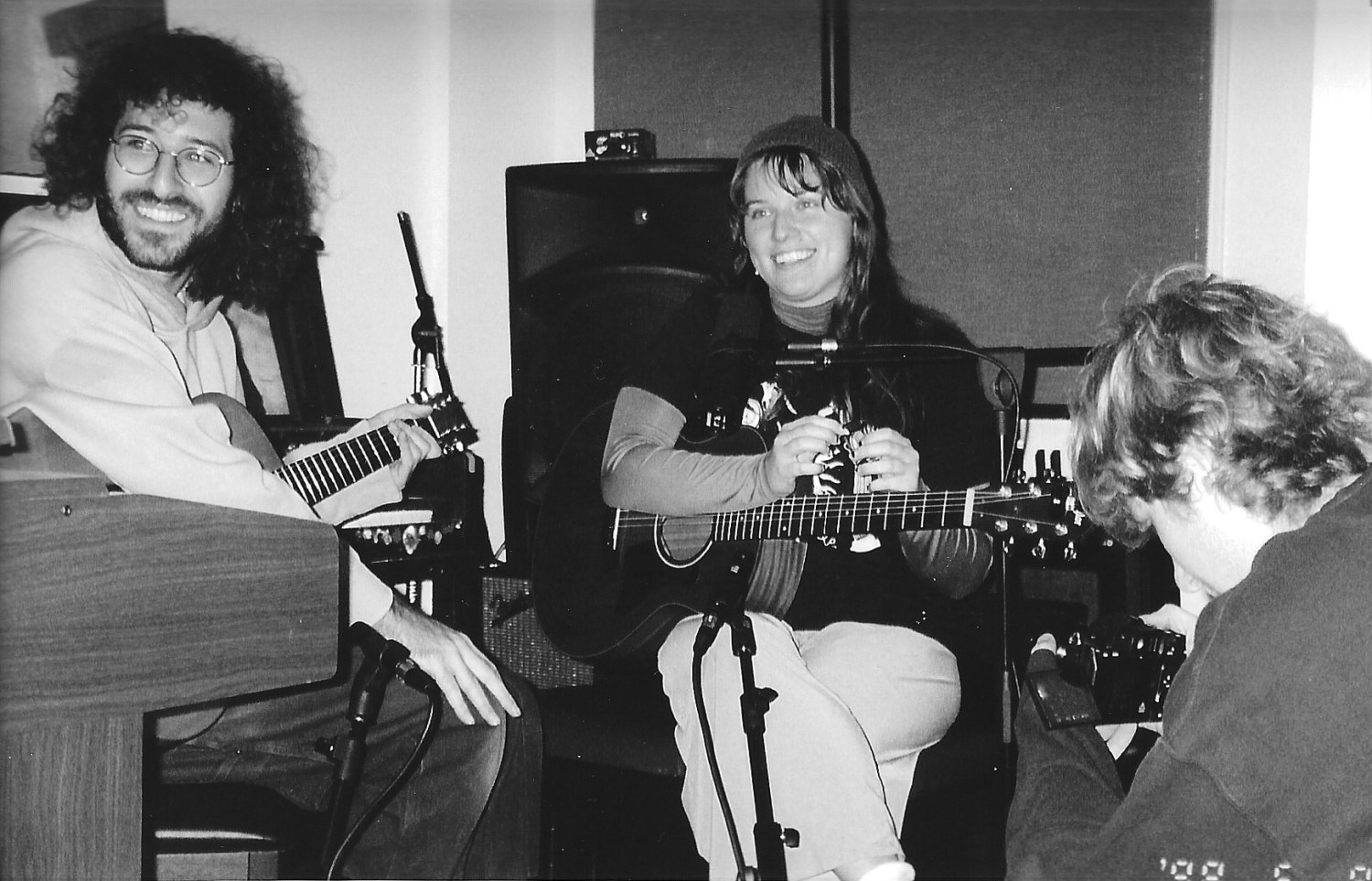
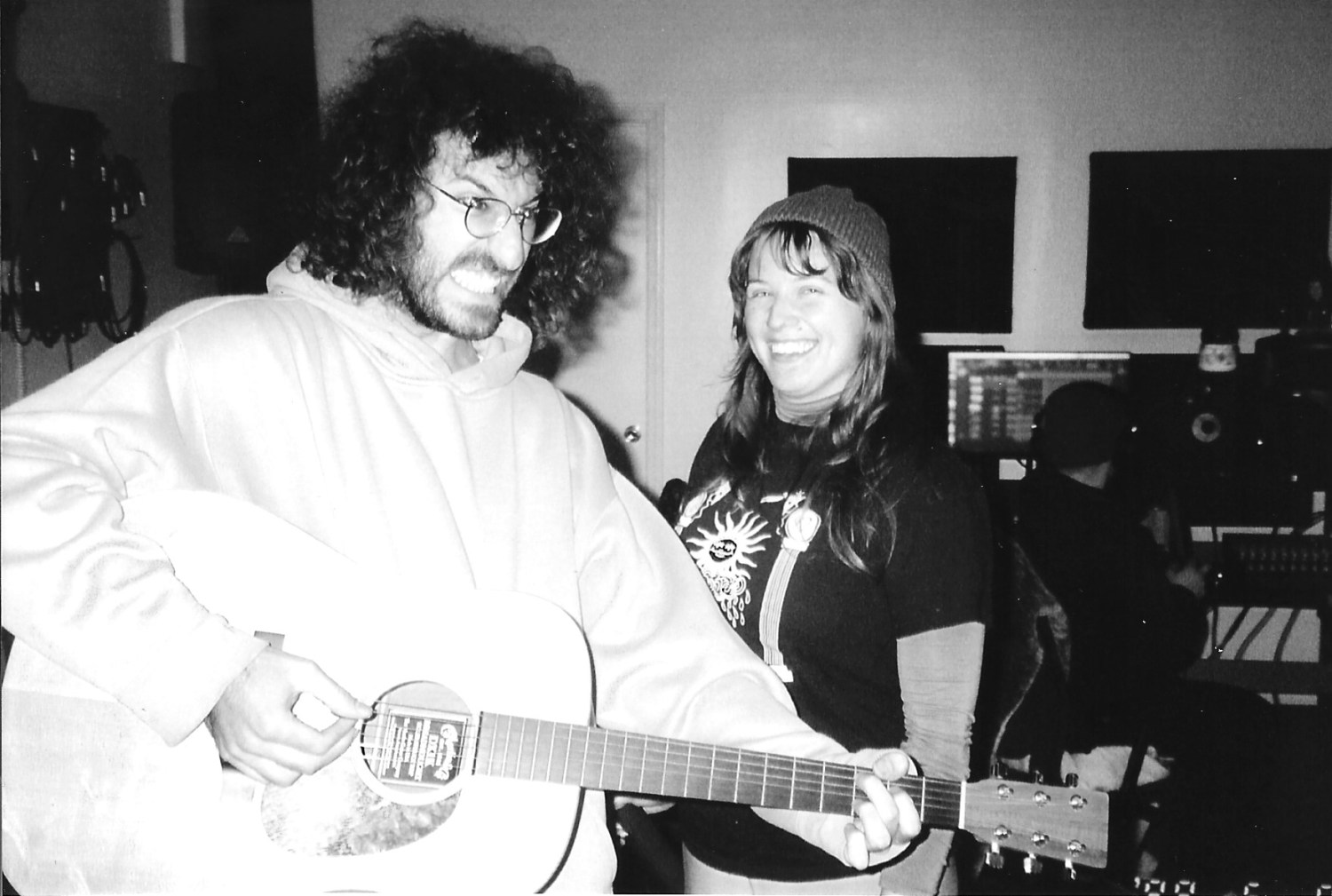
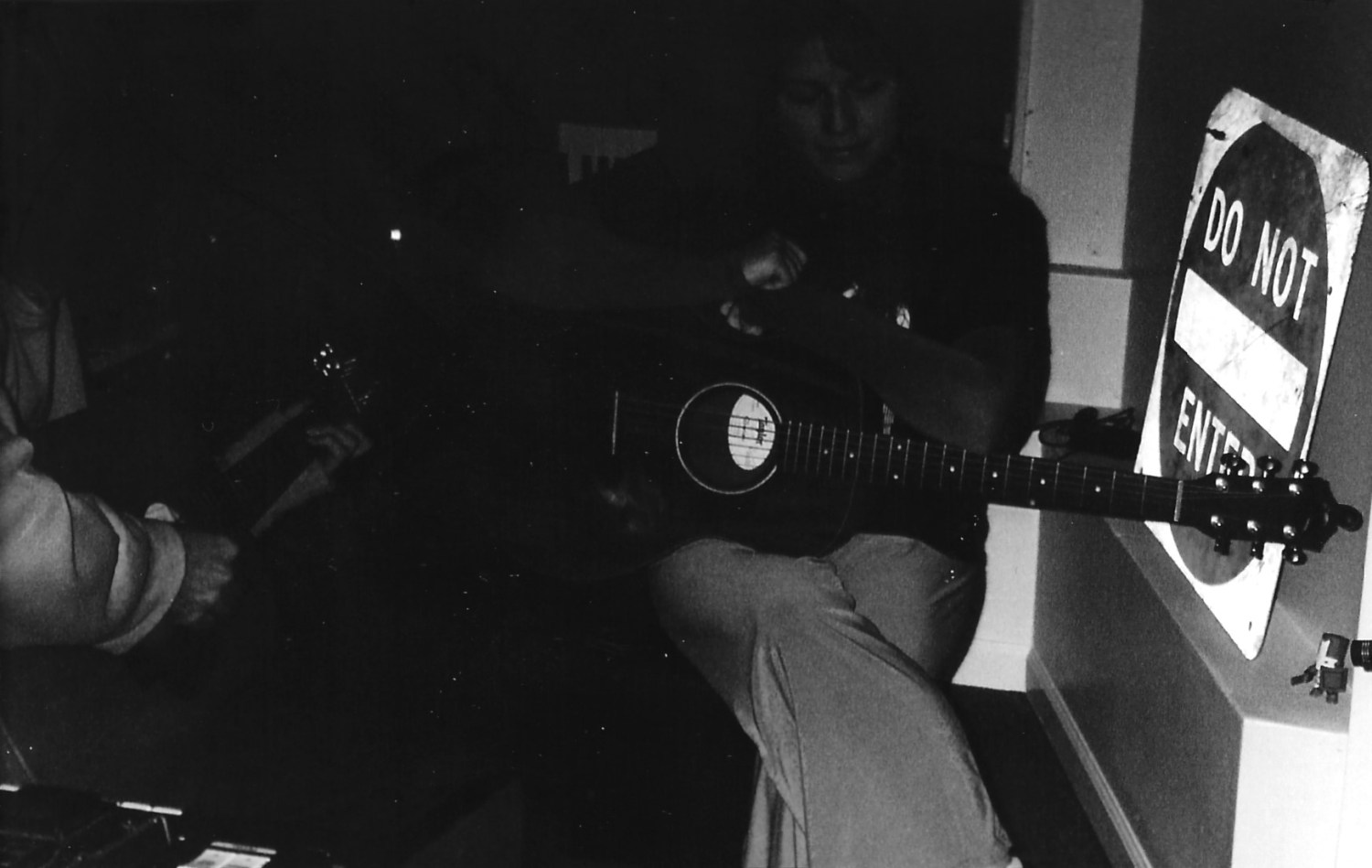
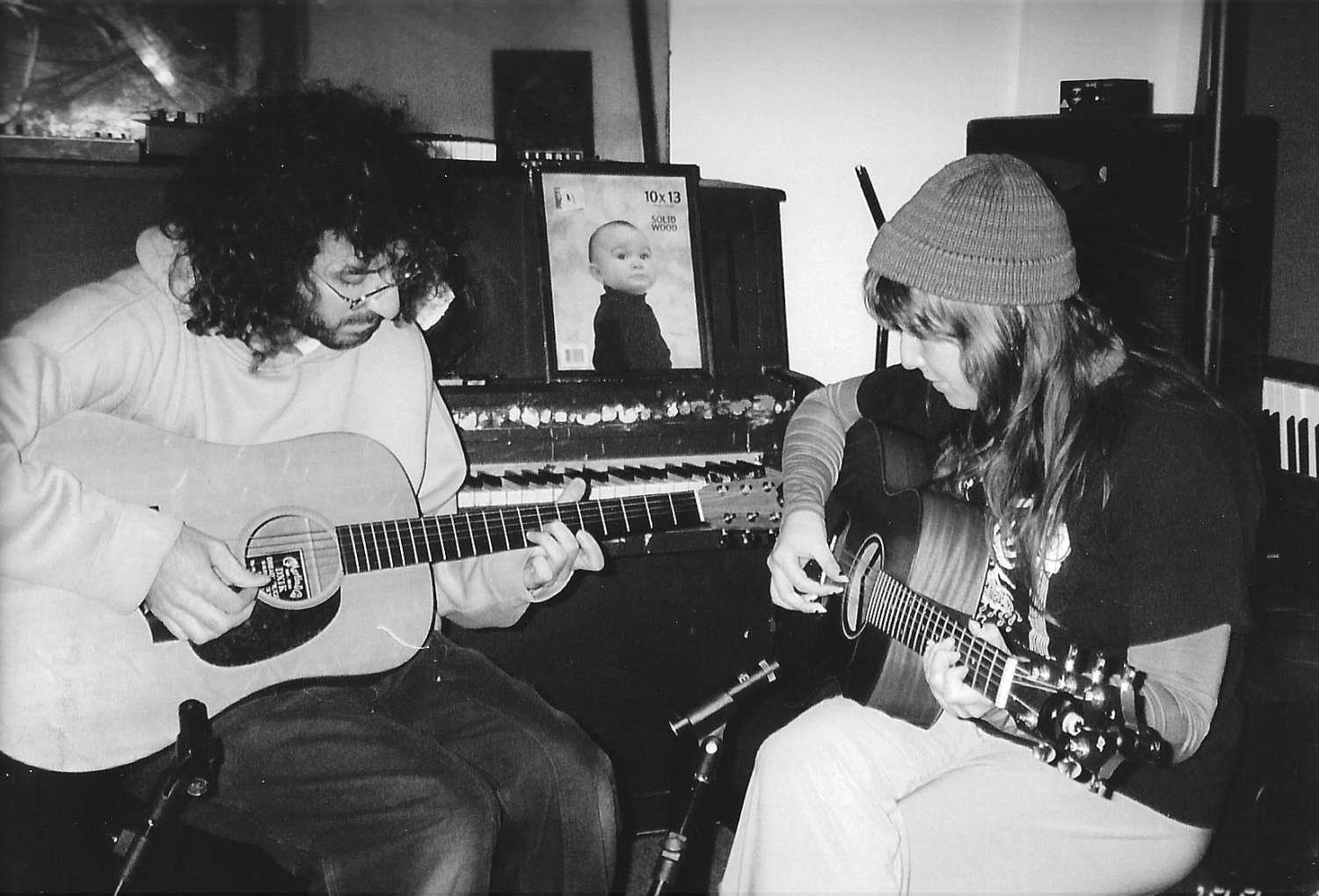
Clover is out everywhere this Friday. Preorder your vinyl and cassettes via Angel Tapes. Sleeper’s Bell will be celebrating the release of Clover with a show at The Hideout in Chicago, Saturday February 8th. Get tickets here. If you preorder the vinyl, you will be entered into a free ticket giveaway. Winners will be picked 2/7.
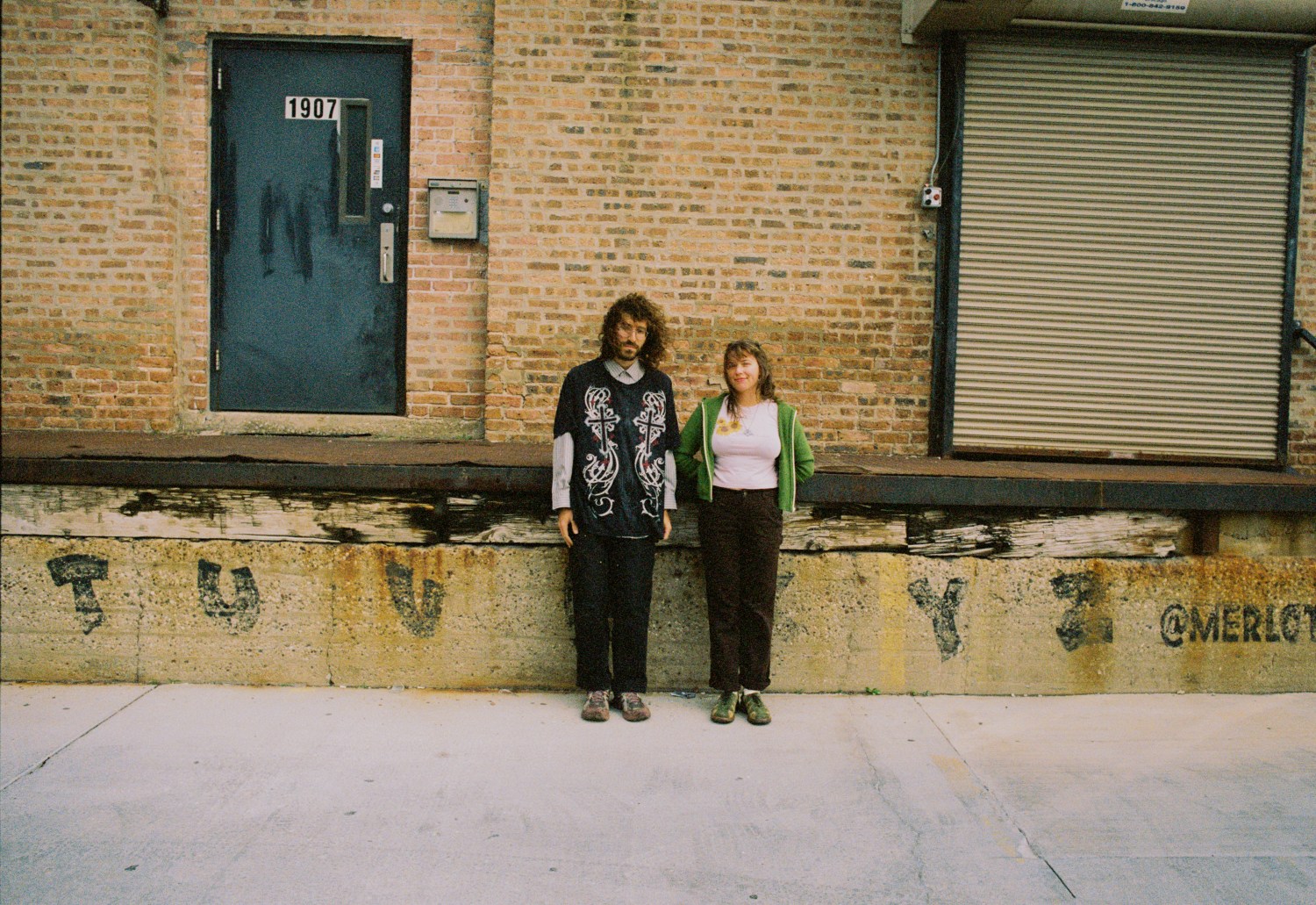
Written by Shea Roney | Feature Photo by Athena Merry


 the ugly hug