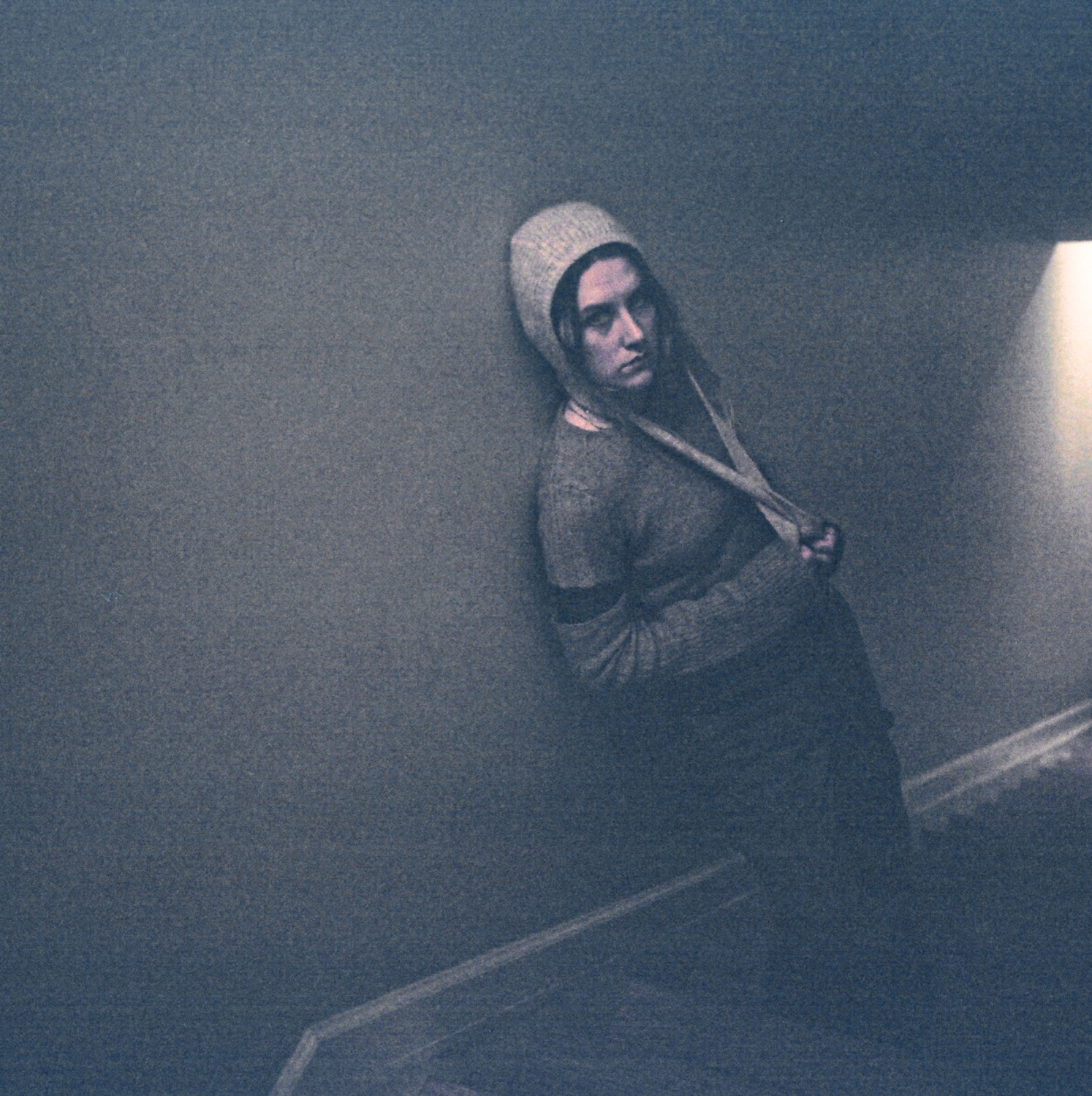
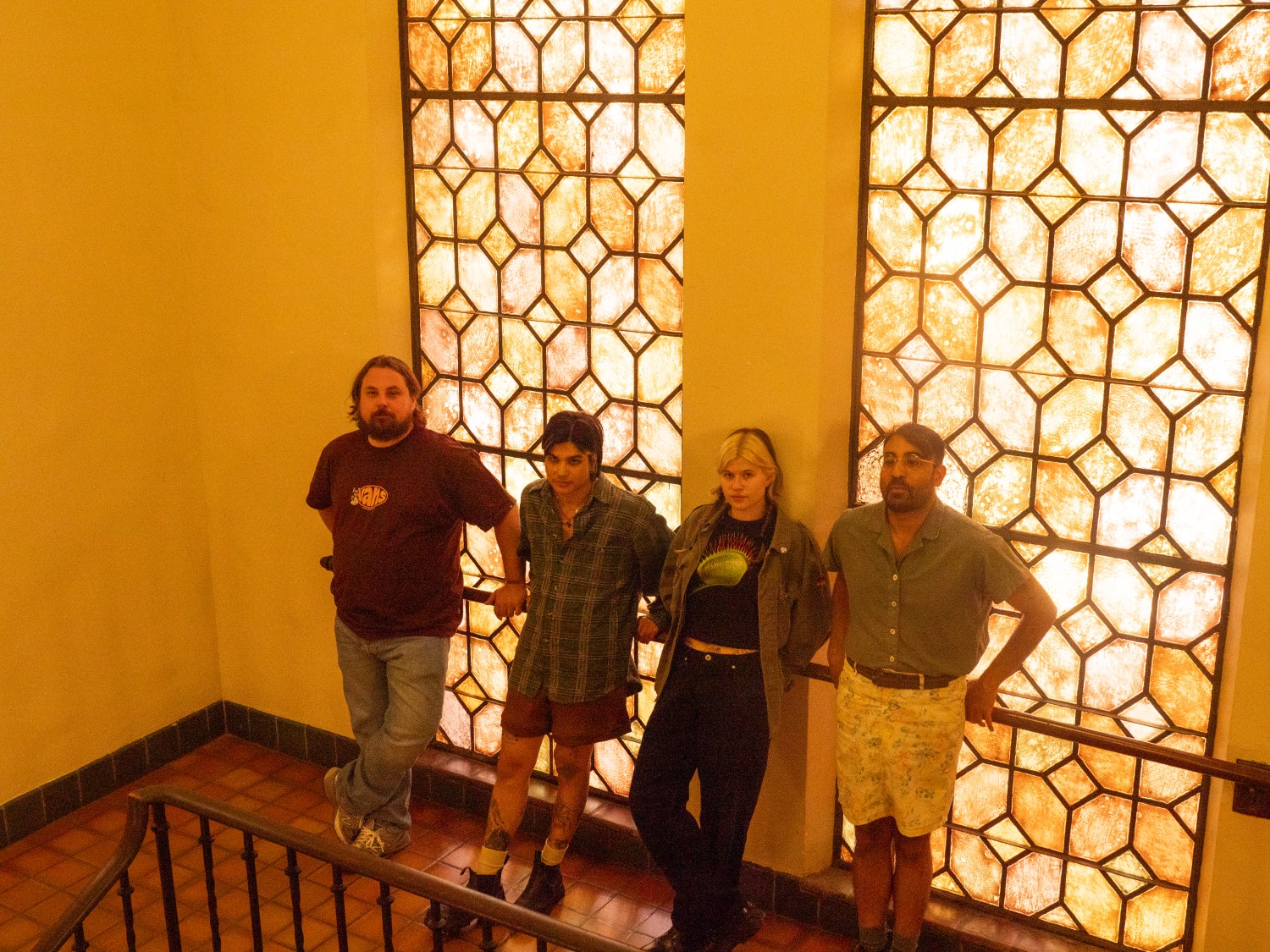
“I think in some ways it is pretty cool because you’re discovering another part of yourself that you didn’t even know was there.” If you’re a freakhead or not, there’s good news: untitled freak has released her first EP. 7 circles, a 5-piece release, introduces untitled freak’s atmosphere and sound into the world. What is the world though, you may ask? The world in this sense consists of a small city apartment lit like the Victorian days and you are whisked away in some corner of the bathroom. untitled freak begs to be listened to on the walk home on the rural street or in the depths of the bedroom you forget to clean. ugly hug had the pleasure of sitting down with untitled freak to discuss the new EP and what it brings.
How has it been since you released the singles and announced the debut EP?
It’s been really, really good! It feels different to have a new project that I’m in right now, because I’ve really only been in Laveda, and when I started playing in Retail Drugs, that was a bit of a shift. But it’s been really cool to see people excited about it and it’s definitely a lot different than other projects that I’m in. I’m just super open minded about it and I’m excited to continue to see how people react to the rest of the music when it comes out!
It seems like you have a lot more control over everything too – How has all that responsibility and authority changed the way you approach your music versus being more collaborative with bandmates?
Because I’m doing everything by myself, there’s a lot I don’t have to communicate with anybody else, which is a really interesting factor. I don’t have to talk to anybody, so I can just word vomit whatever it is onto the page, and if I like it, then that’s it. I think it’s a much faster process in general, which is cool. I have also been doing everything very spontaneously.
It’s been really fun to record by myself, because I never really have done that before. So it’s a new experience for me, and when I started recording music, I was always recording with other people, producers, musicians, somebody else always had the control at least in like DAW, whatever we were working in, which was fine, because I didn’t really care. And I’ve never really been super interested in more of the technological aspects of recording, I’ve always been more like a hands-on, interested in analog type of person. But I think it’s cool to actually be the person that’s pressing record and sitting behind the computer. You’re just gonna do things differently by nature. And make different choices because of that.
I think in some ways it is pretty cool because you’re discovering another part of yourself that you didn’t even know was there. But the one downside of recording by yourself is that I think it is fun to record with other people, and social dynamics are always fun and entertaining for me. It feels more serious in my head, the environment that I create for myself is very much like focus, but then what I’m actually doing, in some ways, feels a lot less serious.
How long does it usually take you to create a song?
I feel like most of the songs on 7 circles, like the bulk of the song and recording and even some of the mixing, maybe 5-8 hours? I think there were one or two songs that I worked on for maybe 3 hours and then I opened it up the next day and it was done. But the track “untitled freak,” that was written in two hours or something and then it was just done. The songs are a lot simpler, but very spontaneous. Sometimes I’ll sit down and I’ll open up Ableton. I feel like writing a song, but instead of going to my voice memos to find an idea that I thought had some merit, I just decided to write something new and then that was what I worked on. And then, if at the end, it’s not something I really love, then that’s okay, but at least I have a finished idea.
I really like your vocals, especially on “untitled freak,” the first single you released, especially that one part towards the end. I like how you’ve been using your voice on this project.
Yeah, a lot of that is also just spontaneous. I’ll write down words on my phone or sometimes in a notebook, and usually I’ll get halfway through the recording of the song somewhere, where most of the guitar parts are figured out, and I’m starting to hear vocal lines, and then I’ll write. I’ll just start scribbling some ideas for lyrics, usually very rough, and then I’ll just, whatever that says, I’ll embellish, and then one to two takes later, that’s the vocal take I’ll use. So I don’t really rewrite anything. Sometimes it doesn’t really make sense, because I’m just kind of going off an idea for lyrics rather than finished lyrics, but I think it makes for interesting vocal performances, because you have to dance with what you already have written and improvise.
Photo by Mars Alba
It plays out really well! I also wanted to talk about how you’ve been able to develop the visuals of this project. Seeing the photos and music videos, it seems very intimate with the apartment and lighting. I’m curious about how you want this to feel aesthetically/visually.
You know when bedroom pop was really having its moment? I always thought the aesthetic of bedroom pop was really interesting. I’m referencing what I imagined it to be in my head, and it was making music in your bedroom, and the little Tumblr vibe, people with guitars and microphones in the bedroom making music. To me, that immediately is something that came to mind. I want it to be close to my life, to whatever it is that I feel, and so naturally, visually it made sense to do the first music video in my apartment, and we filmed it in our bathroom. I also think I wanted to take my space and myself and add a weird element to it. At least specifically for the “untitled freak” video, I wanted to really emphasize being alone in your house and feeling psychologically crazy, your mind just going in circles, but then adding the element of washing myself with coffee grounds, I was like, “Oh, that’s really freaky.”
What shape do you think untitled freak would fit in?
It would be on brand for me to say circle, but no definitely I was gonna say triangle.
What are you gonna call your fan base? Are you gonna call them freaks?
Yeah, I thought about it. Freaks seem good, although it seems taken.
I think it’s fun to throw around, like what’s up you freaks?
I would love for someone to come up to me and introduce themselves, instead of saying, “Oh, I’m a fan of your music,” “I’m a total freak head!”
You can listen to 7 circles out now as well as get a limited-edition cassette or CD via Pleasure Tapes.
Minneapolis-based she’s green combines achingly sweet vocals with lush, nature-inspired synth-scapes in a discography toeing the line between shoegaze and dreampop. In our interview with the band, the band’s members explained how they developed their own terminology–“moss music–to describe a shoegaze sound that captures the sensation of being immersed in nature. Cinematic guitars and achingly sweet vocals painted the band’s early efforts in 2022 with “Mandy” and “Smile Again,” culminating in the release of the band’s debut EP, “Wisteria” in 2023.
she’s green has announced their upcoming EP, Chrysalis — their first project in over two years — set for release on August 15, 2025. Ahead of the EP, she’s green shared single “Willow” today, accompanying the release with a music video. We had the opportunity to speak with she’s green about their evolving sound, sonic and natural inspirations, and plans for new music–keep reading to hear more!
This interview has been edited for length and clarity.
Chloe Gonzales (ugly hug): You guys are from the Midwest, love the representation. I was wondering how the Midwest scene compares to the other scenes that you’ve seen since touring.
Raines Lucas: We were just talking about this not that long ago, because it’s pretty different. I don’t know if we have a great idea of the scene, but we were comparing it to LA a lot because we were there for a week. And generally, I think the take home points were that there’s a lot more DIY stuff. But also the DIY community is like one whole community, it’s a big enough city to have a vibrant music scene but small enough that all the different genres and artists know each other and play together, it’s genuinely very tight knit. And talking to bands from other cities, I think that they haven’t had the same experience.
Teddy Nordvold: From what I’ve heard from other musicians from different scenes, is that the Minneapolis scene really seems to be so much more interconnected with each other and with a sense of everyone. Maybe a weird analogy, but everyone is kind of doing it for the love of the game, everyone really puts down for each other simply as a means onto itself, just because they love the fact that they’re making music in their own scene together, just lifting each other up. And I think that’s really beautiful. There’s a really huge breadth of different genres and people with talent and multiple disciplines of art forms. It’s super creative, super welcoming, and it’s beautiful to be a part of.
CG (ugly hug): Are there any other genres that you guys tap into in the community?
TN: I myself have been really loving the wave of hardcore and metal core that kids are doing now. There’s bands of high schoolers who are like 15, 16 that are absolutely blowing my mind. There’s this band of teenagers from Minneapolis called xSERAPHx and they’re all like 14, 15, 16 years old. The vocalist of this band, his dad was a metalcore artist in the 90s and 2000s. These kids just put out this EP and it kicks ass. I went to the release show for the EP and my jaw was on the floor, I could not believe what I was seeing.
CG (ugly hug): Was the crowd moshing and everything?
TN: Yes, and they were just as young as the kids in the band. I was like, “Holy shit, the kids are alright.” It was incredible.
Ava London (ugly hug): Super cool– I feel like right now we are seeing discourse about how young people just don’t have any concert etiquette because COVID took everyone out of live music for so long. That’s cool that kids that age can use that outlet.
How do you guys find yourself balancing these sort of nostalgic sounds? I definitely picked up some influences perhaps My Bloody Valentine, Lush, sort of that shoegaze-y 90s sound. And then how do you balance that with what you have coined moss music, this new take that you’ve developed as a band?
Liam Armstrong: We are definitely into more ambient music, at least myself, and I’ve always loved movie scores and things like that. So I think a lot of where my influences come from are from film or visual art.
Zofia Smith: It’s definitely more of a cinematic sound and there’s a lot going on in our music, which I love, but it can be hard to have that perfect balance. We want it to feel kind of like you’re dreaming or there’s this whole scene that you’re envisioning in your mind.
RL: I feel like the dreampop stuff is more of the sound style, but the moss music is like the sound feeling if that makes sense. It might sound like shoegaze, but a lot of shoegaze has different vibes, like it would sound good if you were in an empty warehouse or something. It’s [moss music] more like if you’re hanging out in a forest by a river. Teddy said moss music out of nowhere, but it kind of stuck, because moss just brings the same kind of vibe that I feel like we bring to songwriting sometimes.
LA: I think we want every song to feel like a microcosm, like you’re looking down at this piece of moss and it’s like a miniature forest.
CG (ugly hug): You guys mentioned in another interview that you have a sonic medium for nature and I was curious about what soundscapes you wanted to encapsulate now. It seems more forest and I wondered if seasons played into it, etc.
LA: I think it’s all very encompassing. We draw from this aesthetic of nature but at the end of the day we are all part of it and existing in it.
TN: I would say that, at least for me, some of the songs that we’re working on now for this next release, they’re giving more prairie than forest. For some of the other songs, they’re feeling a lot more like grasslands.
CG (ugly hug): Would you say “Figurines” is more [prairie]?
RL: That one’s honestly giving me nighttime.
LA: I think of like a musty basement with a bunch of dolls in it.
ZS: Yeah, it’s in a different place than I can mention but— wow I’m looking at a field of dandelions right now and this is making me think of a couple of new songs that we have coming out. [ZS is sitting in a park]
LA: To add one, we did a lot of these songs when it was still winter so I think a lot of them do reflect more scarce, more barren soundscapes.
ZS: I feel like they have nighttime music too, because a lot of times right in the winter, it’s very introspective because we’re inside a lot and we just have to look inward. Wintertime is also just very gorgeous but I think for some reason like nighttime is an introspective time for me.
TN: I’d agree with that. Some of these songs came from the cabin session, right? We rented a little cabin in Lake Superior in Wisconsin for a little bit. Some of the songs that we’re working on right now that are gearing up to release came from those sessions, which was in the wintertime. Another one of the songs that we’re still working on right now, I remember listening to a take on voice memo and was walking to get food from my old place in uptown. It had just snowed that night and so everything was all sparkly with the street lights in the moon and listening to that just in that reflective, shining environment, It was like real life synesthesia almost. It was so cool.
ZS: We have a lot of emotional nature moments whatever time of day and whatever season. It’s hard to pick a certain part of that but we’re tapped into Mother Nature.
AL (ugly hug): You guys teased a little bit about music potentially coming out soon and I wanted to follow up– you guys signed to Photo Finish [Records] earlier this year and I’m just curious about how much you can tell us about what’s coming next! Anything that’s coming and growing with you guys since that signing, which is super exciting.
LA: I think we’re all super excited to be touring as much as we are, we have like two tours lined up. And I feel like since we signed, it was kind of this milestone where we’re in this now and going to really take it seriously, this is what we want to do.
RL: We do have new stuff coming out soon, sooner than people think.
LA: I think we’ll always have visual elements to every release that we do because we’re just really into that.
TN: I got to give props to Liam’s visual eye as well. He’s a very accomplished visual artist. An amazing eye, capturing the essence of what the vibe is or what we’re going for.
CG (ugly hug): I’m glad that y’all mentioned visuals because I wanted to talk about them – looking at your Instagram it’s very cohesive and definitely goes back to nature, such as your photoshoots. You guys have an eye for what you want.
LA: That’s good to hear because I think sometimes we’re a little worried about how good [it looks].
CG (ugly hug): I also love the photographer you guys worked with!
RL: Our label connected us with Jaxon, he’s the best.
AL (ugly hug): I was gonna ask how it was working [with him]. Just being LA based, we see him everywhere shooting the scene that he shoots. I just thought that photoshoot was super beautiful.
RL: We were nervous, but it was by far the best photoshoot we’ve ever done. He’s the chillest guy.
CG (ugly hug): I thought of Twilight for some reason in that photoshoot. Is there a movie that you guys would love to score?
ZS: That’s funny, Jaxon had mentioned that people say his photoshoots look like they’re in Twilight.
I really love Portrait of a Lady on Fire, but I feel like that’s very slow. That would be fun to do a piano score.
LA: There’s a nature documentary that’s about smaller microbiotic things, that would be cool.
TN: Going off of that, I’m a huge fan of the Planet Earth series, specifically the Blue Earth, the ocean based underwater documentaries.
LA: I feel like we could also kill something in the vein of Donnie Darko or something.
ZS: I really love those 90s, like witchcraft movies, like The Craft.
AL (ugly hug): I was doing a bit of digging and saw you guys released “Graze” earlier this year. I saw somewhere that you guys had the opportunity to work with Slow Pulp’s Henry Stoehr. I was curious if having that sort of collaboration affected your sound, if at all. I feel like listening to “Graze” you get a lot of textures and layers. What was the influence and how did that go for you?
RL: I always steal this question, because I’m his biggest fan. He’s a great guy. We met in Madison and met his mom and got connected, then just started to become acquaintances over time. And he was always very supportive of she’s green. He would slide up on my stories and be like, “This song bangs! This is great.” So, he has always been a really nice guy. But we needed to record these songs and we were thinking about who to record them with. And the story goes, Zofia and I saw Slow Pulp in Madison, Wisconsin and were very inspired. One of my all time favorite bands, no doubt. But we were very inspired and on the way back we were listening to demos of songs we had never worked on. And there was one called “Graze” that was sent a long time ago, almost a year. We were like, “How have we never worked on this, this is cool.” And we went back and worked on it and we’re definitely inspired after the concert and then we got to record it with the dude who records and plays in Slow Pulp. So it was a very full circle moment. Very cute story I would say.
ZS: It was very comfortable and it was funny because he felt like like one of us when we were recording with him. Just felt like he was in the band with us, which was so great. Such a good guy.
AL (ugly hug): That’s super cool that you guys had that collaboration opportunity and that mentorship! By any chance will he be making a return to she’s green projects in the future.
Find My Friends, the brainchild of Pittsburgh-based artist Sebastian Kinsler, departs from his previous project’s knack for indie and grunge and takes a dip into dreampop, music that feels like you’re sitting somewhere ethereal (like the album cover). I recently sat down virtually with Kinsler to discuss his first solo release “Call” released late last month.
This interview has been edited for length and clarity.
CG: I always like to open up the floor, especially for artists who don’t have stuff on the Internet, but what is your elevator pitch?
SK: Find My Friends is a bunch of home recordings I did for fun. It’s really simple repetitive guitar songs mixed with DNB and computer sounds.
CG: Sick. Is this your first solo project? How many projects have you been in prior to this?
SK: I was in a few nothing bands before and I posted some of my own music on SoundCloud. But this is my first, like, official release or full album that I’ve done myself.
CG: How many variations did you go through before you landed on your name and sound?
SK: I thought it was really funny to have the name be like some brand so I went through a couple of different ones and then I got to Find My Friends. And I thought that was very funny, and it also hit a little bit as a solo project. The sounds are just– I make the music I want to make, so it’s always kind of sounded like this.
CG: No, I really like Find My Friends, I found it funny too because I always have my little Sims on there, checking in on everyone. So cute.
SK: Yeah, it feels so unhealthy but I’m definitely always on there!
CG: I noticed on your Instagram that you’ve played previous shows with the likes of Melania Kol, who I personally saw at DRKMTTR in Nashville. What did that show and other shows look like without having any previous material online? Was it harder to garner an audience by not having anything to really point to?
SK: I mean, I didn’t really play them to get an audience. I just had all these songs and I was planning on starting this and then my friends were like, “Do you want to play this show?” So my girlfriend and I scraped together a live act. Have you ever seen Hooky play?
CG: No, but I know who they are!
SK: You have to catch them if they get to LA. They have the craziest live set of all time. And we tried to replicate the same thing, just because it’s a really cool performance. The dude Scott from Hooky runs his guitar into a sample board, and the other dude, Sam, remixes the guitar live while he’s playing it. Really sick. So my girlfriends and I replicated that.
CG: Oh, sick as fuck. Does your girlfriend help you out, like is she part of the project?
SK: She’s played live with me a few times but not on the songs unfortunately.
CG: How were audience reactions to that [the live performance]?
SK: The people were very nice. They were into the songs and said it was good afterwards. But no one’s gonna say, “Hey, that sucks.” People did say something, like, “Man, once that stuff is mixed, it’s gonna sound awesome!” And I was like, “That is mixed.”
CG: I’ve also been listening to your single “Call” a lot, obviously for research but I enjoyed it heavily. I would kind of describe it – correct me if I’m wrong but also to each their own – dream pop with some electronic influence, maybe a little of drum & bass? But how do you want this project to sound? This is your first release, but it sounds like, according to your Instagram bio, that you have stuff cooked up.
SK: Yeah, I mean I just think it’s a really interesting sound that I haven’t heard in a lot of places before and it’s wildly fun to make because I love live drum sets, but I can’t play the drums. But if you put really fast D&B drums under it, it’s just so much energy. It’s just fun to make, all the songs I make are fun to make.
CG: Would you say that the album encapsulates this sound, or does it kind of bounce around? Because it seems like, the way you described it, it’s kind of you’re doing what you want. So sometimes that can look like an album hodge-podged all together.
SK: I think “Call” is one of the more poppy, experimental cuts. It [the album] swings on both sides. There’s a song that’s more traditional guitar music, and a song that’s straight electronic, weird dancing, and then stuff that’s in between.
CG: I see, you’ve got a range there. That’s fun, not really restricting yourself, a fun project in general. By the way you’re describing it, “Fuck it, we ball.” Another piece I really liked was the artwork. Oh I love the artwork! My favorite part is the little sticker detail which is like $1.50 but also the track length.
SK: Oh, I didn’t know, that was coincidental!
CG: Well maybe that was me trying to read into it.
SK: So the song is 1:50? That’s so sick. The artwork was done by my girlfriend’s best friend named Anna Jungle. She’s wildly talented. So I hit her up and it took months because I suck to work with art-wise, because I have really specific things that I like, but I don’t know how to communicate them. So essentially, Anna just had to throw a bunch of shit at me until I was like, “I like this and this, but not exactly them,” and then it slowly turned into that artwork, which is so perfect and exactly what I wanted.
CG: I just know that process pissed them off, like “Damn bitchhh.”
SK: Dude, yeah just like so annoyed.
CG: It turned out really well. Back in the day I used to do anime drawings, so I ate that up. But the little character and everything works really well with the song. I would say at first it would be more for a mellow song, but I don’t know, a lot of stuff is a feeling and it feels right. Anna killed that.
SK: Yeah, I think so too. And like, you know if that’s right, if it feels right.
CG: Exactly, it’s a feeling overall. Stepping back out into the environment of your project – there’s a couple of artists I’ve interviewed before where they’ve had bigger projects and then they make side projects. One in particular, they were like, “Oh I don’t want the two of them to cross.” Like they want their side projects to be completely separate from their more popular projects. Given the success of your other project, do you want to merge audiences, or do you want it to rise more organically. Like, how do you want to present this to people?
SK: I mean feeble is still my baby. I can only think about one thing at a time. So when we were making the feeble album, I pretty much made no songs for myself, and then we finished that album, and then I made a bunch of songs for myself. And now that I’m done with that, and now feeble is working on new stuff, so I’m not making any more songs for myself. So it’s pretty easy to keep it separate, whatever’s the focus at the time, that’s where my songs are gonna go.
CG: But do you want to keep it separate?
SK: No, I don’t care at all.
CG: It’s not that deep for you.
SK: Right. We’ve been talking about feeble playing some Find My Friends songs as covers, which I think would be really fun.
CG: That’d be sick as fuck! This is more of a comment, but I enjoy your Instagram in the sense that it’s whatever you want it to be. You’re just throwing whatever out there, don’t think twice about it. I like the non-curated vibes, just really chill. I think sometimes it connects with audiences more.
SK: I really wish I didn’t need to have Instagram. I was completely off Instagram until feeble released our first EP, and then ever since then, I had to have the app on my phone because like, I have so many friends on there. It’s the only way they can talk to me, which is so frustrating. So I try to put little thought into it as possible, which I think connects with people, because there’s other people that feel like, “Why the fuck are we putting so much effort into this thing that doesn’t matter at all?”
CG: No, absolutely. And it’s kind of frustrating, especially as a smaller artist, that’s the only way sometimes you can get your music out.
SK: Exactly, there’s nothing else.
CG: Are you on Tiktok or anything else too? Do you try to keep it as minimal as possible?
SK: I’m on Instagram and anything else? Youtube, I’m on YouTube a lot, on YouTube shorts.
CG: Stop, I bet my little brother will see you on there.
SK: We probably watch the same videos.
CG: That’s very interesting, I don’t know a lot of artists that do any YouTube shorts, but also probably close-minded of me, because I don’t watch them, so I don’t discover them through that. I find it’s like family channel content stuff on there.
SK: That’s exactly what it is. It’s not anything good.
CG: Oh so you fuck with that, my bad.
SK: It’s just less addictive, like videos of people doing parkour and baseball highlights and Minecraft.
CG: Oh my God, don’t get me started on Minecraft. What’s it looking like in the future [for you]? Do you have any upcoming shows or anything?
SK: I don’t know if I’m gonna play any shows as Find My Friends anymore.
CG: Oh, interesting! Really?
SK: Yeah, I don’t love playing shows. I like making albums and I like making songs. I don’t love the show playing part of it. This is my project, so I don’t need to play shows. I don’t need to grow my audience. Maybe one or two, for fun.
CG: So one of them should be in LA actually, in the UCLA Radio station, but I digress. So would you say you prefer playing in the studio than live to an audience?
SK: Yeah, my favorite part is making recordings really and eventually you gotta bring them to live, and gotta make them worse in some way to make them live.
CG: Do you ever use Apple Notes to jot down ideas for your project or like–
SK: I’m a voice memos dude.
CG: Yes, voice memos, that’s the other one. I know a lot of artists that end up doing that. Like waking up from a dream and having an idea and saying it on there.
SK: Yeah, I used to have a Notes app when I was on Twitter. I would take interesting lines from Twitter that I would see and throw them into one long notes app. And then if I wanted to write a song, I could look through it and get inspiration. There’s one feeble song called “Healing” that started like that, and then “Call’ started like that because I saw a video of this dude getting a phone call from his brother that was on deployment. I don’t really remember the context, but I remember the feeling of a call that changes your life.
CG: Wait, sick. One more question for you: Everyone who has a show here at UCLA Radio has a DJ name. For example, mine’s DJ Adderall Spritz. What would your DJ name be if you had a show here on UCLA Radio?
SK: DJ Find My.
Find My Friends debut self-titled album is set to be released May 30th via Bloody Knuckles. You can pre-order it now as well as a CD copy. Listen to the first single “call” now.
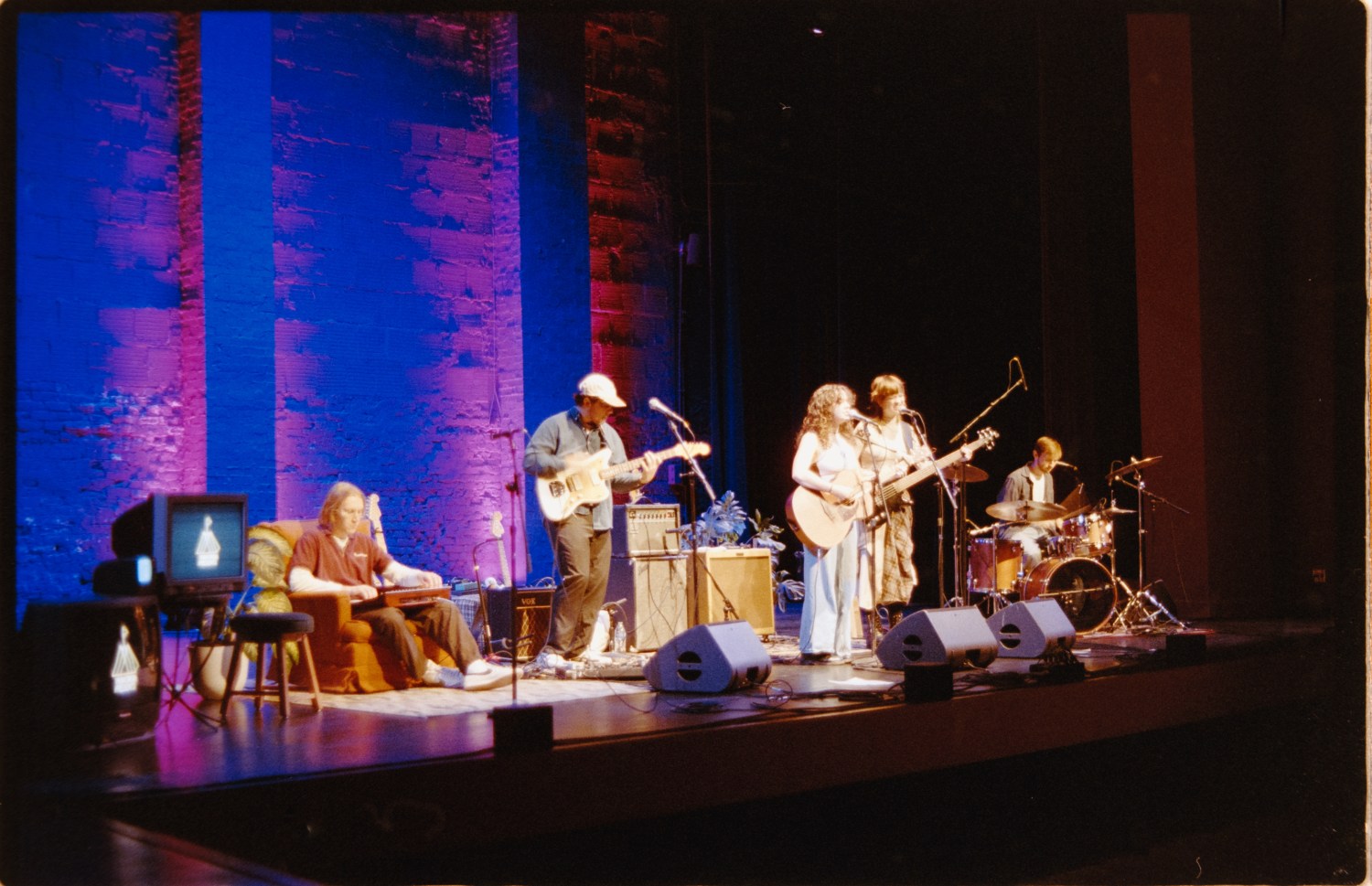
As I was working on a college radio playlist series for my radio station, I received an email about a band in the IU area. I plugged into the band’s music as I was leaving my home in Indiana. While the EP was a sweet three songs, it encapsulated so much more. Named Slug Rug, the band consists of sibling duo Audrey & Keegan Priest. I shared their experience of growing up in Indiana and got to pick their brain on their latest self-titled EP Slug Rug. Enjoy the conversation the three of us had on-air at UCLA Radio below!
This interview was conducted by Chloe Gonzales (DJ Adderall Spritz) in studio at SoCal college radio and has been edited for length and clarity.
Chloe Gonzales: Introduce yourselves!
Audrey Priest: I’m Audrey! I sing, write songs, and play rhythm guitar.
Keegan Priest: I’m Keegan, Audrey’s brother. I play guitar, we write songs together and do some production.
CG: Thanks so much for coming on UCLA Radio and ugly hug! Are you guys in Bloomington right now?
AP: Yeah!
KP: Right now, we’re on our first little tour, we went to Michigan and then Chicago, played a hometown one in Bloomington on Saturday, and we’ve got one last show tonight. People have class today, so we’re working around everybody’s school schedule at the moment.
CG: That’s an aspect about a college band. I’m glad you mentioned the tour because I was going to dive right into that. You guys have recently been going on tour in the Midwest for your newest EP, Slug Rug. How has that experience been, especially as a self-supported duo?
AP: It’s been awesome! The shows that we’ve played so far have probably been my favorite shows that we’ve ever played. And I think part of that is because we’ve never really gotten to play so many shows so close together, which we can really feel the progress of us getting better every night and being more comfortable as a band. It’s definitely been a little tricky. We don’t have a van or anything so doing shows with six people and traveling with everybody is hard, but really fun.
KP: It’s felt like one super long sleepover, which I can imagine if you’re doing it for six months at a time, by then end, it can be pretty excruciating. We all feel pretty tired already but it’s great to go to new places and meet people who’ve never heard of our music each night. A cool way to meet people in real life.
CG: It must be nice having an audience listening that doesn’t know your stuff like tapping their feet or something and be like, “Wait, this is kind of good. These cats are cooking!” That must be satisfying.
KP: We love playing in Bloomington with all of our friends, and all the people that are most important to us are here. But we play 13-14 shows a year here and eventually the same people are coming every time. So it’s great to have new people listen to us and get that in-person feedback.
CG: And you’ve been playing alongside other bands. Have there been any memorable moments with them?
AP: The first show we played with a band, Racoma, which was really fun, just because it was kind of hard. It’s been a long time in the making and a Bloomington show fell through. And so we were lucky that they asked us to play with them. That show is a really good encapsulation of how nice people were the whole weeknd. Racoma specifically were just so nice and everyone at the venue who put on the show were so nice. We had a lot of people come up to us after and were just so nice.
CG: And how did it feel like performing these newer songs live compared to recording them in the studio? Did playing them in front of an audience change the meaning or energy of the song?
KP: I think what’s interesting about the three songs that are on this EP is me and Audrey were a studio project for a really long time. It was mostly us writing songs together on a computer. I go to school at IU, particularly the music school, so I met a lot of audio engineers and a lot of them became band members and frequent collaborators. But these three songs were songs that weren’t just Audrey and I sitting down at the computer and writing. We played them live for a year before we started recording them, which I think really shows in the arrangement. And so at this point, I think we’re ready to move on. Honestly, we’ll probably play some of them for a pretty long time, but we’ve already got a lot of new songs written. It’s been fun to play the new stuff and it’s fun for people to know whatever the “old stuff” is because people in Bloomington have been hearing it for around a year.
CG: That’s nice that you’re in the music school, to be able to be surrounded by people who can help you out and foster those connections!
KP: I don’t think our project could exist the way it does without a lot of people who are multi-disciplined, whether that’s in different instruments or production or audio engineering, because all of that stuff is really important to us. And I think a lot of our members who play with us in the live band and who play on the record, they all have their own studio projects too. So it’s like a universe now. We’re playing on each other’s stuff and influencing each other’s stuff. I think this record in particular is a beautiful amalgamation of all that.
CG: You guys have like a little scene going on there. It’s like the Asheville scene of MJ Lenderman playing with Indigo De Souza and then him doing his solo stuff and also then playing for Wednesday. And they’re all kind of coming up together. I wonder and hope that will manifest for you guys.
AP: That’s exactly what we were talking about on the way to Chicago. I was talking about that with Ethan, our drummer, and Ella, who’s been touring with us this weekend, about how those are some of our biggest influences. And just talking about how special it is to have that, having a community like that in general. I think it’s really special.
CG: Having that community, does it ever feel like you can bounce ideas off of each other? And if so, does it ever feel like an echo chamber of the same things?
KP: I think we are all interested in similar genres of music. Audrey and I like to say that there’s a good level of friendly competition and I think that just really pushes us to just go that one inch forward. It’s been a positive reinforcement most of the time.
CG: Before we dive into your EP, I wanted to talk about you guys being independent. As independent artists and especially as college students, how do you navigate all of these roles of marketing, managing, et cetera?
AP: Keegan is really good at organizing everything!
KP: I think it can be really tough. There are certain weeks where I have school coming up and most of the time, to me, Slug Rug takes precedence, like it has to get done. I really enjoy the booking and marketing and making everything as cohesive as possible. Both Audrey and I grew up both obsessed with records and how they come out. I also worked at the radio station here for four years, WIUX, and I think I’ve learned a lot about booking and event planning and just general promotion. I’ve thrown a bunch of gigs in my life and being the booker and then being the bookie, I think I’m able to understand both sides of the process. And so I think it’s going to be a while until I give up.
CG: Very hard-headed, I like that. It’s very tiring but rewarding.
AP: Not that we’re even anywhere near that level of having someone be able to book for us. But if that were ever the case, the thought of someone booking a tour for you and telling you this is where you’re going on this date sounds kind of scary to me.
CG: Oh yeah, having that control previously and then giving that up, it can be scary. What has been the biggest challenge about being self managed? And what has been the most rewarding part?
AP: I think something hard about being self managed, maybe just being any kind of band or musician in this day and age, is that there’s just so much access now to the internet for everyone, which I think is the best thing in the world. Everyone can make music, consume music, and everything’s on streaming but it’s also one of the worst things in the world if that’s something you want to make your living in. Just because there’s so much out there, I think it’s really hard to find something or put yourself out there for people to find.
KP: I also think when you’re self managed, a lot of the times you get an agent or something. And the benefits of having one is that you’re co-opting a bunch of connections. And I think when you’re self managed, every single interview, every single band you play with, you have to be forming that connection. Your network is only going to get bigger if you work on it. Even getting this interview, a lot of the time you have to spend shooting shots in the dark and the ones that worked out are the things that end up helping you in the future. It’s a numbers game.
CG: Having connections is the biggest thing. It doesn’t even matter if you’re qualified, if you know someone you can get your foot in the door.
KP: Don’t mean to make it seem like we don’t care about the music, because that’s obviously the most important thing. But we can try our hardest, we can put everything into this, but at the end of the day, a lot of hard work comes in the before and after the fact.
CG: 1,000%. I also wanted to delve into your EP. It’s a three piece: “Lighter Fluid,”“Oh Man!,” and “Teenage Symphony.” I enjoy all the names of the songs, they’re very fun. Before we break them down, can you describe each in three words and give them a color?
CG: Random, but do you guys have a color scheme for Slug Rug? Is it green?
AP: It kind of turned into green, yeah!
KP: I think that’s what just happened? And I think Audrey and I are both interested in nature and stuff. I think nature definitely plays a role in our aesthetic and our sound. So I think by proxy it’s going to be green.
CG: Go green!! Let’s dive into these songs, first off “Lighter Fluid” – how did you guys conceptualize it? What’s the story behind it?
KP: I’m really interested in this movement in Manchester called Madchester with artists like Happy Monday and The Stone Roses, it’s just like a blend between alternative rock music and dance music. And I think the demo in different stages of it is more Madchester than others, but I was interested in the conception of the song. Like how can we make a dance song but still have it be explosive and powerful? And I think it’s a thing we utilize, a songwriting tool we utilize on all three songs, which is we just jam a lot. I think that’s a by proxy thing of really enjoying playing live with each other – we have extended instrumentals and jam sessions, so the breakdown at the end of “Lighter Fluid,” I think that’s one of our favorite things we’ve ever done.
CG: “Oh Man!”?
AP: I’d say this was our first band song. I wrote it during winter break our freshman year and sent it to Keegan and the whole band. And we were like “If anyone wants to think of parts for this, we can maybe play it live!” And we had rehearsal, and everyone was like, “Yeah we can try it out and play it live. We already played this together,” and we were like, “Wow, this is awesome!” So it was probably the first song I’d written with a band in mind. I mean with our last EP, like Keegan said it was totally a studio thing. Obviously we wanted to play it live, but we’ve only done a couple of live shows as a band in the years prior. I definitely wanted it to be a big wall of sound type song, which I think is what it ended up being.
CG: “Teenage Symphony”?
KP: So I think naming is an interesting part of our process, because I think we derive a lot of enjoyment in naming, but I don’t know if we can sit down and explain our process. I think a lot of the time it feels right, even if the song, like the actual word, has no association with the song or how it’s written. I just think that the way words sound or how they look are just as important as their meaning. And we just think it’s fun to name things, but I’m always curious about how Brian Wilson went crazy after Sergeant Pepper. If you know about The Beach Boys, he ended up working on the Smile album, and the Smile Sessions ended up coming out later. And I was just obsessed with the quote about how he’s making a teenage symphony to God. It’s just really interesting that a grown man is making a piece of art that’s supposed to be transcendent, or like it makes you feel like a teenager. And this was a bit on the nose, but one of my favorite songs ever is “Teenage Riot” by Sonic youth. So it was teenage to those two things, and I thought it would have been on the nose to stylize it like teen space underscore age symphony. SO we ended up just going with “Teenage Symphony.” But I think that’s a cool anecdote in a way that we think about naming in general.
AP: And I like this song so much, because usually we write a song and name it or Keegan shows me instrumental and I write melodies. But this song, Keegan made the instrumental and I was like, “I really want to name it this.” So with that name in mind I tried to think of a scenario that made something that was really formative or important to me when I was in high school, when I was a teenager.
CG: I love that so much. The backstory for that one, that’s sick. In general, does the songwriting come first or do you work on the instrumentals and then it comes to you through there?
AP: I think the best thing about Keegan and I is that it’s equally both. I think on these three songs, it was really 50/50 mix of sometimes I write a song completely and its guitar and me singing, and then Keegan will add literally everything else, the band will add parts. Or sometimes Keegan will come up with an instrumental and I add melody, lyrics, and maybe a couple of new parts.
CG: That’s beautiful. Do you think you have some sort of sibling telepathy?
KP: I think it’s a nature versus nurture thing. I think we were raised by the same two people and grew up in very similar environments and had very similar entries, that I think other people don’t understand my aesthetic the way Audrey does. I think we’re all kind of homogenizing that way. But I still think that Audrey, in this case, understands my intention for a certain part more than most people would.
AP: I also think Keegan is more detail oriented and I’m really big picture indeed which I think makes a lot of sense. I’m more of the song as the whole, writing out song structure and melody, and Keegan is better at adding the parts, hence why he’s also an audio engineer.
CG: That’s super cool. I also wanted to dive into the inspiration picks that you guys have been listening to during this era. Keegan I see that you have Kero Kero Bonito back there [in your room].
KP: I can talk about her, especially that album I think I put “Visiting Hours” on that playlist. I really like it because it’s so video game influenced, and playing video games growing up is very important to me. I think that they do a good job where you’re taking these nostalgic instruments and tonalities, and especially on that album, it’s practically a noise pop album. There’s awesome electric guitar layers and solos. Some of the songs at the end of the album are just static and also simultaneously very twee. Audrey and I love different variations of twee or pop music with light girl vocalists. I don’t know if it’s a direct influence but for both Audrey and I we like the way the album sounds, where it’s fusing electric guitars with synthesizers.
CG: I know you guys also put on George Clanton, which is popular here at UCLA Radio.
KP: George is making these super 90s influenced walls of sound with electronic instruments but doing it with a dance flair. Him and Hatchie, and a band called Wishy, they all do a very niche sub genre of 90s music that we really love.
CG: We also love Wishy here, oh my gosh.
AP: They’re from Indianapolis!
KP: Which is where Audrey and I grew up.
CG: Speaking of Indiana, since you guys are from there, has that influenced your songwriting at all? Just the experience of growing up there?
AP: We were lucky to get good concerts there, but I didn’t really know of a great music scene in Indianapolis.
KP: I think there’s something beautiful about living in the Midwest and the Internet age. I think if we grew up in NYC, Chicago, or LA, we might have become part of scenes a lot earlier in our lives. But I think being in the Midwest and being with people who like cool things, I think that spawned interesting cool things, but really not having a scene. I think it turned me especially more towards the internet, where I was able to find totally different types of music than people around me.
CG: Nice! Last question, shout out WIUX, but here at college radio people who have shows on the air have DJ names. What would y’all’s DJ names be?
AP: This is good because Keegan is a DJ.
KP: Both Audrey and I have had shows on WIUX. I like DJ Superstar right now. AP: Oh I see, last I heard it was DJ Keegan. I don’t have mine but my radio show name is called Fork and Plate and I do it with my roommate and we say that she’s fork and I’m plate. So I’m going to say DJ Plate.
You can listen to Slug Rug’s self-titled EP out everywhere now!
Interview by Chloe Gonzales | Featured Photos Courtesy of Sug Rug
“Ash, ash— You poke and stir. Flesh, bone, there is nothing there——
A cake of soap, A wedding ring, A gold filling.
Herr God, Herr Lucifer Beware Beware.
Out of the ash I rise with my red hair And I eat men like air.”
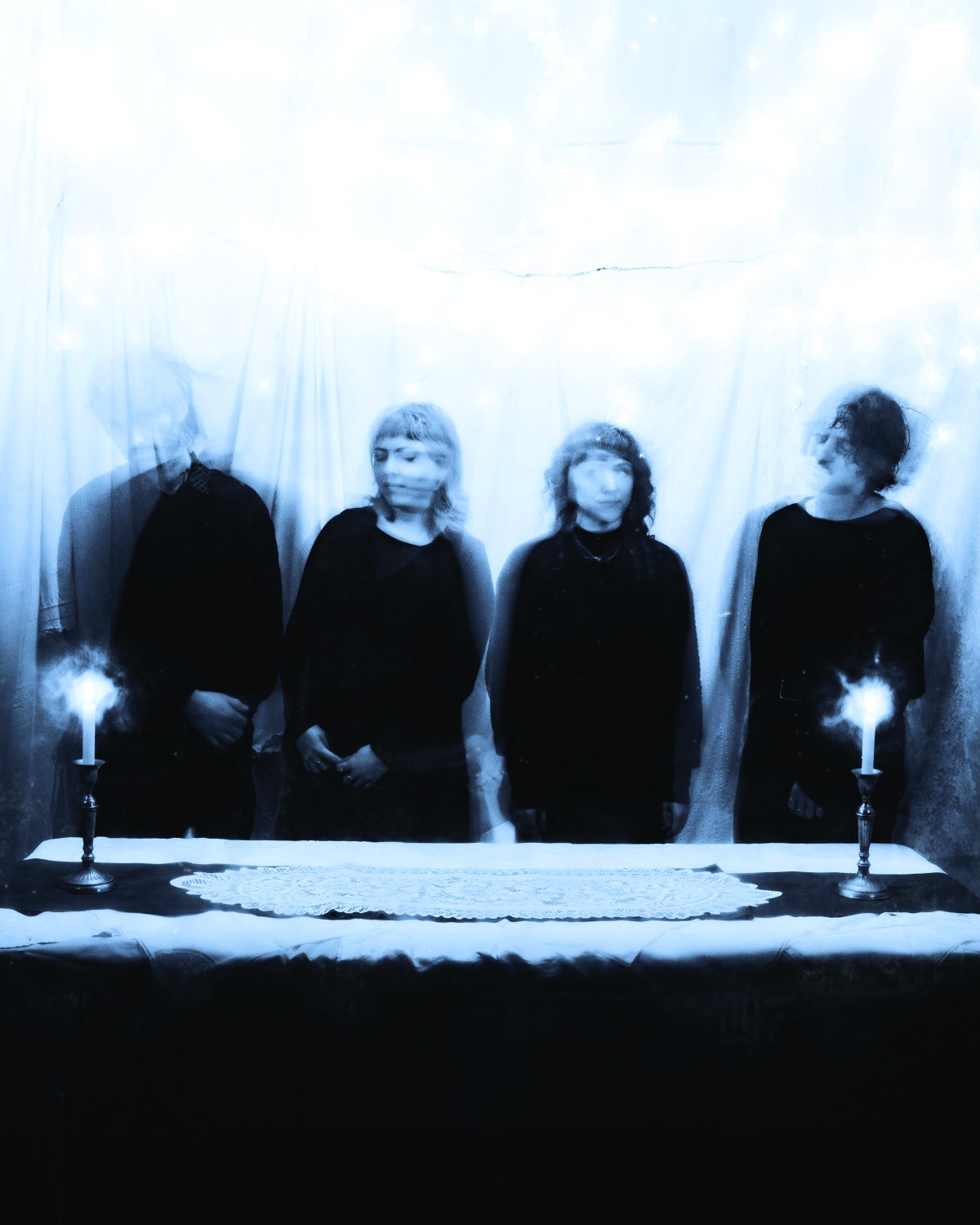
There’s much to be said about a band who bases their name off of a Sylvia Plath poem. Eating men like air, formally red-haired Chloe Gallardo discusses the DIY nature of her latest project, Herr God with us. Chloe and I (also Chloe) virtually sat in front of each other in this latest interview, one of us in a SoCal college radio station and the other in the depths of the sprawling sphere of Portland. Other than being gifted the same names, I learned that Gallardo and I had a lot in common: scribbling down thoughts in our Notes app, scanning media with junk we can find around us, and vomiting our thoughts onto paper in forms of lyrics and more. It was healing to talk to what was like a version of myself placed in a different reality where I was a girl and a performer, but Chloe is her own person pioneering her own path. She grasps onto thoughts and feelings, making art from her diary that others can relate to.
We enjoyed each other’s company during our interview, which you can read below!
Photo by KC Jonze
This interview was conducted by Chloe Gonzales (DJ Adderall Spritz) in studio at SoCal college radio and has been edited for length and clarity.
Chloe Gonzales: Honestly, I just want to dive right in, because I’m very interested in your project! I was reading up a little bit about it and it was so interesting because you all drew your name from a poem by Sylvia Plath [Lady Lazarus].
Chloe of Herr God: It’s funny, because my grandma got me this poetry book for Christmas, and I was flipping through it before I had even started the band, and I wrote down Herr God. I liked how it looked on paper, so I was like, “Oh, that’s cool,” like, “I’m gonna save that for something later.” And then when I decided to start the band, I was looking through the list of the names that I had made, and I found that one, and I was like, “Oh, that’s kind of cool. I think I’m gonna use that.” And then a couple months later, I had dyed my hair red, and then I realized that the last stanza of the poem talks about having red hair. So it was like, kind of not on purpose, but now I can never change my hair back to normal.
CG: I think every person’s got to have red hair, at least non-men. People tell me that like means that like you’re crazy or something, or like, you’re going through something. Are you mentally ill? Yeah, it’s real, honestly. Unfortunately, it is kind of true, at least from personal experience. I get it. But before we fully dive in, I always like to have bands and artists give the opportunity to give a little elevator pitch and just spill out whatever you want to say about the band. I want to hear everything from you.
Herr God: Yeah, we’re pretty brand new. I started the project less than a year ago when I was living in San Francisco. I wrote some demos, showed them to one of my friends that lives in Philadelphia, went out and recorded in Philly. And then after I had those recorded, I threw a band together, and that was Herr God 1.0 and then we’ve had a few variations of the band since. When I moved to Portland, I was just like, “Okay, I’m gonna put together the final boss mode of this band.” Like I’m done teaching people how to play the songs every single gig that I have, and for this to be more of a collaborative band, rather than just me doing it. One of the reasons I moved to Portland was because the music scene here is really awesome, and I feel like I really identify with it, and also, the people here are just so, so talented. I’m just lucky enough to be friends with a lot of my favorite local bands here, and so one of them agreed to be in my band with me, and I actually live with two of my bandmates. My other really good friend lives three minutes away and he’s the fourth member of the band. So it worked out really nicely.
CG: Your latest release is your EP, “Grief and Calamity”. Could you walk us through the concept of it?
Herr God: Yeah, it started off as weird little demos that I was trying to prove to myself that I could write all of the parts of a song, rather than just lyrics and guitar. I made all the demos myself and then replicated the exact same thing in the studio. I’d say it’s more of an independent, “I can do this” kind of project. “Grief and Calamity” is sort of alluding back to the healing process of me moving away from my home in Southern California and starting fresh, then realizing that I have free will and can move wherever–don’t need anybody.
CG: That’s so vulnerable! You talk about having very personal lyrics and songwriting. I also know that you have your own project. How do you differentiate Herr God from your own music?
Herr God: I honestly made Herr God to kind of get away from my solo project and I definitely identify more with Herr God than my other project. I mean I made that project when I was like 17 or 18 and I put out my first songs not knowing how releasing music worked. I was fresh out of high school, if not a senior in high school. It was just one of those things where I thought only my family on Facebook was gonna listen to it and so I just put it under my name because I was conditioned from school to put my first and last name on a project. And then it kind of snowballed into something bigger than just my Facebook family seeing it. And then I realized that I was kind of stuck with my name, which there’s nothing wrong with that, but I also wished the whole time that I had a band name rather than just my name.
It’s hard to book shows when you are a female solo act, venues are less inclined really. In my experience they’re like. “Oh, you’re just a sad singer-songwriter,” which there’s nothing wrong with that but for me, applying for the bills that I was applying for, it didn’t really make sense. Also, all my projects under my name were heavily collaborative with others to the point where I wrote the songs but also didn’t really fully identify with them as much as I did originally. Herr God is like a full DIY, it’s all me. I’m making all the creative decisions, or at least the first project that I put out, and have the actual band with me to bounce ideas off of. It’s like equally collaborative instead of having a session player come in and play a guitar part and then I never see them again.
CG: It’s nice to be able to build that community and friendship amongst your band members. It’s so interesting that you say that your first project with your name isn’t as much of you as Herr God is, that dissociation with that being like “Oh this is me but also not me.” Because usually when people use their personal names and such, there’s the opposite situation where you’ve been through band names but now you use your own name to be like, “This is really who I am.”
Herr God: Yeah totally, I feel like I did it in reverse a little bit. But I think it would’ve been the same if I had started with a band name. I think it’s just because I started so long ago, trying to find myself in the music world. So it’s more of the project itself, not even my name, like all those songs are so old. Also, when you make music or any kind of art, you always like your newest project the best and think your old stuff is garbage. It’s one of those things where I just really don’t identify with the person that I was when I put those songs out. I feel like I wouldn’t be where I am now without that project though. It’s just a weird thing to navigate because I learned basically everything that I don’t want to do. I was able to jump start this project and do everything the way I wanted to do it and so it was kind of a learning experience. Obviously those songs are a part of me, but I definitely am in the direction that I want to be in now with this current project.
CG; That’s amazing that you’re able to find that though and be secure in it! I also wanted to ask if there’s anything from the recent EP that you want to expand on in your upcoming works, like a certain sound, thematics, lyrics, or anything else.
Herr God: The weird song names are definitely going to carry over.
CG: I was hoping for that!
Herr God: I think that’s just kind of funny, for it not to be anything about the actual song and it just be weird, like “jesus candle in the liquor store,” I went into the liquor store and saw a Jesus candle and was like, “That would be funny for a song name or poem.” And so I have this list of stuff that I could potentially use. So they [song titles] don’t mean anything. I think we have a couple of newer songs coming out that have weird names as well. But I think as far as the sound, it’s going to be pretty similar, maybe a bit heavier if anything. We should have a couple of new songs coming out by the summer, which is exciting!
CG: I am obsessed with your names and I think it fits into the crowd that you’re catering to. I guess you aren’t really catering to anyone, but I feel like there’s a good group among Gen Z that have this weird obsession with things like teeth, dolls, and religion. It reminds me of the midwest, so it’s interesting because you’re from southern California. Is there a scene that has this kind of vibe?
Herr God: I don’t know. I don’t want to say no, but actually there is religious stuff. I grew up Catholic, Christian and it did a number on me in a not super positive way. And so I think it’s all satire and probably disrespectful, but it’s my own coping mechanism. I think religious artwork is so beautiful and it bums me out that I have a negative association with the religion itself. My room at my house is decked out in pictures of Jesus and rosaries and stuff. It’s kind of a weird thing that I have adapted into my life.
CG: I can totally understand that. Talking about religious imagery, your visuals, for example “jesus candle in the liquor store” single has scanner, print stuff. I find your aesthetic so interesting and cool. Like on Instagram and everything it seems so random but it comes together so cleanly. Is it just whatever comes to your mind?
Herr God: It’s not on purpose. The single artwork you’re talking about, I have this really crappy scanner and I found this photo that was like this old book of different flowers. I would throw stuff on the scanner and move it around while it was scanning and some of them turned out cool. And I zoomed in really close on a lot of them and that’s how I made the single artwork and the EP cover as well. It’s all just weird scanner stuff.
CG: That’s amazing. And honestly that’s the best, like it never has to be high production like we saw with “Brat.” I’m glad we’re coming to something more like mixed media, crafty in this era.
Herr God: I think it also comes down to like waiting. I hate waiting and paying for things. I’m such an instant gratification type of person so I will usually try to do things myself before I ask for help. That was another thing that I learned from my last project where I was being given a lot of advice to go to different professionals for artwork and stuff. I think that’s really cool, but sometimes you just don’t have the budget for that. And those people have a million things that they’re doing and there’s a long turnaround. The purpose of the first EP that I released for this [Herr God], I wanted it to be all myself and just all on my own terms. So it was kind of crazy when I got the masters back and was like, “Oh, I can upload these today.” Like I don’t have to wait for anybody. It was more of a thing where I just wanted to do it completely DIY and it ended up being kind of cool. I don’t really know what we’re gonna do for this upcoming release because I’m working on a collaboration with another band and so we’re kind of collaborating. I think it’s gonna be like some photo that I have and some photo that they have and combine them in some way.
CG: Yes, put them on Photoshop and do a little mix around with it. That’s the fun part. Okay, we kind of touched on this earlier, but you spoke about being independent and doing stuff yourself. How does that work with the group dynamic, with the band?
Herr God: I guess we’re still navigating, like we have all these new songs and I’m recording with my guitarist and he and I have been like—things kind of come together when you’re recording them. And then he is also a graphic designer and we have very similar artistic visions. So we already click on that front. So I don’t really have to worry about visuals because everyone gets the vibe. So it’s kind of like, how do we continue that and improve upon it as a band?
CG: That’s really nice that you all are kind of on the same wavelength!
Herr God: Yeah, it’s the beauty of being in a band with people that you’re really good friends with, which I guess could be problematic at times but for us not yet. We’re golden.
CG: Wow, no that’s good. Enjoy the ride while you can. But how do you want to carry these visuals and aesthetics to the stage and such?
Herr God: That’s actually funny that you ask, because I just was making a projection thing for our show. I literally just took this old footage of different flowers blooming and layered it with weird color blocking, flashes of different colors, and put them on top of each other and made it a 30 minute loop. It’s just one of those things where I just mess around with something until I make it look the way that I want it to look. And there’s definitely way, way better ways to do it if I was an actual professional.
CG: If it works, it works! You don’t need anything too fancy, it stays DIY.
Herr God: I want it to look kind of bad, but like in a cool way.
CG: For sure, just like goofy visuals. It reminds me of what you said earlier with the names meaning nothing. It reminds me of Phoebe Bridgers’ “Strangers in the Alps”, which has a meaning that she got from a movie that means nothing basically. It just sounds beautiful.
Herr God: Yeah, if I like it, I like it. And then sometimes meanings come to you after you name it, like writing a song or poem and you’re like, “Oh, I wrote this. I have no idea what it means.” But then you read it later and you’re like, “That’s really weird, I feel like I just predicted my own future.” That kind of thing happens to me a lot, so I usually just like to keep things pretty simple and then see if they develop a meaning to me later and if they don’t, then they still sound cool.
CG: I totally understand that. It sounds cool and then you derive meaning from it.
Herr God: I don’t like to talk about or tell people what my songs are about for that reason. I know with my solo project that happens where people will be like “Oh, this song reminded me at this point in my life and I think it’s crazy that you wrote this because I feel like it was written about me.” And that’s like a really weird thing to hear, because I’m like writing in my diary and publishing it to the world. So it’s crazy that people actually have similar experiences and make it their own complete experience. It’s weird.
CG: That’s the beautiful thing about it! I also wanted to get into the classic band inspirations. I can hear some inspiration that are not musical, like the religious aspects and stuff. Are there any other bands or non-musical inspirations?
Herr God: Honestly, I draw most of my inspiration from my friends in the music scene, just seeing what they’re doing. And it’s not even necessarily stylistically but just doing the thing that they’re passionate about. I think that’s really inspiring. My band and I have been listening to a lot of MJ Lenderman. He has some funky lyrics that I like. I just love the way he writes. And I feel like it’s probably going to subconsciously happen where we’re like writing a song and then I come up with weird lyrics like that and it’s gonna be my new MJ Lenderman song.
CG: When you do your lyrics, is it on a whim like you write in your notes app or when you’re walking?
Herr God: Definitely a Notes app. For the EP, I sat down with GarageBand on my phone and made a little beat, little guitar, hum a melody, and then I would kind of loop it, and then just write whatever came to mind on my note. Then I would sing it and that was the final product. I don’t really ever go back to edit anything unless it sounds really bad; I like the authenticity of it being fresh off my brain and just staying that way, because it’s kind of like capturing a specific moment in time.
CG: No absolutely and capturing like those imperfections but then they turn into these little things of their own. I also wanted to ask about your songs that you gave me, any context you want to give?
Herr God: Most of the songs I sent are current rotation and our favorites at the moment. Like I can’t stop listening to the Horsegirl one. They’re like the most adorable people ever, but yeah it’s just all stuff I really love.
CG: I appreciate it, like underground artists that should be more appreciated. Hope that there’s a Horsegirl x Herr God collab.
Herr God: Weirdly enough, I have played a show with them as my solo project at The Observatory in Orange County. I was just a local opener for them but they were like the sweetest people. I love them so much.
CG: That’s amazing. Do you have any good memories from opening for other people as Herr God?
Herr God: Yeah, my favorite show that we’ve done so far was in San Francisco. We played with Deadharrie and Nick Brobak and 0Fret. And like Deadharrie and Nick Brobak were like, or still are, some of my favorite bands. So it was really cool, because I got to set up the show and then they ended up all crashing at my house. That’s like such a fun part about music in general is just making friends with people that you actually really look up to. That show was really cool. And then we also played a show, our first official Portland show was a couple of weeks ago, with a lot of cool local Portland bands. I feel like it’s just really rewarding to play with people that you admire and who inspire you.
CG: Yeah absolutely. What’s that saying, don’t meet your celebrities?
Herr God: Don’t meet your heroes, something like that. I feel like that is true to some extent but maybe the people that are my heroes aren’t famous enough to be douchebags. Everyone that I’ve met so far, they’ve been very lovely and I just enjoy my time so much with them.
You can listen to Grief & Calamity out on all platforms now.
Written by Chloe Gonzales | Featured Photo by KC Jonze
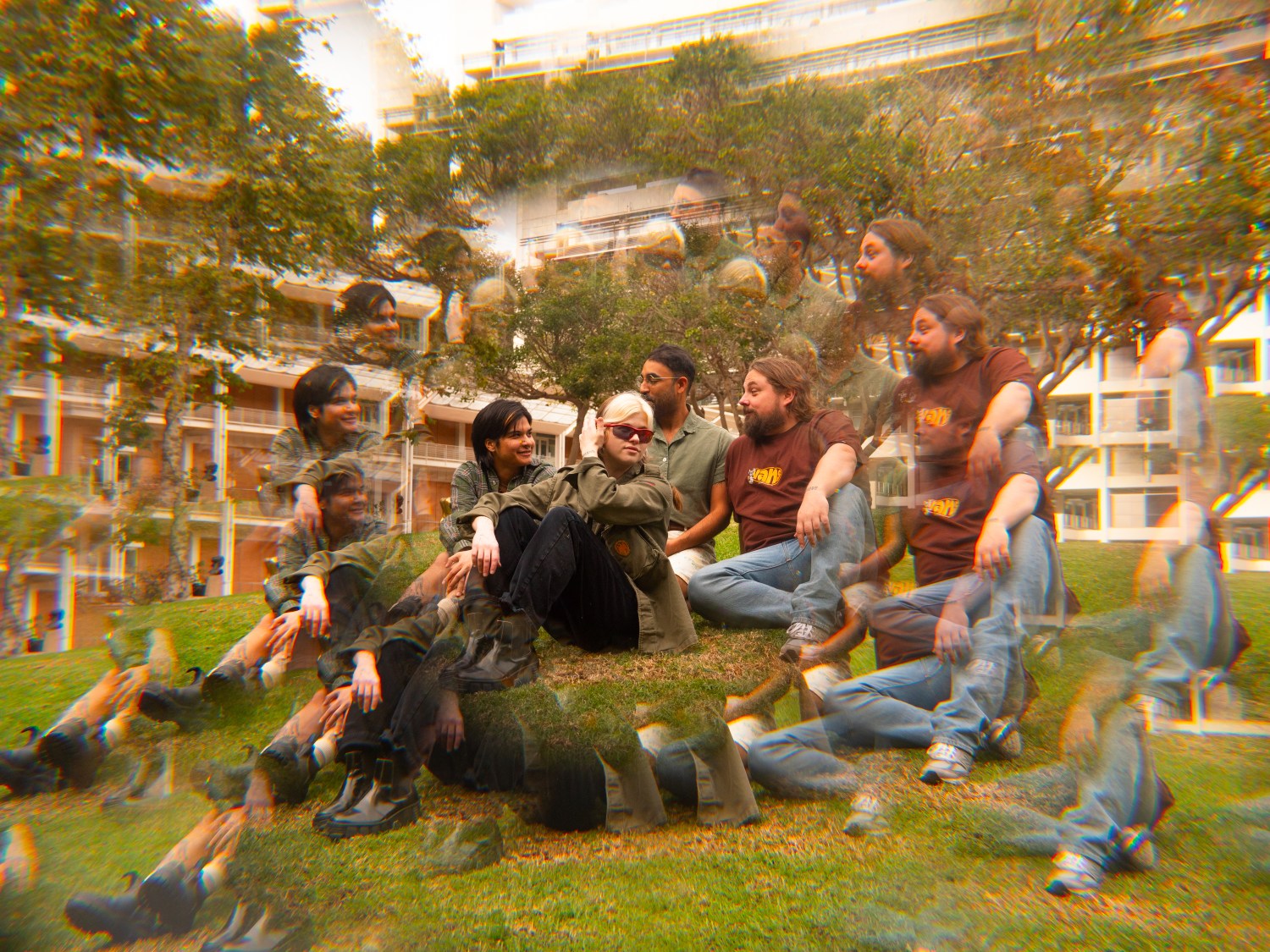
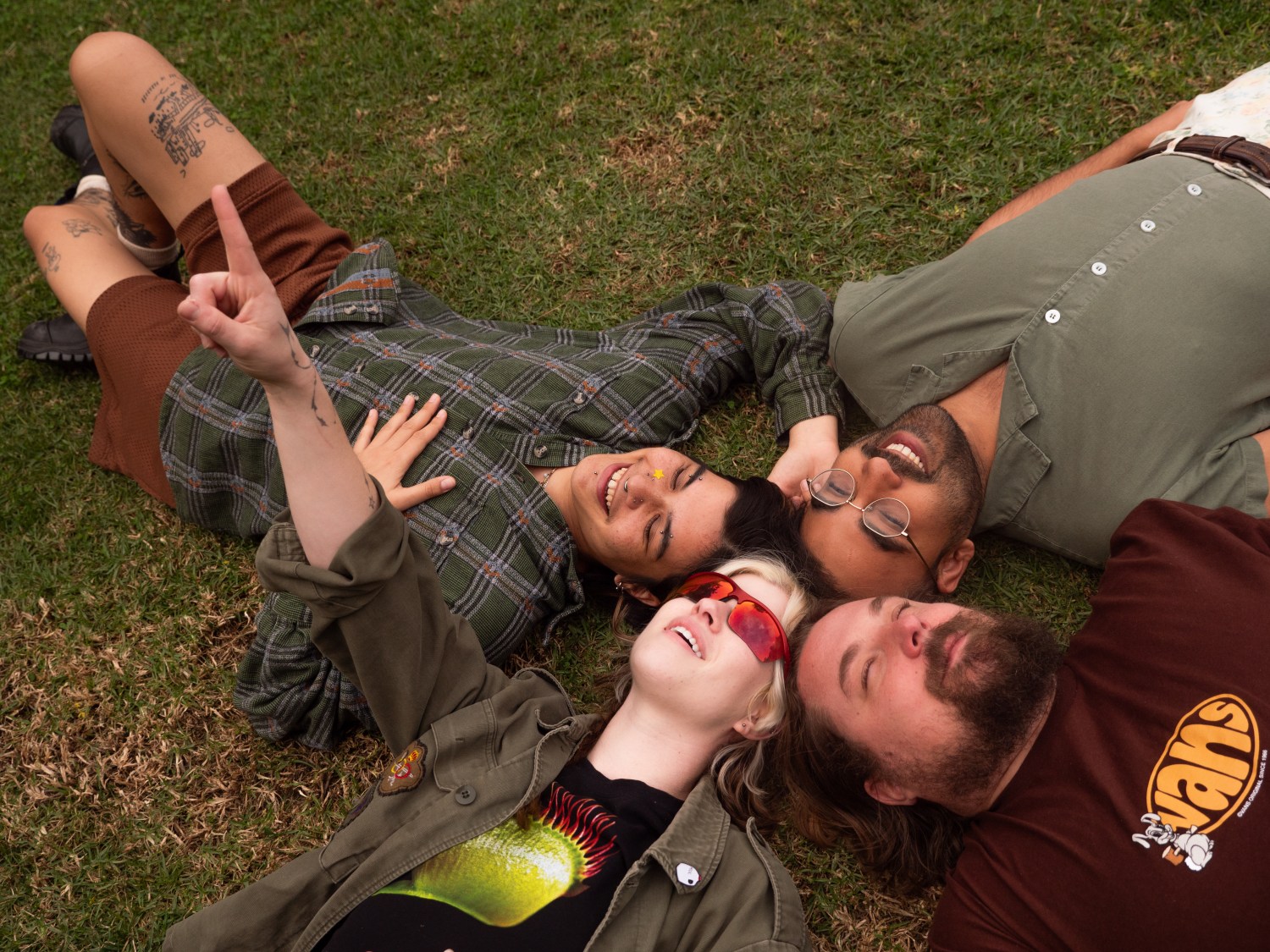
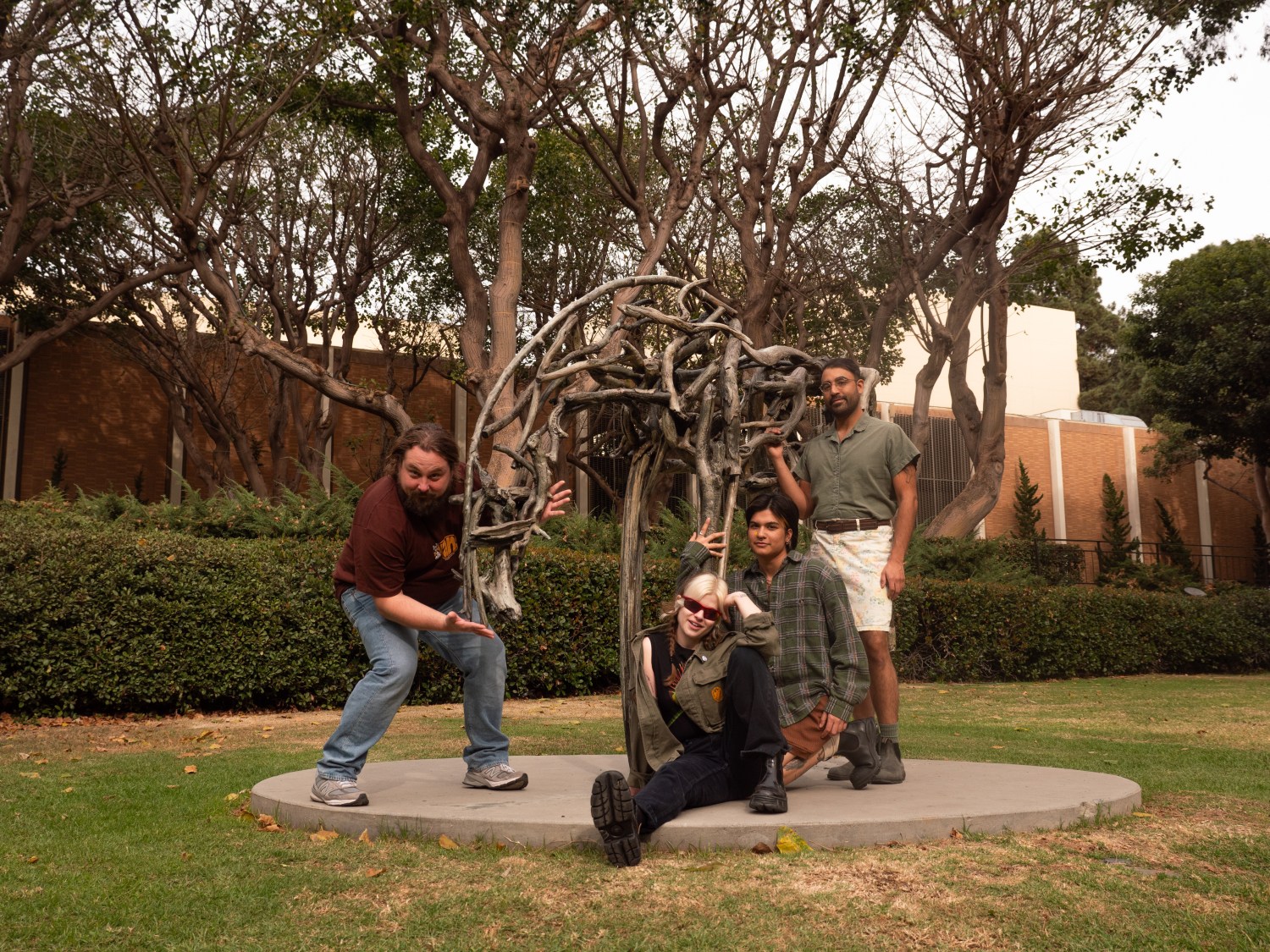
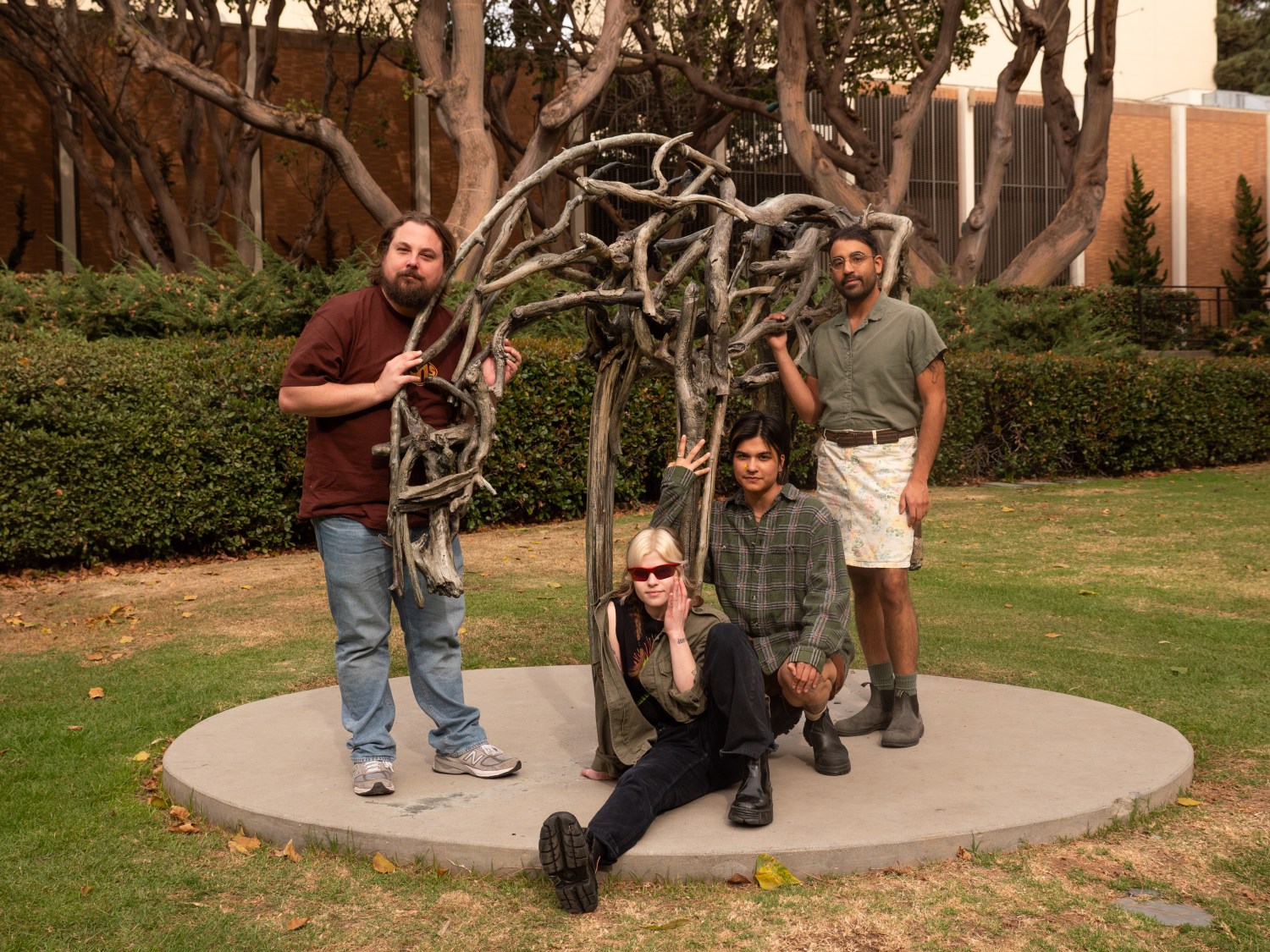
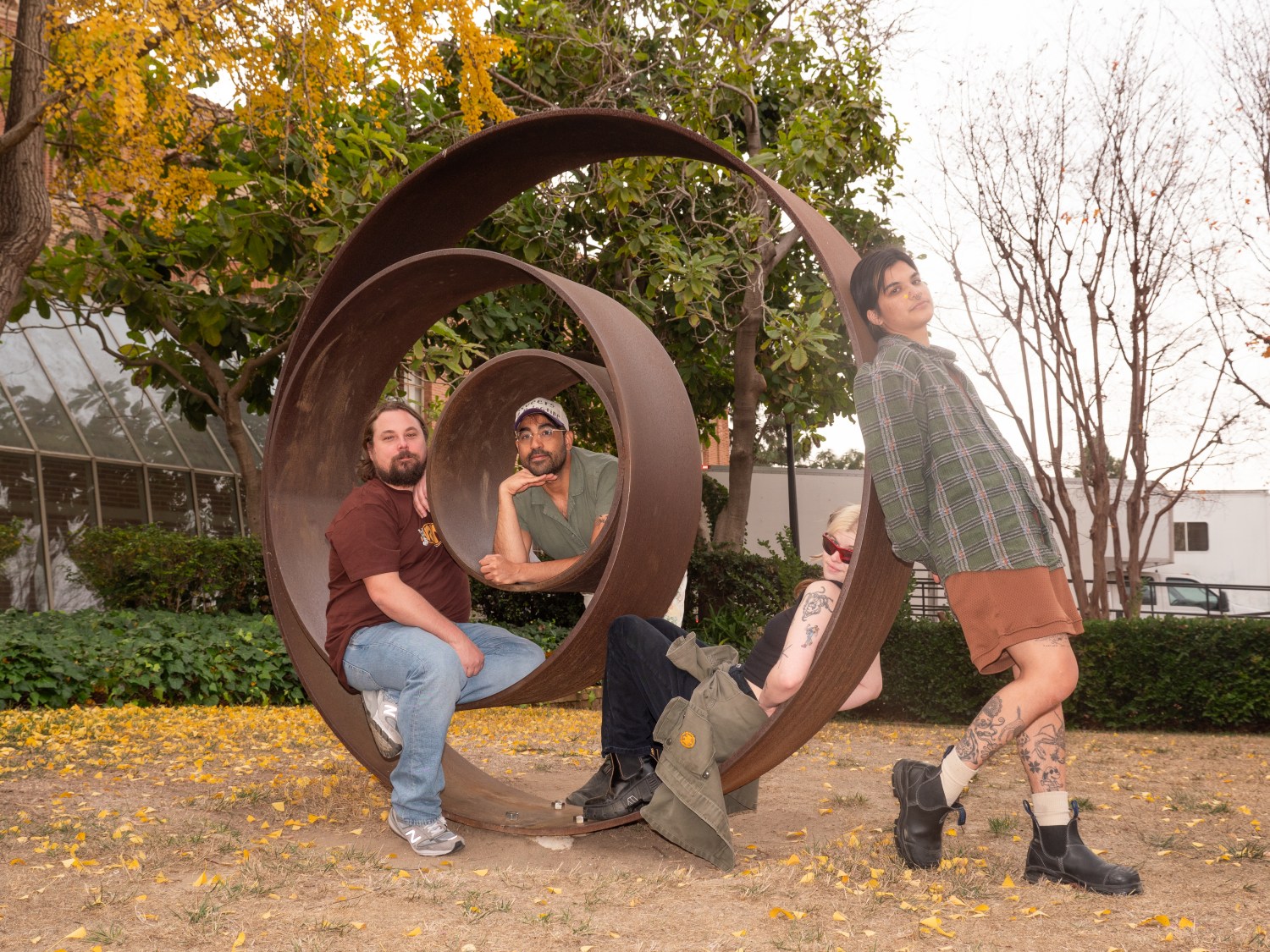
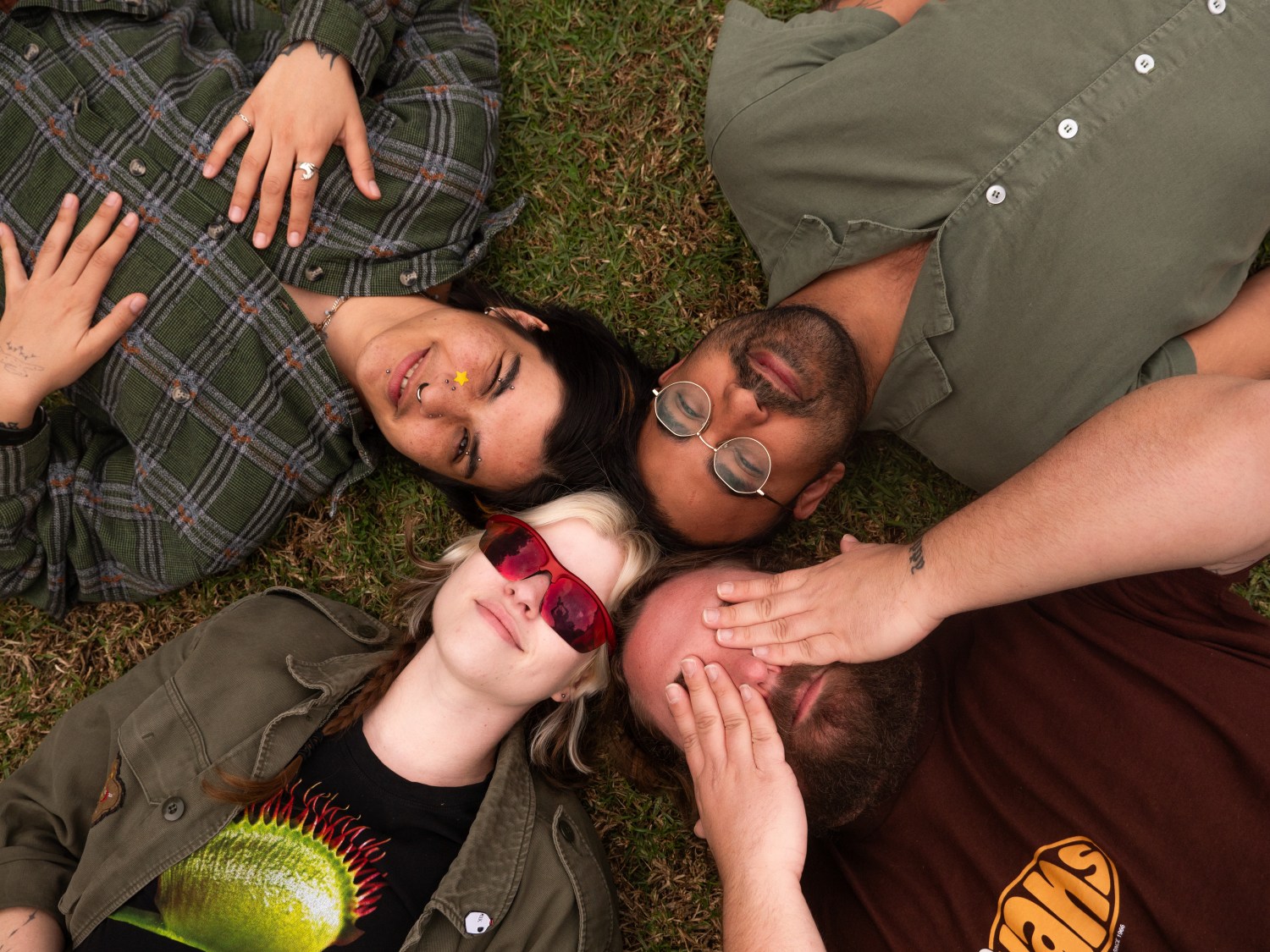
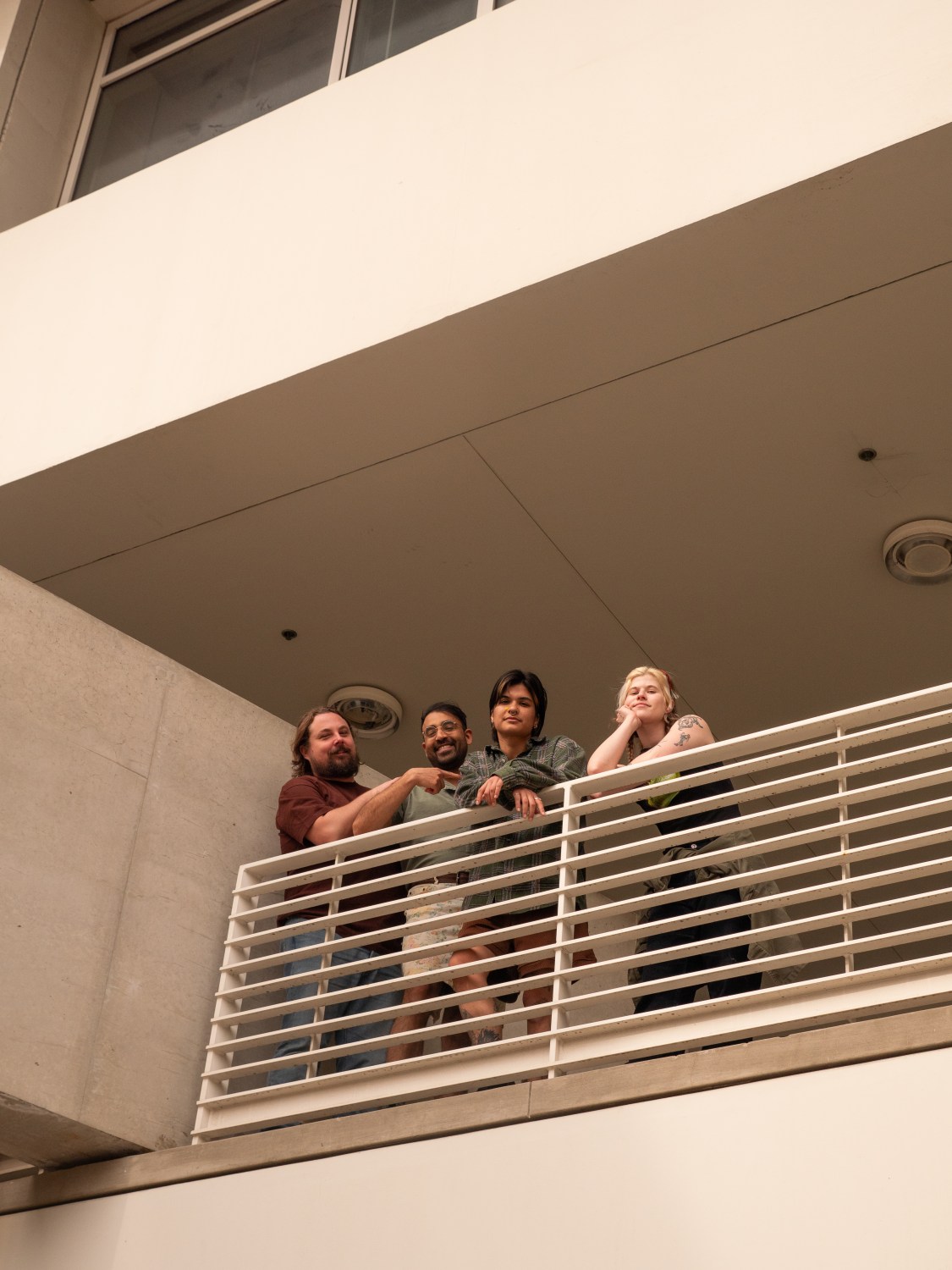
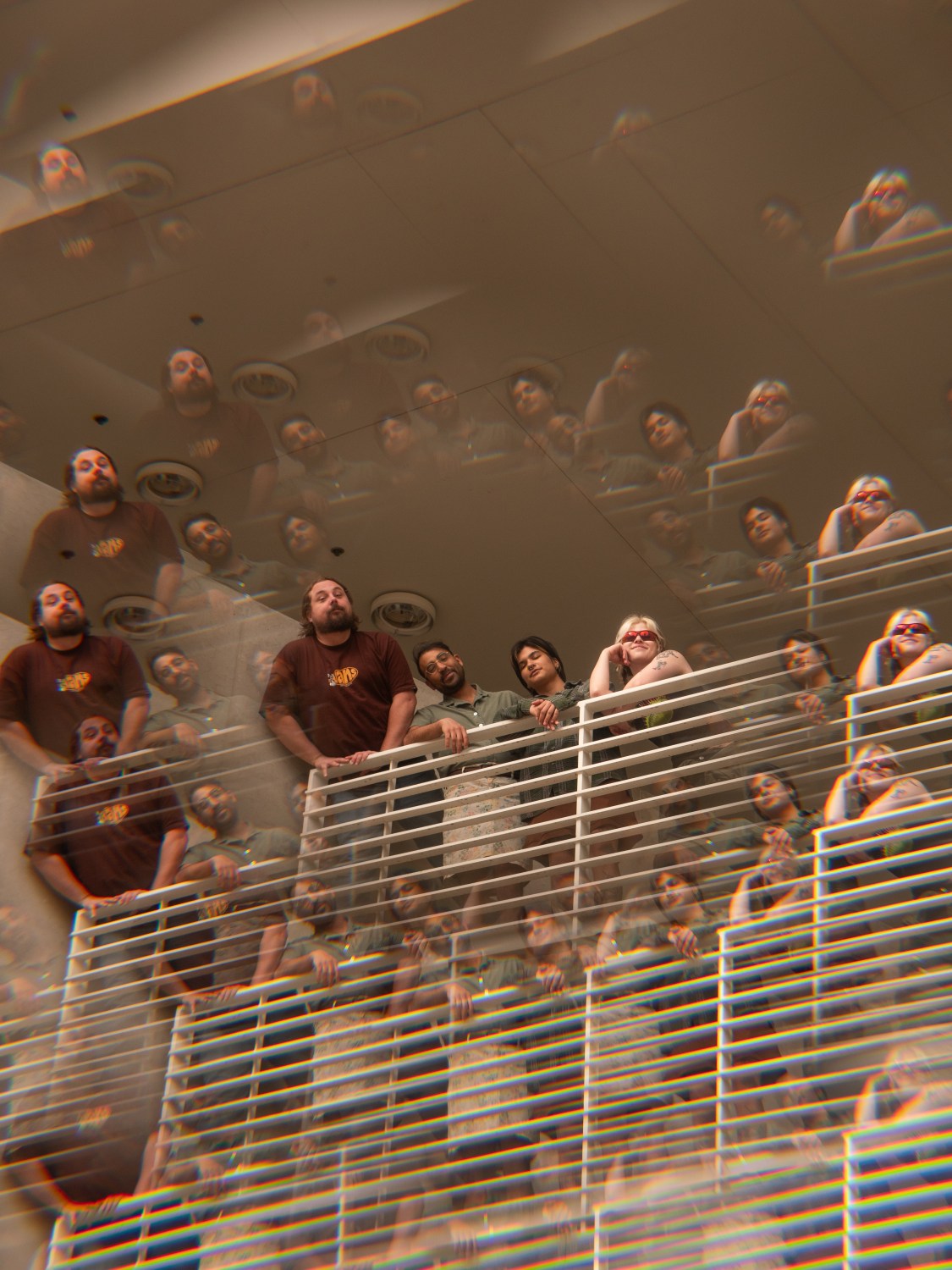
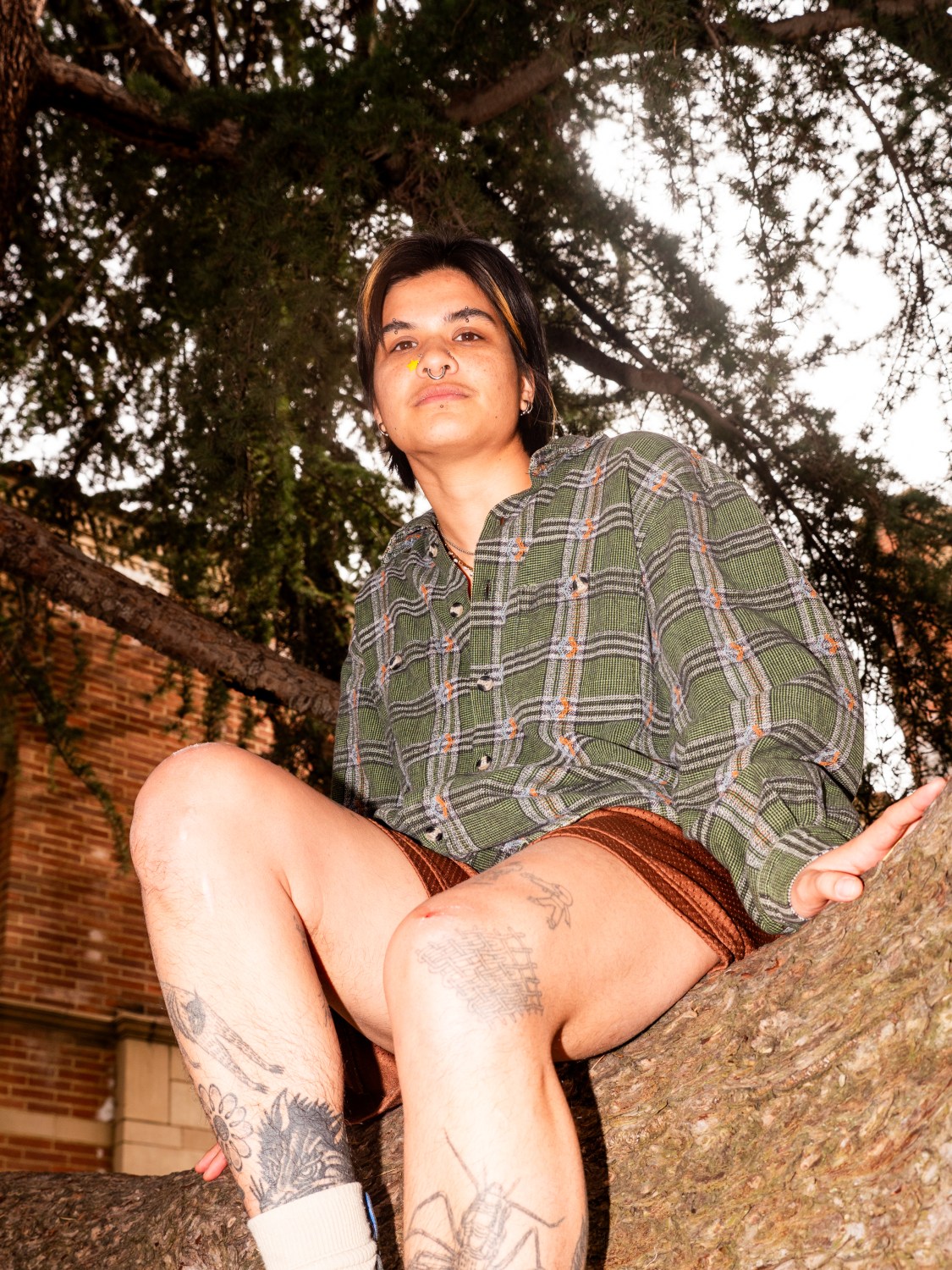
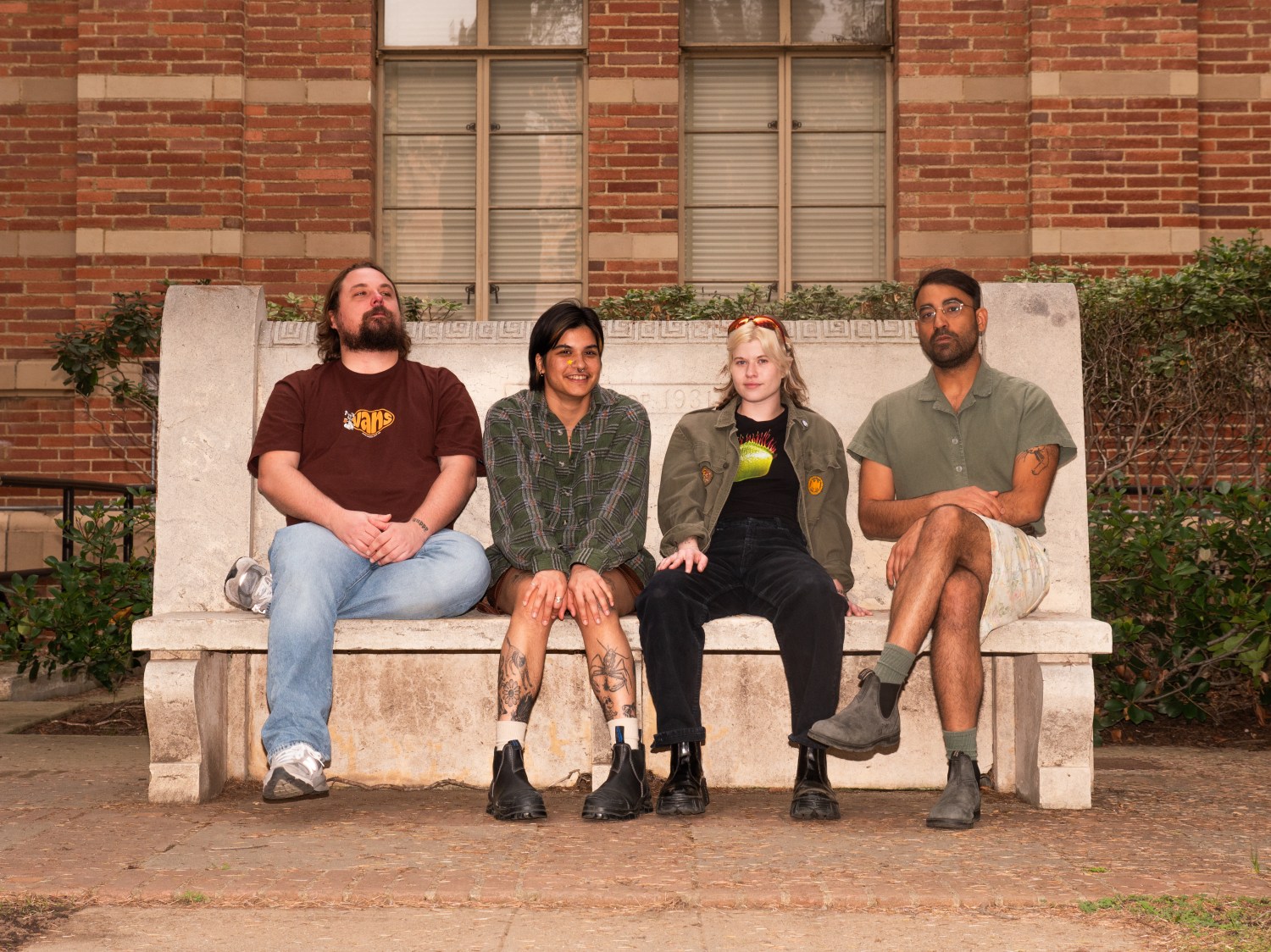
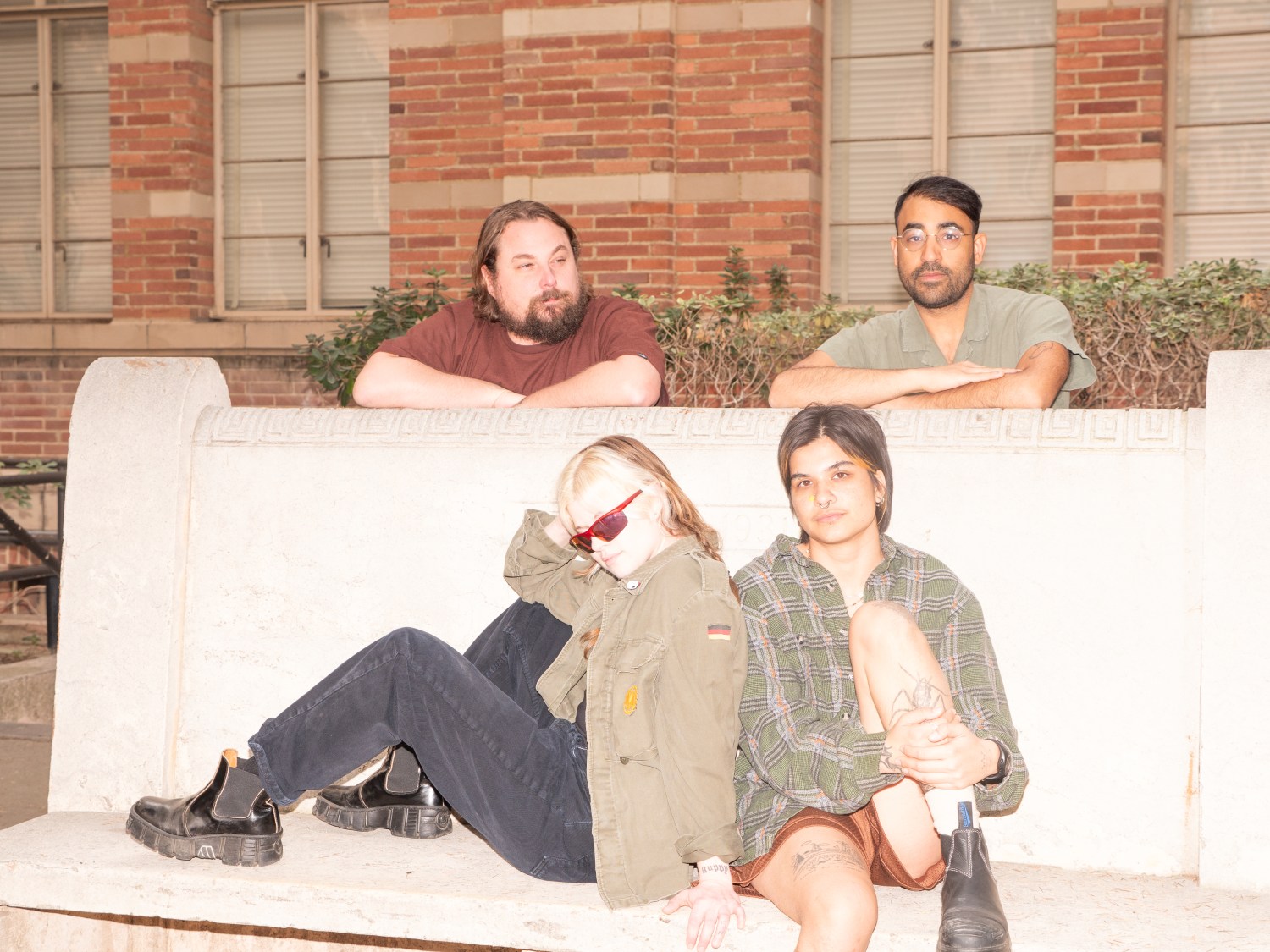
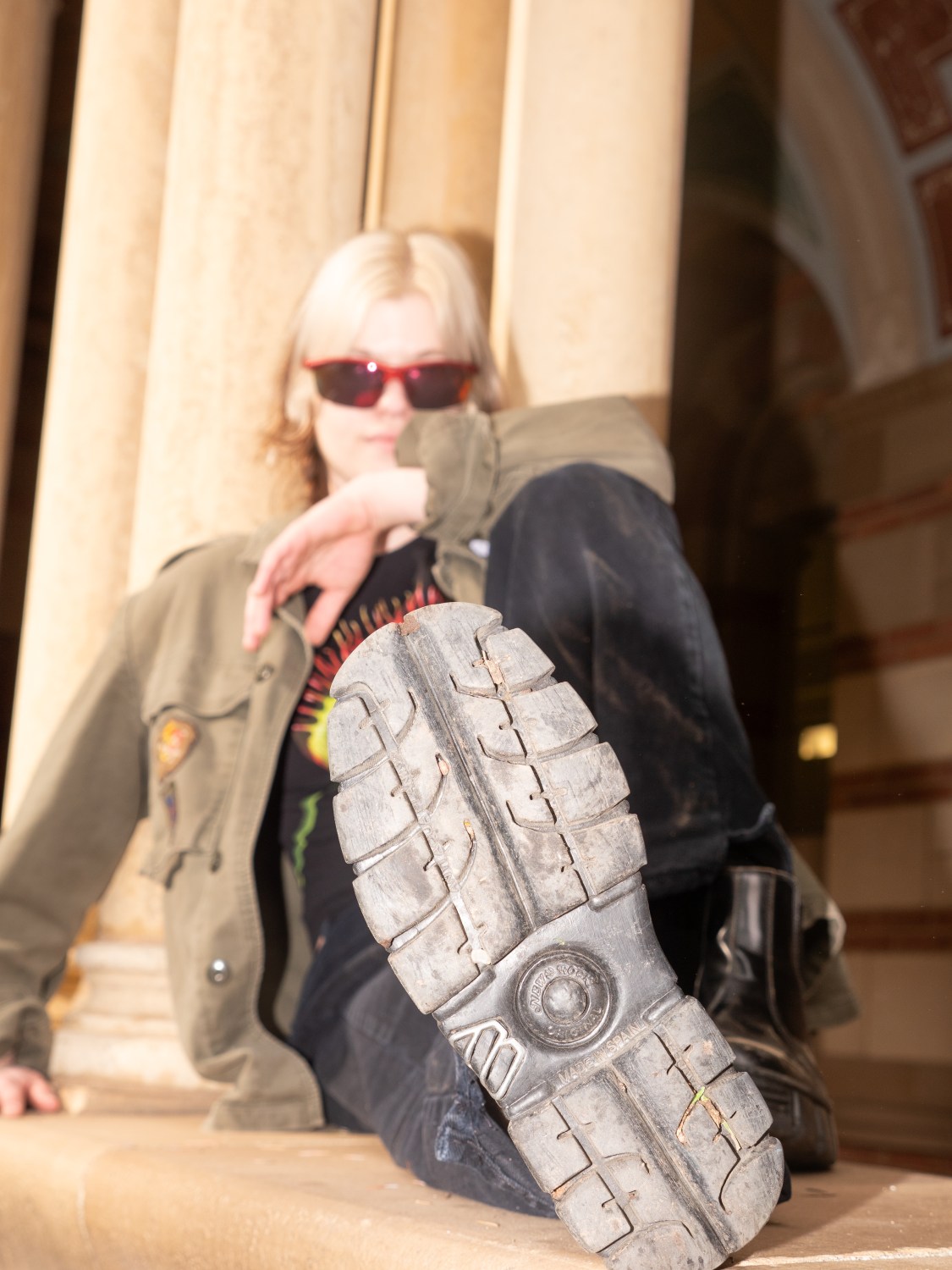
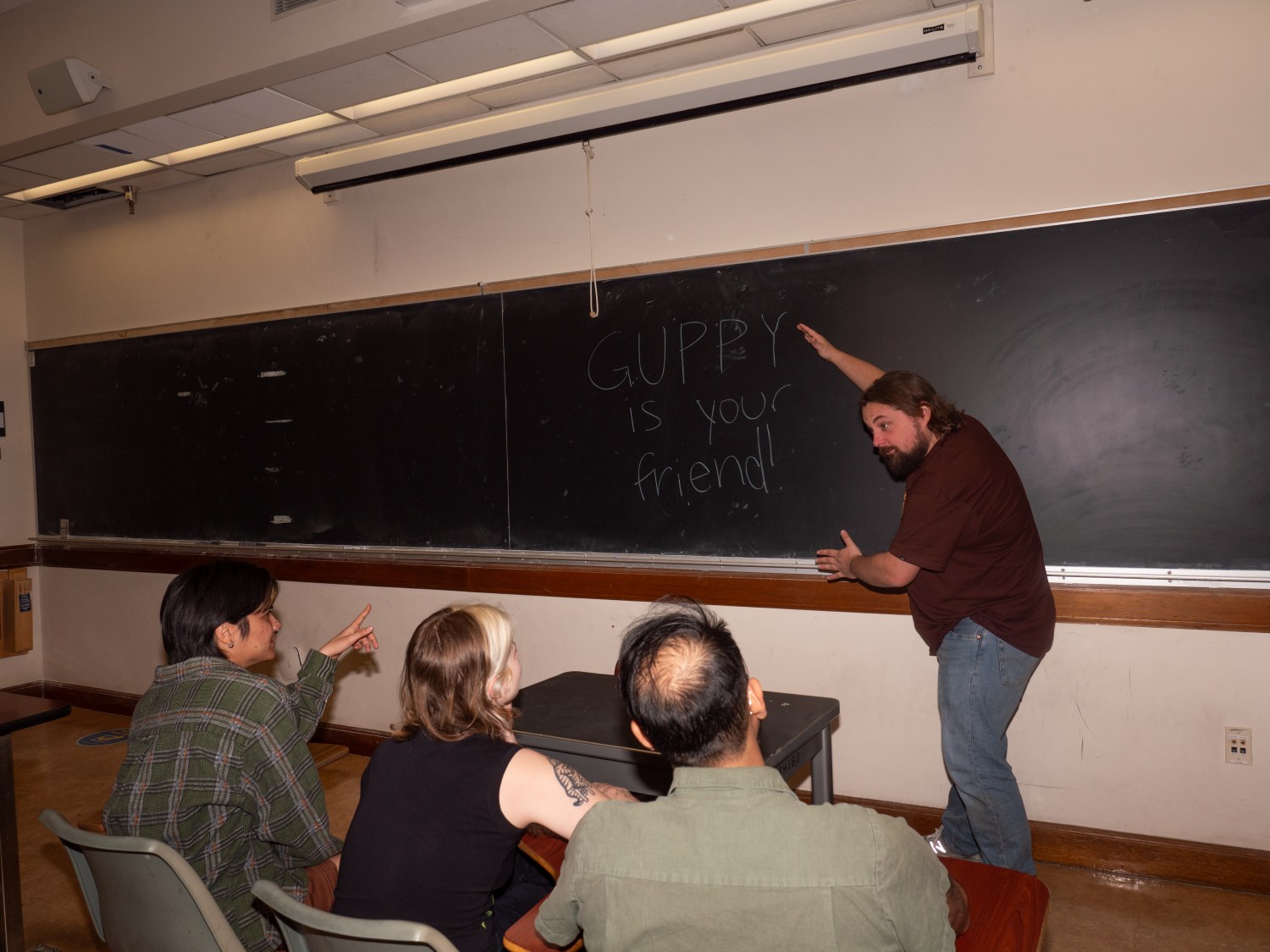
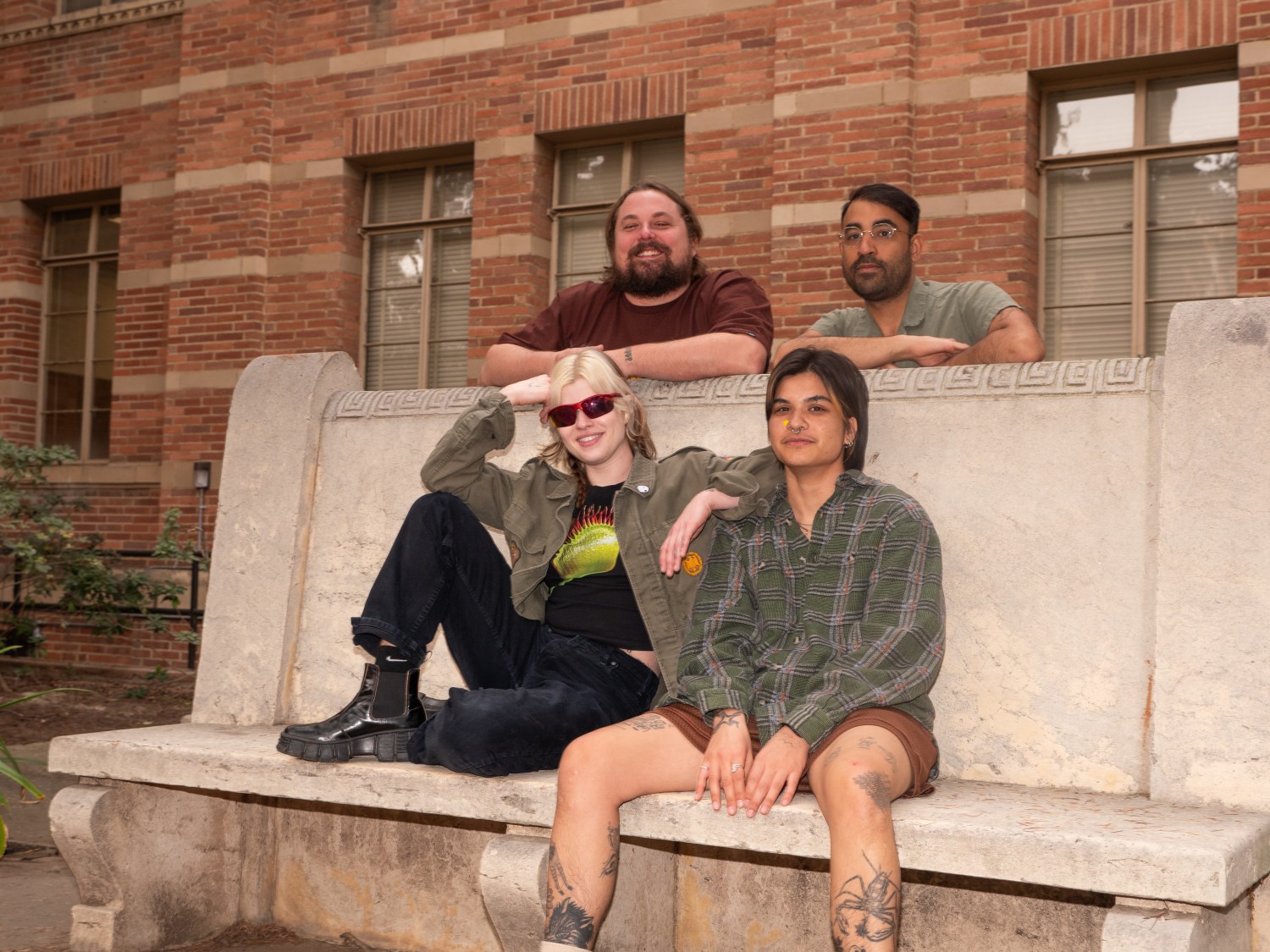
I first met Guppy in a small east LA venue, to which I recognized them for their song “Texting & Driving.” A year later, we sit side by side in booths of my college radio station to discuss the becomings and more of the band. While Guppy identifies themselves as a indie rock band from LA, there’s something to be said about their lyricism and the way they present themselves. Listen in to the world of Guppy and hear us talk about their inspirations, albums, and more!
This interview was conducted by Chloe (DJ Adderall Spritz) at ucla radio. Listen to our conversation with GUPPY below!
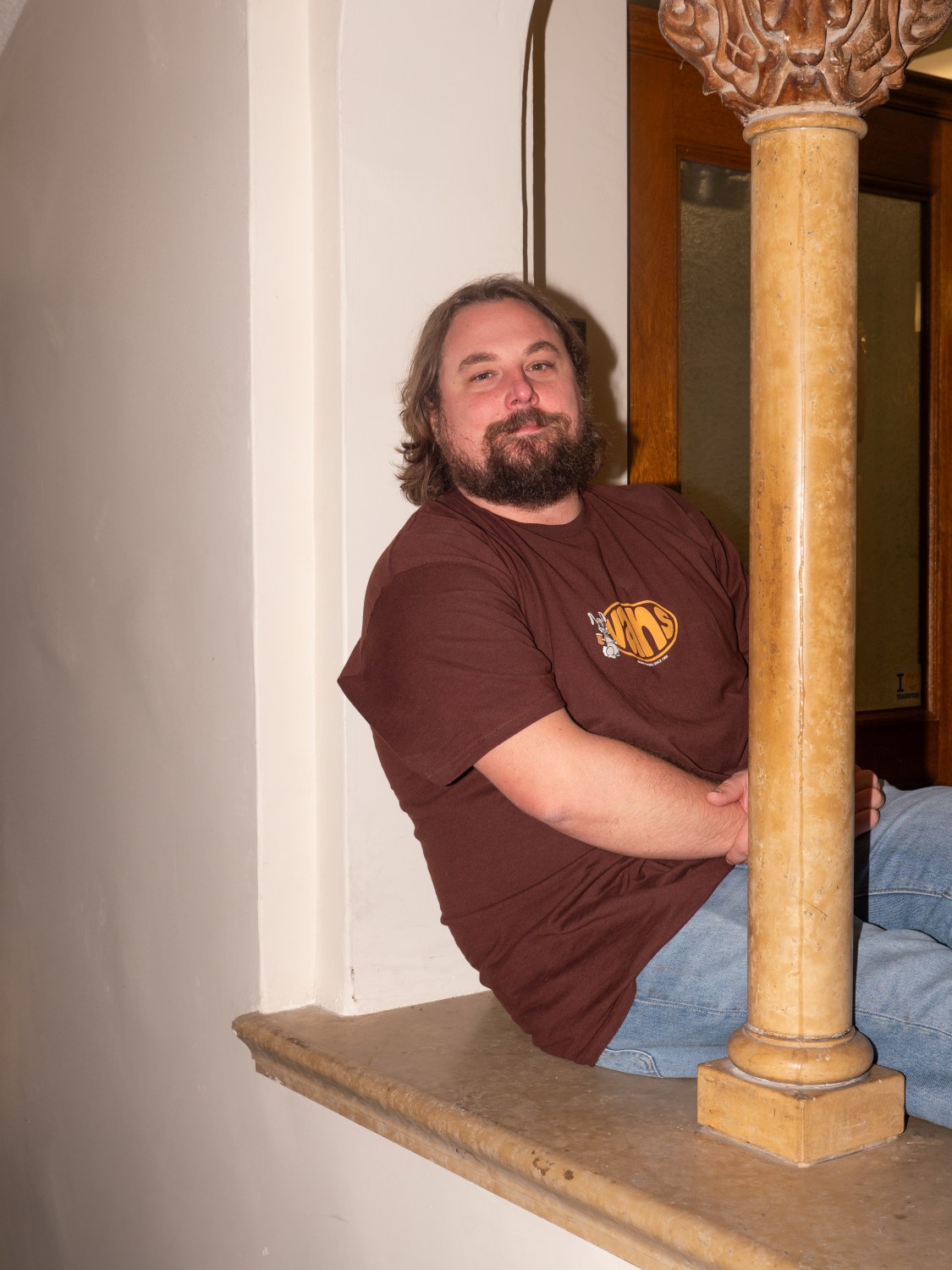
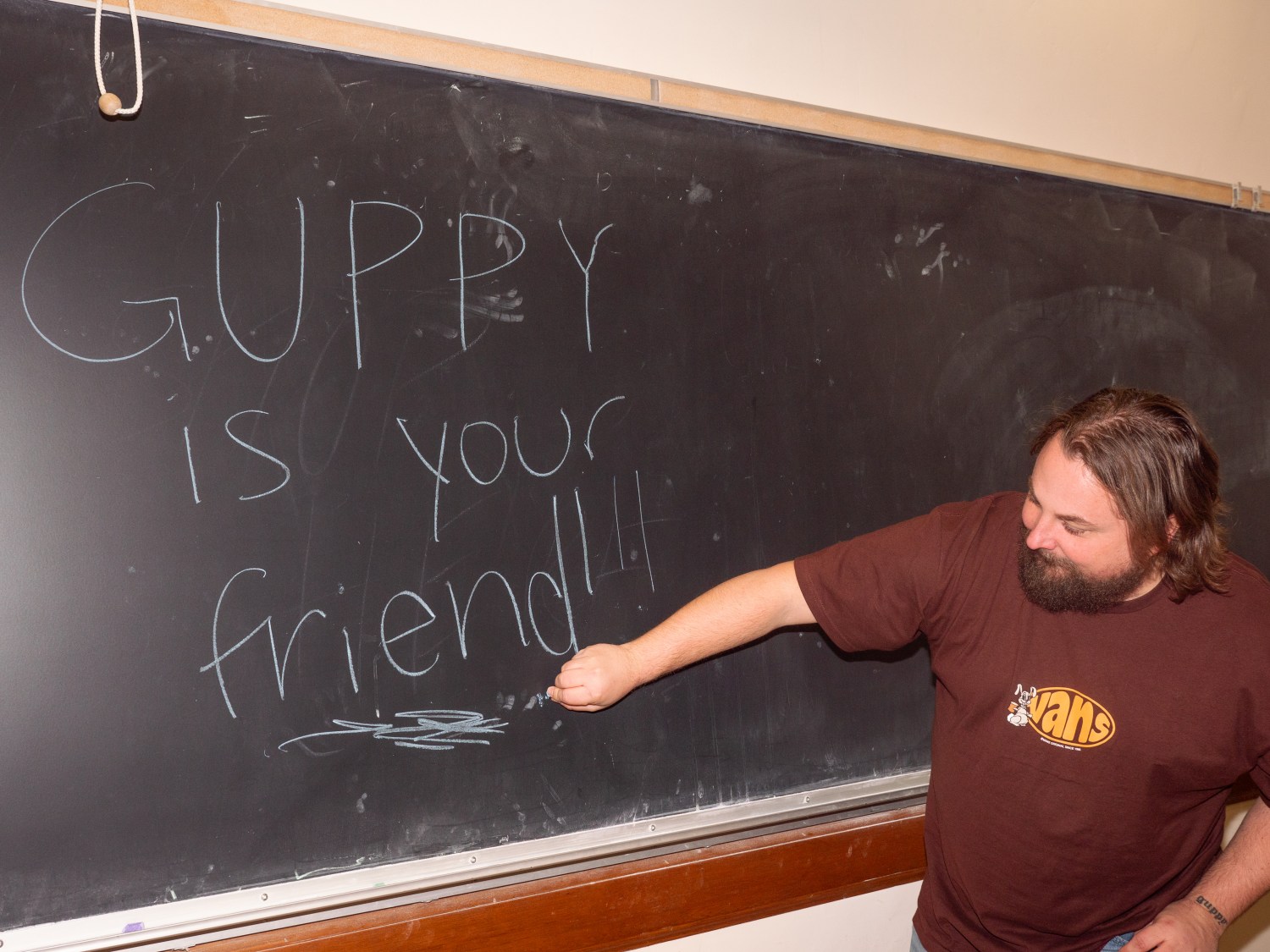
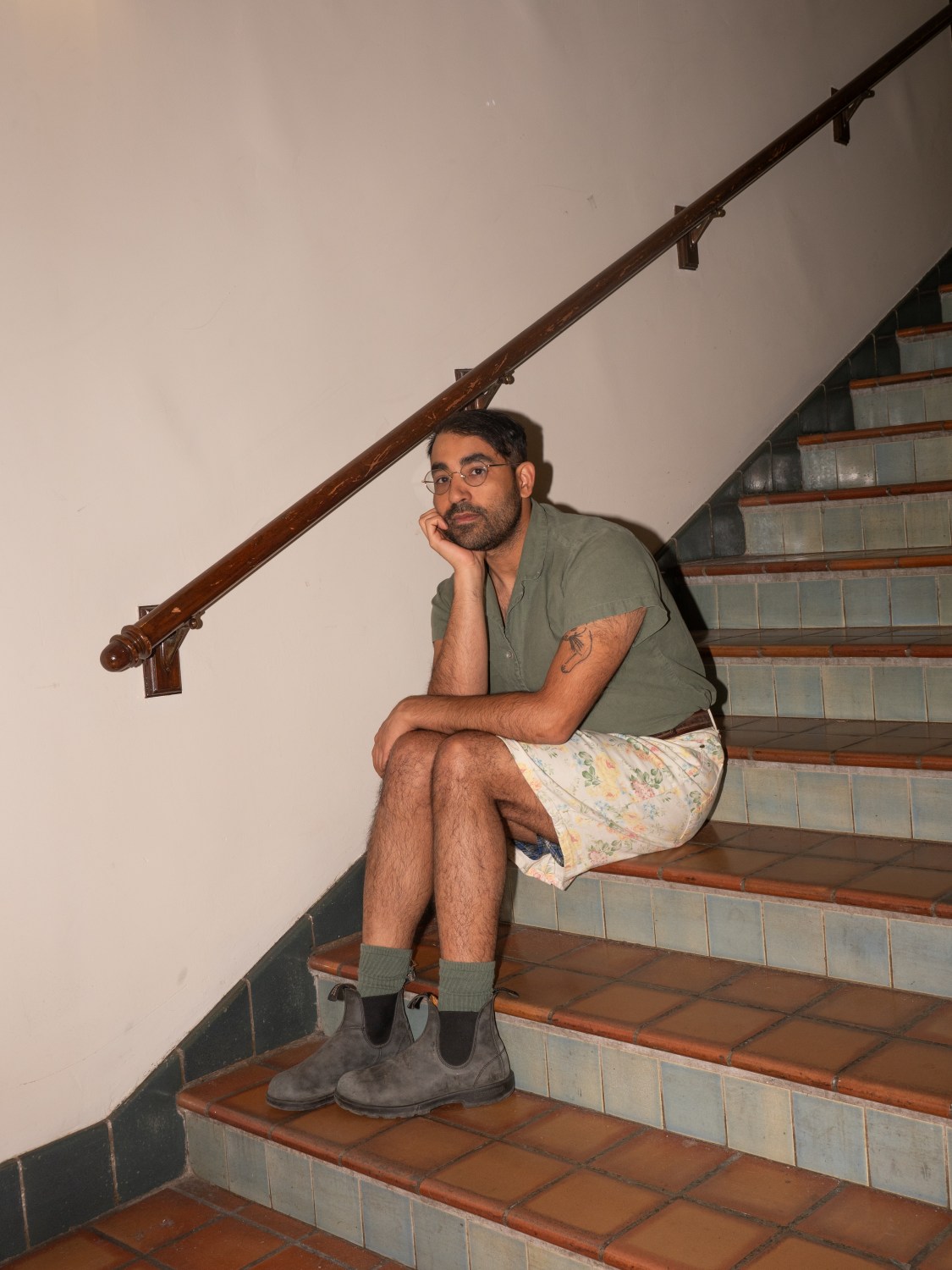
Scroll through to see more photos of GUPPY!
You can listen to GUPPY’s most recent release Something is Happening… out on all platforms, as well as vinyl and CD.
Interview and photos by Chloe Gonzales | Interview conducted at ucla radio


 the ugly hug