Today, the Chicago-based duo Hell Trash is sharing with the world their ecstatic new single “Violence”. Hell Trash members, Rowan and Noah Roth have been formative members of the Chicago DIY scene, occupying countless bills, participating in other projects, and continuously finding new ways to share their unique creative voices through different avenues. But with little music released thus far, “Violence” becomes a culmination of time, exposure and spirit as the duo marks a new beginning for Hell Trash at large.
From the get-go, “Violence” is attuned to its unfamiliarity – switching from the often guitar-forward landscapes that they have covered in the past, to amalgamations of electric pianos, horns and an infinitive grove, as the track explodes into horizontal momentum built out from uncharted territory. But as the project becomes more solidified in its ambitions and practices, there is an already well affirmed structure of trust in the directions that Hell Trash choose to follow. Soon the song pushes on; “I make you violent, cause it feels good in your mind”, is a searing line, sung in harmony as the duo almost eggs on the explosive instrumentation that takes the reigns. As “Violence” begins to prove itself, its buoyant complexion becomes entrenched within the distorted grit and darker undertones of the track, embracing a pluralistic approach to making the music that Hell Trash ultimately wants to make.
About the song, Rowan shares, “I wrote “Violence” at the end of 2021. It was included in the first batch of songs that I brought to Noah when I hired them to engineer and produce a record for me around the same time. Over the course of the next four years, we recorded “Violence” four different times. The first version was an acoustic demo, the second one was based around a Can sample and a vocoder, the third one was basically a straight-ahead alternative rock song, and the fourth version is what we’re putting out into the world. It didn’t end up working until we decided to eschew the guitar as the primary driving force of the song. Instead, we leaned into other sounds that excite us—electric piano, horns, drum machines, etc. Ultimately, making this recording revealed to us that perhaps the most important part of this project’s ethos is the search for a kind of music that sounds new to us.”
Early last year, Charlie Johnston released her debut album Wolves Abound. Although marking the first release under her own name, the Chicago-based creative has been writing as one half of Post Office Winter for some time now, as well as building upon the sounds of the ever-expansive group, Deerest Friends. Initially made as a school project, Wolves Abound came to be a snapshot of life – a picture book with a page dogeared for later. The songs that make up the album swirl together like a potion, a remedy, a blend of simple ingredients that perform such a poignant task in such a short time, as Johnston’s delivery of sonic textures and personal stories become painted by patient escalations that take these genuine tracks to the heights of folkloric dreams and potent whimsy.
We recently got to catch up with Johnston to discuss the album and its accompanying art pieces, the stories that inspired her and what comes next.
This interview has been edited for length and clarity purposes.
You have been writing music with the project Post Office Winter, as well as been a part of a few collabs, like Deerest Friends. But Wolves Abound is your first release under your own name. What made you want to do something separate from all those other projects?
I have always written and recorded music by myself, but I never had an outlet for it. I made this album specifically because I get a January term at school where you have to do a project, and I decided to just do music and art. I was home for the whole month of January, so I just did it in that month. So technically it’s a school project, but the only person who heard it is my advisor at college and then I advertised it as separate from that. I guess that was my motivation, but I’m glad I put it out because I am sitting on some more stuff similar to it that I’d like to put out maybe even this summer under the same name
What were the requirements of this school project?
It’s very, very open-ended. It’s just like, do a project. Some people go to Egypt and do community work, and some watch a movie every day. It’s really up to you to decide. It’s supposed to be about personal growth and whatnot, and this seemed like an easy option. This last January I wrote a children’s book, and that was my project.
When you decided to put it out, did this feel separate from your other projects? Did it feel more representative of you?
Definitely. There was no collaboration with anyone at all, and I found it to be really, really nice to just have it be just me. Sometimes the songs I write don’t warrant bringing them to someone else. Sometimes I have something, and it feels done. In Post Office Winter, too, we do our own art, we do our own recording – neither of us are great at drumming, but we have to be the drummers, because I just like having it in that bubble. I like collaborating outside for other projects, but I feel with my own stuff, I like keeping it close-knit and tight. And so doing it myself was a really enjoyable experience, and not just making demos, but like actually putting something out.
In the frame of that tight-knit bubble, what did that personal growth look like that you wanted to represent in the project?
I think a lot of what I wrote represents how I was feeling at the time, which was my first year of college. When I write songs and lyrics, I try to deliver exactly my subconscious. So what was coming out was reflective of that newness of college, and then coming back for a whole month in January and looking back at what had happened in the fall semester. It was just a great opportunity for me to just do art for a month, which is rare as you get older. These things don’t happen. And especially because each song has a supplemental art piece, I haven’t really focused on visual art since I was a younger kid. It was kind of like connecting back to being at home, being in the city, connecting back to my, I guess, childhood. Especially with the more whimsical and fantastical elements of the whole piece, getting more in touch with that side.
Dealing with the subconscious, and touching upon more heavy topics with such expressive imagery, what kind of stories were you inspired by going into this? What stories were you inspired to tell about yourself through this imagery?
I’m really inspired by folklore and fairy tales and kids’ books – whimsical stuff. I was really into Arctic imagery at the time, and that’s where all the wolf stuff comes from. Wolves and yetis have been a big theme in a bunch of stuff I do. I don’t know why, I didn’t grow up in the Arctic or anything, but I really like that magical realism of these things existing in a world with something else. Some songs are more veiled than others. “Someday in a House”, which is the last track, it’s very direct, thinking about my current relationships, and how these people will change when we get older and all that stuff. And then some of them are just silly, like “A Lullaby for Davis and Margie”, which is about when I met this vendor lady selling sock puppets. I got two of them, one I named Davis, and one I named Margie. They’re in love, and it’s about them. It’s just tongue-in-cheek making fun of the stupid sock puppets, but it’s still emotional, and it’s supposed to be a sweet track. I don’t want to take myself too seriously, but I do find it difficult to really wear my heart on my sleeve and say exactly what I’m thinking. So throughout all my songwriting, with every project I’ve done, it’s a lot of whimsical storytelling with a deeper significance inside of it.
I’m curious about the wolf-mind virus. It’s a lingering and almost interactive imagery throughout the writing of this record. Can you explain what that is?
The lyric ‘wolves abound’ is actually, and I didn’t realize this until recently, is part of a Bonnie Prince Billy song. He says something like, ‘there are wolves about’. I don’t really remember exactly where that phrase came from, but I was like, ‘oh, he said it. I guess it’s a reference then [laughs]’. Back in the fall, I was so into doodling wolves all the time. I don’t know where it came from. but I was like, ‘oh hell yeah, let me do more of this.’ Especially the titular track, “Wolves Abound”, in my head I was imagining giant wolves walking around, stepping on cars and knocking down trees. I don’t know why I thought of them in that way, but it’s carried through. I had a creative writing class this spring, and I freaking wrote about big wolves. My professor was like, ‘why are you writing about this?’ And I’m like, ‘I don’t know, because I want to, and I get an outlet too, and it’s fun for me.’
Each track has an accompanying piece of artwork that really brings out these stories. How are these pieces of art connected to the album?
The art that I made for the song “Wolves Abound” is representational of those big creatures. That was actually a screen printing design that I did. We still make shirts of it for Deerest Friends – everything’s connected, you know? [laughs]. And then I’ve always liked painting flames and houses because it’s fun to do it. You can see that in the “Someday in a House” art. “A Lullaby for Davis and Margie” is a wolf flying away on a plane, and the other wolf looking to say goodbye. That’s me flying away from home and saying goodbye to everyone and going back to school, or the opposite – that one was me putting myself into that art. I was just having fun figuring out ways to represent the music with one piece of visual.
Looking back on it now, how does it all feel? Does it feel like the start of something you want to keep working at?
Yeah, definitely. I think this was the project that has really led me into my own artistry – feeling like my art style and what I want to write and put out. And it might not carry through for the rest of my artistic life. But for now, I think it’s representational of this phase of my artistic existence.
You can listen to Wolves Abound on Charlie Johnston’s bandcamp. Find it below!
Written by Shea Roney | Photo and Artwork by Charlie Johnston
Chicago, known for their erratic springtime weather, strikes once again. At first, what was once a bright and radiant mid-seventies day, the kind people dream about during the winter hibernation months, flipped into a sub-fifties wind turbine masterpiece within an hour. The vicious Chicago wind pierces our flesh like a Ric Flair knife-edged chop during the interview. Andy PK, who records music as Red PK, sits atop a hill in historic Humboldt Park overlooking the iconic skyline. There’s a feeling of endless amounts of possibilities in his burgeoning musical career, as there are skyscrapers in the mammoth metropolis.
PK welcomes me with his naturally warm smile on this blustery April evening, wearing a navy blue collared shirt, light wash jeans, and white low-top sneakers. Their hair is mixtures of orange, pink, and red like a perfectly scooped order of sherbet ice cream from Margie’s Candies. PK is still on an adrenaline high from a few weeks prior, performing in three separate bands (Free Range, Hemlock, Red PK) on the same night at the tucked-away hole-in-the-wall bar known as The Empty Bottle.
PK is a staple in the Chicago indie music scene, known for his powerful yet silky smooth live performances where he frequently plays on either guitar, pedal steel, or even both for numerous bands such as Free Range, Hemlock, Tobacco City, and under his solo work Red Pk which are his core four bands. But, there’s more; they’re also a touring guitarist at times for Options, Soft Surface, and starting this summer, Squirrel Flower. In each separate iteration, PK naturally melds his skills to whatever each band’s specific requirements are. There’s a reason why bands want PK around, he can shred guitar with the best of them.
This year, with their musical career blooming like a cherry blossom in spring, they quit their day job as a marketer to fulfill their dream of being a full-time musician. “I quit my job ultimately because I had no time for myself. I was saying no to gigs I wanted to do because I was working my job. Even on tours, I was working from the van the entire time. I would be on conference calls, five minutes before soundcheck, trying to wrap it up real quick so I can get out there.” PK says softly.
The sensation of being spread too thin can be a crippling feeling for anyone. Now, since the weight of a 9-to-5 job has been lifted, PK is starting to get a better handle on the freelance musician lifestyle with the assistance of a shared Google calendar with every band’s schedule. Maturing into their craft, PK is better now at keeping track of all their gigs and communicating more effectively on their booking dates. Also, realizing how critical it is to carve out personal time for themselves is necessary. These days, it centers on watching NBA Playoff games with Free Range’s Sofia Jensen.
Even when there are fleeting moments of struggle popping up every so often when keeping track of their gig calendar, PK can refocus themselves. “In times when I feel overwhelmed, I take a step back and ask myself, “What am I stressed out about playing music with my friends? I feel honored to have a bunch of work come my way. Five years ago, I never would have guessed that I would even be doing this stuff.”
Five years ago was when PK moved from the West Chicagoland suburbs to the big city in hopes of finding himself. This was a trying time with the COVID lockdown combined with a sense of being directionless from a passionless job and a search for a community connection. They turned to learning a new instrument with the hopes of putting themselves out into the world. “I picked up the pedal steel guitar, I always thought it sounded beautiful,” PK says.
Shortly after venues started to open back up in 2021, PK received their big opportunity that they were waiting for. Their first break came when the manager of the “Cowboy Crooner” himself, Andrew Sa, reached out to see if PK could do spot duty on pedal steel for a show. PK had only been playing the pedal steel for three months until that point. “I knew I could do that. I worked my ass off playing those songs a million times at home. After that, with Andrew, people started hitting me up to play in their projects.” PK says.
Through the phenomenon of twangy folk music, there was a surging need for pedal steel players across the city. For the next two years living in Chicago, PK became the “pedal steel guy” around the indie scene. But through that moniker, other artists started to notice PK’s prolific talent with the guitar. “I love pedal steel, but the guitar feels like it’s an extension of my body,” PK says. The two-year slow burn of becoming a full-fledged Ax man finally started to get some heat.
For guidance on his career, PK leaned on the community they were starting to build with the help of one of their best friends, recording engineer/musician Seth Engel. Engel served as essentially PK’s musical version of Yoda, minus the inverted style of speaking. The wise beyond his years veteran presence showed them the ropes around the local scene and connected him with like-minded people that gave them a sense of home.
“My family birthday parties or Christmas, after dinner we would get the guitars and sing songs together.” Think something similar to The Osmonds’ Family, but a thousand times cooler. Music was instilled at an early age for PK. They received their first guitar at age three from their parents. At age eight, they officially got their first lessons.
“Everyone in my family plays music, so there was always a lot of music going on at home that was like, definitely really influential to me.” PK reminisces. Through PK’s formative years, their father, who also played slide guitar in a lot of bar bands, influenced their early musical taste from the likes of guitar hero icons Jimi Hendrix and Stevie Ray Vaughan. You can hear some of those classic blues riffs by PK sprinkled every so often on their projects with Free Range and Hemlock.
April 10th, Red PK’s gameday of being on the bill three separate occasions is here. A lot of preparation was put into all the performances to make sure they went off without a hitch. “I was rehearsing all day, every day, sometimes even three times a day,” PK says. The night couldn’t have gone any better. They were stoically strumming away from the opening set to the closing. They were in total command, like Steven Seagal in an action flick. I don’t think there was anything PK couldn’t have done that night at the venue. If they had asked them to sell popcorn or even to go start slinging vodka martinis behind the bar, there was no doubt they wouldn’t be able to execute it perfectly.
A celebratory feel was in the air the entire night. Free Range celebrated their terrific indie folk record Lost & Found, Hemlock celebrated their year-and-a-half journey touring, and of course, Red Pk’s five-year journey of not only becoming who they were always meant to be, but also doing it with the community and friends that they now love like family. “In a lot of ways, nothing’s changed. The vibe of my friendships is similar to that of being with my family; we get together and hang out, play guitar, and sing. I’ve felt such a sense of community, and I’ve made some of my best friends through the music scene. I cherish so many parts of that.”
So, what’s next on the horizon for Red PK? “I have my first solo record coming out this year. It feels like a culmination of a lot of firsts for me, so I’m excited to get that out there.” They currently have only two songs listed on their audio streaming pages, but that’s sure to change rapidly. PK promises to have some alternative folk elements, but also some power pop that will surely get people buzzing. They mentioned their affinity for the Y2k pop juggernauts Sugar Ray and having a desire to be in a similar ethos to them. The album sounds extremely promising, and they are looking forward to it being out in the world.
Finding one’s place in life is a grueling journey. Many people try to find the meaning of our existence and what they want out of life, but to no avail. The number of the actual amount of people living out their dreams is so minuscule that it can be frightening to think about. But there’s always hope behind that door. No matter your age or living situation, if someone puts the work in, they can find their purpose. There is a genuine beauty when a person finds that reason for being. Red PK has found that reason. This is a new beginning, just like a flower in bloom.
You can listen to Red PK’s previously released two song EP and other collaborations out everywhere now. Red is currently on tour with Free Range and is gearing up to play guitar in Squirrel Flower this summer.
“What’s really interesting, too, is listening to new music that makes you feel nostalgic or sentimental, even though it’s your first time listening to it.” By this point in our conversation, us being the only occupants in Lizard’s Liquid Lounge on that Friday afternoon, I had turned my recorder on and off three or four times as I sat with Sabreen – misleading myself to believe that I was comfortable with an endpoint in our interview. “I’ve been coming across so many songs lately that have been making me feel like, ‘wow, I know this—I feel like this has been a part of my life before’, even though I know it’s my first time listening to it. I hope somebody will come across a song of mine and feel that way towards it.”
Over the past few years, Sabreen Alfadel has been writing and performing under the moniker Girly Pants, a project that has become a known facet within the diy show circuit in Chicago. Growing up in Amman, Jordan, Sabreen began a YouTube channel to post videos of cover songs, either ones she loved or as gifts for people she cared for, that she would mostly learn by ear in her bedroom. Once enduring a complete cultural shift when she moved to Chicago after high school, Alfadel began to double down when it came to writing her own songs, as well as pushing herself to perform more frequently throughout the city. After the release of her debut EP Nurture in 2024, Girly Pants now has a steady band, consisting of Carter Ward (guitar), Drew Emerson (bass) and newest addition of Luigi De Col (drums).
As Alfadel continues to write, discussing new avenues she would like to take her process, there is a clear understanding of how far she has come. Girly Pants isn’t a project that sifts through the fragments for bits of nostalgia because it’s comforting or expected, but rather embraces a documentation that is interchangeable with Alfadel’s growth as a musician and as an individual. Rearing the old videos she posted from high school, covering emo songs and rocking a Teegan and Sara inspired haircut, it has become something to be cherished in her eyes. And as we closed out our tabs at Lizard’s, it was clear that Sabreen knows that there was no rush to put an emphasis on any ending, because there is always going to be something to look back on.
We recently got to sit down with Alfadel to discuss Girly Pants, embracing the past, developing a creative language amongst her band and a horrifying experience in the ocean.
This interview has been edited for length and clarity
Shea Roney: So I want to start our conversation ten years back to when you began your YouTube channel of cover videos when you were about 17. When did you begin playing music and what were your initial intentions behind these videos? What were the initial reactions to these videos?
Sabreen Alfadel: I was a big sports girl growing up — big track and field person — but I always loved music. My older sister would show me so much cool music. “Doll Parts” by Hole was one of the first songs she taught me how to play and it was such a rush — being able to play a song that you love is a high that I have chased since. I can’t even explain it. It’s one thing to really love a song, but it’s another when you can actually play it. So I quit track and broke my parents’ heart.
I didn’t really have any intentions with my YouTube channel. When I moved to Chicago from Jordan after high school, I was super lonely and homesick, so I was trying to spend the time doing something that mattered to me and that made me happy. I have these memories of being in my apartment learning all these songs and posting them on YouTube. Not because I thought they would blow up, but, one song I posted, I woke up one day and it had all these comments and views, I was shocked — it felt cool that people cared, or were at least interested. I was able to formulate an online community that eventually transitioned to an in-person community. I went to so many shows, met more people and got involved in the music scene. I really love learning songs and I’m really grateful to be playing lead guitar for Carter’s [Ward] band, for example. I love his music. It’s cool, let’s learn more songs, you know?
It’s as simple as that.
It’s as simple as that.
Asyou talk about building this online community, when did it start to become a part of your life in Chicago? When did it feel like Girly Pants was a manageable thing that you created and could utilize?
Honestly, my birthday shows were a huge part of it. The first birthday show I did was a Weezer cover show, and it’s been a tradition ever since. We’ve done a Coldplay cover show, and then it was a Pixies cover show, and this year it’s going to be something else. At first it used to be a private show for people in my life, and we’d pack my friend’s garage with all these friends. And then it transitioned to a more public event. I want to see how long I can keep this tradition going, just giving homage to playing covers.
As much as I do love covering songs, I feel like sometimes my identity gets lost in that. People care a little bit more about the fact that I can cover songs well versus write my own music. So sometimes it’s easy to get muddled with that, but I don’t want anyone to dictate whether I still cover songs or not. I’m not doing it for anyone but myself. I enjoy it and it’s a growing experience for me.
You do have the receipts to show for it. When did you begin to pivot towards writing your own music?
I think when I was meeting a lot of musicians that I admired – we would jam and they’d ask, ‘do you have your own music?’ And I’d have to say, ‘not yet, no.’ I found myself constantly saying ‘I’m working on it’. I genuinely was, but imposter syndrome is such a disease. Especially playing with people you look up to. I’ve always had voice memos on voice memos on voice memos, a Mount Everest piling up, so I slowly started picking at them. As I was meeting more musicians, I was feeling more like, ‘I want to show you that I don’t only cover songs. I have my own ideas too’.
So, as you’re stockpiling ideas, was there anything that you found you were embracing more when it came to your own writing?
Something I really, really love is jamming to a song. I love to sing, but I really love to step back and jam with the band. Sometimes a chord progression is too good, and I don’t want it to die super fast. I want it to linger, I want people to sit with it. I’m working on new music, and I’m hoping to incorporate that a little more. It’s fun to see a band on stage feeling connected with an instrumental part of a song. Sometimes when I sing, I’m focused on the lyrics too much, and it takes me out of it because I’m multitasking. That’s kind of why I find myself closing my eyes most of the time when I’m singing. Genuinely, if you go on my YouTube page and look at all my thumbnails, it’s all me with my eyes closed. Photos that any photographer takes of me are never interesting because it’s just me with my eyes closed [laughs]. I can’t help it. But it’s nice to have those moments with a crowd where we’re all sitting on a feeling together. It’s a special experience.
Taking that experience of, I guess we can call it being in the zone, jamming with a band — do you bring songs just in ideas and then jam them out to see which way you could take them, or are they more fully flesh out?
This recent song that I wrote, it was really authentic how that one came about. I was in the practice space with my drummer, and we were talking while I was noodling. I played a progression and then I kept playing it while we were talking. He jumped in with drums and then we did that progression for a few minutes. I recorded it on my phone, took that progression home and expanded on it. So, it’s a mixture of feeling a progression together and seeing what we can add to it, or me bringing my song ideas. For my EP, it was definitely like, ‘here are the songs, learn them’. But I’m excited to do more and jam authentically and see if we can expand on an idea. I think this new song is my first five- or six-minute song, so it’s kind of nice to be a Phish band now [laughs].
I can imagine that you guys have kind of developed a language between each other, which has got to be a lot of trust within the group.
It is a lot of trust, and it’s such a different experience than my EP, which was a collaborative endeavor in a different way. I didn’t have a band at that point, so I recorded all the guitars and sent the demos out to friends who live in different cities. They sent drum and bass stems back and forth and we made it happen. I love collaborating, but sometimes I get nervous about committing to a specific way of doing things. There’s a multitude of ways to do something, and it’s exciting to keep things fresh. So I guess my new exciting thing is finally having a band together. I don’t want to compare any of the new songs that we come up with to the EP and that process — even though that was a special process in itself, and I’m really proud that I was able to achieve that — but it shows that there are so many ways to do it. Why limit yourself?
When you released the EP, how was the reception in the community? Was Girly Pants defined yet, or were people like, ‘oh, shit, that’s the girl from YouTube’ or ‘she’s the one who throws those epic birthday parties?’
I was playing as girly pants for solo shows, which is still very special to me. As much as I love playing with the band, initially I started playing guitar by myself in my room in front of a camera. And even to this day, when I come up with ideas, the first thing I reach for is my acoustic guitar. It’s been fun jamming with my electric guitar, but my instinctual reach is for my acoustic. Playing those solo shows still has a special place in my heart. There’s something really vulnerable about sharing a space with people who are just watching you and your guitar, and there’s no distraction. It’s nerve-wracking, but it’s really fun, and I find it really exciting still. So yes, Girly Pants was defined to some extent, but not officially until the debut EP. That was something that I could refer people to, so it’s not like they’re watching me play solo shows and then I disappear into the abyss, you know? I feel like YouTube people were really surprised, especially when I released that music video for my song “Ocean.” That made me feel like I can definitely keep doing this and I never want to stop.
I guess, in the context of where you began performing by yourself in your room to video, there was a built-in audience in a sense. When it came to actually performing live, were there any connections within these separate places for you as a performer? Was it a challenge to shift?
It’s different for sure. When I play in front of my camera, if I mess up, I can restart it. Live, you notice when you mess up more than anybody else will. Nobody really can tell, but it’s such a learning experience in itself, being in a situation where this is the experience I’m going to give you, whether I give you a perfect first take or not. Having eyes on you is… different. I feel like I can’t bring myself to look at anybody when I perform, which also is why I close my eyes sometimes. But I’ve gotten to the point now where I’m more comfortable, and sometimes it’s nice to peer out into the crowd and see people smiling.
After your debut EP, you filmed a music video for your song “Ocean” while visiting California, as well as going back home to Amman. Can you tell me about that experience and what that meant to you at that point in your life, now as a certified songwriter.
Put in that I rolled my eyes just there [laughs].
Oh, I definitely will.
“Ocean” came so naturally, honestly. And that was a newer song on my EP. It actually was a result of me almost drowning in California – it didn’t finish the job [laughs]. My best friend, whom I went to high school with in Jordan, lives in California, and I visit her often. On one of my recent visits, we were swimming, and I thought I knew the ocean pretty well – I never think twice before going in, but I really got my ass served to me. I got pulled under by a wave and was finding trouble reaching the surface. Every time I kind of reached the surface, I got pushed back down by another wave, and it felt like wave after wave. I couldn’t find my footing, I was choking, and it was really horrifying. I felt betrayed by the ocean.
Because you were friends.
We were friends. I thought we were. [laughs] Just a backstabber. But I remember getting out of the ocean completely rattled. I went up to my friend, and I was like, ‘so I almost drowned.’ And she laughed. Her first reaction was that she thought I was joking…
Because you’re such a jokester?
Put in there, another eye roll [laughs].
Jesus Christ [laughs]!
It was a learning experience for me. So, I traveled back to Chicago and the song came really easily. And then I went back to California again and we planned a whole music video. We filmed all the scenes of me by the ocean in an hour and a half or something, and my friend asked, ‘okay, you want to do the drowning shots?’ I was like, ‘you realize that the song is about me drowning, right? I’m not going to do that’ [laughs]. Then we wanted to add some more footage to it, and we happened to be in Jordan around the same time, so we walked around Jordan taking shots to see what we could add to it. It was just friends hanging out. I was really, really happy with how that video turned out, and I’m so grateful to my friends for lending their talents in editing and shooting it. It was such a gift. A gift of friendship and betrayal. The full circle.
It’s almost biblical.
Yeah, it kind of covers all grounds of life, if you think about it. It’s not about the ocean. It’s about life [laughs].
I guess in the grand scheme of it all, now having your own music out in the world, are you able to watch your old videos and see growth both musically and personally?
It is cool to see the progression. I’m such a sentimental person, sometimes maybe a little too sentimental. I tend to live in the past a little more than I do in the future. I’m a very emotional person, let’s put it that way – it’s nice to have another source for nostalgia, and to have video evidence of different chapters in my life. It’s almost like a tattoo, except I don’t have to see it on my body ever.
I’m excited to continue growing musically, and it’s mind blowing to actually see my guitar playing improve. I have like nine songs that I’m hoping to put into an album eventually. It’s both exciting but daunting because remember what I said about commitment? It’s a sick, sick circle. I’m so ready to release an album though. I feel like this EP has been such a nice, simple introduction for people, and I’m pumped to dive into a new process for my next release.
Scroll for more photos of Girly Pants
You can listen to the debut EP Nurture by Girly Pants out everywhere now. You can also catch Sabreen playing lead guitar for Carter Ward.
On Half Gringa’s latest album, Cosmovisión, Isabel Olive harnesses her voice as a writer and builds herself up to present her audience with big ideas and their even bigger mythologies and implications. Each song on her third effort feels ever-expanding as we catch a glimpse into Olive’s psyche through these ten striking tracks. These songs are often times abstract, touching on the gravitas of feelings and places that aren’t always rooted in tangibility, but convey the bigger feelings of the human condition. These are ideas that Olive states are often, “too hot to touch, too huge to hold.”
Soundtracked by pianos, strings, and Olive’s higher register, the opening track, “Anywhere You Find Me,” leaves us with a sonic impression that sets the scene for the album’s general sound. Cosmovisión’s musical palette is filled with twangy electric guitars, drums, and strings that highlight the record’s most poignant moments and highest emotional points, like the climax of the aforementioned album opener. She muses, “How can I free myself from despair? How can my despair free me?” Sometimes a song’s instrumentation drops off, only to include these strings and Olive’s vocals, giving us more space to absorb the words with more clarity.
One of the album’s highlights is the track, “Where You Ride,” which displays some of Olive’s strongest lyricism. This honestly is saying a lot, considering each track on this album contains highly focused, sharp writing that’s often almost literary at times, as the lyrics drive and command the listener’s attention throughout the album’s runtime. With lyrics at the helm, the album’s instrumentation melds around Olive’s words, as they fill the runtime and space of each track fully. In “Where You Ride,” the music bends at her will, binding to the words, as they lead us to the next movement. Towards the middle of the track’s runtime, the song becomes hushed, filled with finger-plucked strings and guitar feedback as Olive delivers the line, “They said my soul was anted eluvium. They ordered their usual and then I replied, ‘that might be true but it only sounds negative coming from you.’” Olive maintains a deep awareness about herself, her surroundings and her emotional interpretation of them. Hearing her rhetorical thoughts throughout the album is a continued treat through lyrics that feel like an immediate, but fully realized response to the forces that attempt to shake her sense of self.
Even when Olive doesn’t have the words to describe her exact emotion, like she details on “What’s The Word,” she never sounds unsure of herself. The track picks up its pace to a jaunt as she sings overtop electric guitar lines and percussive drum rhythms, “I thought someday it would hurt less, direct address to myself in the mirror.” This song also showcases the bilingual writing of the Venezuelan American singer, as she switches to Spanish for a few of the track’s lines. We also see this on songs like “Supervisión” and the album’s closer, “The Optimist.” Olive’s usage and switching of languages always enhances the song it occurs in, creating a mirror image and an almost call and response aspect to the songs and their structures. The Spanish lines are not simply a translated repetition of the English lines, but entirely separate thoughts that continue the poetry of her writing.
Cosmovisión as an album gives Isabel Olive the ability to bask in big questions, feelings, and do so utitlizing larger, almost orchestral arrangements that cling to her words and allow them to take the spotlight. It’s an artful and expressive record that allows every feeling to be accounted for and every feeling to be considered, no matter how daunting it may seem. Half Gringa knows the illuminating power of her words, and it’s an honor to witness her showcase them in real time.
You can listen to Cosmovisión out everywhere now, as well as purchase a vinyl or CD via Olive’s own label Teleférico Records.
As a small music journal, we rely heavily on the work of independent tape labels to discover and share the incredible artists that we have dedicated this site to. Whether through press lists, recommendations, artist connections, social media support or supplying physicals, these homemade labels are the often-unsung heroes of the industry. Today, the ugly hug is highlighting the work of our friends over at Trash Tape Records.
Originally formed in the Chappell Hill and Durham area when they were in high school, Trash Tape Records was founded by Nathan McMurray and Evren and Eilee Centeno. The vision was simple; to put out their friend’s music that they loved so much. Building off of that youthful excitement with a sheer DIY ethos, Trash Tape became a home to many artists with similar mindsets, by making their art accessible, exciting and incredibly endearing. Consisting of US-based acts covering the South and Midwest, such as Memory Card, Gabbit, Tombstone Poetry, Hill View #73, Hippie Love Party and Deerest Friends, the connective tissue of the label even expands to acts like Quite Commotion and Rain Recordings from Sweden and Gluepot from Australia, proving that a community doesn’t have boundaries.
We recently sat down with our friends at Trash Tape Records to discuss starting a label with trial and error, going on tour, high school jobs and their favorite label memories.
Nathan, Evren and Eilee at Kobabi in Chicago 2025 | Photo by Shea Roney
This interview has been edited for length and purposes.
Shea Roney: So, Evren and Nathan, you two started this label at a pretty young age with a basis of just wanting to make music together. How did Trash Tape initially form and what were your intentions in the beginning?
Evren Centeno: We were buds already, and we had been playing music at that point for half a year. We would go to my place or Nathan’s sometimes, because Nathan had a really bad sort of, like, what was that recorder that you had?
Nathan McMurray: I found in the attic my mom’s old multi-medium stereo, like CD player, cassette player, record player. There was this function on it to make mixtapes, but if you input a microphone and tricked the machine into thinking that it was the other cassette tape you were copying, then you could record on it. But it was one track and awful, awful quality.
Evren: But we were messing with that because we were interested in tapes. We liked, you know, indie music, Elephant 6 and all that stuff, and we thought, ‘wouldn’t it be cool if we had something like that in our community?’ And then COVID hit, but we knew a bunch of people online through just talking about music, and friends of ours were putting out music, so we were like, let’s just put this music on streaming, and then we can hand-make some tapes. I had a tape-dubbing machine, my dad had one, just like a stereo, and you could dub tapes on it. And we also had a four-track, so we made a first run of tapes using that, and then we went from there. It was kind of loose. We just wanted to put our friends’ music out on it.
Shea: So it primarily started with friends’ music? Did you ever want to put out your own music?
Evren: Yeah, it kind of started with friends’ music. We didn’t put any of our own stuff out on the label until years after.
Nathan: Yeah, I think it was two, three years after. I remember the first, and I apologize if this isn’t something you want to print [to Evren], but Evren texted me and a few other people, something like, ‘we’re starting elephant 69’ [laughs].
Evren: Yeah, I did say that. I was 15. It’s okay to be 15 and cringy.
Nathan: We were all quite young, and it came from a good place. And then, that tape label started when we had put out a record and figured out how to dub it. We were doing it with an aux cable coming from a phone or, like, a computer straight into the Tascam onto the tape. Initially, when I first tried to do it using that shitty one track, it sounded bad, so then we took it to Evren’s dad’s tape deck and dubbed using an aux cable from my phone into that, and we just dubbed them all in real time while we watched TV or something.
Evren: And that was during quarantine, so we had no class. So Nathan would just come over to my house, and that’s what we would do. We would just write and record and dub and fold and cut paper. And it was all bad. We were all still very much 15.
Awsaf, Nathan, Evren Eilee at Local 506 Chappell Hill 2022
Shea: So, it was a lot of learning as you went for the tape production. Did you know how you wanted to record music when it came to that?
Nathan: The way I started recording music, at least me personally, was that my mom had this bad Dell laptop that was on the way out. I started doing freelance work in Photoshop when I was 12 because my dad’s friend came and pirated all the Adobe programs, so I had Adobe Audition on this laptop. And there’s this place in Durham called Hunky Dory that’s a record store slash vape shop, and in the dollar record section, they had this whole wall of used stereo equipment and everything was $5 untested. I would buy, like, RadioShack mixers and weird RCA cable adapters, and eventually, I had accumulated enough stuff that I could get a signal to pass through a microphone through this RadioShack mixer into Adobe Audition. It sounded awful. It sounded worse than if I would have just used the laptop mic. But I felt special doing it.
Shea: So, you get the initial first few releases out, did that solidify the thought that this could be an actual label for you?
Evren: I mean, I think we believed in it really heavily as it started, but we were just young and excited about something. And all our friends online would just shitpost about it, which I think was what made us think that it was interesting, or something cool at least.
Shea: Wait, what? Why?
Evren: I don’t know, actually. It was like this really insulated, but intense community. Even though it was literally only a few people who were even aware of Trash Tape Records, because all of our friends were just lurking online all day during quarantine making and spreading Trash Tape related shitposts, we felt a semblance of momentum. But really it was just a bunch of kids online making insidious jokes with one another, but then those jokes became part of the labels public image.
Nathan: It would get posted on music meme pages that, like, just shitpost about general online music. And I think that’s probably how it started to spread. It was so bizarre. But it really is such an echo chamber because you feel so much more significant when you’re in a group of 20 people and there’s pockets of three or four people in each city and you just play Minecraft and talk about music all day.
Evren: But no one was really buying the tapes still. I mean, some people were, but it was a very small scale. There weren’t repeat sellers or anything like that. We were doing small runs. But I think we just believed in it. We would pick up followers and we would see people talking about it, maybe posting about the music, listening to it. Nathan was just excited about making tapes and getting into printing and things like that. And then came the idea of wanting to tour and we wanted to play with our bands.
Tape Dubbing in North Carolina 2021
Shea: You know, that youthful excitement is so prominent when you’re 15, 16. And it’s really transferred into the way you run this label. It’s very visible and really exciting to watch. Eilee, when did you start to get involved?
Eilee Centeno: I actually don’t know.
Evren: Well, Eilee really initially started because Eilee was in college and she was past 18 and Nathan and I weren’t, so she could sign up for things that we couldn’t, like PayPal and DistroKid. We needed Eilee, but then it was also, like, Eilee was also just into what we were doing.
Nathan: I remember because I had made the email and I was trying to set up a bandcamp and a DistroKid, and at that point, we were dividing up the tasks, and I was like ‘oh, god’. So, I texted everyone, like, ‘I tried to make the PayPal, but I’m not old enough’. And then Eilee entered.
Evren: Yeah, it was all kind of very freeform. I mean, the way the name came about was just the first name someone said, and everyone was just like, ‘oh, yeah, that’s cool’. And then somebody made the logo and just drew it, and it just stuck. Put it up on Instagram, that’s our thing now.
Vending at Psychic Hotline Noth Carolina 2022
Shea: So did you guys find your generalized roles by circumstance?
Evren: Yeah, Nathan, you were into the physical stuff and took the ropes on that.
Nathan: Yeah, and I’m not very good at Instagram and large-scale communication with the public, so other people picked up on that.
Evren: I like looking for music and stuff online, so I try to find people to put out their music. We would find all sorts of stuff online at that time. I’m not as keen anymore as far as to what’s going on online, but there were all sorts of young people doing stuff that we would put out.
Shea: I mean, you guys have a pretty expansive curation of artists covering a lot of ground that goes outside of your North Carolina origins. How did you first start searching for these artists? And what drew you into the people that you decided to work with?
Evren: Some of them are really haphazard. We always had open demo, well we did for a while, not anymore. Sorry to be a bad guy. We got so much crazy shit sent to our email that was kind of really obnoxious to deal with sometimes.
Eilee: But we did get lucky. Like, Awsaf sent us demos. The stuff that they sent, they didn’t even put out until later, but it was some of their best stuff. Like, ‘all the time’ was the first song they ever sent. And then Memory Card was just a friend of Awsaf’s.
Nathan: I have a very funny story about the Memory Card beginning. Henry had released his first album as a Google Drive exclusive. Do you remember that? He emailed us like, ‘I just released my album as a Google Drive exclusive’. And that’s the type of thing that we were like, ‘oh, I gotta see what this is’.
Evren: I used to use Rate Your Music a lot, and that’s how I found a bunch of stuff, like this guy Josef who we ended up making music as Rain Recordings together. He was from Sweden, and his stuff was awesome. And then Quiet Promotion, another young Swedish artist I found through Bandcamp and Rate Your Music. But then other people were just friends of friends. There is a tape label called 9733 and they also had a forum online. That’s where we would hear of S. Rabbit, who we ended up working with. And then they ended up doing Gabbit with Gavin Fretless who was on our label, basically finding each other’s music through our label.
Nathan: It feels like the culmination and dream of everything that we had hoped to possibly create.
Evren: That was our initial hope that people would just collab on each other’s records and stuff. That there would be a network of people that can record certain things and play certain instruments and whatnot.
Hill View #73, Welcome to Berlin, Memory Card and Old Star in Atlanta 2022
Shea: You do have this expansive online community. How has that defined the way that you approach what community can be for you guys?
Nathan: It feels like a modern idea of the more classic DIY indie thing. Where it’s kind of updated for a global age, because when the whole world goes global, I think music and art communities have to go global with it. Otherwise, you just kind of get trampled. And the internet happens to be the way that that goes now. I think there’s other ways that it could be done, maybe better. But that’s where we’re at.
Evren: But when you’re planning a tour, or when someone’s planning a tour, they reach out to you, and they’re either staying at your house, or you’re staying at their house, you’re seeing each other, you’re playing a show. Even though we have bands where we’re from in North Carolina, then we’re playing a show in Virginia Beach with bands like Hippie Love Party and whatnot. And then we would go to Atlanta and play with Hillview and do tours with these bands. So, it almost became like a touring circuit in a way.
Eilee: I think because a lot of our artists have toured so much too and toured together. We’ve made a lot of connections all over the east and the south mainly. Where like, Knoxville feels like a second home to us just because of the community there that we wouldn’t have found otherwise. We’ve never even spent more than a day there, but everybody we know there is really special. And it’s nice because we can help our friends book shows there too. The community just keeps growing and growing.
Nathan: Yeah, because now touring feels like a big road trip where you see all your friends and you also don’t lose money. And you’re still just constantly creating anywhere. It’s really nice being inspired by different people and places. Touring in that circuit and in that manner feels so much more sustainable than just touring in places where you’ve never met anybody. It’s nice to have that kind of stability in what is a very unstable lifestyle.
Hippie Love Party with Handmade Trash Tape Merch on the “Minions Tour”
Shea: Yeah, I guess with that sustainability, as you guys get older and have different responsibilities, how do you maintain that stability with all the aspects of running a label?
Evren: It’s hard. We’re a pretty unstable label. But we’re working on it. You know, now that we’re all in Chicago, we’re trying to do more stuff locally. We did that festival, Eilee honestly did a really great job of putting that all together and really had the vision for doing more stuff locally. And I think that went really well. It seemed like something people were into.
Eilee: When I first moved here, I immediately had Evren and Nathan over and we had a day where we would just make tapes and buttons and all that stuff together. Now we do that together a lot more where it used to be super separated and it was just like, ‘oh wow, Nathan did the tapes, how awesome’. And I made Tombstone koozies, and now, somehow, they have to get to each other, so they can get to the people who bought them. And now it’s just really easy. It’s just hard too to talk about releases and stuff online or over the phone. We don’t even get to really hear each other’s honest and true opinions on music that’s sent to us or ideas we have for promotion. We’re all just like, ‘yeah, sure, let’s do it’. But then when we’re in person, we actually get to flesh it out more and really talk about our ideas because things can get jumbled.
Evren: It’s definitely a lot sometimes. We’re all also trying to make music and make other things. Eilee does a really good job of doing zine interviews and posting that on the account, just so we have stuff to put out there, stuff for people to read and get to know our artists. We’re going to try to also get more consistent with getting together and planning things out and whatnot. It’s just been a busy time. Nathan and I are doing school, Eilee’s been working, and then we’re going down to North Carolina soon for this big Pop Fest thing, and then Nathan’s going to Atlanta to help record Hill View #73 and play shows. Honestly, a lot of the way in which we support the label is just by playing for the bands on our label. I played for Hill View, Memory Card, and then did other stuff for bands that were on the label.
Nathan: It’s almost become a thing where me and Evren are the house rhythm section for the label. It almost feels like, okay, we’re helping the bands out by getting them out on the road and by backing them.
Scroll through for some Trash Tape show posters through the years
Shea: I mean, you guys do create such an engaging way to explore and appreciate new artists. Going from your zine interviews to touring and supporting your artists, what’s so important about crafting these stories, these little relatable nuggets about your artists?
Eilee: I think it’s just that our artists are small, so, people don’t know a lot about them, but all of them have really special stories that have meant a lot to us. Especially somebody like Gabbit or Tombstone Poetry, who mean a lot to us being based in North Carolina and introducing us to an amazing community. And I want their story to be shared. Even if a lot of people aren’t reading it, it’s just nice to take the time to actually really get to talk to them, for me, personally, and then to share that and hope people feel some sort of attachment or relate to something and then want to check it out.
Evren: And the thing about those digital zine stuff is it takes time with its presentation. We try to do fun stuff with it, like a little mini review or we ask them fun questions, and then we try to diversify the pages and whatnot. A lot of times when I’m trying to find new music, reading features and things like that, that’s a big way for me to get into a record because I can see where an artist’s headspace is at. I’m like, ‘oh, wow, their process sounds really interesting. Let me give it a spin.’
Nathan: I think that that’s a thing that’s died a lot in the current realm of music production. Whereas if you go back even 20 years and look at small magazines, I was just looking at an old issue of Roller Derby, and all the interviews in this issue were compelling and funny and very interesting and they motivate you to listen to the artist. And I think taking that sentiment and still giving it digitally and free and everywhere kind of gives you the benefits of genuine engagement while not being limited by buying a zine or knowing who to mail order.
Memory Card Practice at Nathan’s Apartment Winter 2025
Shea: And Eilee, you made a tour documentary too.
Eilee: Yeah, a long time ago. I have wanted to make a more updated one because I feel like we’re all just different now and it’s a different time. I was supposed to film a lot this summer on our tour. That didn’t happen and it was just… oh, my God. We might have gotten an actual TV show probably.
Nathan: There would have been a scene of me and Awsaf, just like, wordlessly using a toothbrush to scrape throw-up out of the inside of the window of their parents’ car for like an hour and a half in Homewood, Illinois, while all these guys would pull up into the gas station, look at us weird, and then drive away. It would have been one hell of a documentary.
Eilee: I was thinking of filming the Pop Fest. That would be cool.
Shea: Can you tell me a bit about Pop Fest?
Nathan: It’s like a bunch of bands who are all playing at Duke Coffeehouse in Durham, North Carolina on March 22nd and 23rd. I think it’s Saturday and Sunday.
Evren: Yeah, but a lot of trash tape artists are playing. Memory card is playing, Eilee and I are doing a set, a lot of friends are going to be there. I’m really excited. A lot of Chicago bands and North Carolina bands.
Eilee: Nathan also had a big hand in putting it together.
Nathan: It’s been a long process of planning and it’s crazy that it’s actually working out. It’s all done with university funding, so there’s a lot of proposal writing and mission statements. You gotta seem like an intelligent person with a vision to some degree. It’s going to be scary though, because it’s going to be all of the people any of us have ever known.
Eilee: Like every single world of ours is combining.
Nathan: Like my parents will be there. There might be deadbeats from when I went to high school.
Evren: Eilee’s 50-year-old co-worker is going to be there, because he’s playing a set at the festival, and we’re playing like sets back-to-back. It’s so beautiful. It’s crazy.
Nathan: Do you think we can get Mike from the cafe to come? Was it Mike or Mark, the crazy guy who ran the co-worker cafe? Oh my God. We were working as line cooks in a public park, in the cafe, but it was like a winter wonderland public park event, so we would just be there all night, and Eilee would make hot dogs and french fries and I made pizzas and sandwiches.
Evren: Yeah and then Nathan and I worked at Party City for like half a year together.
Nathan: I worked at Party City for damn near a year. You were there for like 10 months, right?
Shea: Are you guys sad to see it go?
Nathan: We went together like a week before it closed. We stole Mario figures. It was really surreal.
Evren: I was kind of like, ‘let me see what I can get here, what’s on clearance’, and there’s nothing worth buying there. There’s nothing you would ever fucking want there.
Nathan: That was the cool thing about working there, there was no incentive to steal things from work to get in trouble. The only thing would be I would go to the snack aisle, and I would steal combos if I hadn’t had dinner, and I’d eat cheese pizza combos. And that was the extent of my workplace theft. But you would get a lot of balloons. You get 12 free balloons a day. So, if I felt down, I would make a balloon.
Evren: Nathan figured out what the biggest balloon in the entire store was, and it was a life-size Stormtrooper. And we really wanted to see it, because like, that’s crazy [laughs]. So he just convinced our manager to let us blow it up.
Nathan: For promotion! But then within a week of that, we weren’t allowed within 10 feet of each other, because we would talk to each other too much.
Evren: Because it was so understaffed, we were all working like three jobs at the same time. You were the cashier, and then had to go blow up everybody’s balloons.
Nathan: I remember when we got in trouble, because there was like a huge order, like 50 or 100 balloons, something obscene. We were making them together because there was no one in the store. We’re not going to finish this if it’s just one of us, and we’re talking while we do it, because the store is empty, and that’s so sad to just blow up 100 balloons in silence. And then our manager comes over, and she’s like, ‘why are you guys talking?’ And then she made me go stand at the cashier in silence while there was nobody in the store, and Evren just had to blow up all the balloons by themselves.
Evren: At that time, we got to see each other all the time, because it was like, we would go to work, and we’d do trash tape stuff, and it was that time, like we were doing Welcome to Berlin, and then we did our first tour that summer, which was all trash tape bands. It was Hill View #73, Koudi, and then Welcome to Berlin. I drummed for all three bands and we had no fucking clue what we were doing.
Nathan taping the front bumper of his parents car – Tour 2022
Shea: What was it like figuring out how to book shows and tour?
Nathan: The thing is, it’s hard if you’re from a place, and you’ve got no music, no clout, it’s impossible to book. But if you’re from a place, no music, no clout, and you want to book a show four hours from you, it’s easy. You’re just like, ‘hey, I’m from out of town’.
Evren: The first show we booked was in Chesapeake, Virginia. I was with this band Hippie Love Party, who are on the label, at a venue called The Riff House, like a trailer in a gravel lot. It was a great show, but we went like three hours to play it, and it was great. It was worth it. And we were like, ‘oh, we can do this’. But that first tour, we were playing with three unknown bands, only two of them had music out. Koudi was releasing a record, but no one knew who they were. Hill View had just released their first EP. We played like eight shows, so what we would do was we would play where everyone was from. We went to Atlanta where Hillview is from, and then we went up north from there. But then in Asheville, no one showed up.
Eilee: We were supposed to be playing with Melaina Kol, but he had to drop the day of.
Evren: But no one showed up to that show because it was like, three bands no one’s ever heard of, ever, that have never played live, ever [laughs].
Eilee: Which is so awesome and funny too, because now we know so many people in Asheville, and it’s just like, we made such a beautiful community there three years later. It just takes time.
Evren and Nathan with shirts made by Eilee for Tombstone Poetry Promo Video
Shea: Trash Tapes recently celebrated 5 years of being a label. Looking back on your catalog now, broadly speaking, what are some releases that have stuck with you? Whether that be from just the sheer joy it brought, something you learned about the process of running a label or putting out music, etc.?
Eilee: For me, I think the last Rain Recordings album Turns in Idle, that was a really special release. Josef is from Sweden, so he came to stay with us for like three weeks. Evren and him worked out the album and then we all went to Drop of Sun in Asheville for the recording, and they were there for like a week. Nathan and I came up halfway through and we got to do some stuff on the record, but also just watching that whole process was really beautiful, and we all just got super close during that time. I mean, it took a long time for the album to come out, but when it was getting ready, I had asked Evren if I could help with the release and they kind of just let me do whatever I wanted. That was really nice because I wanted to get into video editing and making little promo videos with animation and stuff. Josef is a good artist and makes his own drawings, I got to work with him too, and being part of that process and then making all their shirts and merch for tour and stuff, was just really special to me. It did cause a lot of tension between Evren and I, but I feel like our relationship got stronger throughout it. My relationship with everybody just got stronger through that release and I learned a lot about the creative process and myself.
Evren: I think when the first Hill View EP came out, Songs I wrote Skipping Classes, was a big thing, because I was just graduating high school and it was like the first time Hill View released something. I’d known Awsaf for a while, I mean it still shows how good of a songwriter they are, and how good they were at that age and whatnot, but when that came out it felt like things were going places. That was a really exciting feeling, being a part of that and then playing their first shows live with them and making the tapes and selling them. There was something that felt really special about that.
Hippie Love Party x Welcome to Berlin Pool Party Show Summer 2022
Nathan: I have two answers. The first is the Memory Card album As the Deer. I flew out to Alabama, and I spent a couple weeks in Demopolis, Alabama with Henry where I thought we were going to just practice for tour, but then I got to his house and he was like, ‘okay are you ready to finish the album?’ He had more songs he had to record, and then we touched up mixing and did all of the album art in between Alabama and North Carolina. At points, his mom would stop by where we were staying and just kind of not question what was going on. And then when we were in Durham, we would stay up for days making scary music that was supposed to allegedly be a live show on the radio, and working on the album cover, and my mom would walk into the kitchen at five in the morning when she’s leaving for work and just side eye and not say anything [laughs]. Just the whole process of that album was very special, but also just because Henry is one of the people that was really, really influential in my life. It was also just a point in my life where I was kind of losing my mind and felt trapped, and then I ran away to Alabama for a month. Listening back to it, I love that album and I love every song. I think it’s my personal favorite thing that we put out, and it means so much to me to have been able to play a small part in bringing it through the finish line.
Then the other one is the second thing we put out, Take Me to the Moon and Back by Pig Democracy. That album was the first time I ever really got adventurous with my end of the production side of things. It was a box set, so I had made a print template for how to print out everything on cardstock that could then be cut and folded into a box that you could put all the tapes in. And then it also came with a zine. My dad works in this light factory, setting up lights for design, and I went up to his work and printed them all on the printers there, and he helped me lay it out using the computers there. At the end, it was a very personally important process to learn how to do all of that, and to do it for an album that means a lot to me, for a person who means a lot to me. It felt like both of those things, I think in the scheme of our label and for all of us, felt like big steps.
Along with this series, our friends over at Trash Tape Records are offering a merch bundle giveaway, which includes tapes of Terns in Idle (2023) by Rain Recordings and Field Recordings (2022) by A Patchwork, a Trash Tape pennant and buttons, as well as stickers and a tote bag from the ugly hug.
To enter the giveaway, follow these easy steps below!
“Is there anything that came into this shop that you had to turn away because it was too fucked up?”, Chaepter asked the employee behind the desk of Chicago’s Woolly Mammoth Antiques and Oddities, the location we chose to photograph in – and one that left us grotesquely curious as to the collectables for sale. The taxidermied cow named “Meatball the Freak”, John Wayne Gacey original paintings, an old, preserved chicken nugget or a gun holster made from a squirrel, there was humor in both the disbelief and surrealism of it all that just barley cut the tension of how dark some of this stuff really was. “Hmmm,” she says, taking the time to give us an answer that would leave us satisfied in our inquiry. “I mean, people will bring in murder memorabilia all the time, stuff used in murders and crimes. But it feels weird putting monetary value to those kinds of things, so we often just trade for it.”
Chaepter Negro is a Chicago-based artist who performs under his first name, marking ground in his own unique and challenging ways with engaging and tactful sounds. Chaepter grew up in Central Illinois, rearing a large Irish-Catholic Midwest upbringing to show for it, where he was first exposed to music through classical training in cello and piano. But with the release of 2024’s Naked Era, a bold, brutalist post-punk album riddled with acute punctuation, searing guitar tones and strict melodic orders that carved out a new vision for the project and a trajectory that Chaepter and co. have fully launched into. Accompanying him are players John Golden on drums, Ayethaw Tun on bass, who have played with Chaepter for years, as well as the newest addition of Shane Morris on lead guitar.
Today, Chaepter shares a new EP called Empire Anthems, a brief and poignant collection of songs that areunwilling to mince words directed towards the fearful, and rather stupid, timeline that we are currently residing. Although gripping tightly to our being, blending punk antiquity and rage against the system with the absolute fear of what is unfolding in front of our own eyes, Empire Anthems plays out with urgency and condemnation, of course, but the purpose of its creation is a remnant of preservation. The kind of preservation you get from making art with the people you care about. The kind of preservation you get from engaging with and looking out for the community that you are a part of. The kind of self-preservation you get when you choose what has monetary value in your life, no matter how fucked up it is. Chaepter isn’t searching for fix-all answers here, but rather ways in which we can all push back when the things that matter the most are exploited.
We recently spent the day with Chaepter, first taking photos in the Woolly Mammoth before we got to discuss Empire Anthems, having creative freedom in community and suffering from choice-poison.
This interview as been edited for length and clarity.
Shea Roney: So, you have an EP coming out soon called Empire Anthems.
Chaepter: Yes, we’re doing this EP with Pleasure Tapes. Honestly, it was kind of weird, the past year we’ve been touring the Naked Era record, and then I’ve been writing this other album and we just spent the last four months rehearsing and recording it – different from the EP. I just had a bunch of songs that didn’t really fit that, so we just spent a couple days in our practice space pushing through these songs. It’s like what would be the B-sides of an album or something, but we’re going to release it first while we search for a home for the bigger record.
SR: This EP is a continuation of that raw and bold sound that Naked Era fully embraced. As you venture more into this genre, exploring the techniques and sounds, what did you gravitate towards when fleshing out these songs?
C: I think for me it was just writing on guitar, and in this way, electric guitar. At the end of the day, I used to always write songs on piano, so I was always writing songs like that. It wasn’t until a couple years ago that I started structuring songs on guitar, and then also experimenting with pedals and stuff. I’ve always been doing quieter stuff, a lot of folk songs and stuff like that, but for whatever reason, it just kind of felt right to be part of a band. I’ve been in other bands, but I think what kind of led to that shift is I really like playing like this, where we can get loud and get aggressive, but also have those soft moments and have the dynamics, which we really try to do.
SR: Wanting to play louder, did you feel like you knew how to go into it, or was there trial and error?
C: Oh, definitely trial and error. I don’t actually even know guitar chords. I’ve just been doing my own tunings and my own chords, and just writing songs that way. I don’t know a C chord. I don’t know any of that shit. Everything’s been self-taught with guitar, and I think that’s been kind of nice because it’s forced me to do things a little differently. We were joking about that, because me and the band were at a show last night, and we were looking back at old videos of us playing and were like, ‘what the hell were we doing? What the fuck was that?’ [laughs] When I first started playing frontman and then playing guitar at the same time, I had just never done that, so it was a lot of trial and error, but we’re starting to kind of get to know each other a bit.
SR: When you bring a song to the group, how do you translate it to them? If you’re not referring to old music theory and stuff like that?
C: It really depends. We’re more collaborative now than when we first started. The Chaepter project was just kind of a solo project, and then I had friends that were playing with me, and we’ve gone through some iterations. But now we’re pretty much locked in as a band, and there’s a lot more collaboration. So I’ll bring in a song idea, and sometimes I’ll have a bass part written, sometimes not, sometimes I’ll have half of it. It’s just things like that. Oftentimes we’ll just do it as a three-piece. We’ll start fleshing it out, and my drummer, John, writes all his drum parts and helps with structuring. Unless we’re collaborating with someone who’s doing lead, we keep it pretty open. Sometimes I’ll come in with a song and it’s pretty much all done. Sometimes I’ll just have a riff, and we’ll see where that goes. It’s just been really good for my brain, and just us as a unit to push and pull.
SR: Do you feel like this freedom in your abilities, and lack of quote-unquote musical structure, has helped you explore and start writing in different ways?
C: Yeah, for guitar music at least. I was raised playing classically on cello and piano since I was six. I have that experience in theory and stuff, but in terms of guitar, just not knowing what I’m doing has been honestly really cool. Anytime I kind of figure something out, it feels very fresh to me, or naive in a way that I feel comfortable in. I would naturally play this way for whatever reason as opposed to feeling like I have to do something because someone taught me since I was a little kid to do it like that.
SR: So now as you gear up to release Empire Anthems, referring to these songs as almost B-sides to an album, was there a connective tissue or theme that runs throughout them all?
C: They were kind of just existing in their own kind of space. I’m also working on another record, too, so I’ve kind of had three or four records, or at least collections of songs, working off in different places. These songs were just in their own sort of world – its own darker kind of space. I was in a weird spot post-album. Whenever I’m done making a record, I get a little depressed, so I was just kind of thinking a lot about the relevance and utility of making art in a fading empire that we are currently residing in, and how that intersects with our cultural identity, and this idea of ‘Empire Anthems’ being these cultural signifiers that kind of lulls us into complacency and reaffirms the dominant American culture and rationalizes irrational American terror. You know, you turn on the radio and some pop song that’s making you not really think about something, but allowing you to continue to sleepwalk through life. How does art exist in that kind of way? These anthems just keep pulling you back into the Matrix or wherever the fuck we’re in [laughs].
SR: Yeah, I was very intrigued by the word ‘anthem’ in the title, because there is such a notable heaviness to the word. But also repeating the word ‘signifier’, can you talk about these songs as signifiers and this plane that you created?
C: The idea of art as a cultural signifier in general, being something that in music’s case, if you’re living in a certain culture, you’re going to produce certain cultural products that reaffirm what it means to live in American culture, which is this blood-sucking empire that’s on its last legs. How dominant art might be shifting, just to keep the dream alive even though it’s not there anymore, that’s just what I was thinking about. Art is obviously what I’m doing, it’s my life, and sometimes it’s the most important thing in the world to me. And other times, I gotta focus on my family. It’s this sort of oscillation back and forth of being a ‘god-like’ thing in my life pulling me towards something, but also something I’m just doing. It can feel kind of silly just writing songs in the state it is right now, but it is deeply important at the same time. I guess that’s all things.
SR: I would argue it’s always important, especially with all that comes with it, especially community, which is something that you are very vocal on. This was huge for you with Naked Era and that press, you’re very keen on giving your surroundings voice and appreciation. Thank you. What bits of this relation and respect for your surroundings sticks with you when making art?
C: I feel like in my brain, what comes out is pretty much a debris, just kind of an after. So if making art is a fabric, it’s that community that comes with it that I think matters the most. It’s kind of reflexive – it’s a mirror. So if you’re involved in a really active art scene, you’re inherently going to be injecting that into what you’re making. Whether you’re doing it explicitly or tacitly, it’s always going to be part of it. That’s something my band and I try to focus on, that process and journey mattering more than the song that comes out of it. Because at the end of the day, as artists and creatives, that’s what you have. Once you let that song go, it’s out there, but you have that journey with you forever. So inserting yourself in something and allowing yourself to be part of a scene or some sort of artistic collective fabric is the best part of doing all this shit. I spent so many years of my life making songs alone in a bedroom. It was fine, but you get out what you put in. There’s nothing wrong with writing in an isolated manner at all, but nowadays, I’ve been feeling so good about being around other people that are making stuff, and part of this greater thing.
SR: Even to the stories you tell in your songs, there is this level of presence and characterization regardless of if it’s told from your eyes or not. There is always this presence. So when it comes to dealing with conflicting imagery, you know, with this failing empire, what kind of emotions went in and came out of these songs in the process?
C: Yeah, I mean, post-album with these songs, I felt like I was just steering a ship in the dark, into the fog. It’s getting foggier and it’s very confusing – I get overstimulated. I was kind of in that space where I was just like, ‘what the fuck am I doing?’ Not in any way that’s rooted in that much reality, but I was getting very existential. I think that’s where these leftover songs and how they kind of form into this EP. It’s a weird thing, once you’ve given life to a new project. For me, it’s kind of an obsession. I’m obsessed with something for a long time, and then you finally put it to tape, and then, ‘dang, here it is’. That’s kind of the headspace I was in putting this record together. And then, you know, watching all the systems around us degrade at an even more accelerated rate than they have been doing so previously – there’s a lot going on to say the least. And again, it can seem so silly to be writing a little song, but it’s serious. And I think being able to balance both is important.
SR: Sorry, are you blinded? This window is brutal.
C: I am cooking. Part 2 on the bench out there?
*change of scenery
SR: I can’t remember what we were talking about
C: I was saying anything I needed to. I was in survival mode [laughs].
SR: [laughs] How long have you lived in the city for?
C: Since October of 2019. I moved here after I was in Madison for a little bit after college working and then moved here. Then COVID happened.
SR: Hell yeah. You have described your project in the terms of Midwest Gothic, which I really appreciate having lived here all my life. I feel like in a way that really helps make this Empire Anthems a little bit more credible, growing up in the heart of America with a big classic big family. Looking at the world you grew up in and then the world you are in now, does that live in these songs at all?
C: I feel like everyone who grows up in the Midwest has this sense of space because we are just in this plane. When I’m writing songs, I do try to channel that a lot. I grew up in Central Illinois in the country. It was really lovely being able to grow up around nature and be exposed to animals and having that big family, but there is sort of a Midwest existentialism, I guess I will call it, that feeling of living sort of nowhere all the time. Illinois in particular, and what happened to this state and what it looks like now with industrial agriculture and losing the prairie, is something I’m always thinking about and trying to channel into the music. There’s a big history of lost connection to our land here in Illinois and the Midwest in general because of industrial agriculture and what that’s done to farming communities. There’s a lot of ruins around here. You can go over to Michigan, or go to Gary, Indiana you know, an hour from here, and see with your own eyes what that looks like when people just get left behind. I was thinking about that a lot with these songs, just that expansiveness that we’re looking across. We can see everything in front of us in the Midwest.
SR: Did you find any hope buried within these songs? Or are we.. are we pre-hope?
C: [laughs] I feel like these were probably my least hopeful in a minute. These songs were kind of like a shot, you know, these five songs, just like an injection. I don’t know what’s going to happen after the injection. Whereas with a full record, I feel like I tend to be able to have emotional arcs with them and I’ve never been a huge fan of writing EPs. I’ve always felt I’ve struggled with encapsulating a full concept in them that I can do in a record. But that’s why I kind of view it as a shot, it’s just one big injection. There’s maybe not the catharsis that a full record has.
SR: I mean, to call back to before we were recording, we were talking about exposure therapy, and it’s kind of ripping off the bandaid in all aspects. Do you find yourself taking too much on at times?
C: These songs, and just a lot of the music I have been kind of consuming as of late, fall into that sort of ‘rattle ya a little bit’ category. Not in one particular sort of ideology, but just like this idea of like, things are not right per se, and if you’re feeling like something’s off, that’s not probably innate to just you, you know, it’s a fully human thing. It’s like, if you’re ill, you’re mentally ill because of this or, you know, the sort of individualized blame that it’s really easy for us to go into and to sink into that shame, you’ve got to give yourself a little bit of grace, you know? Recognize that to some degree we’re doing what we can, don’t be so hard on yourself. Maybe it’s growing up with Catholic guilt, I find myself doing so much, and I’m trying to be better about it. I don’t think we should have to be able to keep up with everything that’s going on, especially, in terms of new technology and productivism and feeling like we have to be this well-oiled, perfect little production machine as a human. It’s like, ‘nah, man, this shit is so confusing’. It’s hard to keep up and it’s not normal for the human brain to have all this fucking stupidness all the time
SR: What constitutes a break for you?
C: Oh, I’m so bad at trying to just chill out. I have a lot of family stuff that’s always going on. Eight siblings, very dysfunctional, and trying to balance that with making money and doing music, booking tours and doing this music thing, it’s just so much work. I love it, it’s an obsession, but it’s a lot of unpaid work, so it’s hard to do and balance a job. I’m reading more, which has been good. I deleted Instagram from my phone last week, I was like, ‘this shouldn’t be that big of a deal’, but it was. It’s really difficult because I use it to book tours, so I’ll message a band, and then like an hour later, I’m like watching fucking videos of AI squids being cleaned off. That’s why I deleted my Instagram. I saw this AI video of someone washing off a giant squid in a boat and I couldn’t tell if it was real or not. I was like, ‘this is fucked up. I got to get rid of this’. I was sleeping better and when I wake up, I felt just a little bit better about how much time I’m spending consuming things that don’t affect me. Obviously, we’re veering towards absurdism, but at some point, I just need to disconnect and be like, ‘okay, I’ve got friends in front of me, family, people I love that I talk to and talk back to me’. I also got rid of streaming, which has been fine, but I don’t have a lot of money to buy records so I’ve been doing YouTube and bandcamp and buying friends stuff that I really, really love.
SR: How has that been? Did it bring out anything with your relationship to listening or something?
C: I’m trying to find a balance with music because we’ve kind of been conditioned to view it all as free. Even as someone who makes stuff, I grew up with CDs – I first fell in love with music with CDs; buying CDs, getting CDs from the library, burning them, getting them from friends – it was a little more precious back then at least. I got streaming in 2018, and whether you think about it explicitly or not, it does reshape how we interact with and appreciate art, you know? I’ve just been trying to make some small changes where it’ll force me to go a little slower with stuff. Because otherwise I can be kind of overstimulating myself. Something I always think about is choice. I think historically, humans aren’t actually that good with choice, which is why I think the capitalist idea of choice in terms of products and things you consume is like a mirage. We’re good at looking back and rationalizing stuff, but when I have all these choices in front of me, I just get choice-poison – I just don’t know what to do. So I feel like limiting myself a little bit and being like, ‘okay, I can listen to this today’. I remember one summer driving my mom’s car, she had a Feist CD, and you know, I was like, ‘I don’t know what this is’, but I fell in love with it. For that whole summer, that’s the only CD I had in the car, and every song I got to love.
Scroll for more photos with Chaepter
You can listen to Empire Anthems out everywhere now via Pleasure Tapes. Chaepter will be playing an EP release show this Thursday 3/20 at Empty Bliss in Chicago and then will embark on a short tour working their way out east. Look for dates and cities here.
“The thing is, part of the reason why I picked bowling as an activity that I was going to get into is because you look like an absolute fool if you are having a bad day and start crying out on the fucking bowling alley that looks like it is 1994,” Park says, wavering between the need for a joke and a contempt for understanding. “It’s just too goofy to be visibly upset here. Especially alone. You cannot do that. So, it does kind of force a cheeriness into you.”
Victoria Park is a Chicago-based songwriter, who for the past few years has been performing under the moniker Pictoria Vark. With just a slight shift in the nomenclature, there is a differentiation there that even Park herself has set out to understand since the project’s initial founding. Now gearing up for her sophomore record Nothing Sticks via Get Better Records out on March 21st, this album has been a part of a longtime-coming-esque journey. After going through life changes and embarking on a tour that lasted 150 days, Park’s demeanor became ill fitted, relying on the ability to be present when she knew she couldn’t be.
Nothing Sticks is as vivid as it needs to be, rearing an earnest delivery that dares to challenge the fronts that become habit to us all. But where Nothing Sticks becomes most poignant is in Park’s focus in her own sense of self through her experience within the music industry, navigating the relentless expectations and learning how easy it is to lose yourself along the way. But in the end, Park has proven herself to be emboldened by it, embracing a rigorous, empathetic and more in-depth approach to writing these songs. And as they trickle out with each single, rearing with sincere melodies and indie rock bliss that PV and co. have brought to life, there is a sentiment built around momentary lapses of reflection that Park makes so vulnerable and engaging throughout.
We recently took to the Waveland Bowling Lanes on a below freezing day in Chicago to talk with Park about balancing expectations, breaking habits and the making of Nothing Sticks.
This interview has been edited for length and clarity purposes.
Shea Roney: I am very intrigued about this 150 days of touring, and this is kind of where the generalized theme of the record came from. What was that experience like and what sticks with you now as you have taken time off?
Pictoria Vark: I was enjoying being on tour for that long, but it was also because I was running away from myself and my life. I didn’t want to confront the lack I felt at my home because I didn’t have the time to put energy into making it feel like home, to building friends and making it a real place I wanted to be. And so, instead, I would be like, ‘okay, when am I going back on tour?’ I just kept running away, being like, ‘I want to be here as little as possible.’ I haven’t really toured that much where it felt like I was running towards something. And I think the toughest part of walking away from that, or what the album is about, is when you spend time developing experiences when you spend time and money, the experience comes and goes. It just becomes a memory. So, it was just me kind of building memories and not anything material with it. I’m kind of just taking away the memories, and sometimes I call looking back on that time as “remembering the horrors” [laughs]. Which is partially me being dramatic about it and partially kind of real. Other people have different horrors they remember in their life, just like, ‘oh, that was a fucked up time’, and when you’re looking back on it, that’s remembering the horrors. So, because I have “the horrors” to remember, I’ve been trying to help my friends who are just starting to tour for the first time or want to know more about that to impart that wisdom so that they don’t crash and burn in the same way I did. I also didn’t have a lot of people at that time that I could talk to about these experiences because I didn’t have a lot of peers that were doing that much or were touring to that degree at all. So, it’s nice to be able to be that for other people, or try to be.
SR: You have mentioned in the past that there is a Victoria Park and there is a Pictoria Vark. Where do you draw the line between these two and has one taught the other anything?
PV: I think with the second record, something that I was thinking about is that I have these opportunities to be on stage, to share my music and some people will listen to it. Rather than think about the songs that I’m writing as like, I need this diary, I need to put my demons somewhere on a page and then I share that, but more like, if you were on a microphone in front of an audience of people, what would you want to say? What is the thing that I actually want to share with other people? What is something that I think is a useful message or something? So, it was made kind of intentionally and I think that’s something anybody can do or think about. All those crazy YouTube interviews of just like, ‘we’re just talking to ordinary people’ – that’s kind of like the same thing as that. If you were stopped on the street, what would you say?
With Victoria and Pictoria, I’m trying to do a better job at drawing a line between the two. Online, it’s honestly been really tough because I feel like I am only really using my social media to promote my music. And then it becomes a skewed image of like, ‘wow, you’re really busy’ or like, ‘how’s the music stuff?’ People don’t really know what’s going on in my personal life. One thing I am trying to do for the new record is have a stage costume so that it’s like when I’m on stage, I am in my persona, and then when I take that off, that’s like a different person – to create more of that delineation in a physical realm.
SR: Wow, that’s a great idea! What do you have in mind for the stage costume?
PV: Okay, early drafts, I wore these angel wings at Outset and I kind of want to keep sticking with them for the new record. It’s both a play on the like the halo effect, which is kind of a type of bias that I think happens to a lot of musicians. It’s like you literally put them on a pedestal. So I think that’s funny, angel wings, halo effect, yeah. And also because I love Wings of Desire by Wim Wenders. What if I was just like an angel on earth? That sounds so fun and it’s also, you know, kind of about forever.
SR: You say that these are just better songs in many aspects from writing and recording than your previous release. What did you find yourself focusing on more this time around? Anything out of your comfort zone?
PV: Yeah, I really wanted to push myself as a songwriter to make my craft better, to make stronger choruses or make stuff with more than three chords. When we got to the studio, the biggest challenge was working on a lot of the vocals, because we didn’t do a ton of vocal takes and there was like a whole eight hour day where it’s like Brad and I were just running through vocals and just being like, ‘oh, did we like how I said this word better?’ So by the end of that day, we were so fried. But overall, the studio time went really smoothly I think because we had so much preparation going into it. We were making really complex demos. I felt so bad, I was asking so much of Gavin and Tori because in my head I was like, ‘we don’t have time to like mess up.’ But I think it was like that initial thought and working out that way allowed us to have a smoother experience in the studio. It set a precedent, if I work with these same people for the next record, we can keep things a little bit more relaxed. I don’t really know how much we expected to go wrong, you know, but it was really exciting. It was just so many more people and so fun to watch it happen. There were some times where it’s like Brad and Gavin and Tori were just kind of like cooking and I was like, ‘I’m here’ [laughs]. It was really cool to just let them take the reins a little bit. My main job is assembling the task force.
SR: Do you think next time you will be more comfortable?
PV: Yeah, next time I want to leave it just more open, you know? Like maybe we don’t have to make the demos quite as intense, we can play or leave a little more room in the studio to figure things out. Finding a good balance of preparation and being open to improvising.
SR: And because everything was so tense with time and the demos, do you feel like there’s some parts of the recording process that you really wish you could have focused more on?
PV: Honestly, no, I think the time crunch felt really good, because it made us not overthink things. And we didn’t. We didn’t have time to redo things, we just had to let it live as is. And even if there’s a vocal performance or two that I would like to have done another take, it’s almost nice to think that that’s just room for improvement for next time.
SR: So at the point of this conversation, you only have two singles out. But you just wrote a really nice piece in your substack about balancing expectations, especially about the singles. You crowdsourced friends about which songs should be singles and there were some different ideas. When it comes to songs that are so personal to you, what does that balance of expectations look like as you go forward?
PV: It’s not easy [laughs]. I don’t think I do a great job at it. In all honesty, if you talk to some of my closest friends, I’ve driven them nuts over the last year just by going through the same kind of thought circles I can’t get out of. I think what I struggle with is the uncertainty rather than if something were to perform badly. I just don’t really handle not knowing in a lot of areas of my life, for various different reasons. It’s like more than being in this gray space where anything could happen and only like one thing will. It makes me crazy, makes me unwell – just in terms of like, I don’t know what my life will look like in three months, six months. I think the singles, weirdly, when I polled people on what song should be singles, I was not expecting “I Pushed It Down” to be the number two one that people would pick after “Make Me A Sword”. But to have that reflected by the Spotify algorithm is super weird. This reflects a taste of people, whatever it is. I thought that was really weird and interesting.
SR: One of the major themes of this album is understanding that nothing lasts forever. What did it mean to you, when talking about the fleeting implications of life, to come to this conclusion? Although bleak, did it offer any clarification or justification to you?
PV: I think it was the result of causing myself so much suffering by trying to keep things together in my life. Before this 150 days was started, I was dumped for going on tour for too long. And then four days later, I was on the road for three months. I had centered so much of my life around him unknowingly – it was part of the reason I decided to stay in Iowa an extra year, which became two years and didn’t move to Chicago sooner. And then with different bands or friendships, when there’s those falling outs, it left a really big emotional mark. I think in writing this record, it’s helped me be like, ‘okay, if this person doesn’t want to be friends with me or doesn’t want to repair things, that’s kind of not my problem. That’s not mine to hold.’ I can see that as an opportunity for more space for something else to come in, and I think that reframe has been really, really helpful because of the amount of like, almost a scarcity mindset of, if I want this thing and this thing feels good, it has to stay. I have to be the one to force it to stick in my life.
SR: Has this changed the choices you make when it comes to both your career or personal life?
PV: You know the meme of like, ‘I did X,Y, and Z and all I got was this t-shirt?’ That is kind of what going on tour felt like – I don’t know what happened. It’s like that thing happened, it was a blip in my life, and you know, now I wake up and I go to work and I still make music. I have a hard time not being able to make a clear and straightforward narrative from it. And so I think the ‘nothing sticks’ ethos is to try to enjoy the present as much as possible. Have the memories, but to not expect life to follow in a logical way like X,Y, and Z and be ok with things slowing down or ending because they eventually will. I don’t know if that’s a good answer for that question, but that’s what I got. I think with music, it’s made me change my approach, like, if this thing is going to cost time and money and energy to do, what are the things that I actually want to do in it? Because playing to 20 people, 100 miles away from home is like, I’ve done that, you know, I’ve done that enough now where I don’t feel like that’s an additive experience. So everything that I want to do moving forward, I want to feel really purposeful and really meaningful during the process of doing it, so that the end result doesn’t quite matter.
SR: So the last song, We’re Musicians, reminds me of a theory you were workshopping last time we talked, about good outcomes and bad outcomes. Being a musician, stuck in this almost stuck on this thin line, can you find yourself reflected in that theory?
PV: Oh my god [laughs]. Okay, well, if we’re gonna get super real with this, the big tour that I got asked to do a few years ago, that is like getting what you want and it wasn’t a bad outcome. It’s getting exactly what you want, but it’s like, not what you think it is. It is in some ways the monkey’s paw. Like, you get everything you ask for, but then it’s not what you thought it was gonna be at all.
graph made by Victoria Park
SR: What are you most excited for in regards to this album finally being out?
PV: Just to have it out. Yeah. Just to make it exist. Like, of course there’s things I want from it, but I know that’s not a guarantee. I think it’s something that I’ve been harping on in my mind of like, Oh, if X, Y, and Z doesn’t happen, then what happens? It’s like, I don’t know. You wake up. You go to work, I don’t know. That’s what happens. You make more music.. But I am really proud of this record and I think I’m just gonna let it speak for itself the best I can. As hard as that is for me.
SR: I mean, look how far you’ve come. Just earlier in this conversation you were like, I’m so scared of not knowing X, Y, and Z.
PV: The thing is, I am going to leave this question and then go back to my house and be like, ‘I’m scared of X, Y, and Z’ [laughs]. This is what I mean when I’m writing these songs as Pictoria – I would like to be this way. And by pretending that I am this way, that is me trying to be closer to that. The thing is like, part of the reason why I picked bowling as an activity that I was going to get into is because you look like an absolute fool if you are having a bad day and start crying out on the fucking bowling alley that looks like it is 1994. It’s just too goofy to be visibly upset here. Especially alone. You cannot do that. So it does kind of force a cheeriness into you.
See more photos of Pictoria Vark here.
Nothing Sticks is set to be released Friday March 21st via Get Better Records. You can pre-order the album now as well as vinyl or cassette tapes.
Today the Chicago-based songwriting duo of Samuel Aaron and Noah Roth share a music video for their most recent single “Squirrels in the Walls.” This track comes from their new collaborative EP titled Two of Us out this Friday. Each with their own respective songwriting projects, Aaron and Roth sat down to write and record this EP in one day, offering a refreshing project lost amongst the intimacy, intuition and grace of collaboration and friendship.
Like the lingering ring on the table from a warm cup of coffee lifted for a sip, “Squirrels in the Walls” is a sign of life. Rambling with reserved rhythmic joviality, the duo bring out the best in each other, playing to their strengths with endearing lyricism and the definitive characteristic of storytelling that brings a lasting charm to this track. “Once I read that lyric out loud, the rest of the song “Squirrels in the Walls” poured out like water from a faucet,” Aaron shares about the song, continuing, “we wrote the whole thing on Noah’s couch in that one sitting, giggling to ourselves about how delightful it was to sing so plainly about life, love, and rodents.”
Watch the music video directed by Devon Thomas below!
Two of Us is set to be released this Friday February 21st via Austin-based label Happen Twice. Aaron and Roth will be hosting a release show on Friday February 21st at The Hideout in Chicagoand then will depart on a brief Midwest tour. Check for dates and locations here.
This Friday, Sleeper’s Bell is offering Clover, their long-awaited debut LP via Fire Talk’s Chicagoland imprint label, Angel Tapes. Looking ahead to this release, we are excited to be celebrating Sleeper’s Bell week here at the ugly hug with two different features!
Originally formed by Blaine Teppema back in high school, Sleeper’s Bell was first found by many listeners with the release of her debut EP Umarell, released back in 2021 and having since been reissued on cassette in 2024 via Angel Tapes. It was a raw, and rather memorable collection, as its longevity is a sentiment to its articulation of heart, something that she so beautifully made mindful in its short run time. Fostering a reciprocal relationship with storytelling, Teppema’s presence within her words has always been one of desirable consciousness and stimulation – like biting into a citrus fruit and lingering with the reliving, sweet flavors while fighting with the stringy pith that’s left behind, stuck between your teeth. With the addition of Evan Green on guitar, Sleeper’s Bell became a project unknown to Teppema, not out of lack of recognition, but a rather new and open space with no defined limitations – a chance to strive for clarity where there was sometimes none before. With songs dating back almost a decade now finally in one place on Clover, the duo has taken every part of the process step-by-step, embracing a type of chronological association where both beauty and trauma hold the cards and Sleeper’s Bell decides when to slap them down.
Embracing the vivid talents of the Chicago scene, Clover also debuts the duo working with a full ensemble of notable players including Jack Henry, Max Subar, Gabe Bostick and Leo Paterniti, putting a newfound life into the already lasting structures of a Sleeper’s Bell song. But as Teppema and Green have spent the last two years recording Clover, building upon their trust as both collaborators and friends, this debut marks more than just the release of some rather beloved songs. It has become a full story, an almost novelistic dream of what it means to love and to be loved, to be hurt and to heal, and to simply make art with your best friends.
With Clover’s release this Friday, the ugly hug is featuring Sleeper’s Bell in two different ways today. One is a conversation in which we recently sat down with Teppema and Green to discuss the duo’s origin, vulnerability in sharing, friendship and the making of Clover. The second being the debut of a new series called the ugly sessions.
Watch Sleeper’s Bell perform in studio below.
This interview has been edited for length and clarity
SR: We are almost upon the eve of your debut LP, Clover. Looking over the edge now, how does it feel?
Blaine Teppema: I’m ready. I feel like I’ve been so up and down about the release process for so long, and now I’m finally in a stable place with it. It feels good.
Evan Green: It’s like the stages of grief, seriously, you know what I mean? At each part, there was like a mourning for the loss of the part before it. There were hurdles each step of the way and it definitely would feel impossible at times because it took us over two years.
BT: We were so new to every process. I’ve never recorded in a studio and I’ve never recorded with a band or really worked with other people besides Max [Subar], who was really hands-off with the process, so every time the band figured something out, we couldn’t sit with it or spend time thinking about it or really work on it. It was just on to the next part, you know? And now we’ve been able to sit with everything.
EG: We’ve come so far with the music and being a band. We were not even a full rock band before the record because it was just Blaine. And then Blaine added me to the project, just us playing duo for almost a year. And then when we started recording the album, we would get to the studio and literally I would play bass, Blaine would play guitar and sing, Jack [Henry] was on drums and Gabe was just in the recording booth pressing record, and we would just figure out arrangements for all of the full band songs on the record while it was recording. We only would play it ten times and then we’d just pick the best one.
BT: It was always the first or second one. That’s usually how it is.
SR: Was it weird figuring this out, you know, not allowing yourself to sit with pieces you just learned as you kept pushing through?
EG: Since we were at the DePaul studio, Gabe was like, ‘okay, I have this window of time for you guys to be able to record here for free’, before he graduated. We were like, ‘okay, we want this record to sound like this…’, and we just started doing it. So we felt this time pressure. We were all so busy. Eight songs done. We had those initial sessions and then we were still committed to working with Jack on the record, but he would go on tour and we would have to wait a month or two at a time and then get back to working on the record. We kept having to put things on hold, so we would have this moment where we would be working on everything and it would feel incredible, but then we would have time off. That kind of kept going until December of 2023 and we decided that Leo [Paterniti] and I were just gonna mix the record and we finished recording everything at our house and we mixed it all in our bedrooms.
SR: You can tell this album works like patchwork, but it fits so cohesively, especially knowing the whole ethos of this record piecing together old and new songs you had, Blaine. But this project has been your personal thing for almost a decade now. Was this how you envisioned Sleeper’s Bell would be when writing as a teenager?
BT: Hell no. I was so meek about music. In high school, I didn’t really show anyone my music and I didn’t like performing. I feel like it was something I would just get high and make a song on GarageBand and post it on SoundCloud, you know? And that was basically how I was able to function as a teenager – I would just record in my room alone all the time, and a lot of those songs I was so critical of, and a lot of them are gone. I would put it up and then I’d be like, ‘It’s so stupid, stupid, stupid,’ and I’d delete it. I thought that was me being humble or something, or, you know, having humility. But I think, in retrospect, it’s a form of ego to be like, ‘it’s not perfect, so it’s not me.’ Then I had these songs that I had written in college, and Max had a studio, so I felt like I should just record them and it was just gonna be a one-and-done thing to say that I did it. But I didn’t like playing shows.
EG: You did play a few shows though. I heard that Umarell EP through our mutual friend Lilly, and we were falling in love to Blaine’s music. It was really crazy because I was so in love with the songs and I was starstruck by Blaine. And when I moved back to Chicago, I was like, ‘I want to join the best bands. I just want to play music and be around other artists and other people that inspired me to write music and create.’ And ever since I heard [Blaine’s] music, my dream band would be to join Blaine in Sleeper’s Bell. It was a thought that I had, and then a few months later, Blaine hit me up to play a show. I was so scared [laughs]. I was terrified.
BT: Well, again [to Evan], you’re the reason that I like playing shows now. And I like every process that isn’t just sitting alone and writing. You’re the reason that I like sharing now.
EG: We had fun. The first practice was kind of… I feel like it was the perfect example of just how the rest of the journey would be when [Blaine] came over. I was nervous to play with [Blaine], and she comes over and goes, ‘oh, God, wait. I haven’t touched this guitar in months.’ She then takes out her guitar and strums it and it’s rattling. I take it and I turn it upside down and shake it, and dust bunnies just start pouring out of the sound hole [laughs]. It was like a magician’s handkerchief! It just kept coming off out and coming out.
BT: I wasn’t lying!
EG: And we just broke the tension. And then we played that show at the Golden Dagger, and everyone was just silent. It was almost sold out or something like that and we were so nervous. You could just hear a pin drop. We both felt high afterwards, we were shaking with excitement.
We just couldn’t believe it. That just kind of made it. After that, we just felt like we could do this.
BT: I had never really felt that way after playing a show because I was never prepared. I would go into playing a show and I would be fucking up and I wouldn’t have enough songs to have a whole set, so I would play for 15 minutes and be like, ‘I’m fucking done.’ But [Evan] helps me have discipline.
EG: I mean, you’ve grown.
BT: Yeah, I have to respect it all the time even if I’m not feeling it all the time. You know?
Photo by Athena Merry
SR: My first time hearing Blaine’s music, similar to your story, Evan, I was just, you know, completely enamored. I would even listen to it while I ran [laughs]. But it’s funny because I did an interview with Hannah Pruzinsky, and they were like, ‘what are you listening to?’ I was like, ‘have you heard of Sleeper’s Bell?’ They texted me later that day saying something like, ‘it’s so good! I just listened to it on my run.’
BT: [laughs] Oh my god! I love running to sad music. I think it’s because it makes me feel like I’m trying to get to the train station before someone leaves so I can profess my love to them. It’s like a mission.
SR: I completely agree! And then the first time I saw you was that insane four bill at Sleeping Village. It was you two, hemlock, Lily Seabird, and Merce Lemon.
BT: Was that the show where we came out and there was feedback immediately? Probably. That was also the show that I walked off stage with the cord still attached to my guitar.
EG: Some of those early ones were a fever dream. We didn’t have our tech stuff figured out, and running into awkward setups, and if people are talking it can be difficult. It’s a learning experience, but that show was a bit of a rough one for us.
BT: Also we just weren’t besties yet. That makes all the difference. Trust is huge.
SR: Blaine, this album is a constant dialogue between you and your younger self, responding to old journal entries and songs now as an adult trying to heal. What was this experience like in the beginning, and did it shift at all as this album started to become more feasible to you?
BT: I wrote the first song on the album when I was 16 and I wrote the second song on the album when I was 24. And then everything else is in between. But the last song, I wrote when I was doing trauma work in CBT, and a part of that was that I had to go back – I’ve been keeping a journal since I was nine. And as a true librarian should, I have them all archived and numbered on my wall. I never touch them. It’s like fucking dynamite – but as part of the therapy practice, I had to go back and really relive a lot of situations. That’s where the last song “Hey Blue” came from. It was part of forgiving, my inner child sounds so corny, but, you know, letting her know that I love her. But I feel like there’s a line that you tow with vulnerability, that you can give yourself away completely, and I did want to protect myself a little bit. So I did want the songs to be kind of a bop. I wanted them to be fun and energetic, so that I could play with that a little bit.
SR: In what ways did you play with rearranging the songs?
BT: Well, a lot of them weren’t like that when I wrote it.
EG: Oh my god, yeah, that’s where the grooves come in. When we first were playing these songs, they were slow and they were really, really sad. Kind of just meant for a duo setting. But we ended up taking all of those songs and sped them up, like, quite a bit, and the groove of the songs just came naturally.
BT: It just felt like a nice recontextualization. We were having so much fun, we’re in the studio, we’re joking. We were just so happy to be there and there’s nothing we’d rather be doing. I feel like that comes through in the music as much as whatever I was feeling when I wrote it.
SR: Working with the older songs, how much did you hold true to the original and how much would you change when it came time to putting this record together? When trying to hold that throughline between Blaines, what was that process like?
BT: I feel like once I write a song, I can’t change. I just don’t know how I would go in and change it, you know? If anyone else wants to try to change anything, you can, but my brain doesn’t work like that. I feel like we definitely had to doctor up the older ones a lot more because it was just, like, they weren’t as interesting.
EG: No, it wasn’t that they weren’t as interesting, but we were trying to make them fit with the other songs. Like the song “Over” just flowed so naturally. I feel like you can kind of feel it in a song, “Over” especially, how naturally things kind of flow, versus “Bored”, which was more of a puzzle, thinking, ‘how can we match this story that Blaine is telling to an arrangement?’ We have pedal steel, we have keys, we have acoustic 12-string doing these plucks, and all these elements kind of just weave together.
SR: This was also your first majorly collaborative release, quoting it as an ‘assemblage of chosen and real family’. What was this transition like as a solo writer to then a duo to now a fuller ensemble sharing ideas?
BT: Yeah, it was hard. It was really emotionally taxing, you know? I was afraid for a long time, in a similar vein of performing, telling people what I wanted. I realize now that that’s the most helpful and kind thing you can do is to tell someone exactly what you want, and that goes for anything in life. I still struggle with that, and [Evan] helped me a lot with that because I feel like we have a similar vision for it now, where it’s like we think the same things sound good.
EG: I feel like that has been maybe one of the most crucial aspects of our friendship and our musical partnership, the way in which we were able to build trust and help each other. We went from not having any experience and not knowing how to express our likes and dislikes or our preferences. It was just a whole process of growth and pushing each other to be honest. It took over two years to make the record, and we went from not knowing anything to we’re making every decision about this.
EG: But it was really hard. It takes a lot to trust, and at the same time we were making this record where [Blaine] is just being incredibly vulnerable with the lyrics and the stories she was telling, and we put so much love and care in the record. It was such an emotionally loaded experience because of how much we were enjoying it and it was so validating to have these moments of personal growth show in the record.
BT: It’s actually like, ‘this is what I really think because now I’ve been using that muscle, you know, one that I’ve been ignoring for so long.’
EG: Yeah because we were in the studio, we were like feeling confident, we were learning these skills and learning to trust ourselves and like, ‘oh we’re making a record and this is a legit thing we’re actually doing.’ And I feel like at the same time you were growing and learning to say no and stand up for yourself in relationships extending outside of the music process and that’s something. It’s not just like we were making a record, but we were deepening our friendship and deepening the trust between us and sharing these really vulnerable moments while also sharing the creative process.
BT: It was like the most fun I’ve ever had, and the hardest I’ve ever laughed. I was laughing so hard. It’s like we invented a language. I mean that happens when you have all your defenses down and you just want to make art with other people. It’s really just like a fast track to a shared language.
Scroll through photos from Sleeper’s Bell’s ugly session here!
Clover is out everywhere this Friday. Preorder your vinyl and cassettes via Angel Tapes. Sleeper’s Bell will be celebrating the release of Clover with a show at The Hideout in Chicago, Saturday February 8th. Get tickets here. If you preorder the vinyl, you will be entered into a free ticket giveaway. Winners will be picked 2/7.
Written by Shea Roney | Feature Photo by Athena Merry
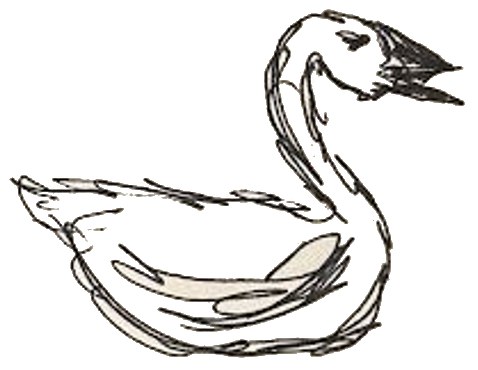
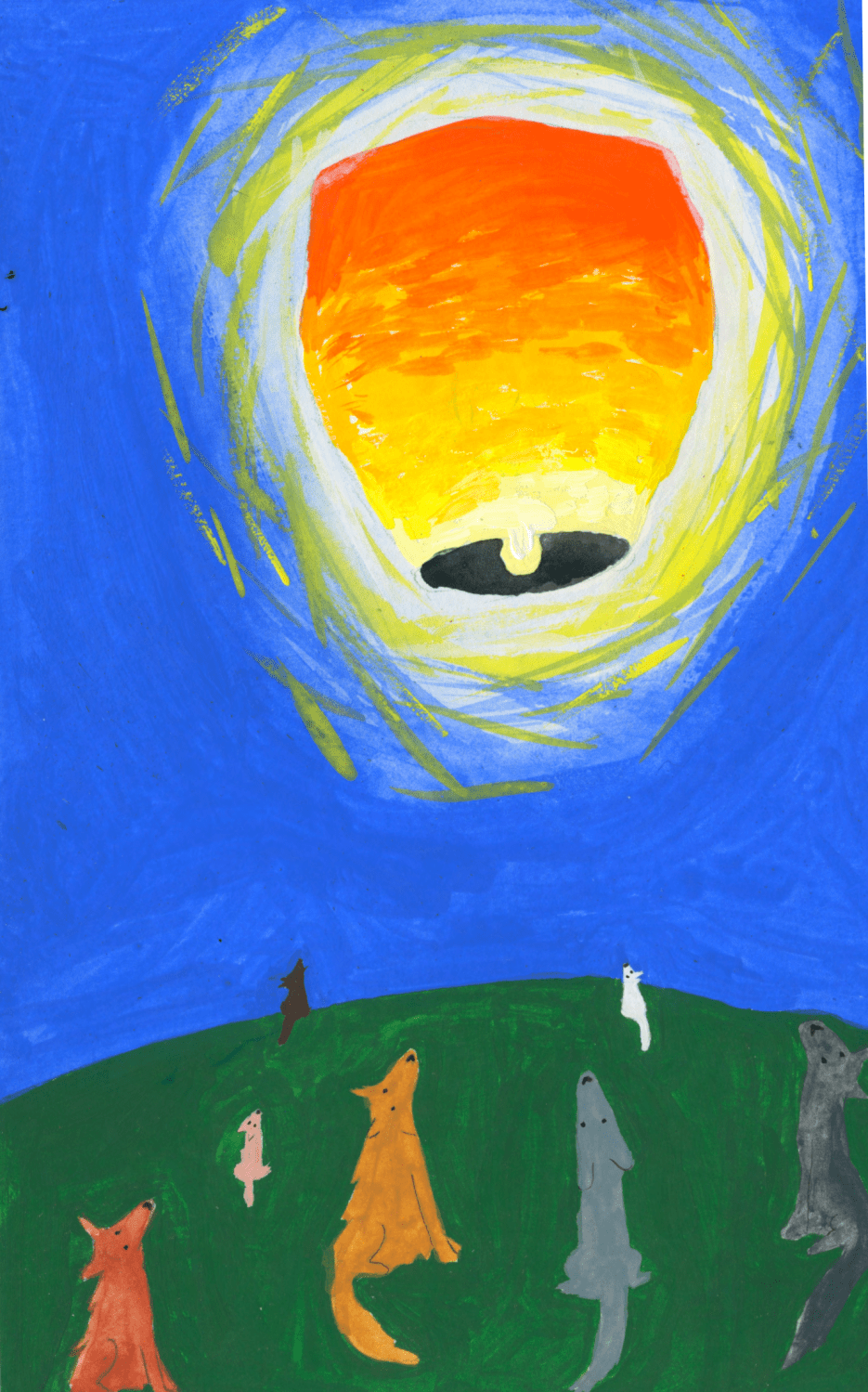
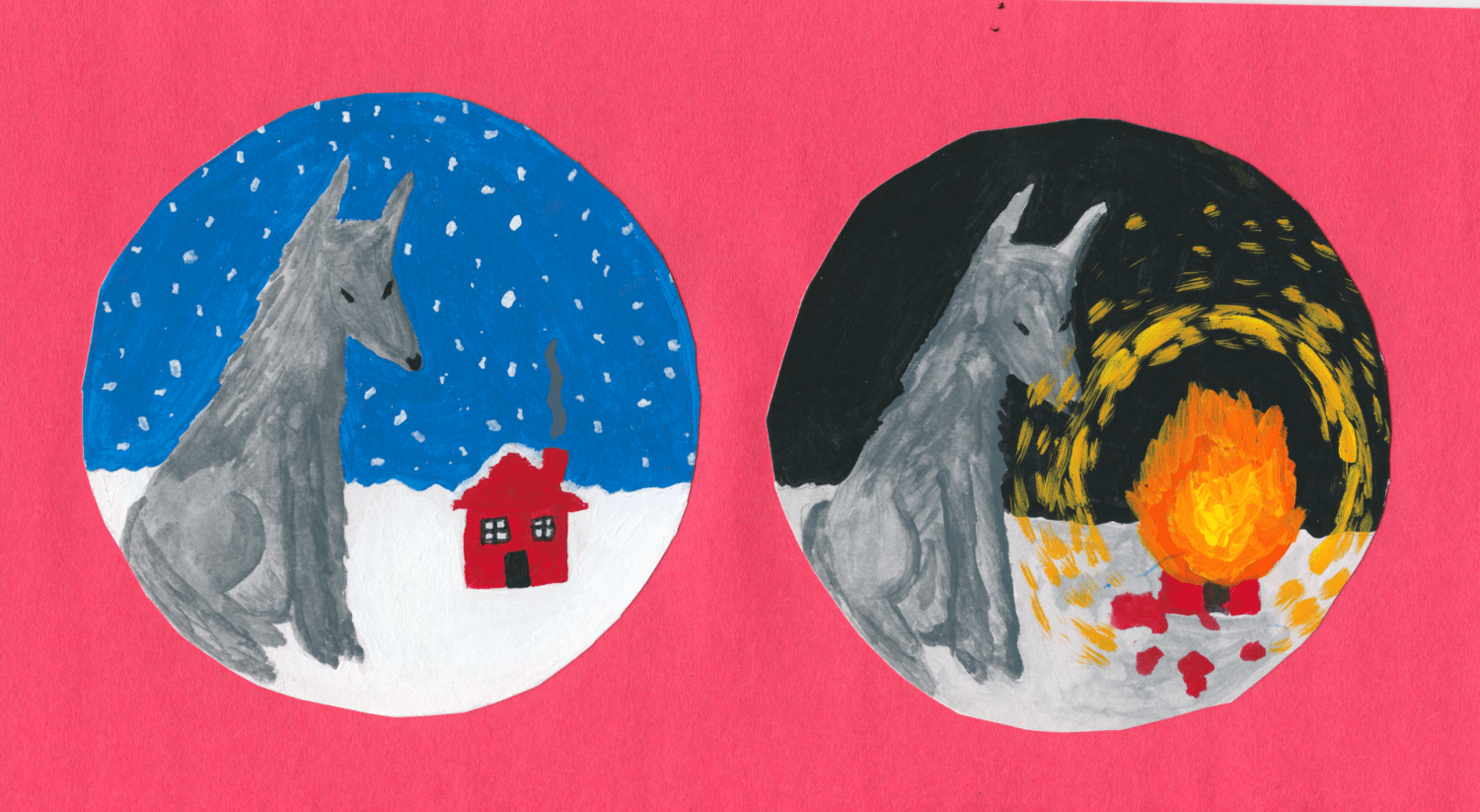
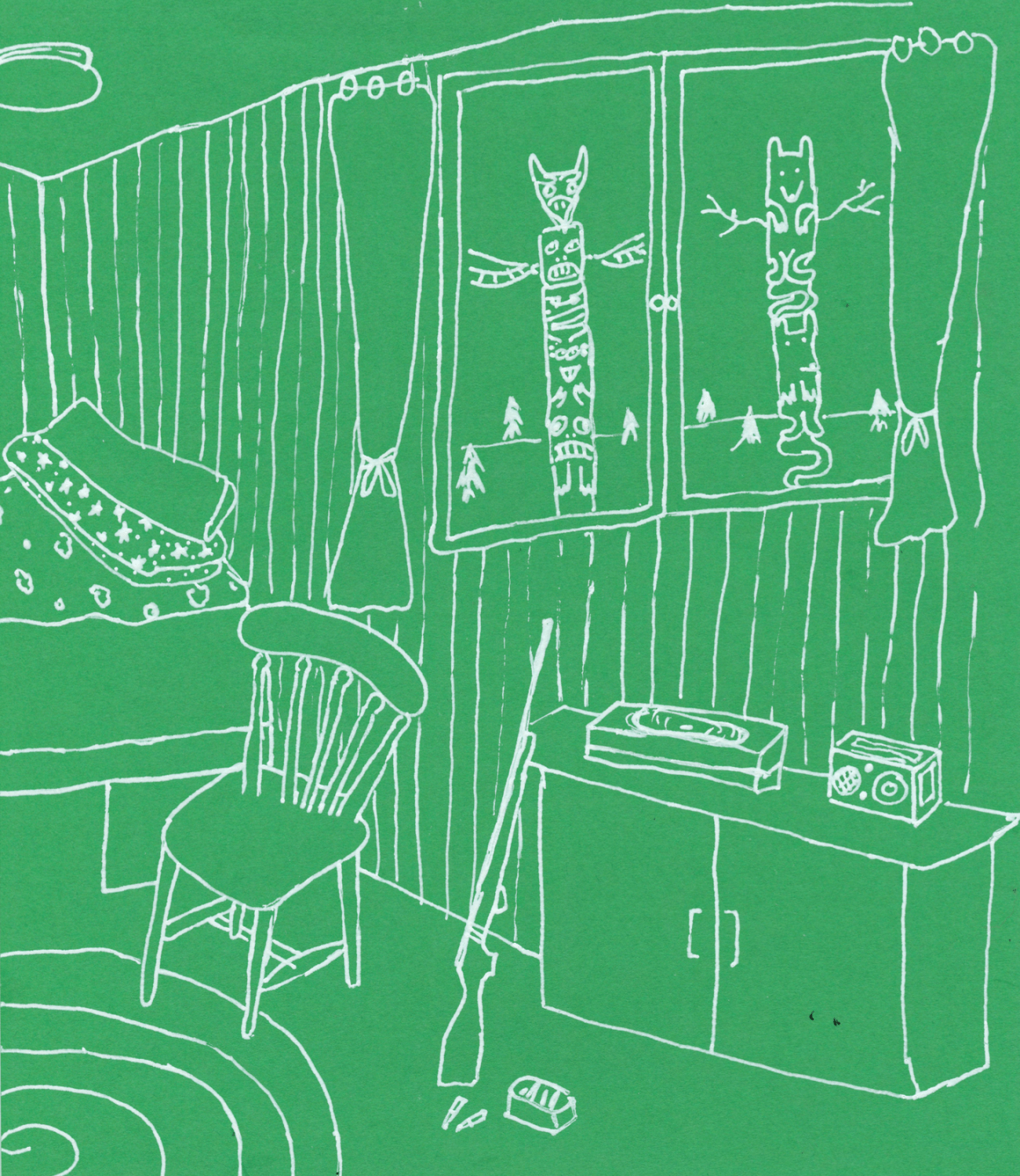
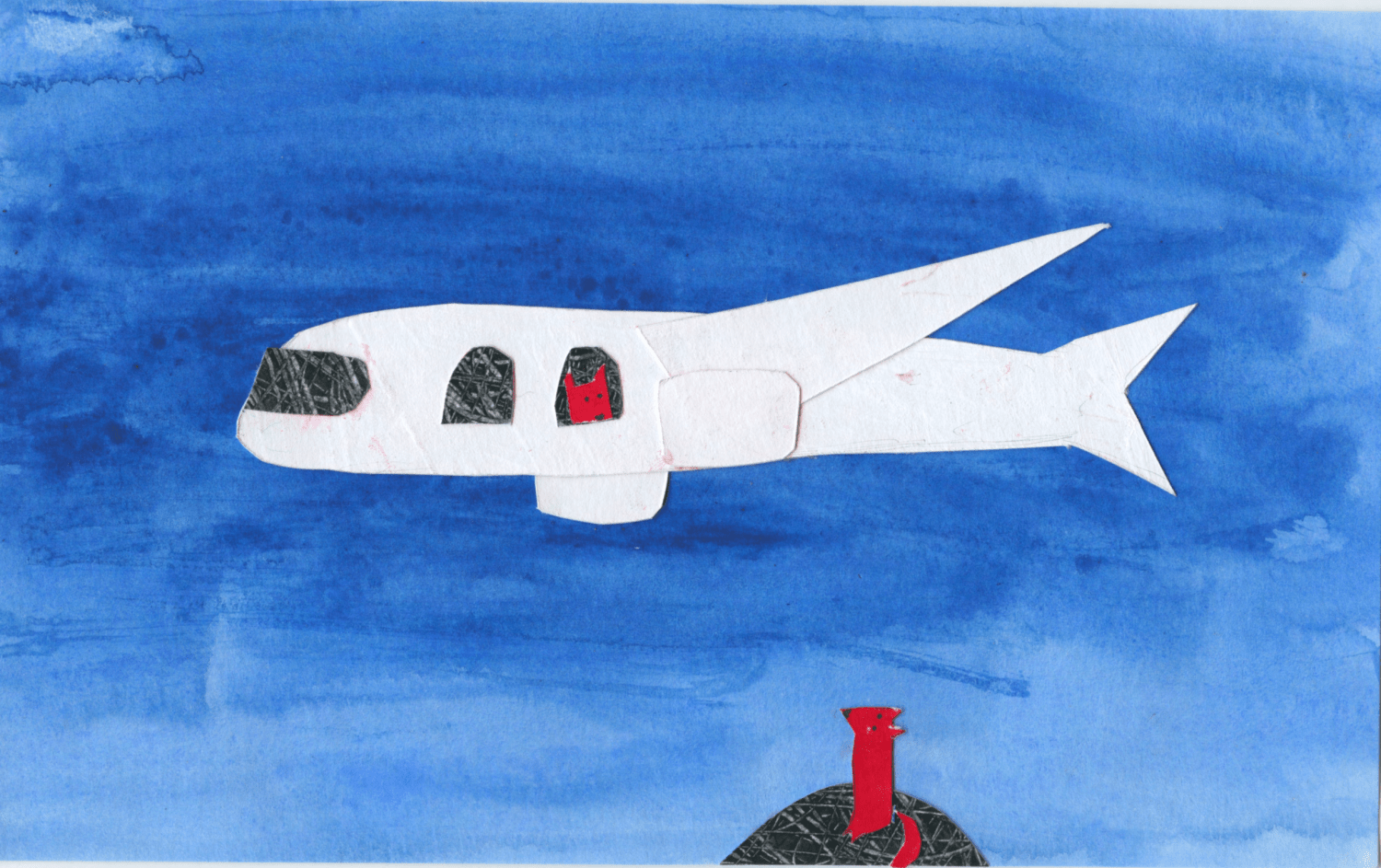

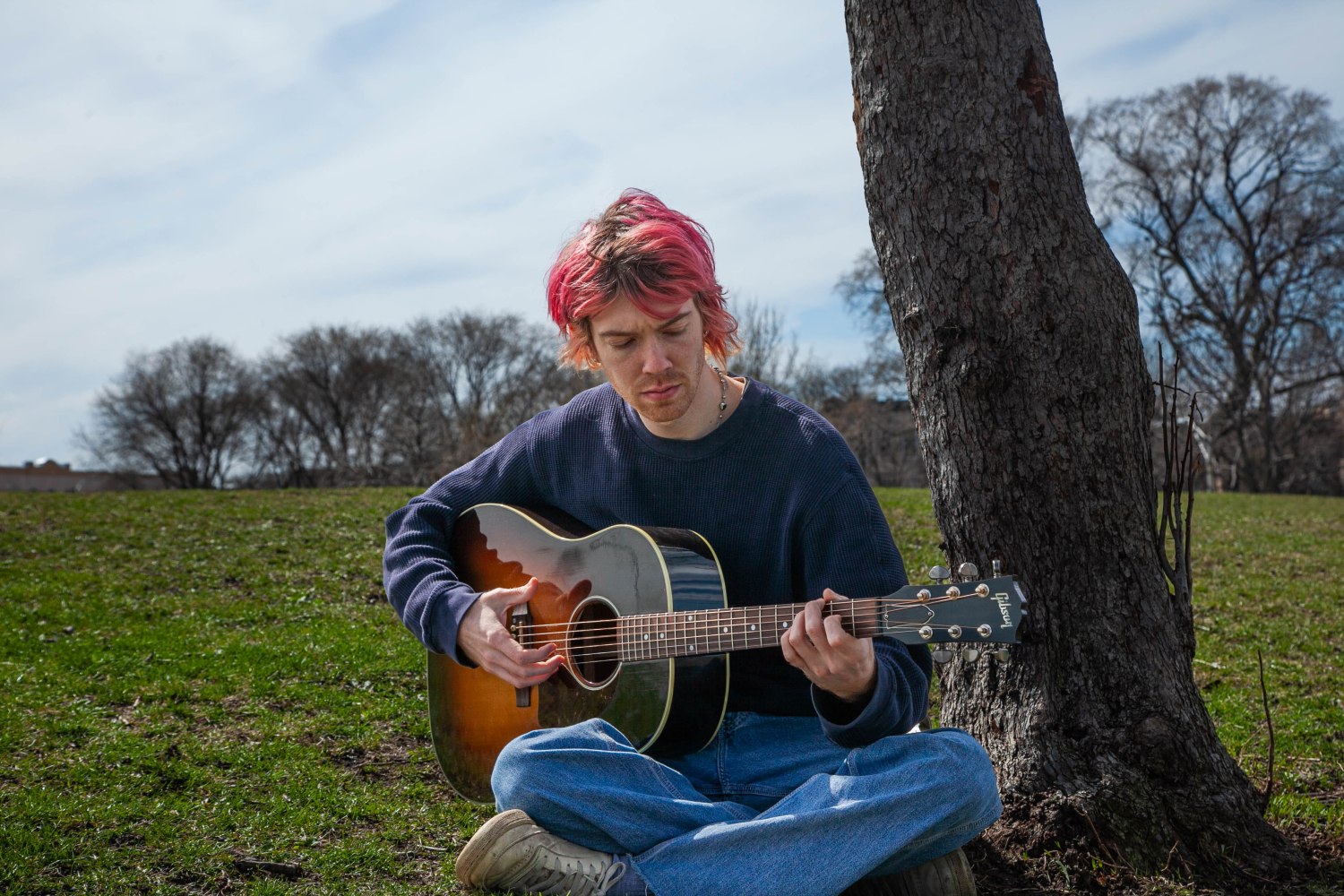
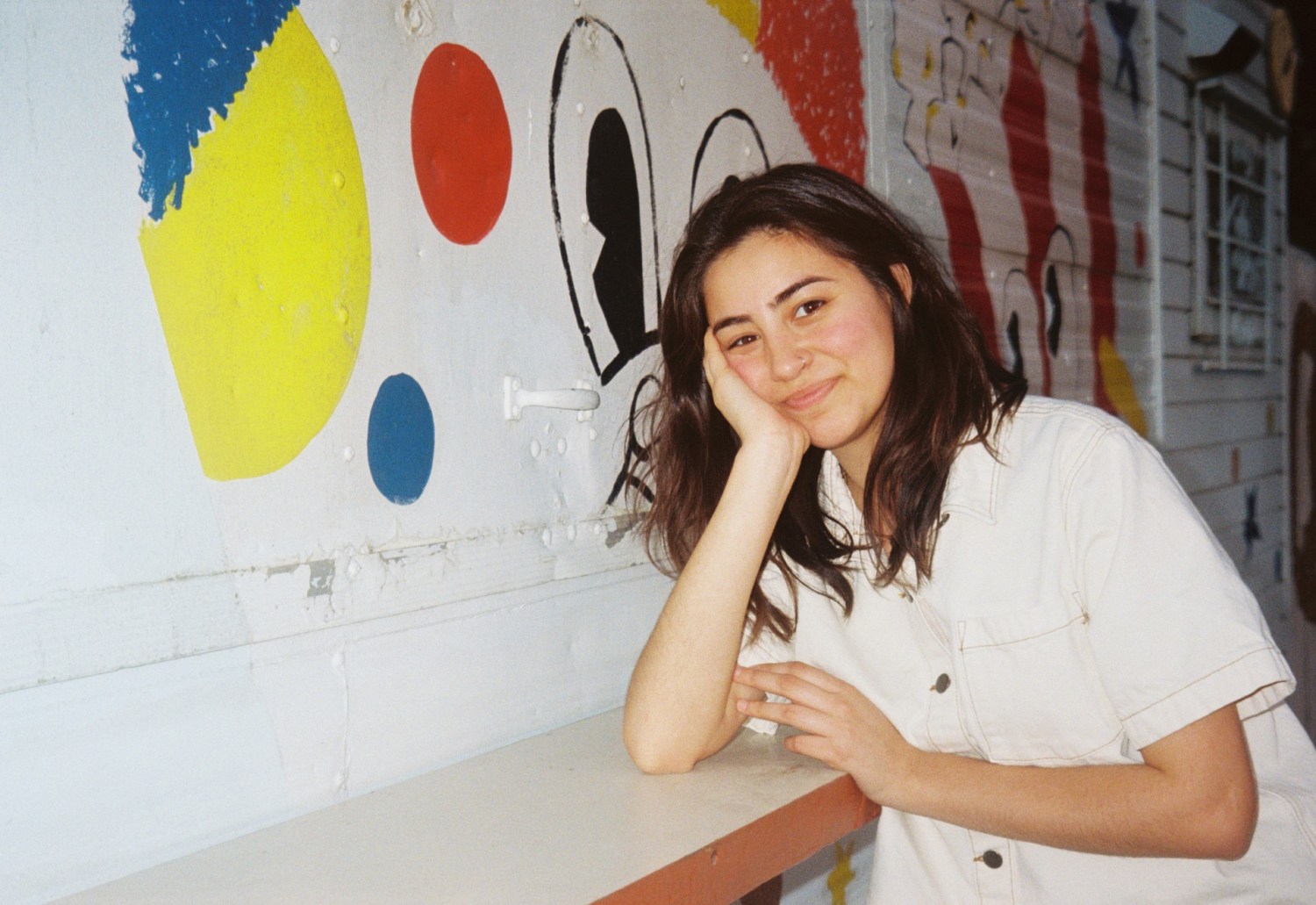
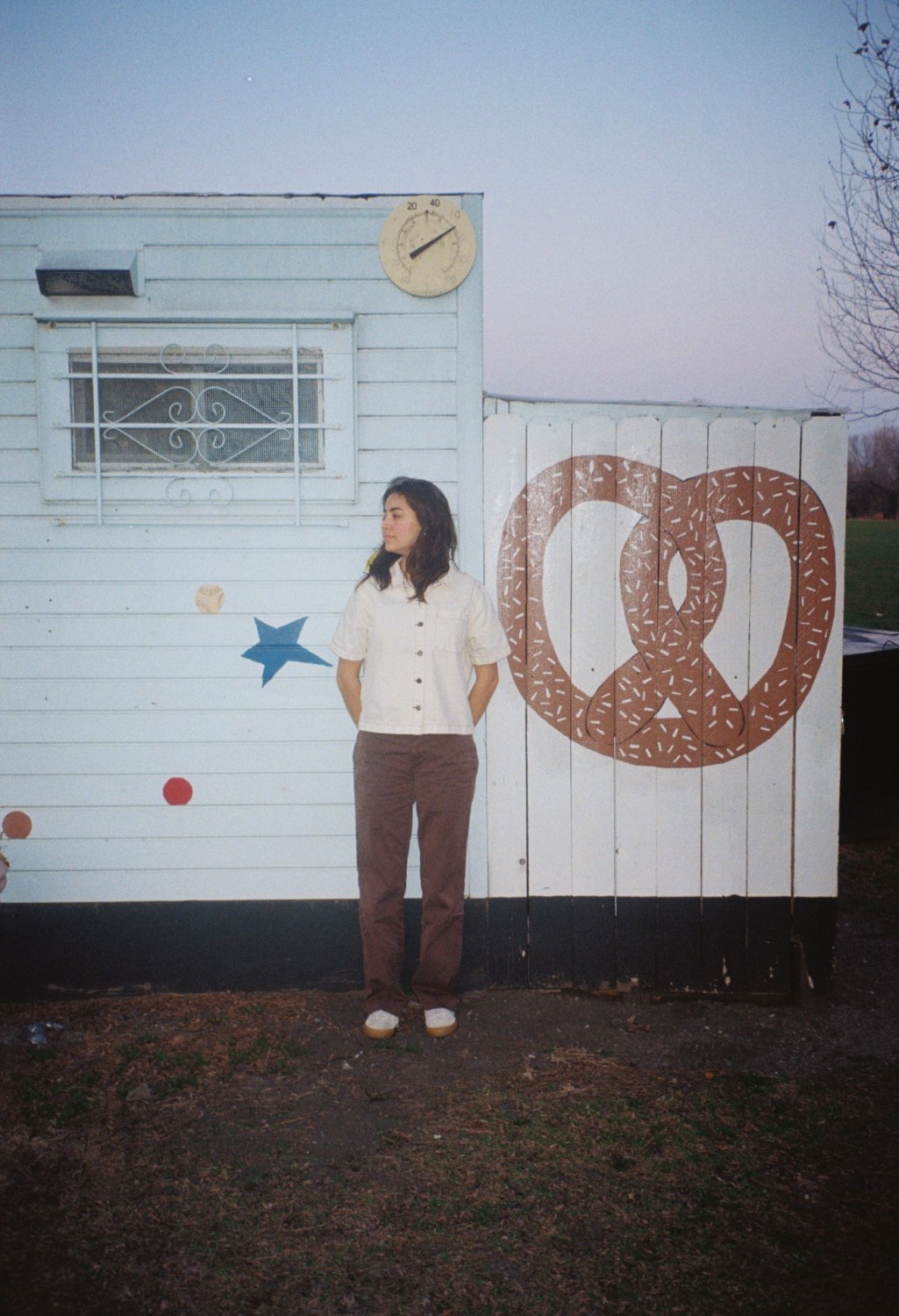
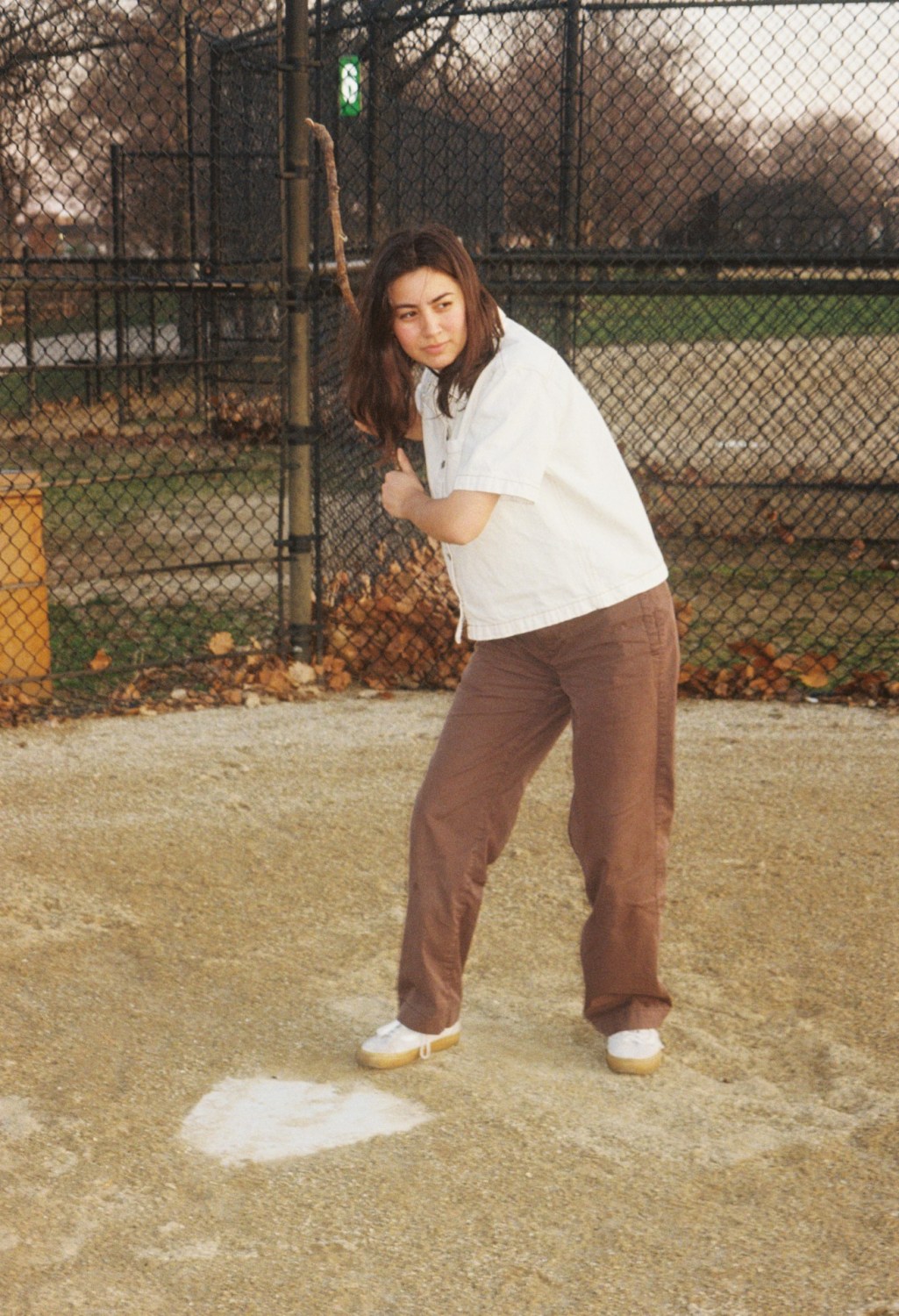

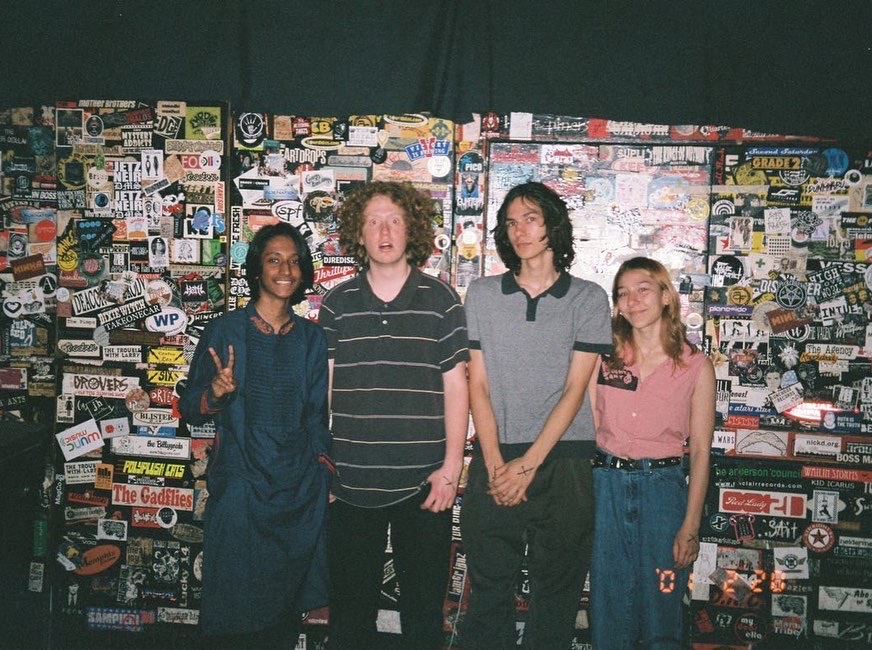
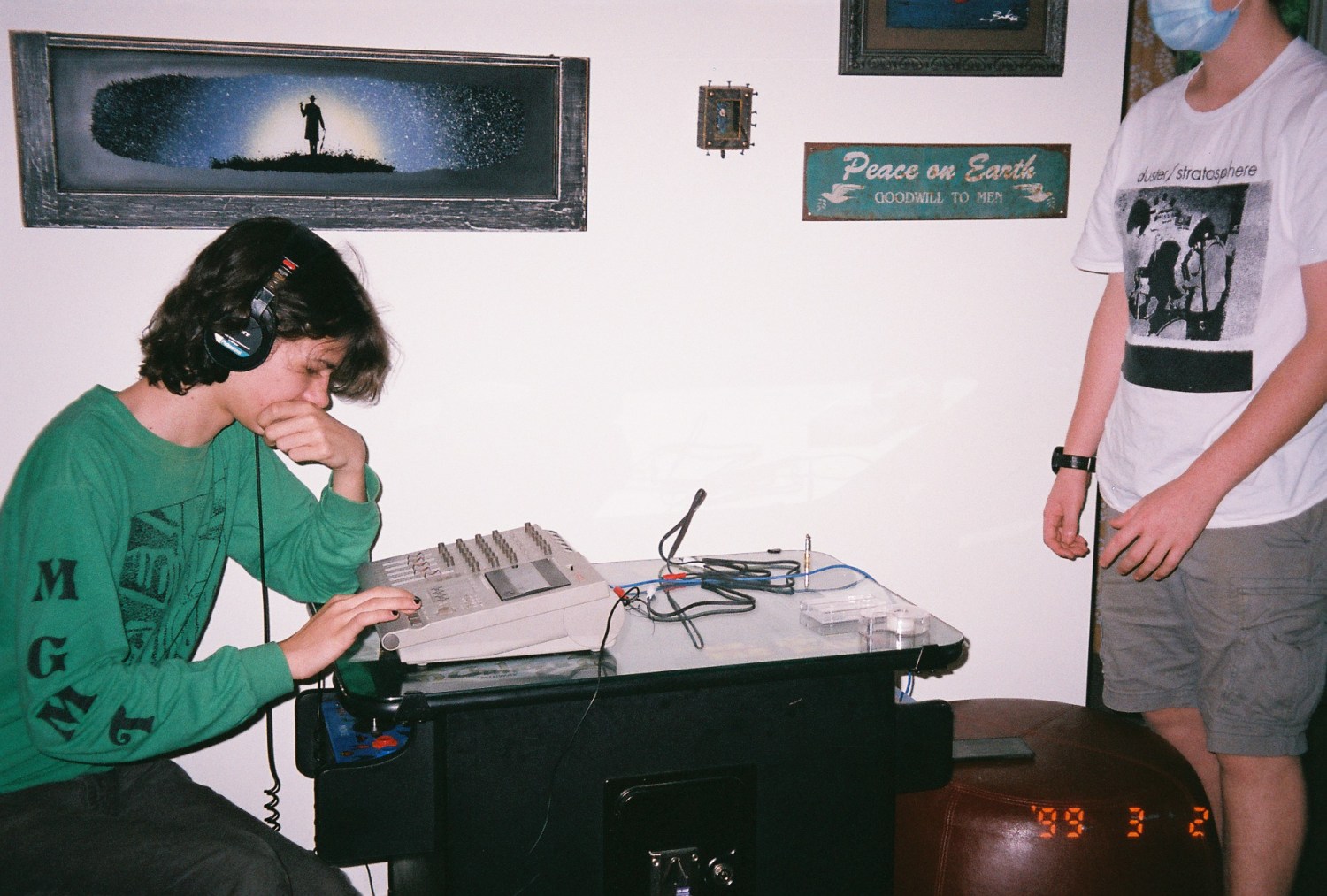
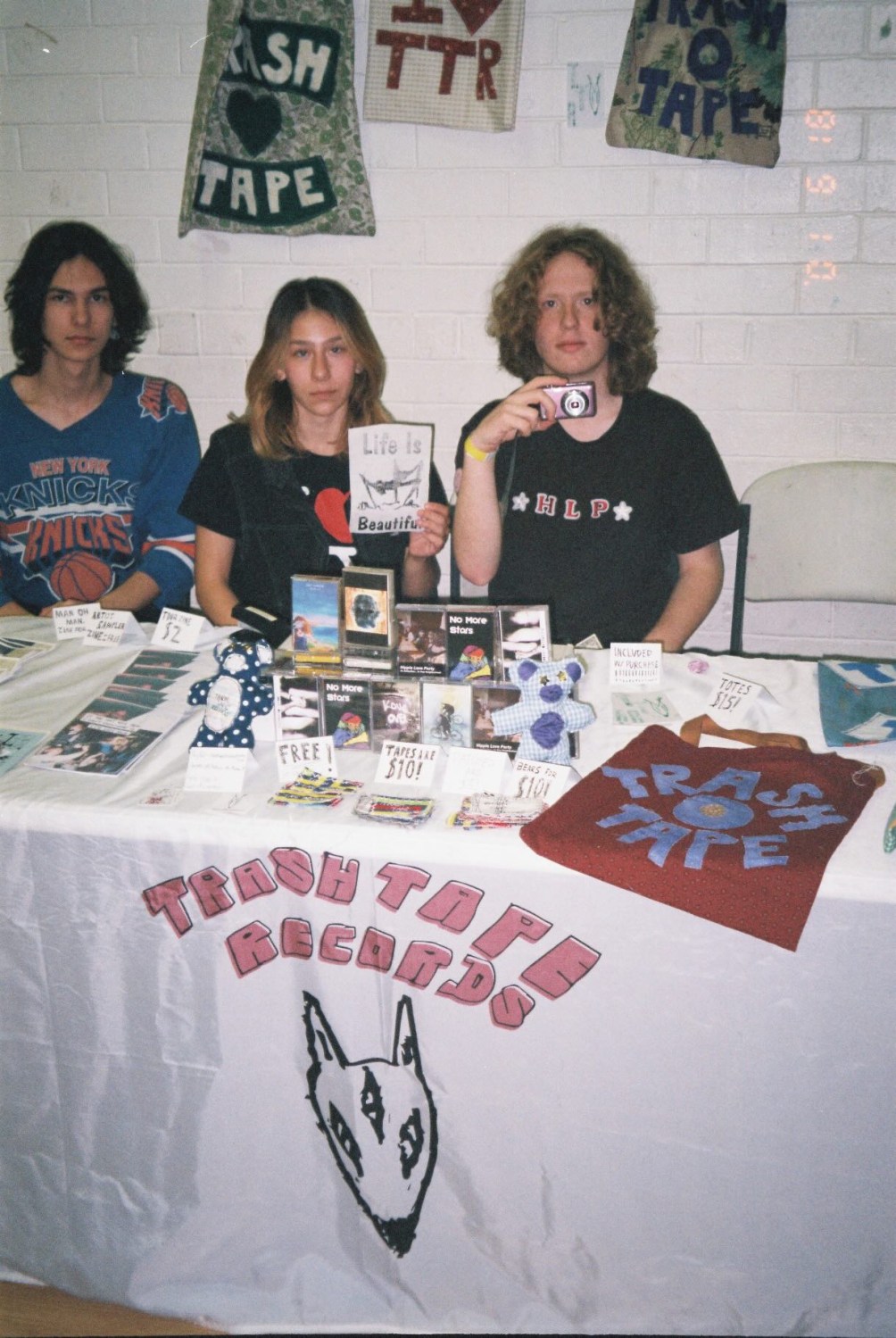
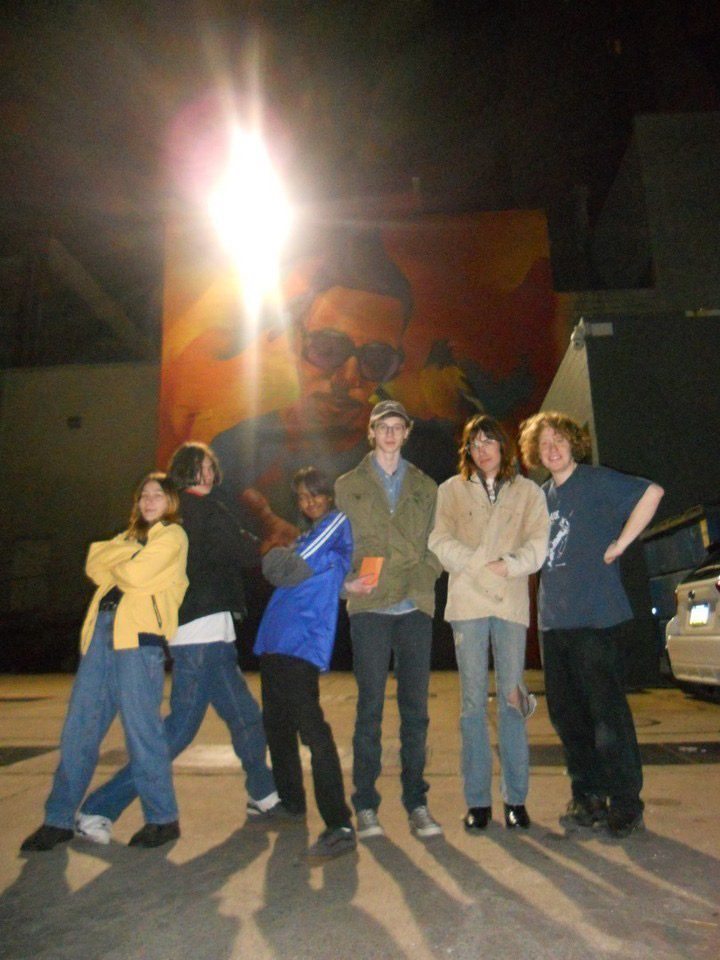


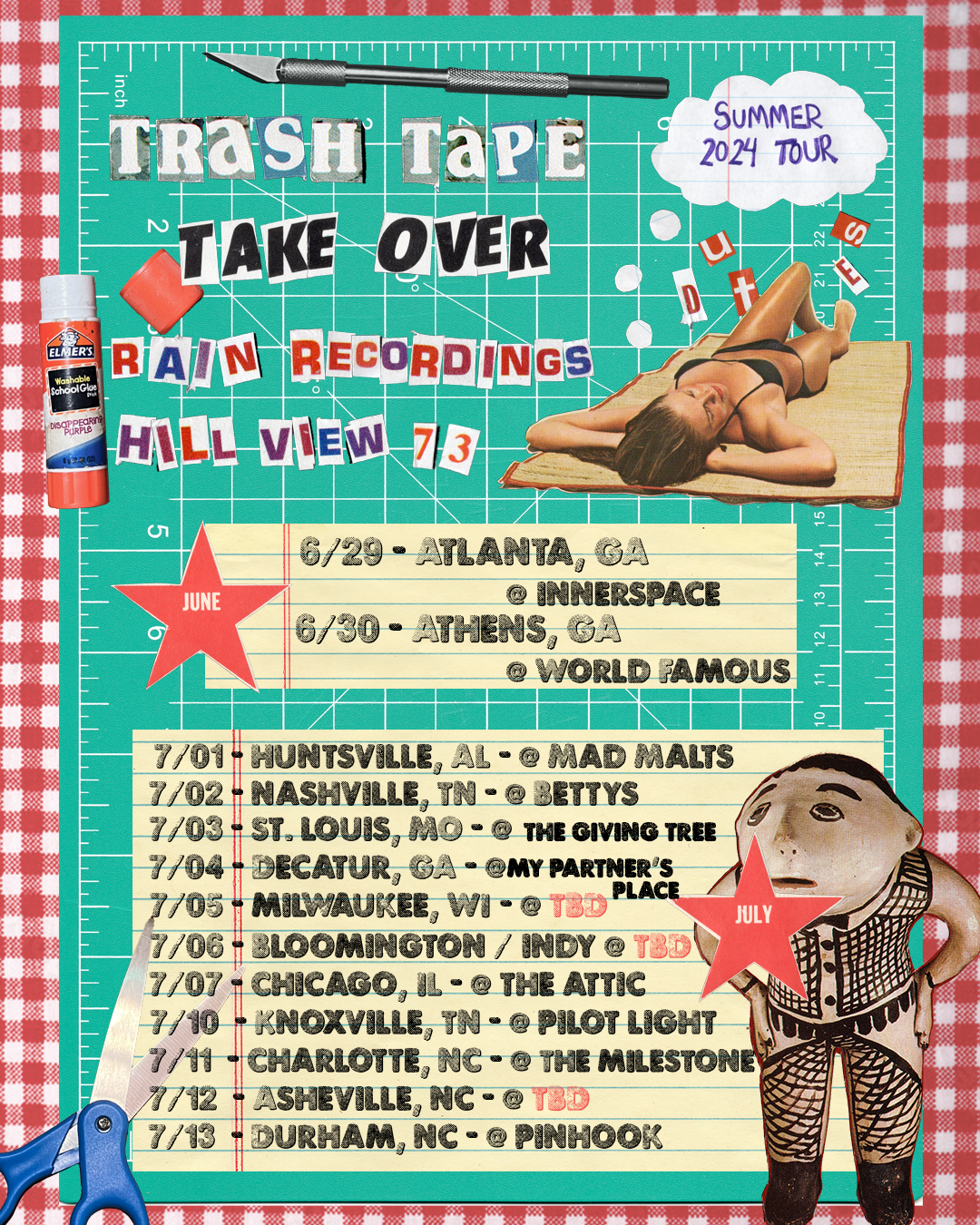

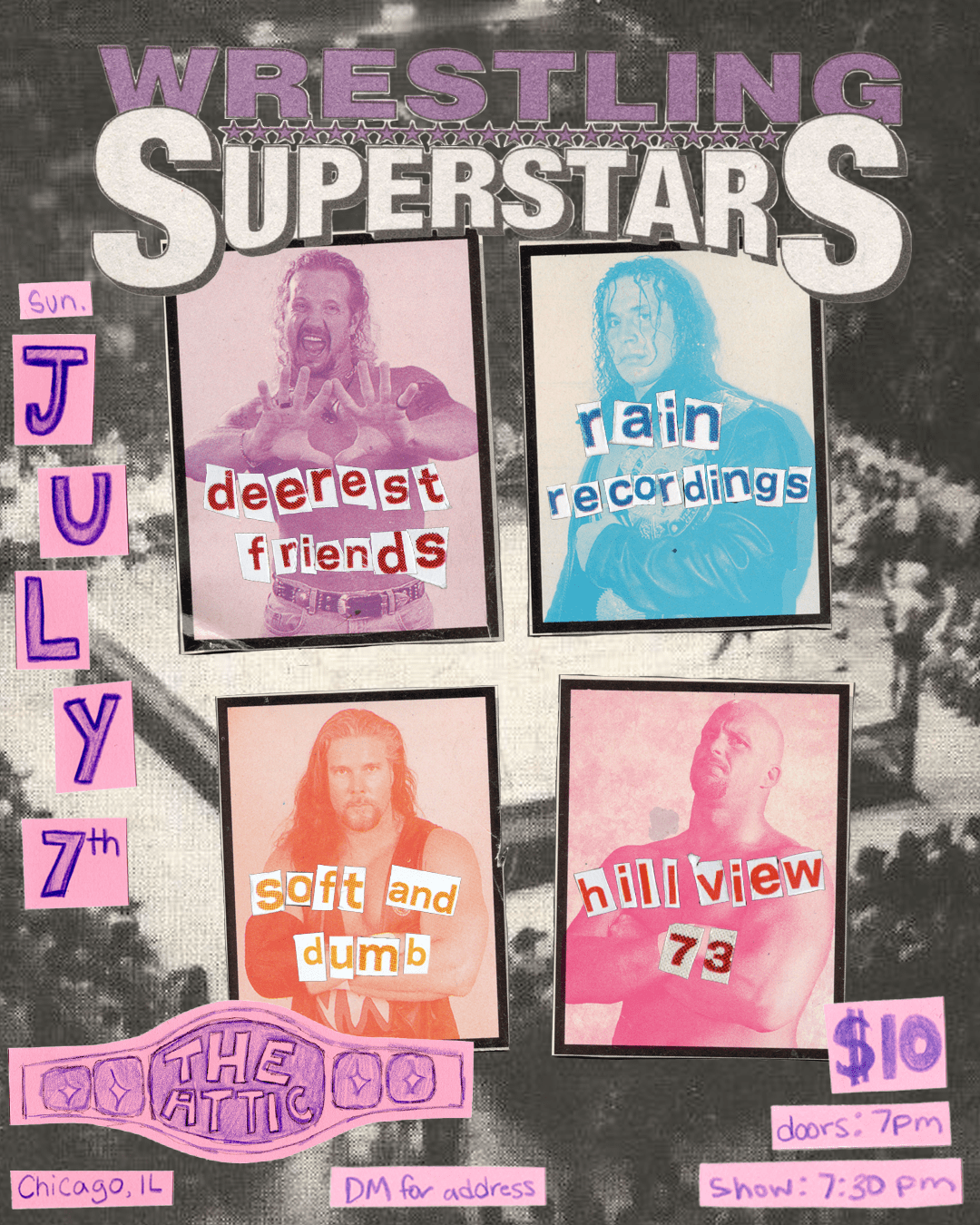
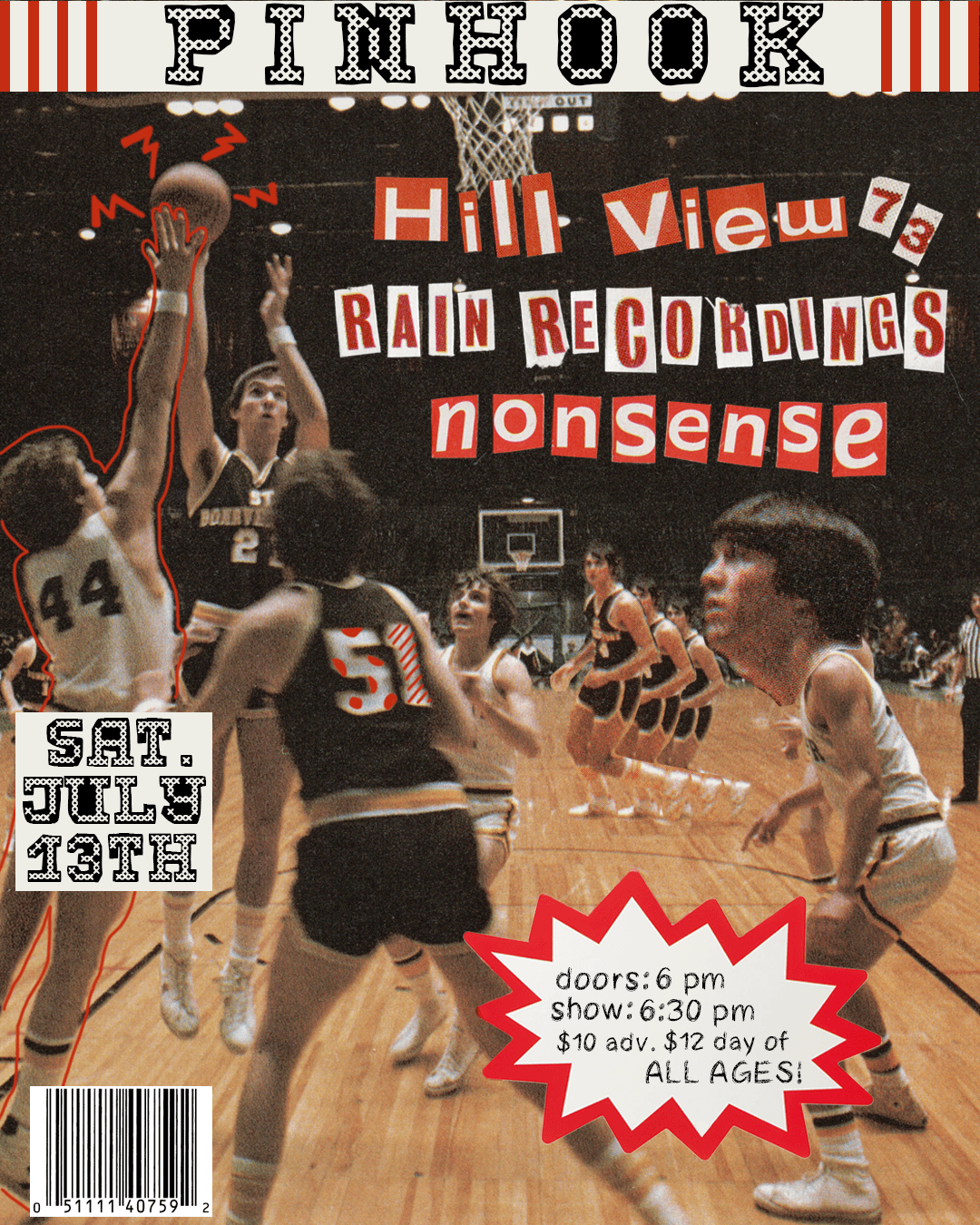


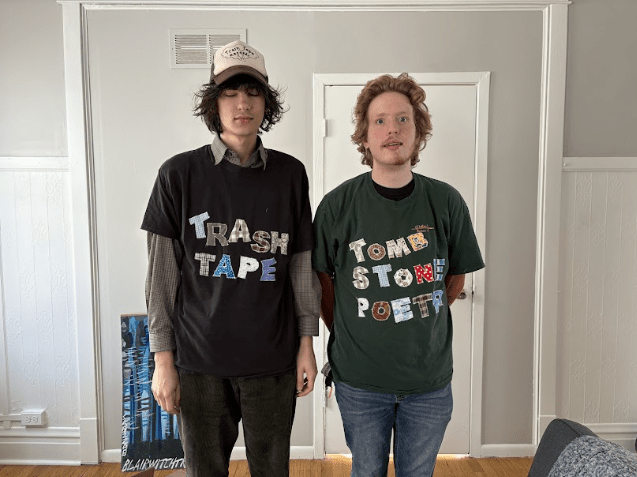
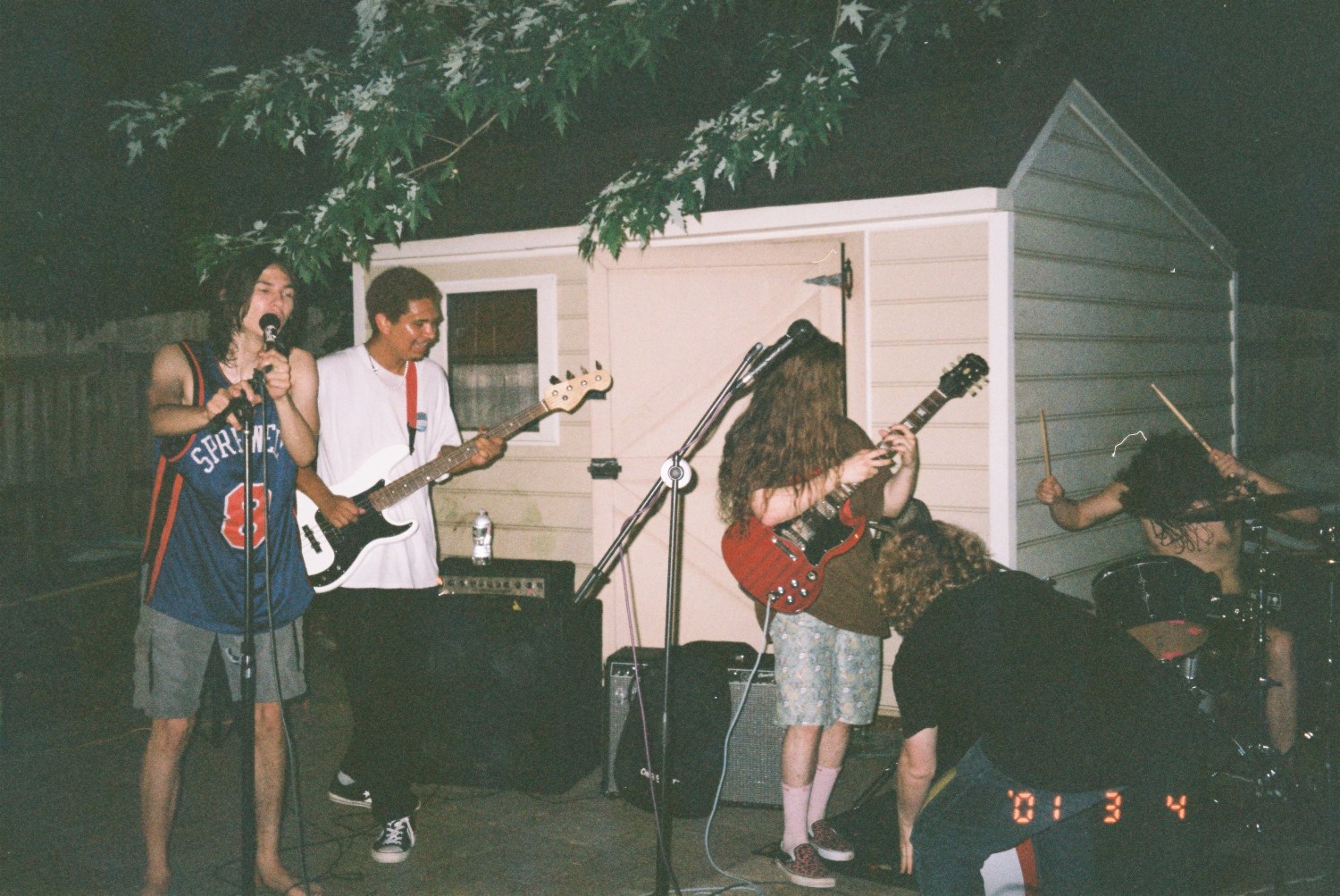

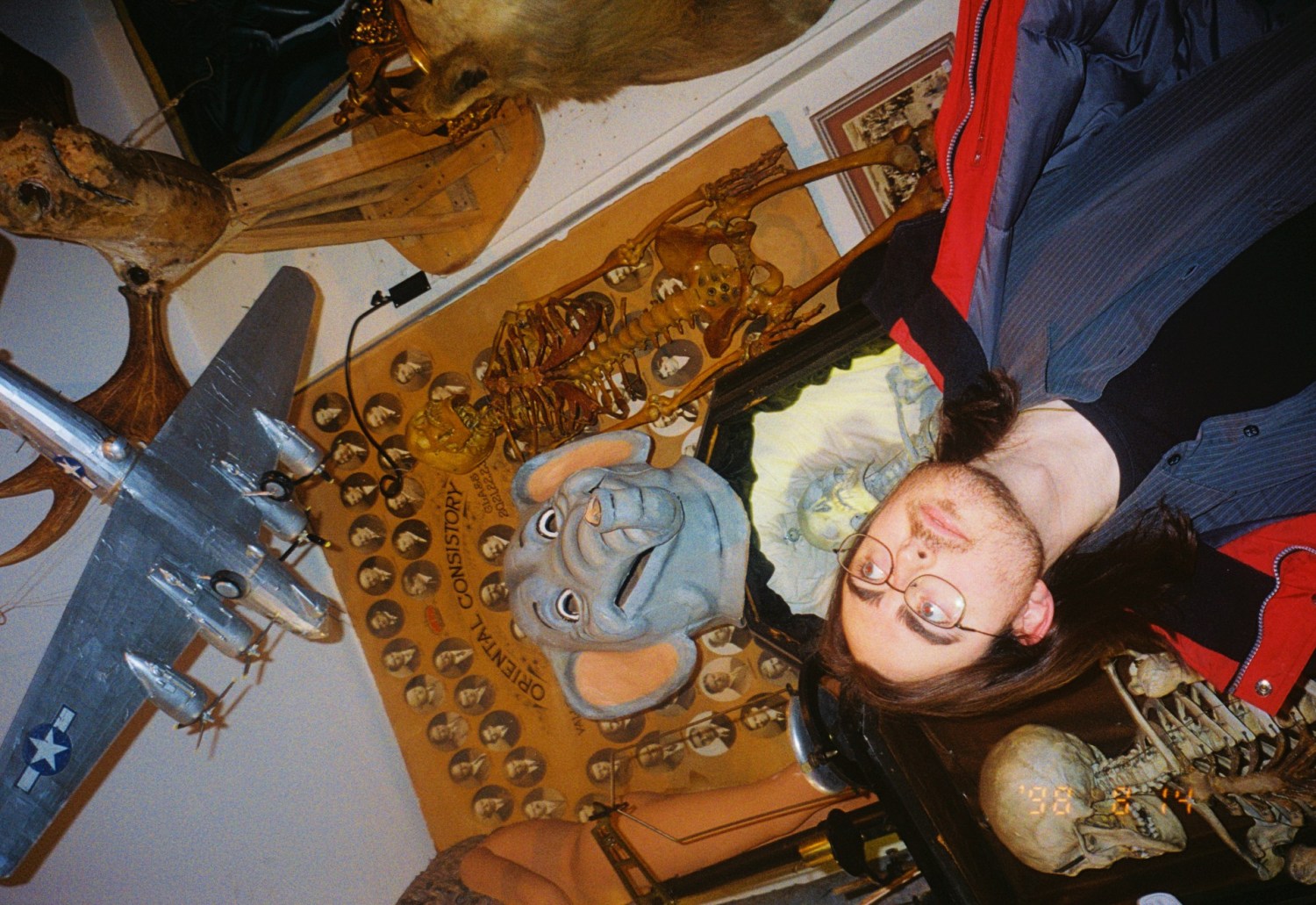
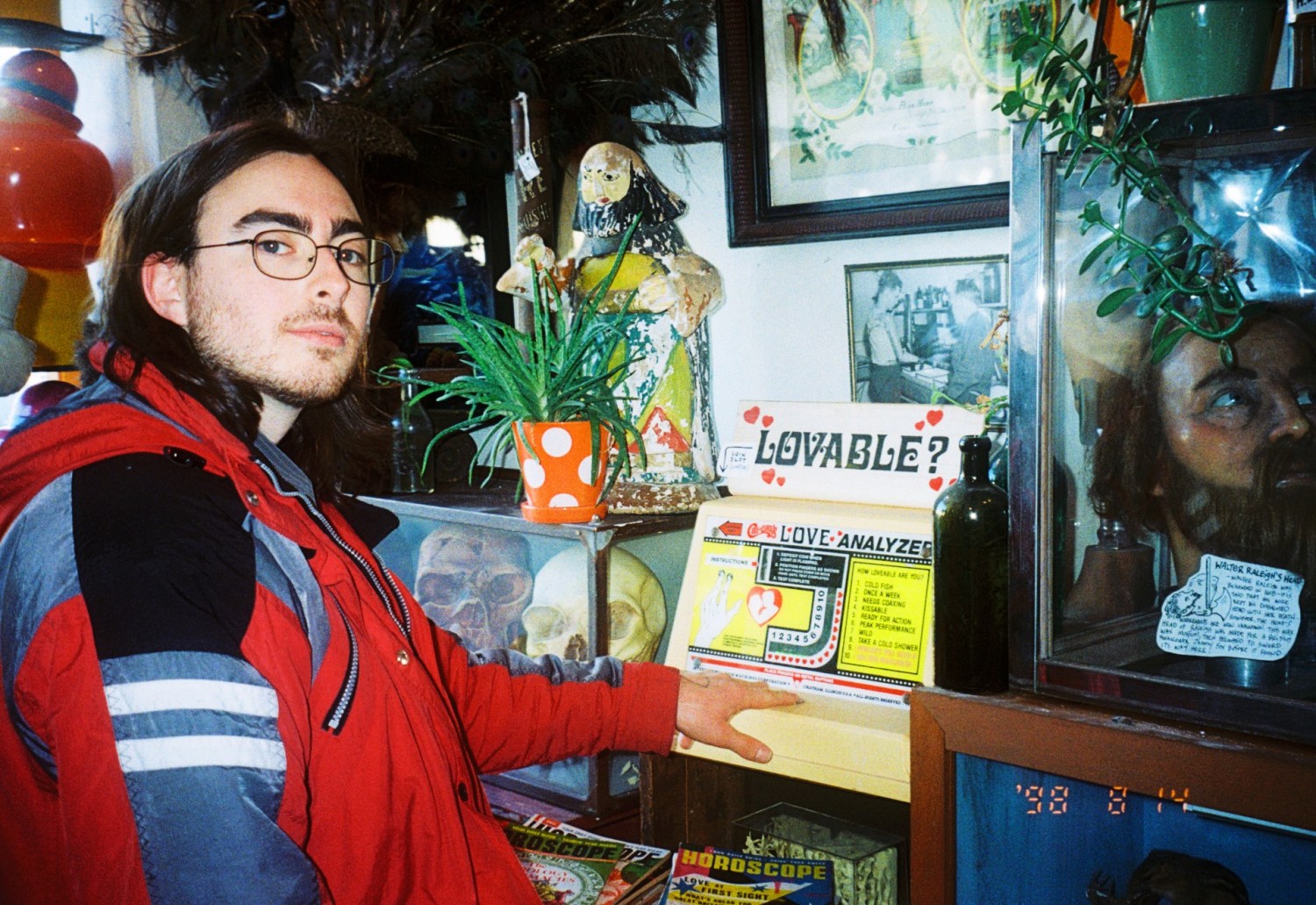
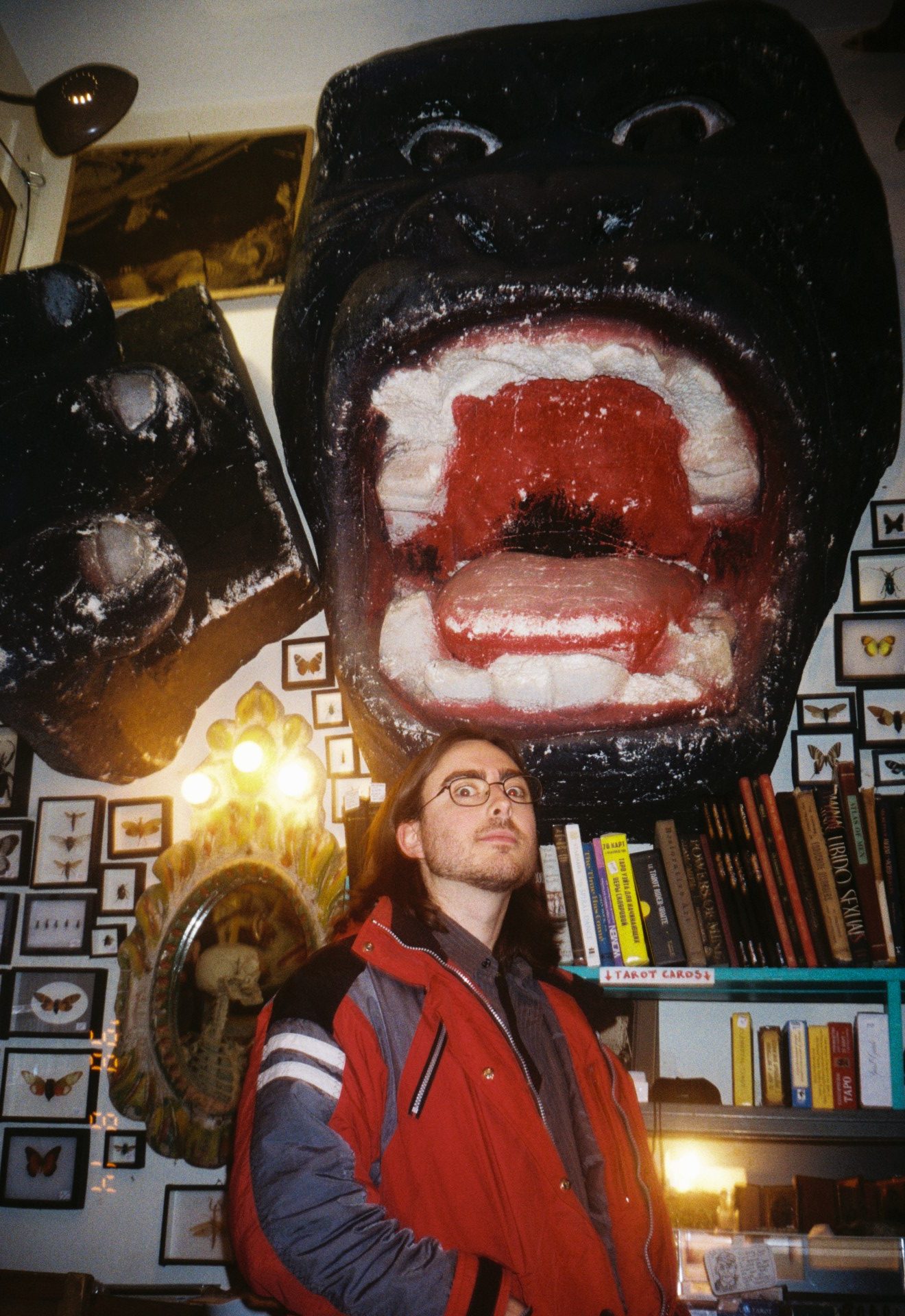
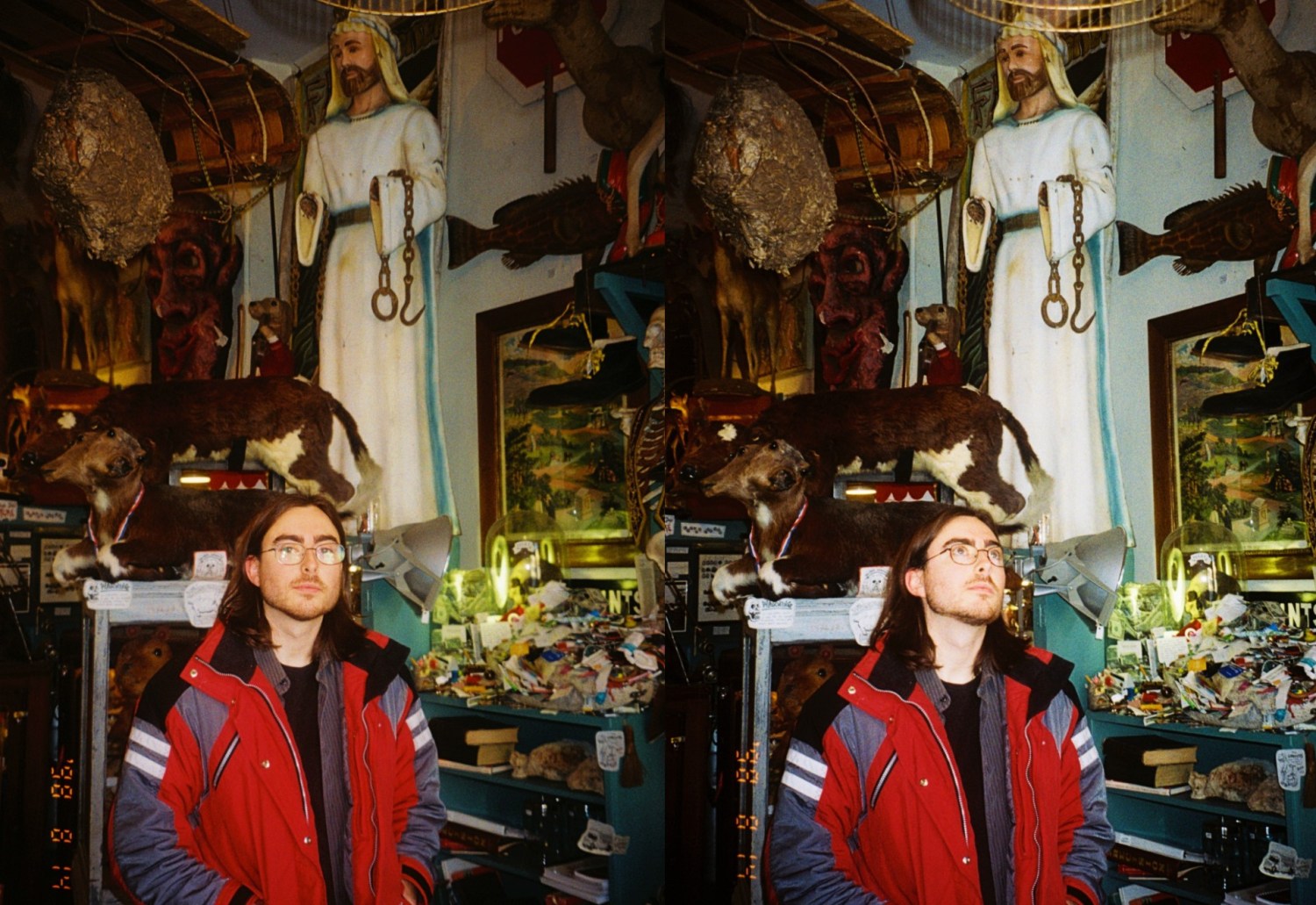
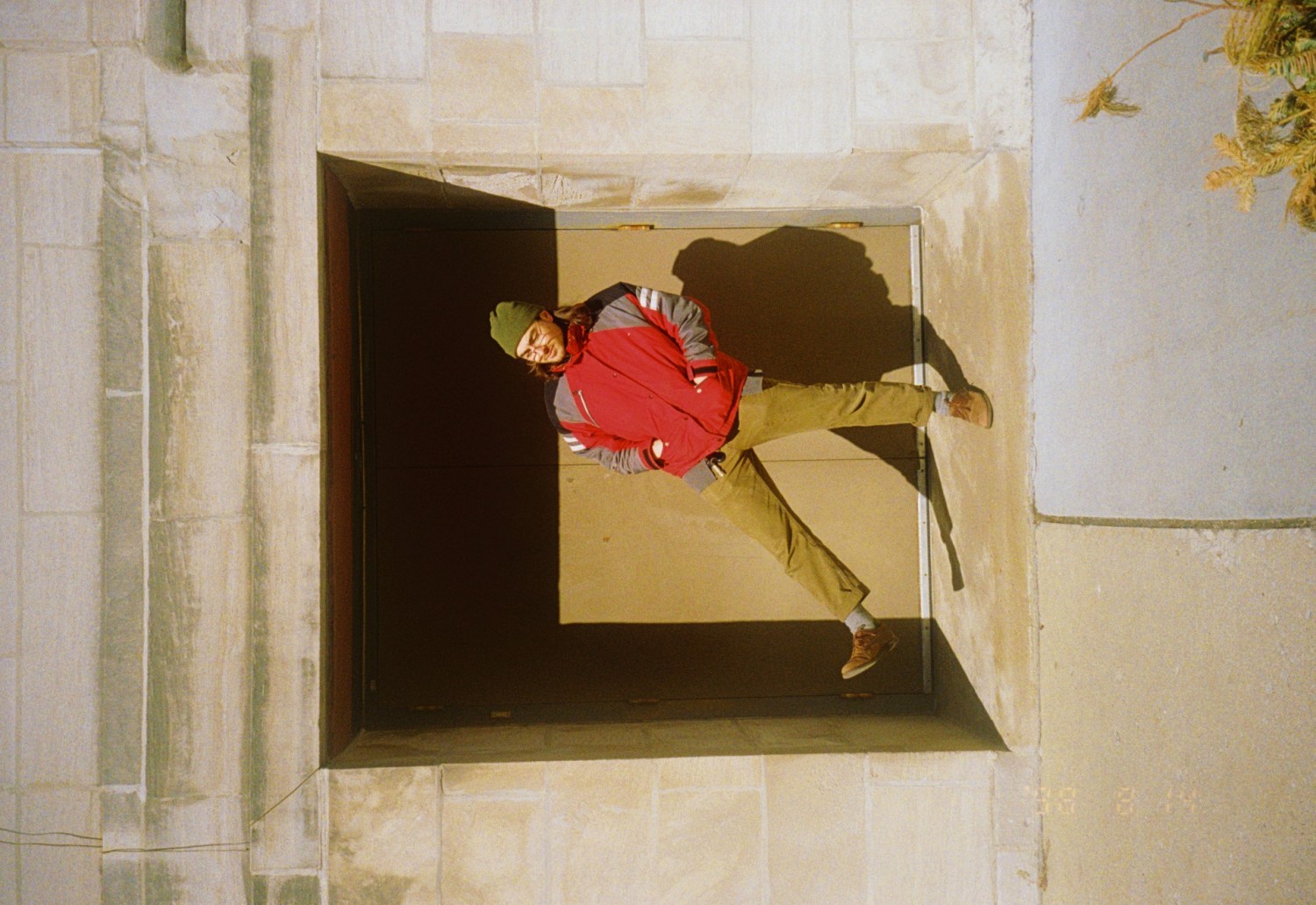
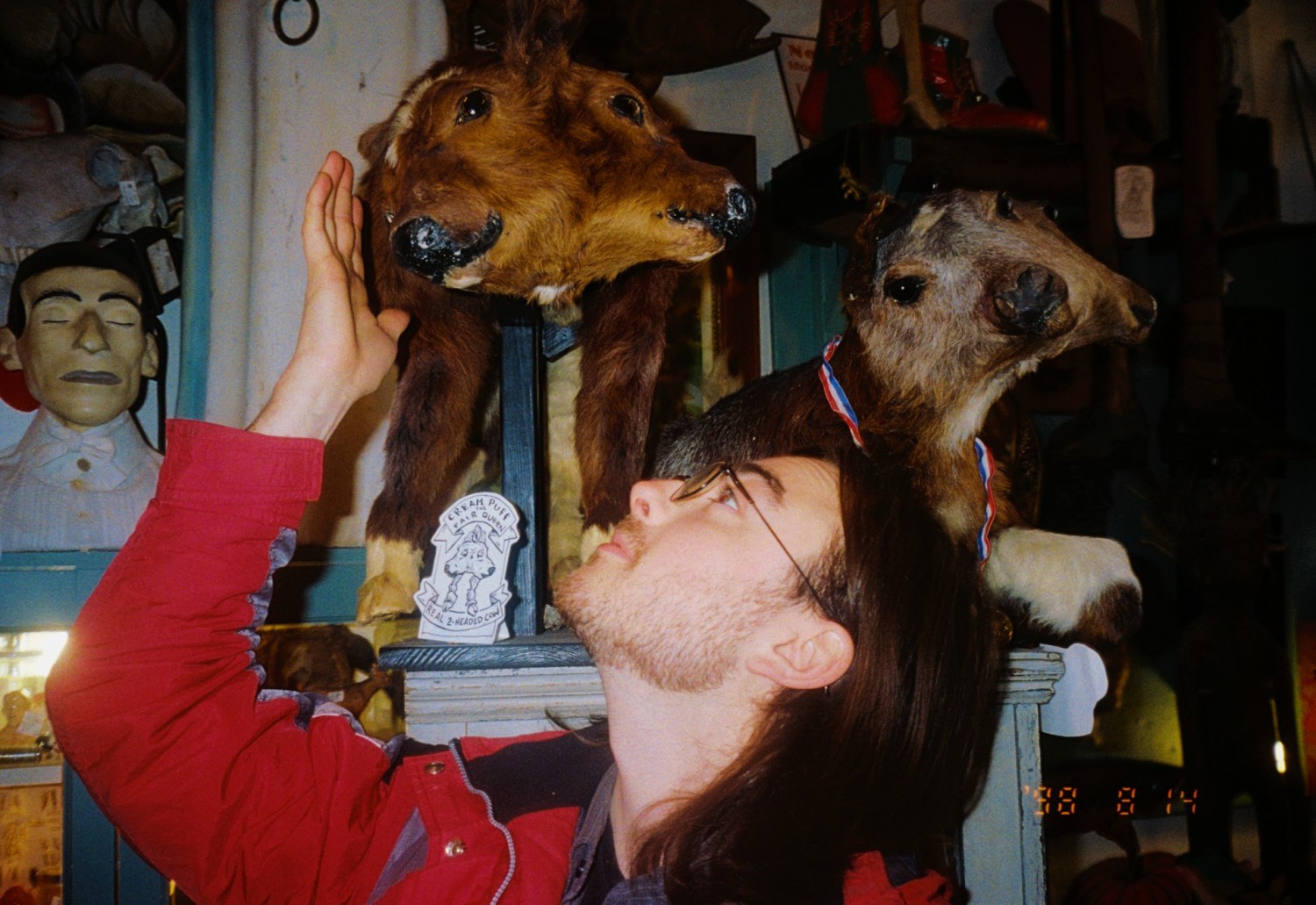
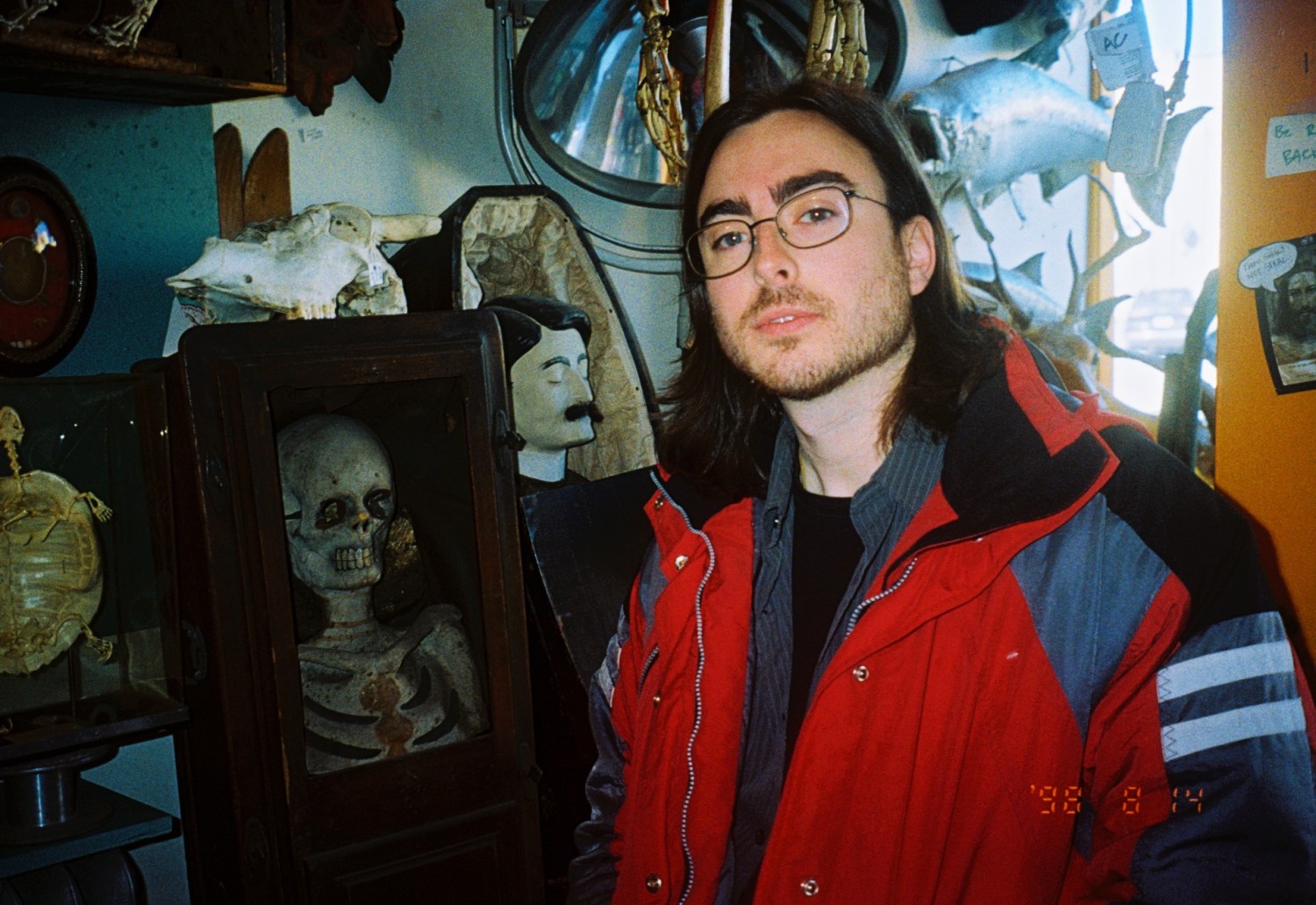
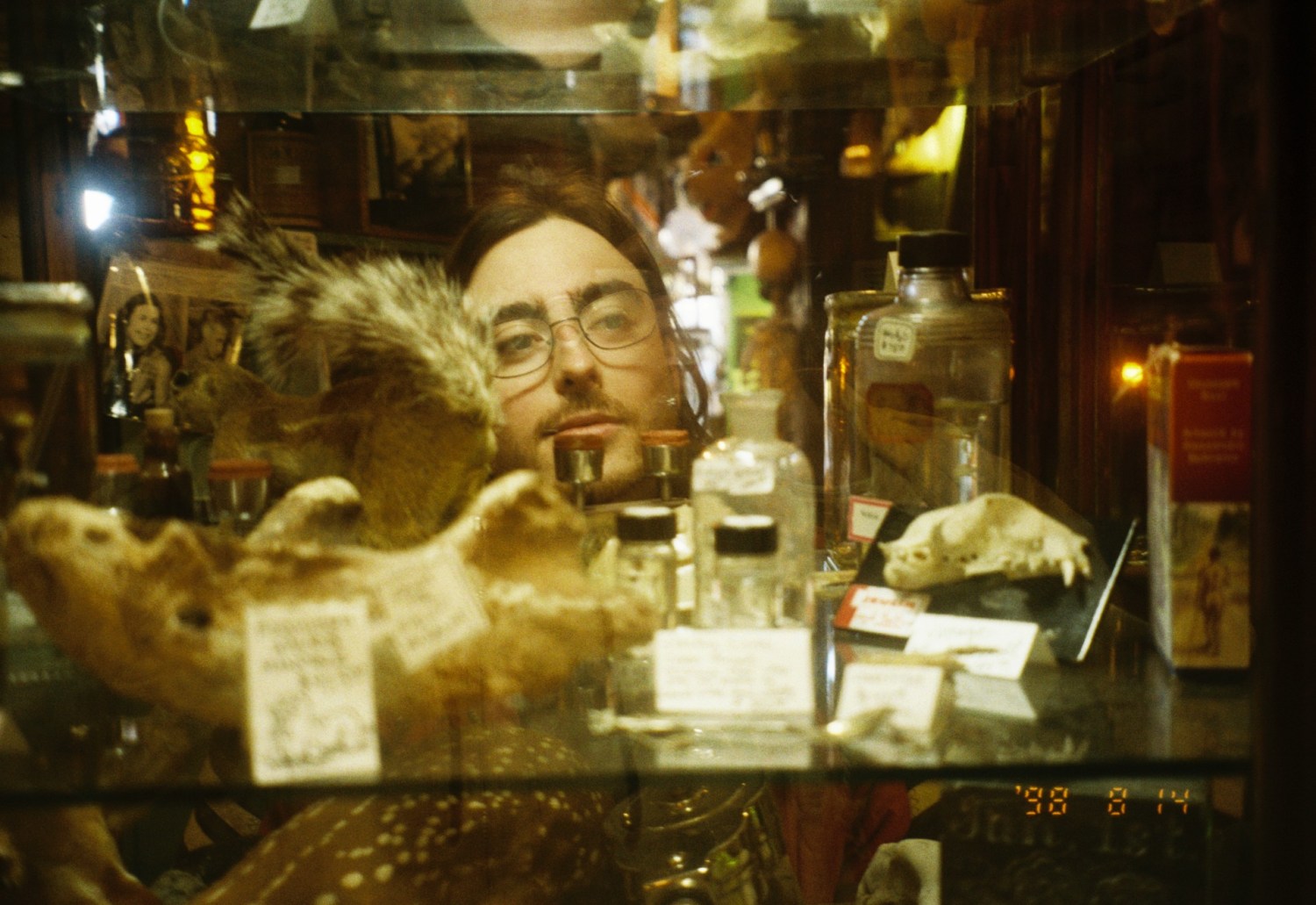
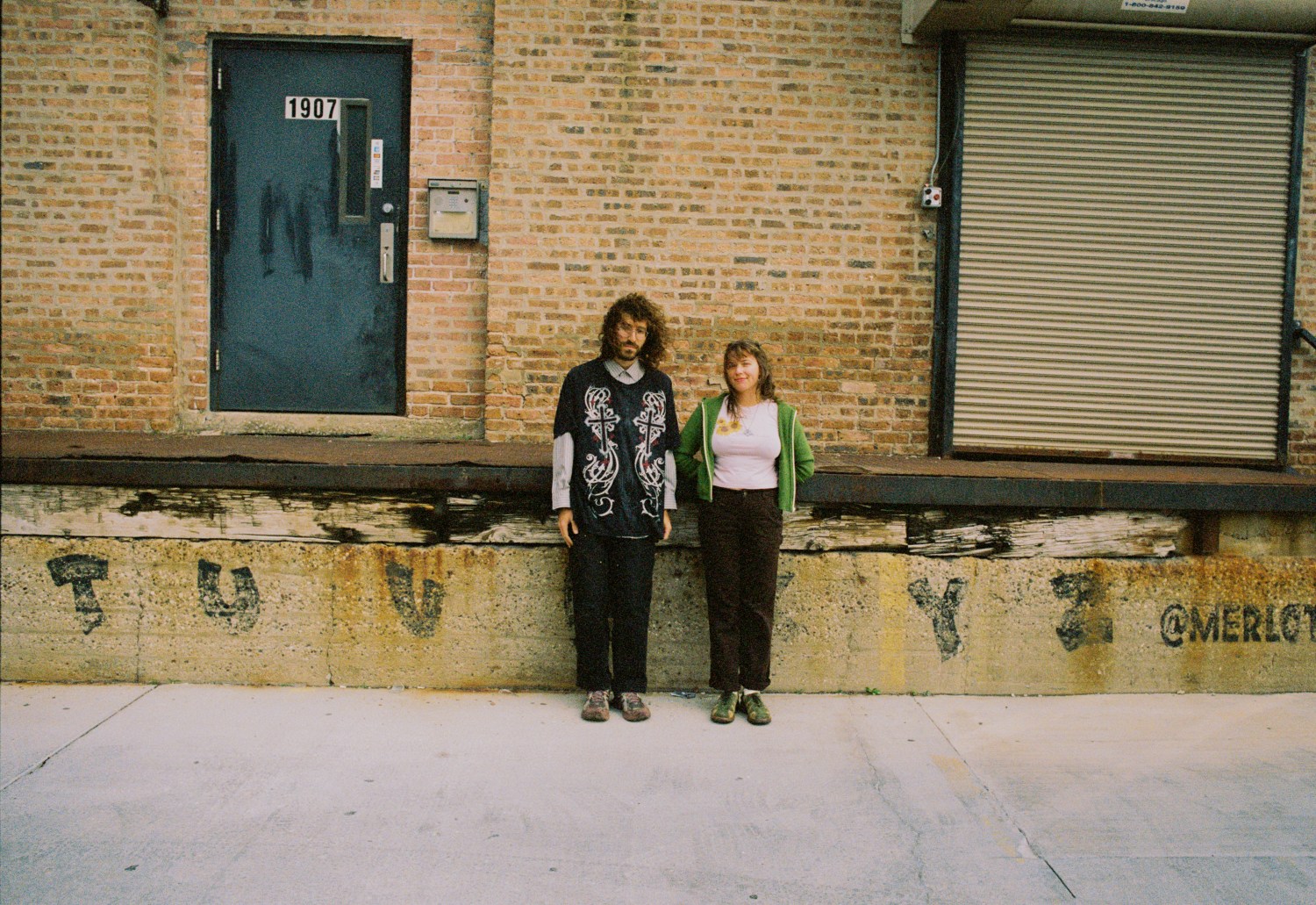
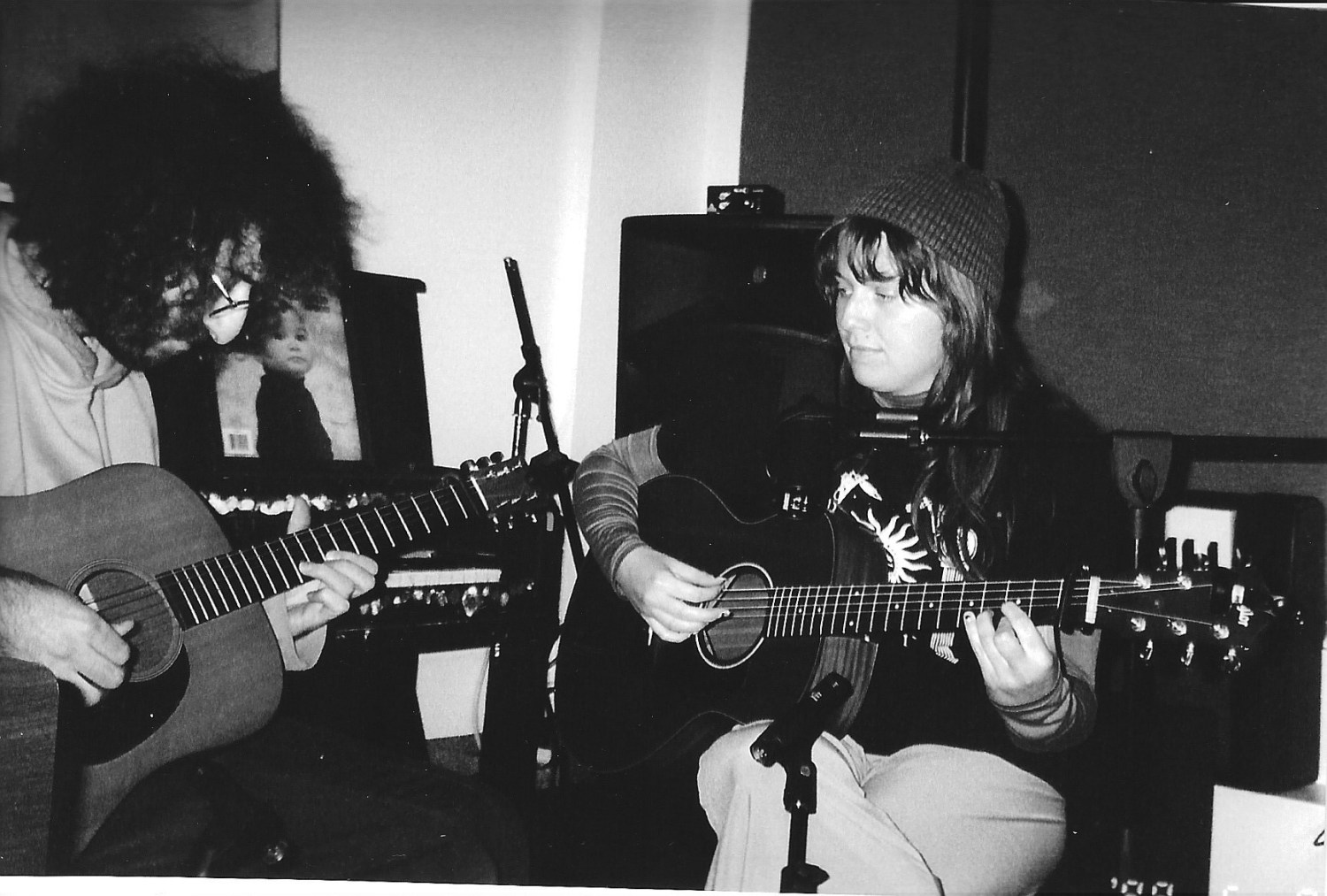
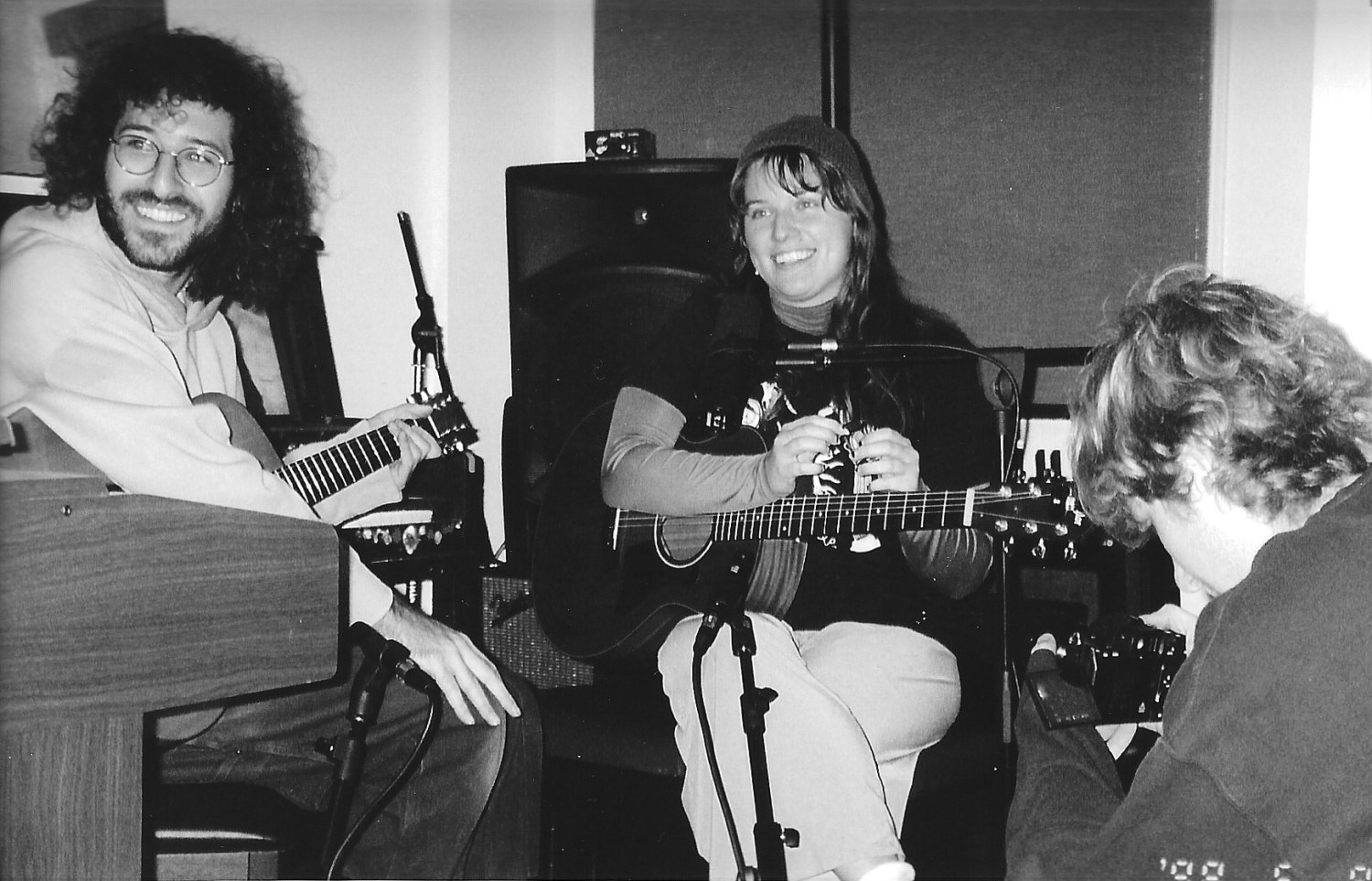
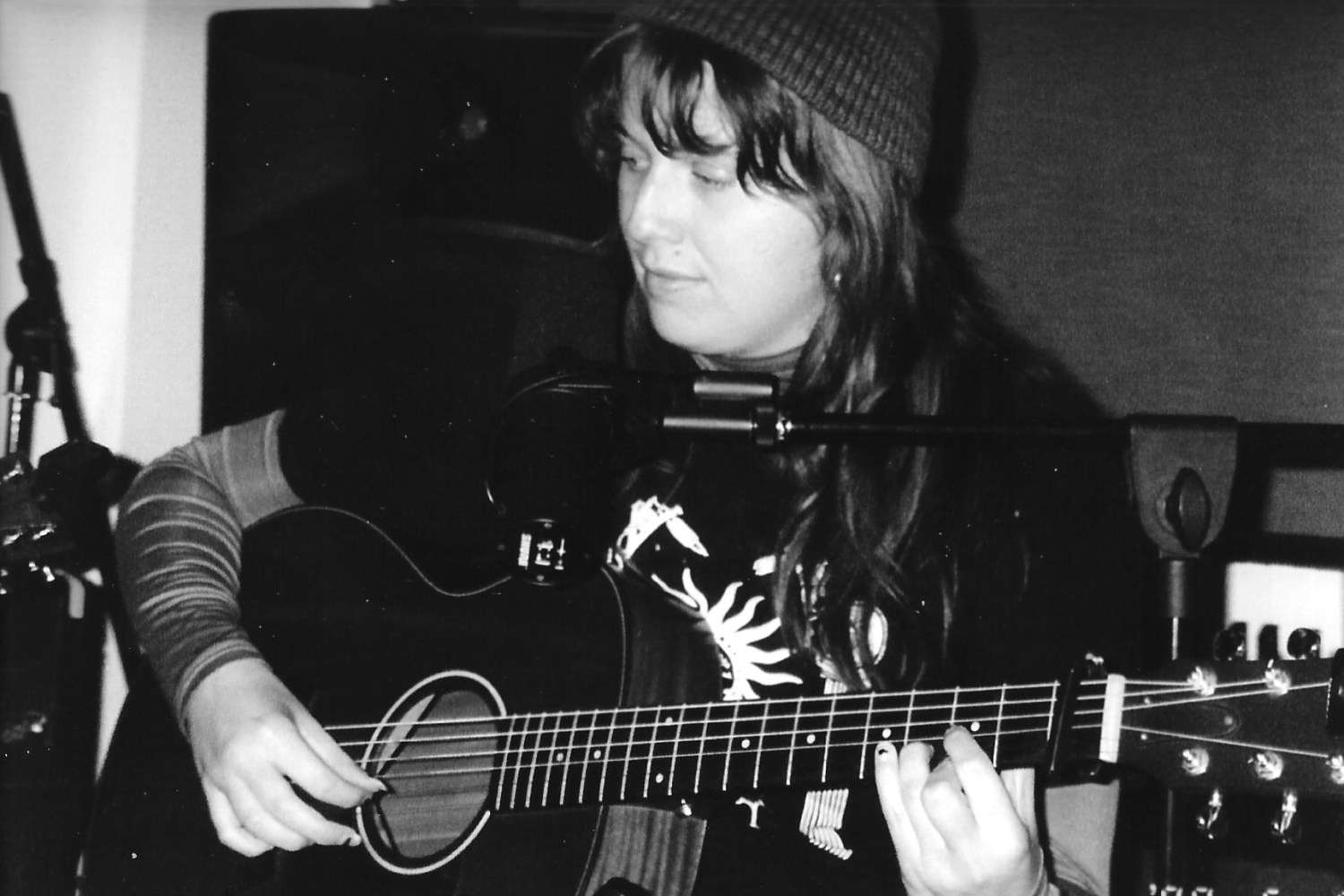
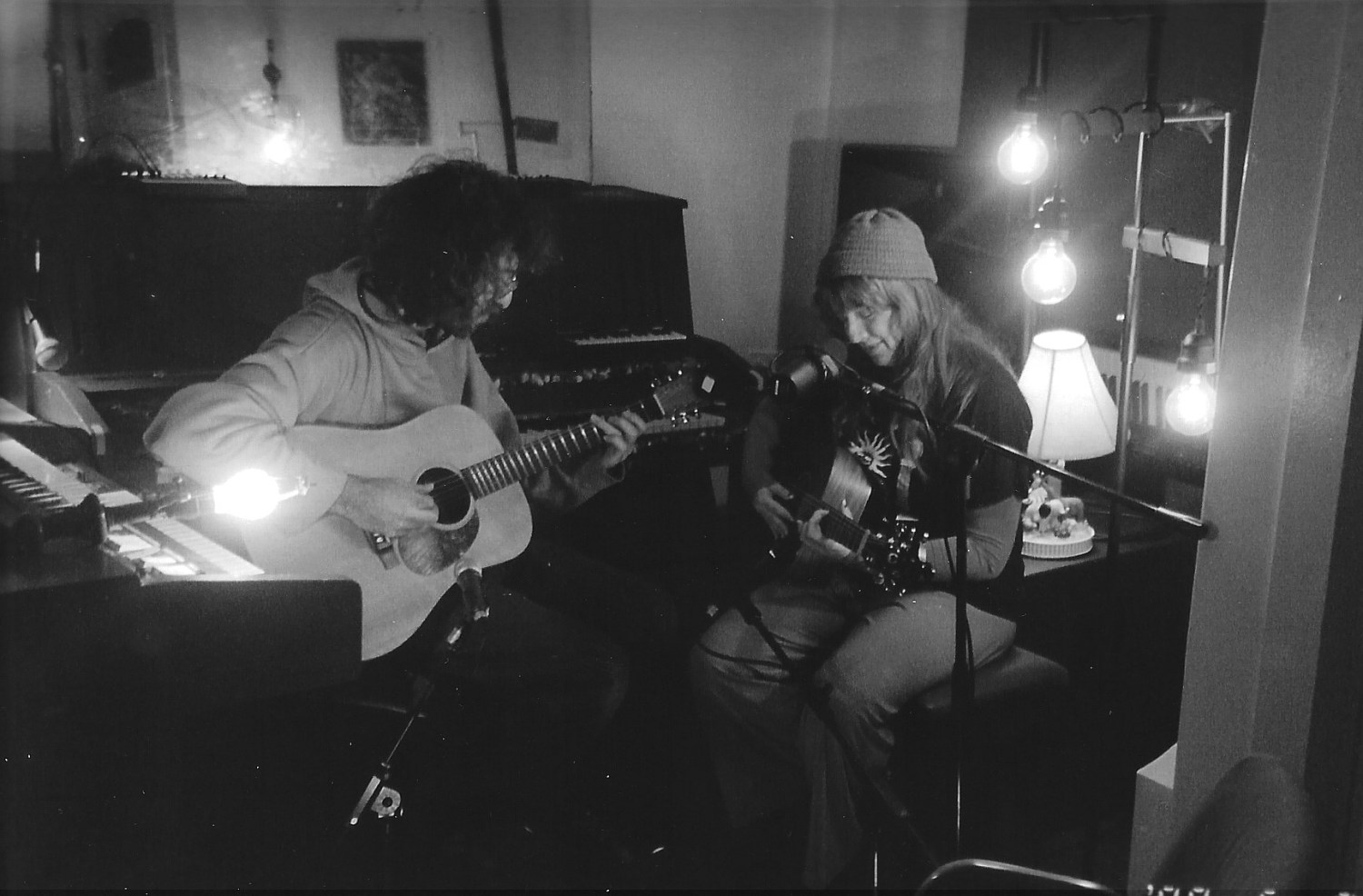
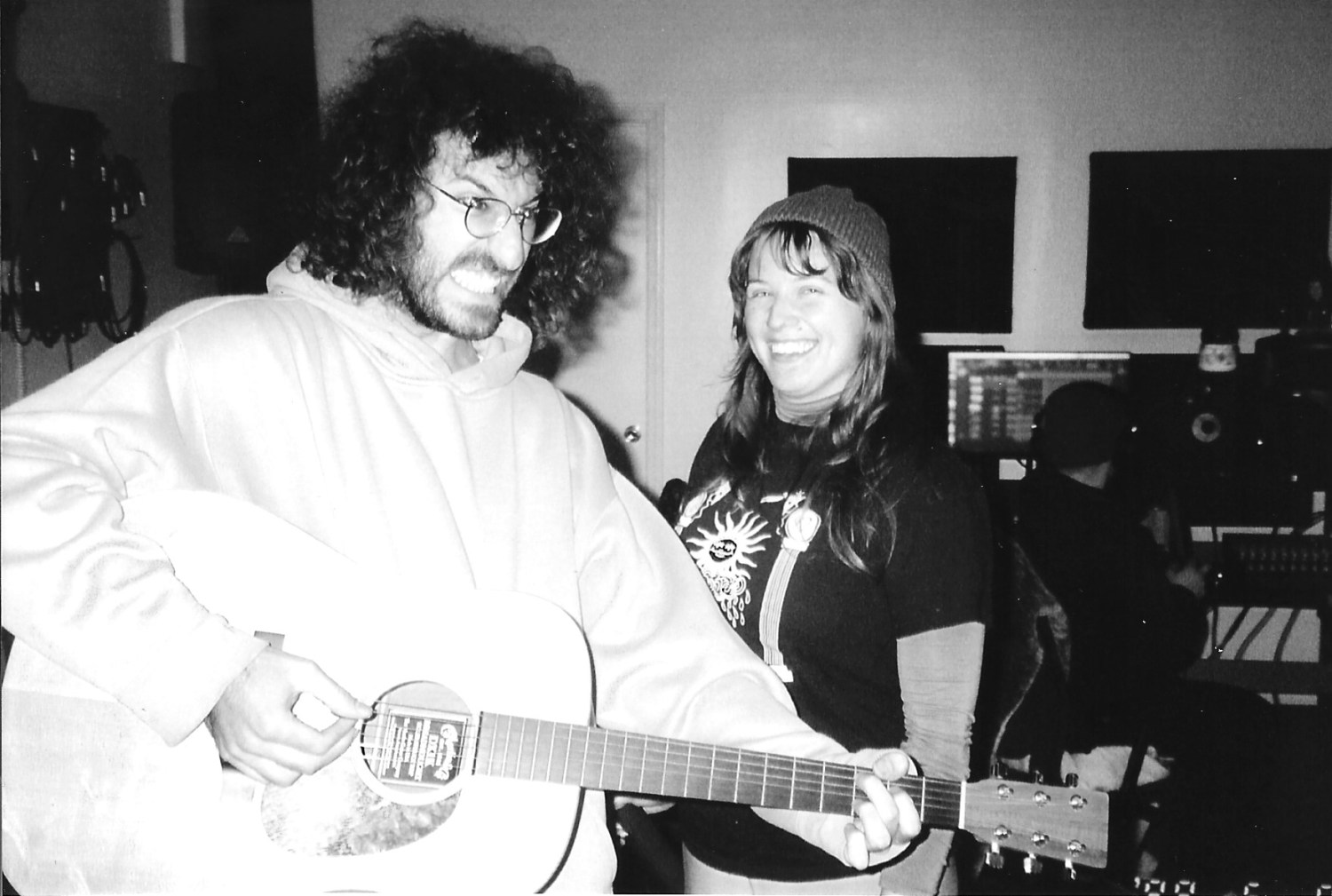
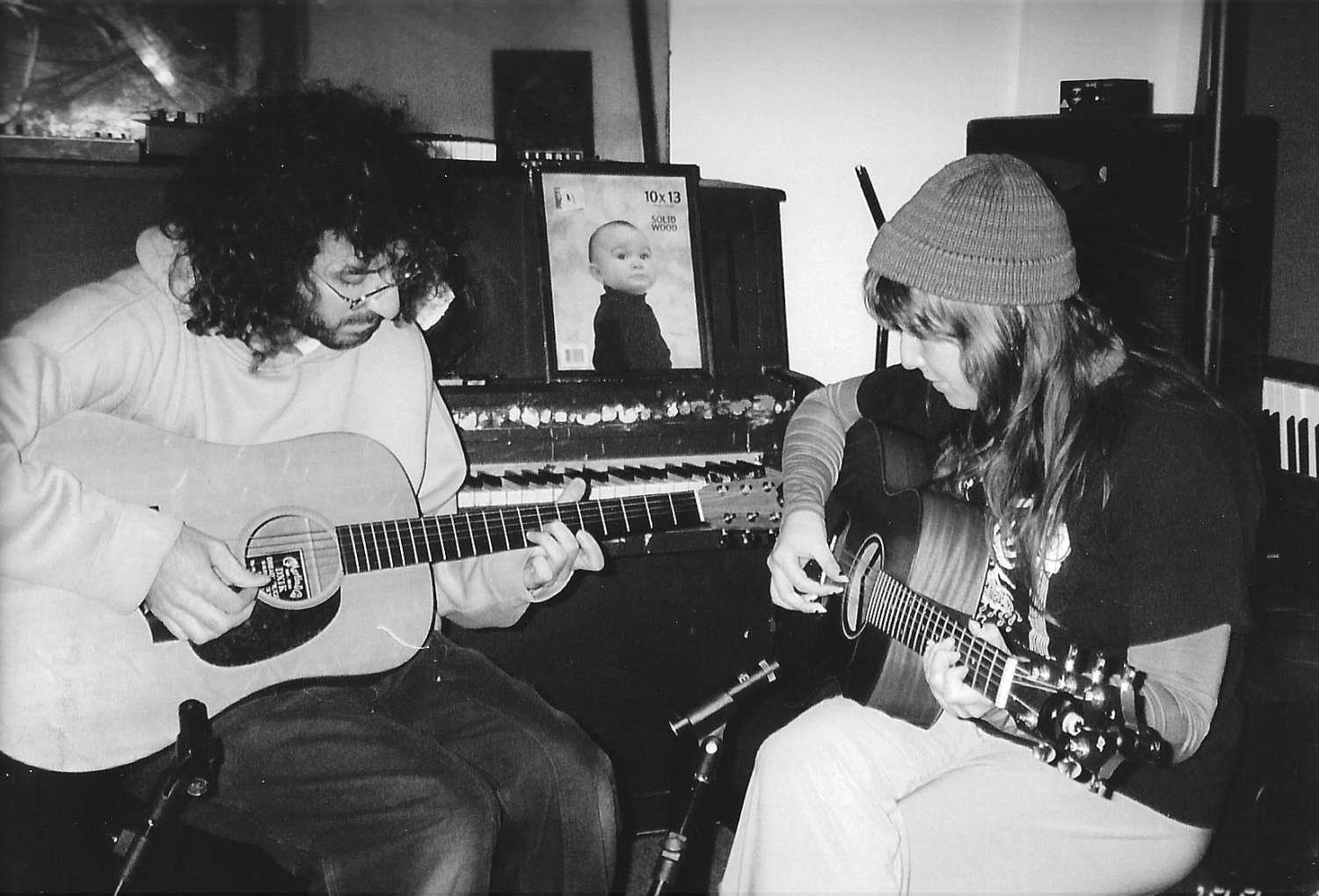
 the ugly hug