The members of ira glass do not agree on everything. They have varying music backgrounds, varying listening tastes, varying stances on the accordion. They are four different people, after all – simply being in an experimental noise rock band together is not going to file down their differences and turn them into one homogenous organism. Nor should it, I cannot imagine the music would be nearly as enticing if it were produced by an army of clones. However, if there’s one thing the Chicago-based four piece can agree on, it’s webcore. They love ARGs and “low-res digital stuff”. They enjoy grueling scavenger hunts on archive.com, sifting through mounds of digital muck for something that resonates with them. They have created projections that collage videos sourced from Youtube rabbit holes. ira glass like making their own sense of the vastness of the web – spinning the overwhelming mounds of data it holds into a narrative of sorts, whether or not it’s decipherable to anyone else. Whether or not it’s even decipherable to them. “It’s like a willed, forced synthesis,” drummer Landon Kerouac notes amidst the webcore portion of our call. “A montage that doesn’t make sense but kind of works.”
ira glass’ approach to music is not too different from their mutually savored internet practices. In fact it’s essentially the exact same – though they would probably never say that, because they are not really the type of band to overly anatomize and delineate their own creative process. If anything, they are allergic to approaching music with too much cogitation, telling me that the act of intentionally striving to create something acutely new and never done before is a “nebulous, almost flawed way to go about art.” ira glass is not trying to forge some cunning new genre, in the same sense that they have no interest in tethering themselves to one that already exists. They just want to make music that they like. Music that resonates with them. Music that feels genuine.
The result is some sort of epic auditory Frankenstein; its appendages pulling both from the band’s external inspirations and “the id”. Out today, their caustic sophomore EP, joy is no knocking nation, is a sensical quilt that honors fragments and facets of their life at the time it was created. Some are discernible, like post-hardcore and jazz influences, wrath induced by infestations of faux-alternative characters, ambitions to experiment with unorthodox instruments, etc. Others cannot be outlined as easily, yet manage the same authentic impact. It’s an abrasive and charged listen, but never in a way that feels forced. The emotions are real, finding themselves in a sometimes crooked composition that winds up and down and adjourns when it needs to. It’s intense in a human way, and it’s honest without overly earnest lyricism.
“I just don’t like relying on the same old tropes, old school screamo doesn’t appeal to me,” vocalist Lise Ivanova tells me about her thoughts on lyrics. “It’s all very misanthropic or self-hating and I don’t feel that.” Instead of honing this sort of cynical pity-party poetry or accumulating shreds of intense vulnerability from their own lives, ira glass’ lyrics are detached and labyrinthine-like. They can be funny and intense and idiosyncratic, they can mean something to you if you’d like or they can just exist as another enigmatic component of the EP’s experience. It doesn’t really matter, the point is they exist in the same way as everything else ira glass creates; free from functional pressures and dilettante natures. It’s an ethos that glues together the eccentricity of their latest EP, and it’s contagious within the listen. Even in joy is no knocking nation’s harshest moments, characterized by discordant clamors of noise and shrill screaming, there is a lingering sense of comfort – perhaps even a certain catharsis, chipping away at the weight of various pressures and demands and self-inflicted factors that prevent you from just being your fucking self.
We recently spoke to ira glass about curating discomfort, “lame fake-alt people”, and joy is no knocking nation, out today via Angel Tapes.
This interview has been edited for length and clarity.
Manon: I’d love to hear how you guys just started playing music together. How did you meet and when did you start ira glass?
Lise: I moved to Chicago in October of 2022, I had lived in LA prior and had been trying to start a band there, but LA was not really fertile for bands. So when I moved to Chicago, I was dead set on starting a band, and I put up a bunch of flyers within a week of moving here, recruiting for a noise rock project and Landon was among the first to respond. We met at Whirl Away Lounge on Fullers End and talked about our influences and then we later recruited Jill – Jill and Landon know each other.
Jill: We used to work together at this french cafe.
Landon: Basically, Lise and I met in this almost romantic way – like a flyer, but then our two other members we know from day to day life.
Lise: Kaleb and I go way back. We lived in Albuquerque and were in a band called Thrush, it was a fake band because we only played one show, but it was still a good band. Even though it was a Big Black rip off. That’s how I know Kaleb.
Manon: It was fake because you only played one show?
Lise: Yeah. We practiced so much more than we played.
Manon: You mentioned that LA was not very fertile for bands. How does Chicago compare, and how would you say the scene there in general has impacted Ira Glass over the years?
Lise: I think there are more normal people here that aren’t, like, evil. So it feels better playing here.
Jill: There is a lot of collaboration, everyone is really friendly and they want to play a lot of shows with you and help each other out.
Lise: People are very sincere and driven. I feel like LA is very isolating and everybody is on a solo venture but there are a lot of bands in Chicago and people want to get together and play music with others.
Manon: You mentioned this idea of sincere and “normal people”. I feel like there is a presence of that on this new EP – maybe some exasperations about not normal people, or specifically, “freakos with hand tattoos”. How would you describe your relationship to sincerity?
Lise: Disingenuous people upset me deeply. Yeah. There are social climbers everywhere and there are lame, fake alt people everywhere. I don’t think that is exclusive to Chicago.
Manon: It’s definitely not.
Lise: But, I think there is more of a working class here. I guess that has something to do with it.
Landon: I can’t speak on it lyrically, but with our music and the composition, I think we are not necessarily striving for something new because that’s a really nebulous, almost flawed way to go about art. But also wanting to create something that comes from deep down.
Lise: Something from the id.
Landon: Yeah. [Our composition] is both really innate and also meticulous and thought out. I think that sort of synthesis gives us a sense of sincerity. I feel like we just go, “what feels right?”, and then meticulously work with and edit that material once it has come out of the depths. Would you agree with that?
Lise: Um, I don’t know.
Landon: Okay. Disregard what I just said.
Manon: I can also ask a more specific question about composition. I feel like when you make noise music, the ‘noise’ part is often rather defining, but you have a lot of interesting complementing instrumentals, and I really like a lot of the jazz elements within this EP – especially in the end of “fritz all over you”… that song is stunning. I would love to hear about your general music inspirations, and the kind of sound you were hoping to cultivate in joy is no knocking nation?
Lise: When we first started, I was super influenced by nineties Chicago noise, like classic noise rock, Albini, the Albini scene. And then, I was simultaneously also getting super influenced by mid-late nineties, early two thousands screamo, like Drones, Dream, and Orchid. So I think our first EP, compound turbulence, was definitely more influenced by those things. This EP feels a bit more post-rock, experimental, and post-hardcore. I think we are getting more into the jazz influence. Jill is a jazz head.
Jill: Yeah.
Lise: Jill, go ahead. Jill did jazz band.
Jill: Yeah. Jazz band. Throughout college.
Lise: You come from a jazz lineage.
Jill: Yeah, a lineage of jazz musicians.
Lise: And we all like jazz. I actually wanted a horn because of Brain Bombs, the way they use horns is so different. It’s not influenced by jazz at all. But Jill brings a very melodic kind of influence that I appreciate. Anything else about our influences?
Jill: We all come from relatively different backgrounds.
Lise: Landon, you like a lot of modern and contemporary noise rock.
Landon: Yeah, I definitely admire a lot of the nineties stuff, and I think what is happening with noise right rock right now is super interesting. Bands like Sprain and Shearling. Also Chat Pile. Then bands like Spirit of the Beehive.
Lise: Prostitute.
Landon: Yeah, Prostitute as well. I don’t want to keep listing band names, but I think Spirit of the Beehive is a huge influence compositionally because they don’t really have verse, chorus, verse, chorus, bridge – you know, it’s not a very orthodox song structure, but it flows really seamlessly. I think for us, maybe instead of seamless, perhaps our song composition is a bit more stitched together.
Lise: Contrived.
Landon: Not contrived.
Lise: Difficult.
Landon: It’s more stitched.
Lise: It’s a laborious taste
Jill: We figure out how to mesh different pieces together.
Lise: We are kind of math influenced in that way. Yeah math rock is also an influence.
Landon: Yeah, it’s this combination of “how can we do upside down music?” and the crazy math stuff and also stay true to the ethos of noise rock?
Lise: The banging rock and roll of it all. Kaleb, what do you like? Kaleb likes dark wave.
Kaleb: I’m more into industrial and German wave stuff. My stint with noise rock is more like Birthday Party and Scratch Acid.
Lise: Aw those are great bands.
Landon: I think some of that comes in with our experimentation with instruments. I think my symbol stacks can definitely be in the industrial realm. I think our horns too, and there is an accordion on the EP.
Lise: Which you hated. And didn’t want to use.
Manon: Anti-accordion?
Jill: He doesn’t like Organs.
Lise: He doesn’t like accordions or organs.
Jill: It’s the harmonics, right?
Landon: No, no. For the accordion…it was simply… I was fine with the accordion…
Lise: He has a fear of sounding goofy.
Landon: It’s a bit of a goofy instrument…
Jill: And the whistle…
Lise: The coaches whistle. He didn’t like that either.
Landon: It’s a bit on the nose.
Lise: Whatever, no big deal.
Landon: I think that the willingness to experiment with instrumentals, like real, storied instruments, is very seventies industrial. Instead of saying “what plug in can we use”, it’s using a kazoo, or a whistle, or something like that.
Lise: We haven’t used a kazoo yet, but it’s in our future. Our near future. Or a harmonica.
Landon: I don’t like the harmonica either.
Lise: You don’t like the harmonica either? Damn Dude.
Landon: No, I’m just joking.
Manon: Did you use the whistle? Or is that also in the near future?
Jill: There’s whistles. One coach whistle, two little whistles.
Lise: There are buried straggler whistles towards the end of the big whistle.
Manon: There’s obviously a level of discomfort to noise music, is that something you enjoy?
Lise: Yeah, we are all generally kind of awkward and uncomfortable people.
Landon: I don’t like music that sounds too pleasant or harmonic. I think the dissonance is really pleasing when it comes to melodies or chords. A word that is used a lot is angular.
Lise: Do you like that word?
Landon: Yeah.
Lise: Landon likes the word angular.
Landon: Angular is cool. There are different flavors of discomfort and dissonance, and I think angular paints a very particular picture to the sort of dissonance that we like. It’s a more intentional discomfort.
Lise: Yeah that’s true, we like dynamics. Contrast. We live for the contrast.
Jill: It can’t all be uncomfortable. You have to lure them in.
Manon: What do you hope to achieve when you play these tracks in a live setting?
Lise: We don’t like banter.
Jill: We don’t talk. We don’t smile.
Lise: Yeah I feel pretty distant from the audience, or I shut the audience out. I don’t even see them, my eyes are closed most of the time. I feel like it’s purely a live display of our music.
Landon: We’re obviously doing this for a love of music. But as we love music in theory, I think sometimes being on stage is like a compulsion. I feel like when I am up there, I’m just reacting to things, and trying my best to keep up with it.
Lise: Yeah, it’s like we’re floating. It feels so dissociative.
Landon: Which is a very unique experience. It’s not the most pleasant, but it can also be crazy rewarding if it feels right.
Lise: We’re playing aggressive and sometimes difficult music. It’s not like the songs come from this place of deep, dark self-loathing, but it still is very emotionally taxing and cathartic.
Manon: So the actual nature of the music is more taxing than the lyrics. Your lyricism is awesome though, very eccentric and a bit convoluted. Can you tell me a bit more about that?
Landon: That’s all Lise, it’s a black box to the rest of us.
Lise: Shit, I don’t know either. I do a lot of unconscious, ‘spitting it out on a page’ writing, or I have done the classic cut-up thing where I try to take lyrics from elsewhere. I like the Melvins’ way of writing, just nonsense that is still really evocative. I think you can use words that do not really make sense and they can still evoke a really strong image, and I think that’s what I am trying to do with my lyrics most of the time.
Landon: As an observer and not necessarily the author, I think it’s sort of like vignettes in a way. Would you say that?
Lise: Sometimes. I’ve been known to write a vignette from time to time. I like to think about strange situations that I haven’t experienced myself and try to describe them. I think about other people’s stories a lot.
Landon: There’s a depravity to it in a way.
Lise: People have said that. I guess it’s depraved.
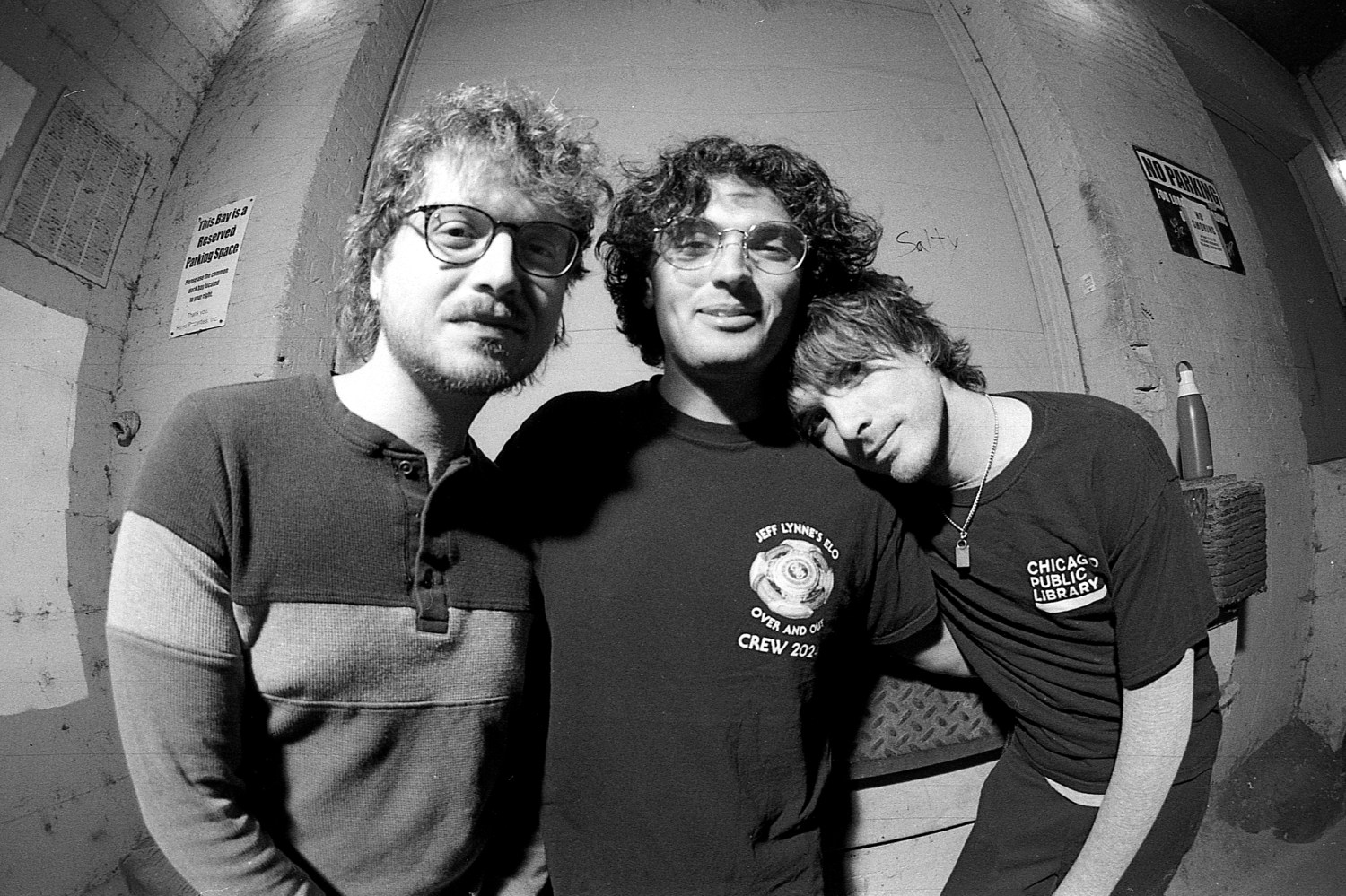
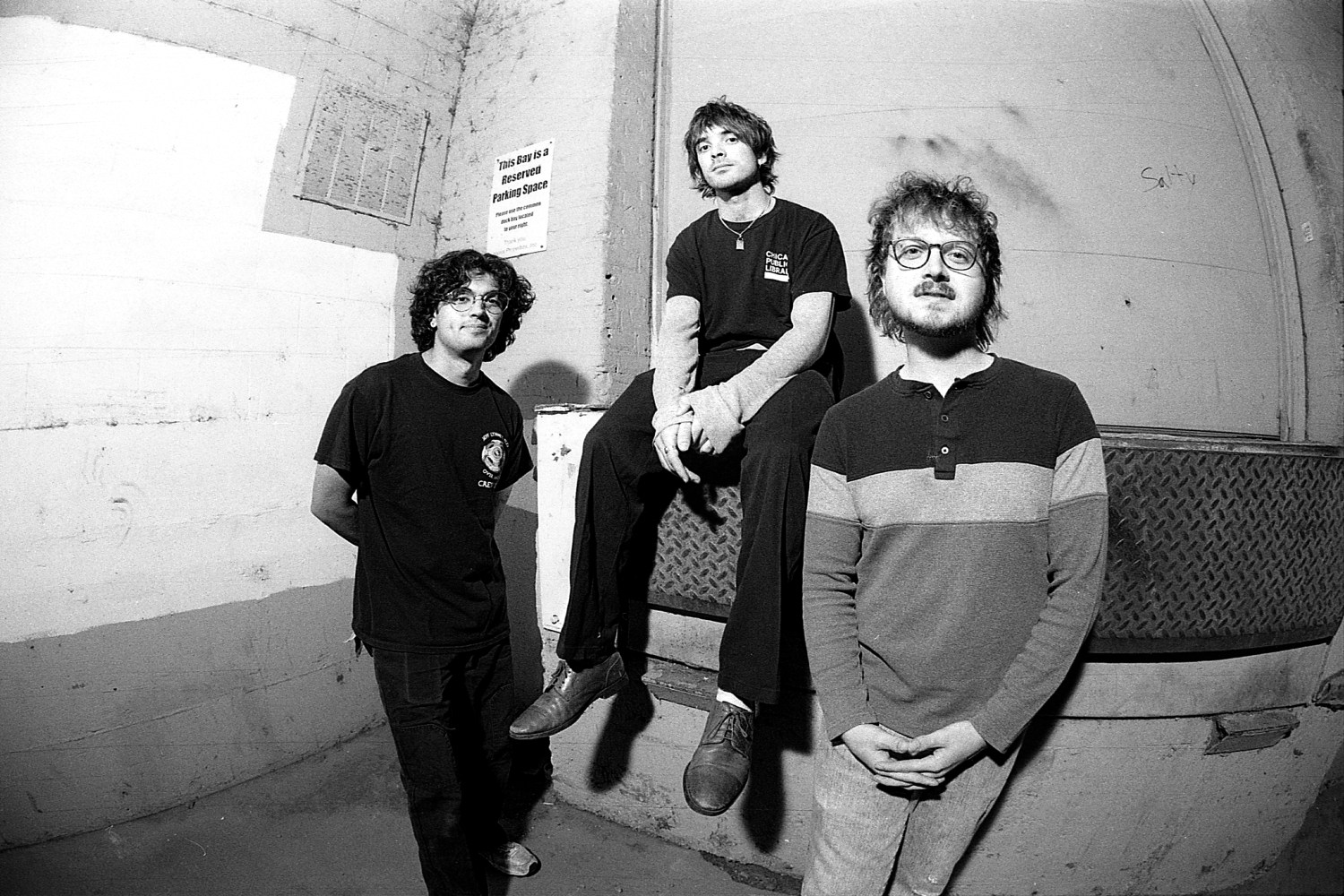
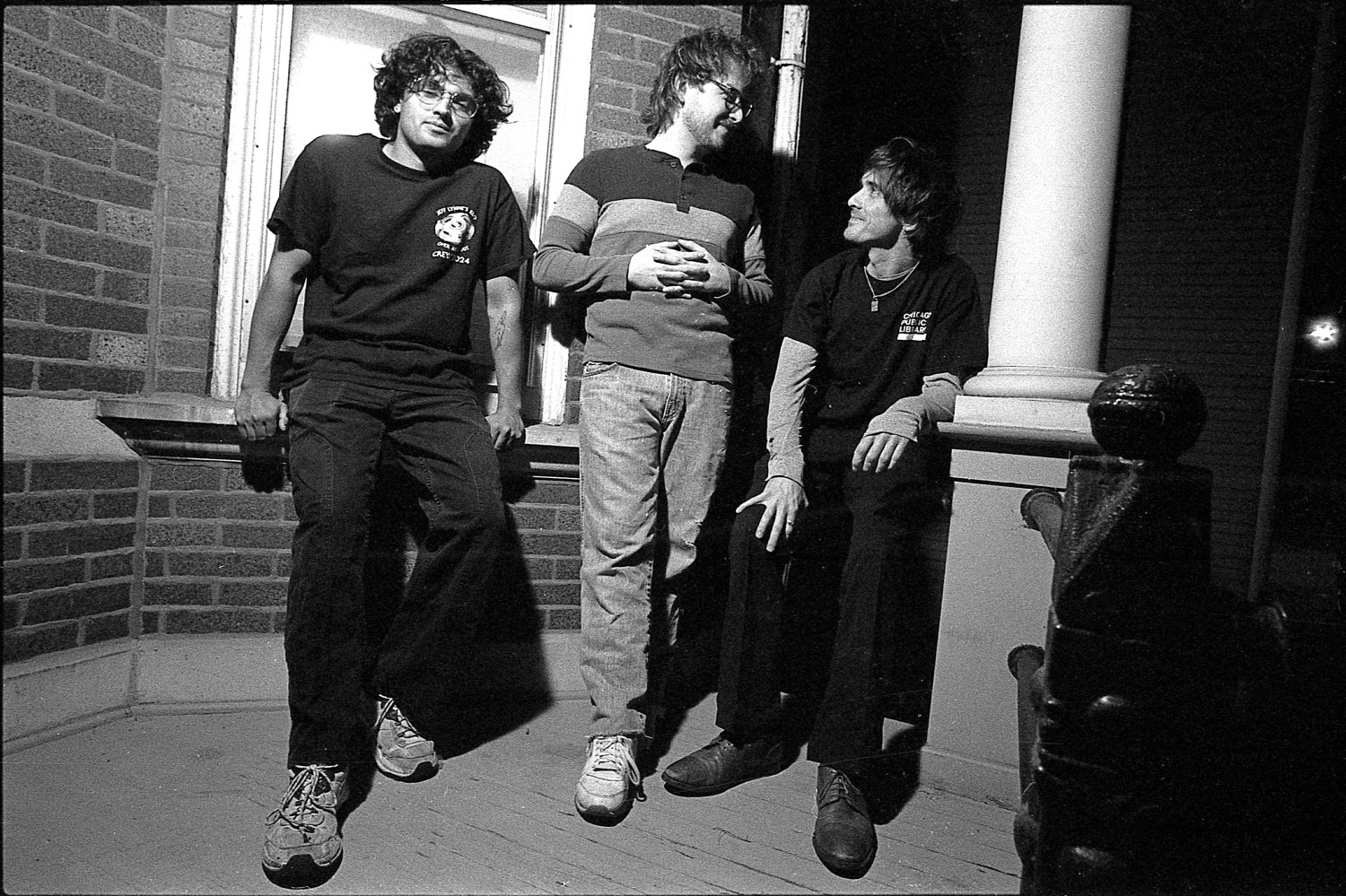
Written by Manon Bushong | Photo by Derrick Alexander






 the ugly hug