“We were really heavy for a minute there. For Dizzy Spell and that era we were so hyper-focused on what we can get out of our amps and our pedals, just the sonic width we wanted live and the thickness we wanted”, Isaac Kauffman explains of Abel’s 2024 record, Dizzy Spell.
The Columbus based band released Dizzy Spell just shy of a year ago, a record armed with an arsenal anxious intensity carved with heavy guitar and hazy feedback. There is an immediacy to the listen, as Abel wastes no time reaching a heightened emotional state as they shred through ridiculously catchy pop structures and pedal suffocation. It is an intense album in an all consuming way, thought drowning sort of way. The lyrics are poignant and often heart wrenching, but they are approached in a manner that feels distant, as the album succumbs to a sea of shoegaze-fueled dissocoation. On Dizzy Spell, noise is a lifevest. On How to Get Away with Nothing, Abel leaves this cushion behind, exploring new ways to manipulate their soundscapes as they prod at what can be found, and more importantly, felt, when they slow down.
Released last week via Pleasure Tapes, Julia’s War and Candlepin, How to Get Away with Nothing marks Abels shift towards a slowcore leaning sound. The stylistic decision stemmed organically, pulling from a chapter the band was in whilst they made it. “My bandmates go through phases, and I think it makes the most sense to take those moments and run with them”, Isaac tells me. “It really lends itself to emotional music when you take things as just a section of your life”.
The authenticity that comes with this philosophy can be felt through Abel’s discography. While How to Get Away with Nothing leans away from the density and shoegaze feel of Dizzy Spell, it also attests to the strength of the project’s identity, and their ability to experiment with genre without alienating the feel of Abel. Their “phases” do not come at a cost to the band’s ability to extract beauty from a raw and gritty sound, a consistent pillar in their releases.
How to Get Away with Nothing boasts a sound that is expansive, challenging and profoundly textured. It leaves space for near silence. It toys with manipulations of pitch and speed. It flirts with the thickness of Dizzy Spell. It experiments with a hyperpop feel. All of this could be a recipe for auditory whiplash, but How to Get Away with Nothing is grounded by the deliberate and balanced nature of its structure. Abel maintains an equilibrium while exploring various means to express melancholy, as well as a range of vocal approaches. Volatile deliveries scrape away at minimal guitar arrangements on “Dusk”, while on “Parasympathetic” earnest and gentle vocals exist in the shadows of a track guided by imposing percussion.
The record commences with warm and earthy lo-fi track “Grass”, which features twangy contributions from fellow Ohio-based project Cornfed. As implied by the title, it’s a song about grass, though the abundant plant is viewed as a concept rather than a reality, as Abel admits to a laundry list of fear that comes with walking barefoot in the grass. Fear as a barrier is carefully weaved into both Dizzy Spell and How to Get Away with Nothing, though the notion finds itself more crushing on the latter release. As they adhere to a slowcore style, drawn out moments of instrumental minimalism carve space for ideas to be questioned, and for emotional paralysis to be expressed through achy chord progressions.
“I think taking that into slowcore and slower songs lended itself to offer more of a minor space for lyrics”, Isaac reflects. “Although the lyrics still take up emotional width, I think we wanted to focus on keeping those tones and atmospheres that we created in a slower sense, and that lended to the emotional guitar parts having to be pushed. I feel like we’ve always had this kind of disconnected vibe to our songs, and I think that leaves our own playing styles and emotions on the table while also keeping the atmosphere thick”
The most devastating tracks on the record are followed by songs that toy with elements of hyperpop, and although they still tackle heart-break and dwindling self assurance, the blow is softened by their twinkly, bedroom-dance-party shape. Isaac tells me though he usually does all of the production and engineering for Abel, for How to Get Away with Nothing, the band collaborated with Quinn Mulvihill from Glaring Orchid, offering him extra time and capacity to experiment.
“I think that with the extra mixing help, I felt like I had more space and time to put some weird mixing energy into a few songs, and I wanted to do that just to break up the album in a way that felt different than using interludes or something like that”, he explains. “I think my melodies always come out in a pop way, and I think putting that over slowcore stuff is really good a lot of the time, but there are certain melodies where you’re like, how will this work over an emotional, drawn out guitar riff? It was almost just the easy way out to make something more poppy and more straightforward.”
The humbly deemed “easy way out” elevates Abel’s already textured sound, as well as the How to Get Away With Nothing’s intricacy as a whole. The hyperpop motifs and eccentric sonic manipulations contort themselves into moments that feels mechanical or almost alien-like, offering a complex juxtaposition to the album’s organic bones and painfully human lyricism. “I think there’s always been this production heavy side of Abel simply because I’m still teaching myself how to do certain things and I need to try it before I feel comfortable. So I think those hyperpop songs are just a testament to handling my growth,” Isaac says.
While it stands as proof to their skills as songwriters and range as musicians, above all How to Get Away with Nothing attests to Abel’s exceptional ability to harvest a poignancy in all that they create. You can listen to it everywhere now.

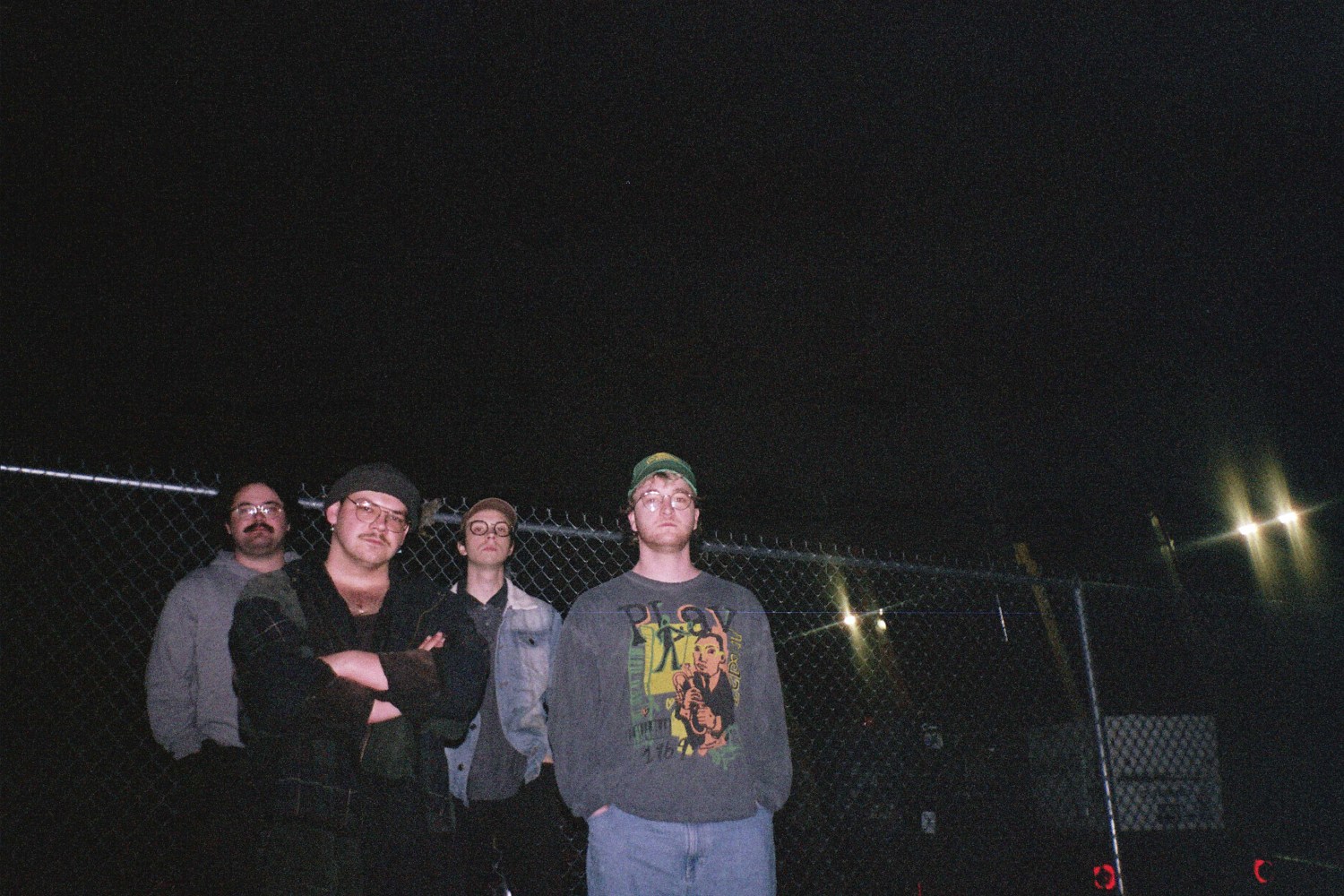
Written by Manon Bushong | Photo by Dylan Phipps

 the ugly hug