This Sunday, the ugly hug and post-trash are partnering up to bring you Ugly Trash Fest, a night to celebrate community and independent music journalism while raising funds for OCAD. With that, a handful of local zine makers are sharing their work and selling their zines at the fest.
We got to chat with the creators behind Pink Slip, Jeststink, weirdgrrrlzine, Glitzy and Unresolved about their work and how they approach the craft. Make sure to stop by and stock up on some good reads!
Pink Slip
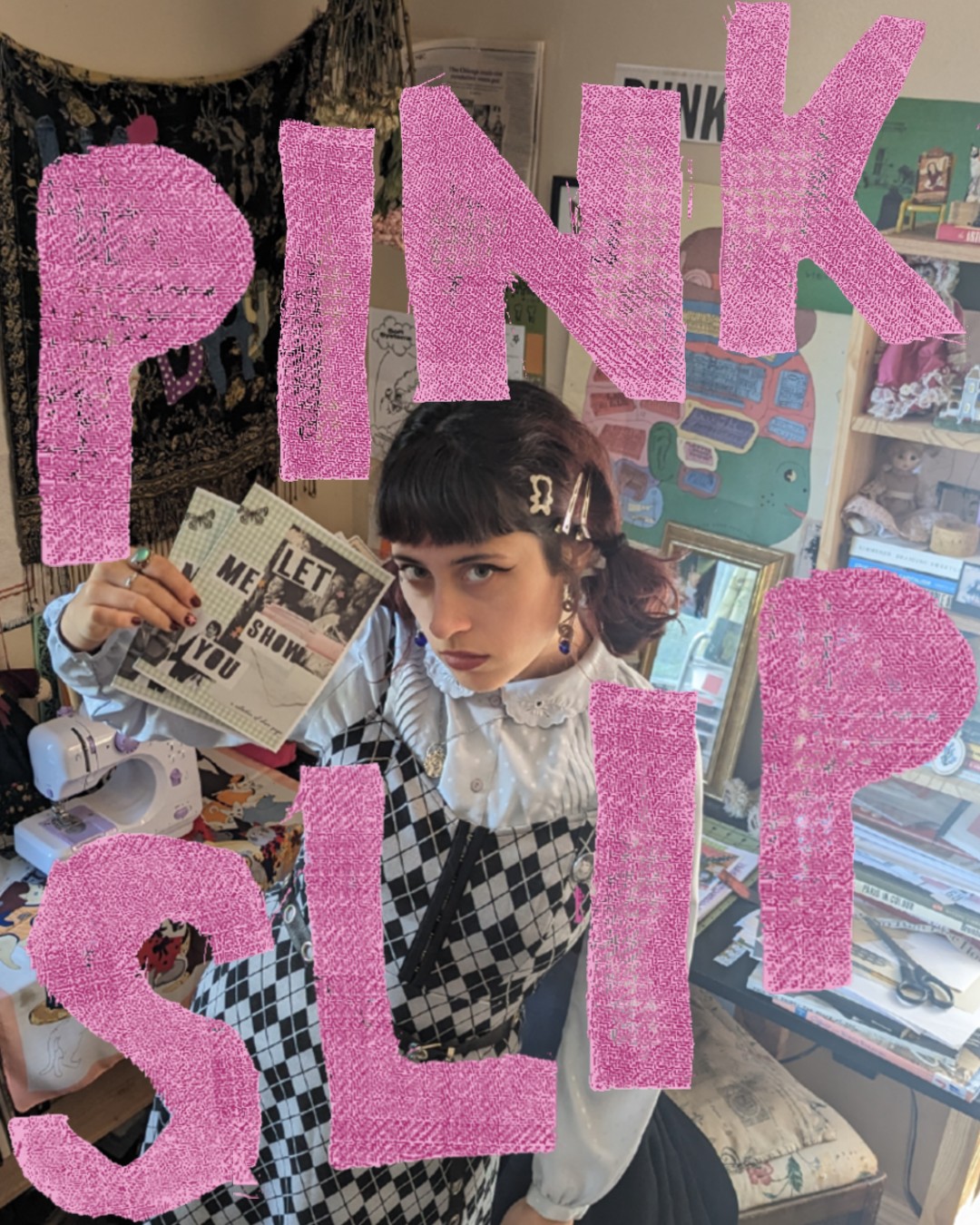
Pink Slip, founded by Skylar, is a grassroots arts collective based in Elgin, IL. Over the years, Pink Slip has become a vastly influential and engaging collection of art, ranging from music, photography, graphic design and even live events. Skylar also works on other projects such as Nobody’s Diary, an exploration into an ‘everyone’s diary’, and Post-Scripts, Pink Slip’s periodical mini zine. Skylar also helps run a monthly zine club, an inviting space for anyone to get involved in creating zines. Skylar also plays in the Chicagoland-based band Spliff.
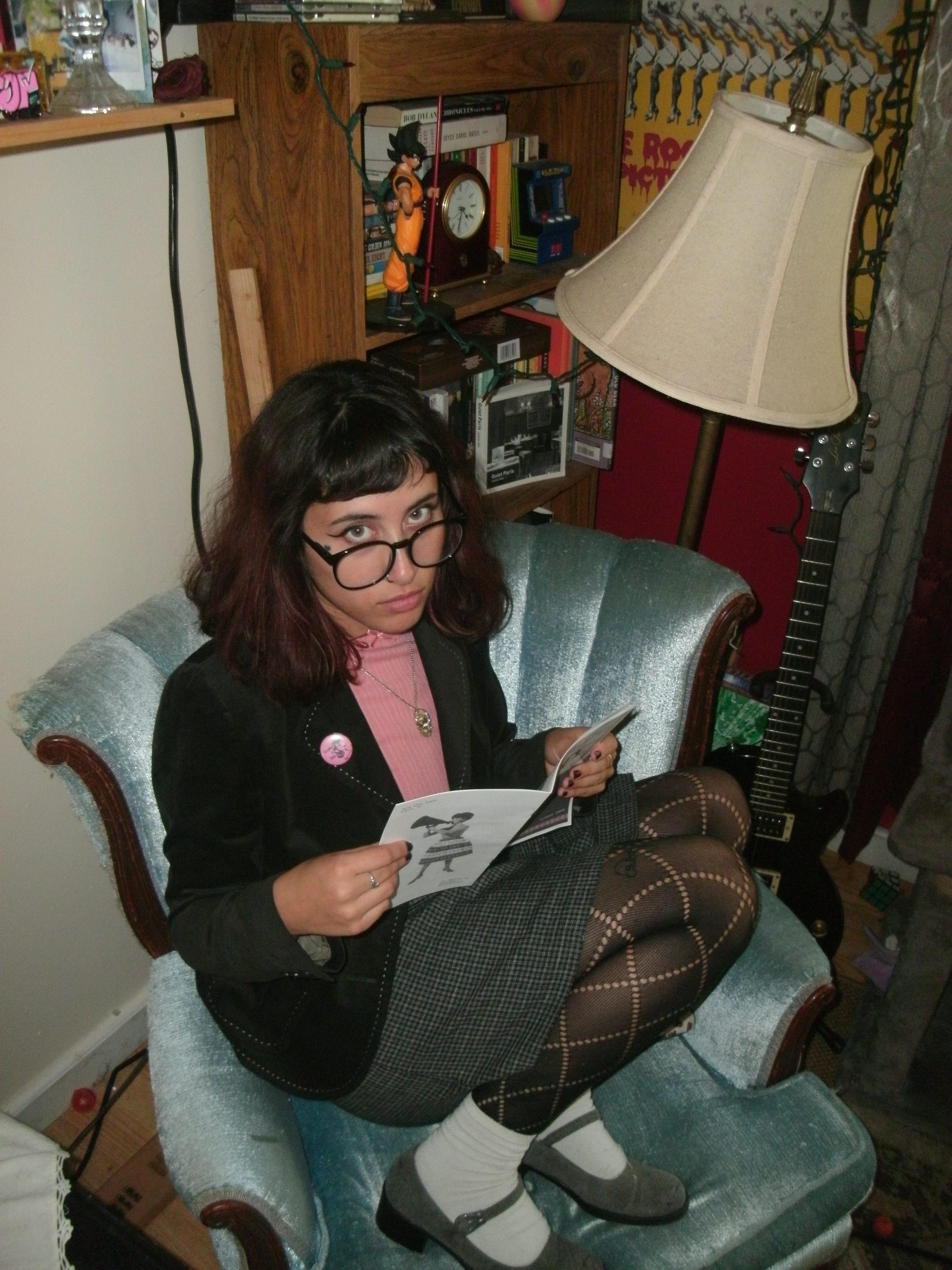
Ugly Hug: What made you want to start a zine? What were your initial goals as you were getting started?
Skylar: I started Pink Slip as an avenue to showcase all of the amazing artists around me who lacked access to being published in print. Originally, it was going to be a small zine just photocopied at the library and circulated among friends. But it quickly grew into something much bigger than that! The community showed up for us, and it became a much more expansive and collaborative project. Now, I’m taking a break from running Pink Slip as a magazine, focusing on my own perzine Nobody’s Diary and hosting free community zine clubs.
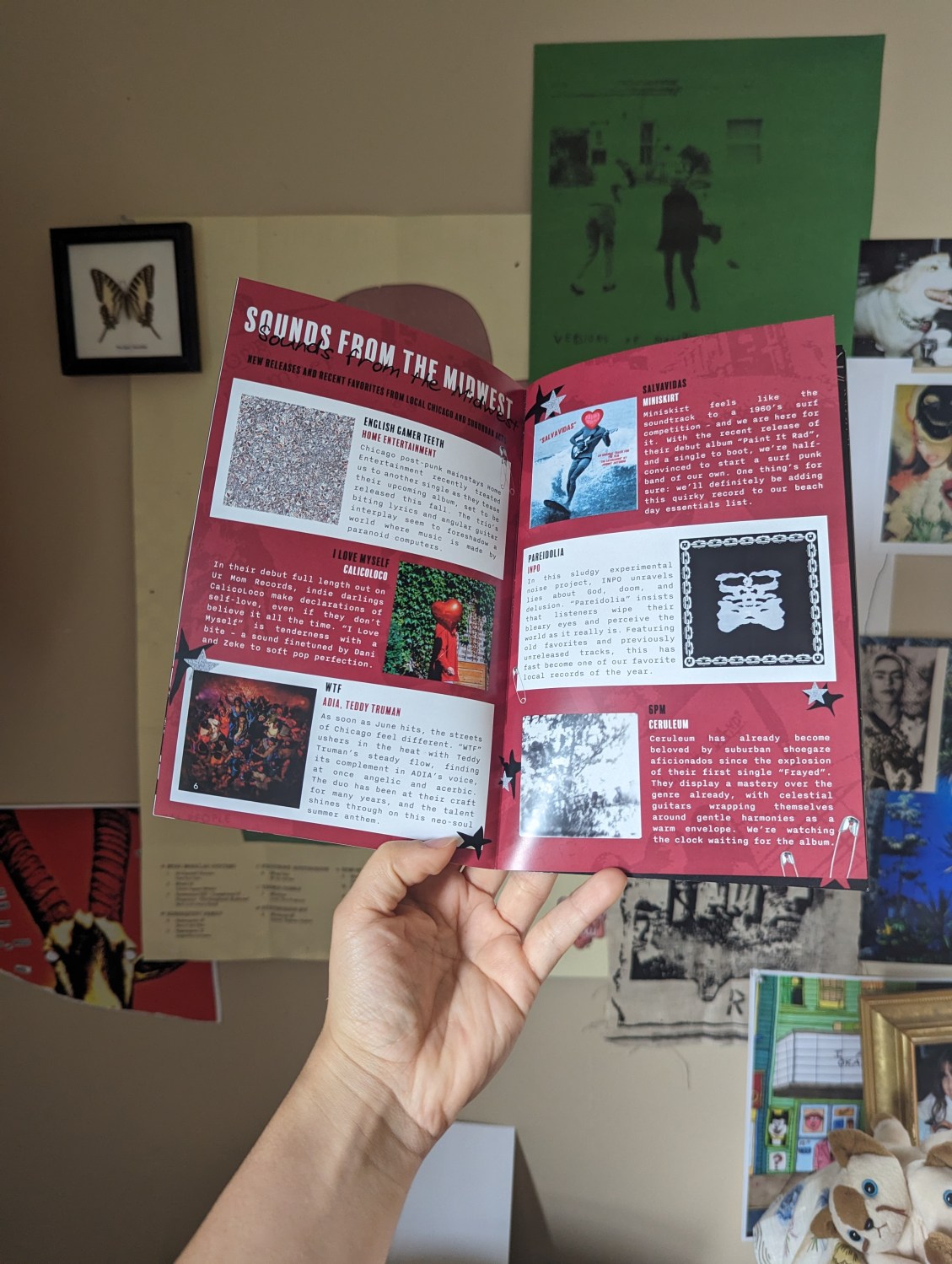
Pink Slip runs as a submissions based collective. What do you think this brings to the table in regards to what Pink Slip has become over time? Have you seen it evolve with the more people who become a part of it?
Something we always wanted to foster was a sense that Pink Slip belonged to everybody, not just us. Opening up submissions allowed us to feature hundreds of artists from around the midwest (and the world!). The art that was submitted shaped the entire aesthetic and ethos of the zine, serving as a finger to the pulse of our communities.
I’ve been lucky to have many collaborators on Pink Slip as a magazine, and the various team members who have come and gone have left an indelible mark on each issue. The most current evolution of Pink Slip as a collective is focused on empowering others to create their own zines. Though our mission has been to widen print access for marginalized voices, we want to take it a step further and remove even ourselves as the middle man. Self-publishing means anyone can do it!
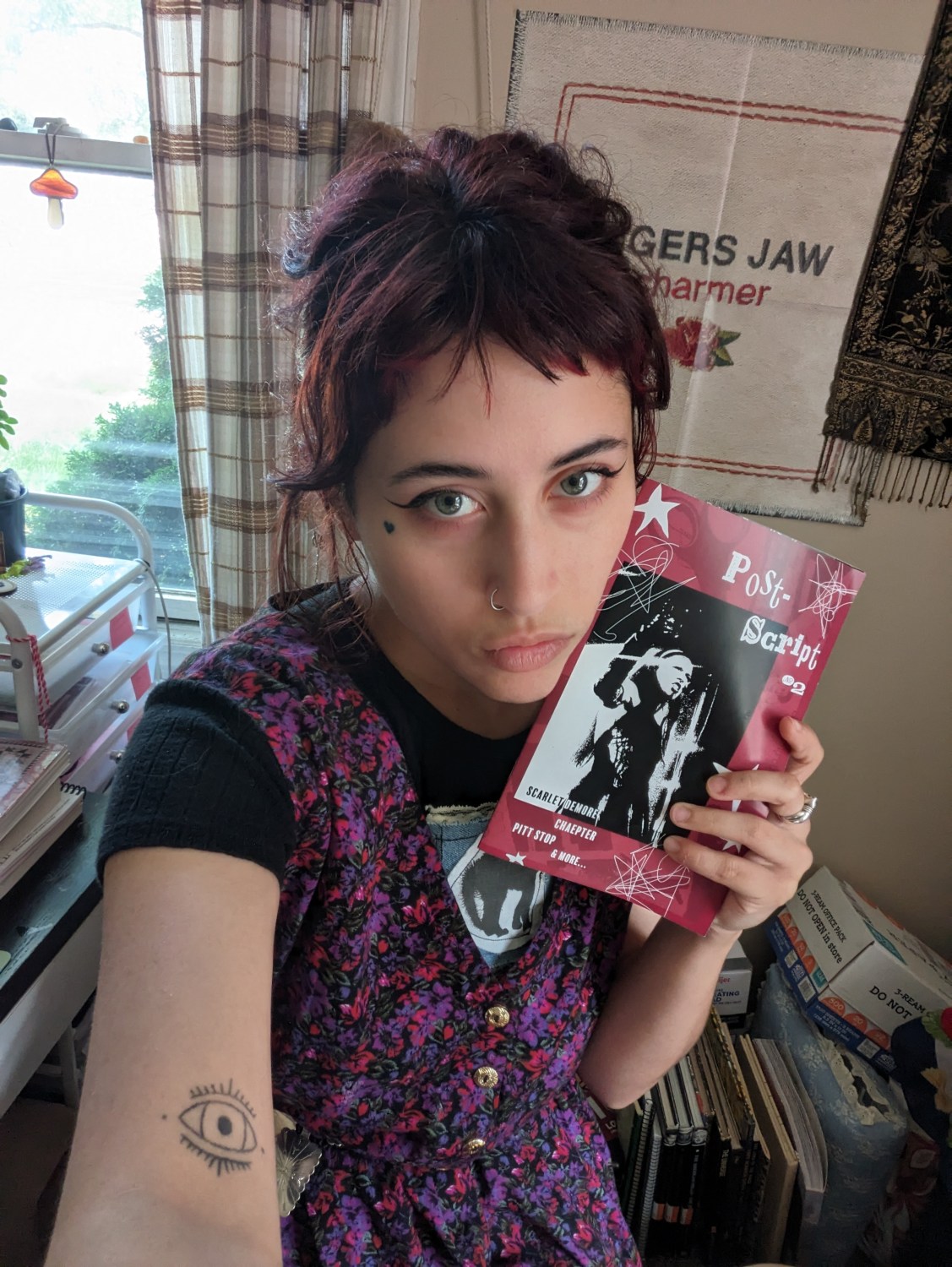
You also put out Post-Script, a periodical mini-zine made by you and your staff. How does Post-Script differ from Pink Slip? What sparked the inspiration to have a smaller, separate project to have in the works?
Post-Script kind of just falls into a more specific niche. Instead of submissions, it’s more of us curating what we think is cool about the Chicago scene. It allows us to dig a little deeper into what’s going on in the community. We definitely wanted something that felt a bit more journalistic, a bit more in line with what a traditional zine looked and felt like.
You recently partnered with Unmasked to host the Spill Your Guts event. How did this event come to be? What were the initial ideas behind it?
We had honestly been getting requests to do another open mic for so long! The Unmasked Coven approached us with the opportunity, and we saw it as a chance to showcase some talented locals while raising money for a good cause. For the most part, we’ve shifted from doing bigger events and instead try to craft warm, intimate spaces to connect meaningfully with local art.
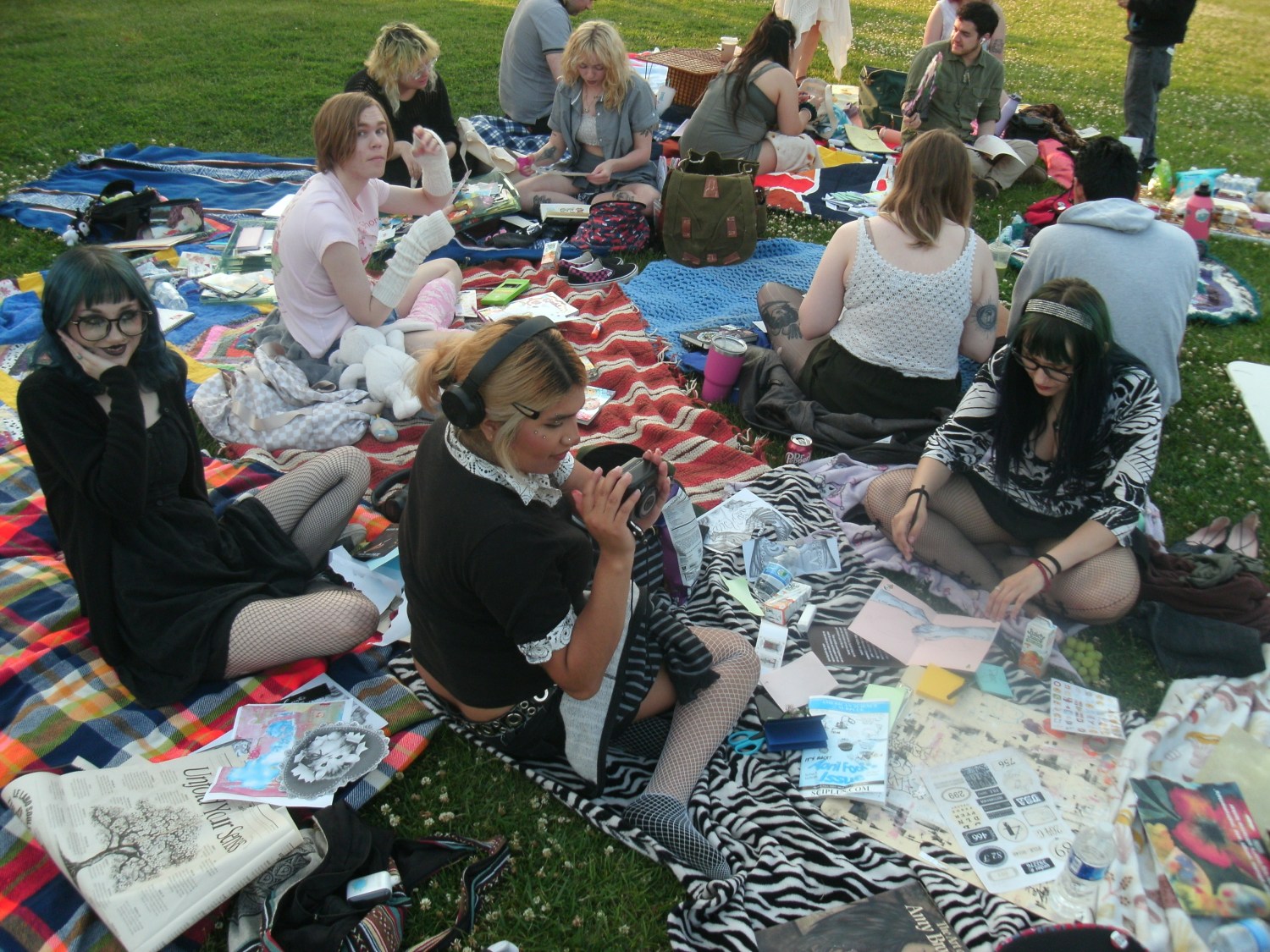
You also run a zine club for those looking to be more involved in the practice and in the community. How does one get involved in zine club and what can people expect when they attend?
Zine club is what Pink Slip is most preoccupied with these days! We host a free, all ages gathering at the Unmasked Coven once a month (usually on a Tuesday), and all are welcome. It’s a very eclectic and inviting group. Everybody is super nice. Nobody expects you to be anything you’re not, which is important, I think! You can be shy or loud, you can be a beginner or an expert zinester, you can just come to hang out if you want. The point more than anything is to connect as a community. Once we have that, we can actually show up for each other in meaningful ways and build coalition together. Come to zine club!!
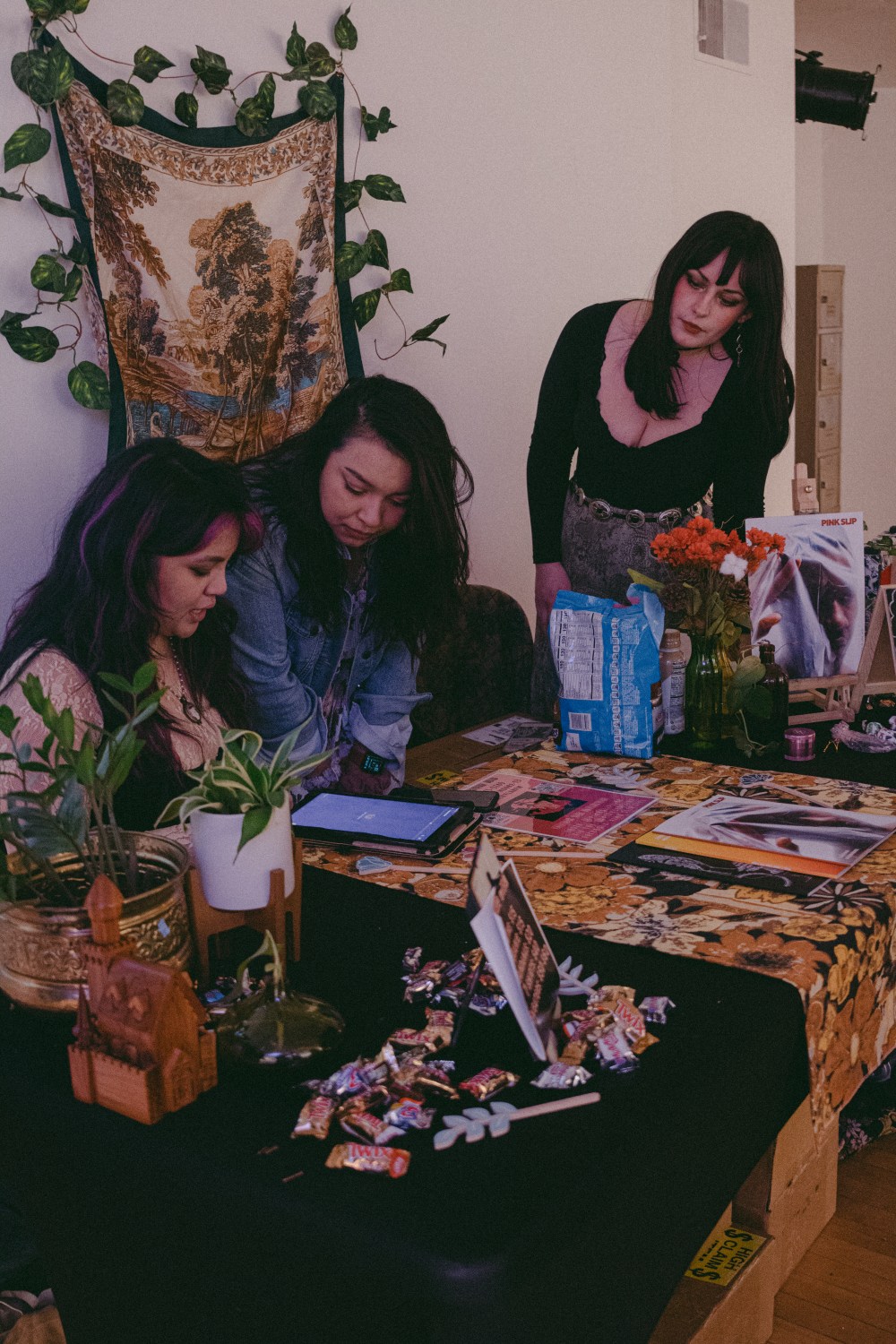
Anything planned for Pink Slip soon? Anything you’re excited about?
Right now, I’m focusing on zine club for the most part. But I’ve sorta been testing the waters of Pink Slip as a distro, helping artists make/print their zines and tabling their work at events. And, of course, there are always more zines in the works. We’ll see what happens!
weirdgrrrlzine
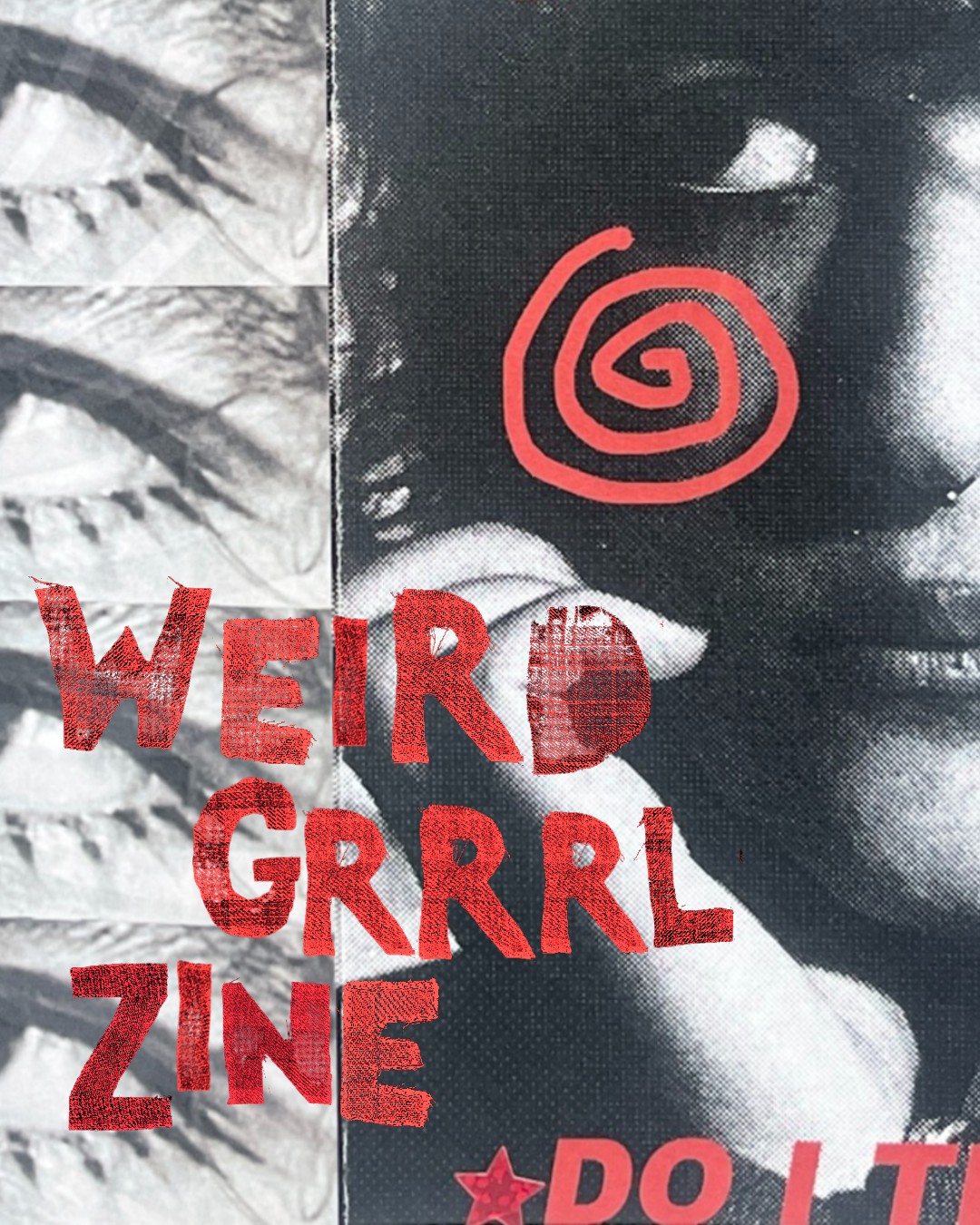
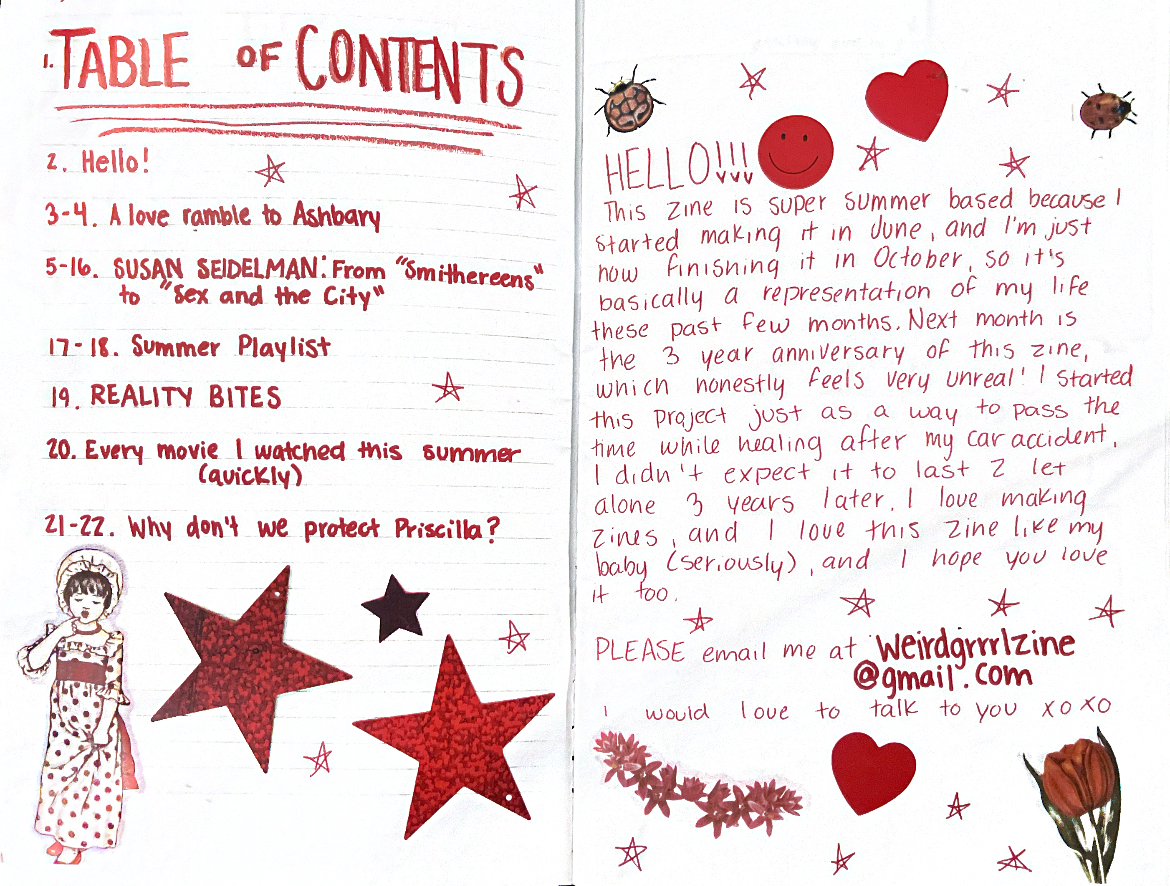
weirdgrrrlzine is the project of artist, writer and film maker, Syd Wrigley, who has been handcrafting this personalized series for four years now. Now 14 issues in, weirdgrrrl takes influences from riot grrrl, the art world and her own personal reflections, as Syd continues to offer new and unique ways to explore the world around her.
UH: weirdgrrrlzine seemed to have started out of personal exploration and a way to share your artwork. What made you want to start a zine? Have you seen it develop over time?
Syd: I first learned about zine making by watching the Kathleen Hanna doc The Punk Singer in 2020 when I was 16. Ever since that moment I knew I wanted to start a riot grrrl zine of my own. I was particularly inspired by how fun and collaborative the film made the zine process look. I’ve always made art and had an interest in writing essays and poems that I had never expressed before.
The event that actually pushed me to start weirdgrrrlzine was getting in a really bad car accident in my senior year of high school that left me unable to walk for some months. All of a sudden, I had a ton of free time and was super bored just being in bed all day, so I took the plunge and made the first issue of the zine in about a month. It was super scrappy and really poorly printed, and I feel like with every new issue you can see the gradual improvement. Now my process is much cleaner and there’s more planning involved, so the result (hopefully) feels much more intentional and professional. I still kind of love those early days where I was finding my footing in what I wanted and liked to make. The zine has gone through many iterations from being more diaristic to more journalistic and back and forth again.

This collective is a very personal glimpse into interests, thoughts, perspectives and tensions. Have you seen yourself grow in relation to the zine? Have you found yourself able to share more, or at least ponder more in your life the more you put into this zine?
I think that in the beginning of the zine I was mostly writing about all of this fear I had of becoming an adult, and how partial I was to being a teenage grrrl. A lot of the earlier issues were me writing about my sexuality as I was really exploring it in a way I hadn’t before, so everything I was going through felt so big and unprecedented. I think nowadays the more diaristic writing in my zines is a look back on my teenage years and contemplating those old feelings as the adult I was afraid to become, versus looking to the future and writing with so much fear and angst. Issues 4-8 of the zine became much less personal and were more based on my observations going to shows and seeing bands. Those issues became more interview focused as well, which came from me feeling more closed off to sharing what I was actually going through at the time of making them.
What is your relationship to art? How have you incorporated it into your work with the zine?
I’ve always been an artistic person for as long as I can remember, whether it was writing stories in elementary school or doing painting commissions in high school; now I go to art school which has basically made art my entire life. Since my college is interdisciplinary, I explore a lot of different mediums such as film/video, print, drawing, and painting; which all have played a role in the development of my zine into what it is today.

You often open your distribution of the zine to trades. Why is that important to you? Have you gotten any good trades out of it?
Typically when I release a new zine I only distribute it through trades rather than selling it. I’ve always been way more interested in sharing art and receiving new art instead of making a profit, especially when in my zines I am often talking about my love for other artists and makers. I remember some of my first trades and how special they were to me, how much they made me feel like I was connected to the world in a way I simply hadn’t been before. For volume 1 I sent one of my zines to Scotland and was in total in awe of that. I had never even been out of the country before and now the words I wrote would be across the world from me. I love being able to form these connections and make long term penpals from sharing art!
Because of these years of trading art/zines I have a pretty extensive zine library at home from all around the world! One of my zine pen pals sent me this copy she had of “Confessions of an Ex-Zine Editor” from @bubblegumzinearchive, which I hadn’t heard of before and is one of my favorites in my collection. For some Chicago based trades I adore my copies of Nobody’s Diary and Brain Graffiti, they both make me so excited about the zine scene here and I go back to them a lot when I’m feeling uninspired.
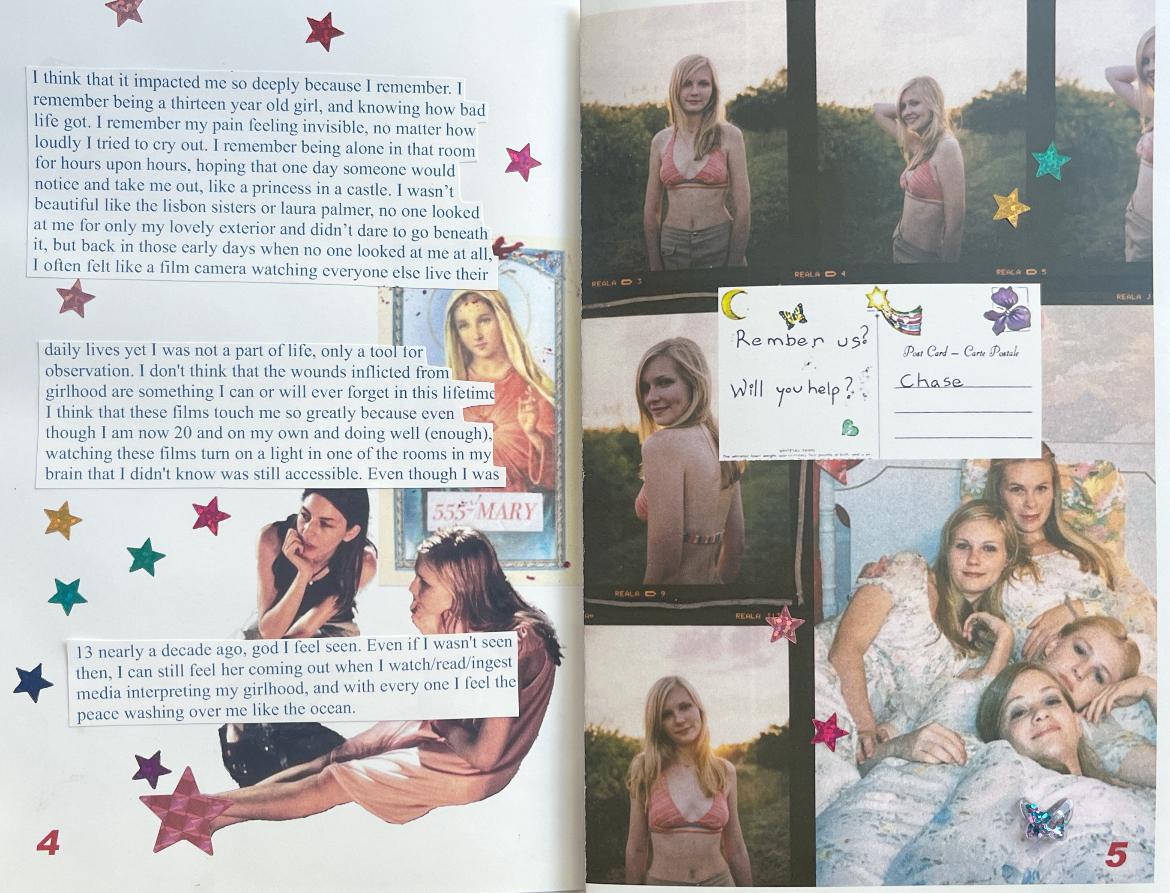
You celebrated the four year anniversary of weirdgrrl earlier this summer. What does this milestone mean to you?
Hitting four years of making weirdgrrrlzine means so much to me. Doing this for this long has shown me that I can actually commit to an artistic project for a long period of time which has always been something I didn’t think I could do. I started this zine when I was a senior in high school as a shout into the void, especially when I first began it and didn’t know who if anyone would read it. Now, I’m a senior in college still bubbling with desire to make something. Every zine I make is a love letter to my past self and the girl I used to be.
What’s the future of weirdgrrrlzine looking like?
I would love to make weirdgrrrlzine forever but I do kind of feel this itching that it has to end eventually. I recently made a bind up of issues 1-14 that totaled 221 pages, and it made me realize just how much time I’ve put into this thing. I think that making zines is this very therapeutic thing for me, and I can’t see myself ever letting that go. The future is bright but uncertain!
Jeststink
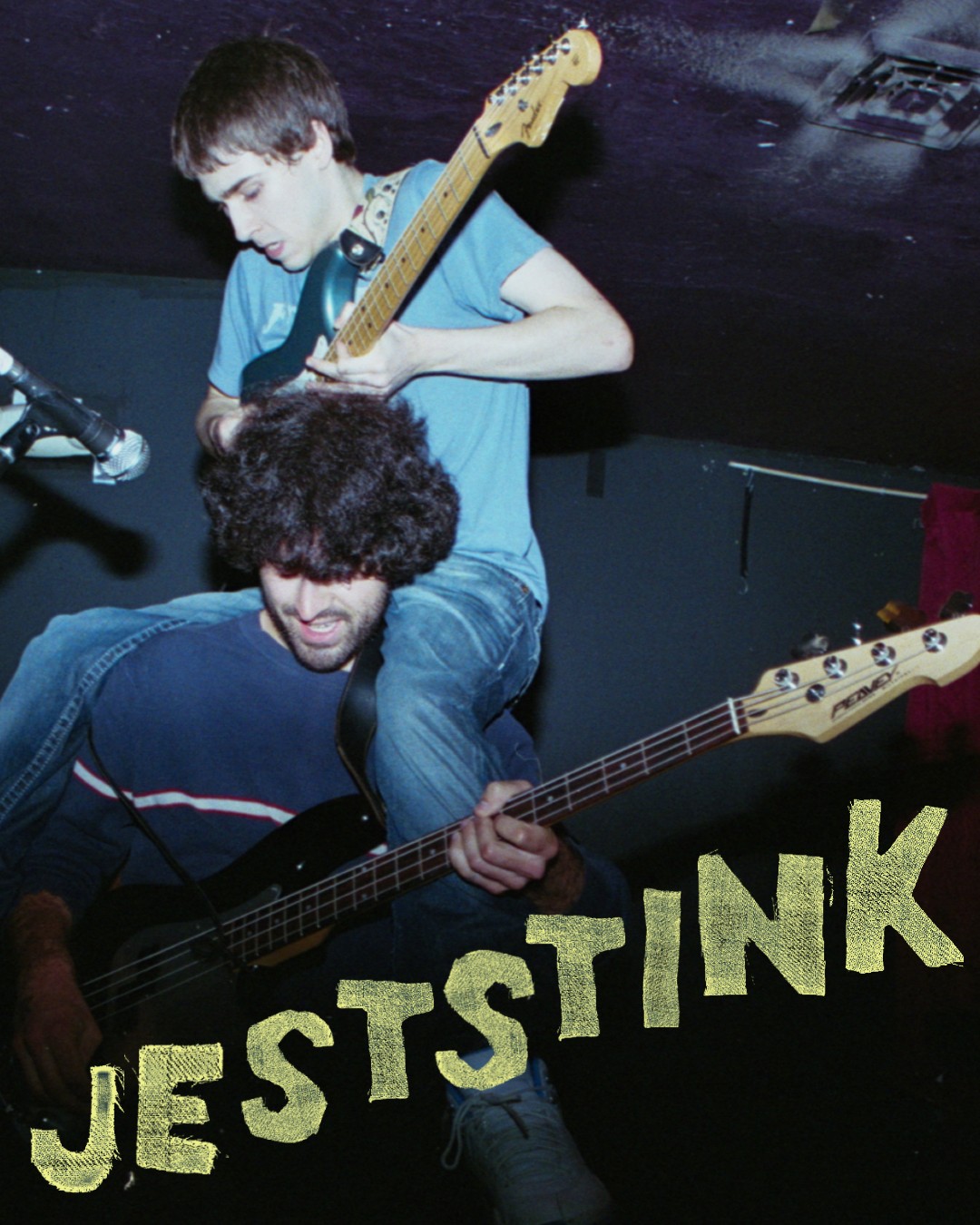
Jeststink is the brand-new project of photographer and creative Averi Love Little. Having recently moved to Chicago a year ago, Jeststink has become a curated diary of the sorts, as Averi spends time photographing their friends, sharing experiences and finding ways to blend the different parts of themselves into one cohesive collection. Jeststink will be selling their first ever issue at Ugly Trash this Sunday. Make sure to grab a copy soon!

Ugly Hug: You recently moved to Chicago, which you said allowed you to grow in your work with photography and community. What aspects of this city helped you grow in ways? Was there anything unexpected?
Averi: I feel like all of it was pretty unexpected. I didn’t know about anything that was going on in Chicago until I moved here and happened upon a really awesome music scene and a really great group of artists. I think seeing how much people are doing and how many things people are making just gave me the idea that I could do it too. It was all really slow and really simple, but looking back, I am really happy with what I’ve done and who I’ve met by living here.

Jeststink was made as an outlet for exploring your own creative interests and passion for photography. What sort of elements did you want to bring out on the page?
I definitely wanted it to be playful and lean into a sweet and intimate space. Presenting work can get so serious at times, and I wanted to stray away from that really hard. That’s when I started adding in all the other elements aside from my pictures, and I’m glad I did that because it made it a lot more fun for me to include music and silly drawings.

You just released your first issue of Jeststink, a huge milestone for you. What are you most proud of about this issue?
I’m mostly glad that my pictures are on paper and that I can give them to people. It’s really cool to be able to do, with so much of displayed photography being online – I really appreciate the simple approach of just making a book and being like, here you go, this is me, this is what I do, and you can hold it in your hands.

You incorporate a mix of concert photography and photos from your personal life in this issue. With you as the throughline for these different subjects, what do you hope people get out of your photos? How do they fit into what Jeststink has become?
To be very honest, I think that taking photos and processing them and crafting them into what I felt or what I saw is something I fell into and fell in love with outside of a subject in mind, and everything that comes out on the other side just is what it is – it’s me and it’s the things around me and it is very much filled with love on all sides. I think in my pictures and in making jeststink I hope that that love is visible.

You’ve explained Jeststink as “a little curated diary where all the things that make me feel like myself get to hang out together on a few sheets of paper.” What does it mean to share this personal project with others? Has it allowed you to make connections between the little bits that make up your world?
It really does feel like sharing a diary and a bit of my creative world and inspiration. It makes me really happy to see my stuff laid out alongside things that feel near and dear to me. I’m glad that I can have my work seen in a way that feels sweet and personal. It really does feel like sharing a diary and a bit of my creative world and inspiration because of that approach.
What’s next for Jeststink?
Haha, honestly, I don’t know – but definitely more.
Unresolved
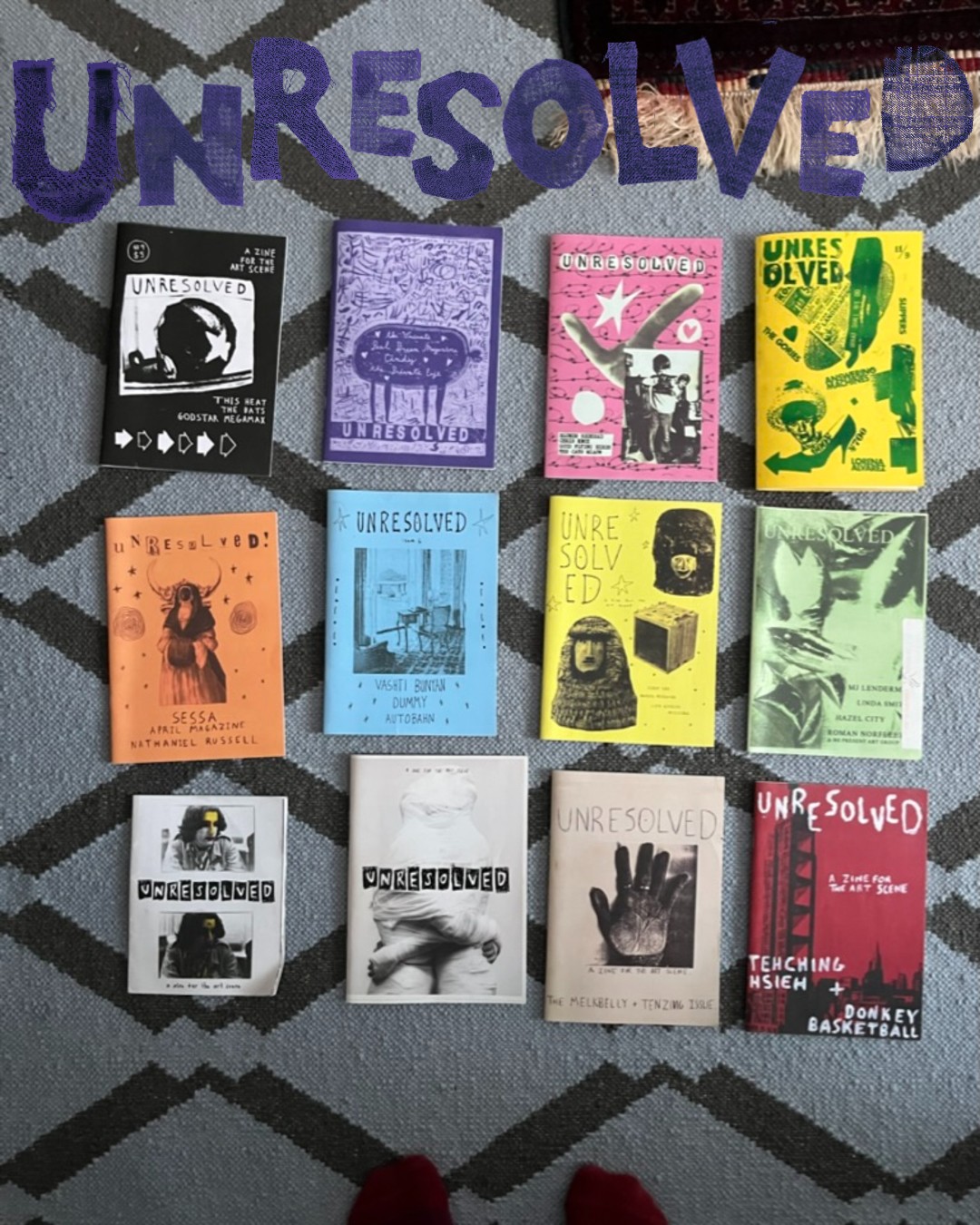
Unresolved is the ever-expansive project of artist, writer and photographer, Eli Schmitt, who began the project back in 2021. Blending different eras of independent music, Unresolved has become a universal experience and communal understanding of what it means to be DIY. Twelve issues in, Unresolved is a time capsule of art, ideas and stories that feel both excitedly new and inspirationally timeless.
Ugly Hug: You released the first issue of Unresolved in 2021. What made you want to start a zine? Was this initially a solo project?
Eli: I made the first issue in 3 days when I was home for the summer. Horsegirl was playing a show at schubas with Lifeguard and they had the idea to sell their friends zines at the merch table and they asked me to make a zine for the show. I had made an underground newspaper in high school but never a full zine. I had seen Hallogallo and just been blown away with the design and the freedom in every page, that second issue was such a guiding light for me to learn about independent music and culture. I was so excited about all the work I saw around me so I wanted a zine to highlight youth visual artists so i made Unresolved, i interviewed kai for that first issue and thats how we became friends.

Your initial goal for Unresolved was to make a historical document that was both DIY and professionally done. How have you worked with those goals as Unresolved became a substantial community zine? Did you have to adjust expectations the more you learned?
I feel like over time it’s gotten way less professional. A lot of my references going into the project were art books and these very clean beautiful bauhaus design, i was trying to make a middle ground with clean and handmade but then that got kind of boring and i wasn’t really that happy with how the issues were turning out. I realized that to make beautiful art books you sort of need art book budgets for nice paper and binding and space and i just dont have those resources, im trying to cram as much as possible into 20 pages. I saw this zine show at the brooklyn museum a couple years back and realized that i needed to study my zine history and learn the art of making things look fucked up cause it isnt as easy as it seems, its a beautiful school of design that getting glossed over cause it seems careless but its really anything but, its a very considered chaos.

As you began to open the door to other collaborators, what impact did that have on the mission of Unresolved and the way you approached making it? What sort of contributions were you looking to include? Any you weren’t expecting?
It’s been really great to see so many new fanzines pop up around the country. New York has a couple, My Little Underground by Shannon McMahon is so wonderful and so is Compilation Nation by Sydney Salk, Duped from North Carolina by Lilian Fan and Annie Vedder and Test Patterns from Louisville by Lizzie Cooper. It has created this ecosystem of design and work that I think we all feed off of. I remember finding all of their zines before I knew them and just being blown away, the styles are all so similar and to feel this independent magnetism to fanzines and design felt really special. We’re all friends now and continue to inspire each other in a really healthy and productive way.
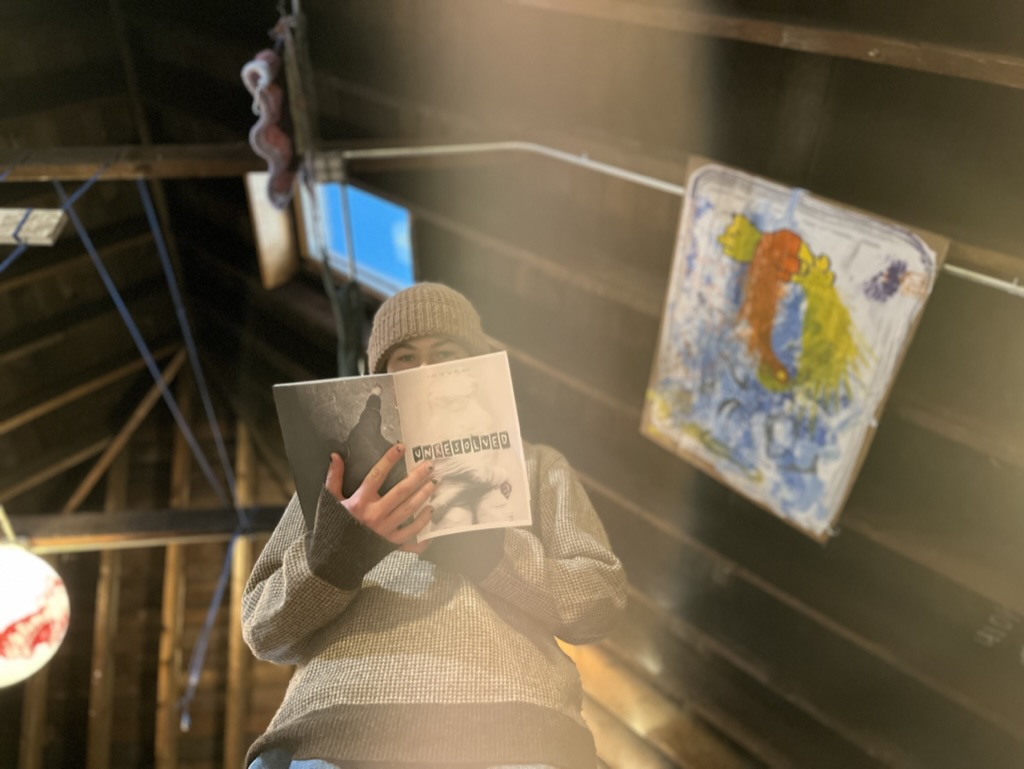
Each issue of Unresolved is such an indepth collective of art and creative input. Blending various genres, scenes and creative eras, what is your process of finding features, collecting artwork and piecing it all together? What do you look for?
I think that all we really have as artists is our tastes and curiosity, and we have to be true to those urges and follow them wherever they lead, not to second guess why we like something. I try to only interview people that I’m genuinely curious about, there are so many uninspired interviews out there where you can tell neither party really wanna be there and i can only hope that i can foster conversations that feel honest for the readers.

Your most recent issue was handmade on a risograph machine. What was that hands-on experience like for you?
It was amazing, before that i was sending my zine off to be printed by Mixam which had its advantages. Im terrible at cutting straight lines and being patient and they made everything perfect but making it all by hand it was so happy. I would get the zines back from mixam and be happy but always a bit disappointed like something was lost when someone else touched it and now its all me which feels very fulfilling, every mistake and smudge is real and comes from my heart.

Unresolved is known as the never ending zine of the art scene. What do you have planned for the future? Anything you’re excited about?
The ultimate goal is to make a full compendium of the zine with the best of each issue pressed into a full book, I love a lot of the work and conversations that ive had over the years but i think it would really powerful to have them redone in a cohesive style that can be held in your hands, im also making a special issue to go along with this compilation record im making, its called Red Xerox and documents the chicago youth music scene over the last five years and the zine will give the whole story of the scene or at least an unresolved version.
Glitzy
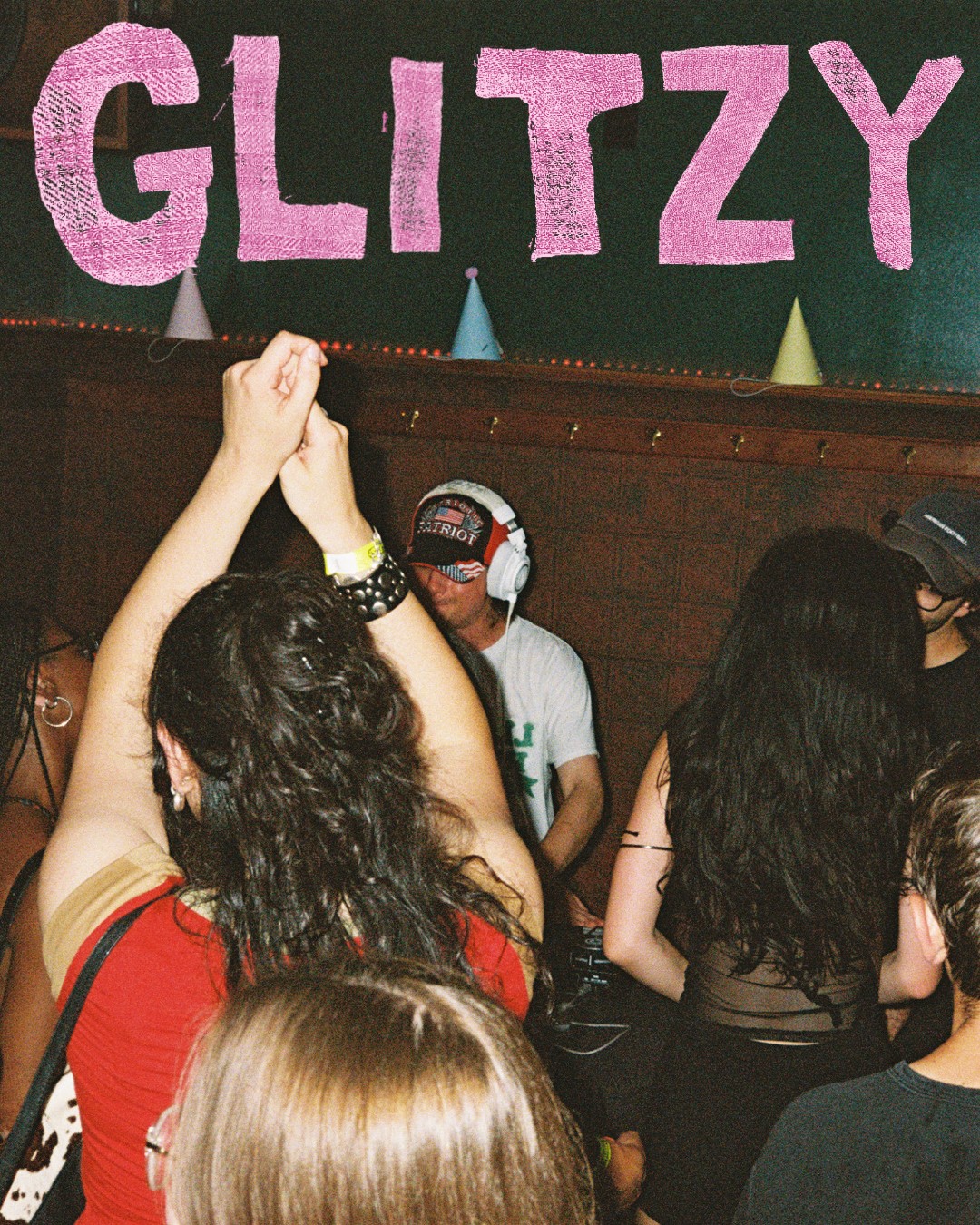
Glitzy is a conceptual and overly artistic approach to press and the coverage of the great Chicagoland music scene. Started by Mak Creden, Aly Westrin, Avalon Smith and Josie Stahler post grad navigation, Glitzy has become a space beyond the pages with live sessions, local events and community outreach. Glitzy recently celebrated the release of their second issue, opening up to contributions from many others, to create an engaging, thoughtful and artistic snapshot of Chicago DIY.

What made you want to start a zine? What were your initial intentions and how did you incorporate all four of your creative avenues into one project?
Glitzy was born at a time when the four of us were navigating post-grad life, unsure of our next moves, but finding ourselves craving creativity and community. We were certain we wanted to collaborate on a passion project together and landed on a music zine. It was a fusion of our interests (writing, design, photography, and filming) and a seemingly logical plan considering our shared backgrounds in college radio at WLUW. We’ve each had our own individual journeys in the Chicago music scene up until this point and decided we wanted to come together to tell the stories of the people and sounds driving it in a community-focused way.
You shared the first edition of Glitzy, Bloom, in the summer of 24, but you spent a lot of time building up to it by creating a community around engaging and extravagant ways of sharing music. What did you want to build up as you were approaching that first release? Did those ideas carry over to the physical edition?
We wanted to establish a corner of the community for ourselves and create a sense of excitement before diving into issue one. It was also honestly to give ourselves some time as we figured things out along the way.
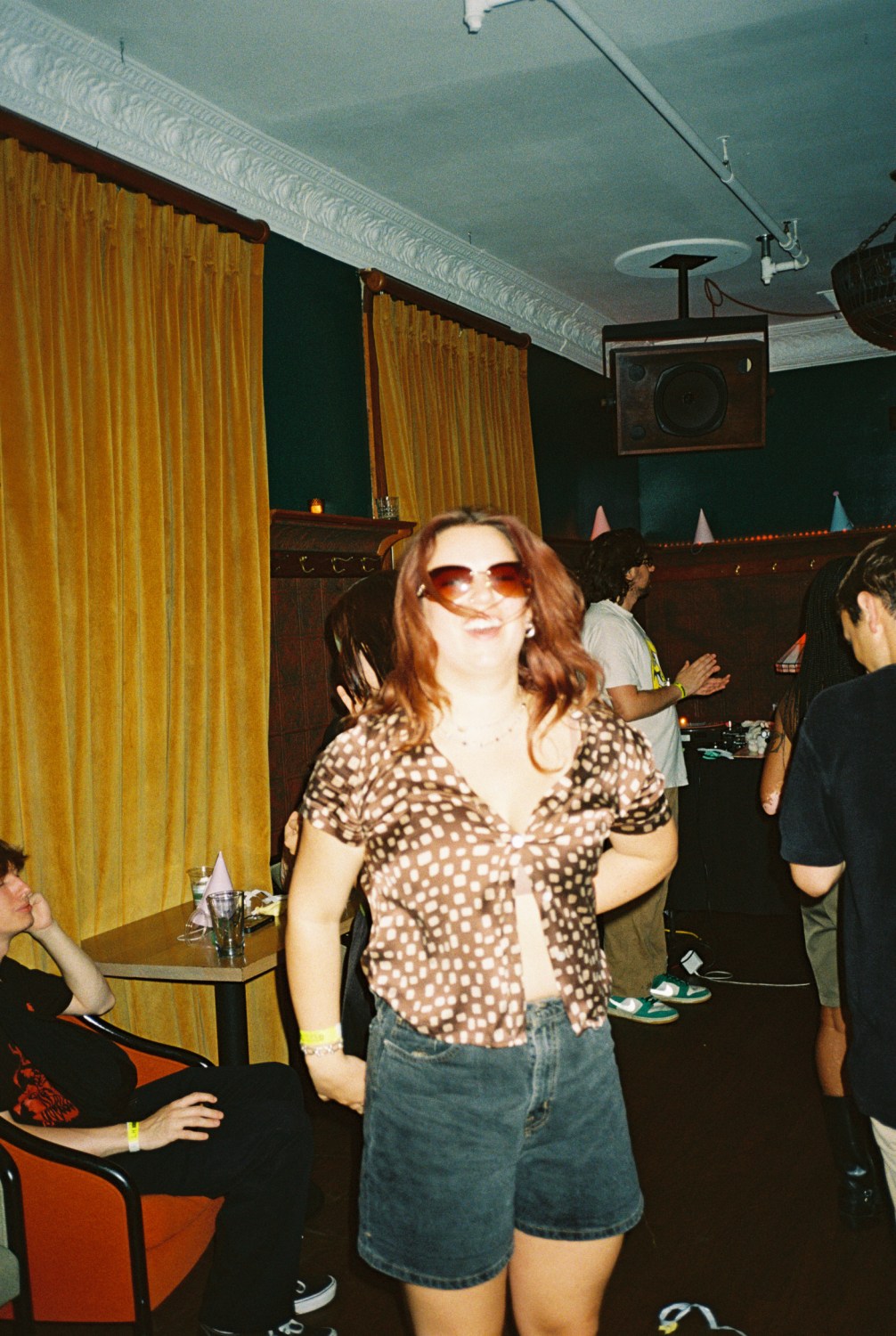
You held a live session with Molly Carrberry, as well as hosted release parties for the community. What does it mean to bring this project off the page and into the world? Is this something you wish to do more?
Absolutely. One of the central pillars of glitzy is community, and we’d love to create more spaces where our community can gather around music together in the future.
As for sessions, we have multiple former film students on our team and live session production experience from the radio days– we really just wanted an excuse to set up sessions again to highlight the amazing artists in Chicago!

You recently just published your second issue, where you brought in a lot of new contributors. What does this milestone mean to you and how does this open door collaboration with others fit into where you view Glitzy and community?
While the first issue proved that we could make something together, the second issue proved that other people wanted to make it with us. Glitzy was always intended to be collaborative and ever-evolving. Involving new voices gave us new perspectives we never would have been able to create on our own.

In such a saturated world, zines and other hands-on projects are seen as the catalyst to cultural movements, offering ways to oust systemic barriers to participate and share diverse voices. Where have you found Glitzy’s voice resonating? Have you learned any lessons in regards to running Glitzy?
Glitzy’s voice seems to resonate in spaces where people are craving something tactile and personal. In a world where everyone is becoming more disconnected and jaded by AI, we have heard that Glitzy feels authentic, like something made by real hands with real care.
One of the biggest lessons we’ve learned is that running a zine is equal parts thrills and logistics. You can’t underestimate how much time goes into the backend– scheduling interviews and handling delays, creating spreads, posting on socials, renovating the website… there’s a lot of organizational work and planning that goes into glitzy
What’s next for Glitzy?
We’ve been taking the time to reflect on our past two issues as we begin looking ahead. 2026 will hopefully bring another issue of glitzy into the world, more interactive events, and ideally, some joy.
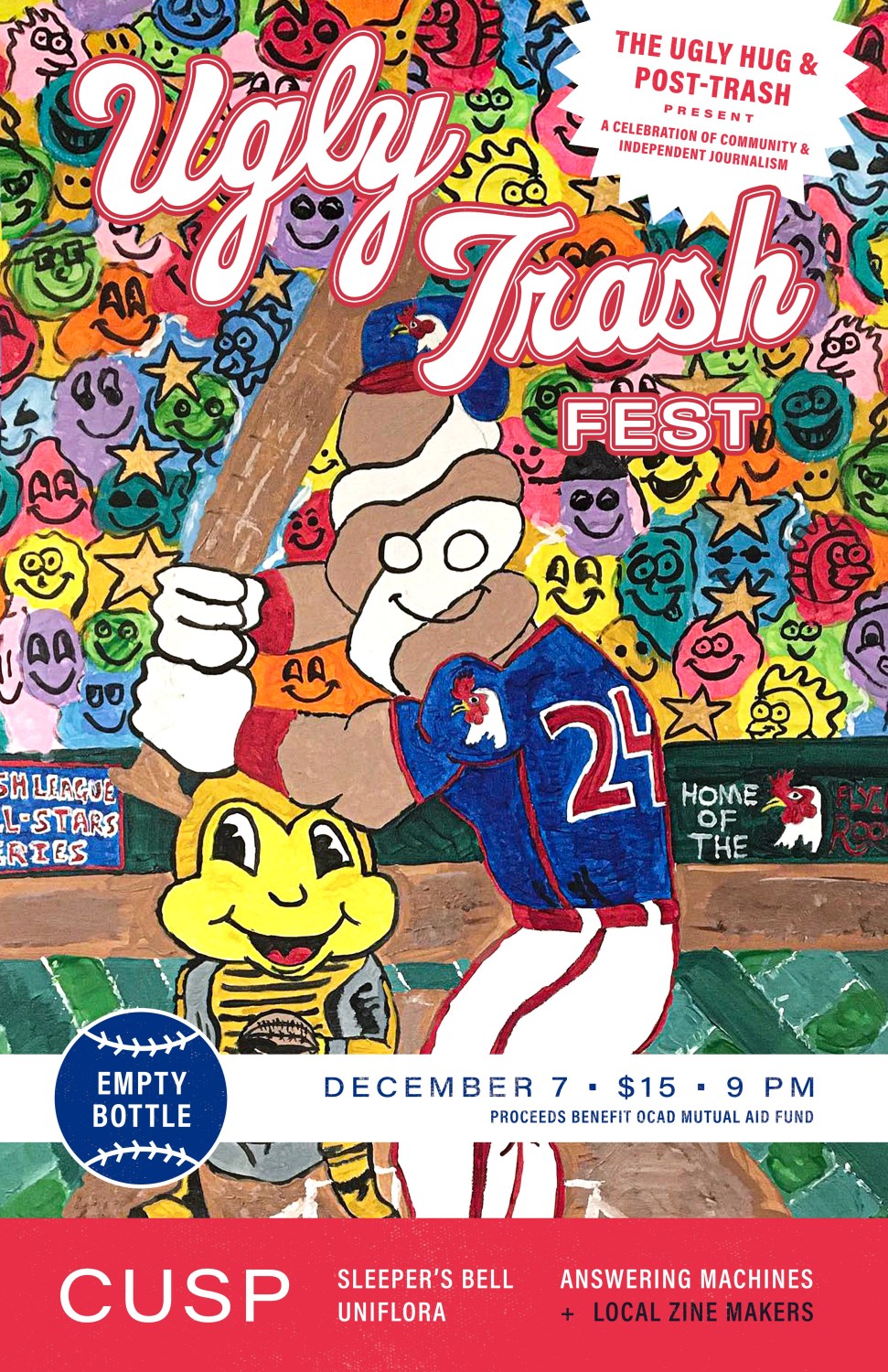
Grab your ticket to Ugly Trash Fest this Sunday at the Empty Bottle in Chicago, where you can find all of these creators selling copies of their zines and info on how to get more involved in the world of zine making and the greater art community.
 the ugly hug